



High-Integrity Titanium Heat Exchanger Tubing
Seamless and welded titanium tubes engineered to meet stringent ASTM B338 / ASME SB338 standards for chemical processing, power generation, offshore desalination, and nuclear condensers.

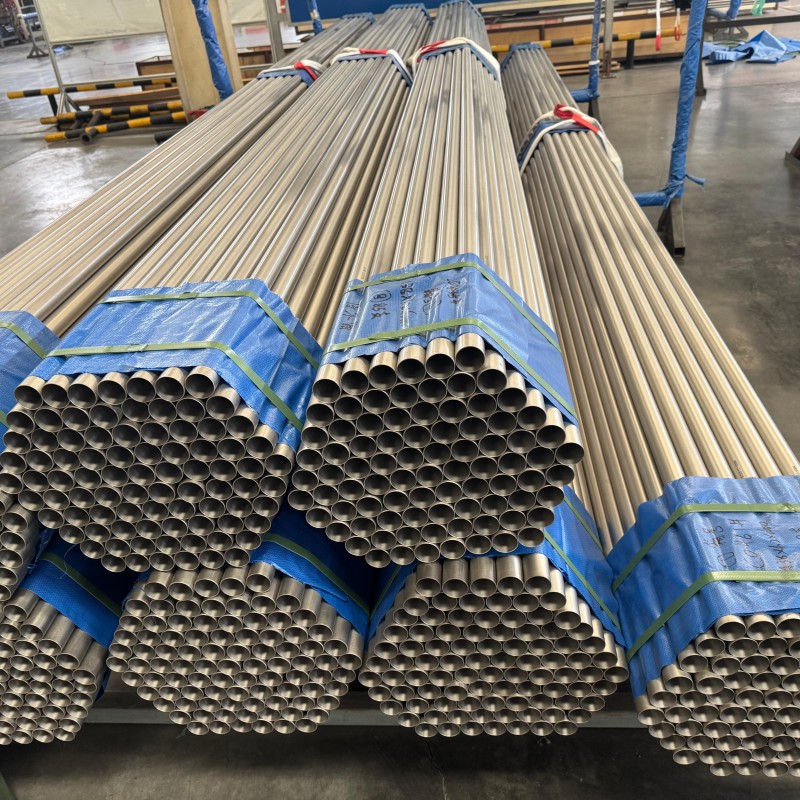
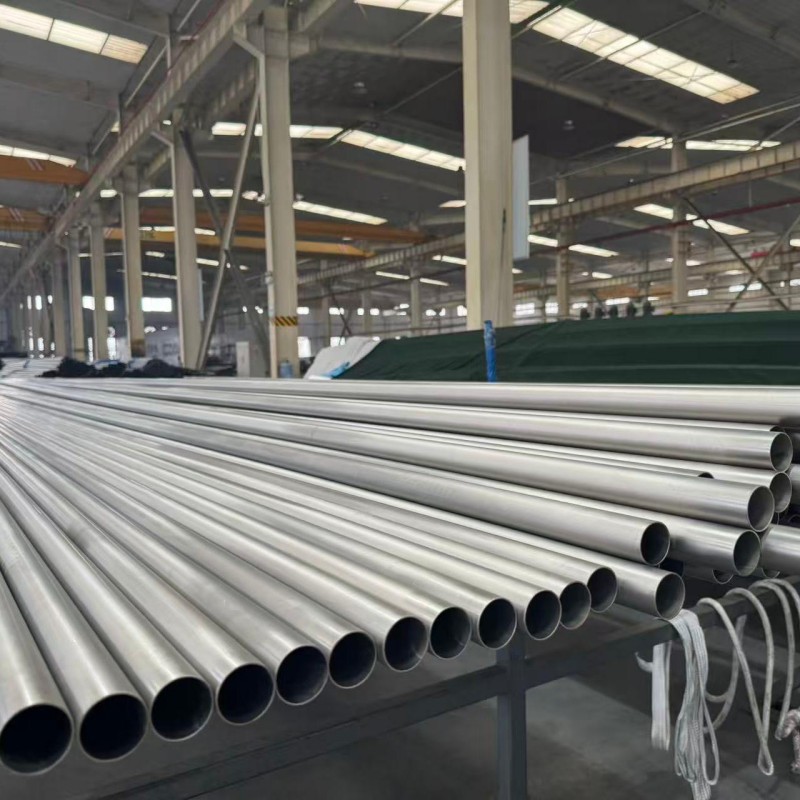
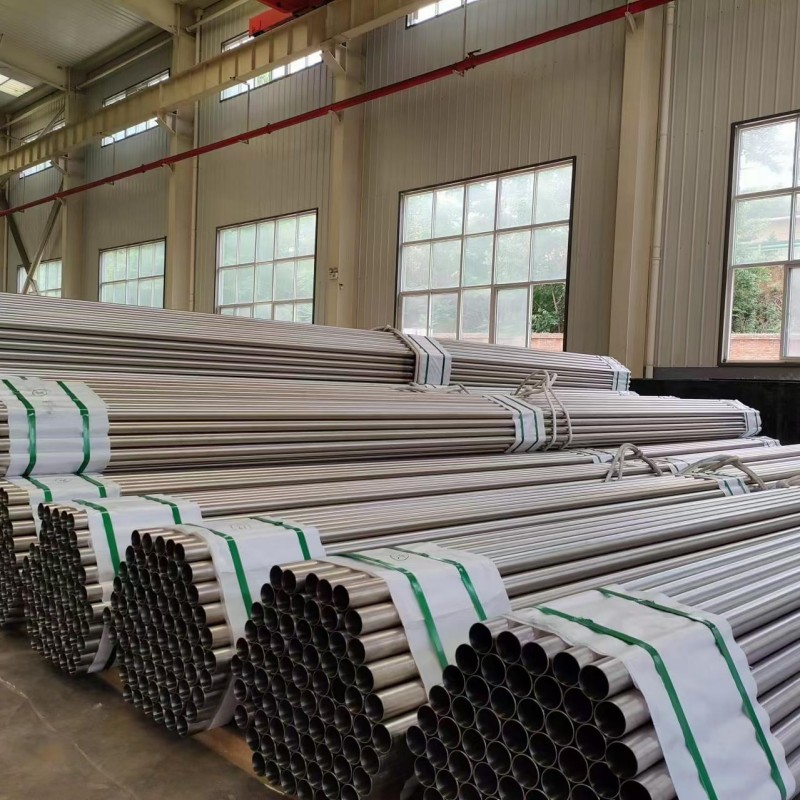
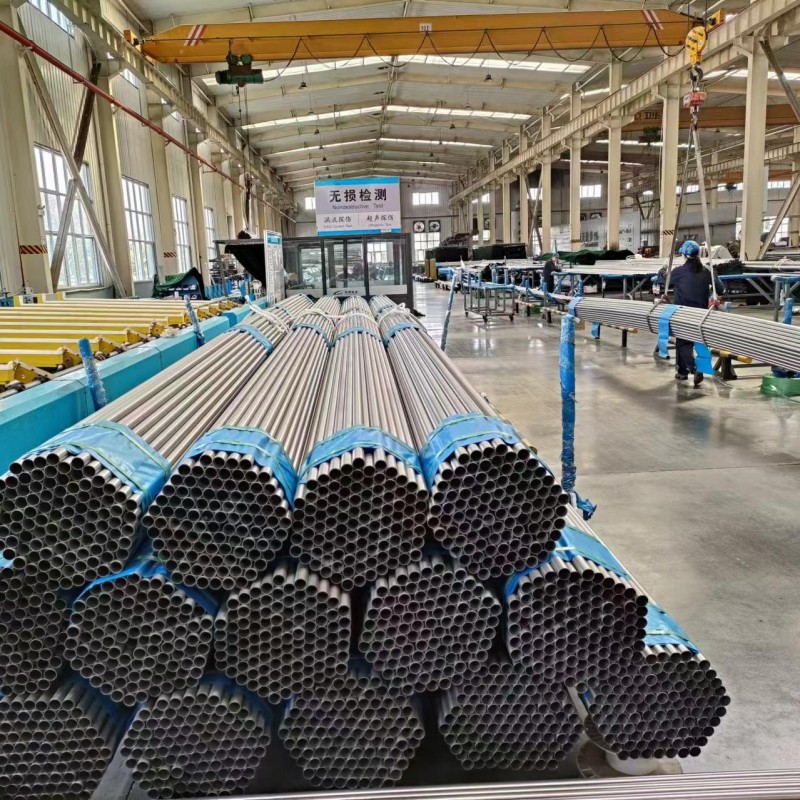
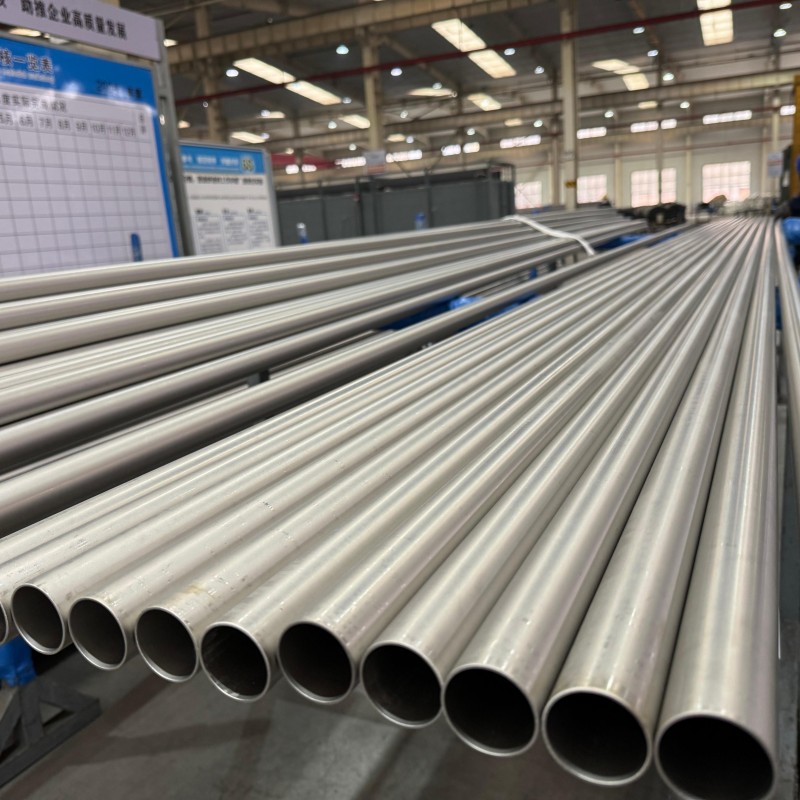
ASTM B338 / ASME SB338 Certified Titanium Tubes
Manufactured by high-vacuum melting raw material, precision piercing, cold rolling, and high-vacuum annealing, our titanium tubes offer an exceptionally inert passive TiO₂ film, unmatched resistance to chloride pitting, superior strength-to-weight ratio, and non-magnetic operation across demanding thermal loops.
Question 1: What Are the Key Differences Between Grade 1, Grade 2, and Grade 7?
Selecting the optimal titanium grade requires understanding how interstitial elements (oxygen, nitrogen, carbon, iron) and palladium micro-alloying alter mechanical yield, ductility, and electrochemical polarization.
ASTM B338 Grade 1 (UNS R50250)
The High-Ductility Solution: Grade 1 is the purest commercially unalloyed titanium (CP-4) with the lowest oxygen (≤0.18%) and iron (≤0.20%) content. This results in superior elongation (>24%) and the lowest yield strength among all industrial titanium grades.
Key Takeaway: Best suited for deep drawing, intricate plate corrugation, and low-pressure shell-and-tube setups where severe expansion or tight U-bending is needed without cracking risks.
ASTM B338 Grade 2 (UNS R50400)
The Industrial Standard Workhorse: Accounting for over 80% of all titanium heat exchanger tubing globally, Grade 2 achieves the optimal balance of moderate strength, excellent rollability into tubesheets, and robust weldability.
Key Takeaway: The default choice for seawater cooling, power plant steam condensers, crude oil processing, and nitric acid heaters where aggressive reducing crevice conditions are absent.
ASTM B338 Grade 7 (UNS R52400)
The Ultimate Crevice-Resistant Alloy: Grade 7 contains 0.12% to 0.25% palladium (Pd). Palladium acts as a cathodic depolarizer, radically shifting the corrosion potential electrochemically into the stable passive region under hot reducing acids.
Key Takeaway: Indispensable when operating in low-pH halide environments (boiling chlorides, dilute HCl/H₂SO₄) where unalloyed Grade 2 suffers catastrophic crevice attack under deposits or gasket interfaces.
Direct Chemical & Engineering Comparison
| ASTM Grade | UNS No. | Composition (% Max / Nominal) | Tensile Strength Min (MPa) | Yield Strength Min (MPa) | Thermal Cond. (W/m·K) | Crevice Corrosion Temp Threshold in Saturated NaCl |
|---|---|---|---|---|---|---|
| Grade 1 | R50250 | Fe: 0.20 | O: 0.18 | C: 0.08 | N: 0.03 | H: 0.015 | 240 | 138 | 21.6 | Approx. 75°C (167°F) |
| Grade 2 | R50400 | Fe: 0.30 | O: 0.25 | C: 0.08 | N: 0.03 | H: 0.015 | 345 | 275 | 21.7 | Approx. 75°C – 80°C (176°F) |
| Grade 7 | R52400 | Fe: 0.30 | O: 0.25 | Pd: 0.12–0.25 | H: 0.015 | 345 | 275 | 21.7 | Exceeds 250°C (482°F) across entire pH range |
| Grade 12 | R53400 | Mo: 0.2–0.4 | Ni: 0.6–0.9 | Fe: 0.30 | O: 0.25 | 483 | 345 | 19.8 | Up to 175°C (347°F) — Economical alternative to Gr.7 |
| Grade 9 | R56320 | Al: 2.5–3.5 | V: 2.0–3.0 | Fe: 0.25 | O: 0.15 | 620 | 483 | 17.0 | Moderate; Chosen primarily for extreme hydraulic pressure |
Question 2: How Do Operating Conditions Affect Grade Selection?
Heat exchangers are vulnerable to complex thermodynamic and chemical interactions. Understanding temperature envelopes, chloride concentrations, flow mechanics, and galvanic risks ensures fail-safe operation.
1. Temperature Thresholds & Chloride Crevice Attack
In aerated neutral seawaters, Grade 2 titanium tube demonstrates near-immunity to pitting and general corrosion up to boiling temperatures. However, when operating temperatures exceed 75°C to 80°C (167°F - 176°F), tight unventilated crevices (such as tube-to-tubesheet joints, baffle plate contact areas, or beneath mineral scale deposits) can develop localized deoxygenation.
This triggers hydrolysis of metal chlorides, driving local pH down below 2.0. If your process fluid runs in boiling brine or hypersaline conditions above 80°C, Grade 7 titanium tube (or cost-effective Grade 12) is mandatory to eliminate catastrophic crevice propagation.
2. Media Oxidation State (Oxidizing vs. Reducing)
Titanium’s protective film consists of amphoteric Titanium Dioxide ($TiO_2$). In strong oxidizing environments (e.g., concentrated nitric acid, wet chlorine gas, chromic acid, or chlorine dioxide bleaches), Grade 1 and Grade 2 spontaneously repassivate even if scratched, exhibiting corrosion rates below 0.005 mm/year.
Conversely, in non-oxidizing or reducing acids (hydrochloric, sulfuric, phosphoric, or oxalic acids), the passive oxide dissolves. Grade 7, with its catalytic palladium micro-crystallites, creates mixed-potential galvanic micro-cells that shift the corrosion potential in the noble direction, maintaining passivity in severe acid concentrations.
3. Flow Velocity, Silt Abrasion & FIV
Unlike copper-nickel (Cu-Ni 90/10 or 70/30) alloys which suffer severe impingement attack above 2.0 – 2.5 m/s, ASTM B338 titanium tubes withstand flow velocities exceeding 20 m/s (65 ft/s) in seawater containing suspended particulates without protective film stripping.
This allows process engineers to significantly boost fluid velocity to increase the heat transfer coefficient ($U$-value) and downsize exchanger shells. However, higher velocities increase flow-induced vibration (FIV). Grade 2 or Grade 9 tubes with calculated wall thicknesses (BWG 18 / 1.24 mm or BWG 20 / 0.89 mm) prevent acoustic resonance and mid-span fatigue against baffle cut edges.
4. Dissimilar Metals & Hydrogen Embrittlement Risk
When titanium tubing is rolled into tubesheets composed of less noble metals (e.g., carbon steel, naval brass, or 316 stainless steel), an intense galvanic couple is formed. The less noble tubesheet will corrode sacrificially unless cathodically protected or clad with titanium (e.g., titanium-clad copper or steel plates).
However, excessive cathodic overprotection (potentials more negative than -0.75V vs SCE) at temperatures exceeding 80°C generates nascent atomic hydrogen. Hydrogen diffuses into the alpha crystal lattice, precipitating brittle titanium hydrides ($TiH_2$). Selecting Grade 12 or Grade 7, combined with strict cathodic potential regulation, mitigates hydriding failure.
Question 3: What Specifications Should Buyers Confirm Before Ordering?
Procuring ASTM B338 titanium tubes for international pressure equipment requires exact alignment on manufacturing routes, non-destructive testing (NDT), dimensional tolerances, and mill test traceability.
Manufacturing Method: SMLS vs. WLD
Specify whether your exchanger requires Seamless (SMLS) or Welded (WLD) tubing. Seamless tubes (produced via extrusion and cold pilgering) offer uniform radial grain boundaries with zero weld-heat-affected zone. Welded tubes (cold-formed strip joined by automated TIG/plasma followed by full-body recrystallization annealing) deliver superior wall uniformity at lower cost.
Exact Dimensional Callouts
Clarify: 1) Outer Diameter (OD) tolerance per ASTM B338 Table 3 (e.g., ±0.10 mm for OD ≤25.4 mm); 2) Nominal vs. Minimum Wall Thickness (specify Minimum WT if calculating pressure vessel limits per ASME Code); 3) Exact straight length or U-bend bend radius specifications including thinning ratio calculations.
Mandatory NDT & Destructive Tests
Ensure purchase orders mandate 100% Eddy Current Testing (ASTM E426) or Ultrasonic Examination (ASTM E213). In addition, demand mechanical proof: Flaring test (minimum 60° angle expansion without rupture), Flattening test under continuous loading, and Pneumatic air-underwater testing at 150 psi (1.0 MPa).
Certifications & Traceability
Demand an authentic EN 10204 Type 3.1 Material Test Report (MTR) or Type 3.2 inspection (TUV, DNV, Lloyd's). The MTR must confirm chemical heat analysis, mechanical tensile values, annealing chart records, PMI verification, and dual-certification compliance (e.g., ASTM B338 / ASME SB338).
ASTM B338 / ASME SB338 Tensile & Hardness Requirements
Official tensile properties, yield offsets, and elongation limits for design calculations under ASME Boiler and Pressure Vessel Code Section II Part D.
| Grade | Tensile Strength, Min | Yield Strength (0.2% Offset) | Elongation in 2 in. (50 mm) Min. % | Typical Annealed Hardness (Rockwell) | ||||
|---|---|---|---|---|---|---|---|---|
| Ksi | MPa | Min Ksi | Min MPa | Max Ksi | Max MPa | |||
| Grade 1 | 35 | 240 | 20 | 138 | 45 | 310 | 24 | HRB 70 - 75 |
| Grade 2 | 50 | 345 | 40 | 275 | 65 | 450 | 20 | HRB 80 - 85 |
| Grade 3 | 65 | 450 | 55 | 380 | 80 | 550 | 18 | HRB 85 - 90 |
| Grade 5 (Ti-6Al-4V) | 130 | 895 | 120 | 828 | -- | -- | 10 | HRC 30 - 36 |
| Grade 7 | 50 | 345 | 40 | 275 | 65 | 450 | 20 | HRB 80 - 85 |
| Grade 9A (Annealed) | 90 | 620 | 70 | 483 | -- | -- | 15 | HRC 22 - 28 |
| Grade 9B (Cold-Worked & Stress Relieved) | 125 | 860 | 105 | 725 | -- | -- | 10 | HRC 28 - 34 |
| Grade 11 (Gr.1 + Pd) | 35 | 240 | 20 | 138 | 45 | 310 | 24 | HRB 70 - 75 |
| Grade 12 (Ti-0.3Mo-0.8Ni) | 70 | 483 | 50 | 345 | -- | -- | 18 | HRB 88 - 93 |
| Grade 16 (Gr.2 + 0.05% Pd) | 50 | 345 | 40 | 275 | 65 | 450 | 20 | HRB 80 - 85 |
| Grade 17 (Gr.1 + 0.05% Pd) | 35 | 240 | 20 | 138 | 45 | 310 | 24 | HRB 70 - 75 |
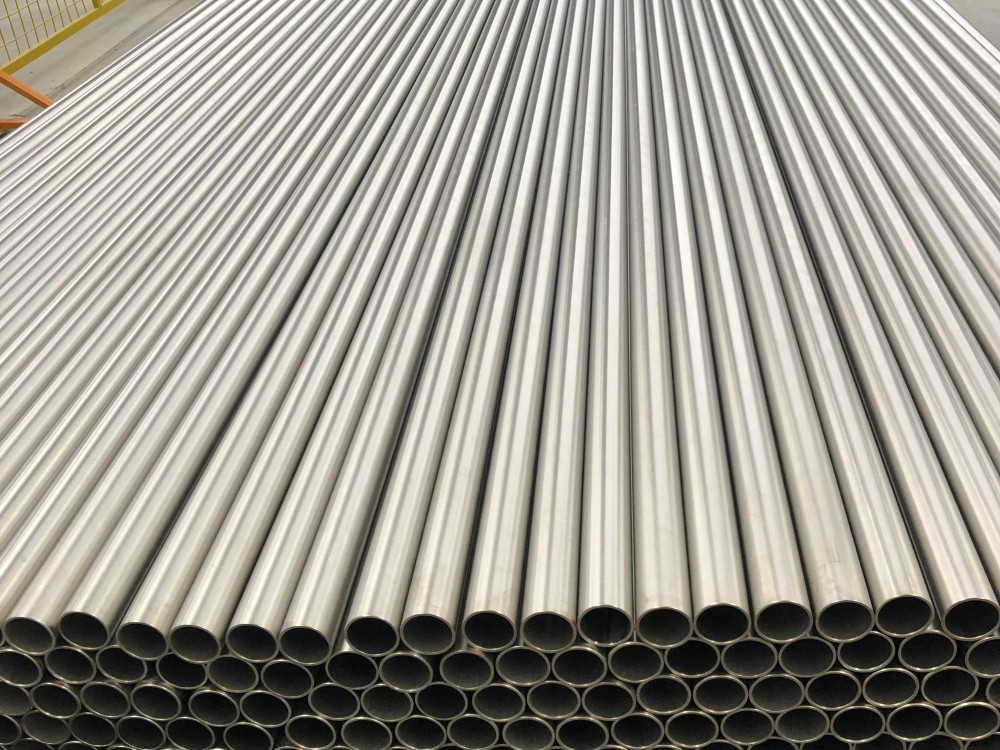
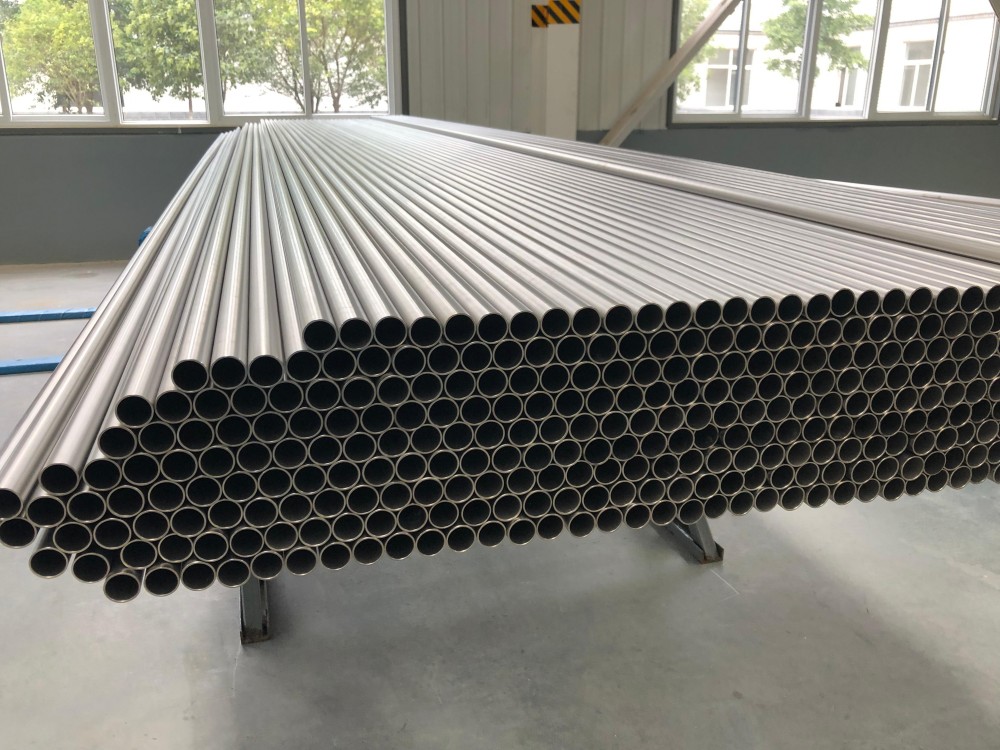
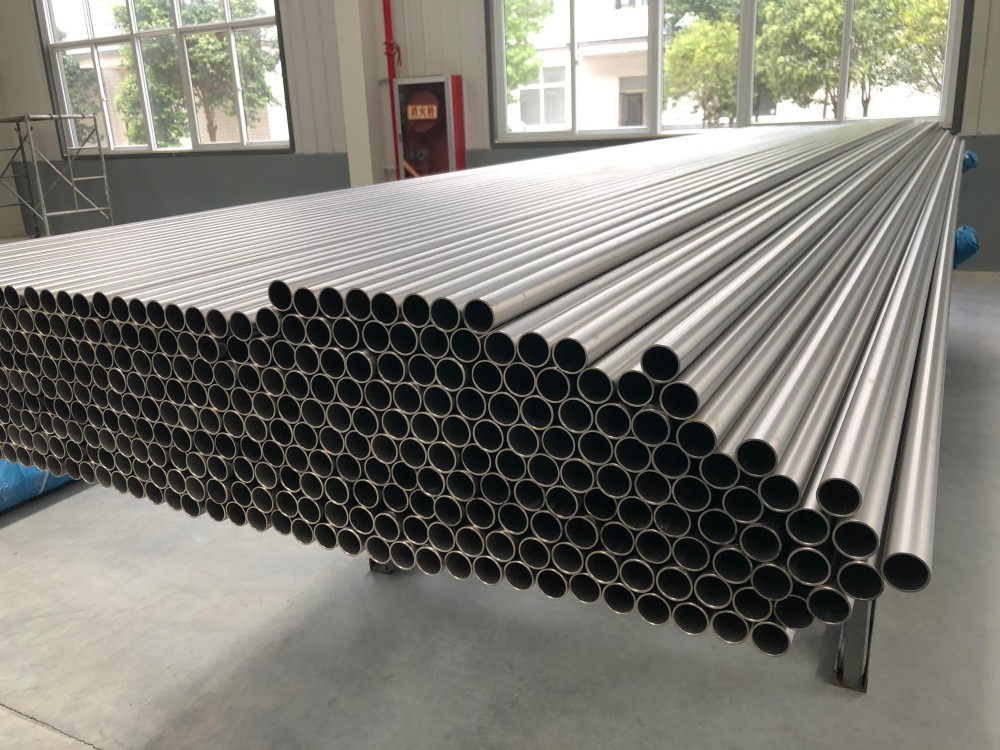
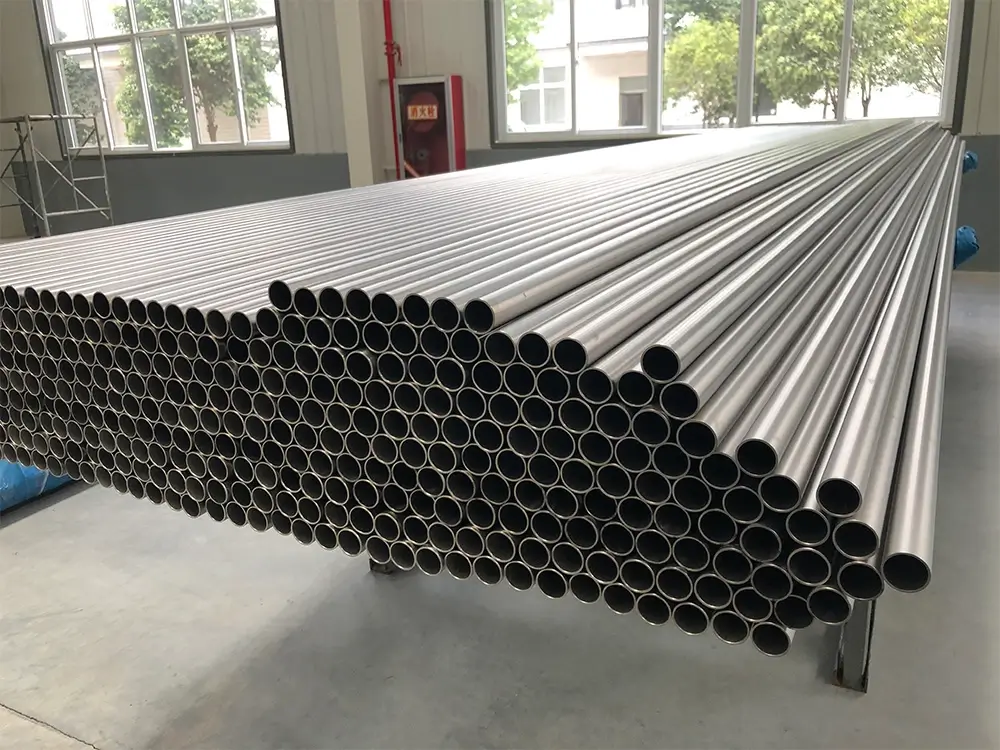
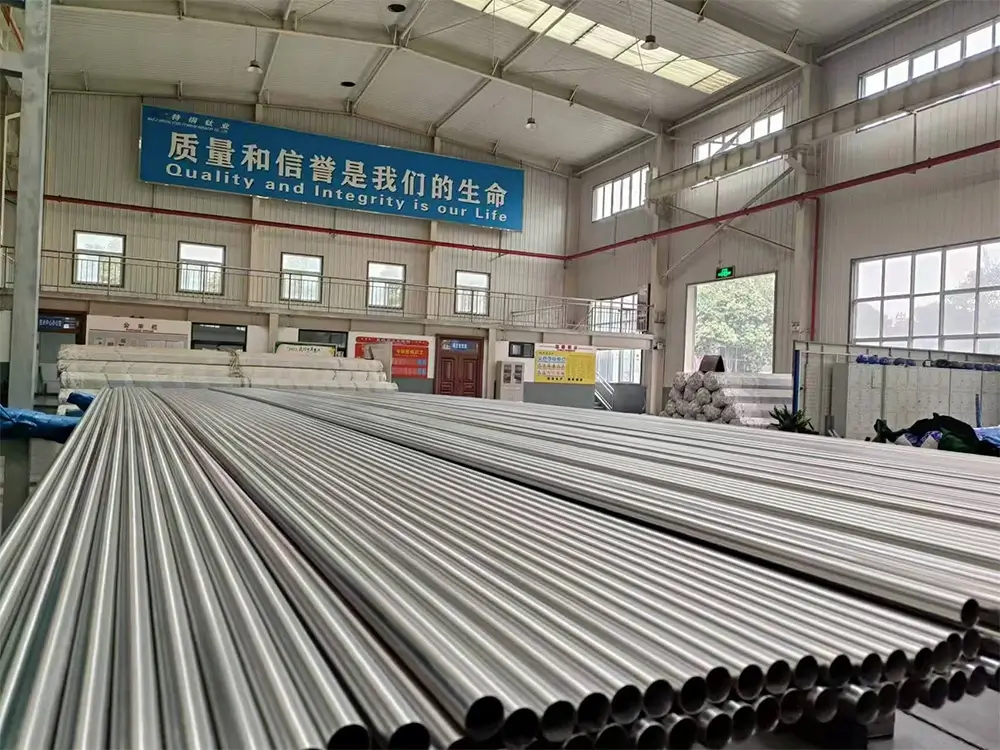
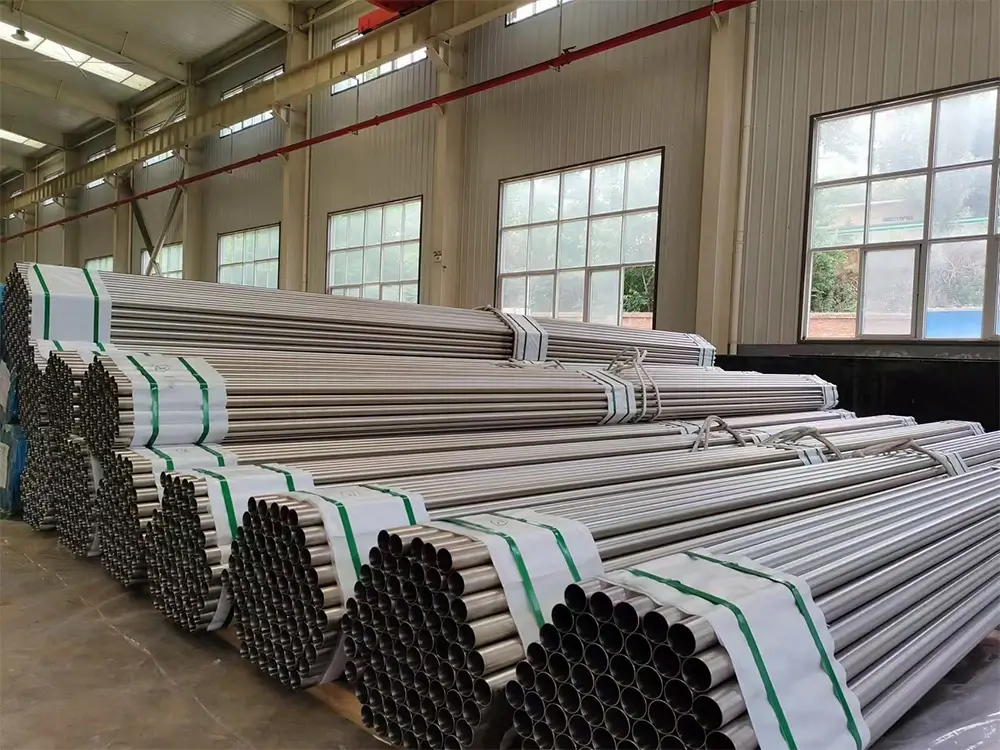
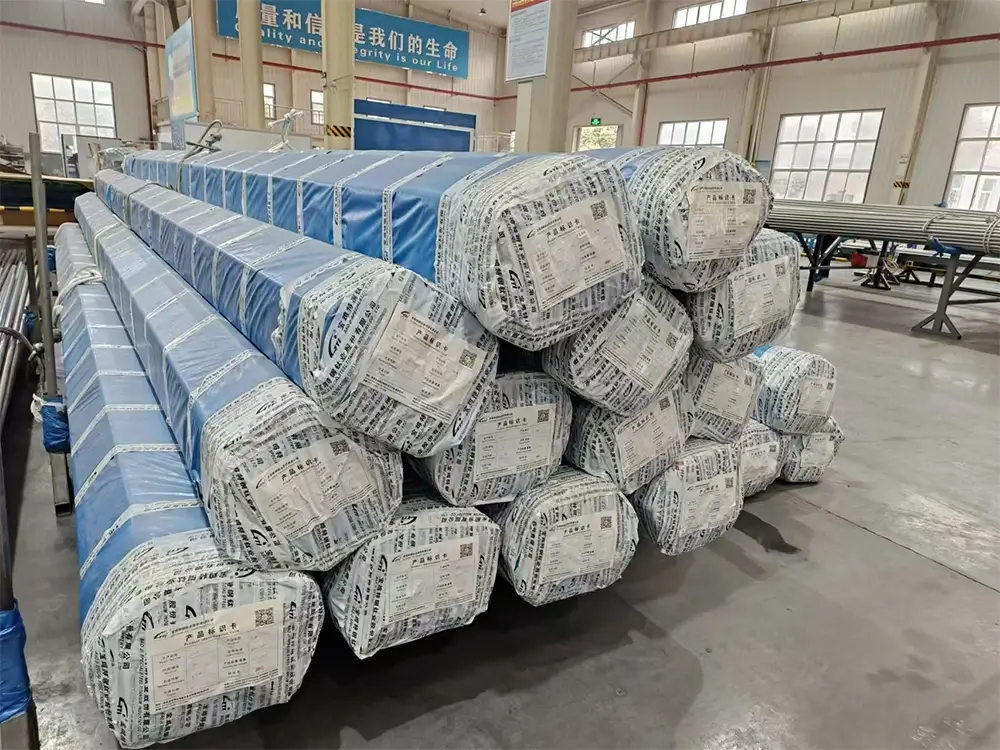
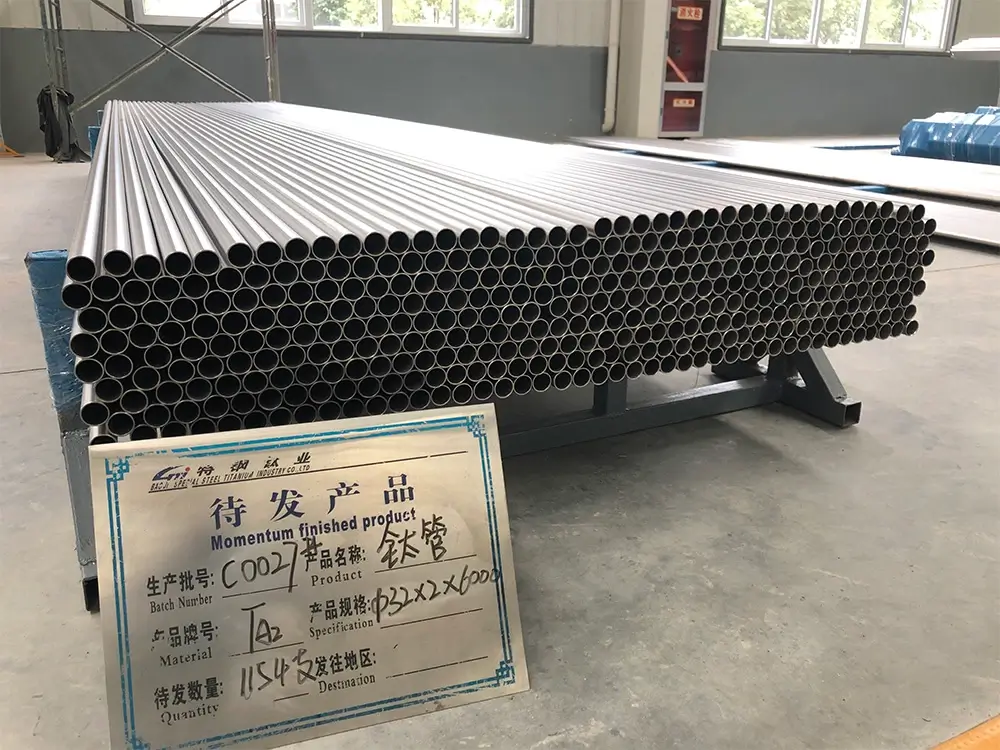
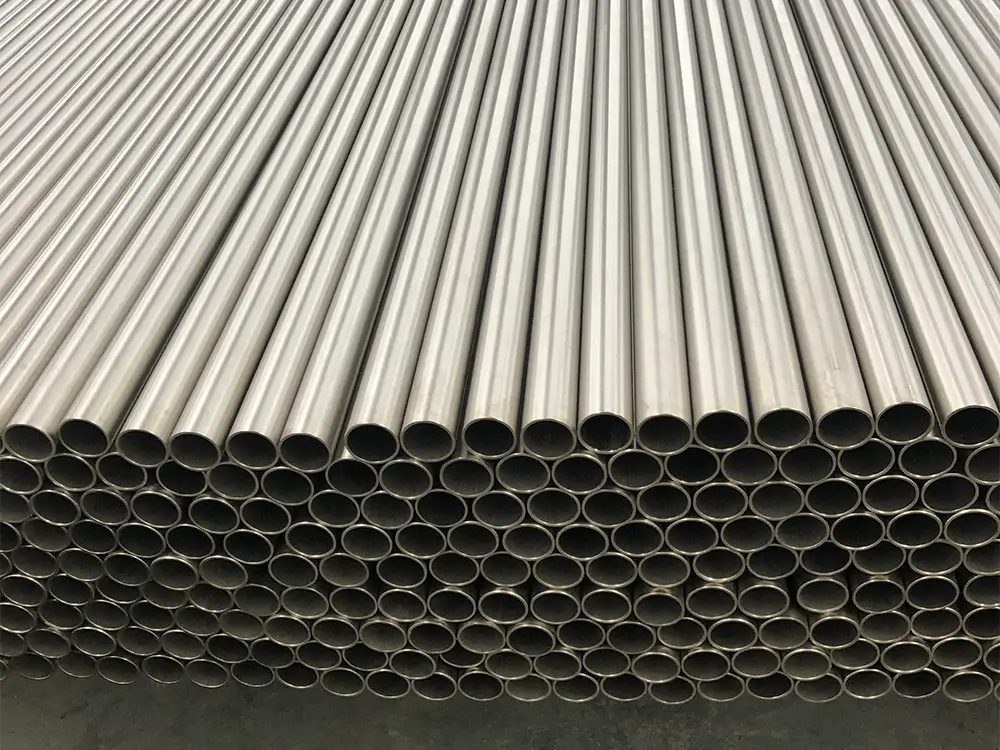
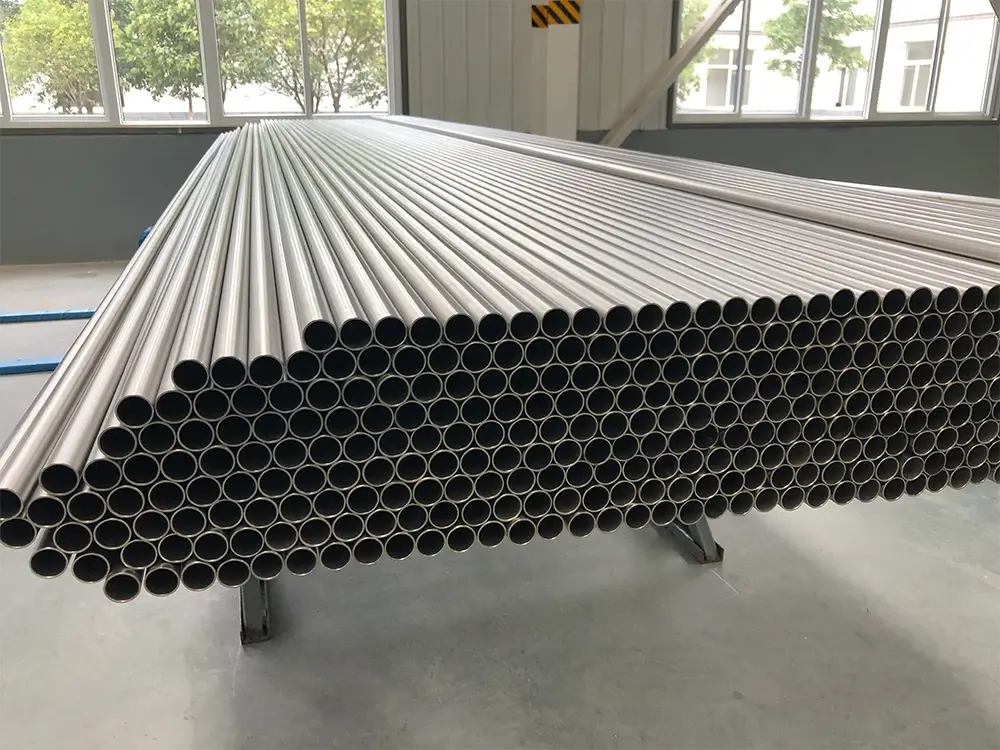
Titanium Tube & Pipe Product Display
Precision cold-rolled seamless and welded tubes exhibiting microscopic dimensional consistency, ultra-smooth inner surfaces, and defect-free OD tolerances.
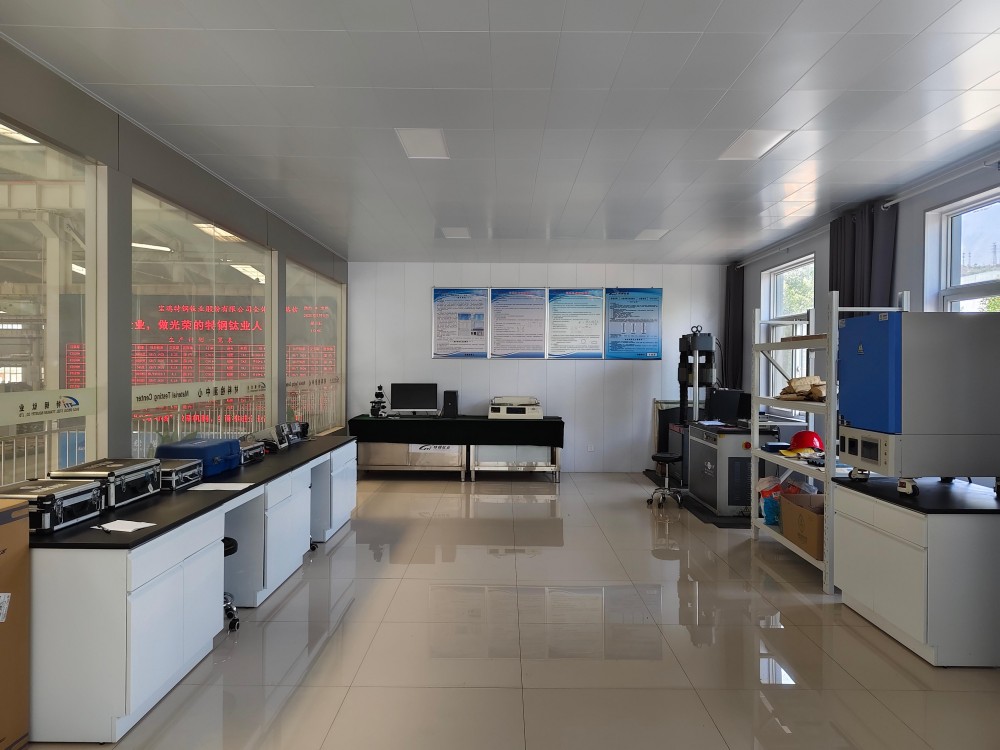
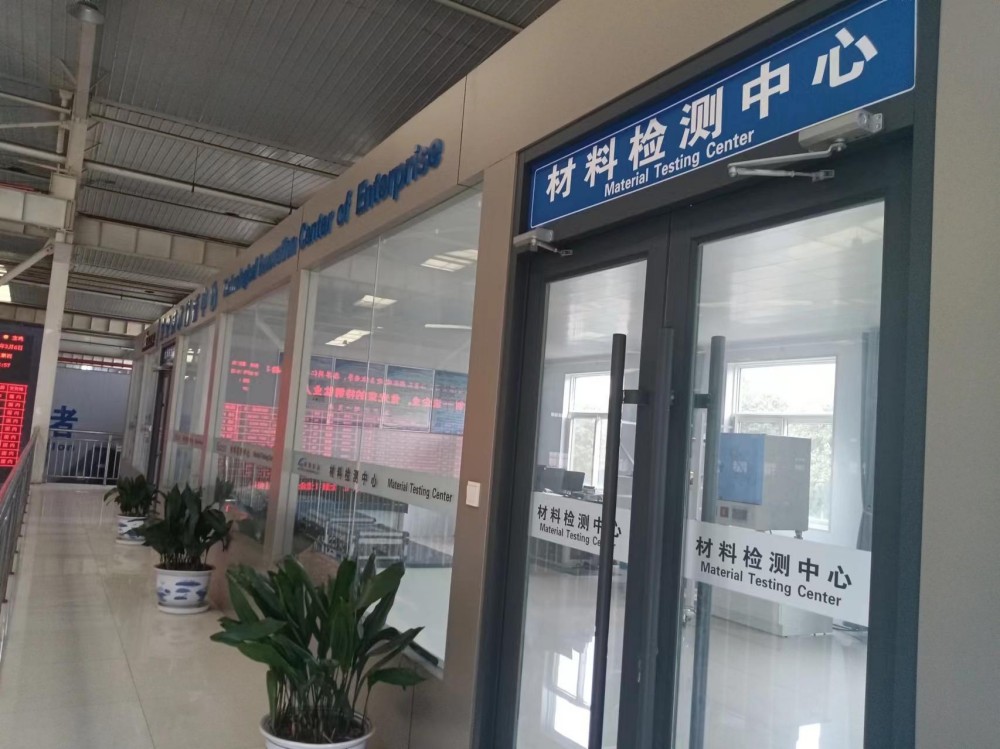
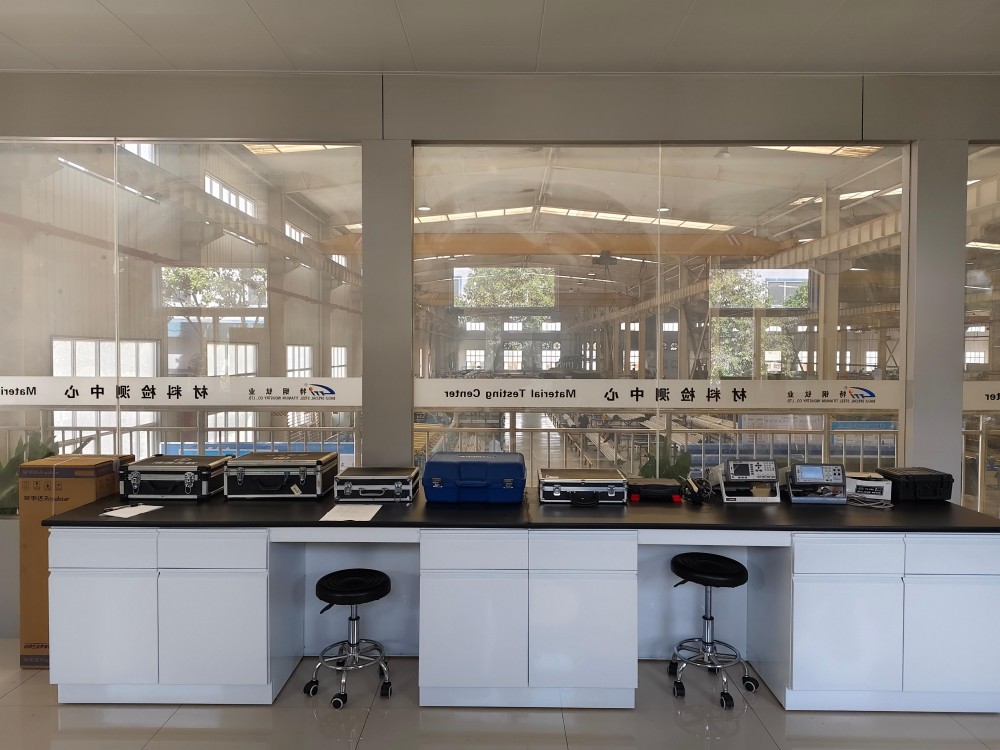
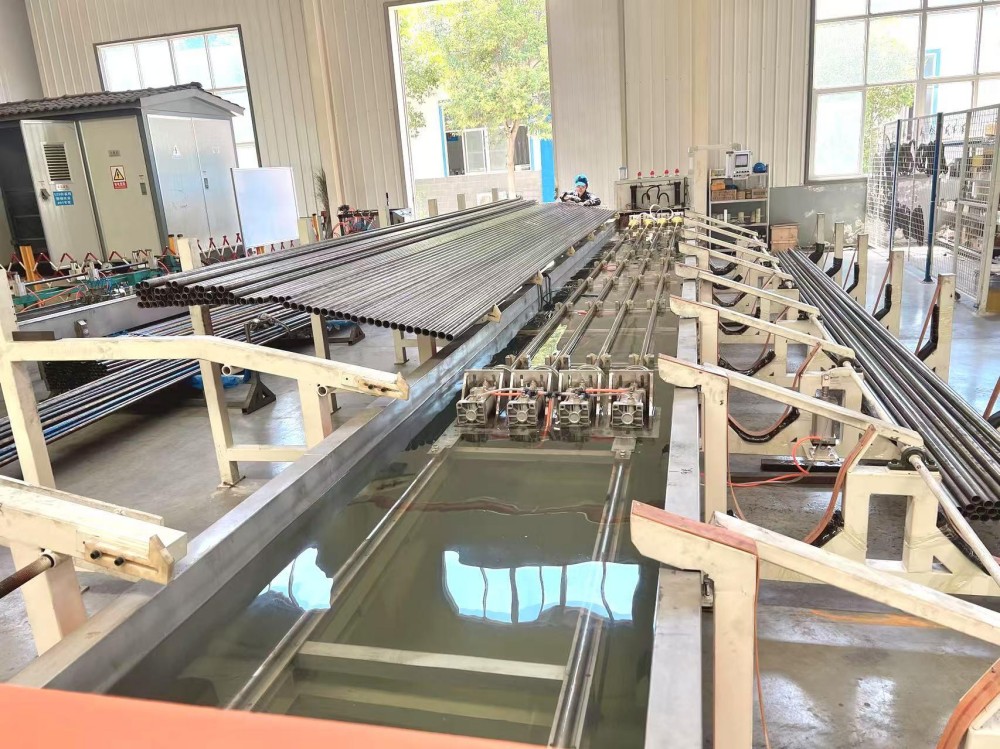
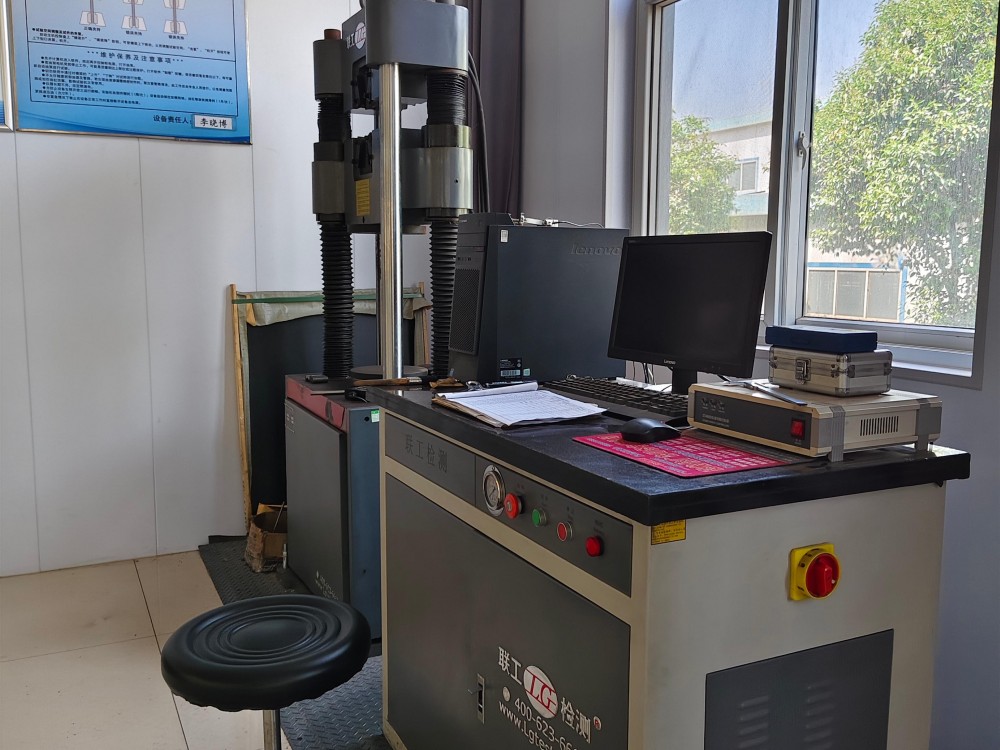
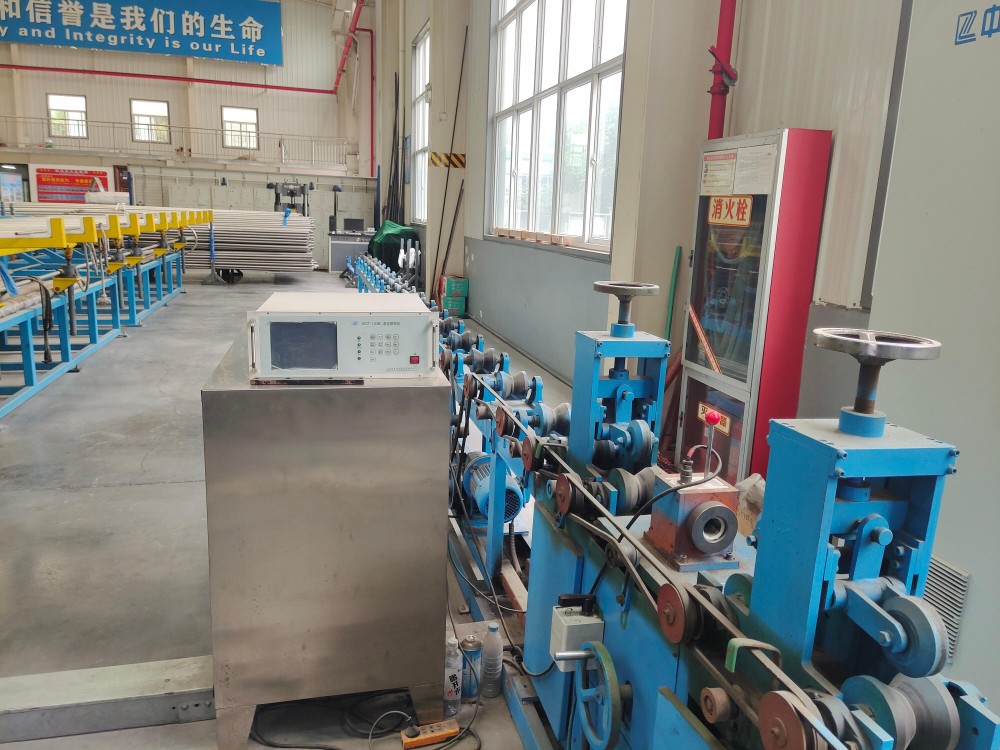
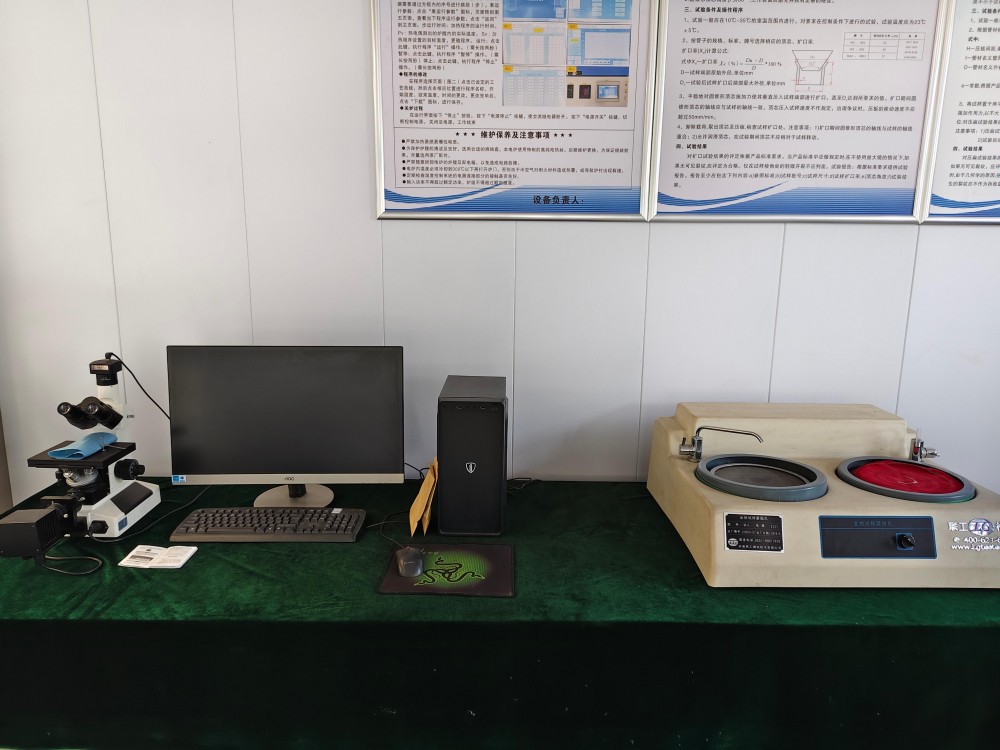
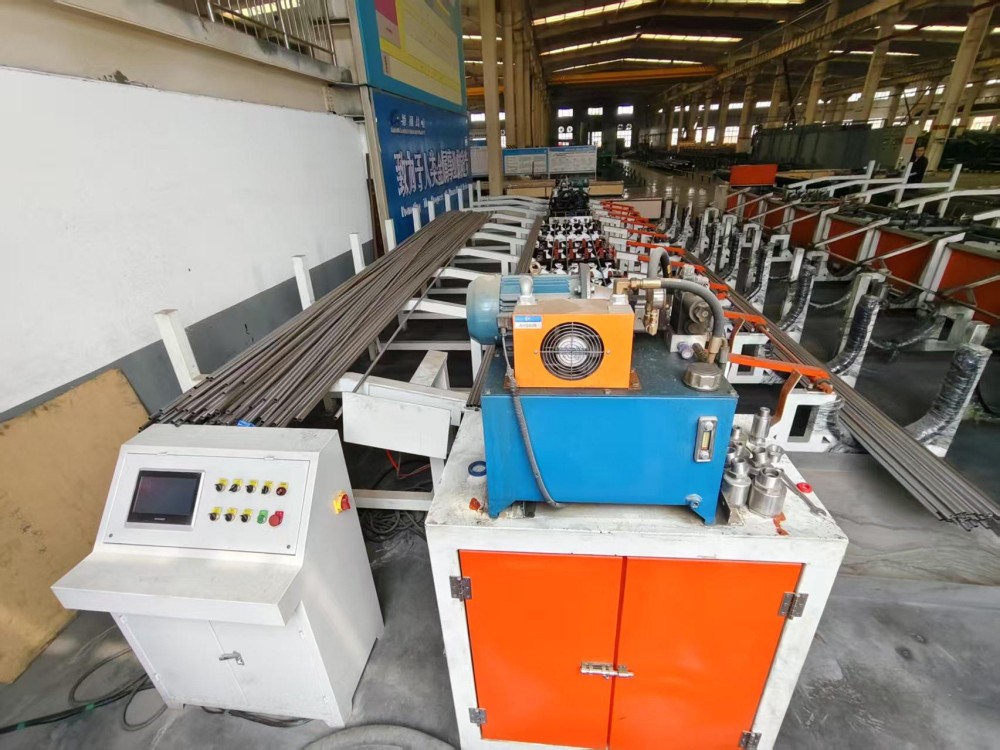
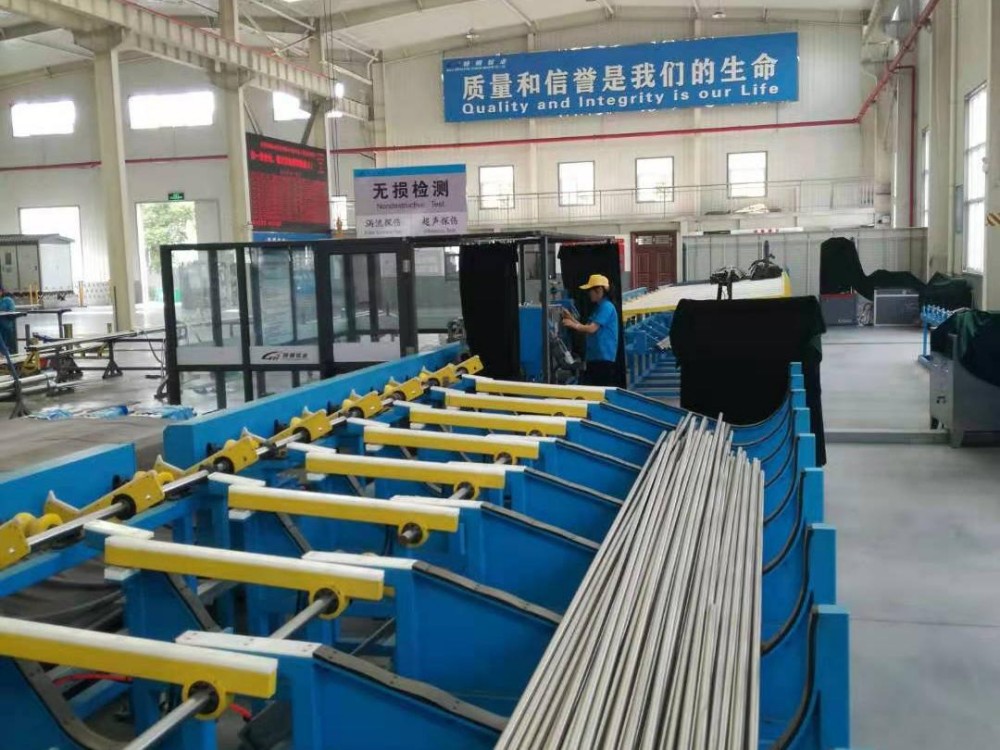
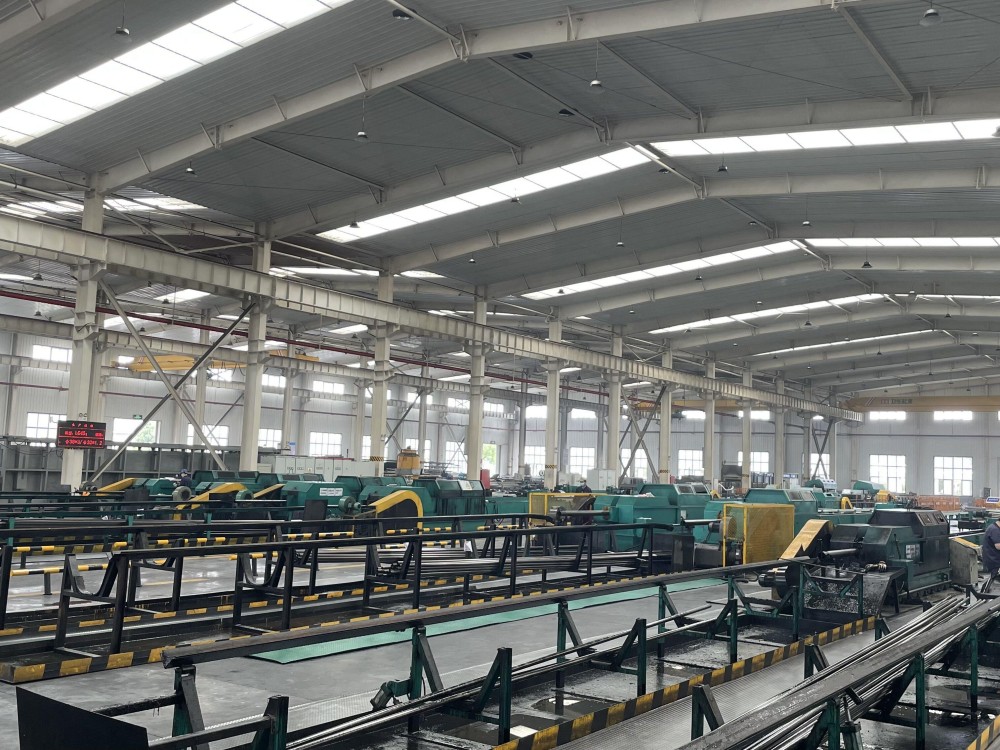
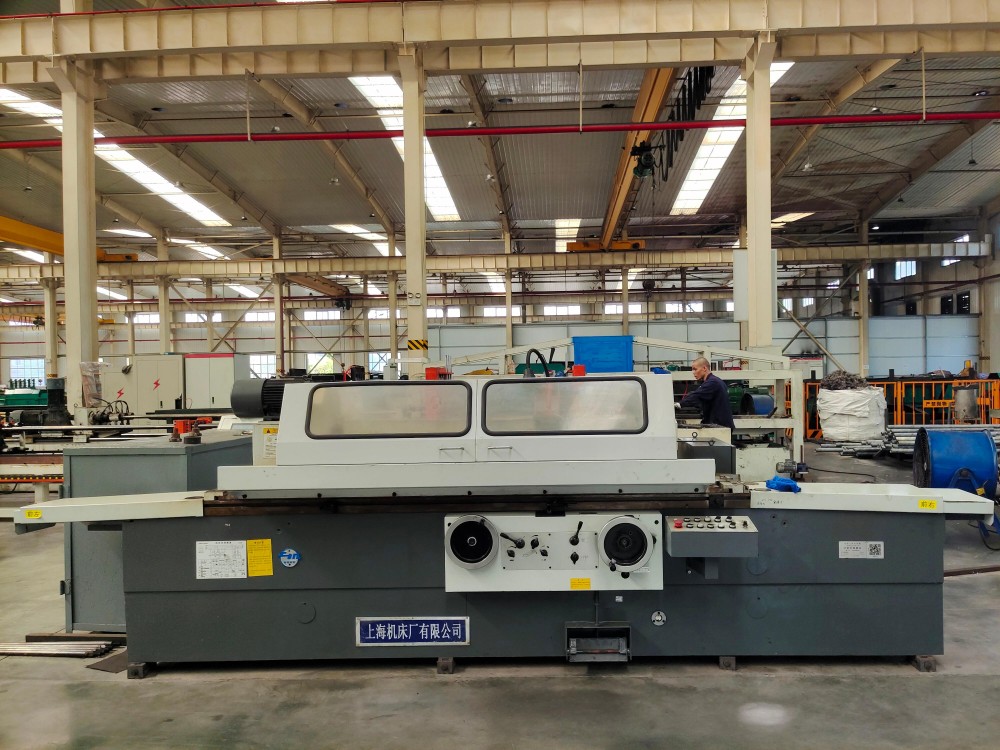
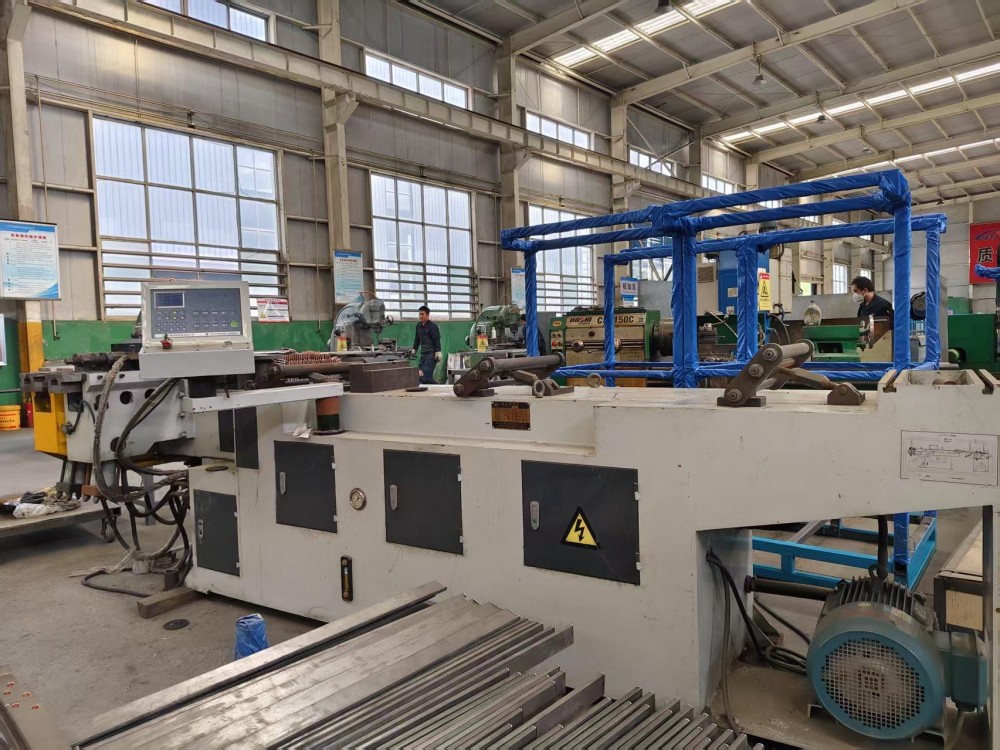
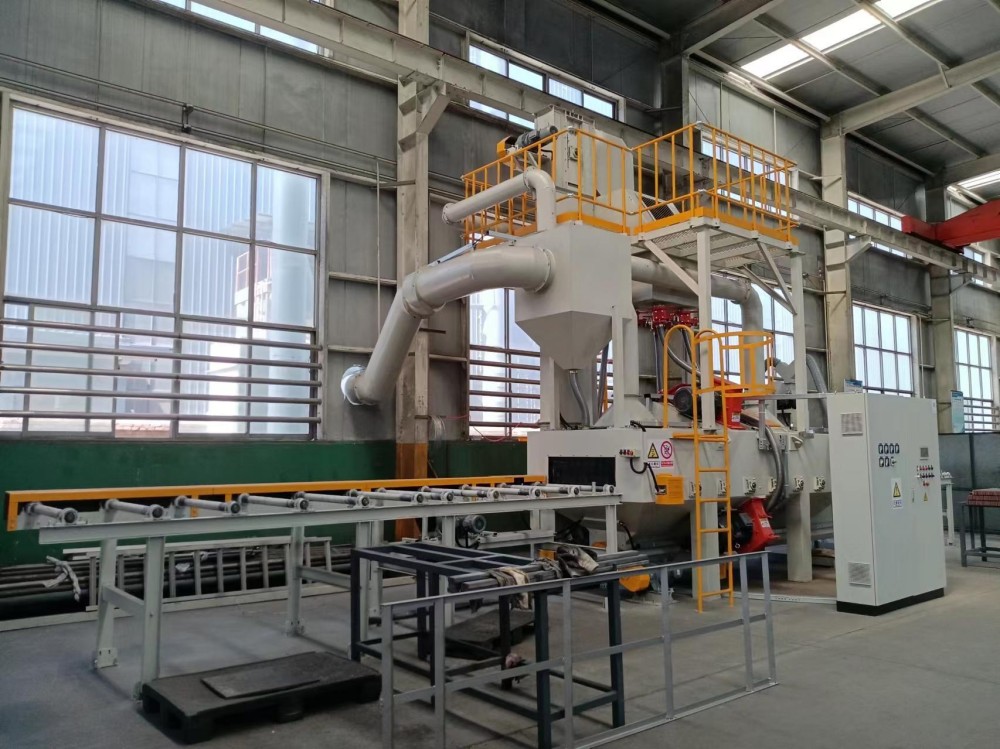
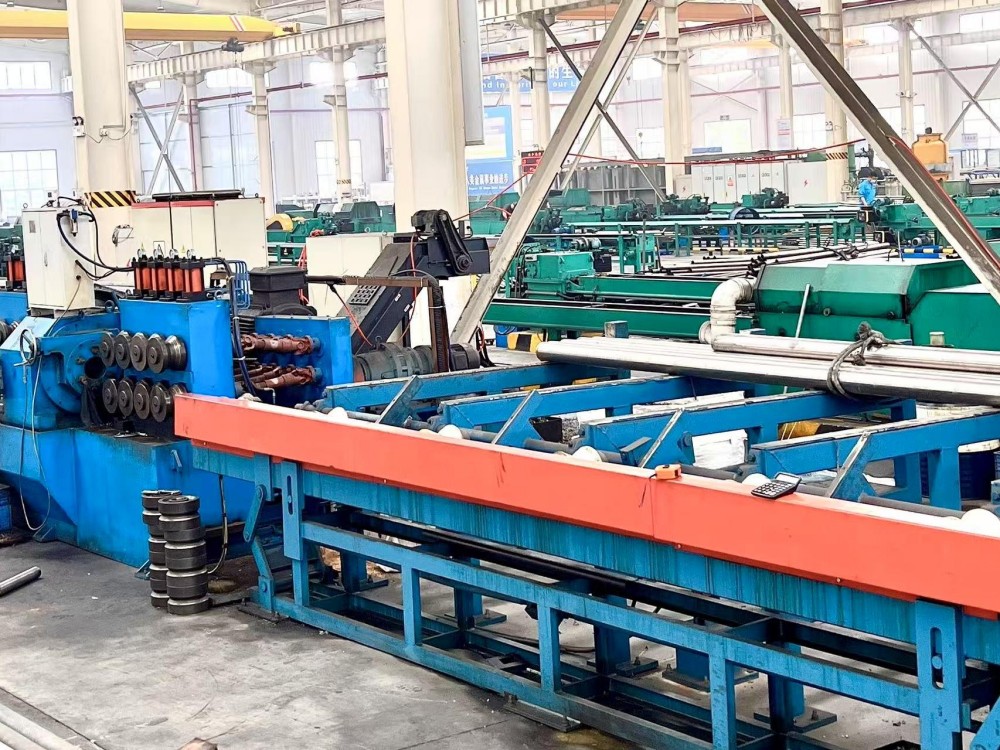
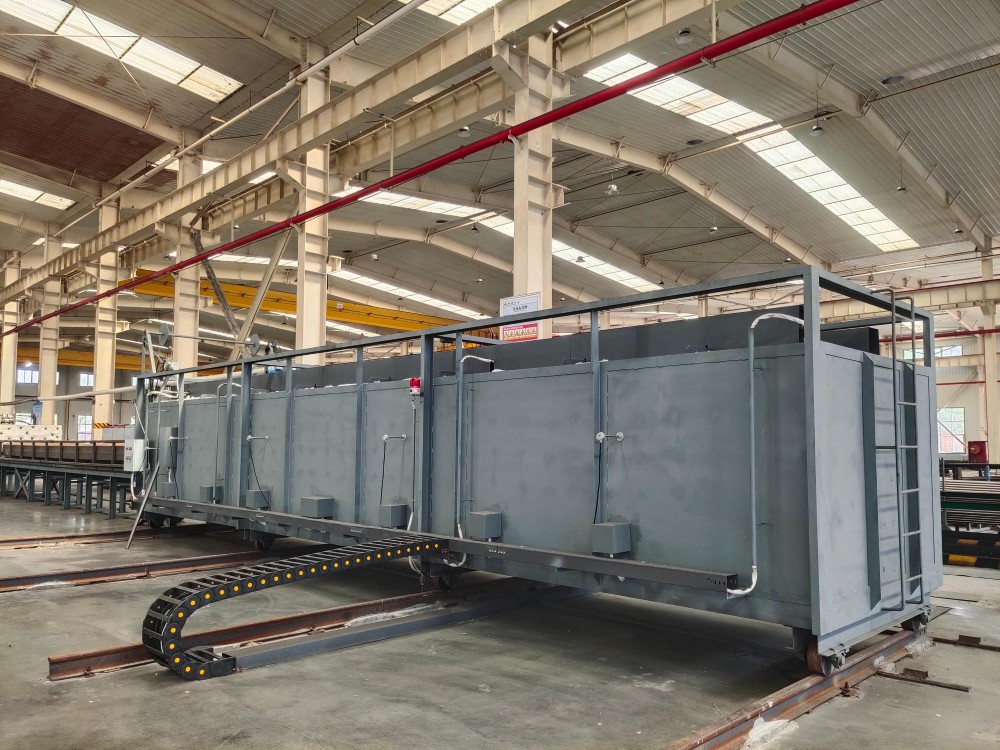
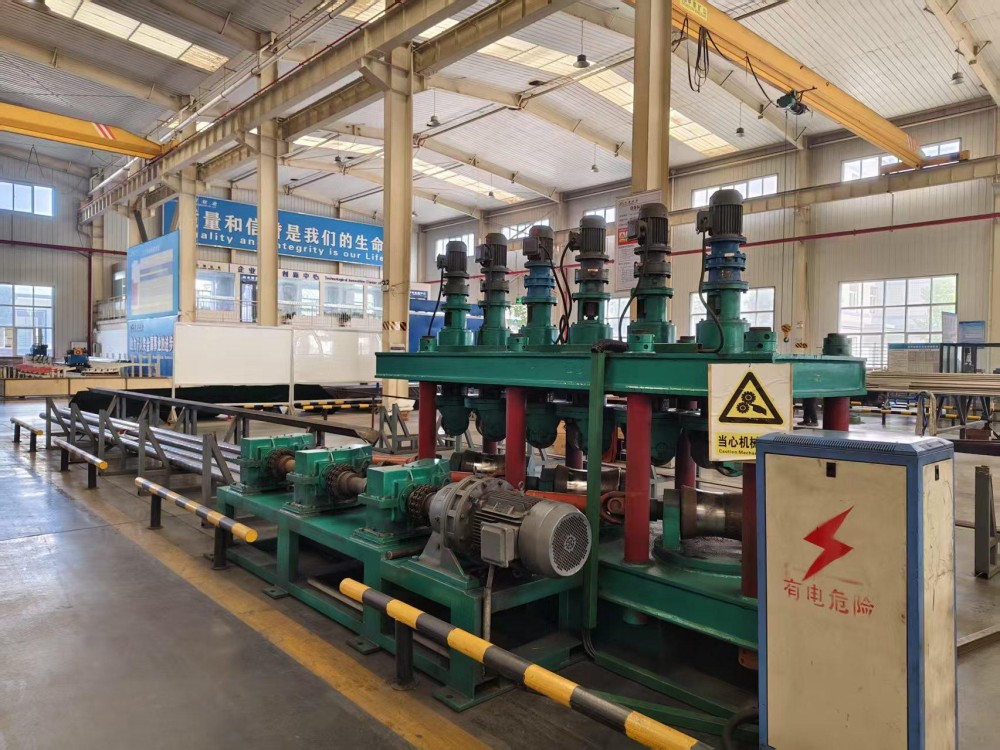
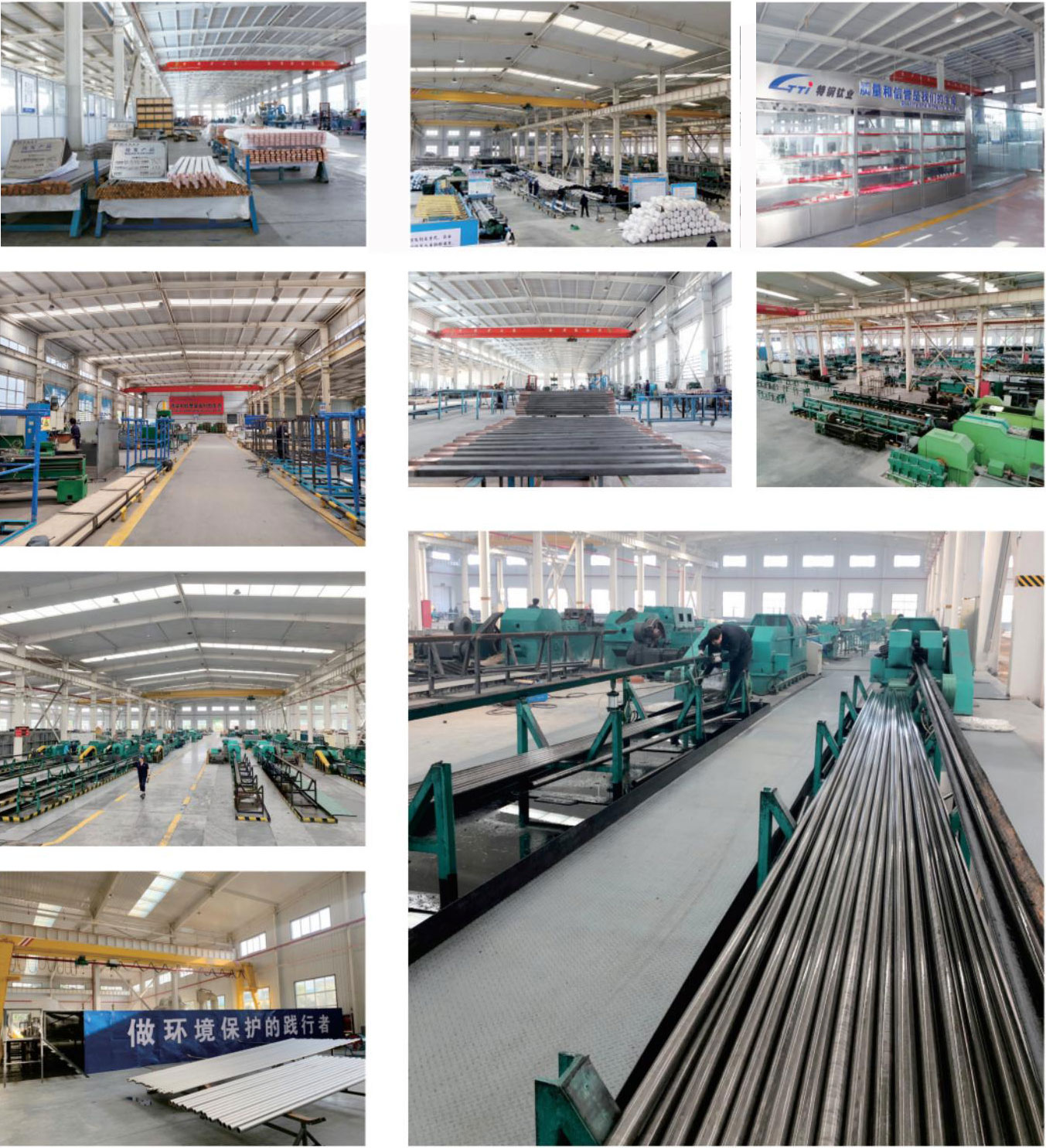
Production Machinery & Material Testing Center
From 13.5-meter vacuum annealing furnaces to intelligent multi-frequency eddy current testing, our plant guarantees microstructural integrity and zero-defect output.
Baoji Special Steel Titanium Industry Co., Ltd.
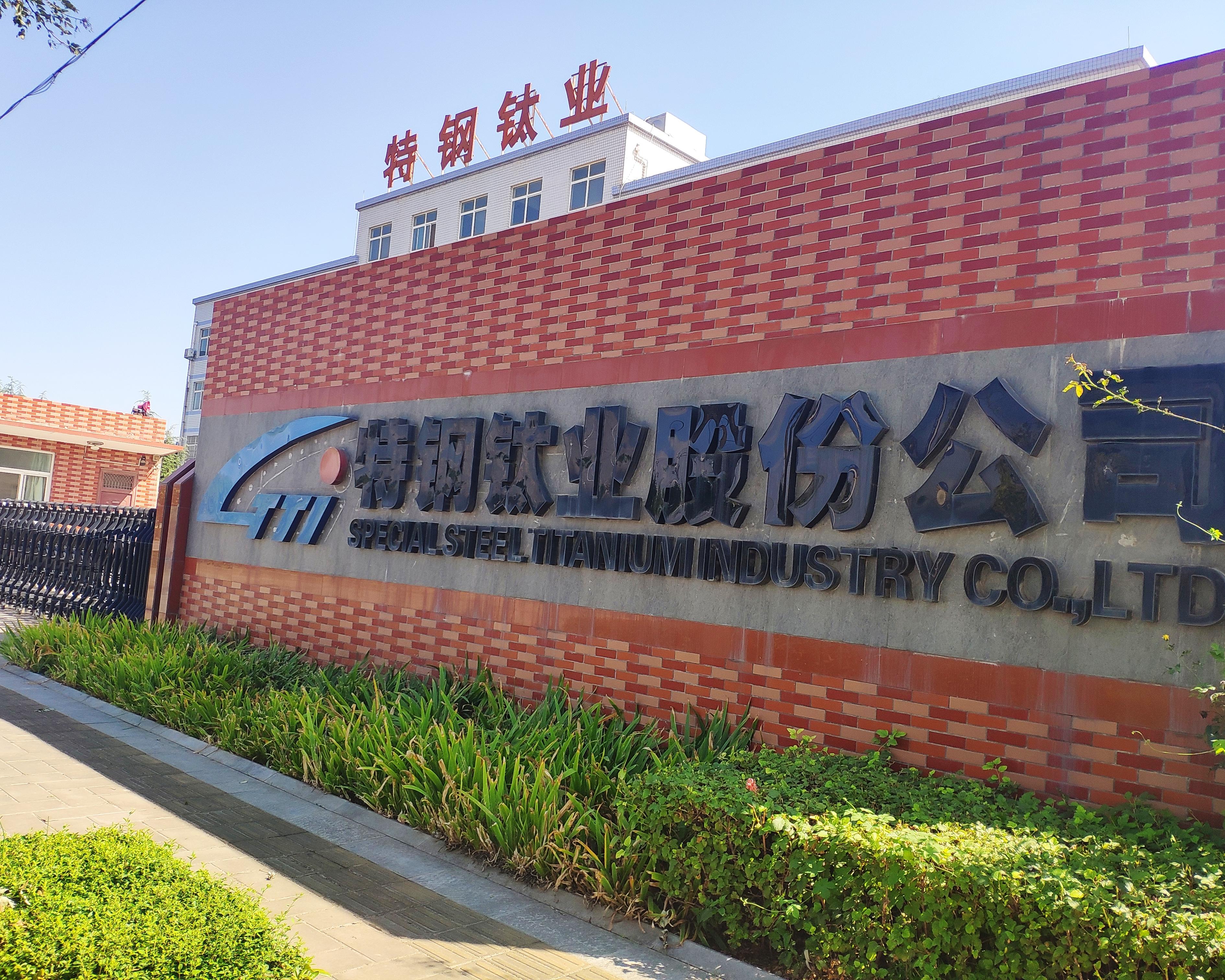
Founded in 1997 and situated in China's titanium hub—Shaanxi Baoji National High-tech Industrial Development Zone—the company spans 41,000 square meters of integrated production space. We are China’s premier private titanium tube manufacturer with a complete production chain from vacuum melting and billet extrusion to cold rolling and finishing.
With an annual production exceeding 3,000 metric tons of titanium, nickel, zirconium, and tantalum tubular products, our exports represent more than 30% of total output. We supply nuclear power plants, multinational chemical EPCs, and global heat exchanger manufacturers across Germany, Japan, the United States, Norway, Finland, South Africa, and Singapore.
Our Four Comprehensive Product Divisions:
1. Non-Ferrous Metal Pipes & Tubes
Titanium, nickel, and zirconium seamless and welded tubes manufactured to ASTM B338, B861, DIN 17861, and ASME SB338.
2. Metal Clad Composite Materials
High-bonding titanium clad copper bars, zirconium clad copper, ladle copper, composite wire, and multi-layer explosive bonded clad plates.
3. Titanium Cathode & MMO Insoluble Anodes
Titanium starting sheets, stainless steel permanent cathode plates, nickel anodes, and titanium-substrate lead dioxide ($PbO_2$) coated anodes for electrowinning.
4. High-Purity Nickel Mill Products
Corrosion-resistant Nickel 200/201 plates, forged rods, cold-rolled strips, and seamless nickel pipes for harsh alkali concentration units.
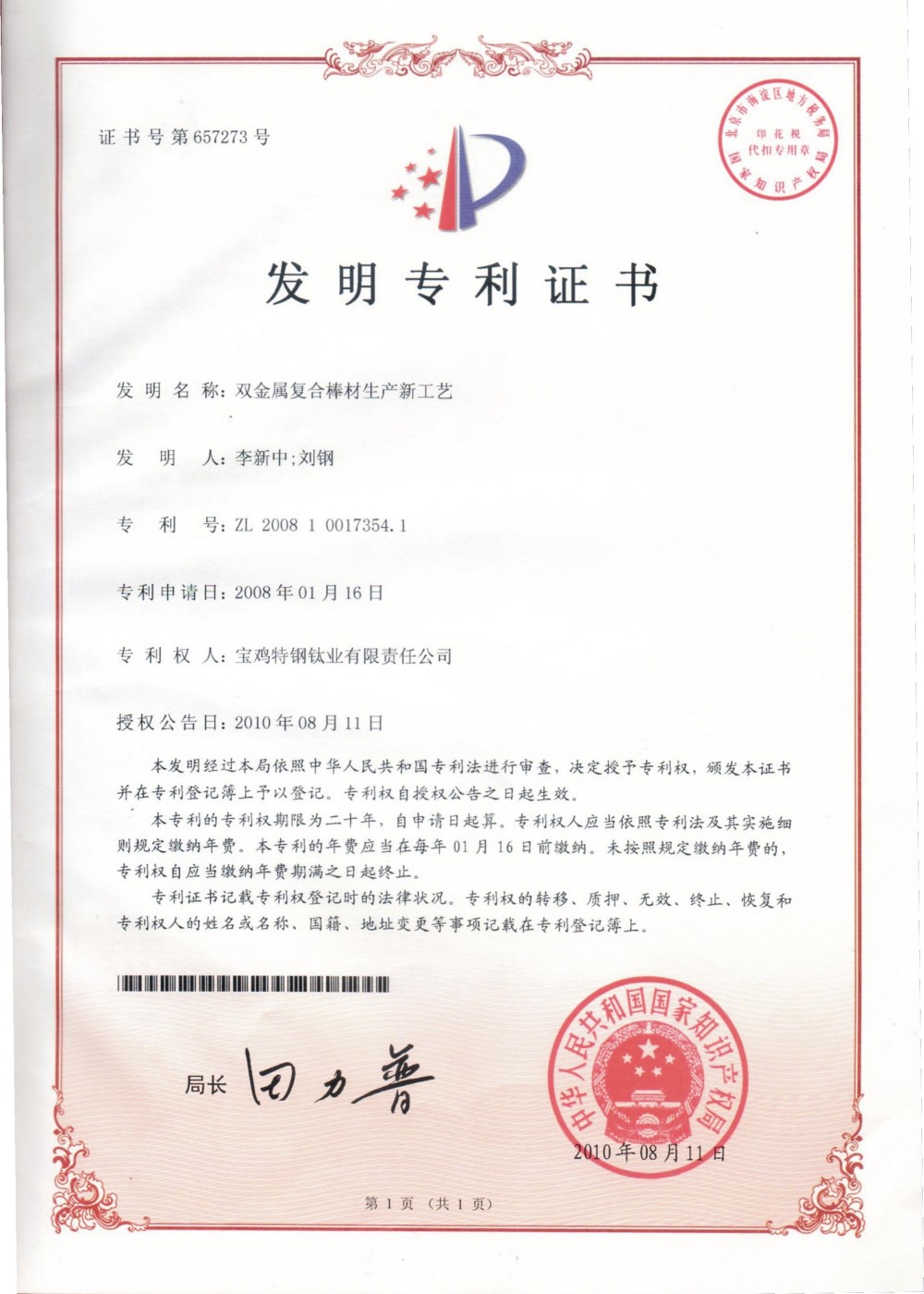
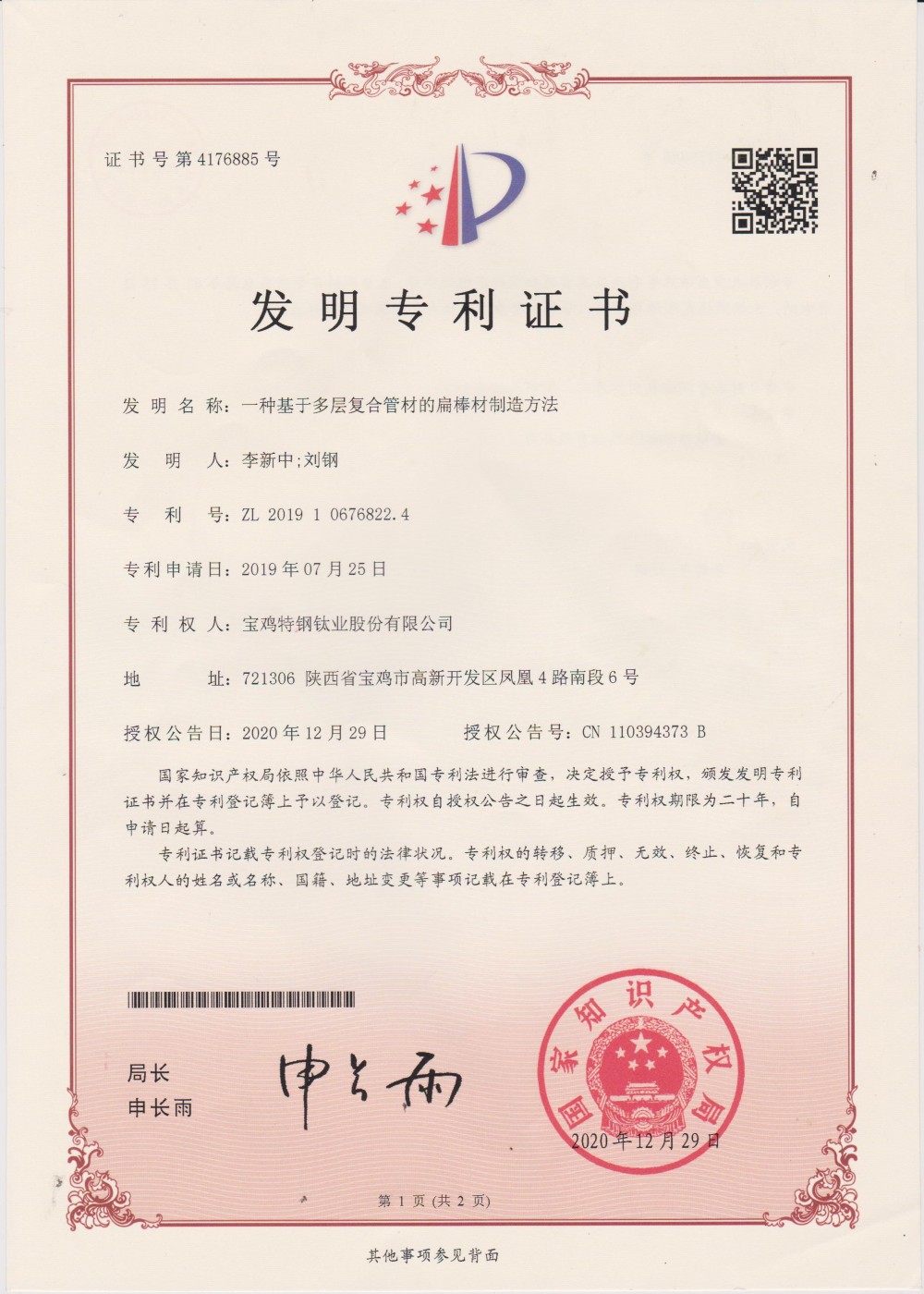
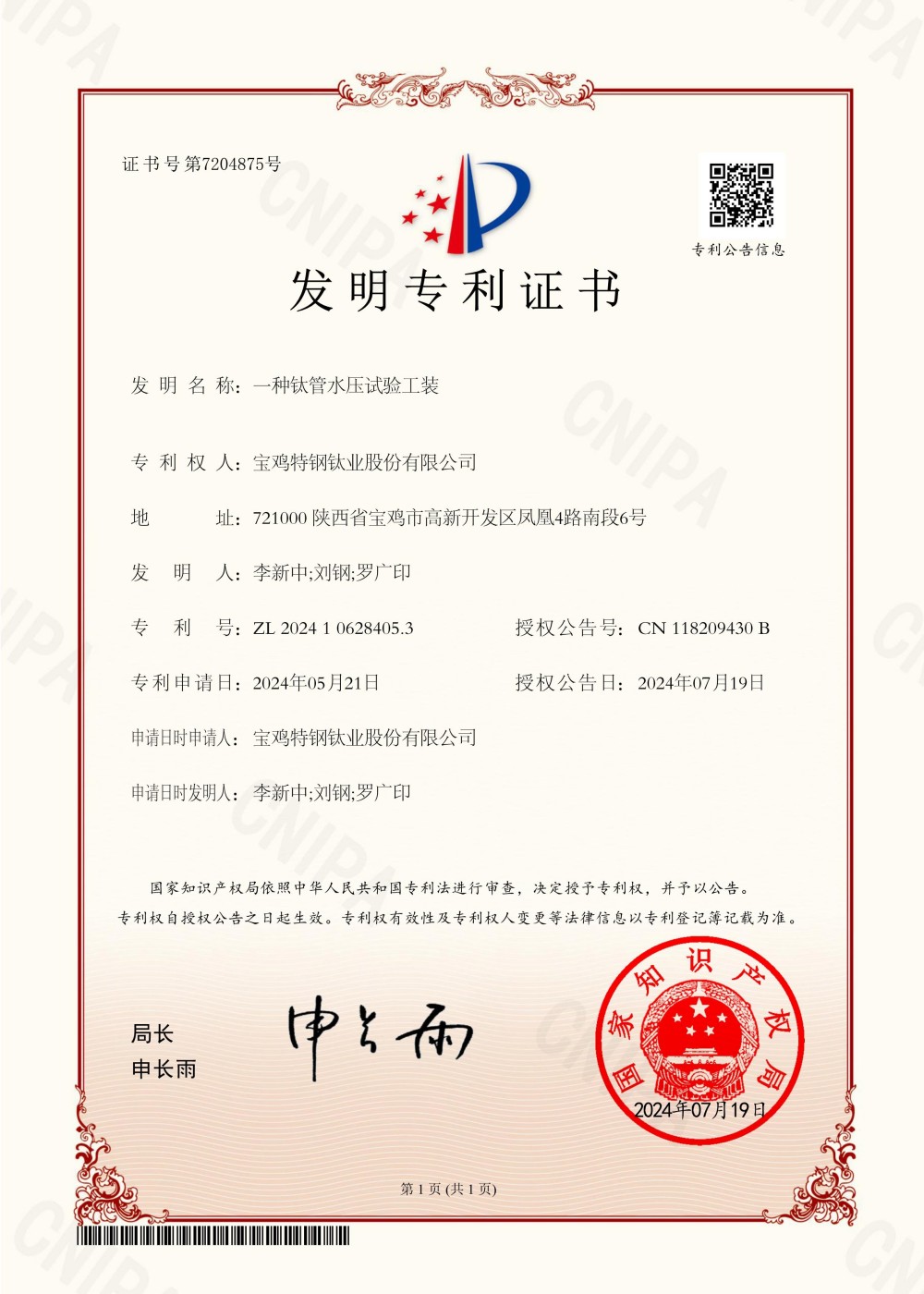
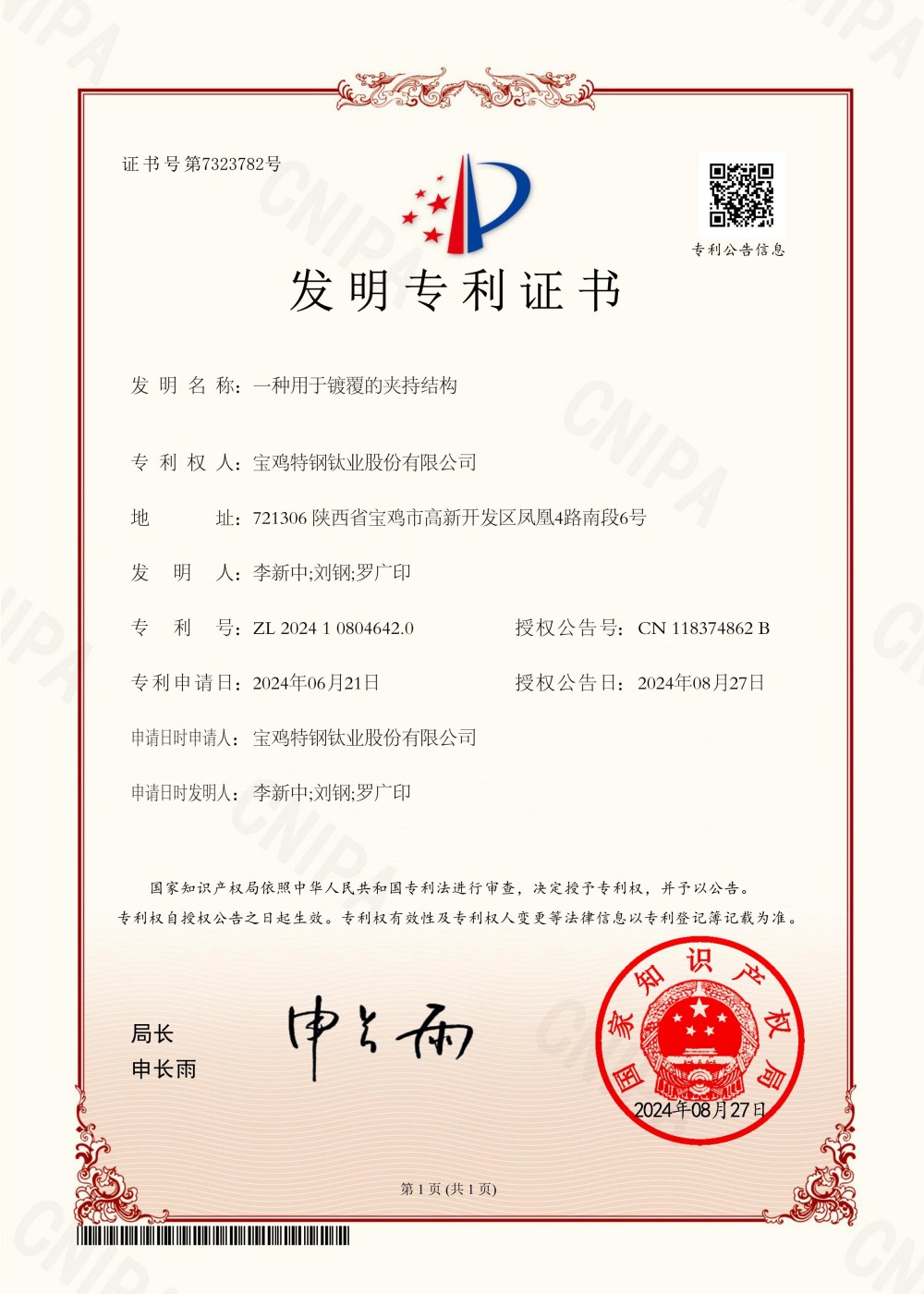
International Certifications & Compliance Display
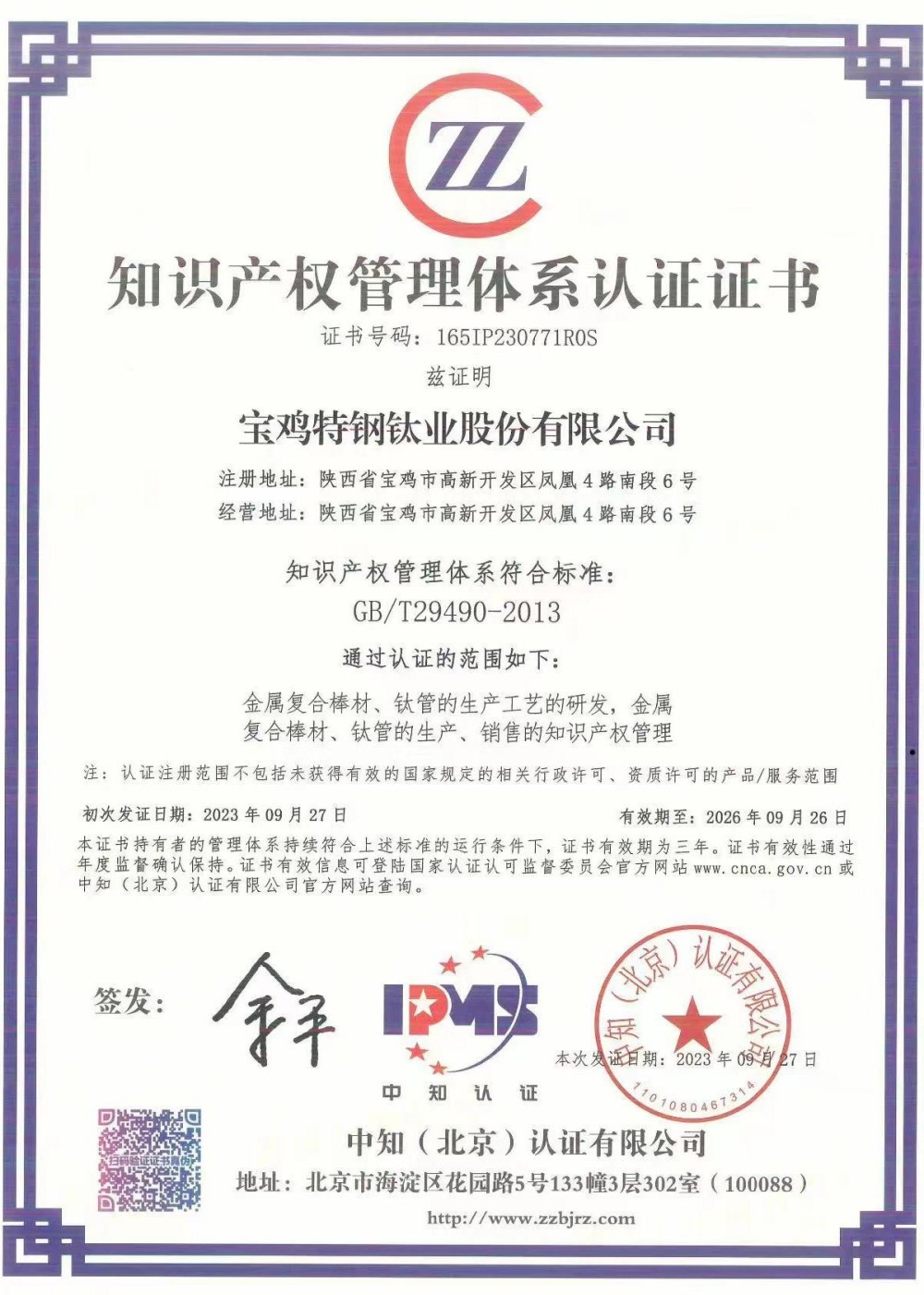
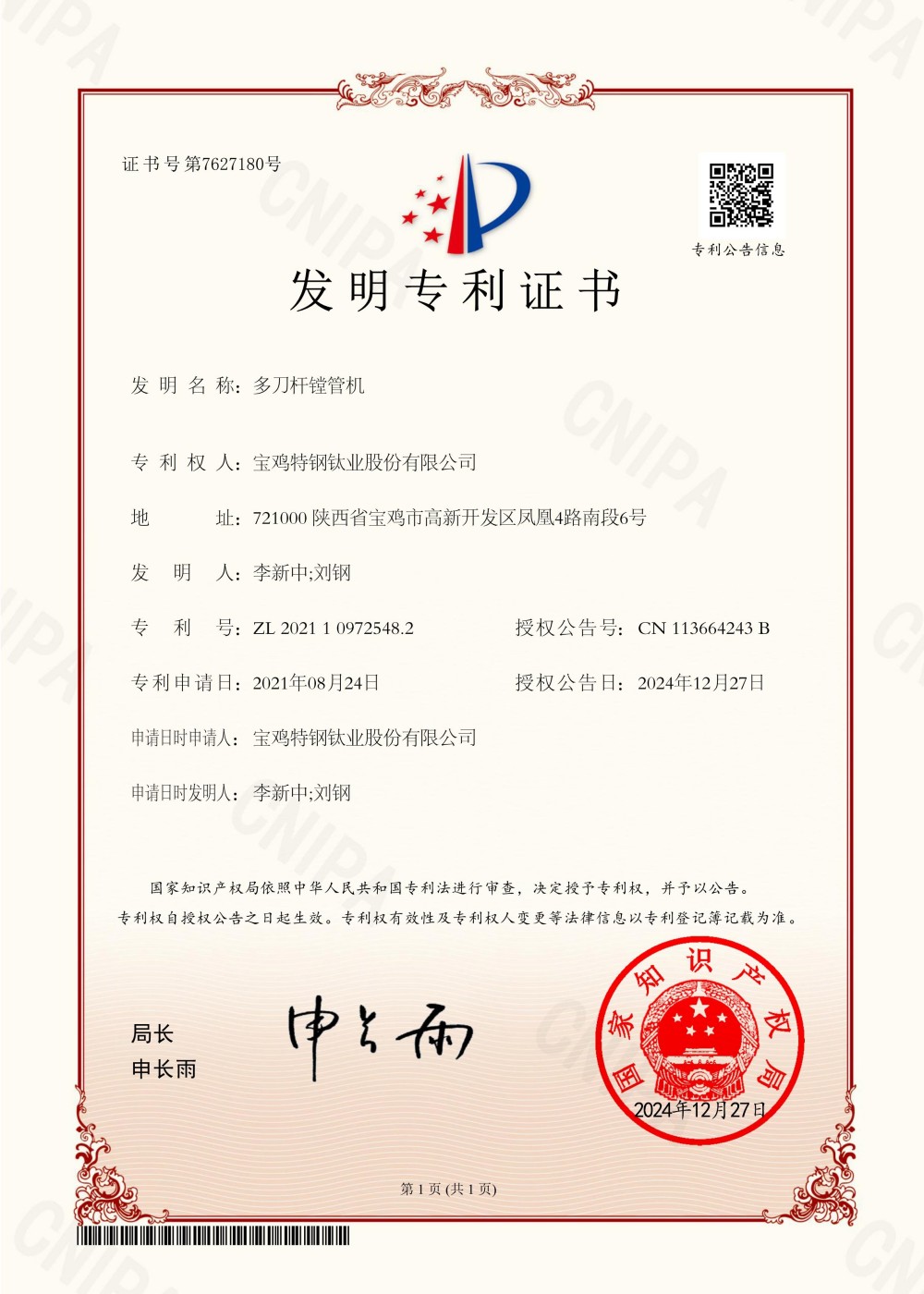
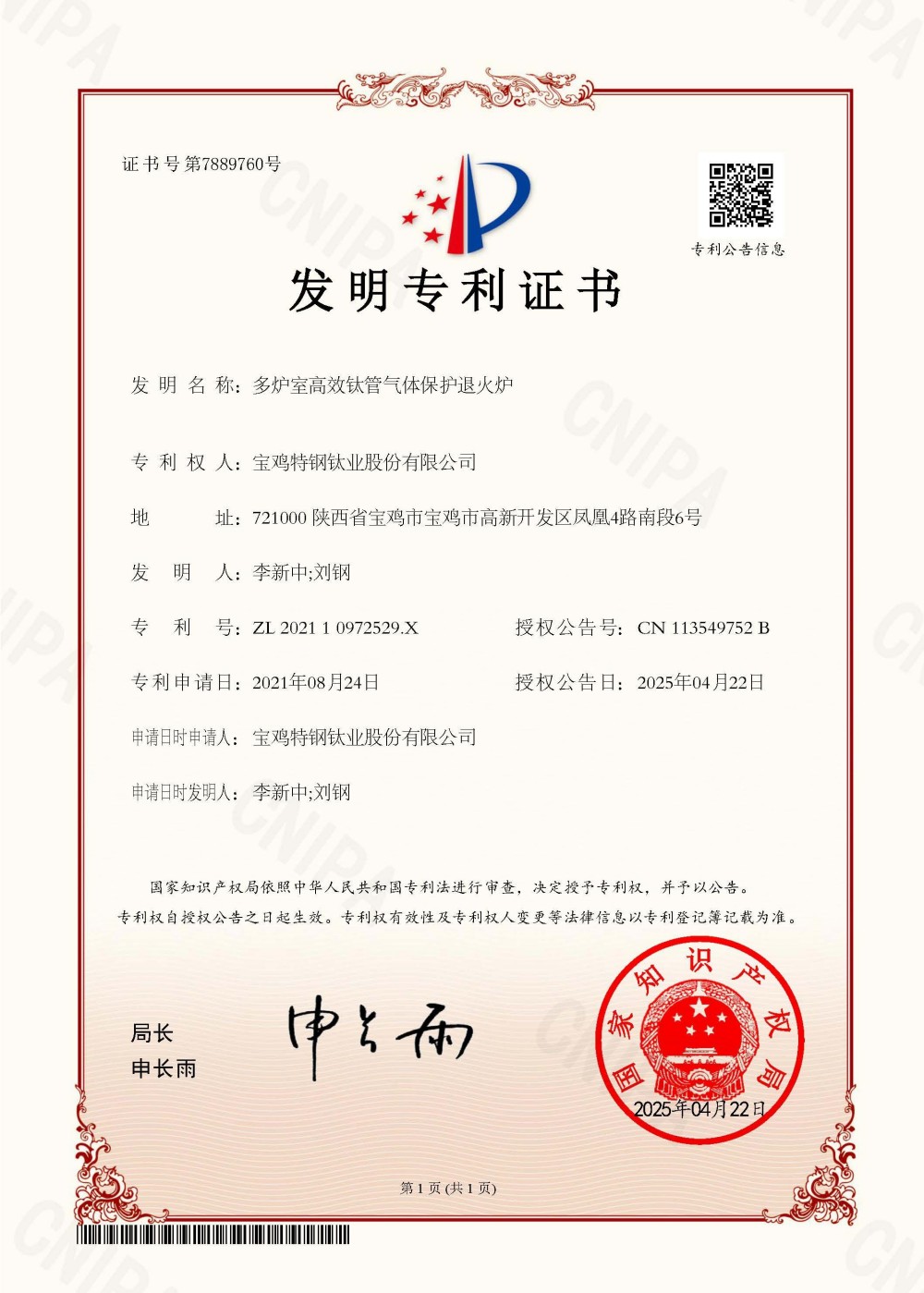
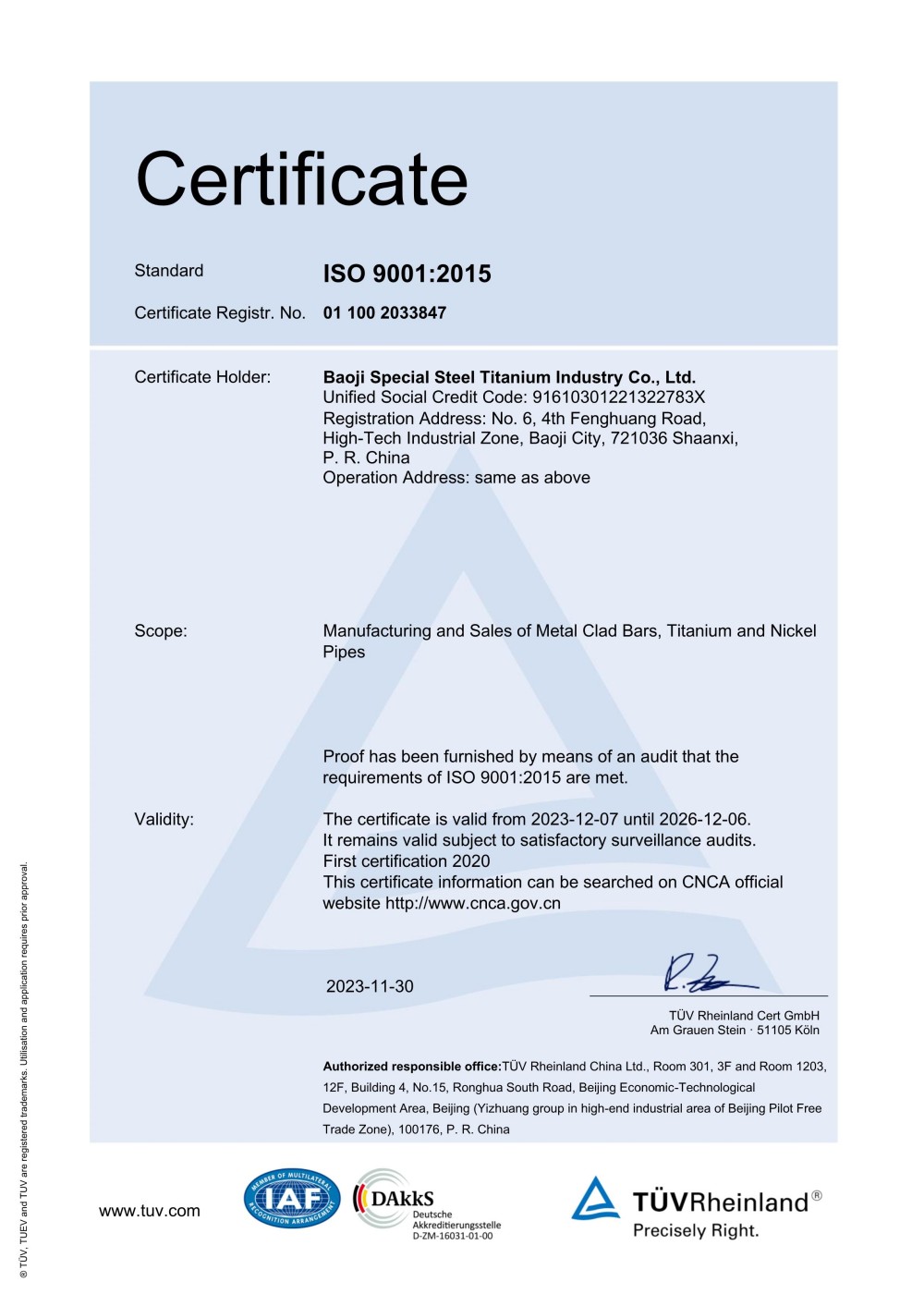
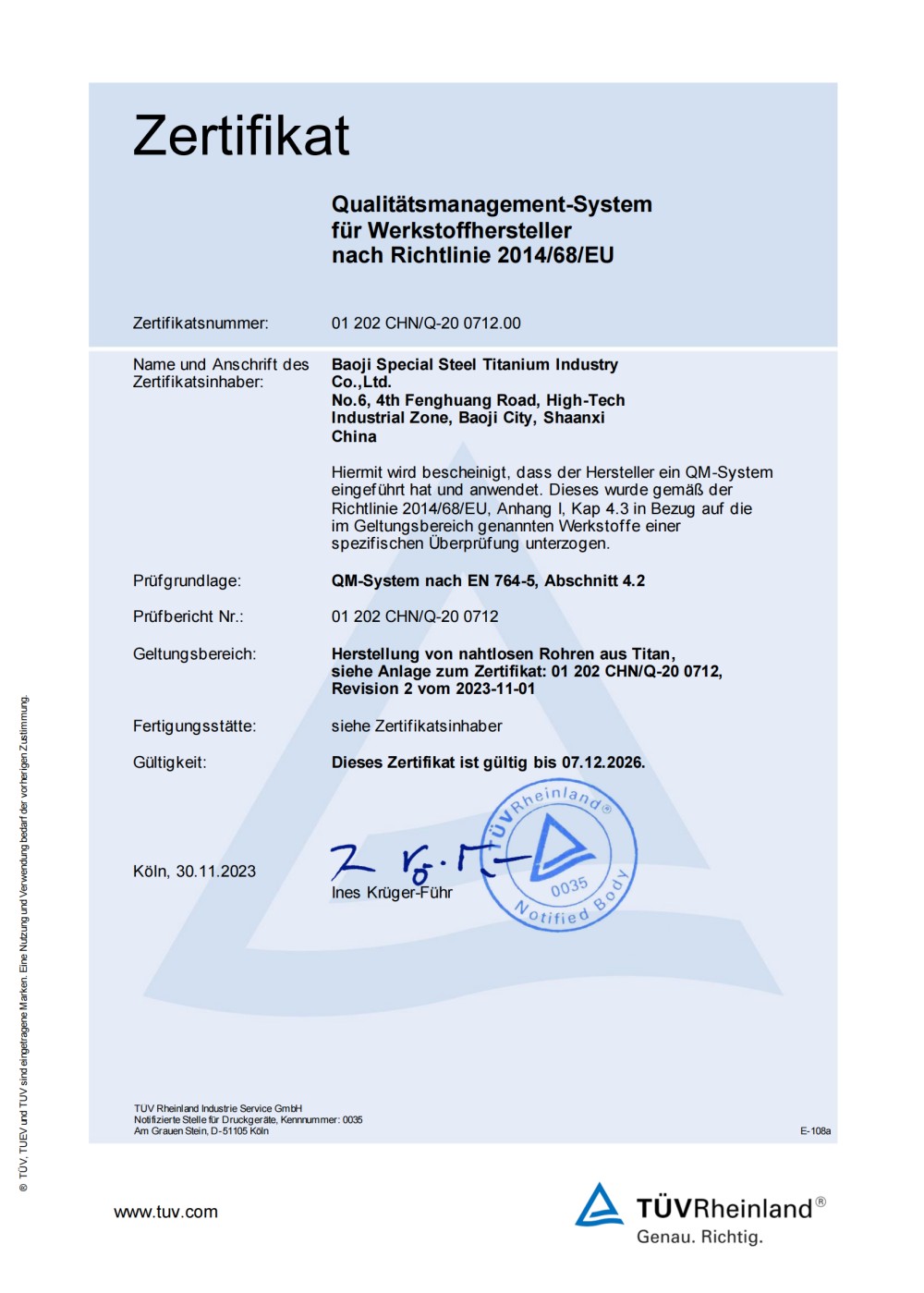
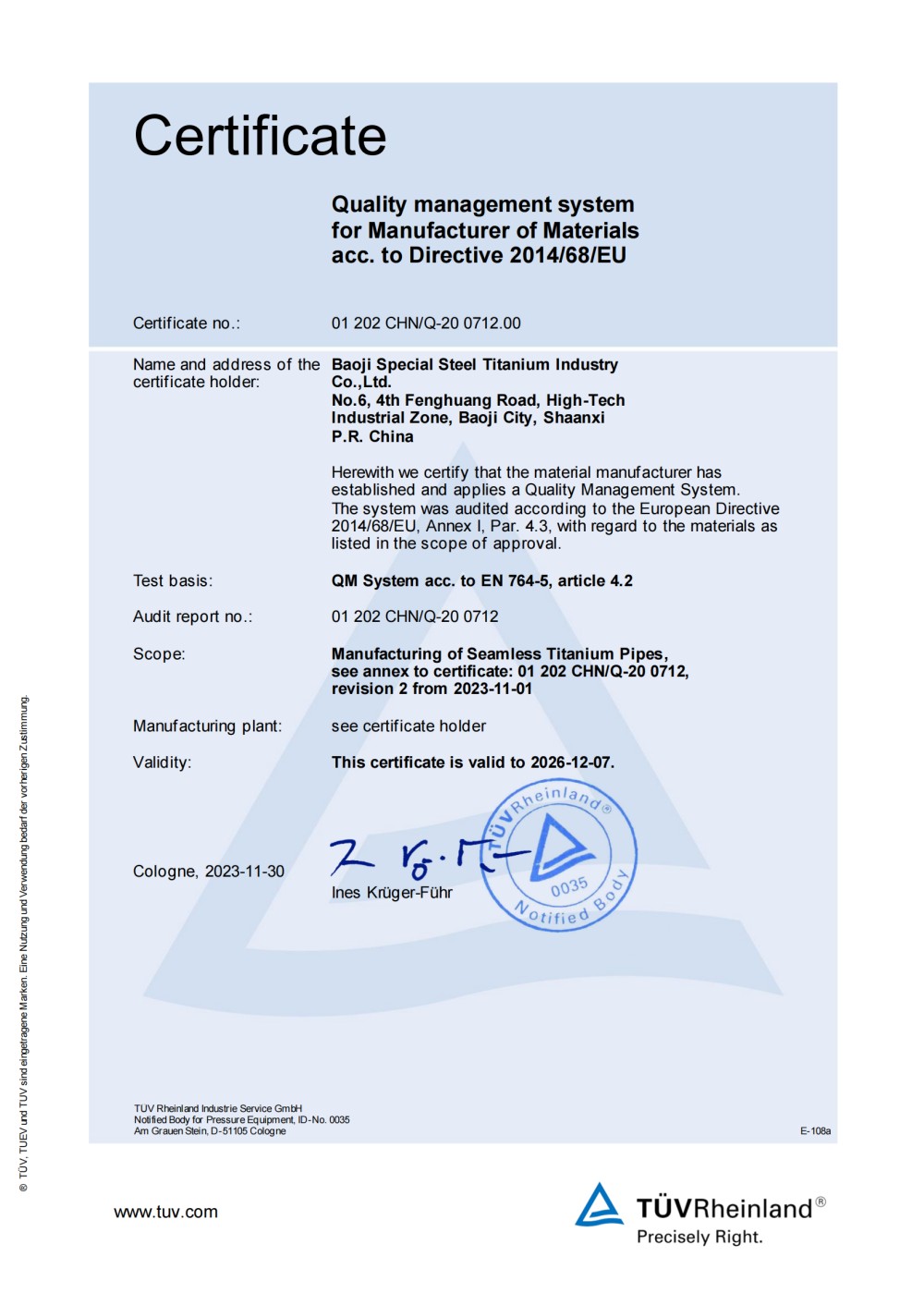
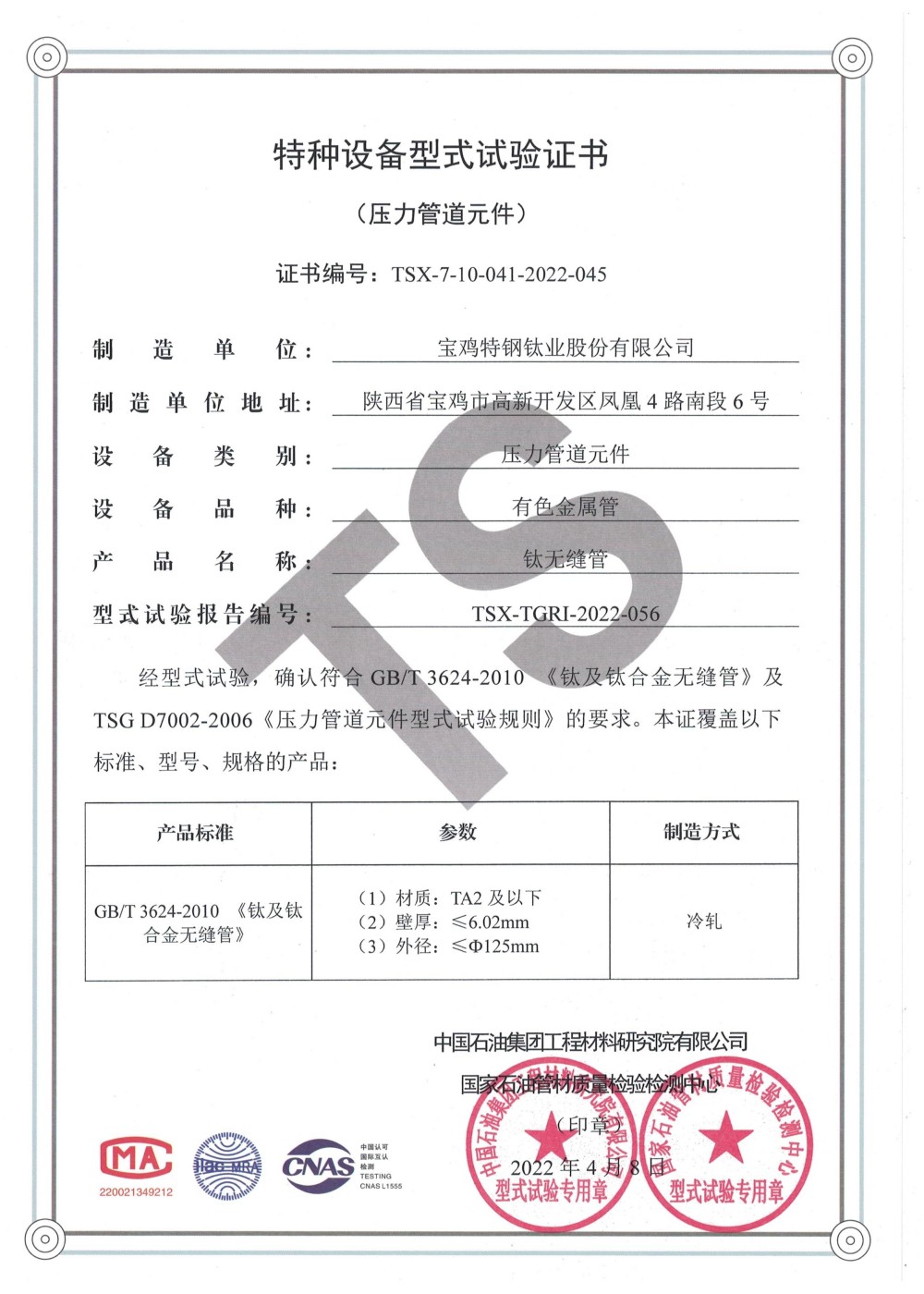
Certified by the world’s leading auditing bodies: ISO 9001:2015, Pressure Equipment Directive (PED 2014/68/EU), AD2000 Merkblatt W0, and pre-qualified for EIL and BHEL power projects.
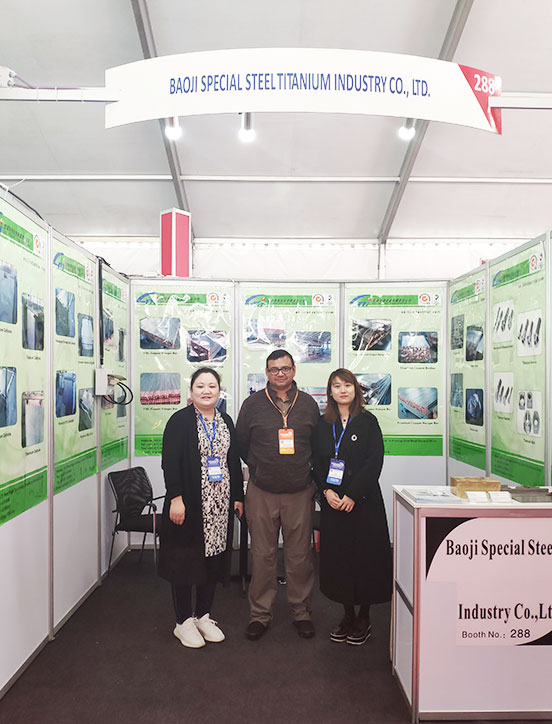
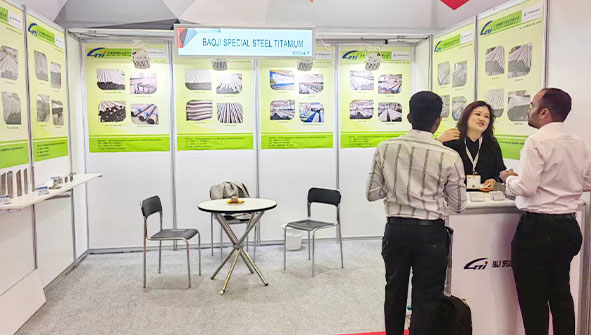
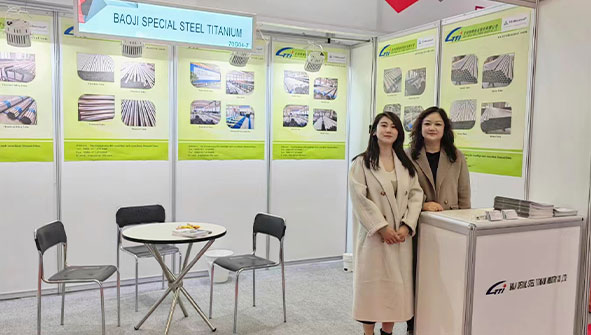
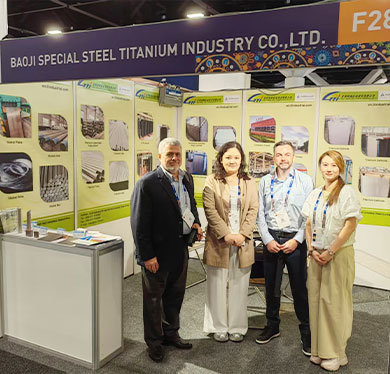
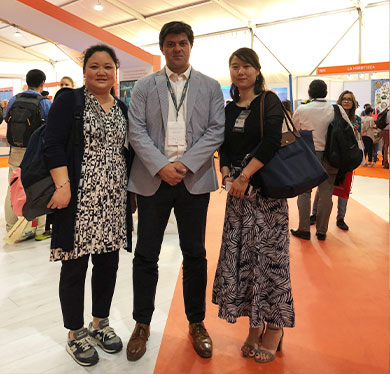
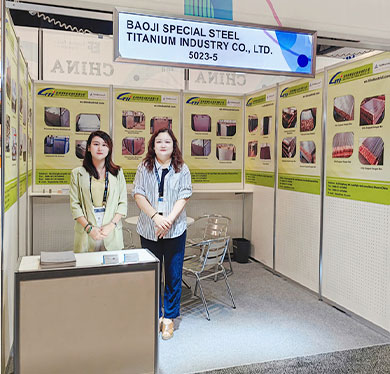
Exhibition Display & Field Applications
Demonstrating our titanium tubing and metal composite components across international energy, metallurgical, marine, and medical industrial exhibitions.
Looking for Certified ASTM B338 Titanium Tubes?
Whether you require Grade 2 titanium tube for a seawater condenser or high-palladium Grade 7 titanium tube for a hot acidic chlor-alkali loop, our engineering metallurgists are ready to review your heat transfer requirements, wall thickness calculations, and technical RFQs.