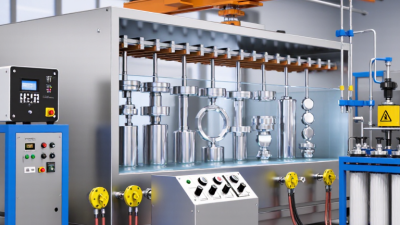
Picking the 5 best electrolysis plates for global buyers? It’s not just about price, coating, or thickness. An electrolysis plate has to handle heat, pressure, electrolyte exposure, and repeated electrical loading. And small differences in material can throw off voltage efficiency, corrosion resistance, maintenance intervals, and overall operating cost.
The International Energy Agency’s Global Hydrogen Review 2024 says global installed electrolyzer capacity reached almost 2 gigawatts by the end of 2023. It also points out that manufacturing capacity has grown way beyond what’s actually being deployed. That gap gives buyers more choices—but more choices don’t always mean better decisions. You still need to look at current density, plate flatness, sealing compatibility, surface treatment, and traceable quality records. Nickel-based materials are still common in alkaline systems. But here’s a curveball: the spelling “Nickle Plate” sometimes pops up in supplier listings, which can cause confusion when you’re searching for technical specs.
Professor Ad van Wijk, a hydrogen-energy specialist at Delft University of Technology, put it well: “Hydrogen is not an energy source; it is an energy carrier.” That distinction matters. An electrolysis plate needs to support efficient conversion—not just look tough in a product photo. The U.S. Department of Energy’s Hydrogen and Fuel Cell Technologies Office also stresses durability, efficiency, and cost reduction as key electrolyzer priorities.
Honestly, there’s no universal winner.
A plate that works great for a compact lab stack might struggle in a high-throughput plant. Some suppliers list amazing specs but have little long-term field evidence to back them up. That’s a weakness worth paying attention to. This guide compares five electrolysis plate options based on material quality, coating performance, manufacturing consistency, supplier reliability, and how well they fit global procurement.
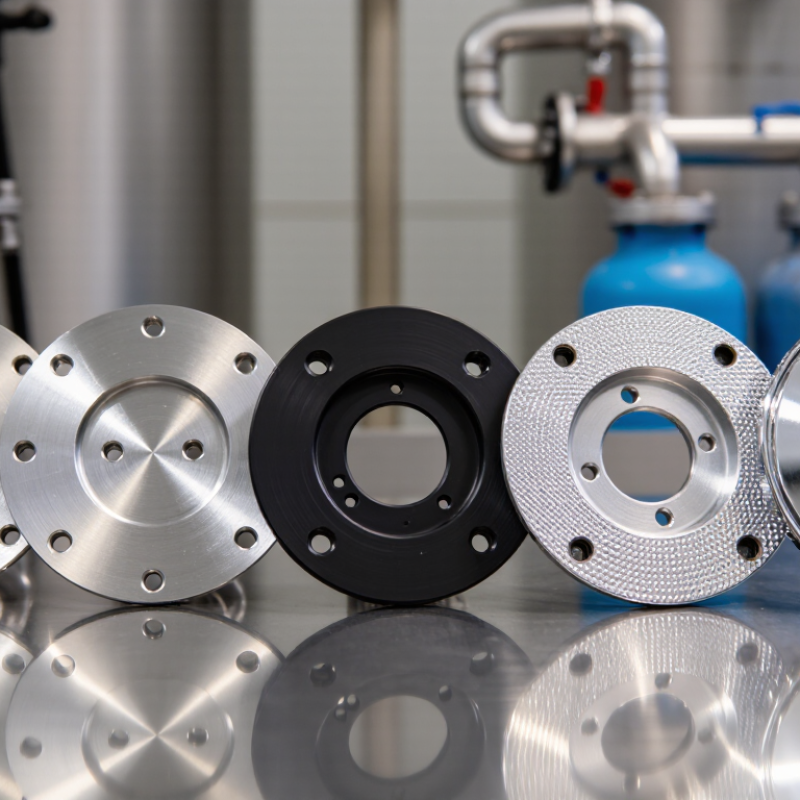
What Are Electrolysis Plates and How Do They Work?
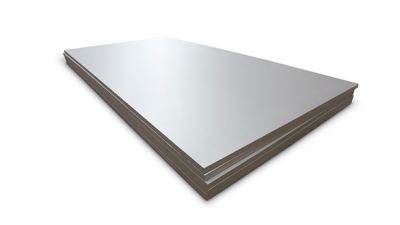
Electrolysis plates are conductive electrodes placed inside a water-treatment cell. A Titanium Plate is often selected because titanium resists corrosion and remains stable in repeated cycles. When direct current passes through the cell, dissolved ions move toward opposite electrodes. Oxidation occurs at one plate, while reduction occurs at the other. A membrane or separator can keep the resulting water streams apart.
The process is more controlled than simply “adding electricity.” Water temperature, mineral content, flow rate, and current density all affect performance. Hard water may leave white scale around the plate edges. That buildup can reduce contact with water and increase electrical resistance. Small details matter. The coating also matters. A strong base metal cannot compensate for a poorly bonded surface coating.
For global buyers comparing five electrolysis plates, request material grade, plate dimensions, coating type, operating voltage, and tested service life. Ask how performance was measured, not just whether the surface looks bright. I would not judge a plate by appearance alone. pH readings can change quickly, but they do not prove overall water quality. A reliable supplier should provide inspection records, cleaning guidance, and clear replacement limits. Some specifications remain difficult to compare across factories, so careful questions are necessary.
Key Materials and Design Features of High-Quality Electrolysis Plates
5 Best Electrolysis Plates for Global Buyers?
Key Materials and Design Features of High-Quality Electrolysis Plates
Selecting an electrolysis plate starts with chemistry, not appearance. Alkaline systems commonly use nickel-based materials because they tolerate concentrated alkaline electrolytes. A Nickel Alloy Plate can also maintain strength under repeated heating and cooling. PEM systems usually require titanium, especially around oxygen-rich, acidic interfaces. Stainless steel may look economical, but untreated surfaces can corrode quickly.
The International Energy Agency’s Global Hydrogen Review 2024 reported about 1.4 GW of installed water-electrolysis capacity worldwide by the end of 2023. That expansion increases demand for plates with predictable lifetime and low electrical resistance. Buyers should inspect flatness, channel depth, edge sealing, and surface roughness. Uneven channels create dead zones. Poor sealing causes costly electrolyte leakage.
Five practical choices include nickel alloy plates, nickel-coated steel plates, titanium plates, porous transport plates, and ceramic-coated metal plates. The best option depends on the electrolyzer type and operating pressure. Technical buyers should request corrosion-test results, contact-resistance data, coating thickness, and dimensional tolerances. The U.S. Department of Energy’s H2NEW initiative emphasizes durability, efficiency, and manufacturability as linked development goals. That matters in production.
A plate can pass a short factory test and still fail after months of cycling. This is the uncomfortable part. Suppliers should provide traceable inspection records, but buyers should verify critical measurements independently. Fancy machining is not proof of performance. Reliable design is.
How to Evaluate the Five Best Electrolysis Plates
How to Evaluate the Five Best Electrolysis Plates
Choosing among the five best electrolysis plates requires more than comparing appearance or advertised output. Start with the plate material, because corrosion resistance affects service life and water quality. Titanium is often considered for demanding systems, while suitable coatings can improve electrical performance. However, coating thickness and adhesion matter more than attractive specifications.
Check the active surface carefully. A smooth, even finish usually supports stable contact and easier cleaning. Measure plate thickness, spacing, and flatness with practical tools. Small gaps may increase output, but they can also restrict water flow and encourage deposits. Ask for laboratory data showing current efficiency, operating temperature, and durability under repeated cycles. Independent test reports are more reliable than unsupported claims.
Safety deserves equal attention. Confirm insulation quality, connector design, heat control, and compatibility with the intended power supply. Review material certificates and warranty terms before purchase. In a small test, record voltage, current, water temperature, and visible residue after each session. Results can change with water hardness, so one successful trial proves little. I have found that easy cleaning is often undervalued. A plate that performs well but needs constant maintenance may cost more over time. No plate is perfect. Performance depends on the whole system, not the plate alone.
Performance, Durability, and Maintenance Comparison
5 Best Electrolysis Plates for Global Buyers?
Performance, durability, and maintenance separate a strong electrolysis plate from a cheap replacement. Coated titanium plates usually deliver stable output and resist corrosion. Their coating can wear under high current or poor water quality. Stainless steel plates cost less and are easy to inspect, but chloride exposure may accelerate corrosion. Nickel plates suit alkaline environments and tolerate repeated cleaning. They still require careful surface checks. Graphite plates offer low starting costs and good conductivity. However, they are brittle and may release particles after rough handling. Ceramic-coated plates resist many chemicals, yet cracking can reduce performance quickly.
In practical comparisons, current density matters more than plate size alone. A larger surface can reduce heat and improve operating stability. Uneven edges often create hot spots. That trade-off matters. Buyers should request test data under their intended voltage, temperature, and electrolyte conditions. Certificates for material composition and electrical safety also support reliable purchasing across markets. Local water chemistry must be considered.
Maintenance tells the truth. Rinsing removes deposits before they harden around corners and connection points. Mild, approved cleaners are safer than aggressive acids. Operators should record output, temperature, and visible coating changes after each service cycle. One overlooked detail is the seal. A durable plate can still fail when its gasket deforms. Field conditions are rarely perfect, and supplier lifespan claims may assume cleaner water than actual use. Compare replacement access, inspection guidance, and documented testing, not price alone.
Safety Standards and Global Compatibility Requirements
5 Best Electrolysis Plates for Global Buyers?
For global buyers, the best electrolysis plate is not simply the one producing bubbles fastest. Safety begins with documented electrical protection, stable insulation, and materials tested for water contact. Look for evidence of overload protection, leakage-current control, and temperature monitoring. Certifications should match the destination market, such as applicable IEC or EN requirements, North American electrical approvals, and substance restrictions like RoHS or REACH. A certificate without a traceable test report deserves caution.
Compatibility matters at the outlet and inside the device. A practical plate system should support the buyer’s local voltage, frequency, plug format, and adapter requirements. Wide-range input, such as 100–240 volts and 50/60 hertz, can simplify distribution. However, it does not replace local approval. Check the power adapter separately. It may be the weakest link. Inspect the electrode material, seal quality, and stated water-contact rating. A Nickle Polish Plate may look durable, yet surface appearance cannot prove corrosion resistance or safe composition. Ask for material disclosure and migration testing when drinking-water contact is involved.
In real purchasing work, I compare test documents, installation instructions, and replacement-part availability before ranking any plate. Clear warnings are valuable. So are readable labels near hot surfaces and electrical connections. Some suppliers provide impressive laboratory language but vague operating limits. That gap should reduce confidence. I would also test a sample under hard-water conditions, because deposits can change performance and cleaning frequency. No shortlist is perfect. Local service capacity still matters.
How International Buyers Can Choose the Right Plate
Global buyers need more than a shiny metal surface. In pilot systems, plate choice affects voltage stability, gas output, cleaning time, and replacement cost. I compare five practical points: base material, surface coating, thickness, dimensions, and supplier evidence. A Thin Titanium Plate can reduce weight and fit compact cells. However, thin stock may bend during tightening. That small mistake can create uneven gaps. Measure the active area, hole pattern, and allowable flatness before requesting quotations. Do not trust a photograph alone.
For the material, ask for titanium grade, coating composition, coating thickness, and intended electrolyte. An engineering data sheet should state current density, operating temperature, and service conditions. Request test results from a recent production batch. Independent inspection helps when orders cross borders. It costs more, but one failed shipment costs more. Check whether the seller provides metric drawings, tolerances, serial records, and a clear replacement policy. These details show professional control, not just sales confidence.
International delivery adds practical risks. Confirm export packing, moisture protection, pallet dimensions, customs documents, and delivery terms before payment. Ask for a small sample and test it under your actual voltage, water chemistry, and cleaning routine. Record temperature, current, and plate spacing. Results may differ from a laboratory sheet. I once underestimated connector pressure; the plate warped after repeated cycles. That lesson still matters. A low price can hide thinner coating, weaker packaging, or uncertain support. Leave room for doubt. Recheck every assumption.
5 Best Electrolysis Plates for Global Buyers
Indicative material-selection scores based on corrosion resistance, electrical performance, service durability, and relative procurement cost.
Titanium with MMO coating and platinum-coated titanium typically rank highly where long service life and corrosion resistance are priorities. Nickel offers strong conductivity and alkaline resistance, while 316L stainless steel is a practical lower-cost option for less aggressive operating conditions. Graphite can be economical and conductive, but it is more vulnerable to oxidation and mechanical wear. Buyers should verify electrolyte chemistry, current density, temperature, coating specification, certification, and replacement availability before placing an international order.
ASTM B265 Titanium Plate and Sheet: Quality, Applications, and Direct Factory Sourcing
ASTM B265 titanium plate and sheet are engineered for applications where low density, corrosion resistance, and mechanical reliability are essential. The U.S. Geological Survey’s *Mineral Commodity Summaries 2024* identifies titanium sponge as a strategically important industrial material and lists China among the world’s leading producers. This large production base supports competitive direct factory sourcing, but consistent quality depends on strict control from raw material selection through final inspection.
The manufacturing route begins with titanium sponge, followed by vacuum melting, ingot casting, forging, and slab preparation. Hot rolling reduces the slab to the required thickness, while cold rolling and precision finishing improve dimensional accuracy and surface quality. Heat treatment, pickling, ultrasonic testing, chemical analysis, and mechanical testing are then applied according to the specified grade and end-use requirements. ASTM B265 provides the recognized framework for titanium and titanium-alloy plate, sheet, and strip, including chemical composition, tensile performance, thickness tolerance, and inspection expectations.
Direct sourcing from an advanced Chinese factory enables closer control of each stage, from melt traceability to packaging and export documentation. Titanium plates manufactured through this integrated process are suitable for chemical processing equipment, heat exchangers, aerospace structures, marine systems, medical components, and energy facilities. Buyers can also request customized grades, thicknesses, widths, surface conditions, and testing documentation to align the material with project specifications and international quality requirements.
FAQS
Common choices include coated titanium, stainless steel, nickel, graphite, and ceramic-coated plates. Each material has different strengths. Coated titanium resists corrosion but may lose coating under harsh conditions. Graphite conducts well, yet it can crack during rough handling.
Not always. Current density matters more than surface size alone. A larger active area may reduce heat and improve stability. Uneven edges can create hot spots. Bigger is not automatically better.
Check the base material, coating thickness, operating temperature, and electrolyte conditions. Ask for recent production test data. Inspect seals and connection points, too. A strong plate can still fail when its gasket deforms.
Request material composition, coating details, dimensions, tolerances, and operating limits. Ask for electrical safety reports and traceable test records. Replacement guidance is useful. Vague laboratory language should reduce confidence.
Check local voltage, frequency, plug format, adapter requirements, and electrical approvals. Wide-range input may simplify distribution. It does not replace local certification. Inspect the adapter separately because it may be the weakest link.
Rinse the plates before deposits harden around corners and connectors. Use mild, approved cleaners instead of aggressive acids. Record output, temperature, and visible coating changes after service. Small deposits matter.
Hard water can increase deposits and cleaning frequency. Chloride exposure may accelerate corrosion on some metal plates. Test samples with the intended water chemistry. Laboratory results may not match field conditions.
Request a sample and test it under actual voltage, temperature, spacing, and cleaning conditions. Confirm export packing, moisture protection, customs documents, and replacement access. Check the plate after repeated cycles. I would leave room for doubt.
Conclusion
This guide explains how an Electrolysis Plate works by using electrical current to support controlled chemical reactions, while highlighting the materials, surface structure, and connection designs that influence efficiency. It presents a practical framework for comparing five leading plate options according to conductivity, corrosion resistance, energy use, operating stability, and ease of cleaning. Special attention is given to plate thickness, coating quality, active surface area, and compatibility with different electrolytic systems.
The comparison also examines expected service life, maintenance requirements, performance consistency, and safety features. Because international buyers may operate under different voltage systems, installation conditions, and technical standards, the guide outlines key compatibility checks before purchase. By considering application demands, fluid conditions, replacement availability, documentation, and total ownership cost, buyers can select an Electrolysis Plate that offers reliable performance, appropriate durability, and safe integration into their equipment.