Leave Your Message
0%

Picking a supplier for Pure Nickel Metal isn’t just about crunching the numbers and comparing prices. You really need to dig into things like grade, chemistry, size, documentation, and whether they can deliver on time. Sure, a slick product page is helpful, but it doesn't replace seeing a current material certificate — those small details can make a big difference.

There's a handy rule from materials expert Michael F. Ashby that I like to keep in mind, which is basically: match the material’s properties to the actual conditions where it’ll be used. For nickel, that means double-checking whether options like Nickel 200 or Nickel 201 are suitable for your specific application, and then verifying the supplier's info on composition and available forms. Keep in mind, sheet, plate, rod, strip, and wire usually have different minimum order quantities and lead times, so it’s best to ask for clear specifics upfront.

This guide’s here to compare ten different suppliers of Pure Nickel Metal from around the world. We look at their product ranges, technical docs, quality control measures, customization options, and export support. These points can help you create a shortlist, but they don’t guarantee the perfect match. Things change — supplier details get updated, catalogs might leave out important info, and sometimes specifications need a double-check, especially if you’re working with tight tolerances, traceability, or tight delivery schedules. Remember, a lower price isn’t always a deal if the dimensions are off or the paperwork’s incomplete. Think of this as a good starting point — nothing replaces testing samples or reviewing your exact purchasing needs in detail.
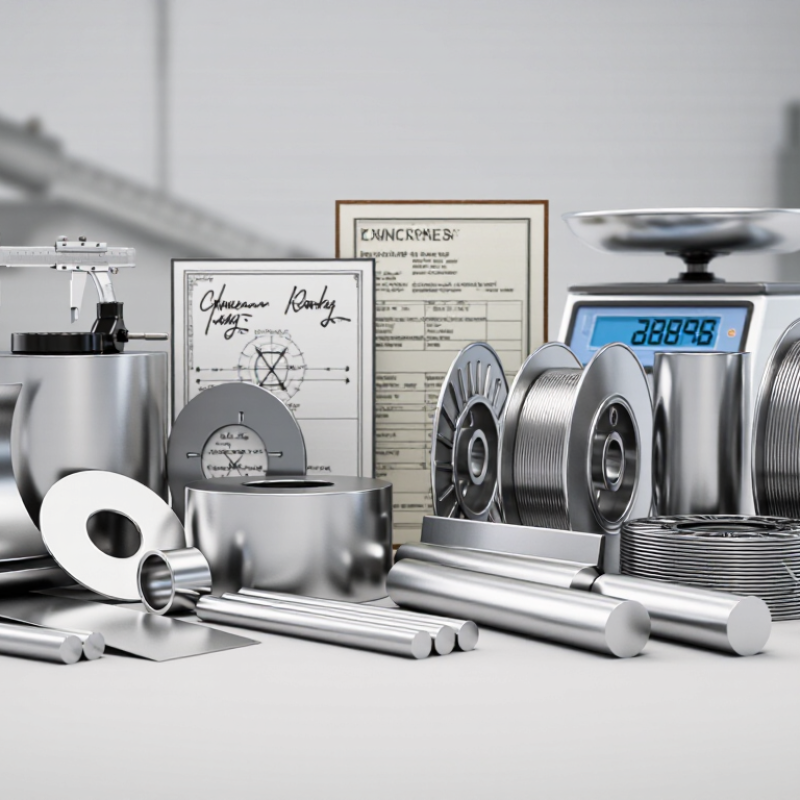
10 Best Pure Nickel Metal Suppliers for Global Buyers

Understanding Pure Nickel Metal and Its Common Grades

Pure nickel is a commercial material, not chemically perfect nickel. Buyers commonly compare two wrought grades: UNS N02200 and UNS N02201. ASTM B160/B160M specifies at least 99.0% nickel plus cobalt for both. Carbon is a key distinction: N02200 permits up to 0.15%, while N02201 is limited to 0.02%. That lower carbon content helps N02201 resist intergranular embrittlement during prolonged exposure to elevated temperatures. Small numbers, real consequences. Still, choosing a grade from its name alone is risky; service temperature, forming, and product form matter too.

The USGS Mineral Commodity Summaries 2025 estimated global mined nickel output at 3.7 million metric tons in 2024. This figure describes mined nickel, not refined pure-nickel supply, so it cannot establish a supplier’s stock or product purity. For purchasing, request a material test certificate showing the applicable specification, chemistry, and heat number. Check that the delivered bar, sheet, or plate matches the certificate. A certificate is useful, but it does not replace independent verification when traceability or performance is critical. One easy detail to miss: “pure nickel” still allows controlled amounts of other elements.

Pure Nickel Grades: Maximum Carbon Content

Nickel 200 and Nickel 201 both have a minimum nickel-plus-cobalt content of 99.0%. Their key distinction is carbon: Nickel 201 has a lower maximum carbon content, making it the preferred grade for certain applications involving elevated temperatures. Values shown are typical specification limits; confirm the applicable standard and product form when purchasing.

Key Quality Standards for Evaluating Pure Nickel Suppliers

When comparing Pure Nickel Rod suppliers, check the stated grade against the applicable material specification. ASTM B160 covers nickel rod and bar; UNS N02200 requires at least 99.0% nickel, while N02201 limits carbon to 0.02%. Small differences matter. Ask for heat-specific test certificates showing chemistry, dimensions, and mechanical results, rather than a generic product sheet. A certificate is useful, but it does not prove every delivered bar matches the stated heat.

The USGS Mineral Commodity Summaries 2025 estimated 2024 global mined nickel production at about 3.7 million metric tons, with Indonesia contributing roughly 2.2 million. These figures describe mined output, not refined-metal purity or supplier performance. That distinction is easy to miss. Buyers should check traceability from production lot to shipment and confirm that test methods and acceptance limits match the purchase specification.

Request independent verification when the application is sensitive or documentation is incomplete. Compare measured diameter, straightness, surface condition, and cut-end quality against agreed tolerances; photograph packaging before dispatch. Moisture-resistant wrapping and clear lot labels help prevent mix-ups during storage and transport. Supplier claims may sound precise, yet a missing test method can make a number hard to interpret. Ask how nonconforming material is handled, and keep that answer in writing.

How to Compare Suppliers for Global Purchasing Needs

Comparing pure nickel suppliers starts with the specification, not the quoted price. Confirm required purity, dimensions, surface condition, and acceptable impurity limits. Ask whether certificates match the actual production lot. A polished certificate is useful, but traceable test results matter more. Request sample documents and check that units and test methods are consistent. Small differences can affect forming, welding, or downstream performance.

Tips: Compare lead times with your production calendar, including sampling and export packing. Ask how sheets, coils, or pellets are protected from abrasion and moisture. Clarify minimum order quantities, packing marks, shipping terms, and pre-dispatch inspection. If possible, approve a representative sample before placing a large order. Keep records of revisions. Email threads get messy.

For global purchasing, assess communication and documentation as carefully as material quality. A dependable supplier should explain capacity, batch identification, and responses to shipments outside agreed tolerances. Check references or arrange a remote factory review where practical. Compare landed cost, not just unit price; freight, insurance, duties, and re-testing may change the picture. No checklist removes every risk. Supplier data can be incomplete, and records may arrive late. Note your assumptions and revisit them before committing.

Profiles of 10 Pure Nickel Metal Suppliers Worldwide

The U.S. Geological Survey’s Mineral Commodity Summaries 2025 estimates 2024 world mine production at 3.7 million metric tons. Indonesia contributed about 2.2 million tons. Mine output is not the same as refined pure-metal supply, so buyers should confirm product form and assay. These ten profiles describe supplier routes, not endorsements. Japan-based precision stockists serve electronics and specialty-alloy buyers. South Korean distributors offer processed forms and regional logistics. Chinese suppliers span refined metal, powder, and foil. Indonesian suppliers are closer to mining and conversion; verify whether they sell finished metal. Canadian refiners and stockists supply cathodes, briquettes, and related forms.

Finnish suppliers are worth checking for documentation and traceability. Norwegian distributors can support European alloy customers. German technical stockists often handle smaller, specification-led orders. U.S. specialty-metal distributors may offer cut-to-size stock. UK distributors can serve engineering and laboratory procurement. Product sheets vary. Not every “high-purity” listing specifies the same assay basis. Ask for a recent certificate of analysis, impurity limits, minimum order quantity, and delivery form. Compare those details before comparing price. A tidy supplier table can still hide gaps; country of origin alone does not prove product quality.

10 Best Pure Nickel Metal Suppliers for Global Buyers — Profiles of 10 Pure Nickel Metal Suppliers Worldwide

Anonymous Profile Supplier Base Supplier Category Nickel Metal Forms to Request Specification Checks Key Buyer Due Diligence
Supplier Profile 01 Canada Integrated producer or primary-metal channel Ask about cathodes, briquettes, pellets, or other available refined-metal forms. Request the applicable nickel grade, minimum nickel content, and a batch-specific certificate of analysis (CoA). Confirm current production or allocation status, export terms, and delivery point.
Supplier Profile 02 China Producer, processor, or domestic distribution channel Ask whether cathode, briquette, cut pieces, or other forms are available for the required use. Check nickel content, impurity limits, dimensions, and the test method stated on the CoA. Verify the legal seller, lot traceability, export documentation, and independent inspection options.
Supplier Profile 03 Japan Refined-metal or specialist materials channel Request the form and packaging suited to the application; availability is product- and supplier-specific. Specify the required grade and limits for elements such as cobalt, iron, copper, and sulfur. Confirm minimum order quantity, lead time, and whether the seller supplies directly or through an agent.
Supplier Profile 04 Finland Refining, processing, or European supply channel Ask for confirmation that the offer is metallic nickel rather than nickel sulfate or an intermediate product. Review the chemical analysis, form, dimensions, and declared production origin. Check applicable EU trade, customs, and product documentation for the destination market.
Supplier Profile 05 Australia Producer, exporter, or regional supply channel Request current availability of refined nickel in the required physical form. Confirm the grade, impurity limits, packaging, and whether the quoted material is primary nickel metal. Check operating and shipment status directly; production and sales arrangements can change.
Supplier Profile 06 Russia Producer or international trading channel Specify the required metal form and confirm that the product can be legally supplied to the destination. Request a current CoA and verify the declared grade against the buyer’s technical specification. Screen sanctions, banking, insurance, shipping, and import restrictions before placing an order.
Supplier Profile 07 Germany Industrial metals distributor or stockholder Ask about stock availability for cathode, plate, sheet, rod, or cut-to-size material. Confirm whether the quoted purity is guaranteed by the mill or only stated by the reseller. Request original mill documentation, stock location, and any cutting or handling charges.
Supplier Profile 08 United Kingdom Specialist metals distributor or importer Ask for available dimensions, forms, and packaging for industrial or laboratory requirements. Check the CoA, batch identification, tolerances, and the basis of any purity claim. Confirm delivery terms, import requirements, and whether material is in stock or made to order.
Supplier Profile 09 United States Domestic stockist, importer, or specialty-metal supplier Request the specific form, dimensions, and quantity; stock ranges differ between suppliers. State a recognized grade or provide a written impurity specification; do not rely on “pure nickel” alone. Verify country of origin, traceability, inspection options, and applicable trade requirements.
Supplier Profile 10 India Importer, processor, or industrial metals distributor Ask whether the offer is refined nickel metal and identify the exact form and intended application. Require a lot-specific CoA, nickel content, impurity limits, and clear packaging details. Check seller credentials, material origin, delivery schedule, and local import documentation.

Buyer note: These are anonymized sourcing profiles, not named or ranked companies. Product forms, grades, stock, and export availability must be verified directly with each seller. For high-purity requirements, request a batch-specific CoA; LME Grade A nickel requires a minimum nickel content of 99.80%, but other specifications and impurity limits may apply to a particular purchase.

Comparing Product Range, Certifications, and Supply Capacity

When comparing pure nickel suppliers, look beyond a broad catalog. Check whether they offer plate, sheet, wire, rod, and Pure Nickel Bar in the dimensions your project actually needs. Ask for the applicable grade, chemical composition, dimensional tolerances, and recent material test documentation. Details matter.

Certifications can indicate process controls, but verify their scope and validity rather than relying on a logo or claim. Request traceability records linking the shipment to its heat or batch, plus inspection reports where required. A certificate alone does not prove that a specific lot meets your purchase specification. Ask for evidence.

Supply capacity is more than a large advertised tonnage. Compare available stock, standard bar lengths, minimum order quantities, production lead times, and the supplier’s ability to handle repeat orders. Ask how delays or specification changes are communicated. Capacity is not inventory. A sample order can reveal packing quality, labeling, and document accuracy before a larger commitment. I would still treat quoted lead times as estimates; real schedules can shift, and that deserves a direct conversation.

Global Nickel Sourcing: Pricing, Shipping, and Import Considerations

Pure nickel pricing can shift with market conditions, purity, thickness, and order size. When comparing suppliers, check whether quotes include cutting, packaging, and inspection. A low price may exclude freight or leave important tolerances unclear. For Pure Nickel Sheet, confirm the grade, dimensions, surface condition, and certificate of analysis before placing an order. Small details matter.

Shipping plans affect the landed cost. Nickel sheets should be packed to limit scratches and moisture exposure, especially during long sea journeys. Ask for the estimated production time, dispatch date, shipping method, and insurance terms in writing. Import paperwork commonly includes a commercial invoice, packing list, and material documentation. Requirements vary by destination, so have a qualified customs broker verify the tariff classification, duties, and document rules. Delays happen. I would not rely on a supplier’s delivery estimate alone.

Tips: Compare quotes on the same delivery basis, such as freight-paid or pickup terms. Request a sample or inspection photos when practical. Keep a buffer for customs clearance; even well-prepared shipments can stall over a missing detail.

How Buyers Can Verify a Supplier Before Placing an Order

Before placing an order for pure nickel metal, verify that the supplier can document exactly what is being sold. Request a recent certificate of analysis showing nickel content and relevant impurities, then compare it with the grade and specification on your purchase order. Check that the certificate identifies the batch, not just a general product range. Ask for the production or inspection date, too. A polished PDF alone proves little.

Tips: Match the batch number on the certificate to the labels on the sample and shipping documents. If the paperwork mentions Pure Titanium, stop and clarify the material before proceeding; similar-looking documents can hide a simple listing error. Ask for a small sample when practical, and have an independent laboratory test it if the order is high-value or the results seem inconsistent.

Confirm dimensions, tolerances, packaging, and delivery terms in writing. For sheets, specify thickness and width; for wire, specify diameter and coil condition. Request clear photos of the actual lot, including its labels and protective wrapping. Check references from buyers who purchased a comparable grade, not merely from general customer lists. A video call can help resolve questions, but it is not a substitute for traceable records. Verification takes time. It may still miss something, so document every agreed detail before payment.

FAQS

Which documents should I request for pure nickel rod or bar?

Request a heat-specific test certificate with chemical composition, dimensions, and mechanical results. Check that it matches your purchase specification. A generic product sheet is not enough.

How can I check whether a certificate matches the delivered material?

Compare its batch or heat number with the shipment labels and documents. Check the inspection date and test methods, too. Small label details matter.

What should I know about N02200 and N02201 grades?

N02200 requires at least 99.0% nickel, while N02201 limits carbon to 0.02%. Confirm the grade and applicable specification in writing before ordering.

Which physical details should I inspect?

Measure diameter, straightness, and cut-end quality against agreed tolerances. Check surface condition and packaging. Clear lot labels help prevent mix-ups.

When is independent testing worth considering?

Consider it for sensitive applications, high-value orders, incomplete records, or inconsistent results. A laboratory test adds evidence, though it may not resolve every concern.

How can I assess a supplier’s certifications and product range?

Verify that certifications are current and cover the relevant process. Confirm available forms, such as sheet, plate, wire, and bar. A logo alone proves little.

What should I ask about supply capacity?

Ask about actual stock, standard lengths, minimum quantities, lead times, and repeat-order support. Capacity is not inventory. Quoted schedules can still change.

Is a sample order useful before a larger purchase?

Yes. Inspect its dimensions, labels, packaging, and documents. For a substantial order, a sample may reveal problems, but it cannot guarantee every shipment.

Conclusion

This guide explains what Pure Nickel Metal is, how its common grades differ, and which quality standards buyers should review when assessing potential suppliers. It outlines practical ways to compare international vendors, including product availability, certifications, production capacity, consistency, and ability to meet order requirements. The supplier profiles offer a framework for evaluating a range of global sources without relying on a single purchasing criterion.

For global sourcing, the guide also considers pricing factors, shipping arrangements, import documentation, and delivery timelines. Before placing an order, buyers can verify a supplier by requesting current technical specifications, relevant quality documents, sample material where appropriate, and clear information about production and fulfillment. These steps help purchasers make informed comparisons, reduce uncertainty, and select a supplier suited to their technical and logistical needs.


Isabella

Isabella

Isabella is a dedicated marketing professional with extensive expertise in the metal pipe industry, particularly focusing on titanium, nickel, and zirconium products. With a strong background in research and development, she plays an integral role in conveying the innovative aspects of her......
Previous 2026 Top Nickel Sheet Suppliers and Manufacturers?