Leave Your Message
0%

China has really stepped up as a major hub for producing titanium products, thanks to their strong capacity for making sponge titanium and their growing experience in exporting it. According to the USGS Mineral Commodity Summaries 2025, China is actually the top producer of titanium sponge — but keep in mind, the reporting isn’t complete at the country level. That’s kind of a big deal. Just because a country leads in raw material production doesn’t mean their finished pipes are all of the same quality. It’s a common misconception.

If you’re buying globally, finding a trustworthy Titanium Welding Pipe supplier isn’t just about getting the best price. You really need to dig into their process — check their welding procedures, look at heat numbers, review dimensional records, and see their non-destructive testing results. ASTM B862 is the go-to standard for welded titanium pipes, by the way. Also, having ISO 9001 certification helps show they’re serious about process control, but that doesn’t mean you can skip inspection. Little things matter — so before they ship, make sure you verify weld bead consistency, look for any oval shape issues, check for surface discoloration, and see if the ends are properly protected.

This guide takes a look at well-established Chinese manufacturers like Baoji Titanium Industry Co., Ltd. (BaoTi) and Western Metal Materials Co., Ltd. It covers important factors such as the material grades they offer, how well they control wall thickness, their production capacity, export paperwork, and how responsive they are when you need support. Industry forecasts from sources like Grand View Research and MarketsandMarkets keep pointing to steady growth in the global titanium market — especially with sectors like aerospace, chemicals, desalination plants, and energy behind the demand. But, don’t get too carried away thinking that means every supplier is a total winner. Sometimes, a supplier might look great online but don’t perform as consistently in production. That’s why doing factory audits, testing samples, and going through traceable inspection records is so important. This overview gives you a good starting point, but it’s no substitute for thorough technical checks and due diligence — always do your homework before making any decisions.
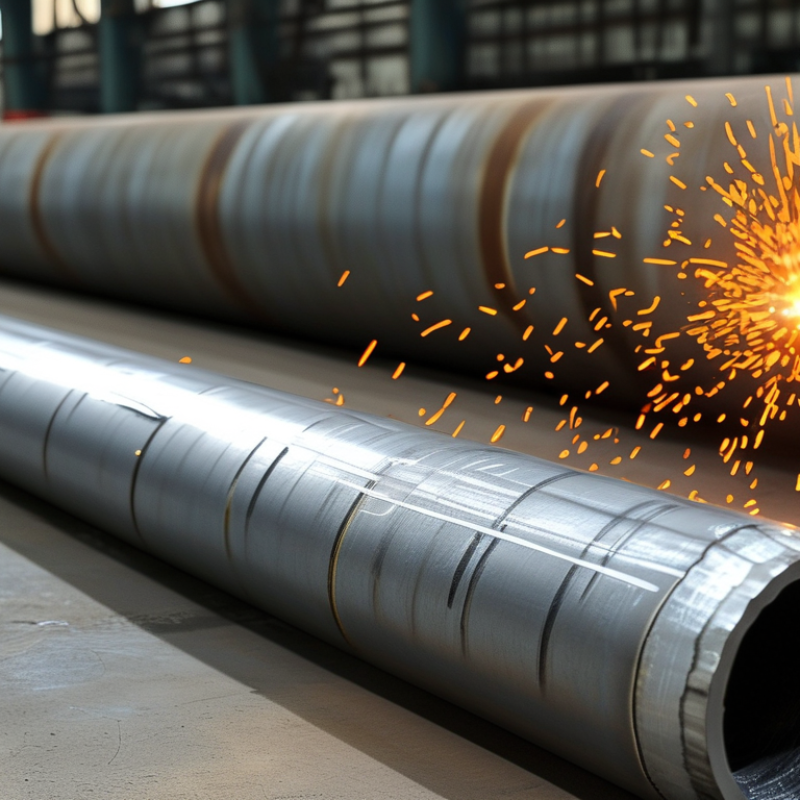
China Top Titanium Welding Pipe Manufacturers for Global Buyers

What Titanium Welding Pipes Are and Why Global Buyers Choose Them

Titanium welding pipes are tubes formed by rolling titanium sheet or strip, then joining the seam through controlled welding. The process creates a continuous passage for fluids, gases, or heat transfer. Titanium Pipe Welding requires clean surfaces, stable shielding gas, and careful heat control. Even a small oxygen leak can discolor the seam and reduce confidence in the joint.

Global buyers choose these pipes for their low density, strong corrosion resistance, and dependable performance in seawater, chemical processing, and power equipment. A properly made pipe can handle demanding service while reducing replacement frequency. Grade selection matters, however. Pure titanium suits some corrosive environments, while alloyed grades may provide greater strength. A familiar mistake is choosing by price alone. That decision can create costly fitting problems later.

Tips: Check wall thickness, weld appearance, dimensional tolerance, and test records before ordering. Ask for material certificates and traceability from melting to shipment. Inspect sample ends for clean cuts and burr-free preparation. Buyers should also confirm the required standard, pressure rating, and delivery condition. In practical sourcing, communication is often underestimated. Drawings, inspection points, and packaging details should be agreed in writing. Even experienced teams can overlook moisture protection during long-distance transport.

Key Standards and Specifications for Titanium Welding Pipes

China Top Titanium Welding Pipe Manufacturers for Global Buyers

Titanium welded pipes demand disciplined specification control. ASTM B862 covers welded titanium and titanium-alloy pipe, including grades, dimensions, and testing. For process systems, ASME B31.3 defines design, fabrication, examination, and pressure-testing requirements. ASTM B338 may apply when the product is ordered as condenser or heat-exchanger tubing.

Grade 2 titanium remains common for chemical service because it balances corrosion resistance, formability, and cost. Grade 5 offers higher strength but requires tighter welding control. Wall thickness, outside diameter, length tolerance, surface condition, and weld quality should appear clearly on the purchase order.

The 2024 USGS Mineral Commodity Summaries reports global titanium sponge capacity at roughly 330,000 metric tons annually. This scale supports broad supply, but it does not guarantee consistent pipe quality. Traceability still matters. Request heat numbers, chemical analysis, mechanical results, hydrostatic testing, and radiographic or ultrasonic examination records.

One detail is easy to miss.

Tips:

Confirm whether the quoted standard is current. Check that the certificate matches the actual heat number. Specify argon shielding for the weld root and outer surface. Titanium can absorb oxygen, nitrogen, and hydrogen during welding, causing brittle contamination. Clean tooling, controlled purge gas, and visible weld discoloration checks are practical safeguards. ASTM B862 acceptance criteria should guide final inspection, not only visual appearance. A cheaper pipe may fail through poor surface preparation. That risk deserves a written quality plan.

How to Evaluate China’s Titanium Welding Pipe Manufacturers

China Top Titanium Welding Pipe Manufacturers for Global Buyers

Evaluating China’s titanium welding pipe manufacturers requires evidence beyond low quotations. The USGS Mineral Commodity Summaries 2024 estimated global titanium sponge production at about 280,000 metric tons in 2023, with China among the leading producers. This scale supports supply capacity, but it does not prove consistent pipe quality. Request heat numbers, mill certificates, chemical analysis, and traceability from sponge to finished pipe.

For Gr2 Titanium Welding Pipe, check compliance with ASTM B862 and the agreed dimensional standard. Ask whether each weld receives visual inspection, eddy-current testing, and hydrostatic testing when required. A reliable factory should provide weld maps, calibration records, and sample inspection reports. Review oxygen, nitrogen, hydrogen, and iron results carefully; small increases can affect ductility and corrosion performance. Independent laboratory verification is worth the cost.

Visit the production line if possible. Observe clean handling, covered storage, and separate tooling for titanium. ISO 9001 certification is useful, but it cannot replace process evidence. A polished factory tour can still mislead. I would compare three recent batches, not one attractive sample. Also examine nonconformance records and corrective actions. Manufacturers that openly explain a failed weld may deserve more trust than those claiming perfect results. The 2023 World Steel Association reports global steel output above 1.8 billion tonnes, reminding buyers that metal supply chains are immense; titanium sourcing needs tighter, product-specific controls.

Manufacturing Processes and Quality Control Practices

China Top Titanium Welding Pipe Manufacturers for Global Buyers

Manufacturing Processes and Quality Control Practices

Reliable titanium welded pipe begins with controlled raw material, not the welding machine. Manufacturers usually verify titanium grade, chemical composition, and surface condition before forming. Grade 2 is common for corrosion service, while Grade 5 suits higher strength requirements.

The strip is leveled, formed, and joined under carefully controlled shielding gas. Argon protection must cover the weld pool, hot zone, and inner surface. Even a small oxygen leak can discolor titanium and reduce ductility. Skilled operators monitor current, travel speed, electrode condition, and gas flow during production. The weld bead is then cleaned, sized, and heat-treated when required by the specification.

Quality control should follow documented ASTM, ASME, or project requirements. Inspectors check wall thickness, outside diameter, ovality, surface marks, and weld appearance. Chemical verification confirms material identity. Non-destructive testing may include ultrasonic, eddy-current, radiographic, or dye-penetrant inspection, depending on risk and application. Hydrostatic or pneumatic testing requires controlled procedures and safe containment.

Traceability matters. Each pipe should connect to a heat number, inspection record, and operator log. In practice, records can contain gaps, especially during busy export schedules. That weakness deserves attention. Digital reports help, but they cannot replace calibrated instruments and trained inspectors. A factory visit, sample review, and independent testing can reveal details that certificates sometimes miss.

China Top Titanium Welding Pipe Manufacturers for Global Buyers - Manufacturing Processes and Quality Control Practices

Typical manufacturing routes and quality-control practices used for titanium welded pipes supplied to international industrial buyers.

Manufacturing or QC Stage Key Parameter or Data Dimension Typical Practice for Titanium Welded Pipe Quality-Control Method and Acceptance Focus Common Standard or Reference
1. Material Selection Commercially pure and alloy grades Common grades include commercially pure Grade 1, Grade 2, Grade 3 and Grade 4, as well as alloy Grade 5. Grade 2 is widely selected for corrosion-resistant piping because it combines good corrosion resistance with useful strength. Review heat numbers, material certificates, chemical composition and mechanical-property results before production. ASTM B265
ASTM B338
ASTM B862
2. Surface Preparation Strip or plate cleanliness Titanium sheet or strip is cleaned and degreased before forming. Oil, paint, adhesive residue, iron particles and other contaminants are removed to reduce weld contamination and discoloration. Visual inspection under adequate lighting; cleanliness checks before forming and welding. Welding procedure specification
ASTM B862
3. Slitting and Edge Preparation Strip width, edge condition and burr control Titanium coil or sheet is slit to the required width. Edges are trimmed to provide consistent alignment and a stable weld joint. Excessive burrs and sharp defects are removed. Dimensional inspection using calibrated gauges; edge inspection for cracks, laminations and burrs. Approved manufacturing drawing
ASTM B862
4. Tube Forming Circularity, alignment and forming deformation Prepared strip is progressively roll-formed into a tubular shape. Controlled forming passes help maintain uniform geometry and reduce excessive residual stress before welding. Check outside diameter, wall thickness, ovality and longitudinal alignment at defined production intervals. ASTM B862
Purchase specification
5. Longitudinal Welding Shielding-gas protection and weld penetration TIG, plasma arc or other qualified fusion-welding processes may be used. High-purity argon shielding protects the weld pool, the hot weld bead and the heat-affected zone from oxygen, nitrogen and hydrogen pickup. Qualified welding procedure; monitoring of current, voltage, travel speed, gas flow, electrode condition and trailing-shield coverage. AWS D1.9
ASME Section IX
ASTM B862
6. Weld Color and Contamination Check Surface oxidation and discoloration A bright silver weld appearance is generally preferred. Blue, purple, gray or heavily oxidized areas can indicate inadequate shielding or excessive heat input and require evaluation. Visual examination of the weld crown, heat-affected zone and internal weld surface where accessible; defective areas are repaired or rejected according to the specification. AWS D1.9
Approved weld-quality criteria
7. Weld Bead Conditioning Internal and external weld profile The weld bead may be left as welded, mechanically dressed or sized according to service requirements. Excessive reinforcement, undercut, lack of fusion and surface cracking are not acceptable. Visual and dimensional inspection; localized grinding or rework only under an approved procedure. ASTM B862
Customer drawing
8. Sizing and Straightening Final geometry Sizing rolls or calibrated tooling are used to achieve the specified outside diameter, wall thickness, straightness and end condition without damaging the titanium surface. Measurement of outside diameter, wall thickness, length, straightness, end squareness and ovality with calibrated instruments. ASTM B862
ASME B36.19M where applicable
9. Heat Treatment Stress relief or annealing condition Heat treatment is applied when required by the material grade, forming route or purchase order. The selected cycle is controlled to avoid contamination and excessive grain growth. Maintain furnace temperature records, batch identification, time-at-temperature data and traceable heat-treatment reports. ASTM B338
ASTM B862
Purchase specification
10. Chemical Composition Verification Titanium grade and alloying elements Material chemistry is verified against the specified grade. For Grade 2, the specification controls titanium balance and limits elements such as iron, oxygen, carbon, nitrogen and hydrogen. Positive material identification or laboratory analysis; results are matched to the heat number on the material certificate. ASTM B265
ASTM B338
ASTM B862
11. Mechanical Testing Tensile strength, yield strength and elongation Representative samples are tested to confirm that the specified grade and product form meet the required tensile properties. Testing may include flattening, flaring or bend tests when required. Record tensile strength, yield strength and elongation; compare results with the applicable material specification and purchase order. ASTM B338
ASTM B862
ASTM E8/E8M
12. Non-Destructive Testing Weld integrity and discontinuity detection Eddy-current testing, ultrasonic testing, radiographic testing or other qualified methods may be selected according to pipe size, wall thickness, service risk and customer requirements. Detect cracks, lack of fusion, porosity, inclusions and other discontinuities; testing extent and acceptance levels are defined by the applicable specification. ASTM B862
ASTM E426
ASTM E213
13. Hydrostatic or Pneumatic Testing Pressure integrity and leakage Pressure testing may be required for pressure-containing or heat-exchanger applications. The test pressure, holding time and medium are established by the product standard or purchase order. No visible leakage, sweating or permanent deformation is permitted during the specified test. Pneumatic testing requires additional safety controls. ASTM B338
ASTM B862
ASME B31.3 where applicable
14. Surface and End Inspection Surface defects, end condition and cleanliness Finished pipes are inspected for scratches, dents, cracks, corrosion stains, weld defects, sharp edges and foreign particles. Ends may be plain, beveled, threaded or prepared according to the order. Visual inspection, dimensional checks and verification of end preparation against the approved drawing. ASTM B862
Customer specification
15. Traceability and Documentation Heat, batch and inspection records Each production lot should remain traceable from raw material through forming, welding, heat treatment, inspection and packing. Marking normally includes size, grade, standard and heat or lot identification when required. Review material certificates, weld records, inspection reports, test results, nonconformance records and certificate of conformity. ISO 9001
EN 10204
Purchase specification
16. Packaging for Export Protection during storage and transportation Pipes are protected with clean separators, end caps or suitable wrapping. Titanium products should be kept away from carbon-steel contamination, moisture, salt deposits and abrasive contact. Pre-shipment inspection of packing, labels, quantity, dimensions, documentation and container loading condition. Export packing instruction
Customer specification

Note: Exact chemical limits, mechanical requirements, dimensional tolerances, test pressures and non-destructive-testing acceptance criteria depend on the selected titanium grade, pipe size, wall thickness, applicable standard and purchaser’s specification.

Comparing Materials, Sizes, Applications, and Customization Options

China Top Titanium Welding Pipe Manufacturers for Global Buyers

Material selection starts with service conditions, not price. Gr1 Titanium Welding Pipe offers excellent corrosion resistance in seawater, chlorides, and many chemical environments. Its lower strength suits heat exchangers, condensers, piping, and desalination equipment. For higher loads, buyers may compare Grade 2, Grade 5, or alloyed titanium. The USGS Mineral Commodity Summaries 2025 identifies China as the leading titanium sponge producer, supporting a broad domestic supply base.

Sizes require closer verification. Wall thickness, outside diameter, ovality, weld quality, and pressure ratings can vary between suppliers. ASTM B862 covers welded titanium and titanium alloy pipe, while ASTM B861 addresses seamless pipe. Request mill certificates, chemical analysis, tensile results, and nondestructive testing records. Small details matter. A 6-meter pipe with inconsistent wall thickness can create costly fit-up problems.

Applications also influence customization. Pharmaceutical lines may need polished internal surfaces, while offshore systems often require thicker walls and strict corrosion controls. Manufacturers can adjust lengths, end preparation, surface finish, and packing for international transport. UN Comtrade trade data under HS 8108 shows active global movement of titanium products, but classifications can combine different forms. That makes direct supplier comparisons imperfect. I would challenge any quotation lacking weld procedure details, inspection scope, and tolerance data. A lower price may simply exclude testing, traceability, or protective packaging.

China Titanium Welding Pipe Manufacturers for Global Buyers

Comparing commercially available titanium grades by typical minimum tensile strength for welded-pipe material selection.

Materials

Grades 1–4 are commercially pure titanium with increasing strength. Grade 5 is Ti-6Al-4V, an alloy selected when higher strength is required.

Sizes and Applications

Welded titanium pipe is commonly specified by outside diameter, wall thickness and length for chemical processing, desalination, heat exchangers and aerospace systems.

Customization Options

Global buyers may request custom dimensions, cut lengths, end preparation, surface finish, weld inspection, non-destructive testing and certificates.

Data shown are ASTM/ASME-style minimum tensile-strength values commonly used for grade comparison; exact requirements depend on the applicable product specification and supply condition.

Export Services, Certifications, Pricing, and Supplier Selection Criteria

China’s top titanium welding pipe manufacturers serve global buyers through controlled production and practical export support. For Gr5 Titanium Welding Pipe, request material traceability from sponge or billet to the finished weld. A reliable supplier should provide chemical analysis, mechanical test results, and weld inspection records. Certifications matter. Check ISO 9001, ASTM compliance, and EN 10204 3.1 material certificates. Project-specific approvals may also be required.

Pricing depends on diameter, wall thickness, order volume, testing, and delivery terms. A low quote can hide limited inspection or weak packaging. Ask for a clear breakdown covering welding, surface treatment, certificates, export documents, and freight. Confirm whether the price uses FOB, CIF, or another Incoterm. Export teams should also manage moisture protection, wooden cases, customs paperwork, and agreed production milestones. Small details matter.

Tips: Compare three written quotations. Request a sample weld. Check heat numbers on every report. Ask about third-party inspection. Review past export experience, but do not rely on claims alone. A factory video helps, yet it cannot replace an audit. I would also question unusually fast lead times; they may indicate available stock rather than fresh production. Supplier selection is never perfectly objective, and my own checklist can miss hidden risks. Recheck critical assumptions before placing the order.

China Factory Guide to Double-Layer Metal Composite Bars: Titanium, Copper, Zirconium & Stainless Steel

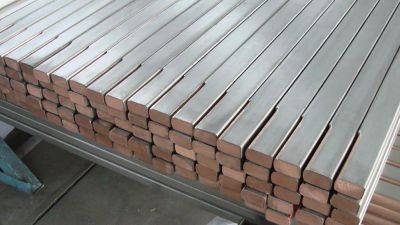
Double-layer metal composite bars combine the conductivity of a core metal with the durability and corrosion resistance of an outer layer. In China, factory production commonly focuses on titanium clad copper, zirconium clad copper, and stainless steel clad copper bars. Copper provides efficient electrical and thermal transfer, while titanium, zirconium, or stainless steel improves resistance to chemicals, moisture, heat, and mechanical wear. This structure can reduce material costs while maintaining reliable performance in demanding environments.

A professional factory guide should cover material selection, bonding methods, dimensional tolerances, surface quality, and inspection procedures. Titanium clad copper is suitable for applications requiring both conductivity and resistance to aggressive media. Zirconium clad copper is valued for severe chemical service, while stainless steel clad copper offers a practical balance of strength, corrosion resistance, and production flexibility. Other combinations, including tantalum clad copper and titanium clad aluminum, can be developed for specialized requirements involving lower weight or stronger chemical protection.

Manufacturers may supply flat bars, round bars, plates, and customized composite sections according to operating conditions. Important purchasing details include the base-metal grade, cladding thickness, cross-sectional dimensions, electrical requirements, working temperature, and exposure environment. Three-layer composites and composite wire or silk materials can also support specialized conductive, electrochemical, heat-exchange, and industrial equipment designs. Careful quality control helps ensure stable bonding, uniform cladding, accurate dimensions, and consistent performance during fabrication and service.

FAQS

Which titanium grades are commonly used for welded pipe?

Grade 2 suits corrosion-focused service. Grade 5 offers higher strength. Selection should follow pressure, temperature, and chemical exposure.

Why is shielding gas important during titanium welding?

Argon should cover the weld pool, hot zone, and inner surface. A small oxygen leak can cause discoloration and reduce ductility.

What manufacturing steps are used for welded titanium pipe?

The strip is leveled, formed, welded, cleaned, sized, and sometimes heat-treated. Operators control current, travel speed, electrode condition, and gas flow.

What dimensions should buyers verify before ordering?

Check wall thickness, outside diameter, ovality, length, and weld appearance. A six-meter pipe with uneven walls can cause difficult fit-up.

Which quality tests may be required?

Testing can include ultrasonic, eddy-current, radiographic, or dye-penetrant inspection. Pressure testing also requires controlled procedures and safe containment.

How does traceability support quality control?

Each pipe should connect to a heat number, inspection record, and operator log. Digital reports help. Calibrated tools still matter.

Can titanium welded pipe be customized for different applications?

Manufacturers may adjust length, end preparation, surface finish, wall thickness, and packaging. Internal polishing may suit clean process lines.

What documents should buyers request from a supplier?

Request mill certificates, chemical analysis, tensile results, inspection records, weld procedures, tolerances, and packaging details. Missing documents deserve questions.

Is the lowest quotation always the best option?

Not necessarily. A low price may exclude testing, traceability, or protective packaging. Compare the complete specification, not only the final number.

How can buyers check whether supplier information is reliable?

Review samples, visit the factory, and consider independent testing. Certificates can miss details. Records are not always perfect.

Conclusion

This guide explains what a Titanium Welding Pipe is and why global buyers select it for applications requiring low weight, high corrosion resistance, strength, and reliable performance in demanding environments. It outlines the key standards, grades, dimensions, wall thicknesses, and testing requirements buyers should review before placing an order. The article also presents practical methods for evaluating China’s titanium welding pipe manufacturers, including production capacity, technical expertise, traceability, inspection systems, and quality consistency.

Readers will learn about forming, welding, heat treatment, surface finishing, non-destructive testing, and other quality control practices used during manufacturing. The guide compares material options, sizes, end connections, applications, and customization possibilities while explaining how to assess export documentation, certifications, packaging, delivery support, pricing, and after-sales communication. By considering these factors together, buyers can identify dependable suppliers, reduce purchasing risks, and select products that match their project specifications, budget, and long-term performance expectations.

Isabella

Isabella

Isabella is a dedicated marketing professional with extensive expertise in the metal pipe industry, particularly focusing on titanium, nickel, and zirconium products. With a strong background in research and development, she plays an integral role in conveying the innovative aspects of her......
Previous China Best Stainless Steel Clad Copper Manufacturers?