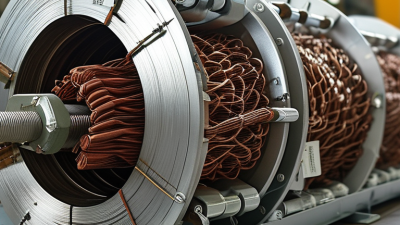
You know, with how competitive the metal processing industry has become, there's always this push to make production more efficient. That's why Cold Rolling Mill tech has seen some serious upgrades lately. These machines are pretty much the backbone when it comes to making steel and aluminum products. Big players like ArcelorMittal and Tata Steel are pouring tons of money into the latest Cold Rolling Mill systems, trying to boost their output and improve the quality of their materials.
Honestly, in today’s market, getting your Cold Rolling Mills working at peak performance isn’t just a nice-to-have — it’s essential. When these machines run better, you waste less material and produce more in the same amount of time. But here’s the tricky part: picking the right machine isn’t exactly a walk in the park. Each one has its own quirks and capabilities, and those little differences can really make a difference in your overall production.
So, understanding what makes different Cold Rolling Mills tick is super important. Some models come with smarter automation and better control features, while others are designed to be more energy-efficient. It’s a bit like shopping for a new gadget — you gotta weigh the options carefully to get the best bang for your buck. Ultimately, choosing the right Cold Rolling Mill can really level up your manufacturing game, making things more efficient while also bumping up product quality.
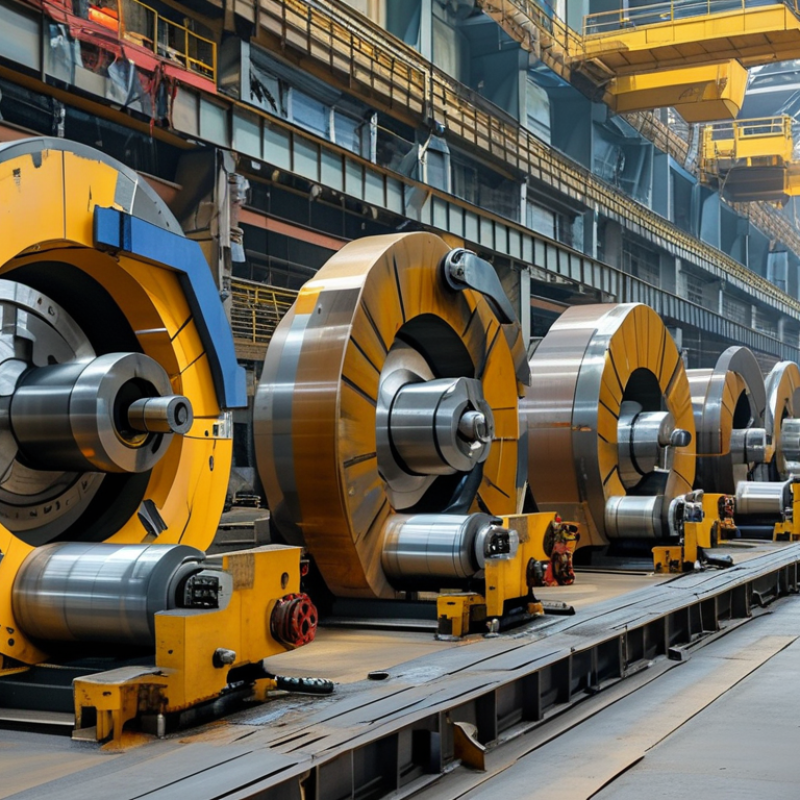
Cold rolling mill machines play a crucial role in the metal production industry. They are essential for transforming metal strips into thinner sheets, enhancing their properties. Reports indicate that cold rolling mills can achieve thickness reductions of up to 90%, making them highly efficient for producing high-quality materials. This efficiency is vital; it helps meet the demands of various industries, from automotive to construction.
These machines operate on the principle of reducing metal thickness while maintaining dimensional accuracy and surface quality. A study from the Metal Forming Institute reveals that modern cold rolling mills can achieve surface roughness values below 1µm. This precision is critical for applications requiring tight tolerances. However, the need for advanced technology comes with challenges. Maintenance is crucial, and neglect can lead to significant downtime.
Moreover, the energy consumption of cold rolling mills can be substantial, prompting discussions about sustainability in the industry. According to recent surveys, nearly 35% of steel manufacturers are actively seeking methods to reduce energy usage while maintaining productivity. This focus on efficiency reflects a broader trend toward sustainable practices in manufacturing, highlighting an ongoing need for innovation and adaptability in cold rolling processes.
This chart illustrates the production efficiency (in units per hour) of various cold rolling mill machines, highlighting the importance of machine selection in optimizing manufacturing processes.
Cold rolling mill machines are vital in various industrial applications. These machines reduce the thickness of metal sheets while also improving their surface finish and mechanical properties. Different types of cold rolling mills are designed to meet specific production needs, enabling manufacturers to achieve efficient results.
One common type is the tandem mill. It consists of several rolling stands arranged sequentially. This setup allows for continuous processing, which can streamline production. Another type is the reversible mill, which has rollers that can reverse direction. This flexibility is crucial for refining and achieving precise thickness.
Each type has its pros and cons. Tandem mills are efficient but require significant investment. Reversible mills are versatile but may slow down production due to their changing direction. Understanding these nuances is essential for making informed decisions when selecting machines. Still, some manufacturers struggle to balance cost with production efficiency. The right choice often depends on specific operational goals and production scales.
Selecting a cold rolling mill machine requires careful consideration of several key features. Efficiency is paramount. Look for machines that offer high output rates while maintaining consistent product quality. The machine’s speed and precision significantly impact production timelines and costs. A machine with advanced automation capabilities can enhance operational efficiency by reducing manual intervention.
Another crucial aspect is the machine's material handling capabilities. It should accommodate various metal types and thicknesses. Flexibility in production is essential for adapting to changing market demands. Additionally, consider the machine's energy consumption. Energy-efficient models contribute to lower operational costs and a reduced carbon footprint.
Maintenance requirements are also vital to assess. Machines that are easy to maintain can save time and labor costs. Look for features that simplify routine checks and repairs. User-friendly controls and monitoring systems can improve the workflow. Lastly, consider the machine’s reliability and durability. Investing in robust construction ensures long-term performance but may necessitate further research and reflection on durability versus initial cost.
Cold rolling mills play a crucial role in the metal manufacturing industry. These machines convert metal strips into thin sheets with enhanced properties. In recent years, the demand for efficient and high-performing cold rolling mill equipment has surged. According to industry reports, global demand for these machines is expected to grow at a compound annual growth rate (CAGR) of about 4.5% through the next five years.
Several leading manufacturers dominate the market. They are known for their innovative approach to machine design and high-quality output. Some focus on automation, reducing operational costs while increasing production efficiency. Advanced technologies, such as IoT integration, improve real-time monitoring and control of processes. These features appeal to manufacturers looking to optimize their production lines and minimize waste.
However, selecting the right cold rolling mill can be challenging. Each manufacturer offers unique specifications and features. Companies must evaluate their specific needs carefully. They need to consider factors such as material type, thickness, and desired finish. This reflection ensures that the chosen equipment aligns with production goals and industry standards. Investing in the right machinery is crucial for long-term success in this competitive landscape.
Cold rolling mill technology has evolved significantly. Innovations in automation and control systems have enhanced production efficiency. By employing advanced sensors and software, operators can monitor processes in real time. This allows for quicker adjustments, which lead to better product quality and reduced waste.
Another noteworthy development is the use of high-speed and precision rolling mills. These machines can produce thinner and more uniform sheets. The integration of AI and machine learning has also optimized the rolling processes. However, this progress can come with challenges. Companies must invest in employee training to fully leverage these new technologies.
Sustainability remains a crucial focus. Many manufacturers are exploring energy-efficient designs. Yet, transitioning to these new machines requires careful planning. Not all facilities can bear the initial costs, and some may need to upgrade their infrastructure. As the industry pushes for greener practices, finding the right balance is essential.
In the cold rolling industry, automation plays a vital role in enhancing production efficiency. Advanced technologies streamline workflows and reduce manual errors. Sensors and integrated systems monitor processes in real time. This leads to improved precision and material utilization.
Implementing automated solutions in cold rolling mills can often expose areas needing reflection. For example, while automation reduces labor costs, it may lead to reliance on systems that can malfunction. Regular maintenance and training for operators become essential to ensure smooth operations.
Utilizing data analytics can also provide insights into performance. Gathering data enables better decision-making and more efficient resource allocation. However, there can be a learning curve for existing staff. Investing time in proper training can pay off greatly. Understanding the technology is key to maximizing its benefits.
Maintaining and operating cold rolling mills efficiently is crucial for maximizing production quality and minimizing downtime. Regular maintenance schedules can prevent unexpected equipment failures. A report by the Steel Institute indicates that proper maintenance can boost productivity by up to 20%. Operators should focus on daily inspections and routine checks of critical components, such as bearings and roll gaps. Keeping precise rolling parameters can significantly enhance output quality.
Moreover, training staff on best practices is essential. Knowledgeable operators can identify potential issues early. Implementing a continuous improvement program can foster a culture of safety and efficiency. For instance, investing in advanced monitoring systems could reduce maintenance costs by about 15%. Companies also should analyze production data regularly. This helps in understanding machine performance trends and potential areas for improvement.
Despite these strategies, some challenges remain. Not every maintenance plan is perfect. Occasionally, operators may overlook minor issues, leading to larger problems. Acknowledging these oversights is vital for developing better practices. The path to efficient production in cold rolling mills requires consistent effort and adaptive strategies to meet ever-changing industry demands.
: They transform metal strips into thinner sheets, improving their properties and efficiency.
Reports show reductions of up to 90%, crucial for producing high-quality materials.
It ensures tight tolerances necessary for applications in various industries, like automotive and construction.
Maintenance is vital; neglect can cause significant downtime and impact productivity.
Nearly 35% of manufacturers seek to reduce energy usage while maintaining productivity, highlighting sustainability issues.
A type with sequential rolling stands that allows for continuous processing, enhancing production efficiency.
They can change the direction of rollers, offering flexibility for refining thickness but may slow production.
Efficiency, material handling capabilities, energy consumption, and ease of maintenance are crucial factors.
Advanced automation reduces manual work, improving efficiency and production timelines.
Investing in robust construction ensures long-term performance, but this may require balancing cost and durability.
Cold Rolling Mills play a crucial role in the production of flat metal products, enhancing their surface finish and dimensional accuracy. This article provides an overview of the various types of cold rolling mill machines utilized across industrial applications, emphasizing the importance of selecting the right equipment based on key features and operational requirements.
Moreover, we explore the latest technological innovations in cold rolling mill machinery that enhance efficiency through automation, streamlining production processes. The article also highlights best practices for the maintenance and operation of cold rolling mills, ensuring optimal performance and longevity of the equipment. Collectively, these insights aim to guide manufacturers in achieving efficient production while maximizing the lifespan of their cold rolling mill investments.