Leave Your Message
Choosing the best Electrolysis Plate is not simply a matter of selecting the brightest metal or lowest price. A reliable choice depends on the liquid, voltage, current, plate size, spacing, and expected service life. Small differences can affect heating, gas production, corrosion, and cleaning effort.
This guide approaches the decision from a practical and technical perspective. It explains how conductive materials behave in real operating conditions, where labels can be confusing, and why supplier specifications deserve careful checking. The search term “Nickle Plate” is common, but “Nickel Plate” is the standard spelling. More importantly, a plate’s coating, base metal, thickness, and connection quality often matter more than marketing language.
Look closely at the edges. Rough cuts can collect residue and weaken electrical contact. Check whether the plate remains stable after repeated cleaning, and request test data matching your intended electrolyte. A trustworthy supplier should identify material grades, tolerances, recommended current ranges, and safe handling practices. Do not rely on appearance alone.
There is no universal winner. Titanium, stainless steel, nickel, and coated options suit different applications. Even experienced buyers can overlook spacing or connector heating. That is worth admitting. Compare samples when possible, record performance over time, and investigate unexplained changes. This careful process supports responsible equipment design and helps you select an Electrolysis Plate that performs consistently and lasts longer.
How to Choose the Best Electrolysis Plate?
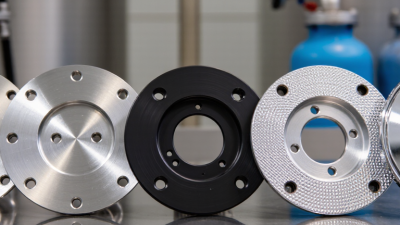
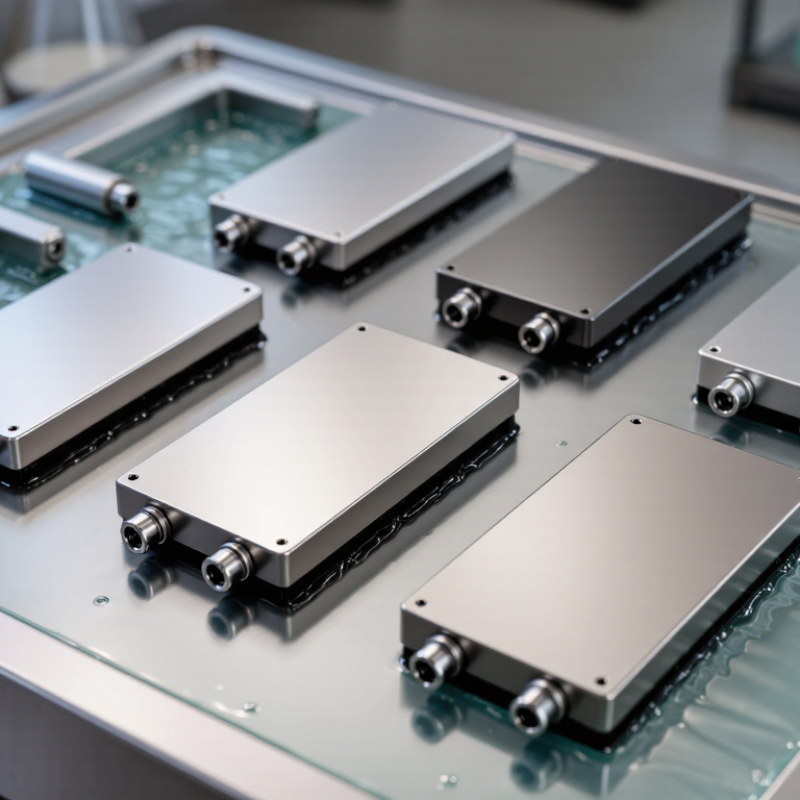
An electrolysis plate is more than a flat metal sheet. It conducts electricity, supports the catalyst, and helps water move evenly across the active area. It also guides hydrogen and oxygen away from the reaction zone. Poor contact can create hot spots, uneven bubbles, and wasted power. The IEA’s Global Hydrogen Review 2024 reports that global installed water-electrolysis capacity reached about 1.4 gigawatts by the end of 2023. This growth makes plate quality increasingly important. In PEM systems, a Titanium Plate offers strong corrosion resistance and stable mechanical support. Alkaline systems may require different materials and surface treatments.
Material choice should follow the electrolyte, pressure, temperature, and current density. Check thickness, flatness, hole design, surface roughness, and coating adhesion. A thicker plate is not automatically better. It may reduce electrical resistance but increase weight and cost. IRENA’s Green Hydrogen Cost Reduction report notes that electrolyzer efficiency commonly falls within a broad 60–80% range. Small plate losses can therefore become expensive during continuous operation. A clean edge matters too. Burrs can disturb sealing around the gasket.
Tips: Inspect the plate under bright light. Look for scratches, warping, blocked channels, and uneven coating. Measure resistance after assembly, not only before it. Record electrolyte temperature and operating current. A plate can look perfect and still perform poorly. That is an easy assumption to challenge. Compare test results over time, because early performance may hide gradual corrosion.
| Evaluation Dimension | What the Electrolysis Plate Does | Common Options | Key Advantages | Important Limitations | What to Check Before Buying |
|---|---|---|---|---|---|
| Electrode Function | An electrolysis plate acts as an electrode. When direct current passes through the water, it supports the oxidation or reduction reactions needed to split water into hydrogen and oxygen. | Anode, cathode, or a paired electrode assembly | Provides the active surface where the electrochemical reaction occurs. | A plate alone cannot produce hydrogen; it requires a suitable power supply, electrolyte or conductive water, and a complete circuit. | Confirm whether the plate is intended for the anode, cathode, or a complete cell. |
| Plate Material | The material carries current and remains in contact with the electrolyte during operation. | Nickel, stainless steel, titanium, or titanium with a catalytic coating | Material selection affects corrosion resistance, electrical conductivity, service life, and operating cost. | Not every metal is chemically stable in every electrolyte. Some materials may corrode or release unwanted compounds. | Check the base metal, coating specification, electrolyte compatibility, and intended operating conditions. |
| Corrosion Resistance | The plate must withstand chemical and electrochemical attack while the cell is operating. | Uncoated conductive metal or corrosion-resistant coated plate | Higher corrosion resistance generally supports more consistent performance and longer replacement intervals. | Corrosion can increase contamination, reduce active area, and change electrical resistance. | Look for documented resistance to the actual water chemistry, temperature, current density, and electrolyte concentration. |
| Active Surface Area | The active area provides locations for gas-producing reactions. A larger effective area can distribute current over more surface. | Flat plate, perforated plate, mesh, or expanded-metal structure | More usable area may reduce local current concentration and improve gas release. | A larger plate does not automatically mean higher output; cell design, current, spacing, and mass transfer also matter. | Compare the active area, not only the outside dimensions. Check whether holes or coatings are electrically active. |
| Plate Thickness | Thickness contributes to mechanical strength and affects electrical resistance and heat transfer. | Thin sheet for compact cells or thicker plate for rigidity | A suitable thickness can limit bending, vibration, and handling damage. | Excessive thickness adds weight and material cost without necessarily improving electrolysis efficiency. | Select thickness according to plate size, mounting method, pressure, temperature, and expected service life. |
| Surface Structure | The surface influences bubble attachment, liquid movement, and the area available for electrochemical reactions. | Smooth, roughened, porous, mesh, or coated surface | Structured surfaces can improve liquid contact and help bubbles detach from the electrode. | Very rough or porous surfaces may be more difficult to clean and can retain deposits. | Choose a surface that balances gas release, cleanability, coating durability, and water quality. |
| Electrode Spacing | The distance between the anode and cathode affects electrical resistance, gas mixing, and the required cell voltage. | Close spacing for lower resistance or wider spacing for easier separation and cleaning | Proper spacing can improve energy use and reduce the risk of unwanted contact between plates. | Spacing that is too small may cause short circuits; spacing that is too large can increase resistance. | Use the spacing specified for the cell design and install an electrically insulating separator when required. |
| Current Density | Current density is the electrical current divided by the active electrode area. It strongly influences reaction rate, heat generation, and wear. | Low, medium, or high current-density designs | Matching current density to the plate material helps balance output, efficiency, and durability. | Excessive current density can accelerate coating wear, heating, gas generation problems, and corrosion. | Check the recommended current range per unit of active area rather than judging by total amperage alone. |
| Electrical Conductivity | The plate and its connections must carry current with minimal resistive loss. | Conductive metal plate with bolted, welded, or clamped connection | Low electrical resistance can reduce voltage loss and unnecessary heat. | Poor connections may overheat even when the plate material itself is conductive. | Inspect terminal design, contact area, connection material, and resistance under operating current. |
| Gas Separation | In a suitable cell design, the anode and cathode produce different gases that should be kept separate when purity or safety requires it. | Single-compartment cell or divided cell with a diaphragm or membrane | Separated compartments can reduce hydrogen and oxygen mixing. | Membranes and diaphragms add cost, pressure-drop considerations, and maintenance requirements. | Choose a divided design when mixed-gas production is unacceptable, and follow the system's ventilation and safety requirements. |
| Water and Electrolyte Compatibility | The plate interacts directly with the water, dissolved minerals, and any added electrolyte. | Designs for purified water, alkaline electrolyte, or other specified aqueous solutions | Compatibility helps maintain stable operation and limits deposits or contamination. | Chloride-containing water and unsuitable additives can promote corrosion or create unwanted by-products. | Review permitted water quality, chloride limits, electrolyte concentration, and cleaning procedure. |
| Maintenance and Cleaning | Deposits can block active surfaces, reduce conductivity, and interfere with bubble release. | Removable plate, clean-in-place design, or replaceable electrode module | Easy access can reduce downtime and help preserve consistent performance. | Aggressive cleaning chemicals or abrasive tools may damage coatings and shorten plate life. | Confirm the recommended cleaning method, inspection interval, replacement process, and spare-part availability. |
| Safety Requirements | The plate is part of a system that may generate flammable hydrogen and oxygen, heat, pressure, and electrical hazards. | Open-vented, pressure-controlled, or enclosed cell configuration | Proper system design can limit gas accumulation, leakage, overheating, and electrical exposure. | Hydrogen is highly flammable, and hydrogen-oxygen mixtures can be hazardous. Improper sealing or ventilation increases risk. | Use appropriate ventilation, pressure relief, insulation, monitoring, and electrical protection. Follow applicable safety standards. |
| Best Selection Priority | The best plate is the one whose material, area, spacing, coating, and current rating match the complete electrolysis cell. | Application-specific electrode assembly | System matching usually provides better reliability than choosing a plate by appearance or size alone. | Published output claims may not be comparable when test water, temperature, voltage, current, or measurement methods differ. | Compare verified operating data, active area, current density, compatible water chemistry, expected service life, and safety features. |
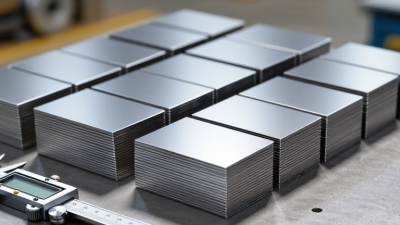
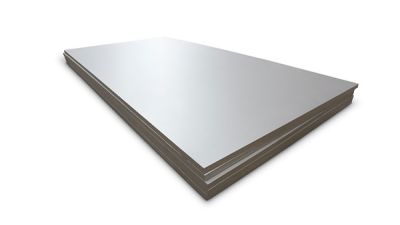
China’s titanium plate industry is positioned within a growing global supply chain shaped by aerospace, chemical processing, desalination, and power-generation demand. The **USGS Mineral Commodity Summaries 2025** estimates 2024 global production of titanium mineral concentrates at approximately **9.8 million metric tons**, with China remaining a major producer and consumer. As titanium demand expands, ASTM B265-compliant plate and sheet require consistent chemistry, controlled microstructure, and traceable production from sponge to finished product.
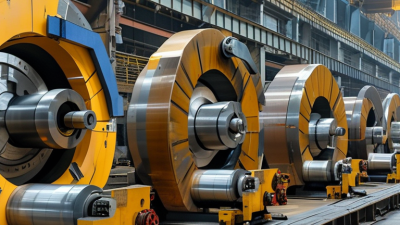
At our China-based facility, titanium sponge is first compacted and melted under vacuum or inert-gas protection to limit contamination. The resulting ingot undergoes forging and slab production before hot rolling reduces thickness and develops a uniform structure. Depending on the required ASTM B265 grade, dimensions, and surface condition, further cold rolling, annealing, pickling, straightening, cutting, and inspection are applied. This carefully controlled sequence addresses titanium’s high reactivity, low thermal conductivity, and strong work-hardening behavior.
The **International Titanium Association’s market reports** continue to identify aerospace and industrial equipment as important demand sectors, while broader energy and chemical-processing investment supports long-term consumption. Titanium plates and sheets produced through this multi-stage route can be supplied in commercially pure grades and selected alloy grades, with inspection documentation covering chemical composition, mechanical properties, dimensions, surface quality, and ultrasonic testing where required.
Common options include stainless steel, nickel alloy, and coated titanium plates. Each differs in corrosion resistance, cost, surface durability, and operating range.
Stainless steel suits basic alkaline electrolysis with controlled temperature and electrolyte conditions. It is rigid, affordable, and easy to clean. Lower-grade steel may discolor or corrode.
Nickel alloy plates resist alkaline environments and repeated operation more effectively. They can maintain stable electrical contact when properly finished. Their higher cost needs clear durability benefits.
Coated titanium plates offer strong corrosion resistance and long service life. Their coating needs careful handling. A scratch can expose the underlying metal.
Solid plates are easier to inspect and clean. Perforated or mesh plates can improve liquid movement. The right shape depends on spacing, current density, and heat control.
Measure plate thickness and check flatness carefully. Inspect edges for rough spots. Review the connection method and electrode spacing. Small defects can disturb current distribution.
Begin with a controlled, small-scale trial. Record voltage, temperature, current, and visible surface changes. Check performance after repeated cycles, not only after the first run.
Not always. Cleaning difficulty, replacement labor, and early corrosion can increase total costs. I once focused too much on conductivity and overlooked cleaning access. That mistake still matters.
Define the electrolyte, temperature, current range, and expected service life. Compare these conditions with technical material data. Some decisions remain uncertain without real operating evidence.
Choosing the best Electrolysis Plate starts with understanding its role in separating water into useful gases through an electrochemical process. The right plate can improve efficiency, stability, and service life, so it is important to compare available types, including flat, coated, and specialized designs. Material selection is equally important: corrosion resistance, conductivity, mechanical strength, and durability all affect long-term performance. Different water sources may also require filtration, mineral control, or other treatment to prevent deposits and premature wear.
Before making a decision, evaluate energy consumption, operating temperature, electrical safety, and built-in protection features. Easy access for cleaning, inspection, and replacement can significantly reduce maintenance demands. Most importantly, match the Electrolysis Plate to its intended application, expected operating conditions, system size, and performance goals. A carefully selected plate should provide reliable operation while balancing efficiency, maintenance requirements, compatibility, and overall service life.