Nickel bars are pretty essential when it comes to demanding applications—stuff that requires resistance to corrosion, good heat stability, and strong mechanical properties. In this guide, we’ll take a look at the top 10 types commonly used in areas like chemical processing, marine gear, aerospace parts, and power systems. You might notice the term “Nickle Bar” popping up a lot, but just so you know, the correct spelling is “Nickel Bar.” Small detail, but it can actually make a difference when you're researching products.
The overview covers the familiar grades, such as Nickel 200, Nickel 201, Monel 400, Inconel 600, 625, and 718. It also looks at some nickel alloys mixed with chromium, copper, or iron. Each of these behaves differently during welding, machining, forming, and when exposed to heat or seawater. For example, a round bar might be perfect for a machined shaft, while a flat bar can make things like brackets or supports much easier. You’ve probably come across the term “Nickle Polish Bar” online, which refers to a finished, polished surface. But remember, polishing is great for looks, yet it’s no substitute for selecting the right alloy from the start.
When you're buying, don’t just go by shiny surfaces or pretty pictures in a catalog. It’s crucial to check material certificates, heat numbers, and dimensional tolerances, along with the relevant ASTM or ASME specs. Plus, experienced engineers will always consider factors like operating temperature, pressure, chlorides, and how the material will be fabricated before making a choice. There’s no one-size-fits-all answer here—that’s a key thing to keep in mind. Sometimes, a less expensive alloy will work just fine in mild conditions, but in more severe environments, a premium grade can save you the headache and early replacement costs. In the following sections, we’ll compare these different bar types, highlighting their strengths, typical uses, and what you should keep in mind when selecting the right one for your project.
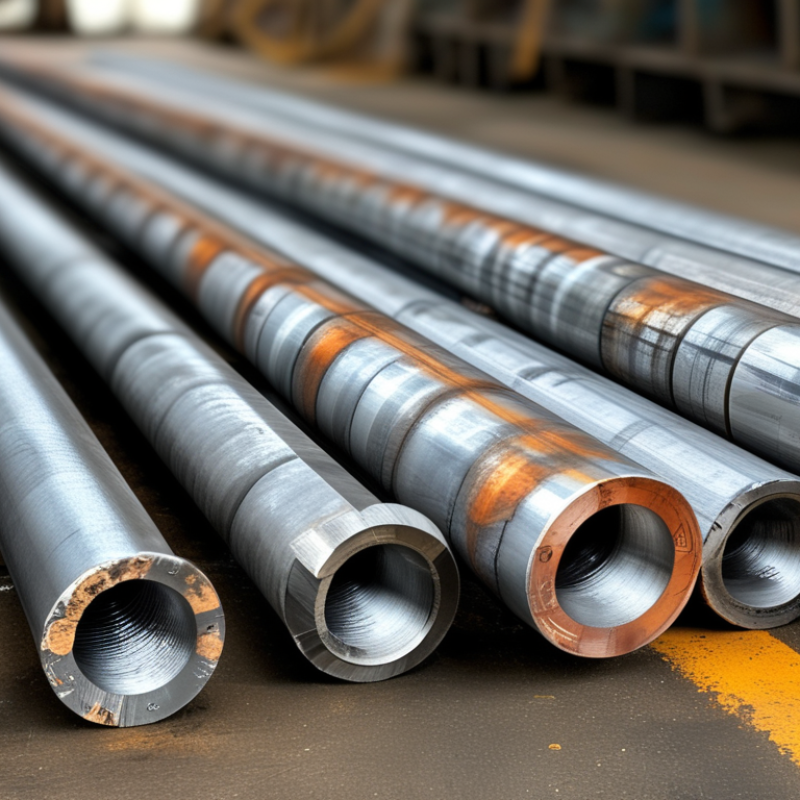
Nickel Bar Basics: Composition, Properties, and Manufacturing Forms
What Are the Top 10 Types of Nickel Bar?
Nickel bars are classified by composition, strength, corrosion resistance, and manufacturing form. Ten common categories include commercially pure nickel, low-carbon nickel, nickel-copper, nickel-chromium, nickel-iron-chromium, nickel-chromium-molybdenum, nickel-molybdenum, precipitation-hardening nickel, heat-resistant nickel alloys, and corrosion-resistant nickel alloys. Each family responds differently to heat, chemicals, pressure, and machining. Pure nickel offers strong corrosion resistance and useful electrical properties. Low-carbon grades perform better after welding. Copper improves resistance in reducing environments, while chromium supports oxidation resistance. Molybdenum can improve protection against localized corrosion.
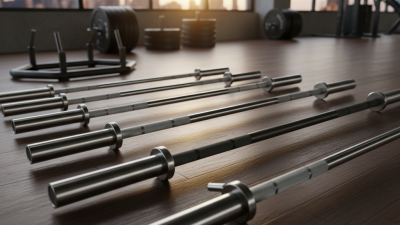
The bar’s form also affects performance. Round bars are common for shafts, fasteners, and machined parts. Square and hexagonal bars suit fittings and components requiring firm tool contact. Flat bars support plates, brackets, and fabricated assemblies. Hollow bars can reduce machining waste in some designs.
Manufacturing may involve forging, hot rolling, cold drawing, or precision machining. Cold working usually improves dimensional accuracy and strength, but it can reduce ductility. Heat treatment may restore balance.
A practical specification should include grade, diameter, tolerance, surface condition, and test requirements. Chemistry alone is not enough. Grain structure matters. A polished surface can hide internal defects, so inspection records remain important. A simple “nickel bar” label may create mistakes. It does not identify service temperature, weldability, or final hardness. Engineers should verify certificates and test results against the operating environment, because a strong alloy can still fail when the selection is careless.
How Nickel Bars Are Classified by Grade, Alloy, and Performance
Nickel bars are commonly classified by grade, alloy chemistry, and working performance. Ten widely specified types include Nickel 200, Nickel 201, Nickel 205, Nickel 270, Nickel 400, Nickel K-500, Nickel 600, Nickel 625, Nickel 718, and Nickel 800/800H. Nickel 200 offers strong resistance to caustic chemicals, while Nickel 201 reduces carbon for higher-temperature service. Nickel 205 supports easier machining, and Nickel 270 provides high purity for electrical applications. Small chemistry changes matter.
Alloy 400 combines nickel and copper for seawater and chemical equipment. K-500 adds strength through precipitation hardening. Nickel 600 performs well against heat and oxidation, while Nickel 625 adds molybdenum and niobium for demanding corrosion conditions. Nickel 718 is valued for high strength at elevated temperatures. Nickel 800/800H suits furnaces, heat exchangers, and process piping. These differences affect hardness, tensile strength, weldability, and service temperature.
In practical inspection, a bar should be checked against its material certificate, diameter tolerance, heat treatment, and surface condition. A polished surface can hide internal problems. It is easy to choose a high-strength grade when corrosion resistance is the real priority. That mistake deserves attention. “Nickle Plate” is sometimes used in searches, but it should not replace the correct alloy designation. Testing should match the application, including chloride exposure, pressure, heat cycles, and machining requirements. Good selection is rarely based on grade alone.
The Top 10 Types of Nickel Bar and Their Key Characteristics
What Are the Top 10 Types of Nickel Bar?
The top ten nickel bar types serve different temperature, corrosion, and strength requirements. Nickel 200 offers high ductility and strong resistance to caustic solutions. Nickel 201 contains less carbon, making it safer for high-temperature service. Nickel 205 provides useful electrical and thermal conductivity. Nickel-copper 400 combines reliable strength with seawater resistance. Nickel-copper K-500 adds aluminum and titanium for greater hardness. Nickel-chromium 600 handles oxidation and many corrosive chemicals. Nickel-chromium-molybdenum 625 delivers excellent strength in demanding marine environments. Nickel-chromium-iron 718 keeps its strength at elevated temperatures. Nickel-iron-chromium 800 performs well in heat-resistant process equipment. Nickel-chromium-molybdenum 276 resists pitting, crevice corrosion, and aggressive acids.
In practical machining, bar selection depends on more than alloy names. Diameter, heat treatment, grain structure, and surface condition can change performance. A machinist may notice built-up edges when cutting softer nickel grades. Slow speeds and sharp tooling often improve the finish. Welding also requires careful cleaning and controlled heat input. When a project includes a Nickle Welding Tube, confirm the spelling and material specification before ordering. Small documentation errors can become expensive delays. I have found that charts help, but real service conditions deserve more attention.
Tips:
Check the operating temperature, chemical exposure, and required hardness first. Ask for mill certificates and verify the ASTM or equivalent specification. Test a sample when failure would affect safety or production. Nickel is forgiving in some environments, but not all.
Comparing Nickel Bar Types by Corrosion, Heat, and Strength Resistance
What Are the Top 10 Types of Nickel Bar?
Comparing Nickel Bar Types by Corrosion, Heat, and Strength Resistance
Nickel bar selection depends on the environment, load, and operating temperature. Corrosion comes first. Pure nickel 200 offers strong resistance to caustic alkalis and good electrical conductivity. Nickel 201 contains less carbon, making it safer for higher-temperature service. Nickel-copper bar resists seawater, salts, and reducing acids. It also provides useful mechanical strength. Nickel-chromium bar performs well in oxidizing atmospheres and heating equipment. Its chromium content supports excellent scaling resistance.
Heat changes everything. Nickel-chromium-iron bar combines oxidation resistance with dependable strength at elevated temperatures. Nickel-chromium-molybdenum bar handles aggressive acids, chlorides, and localized corrosion. Nickel-molybdenum bar is especially effective in reducing acids, though oxidizing conditions may require caution. Precipitation-strengthened nickel bar delivers high tensile strength and creep resistance for demanding components. Low-carbon nickel alloys improve weldability and reduce some heat-affected-zone risks. Wrought nickel-iron-chromium bar offers a practical balance between heat resistance and structural strength.
Strength is not simple. A harder bar may machine poorly or lose toughness after exposure to heat. A highly corrosion-resistant grade may cost more and still fail in an unsuitable chemical mixture. I would not treat this ranking as universal. Actual performance depends on concentration, temperature, stress, surface condition, and fabrication quality. In workshop reviews, small details matter, such as sharp threads, trapped moisture, and incorrect heat treatment. Testing the selected grade in representative service conditions remains the most reliable check.
What Are the Top 10 Types of Nickel Bar?
Comparing nickel bar types by corrosion, heat, and strength resistance. Scores are comparative 0–100 indices based on typical alloy composition, published room-temperature strength ranges, and commonly reported service capabilities. Actual performance depends on condition, temperature, environment, and fabrication.
How to read the chart: Higher scores indicate stronger relative performance in the selected category. Nickel-chromium-molybdenum alloys generally lead in corrosion resistance, precipitation-strengthened grades provide the highest strength, and heat-resistant grades perform best in elevated-temperature service.
Common Applications for Each Major Nickel Bar Type
What Are the Top 10 Types of Nickel Bar?
Nickel bars serve different duties, depending on chemistry, strength, and temperature. Commercially pure nickel bar suits caustic processing equipment, electrical components, and laboratory hardware. Nickel 200 performs well in reducing environments, such as chemical storage tanks and evaporator parts. Nickel 201 contains less carbon. It is preferred for high-temperature processing, where carbon-related embrittlement can become a concern.
Nickel-copper bar handles seawater pumps, marine shafts, and heat exchangers. It offers useful resistance to saltwater flow and moderate mechanical stress. Nickel-chromium bar supports furnace fixtures, heating elements, and industrial burner components. Nickel-chromium-molybdenum bar works in aggressive chemical plants, especially around chlorides and mixed acids. Nickel-iron-chromium bar is common in heat exchangers, pressure vessels, and high-temperature piping systems. Selection is not always obvious.
Nickel-molybdenum bar is suited to severe reducing acids and reactor hardware. Precipitation-hardening nickel bar provides high strength for aerospace fasteners, valve stems, and precision shafts. Nickel-silicon bar can support chemical equipment exposed to corrosive, high-velocity fluids. Nickel-clad or composite bar combines nickel’s surface resistance with a stronger, lower-cost core, supporting shafts, rollers, and specialized tooling. A workshop may machine these bars into components used beside Nickle Welding Pipe, but the spelling and material grade should be checked carefully. In practice, engineers must review temperature, chloride levels, machining needs, and weldability before ordering. Small differences in carbon or molybdenum can change service life. บาทไทย
How to Select the Right Nickel Bar for Specific Industrial Needs
Selecting nickel bar begins with service conditions, not a catalog photograph. The ten common choices include pure nickel, Nickel 200, Nickel 201, Nickel 205, Nickel-Copper 400, Nickel-Chromium 600, Nickel-Chromium-Molybdenum 625, Nickel-Iron-Chromium 718, Nickel-Iron-Chromium 800, and Nickel-Molybdenum-Chromium C276. Each behaves differently under heat, chemicals, pressure, and machining. Nickel 200 suits reducing environments, while Nickel 201 handles higher temperatures with lower carbon content. Alloy 625 offers strong resistance to seawater and chloride attack. Alloy 718 is preferred where high strength matters. The correct choice is rarely the most expensive one.
The USGS Mineral Commodity Summaries 2024 reported approximately 3.6 million metric tons of global mine production in 2023, with identified nickel resources exceeding 130 million tons. This scale supports broad industrial use, but supply volume does not replace material verification. For furnace components, check creep strength and thermal stability. For chemical processing, compare pitting resistance and weldability. For shafts or fasteners, review hardness, tensile strength, and dimensional tolerance. Surface terms can also confuse buyers. “Nickle Polish Plate” may describe a search phrase, not a recognized grade or finished bar specification. I have seen attractive polished stock fail because its chemistry was undocumented.
Tips: Request the mill certificate, heat number, ASTM specification, and mechanical test results. Match the bar diameter to the machining allowance. Check corrosion data at the actual operating temperature. A small sample test is worthwhile. Do not assume polished surfaces indicate better corrosion performance. Recheck the application; my initial alloy choice is sometimes wrong after welding and heat exposure are considered.
Multilayer Metal Composite Bars: Market Insights from USGS and MarketsandMarkets Reports for Titanium, Copper & Steel – 2025 Outlook
The 2025 outlook for multilayer metal composite bars is supported by strong demand for lightweight, conductive, and corrosion-resistant materials. According to the *USGS Mineral Commodity Summaries 2025*, global copper mine production reached approximately 22 million metric tons in 2024, while iron ore production remained above 2.5 billion metric tons. These figures reflect the enormous industrial base behind electrical equipment, transportation, energy infrastructure, and steel manufacturing—sectors increasingly seeking improved material efficiency and longer service life.
Research from MarketsandMarkets identifies continued growth in the metal matrix composites market, driven by applications requiring high strength-to-weight ratios, thermal conductivity, and resistance to harsh environments. Titanium-clad copper bars combine copper’s excellent electrical performance with titanium’s corrosion resistance, making them suitable for electrochemical equipment and marine systems. Zirconium-clad copper, stainless-steel-clad copper, tantalum-clad copper, and titanium-clad aluminum provide additional options for specialized operating conditions.
Advanced three-layer constructions, including titanium-clad copper-clad steel and stainless-steel-clad copper-clad steel, integrate conductivity, structural strength, and surface protection in one engineered component. Manufactured through a precision rolling composite process, these multilayer bars can deliver reliable bonding, dimensional stability, and durable performance, supporting the 2025 trend toward efficient, customized materials for power, chemical processing, energy, and heavy industry.
FAQS
: Check temperature, chemical exposure, load, hardness, and corrosion risks. Service conditions matter most. Diameter and surface condition also affect performance.
Pure nickel bar offers strong resistance to caustic alkalis. It also provides good ductility and electrical conductivity. Use caution in mixed chemical environments.
Low-carbon grades reduce carbon-related welding risks. They are safer for higher-temperature service. Cleaning and controlled heat input remain necessary.
Nickel-copper bar resists seawater, salts, and reducing acids. It also provides useful mechanical strength. Trapped moisture can still create local problems.
Nickel-chromium bar resists oxidation and surface scaling. It suits heating equipment and oxidizing atmospheres. Check the actual temperature range carefully.
Nickel-chromium-molybdenum bar resists aggressive acids, chlorides, and localized corrosion. It helps resist pitting and crevice corrosion. Concentration and temperature still matter greatly.
Nickel-chromium-iron bar offers oxidation resistance and elevated-temperature strength. Precipitation-strengthened grades provide higher tensile strength and creep resistance. Heat treatment must match the specification.
Yes, softer grades may create built-up edges during cutting. Sharp tools and slower cutting speeds often improve the finish. Results vary. Tool wear should be monitored closely.
Request mill certificates and verify the applicable material specification. Confirm grade, diameter, heat treatment, and surface condition. Small errors become costly delays. A sample test may be wise.
Conclusion
Nickle Bar is a versatile engineering material valued for its combination of corrosion resistance, heat tolerance, strength, and reliable performance in demanding environments. Its composition may include commercially pure nickel or carefully balanced alloying elements that improve hardness, oxidation resistance, weldability, or stability at elevated temperatures. Nickel bars are commonly classified by grade, alloy content, manufacturing form, and specific performance requirements, including hot-worked, cold-worked, forged, rolled, and machined forms.
The top 10 types generally include pure nickel, nickel-copper, nickel-chromium, nickel-iron-chromium, nickel-molybdenum, nickel-chromium-molybdenum, precipitation-hardening nickel alloys, low-carbon nickel alloys, heat-resistant nickel alloys, and wear-resistant nickel alloys. Each type offers different advantages for chemical processing, marine equipment, power generation, aerospace components, heat-treatment systems, and industrial machinery. Selecting the right Nickle Bar requires evaluating corrosion exposure, operating temperature, mechanical load, fabrication method, dimensional requirements, and budget to ensure dependable long-term service.