Leave Your Message
0%

China has turned into a pretty important sourcing market for Nickel Welding Wire, and it's not just for one industry—petrochemical, power generation, marine, and chemical-processing projects all rely on it. Manufacturers there offer nickel alloy wires for corrosion resistance, heat stability, and those tricky dissimilar-metal joints.

But let's be honest: price isn't the only thing that matters.

A supplier you can trust should be able to show alloy certificates, batch traceability, wire diameter tolerance, and controlled packaging. Depending on project specs, buyers should also review AWS, ASME, and ISO compliance. And when a spool arrives, it should be clean, sealed, and clearly labeled. Moisture, mixed batches, or unclear heat numbers? Those can create serious welding risks.

Dr. John C. Lippold—a respected welding metallurgy specialist—defines weldability as “the capacity of a material to be welded under the fabrication conditions imposed into a specific, suitably designed structure.” His point still matters a lot when you're selecting Nickel Welding Wire. The wire quality has to match the base metals, shielding gas, welding process, and service environment.

This guide takes a practical look at China-based manufacturers and suppliers. It considers alloy availability, production experience, inspection procedures, technical support, and export reliability. Companies like Lincoln Electric and ESAB can be useful global benchmarks, sure, but regional suppliers can offer competitive customization and shorter communication paths.

No supplier is perfect. That's just reality.

Some product pages provide only limited technical evidence, and that weakness deserves attention. Before placing large orders, buyers should request mill test certificates, sample welds, packaging photographs, and independent inspection options. Factory audits can reveal details that catalogs often hide—including storage conditions and labeling discipline.

The following overview helps engineers, distributors, and procurement teams compare suppliers with greater confidence. It also encourages careful verification, because a low quotation can't compensate for unstable welding performance.
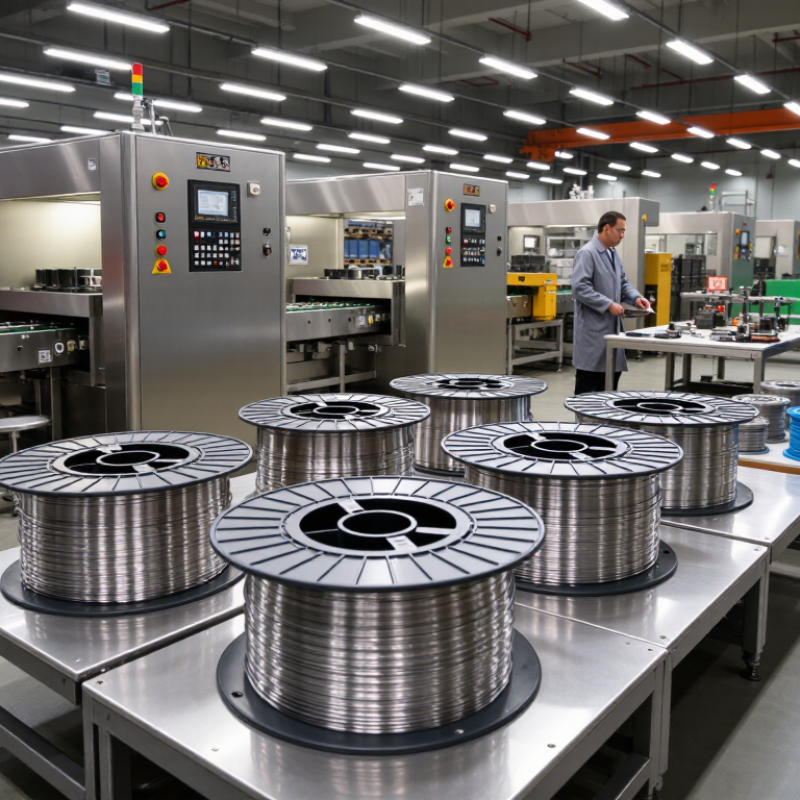
China Top Nickel Welding Wire Manufacturers and Suppliers

Nickel Welding Wire: Definition, Types, and Key Properties

Nickel welding wire is a filler metal used to join nickel and nickel-alloy components. It supports welds exposed to heat, chemicals, seawater, and repeated thermal changes. High Nickel Welding Wire usually contains a high percentage of nickel, but its exact performance depends on alloy chemistry and welding conditions.

Common types include commercially pure nickel, nickel-copper, nickel-chromium, nickel-iron-chromium, and nickel-chromium-molybdenum wire. Pure nickel offers strong resistance to caustic environments. Nickel-copper wire performs well in marine and reducing conditions. Nickel-chromium and nickel-chromium-molybdenum grades handle oxidation, acids, and elevated temperatures more effectively. The right choice depends on the base metal, service temperature, corrosive medium, and required joint strength.

Key properties include corrosion resistance, ductility, heat stability, and controlled thermal expansion. Nickel wire can produce clean, durable welds, but it demands careful preparation. Oil, moisture, and surface oxides may cause porosity or cracking. Keep the wire sealed and wipe the joint with a suitable solvent before welding. Experienced fabricators also control heat input and interpass temperature, because excessive heat can reduce weld quality. Shielding gas purity matters too.

A practical inspection should include visual checks, dimensional review, and suitable non-destructive testing. Small errors matter. In real workshops, even a brief exposure to humidity can affect feeding and arc stability. Certificates, traceability records, and verified chemical composition help manufacturers and suppliers provide more reliable material for demanding fabrication work.

Leading Nickel Welding Wire Manufacturers in China

China’s leading nickel welding wire manufacturers combine metallurgical knowledge with practical production experience. They select nickel alloys according to corrosion exposure, heat, and welding position. This matters in chemical equipment, marine structures, and high-temperature piping. Good suppliers explain these choices clearly.

Reliable factories control wire diameter, surface cleanliness, and chemical composition during production. A typical quality check may include batch sampling, tensile testing, and visual inspection under strong light. Packaging also deserves attention. Moisture-resistant containers help protect the wire before use. Small details matter.

Technical support separates capable manufacturers from ordinary sellers. Experienced engineers can recommend wire grades, shielding gases, and suitable welding parameters. They should provide traceable test reports and consistent delivery records. Ask about batch control. Ask for samples.

The strongest suppliers welcome practical questions. They discuss feedability, spatter, and storage limits without hiding weaknesses. No supplier is perfect. Even a well-controlled batch may show minor variation, so clear inspection procedures remain important. Buyers should compare production capacity, documentation, and response speed before placing large orders. A polished website proves little. Hands-on evidence matters more.

Main Production Processes and Quality Control Standards

China Top Nickel Welding Wire Manufacturers and Suppliers

Producing Nickel Alloy Welding Wire requires controlled metallurgy, clean handling, and repeatable drawing. Manufacturers usually begin by melting nickel, chromium, iron, and other elements under monitored conditions. Chemical samples are tested before casting. The billets are then hot-worked, surface-cleaned, and drawn through reducing dies. Intermediate annealing restores ductility and limits cracking. Final spooling should prevent tangles, moisture exposure, and surface contamination. Experienced plants record furnace temperature, drawing speed, die condition, and batch identity. These details make later investigation possible.

Tips: Check the certificate, not only the label. Confirm lot numbers, chemical composition, wire diameter, and packaging condition. Request sample testing when the application involves high heat or corrosive service.

Quality control should cover chemistry, tensile strength, elongation, diameter tolerance, surface finish, and weld-feed performance. Visual inspection can reveal scratches, oxide marks, or uneven winding. Laboratory tests may include spectrometric analysis, tensile testing, and weld-bead evaluation. Production systems often follow ISO 9001 practices, while product requirements may reference AWS, ASME, EN, or customer specifications. Requirements must match the actual alloy and welding process. A perfect-looking spool can still contain inconsistent chemistry. That risk deserves attention. Suppliers should retain inspection records and provide traceable reports for each shipment. No process is flawless, so honest deviation handling matters.

Nickel Welding Wire Grades and Their Welding Applications

Nickel welding wire selection starts with service chemistry, not price. Nickel 200 Wire contains commercially pure nickel. It suits caustic soda, alkali, and neutral salt equipment. Its low-carbon counterpart, Nickel 201, performs better during prolonged exposure near 600°C. AWS A5.14/A5.14M classifies nickel fillers by chemistry and welding process. GTAW needs clean, stable wire. GMAW requires controlled feeding and surface quality. In fabrication practice, a bright spool can still hide contamination. Check mill certificates, diameter tolerance, and lot traceability.

Nickel-copper 400 wire handles seawater pumps, brine lines, and reducing acids. Nickel-chromium-molybdenum grades, such as 625-type wire, resist pitting in offshore and chemical equipment. Nickel-chromium grades, including 600- and 601-type families, support furnace components and heat-resistant joints. The Nickel Institute identifies stainless steel as nickel’s largest end-use sector. USGS Mineral Commodity Summaries 2025 estimated 2024 global mined nickel output at about 3.7 million metric tons. That volume does not guarantee weld quality. It only shows why grade discipline matters. One shortcut can become an expensive repair.

Tips: Match filler metal to the base metal and corrosive medium. Pre-clean with solvent. Keep wire sealed and dry. Use low heat input when dilution is risky. Record shielding gas, travel speed, and interpass temperature. Test a small coupon first. I still question recommendations based only on “nickel alloy.” Verify the exact grade, carbon level, and welding procedure against service data.

How to Evaluate Chinese Suppliers and Product Certifications

When evaluating Chinese nickel welding wire manufacturers, begin with production evidence rather than polished catalog pages. Request factory registration details, process flow, equipment lists, and recent batch records. A dependable supplier should explain alloy control, wire drawing, cleaning, spooling, and packaging. Ask for heat numbers linking raw material to each coil. This small detail often reveals actual traceability. Photos help, but a live video audit is stronger. If possible, inspect one production line yourself.

Treat certifications as controlled documents, not decoration. Check the certificate holder, factory address, validity dates, accreditation body, and certification scope. ISO 9001 supports quality management, but it does not prove every wire meets your welding specification. Request a mill test certificate for each lot, preferably with chemistry, tensile results, diameter tolerance, and surface inspection. For nickel alloys, compare the declared standard with your welding procedure and end-use requirements. Independent laboratory testing can confirm nickel, chromium, molybdenum, and iron levels before shipment. It costs more. It may prevent costly rework.

Ask for samples from different production dates, not only a hand-selected coil. Check arc stability, feeding performance, spatter, and weld appearance under your actual parameters. Keep records of shielding gas, contact tip, and travel speed. Supplier references are useful, yet they can be incomplete or outdated. Review complaint handling and replacement terms in writing. One weakness remains: remote audits cannot reveal every process habit. A local inspection agency can reduce that uncertainty, especially for large or safety-critical orders.

Export Services, Pricing Factors, and Purchasing Considerations

China Top Nickel Welding Wire Manufacturers and Suppliers

Export services can shape the real cost of Nickel Alloy Wire. Reliable suppliers should provide technical datasheets, mill certificates, packing photos, and traceability records. Confirm the alloy grade, wire diameter, spool type, and welding standard before placing an order. Small details matter.

Ask for a sample first. Test it on your actual base metal and welding equipment. Export quotations may include factory pricing, inland transport, export documentation, and ocean or air freight. Clarify the Incoterm, minimum order quantity, payment schedule, and estimated lead time. A low price can still mislead. Duties and inspection fees may appear later.

Pricing usually changes with nickel content, diameter tolerance, production volume, packaging, and market conditions. Custom spools or special surface finishes can increase tooling costs. Experienced purchasing teams compare at least three written quotations with identical specifications. They also check production capacity and quality-control procedures. Third-party inspection can help verify weight, dimensions, labeling, and package condition before shipment.

Some suppliers respond quickly but explain technical points poorly. That deserves caution. A dependable export partner should answer questions clearly and identify limitations. Recheck every document. Minor errors in alloy designation or shipping marks can delay customs clearance and disrupt welding schedules.

Nickel Rods for Industry: IEA Global Critical Minerals Outlook 2024, USGS Data, and China Factory Solutions

Nickel is becoming increasingly important to industrial supply chains as demand grows in energy, chemical processing, marine engineering, and advanced manufacturing. The IEA’s *Global Critical Minerals Outlook 2024* reports that nickel demand for clean-energy applications is expected to expand substantially by 2030, while supply remains concentrated in a limited number of producing regions. USGS data also estimated global mined nickel production at approximately 3.6 million metric tons in 2023, highlighting the need for stable processing capacity and dependable material suppliers.

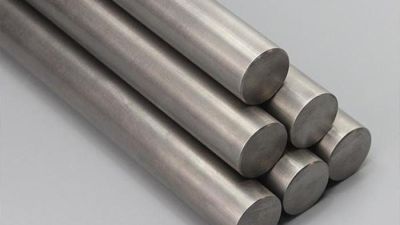
Our nickel rods are manufactured from commercially pure nickel and high-quality nickel alloys to support demanding production environments. They provide excellent corrosion resistance, high-temperature strength, electrical conductivity, and machinability. Available options include pure nickel grades 200 and 201, nickel-copper grades 400 and K-500, nickel-chromium grade 600, and nickel-chromium-molybdenum grades C-276 and 625. These materials are suitable for chemical equipment, heat exchangers, marine components, electrical applications, and precision-machined parts. As a China-based factory and supplier, we provide customized dimensions, consistent quality control, and reliable delivery for manufacturers seeking durable nickel rod solutions.

FAQS

How should nickel welding wire grade be selected?

Start with the service chemistry, temperature, and base metal. Do not choose by price alone. Verify the exact grade, carbon level, and welding procedure.

Where is commercially pure nickel wire commonly used?

It suits caustic soda, alkaline equipment, and neutral salt systems. A low-carbon version performs better during long exposure near 600°C. Still, confirm the temperature cycle before ordering.

Which nickel wire is suitable for seawater service?

Nickel-copper wire is commonly used for seawater pumps and brine lines. It can also support joints exposed to reducing acids. Actual concentration and temperature still matter.

Which grades resist pitting in chemical equipment?

Nickel-chromium-molybdenum grades provide strong pitting resistance. They are useful in offshore and chemical equipment. Test the filler with the real corrosive medium.

What should be checked before welding nickel wire?

Pre-clean the joint with a suitable solvent. Keep the wire sealed, dry, and free from surface contamination. A bright spool may still hide problems.

What welding records should be maintained?

Record shielding gas, travel speed, heat input, and interpass temperature. Check wire diameter and surface condition. Test a small coupon before production welding.

How can a supplier’s traceability be evaluated?

Request heat numbers linking raw material to each coil. Review mill certificates, chemistry, tensile results, and diameter tolerance. Sample different production dates. One sample is not enough.

Do quality certificates prove that every wire lot is suitable?

No. A quality-management certificate does not prove every wire meets your specification. Check the certificate scope, factory address, validity, and accreditation details. Independent laboratory testing may confirm nickel, chromium, molybdenum, and iron levels.

What should an export quotation include?

Confirm grade, diameter, spool type, welding standard, and packaging. Clarify the trade term, minimum order, payment schedule, freight, duties, and inspection fees. A cheap quote can become expensive later.

How can a buyer reduce supplier and shipment risks?

Request samples and test them on the actual base metal and equipment. Use a live audit or local inspection for important orders. Check labels, package condition, and shipping marks before dispatch. Remote reviews miss some habits.

Conclusion

Nickel Welding Wire is a specialized consumable used to join nickel and nickel-alloy components in environments requiring high heat resistance, corrosion resistance, and mechanical stability. Common types include solid wire, flux-cored wire, and wires designed for specific nickel alloys. Different grades are selected according to the base metal, welding method, operating temperature, and exposure to chemicals. Typical applications include chemical processing equipment, power generation systems, marine components, heat exchangers, and high-temperature industrial structures.

China has many experienced manufacturers and suppliers offering customized wire dimensions, alloy grades, packaging, and delivery options. Reliable production involves alloy preparation, melting, drawing, surface cleaning, precision spooling, and strict inspection. Buyers should review chemical composition reports, mechanical test results, quality management certifications, traceability procedures, and welding performance records. Pricing depends on nickel content, alloy complexity, wire diameter, order volume, packaging, and transportation. When evaluating suppliers, customers should also consider export experience, technical support, lead times, payment terms, and after-sales service to ensure consistent quality and efficient purchasing.

Olivia

Olivia

Olivia is a dedicated marketing professional at a pioneering industrial enterprise established in 1997, specializing in the research, development, and production of titanium, nickel, zirconium, and metal composite materials. With a deep understanding of the industry and a passion for innovation,......
Previous What Is the Best Titanium Hanger Bar for Global Buyers?