Leave Your Message
0%

So, here's the thing about the Electrolytic Copper Industry heading into 2026 — buyers are getting pickier, and the bar for performance is way higher than before. You've got copper cathodes, rods, plates, and all those fabricated conductors now powering everything from power grids to renewable energy setups, plus transportation and heavy-duty industrial gear. But picking a supplier isn't just about who's got the lowest price anymore. Nah, it's about proof. Real, solid evidence that you can deliver.

So, this guide takes a look at seven top suppliers who cater to the global market. When we evaluated them, we didn't just scratch the surface – we considered their production capacity, cathode purity, electrical conductivity, quality control measures, how reliable they are with deliveries, and their technical support. And we didn't stop there – we also traced their supply chain from the smelter right up to the shipment, to see if it's all transparent. If you're dealing with specialized applications, there's one product that really deserves its own shoutout – the Titanium Clad Copper Busbar. Its value isn't just about the basics, you know? It's all about how well the bonding holds up, how precise the dimensions are, whether it can resist corrosion, and how it performs in the real world over the long run.

You know, when you're deep in copper talk, you'll hear names like Aurubis, Jiangxi Copper, KGHM, Codelco, and JX Advanced Metals thrown around a lot. But honestly, just because a company is famous in the market doesn't mean it's the perfect match for what you need. Sometimes a local supplier can give you quicker responses, custom cuts, or even let you order smaller batches—stuff that can make a huge difference in day-to-day ops. Don't overlook that.

And hey, no supplier is flawless, right?

So when you're comparing suppliers, don't just look at the price tag—dig deeper. You've got to check independent certifications, mill test reports, inspection records, and maybe even ask around for customer references. And don't overlook the little stuff: packaging, moisture protection, shipping routes, and how quickly they respond if you file a technical claim. Honestly, these details might seem like nitpicking at first, but they become a huge deal when your shipment shows up late or a conductor fails a test. Sure, a low price looks tempting, but if the purity is inconsistent, you'll end up scrambling to cover production losses. Trust me, that's not a gamble worth taking. Hey, just so you know, this overview is really meant to get you started—not to make the final call for you. Things shift pretty fast out there, so before you sign anything, definitely double-check the current capacity, certifications, specs, and whether it's even available in your area.
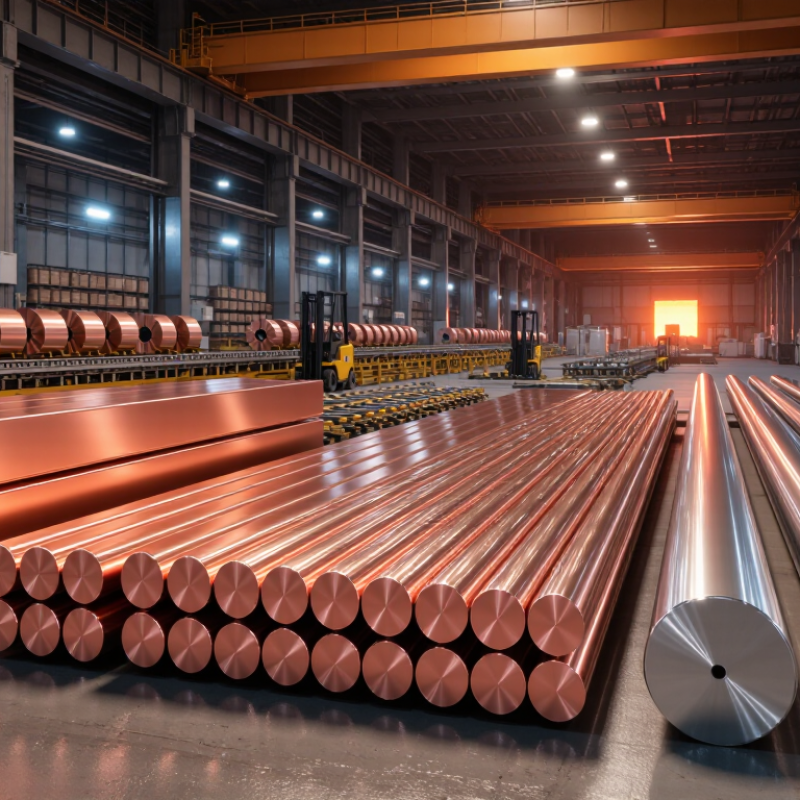
7 Best Electrolytic Copper Industry Suppliers in 2026

Electrolytic Copper: Definition, Grades, and Main Applications

Electrolytic copper is refined through electrolysis to achieve high purity and excellent electrical conductivity. Most commercial grades contain about 99.90% copper or more. The remaining elements can still affect welding, forming, and performance.

Common grades include Cu-ETP, Cu-OF, and Cu-DHP. Cu-ETP offers strong conductivity for wires, cables, busbars, and electrical connectors.

Cu-OF contains very little oxygen, making it suitable for vacuum components and demanding electronic parts. Cu-DHP includes phosphorus and performs well during tube forming. It is widely used in plumbing, refrigeration, and heat exchangers.

Applications vary by grade and product shape. Flat bars support current in switchgear. Thin sheets appear in terminals and shielding parts. Copper tubes carry refrigerants and transfer heat efficiently. During supplier evaluation, buyers should check purity reports, conductivity values, dimensional tolerance, and batch traceability. Mill certificates matter.

Small details matter. A bright surface does not prove consistent quality. Poor packaging can create oxidation, scratches, or moisture stains before delivery. In my assessment, reliable suppliers also explain their testing methods and handling conditions. Yet specifications are sometimes incomplete, especially for custom sizes. That deserves careful review. Ask for sample data, production capacity, and realistic lead times before approval.

How the Best Copper Suppliers Are Evaluated in 2026

Selecting the seven best electrolytic copper industry suppliers in 2026 requires more than comparing prices. Evaluators examine copper purity, electrical conductivity, dimensional tolerance, and production consistency. Each supplier should provide recent laboratory reports, batch numbers, and traceable raw material records. A clean factory floor helps, but it does not prove quality alone.

Practical experience matters during supplier reviews. Buyers should inspect casting lines, annealing controls, surface defects, and packaging protection. For specialized components, evaluators may check items such as a Titanium Clad Copper Hanger Bar for bonding strength, flatness, and resistance to chemical exposure.

Samples should undergo independent testing before large orders. Small variations can affect cell performance and maintenance costs.

Reliable suppliers also respond clearly when problems appear. Review teams should study delivery records, corrective-action reports, worker training, and technical support. Certifications are useful evidence, not automatic proof. A polished brochure can still hide weak process control. No evaluation is perfect. Sometimes, one overlooked tolerance causes expensive rework months later. Supplier rankings should therefore combine documented evidence, site observations, customer references, and repeated sample testing. Price deserves attention, but the cheapest quotation may reflect thinner quality controls or limited after-sales responsibility.

Global Supply, Production Capacity, and Quality Standards

7 Best Electrolytic Copper Industry Suppliers in 2026

Global supply, production capacity, and quality standards should guide supplier selection in 2026. Leading suppliers maintain multiple smelter, refining, and processing locations. This reduces disruption when energy prices or shipping routes change. Production capacity matters, but published capacity is not always available capacity. Buyers should request recent output data, delivery records, and emergency allocation procedures.

Quality begins with stable copper purity and controlled surface finishes. Reliable suppliers provide batch certificates, chemical analysis, dimensional reports, and traceability documents. In electrorefining systems, a Gr2titanium Clad Copper Hanger Bar requires accurate bonding and consistent contact surfaces. Small defects can increase resistance, heat, and maintenance costs. International quality systems, independent testing, and regular equipment calibration strengthen confidence. Still, no supplier is perfect. I would verify performance through sample orders before signing a long contract.

Tips: Compare actual monthly output, not only factory size. Ask for impurity limits and test methods. Inspect packaging against moisture and impact risks. Check whether technical support operates across your time zones. A video audit helps, but an on-site review reveals more. Keep a second qualified source. That step is often overlooked.

7 Best Electrolytic Copper Industry Suppliers in 2026

Global supply base, reported refined copper output, and quality benchmarks

The chart uses country-level refined copper production estimates to compare major supply bases without displaying company or brand names. Quality screening for electrolytic copper commonly references LME Grade A copper at a minimum purity of 99.9935%, while ASTM B115/C11000 electrolytic tough-pitch copper specifies a minimum copper content of 99.90%. Figures are approximate 2024 industry estimates compiled from publicly reported International Copper Study Group data.

Seven Leading Electrolytic Copper Industry Suppliers

The seven leading electrolytic copper industry suppliers serve different production needs. Integrated copper producers offer stable cathode supply and large-volume contracts. Electrolytic refining specialists focus on purity, conductivity, and controlled impurity levels. Rolled copper fabricators provide sheets, strips, and precision profiles for demanding equipment. Oxygen-free copper makers support applications requiring low gas content and strong electrical performance. Gr2 Titanium Clad Copper Hanger Bar manufacturers supply durable components for electrorefining cells. Custom electroplating component suppliers adapt dimensions, hole patterns, and surface finishes. Regional stockists complete the market with faster delivery and practical technical support.

Reliable purchasing requires more than comparing prices. Review recent inspection reports, batch traceability, dimensional tolerances, and conductivity test results. Ask how suppliers manage warping, surface oxidation, and rejected lots. In plant audits, small details often reveal the real production discipline. A clean packing area matters. So does a clearly labeled test sample. Suppliers should explain lead times without hiding behind vague promises. They should also provide drawings before production begins. One weakness remains common: some companies present impressive certificates but offer limited after-sales support. That gap can disrupt an entire cell line. Confirm response times, replacement procedures, and communication channels before signing. A practical trial order may expose issues that polished presentations conceal. Real performance needs evidence.

7 Best Electrolytic Copper Industry Suppliers in 2026 - Seven Leading Electrolytic Copper Industry Suppliers
Supplier Profile Primary Operating Region Main Product Typical Copper Purity Common Product Standard Typical Form Typical Cathode Weight Key End-Use Markets Common Export Documentation
Supplier 1 South America Electrolytic copper cathode Cu-CATH-1; minimum 99.9935% Cu BS EN 1978 Cu-CATH-1; LME Grade A specifications Full or cut cathode sheets Approximately 50–120 kg per sheet, depending on plant configuration Wire rod, power cable, tubing, electrical components Certificate of analysis, packing list, commercial invoice, certificate of origin
Supplier 2 East Asia Refined electrolytic copper cathode Commonly 99.9935% Cu or higher National copper cathode standards and LME Grade A equivalent specifications Strapped cathode bundles Approximately 80–120 kg per sheet Semiconductor materials, copper foil, motors, transformers Certificate of analysis, mill test certificate, export declaration, origin certificate
Supplier 3 Central Europe High-purity copper cathode Cu-CATH-1; minimum 99.9935% Cu EN 1978 and customer-specific chemical limits Flat cathode plates in secured bundles Approximately 60–110 kg per sheet Automotive wiring, industrial cables, heat exchangers REACH-related declarations, certificate of analysis, safety and logistics documents
Supplier 4 North Asia Electro-refined copper cathode 99.99% Cu class; premium grades may exceed 99.9935% JIS-aligned specifications or EN 1978 equivalents Standard cathode sheets and custom-cut sheets Approximately 70–120 kg per sheet Electronic connectors, precision alloys, magnet wire Inspection certificate, chemical analysis, weight certificate, origin documentation
Supplier 5 Southern Africa Marketable-grade electrolytic copper cathode Typically 99.9935% Cu for Grade A material ASTM B115 or EN 1978-based customer requirements Bundled cathode plates with steel or plastic strapping Approximately 50–110 kg per sheet Conductors, brass and bronze production, power infrastructure Certificate of analysis, weight list, certificate of origin, export and shipping documents
Supplier 6 Central Asia Refined copper cathode 99.99% Cu class; Grade A lots generally meet 99.9935% minimum ASTM B115, EN 1978, or buyer-approved equivalent Rectangular cathode sheets Approximately 60–115 kg per sheet Copper rod mills, cable manufacturing, industrial fabrication Assay certificate, packing list, invoice, origin certificate, transport documentation
Supplier 7 Oceania Low-impurity electrolytic copper cathode Cu-CATH-1; minimum 99.9935% Cu EN 1978 or ASTM B115-compatible specifications Full-size cathode sheets and export bundles Approximately 70–120 kg per sheet Electrical distribution, renewable-energy equipment, industrial machinery Certificate of analysis, third-party inspection report, origin certificate, commercial documents
Product dimensions, bundle weights, impurity limits, and documentation requirements can vary by production site, shipment contract, and destination market. The supplier identities are intentionally omitted.

Supplier Comparison: Products, Markets, Certifications, and Strengths

The 7 best electrolytic copper suppliers in 2026 should be compared beyond price. Product range matters first. Some supply cathodes, copper rods, sheets, tubes, and custom conductors. Others focus on high-purity material for electronics, power systems, or heat exchangers. Check copper purity, oxygen content, conductivity, dimensions, and batch consistency. A laboratory report should support every key claim.

Markets also reveal supplier capability. A strong exporter usually understands regional packaging, shipping documents, and technical standards. Review service coverage across construction, renewable energy, automotive, and industrial manufacturing. Certifications may include ISO 9001, ISO 14001, RoHS, REACH, ASTM, or EN compliance. Still, certificates can age. Verify their scope and expiry dates. Request recent audit records and independent test results.

Tips: Ask for a small production sample before signing a large contract. Compare coil weight, surface marks, edge quality, and delivery protection. Confirm whether testing occurs in-house or through an accredited laboratory. Communication speed is another practical strength. Slow answers may signal weak technical support. However, fast replies prove little. I would also inspect complaint procedures, replacement terms, and production capacity during peak demand. Some suppliers look excellent on paper but provide vague lead times. That deserves careful questioning.

How to Select the Right Electrolytic Copper Supplier for Your Needs

Selecting an electrolytic copper supplier requires more than comparing quoted prices. In production, purity affects conductivity, plating consistency, and downstream rejection rates. Ask for recent test reports showing copper content, oxygen levels, dimensions, and surface condition. Confirm which laboratory performed each test. Independent verification matters.

A dependable supplier should explain its refining process, batch controls, and traceability system. Request a sample certificate linked to a specific lot, not a generic template. Check production capacity against monthly demand, then discuss lead times during maintenance periods. Ask how material is protected from moisture, scratches, and contamination during transport. Small details matter.

For projects using Stainless Steel Clad Copper Hanger Bar, confirm cladding thickness, bond quality, straightness, and hole tolerances. Require dimensional records from actual production. A visually clean bar can still hide weak bonding. Technical replies should be specific, timely, and consistent across teams. Review corrective-action records, warranty terms, and change-notification procedures. If a supplier avoids failure data, treat that as a risk. I would run a small pilot order before signing a long contract. It may reveal packaging faults, uneven surfaces, or missed delivery promises. No selection is perfect; even a strong audit can miss problems under real operating loads.

China Factory Guide to Multilayer Titanium, Copper, and Stainless Steel Clad Bar Materials

China’s metal composite manufacturing sector provides a broad selection of clad bar materials designed to combine the properties of different metals in one engineered structure. Titanium clad copper offers excellent corrosion resistance with high electrical conductivity, while stainless steel clad copper balances durability, strength, and efficient current transfer. Other available combinations include zirconium clad copper, tantalum clad copper, and titanium clad aluminum, allowing material selection according to chemical exposure, weight requirements, conductivity, and mechanical performance.

For demanding multilayer applications, three-layer clad bars can be produced with structures such as titanium clad copper clad steel and stainless steel clad copper clad steel. These configurations place a corrosion-resistant or wear-resistant outer layer around a conductive copper core and a strong steel support layer. The result is a composite bar that can reduce material costs while maintaining reliable bonding and functional performance in industrial equipment, electrical systems, heat-transfer assemblies, and chemical processing environments.

A modern China factory guide should examine the material grades, layer thickness, dimensional tolerances, bonding quality, surface condition, and testing requirements before production. Advanced rolling composite processing is used to join the metal layers under controlled pressure, helping create uniform interfaces and stable dimensions. Custom bar sizes, cladding ratios, and finishing options can be arranged for specialized engineering designs.

FAQS

How should electrolytic copper suppliers be evaluated in 2026?

Compare purity, conductivity, dimensional tolerance, production consistency, and traceability. Price alone misleads.

Which documents should buyers request from a supplier?

Request recent laboratory reports, batch numbers, chemical analyses, and raw material records. Check the test methods carefully.

Does a clean factory prove product quality?

No. A clean floor creates confidence, but it cannot prove stable process control. Inspect equipment, samples, and production records too.

Why does production capacity matter?

Available capacity matters more than advertised capacity. Ask for monthly output, delivery records, and emergency allocation procedures. Large factories can still have delays.

What should buyers inspect during a factory visit?

Review casting lines, annealing controls, surface defects, packaging, and equipment calibration. Look closely at corners and contact surfaces.

How should specialized copper components be tested?

Test bonding strength, flatness, surface consistency, and chemical resistance. Independent testing should happen before large orders. Small defects become expensive later.

Are certifications enough to confirm supplier reliability?

Certifications provide useful evidence, but they are not automatic proof. Compare them with batch results, site observations, and customer references. Paperwork can look stronger than reality.

How can buyers reduce supply interruptions?

Choose suppliers with multiple production locations and clear contingency plans. Keep a second qualified source for urgent needs. That safeguard is often forgotten.

What role does technical support play after purchase?

Check response times, corrective-action reports, worker training, and support across your time zones. Ask how problems are documented.

Is the cheapest quotation usually the best choice?

Not always. A low price may reflect weaker testing, thinner quality controls, or limited after-sales responsibility. I would verify samples first.

Conclusion

This guide presents a practical overview of the Electrolytic Copper Industry in 2026, beginning with the definition, common grades, and major applications of electrolytic copper across electrical, construction, transportation, renewable energy, and manufacturing sectors. It explains how leading suppliers are evaluated through purity, production capacity, processing technology, delivery reliability, quality control, certifications, sustainability practices, and ability to serve international markets.

The article then compares seven leading supplier types without focusing on brand names, highlighting differences in product range, regional coverage, customization capabilities, certifications, and competitive strengths. It also examines global supply conditions and production standards to help buyers understand market stability and quality expectations. Finally, the guide offers a structured approach to selecting the right supplier based on technical specifications, required volume, application requirements, budget, lead time, compliance needs, and long-term cooperation potential.
Olivia

Olivia

Olivia is a dedicated marketing professional at a pioneering industrial enterprise established in 1997, specializing in the research, development, and production of titanium, nickel, zirconium, and metal composite materials. With a deep understanding of the industry and a passion for innovation,......
Previous 2026 Top Hanger Bar Suppliers for Global Buyers