Leave Your Message
0%

If you're a global buyer choosing a Hanger Bar supplier in 2026, here's the thing: a polished catalog alone won't cut it. This guide looks at manufacturers through practical, checkable signals—not just marketing talk. We're talking production experience, engineering chops, export reliability, and how well they communicate. The focus stays on the stuff you can actually measure: load ratings, steel grade, weld consistency, surface finish, packaging strength, and documented inspection procedures. At first glance, a Hanger Bar might seem pretty simple. But its performance? Well... that's not so simple.

When you're comparing suppliers, it's not just about price—order flexibility matters too, especially for retailers, contractors, and industrial distributors. A few questions worth asking: What's the minimum order quantity? Do they offer samples, and what's the sample policy? Are there tooling fees? How long is production lead time? And what kind of replacement support do they provide? Before signing off on a big volume order, buyers should ask for drawings, tolerance data, coating specs, and batch records. It also helps to get independent testing done, since that can clear up questions about corrosion resistance and structural capacity. And don't overlook packaging—it deserves a closer look as well. Honestly, when you're shipping internationally, little things like bent edges, flimsy cartons, or not enough moisture protection can end up costing you—and most of the time, those losses are totally avoidable.

So, this guide covers both established and newer companies that work with international buyers—though it’s worth remembering that strengths can vary from one region to another. For example, a supplier that really knows its stuff with Titanium Hanger Bar products might not be the best at packaging or the fastest when it comes to small-batch service. Truth is, no supplier is perfect. And prices? They can shift around because of alloy costs, freight rates, and currency movements. Public info can still be incomplete—and yes, that matters. So the selection approach leans toward transparent evidence, responsive communication, consistent samples, and delivery commitments that are actually realistic. That said, buyers should still independently check certifications, factory capacity, and contract terms before placing any big orders. At the end of the day, reliable sourcing takes judgment—not just a ranking.
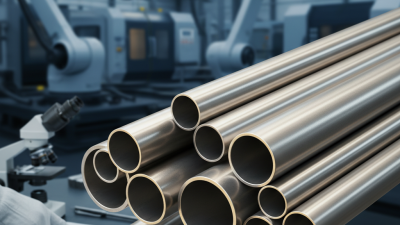
2026 Top Hanger Bar Suppliers for Global Buyers

Hanger Bars: Definition, Types, and Core Industrial Applications

Hanger bars are structural support components used to suspend or stabilize industrial systems. They typically connect pipes, ducts, cable trays, lighting units, or equipment to ceilings and steel structures. A reliable hanger bar should provide steady load distribution, accurate alignment, and enough adjustment during installation.

Common types include threaded hanger bars, slotted channel bars, adjustable bars, and trapeze assemblies. Threaded designs suit light and medium suspended services. Slotted channels offer more flexibility for changing pipe positions. Adjustable models help installers correct uneven ceilings or unexpected site conditions. Trapeze assemblies support several pipes together. Material choice also matters. Galvanized steel resists ordinary humidity, while stainless steel performs better in corrosive areas.

Tips: Check the working load, bar thickness, hole spacing, surface coating, and connection method before purchasing. Confirm measurements with the actual support structure, not only the drawing. A small mismatch can delay installation. In field inspections, loose fasteners and unclear load data appear more often than expected. That weakness deserves attention. Buyers should request test reports, dimensional records, packaging details, and traceable quality documents from suppliers. Product samples can reveal rough edges, weak threads, or uneven coatings. No specification is perfect until it matches the site, climate, vibration level, and maintenance plan.

Key Criteria for Evaluating Hanger Bar Suppliers in 2026

In 2026, buyers should evaluate hanger bar suppliers beyond attractive catalogs and low quotations. Practical experience shows that material consistency matters more than polished sales language. Ask for samples, production records, and recent inspection reports before approving a supplier. For a Stainless Steel Hanger Bar, verify the steel grade, surface finish, wall thickness, and dimensional tolerances. Small deviations can create fitting problems during installation.

Technical capability deserves close attention. A reliable supplier should explain forming methods, welding controls, load testing, and corrosion protection clearly. Request test data that matches your intended environment, including humidity, temperature changes, and repeated loading. Check whether each batch has traceable heat numbers and documented quality checks. Factory capacity also matters. Confirm equipment availability, staffing, maintenance routines, and realistic monthly output. A large stated capacity may not reflect current production.

Communication can reveal operational maturity. Suppliers should provide clear drawings, packing details, lead times, and corrective-action procedures. Visit the facility when possible, or arrange a live video inspection. I once trusted a detailed specification sheet too quickly; the delivered finish looked acceptable but varied under direct light. That mistake changed my evaluation process. Price still matters, but unstable quality, delayed samples, or vague warranty terms usually cost more later. Leave room for doubt. Ask difficult questions, record every answer, and compare evidence rather than promises.

Leading Hanger Bar Supplier Profiles for Global Buyers

2026 Top Hanger Bar Suppliers for Global Buyers

Leading Hanger Bar Supplier Profiles for Global Buyers

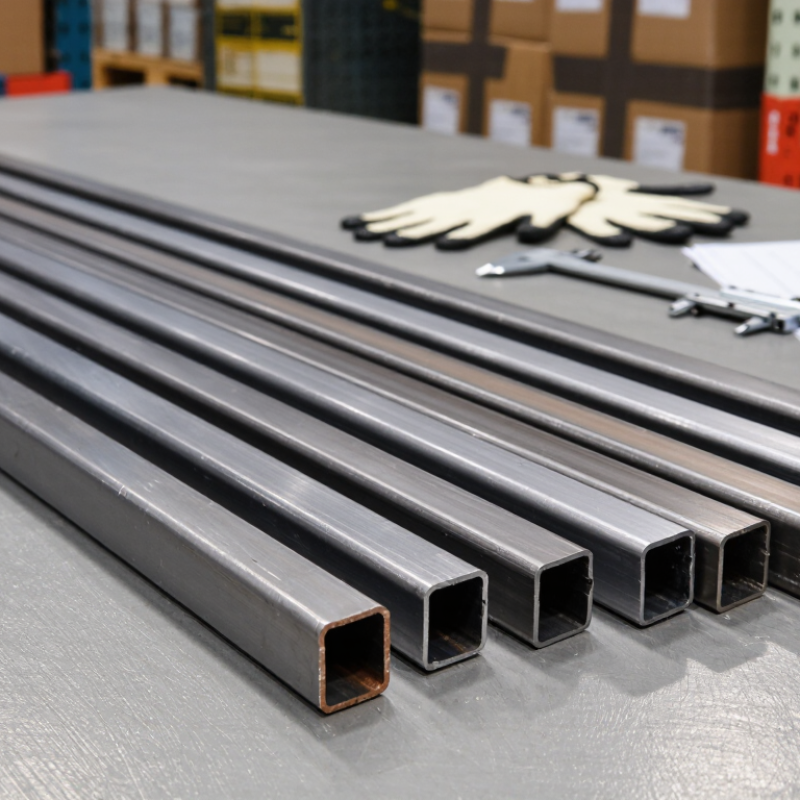
Reliable hanger bar suppliers combine practical experience, stable production, and clear technical documentation. During factory evaluations, I examine material certificates, welding samples, surface finish, and load-test records. A dependable supplier should explain steel grades, tube thickness, coating options, and packaging methods without vague promises. Production lines should show organized storage, calibrated equipment, and workers checking dimensions with gauges. These details matter when bars travel across humid ports, crowded warehouses, and different retail environments.

Supplier profiles should also reveal customization ability. Some factories focus on standard wardrobe bars, while others produce adjustable systems for commercial interiors. The Three Layer Metal Hanger Bar requires careful control between layers, especially around joints and end caps. Ask for drawings, tolerance data, sample approval procedures, and replacement policies. I prefer suppliers that document corrective actions after defects. No supplier is perfect. I still question unusually low prices, even when samples look attractive.

Tips: Request two physical samples. Test weight gradually. Check weld smoothness under bright light. Measure length after packaging. Confirm carton strength and moisture protection. Ask how rejected parts are handled. A short video of production can help, but it cannot replace an independent inspection. Also, compare response times across several weeks. Slow replies may signal communication risks after an order begins. Reliable partnerships need more than polished catalogs.

Materials, Finishes, Load Capacity, and Customization Options

2026 Top Hanger Bar Suppliers for Global Buyers

Materials, finishes, load capacity, and customization now separate reliable suppliers from attractive catalogs.

Steel remains widely specified because it offers stiffness, stable pricing, and repeatable dimensions. The World Steel Association reported global crude steel production of about 1.88 billion tonnes in 2024.

Aluminum is lighter and resists many humid environments. The International Aluminium Institute reported global primary aluminum production near 73 million tonnes in 2024.

Stainless steel suits premium wardrobes, coastal projects, and frequent cleaning.

Finishes and Performance Testing

Finishes need practical testing, not only visual approval. Powder coating can reduce scratching and improve color consistency. Chrome plating gives a bright appearance, but poor preparation may cause peeling.

Ask suppliers for coating thickness, adhesion results, and corrosion testing under ISO 9227 or ASTM B117 methods. Load capacity must include bar length, wall thickness, bracket spacing, and mounting surface. Storage-furniture guidance, including ISO 7170 testing principles, supports checking strength and durability under repeated use. I would not trust a single maximum-load number. It may describe a short bar with ideal supports.

Tips: Request a tested load chart, not a marketing claim. Confirm whether capacity is static or repeated. Check samples under real humidity. Then inspect welds, threads, and cut edges. Small defects matter.

Customization and Sourcing Considerations

Customization may include telescopic lengths, oval or round profiles, hidden brackets, drilled holes, private colors, and protective end caps.

A supplier should provide drawings, tolerances, finish samples, and packaging details.

One gap often remains: buyers compare unit prices but forget replacement parts and installation labor. That mistake can weaken an otherwise careful sourcing decision.

International Sourcing, Compliance, Pricing, and Shipping Factors

Global buyers evaluating 2026 hanger bar suppliers should begin with verified production experience, not catalogue claims. Request mill test certificates, coating-thickness records, dimensional tolerances, and batch-level traceability. For Titanium Clad Copper Hanger Bar, the supplier should explain bonding technology, copper grade, titanium grade, and inspection methods. Ask for samples from different production lots. One sample is not enough.

Compliance varies by destination. Suppliers should map material declarations against applicable REACH, RoHS, chemical, packaging, and workplace requirements. ISO 9001 supports process control, while ISO 14001 can strengthen environmental due diligence. However, certificates do not replace independent testing. Buyers should confirm electrical conductivity, peel strength, corrosion resistance, and surface defects through accredited laboratories. This step often exposes assumptions.

Pricing needs a transparent formula. Copper is highly sensitive to exchange prices, energy costs, and fabrication premiums. The International Energy Agency’s Global Critical Minerals Outlook 2024 projects copper demand to rise from about 26 million tonnes in 2023 to roughly 31 million tonnes by 2035. Tightening supply may affect long-term quotations. Request validity periods, surcharge rules, tooling charges, and minimum order quantities. Keep the commercial terms clear.

Shipping can quietly change the landed cost. UNCTAD’s Review of Maritime Transport 2024 states that maritime transport carries over 80% of global trade by volume. Compare port pairs, container loading plans, insurance, and customs documentation. A bar arriving with bent ends is not a saving. Build protective sleeves, moisture control, and pre-shipment inspection into the specification. Mistakes still happen. The contract should show who pays.

How to Select the Right Hanger Bar Supplier for Your Project

Selecting the right hanger bar supplier requires more than comparing prices. Check material traceability, dimensional control, and production experience with electroplating equipment. For a Gr2titanium Clad Copper Hanger Bar, request certificates for both titanium Grade 2 and the copper core. Confirm bonding quality through ultrasonic inspection, tensile testing, or documented process records. A polished surface should remain uniform near holes, edges, and contact points.

The supplier must also understand your bath chemistry, current density, bar length, and loading weight. Ask for drawings before production. A reliable team should explain tolerance limits in millimeters, not offer vague promises. UNCTAD’s Review of Maritime Transport reports that over 80% of global merchandise trade by volume moves by sea. Therefore, packaging, moisture protection, and export documentation deserve equal attention. A strong product can still arrive damaged. This risk is easy to underestimate.

Tips: Compare three suppliers using the same technical specification. Visit a factory when practical, or request a live video inspection. Review recent inspection reports, corrective-action records, and sample consistency. ISO’s 2023 Survey reported more than 1.2 million ISO 9001 certificates worldwide, but certification alone does not prove hanger-bar expertise. Ask for customer references from similar plating lines. I would also test one bar before ordering a full batch. That step costs time. It may prevent an expensive mistake.

How China-Made Multilayer Metal Composite Bars Combine Titanium, Copper, and Steel for Industry

China-made multilayer metal composite bars combine titanium, copper, and steel to deliver a balanced combination of corrosion resistance, electrical conductivity, mechanical strength, and cost efficiency. In a typical titanium-clad copper-clad steel structure, the titanium outer layer provides excellent protection against aggressive chemical environments, while the copper intermediate layer supports efficient electrical and thermal transmission. The steel core contributes high structural strength, dimensional stability, and dependable performance under demanding industrial conditions.

These composite bars are suitable for chemical processing equipment, electrochemical systems, heat-exchange applications, power infrastructure, and other industries requiring both surface durability and reliable conductivity. The layered design allows each metal to perform the function for which it is best suited, reducing the need to use solid titanium throughout a component while maintaining critical corrosion-resistant and conductive properties.

Available configurations also include titanium-clad copper, zirconium-clad copper, stainless-steel-clad copper, tantalum-clad copper, titanium-clad aluminum, and stainless-steel-clad copper-clad steel. Advanced rolling composite processes help create strong metallurgical bonds, uniform dimensions, and consistent quality across the finished material. These multilayer bars can be produced in various sizes and specifications to support customized engineering requirements, fabrication processes, and long-term industrial operation.

FAQS

What should buyers check when evaluating a hanger bar supplier?

Review material certificates, welding samples, finish quality, and load-test records. Ask for clear drawings and tolerance data. Organized storage matters.

Which materials are commonly used for hanger bars?

Steel offers stiffness, stable pricing, and consistent dimensions. Aluminum reduces weight and handles humid environments well. Stainless steel suits premium or frequently cleaned spaces. Choose carefully.

How can buyers verify surface finish quality?

Request coating thickness, adhesion results, and corrosion-test records. Inspect bright samples under strong light. Check welds, threads, edges, and end caps for rough areas. Visual approval alone is weak.

How should hanger bar load capacity be assessed?

Capacity depends on length, wall thickness, bracket spacing, and mounting surface. Ask whether the rating covers static weight or repeated use. Test gradually with realistic supports. One maximum number may mislead.

What customization options can suppliers provide?

Options may include telescopic lengths, oval or round profiles, drilled holes, hidden brackets, and protective caps. Request drawings, tolerances, finish samples, and replacement-part details. Custom details affect installation time.

What documents should buyers request before production?

Request material certificates, technical drawings, inspection records, packaging details, and corrective-action reports. For composite bars, verify each material layer and bonding process. Documents reduce uncertainty, but they are not proof alone.

How can buyers reduce shipping damage?

Confirm carton strength, moisture protection, internal padding, and export documents. Measure bar length after packaging. A strong product can still arrive bent or scratched.

Should buyers inspect the factory or samples?

Yes, when practical. Request two physical samples and compare their dimensions, welds, and finishes. A live video helps, but independent inspection is stronger. Samples can deceive. I still might miss a hidden weakness.

Conclusion

This guide provides global buyers with a practical overview of Hanger Bar products, including their definition, main types, and common industrial applications in construction, manufacturing, mechanical systems, and equipment support. It explains how to evaluate suppliers in 2026 by reviewing production capabilities, quality control, technical expertise, delivery reliability, communication, and after-sales service. Readers will also learn how material selection, surface finishes, load capacity, dimensions, and customization options affect performance, durability, and project suitability.

The guide further examines important international sourcing considerations, such as compliance documentation, product testing, pricing structures, minimum order quantities, packaging, shipping arrangements, and lead times. A structured supplier selection process helps buyers compare offers more effectively and reduce procurement risks. By matching project requirements with a supplier’s manufacturing strengths, customization capabilities, quality standards, and logistics support, buyers can choose a dependable Hanger Bar partner for both standard applications and specialized industrial projects.

Olivia

Olivia

Olivia is a dedicated marketing professional at a pioneering industrial enterprise established in 1997, specializing in the research, development, and production of titanium, nickel, zirconium, and metal composite materials. With a deep understanding of the industry and a passion for innovation,......
Previous How to Choose the Best Electrolysis Plate?