





China Suppliers - Titanium-based Lead Dioxide Anode (Ti/PbO₂) from Reliable Factory for Corrosive Environments
Key Features and Critical Performance
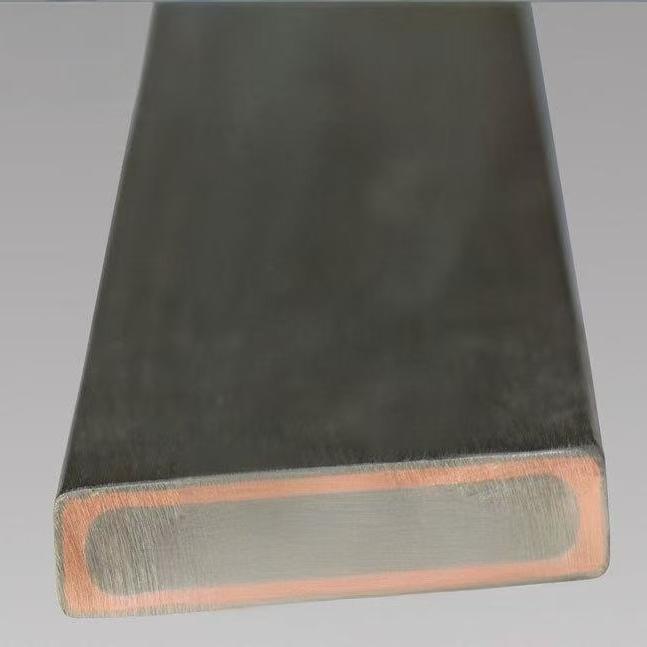
1. Structural Design: Multi-Layer
The titanium-based lead dioxide anode features a distinct "sandwich" architectural design:
- Titanium matrix: Provides mechanical strength and structural stability.
- Intermediate bonding layer: Prevents titanium oxidation and insulating TiO₂ passivation films. Uses pre-coated tin-sulfide oxide, platinum group metal oxide, or tantalum to extend lifespan.
- Surface active layer (PbO₂): The active functional layer combining α-PbO₂ and β-PbO₂ to optimize electrochemical performance.
2. Core Performance
- High Catalytic Oxidation: High oxygen evolution potential (~1.75V) prioritizes degradation of organic contaminants over oxygen release.
- Corrosion Resistance: Exceptionally stable in strong oxidizing acid media (sulfuric and nitric acid).
- Conductivity & Energy Savings: High electrical conductivity lowers cell voltage by 5%-8% compared to traditional anodes.
- Cost Economy: Lower material costs compared to platinum-group precious metal anodes.
3. Main Limitations
- Passivation Failure: Substrate oxidation causes coating peeling if the intermediate layer is damaged.
- Lead Leaching Risk: Potential trace release of lead ions under extreme conditions or poor coating quality.
- Complex Preparation: Multi-step thermal and electro-deposition processes require high precision and control.
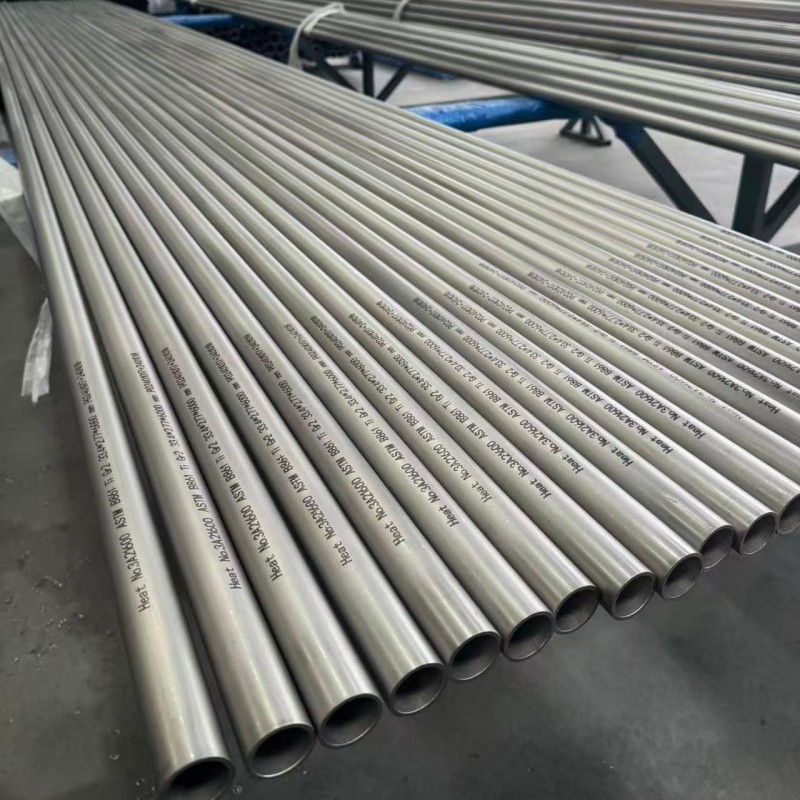
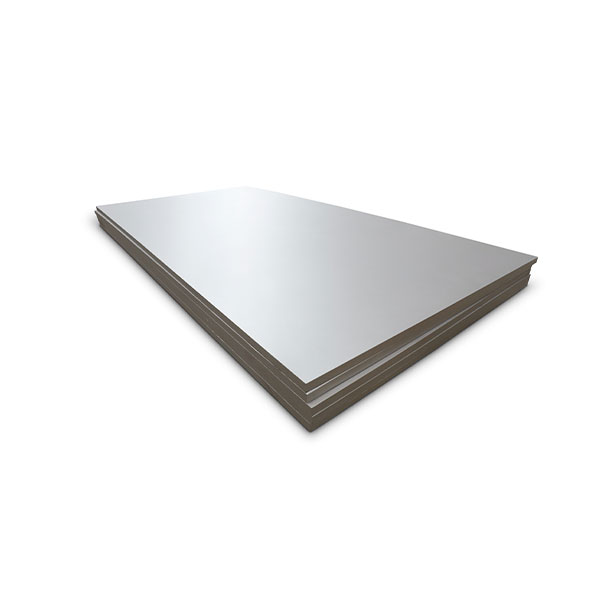
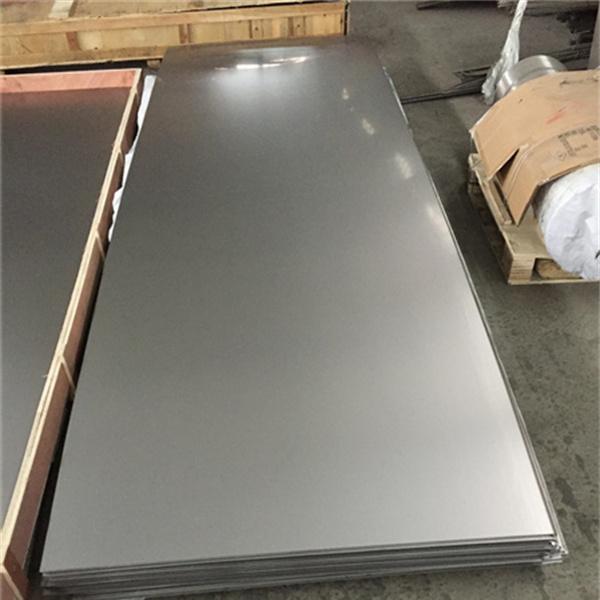
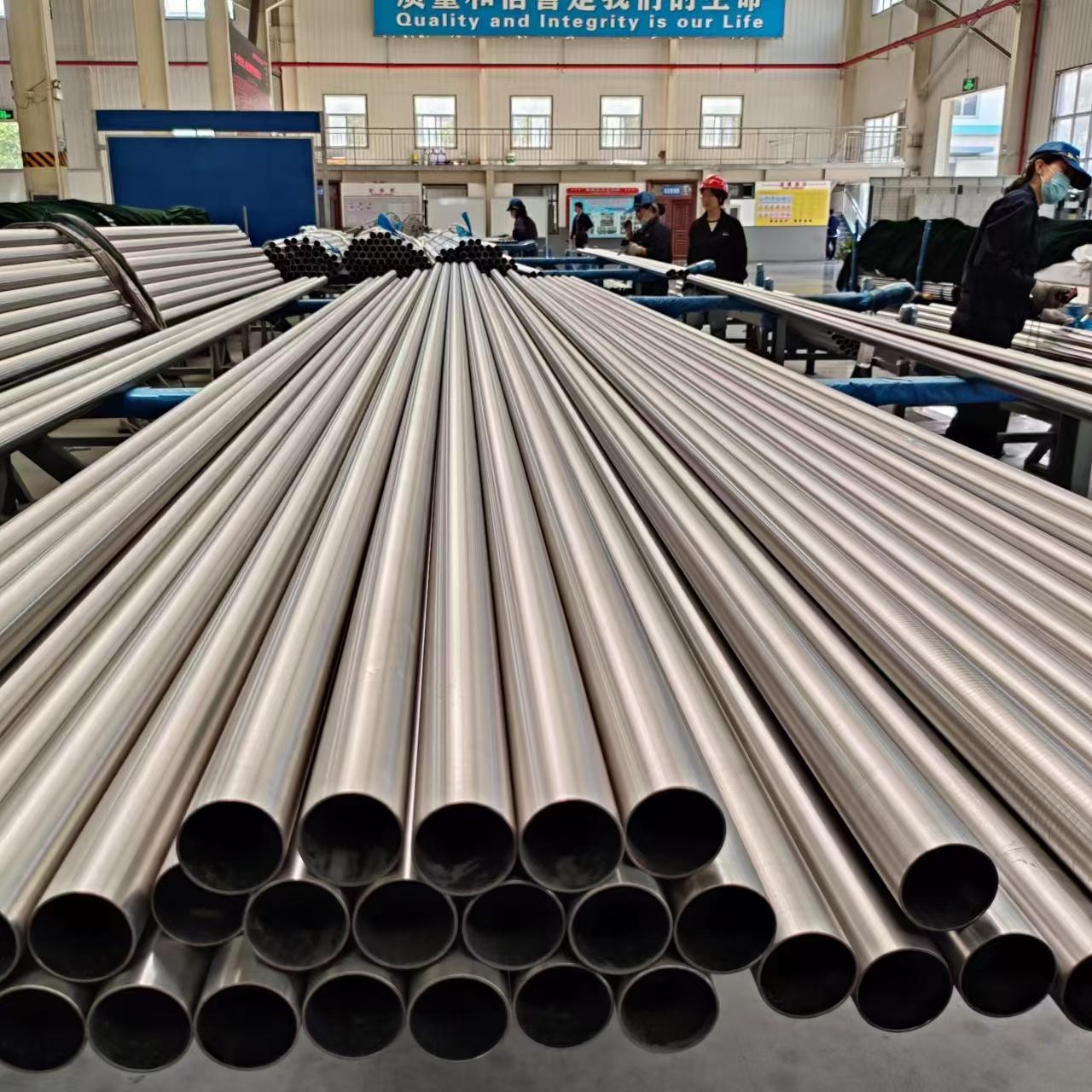
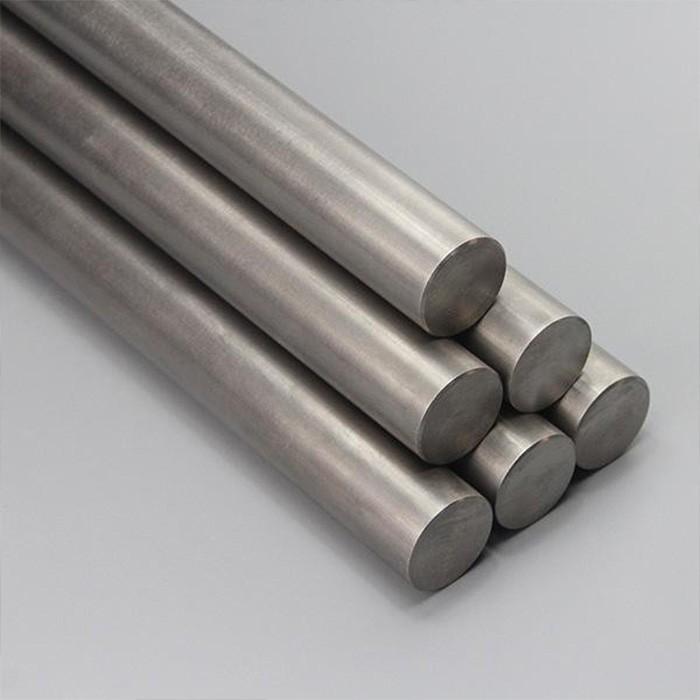
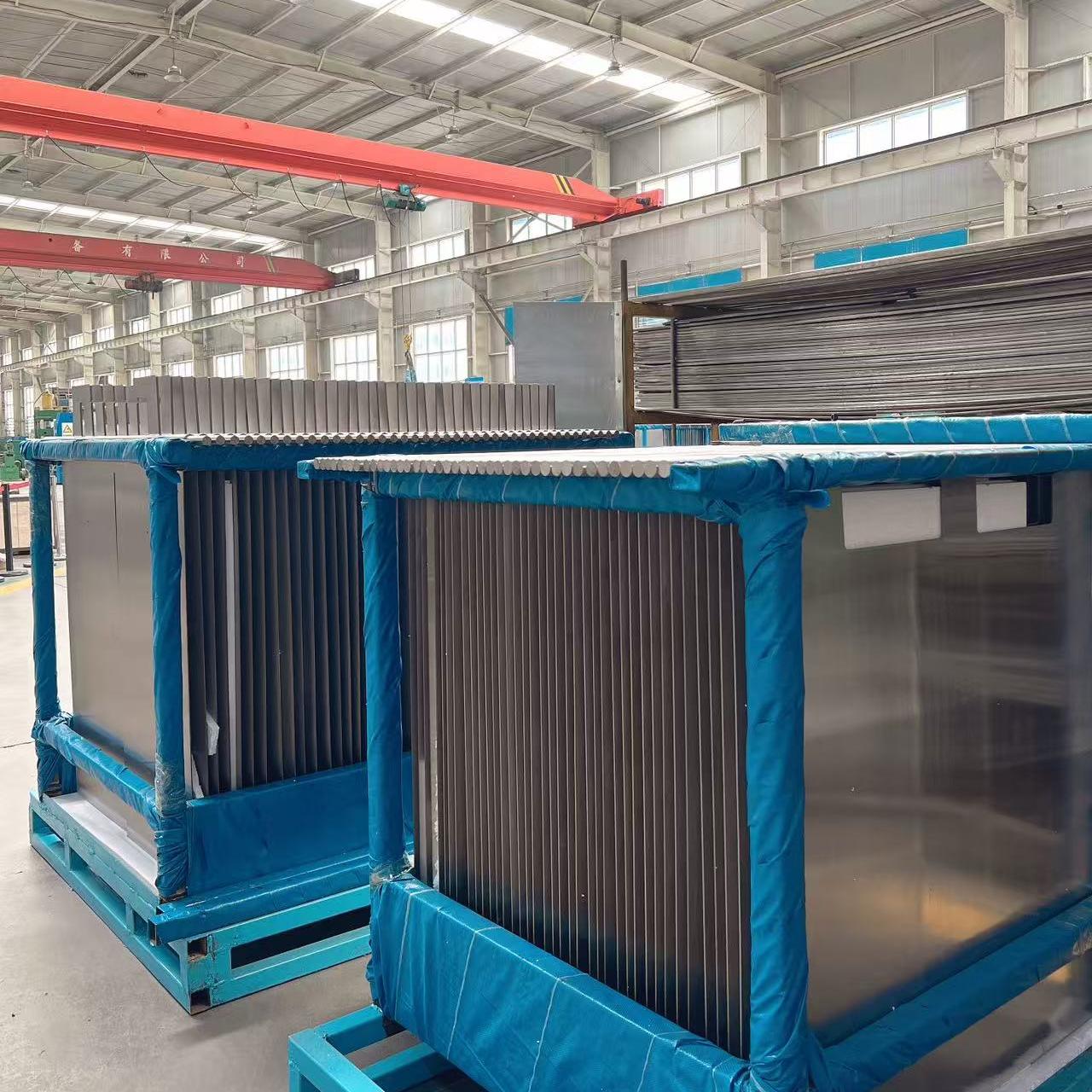
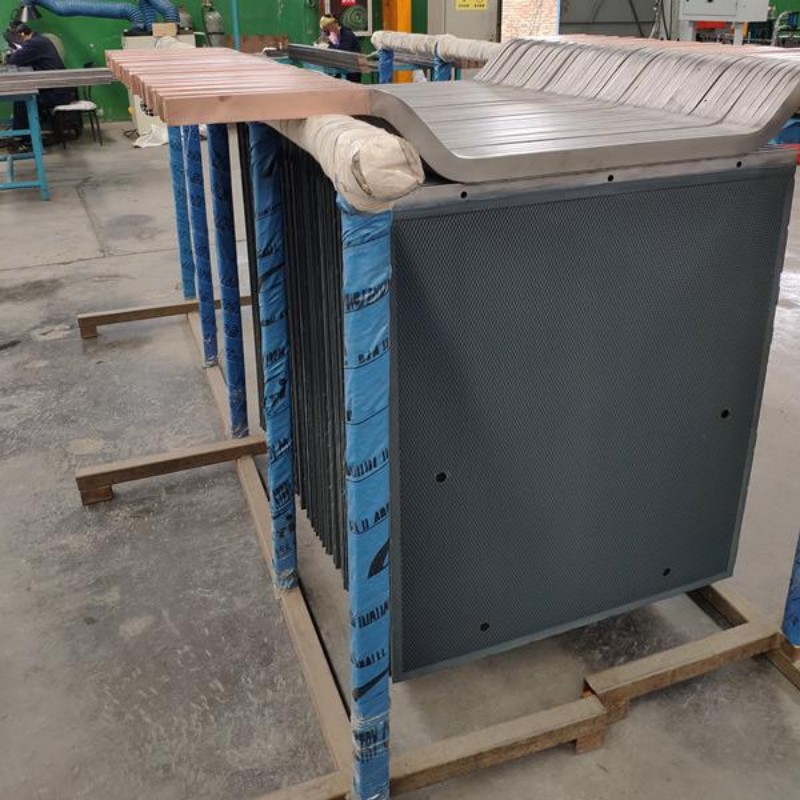
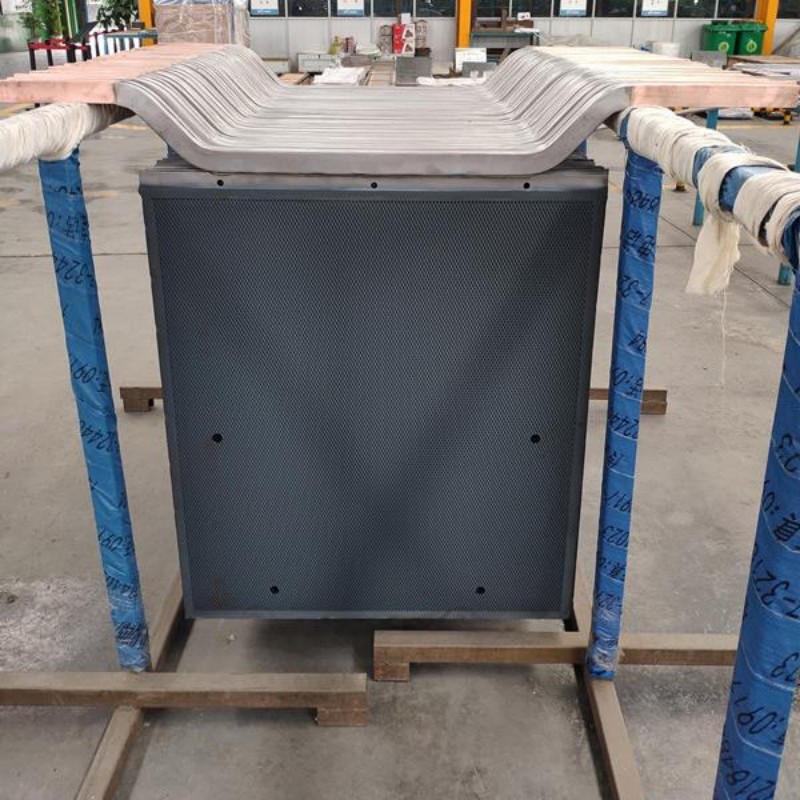
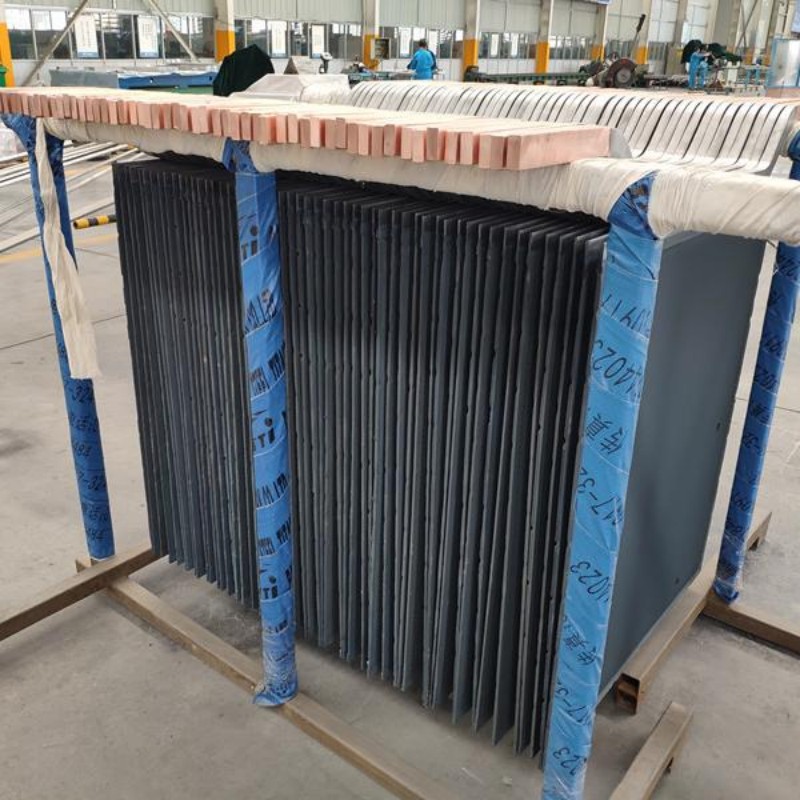
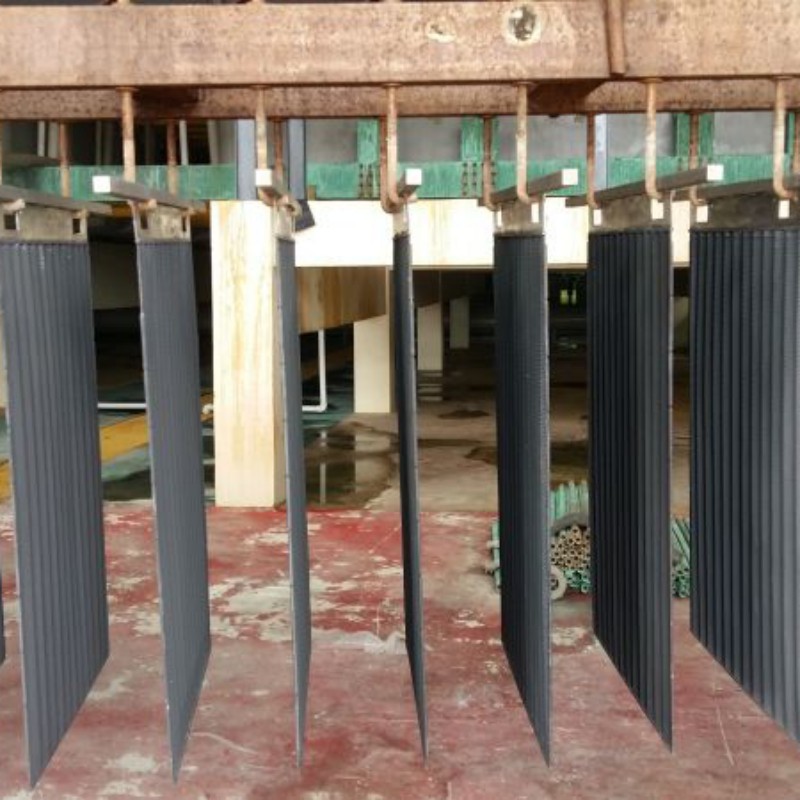
Product Display
Analysis of Main Application Domains
Primary Application: Treatment of refractory organic wastewater (widely recognized as the most effective application).
Hydrometallurgy & Electrochemical Industry
- Non-ferrous metal electroplating: Utilized in electrolytic extraction of zinc, copper, and manganese, lowering overall energy consumption and elevating product purity.
- Electrochemical synthesis: Applied in the synthesis of chlorates, hydrogen peroxide (H₂O₂), and organic chemicals like 4-pyridinecarboxylic acid.
Other Electrochemical Processes
- Alternative insoluble anodes for oxygen or chlorine evolution in general electroplating, high-purity water systems, and cathodic protection, surpassing conventional graphite and lead alloy anodes.
Summary and Usage Suggestions
How to Choose and Use
- Preferred Scenarios: Degradation of complex, non-biodegradable wastewater and strong-acid electrolysis.
- Evaluation Metrics: Monitor accelerated life test benchmarks and verify the specific composition of intermediate bonding layers (e.g., tin-selenium oxide, tantalum).
- Precautions: Avoid strongly alkaline environments (dissolves PbO₂); strictly eliminate fluoride ions (causes substrate etching); conduct low-current polarization treatment prior to first use or after long downtime.
Horizontal Comparison and Advancement
- vs. Stainless Steel / Nickel Anodes: Stainless steel/nickel primarily serve as cathodes or soluble anodes in alkaline conditions, whereas PbO₂ anodes act as insoluble, highly durable anodes in corrosive oxidizing media.
- vs. Iridium-Tantalum DSA: While Ir-Ta anodes excel in chlorine evolution and prolonged life, titanium-based PbO₂ offers a significantly better cost-to-performance ratio in high oxygen evolution potential setups.
Advantages and Disadvantages Comparison
| No. | Technical Specification | Lead Alloy Anode | Titanium Based Lead Dioxide Anode |
|---|---|---|---|
| 1 | The quality of copper | 99.8617% (Lead ions easily exceed standard) | 99.9972% |
| 2 | Load current density | 260 A/m² | 400 A/m² |
| 3 | Anode mud | Requires monthly slot cleaning | No slot cleaning required |
| 4 | Manual operation | Heavy weight; prone to fracturing during beam lifting | Lightweight; zero corrosion |
| 5 | Sulfuric acid concentration | 180 – 250 g/L | < 350 g/L |
| 6 | Operating temperature | < 60 ℃ | < 60 ℃ |
| 7 | Service lifespan | 12 – 36 months | > 36 months |
| 8 | Repairability | Beyond repair | Can be recoated/replated |
| 9 | Chloride ion tolerance | < 10 ppm | < 2000 ppm |
| 10 | Fluoride ion tolerance | < 1 ppm | < 500 ppm |
| 11 | Current efficiency | 90% – 95% | 88% – 92% (~3% lower than lead alloy) |
| 12 | Domestic price | 3,400 – 3,800 RMB / PC | 3,600 – 4,000 RMB / PC (15–20% higher) |
| 13 | Weight per unit | ~120 kg / pc | 40 – 50 kg / pc (Single-person operation) |
| 14 | Structural style | Slab solid structure | Network/mesh structure, superior electrolyte flow |
| 15 | Corrosion resistance | Liquid-gas interface is prone to corrosion | Interface does not corrode |
| 16 | Plate flatness maintenance | Deforms within 3–6 months; requires manual recalibration | Non-deforming; dimensionally stable |
Frequently Asked Questions
What makes the structure of a titanium-based PbO₂ anode unique?
It employs an advanced three-tier "sandwich" construction: a robust titanium base for structure, a protective intermediate barrier (such as tin-sulfide, tantalum, or platinum group oxides) to suppress titanium passivation, and an electrocatalytic surface layer blending α-PbO₂ and β-PbO₂.
Why is the intermediate layer essential for electrode lifespan?
During continuous electrolysis, oxygen penetration can cause the titanium substrate to form an electrically insulating titanium dioxide (TiO₂) passivation layer. The intermediate layer serves as a barrier, preventing peeling and maintaining optimal electrical conductivity.
Why is this anode preferred for refractory wastewater treatment?
Titanium-based PbO₂ features an exceptionally high oxygen evolution potential (~1.75V). This forces electrochemical energy toward the direct degradation and mineralization of complex organic pollutants rather than generating parasitic oxygen gas.
What operating conditions must be avoided when using PbO₂ anodes?
Operating in strongly alkaline electrolytes should be avoided because lead dioxide dissolves under high pH. Additionally, fluoride ions must be kept within specified limits to prevent corrosion of the titanium substrate.
How does a titanium-based PbO₂ anode compare to a traditional lead alloy anode?
Titanium-based PbO₂ anodes weigh significantly less (40-50 kg vs. 120 kg), support higher current densities (400 A/m² vs. 260 A/m²), eliminate anode mud, resist deformation, and offer extended lifespans beyond 36 months.
Can a depleted titanium-based lead dioxide anode be repaired?
Yes. Unlike conventional lead alloy anodes that become scrap once deteriorated, the titanium substrate of a PbO₂ anode remains dimensionally intact and can be stripped, cleaned, and replated for continued operation.