






China Suppliers - Titanium-based Lead Dioxide Anode (Ti/PbO₂) from Reliable Factory for Corrosive Environments
Key Features and Critical Performance
1
Structural Design: Multi-layer Compositeness is Key
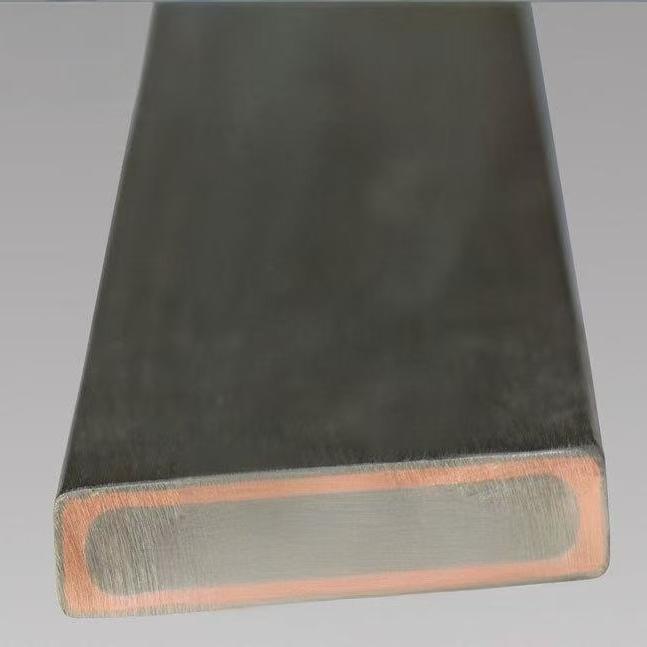
The titanium-based lead dioxide anode is not a simple coating, but rather a "sandwich" structure:
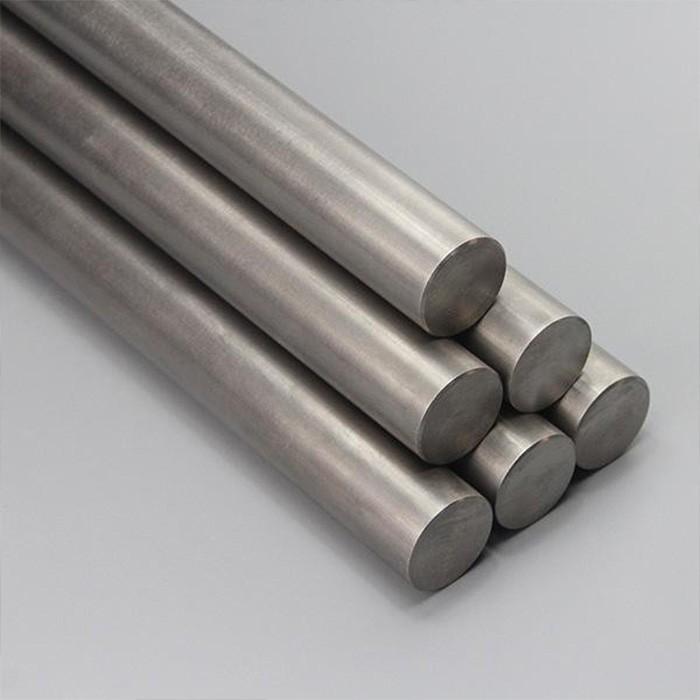
- Titanium matrix: Provides mechanical strength support.
- Intermediate bonding layer: To prevent the titanium surface from oxidizing during electrolysis and forming an insulating TiO₂ passivation film that leads to failure, a pre-coated intermediate layer such as tin-sulfide oxide, platinum group metal oxide, or tantalum will be applied. This is the core for the long lifespan of the electrode.
- Surface active layer (PbO₂): The actual functional layer, divided into α-PbO₂ and β-PbO₂, is usually used in combination to optimize performance.
2
Core Performance
- High catalytic and strong oxidation capabilities: A high oxygen evolution potential (approximately 1.75V), which enables the preferential oxidation and degradation of organic substances during electrolysis rather than the release of oxygen.
- Excellent corrosion resistance: Extremely stable in oxidizing media such as strong acids (such as sulfuric acid and nitric acid).
- Good conductivity and stability: PbO₂ itself has good conductivity, and with the titanium substrate, the electrode resistance is low, and the cell voltage can be 5%-8% lower than that of traditional anodes. As an insoluble anode, the size is stable.
- Economy: The material cost is much lower than that of platinum and other precious metal anodes.
3
Main Limitations
- Degradation due to passivation failure: After the intermediate layer is damaged, the oxidation of the titanium substrate will cause the coating to peel off.
- Potential lead leaching: In extreme conditions or when the coating quality is poor, there is a risk of trace leaching of lead ions, which limits its application in certain high-purity product fields.
- Complex preparation process: Multi-layer preparation (such as pre-treatment, deposition of the intermediate layer, electro-deposition of PbO₂) requires high standards and significant quality variations.
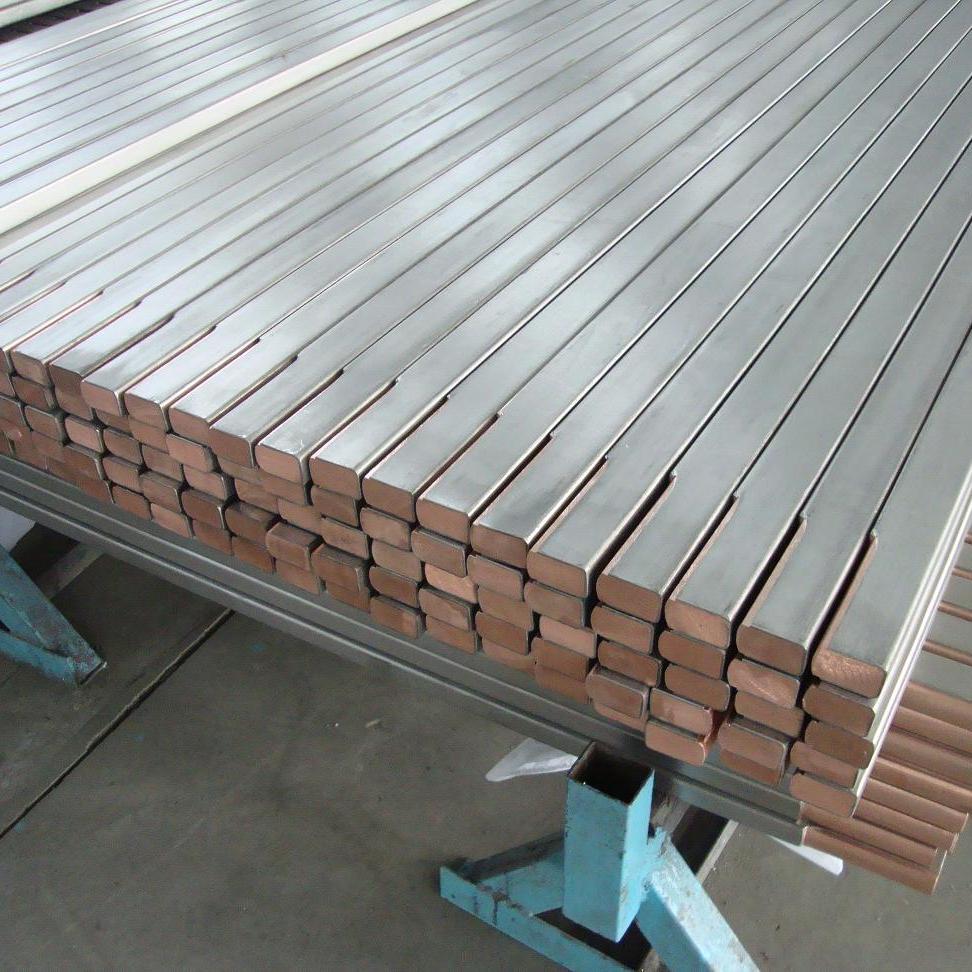
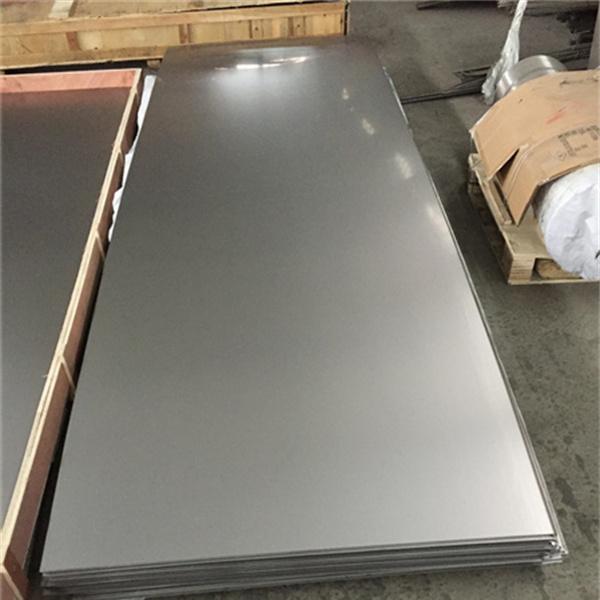
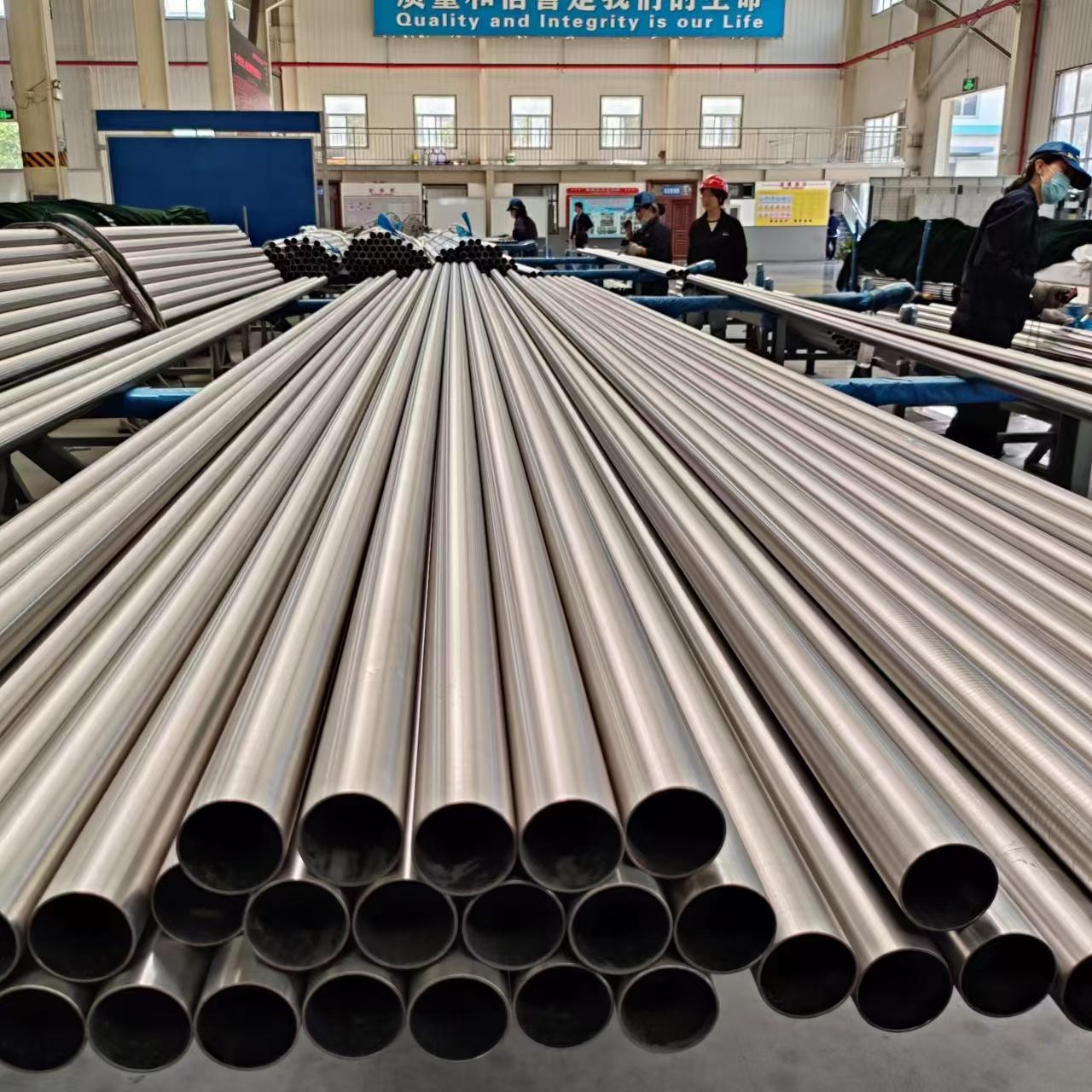
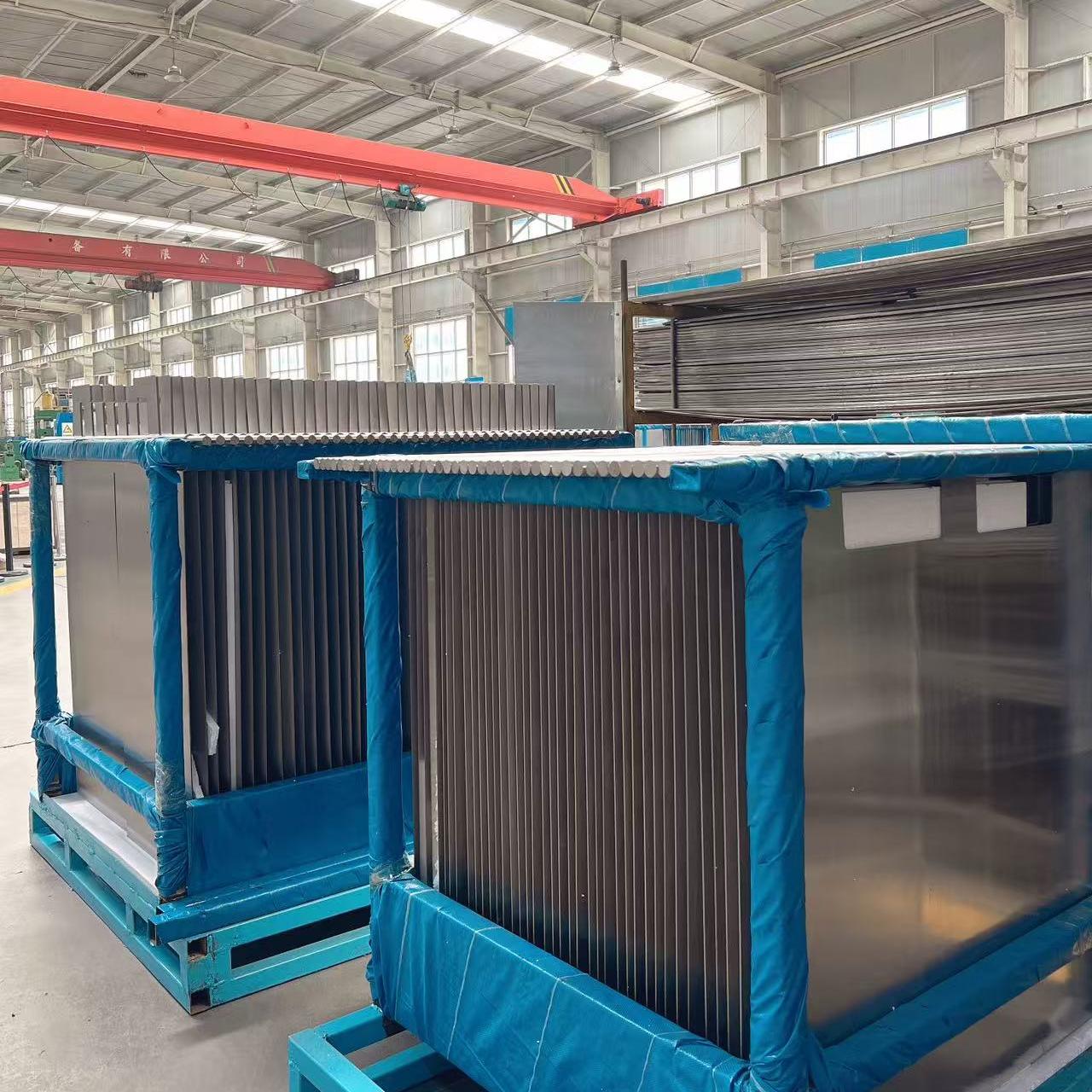
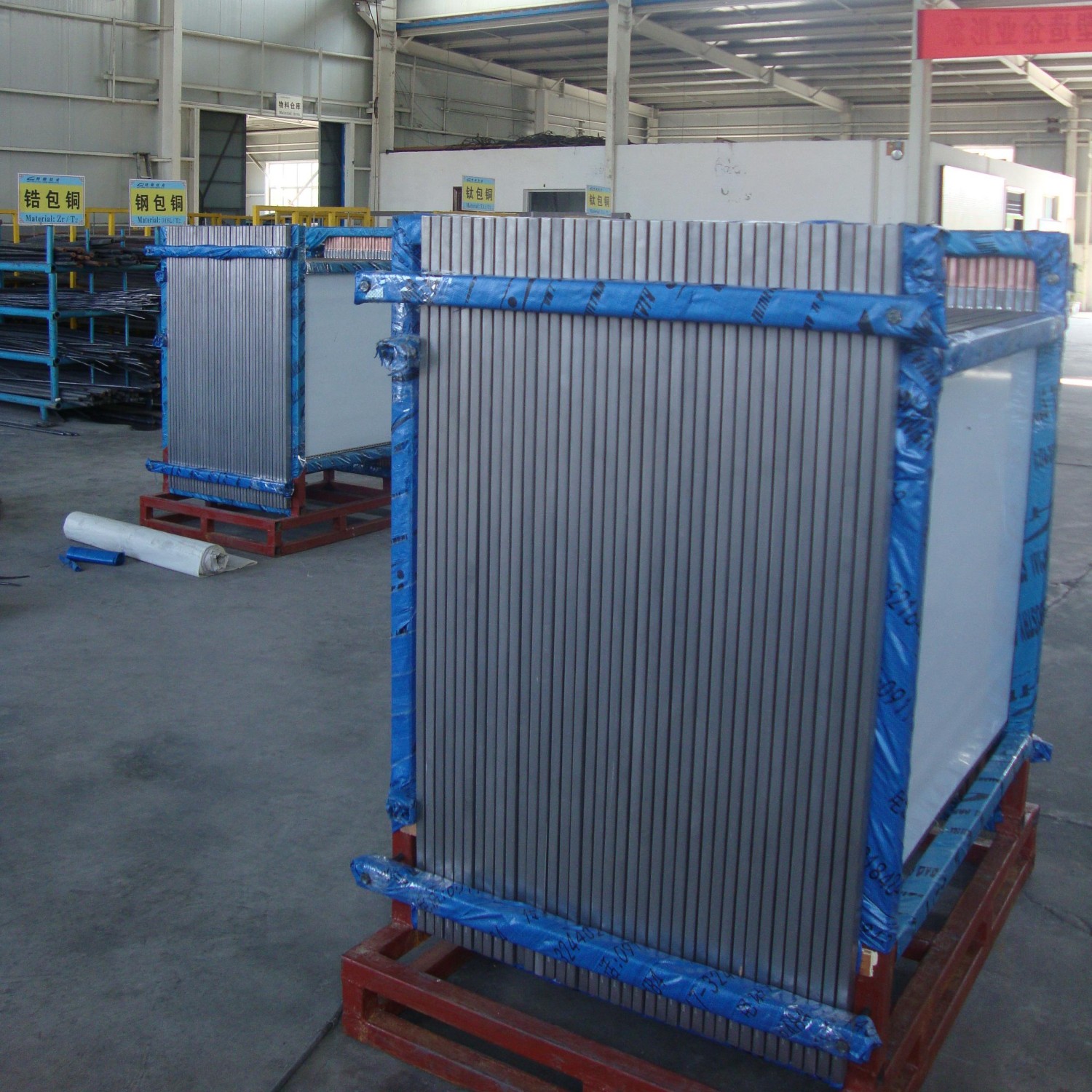
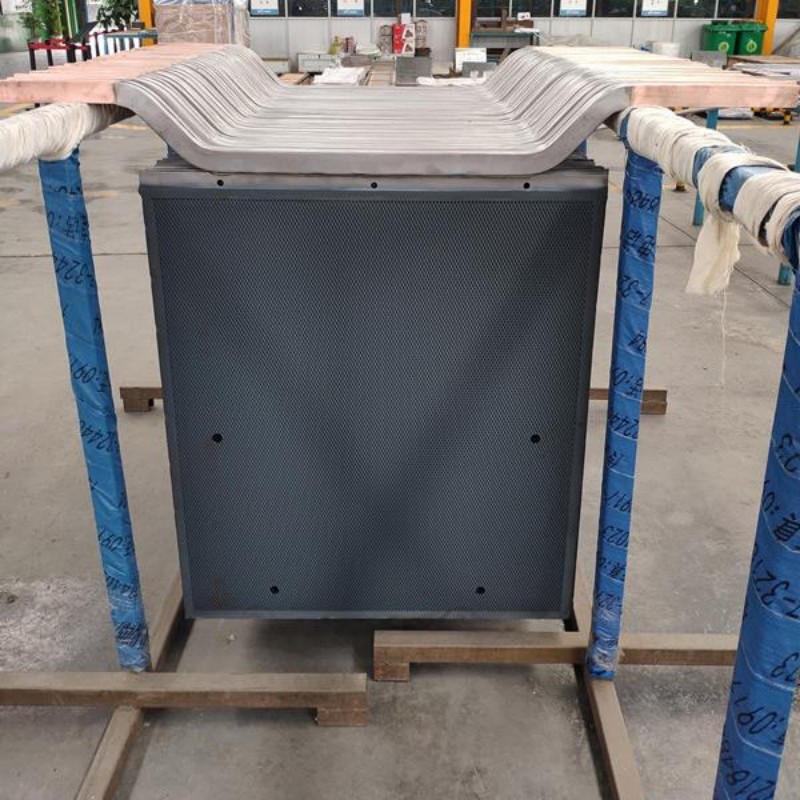
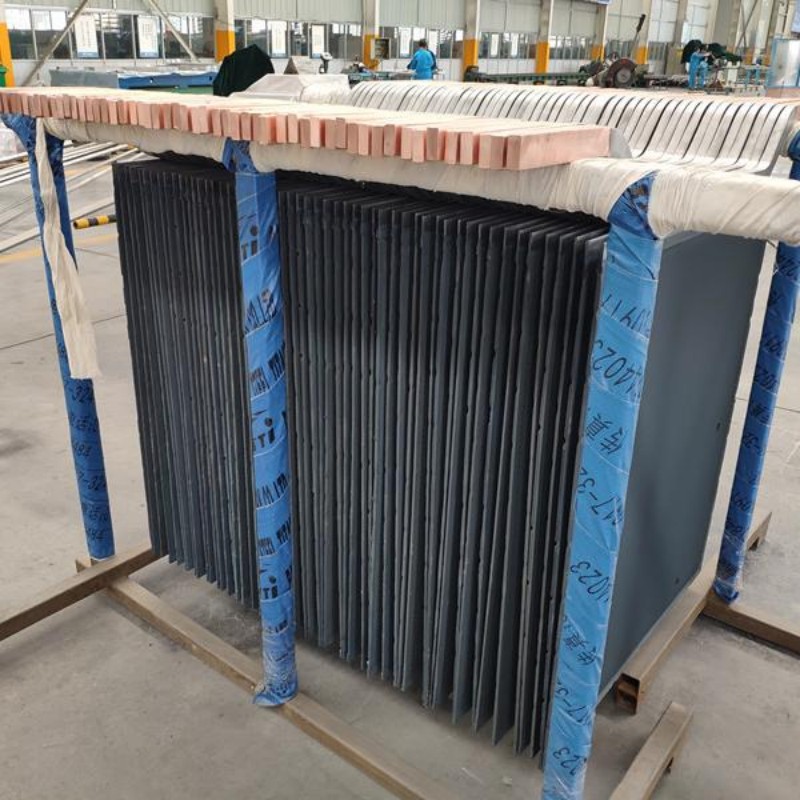
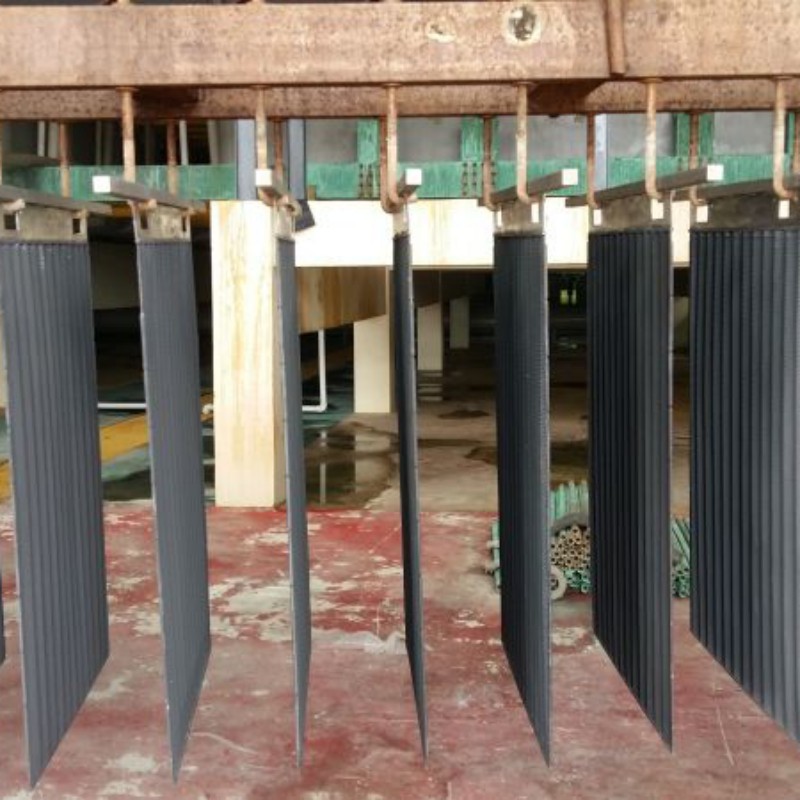
Product Display
Analysis of Main Application Domains
Treatment of refractory organic wastewater (the most widely used application)
Hydrometallurgy and Electrochemical Industry
- Non-ferrous metal electroplating: This process is used for electrolytic extraction of metals such as zinc, copper, and manganese, which can reduce energy consumption and improve product purity.
- Electrochemical synthesis of chemical products: This is used for electrolytic synthesis of chlorates, hydrogen peroxide (H₂O₂), and organic compounds such as 4-pyridinecarboxylic acid.
Other Electrochemical Processes
In fields such as electroplating, high-purity water production, and cathodic protection, they are used as alternative anodes for oxygen or chlorine evolution compared to traditional graphite or lead alloy anodes.
Summary and Usage Suggestions
How to Choose and Use
- Preferred scenarios: For treating complex and non-biodegradable organic wastewater, or when conducting electrolysis operations in a strongly acidic medium.
- Key evaluation indicators: Pay attention to the data from the accelerated life test; understand the specific material of the intermediate layer (such as tin-selenium oxide, tantalum, etc.) and the process.
-
Usage precautions:
• Avoid long-term use in a strongly alkaline environment (PbO₂ will dissolve).
• Ensure that the electrolyte does not contain fluoride ions (which will severely corrode the titanium substrate).
• When reactivating new electrodes or after a long period of inactivity, it is recommended to perform polarization treatment at a low current first.
Horizontal Comparison and Advancement
Compared with the several electrodes discussed previously, the titanium-based lead dioxide anode has a clearly defined position:
- Comparison with stainless steel/nickel anodes: They are mainly used as cathodes or soluble anodes in alkaline or weakly corrosive environments, while titanium-based lead dioxide is an insoluble anode for highly corrosive and oxidizing environments, with completely different functions.
- Comparison with other titanium-based anodes (such as iridium-tantalum coated DSA): The latter is superior in chlorine evolution reactions (such as in the chlorine alkali industry) and has an extremely long lifespan, but in high oxygen evolution potential and strong oxidizing organic wastewater treatment, titanium-based lead dioxide has a greater cost advantage.
Advantages and Disadvantages
| Comparison of advantages and disadvantages of titanium based lead dioxide anode and lead anode | |||
|---|---|---|---|
| No. | Technical Specification | Lead alloy anode | Titanium based lead dioxide anode |
| 1 | The quality of copper | 99.8617% (Lead ions are easy to exceed the standard) | 99.9972% () |
| 2 | Load current density | 260M/Square | 400A/Square |
| 3 | Anode mud | Clean trough the slot once a month | Without clear trough the slot |
| 4 | Manual operation | Heavy weight, easy to fracture conductive bean lifting | Light weight, no corrosion |
| 5 | Sulfuric acid concentration | 180~250g/litre | <350g |
| 6 | Operating temperature | <60℃ | <60℃ |
| 7 | Use life | 12~36 months | >36 months |
| 8 | Whether can repair | Beyond repair | Can be heavy plating |
| 9 | Chlorine ion content | <10ppm | <2000ppm |
| 10 | Fluorine ion content | <1ppm | <500ppn |
| 11 | Current efficiency | 90%~95% | 88%~92% (About 3% lower than lead alloy) |
| 12 | Domestic price | 3400~3800 RMB/PC | 3600~4000 RMB/PC (1520% more expensive than lead alloy) |
| 13 | Weight/pc | ~120kg/pc | 40~50kg/pe (Single person operation) |
| 14 | Structural style | Slab solid structure | Network structure, good liquid flow |
| 15 | Corrosion | The liquid and gas phase interface is prone to corrosion | The interface does not corrode |
| 16 | Board face level off | 3~6 months out of the slot, need manual recalibration | Non-deformation |
Frequently Asked Questions (FAQ)
What is the structural composition of a titanium-based lead dioxide anode?
The anode features a sandwich composite structure consisting of three parts: a titanium matrix that provides mechanical strength; an intermediate bonding layer (such as tin-sulfide oxide, platinum group metal oxide, or tantalum) to prevent passivation and TiO₂ formation; and a surface active PbO₂ layer (combining α-PbO₂ and β-PbO₂) serving as the primary electrocatalytic functional layer.
What are the main application areas for titanium-based lead dioxide anodes?
The primary and most widespread application is the treatment of refractory organic wastewater. Other major areas include hydrometallurgy and the electrochemical industry (non-ferrous metal electroplating such as zinc, copper, and manganese, as well as electrolytic synthesis of chemicals like chlorates and H₂O₂), electroplating, high-purity water production, and cathodic protection.
How does the titanium-based lead dioxide anode compare to traditional lead alloy anodes?
Compared to lead alloy anodes, titanium-based lead dioxide anodes offer higher copper purity (99.9972%), longer service life (>36 months vs. 12~36 months), significantly lower weight (40~50 kg vs. ~120 kg allowing single-person handling), higher current density (400A/m²), superior corrosion resistance at phase interfaces, re-coating reparability, and elimination of routine monthly anode mud cleaning.
What are the critical operational precautions when using these anodes?
Avoid prolonged exposure to strongly alkaline environments, as PbO₂ will dissolve. Ensure the electrolyte is strictly free from fluoride ions to prevent severe corrosion of the titanium substrate. Additionally, perform low-current polarization treatment first when activating new electrodes or restoring anodes after long periods of inactivity.
Why is the intermediate bonding layer essential to the anode's lifespan?
During electrolysis, the titanium surface can oxidize to form an insulating TiO₂ passivation film, which would lead to coating detachment and anode failure. Pre-coating an intermediate layer such as tin-sulfide oxide, tantalum, or platinum group metal oxide prevents substrate passivation and ensures long-term coating adhesion and operational longevity.
What are the primary limitations of titanium-based lead dioxide anodes?
The main limitations include the risk of coating peeling if the intermediate layer suffers passivation failure, the potential for trace lead ion leaching under extreme conditions or poor coating quality (restricting its use in high-purity sectors), and the strict process control requirements needed during multi-layer electro-deposition manufacturing.