





Double-Layer Metal Composite Bar Material from China Suppliers and Factory - Titanium, Zirconium, Stainless Steel Clad
Product Performance & Specification Range
Baoji special steel titanium industry Co.,Ltd. since 2001 start manufacture metal composite material series product, after 25 years of hard work development, we have set up a perfect specialized metal composite material production line.
Standards & Substrates
- Reference standard: GB/T 12769-2015
- Substrate materials: Copper T1, T2, anaerobic Copper TU1, TU2, Aluminum, etc.
Clad Materials & Thickness
- The clad materials: Titanium (Ti), Zirconium (Zr), Nickel (Ni), Tantalum (Tan), Stainless Steel (304, 316L), etc.
- Clad layer thickness: Conventional 1.0 ~ 2.5 mm
Shapes & Dimensions (mm)
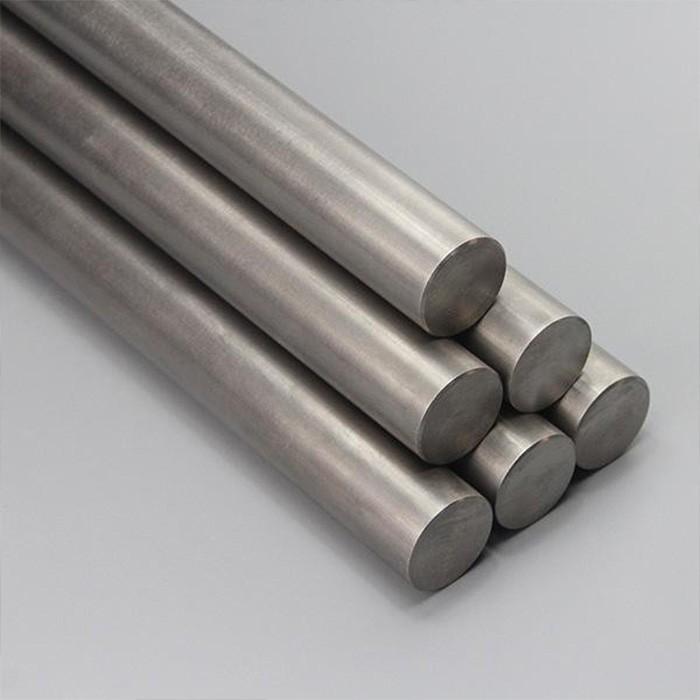
- Rectangular: Width (20 ~ 150) × Thickness (6 ~ 30)
- Circle: Φ (8 ~ 50)
- Square model: (10 ~ 30)
- Silk material: Φ (2.0 ~ 8.0)
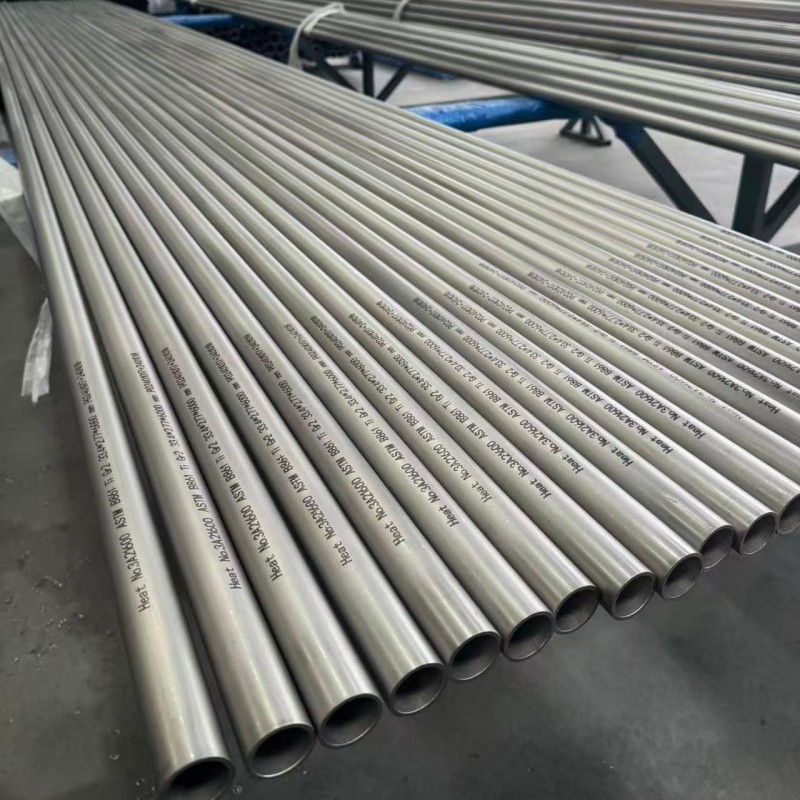
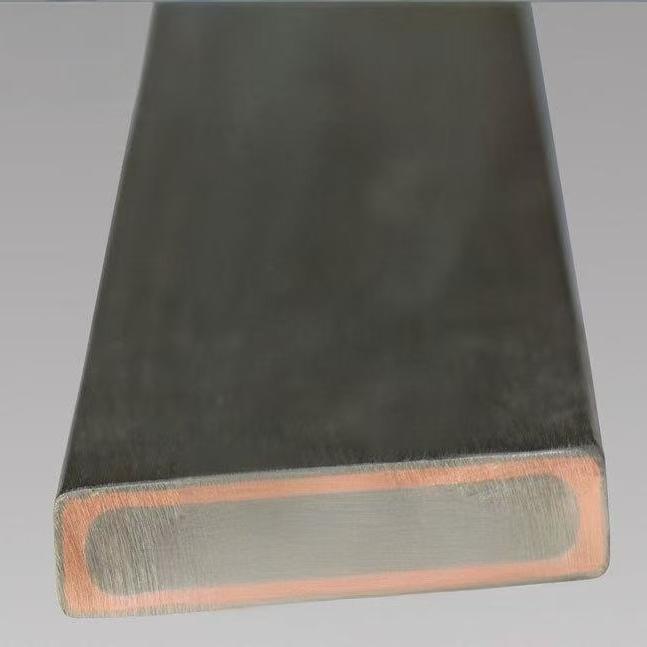
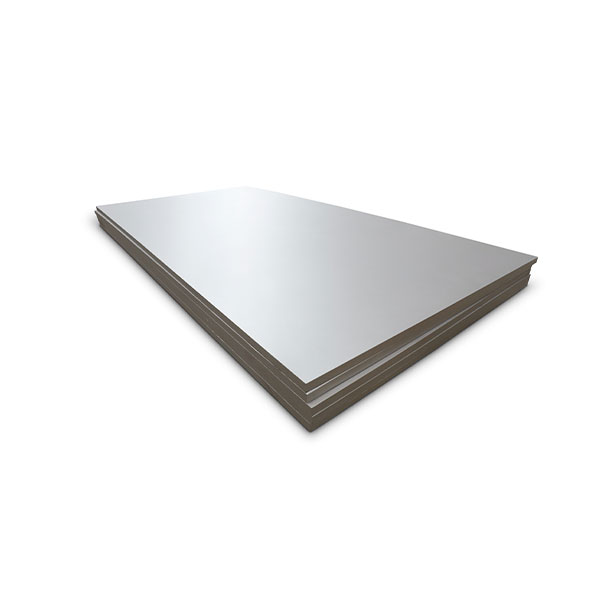
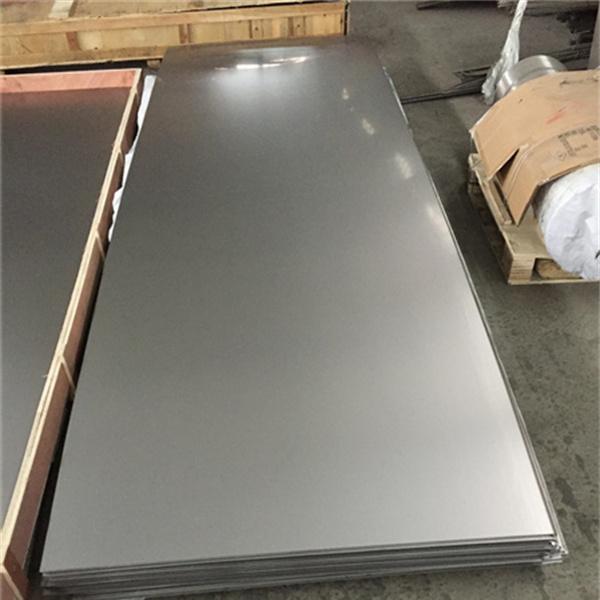
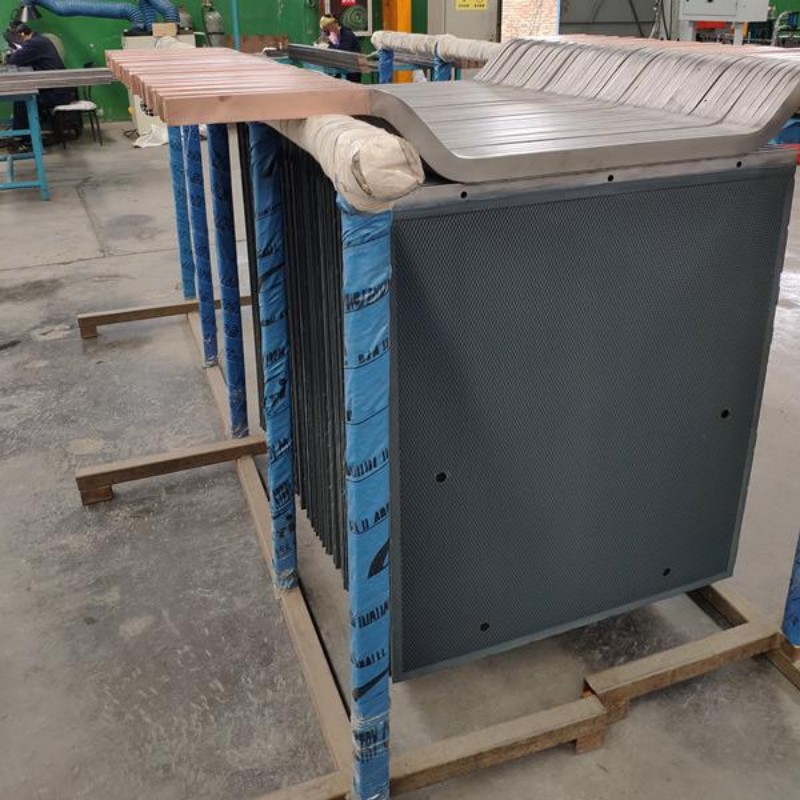
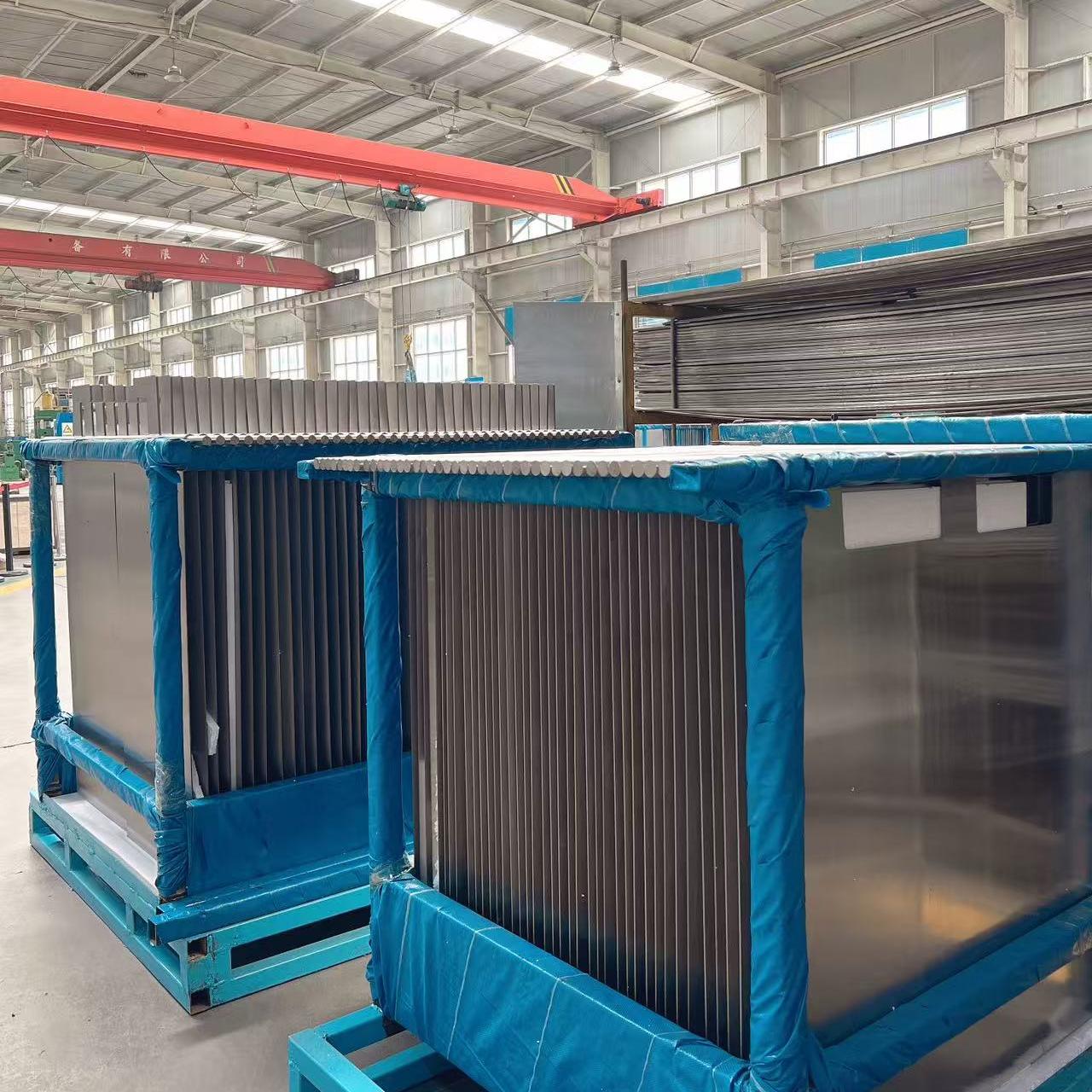
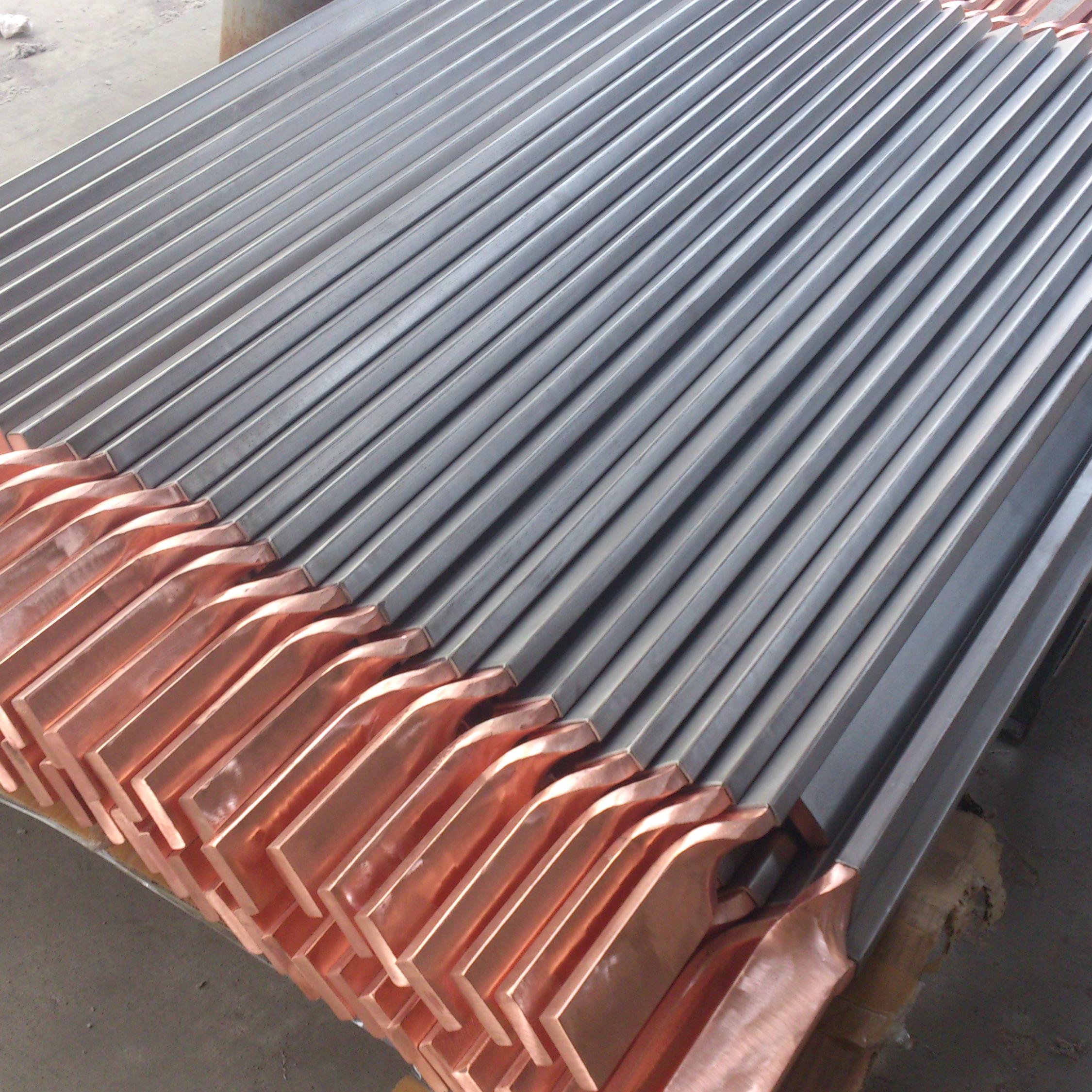
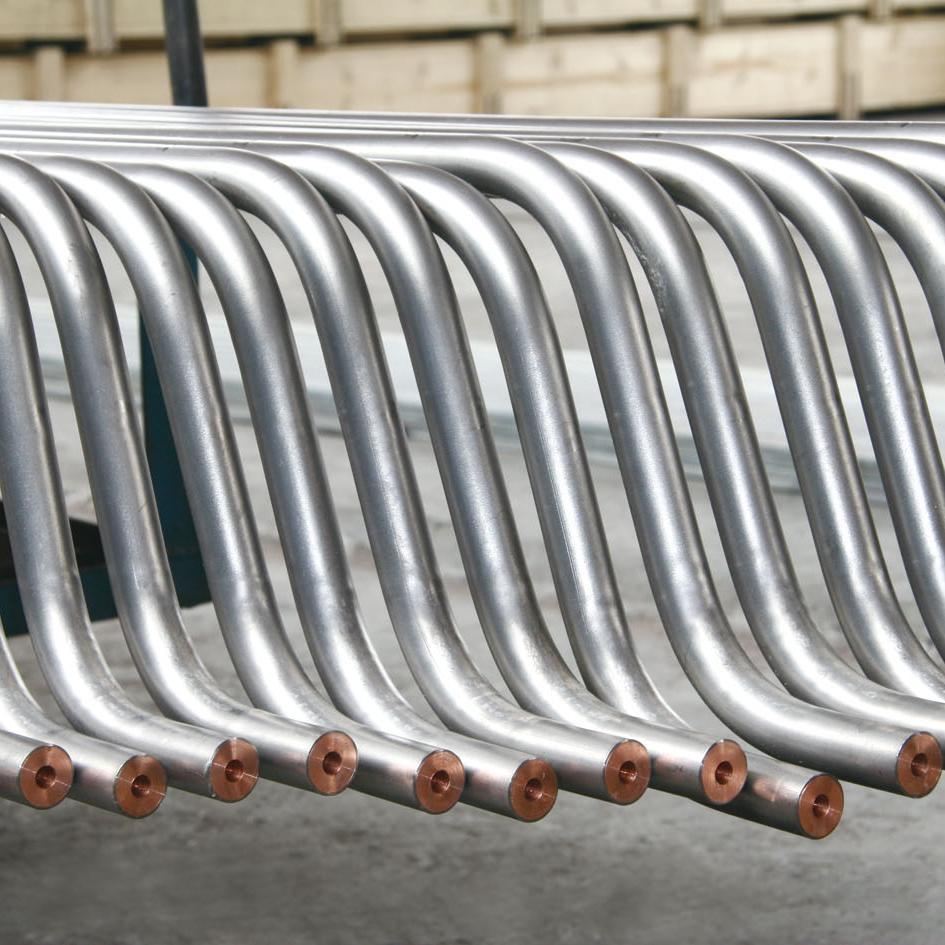
Product Display
Application Field Analysis
Double-layer metal clad bar material mainly of titanium clad copper is not only ensure material superior conductivity, and with a strong surface corrosion resistance. Widely used in strong corrosion condition of conductive body, such as electrochemical, electroplating, electrolysis, hydrometallurgy, PCB, electric chemical industry, water treatment, ocean engineering, etc.
- Electrolytic industry: Cathode roll used for producing electrolytic copper foil (a key raw material for lithium batteries and printed circuit boards). The titanium layer comes into contact with the corrosive electrolyte, and the copper layer provides high conductivity and thermal conductivity, being one of the most significant applications of titanium-coated copper at present.
- Other electrolytic electrodes: Used in the chlor-alkali industry and hydrometallurgy as insoluble anodes or special cathodes, balancing conductivity and corrosion resistance.
- Cathodic protection system: As an anode bed material, used for corrosion prevention of facilities such as offshore platforms and pipelines; the titanium layer is resistant to seawater corrosion, and the copper layer enhances the efficiency of current distribution.
- High-performance electronic devices: Require contacts, connectors or heat dissipation substrates (such as power semiconductor modules) that are highly conductive but resistant to local corrosion.
- Vacuum equipment: Selected vacuum equipment requires components that are both conductive and corrosion-resistant.
- Welding and high-temperature tools: Resistance welding electrodes, electrical discharge machining electrodes, etc. Copper provides excellent conductivity, and a titanium layer prevents high-temperature oxidation or adhesion.
- Ship and seawater systems: Used for manufacturing seawater coolers, heat exchanger tubesheets, etc. The titanium layer resists seawater corrosion, while the copper layer enhances heat conductivity and reduces costs compared to all-titanium designs.
- Chemical equipment: Reactor linings, agitators, etc., used in situations where both corrosion resistance and rapid heat conduction are required.
- Hydrogen fuel cell: Bipolar plates or related components, where the titanium layer is resistant to the corrosive environment inside the fuel cell, and the copper layer ensures high conductivity.
- Nuclear industry: Specific nuclear reactors require materials that are resistant to radiation, corrosion-resistant, and possess high thermal conductivity.
- Decoration and Architecture: The titanium exterior provides distinctive color and durability, while the copper core offers strength and weight reduction for high-end decorative components.
- Medical Equipment: Combines the biocompatibility of titanium and the antibacterial properties of copper for specialized medical or implantable equipment.
Double-layer Metal Clad Bar Material Conclusion
Double-layer metal composite materials are not merely a simple "1+1". Instead, through advanced composite technologies, they achieve functional integration and performance amplification, successfully resolving the key engineering challenge that a single metal cannot simultaneously meet the requirements of "surface corrosion resistance" and "high conductivity of the bulk". They are particularly suitable for high-end and demanding industrial environments.