




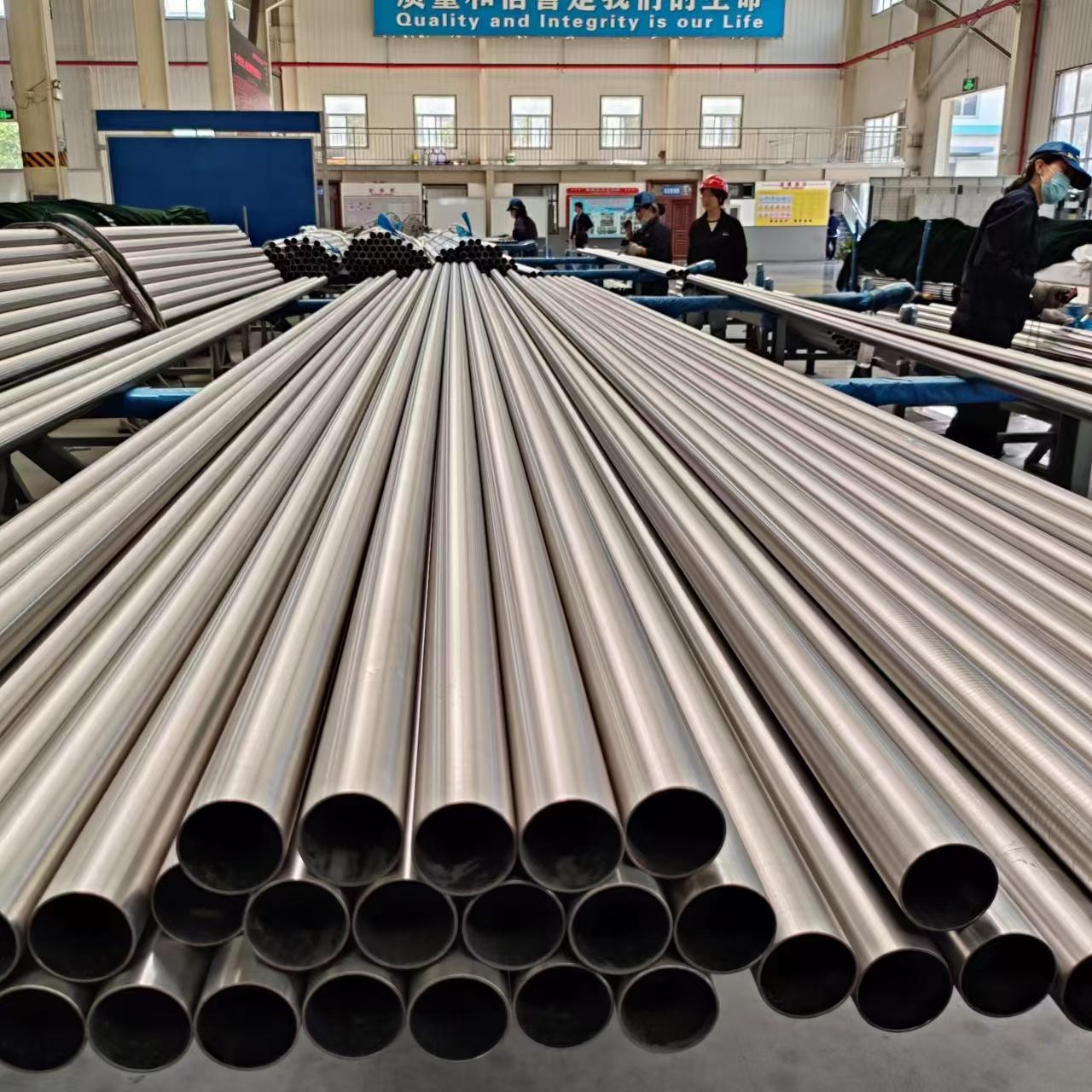


High Quality ASTM B338 Titanium Tubes and Pipes from China Suppliers and Factory - Corrosion Resistant, Lightweight Solutions
To Know About Titanium Tube
Titanium tube has the advantages of light weight, high strength, and superior mechanical properties. It is widely used in heat exchange equipment, such as tubular heat exchangers, coil heat exchangers, serpentine tube heat exchangers, condensers, evaporators, and conveying pipelines. Many nuclear power plants use titanium tube as the standard tube for their units.
The seamless titanium tube has high strength. The tensile strength of titanium alloy is 686–1176 MPa, and the density is only about 60% of that of steel, resulting in very high specific strength. The hardness of titanium alloy (annealed) is HRC 32–38. Seamless titanium tube also has strong corrosion resistance. In air below 550°C, the surface rapidly forms a thin, dense protective oxide film. Therefore, the corrosion resistance of the titanium oxide film is superior to most stainless steels in oxidizing media such as atmosphere, seawater, nitric acid, sulfuric acid, and strong alkalis.
High Strength & Light Weight
Tensile strength reaches 686–1176 MPa with a density only ~60% of steel, providing outstanding specific strength.
Superior Corrosion Shield
Forms a dense oxide film up to 550°C, delivering optimal resistance against seawater, harsh acids, and alkalis.
Biocompatible & Nonmagnetic
Completely human-body tolerant and fully nonmagnetic, making it an essential choice for modern medical diagnostic MRI equipment.
Another great advantage of titanium is that, just as there are different types of stainless steel, copper, and nickel, there are many distinct grades of titanium tube tailored for diverse operational requirements.
For instance, ASTM specifies a variety of standards relating to the formulation and manufacturing of titanium grades used across critical industries, principally: ASTM B338 / ASME SB338, ASTM B265 / ASME SB265, ASTM B348 / ASME SB348, and ASTM B381 / ASME SB381. In accordance with these specifications, there are multiple commercially pure and alloyed grades available, such as GR1, GR2, GR5, GR7, GR9, and GR12.
In medical devices, titanium tubing is exceptionally valued for its biocompatibility. The human body tolerates titanium seamlessly, and its nonmagnetic property ensures safety and clarity during Magnetic Resonance Imaging (MRI) diagnostic procedures.
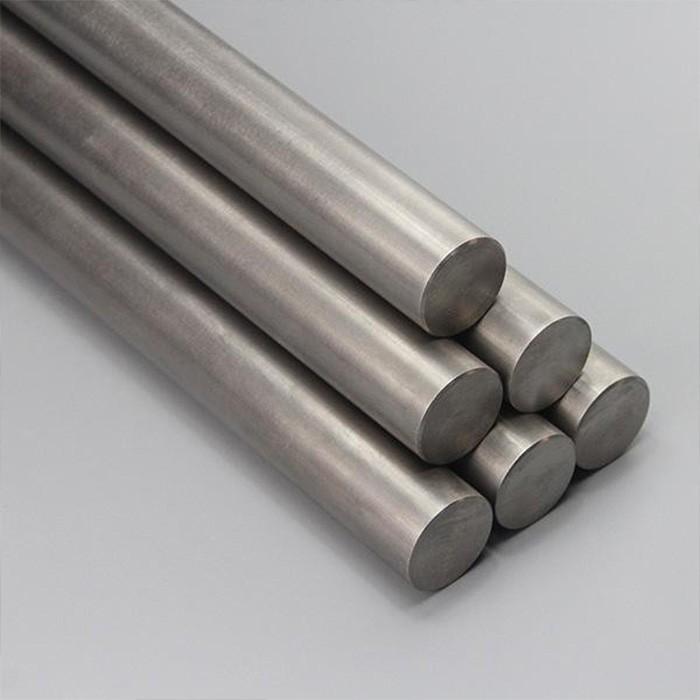
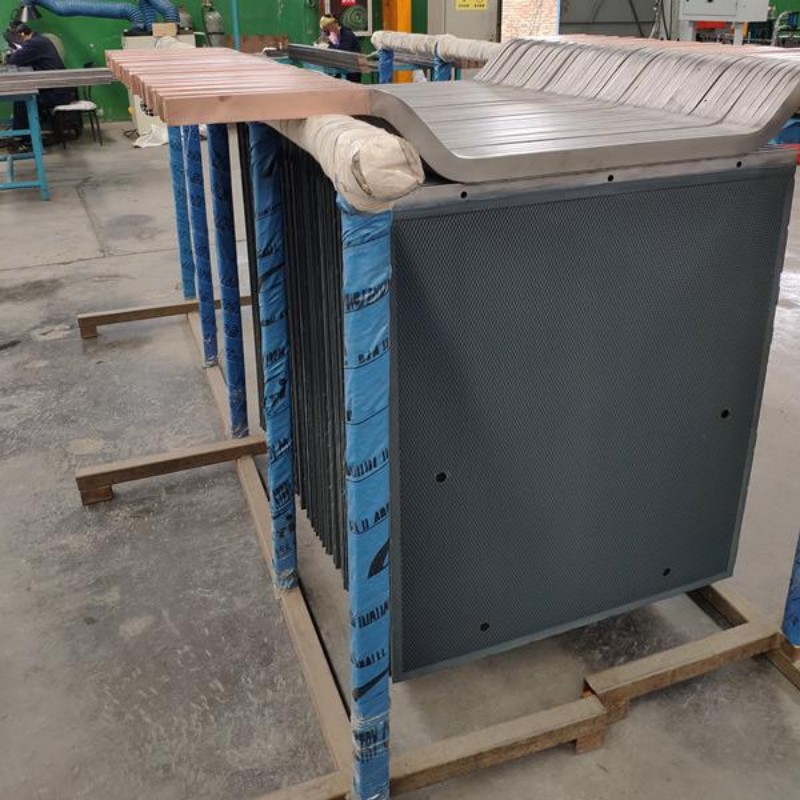
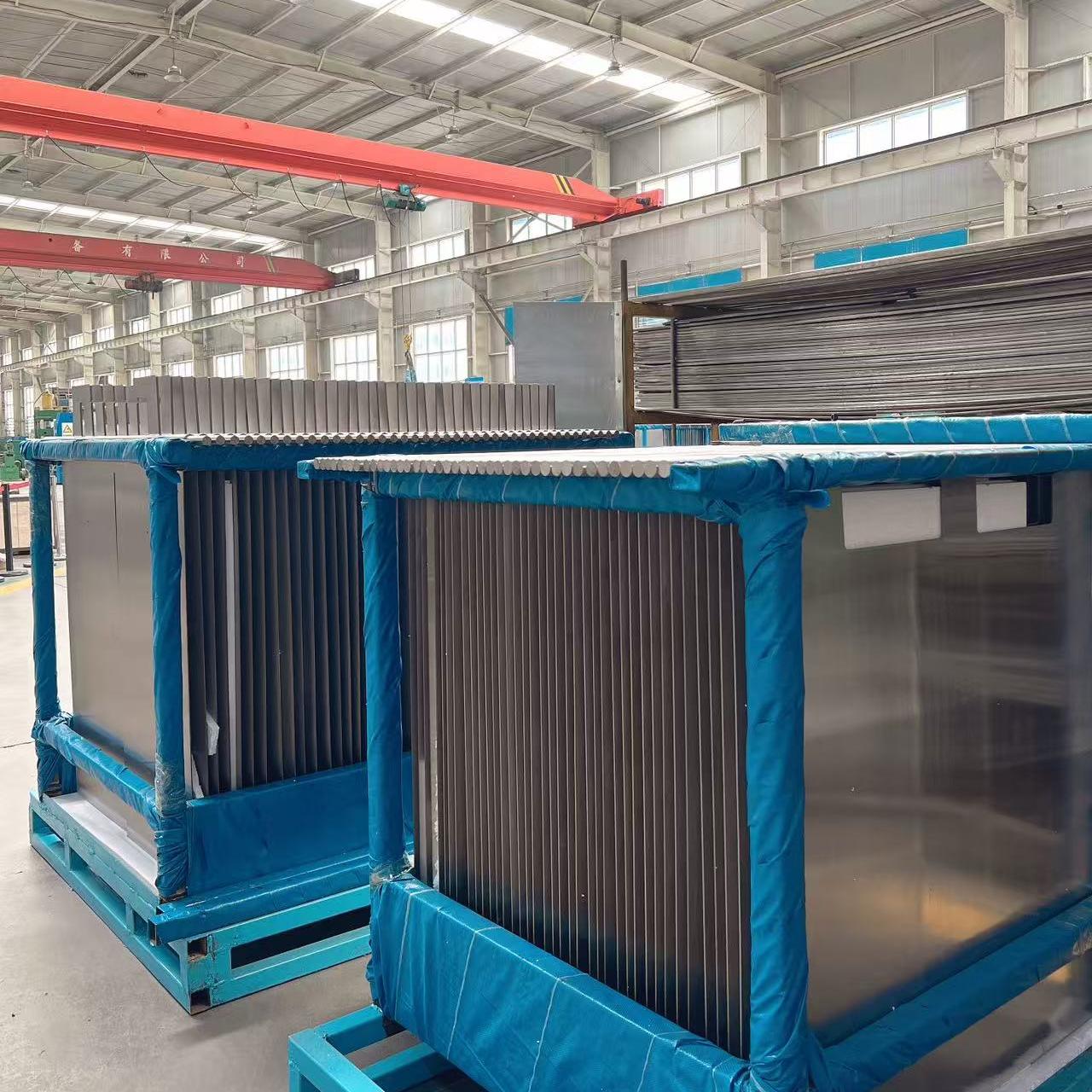
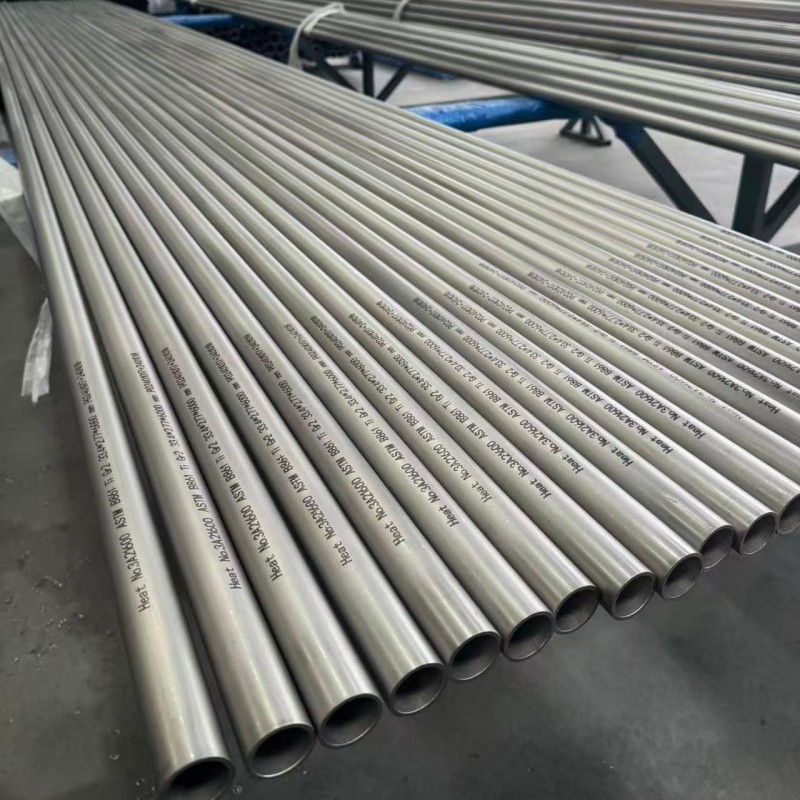
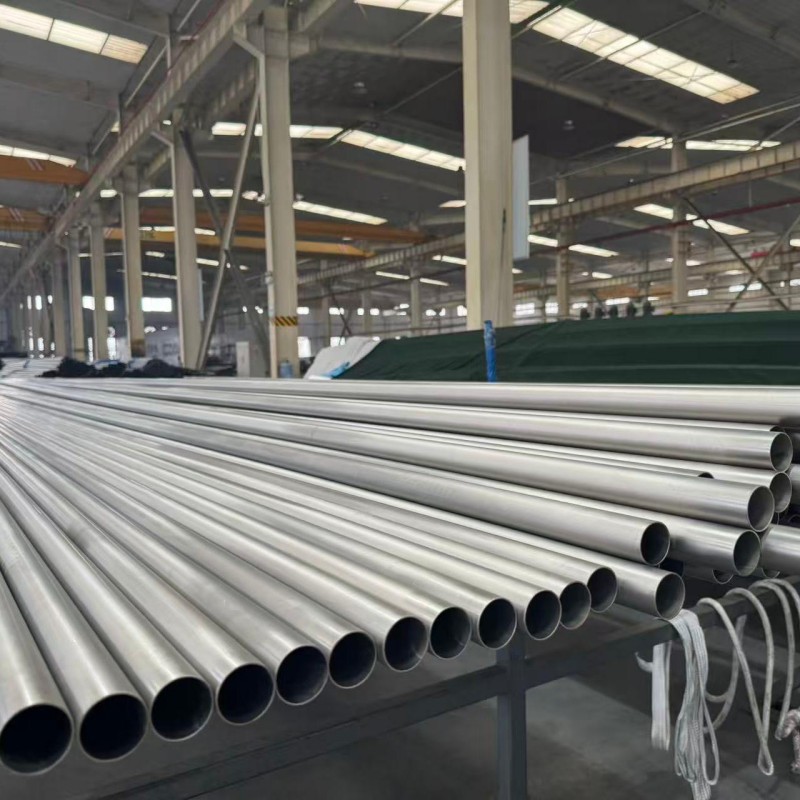
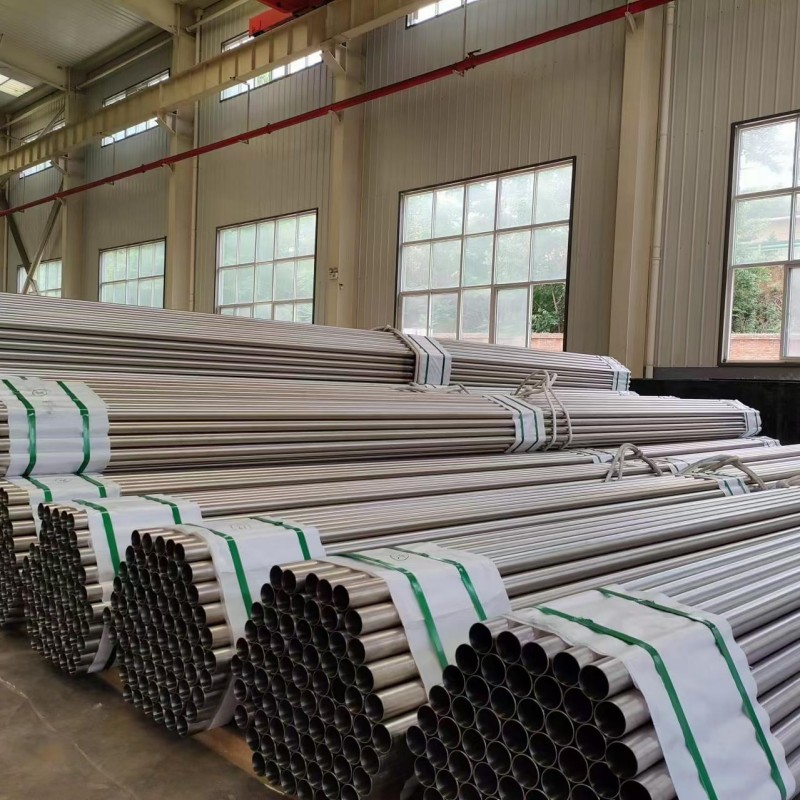
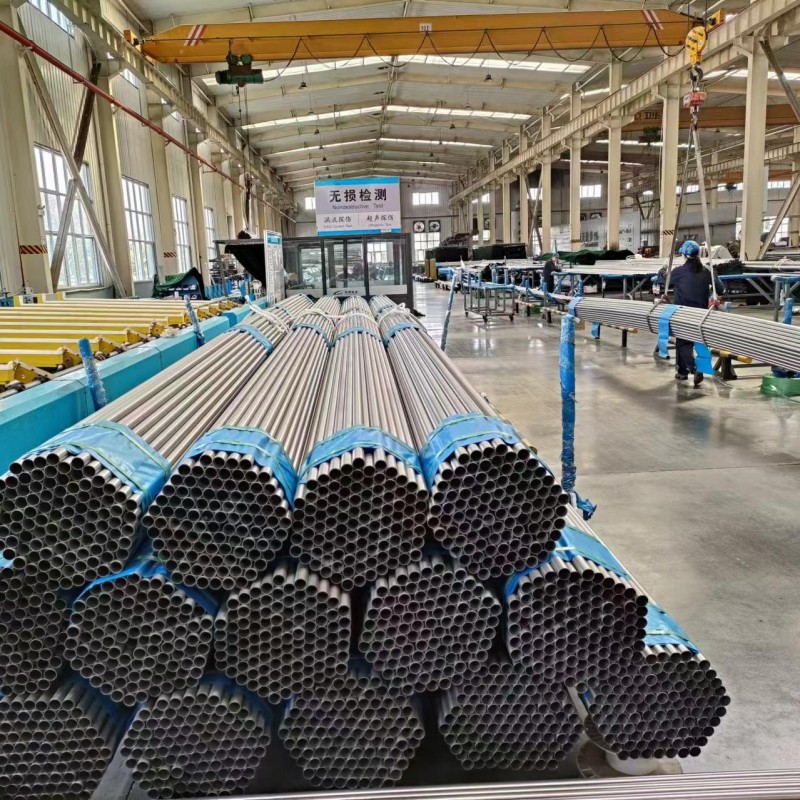
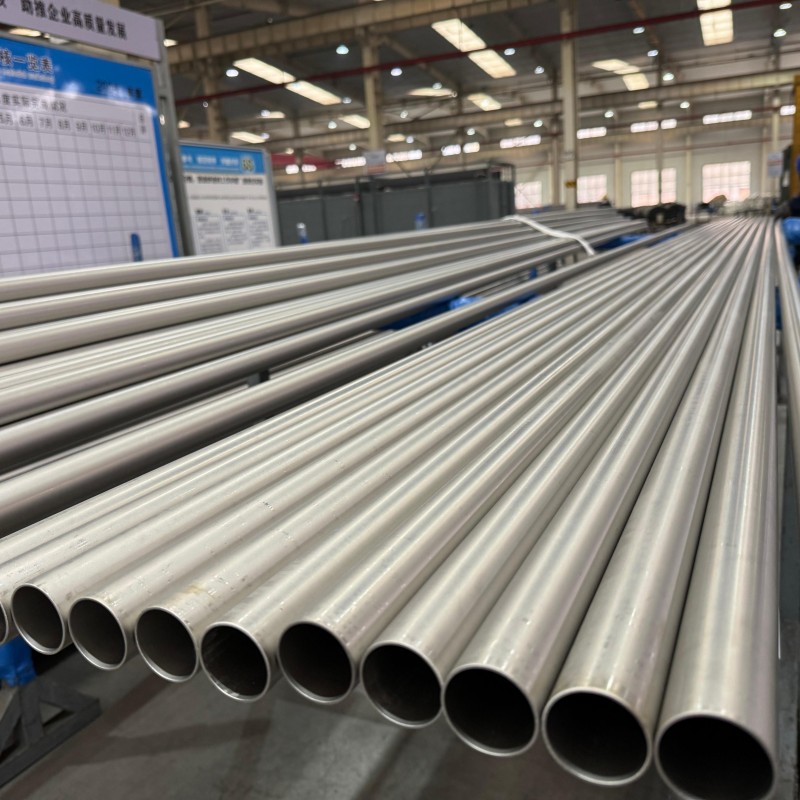
Product Display


Titanium Tube Tensile Requirements
| Grade | Tensile Strength, min | Yield Strength, 0.2% offset Yield | Elongation in 2 in. or 50mm, Min. % | ||||
|---|---|---|---|---|---|---|---|
| Ksi | MPa | Min. | Max. | ||||
| Ksi | MPa | Ksi | MPa | ||||
| 1 | 35 | 240 | 20 | 138 | 45 | 310 | 24 |
| 2 | 50 | 345 | 40 | 275 | 65 | 450 | 20 |
| 3 | 65 | 450 | 55 | 380 | 80 | 550 | 18 |
| 5 | 130 | 895 | 120 | 828 | - | - | 10 |
| 7 | 50 | 345 | 40 | 275 | 65 | 450 | 20 |
| 9A | 90 | 620 | 70 | 483 | - | - | 15C |
| 9B | 125 | 860 | 105 | 725 | - | - | 10 |
| 11 | 35 | 240 | 20 | 138 | 45 | 310 | 24 |
| 12 | 70 | 483 | 50 | 345 | - | - | 18C |
| 16 | 50 | 345 | 70 | 275 | 65 | 450 | 20 |
| 17 | 35 | 240 | 20 | 138 | 45 | 310 | 24 |