






High Quality Titanium Tubes and Pipes - China Suppliers & Factory ASTM B338
To Know About Titanium Tube
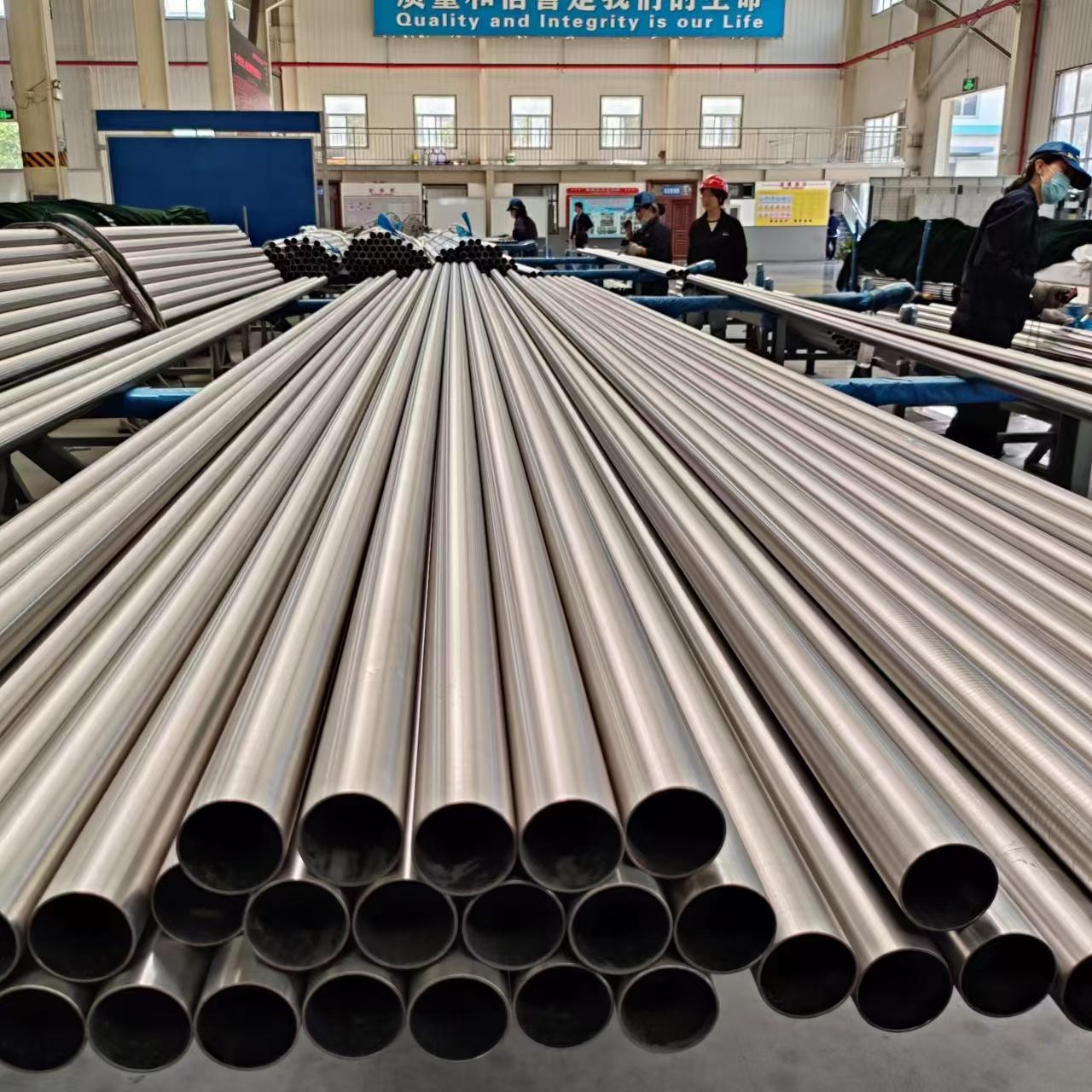
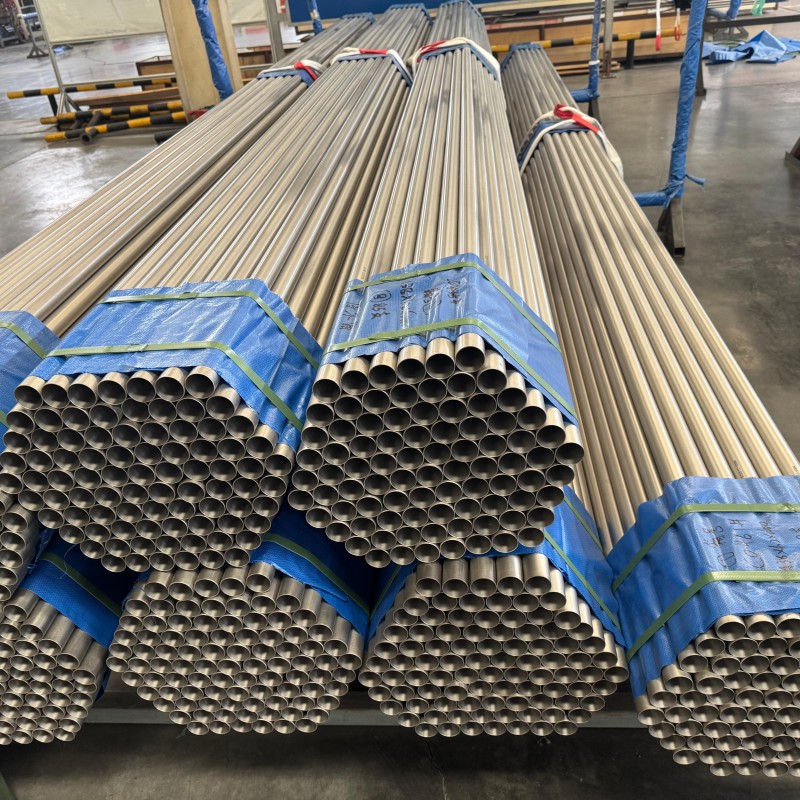
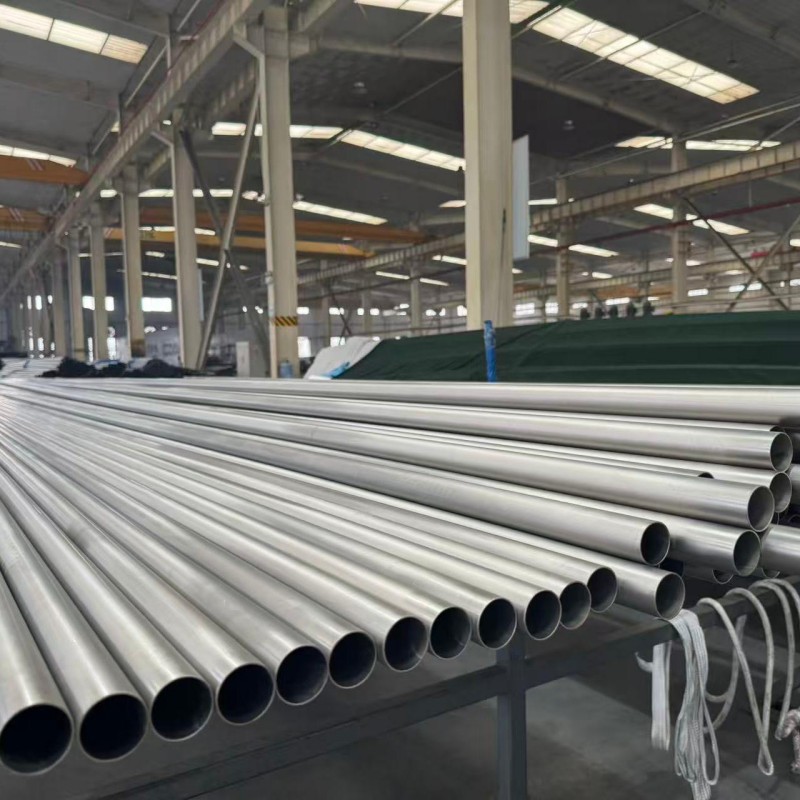
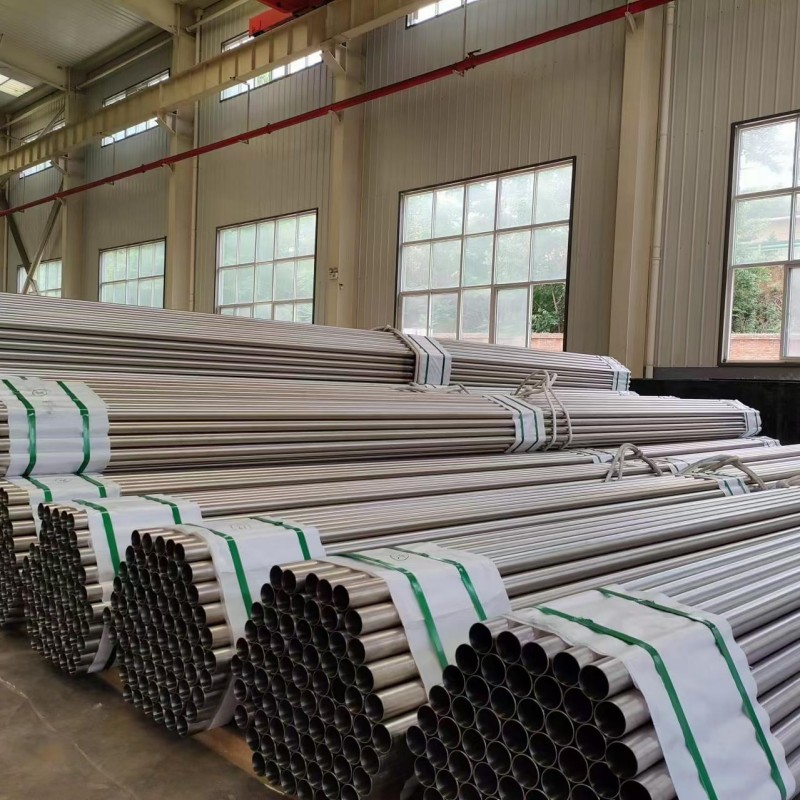
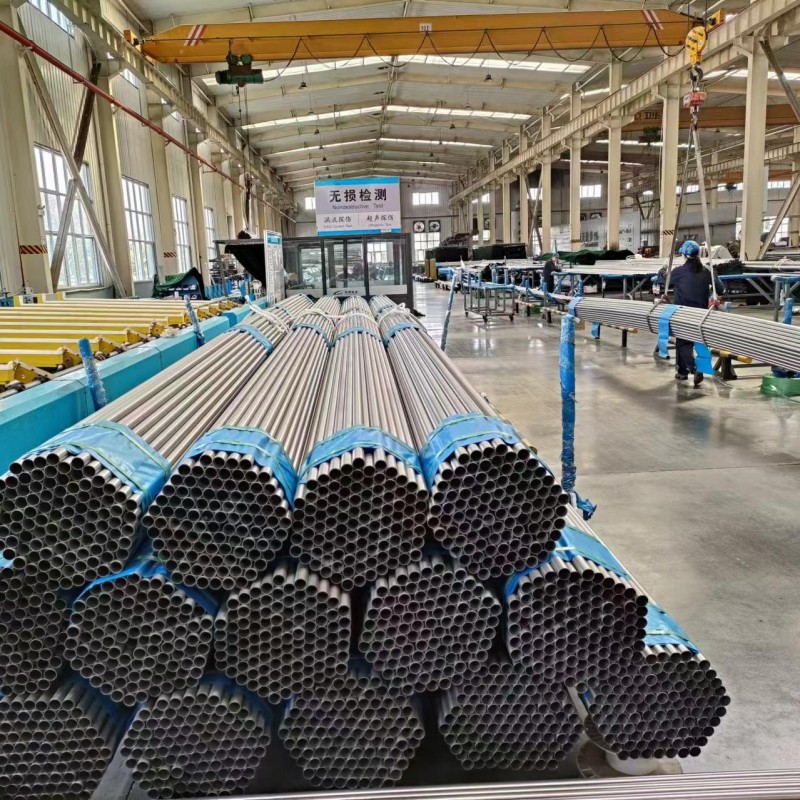
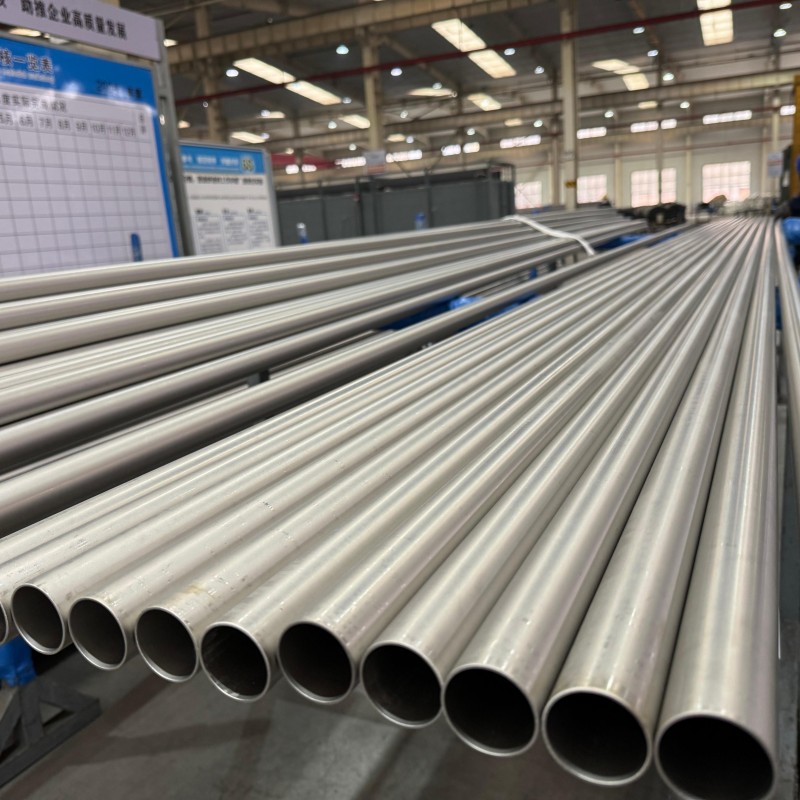
Titanium tube has the advantages of light weight, high strength and superior mechanical properties. It is widely used in heat exchange equipment, such as tubular heat exchanger, coil heat exchanger, serpentine tube heat exchanger, condenser, evaporator and conveying pipeline. Many nuclear power plants use titanium tube as the standard tube for their units.
The seamless titanium tube has high strength. The tensile strength of titanium alloy is 686-1176mpa, and the density is only about 60% of that of steel, so the specific strength is very high. The hardness of titanium alloy (annealed) is HRC32-38. Seamless titanium tube also has strong corrosion resistance. Titanium at 550In the air below ℃, the surface will form thin and dense rapidlyTherefore, the corrosion resistance of titanium oxide film is better than that of most stainless steel in the oxidizing medium such as atmosphere, sea water, nitric acid and sulfuric acid and strong alkali.
Another great thing about titanium is that, just as there are different types of stainless steel, copper, nickel, there are many different grades of titanium tube.
For instance, ASTM has a variety of standards (principally ASTM B338/ASME SB338, ASTM B265/ASME SB265, ASTM B348/ASME SB348, and ASTM B381/ASME SB381) relating to the "recipes" for titanium grades used in different applications. If you look at the specs, you will see there are even multiple grades for unalloyed titanium, e.g. GR1, GR2, GR5, GR7, GR9 and GR12 etc.
Another advantage of titanium tube in medical devices is that it is biocompatible. Not only can the human body tolerate the use of titanium (which is important enough), but it is also nonmagnetic — an increasingly important trait as the use of magnetic resonance imaging (MRI) becomes more common in medical diagnostics.
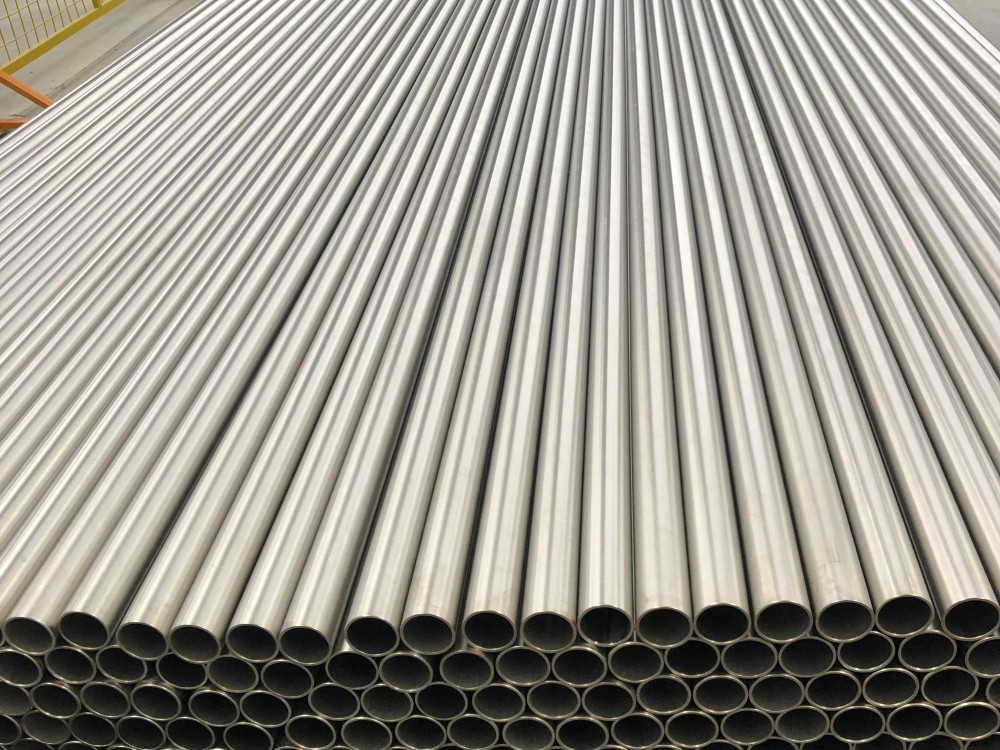
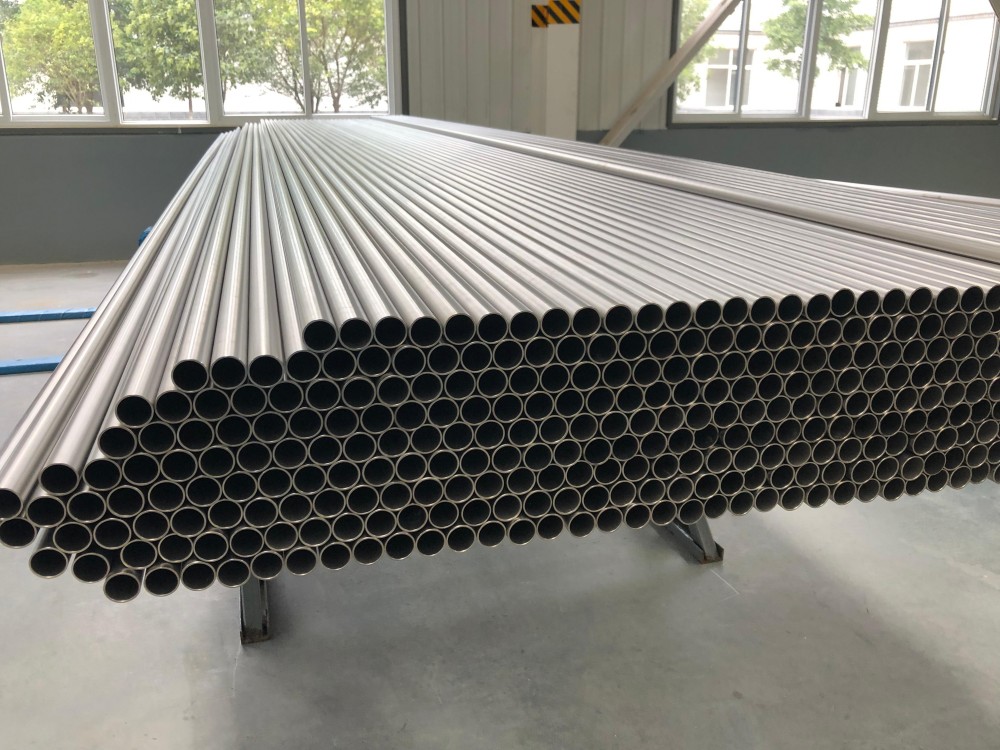
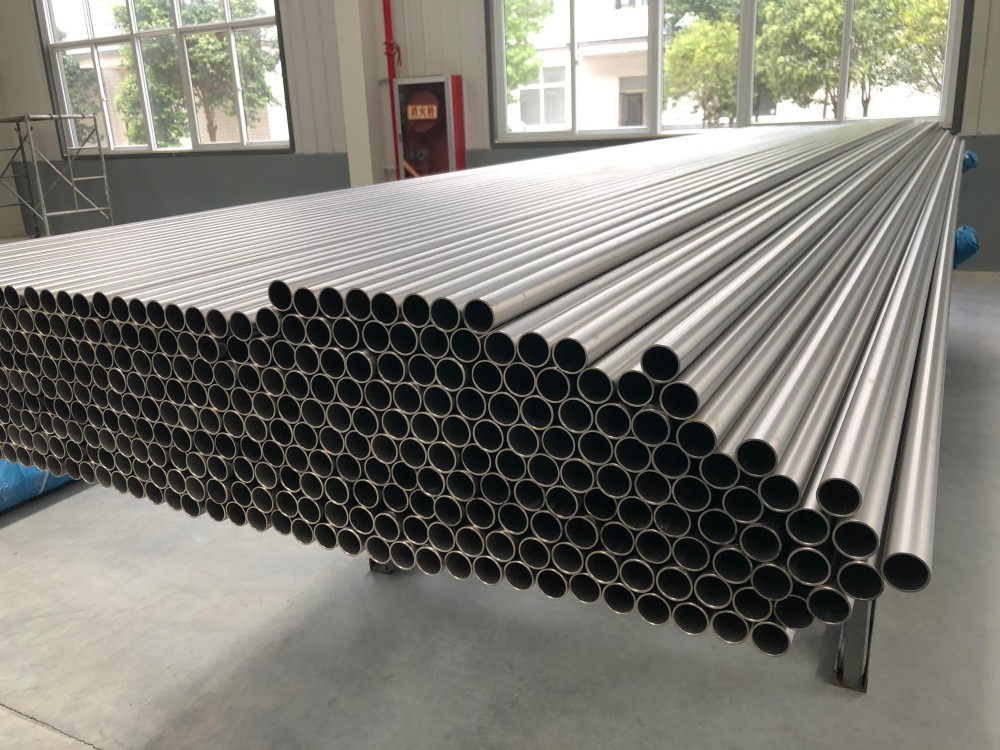
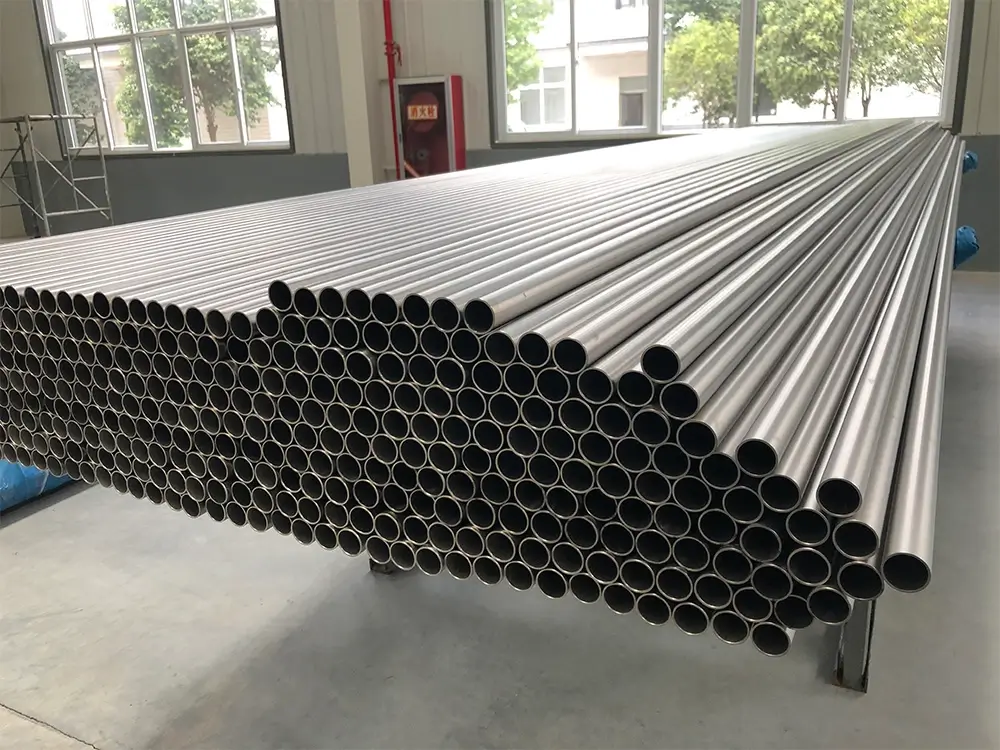
Product Display
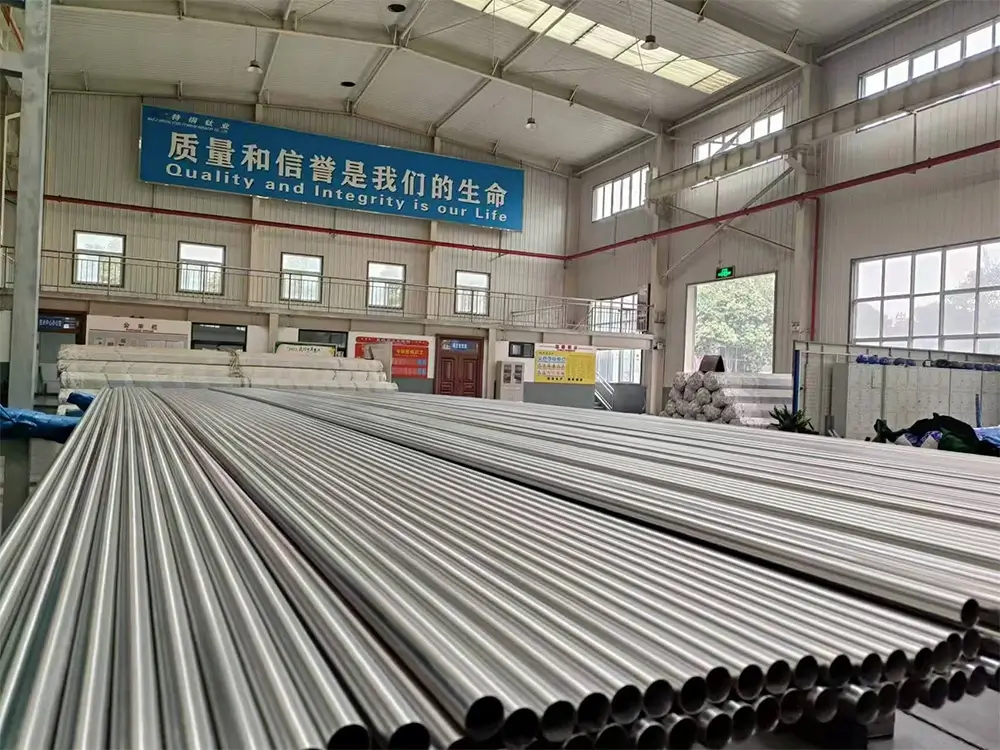
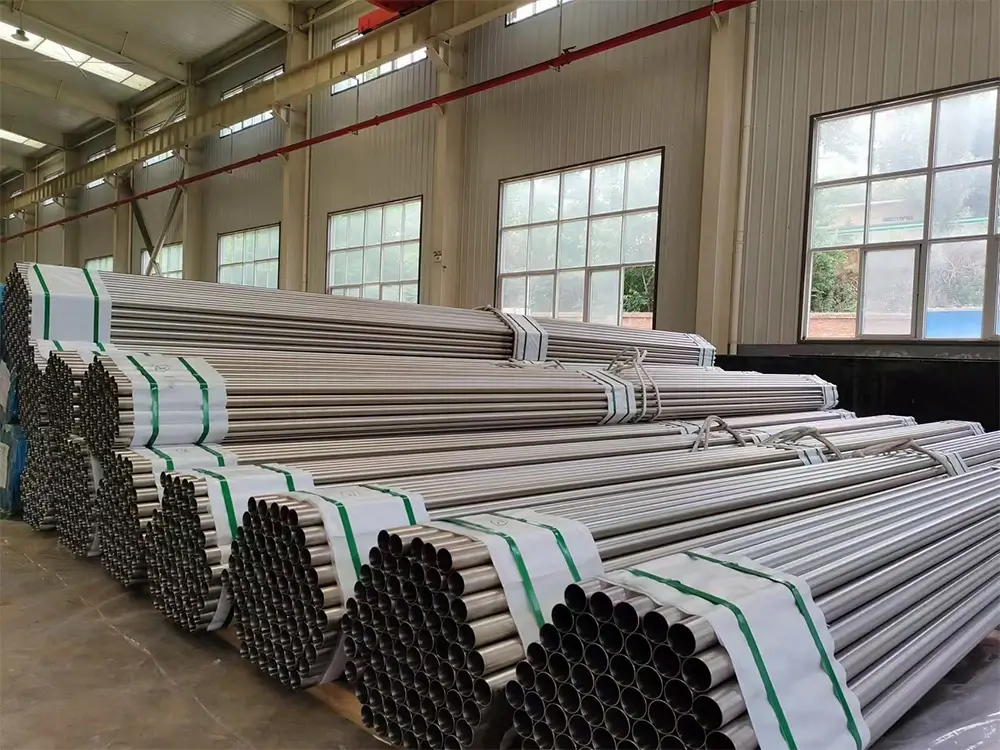
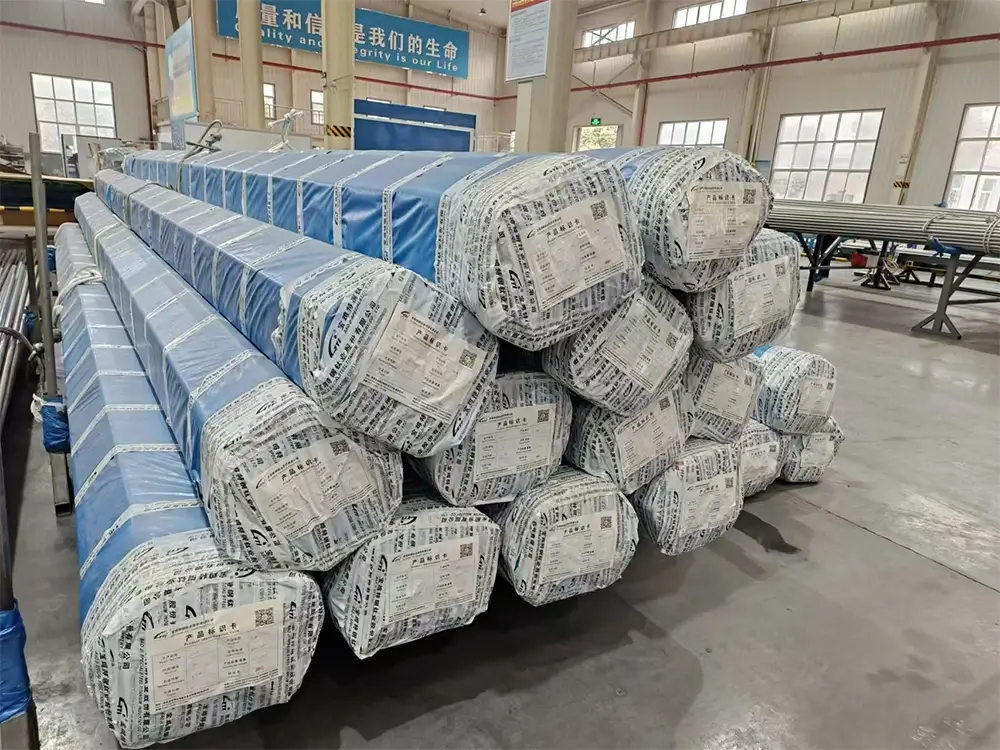
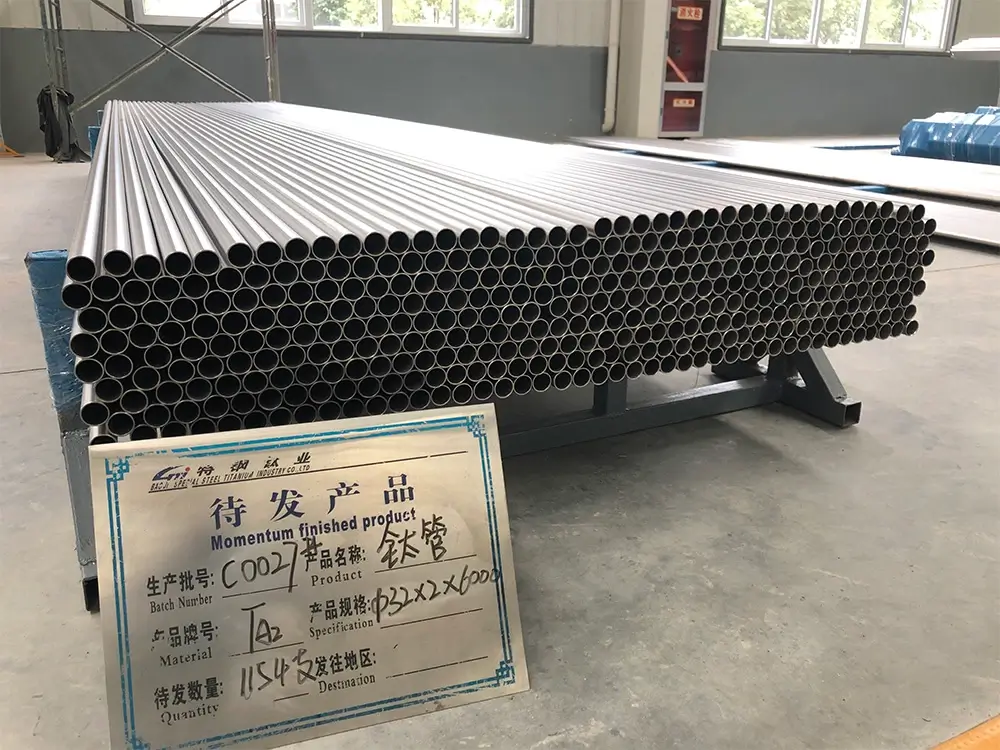
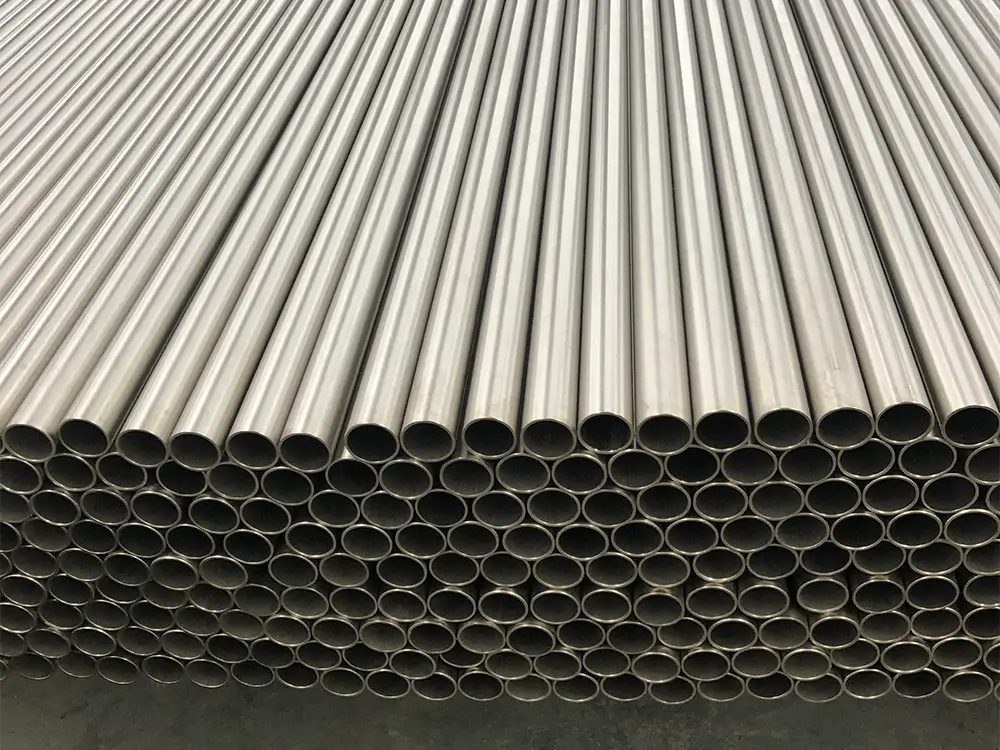
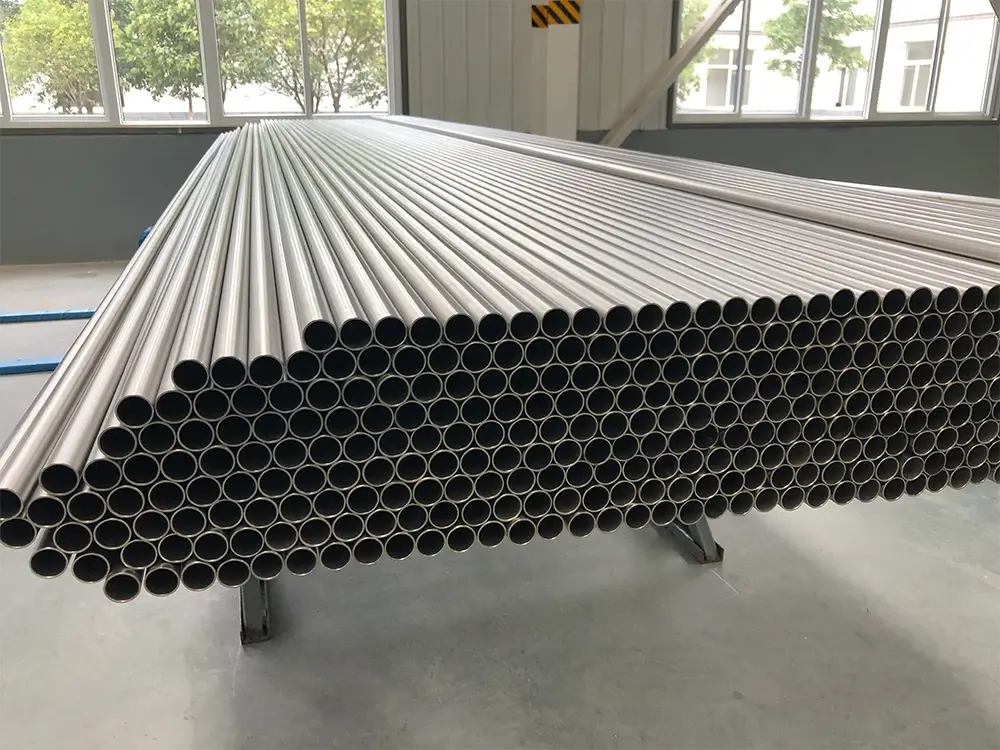
Titanium Tube Tensile Requirements
| Grade | Tensile Strength, min | Yield Strength, 0.2% offset Yield | Elongation in 2 in. or 50mm, Min. % | ||||
|---|---|---|---|---|---|---|---|
| Ksi | Mpa | Min. | Max. | ||||
| Ksi | Mpa | Ksi | Mpa | Ksi | Mpa | ||
| 1 | 35 | 240 | 20 | 138 | 45 | 310 | 24 |
| 2 | 50 | 345 | 40 | 275 | 65 | 450 | 20 |
| 3 | 65 | 450 | 55 | 380 | 80 | 550 | 18 |
| 5 | 130 | 895 | 120 | 828 | - | - | 10 |
| 7 | 50 | 345 | 40 | 275 | 65 | 450 | 20 |
| 9A | 90 | 620 | 70 | 483 | - | - | 15C |
| 9B | 125 | 860 | 105 | 725 | - | - | 10 |
| 11 | 35 | 240 | 20 | 138 | 45 | 310 | 24 |
| 12 | 70 | 483 | 50 | 345 | - | - | 18C |
| 16 | 50 | 345 | 70 | 275 | 65 | 450 | 20 |
| 17 | 35 | 240 | 20 | 138 | 45 | 310 | 24 |
Frequently Asked Questions (FAQ)
Titanium tubes offer a low density (approx. 60% of steel), superior specific strength, exceptional corrosion resistance in oxidizing mediums (such as seawater and acids), and reliable biocompatibility.
ASTM and ASME standards specify criteria for titanium tubing, most notably ASTM B338/ASME SB338 for seamless and welded tubes, along with related material standards like ASTM B265, ASTM B348, and ASTM B381.
They are standard in tubular heat exchangers, coil and serpentine heat exchangers, condensers, evaporators, and transfer lines, including standard deployment across nuclear power plants.
Titanium is non-toxic, biologically inert, and nonmagnetic, ensuring it is safely tolerated by the human body and compatible with medical procedures such as MRI diagnostics.
At temperatures below 550°C in air, titanium rapidly forms a stable, thin, and dense oxide layer that protects the underlying metal against seawater, nitric acid, sulfuric acid, and strong alkalis.
Common unalloyed and alloyed grades include Grade 1, Grade 2, Grade 3, Grade 5 (Ti-6Al-4V), Grade 7, Grade 9, Grade 11, Grade 12, Grade 16, and Grade 17, each tailored for specific mechanical and chemical demands.