



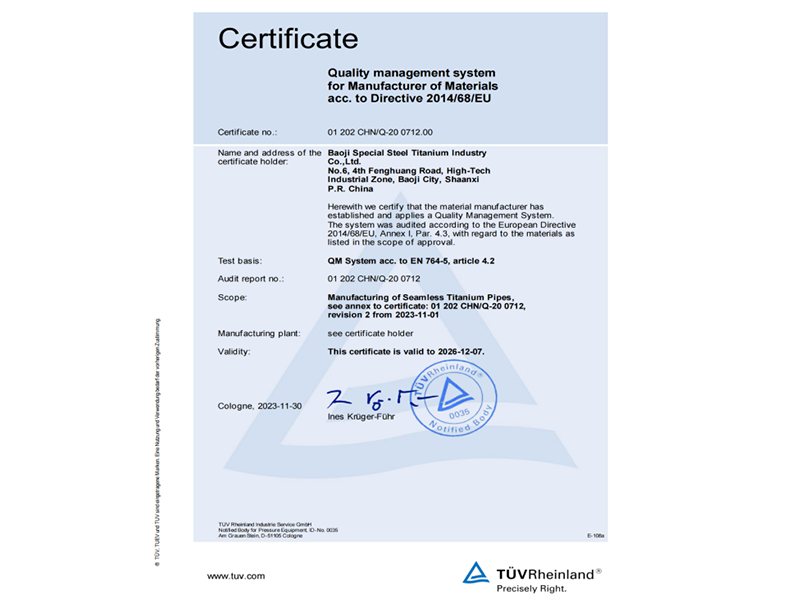
Maximize Efficiency with Titanium Cathodes & Permanent Stainless Steel Cathodes
In recent years, as the non-ferrous metal smelting industry continues to demand higher purity, lower energy consumption, and longer service life from production equipment, cathode plates—core components in electrolysis processes—are undergoing a new round of material iteration and process upgrades. Our company's self-developed Titanium Cathode Plates and Stainless Steel Cathode Plates have been widely applied in hydrometallurgical scenarios such as electrolytic copper, electrolytic zinc, electrolytic nickel, and cobalt/manganese electrowinning. They are also gradually expanding into chlor-alkali, electroplating, water treatment, and new energy material preparation, earning customer recognition for stable performance and customization capabilities.
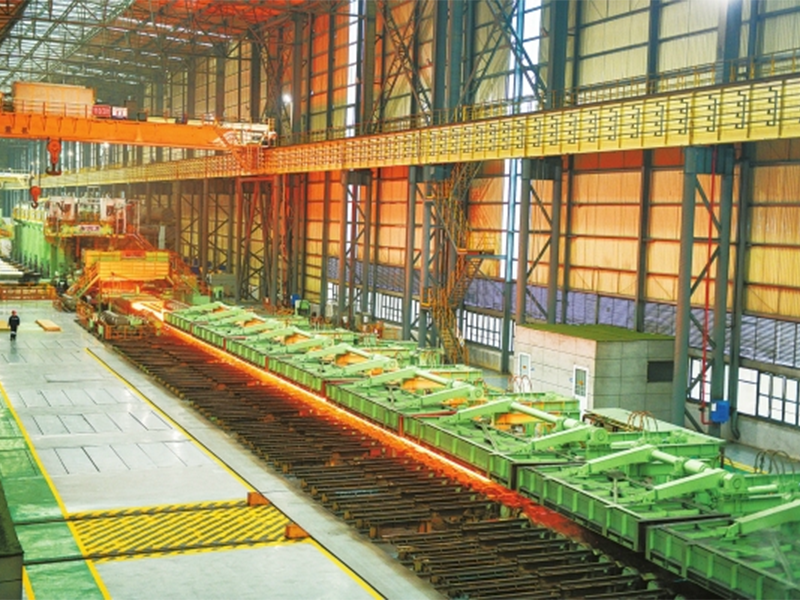
1. Dual-Material Strategy Covering Diverse Operating Conditions
In electrolysis systems, cathode plates are in direct contact with acidic, alkaline, and chloride-ion-containing electrolytes. Their corrosion resistance, electrical conductivity, and surface flatness directly determine metal deposition quality and operating costs.
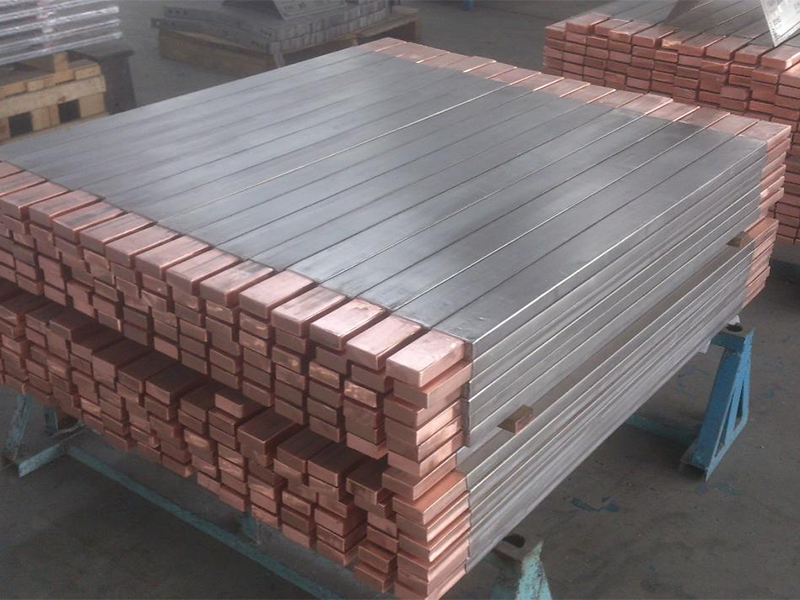
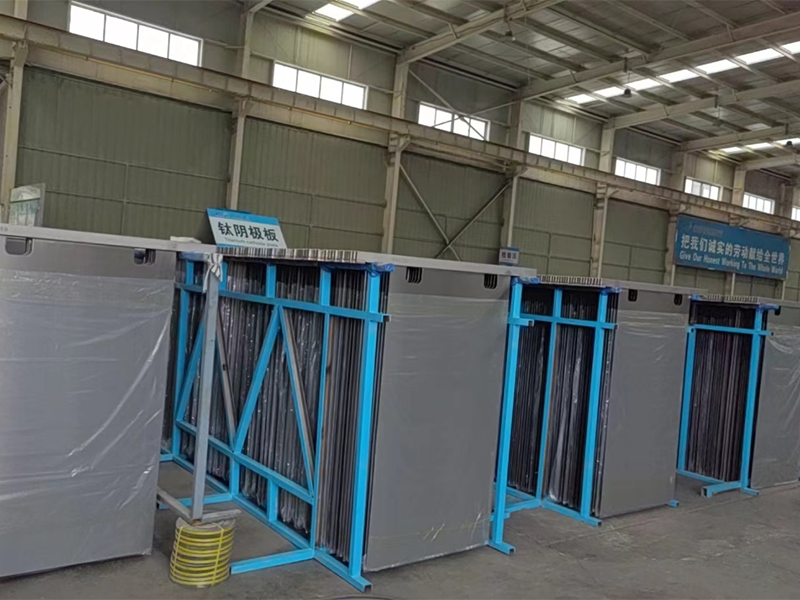
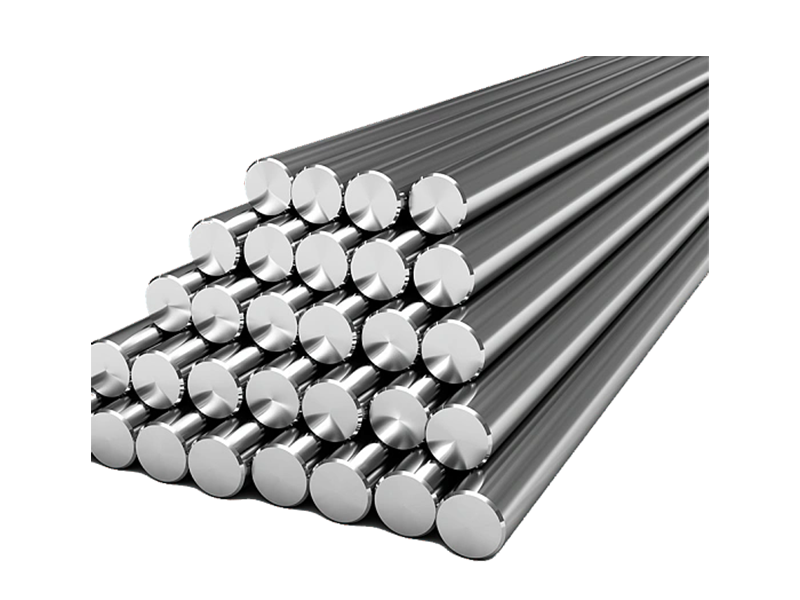
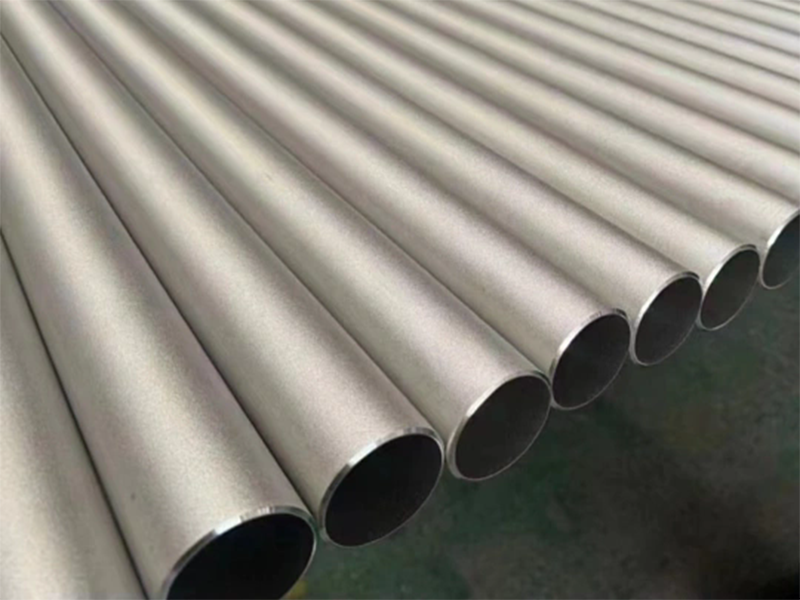
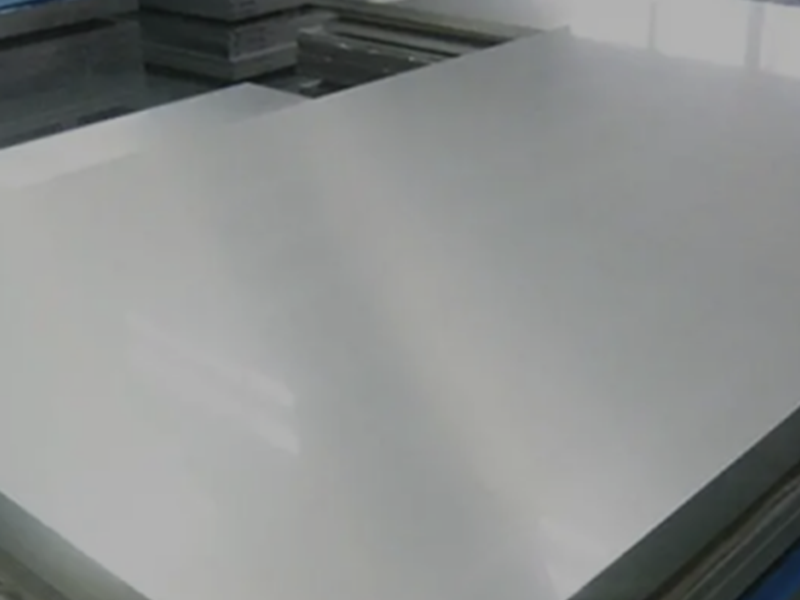
- Titanium Cathode Plates (Commercially Pure Titanium TA1/TA2): Form a dense oxide film on the surface, delivering excellent performance in highly corrosive, high-chloride environments. The deposited layer strips easily without release agents, yielding dense electrolytic copper crystals with high purity. Lightweight and long-lasting, they are suitable for high-end hydrometallurgical applications such as copper, nickel, and cobalt.
- Stainless Steel Cathode Plates (304L/316L and Duplex Stainless Steel): Balance cost and performance, offering uniform conductivity, flat surfaces, and high mechanical strength. They support continuous production via the permanent cathode process. In electrolytic copper applications, they eliminate the need for starter sheet production, reducing labor and auxiliary material consumption while improving current efficiency and capacity.
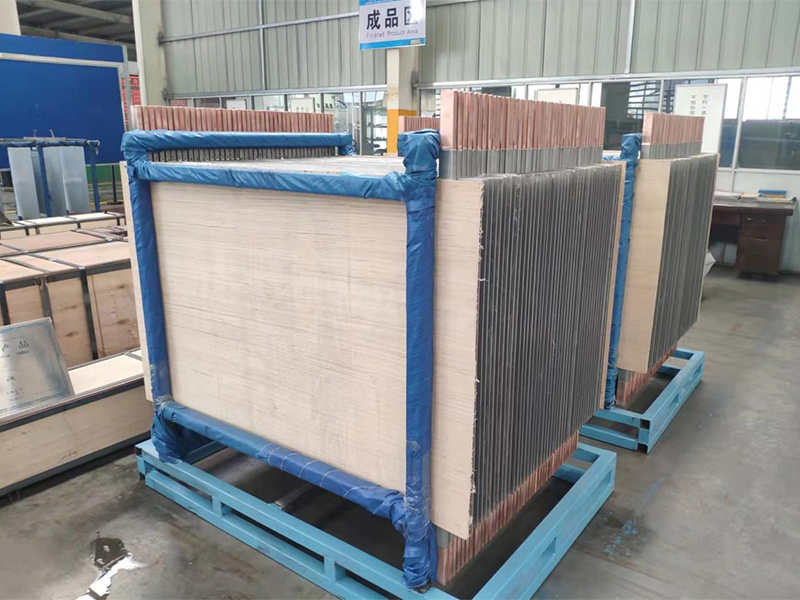
We provide titanium-clad copper and stainless steel-clad copper conductive beam + plate integrated welded structures, combining conductivity with corrosion resistance, and support custom manufacturing based on cell type, current density, and electrolyte composition.
2. From "Usable" to "Reliable": Solving Real-World Electrolysis Challenges
Traditional cathode materials often suffer from deformation, pitting corrosion, difficult stripping, high scrap rates, and frequent replacement downtime. To address these pain points, our products feature targeted design and manufacturing optimizations:
- High Flatness Control: Precise control of plate tolerance and verticality ensures uniform metal deposition and reduces "burning" and "bulging."
- Composite Conductive Structure: Copper-core conductive beams reduce resistance, while outer titanium/stainless steel cladding resists corrosion—balancing energy consumption and service life.
- Surface Treatment Processes: Options include polishing, sandblasting, and activation treatments to improve starter sheet stripping rates and current distribution stability.
- Long-Cycle Maintenance-Free Operation: Titanium cathodes can last decades under standard conditions; stainless steel cathodes also support multi-cycle reuse, minimizing downtime and maintenance.
3. Batch Deployment in Core Non-Ferrous Smelting Production Lines
Our cathode products currently serve domestic and international copper electrolysis, zinc electrowinning, and nickel/cobalt extraction projects, supporting electrolysis cells, starter sheet cells, and automated stripping lines:
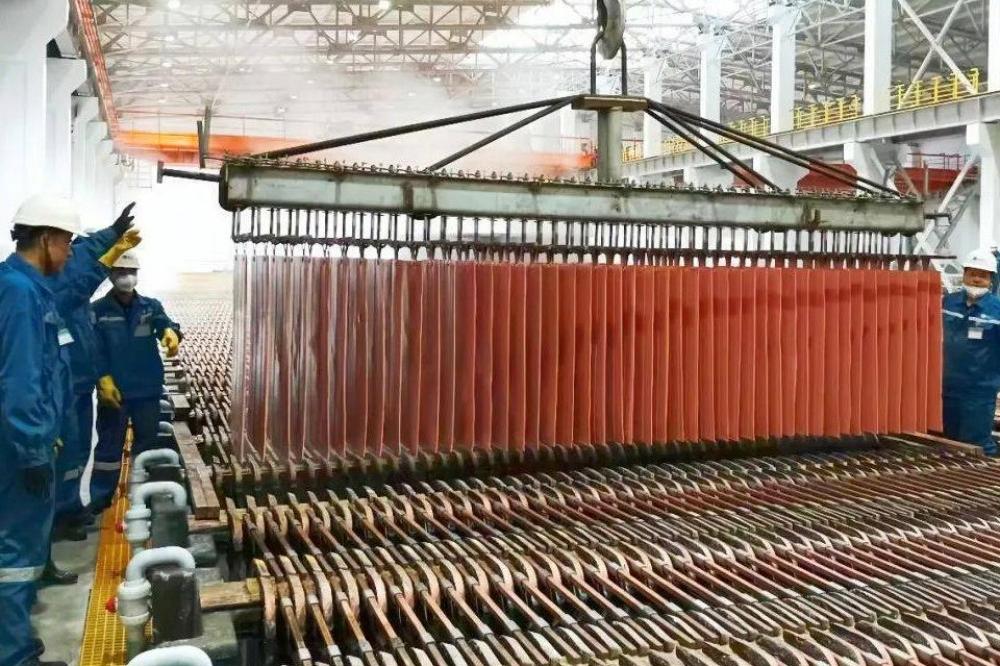
- In electrolytic copper lines, stainless steel permanent cathodes replace traditional starter sheet processes, shortening workflows and stabilizing cathode copper quality.
- In electrolytic zinc/nickel/cobalt applications, titanium cathodes resist hydrogen embrittlement and acid corrosion, producing flat deposits with high stripping rates.
- In chlor-alkali and brine electrolysis, titanium-based cathodes withstand chloride ion corrosion, ensuring more reliable system operation.
- In new energy materials, applications extend to electrolytic manganese dioxide, water electrolysis for hydrogen production, and related processes.
4. Material Value Under the Green Smelting Trend
Under the "Dual Carbon" goals, the electrolysis industry faces increasing demands for energy conservation and consumption reduction. While a small component, high-quality cathode plates directly impact the entire system:
- Lower contact resistance → reduced power consumption
- Longer replacement cycles → less downtime and scrap plates
- Higher stripping yield → less rework and electrolyte contamination
- Material recyclability → aligned with circular manufacturing principles
Titanium and stainless steel cathodes are not a simple "either-or" choice but should be selected based on a combination of media corrosivity, product purity requirements, and Total Cost of Ownership (TCO).
5. Deepening Electrode Material Expertise as a Trusted Supplier
As a company focused on electrolytic electrode materials, we leverage capabilities in material selection, composite welding, plate surface finishing, and automated inspection to establish a closed-loop service system from sample verification and batch delivery to after-sales tracking. Moving forward, we will continue iterating titanium, stainless steel, and composite conductive cathode products around the direction of "higher current density, longer life, and lower energy consumption," while collaborating with research institutions and on-site customers for application-specific development.
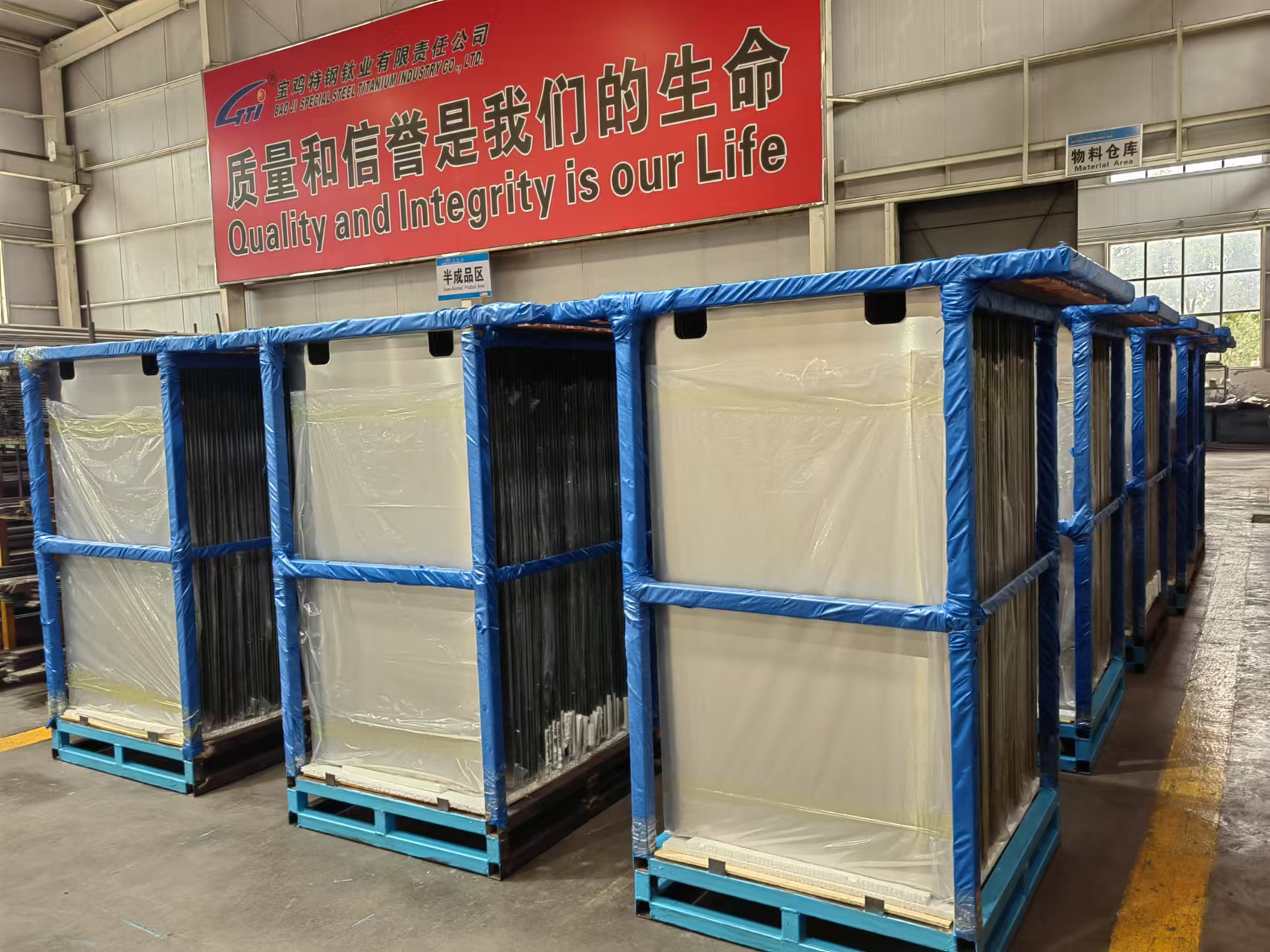
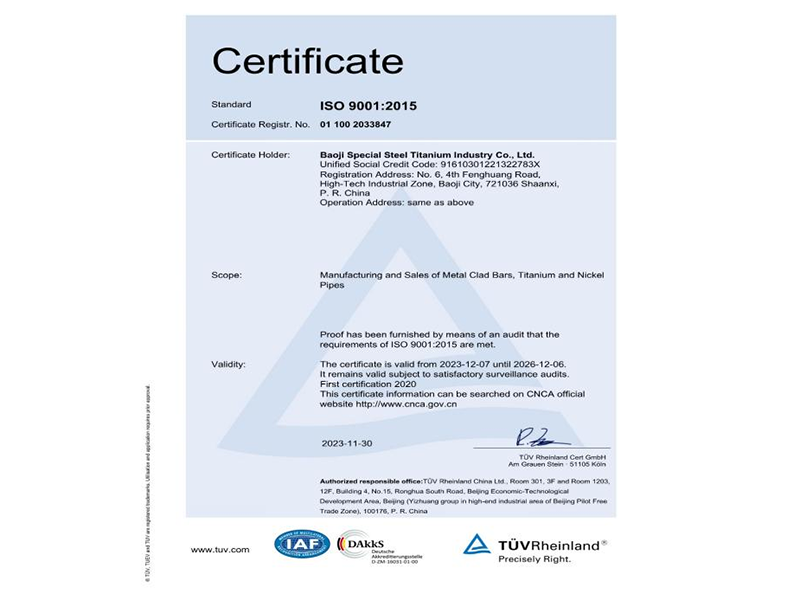
About Baoji Special Steel Titanium Industry Co.,LTD.
Based in Baoji, China’s “Titanium Valley,” Baoji Special Steel Titanium Industry Co.,LTD. specializes in the R&D, production, and export of high-performance titanium and nickel alloy products for industries including mining, chemicals, aerospace, and marine engineering.
Media Contact:
Candy Nan:0086-13892437457 ;Trisha Cheng: 0086-13909172233
Email: btgty@vip.163.com
Website: https://www.tgtiindustrial.com/