Leave Your Message
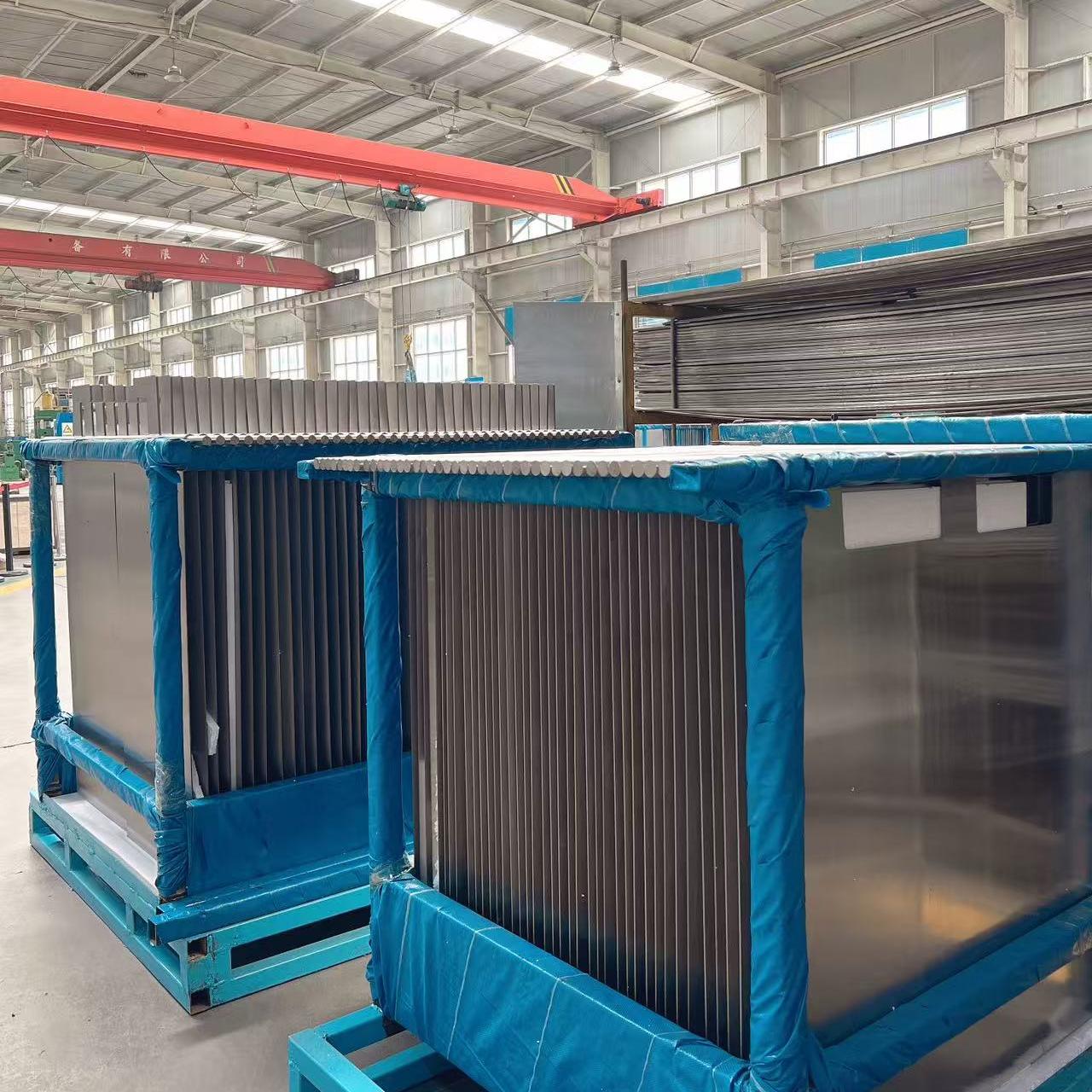
High-purity nickel pipes and plates engineered to optimize conductivity and durability in heavy-duty cathode and hanger assemblies.
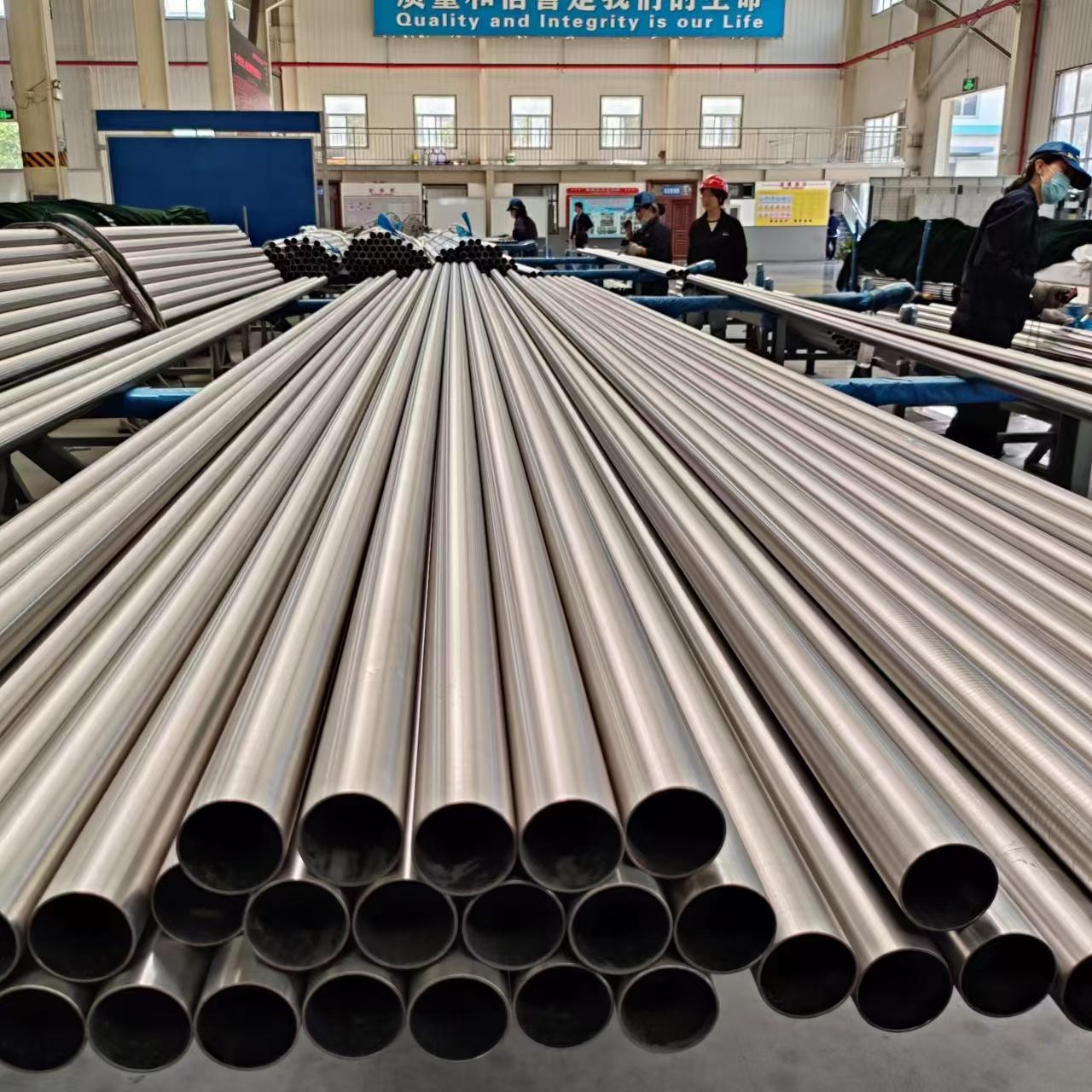
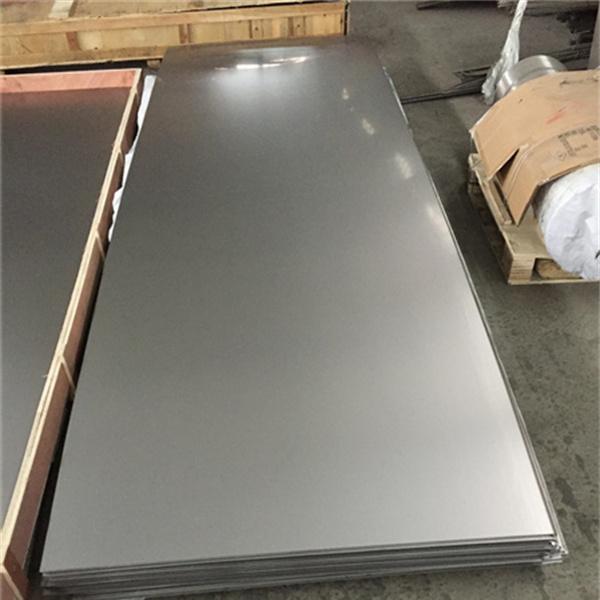
The global industrial landscape is undergoing a massive transition toward electrification, resource circularity, and high-efficiency chemical processing. At the core of this transition lies the electrochemical cell, utilized extensively in electrorefining, electrowinning, electroplating, and chlor-alkali production. Among the critical components of these electrochemical systems, the Nickel Anode For Industrial Conductive Bar And Cathode Systems plays a pivotal role in ensuring process stability, energy optimization, and high product purity.
Historically, nickel anodes were primarily utilized in standard decorative and functional electroplating baths. However, modern industrial demands have pushed nickel anodes into highly complex environments. Today, they are integral to heavy-duty industrial conductive bars (hanger bars) and permanent cathode systems. These systems operate under high current densities, aggressive chemical conditions, and continuous mechanical stress. Consequently, the demand for high-purity nickel (specifically Nickel 200 and Nickel 201 alloys) has surged, as they provide the structural integrity and corrosion resistance required to prevent bath contamination and minimize energy losses.
In modern industrial electrowinning and electrorefining plants, hundreds of anodes and cathodes are suspended in large electrolytic cells. Electrical current is delivered to these electrodes through conductive hanger bars (also known as busbars or conductive bars). The efficiency of the entire process depends heavily on the electrical contact between the hanger bar and the electrode plate. Any interface resistance leads to localized heating, voltage drops, and significant waste of electrical energy.
To combat this, manufacturers utilize sophisticated composite materials, such as titanium-clad copper or zirconium-clad copper, as the core conductive bar structure. When paired with high-purity nickel anodes, these systems deliver optimal electrocatalytic activity and lower overpotentials. The nickel anode provides a stable, active surface for oxidation reactions, while the clad conductive bars ensure that current is distributed uniformly across the entire length of the electrode. This synergy prevents "current crowding," a phenomenon that causes uneven metal deposition on the cathode and accelerates the degradation of the anode itself.
The integration of nickel anodes and advanced conductive bars is crucial across several high-value industrial sectors:
The explosive growth of the Electric Vehicle (EV) market has driven unprecedented demand for battery-grade nickel sulfate. This chemical is produced by dissolving high-purity nickel anodes in sulfuric acid electro-extraction systems. In these setups, any impurities in the anode material (such as iron, copper, or lead) will contaminate the nickel sulfate solution, rendering it useless for lithium-ion battery cathodes. Utilizing Nickel 200/201 anodes combined with titanium-clad copper conductive bars ensures the highest chemical purity while maintaining continuous, automated production cycles.
The microelectronics industry relies on high-speed electroplating to deposit thin, uniform layers of nickel on copper connectors and lead frames. These systems operate at extremely high current densities. The conductive bar must deliver current without generating heat, and the nickel anode must dissolve uniformly without forming passive oxide layers that block current flow. Custom-shaped nickel plates and rods are integrated directly into these automated plating lines to maintain constant anode-to-cathode spacing, which is critical for thickness uniformity.
In metal electrowinning, permanent cathode plates made of stainless steel or titanium are suspended in the electrolyte for days as metal deposits onto them. The hanger bars supporting these heavy plates are subjected to severe mechanical loads and corrosive acid mist. By integrating nickel-based cladding and high-efficiency anode configurations, operators can extend the lifespan of the hanger bars from months to years, significantly reducing maintenance downtime and replacement costs.
As industries strive for carbon neutrality, the development of electrochemical systems is focused on three main trends:
Decarbonization through Energy Efficiency: Even a 50mV reduction in cell voltage can save millions of kilowatt-hours annually in a large-scale refinery. Researchers and manufacturers are focusing on optimization of the micro-structure of nickel anodes and the metallurgical bonding of composite hanger bars to eliminate internal resistance completely.
Smart Electrodes and IoT Monitoring: The integration of sensors within conductive bars to monitor temperature, current density, and voltage drops in real-time is on the horizon. This allows operators to identify failing anodes or poor contacts before they cause system-wide inefficiencies.
Transition to Dimensionally Stable Anodes (DSA): In environments where soluble anodes are not ideal, titanium-based anodes coated with mixed metal oxides (MMO) or lead dioxide (Ti/PbO2) are increasingly used. These anodes maintain their shape and size throughout their operating life, ensuring constant electrical parameters within the cell.
A Pioneer in Non-Ferrous Metals & Composite Materials Since 1997
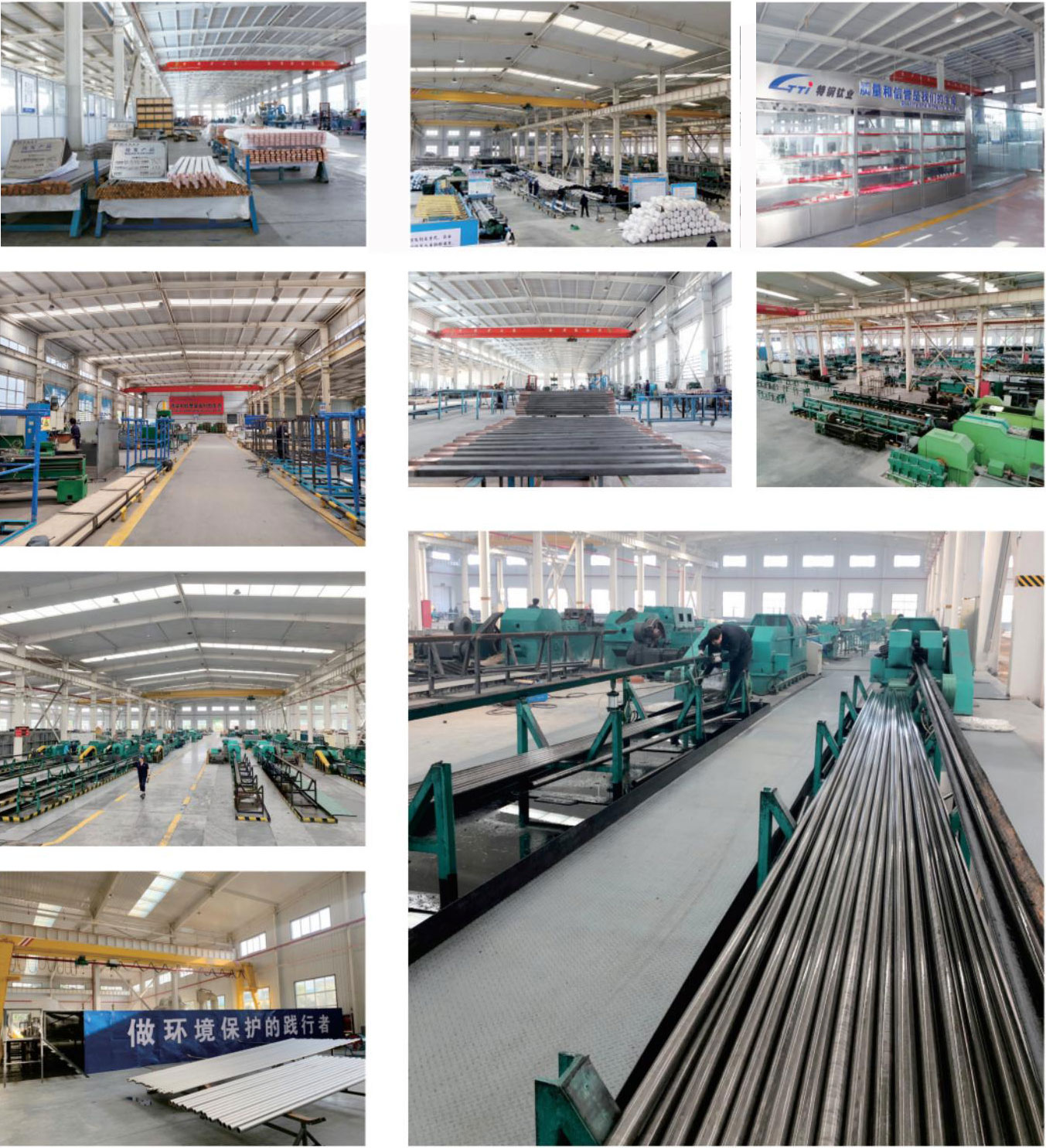
Baoji Special Steel Titanium Industry Co., Ltd. is a joint-stock industrial enterprise specializing in the research, development, manufacturing, and sales of titanium, nickel, zirconium, and other metal pipes and metal composite materials. Founded in 1997 and located in the Shaanxi Baoji National High-tech Industrial Development Zone, our state-of-the-art factory covers an area of 41,000 square meters.
With an annual production capacity exceeding 3,000 tons of non-ferrous metal pipes, composite materials, and deep-processed products, we offer more than 500 varieties of products. Our annual exports account for over 30% of total output, making us a highly competitive, export-oriented enterprise. We are proud to be certified as a National High and New Technology Enterprise and listed among the first batch of industries encouraged for development by the National Development and Reform Commission.
View Our Product Range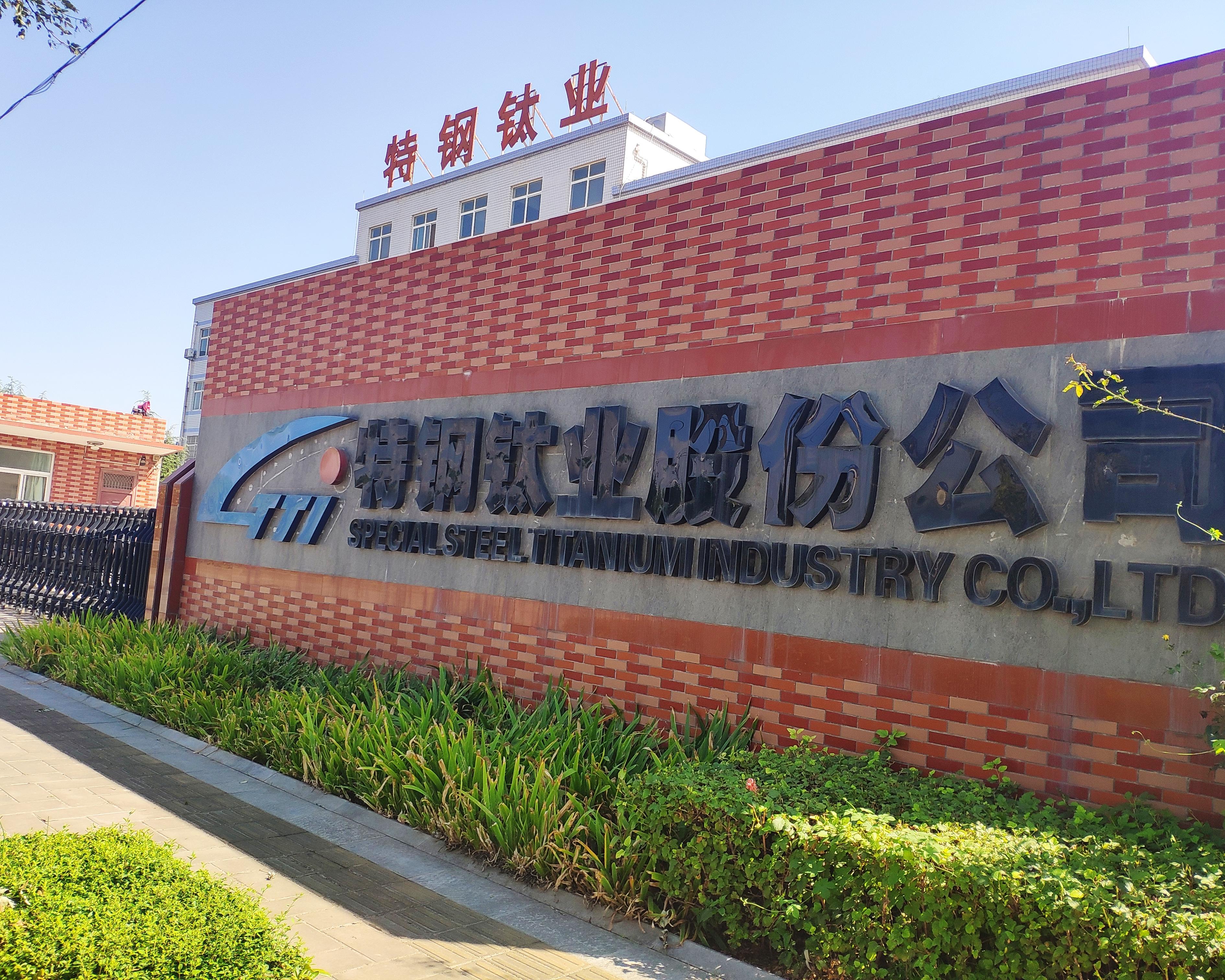


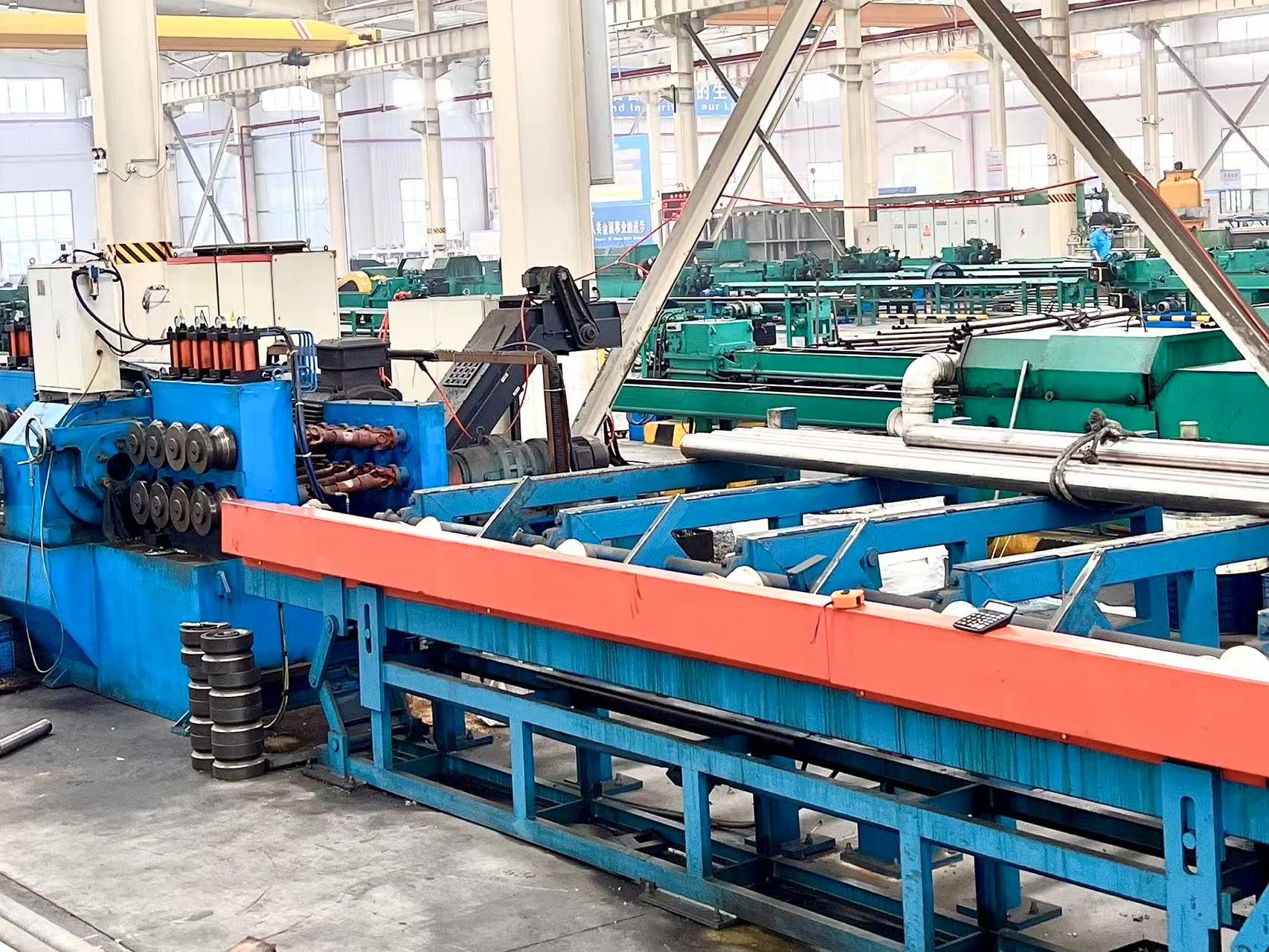
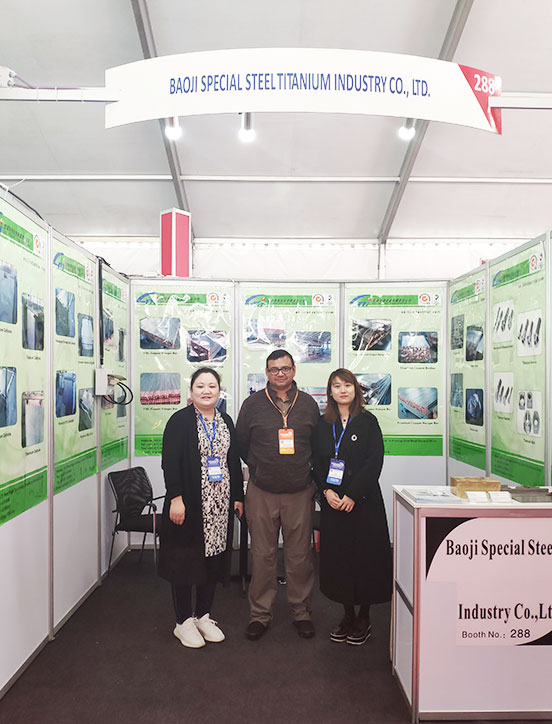
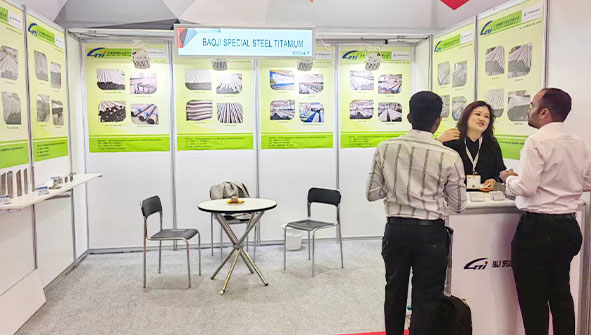
Since our establishment, we have consistently adhered to a development strategy centered on continuous innovation. We expand our market footprint using new materials and cutting-edge technologies as our leverage. Over more than two decades, our products have successfully entered premium markets worldwide, including Germany, Japan, the United States, Norway, Finland, South Africa, Singapore, India, and Taiwan.
Our core product offerings are structured into three main industrial categories:
We utilize cutting-edge manufacturing, extrusion, and cladding equipment to ensure the highest structural integrity of our conductive bars and electrode plates.
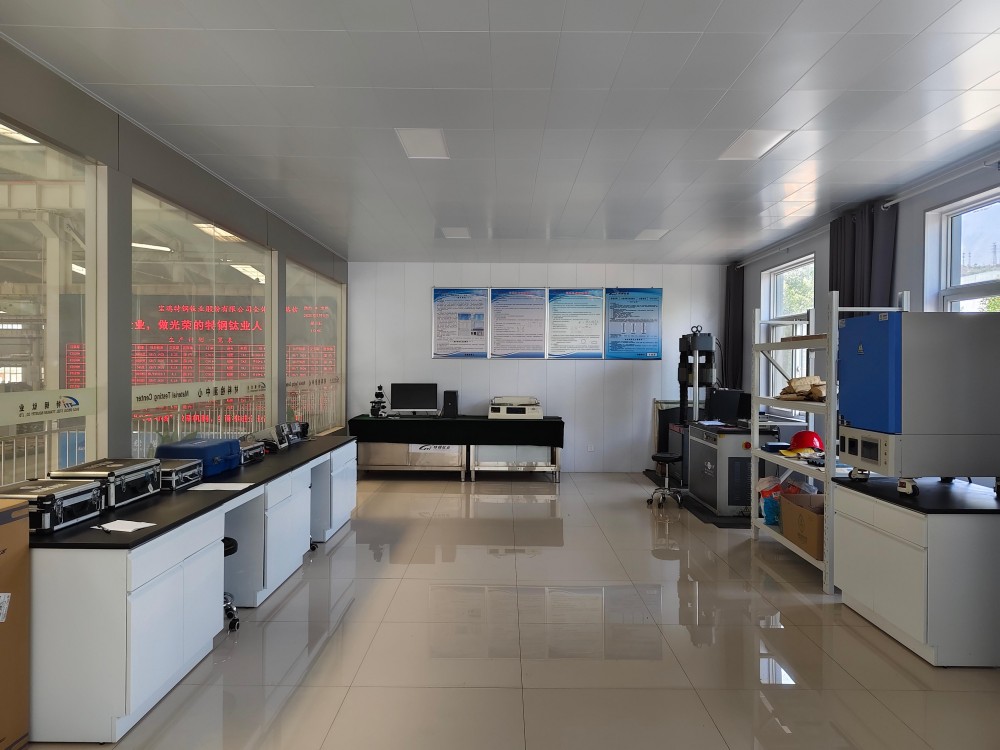
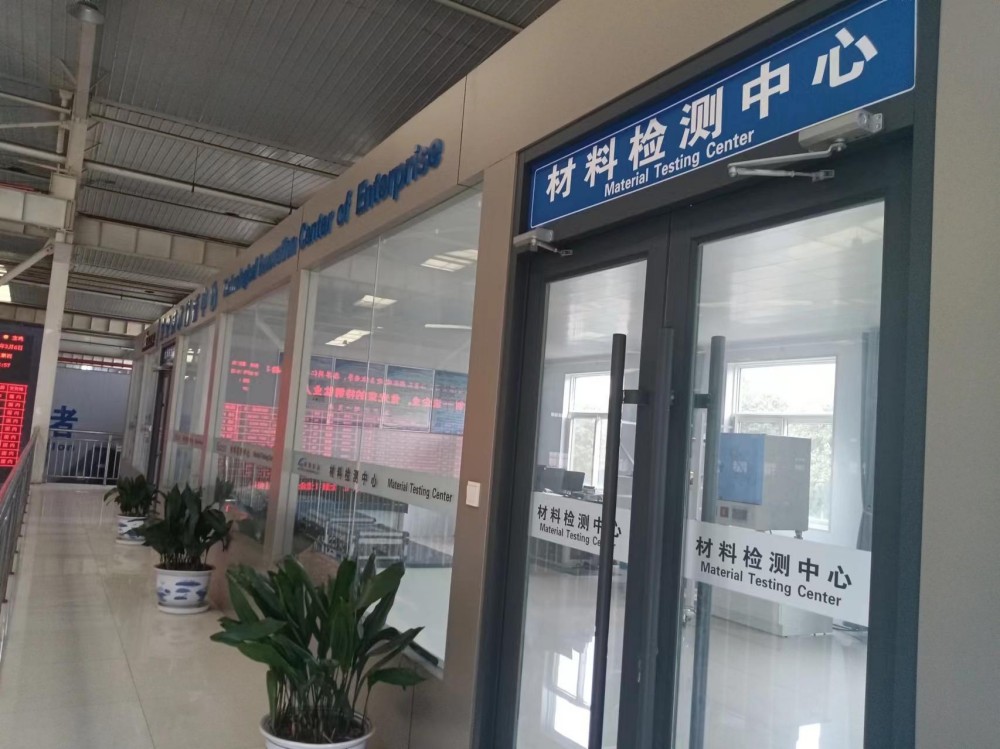
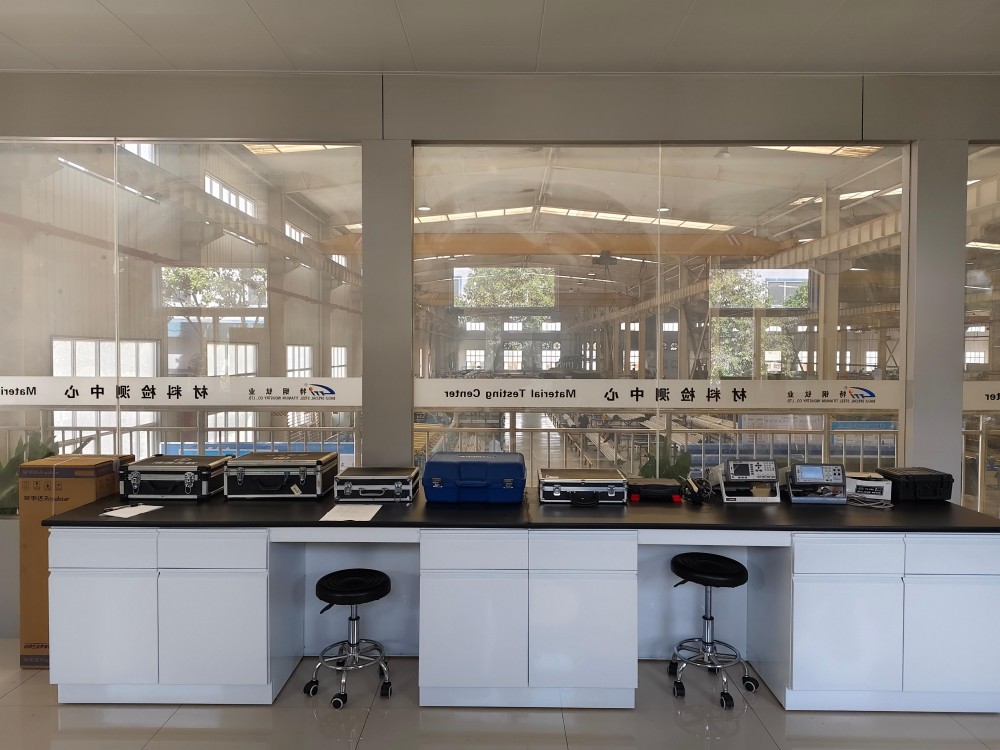
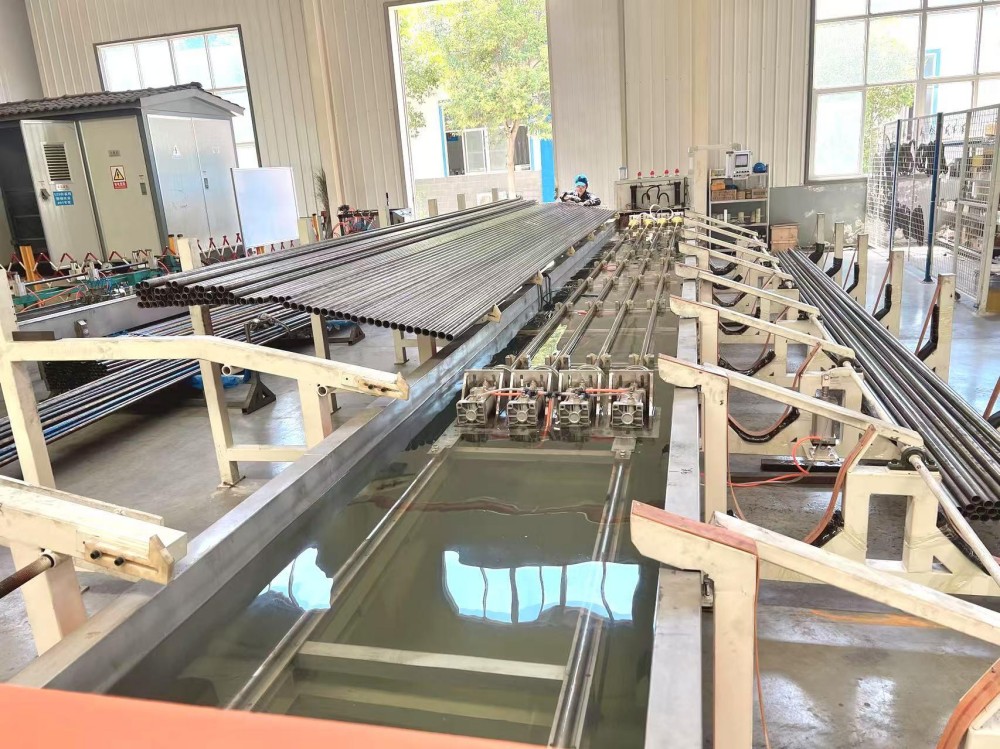
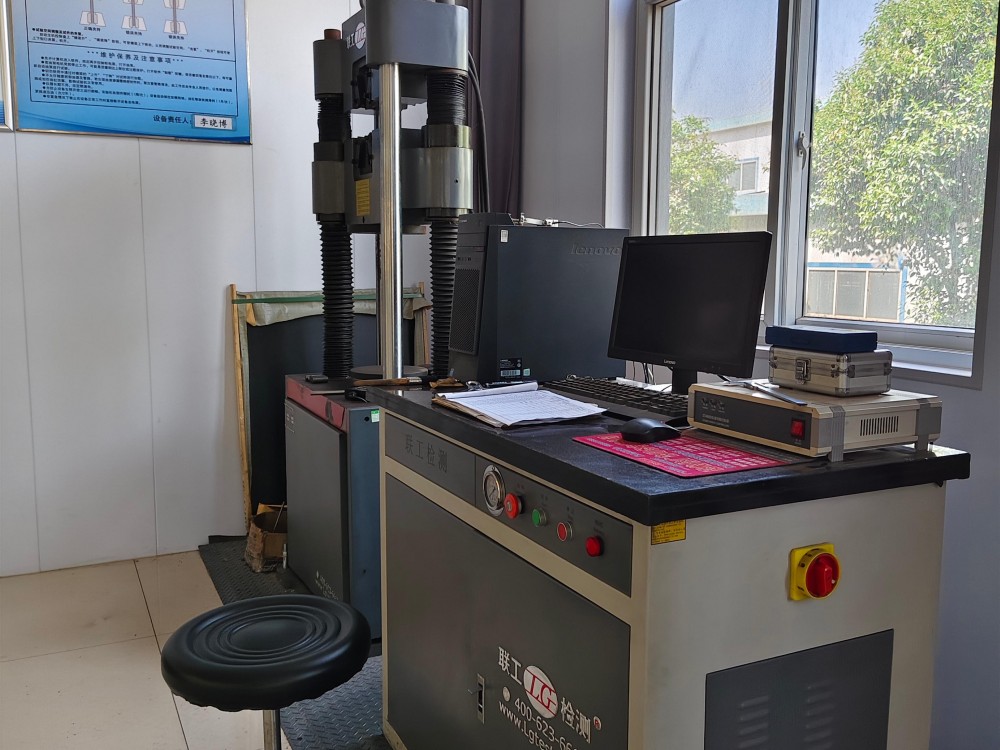
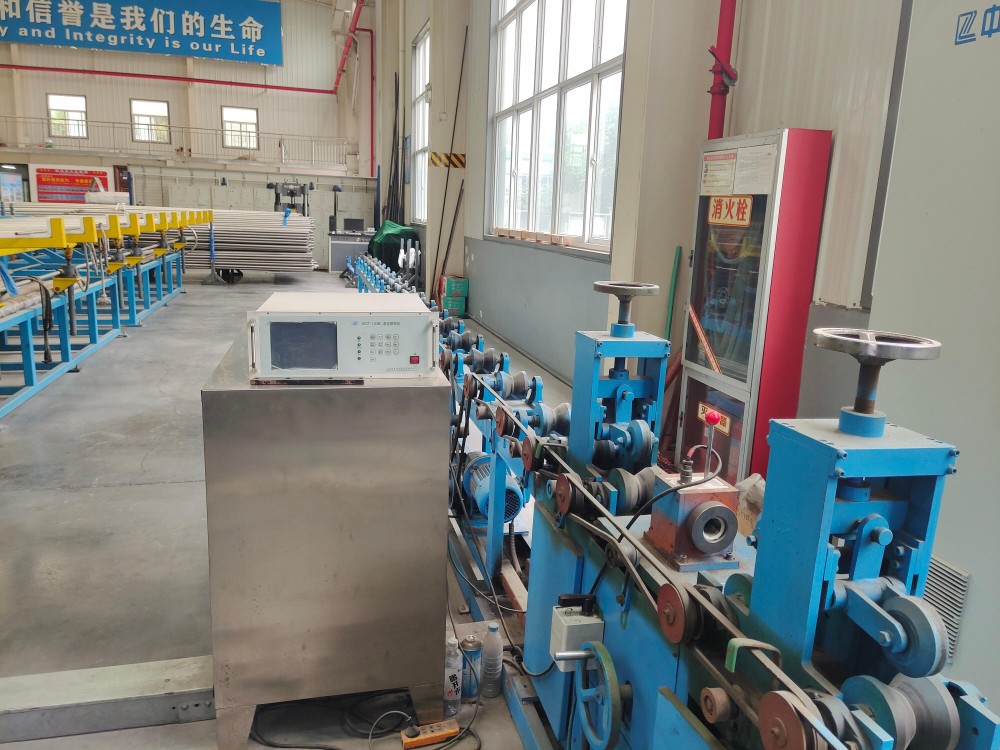
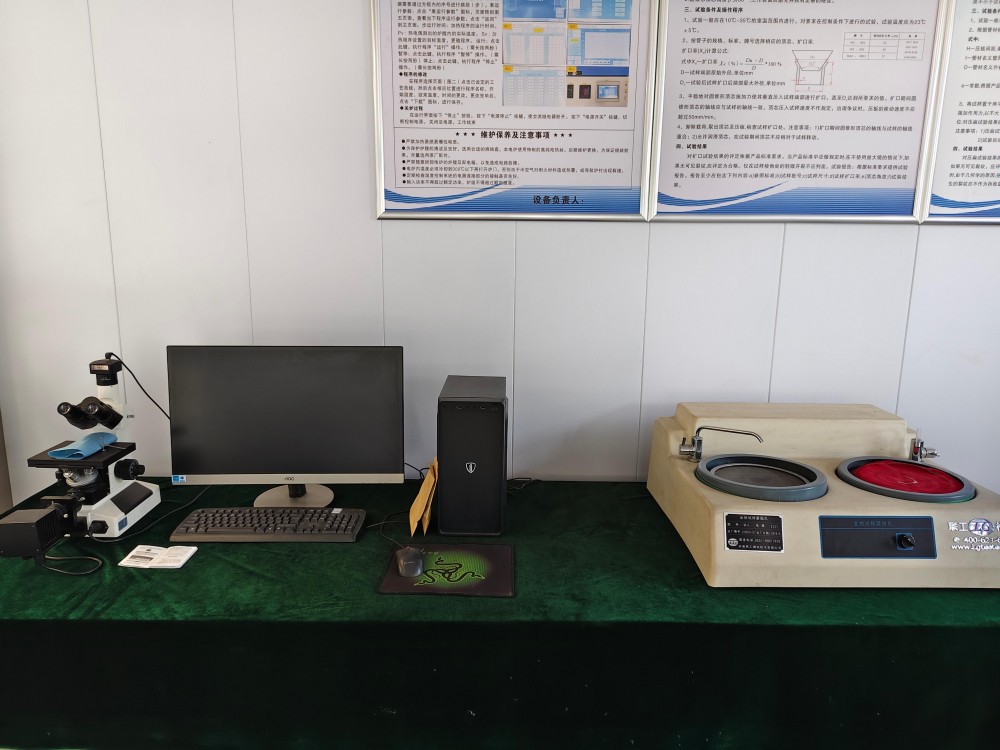
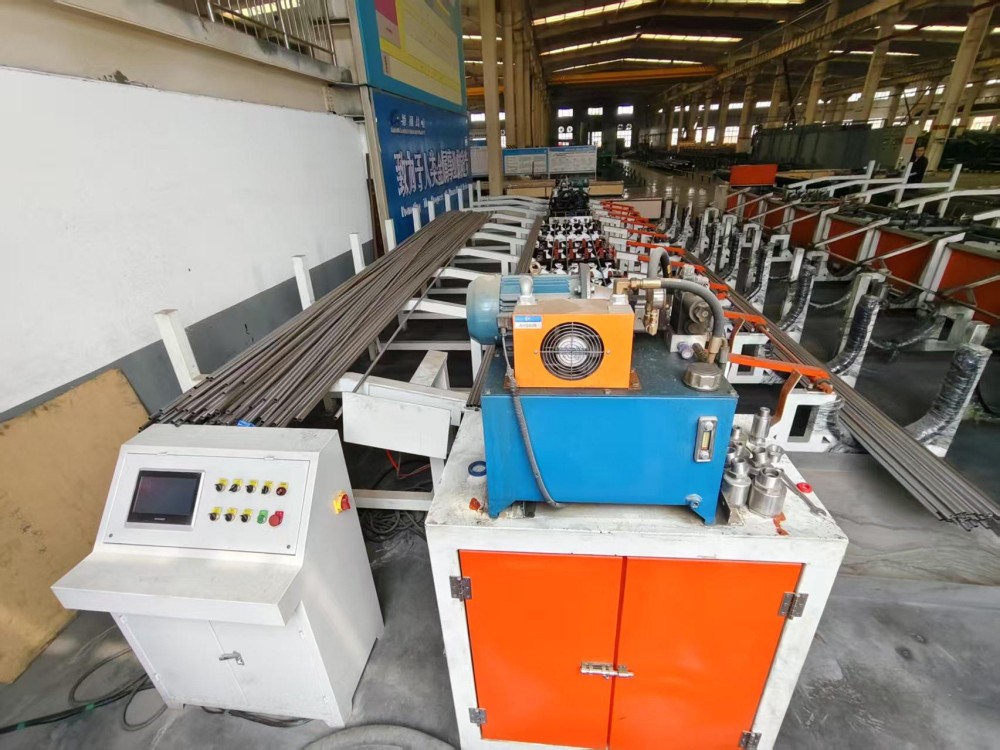
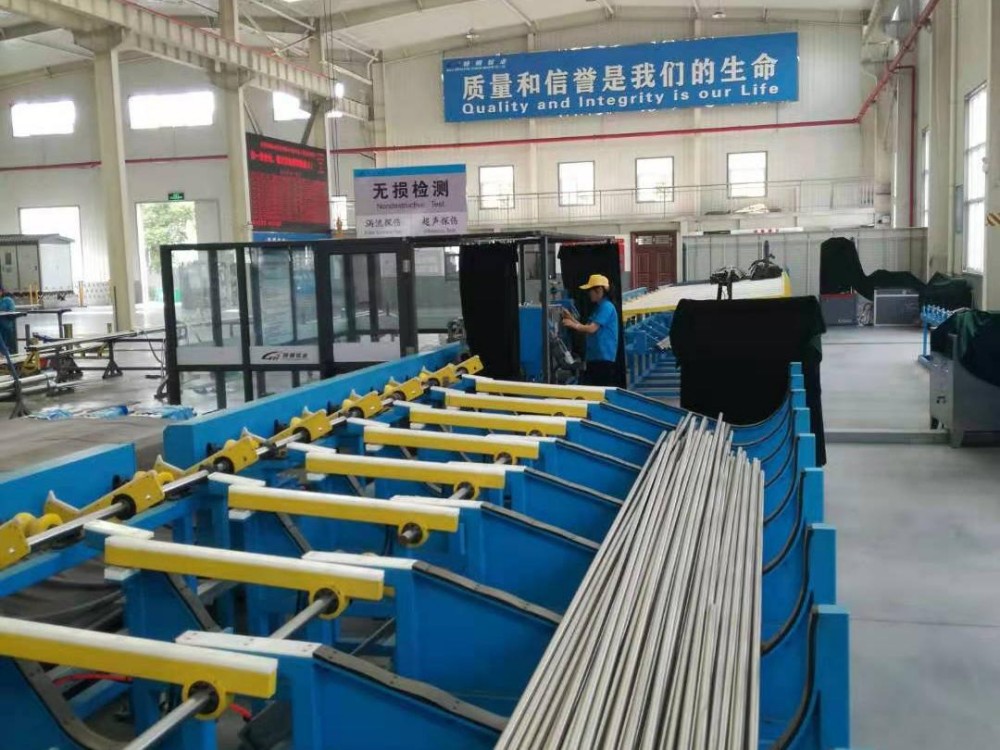
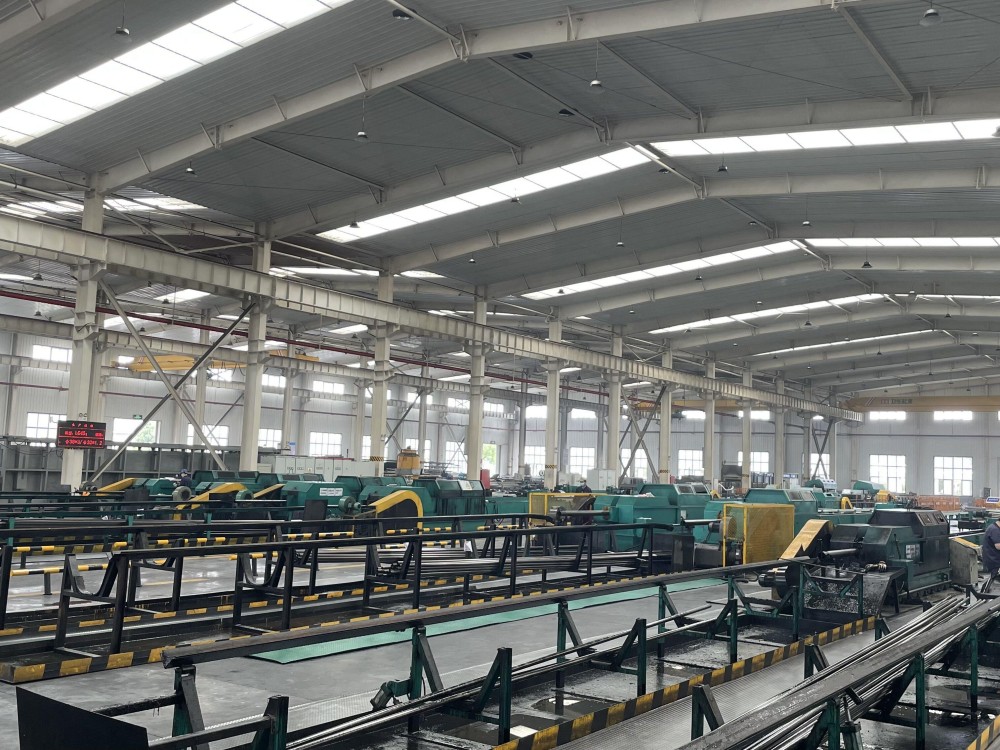
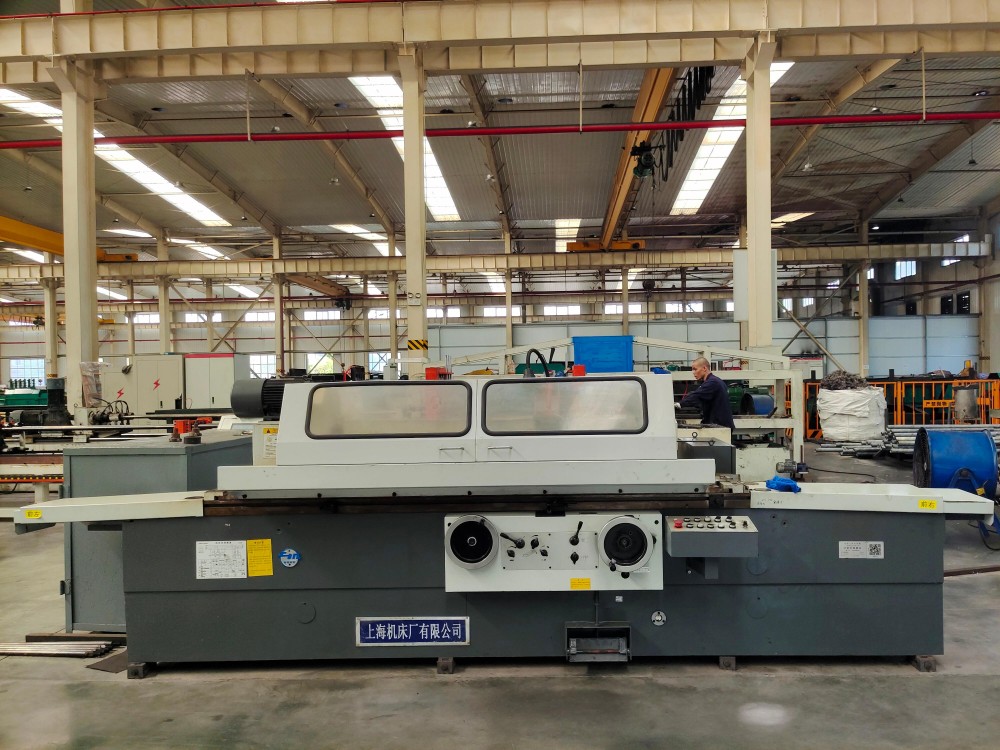
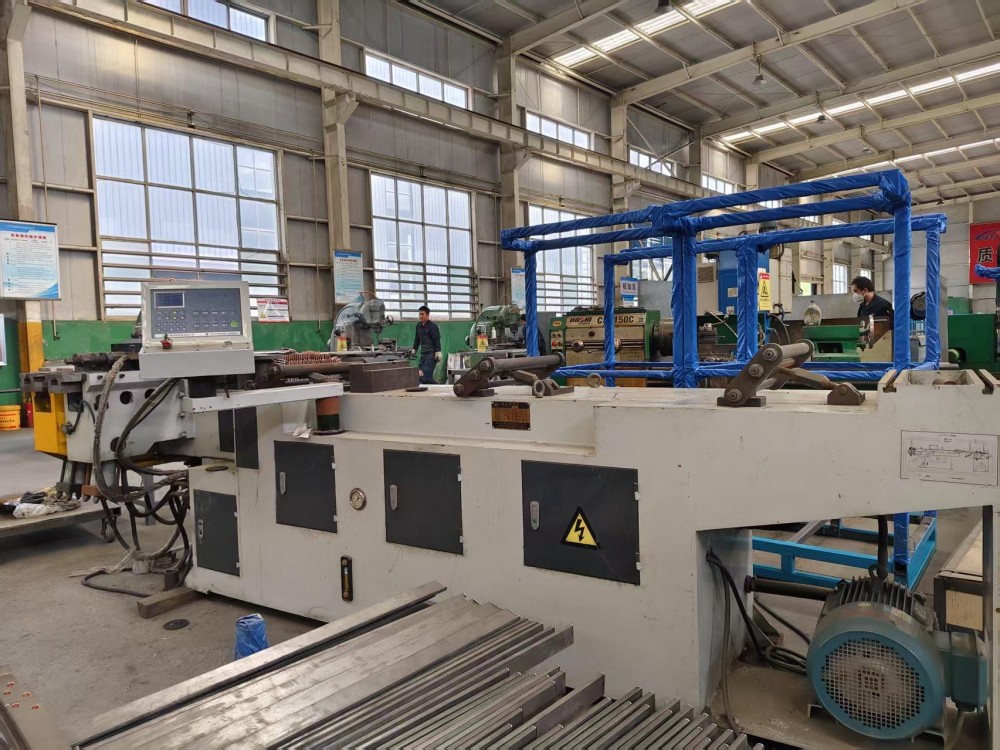
Our manufacturing processes adhere to the strictest international standards, ensuring reliable performance in harsh chemical environments.
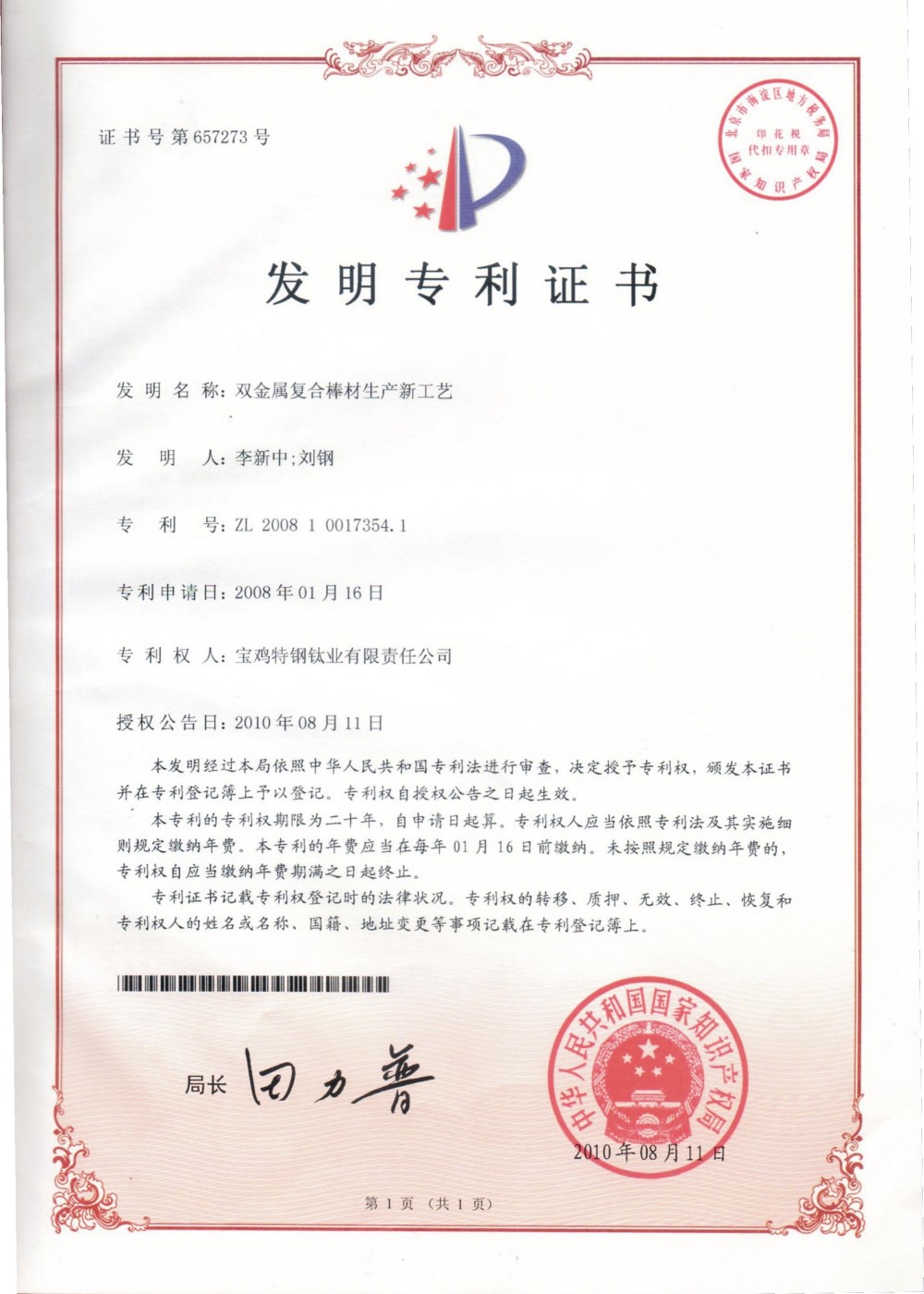
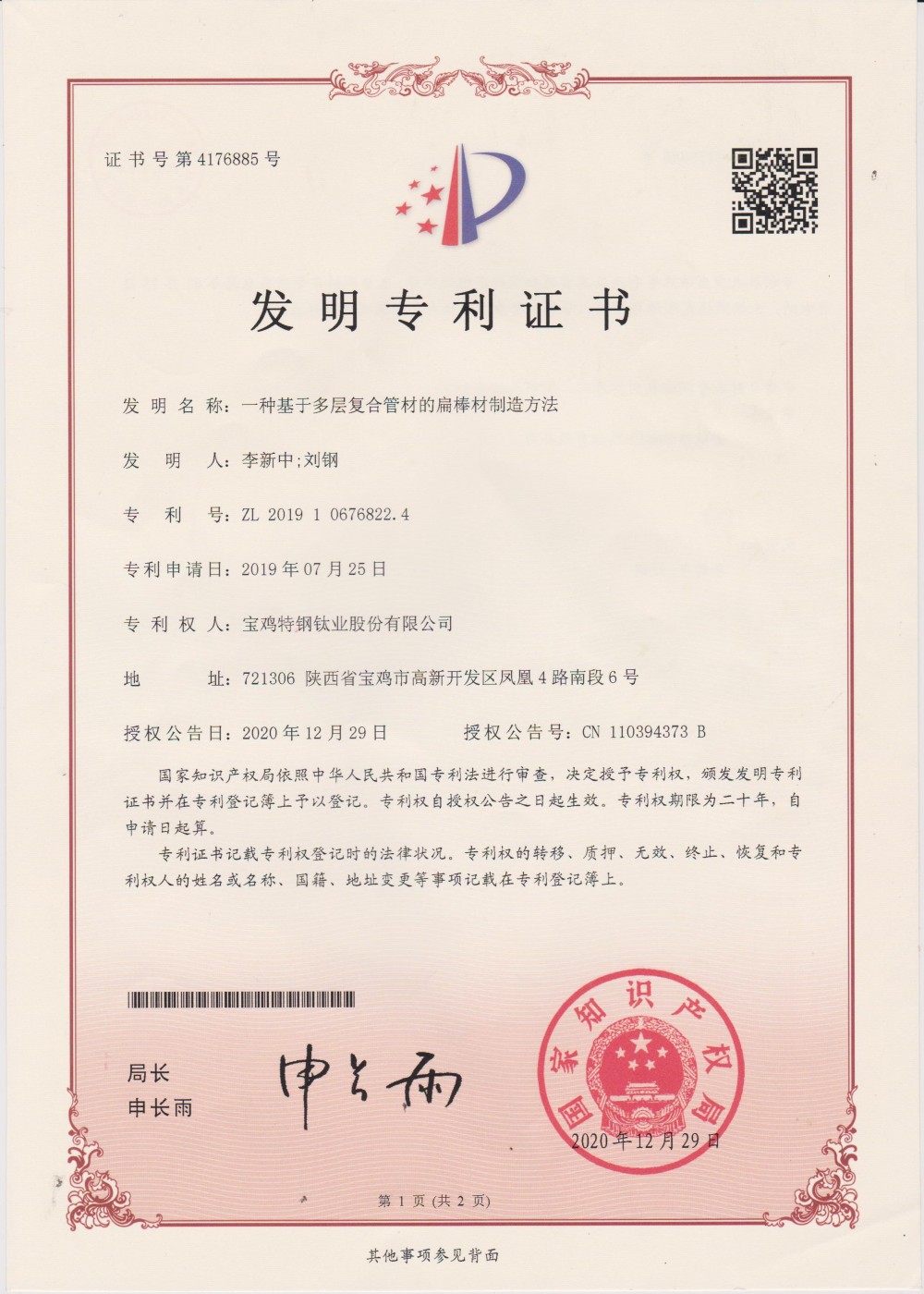
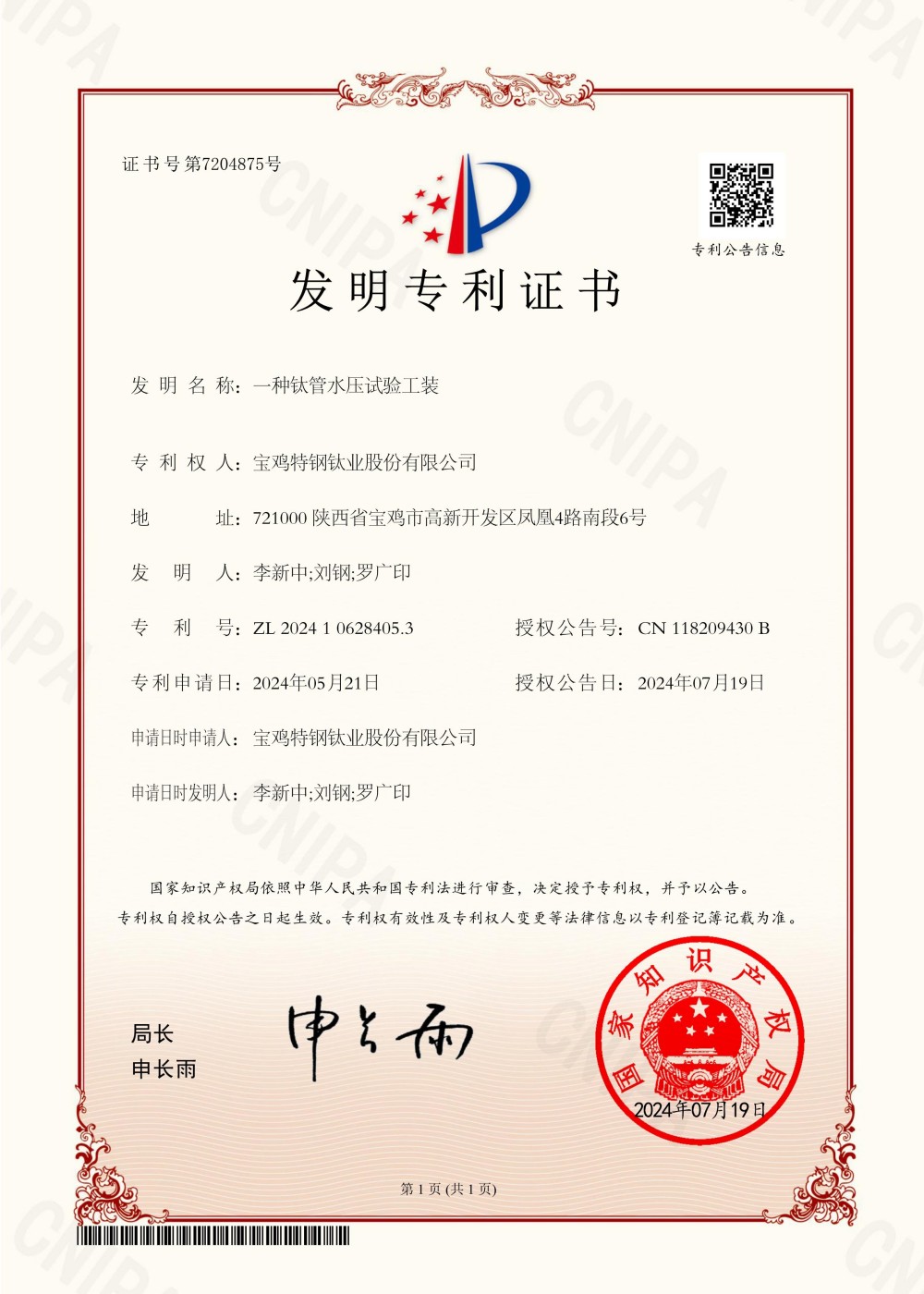
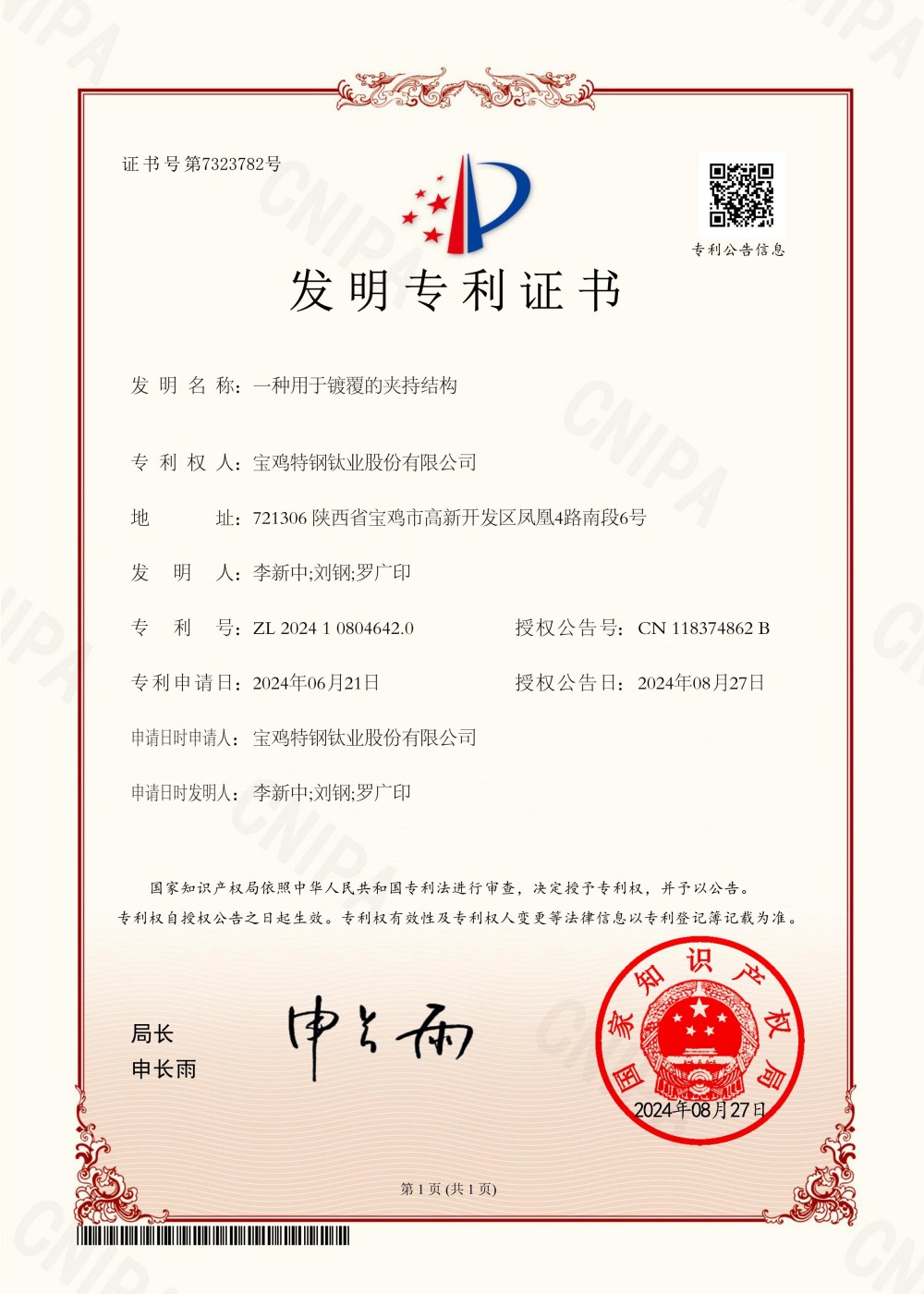
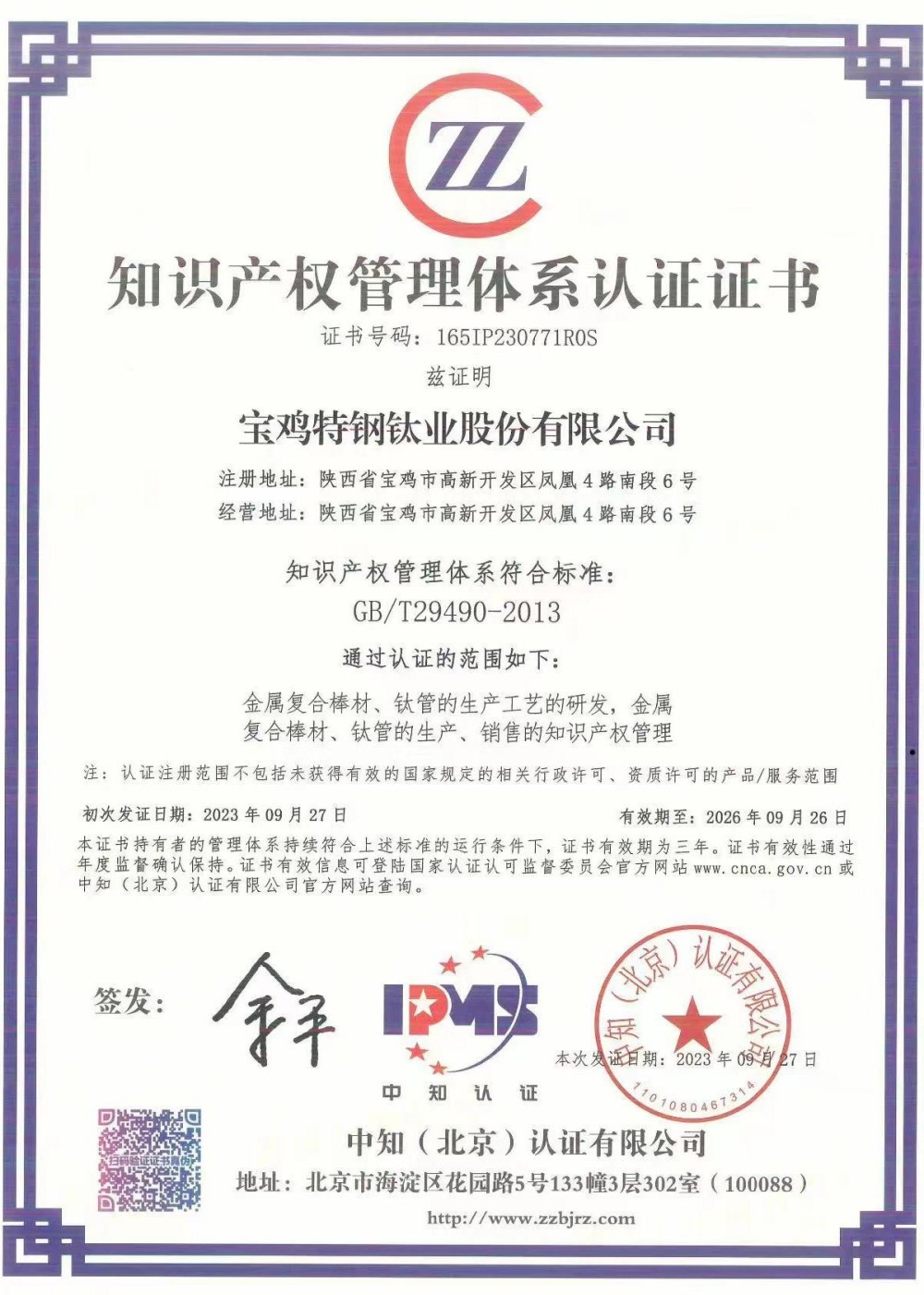
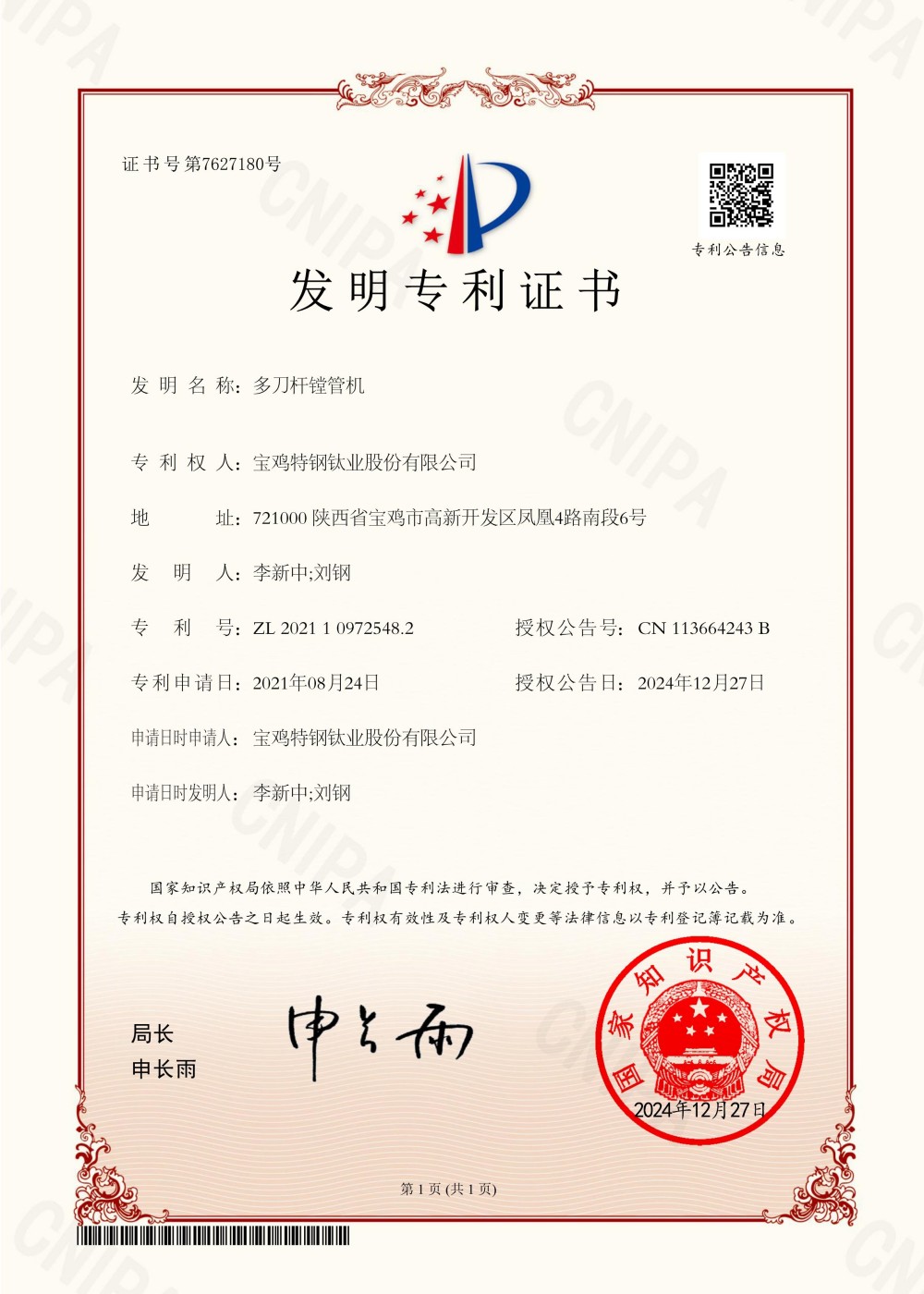
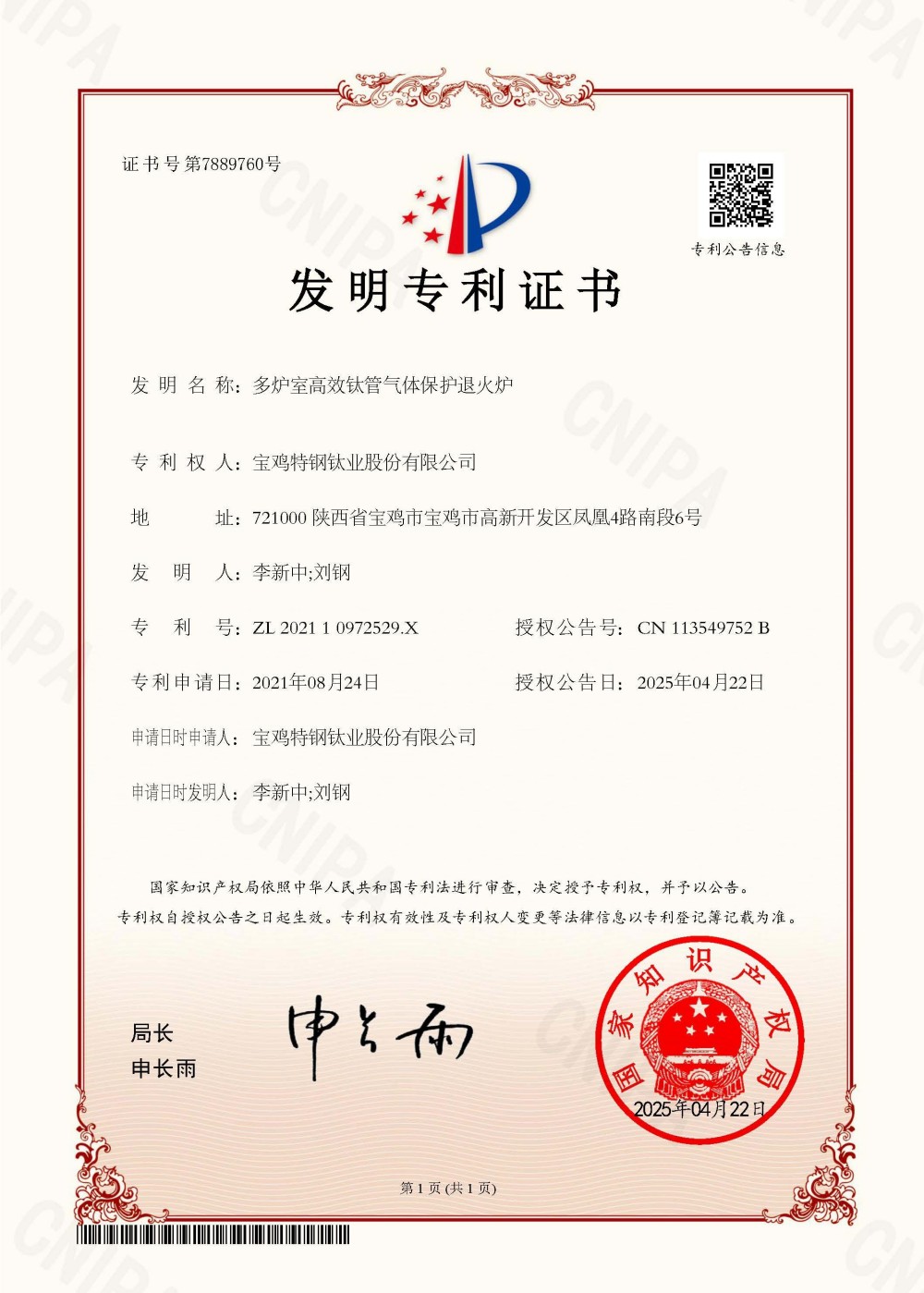
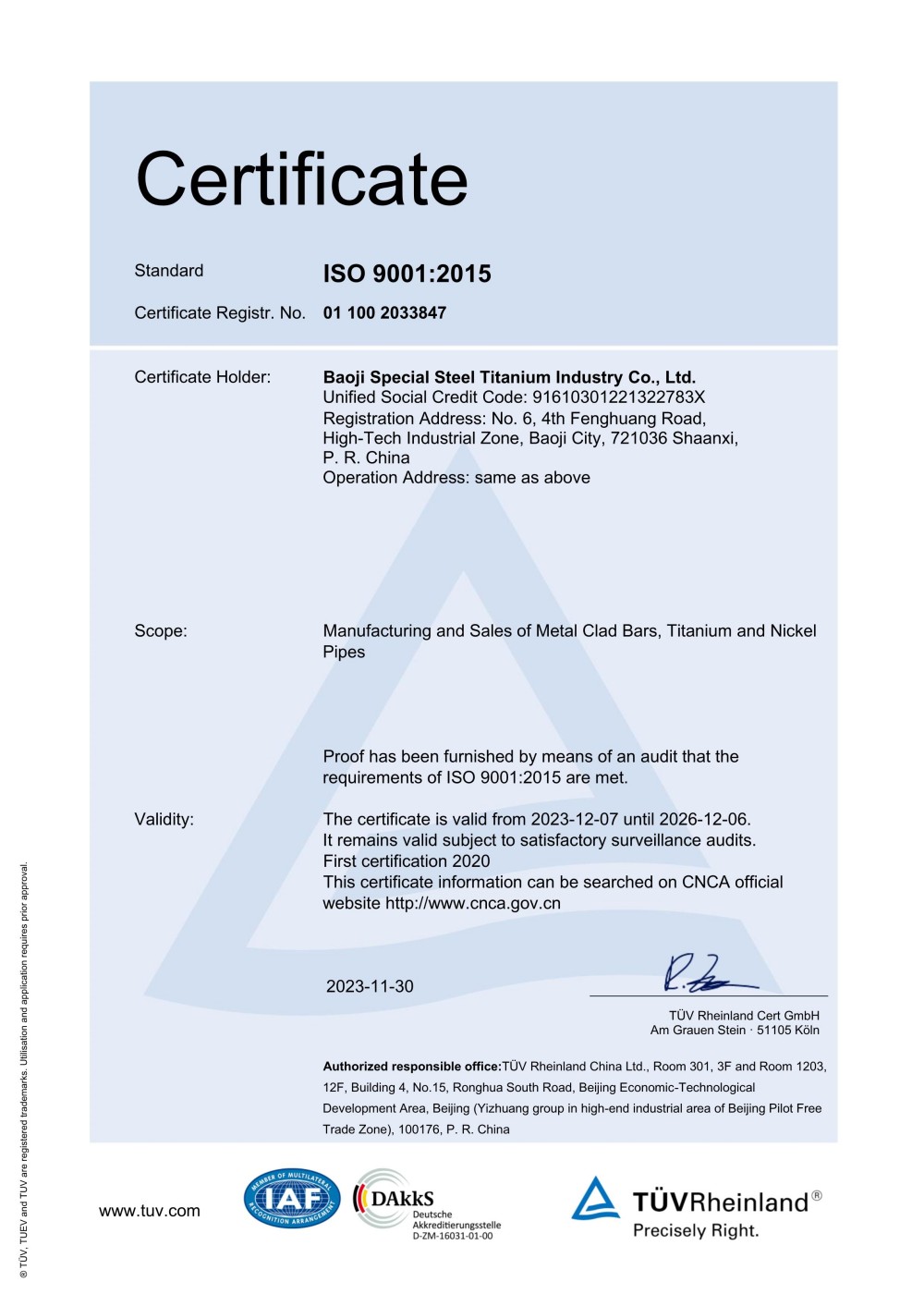
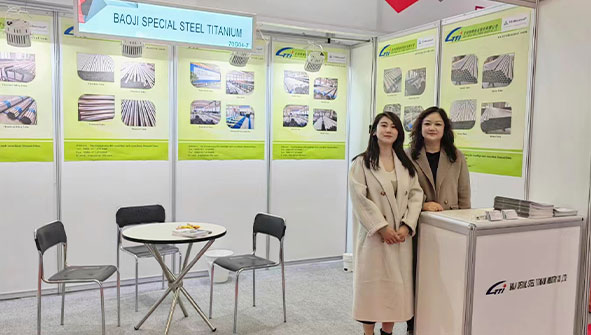
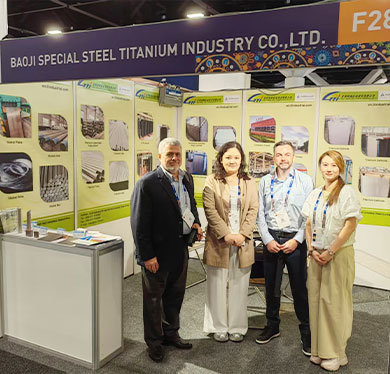
Engaging with global partners to drive technological advancements in industrial electrochemical systems.
Explore our full line of high-purity nickel, titanium-based anodes, and composite materials designed for heavy-duty industrial systems.