Leave Your Message
Explore our flagship nickel bar and anode products specifically engineered for high-efficiency electroplating production environments.
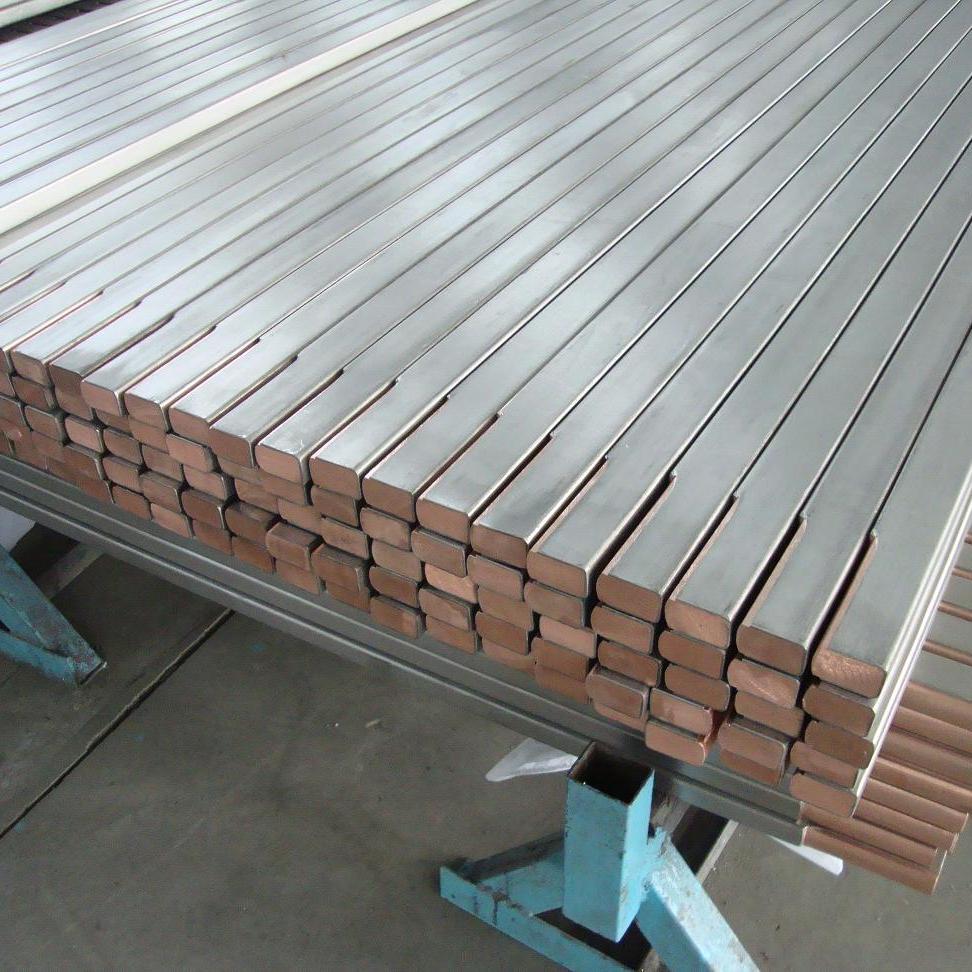
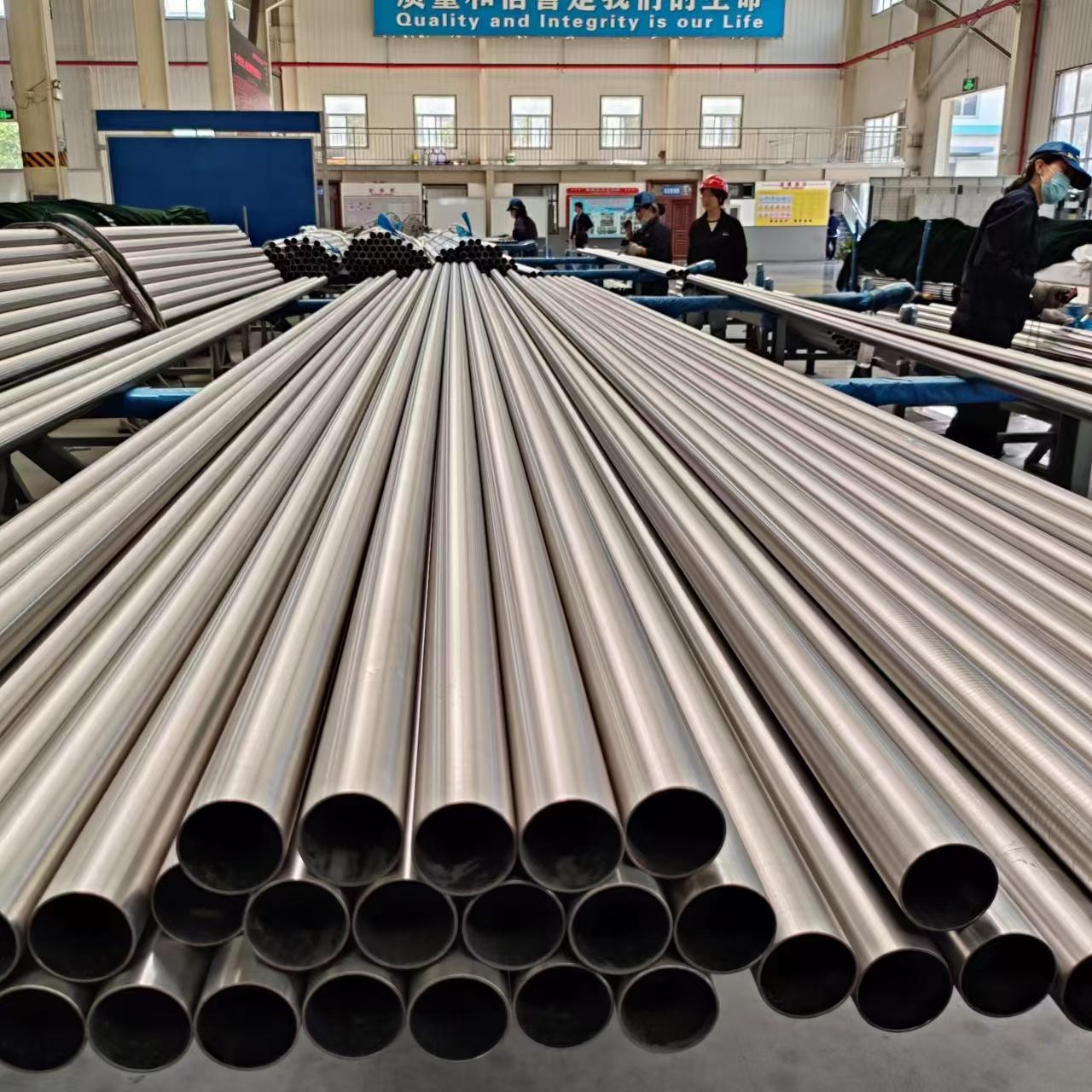
Understanding the critical role of nickel bars as anodes in modern electroplating systems.
In electroplating production lines, the nickel bar — commonly referred to as a nickel anode bar or nickel hanger bar — serves as the primary source of nickel ions dissolved into the electrolyte bath. When an electric current is applied, nickel ions migrate from the anode bar to the substrate, forming a uniform, corrosion-resistant, and aesthetically superior nickel coating.
The purity of the nickel bar directly determines the quality of the deposited layer. Industrial-grade nickel bars with a purity of 99.9% or higher (conforming to N200/N201 standards) are essential for precision electroplating in automotive, electronics, aerospace, and consumer goods manufacturing. Any impurities in the anode material can introduce defects such as pitting, uneven deposition, or poor adhesion — all of which compromise the final product.
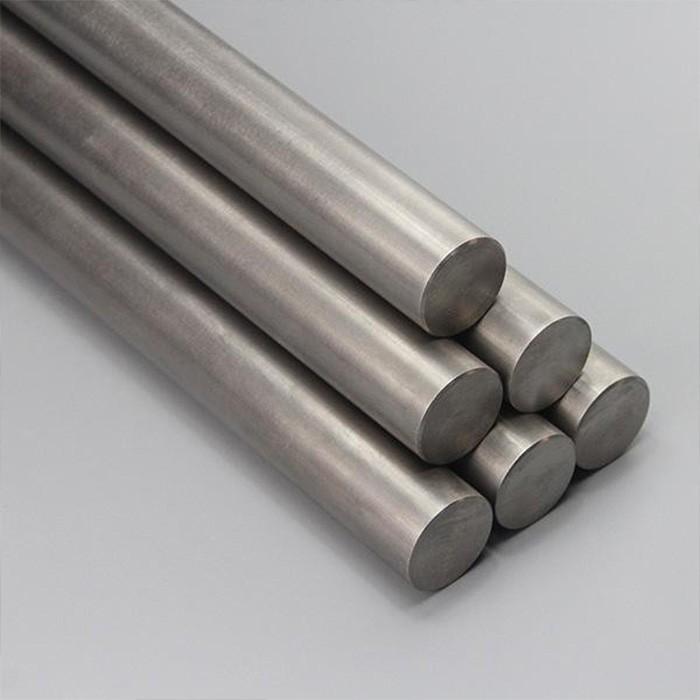
Beyond purity, the physical form of the nickel bar matters. Electroplating production lines require bars that fit precisely into titanium or stainless steel anode baskets, with controlled dimensions to ensure stable current distribution throughout the plating bath. Irregular shapes or poor dimensional tolerances can create "hot spots" that lead to burnt deposits or wasted material.
The global nickel bar market for electroplating applications has been experiencing steady growth, driven by expanding electronics manufacturing, the rise of electric vehicle (EV) battery components, and growing demand for corrosion-resistant coatings in infrastructure projects. According to industry analysts, the electroplating chemicals and materials market — of which nickel anodes form a significant segment — is projected to surpass USD 15 billion by 2028.
China remains the world's largest producer and exporter of nickel bars for electroplating, with manufacturers in Baoji, Jiangsu, and Zhejiang provinces leading global supply chains. Chinese-produced nickel bars now meet or exceed international standards including ASTM B39, JIS H2102, and EN standards, enabling direct integration into European and North American production lines.
The shift toward automated electroplating production lines — including barrel plating, rack plating, and continuous strip plating systems — has increased demand for standardized, high-consistency nickel bar formats. Automated lines require anode materials that dissolve predictably and uniformly, making purity control and microstructure consistency critical procurement criteria for industrial buyers.
How technological advancement and global industrial demands are reshaping the nickel bar supply landscape for electroplating production lines.
As semiconductor and PCB electroplating processes demand sub-micron coating precision, the requirement for nickel bars with purity ≥99.98% is accelerating. Trace element control (Co, Fe, Cu <10ppm) is now a key specification in advanced electronics plating lines.
Electric vehicle production requires nickel-plated battery connectors, busbars, and terminal components. This has created a new high-volume demand segment for nickel bars optimized for high-speed continuous electroplating lines with tight thickness tolerances of ±0.5μm.
Environmental regulations are driving the transition from hexavalent chrome to nickel-based coatings. This regulatory shift is expanding the application scope of nickel bars significantly, particularly in the automotive and aerospace surface treatment sectors across Europe and North America.
Modern electroplating production lines are integrating IoT sensors and AI-driven process control. Nickel bar consumption rates, dissolution efficiency, and bath chemistry are now monitored in real-time, requiring anode materials with highly predictable and consistent electrochemical behavior.
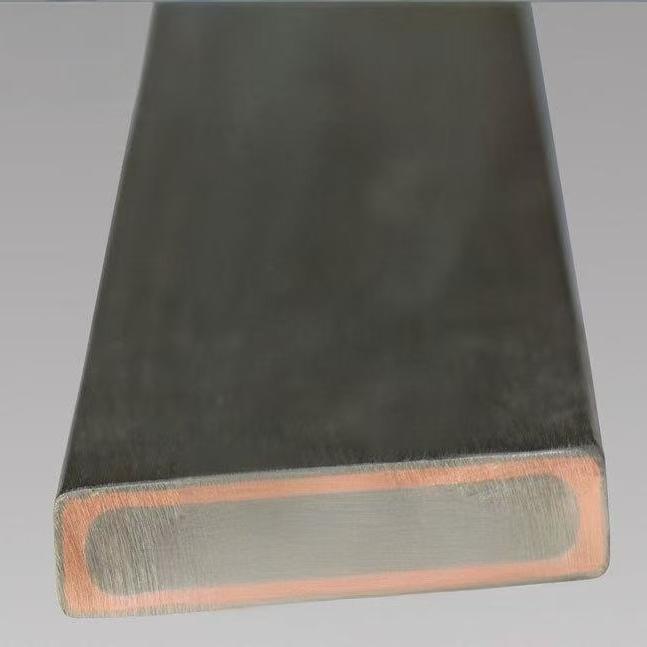
Multilayer and composite nickel bar materials are emerging as solutions for specialized plating applications, offering tailored dissolution rates, improved current distribution, and extended service life compared to conventional solid nickel anodes in high-throughput production environments.
Post-pandemic supply chain restructuring has accelerated procurement diversification. Chinese manufacturers with ISO certification, traceable raw material sourcing, and direct export capabilities are increasingly preferred partners for European and Asian electroplating operations.
From automotive finishing to aerospace components — discover how nickel bars power critical electroplating processes across industries.
Nickel bars are the primary anode material in barrel and rack plating lines for automotive decorative and functional parts — including bumpers, door handles, wheel covers, and engine components. The nickel undercoat provides essential corrosion protection and adhesion for subsequent chrome or gold finishing layers. High-volume automotive plants consume several tons of nickel bars per month, requiring consistent supply with certified purity documentation.
Printed circuit board manufacturing relies on nickel electroplating as a barrier layer between copper conductors and gold or tin surface finishes. Nickel bars used in electronics plating lines must meet stringent sulfur-free specifications (S <0.001%) to prevent bath contamination and ensure consistent deposit hardness (250–350 HV) for reliable solder joint performance in high-frequency PCB applications.
Aerospace-grade electroless and electrolytic nickel plating on turbine blades, landing gear components, and hydraulic fittings demands nickel anode bars with controlled microstructure and minimal internal stress. The nickel coating provides wear resistance, corrosion protection, and dimensional restoration for high-value aerospace components, where material traceability and certification (AS9100, NADCAP) are mandatory requirements.
Electric vehicle battery packs require nickel-plated copper busbars, terminal connectors, and cell interconnects to ensure optimal electrical conductivity and corrosion resistance under high-temperature cycling conditions. Continuous strip plating lines using nickel bars must achieve coating uniformity of ±0.3μm across widths up to 600mm, demanding premium-grade nickel anode bars with exceptional dimensional consistency.
The jewelry industry uses bright nickel electroplating as a foundational layer for gold, silver, and rhodium finishes. Nickel bars in decorative plating lines must produce bright, leveled deposits with excellent reflectivity. Sulfur-depolarized nickel bars (S: 0.02–0.06%) are specifically formulated for bright nickel baths, enabling the production of mirror-finish decorative coatings on brass, zinc die-cast, and steel substrates.
Downhole drilling tools, valve bodies, and pipeline fittings in the oil and gas industry require hard nickel or nickel-alloy electroplating for extreme wear and corrosion resistance. Nickel bar anodes used in these specialized plating lines must withstand high current densities (5–15 A/dm²) and aggressive bath chemistries, requiring superior grain structure and high-temperature stability in the anode material itself.
Surgical instruments, implantable device components, and diagnostic equipment housings require biocompatible nickel electroplating with controlled porosity and minimal heavy metal contamination. Medical-grade electroplating lines demand nickel bars with pharmaceutical-level purity documentation, full material traceability, and compliance with ISO 13485 and FDA 21 CFR standards for medical device manufacturing.
Hard nickel electroplating on industrial molds, dies, cutting tools, and machine components extends service life by 3–8× compared to uncoated surfaces. Nickel bars for engineering plating lines are formulated to produce deposits with hardness of 400–600 HV after heat treatment, enabling cost-effective surface engineering for high-wear industrial applications across manufacturing, mining, and construction equipment sectors.
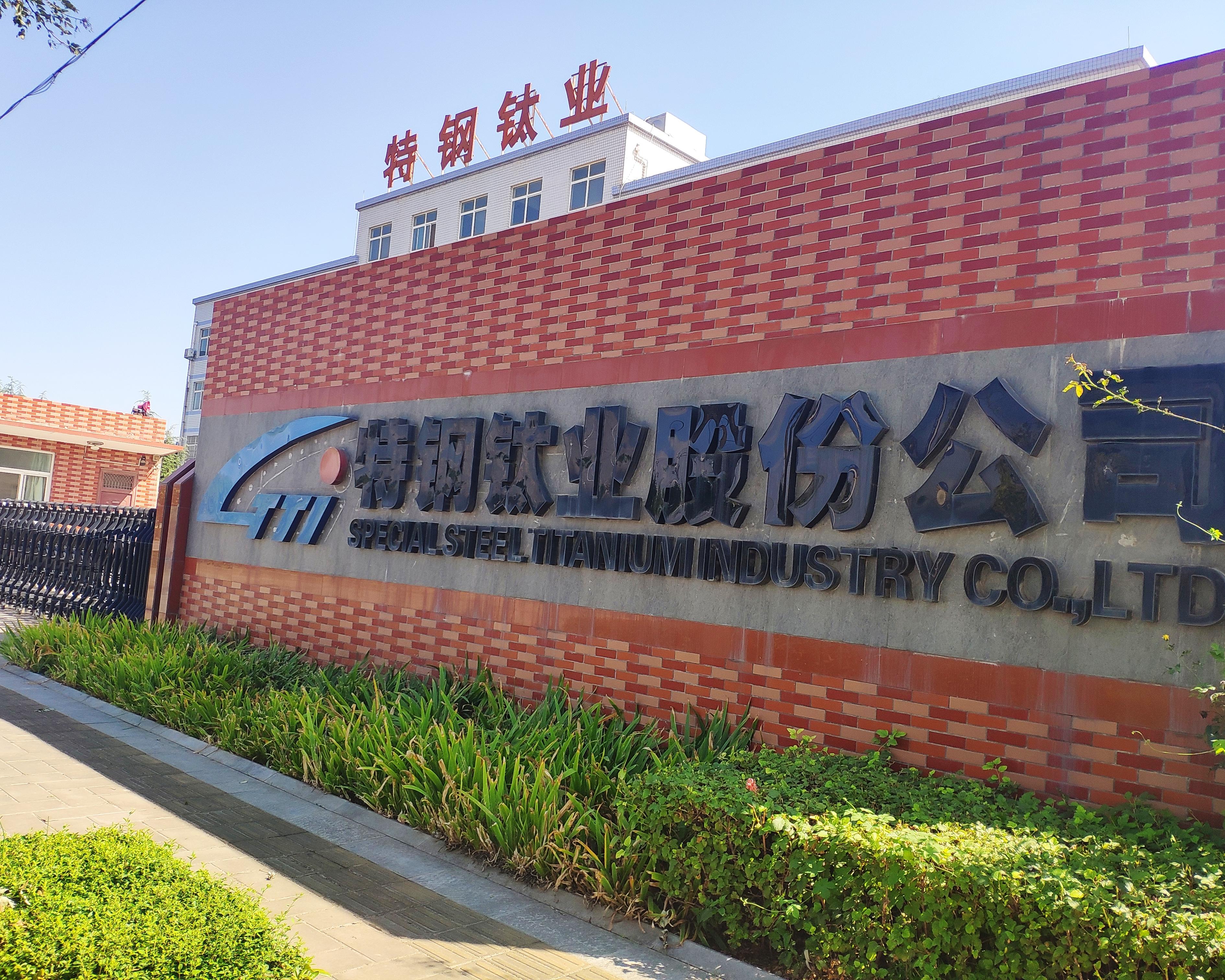
Is a joint-stock industrial enterprise specializing in the research, development, manufacturing and sales of titanium, nickel, zirconium and other metal pipes and metal composite materials. The company was founded in 1997, located in Shaanxi Baoji National High-tech Industrial development Zone, the factory covers an area of 41,000 square meters.
The company has an annual production capacity of over 3000 tons of non-ferrous metal pipes, composite materials and various deep processing products such as titanium, zirconium, nickel, tantalum and copper, etc., and a series of products according to varieties and specifications have reached more than 500 kinds, the annual export accounted for more than 30% of the company's total output, is an export-oriented industrial enterprise with a strong growth momentum.
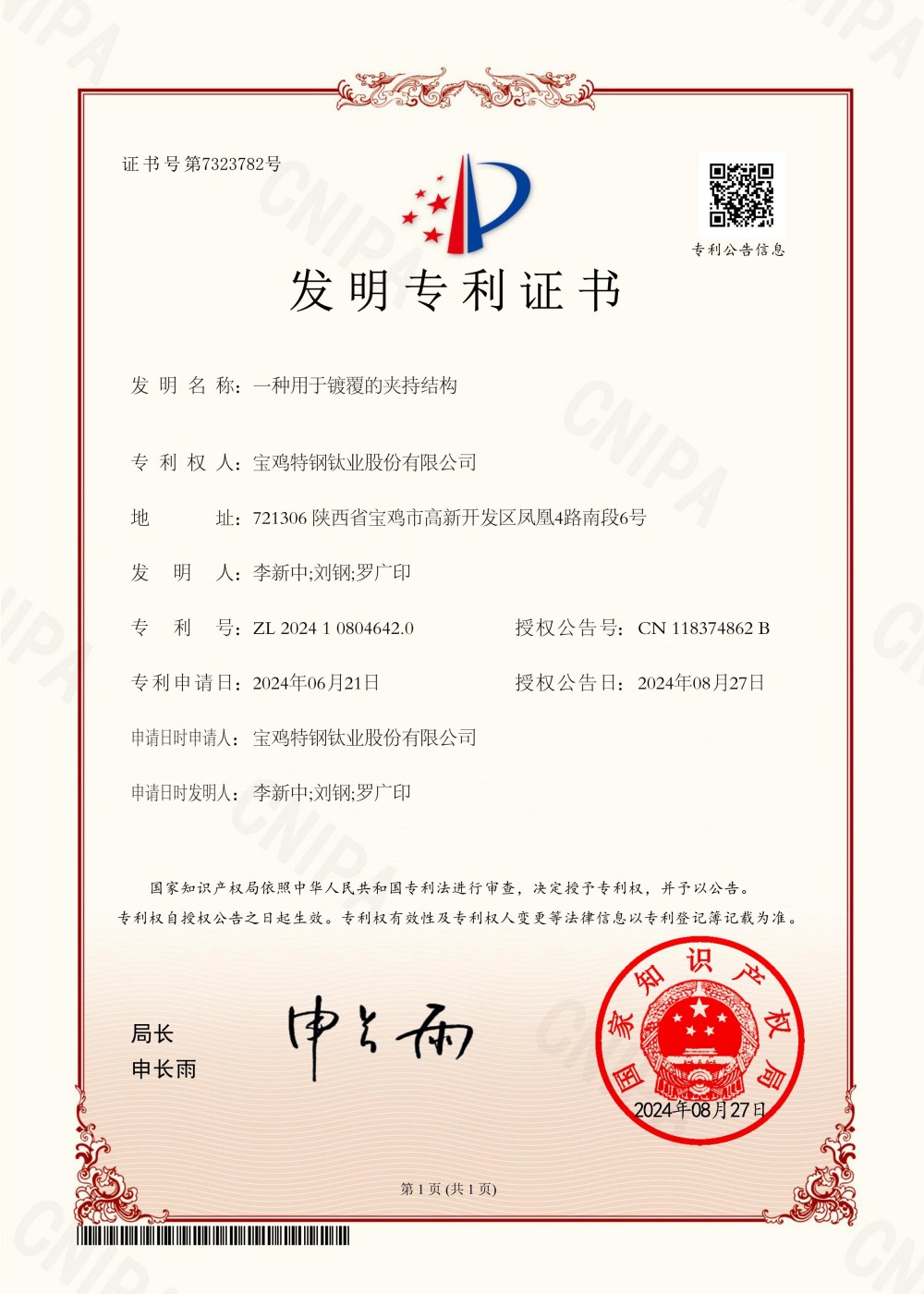
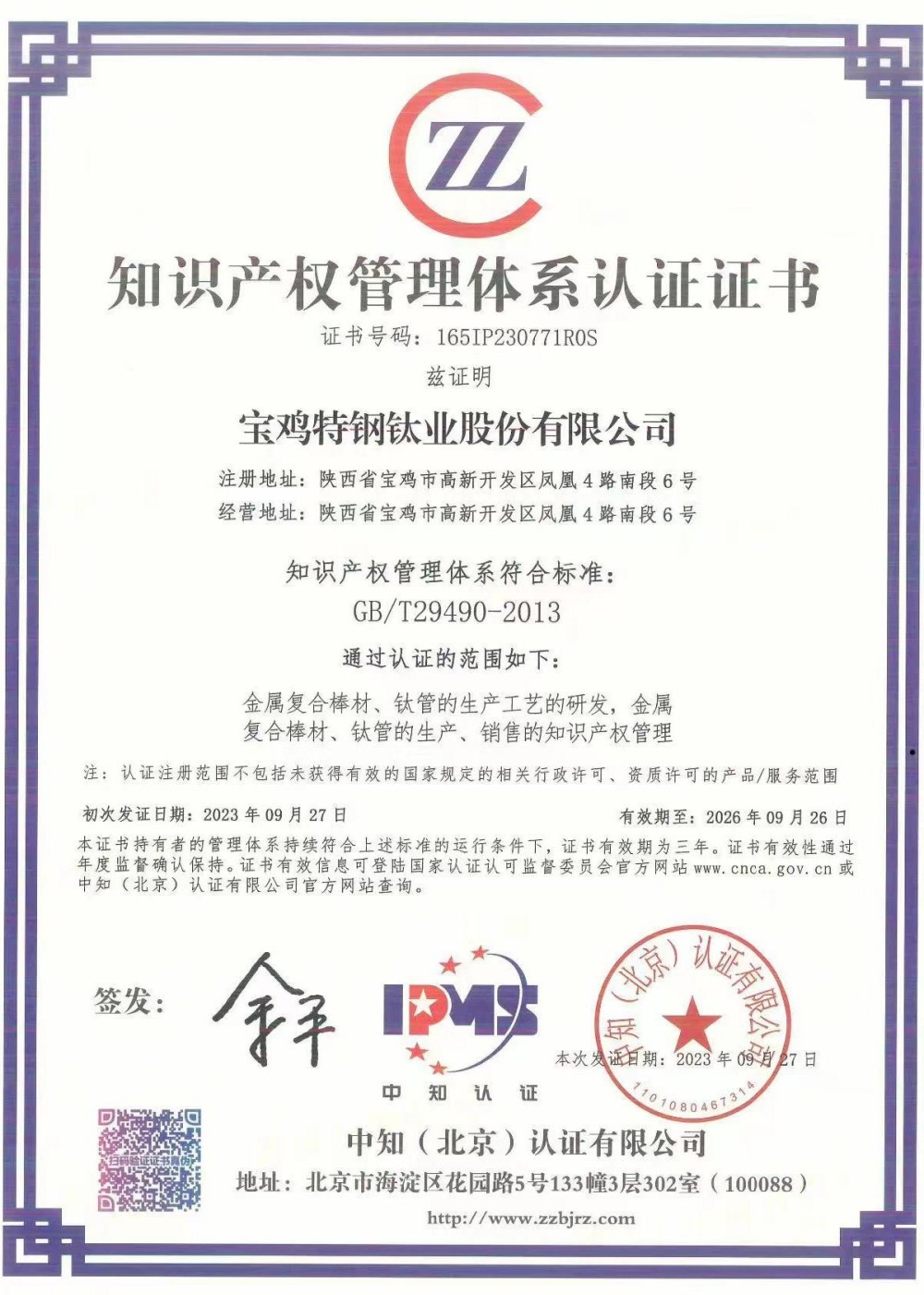
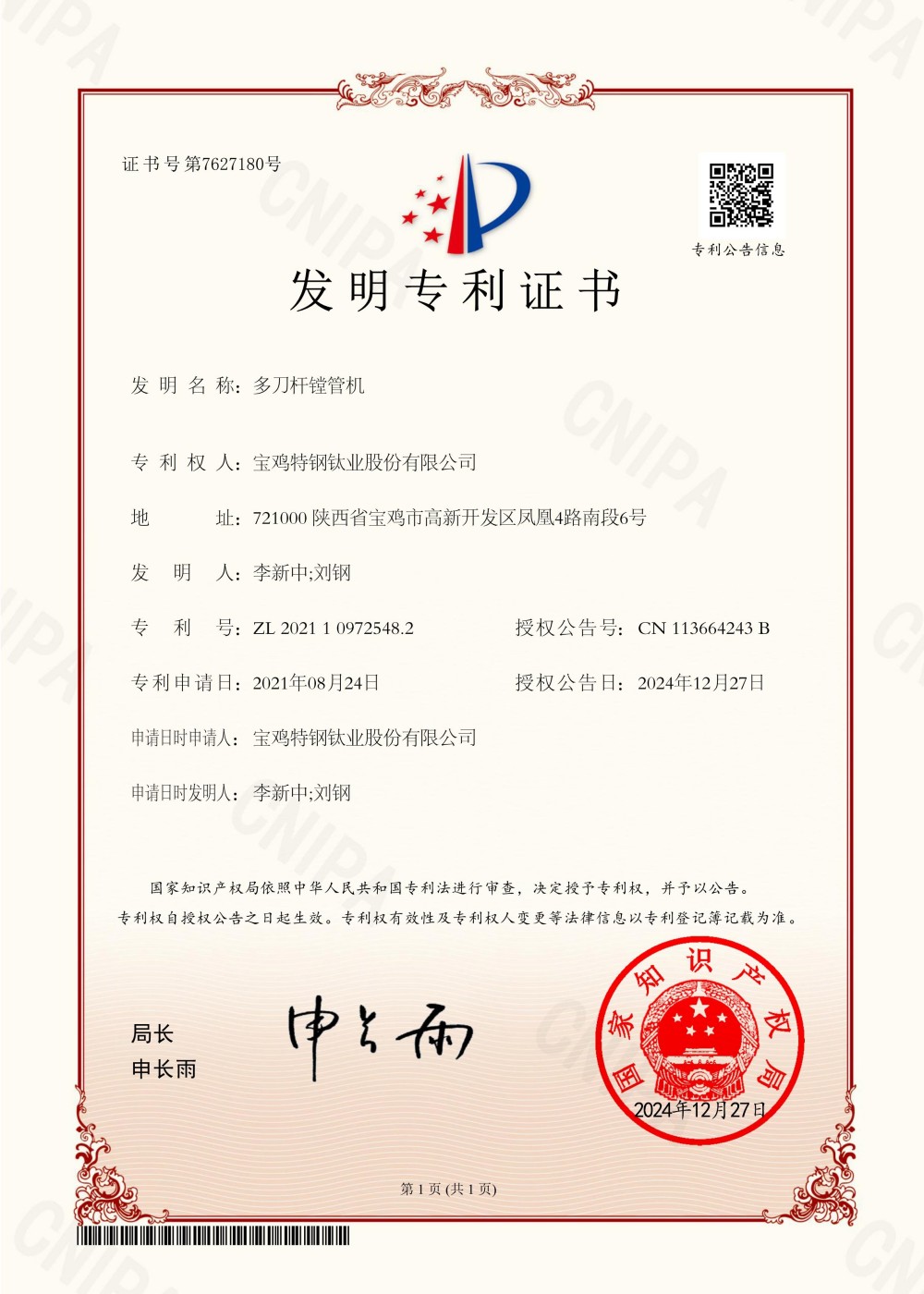
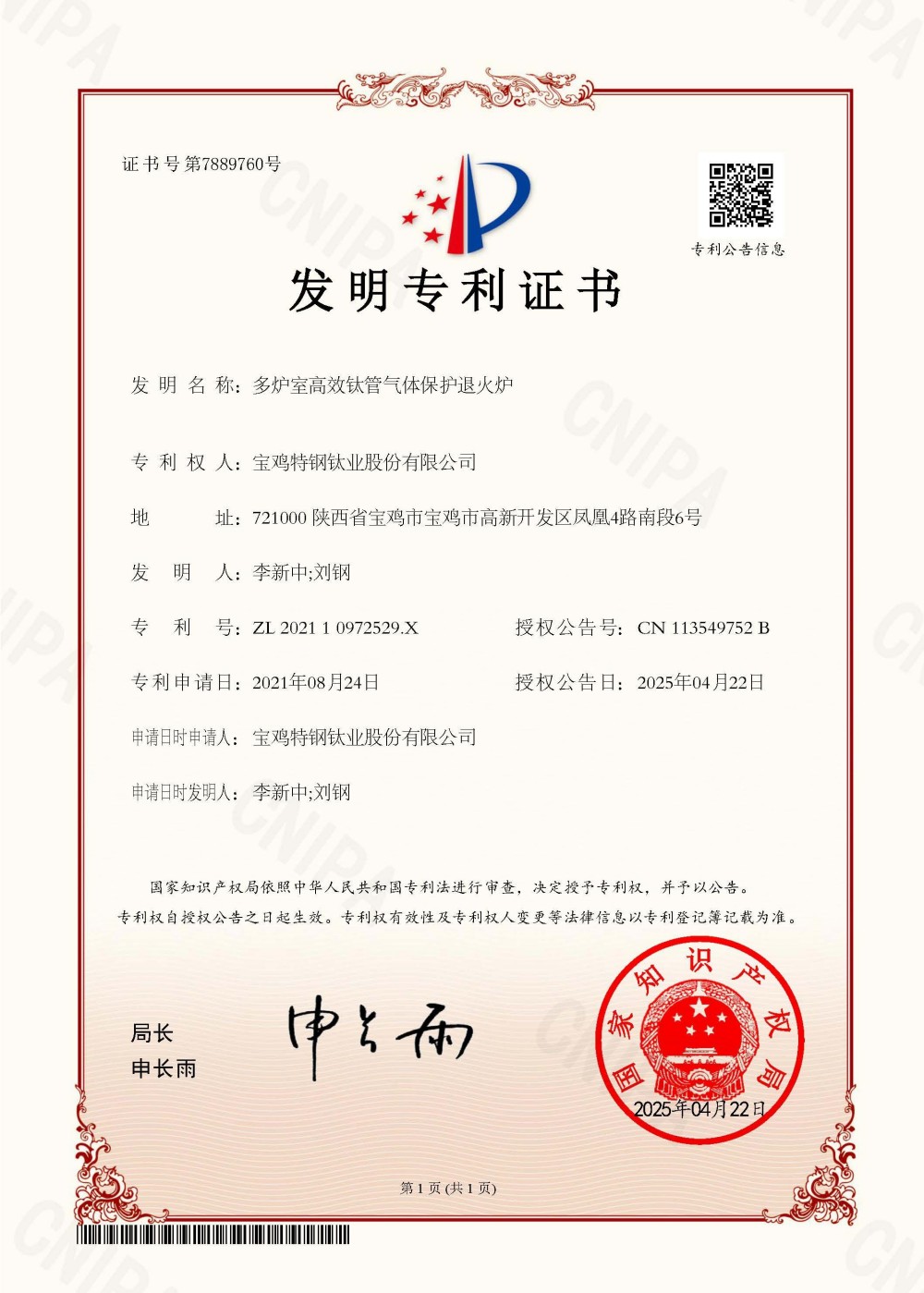
The company has obtained the national high and new technology enterprise certification and has been listed in the first batch of industries encouraged to develop by the National Development and Reform Commission.


Titanium and titanium alloy, nickel and nickel alloy, zirconium and zirconium alloy mainly non-ferrous metal pipe;
Non-ferrous metal composite materials mainly composed of titanium clad copper, including: titanium clad copper, zirconium clad copper, ladle copper, composite wire, multilayer composite metal, etc.;
Titanium cathode is the main product of the composite electrode series, including: titanium cathode, stainless steel permanent cathode, nickel anode, titanium-based lead dioxide anode, and so on.
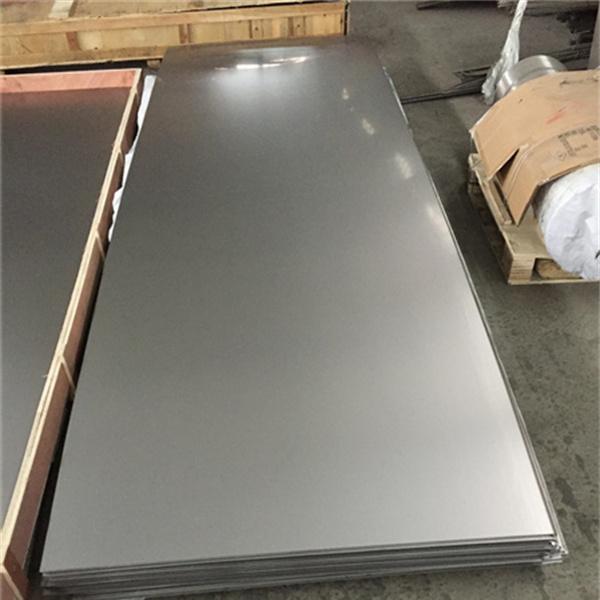
A series of nickel materials products mainly consisting of nickel plates, nickel rods and nickel strips.
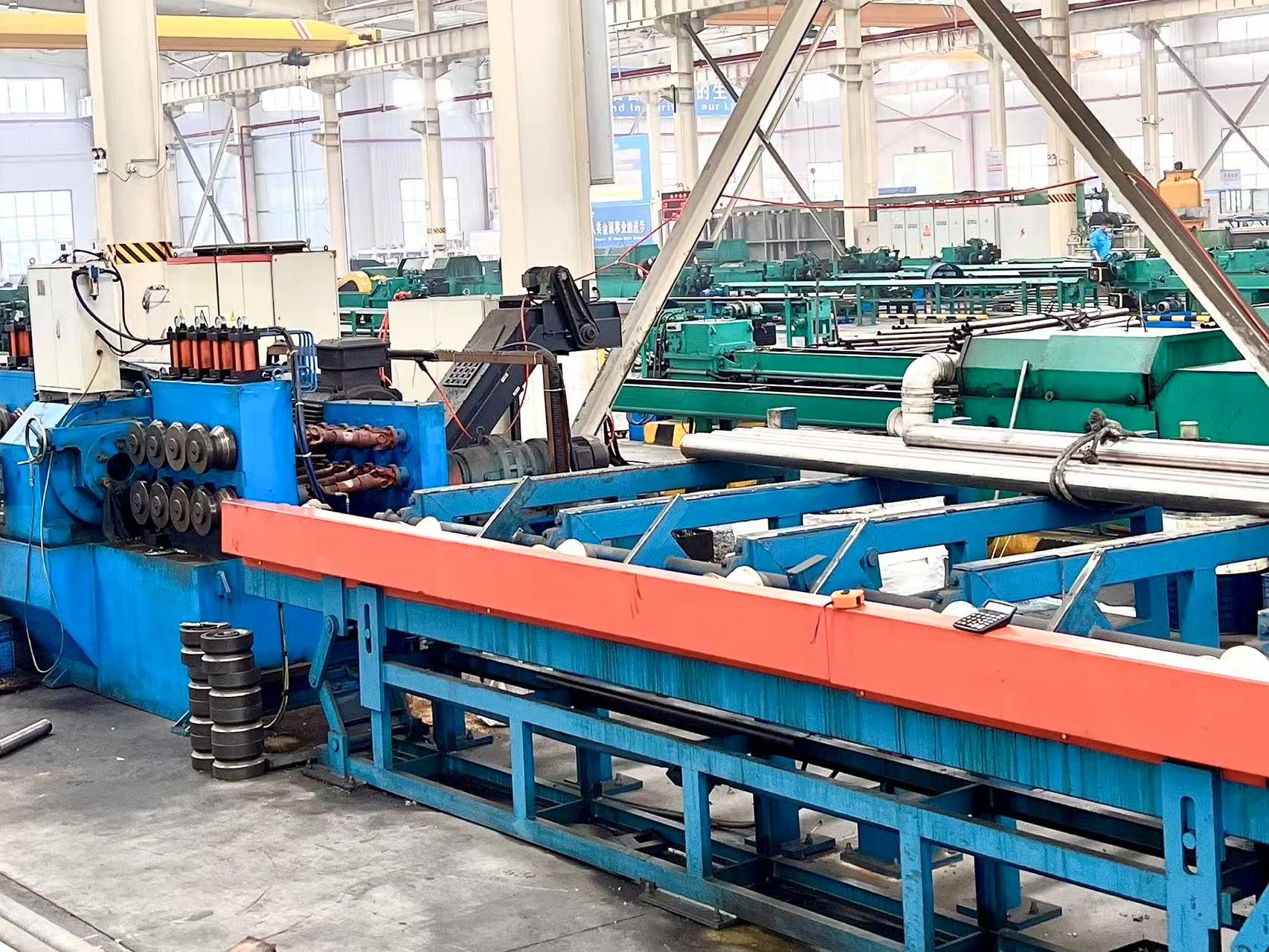
Since its establishment, the company has always adhered to the development strategy of continuous innovation and continued to expand the market with new technology and new products as the fulcrum. After more than 20 years of development and accumulation, the products have entered the markets of Germany, Japan, the United States, Norway, Finland, South Africa, Singapore, India and other countries and Taiwan regions, also have been highly praised.
Stable product quality, integrity as the core of the business philosophy, by the world's customers trust.
To build an excellent enterprise team, continuously improve the management and manufacturing methods, so that every customer can get the maximum benefit from each product — is the eternal pursuit of special steel titanium industry personnel.
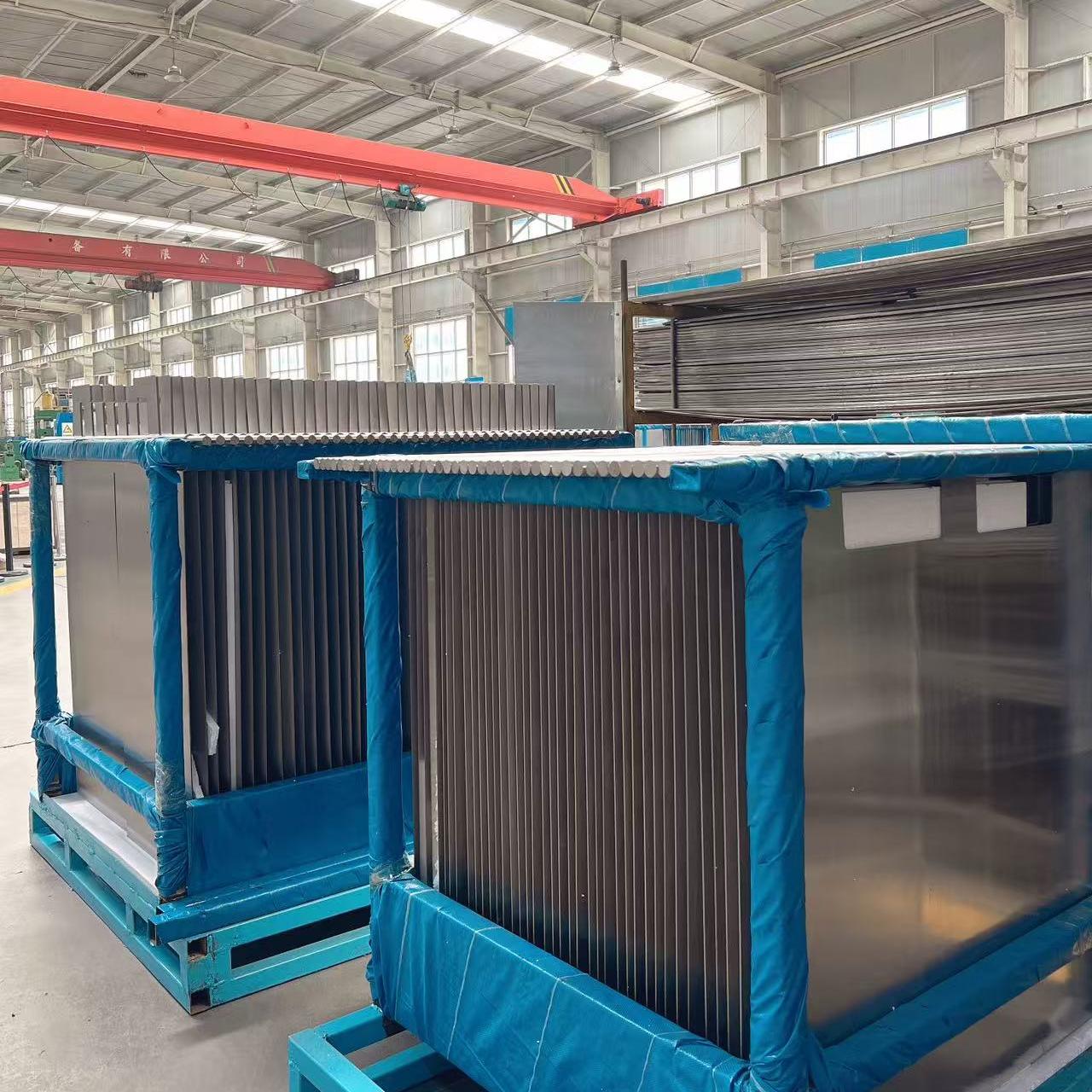
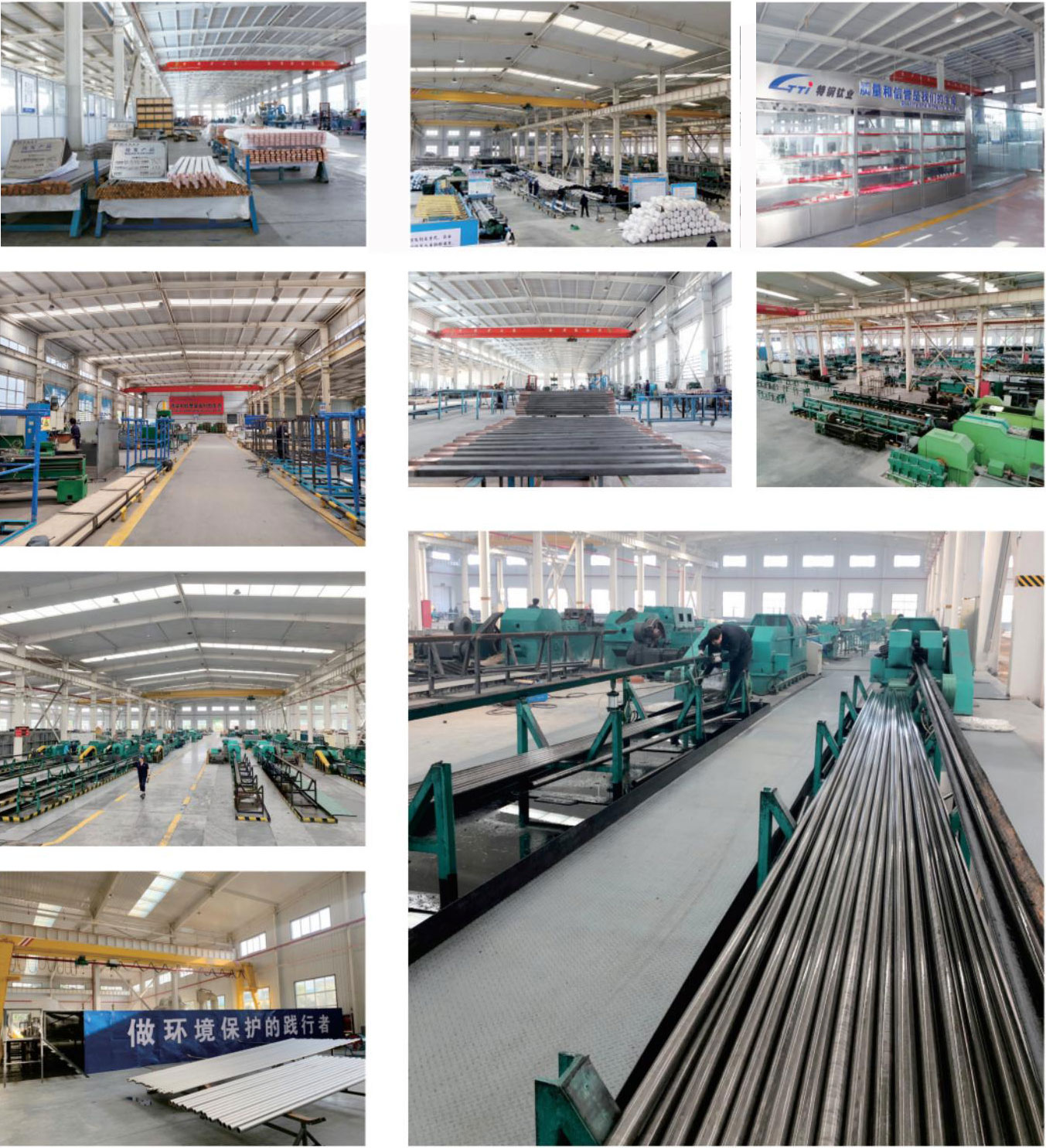
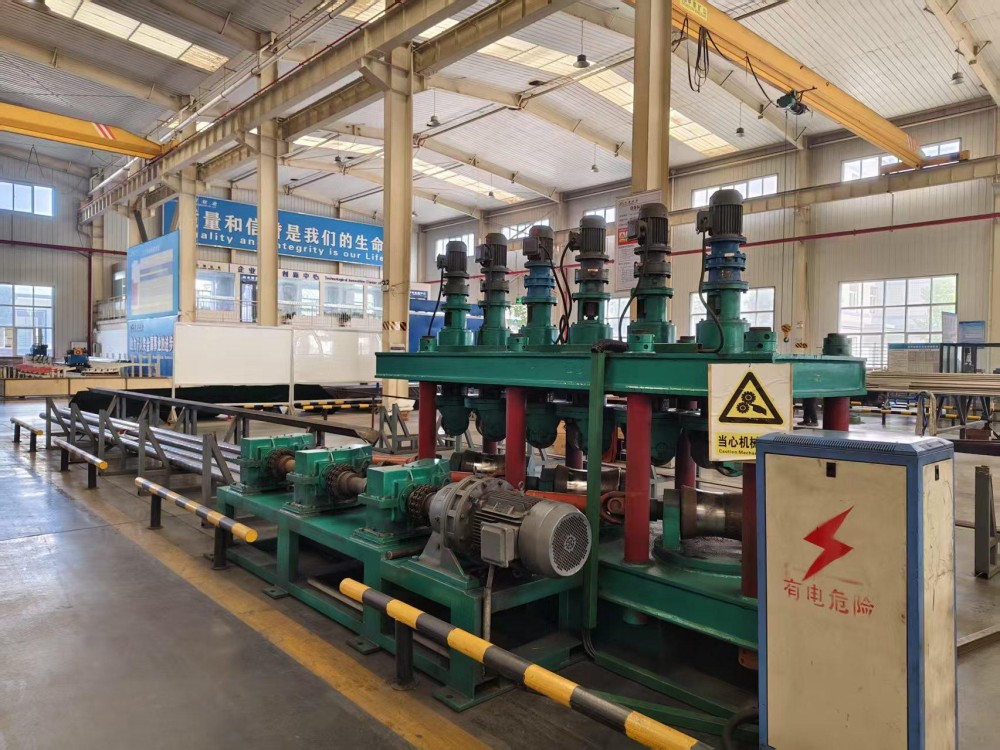
State-of-the-art manufacturing facilities ensuring precision nickel bar production for electroplating production lines worldwide.
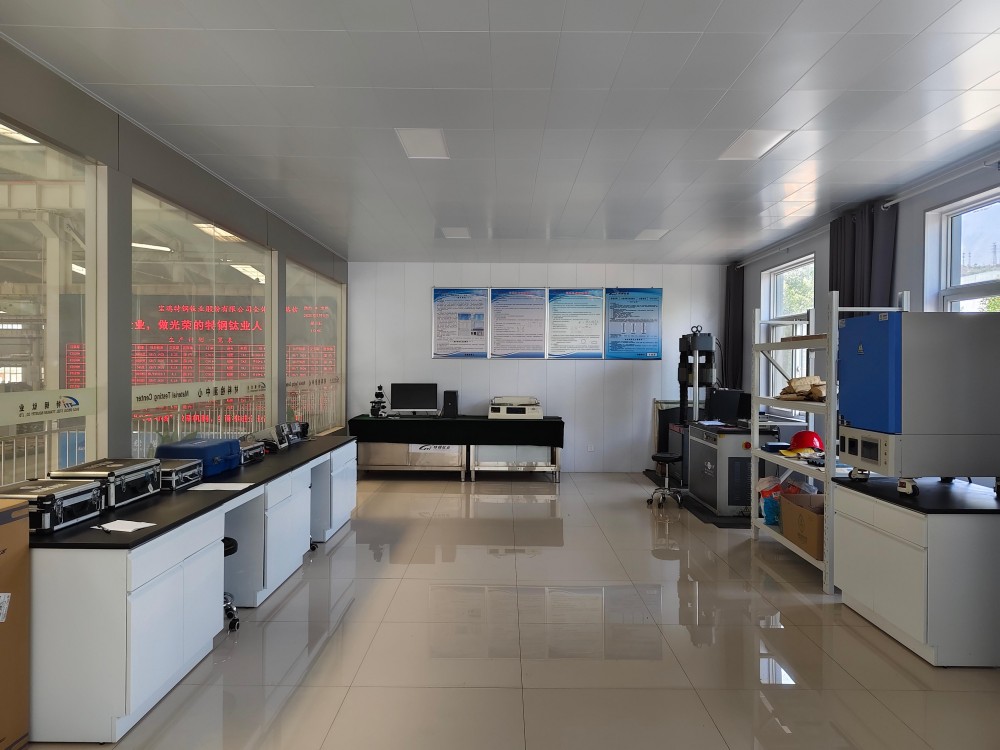
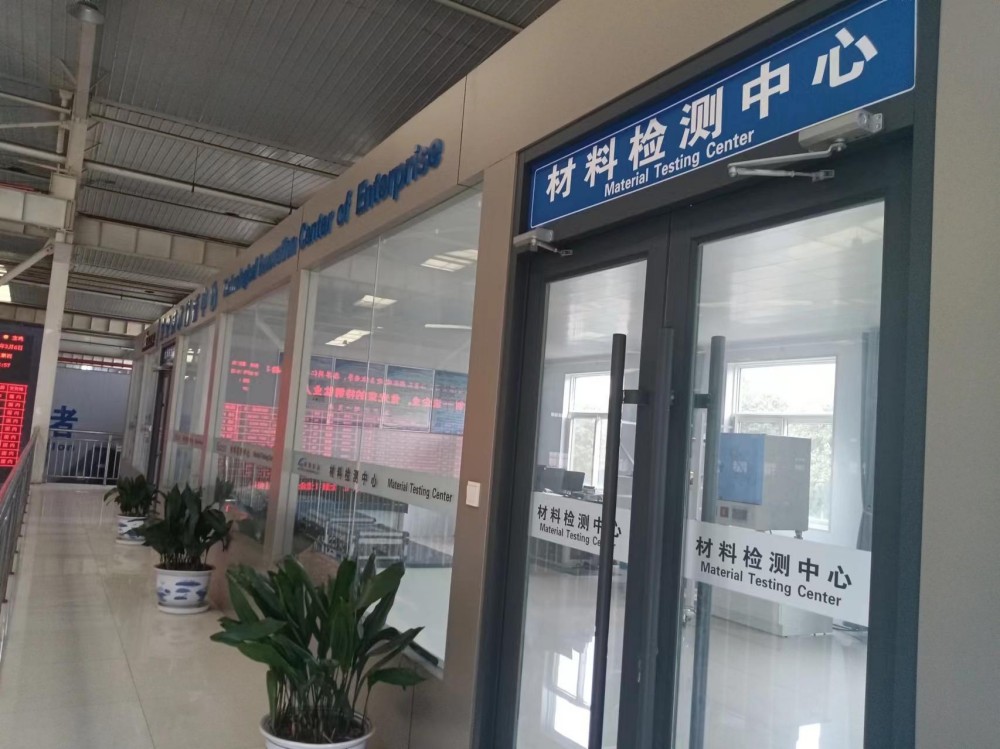
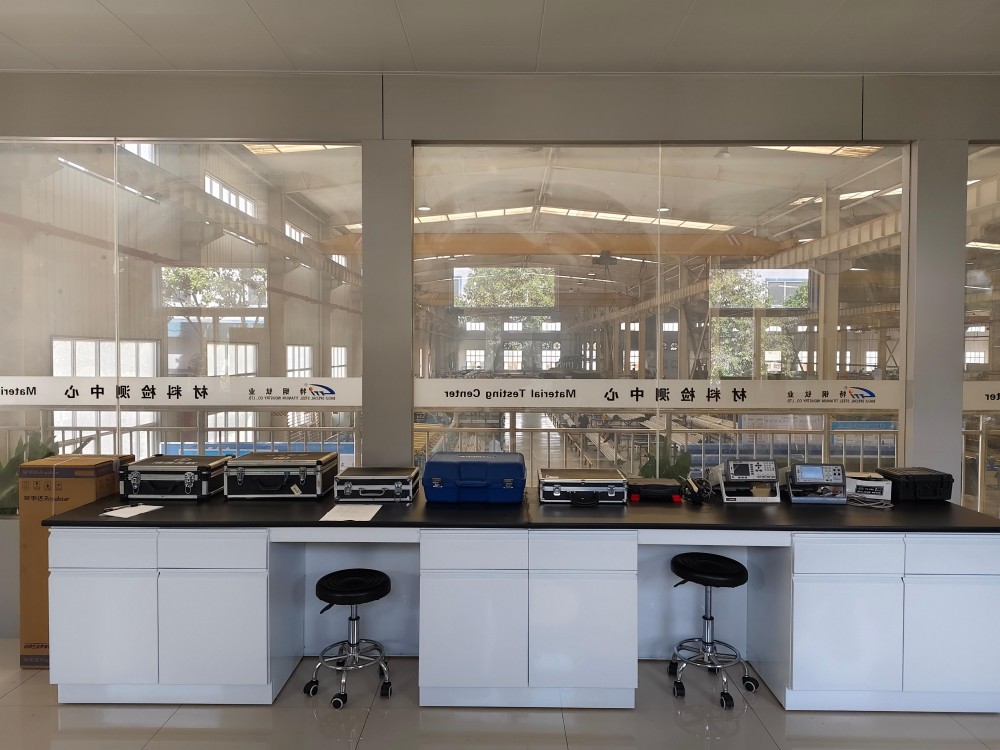
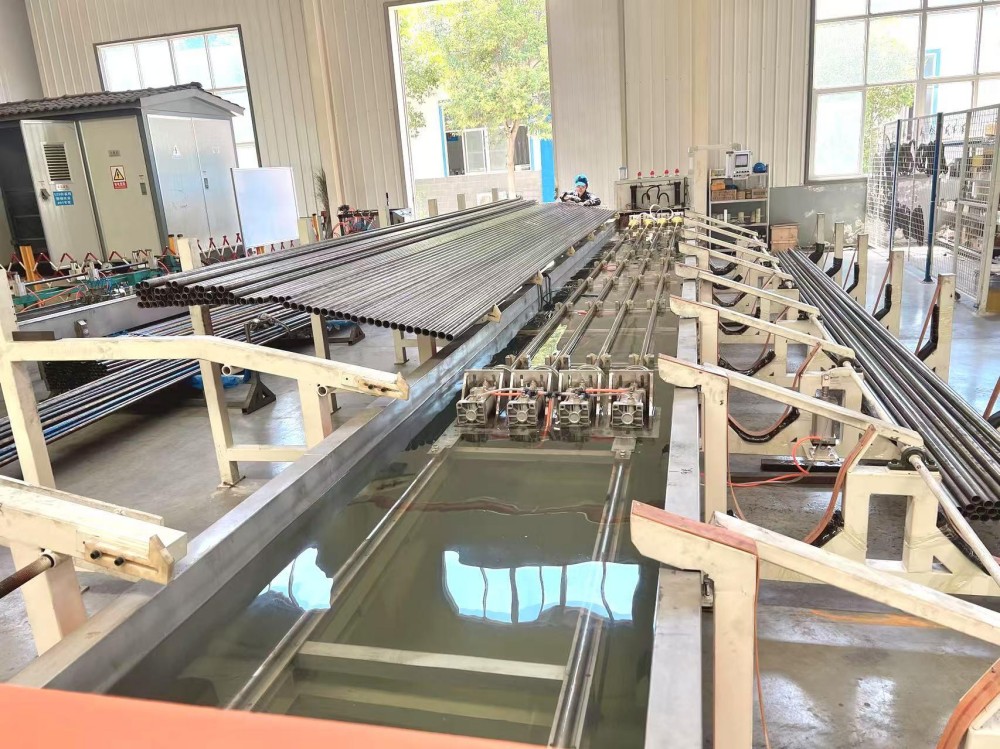
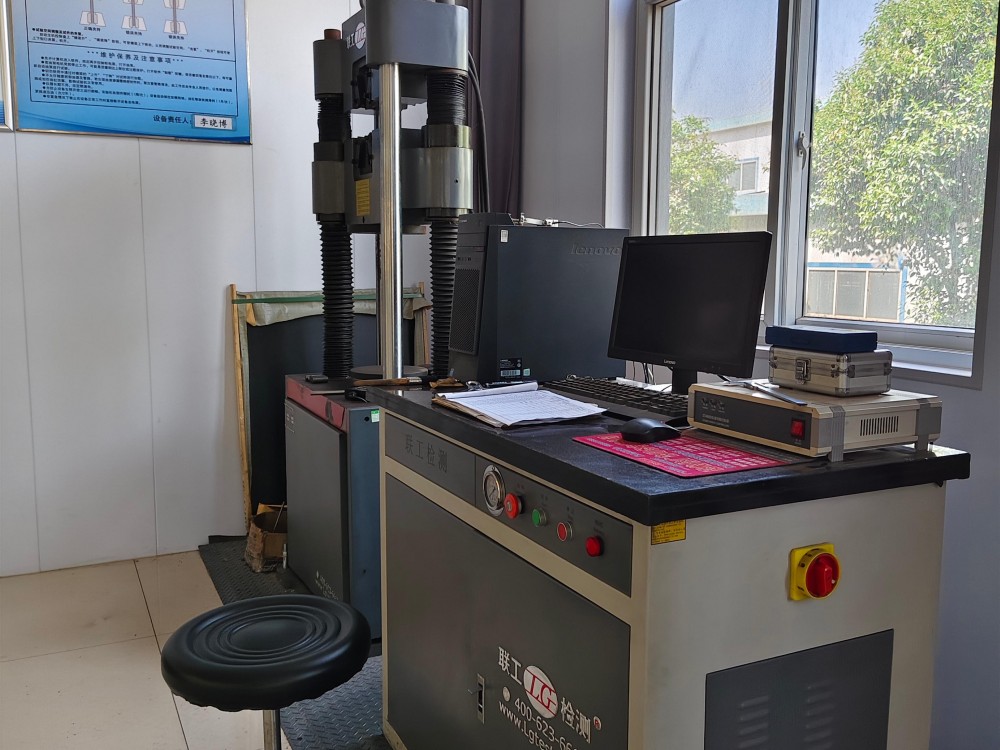
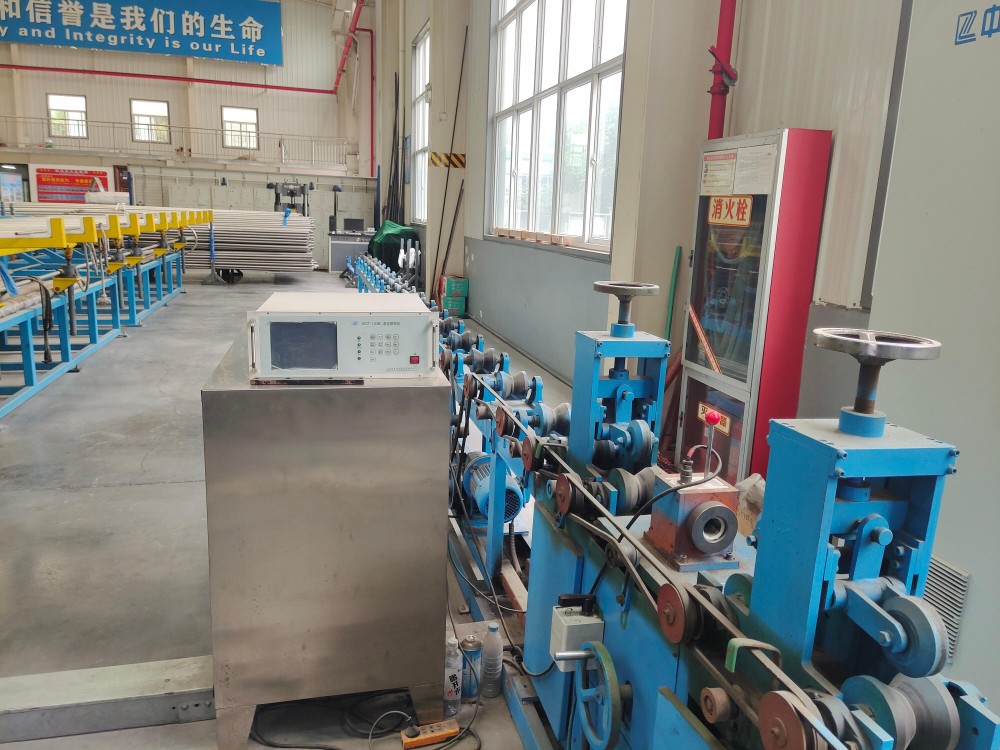
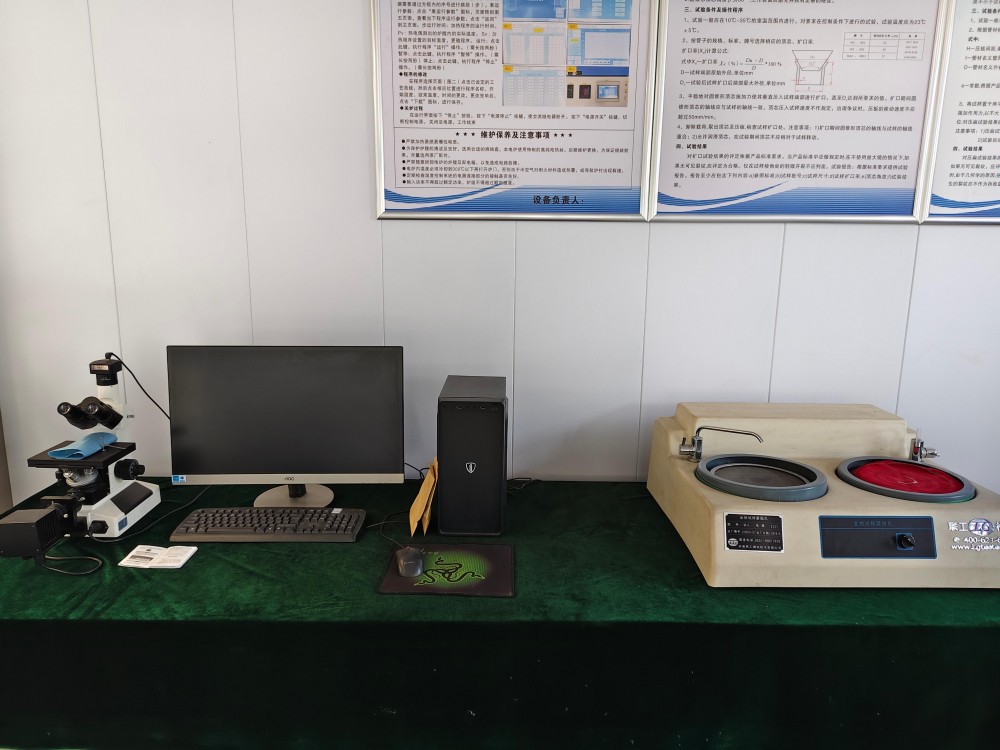
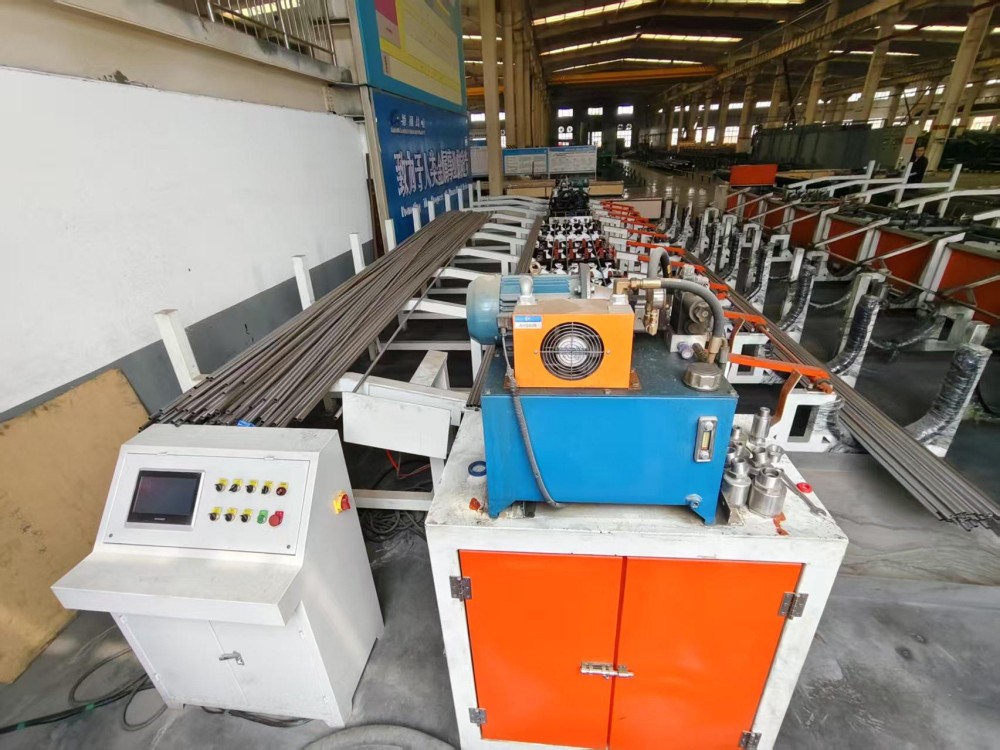
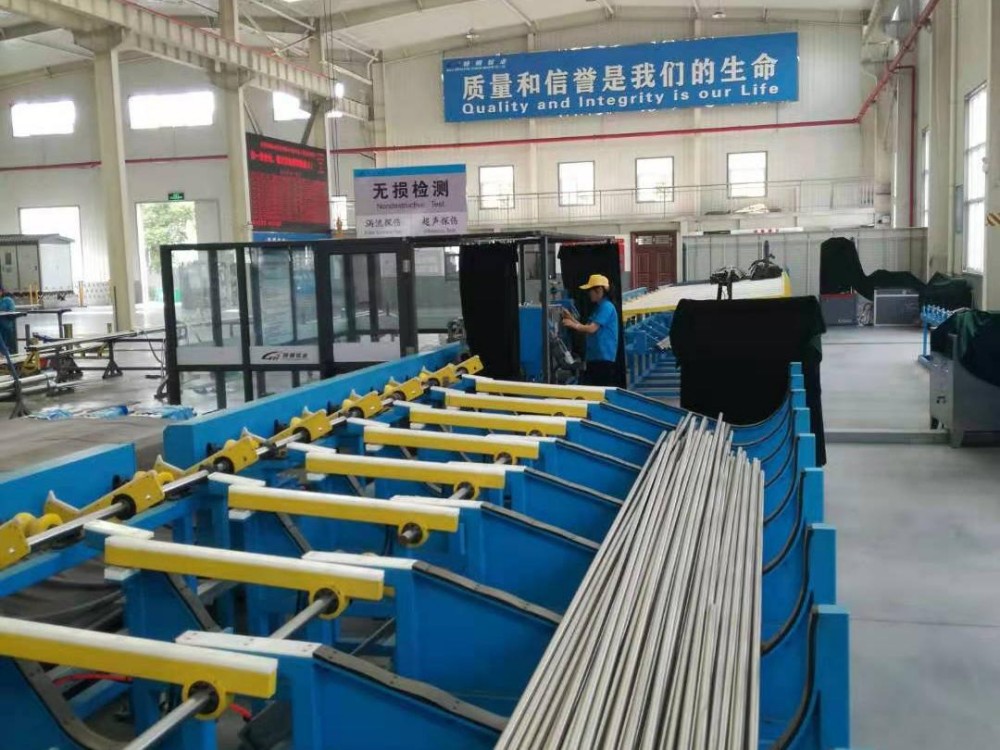
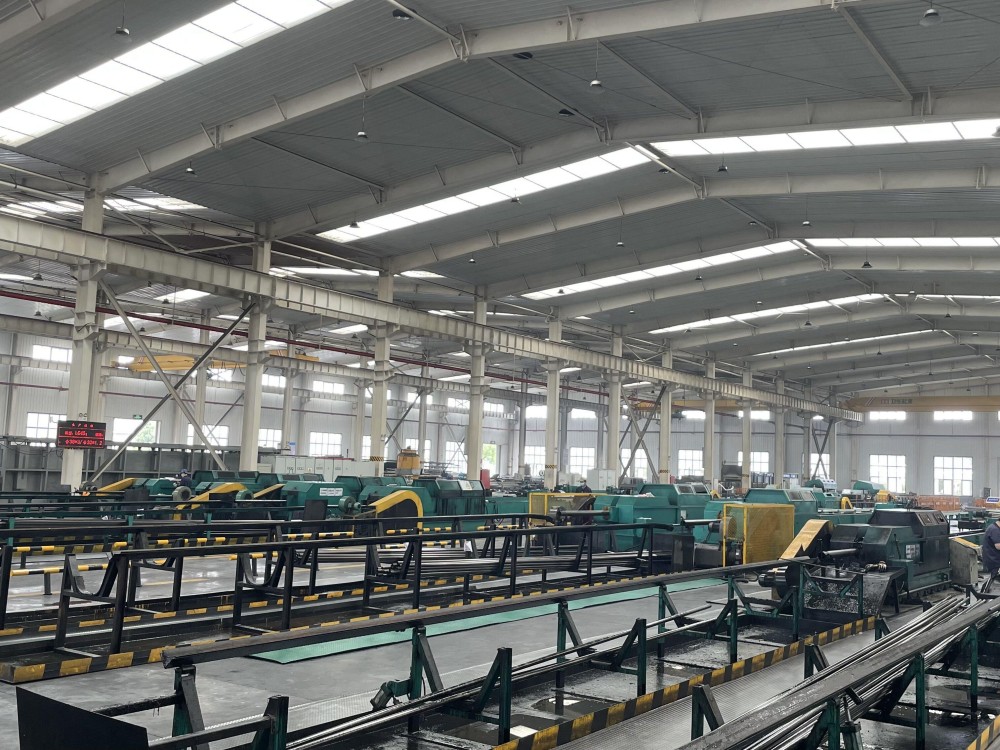
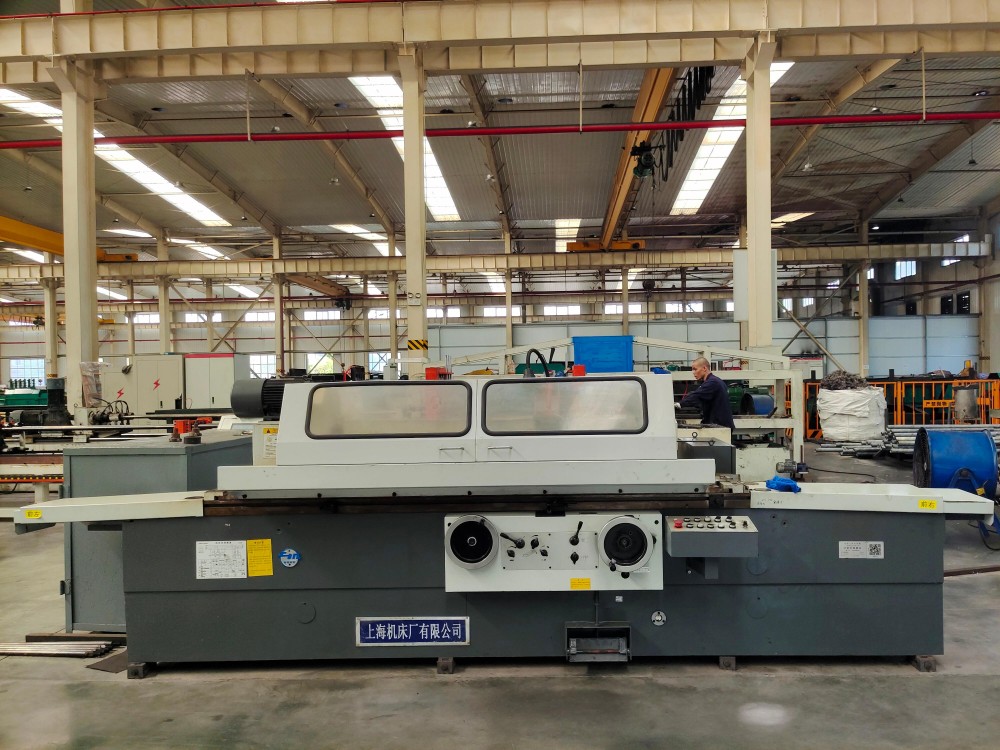
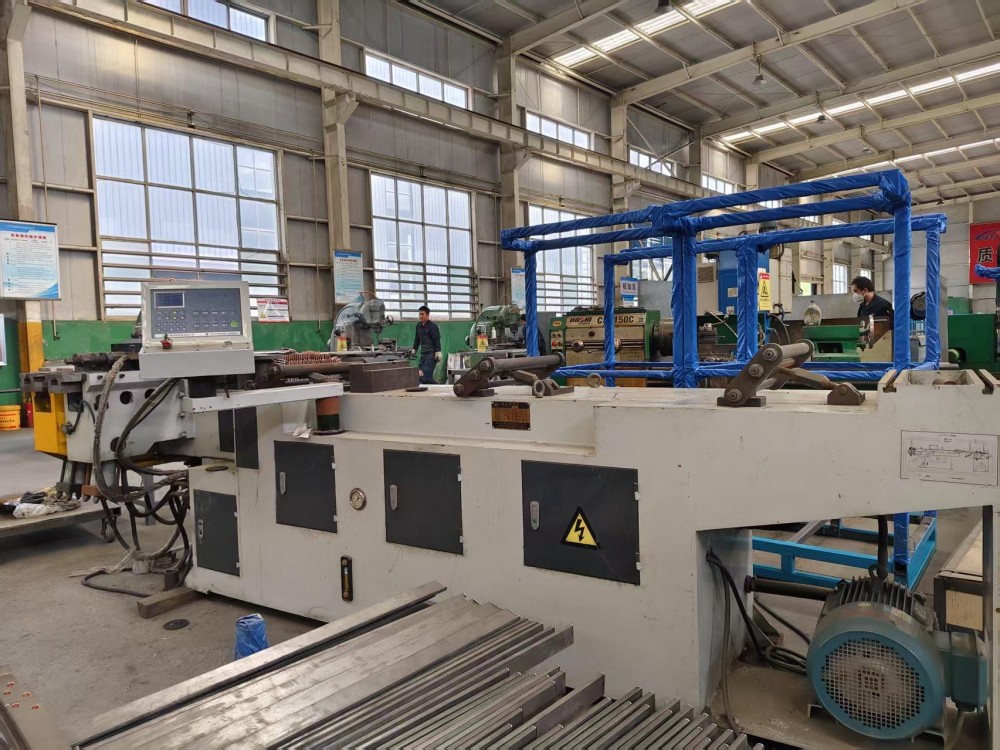
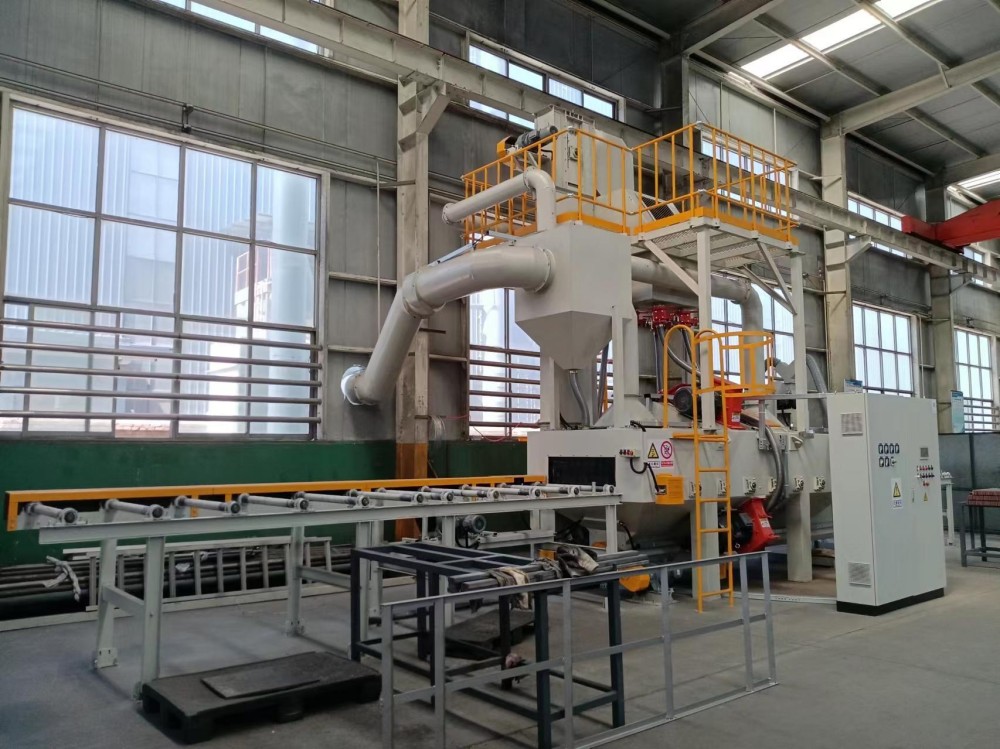
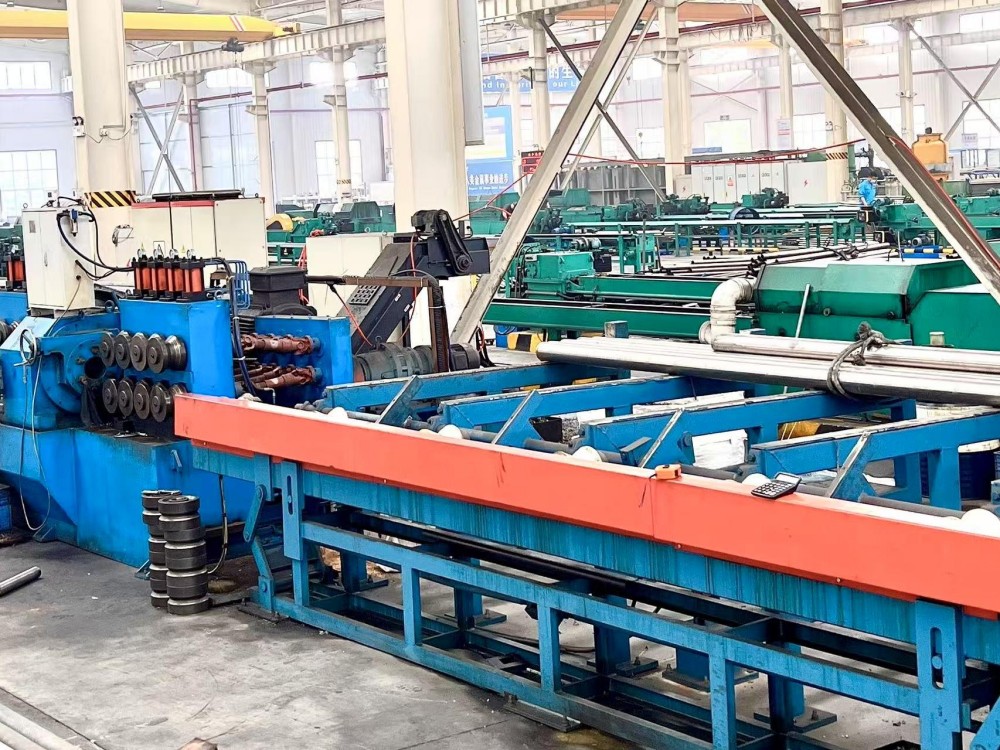
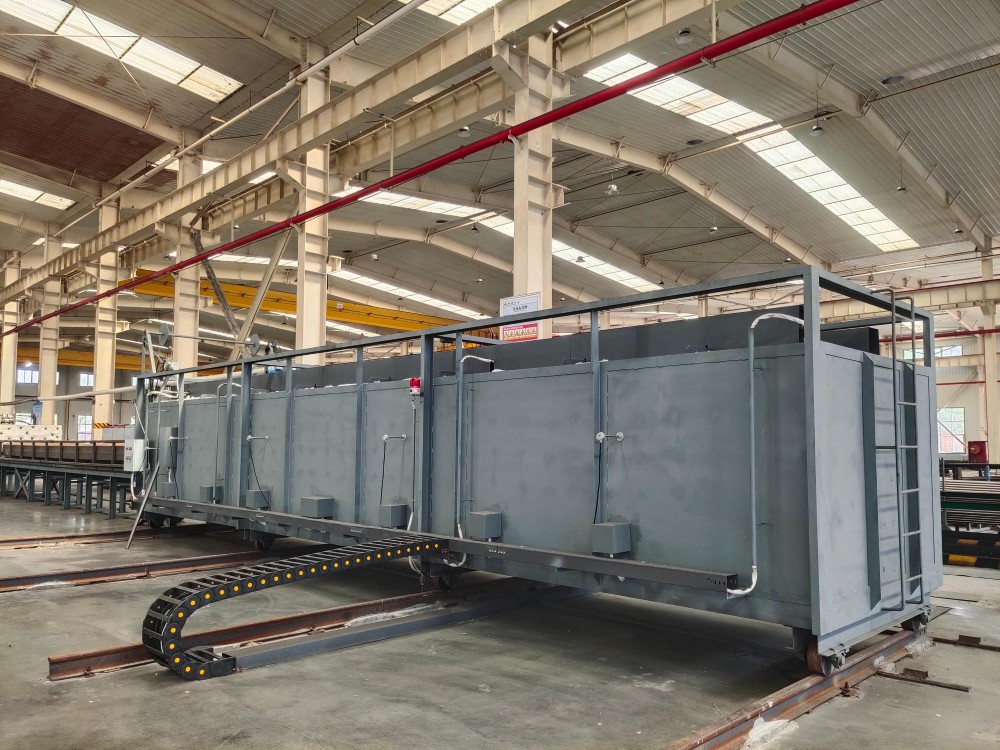
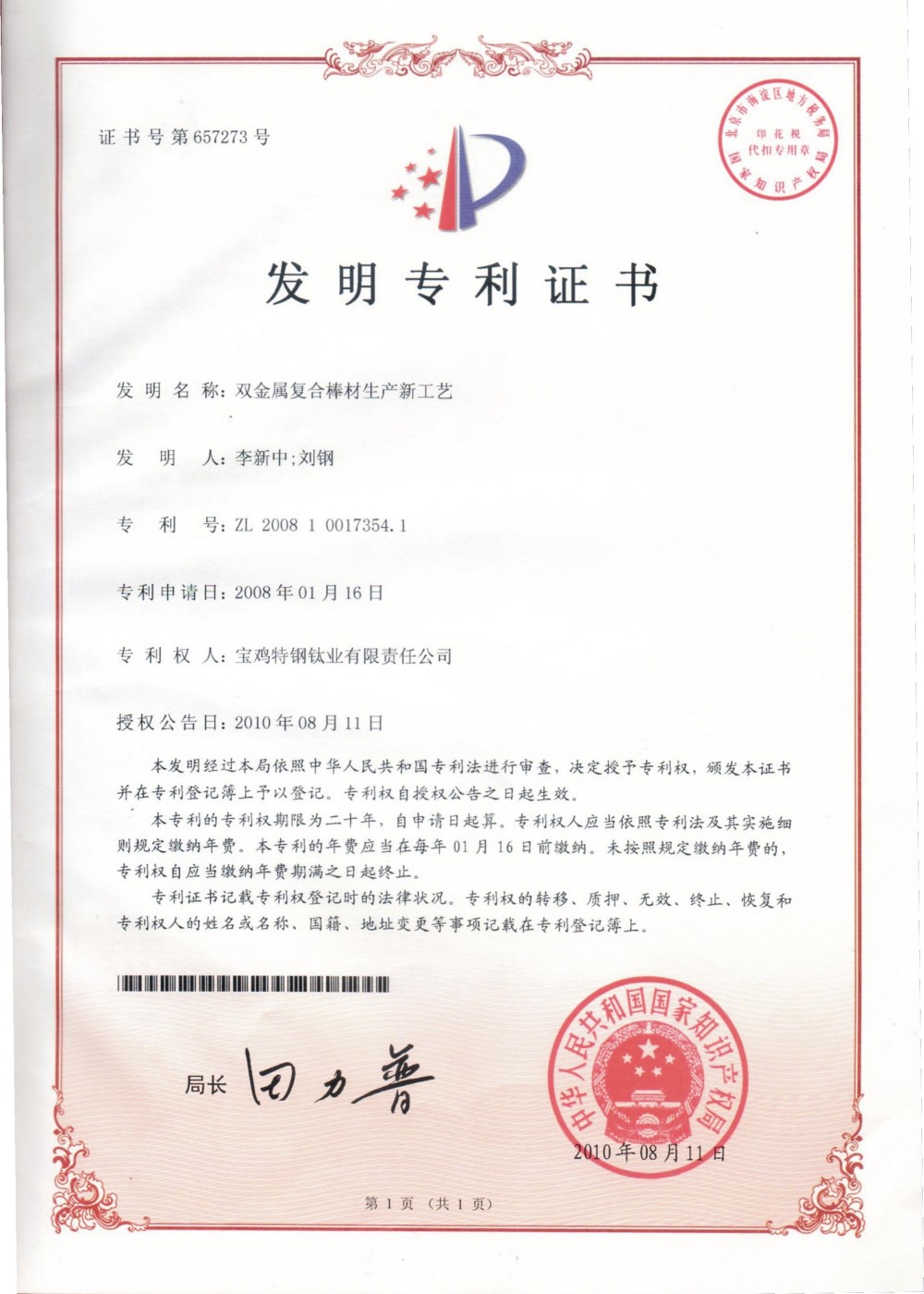
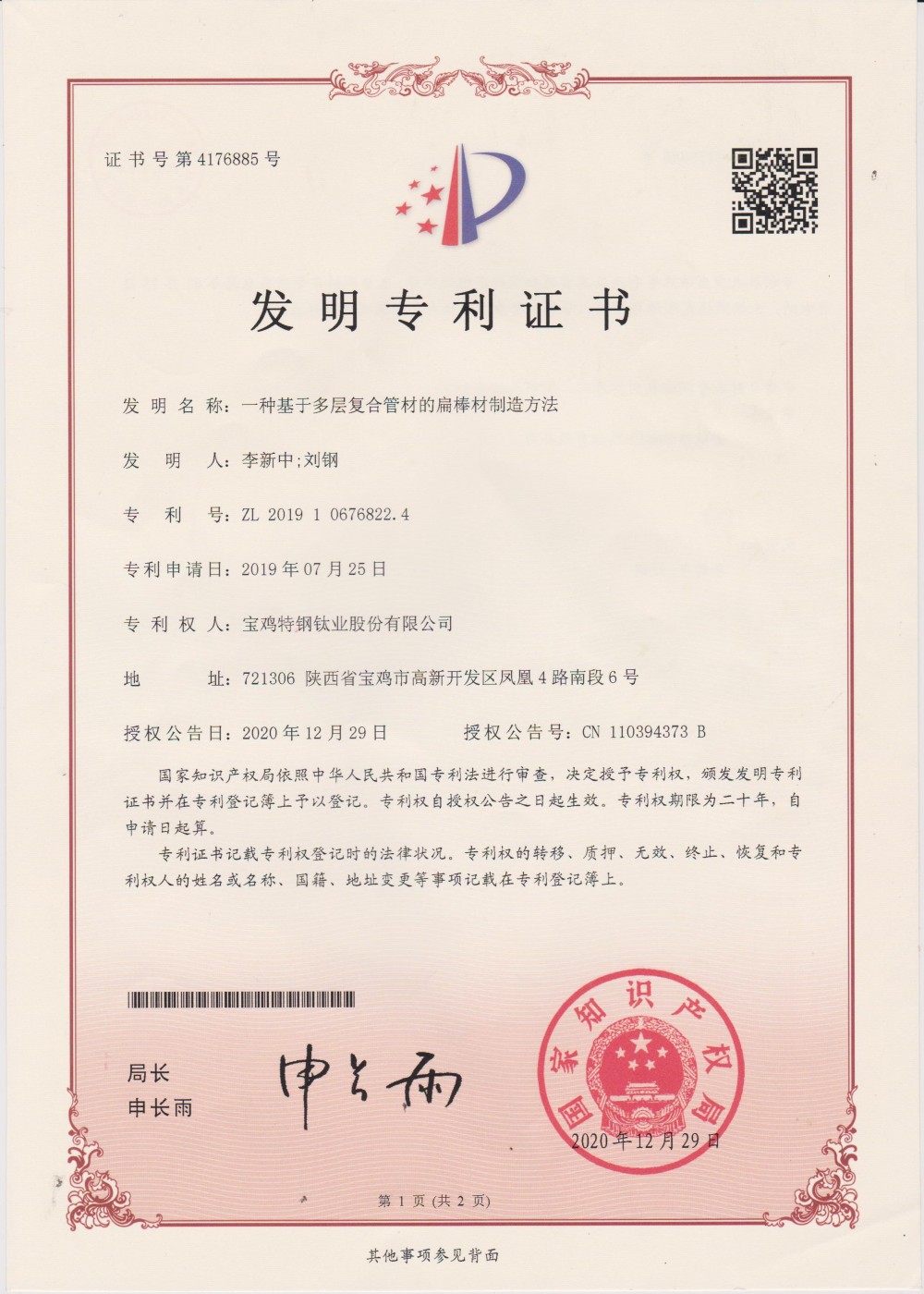
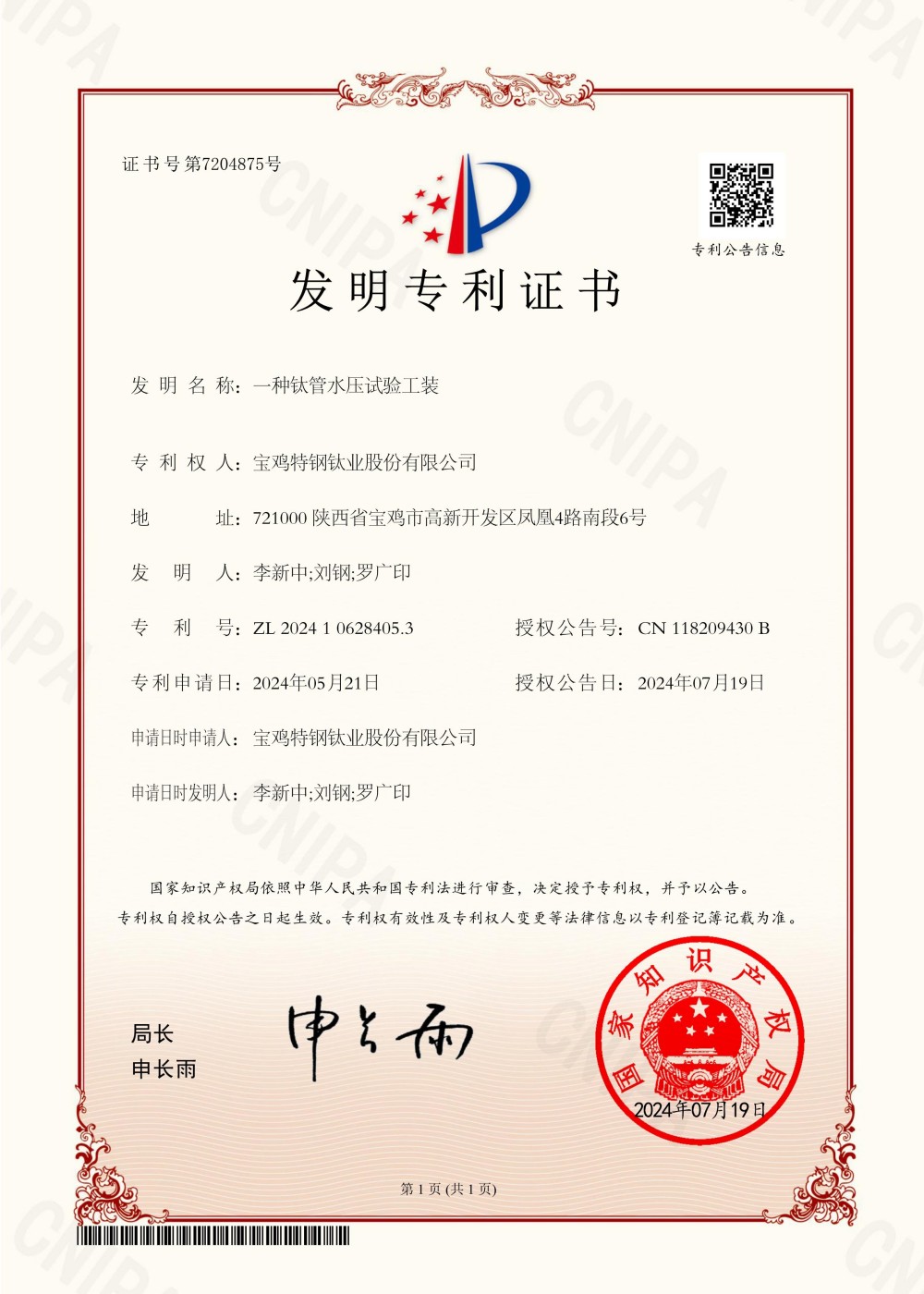
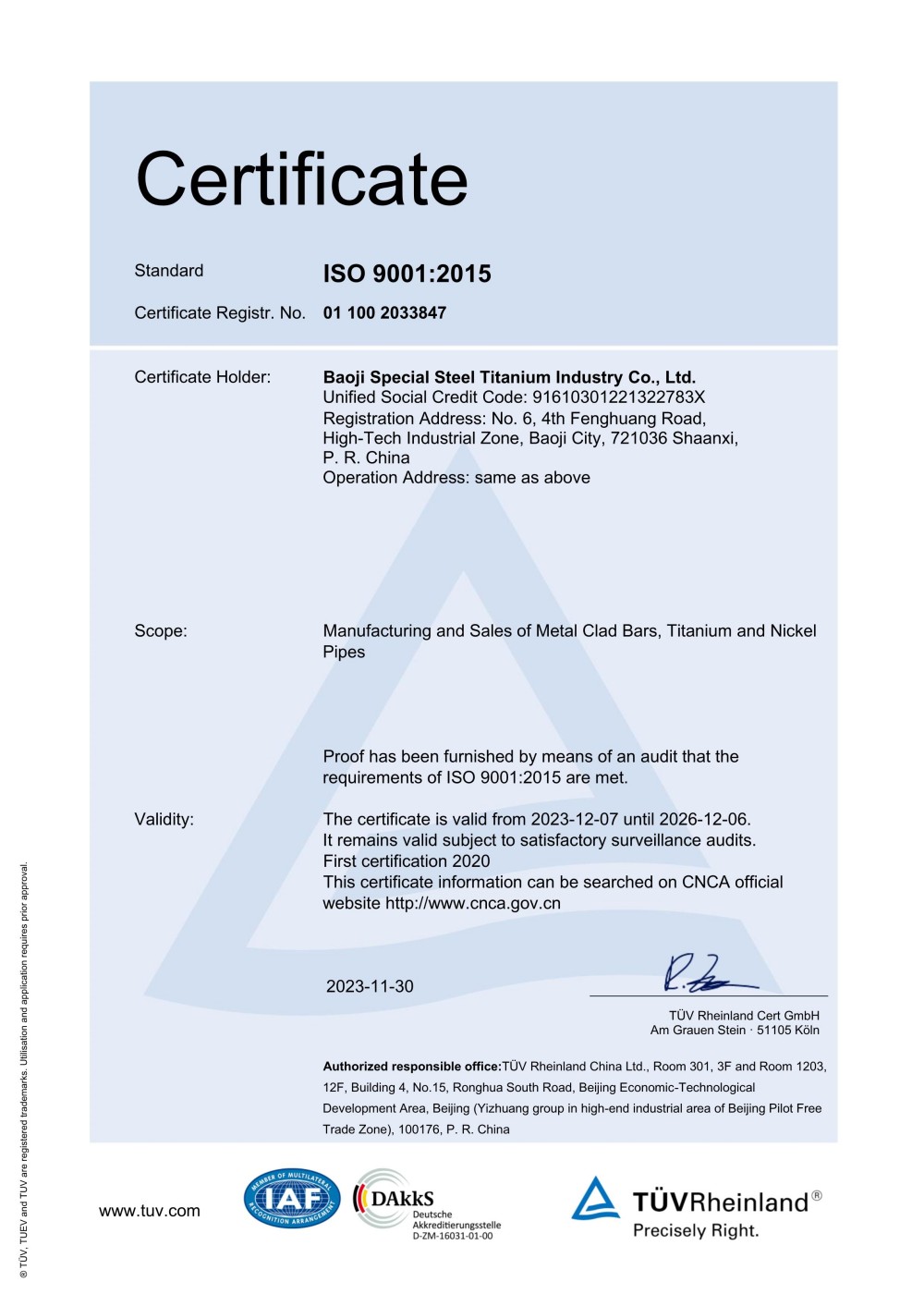
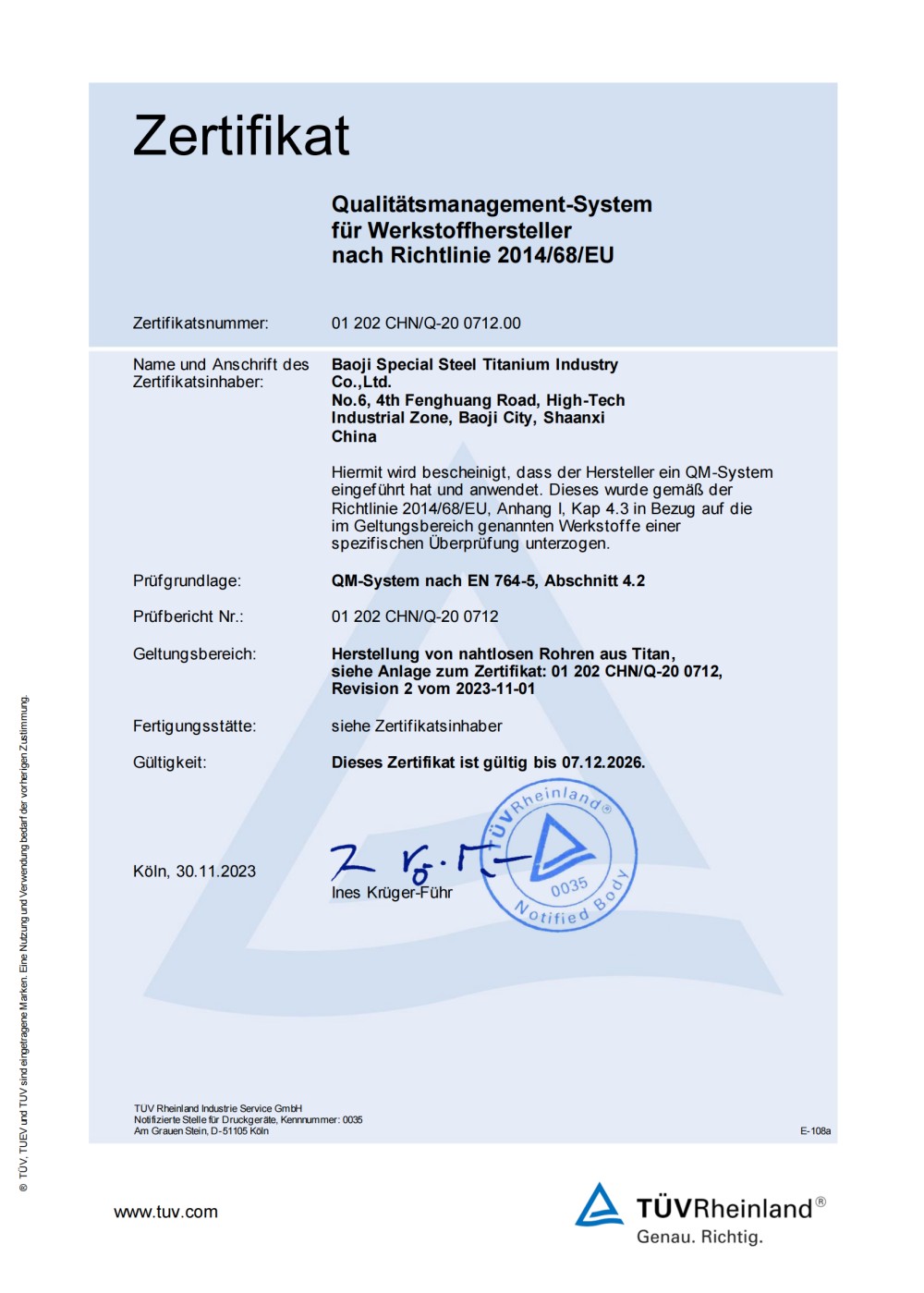
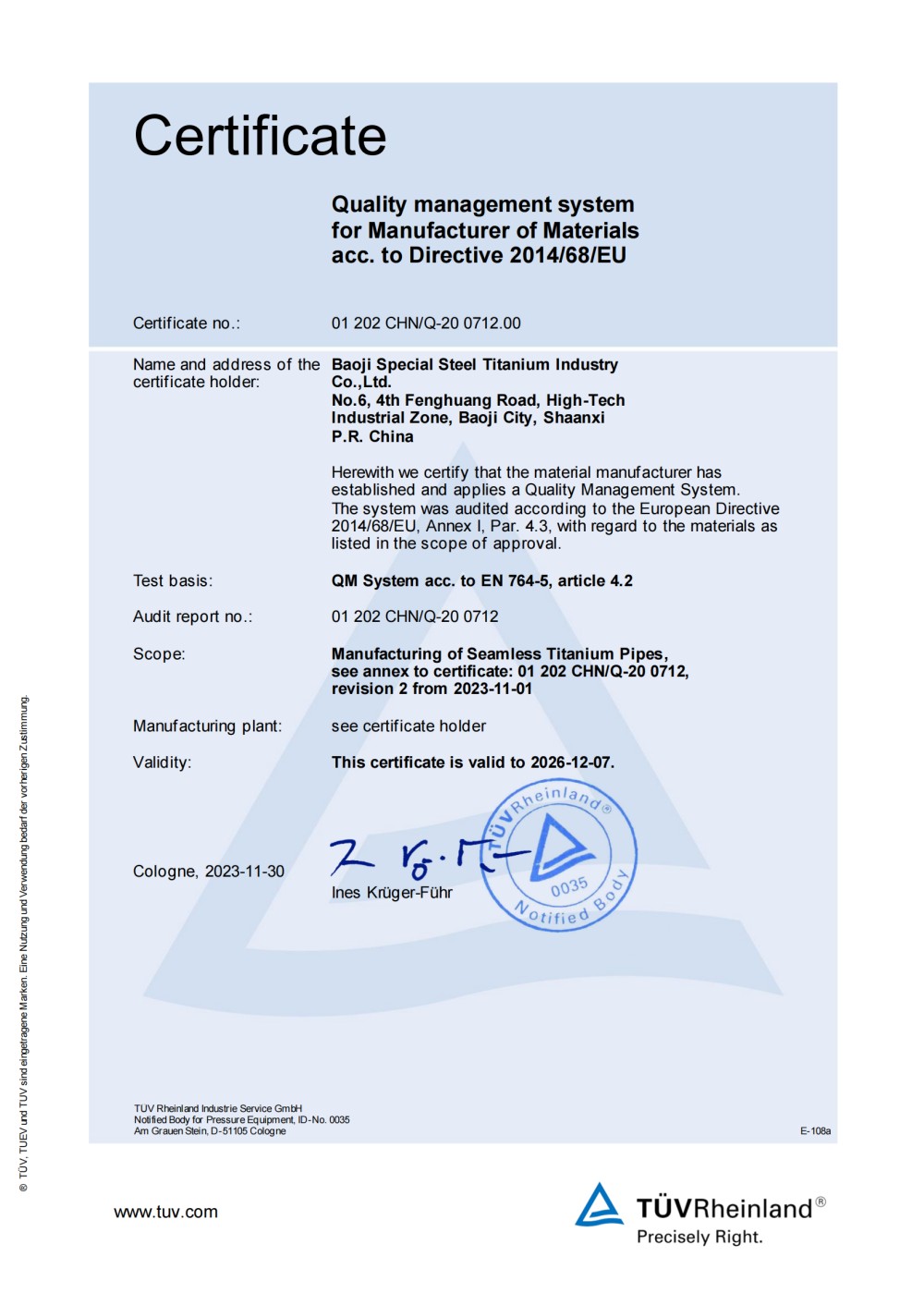
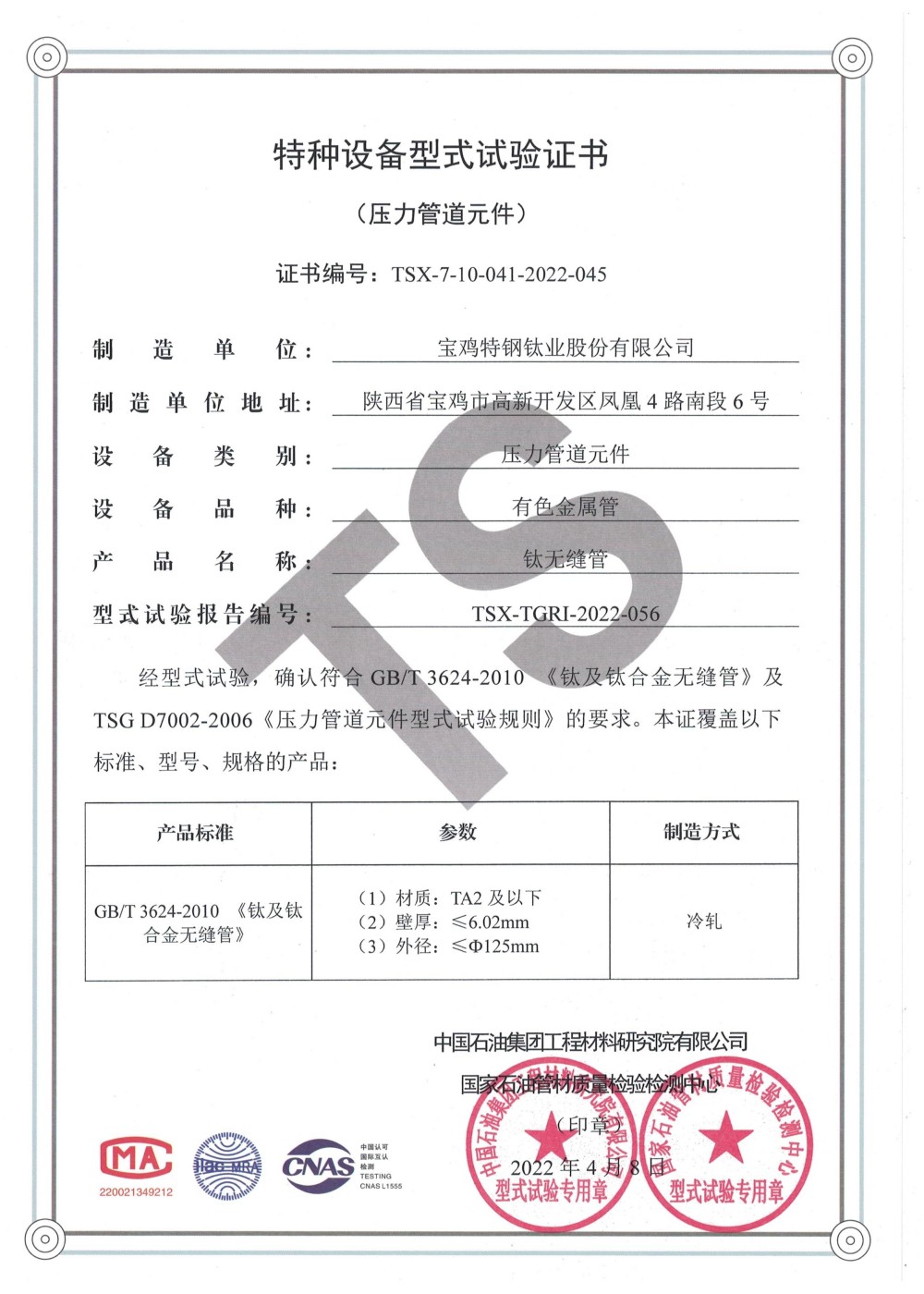
Our nickel bar products for electroplating production lines are backed by internationally recognized quality certifications.
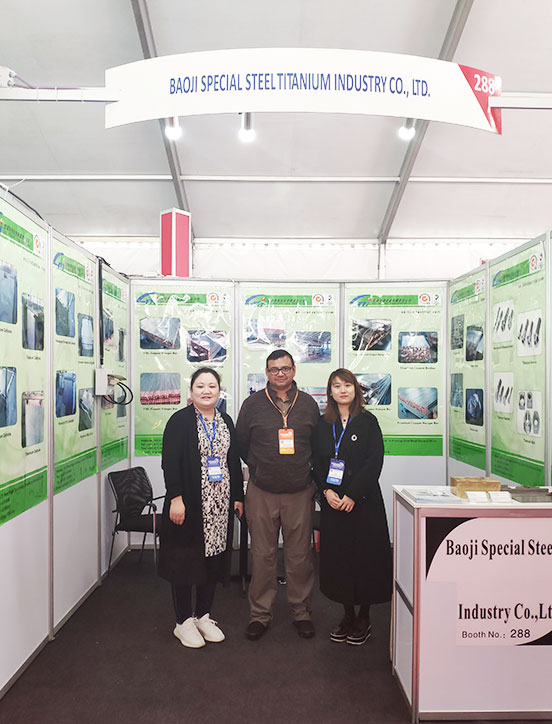
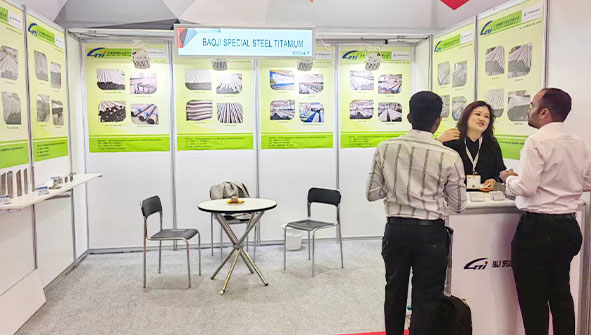
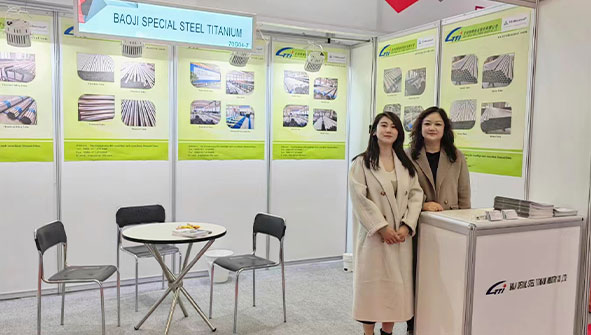
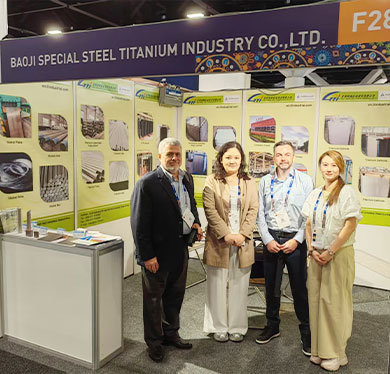
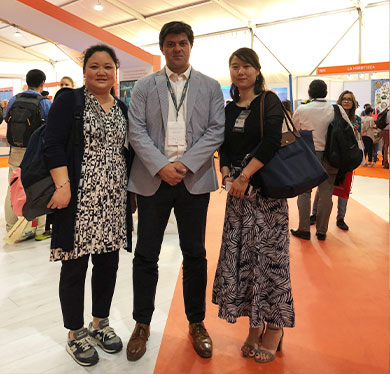
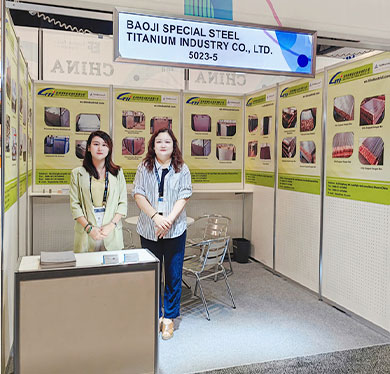
Showcasing our nickel bar and electroplating solutions at leading international trade exhibitions worldwide.
Complete range of nickel materials and composite metal solutions for every electroplating production line requirement.