Leave Your Message
High-integrity nickel rods, composite bars, and industrial piping engineered to withstand extreme temperatures, pressures, and corrosive environments.
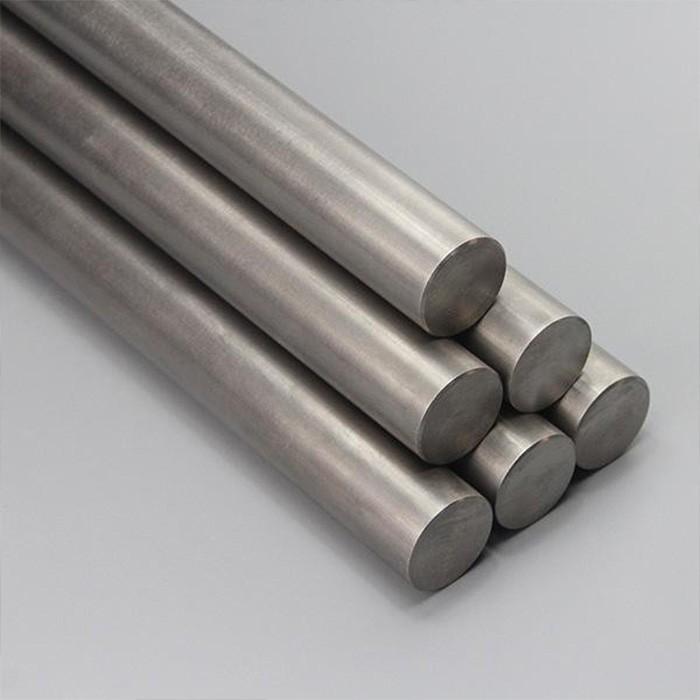
As the global energy landscape undergoes a massive transition toward decarbonization, high-efficiency power generation, and hydrogen integration, the demand for advanced materials has reached unprecedented heights. Among these critical materials, the **nickel bar** stands out as an indispensable component. Renowned for its exceptional thermal stability, electrical conductivity, and unmatched resistance to corrosive media, nickel and its composite alloys serve as the backbone of high-stakes energy installations worldwide.
From the core of nuclear reactors to the harsh environments of geothermal wells and the high-conductivity requirements of industrial electrolyzers, nickel bars deliver the mechanical integrity and longevity required to keep power plants operating safely and efficiently. In this comprehensive analysis, we explore the commercial landscape, technological innovations, and deep application scenarios of nickel bars within energy and power projects.
“Modern power generation demands materials that do not merely survive but thrive under extreme pressure, volatile chemistry, and elevated temperatures. Nickel bars and composite metal systems represent the frontier of this metallurgical evolution.”
The global market for nickel bars is experiencing a robust expansion, driven by parallel growth in both green energy initiatives and the modernization of traditional power grids. Historically utilized primarily in chemical processing and aerospace engineering, high-purity nickel bars have transitioned into a strategic commodity for the energy sector.
This shift is largely attributed to the following market dynamics:
To fully grasp the importance of nickel bars, it is necessary to examine their performance in specific, highly demanding energy applications.
In nuclear power plants, structural components are subjected to intense neutron bombardment, high-temperature water chemistry, and mechanical stress. Nickel bars (specifically alloys like Inconel 600, 690, and X-750) are utilized to manufacture structural bolts, springs, control rod drive mechanisms, and support grids. The high nickel content ensures resistance to primary water stress corrosion cracking (PWSCC), a major degradation mechanism in pressurized water reactors (PWRs).
Furthermore, in experimental nuclear fusion projects (such as ITER), nickel-containing superconducting magnet structures and vacuum vessel supports rely on nickel's low-temperature ductility and magnetic permeability characteristics to maintain structural alignment at cryogenic temperatures.
Geothermal power plants tap into deep underground reservoirs of hot water and steam to drive turbines. However, geothermal fluids are often highly saline and laden with corrosive gases such as hydrogen sulfide (H2S), carbon dioxide (CO2), and chlorides. Standard carbon and stainless steels suffer rapid pitting and stress corrosion cracking in these environments.
Nickel alloy bars are machined into downhole tools, valve stems, pump shafts, and high-strength fasteners. The inherent corrosion resistance of nickel prevents catastrophic material failures, ensuring continuous power output and minimizing costly downhole maintenance operations.
Concentrated Solar Power plants utilize mirrors to focus sunlight onto a receiver, heating a transfer fluid—often molten salt—to temperatures exceeding 560°C. This molten salt is then stored in massive tanks to generate steam and power during non-sunny hours. Molten nitrate and carbonate salts are highly corrosive to conventional metals at elevated temperatures.
Nickel bars are critical in the fabrication of molten salt pumps, flow control valves, and thermal well instrumentation. The oxide layer formed on high-nickel alloys provides a stable barrier against the aggressive oxidation processes of molten salts, guaranteeing a operational lifespan of 30+ years for CSP plants.
The transition to a hydrogen-based energy economy hinges on the efficiency of electrolyzers. Alkaline water electrolysis, the most mature commercial technology, operates in highly concentrated potassium hydroxide (KOH) solutions. Nickel bars and plates act as the primary current collectors and electrocatalysts.
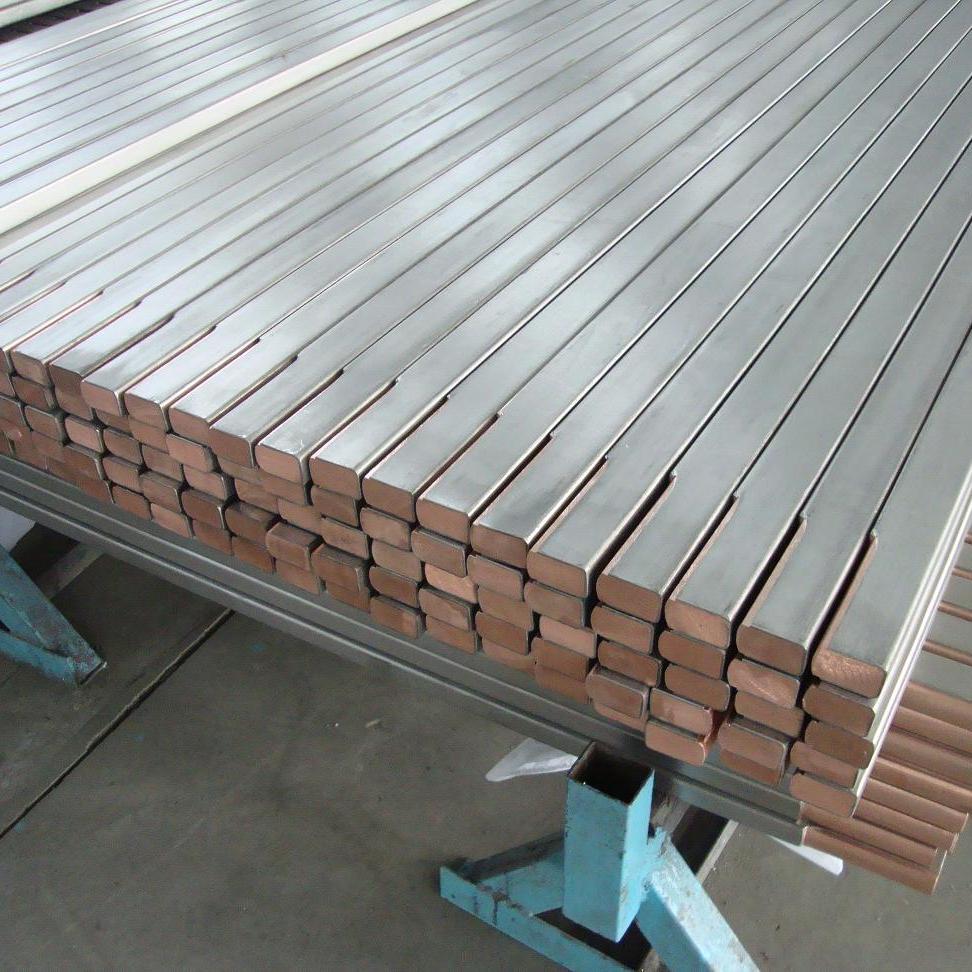
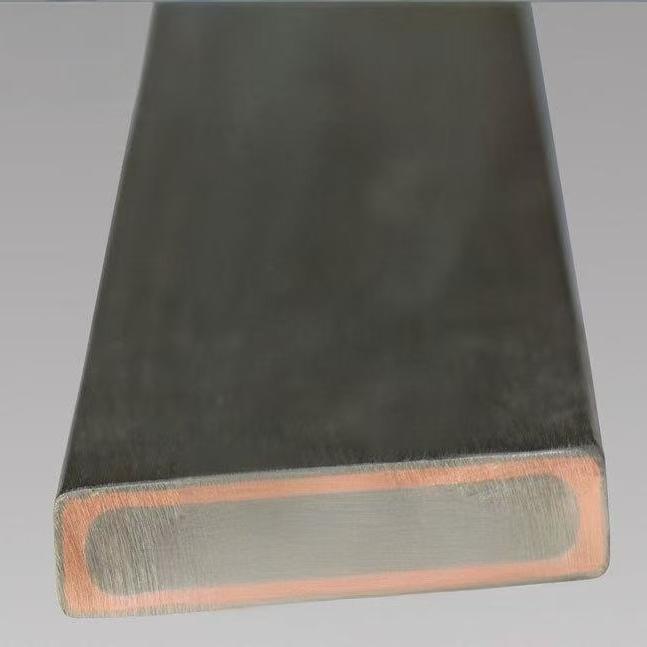
By utilizing high-purity nickel anodes and double-layer composite bars (such as copper-cored nickel composite bars), manufacturers can optimize electrical conductivity while maintaining absolute corrosion resistance on the outer shell. This dual-property configuration dramatically reduces electrical energy losses, lowering the levelized cost of hydrogen (LCOH).
One of the most significant breakthroughs in metallurgy for energy applications is the development of composite bar materials. Standard solid nickel bars, while highly corrosion-resistant, can be cost-prohibitive and may not possess the optimal combination of electrical conductivity and mechanical tensile strength required for heavy-duty power transmission.
This challenge has led to the rise of:
Through advanced explosive cladding and co-extrusion processes, manufacturers like Baoji Special Steel Titanium Industry Co., LTD. ensure a 100% metallurgical bond between layers, eliminating internal voids and preventing delamination under extreme operational stresses.
Looking ahead, the market for nickel bars in energy projects will be characterized by a demand for higher purity levels and tighter manufacturing tolerances. As power systems become more computerized and efficient, even minor impurities in structural metals can lead to localized corrosion or electrical resistance spikes.
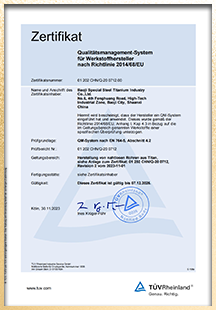
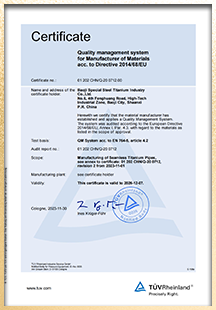
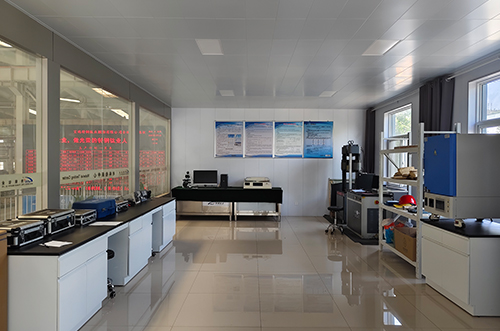
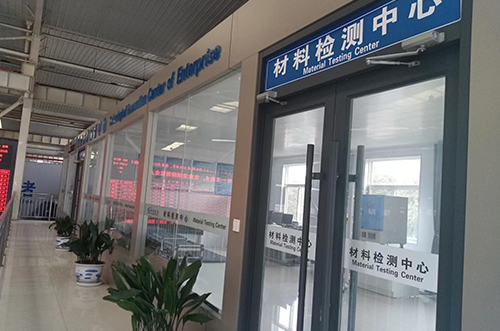
Additionally, the localization of supply chains and compliance with rigorous quality management standards (such as IATF 16949 for automotive/fuel cell systems and CE certifications for European pressure equipment) will dictate market leadership. Manufacturers who invest in advanced testing methodologies—including FMEA, PPAP, APQP, SPC, and MSA—will continue to lead the global transition toward clean energy infrastructure.
Baoji Special Steel Titanium Industry Co., LTD.
Baoji Special Steel Titanium Industry Co., LTD. is a joint-stock industrial enterprise specializing in the research, development, manufacturing and sales of titanium, nickel, zirconium and other metal pipes and metal composite materials. The company was founded in 1997, located in Shaanxi Baoji National High-tech Industrial development Zone, the factory covers an area of 41,000 square meters.
FIND OUT MORE



Providing specialized metal composite bars, anodes, and piping systems designed for critical industrial sectors.
Stable product quality, integrity as the core of our business philosophy, trusted by global customers.
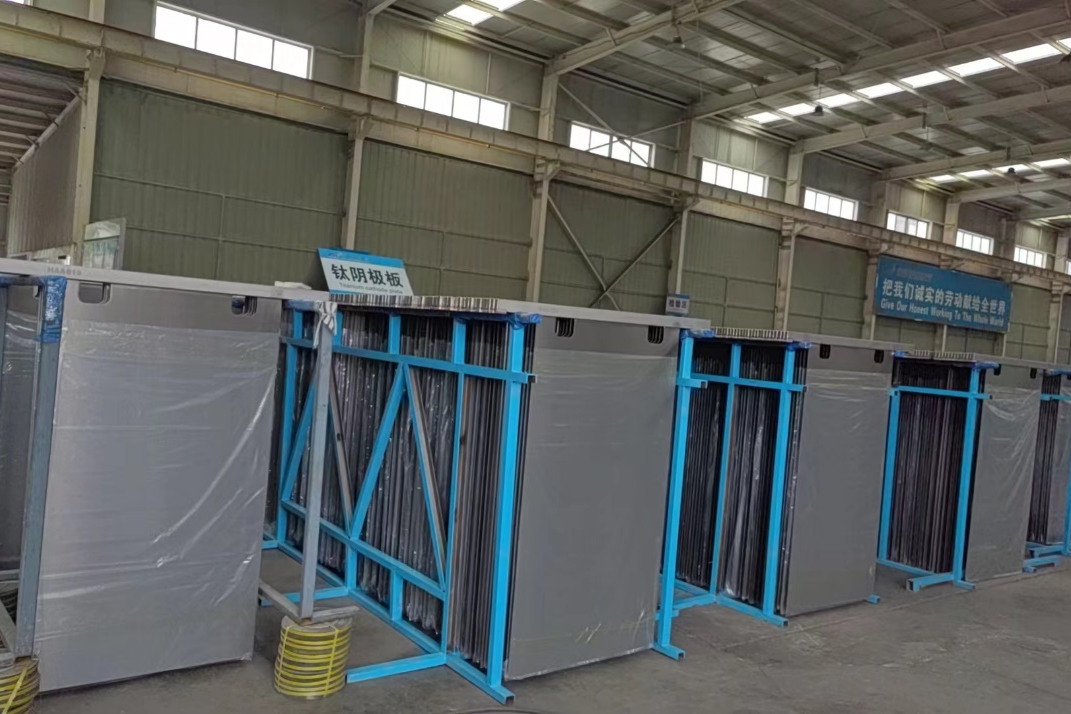
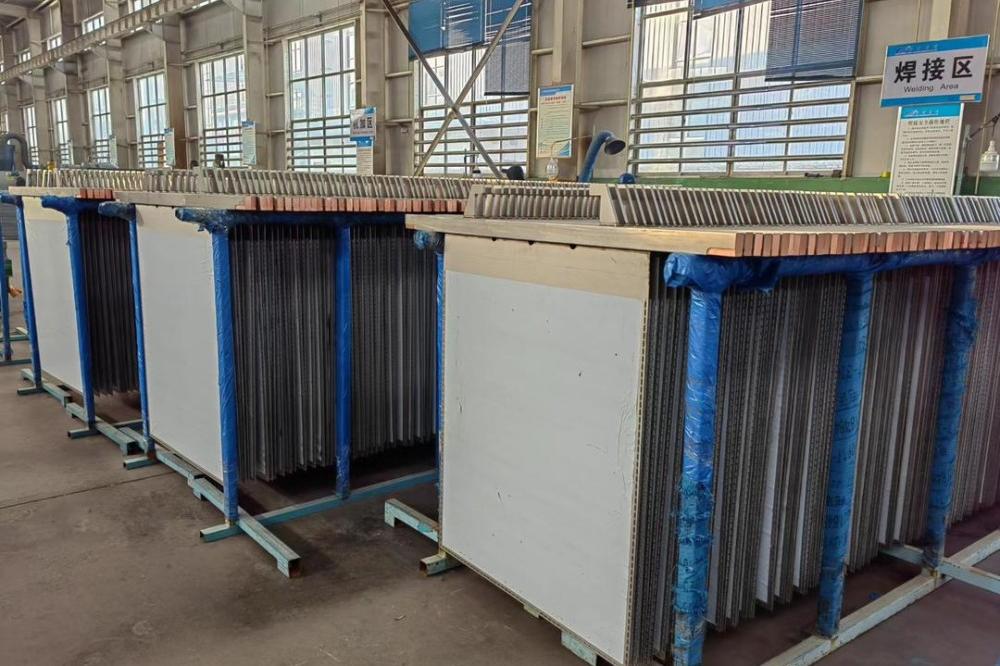
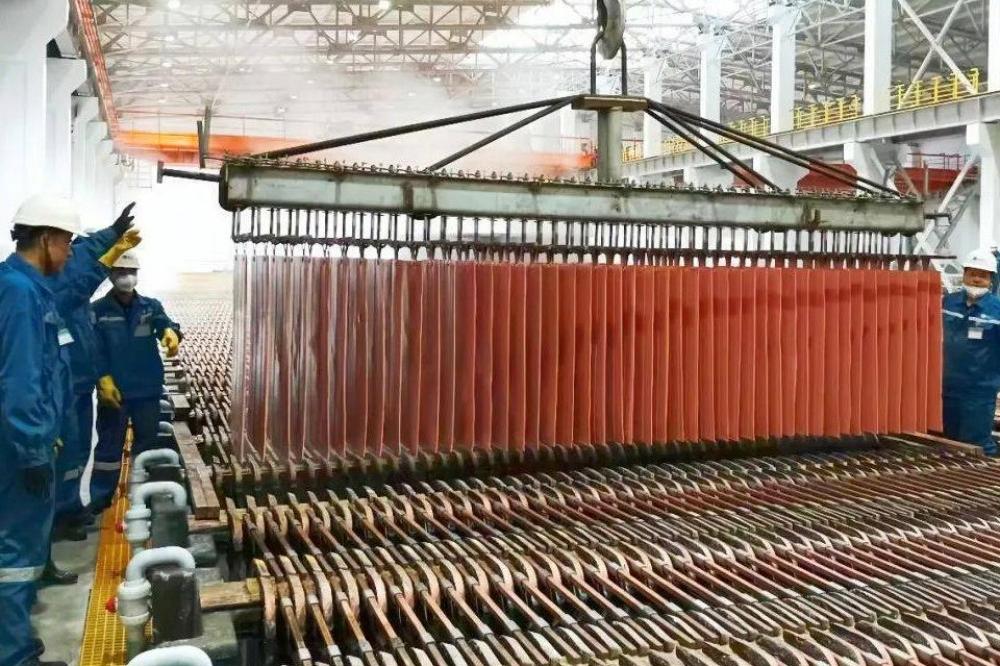
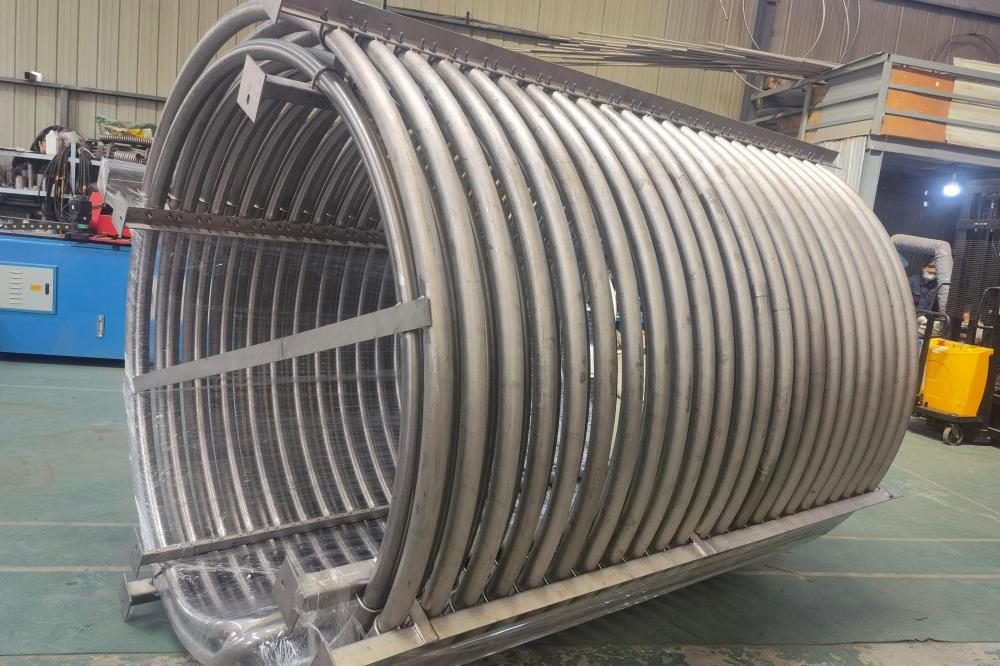
IATF 16949, CE, FMEA, PPAP, APQP, SPC AND MSA 100% TESTED.
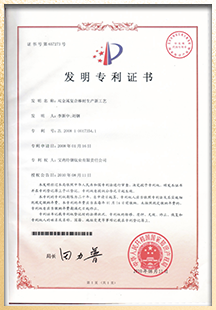
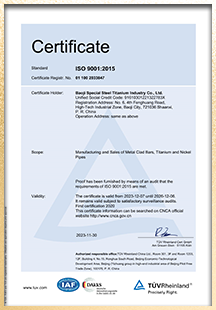
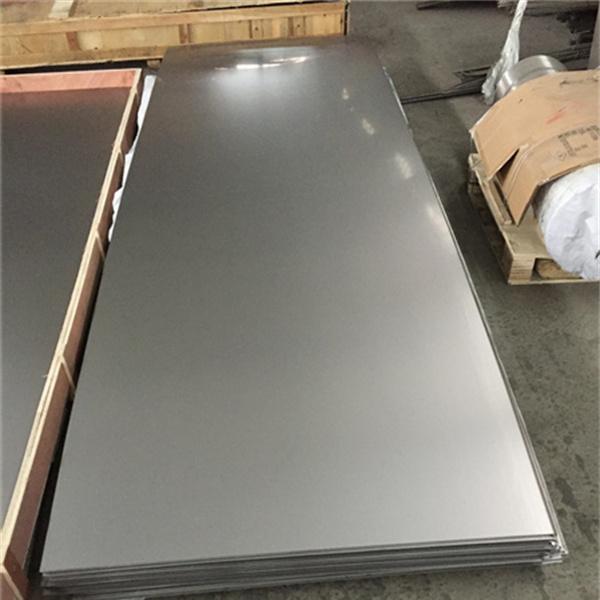
Browse our complete catalog of industrial nickel bars, plates, pipes, and composite materials designed to withstand aggressive working environments.