Leave Your Message
Factory-direct nickel materials engineered for hydrometallurgical processing — superior purity, corrosion resistance, and dimensional precision.
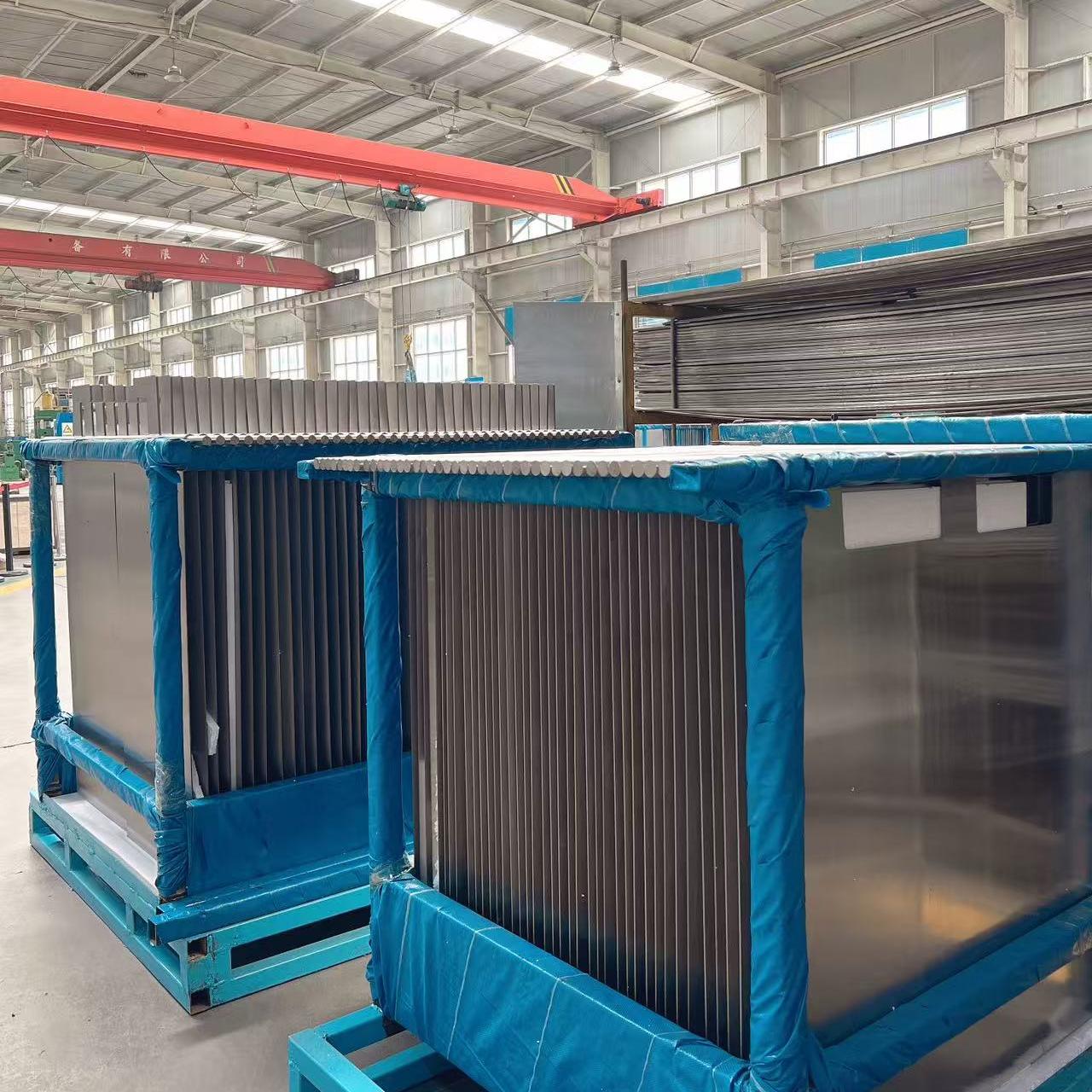
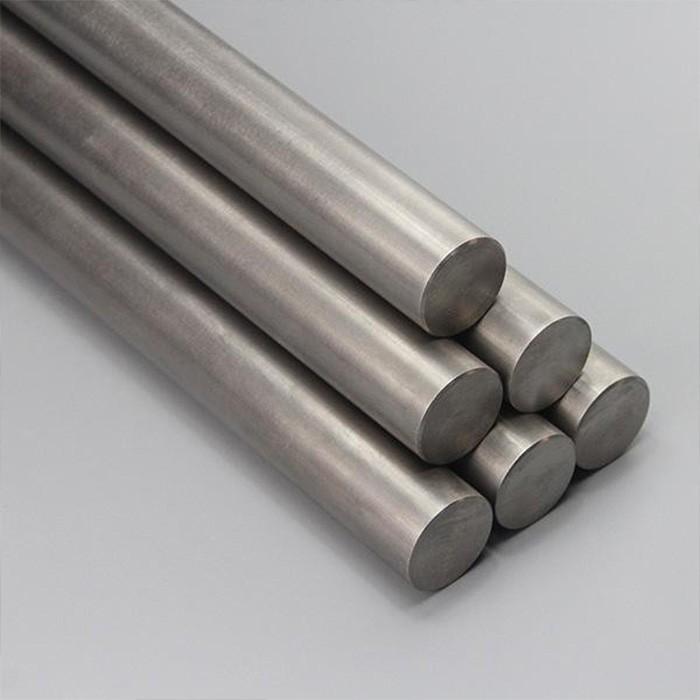
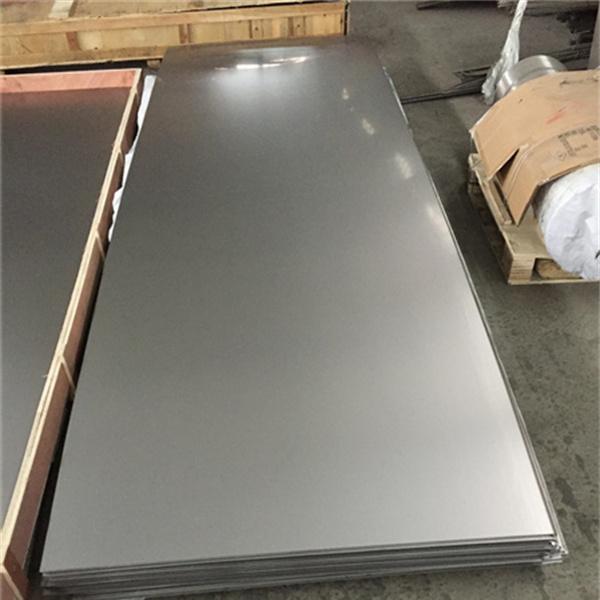
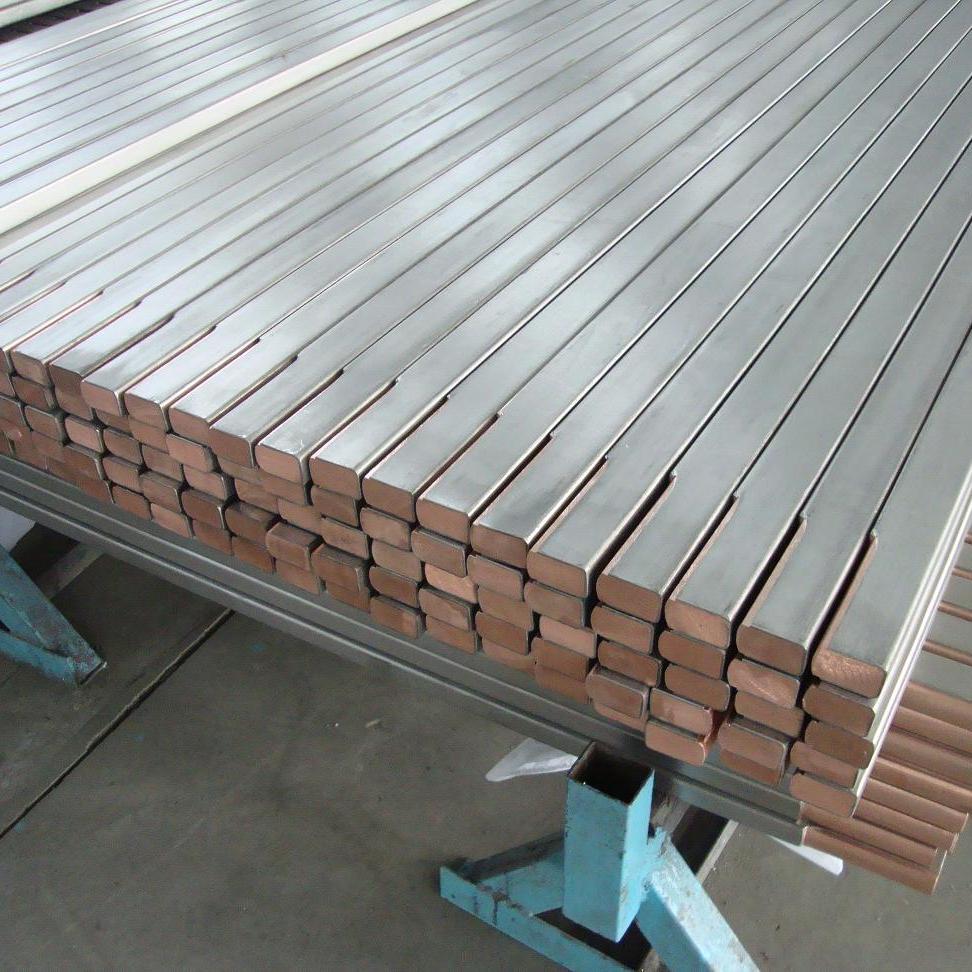
In the context of hydrometallurgical processing, a nickel bar — also referred to as a nickel anode bar, nickel hanger bar, or nickel electrode bar — is a critical consumable component used in electrochemical systems including electrowinning (EW), electrorefining (ER), and electrolytic leaching circuits. These bars serve as electrical conductors and, in many configurations, as the anode material itself, enabling the deposition or dissolution of target metals from aqueous electrolyte solutions.
Hydrometallurgy plants processing copper, cobalt, zinc, nickel, and increasingly lithium and rare earth elements rely on electrode systems where material integrity directly governs process efficiency, product purity, and operational uptime. A substandard nickel bar — one with inconsistent purity, poor dimensional tolerance, or inferior surface finish — introduces resistive losses, electrolyte contamination, and premature electrode failure, all of which translate into direct revenue loss.
Electrowinning is the process by which dissolved metal ions are deposited onto a cathode surface by passing direct current through an electrolyte. The anode — often manufactured from nickel or nickel alloy — must remain dimensionally stable and chemically inert throughout the process. Nickel is particularly preferred in acid sulfate and acid chloride electrolytes common in copper and cobalt EW circuits due to its outstanding passivation behavior and corrosion resistance.
In electrorefining, where impure metal anodes are dissolved and pure metal is deposited onto cathode blanks, nickel hanger bars serve as the primary mechanical and electrical connection between the anode plate and the bus bar system. The contact interface between the hanger bar and the cell bus bar is a critical engineering point — poor surface finish or incorrect geometry at this interface adds ohmic resistance, generates heat, and accelerates corrosion.
Understanding the commercial landscape helps procurement engineers and plant managers make informed sourcing decisions for critical consumables like nickel bars.
The global hydrometallurgy market was valued at approximately USD 280 billion in 2023 and is projected to reach USD 420 billion by 2032, growing at a CAGR of around 4.6%. This growth is predominantly driven by the accelerating energy transition — specifically the surging demand for battery metals including cobalt, nickel, lithium, and manganese — all of which are refined using hydrometallurgical processes.
Countries including China, Chile, Democratic Republic of Congo, Indonesia, and Australia are home to the world's largest hydrometallurgy operations. China alone accounts for over 35% of global electrorefining capacity, with major processing clusters in Gansu, Xinjiang, and Shandong provinces. This concentration of capacity creates a robust, high-volume demand for precision nickel electrodes and anode bars sourced from specialized metal manufacturers.
Beyond battery metals, the traditional applications in copper electrowinning (which consumes the largest share of hydrometallurgy electrode materials globally), zinc electrowinning, and gold processing continue to grow in line with base metal demand. In copper EW plants alone, a typical large-scale operation may house 200–800 electrolytic cells, each requiring multiple anode bars — representing thousands of individual nickel bar components per facility.
The rapid scale-up of lithium-ion battery gigafactories globally is driving massive investment in upstream nickel and cobalt hydrometallurgy refining, creating sustained demand for precision nickel electrode bars in new greenfield plants.
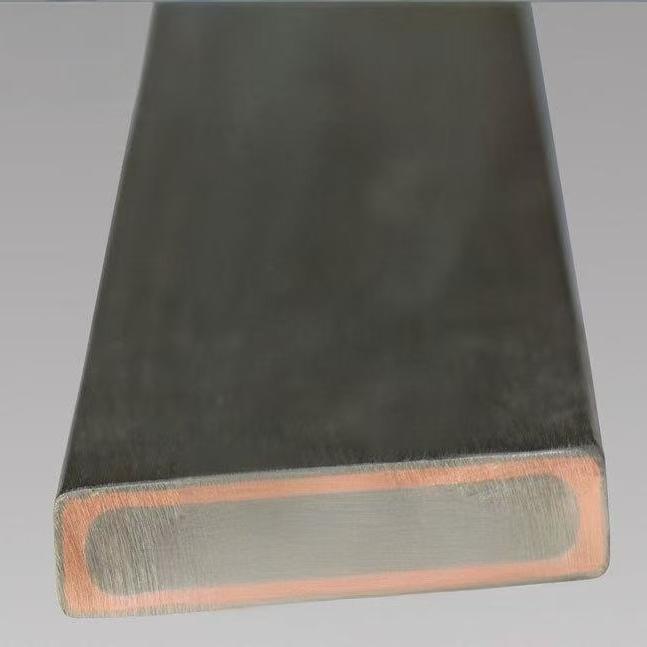
Multi-layer composite bars combining nickel with titanium, copper, or stainless steel cores are gaining adoption where conductivity, weight reduction, and cost optimization are simultaneously required — particularly in high-amperage EW circuits.
Sustainability mandates are pushing plants to optimize energy consumption. Higher-purity, tighter-tolerance nickel bars directly support energy efficiency goals by minimizing ohmic losses across the electrode-bus bar interface.
Major mining and refining groups are establishing direct sourcing agreements with specialized metal manufacturers to secure supply, improve lead times, and reduce total cost of ownership for critical consumables.
As plant designs become more specialized, demand for non-standard nickel bar geometries — custom cross-sections, lengths, and surface treatments — is increasing, favoring manufacturers with flexible production capabilities.
International mining operators now require comprehensive material traceability, third-party chemical analysis, and dimensional inspection reports as standard. Compliance with ASTM B160 and similar standards is becoming a baseline procurement requirement.
Copper electrowinning remains the single largest application for nickel anode bars globally. In a typical SX-EW (solvent extraction–electrowinning) copper plant, nickel anodes — cast or rolled as flat plates with integrated hanger bars — are suspended in electrolytic cells containing copper sulfate and sulfuric acid solution. The nickel bar serves as the electrical conductor linking the anode plate to the overhead bus bar system. High-conductivity Ni 200 bars with machined contact surfaces are specified to minimize voltage drop and maintain uniform current distribution across the cell.
In cobalt and nickel refining operations — such as those operated by Jinchuan Group and Huayou Cobalt — electrorefining circuits use nickel hanger bars extensively. The aggressive chloride and sulfate electrolytes in these plants demand materials with proven passivation behavior. Bars manufactured to Ni 200/201 specification with controlled carbon content (Ni 201, max 0.02% C) are preferred for service at elevated temperatures where Ni 200 may carbide-sensitize.
Zinc EW plants operating with sulfuric acid electrolytes use nickel and titanium-based anode systems. Nickel hanger bars in zinc circuits must maintain dimensional stability under continuous immersion and provide reliable electrical contact over multi-year service lives. Fatigue resistance and consistent cross-sectional geometry are critical selection criteria in this application.
Emerging battery precursor production facilities — converting mixed hydroxide precipitate (MHP) or nickel matte into battery-grade nickel sulfate — represent a rapidly growing application segment. These plants incorporate dedicated electrochemical cells where nickel bars must meet pharmaceutical-grade cleanliness standards to prevent trace metal contamination of the final product. Polished-surface, ultra-high-purity nickel bars are increasingly specified in this segment.
Precious metal refineries use nickel electrode components in Wohlwill process gold refining and silver electrorefining. In these applications, the chemical inertness of nickel in the hydrochloric acid (gold) and nitric acid (silver) electrolytes is the primary material selection driver. Compact, precision-machined nickel bars are standard in this sector.
As demand for rare earth elements, indium, germanium, and other technology metals grows, new hydrometallurgical processing plants are being commissioned globally. These operations frequently adapt nickel electrode technology from established base metal processing, driving demand for custom-specification nickel bars in smaller quantities but with stringent quality requirements.
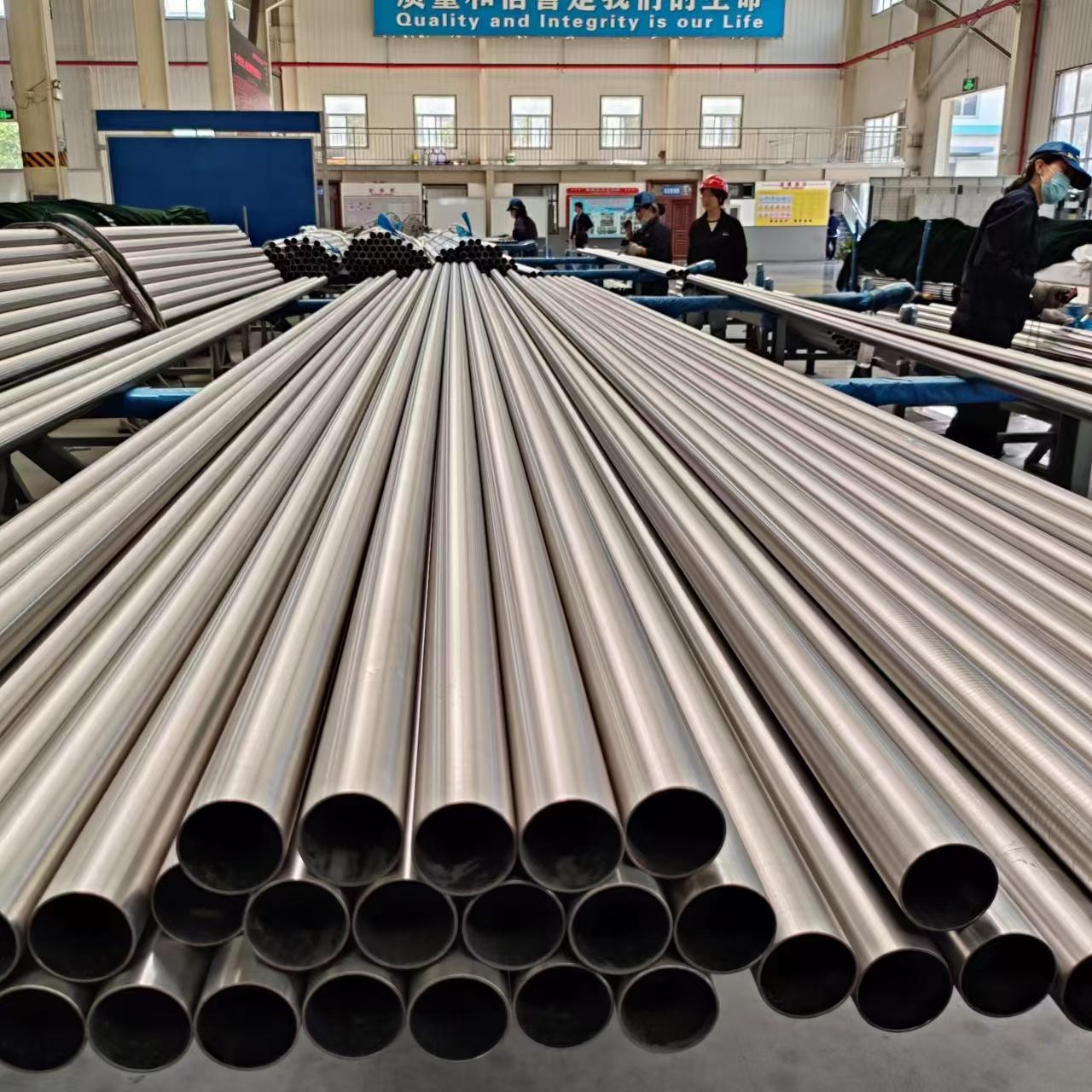
Baoji Special Steel Titanium Industry Co., Ltd. is a joint-stock industrial enterprise specializing in the research, development, manufacturing and sales of titanium, nickel, zirconium and other metal pipes and metal composite materials. The company was founded in 1997, located in Shaanxi Baoji National High-tech Industrial Development Zone. The factory covers an area of 41,000 square meters.
With over two decades of focused expertise in reactive and specialty metals, we supply hydrometallurgy plants, chemical processing facilities, and electroplating operations worldwide with precision nickel bars, anodes, rods, plates, and composite materials — all manufactured to international standards with full material traceability.
 World-Class Quality
 Custom-Tailored Solutions
 Global Logistics

Our nickel bars and metal materials serve a broad spectrum of industrial sectors requiring exceptional corrosion resistance and electrochemical performance.




Stable product quality, integrity as the core of the business philosophy, trusted by customers worldwide.

Powering Global Mining Operations with Precision Titanium & Nickel Solutions

Custom nickel bar solutions supplied to one of China's largest nickel and cobalt refining operations, meeting stringent electrochemical performance requirements.

Precision nickel hanger bars and anode components for cobalt sulfate electrowinning circuits at Huayou Cobalt's processing facility.
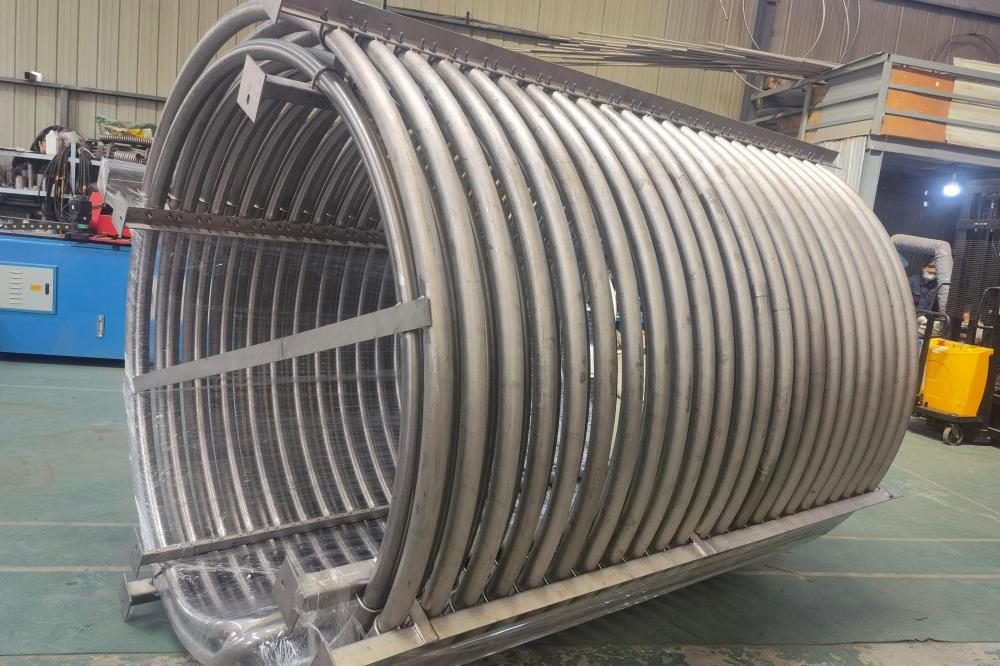
Specialized composite and nickel metal bars engineered for aggressive chemical process environments in Wanhua's industrial chemical facilities.
Our nickel bars and metal products are manufactured under rigorous quality management systems and hold internationally recognized certifications.
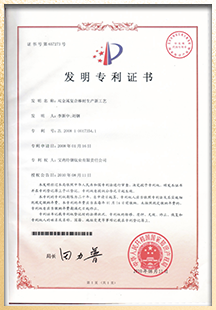
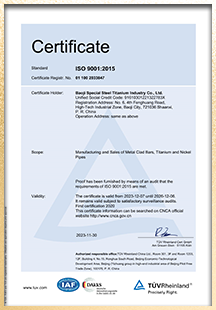
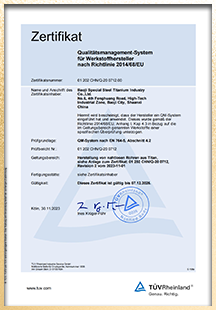
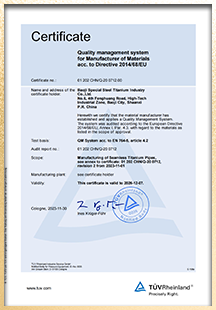
IATF 16949 · CE · FMEA · PPAP · APQP · SPC AND MSA · 100% TEST
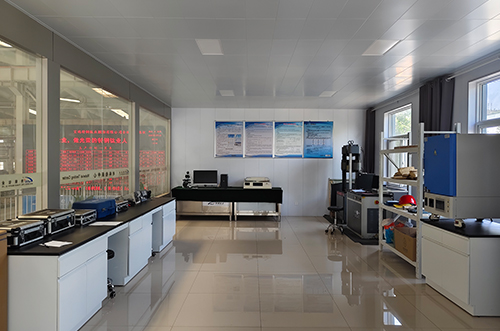
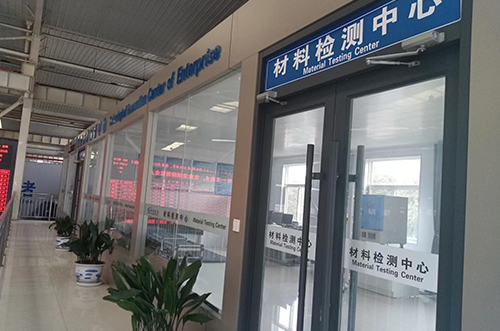
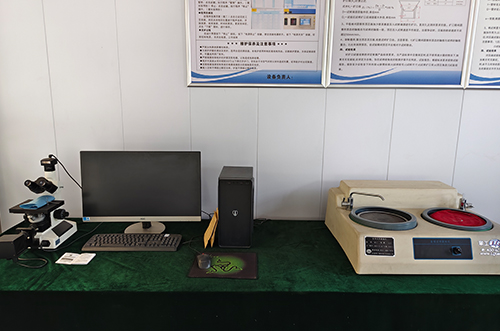
Every nickel bar we manufacture undergoes full chemical composition analysis, dimensional inspection, and surface quality verification before dispatch. Our quality management system ensures that every component supplied to hydrometallurgy plants meets or exceeds ASTM B160, ASTM B161, and customer-specific requirements.
Explore our comprehensive catalog of nickel and composite metal products — all available factory-direct with custom specifications for hydrometallurgical applications.