Leave Your Message
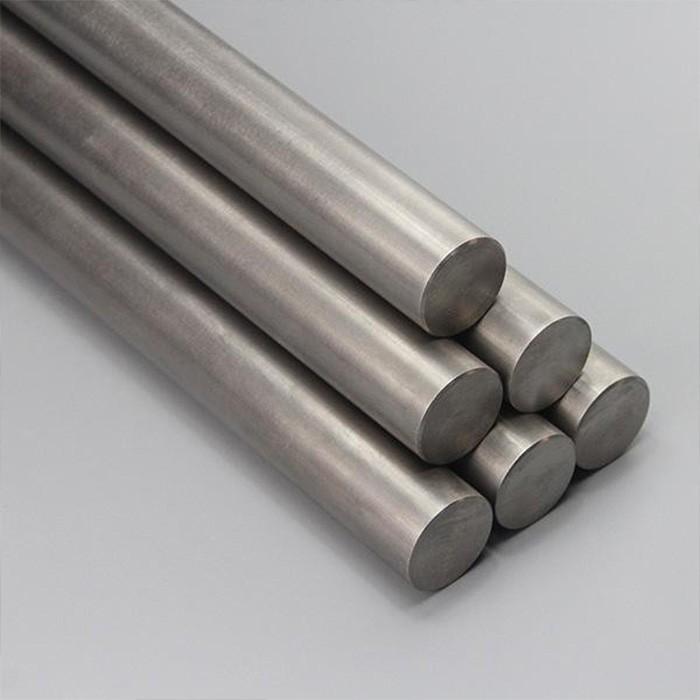
In the highly demanding world of modern surface treatment and metallurgy, the Nickel Pipe for Electroplating Production Lines stands as an irreplaceable component. Electroplating is no longer just about aesthetics; it is a critical engineering process that imparts essential properties such as wear resistance, corrosion protection, and electrical conductivity to substrates used in aerospace, automotive, electronics, and renewable energy sectors. At the heart of these massive, chemically aggressive production lines are fluid transfer systems, heat exchangers, and anode structures where high-purity nickel pipes play a pivotal role.
The operational environment of an electroplating line is notoriously harsh. It involves highly acidic or alkaline baths, extreme temperature fluctuations, and continuous electrical currents. Traditional piping materials, such as standard stainless steel or plastics, often fail under these conditions, leading to contamination of the plating bath, catastrophic leaks, and costly production downtimes. This is where the superior metallurgical properties of premium nickel pipes come into play. Offering unparalleled resistance to caustic alkalis and a wide range of corrosive chemicals, nickel pipes ensure the absolute purity of the electrolyte, which is a non-negotiable requirement for high-end plating applications like semiconductor manufacturing and precision automotive parts.
The global demand for high-performance non-ferrous metals has surged over the past decade. As industries shift towards more sustainable and durable products, the electroplating sector has evolved. The commercial status of Nickel Pipes for Electroplating Production Lines is currently characterized by a robust upward trajectory, driven heavily by the electric vehicle (EV) boom and the expansion of the global semiconductor industry. Both of these sectors rely heavily on flawless electroplated components.
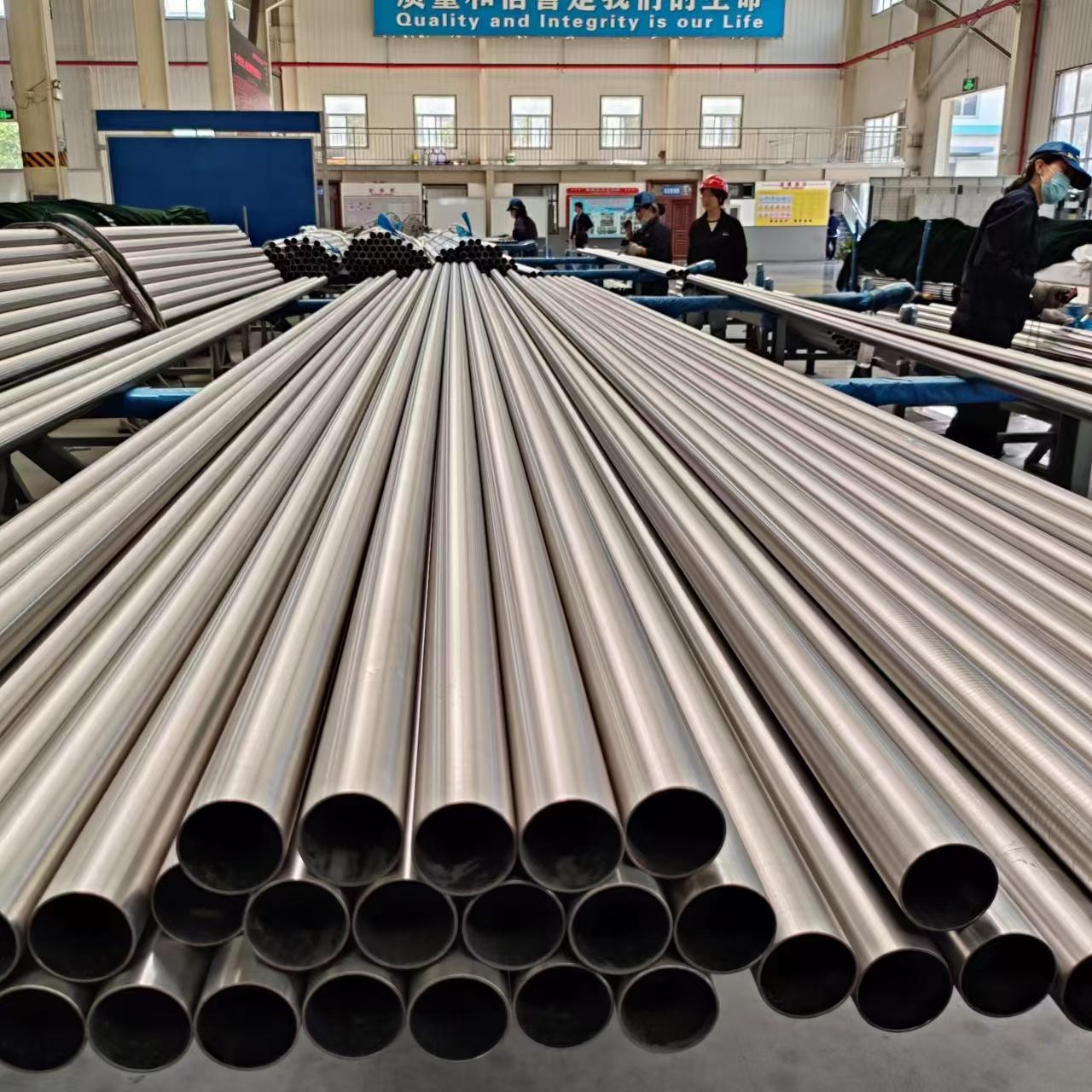
From an industrial standpoint, the manufacturing of these specialized nickel pipes is concentrated among a few elite metallurgical enterprises capable of meeting strict international standards, such as ASTM B161 and ASTM B163. Regions with deep-rooted metallurgical expertise, such as Baoji—often referred to as China's "Titanium Valley" and a hub for special metals—are at the forefront of this supply chain. Enterprises in these hubs are investing heavily in advanced vacuum melting, precision extrusion, and rigorous non-destructive testing (NDT) to ensure every inch of nickel pipe can withstand the rigors of modern electroplating facilities. The market is shifting from commoditized purchasing to strategic partnerships, where electroplating facilities collaborate directly with manufacturers to custom-engineer piping solutions that optimize fluid dynamics and thermal efficiency.
🔬To truly understand the value of a Nickel Pipe for Electroplating Production Lines, one must dissect the specific application scenarios within a typical high-volume plating facility. The integration of nickel tubing goes far beyond simple fluid transport; it is integral to the chemical and thermodynamic stability of the entire process.
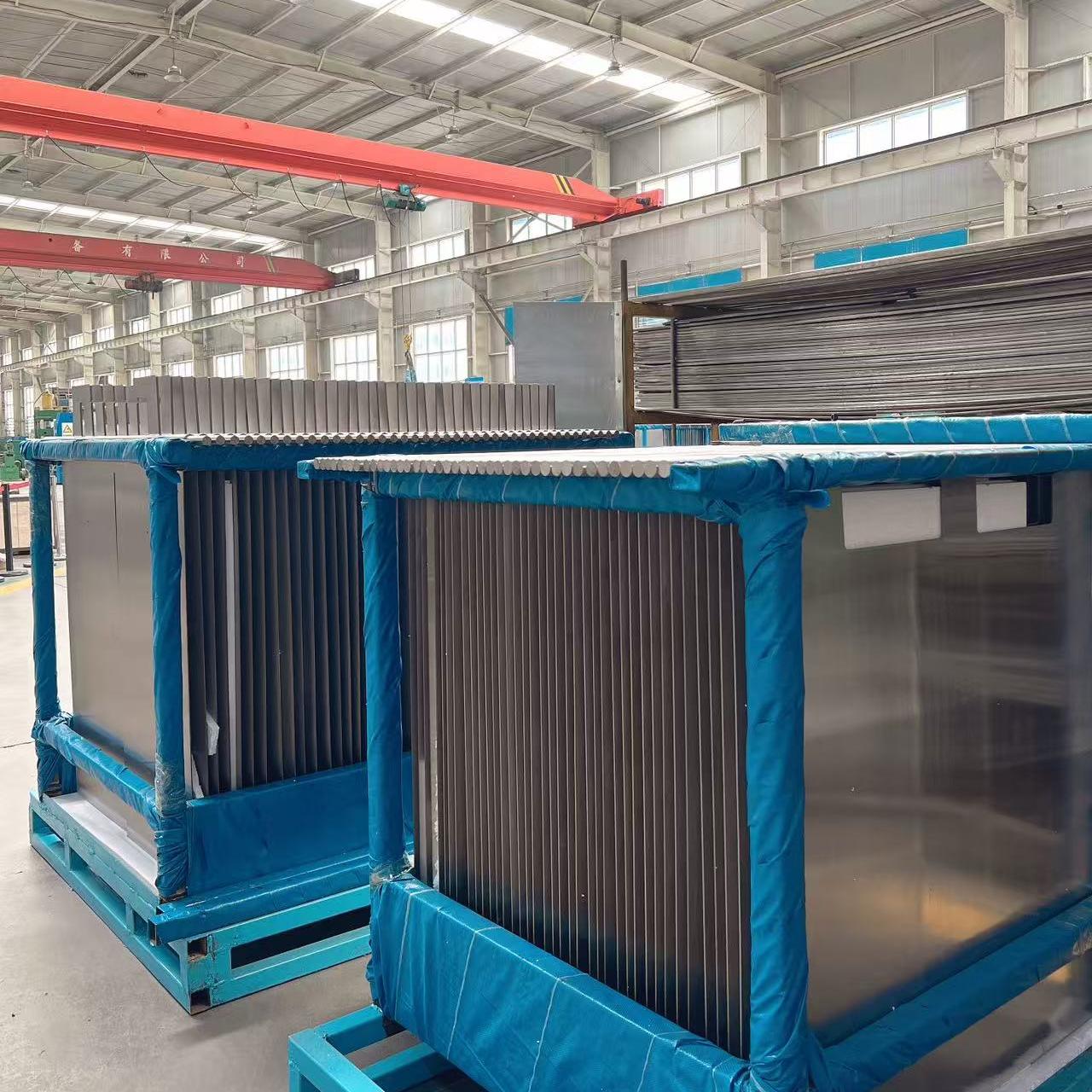
Electroplating is a highly temperature-sensitive process. Plating baths must be maintained at precise temperatures to ensure uniform deposition rates and optimal crystal structure of the plated metal. Nickel pipes are extensively used in the construction of internal and external heat exchangers for these baths. Their excellent thermal conductivity combined with absolute resistance to chemical degradation ensures rapid and precise temperature regulation. Unlike other metals that might leach contaminants into the bath under thermal stress, high-purity nickel remains inert, safeguarding the chemical balance of the electrolyte.
Continuous filtration and circulation of the plating bath are mandatory to remove particulates and maintain uniform chemical concentration. The pumps and piping networks handling these aggressive fluids are subject to immense corrosive and erosive forces. Nickel pipes provide a smooth, durable conduit for these fluids. Their resistance to localized pitting and crevice corrosion drastically extends the mean time between failures (MTBF) of the circulation system, thereby maximizing the uptime of the entire electroplating production line.
In many electroplating setups, particularly in nickel plating itself, nickel pipes and rods are utilized not just passively, but actively as part of the electrical circuit. High-purity nickel pipes can be used as conductor tubes or modified into anode structures. Their superior electrical conductivity ensures minimal voltage drop across the system, translating to significant energy savings over the operational lifespan of the plant. Furthermore, their uniform dissolution characteristics (when used as active anodes) prevent sludge formation and ensure a consistent supply of metal ions to the plating bath.
The future of Nickel Pipes for Electroplating Production Lines is deeply intertwined with the advent of Industry 4.0 and smart manufacturing. As electroplating facilities become highly automated, the components within them must evolve. We are witnessing the integration of AI-driven quality control during the manufacturing of nickel pipes. Machine learning algorithms now analyze ultrasonic and X-ray testing data in real-time to detect microscopic metallurgical anomalies that human inspectors might miss, ensuring a zero-defect rate.
Furthermore, sustainability is a massive driving force. Modern electroplating lines are moving towards closed-loop systems to achieve zero liquid discharge (ZLD). This requires piping systems that can handle highly concentrated, recycled chemical effluents without degrading. High-purity nickel pipes are perfectly positioned for this transition. Future trends also point towards the development of nano-structured nickel alloys that offer even higher mechanical strength while maintaining their pristine chemical resistance, allowing for thinner pipe walls, reduced weight, and lower material costs without compromising safety or performance.
In conclusion, the optimization of electroplating production lines is heavily reliant on the foundational materials used in their construction. By investing in premium nickel pipes, industrial operators are not just buying metal; they are securing process stability, product quality, and long-term economic viability in an increasingly competitive global market.
Founded in 1997, Baoji Special Steel Titanium Industry Co., LTD. is a joint-stock industrial enterprise specializing in the research, development, manufacturing, and sales of titanium, nickel, zirconium, and other metal pipes and metal composite materials.
Located in the Shaanxi Baoji National High-tech Industrial Development Zone, our state-of-the-art factory covers an area of 41,000 square meters. With decades of metallurgical expertise, we provide world-class quality, unparalleled standards, and custom-tailored solutions for global electroplating and chemical engineering sectors.
Founded in 1997
Years of Excellence
Annual Capacity
Tons
Factory Footprint
Square Meters
Product Categories
Products




Stable product quality, integrity as the core of the business philosophy, trusted by global customers.

Powering Global Mining and Electroplating Operations with Precision Metallic Solutions.

Custom engineering for enhanced conductivity and corrosion resistance in active baths.

Reliable fluid dynamics for highly aggressive chemical environments.
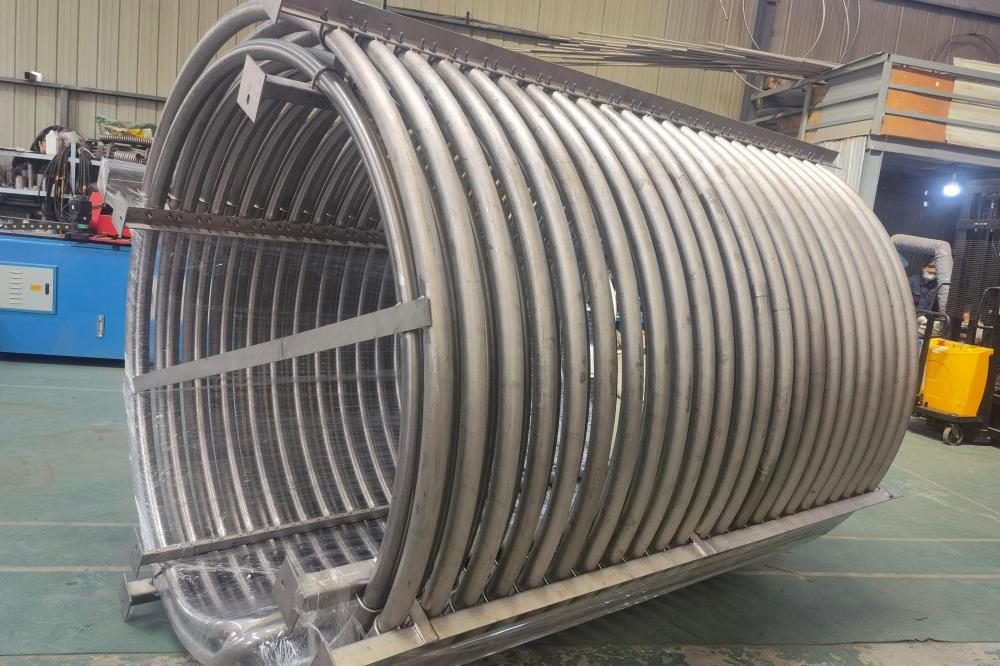
Thermodynamic stability achieved through premium nickel pipe integration.
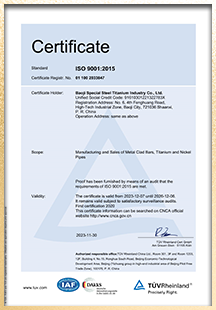
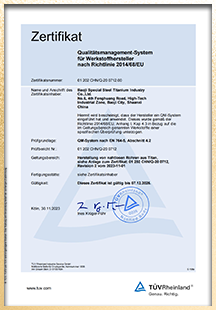
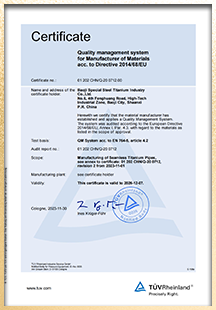
IATF 16949, CE, FMEA, PPAP, APQP, SPC AND MSA 100% TEST