



Leave Your Message
Engineered to surpass strict naval and offshore specifications (ASTM B161, ASTM B163, ASTM B165, and NACE MR0175). Explore our flagship nickel and specialty alloy products optimized for harsh marine exposure.
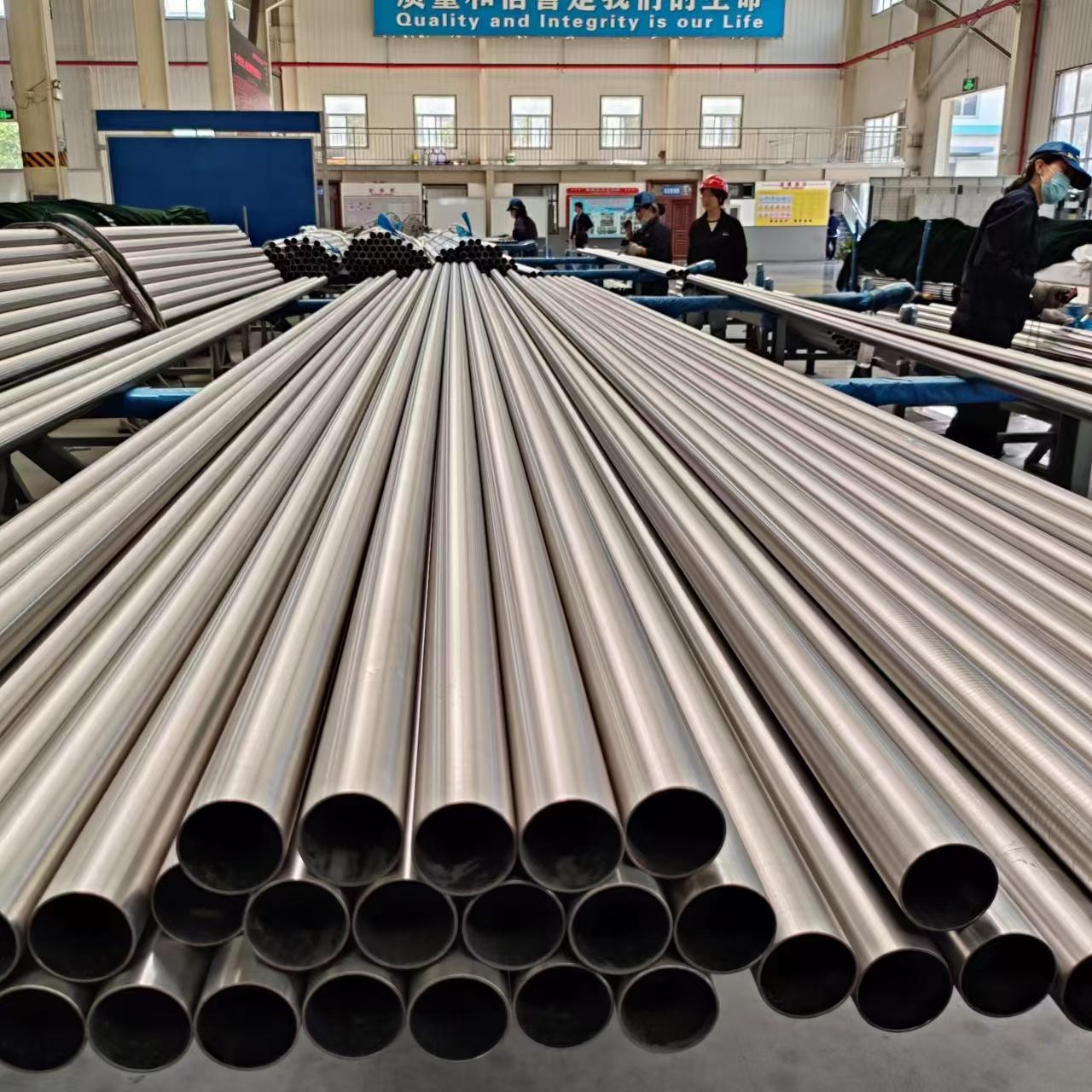
Seamless & welded marine grade nickel pipes resisting aggressive chloride pitting, impingement attack, and high hydrostatic loading.
View Specifications →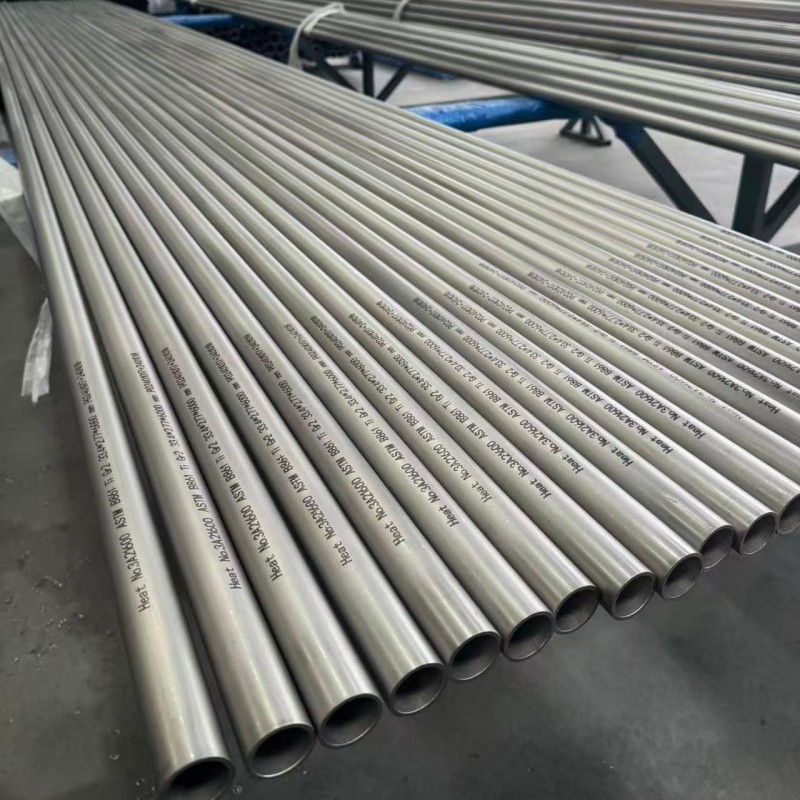
Exceptional strength-to-weight ratio and absolute immunity to ambient seawater corrosion for subsea heat exchangers and naval cooling.
View Specifications →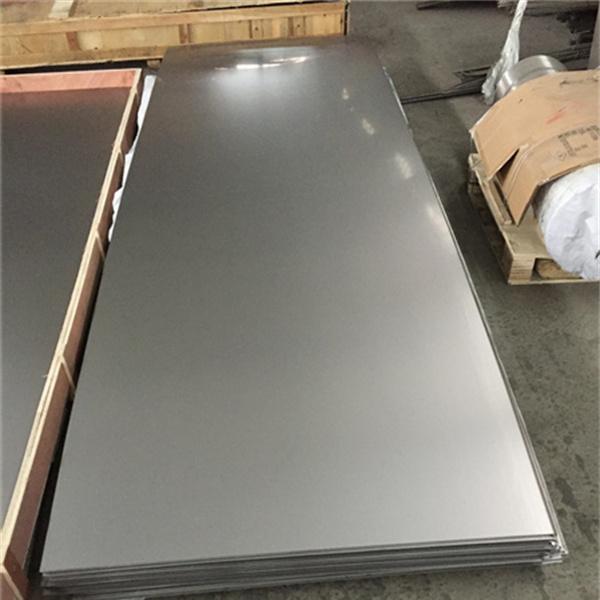
Ultra-refined high purity nickel sheets and tube sheets for heavy offshore distillation condensers and marine chemical processing.
View Specifications →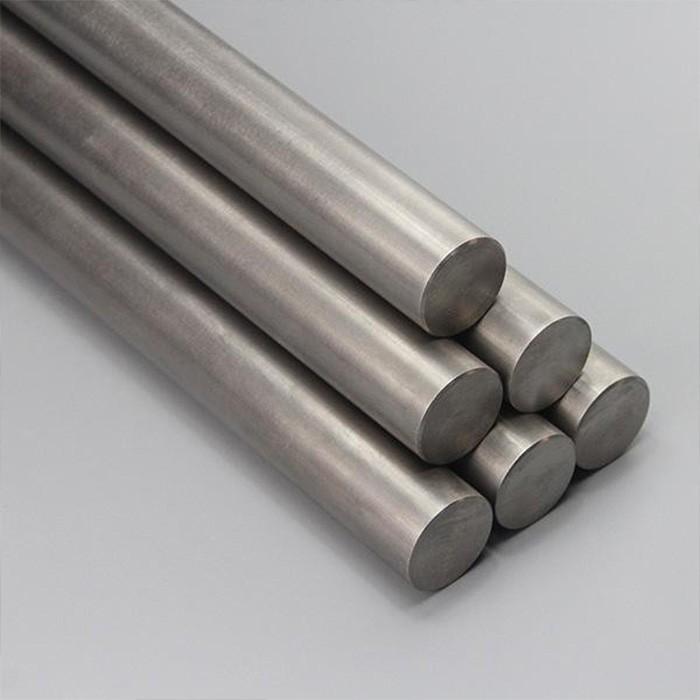
High tensile bar stock for subsea valve stems, pump shafts, marine fasteners, and critical dynamic structural couplings.
View Specifications →Modern marine engineering operates under some of the most aggressive environmental and thermodynamic conditions on earth. From ultra-deepwater oil and gas extraction fields in the North Sea and Gulf of Mexico to commercial liquified natural gas (LNG) carrier vessels, naval nuclear submarines, and municipal multi-stage flash (MSF) seawater desalination plants, piping networks are constantly exposed to warm aeration, hypersaline electrolytes, high fluid shear, and microbial colonization. In this demanding operational reality, conventional carbon steels and even standard austenitic stainless steels (such as AISI 304 and 316L) suffer catastrophic premature failure due to chloride-induced pitting, crevice corrosion, and chloride stress corrosion cracking (CSCC).
Nickel and high-nickel alloy pipes—encompassing commercially pure Nickel 200/201 (UNS N02200/N02201), Nickel-Copper Monel 400 (UNS N04400), Nickel-Chromium-Molybdenum Inconel 625 (UNS N06625), and Nickel-Iron-Chromium Incoloy 825 (UNS N08825)—serve as the definitive metallurgical benchmark for mission-critical marine fluid conveyance. The face-centered cubic (FCC) crystal matrix of nickel provides phenomenal fracture toughness even at cryogenic temperatures, while its low solid-state solubility for carbon prevents carbide precipitation during field welding. Crucially, the addition of chromium and molybdenum generates a tenacious, self-passivating oxide film (NiO, Cr2O3, and MoO2) that repels chloride penetration under stagnant and high-velocity laminar flow alike.
While copper-nickel alloys (such as Cu-Ni 90/10) exhibit excellent anti-fouling characteristics, their maximum allowable continuous seawater velocity is strictly limited to approximately 3.5 m/s to prevent erosion-corrosion. In contrast, nickel-chromium-molybdenum alloy pipes (Inconel 625 / Hastelloy C-276) demonstrate unyielding resistance to erosion-corrosion at seawater velocities exceeding 35 m/s, making them the gold standard for high-pressure subsea injection manifolds and naval jet propulsion conduits.

Full compliance with ASTM, ASME, DIN, and ISO specifications. Rigorous eddy-current and ultrasonic non-destructive examinations.

Precision-drawn seamless tubes, heavy-wall extruded hollows, and pre-fabricated spool pieces manufactured to specific project draws.

Direct supply chains connecting Shaanxi Baoji production facilities to global dry docks, offshore yards, and major energy ports worldwide.
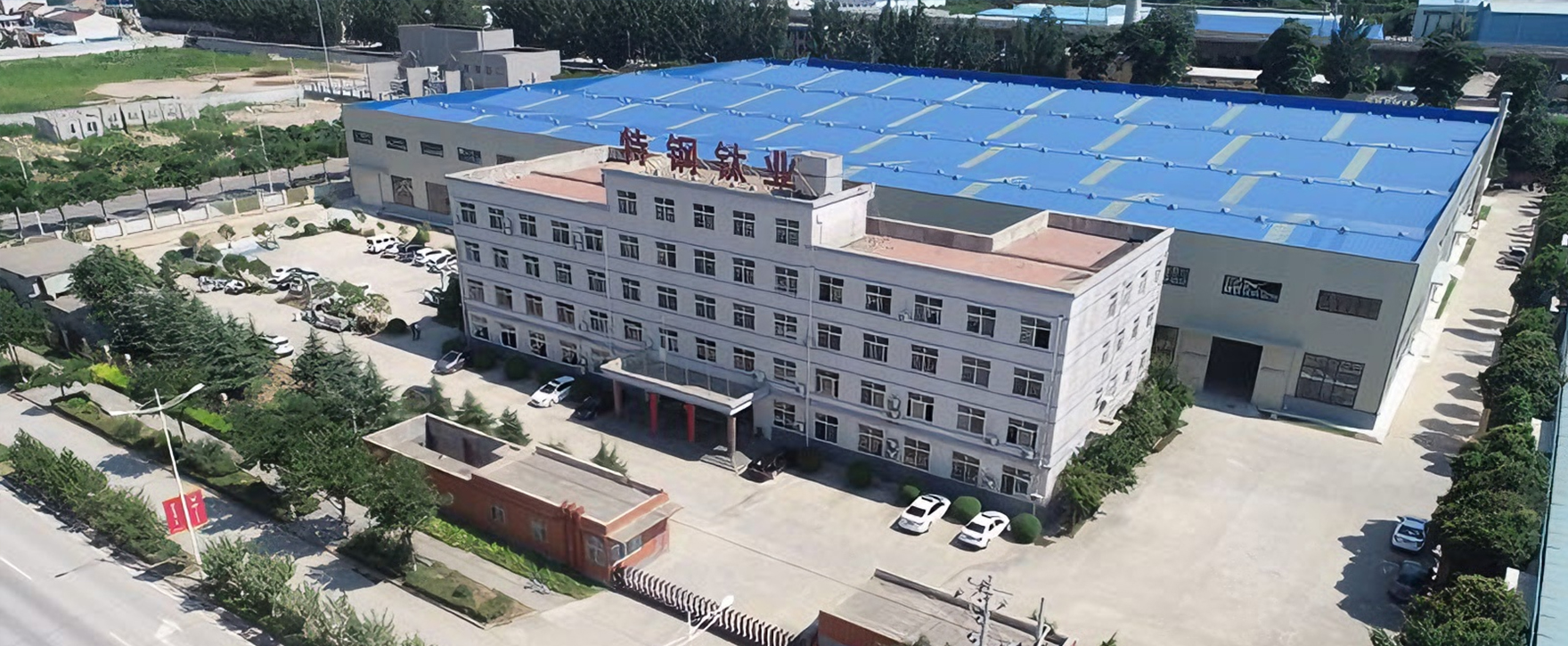
Baoji Special Steel Titanium Industry Co., LTD. is a joint-stock industrial enterprise specializing in the research, development, manufacturing and sales of titanium, nickel, zirconium and other metal pipes and metal composite materials. The company was founded in 1997, located in Shaanxi Baoji National High-tech Industrial development Zone, the factory covers an area of 41,000 square meters.
Equipped with high-tonnage hydraulic extrusion presses, cold pilger mills, bright vacuum annealing furnaces, and high-precision hydrostatic testing apparatus, our manufacturing floor maintains strict metallurgical control over grain size, residual internal stress, and dimensional tolerances. From raw ingot vacuum induction melting (VIM) and electroslag remelting (ESR) through final tube straightening and ultrasonic flaw detection, we deliver robust solutions engineered to thrive in hyperbaric marine depths.
FIND OUT MORE
Founded in 1997 • Years Experience
Annual Production Capacity
Factory Footprint Area
Product Categories & Specs
The transition toward deeper subsea extraction, higher efficiency naval propulsion systems, and decentralized coastal water desalination has drastically accelerated the deployment of specialty nickel pipes. Below are four key technical vectors defining today’s marine infrastructure:
In offshore oil and gas developments, deepwater risers, flowlines, and umbilical tubing connect seabed wellheads located thousands of meters below the surface to topside Floating Production Storage and Offloading (FPSO) units. The fluids conveyed within these lines often contain aggressive multiphase mixtures of crude oil, gas, saturated seawater, free carbon dioxide (CO2), and toxic hydrogen sulfide (H2S) at elevated reservoir temperatures.
Nickel alloy pipes—specifically Alloy 625 and Incoloy 825 clad pipes—provide complete resistance to sulfide stress cracking (SSC) and hydrogen embrittlement. They satisfy the stringent guidelines of NACE MR0175/ISO 15156, resisting sour well degradation while maintaining high structural fatigue thresholds under perpetual ocean wave and vortex-induced vibration (VIV).
Naval surface combatants, commercial container super-transports, and offshore drilling platforms require hundreds of kilometers of auxiliary piping to handle ballast water, raw seawater engine cooling, and automated deluge firefighting mains. Raw seawater contains living micro-organisms that rapidly form biofouling films under intermittent flow conditions.
Monel 400 (Nickel-Copper) and modified nickel-iron pipes provide a natural biostatic surface barrier that inhibits macro-algae and barnacle settlement. Furthermore, during high-rate emergency firefighting discharges, nickel pipe systems withstand extreme hydrodynamic water hammer surges without wall thinning or localized mechanical rupture.
Thermal desalination plants (MSF and MED) boil ocean water in sequential vacuum chambers, condensing pure vapor on heat exchanger tube bundles. The concentration of dissolved chlorides in boiling residual brine accelerates crevice attack tenfold compared to ambient sea water.
Seamless nickel alloy pipes and titanium tubes manufactured in accordance with ASTM B163 and ASTM B338 serve as the primary condenser heat transfer medium. Their outstanding thermal conductivity combined with absolute resistance to boiling chloride stress cracking ensures operational lifespans of 30 to 40 years without the threat of catastrophic tube perforation.
As the international maritime sector adheres to the International Maritime Organization (IMO) 2030 and 2050 decarbonization mandates, modern dual-fuel vessels are adopting alternative clean fuels such as green ammonia (NH3) and cryogenic liquified hydrogen (LH2).
Liquid hydrogen requires fluid transmission at cryogenic temperatures of -253°C (20 Kelvin). Nickel alloy piping exhibits zero ductile-to-brittle transition even at absolute cryogenic levels, avoiding catastrophic thermal shock cracking. Concurrently, nickel pipes remain completely immune to stress corrosion cracking induced by pressurized anhydrous marine ammonia.
The following metallurgical matrix highlights the functional advantages of nickel and specialty alloys over conventional marine materials:
| Material Designation | UNS / Standard | Critical Pitting Temp (°C) | Max Seawater Velocity | Resistance to CSCC | Primary Marine Engineering Field |
|---|---|---|---|---|---|
| Nickel 200 / 201 | UNS N02200 / ASTM B161 | Good in deaerated brine | Up to 15 m/s | Immune | Coastal Caustic Recovery, Marine Chlorinators |
| Monel 400 (Ni-Cu) | UNS N04400 / ASTM B165 | Moderate (Excellent biofouling) | Up to 10 m/s | Immune | Submarine Hull Penetrations, Sea Sheathing, Pumps |
| Inconel 625 (Ni-Cr-Mo) | UNS N06625 / ASTM B444 | > 85°C (Extreme) | > 35 m/s | Immune | Deepwater Riser Lines, Subsea Manifolds, Exhaust Stacks |
| Incoloy 825 (Ni-Fe-Cr) | UNS N08825 / ASTM B423 | Approx 35°C - 40°C | Up to 20 m/s | High | Offshore Sour Wells, Chemical Injection Downhole Lines |
| Titanium Grade 2 | UNS R50400 / ASTM B338 | > 80°C | > 25 m/s | Immune | Naval Sonar Domes, Titanium Seawater Heat Exchangers |
| Super Duplex 2507 | UNS S32750 / ASTM A790 | Approx 40°C - 45°C | Up to 12 m/s | Moderate to High | Topside Firewater Loops, Marine Water Treatment |
Integrating nickel pipe systems across complex thermal, corrosive, and chemical maritime disciplines.

High-temperature coastal chemical processing, acid wash scrubbers, and marine bulk transport handling systems.
EXPLORE MORE →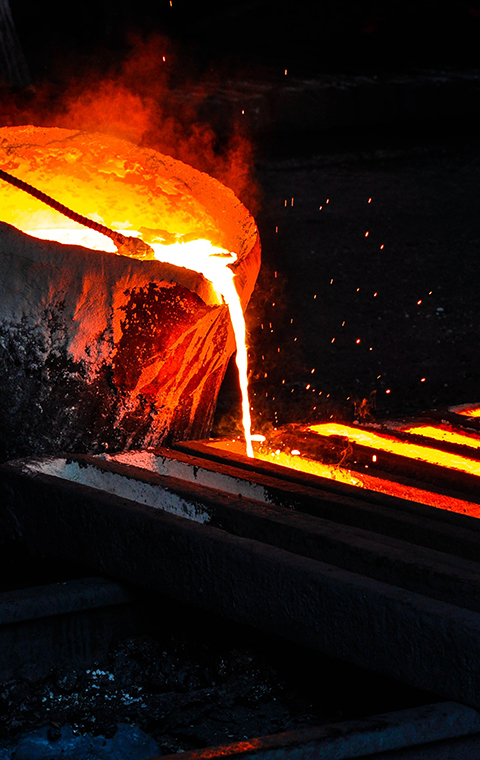
High-pressure acid leach (HPAL) autoclaves and offshore polymetallic nodule processing lines.
EXPLORE MORE →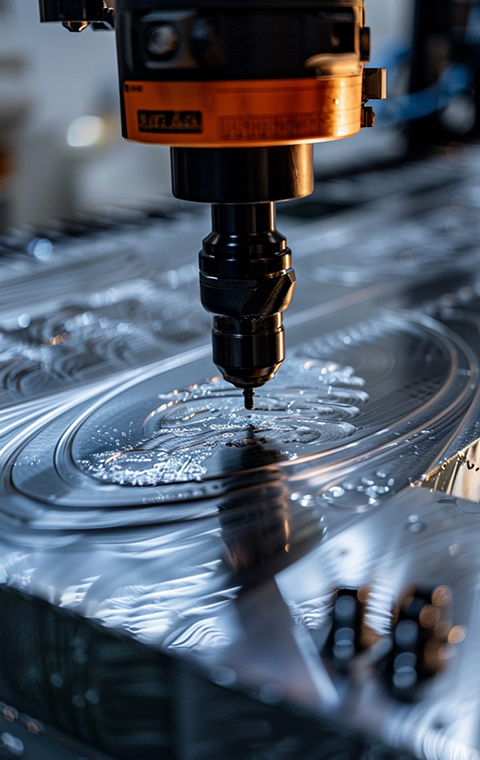
Impressed Current Cathodic Protection (ICCP) systems and precision electrodeposited surface barriers for ship hulls.
EXPLORE MORE →
Offshore floating wind substation coolant networks, subsea tidal turbine assemblies, and marine thermal conversion (OTEC).
EXPLORE MORE →The global marine engineering sector is experiencing an unprecedented structural evolution towards lifecycle optimization and total cost of ownership (TCO) minimization. In deepwater offshore installations, replacing a leaking seawater riser pipe can cost tens of millions of dollars in lost production and complex remotely operated vehicle (ROV) intervention. Consequently, engineering trends in nickel piping are prioritizing three foundational disciplines:
To balance economic feasibility with supreme corrosion resistance, the industry is increasingly adopting bi-metallic pipes featuring an API 5L X65 or X70 carbon steel outer backing pipe with an inner layer (typically 3.0 mm) of Alloy 625 or Incoloy 825. This composite structure combines high structural collapse resistance at high hydrostatic depths with the uncompromising corrosion resistance of nickel alloys, cutting total material capital expenses by up to 50% on long-distance subsea pipelines.
Modern fabrication incorporates multi-frequency automated eddy-current testing (ECT), phased array ultrasonic testing (PAUT), and high-resolution digital radiography directly inline during pipe rolling. High-precision laser profilometry measures wall thickness concentricity and ovality across every millimeter of tubular length, ensuring seamless robotic orbital welding on offshore pipe-laying barges.
Stable product quality, integrity as the core of the business philosophy, trusted by the world's most demanding engineering clients.
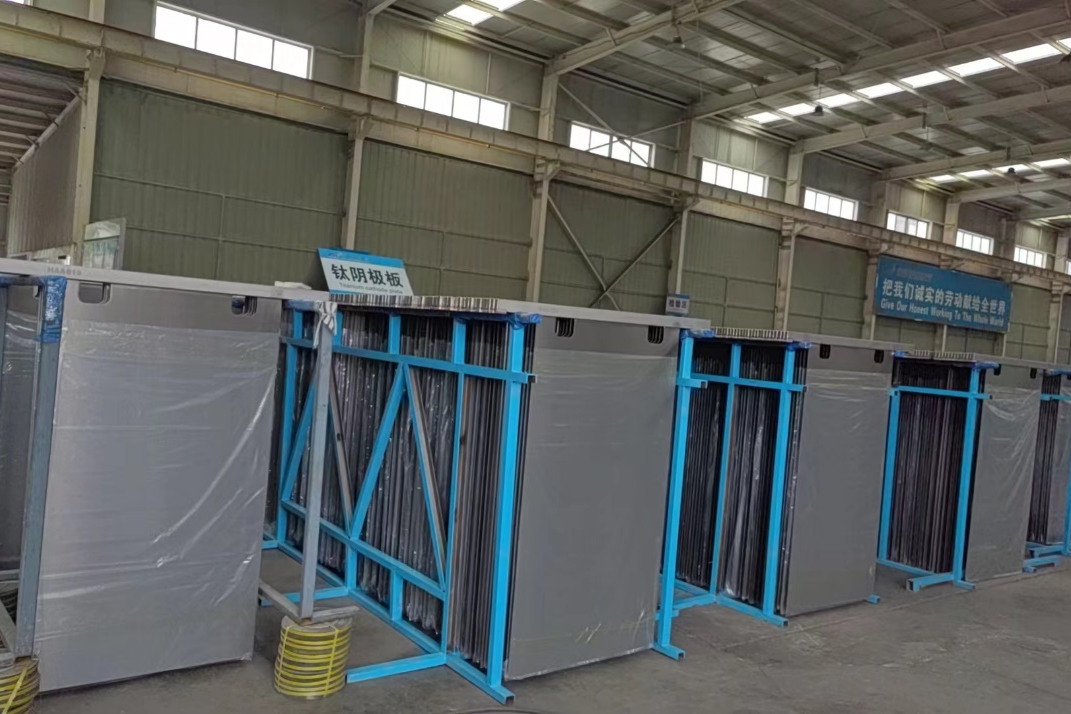
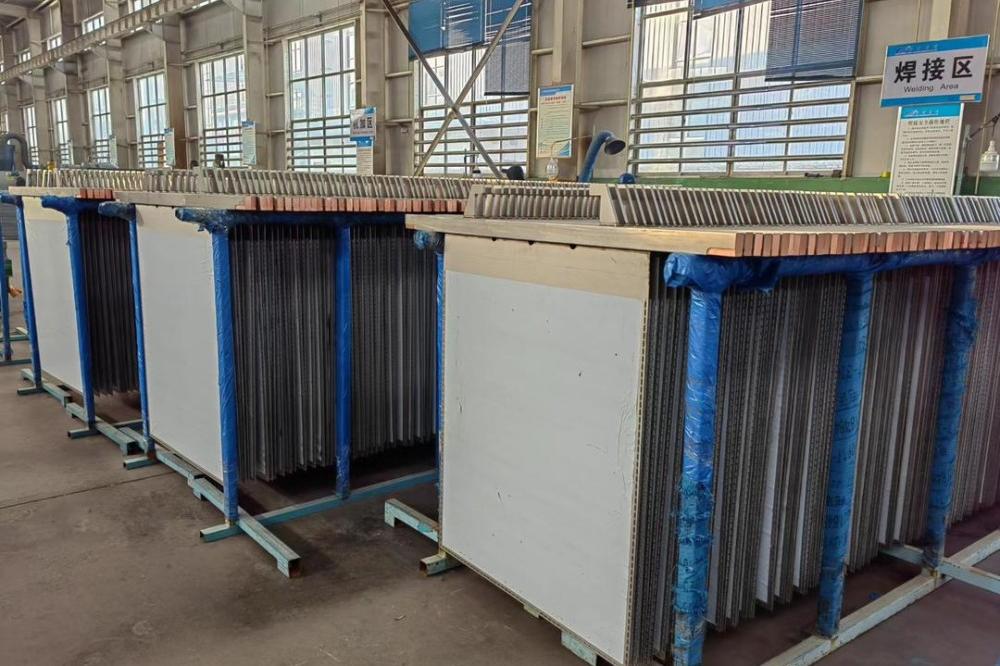
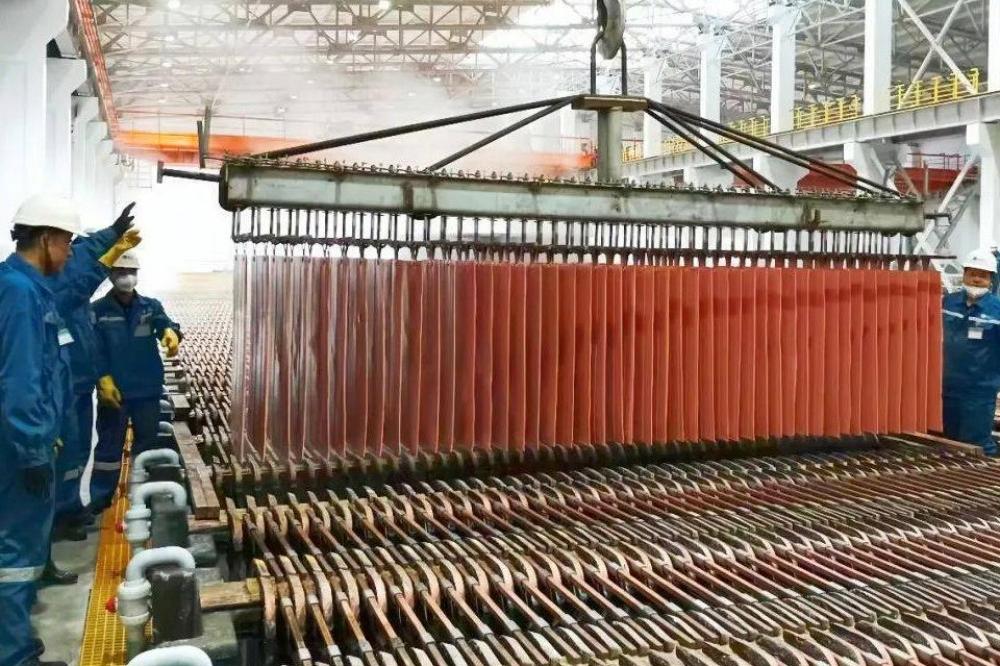
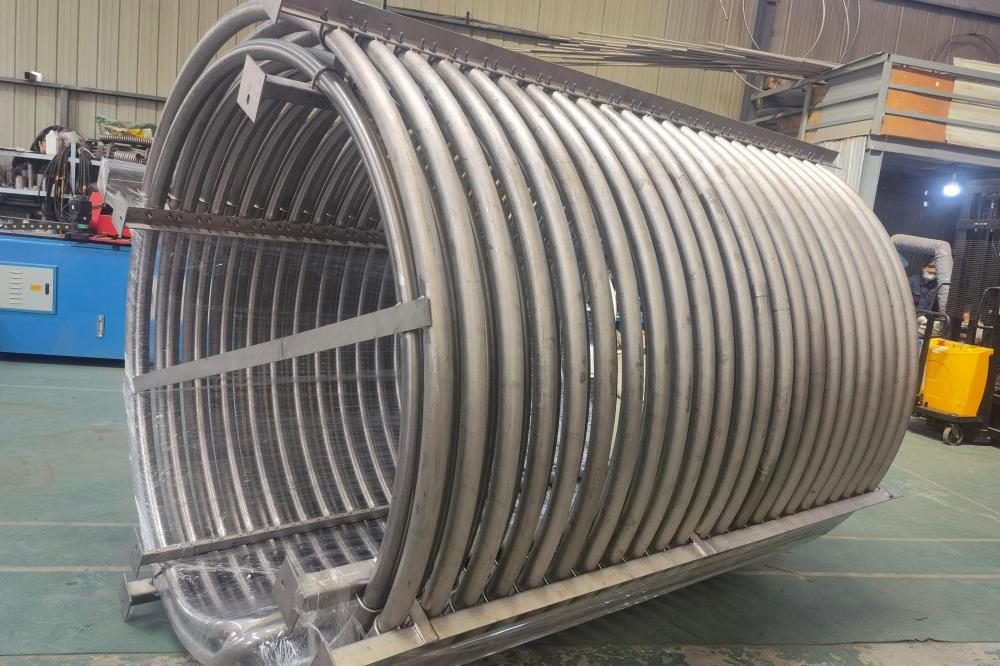
IATF 16949, CE, FMEA, PPAP, APQP, SPC AND MSA 100% TESTED & CERTIFIED
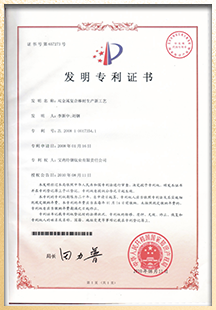
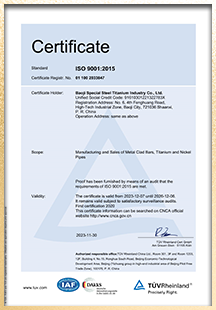
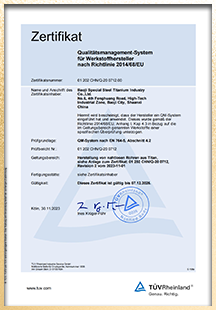
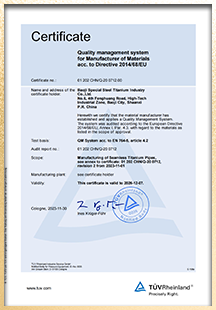
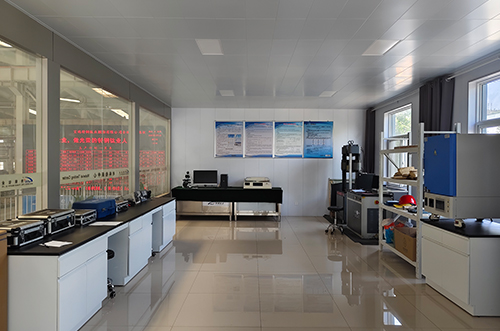
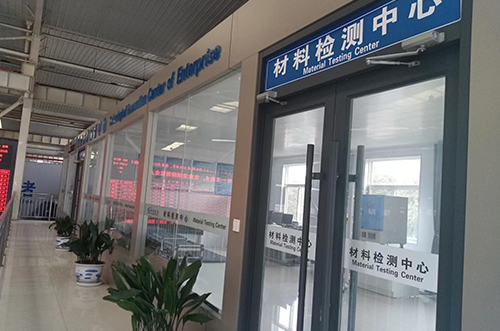
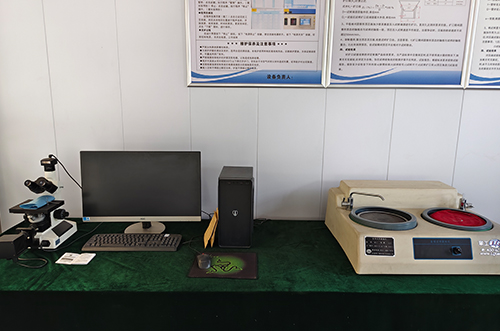
Browse our complete scope of marine-certified nickel pipes, titanium tubes, nickel rods, and cathodic anodes crafted for long-term submarine and offshore longevity.
Heavy-wall seamless and seam-welded nickel pipes optimized for offshore drilling risers, subsea manifolds, and marine firewater mains.
Learn More →
Ultra-lightweight, zero-corrosion condenser tubes delivering exceptional heat exchange efficiency in marine steam propulsion plants.
Learn More →
High chemical purity nickel plates suited for rolling into large-diameter welded marine conduits, scrubbers, and storage tanks.
Learn More →
High yield strength forged and hot-rolled round bar stock, perfectly machinable for subsea flange bolting and high-stress marine shafts.
Learn More →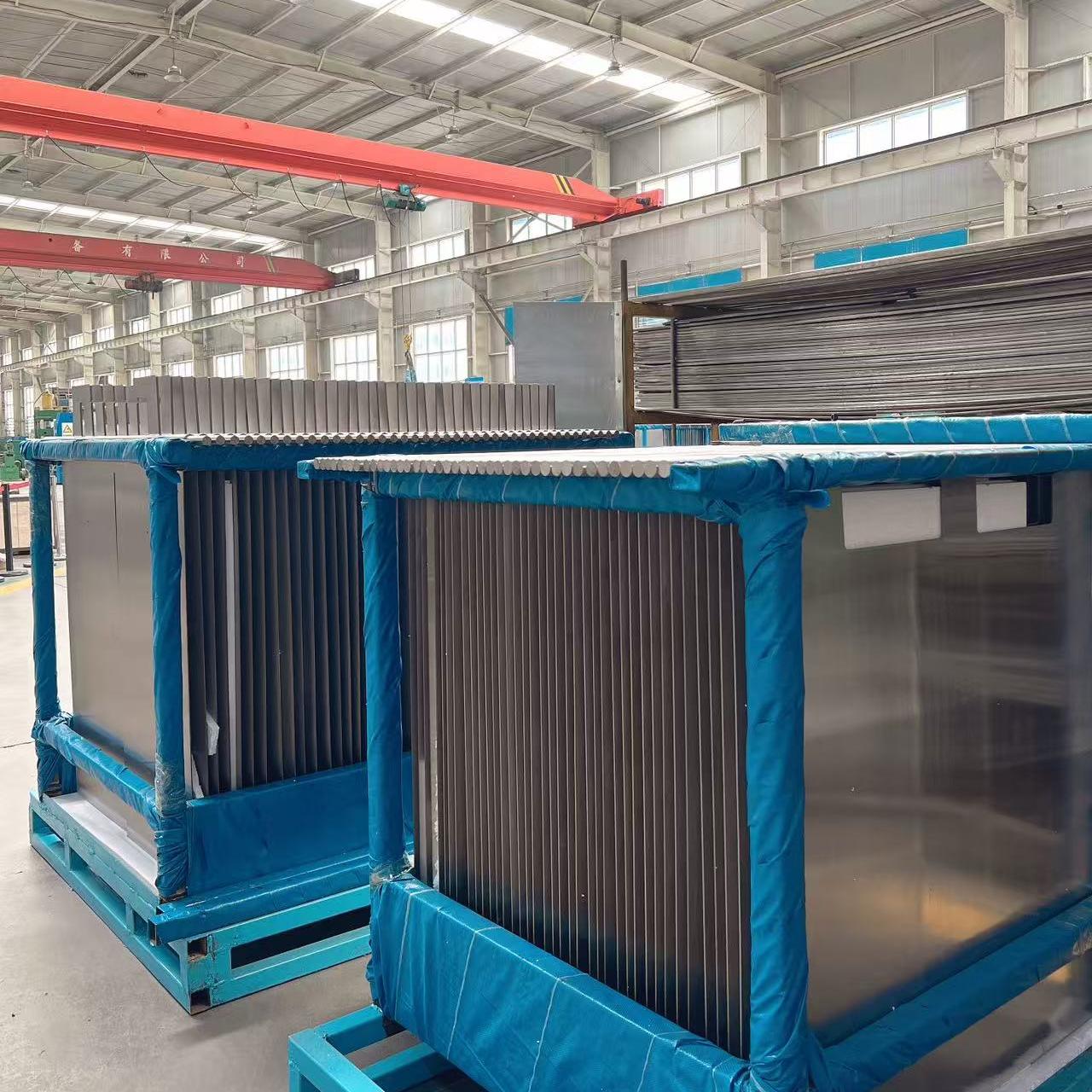
Electrolytic grade active nickel anodes engineered for advanced hull electroplating, marine galvanic isolation, and anti-corrosion protection.
Learn More →
Cold-pilgered precision seamless tubes tested for high external hyperbaric pressure in deep sea subsea completion packages.
Learn More →
Engineered for extreme hydrodynamic cavitation resistance in naval propulsion ducts, sonar casing tubes, and ballast lines.
Learn More →
Explosion-bonded and roll-bonded nickel plates used for tube sheets, offshore pressure vessels, and desulfurization scrubbing towers.
Learn More →