Leave Your Message
Precision-manufactured high-purity nickel and complementary refractory metal solutions custom engineered to withstand corrosive process fluids, cyclic thermal stresses, and extreme pressures.
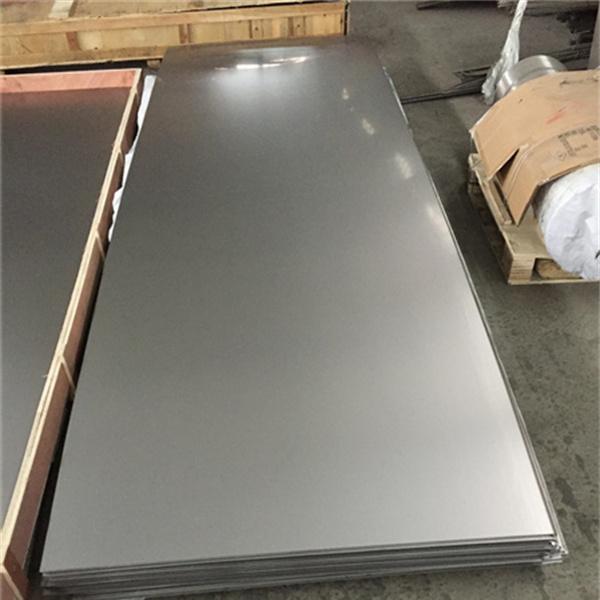
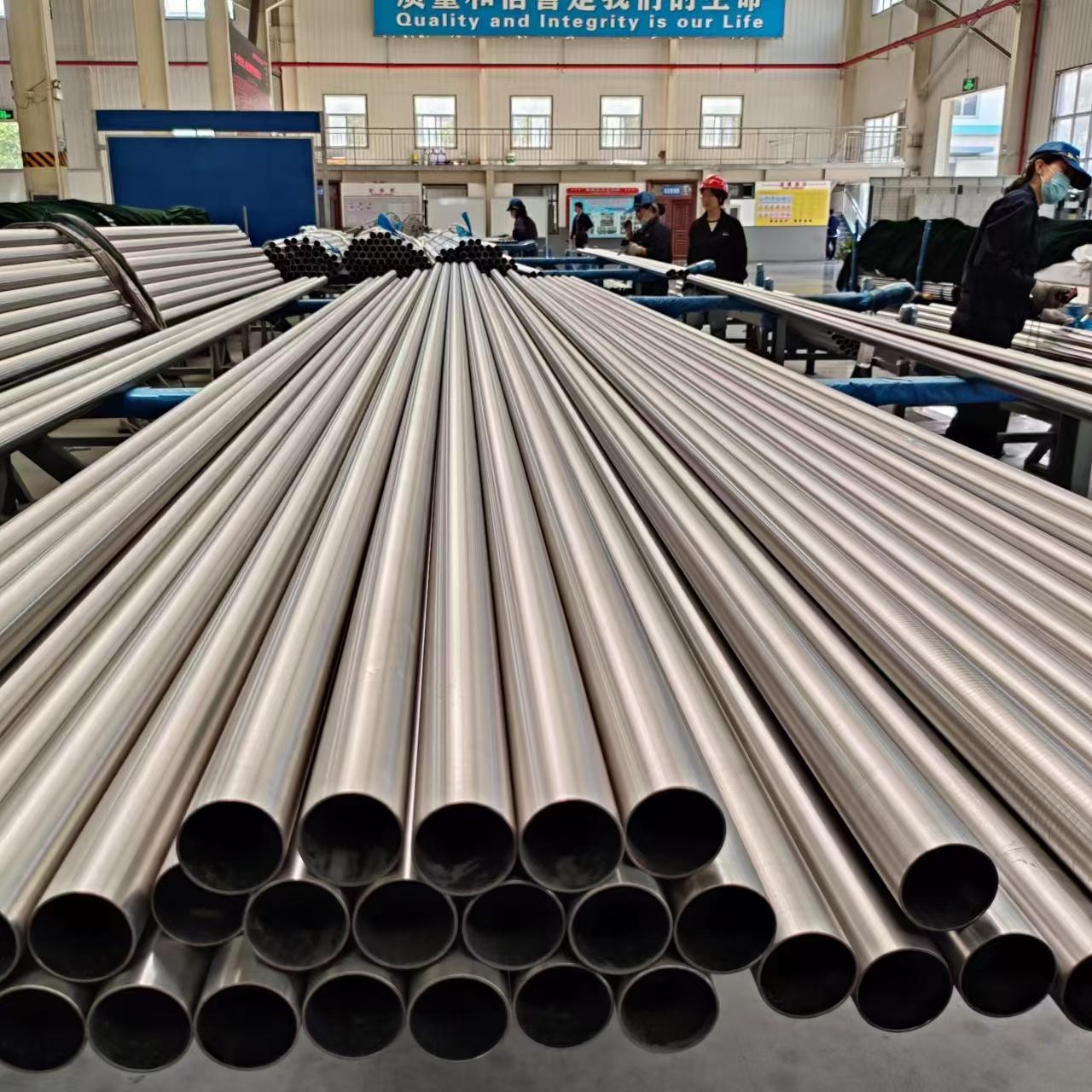
In modern industrial architecture, piping systems are the vital circulatory arteries of refining complexes, chemical processing units, offshore hydrocarbon platforms, and nuclear energy networks. Among the myriad metallurgical solutions engineered to endure hostile fluid environments, the application of high-purity nickel plate (such as Nickel 200/UNS N02200 and Nickel 201/UNS N02201, alongside versatile nickel-chromium-molybdenum alloys) represents the benchmark for longevity and structural reliability. Whether utilized as base materials for heavy-wall welded pipes, precision roll-bonded clad plates for high-pressure transmission headers, or clad liners for acid manifold assemblies, nickel plates provide exceptional passivation behavior against catastrophic localized corrosion.
Over the past decade, the global transition toward decarbonized energy infrastructure, hydrometallurgical recycling for lithium-ion battery cathode precursors, and zero-liquid-discharge (ZLD) desalination plants has dramatically escalated the stringency of fluid handling requirements. Operating conditions in these cutting-edge sectors routinely surpass 200°C while maintaining aggressive concentrations of dry halogens, boiling caustic alkalis, dynamic sulfuric streams, and organic chlorides. Traditional austenitic stainless steels succumb rapidly to chloride-induced stress corrosion cracking (SCC) and pitting under these regimens. Consequently, engineering firms and EPC contractors are aggressively transitioning to solid nickel plates and nickel-clad steel composites, which deliver an impermeable thermodynamic barrier against corrosive media.
Nickel possesses an intrinsic galvanic affinity for forming dense, self-healing nickel hydroxide (Ni(OH)₂) protective surface films when exposed to concentrated caustic soda (NaOH) and molten potassium hydroxide (KOH), even at temperatures approaching 300°C.
Unlike conventional alloys that suffer volatile halide vaporization, unalloyed nickel plates resist dry chlorine gas and anhydrous hydrogen chloride up to 550°C, making them an indispensable standard for halogenation reactor loop piping.
With an FCC austenitic lattice, nickel plate components completely eradicate the catastrophic transgranular stress corrosion cracking vulnerabilities inherent in 300-series stainless steels within high-chloride environments.
The commercial landscape for nickel plates in piping systems has evolved far beyond conventional hot-rolling techniques. State-of-the-art developments in vacuum induction melting (VIM) coupled with electroslag remelting (ESR) now yield ultra-low carbon grades (C ≤ 0.02%) that eliminate intergranular graphitization at elevated operational temperatures between 315°C and 600°C. This advancement preserves mechanical ductility along welded seams in heavy-wall piping, preventing unexpected micro-fractures in high-vibration compressor discharge segments.
Concurrently, explosive cladding and multi-pass vacuum hot-roll bonding of nickel plates onto structural carbon-manganese steel backings (such as ASTM A516 Gr 70) have transformed the economic viability of large-diameter corrosion-resistant piping. By deploying thin, high-performance nickel plate veneers (ranging from 2.0 mm to 4.5 mm) permanently bonded at the atomic interface to a robust load-bearing steel substrate, facility operators achieve over 99.8% metallurgical bond integrity while reducing overall exotic metal raw material expenditures by up to 60%. This hybrid architecture has become the gold standard for long-distance subsea sour gas headers, geothermal power extraction circuits, and high-temperature chlor-alkali evaporation headers.
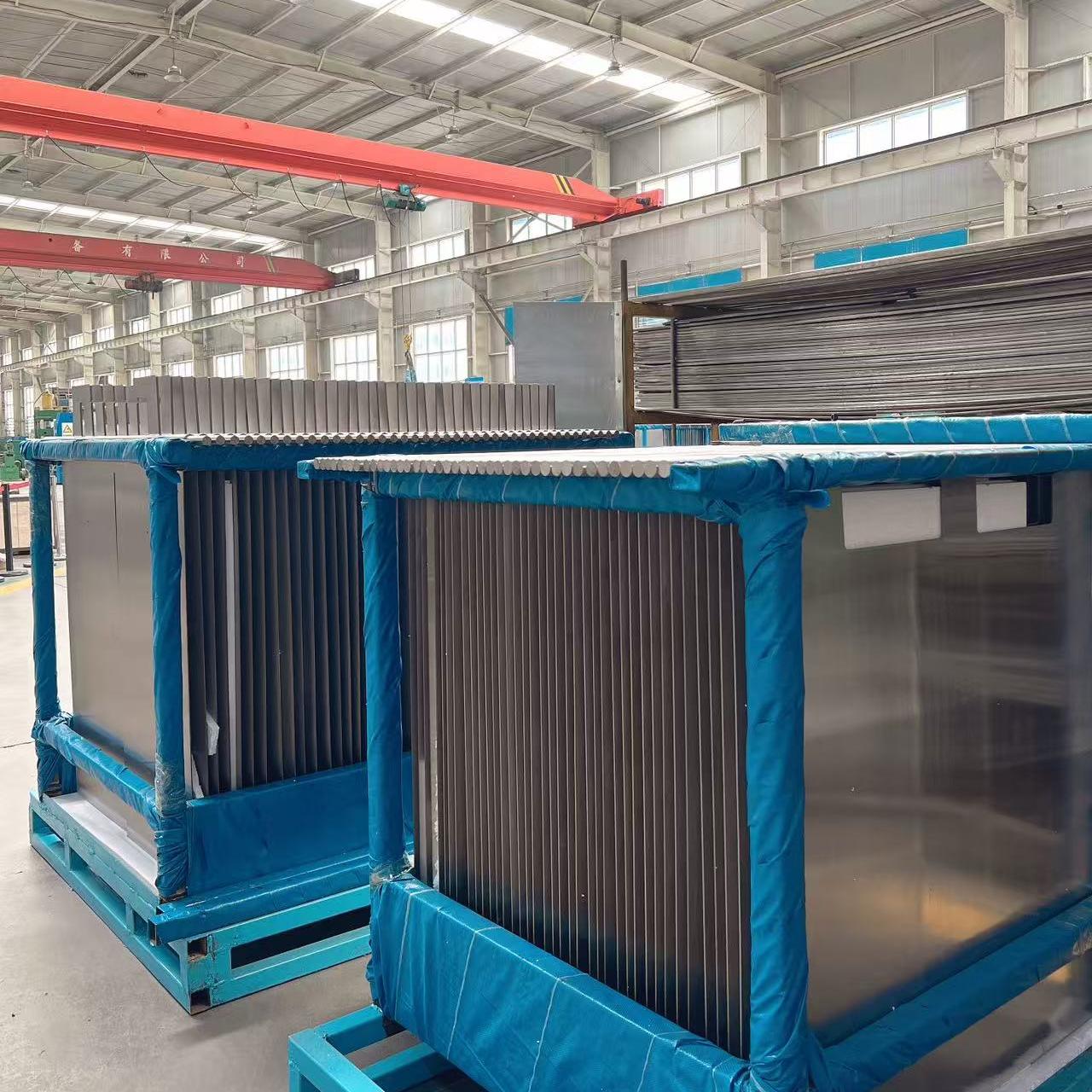
Within the chlor-alkali production industry, multi-effect membrane caustic evaporation systems concentrate sodium hydroxide solution from 32% to 50% and 73% commercial strengths. In these conditions, steam temperatures frequently exceed 180°C. Nickel plates processed into heat exchanger shells, rolled large-diameter vapor ducts, and discharge manifolds prevent both uniform wall thinning and catastrophic stress-assisted erosion-corrosion. The sustained presence of nickel ions minimizes iron contamination, ensuring the high-purity chemical grade demanded by semiconductor manufacturing and pharmaceutical synthesis.
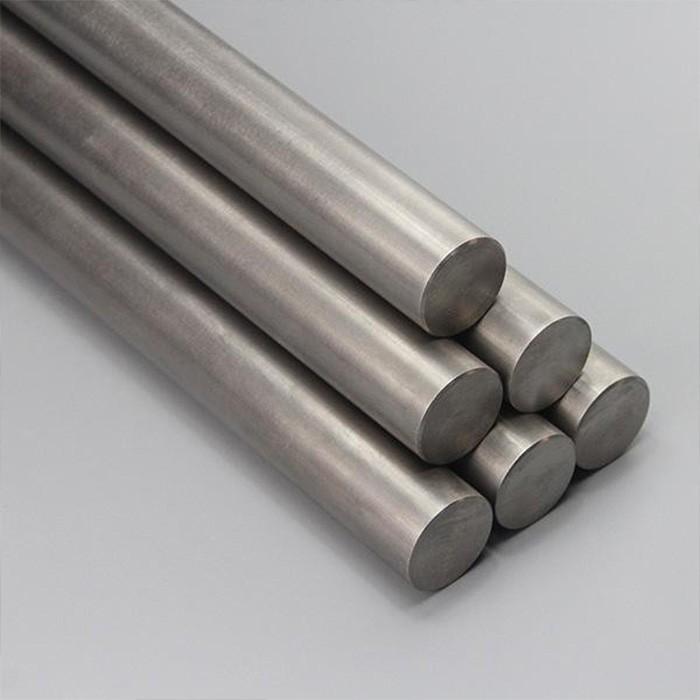
The exponential growth of the electric vehicle battery supply chain has driven unprecedented demand for high-pressure acid leach (HPAL) autoclaves and piping systems. In nickel and cobalt extraction facilities across the Asia-Pacific region, piping networks are inundated with hot, acidic slurries containing high concentrations of free sulfuric acid and dissolved salts. Heavy nickel plates, nickel rods, and nickel alloy pipe spools handle the solvent extraction (SX) and electrowinning (EW) loops where lower-grade metals suffer rapid galvanic dissolution.
Production of hydrofluorocarbons, electronic specialty gases (e.g., NF₃, WF₆), and nuclear fuel cycle conversions requires fluid channels that can withstand anhydrous HF (hydrogen fluoride) and elemental fluorine (F₂). Nickel plates provide immediate catalytic passivation, generating a resilient fluoride monolayer (NiF₂) that stops progressive degradation, even under high kinetic gas velocities.
Baoji Special Steel Titanium Industry Co., LTD. is a joint-stock industrial enterprise specializing in the research, development, manufacturing and sales of titanium, nickel, zirconium and other metal pipes and metal composite materials. The company was founded in 1997, located in Shaanxi Baoji National High-tech Industrial development Zone, the factory covers an area of 41,000 square meters.
FIND OUT MORE


Founded in 1997, dedicated to advanced metallurgy
Annual production capacity across pipes, plates, and bars
Modern plant footprint in Shaanxi Baoji High-Tech Zone
Complete line of nickel, titanium, and reactive metal forms
Empowering heavy process plants worldwide with precision-machined nickel plate, seamless tubing, clad structures, and specialty fittings.




Stable product quality and integrity as our core business philosophy. Trusted by industry leaders across mining, chemical synthesis, and metallurgy worldwide.

Powering Global Mining Operations with Precision Titanium & Nickel Fluid Transport Solutions.

Heavy-duty nickel composite piping assemblies designed for severe hydrometallurgical refining processes.

Acid-resistant nickel plate headers deployed in high-capacity precursor synthesis facilities.
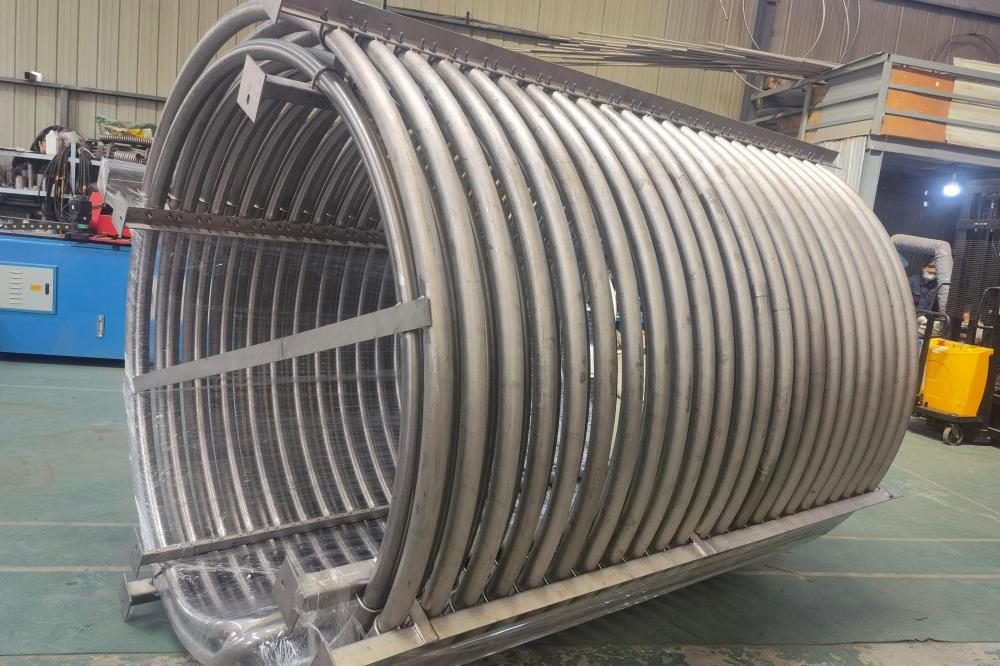
High-temperature chlorine and isocyanate resistant specialty nickel spools and clad reactors.
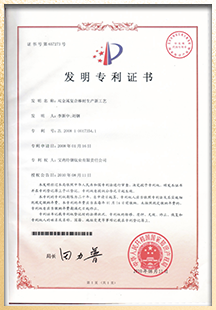
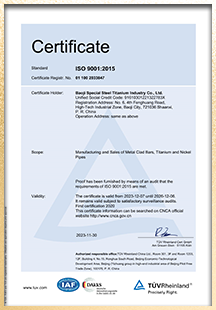
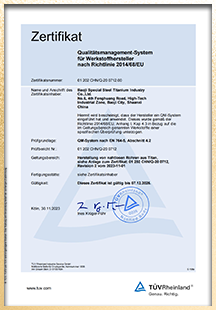
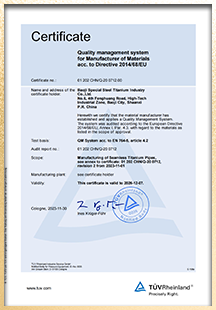
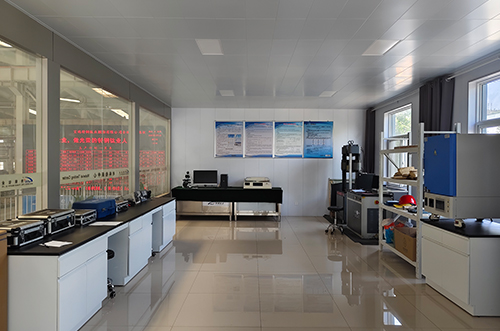
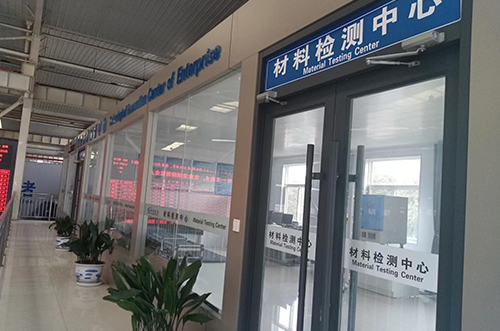
Tailored engineering specifications for heavy industry, nuclear fabrication, petrochemical conduits, and continuous chemical synthesis.