Leave Your Message
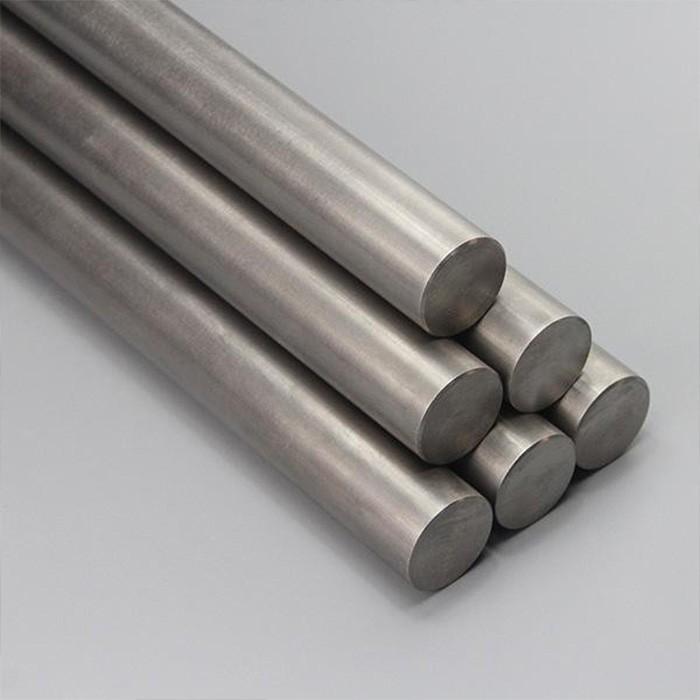
Engineered for extreme corrosion resistance, our premium nickel and titanium products are the backbone of modern marine infrastructure, ensuring longevity and safety in highly corrosive saltwater environments.
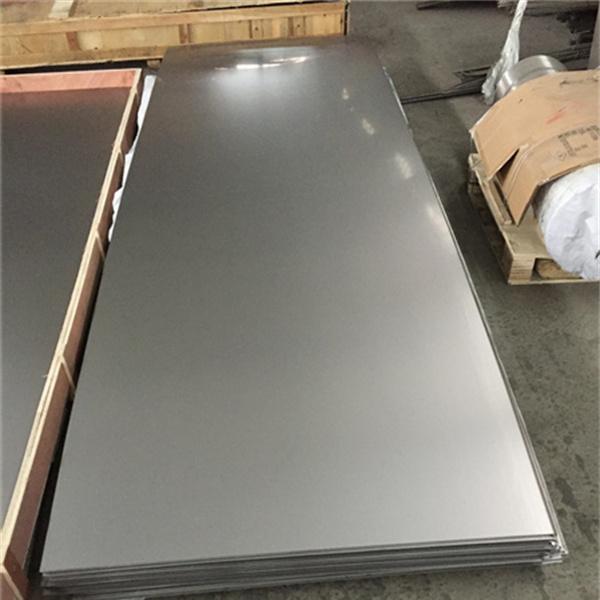
The industrial demand for marine-grade nickel plate is experiencing unprecedented growth. Driven by the rapid expansion of offshore wind farms, deep-sea oil exploration, and stringent international shipping regulations requiring highly durable scrubber systems, the market is shifting towards premium nickel alloys.
Featuring a high Pitting Resistance Equivalent Number (PREN), our nickel plates withstand the harshest localized corrosion. They are essential in splash zones where alternating wet and dry conditions highly accelerate the degradation of conventional metals.
Beyond corrosion, marine engineering demands materials that retain ductility and toughness at extreme depths and freezing subsea temperatures. Nickel plates provide superior yield strength, making them ideal for high-pressure containment and subsea umbilicals.
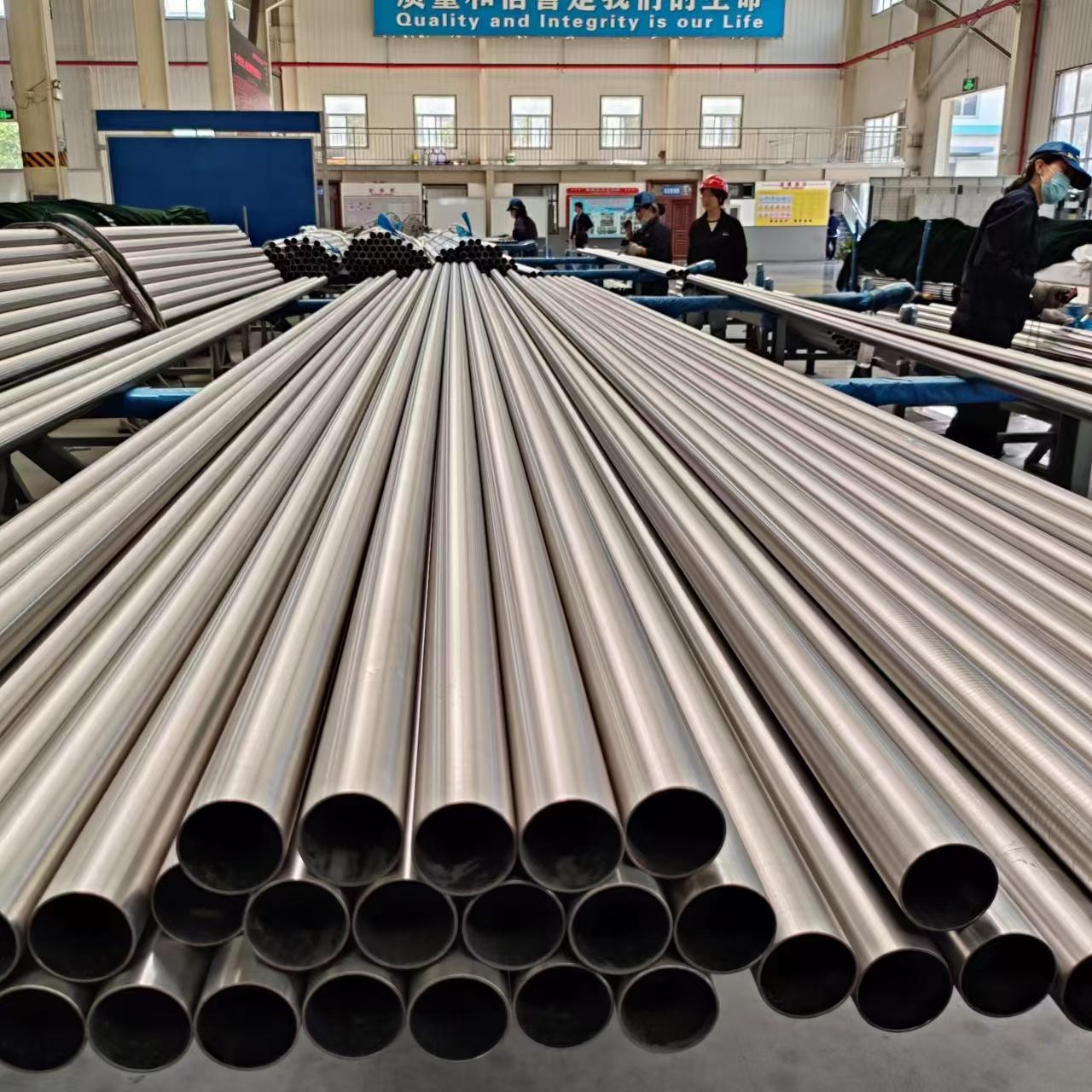
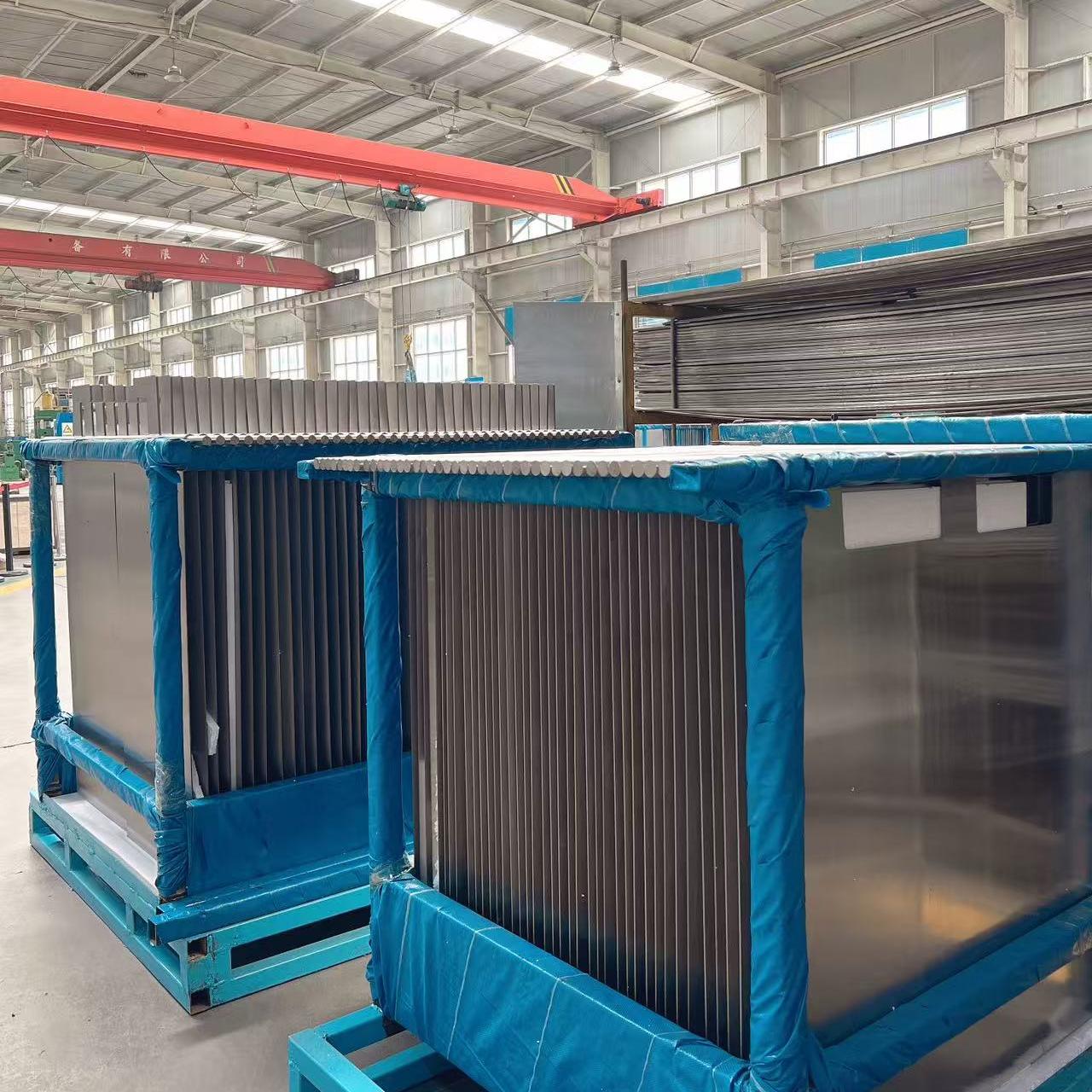
Baoji Special Steel Titanium Industry Co., LTD. is a joint-stock industrial enterprise specializing in the research, development, manufacturing, and sales of titanium, nickel, zirconium, and other metal pipes and metal composite materials.
Founded in 1997 and located in the Shaanxi Baoji National High-tech Industrial Development Zone, our factory covers an area of 41,000 square meters. With decades of metallurgical expertise, we have positioned ourselves as a global leader in providing advanced material solutions for the most demanding marine and industrial applications.
 World-Class Quality Unparalleled Standards
 Custom-Tailored Solutions & Swift Execution
 Streamlined Logistics & Global Reach
In offshore oil and gas extraction, subsea pipelines and risers transport highly corrosive multiphase fluids (a mixture of oil, gas, seawater, and sand) under extreme pressure. Internal corrosion from sour gas (H2S) and external corrosion from seawater pose severe risks. Nickel cladding—where a layer of high-grade nickel plate is metallurgically bonded to a carbon steel pipe—provides an economically viable yet technically superior solution. This ensures the structural integrity of the pipeline over a 30-to-50-year lifespan without the need for constant chemical inhibitor injections.
As global freshwater scarcity increases, large-scale Reverse Osmosis (RO) desalination plants are becoming critical infrastructure. The high-pressure pumps, evaporators, and brine heater shells in these facilities are constantly exposed to concentrated, hot brine. Standard stainless steels rapidly succumb to pitting in these conditions. Nickel plates, particularly those alloyed with copper (like Monel) or chromium/molybdenum, offer complete immunity to chloride stress corrosion cracking, ensuring continuous, safe potable water production.
The transition to renewable energy has led to the massive deployment of offshore wind turbines. The "splash zone" of turbine monopiles—the area constantly battered by waves and highly oxygenated seawater—is exceptionally prone to corrosion. Wrapping these critical transition pieces with heavy-duty nickel plates or utilizing nickel-infused protective sheathing guarantees that the multi-million-dollar turbine structures remain stable and safe throughout their operational design life, drastically reducing hazardous offshore maintenance requirements.
Modern commercial shipbuilding, particularly the construction of Liquefied Natural Gas (LNG) carriers, relies heavily on advanced materials. LNG is stored at cryogenic temperatures (-162°C). Nickel plates (such as 9% Nickel steel) possess the unique ability to maintain remarkable toughness and resist brittle fracture at these ultra-low temperatures. Furthermore, in propulsion systems, nickel-plated propeller shafts prevent galvanic corrosion when coupled with bronze propellers, ensuring the vessel's maneuverability and safety on the open seas.
Exploring how our specialized metallurgical solutions integrate into various sectors of global ocean engineering and maritime infrastructure.




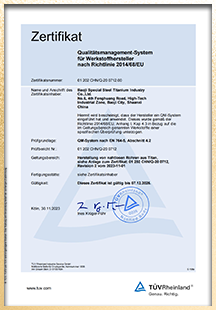
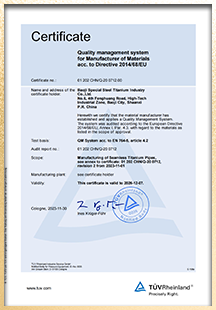
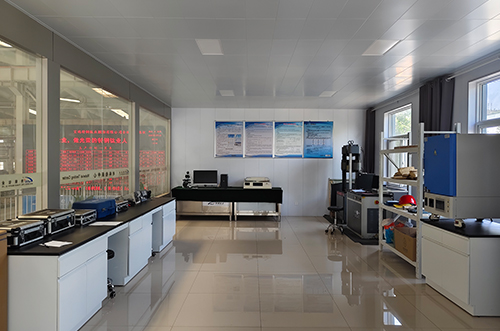
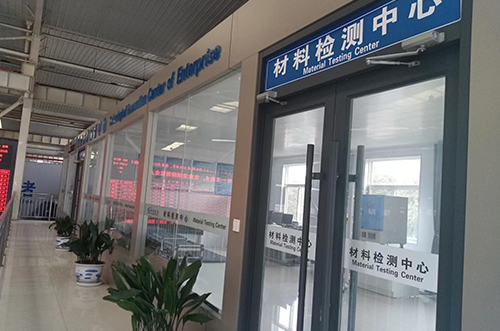
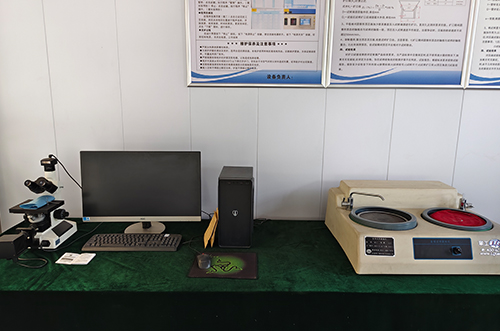
Stable product quality and integrity form the core of our business philosophy, earning the trust of global marine engineering clients.



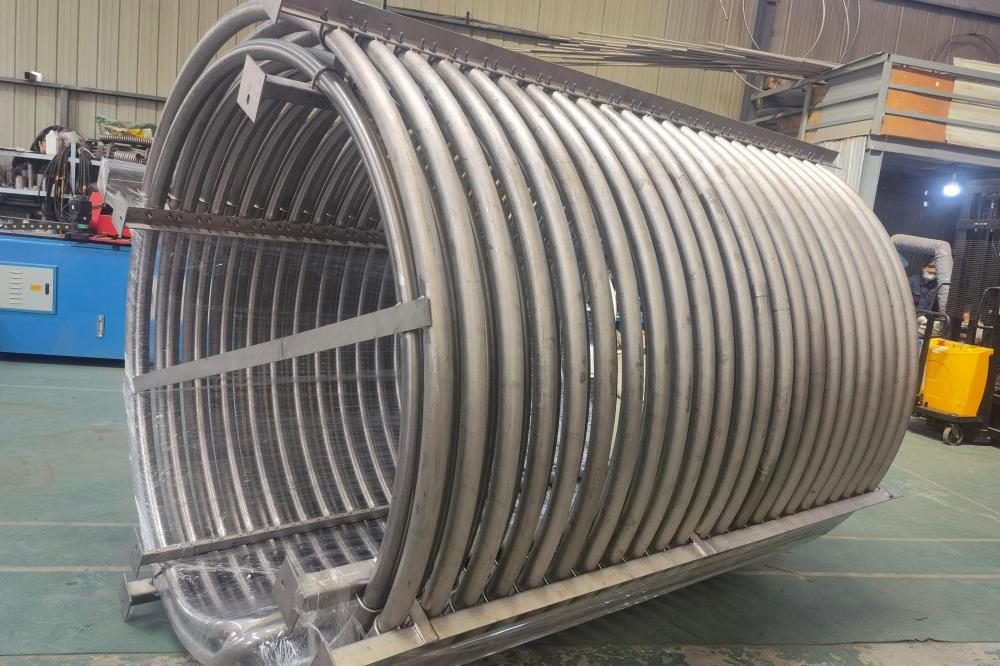
IATF 16949, CE, FMEA, PPAP, APQP, SPC AND MSA 100% TESTED. Delivering uncompromising quality since 1997.
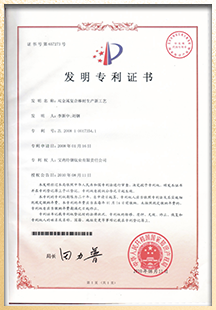
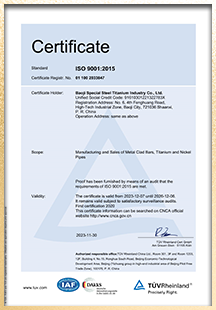
Explore our full range of high-performance metallurgical products designed specifically to withstand the rigors of marine engineering and subsea environments.