Leave Your Message
Engineered for extreme environments in the mining industry.
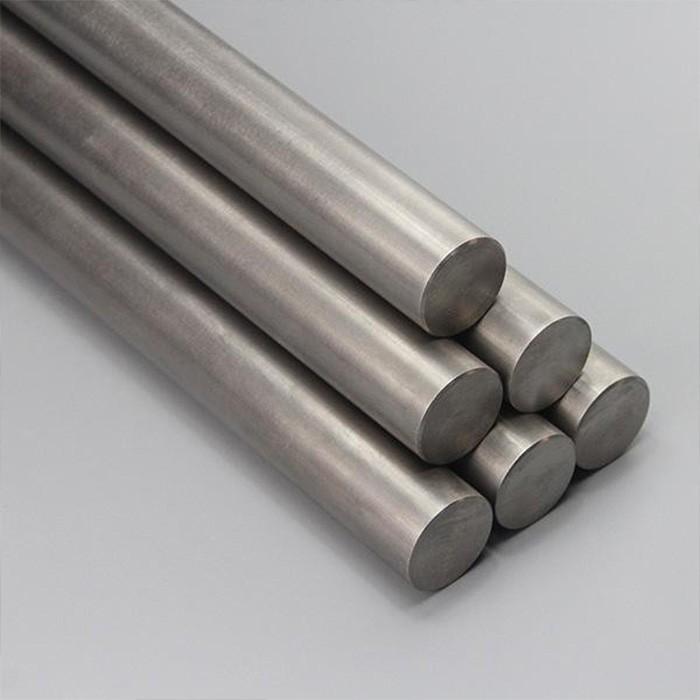
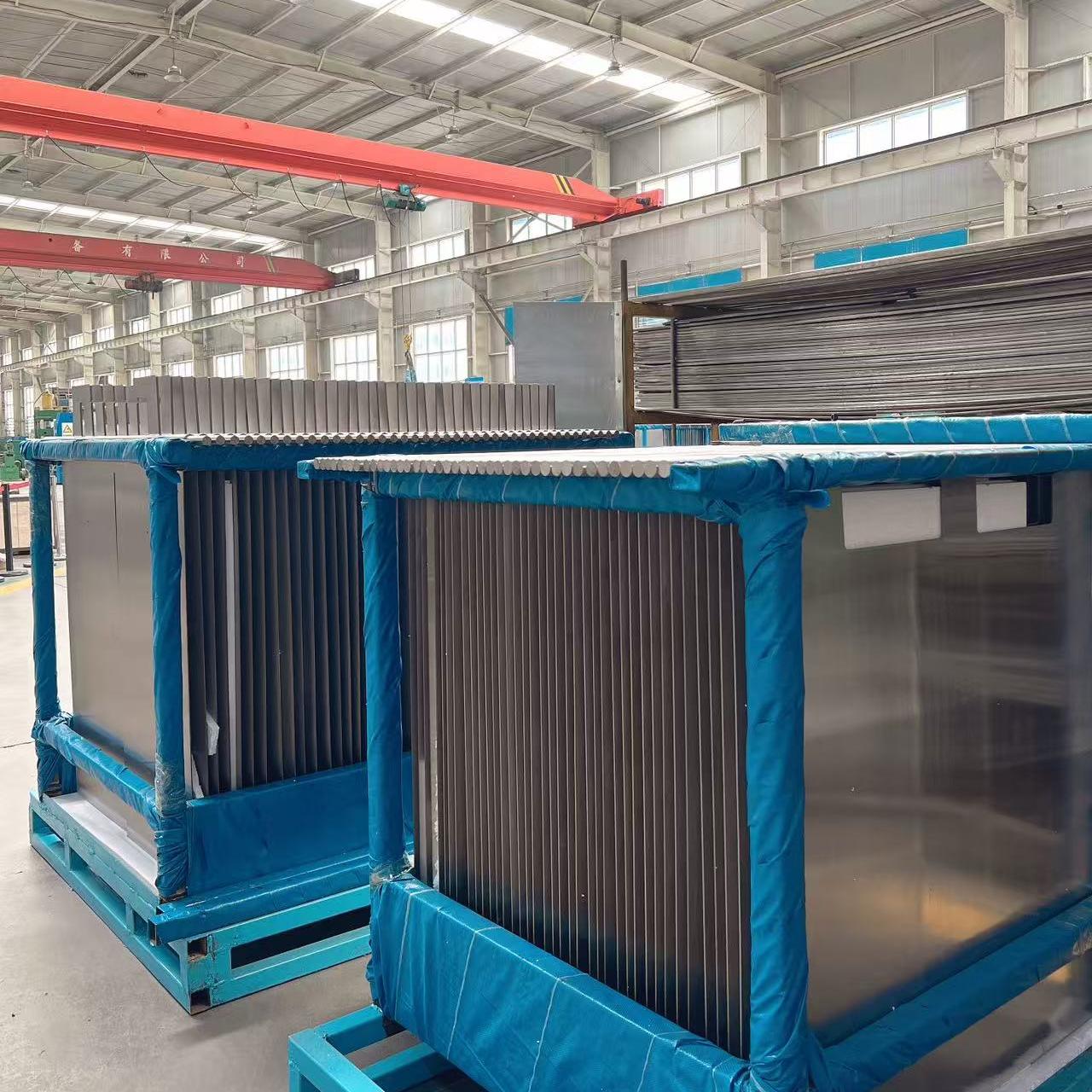
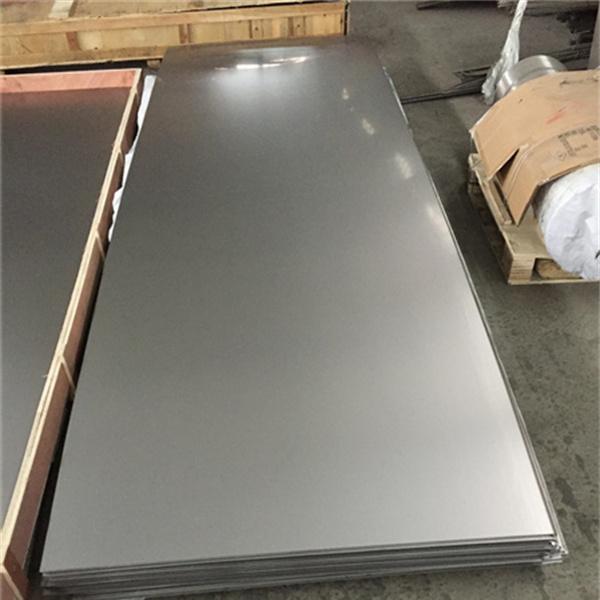
Welcome to the ultimate, comprehensive guide on the utilization, impact, and future of Nickel Plate for Mining and Mineral Processing Operations. In the demanding world of industrial extraction and metallurgy, the choice of materials can dictate the success, safety, and financial viability of an entire operation. Nickel plates, known for their exceptional purity, remarkable corrosion resistance, and unparalleled structural integrity under extreme conditions, have become the cornerstone of modern mineral processing facilities globally. This extensive analysis delves deep into the commercial landscape, technological advancements, intricate application scenarios, and the profound reasons why premium nickel plates are indispensable in today's high-stakes mining environments.
The global mining and mineral processing sector is undergoing a massive transformation, driven by the surging demand for base and precious metals required for the green energy transition. As the world pivots toward electric vehicles (EVs), renewable energy infrastructure, and advanced electronics, the extraction of metals like copper, zinc, cobalt, lithium, and even nickel itself has intensified. However, the ores being mined today are often of lower grades and more complex mineralogy than those mined decades ago. This necessitates more aggressive, highly corrosive chemical extraction methods, which in turn demand equipment that can withstand brutal operational environments.
This is precisely where the nickel plate asserts its dominance. From a commercial standpoint, the industrial status of high-purity nickel plates has shifted from being a specialized commodity to a fundamental infrastructural necessity. In hydrometallurgical facilities, where acids, chlorides, and elevated temperatures are the norm, standard stainless steel and lesser alloys degrade rapidly, leading to catastrophic equipment failures, costly downtime, and severe safety hazards. Nickel plates, specifically engineered for these harsh conditions, provide an ROI (Return on Investment) that far outweighs their initial procurement costs.
The supply chain for industrial-grade nickel plates involves rigorous metallurgical processes. Companies manufacturing these plates must adhere to stringent international standards (such as ASTM) to ensure the exact chemical composition and mechanical properties are met. The market trend indicates a consistent compound annual growth rate (CAGR) for high-performance alloys in the mining sector, reflecting a mature industry that recognizes the critical value of longevity and reliability in processing equipment.
To truly appreciate the value of a nickel plate in this industry, one must examine the specific, unforgiving environments in which they are deployed. Mineral processing is not a monolithic operation; it is a complex sequence of chemical and physical transformations.
Hydrometallurgy involves extracting metals from ores using aqueous chemistry. A prominent and highly aggressive form of this is High-Pressure Acid Leaching (HPAL), predominantly used to extract nickel and cobalt from laterite ores. In an HPAL autoclave, the ore slurry is mixed with concentrated sulfuric acid at temperatures exceeding 250°C (482°F) and pressures above 40 atmospheres. The internal components of these autoclaves, including baffles, agitators, and lining plates, are subjected to an environment that would obliterate standard metals in hours.
Nickel plates, particularly those alloyed with specific elements or used as a cladding material, exhibit extraordinary resistance to sulfuric acid corrosion at these extreme parameters. The passivating oxide layer that forms on the surface of the nickel acts as an impenetrable shield, preventing the underlying metal from chemical attack. This ensures continuous, safe operation of the autoclave, which is the beating heart of the HPAL facility.
Once the target metals are dissolved in the leaching stage, they must be recovered from the solution. Electrowinning and electrorefining are the standard processes for producing high-purity copper, zinc, nickel, and cobalt. In these electrolytic cells, heavy electrical currents are passed through an acidic metal-bearing solution (electrolyte) using anodes and cathodes.
Nickel plates serve a dual purpose here. First, in the electrorefining of nickel itself, high-purity nickel plates act as the starter sheets (cathodes) upon which the refined nickel deposits. The quality, flatness, and purity of the initial nickel plate are paramount; any impurities or structural defects can cause short circuits, uneven deposition, or contamination of the final product. Second, nickel alloys are frequently used in the structural components of the electrolytic cells, busbars, and handling equipment due to their ability to resist the corrosive mist generated during the electrolysis process.
Before leaching, ores are crushed, ground, and mixed with water and chemical reagents to form a slurry. This slurry is highly abrasive and, depending on the reagents used in flotation (such as xanthates or cyanides), can be highly corrosive. The transport of this slurry requires pumps, valves, and piping systems that can endure both mechanical wear and chemical degradation.
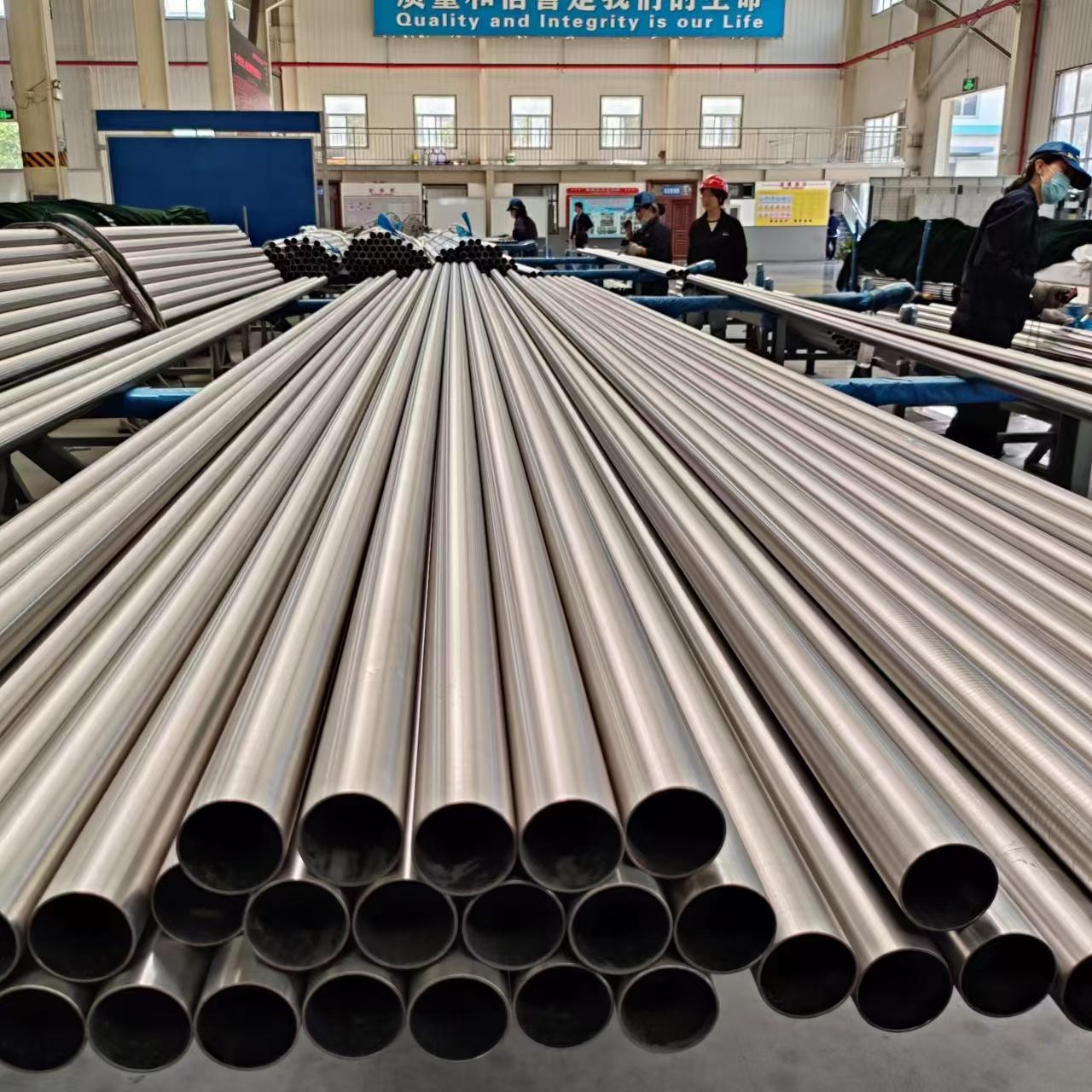
While nickel plates are not typically used for the bulk piping, they are strategically utilized in the manufacturing of critical wear parts, valve gates, and pump linings. The synergistic effect of abrasion and corrosion—where mechanical wear continuously removes the protective oxide layer, exposing fresh metal to chemical attack—is a primary cause of equipment failure. High-performance nickel plates mitigate this by maintaining their structural integrity and rapidly reforming their passive layer, ensuring the uninterrupted flow of millions of tons of processed ore.
The manufacturing and application of nickel plates for the mining sector have not remained static. The industry is experiencing a technological renaissance, deeply intertwined with Artificial Intelligence (AI) and smart manufacturing techniques. The modern nickel plate is a product of highly controlled, data-driven metallurgical engineering.
AI in Metallurgical Formulation: The precise alloying of nickel to achieve specific properties (such as enhanced resistance to localized pitting or stress corrosion cracking) is now being optimized by AI algorithms. Machine learning models analyze vast datasets of historical corrosion tests, thermodynamic properties, and atomic structures to predict the performance of new nickel alloy compositions before they are even cast. This allows manufacturers to tailor nickel plates to the exact chemical profile of a specific mine's ore body.
Smart Quality Control: During the production of premium nickel plates, AI-driven computer vision systems inspect the surface and internal structure of the metal in real-time. Ultrasonic testing and X-ray fluorescence (XRF) data are fed into neural networks that can detect microscopic flaws, inclusions, or variations in thickness that human inspectors might miss. This guarantees that every nickel plate delivered to a mining operation meets the absolute highest standards of quality, ensuring zero failure in critical applications.
Predictive Maintenance in the Mine: AI is also transforming how nickel plates are monitored once installed in the mineral processing plant. Sensors attached to process equipment continuously measure temperature, pressure, vibration, and electrochemical potential. Digital twin technology creates a virtual replica of the equipment, and AI models use the sensor data to predict the wear and corrosion rates of the nickel components. Plant managers are alerted precisely when a nickel plate or component needs replacement, eliminating unexpected catastrophic failures and optimizing maintenance schedules.
Looking ahead, the trajectory for nickel plates in mining and mineral processing is exceptionally robust. Several macro-economic and industrial trends are shaping the future of this sector:
For procurement managers, metallurgical engineers, and plant directors, the decision to invest in premium nickel plates is a strategic imperative. The initial capital expenditure for high-quality nickel alloys is undeniably higher than standard carbon or stainless steels. However, the economics of mineral processing dictate that downtime is the ultimate enemy. A single day of halted production in a major copper or nickel refinery can result in millions of dollars in lost revenue.
Premium nickel plates offer a guarantee of operational continuity. They provide resistance against pitting, crevice corrosion, intergranular attack, and stress-corrosion cracking. Furthermore, their excellent weldability and formability mean that custom components, complex geometries, and large-scale vessels can be fabricated with precise tolerances. When you choose a world-class manufacturer with decades of experience, you are not just buying a piece of metal; you are procuring peace of mind, safety for your workforce, and a tangible enhancement to your plant's overall efficiency and profitability.
In conclusion, the Nickel Plate is an unsung hero in the complex, aggressive world of mining and mineral processing operations. As ore grades decline and processing environments become increasingly hostile, the reliance on advanced, AI-optimized, high-purity nickel materials will only intensify. Embracing these advanced metallurgical solutions is the definitive pathway to sustainable, efficient, and highly profitable mineral extraction in the 21st century.
Is a joint-stock industrial enterprise specializing in the research, development, manufacturing and sales of titanium, nickel, zirconium and other metal pipes and metal composite materials. The company was founded in 1997, located in Shaanxi Baoji National High-tech Industrial development Zone, the factory covers an area of 41,000 square meters.
 World - Class Quality Unparalleled Standards
 Custom - Tailored Solutions Swift Execution
 Streamlined Logistics Global Reach




Best Practices
Stable product quality, integrity as the core of the business philosophy, by the world's customers trust.

Headline: Powering Global Mining Operations with Precision Metal Solutions.

Delivering high-purity materials for complex ore extraction processes.

Ensuring operational stability in high-pressure acid leaching environments.
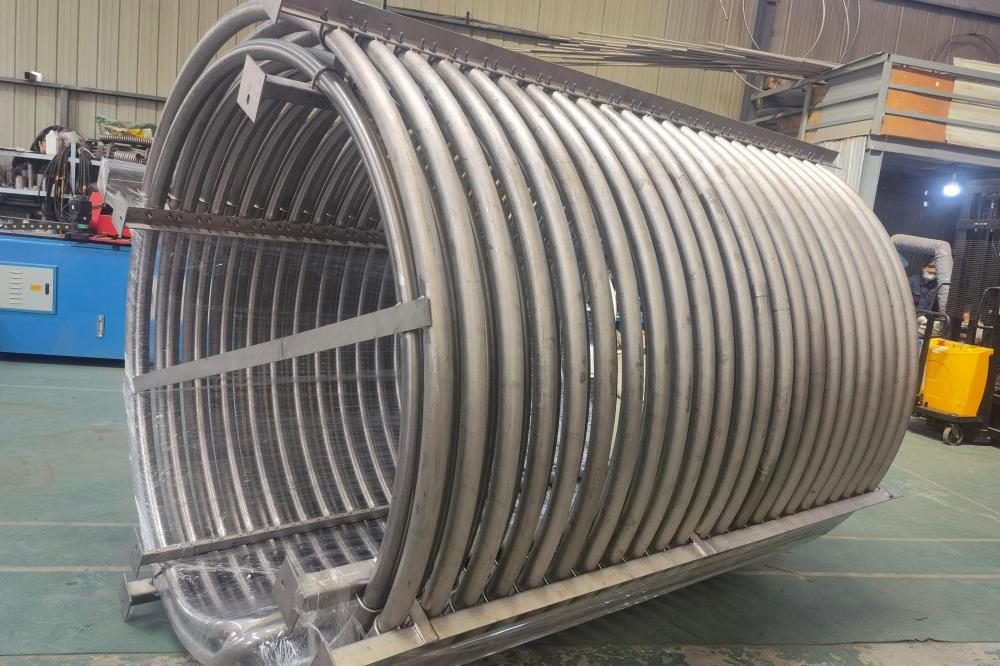
Corrosion-resistant solutions for aggressive chemical transport.
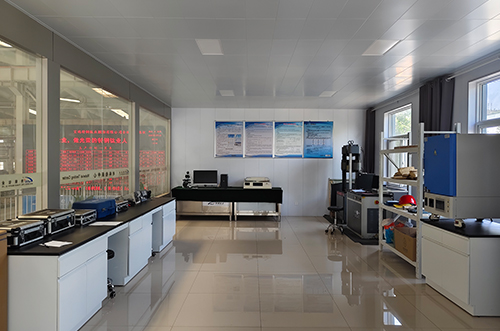
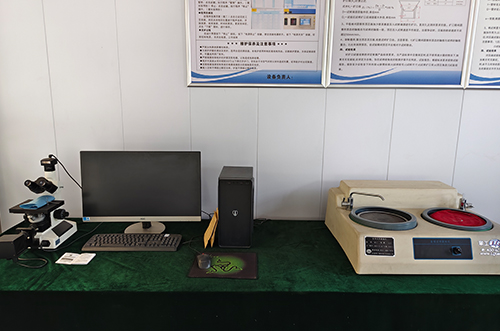
IATF 16949, CE, FMEA, PPAP, APQP, SPC AND MSA 100% TEST