Leave Your Message
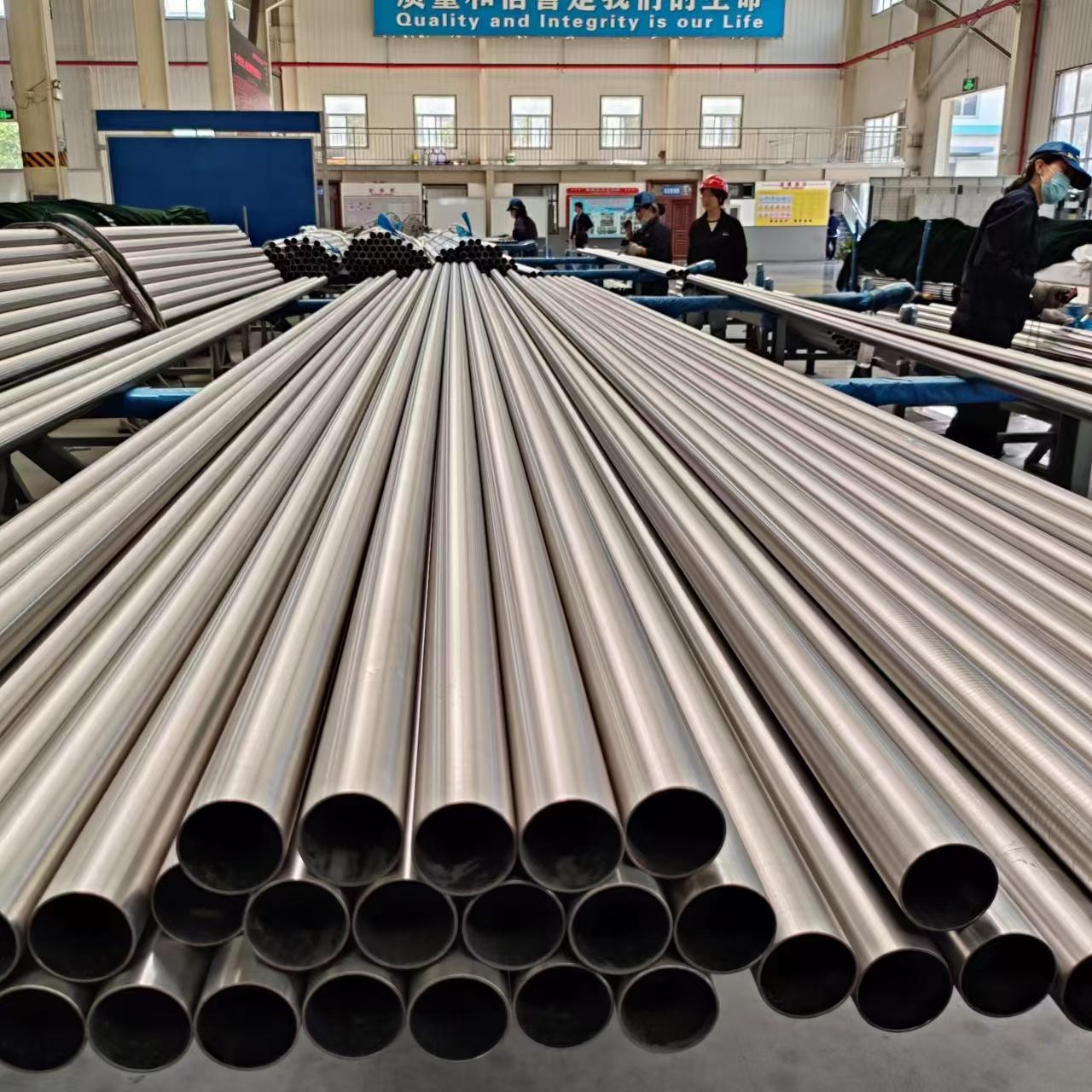
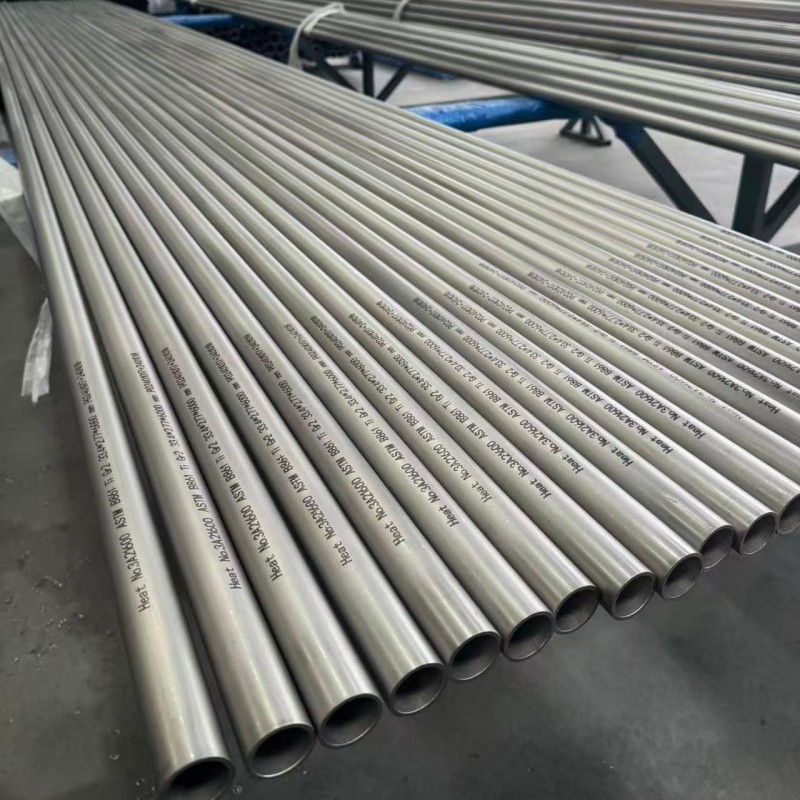
In the demanding realm of marine engineering, the integrity of piping systems is paramount. Nickel seamless pipes have emerged as the gold standard for offshore and subsea applications due to their extraordinary resistance to the corrosive nature of seawater. Unlike welded alternatives, seamless pipes offer a uniform structure that eliminates the risk of weld-line corrosion, making them indispensable for high-pressure and high-temperature environments.
The global market for high-performance nickel alloys in marine environments is witnessing a significant surge. As offshore oil and gas exploration moves into deeper waters and harsher climates, the reliance on materials that can withstand extreme hydrostatic pressure and saline oxidation has never been higher. Industrial sectors are shifting from traditional stainless steels to Nickel 200 and Nickel 201 seamless pipes to ensure long-term operational safety and reduce maintenance costs.

Immune to stress-corrosion cracking and pitting in chloride-rich marine environments.

Essential for heat exchangers and desalination units operating under marine conditions.

Manufactured through extrusion and cold drawing for maximum pressure tolerance.
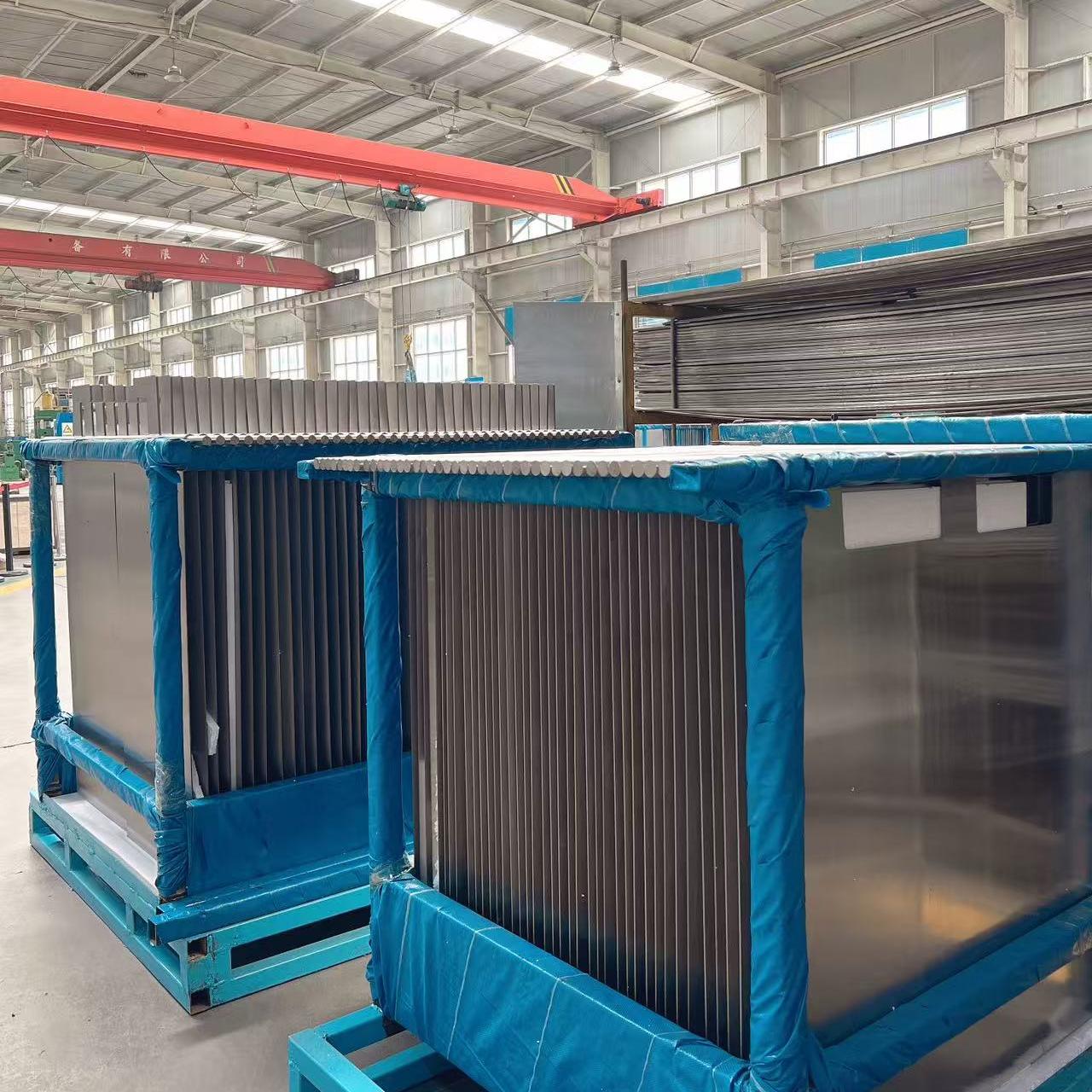
Baoji Special Steel Titanium Industry Co., LTD. is a joint-stock industrial enterprise specializing in the research, development, manufacturing and sales of titanium, nickel, zirconium and other metal pipes and metal composite materials. The company was founded in 1997, located in Shaanxi Baoji National High-tech Industrial development Zone, the factory covers an area of 41,000 square meters.
With over 28 years of expertise, we provide world-class quality and unparalleled standards in the production of Nickel Seamless Pipes for Marine Engineering Applications. Our commitment to innovation and precision has made us a trusted partner for global industrial giants.
Years Experience
Annual Tons
Square Meters
Product Types
Desalination is a critical solution for global water scarcity. Nickel seamless pipes are used extensively in Multi-Stage Flash (MSF) and Multiple Effect Distillation (MED) systems. Their ability to resist fouling and maintain structural integrity in hot, concentrated brine makes them the preferred choice over copper-nickel alloys in high-stress zones.
In the offshore sector, piping systems are exposed to both internal corrosive fluids (containing H2S and CO2) and external salt spray. Nickel 200/201 seamless pipes are utilized in firewater systems, ballast water piping, and chemical injection lines where failure is not an option. The seamless nature ensures that there are no weak points for localized corrosion to begin.
Subsea engineering requires materials that can withstand immense pressure at depths exceeding 3,000 meters. Nickel seamless pipes provide the necessary mechanical strength and ductility to handle the dynamic loads of the ocean floor while preventing hydrogen embrittlement.
With stricter IMO regulations on sulfur emissions, ships are increasingly equipped with exhaust gas cleaning systems (scrubbers). The acidic condensate produced in these systems is highly corrosive; nickel alloys provide the necessary longevity to withstand these harsh chemical environments.
Sustainability and Recyclability: Nickel is a highly sustainable material with a high recycling rate. As marine engineering moves toward "Green Shipping," the lifecycle benefits of nickel seamless pipes—lasting decades without replacement—align perfectly with carbon reduction goals.
Advanced Manufacturing: The integration of AI-driven quality control in the extrusion process allows for tighter tolerances in pipe wall thickness, ensuring even better performance in high-pressure subsea applications.
Deep-Sea Mining: As the frontier of mining moves to the ocean floor, the demand for "Super Nickel Alloys" in seamless pipe form will escalate to handle the abrasive and corrosive slurries transported from the seabed to the surface.
Smart Piping: Future nickel pipes may incorporate embedded sensors to monitor corrosion rates and structural health in real-time, facilitating predictive maintenance for offshore assets.


Best Practices
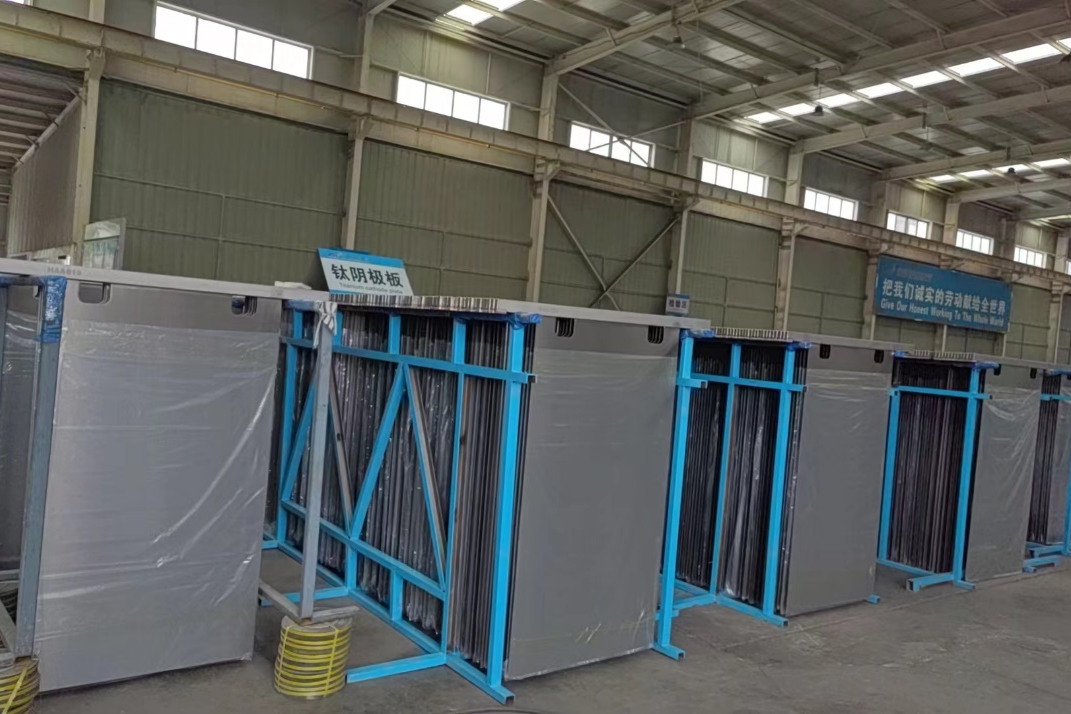
Precision solutions for global mining and marine operations.
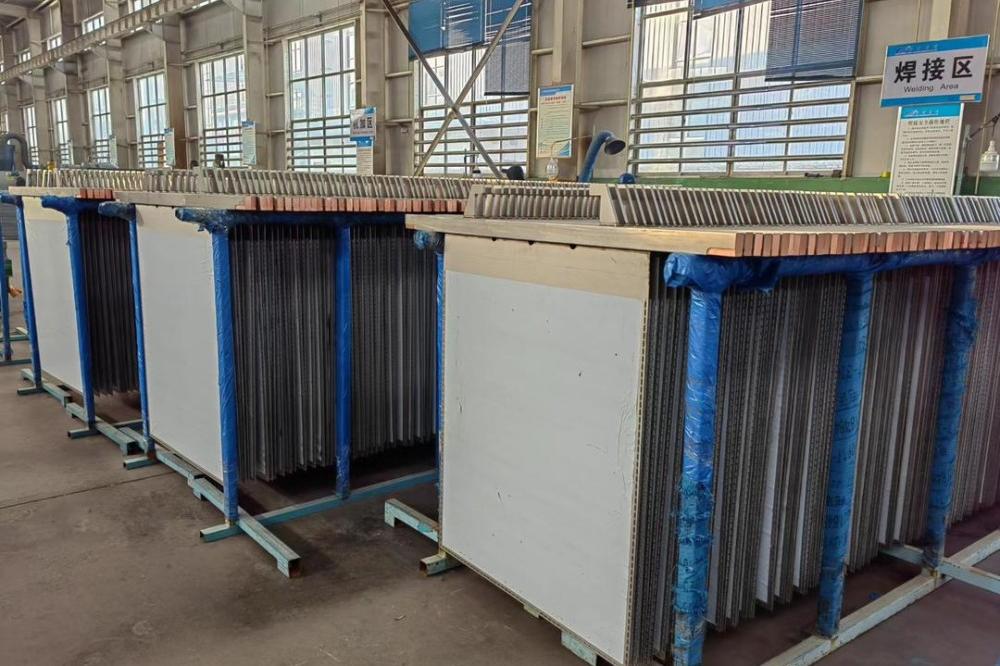
Strategic partnership for high-purity nickel materials.
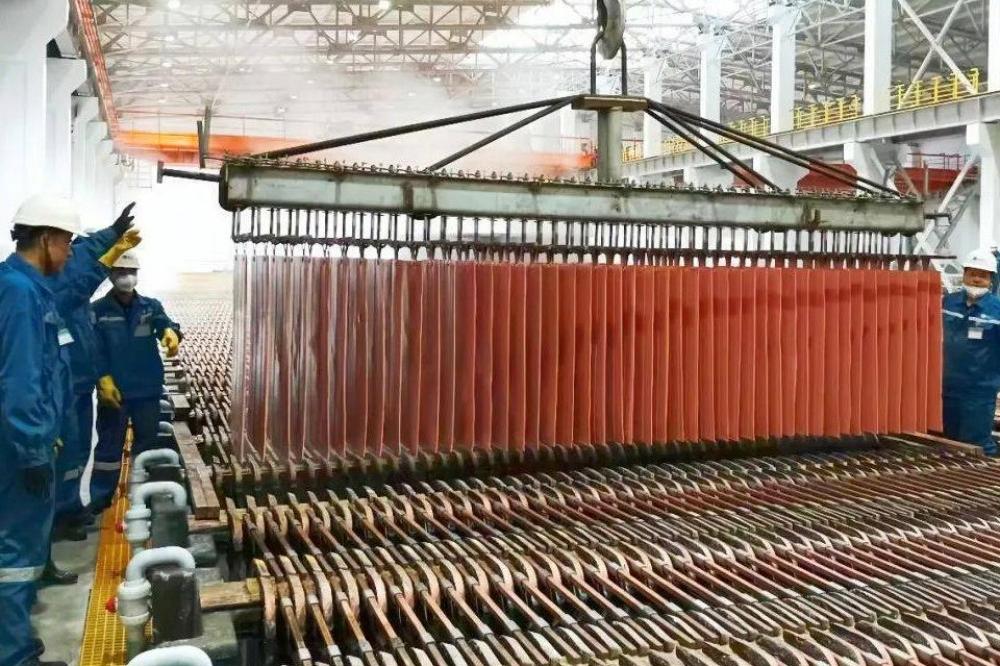
Advanced piping for hydrometallurgical marine processing.
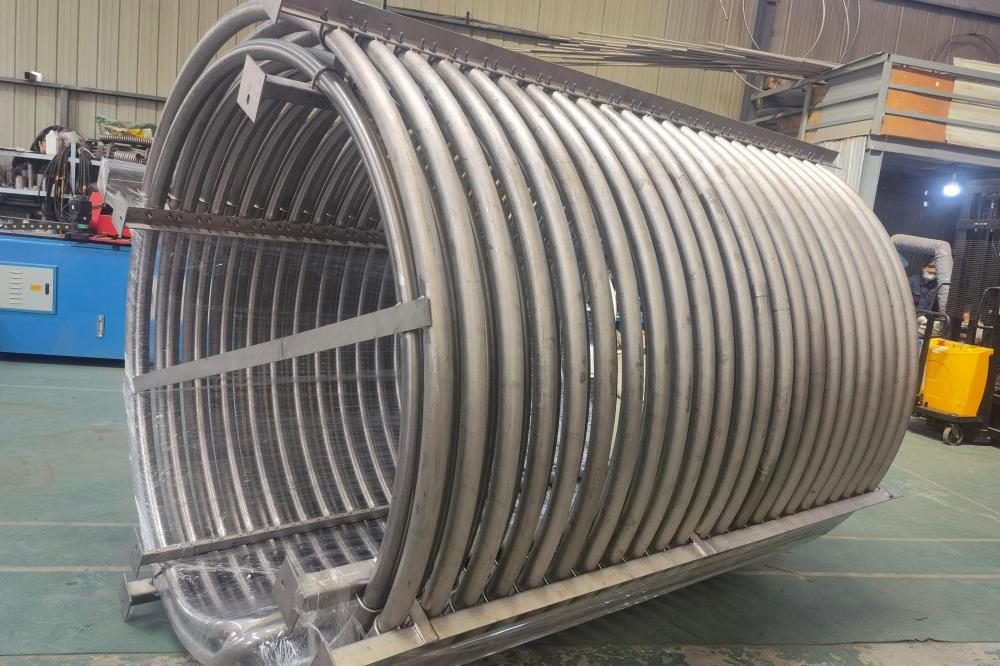
Large-scale industrial deployment of nickel alloys.
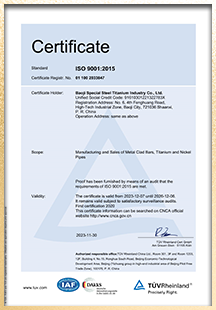
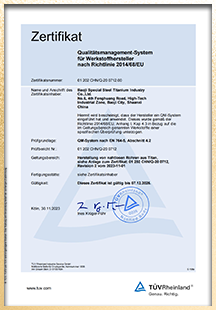
IATF 16949, CE, FMEA, PPAP, APQP, SPC and MSA 100% TESTED