


Leave Your Message
Precision-engineered alloys for robust piping infrastructure.
In the highly demanding landscape of modern industrial infrastructure, the integrity of fluid transportation networks is paramount. Nickel Tube For Corrosion-resistant Piping Systems stands at the forefront of metallurgical engineering, providing an indispensable solution for environments where standard materials rapidly degrade. Corrosion is not merely an aesthetic issue; it is a multi-billion-dollar industrial challenge that can lead to catastrophic system failures, environmental hazards, and severe operational downtime. Nickel and its advanced alloys (such as Alloy 200, 201, 400, 600, and C-276) possess a unique crystalline structure that inherently resists oxidative and reductive chemical attacks, making them the ultimate defense mechanism for critical piping architectures.
The implementation of high-purity nickel tubes goes far beyond basic plumbing. These components are meticulously engineered to withstand extreme temperatures, high-pressure differentials, and highly volatile chemical compounds. By forming a stable, passive oxide layer on their surface, nickel tubes self-heal when exposed to corrosive media, ensuring long-term operational stability. This extraordinary characteristic has positioned nickel-based piping systems as the gold standard in sectors ranging from deep-sea offshore drilling to advanced aerospace manufacturing.
The global demand for high-performance corrosion-resistant alloys is surging, driven by rapid industrialization and stringent safety regulations.
Modern metallurgical facilities are adopting AI-driven supply chain models to ensure a steady flow of premium nickel raw materials.
Investing in nickel piping drastically reduces the Total Cost of Ownership (TCO) by minimizing maintenance and replacement cycles.
The commercial landscape for Nickel Tube For Corrosion-resistant Piping Systems is undergoing a massive transformation. Historically viewed as a premium, niche material, nickel alloys are now becoming standard specifications in heavy industries due to the escalating severity of operational environments. The global market capitalization for corrosion-resistant alloys is projected to grow exponentially over the next decade. This growth is primarily fueled by the expansion of the global chemical processing sector, the transition to deeper and more corrosive oil and gas reserves, and the rapid development of green energy infrastructure.
From an industrial standpoint, the cost of corrosion is staggering. According to global metallurgical studies, industrial corrosion costs economies trillions of dollars annually. Plant managers and EPC (Engineering, Procurement, and Construction) contractors are increasingly shifting their procurement strategies from CAPEX-focused (lowest initial cost) to OPEX-focused (lowest operational cost over the lifecycle). In this paradigm, the initial investment in premium nickel tubes is easily justified. A standard carbon steel pipe might require replacement every two to three years in a sulfuric acid plant, whereas a high-grade nickel alloy tube can operate flawlessly for decades without structural compromise.
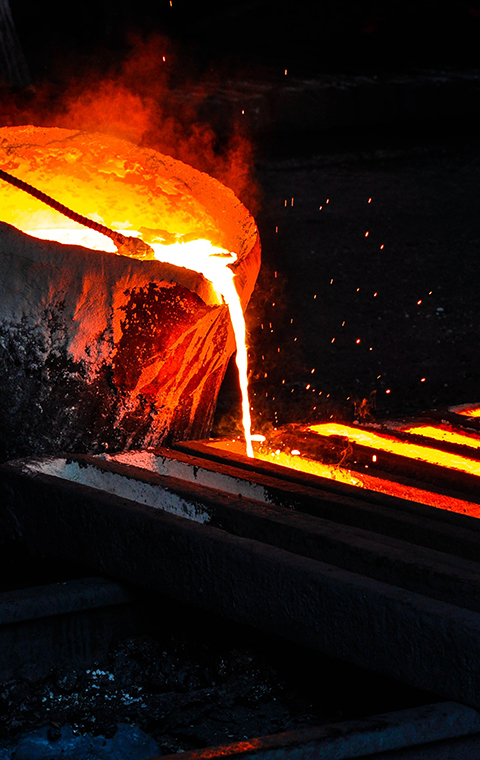
Furthermore, the manufacturing of these tubes has evolved. Modern facilities utilize vacuum induction melting (VIM) and electroslag remelting (ESR) to produce nickel billets with unprecedented purity. This ensures that the final extruded or welded tubes have zero micro-porosities, offering a perfectly smooth internal bore that prevents the localized accumulation of corrosive agents, thereby eliminating the risk of pitting and crevice corrosion.
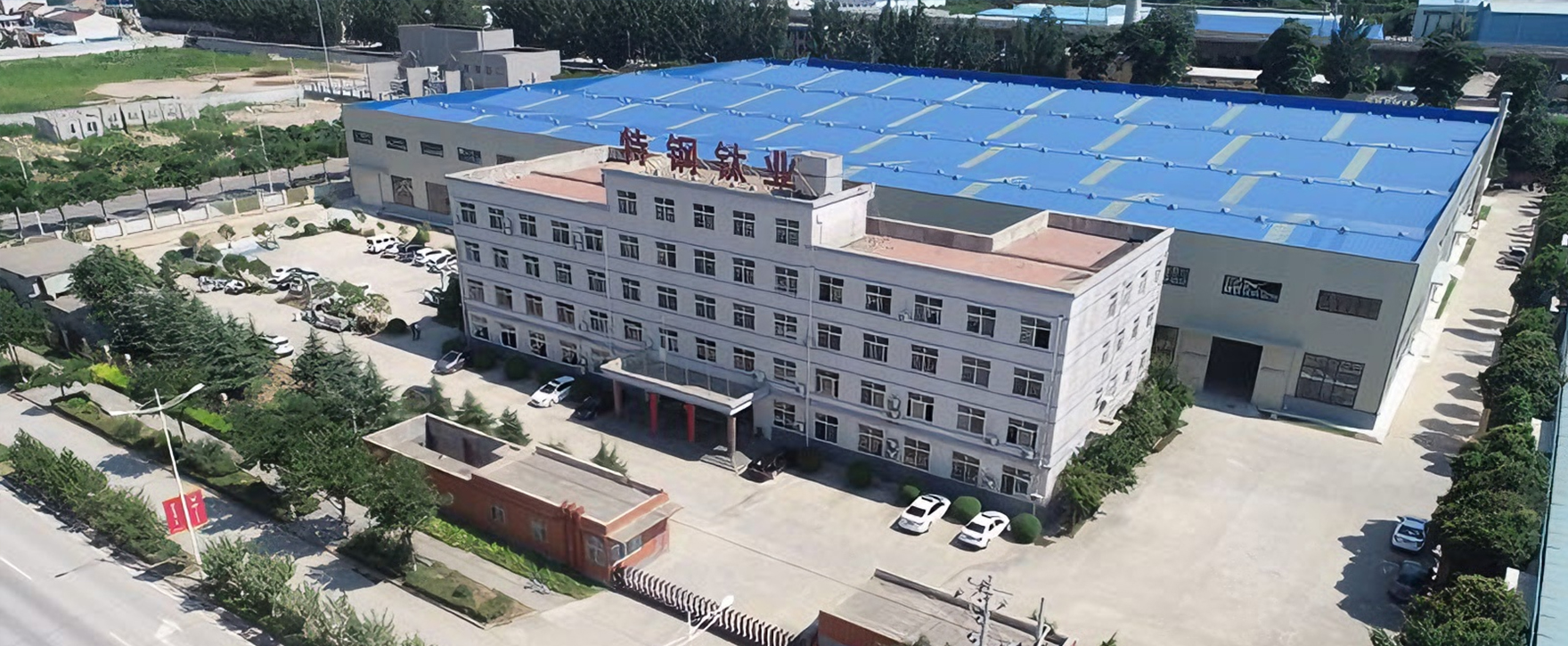
Baoji Special Steel Titanium Industry Co., LTD. is a joint-stock industrial enterprise specializing in the research, development, manufacturing, and sales of titanium, nickel, zirconium, and other metal pipes and metal composite materials. The company was founded in 1997, located in Shaanxi Baoji National High-tech Industrial Development Zone, and the factory covers an area of 41,000 square meters.
For decades, we have been at the forefront of providing premium Nickel Tube For Corrosion-resistant Piping Systems, delivering custom-tailored solutions with swift execution and streamlined global logistics. Our commitment to world-class quality and unparalleled standards has made us a trusted partner for critical industrial applications worldwide.
 World - Class Quality Unparalleled Standards
 Custom - Tailored Solutions Swift Execution
 Streamlined Logistics Global Reach
The versatility of Nickel Tube For Corrosion-resistant Piping Systems allows it to be deployed in some of the most hostile environments on the planet. By dissecting specific application scenarios, we can truly understand the engineering marvel behind these alloys.
In the chemical and petrochemical industries, piping systems are routinely exposed to highly aggressive media such as hot concentrated sulfuric acid, hydrochloric acid, hydrofluoric acid, and various caustic alkalis. Standard stainless steel is highly susceptible to chloride stress corrosion cracking (CSCC) in these environments. High-nickel alloys, particularly those alloyed with molybdenum and chromium (like Hastelloy C-276 or Inconel 625), exhibit near-total immunity to CSCC. These nickel tubes act as the central veins of chemical reactors, heat exchangers, and distillation columns, ensuring that highly toxic and reactive chemicals are transported safely without the risk of containment failure.
Seawater is notoriously corrosive due to its high chloride content and the presence of micro-organisms that cause microbiologically influenced corrosion (MIC). For offshore oil rigs, floating production storage and offloading (FPSO) units, and naval vessels, piping system integrity is a matter of life and death. Copper-nickel alloys (such as 90/10 and 70/30) and pure nickel tubes are extensively used in seawater cooling systems, fire water mains, and desalination plants. Nickel's inherent resistance to biofouling means that marine organisms like barnacles and algae cannot attach to the inner walls of the pipes, thereby maintaining optimal fluid dynamics and pump efficiency.
The power generation sector, encompassing nuclear, geothermal, and advanced fossil fuel plants, operates under extreme parameters of temperature and pressure. In nuclear reactors, nickel alloy tubes are utilized in steam generators and reactor core components. They must withstand constant neutron irradiation, high-pressure steam, and primary coolant water without degrading. Similarly, in geothermal power plants, the brine extracted from the earth is highly acidic and laden with abrasive silica and hydrogen sulfide. Nickel tubes provide the necessary robust barrier, preventing the rapid erosion-corrosion that would otherwise destroy standard piping systems within months.
In hydrometallurgy, the extraction of metals from ores involves highly concentrated acidic leaching solutions. The piping used to transport these slurries must resist both chemical corrosion and mechanical abrasion. Nickel pipes are the material of choice here. Furthermore, in the electroplating industry, where maintaining the absolute purity of the electrolyte bath is critical, nickel tubes ensure that no metallic contaminants are leached from the pipe walls into the solution, thereby guaranteeing the flawless finish of the plated products.
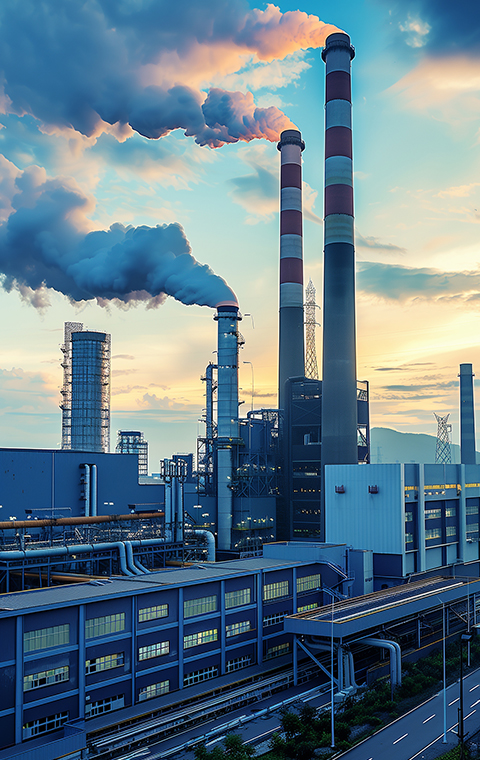
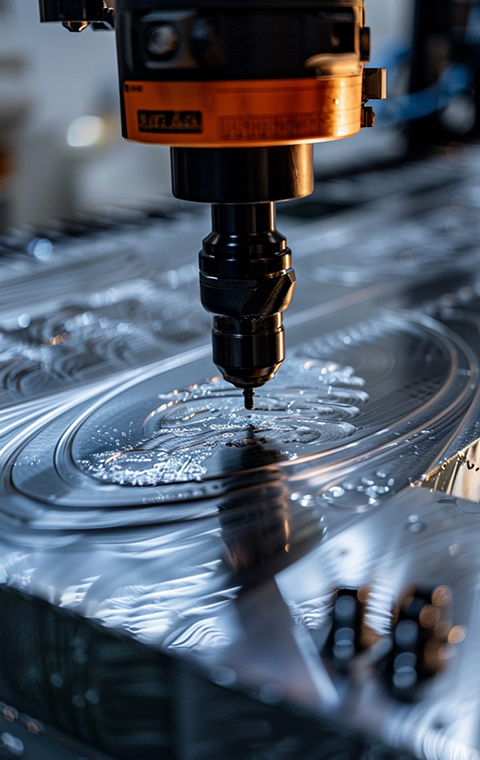

The future of Nickel Tube For Corrosion-resistant Piping Systems is inextricably linked with the advent of Industry 4.0 and advanced technological integration. As industrial demands become more stringent, the manufacturing and deployment of nickel piping are evolving at a rapid pace. One of the most significant trends is the application of Artificial Intelligence (AI) and machine learning in metallurgical processes. AI algorithms are now being used to optimize the precise chemical composition of nickel alloys during the melting phase, predicting the exact microstructural outcomes to maximize corrosion resistance against specific chemical threats.
Another groundbreaking development is the creation of "Smart Piping Systems." By integrating micro-IoT (Internet of Things) sensors into the external cladding of nickel tubes, facility operators can monitor real-time data regarding wall thickness, temperature fluctuations, and flow rates. This AI-driven predictive maintenance model allows engineers to detect microscopic anomalies or localized stress points long before they develop into critical failures, thereby revolutionizing plant safety and operational efficiency.
As the global economy shifts towards sustainable energy, nickel tubes are finding new, critical applications. The burgeoning hydrogen economy relies heavily on secure transportation networks. Hydrogen embrittlement is a major issue for standard steel pipes; however, specific high-nickel alloys provide an impermeable and stable matrix for the safe transportation and storage of liquid and compressed hydrogen. Furthermore, in carbon capture, utilization, and storage (CCUS) facilities, the piping systems must handle supercritical CO2 mixed with moisture, creating a highly acidic environment where only premium nickel tubes can survive.
In conclusion, the strategic implementation of Nickel Tube For Corrosion-resistant Piping Systems is not just a material choice; it is an investment in safety, longevity, and technological superiority. As industries continue to push the boundaries of extreme operational environments, the reliance on high-purity, precision-engineered nickel alloys will only intensify, cementing their status as the backbone of modern, resilient industrial infrastructure.
Stable product quality, integrity as the core of the business philosophy, trusted by global customers.
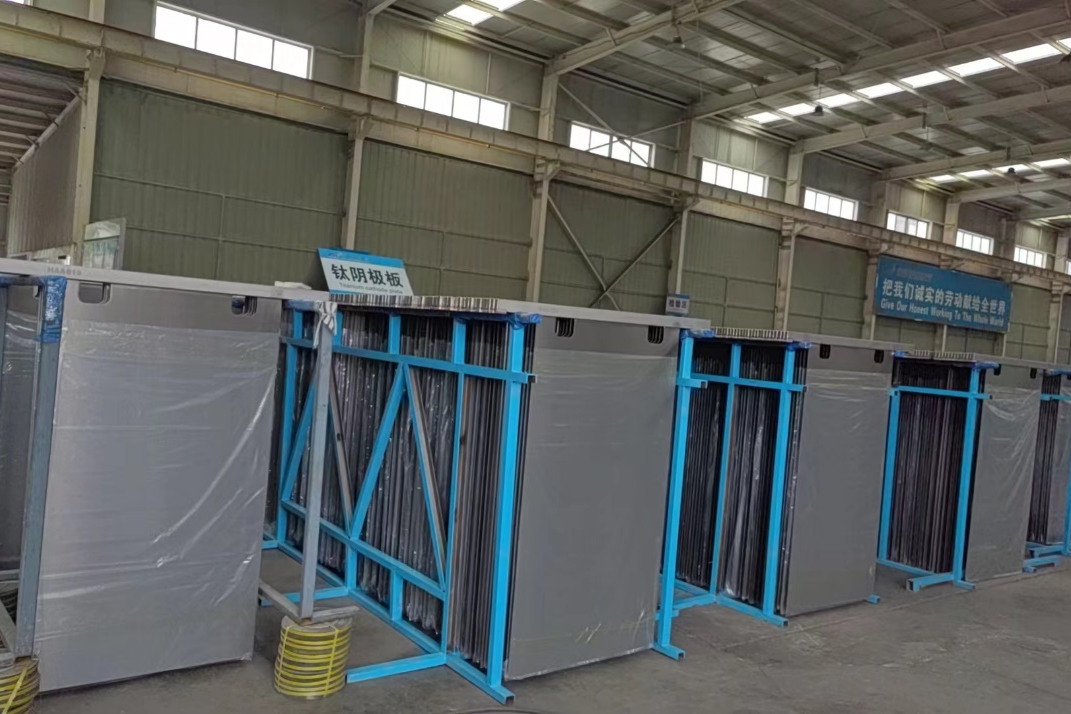
Powering Global Mining Operations with Precision Titanium & Nickel Solutions.
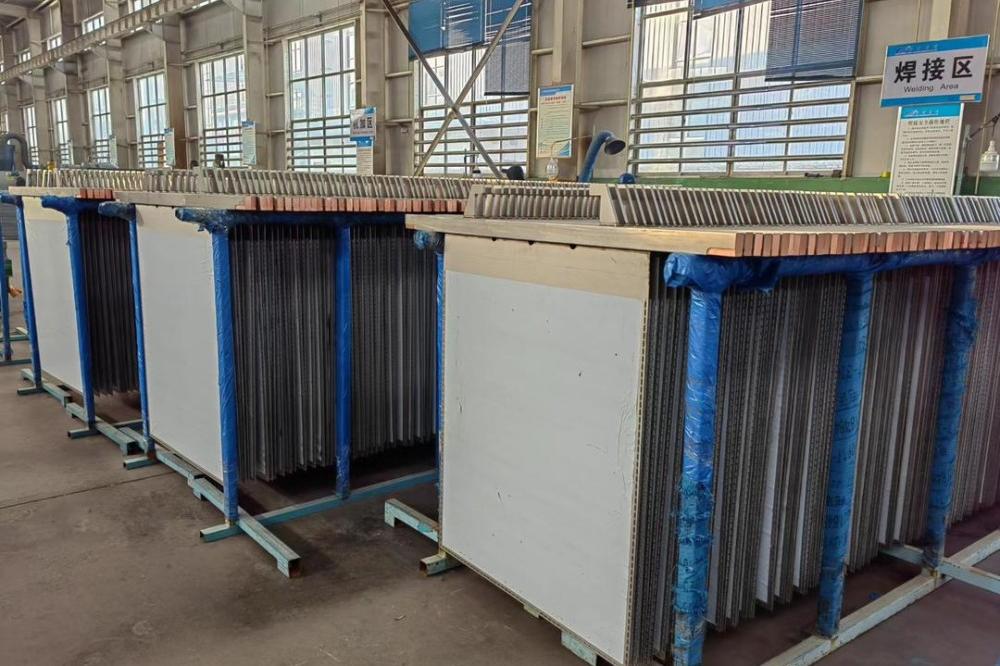
Advanced corrosive fluid management for large-scale metallurgical processes.
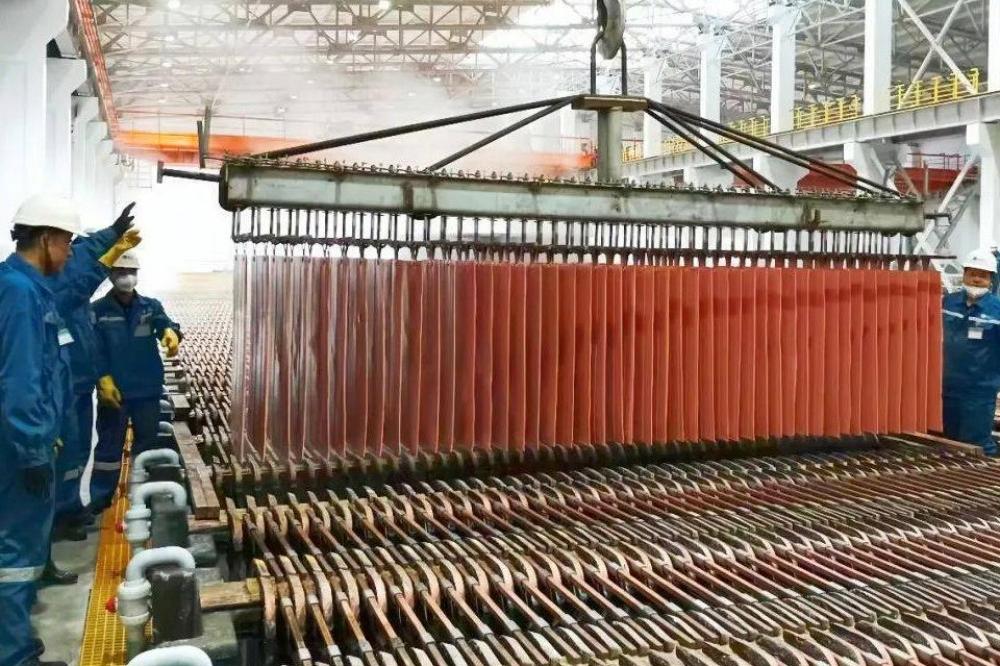
Implementation of high-purity piping for battery material extraction.
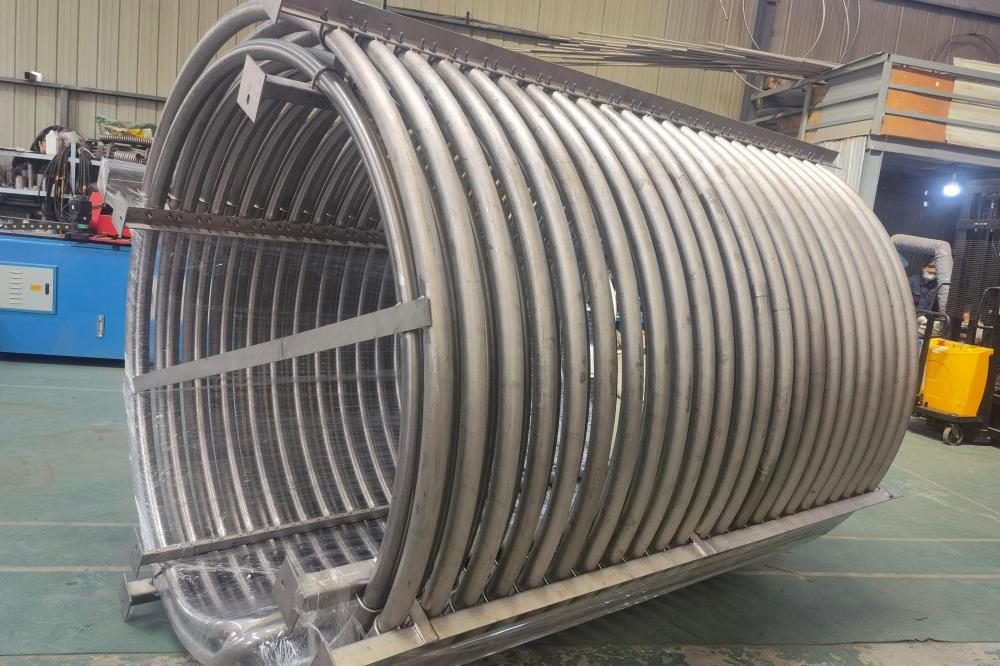
Severe chemical environment piping infrastructure upgrade.
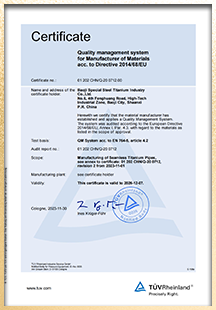
IATF 16949, CE, FMEA, PPAP, APQP, SPC AND MSA 100% TEST
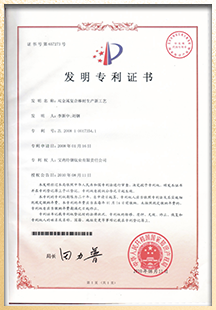
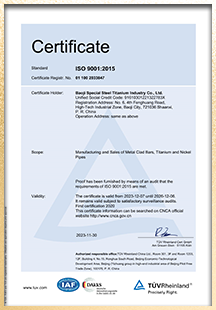
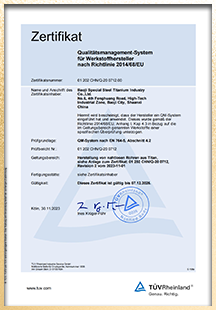
Explore our full range of high-performance metal solutions.


