



Leave Your Message
Precision-manufactured nickel and titanium products designed to meet the rigorous demands of electrolytic nickel processing and advanced industrial applications.
Understanding the critical role of nickel tubes across the entire electrolytic nickel value chain — from raw material processing to finished product delivery.
The electrolytic nickel industry represents one of the most technically demanding sectors within global metallurgy. At its core, the process of electrodeposition relies on a precise, chemically stable, and mechanically robust infrastructure — and nickel tubes stand as an indispensable component within this infrastructure. From electrolyte circulation systems to heat exchanger applications and cathode support structures, nickel tubes deliver the performance characteristics that no substitute material can reliably match.
🔬 Key Insight: Global electrolytic nickel production exceeded 2.8 million metric tons in 2023, with demand accelerating sharply due to the electric vehicle battery supply chain — driving unprecedented procurement of high-grade nickel tubular products worldwide.
Electrolytic nickel refining involves immersing nickel anodes in a sulfate or chloride-based electrolyte solution, through which electrical current drives the dissolution and re-deposition of pure nickel onto cathode surfaces. Throughout this process, every material in contact with the electrolyte must demonstrate exceptional resistance to corrosion, oxidation, and chemical attack. Nickel tubes fulfill all these requirements and more:
The application landscape for nickel tubes within electrolytic nickel facilities is broader than most procurement engineers initially consider. Below we examine the principal use cases in depth:
The electrolyte solution — typically nickel sulfate or nickel chloride — must be continuously circulated between the cell house and purification stations. Seamless nickel tubes form the backbone of these circulation loops, resisting the acidic pH (typically 2–5) and elevated temperatures that would rapidly corrode stainless steel or polymer alternatives. Welded nickel tube assemblies with flanged connections allow modular plant layouts and straightforward maintenance access.
Maintaining optimal electrolyte temperature is critical for consistent current efficiency and deposit quality. Shell-and-tube heat exchangers using nickel tubes as the heat transfer medium offer superior thermal conductivity combined with chemical inertness. This prevents any metallic contamination of the electrolyte from heat exchanger surfaces — a concern that disqualifies copper or mild steel from this role.
Nickel tubes serve as structural support rods and frames for anode bags in electrolytic cells. Their rigidity, corrosion resistance, and compatibility with the electrolyte environment make them the preferred choice for long-duration electrolytic campaigns lasting 6–12 months without replacement.
Hydrogen gas evolution at cathode surfaces and chlorine/SO₂ at anodes necessitate robust gas handling infrastructure. Nickel tubes used in purging manifolds and off-gas collection headers withstand the aggressive gas compositions and humid conditions within cell houses, ensuring safe and efficient ventilation without corrosion-related failures.
Continuous electrolyte monitoring requires dedicated sampling lines connecting cell house tanks to analytical instruments. Nickel tubes in these lines ensure that sampled electrolyte composition is not altered by leaching of tube material — a critical requirement for accurate process control and product quality assurance.
Withstands sulfuric acid, hydrochloric acid, and nickel salt electrolytes across wide pH and temperature ranges — far outperforming stainless steel in aggressive electrolytic environments.
Maintains mechanical integrity at operating temperatures up to 600°C, making nickel tubes suitable for both ambient electrolytic cell environments and high-temperature processing stages.
Zero metallic contamination of electrolyte baths — critical for achieving electrolytic nickel grades of 99.99%+ purity required by battery-grade and electronics-grade end markets.
The global nickel tube market is being reshaped by powerful macroeconomic and technological forces. Understanding these trends is essential for procurement strategists and plant engineers alike.
The explosive growth of lithium-ion battery manufacturing for electric vehicles demands Class 1 high-purity nickel — produced exclusively via electrolytic refining. This is driving a global expansion of electrolytic nickel capacity, with corresponding surge in nickel tube procurement for new plant construction.
Historically concentrated in Russia, Canada, and Australia, electrolytic nickel production is now expanding rapidly in Indonesia, China, and Southeast Asia. New greenfield smelter and refinery projects in these regions represent significant demand for nickel tubular infrastructure components.
Environmental regulations are pushing electrolytic nickel producers toward closed-loop electrolyte systems with zero liquid discharge. This intensifies the requirement for chemically inert, long-life nickel tube systems that minimize maintenance interventions and waste generation.
The commercial supply chain for electrolytic-grade nickel tubes has evolved significantly over the past decade. Buyers now require not just dimensional accuracy and material certification, but comprehensive technical support including weld procedure qualification, third-party inspection, and traceability documentation from melt to finished product.
Leading suppliers differentiate themselves through investment in advanced cold-drawing and seamless tube manufacturing technology, enabling tighter dimensional tolerances (wall thickness variation ≤±5%) and superior surface finish (Ra ≤1.6μm) compared to legacy hot-extrusion processes. These improvements directly translate into longer service life in electrolytic cell environments and reduced total lifecycle cost for plant operators.
From a specification perspective, the most commonly specified nickel tube grades for electrolytic applications include:
💡 Procurement Tip: Always request mill test certificates (MTC) compliant with EN 10204 3.1 or 3.2, and verify chemical composition against ASTM B161 (seamless) or ASTM B163 (heat exchanger) specifications when sourcing nickel tubes for electrolytic industry applications.
The next generation of nickel tubes for electrolytic applications will be shaped by advances in materials science and digital manufacturing. Nano-structured nickel coatings applied to tube inner surfaces are under active development to further reduce electrolyte interaction and extend service intervals. Additive manufacturing (3D printing) of complex nickel tube assemblies is beginning to emerge for custom manifold and distribution header geometries that are impractical to produce by conventional forming methods.
Digital twin technology is also being applied to electrolytic plant piping systems, with sensor-embedded nickel tube assemblies providing real-time wall thickness monitoring and corrosion rate data. This enables predictive maintenance scheduling — eliminating unplanned shutdowns and optimizing tube replacement intervals based on actual condition data rather than conservative time-based schedules.
For plant engineers and procurement managers, partnering with a nickel tube supplier who invests in these emerging technologies — and who can provide both standard catalog products and engineered-to-order solutions — will be a key competitive differentiator in the coming decade of electrolytic nickel industry expansion.
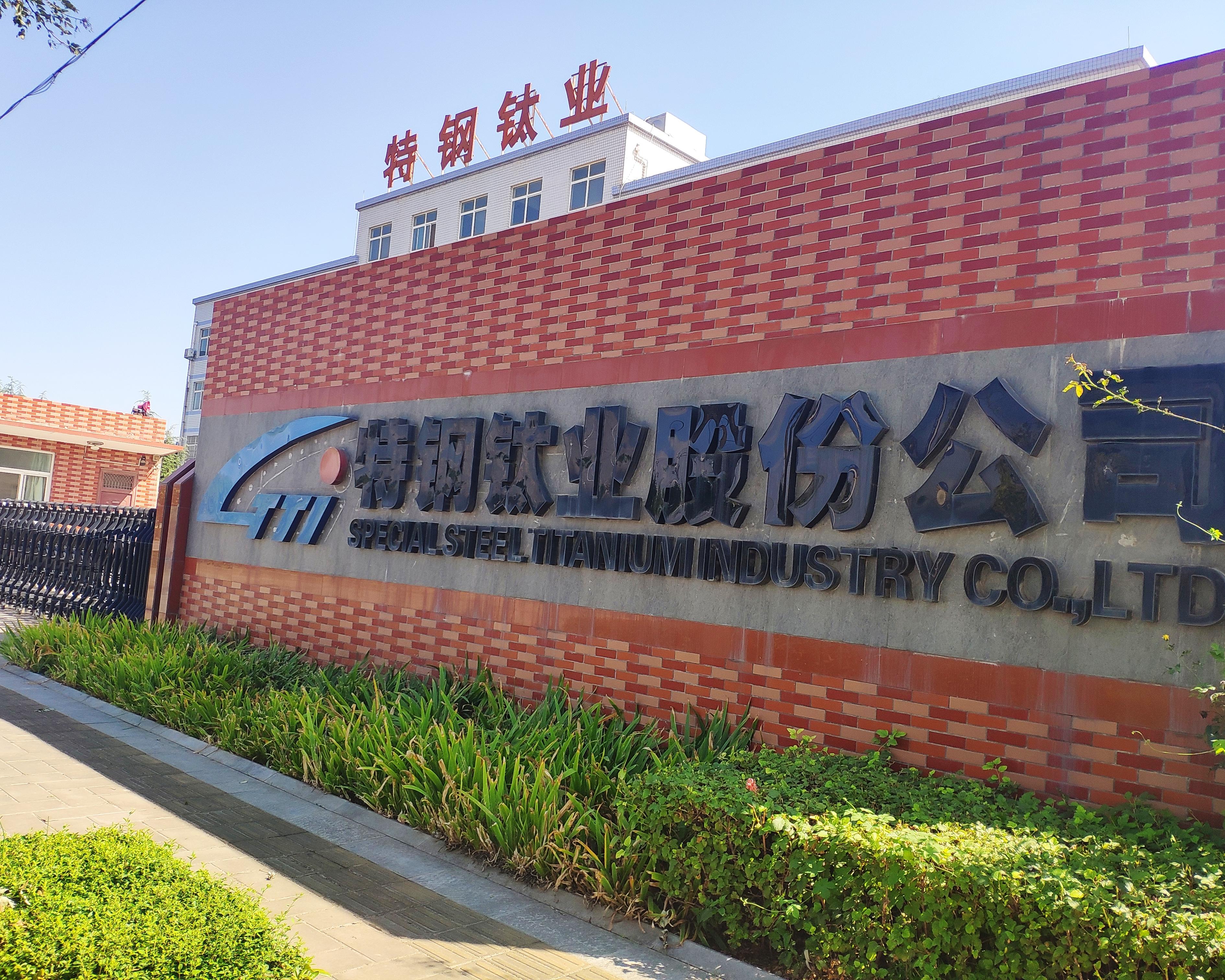
Is a joint-stock industrial enterprise specializing in the research, development, manufacturing and sales of titanium, nickel, zirconium and other metal pipes and metal composite materials. The company was founded in 1997, located in Shaanxi Baoji National High-tech Industrial development Zone, the factory covers an area of 41,000 square meters. The company has an annual production capacity of over 3000 tons of non-ferrous metal pipes, composite materials and various deep processing products such as titanium, zirconium, nickel, tantalum and copper, etc., and a series of products according to varieties and specifications have reached more than 500 kinds, the annual export accounted for more than 30% of the company's total output, is an export-oriented industrial enterprise with a strong growth momentum. The company has obtained the national high and new technology enterprise certification and has been listed in the first batch of industries encouraged to develop by the National Development and Reform Commission.


Titanium and titanium alloy, nickel and nickel alloy, zirconium and zirconium alloy mainly non-ferrous metal pipe;
Non-ferrous metal composite materials mainly composed of titanium clad copper, including: titanium clad copper, zirconium clad copper, ladle copper, composite wire, multilayer composite metal, etc.;
Titanium cathode is the main product of the composite electrode series, including: titanium cathode, stainless steel permanent cathode, nickel anode, titanium-based lead dioxide anode, and so on.
A series of nickel materials products mainly consisting of nickel plates, nickel rods and nickel strips.
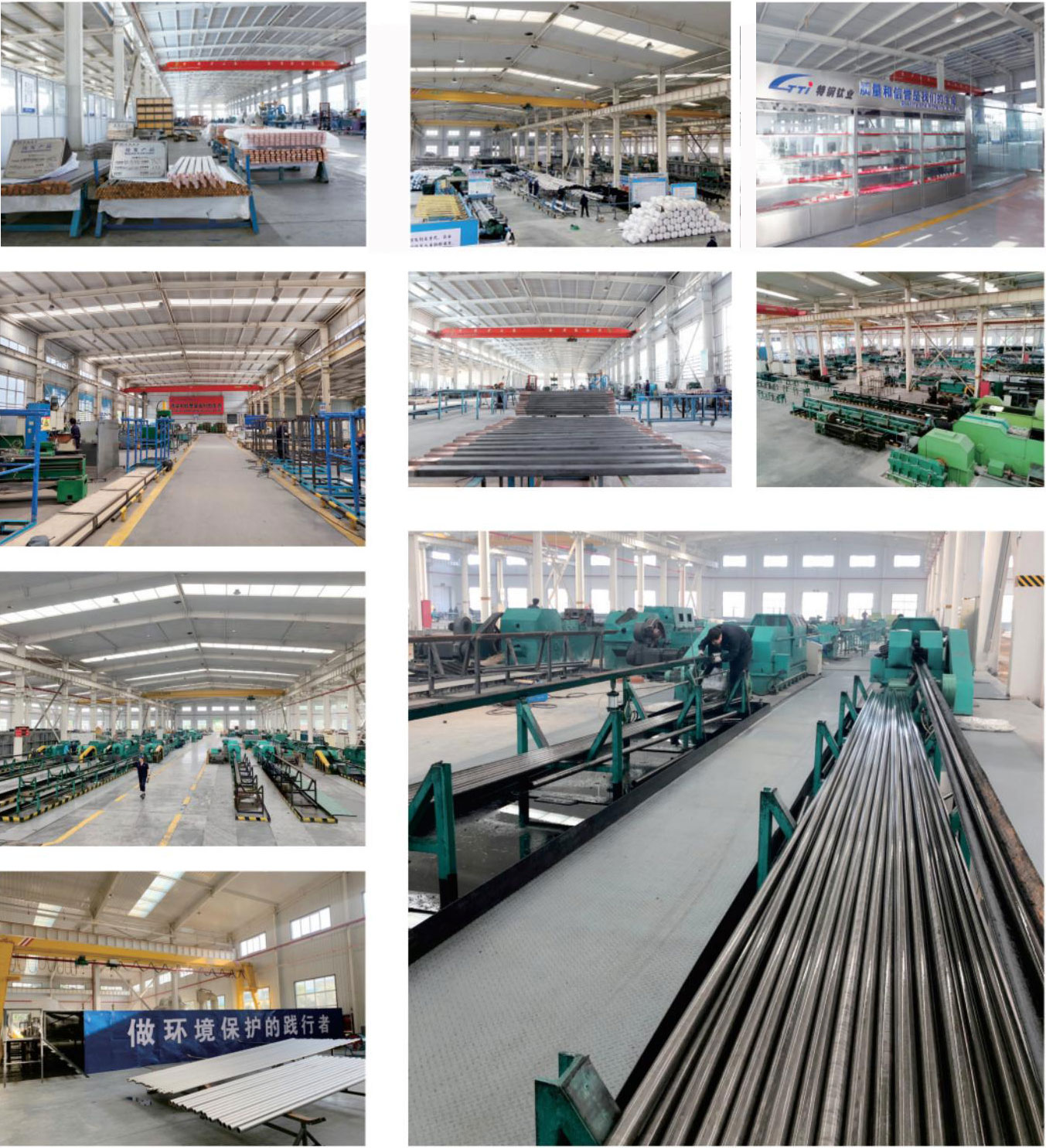
Beyond standard piping, nickel tubes enable critical performance in specialized electrolytic processes across multiple industry verticals.
Nickel tubes form the core piping in solvent extraction and electrowinning circuits where electrolyte is purified before returning to the cell house. Their resistance to organic extractants and strip solutions — often at elevated temperatures — is critical to maintaining circuit integrity and preventing cross-contamination.
The Falconbridge chlorine-leach process and similar chloride-based electrolytic routes present extreme challenges for materials — hot, concentrated chloride solutions at 60°C+ rapidly destroy most metals. Nickel 200 tubes are among the few materials that can reliably handle these conditions, making them the only practical choice for electrolyte transfer lines in chloride refineries.
In high-pressure acid leach (HPAL) operations feeding electrolytic nickel circuits, feed slurry must be preheated before entering autoclaves. Nickel alloy tubes in feed preheaters withstand the combined attack of sulfuric acid, nickel sulfate, and cobalt sulfate at temperatures approaching 250°C — conditions that eliminate most alternative materials.
High-amperage busbars in electrolytic cell houses generate significant heat that must be managed to prevent electrical resistance increases and structural damage. Nickel tube cooling circuits embedded within or alongside busbar structures provide efficient, corrosion-resistant thermal management without risk of electrolyte contamination from coolant leaks.
Continuous electrolyte sampling for ICP-OES or titration analysis requires dedicated nickel tube sample lines that do not alter the chemical composition of the sample. Even trace contamination from ferrous or copper tube materials can produce false analytical readings, leading to costly process upsets and off-specification product.
Spent electrolyte from electrolytic nickel cells contains residual nickel, cobalt, and impurities that must be recovered and recycled. Nickel tube piping in spent electrolyte recovery circuits handles the complex mixture of acids, salts, and organic additives without degradation — supporting the closed-loop sustainability goals of modern electrolytic refineries.
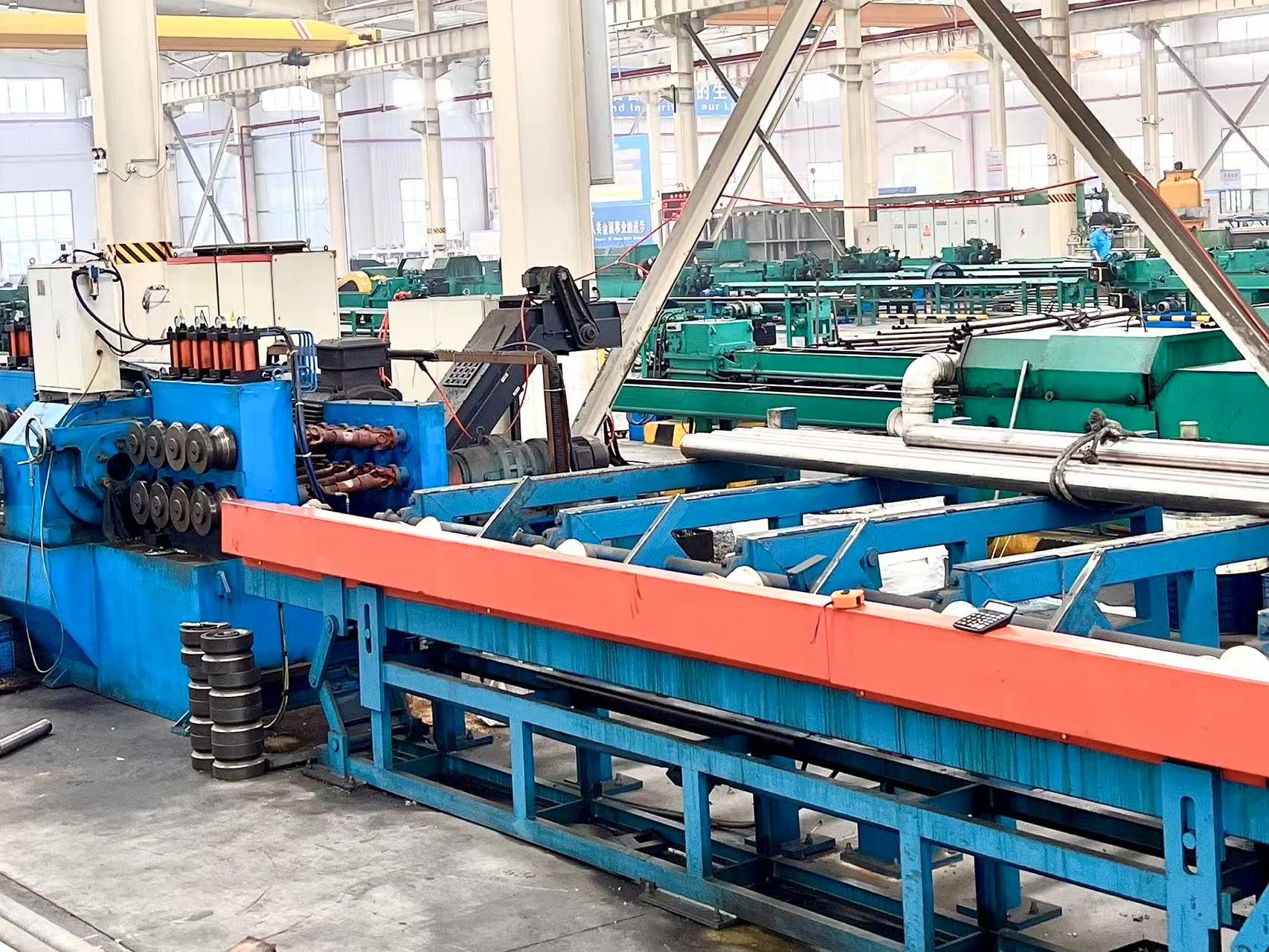
Since its establishment, the company has always adhered to the development strategy of continuous innovation and continued to expand the market with new technology and new products as the fulcrum. After more than 20 years of development and accumulation, the products have entered the markets of Germany, Japan, the United States, Norway, Finland, South Africa, Singapore, India and other countries and Taiwan regions, also have been highly praised.
Stable product quality, integrity as the core of the business philosophy, by the world's customers trust. To build an excellent enterprise team, continuously improve the management and manufacturing methods, so that every customer can get the maximum benefit from each product — is the eternal pursuit of special steel titanium industry personnel.
State-of-the-art manufacturing infrastructure ensuring consistent quality and precision in every nickel tube produced for electrolytic industry applications.
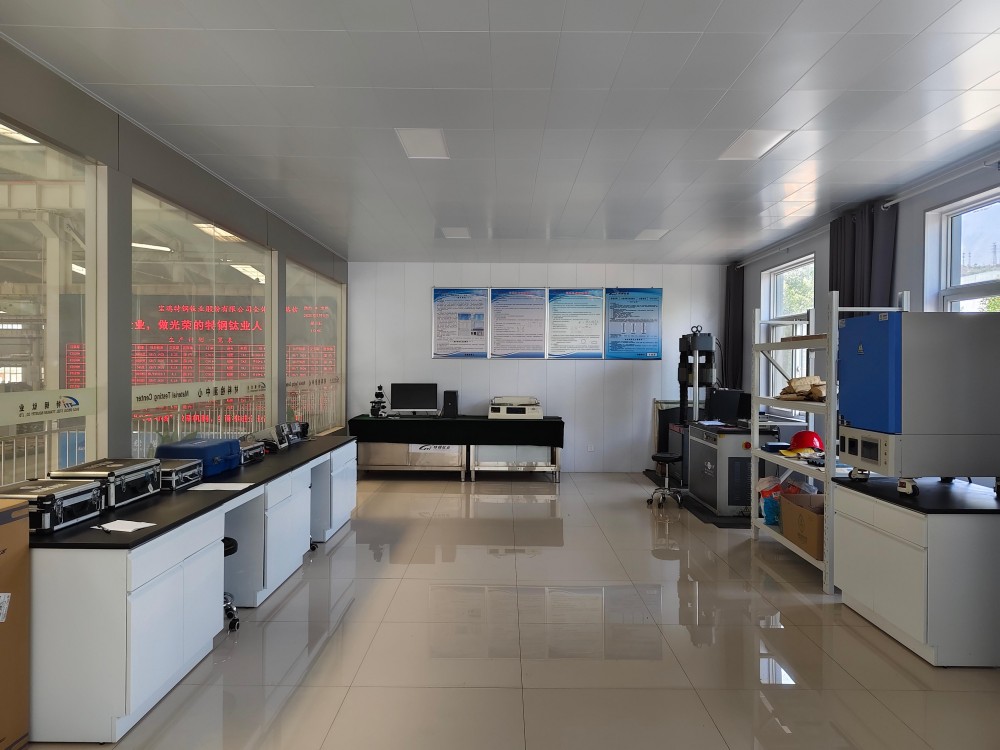
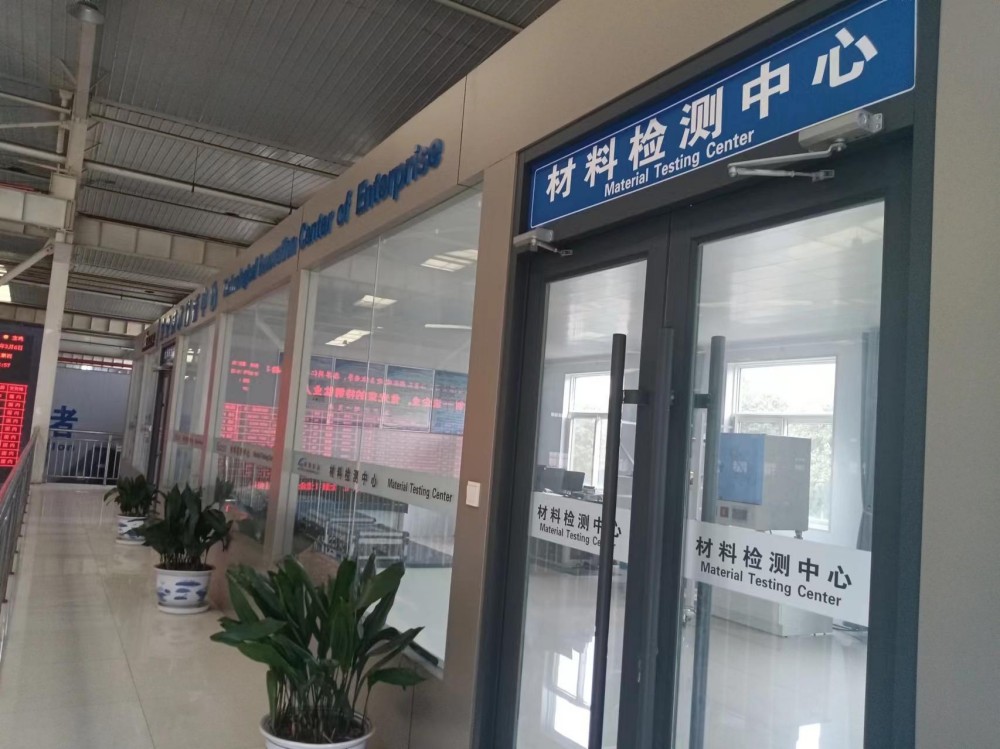
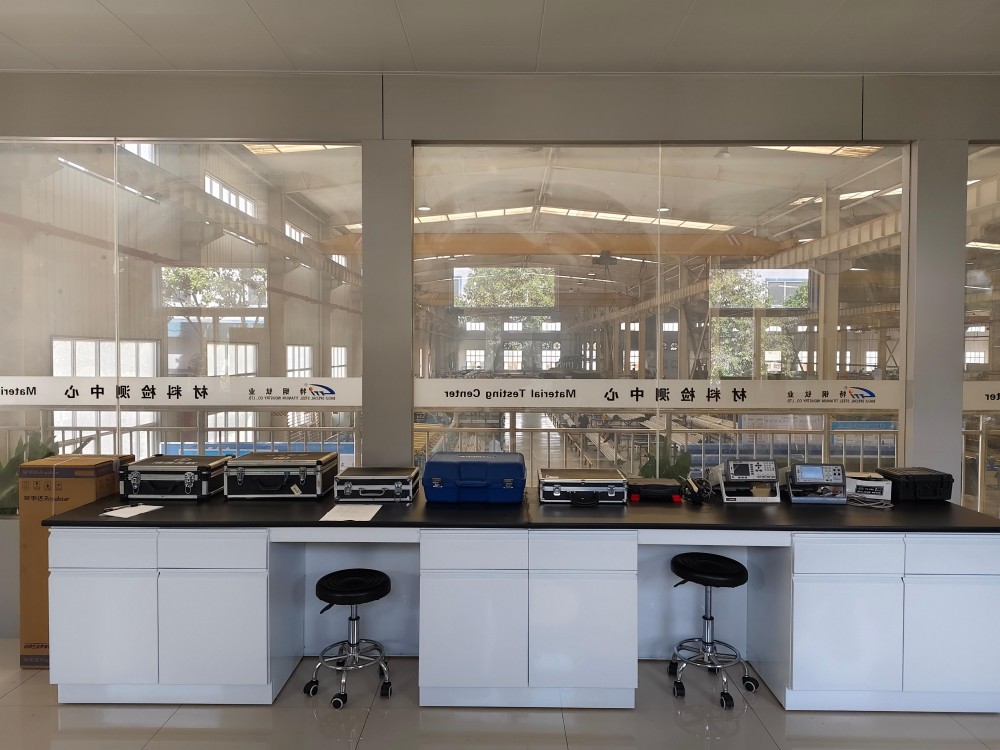
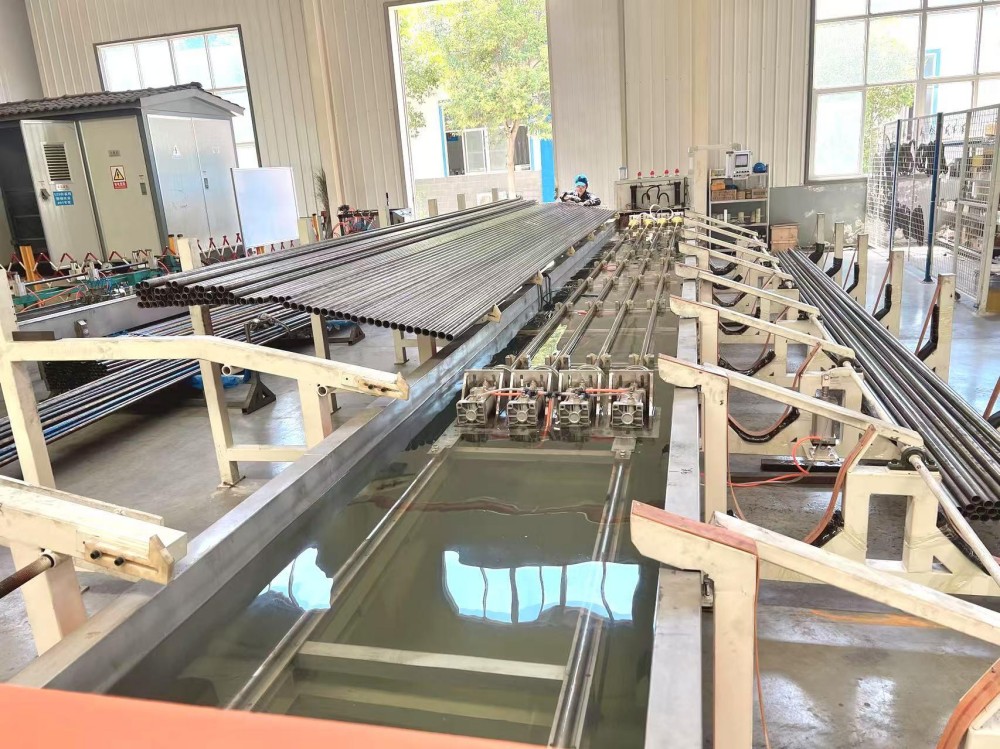
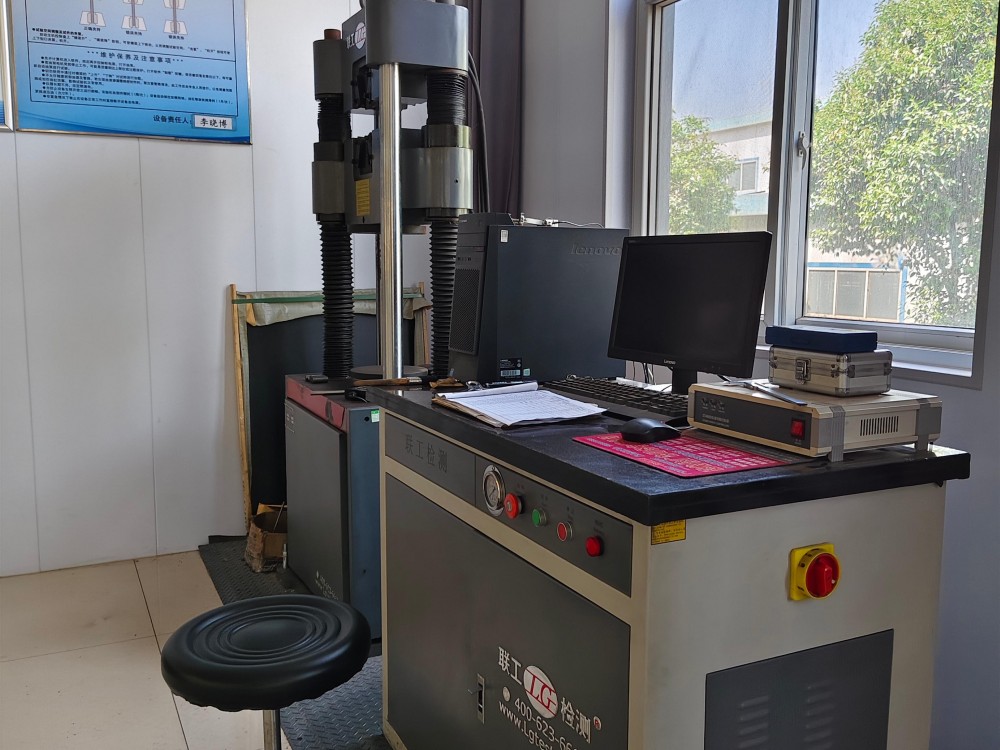
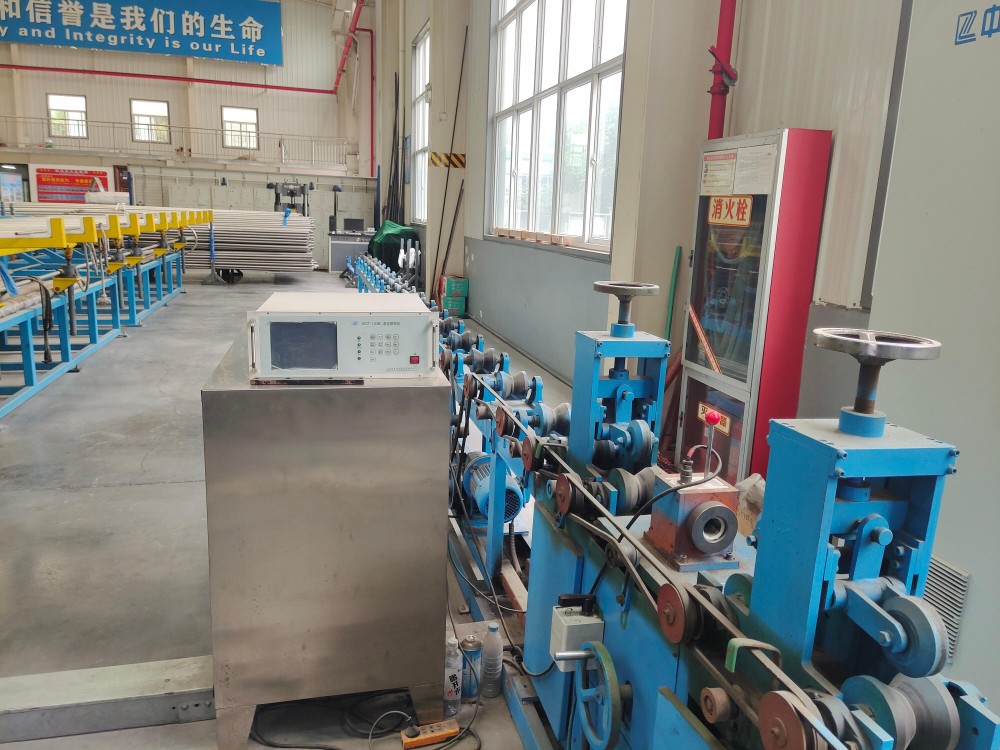
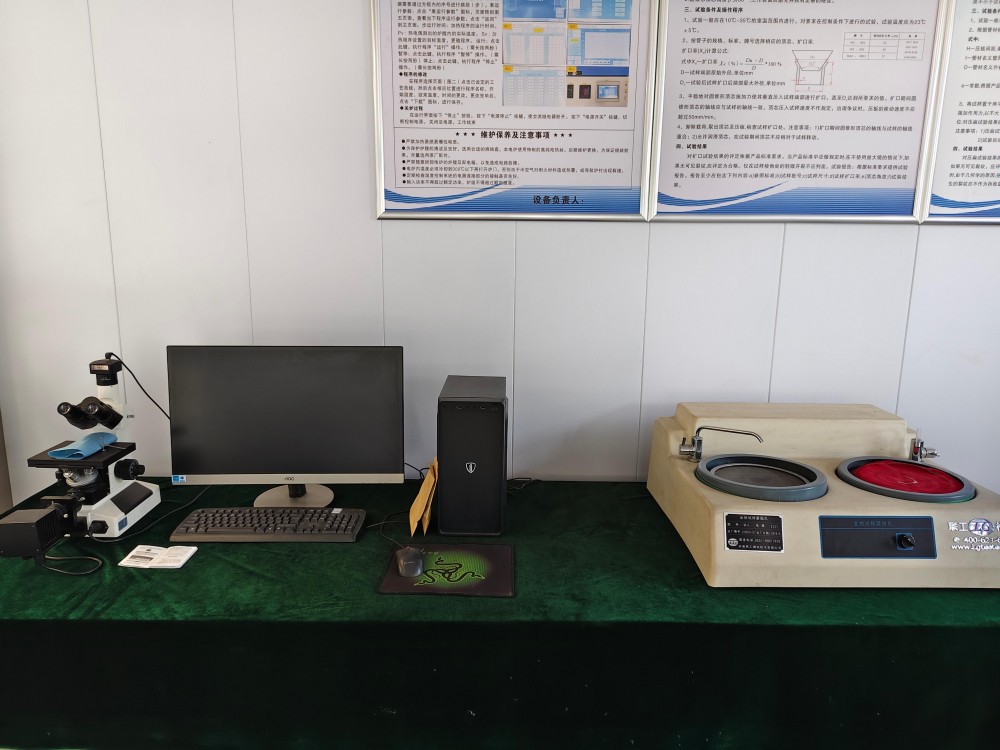
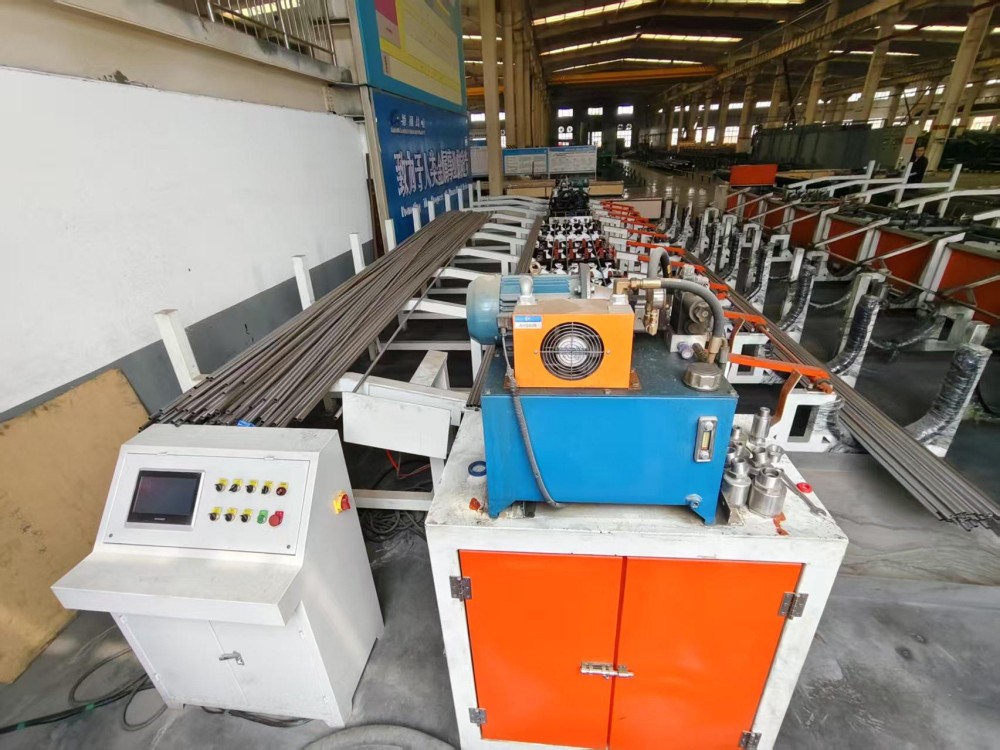
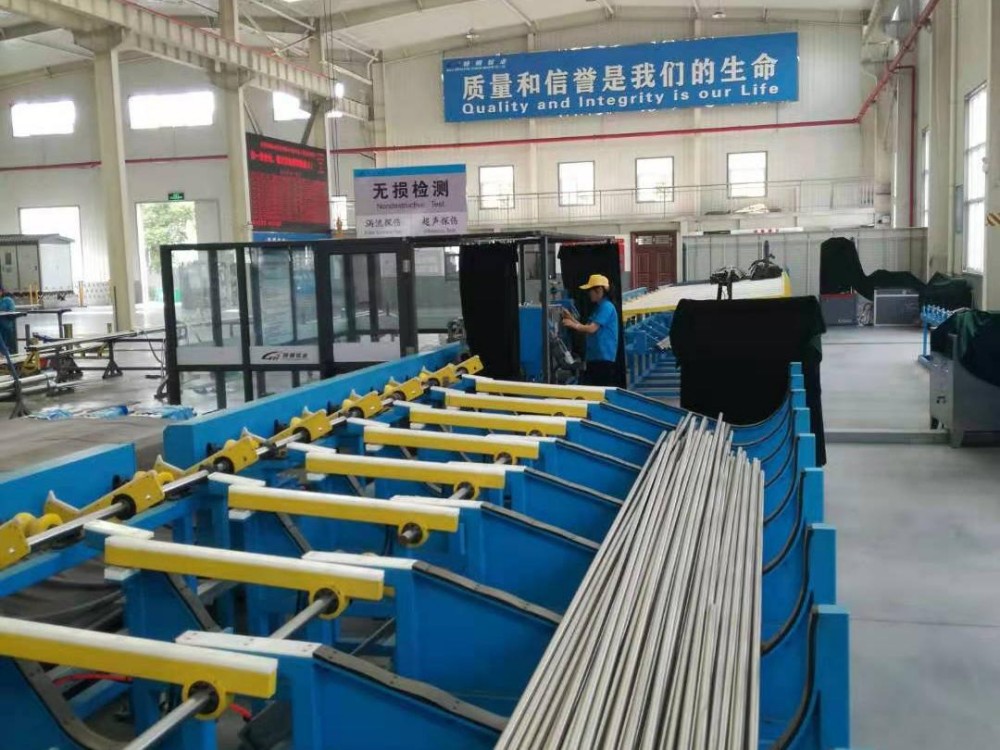
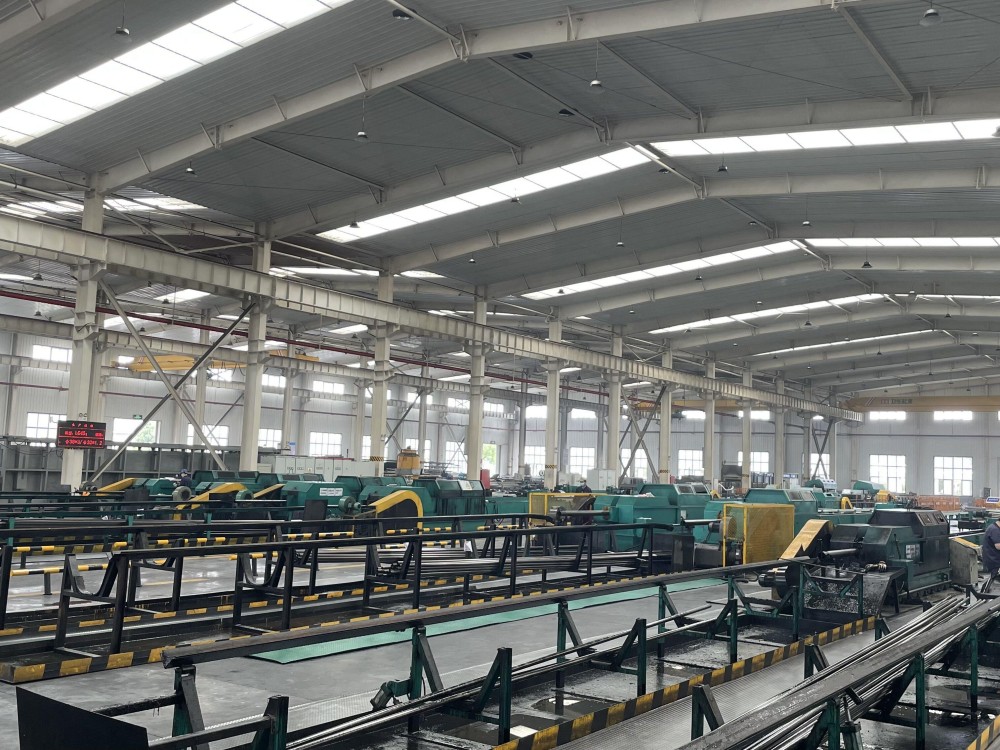
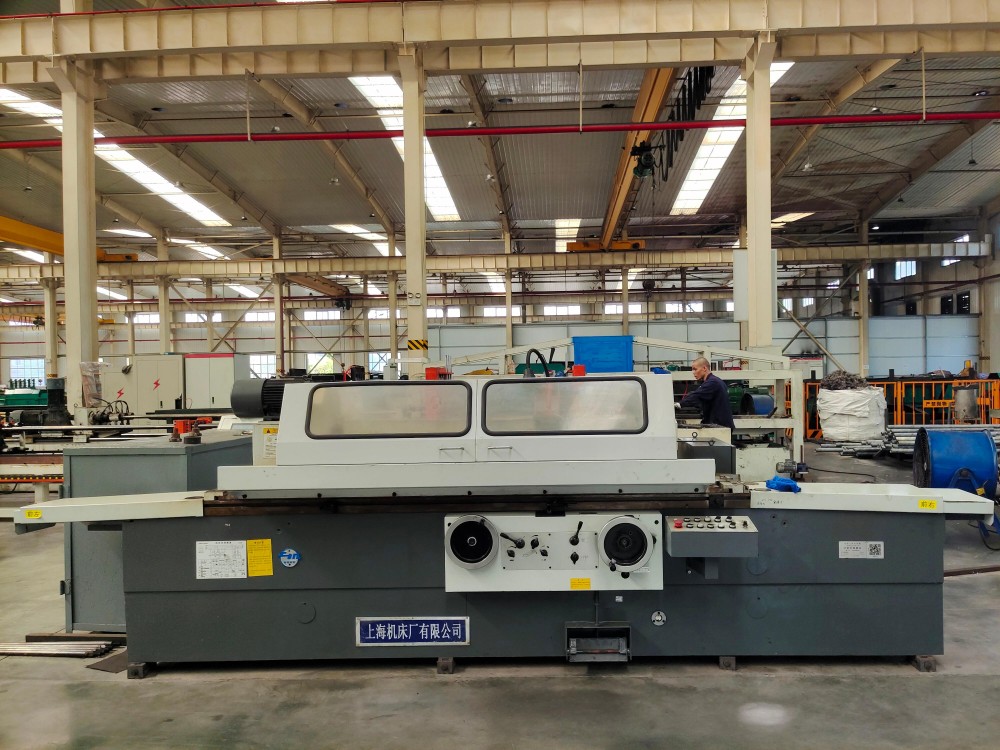
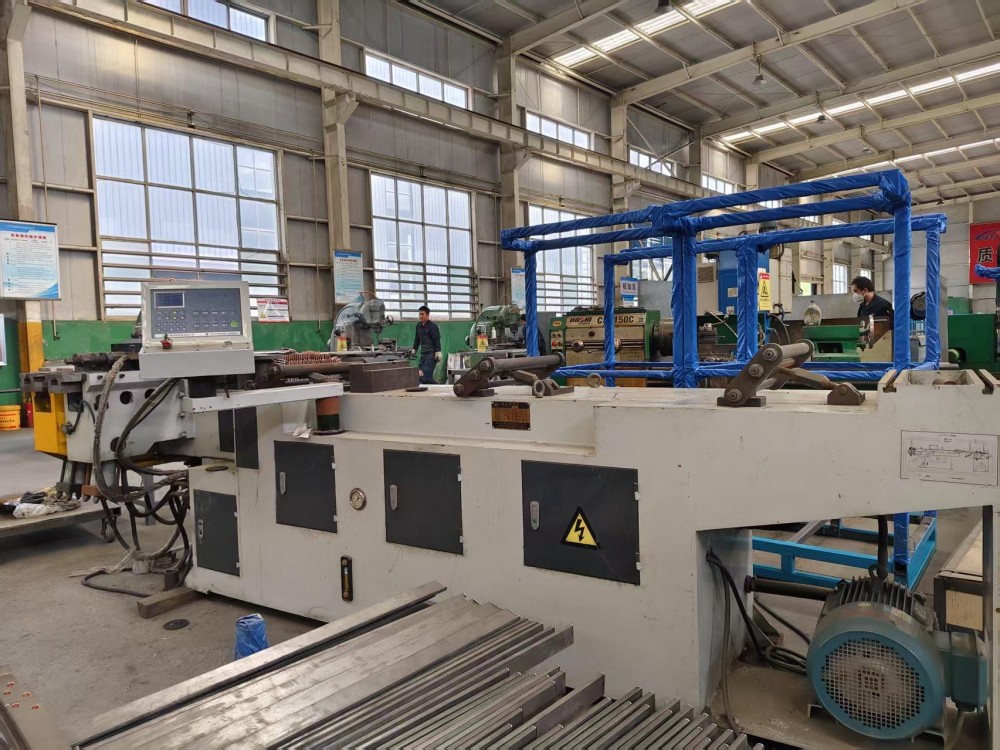
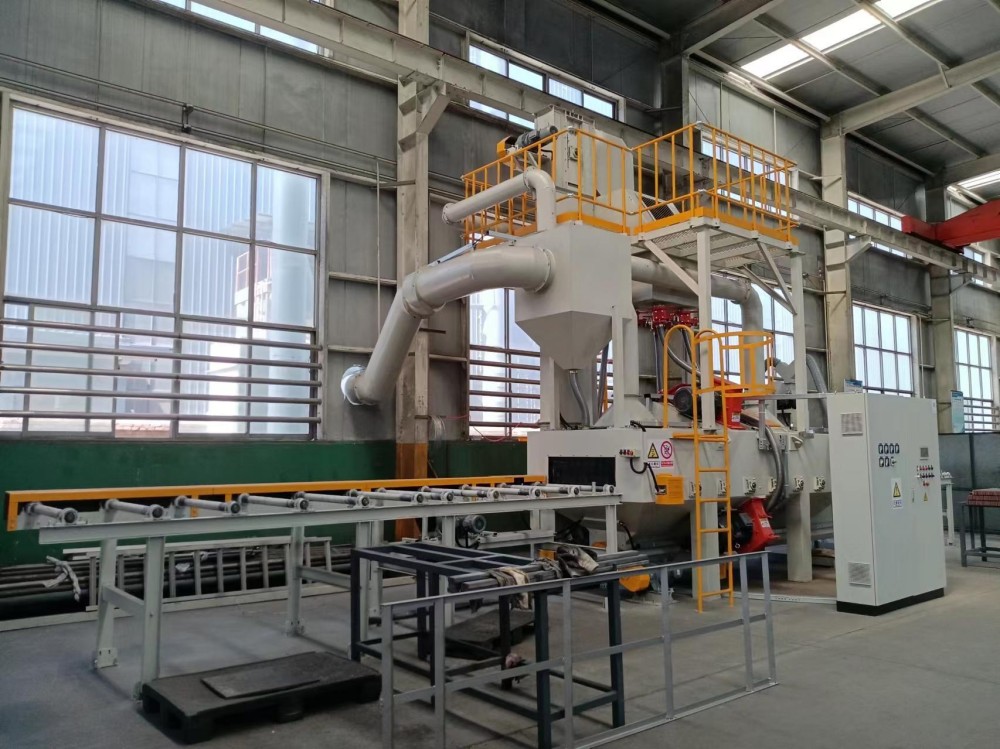
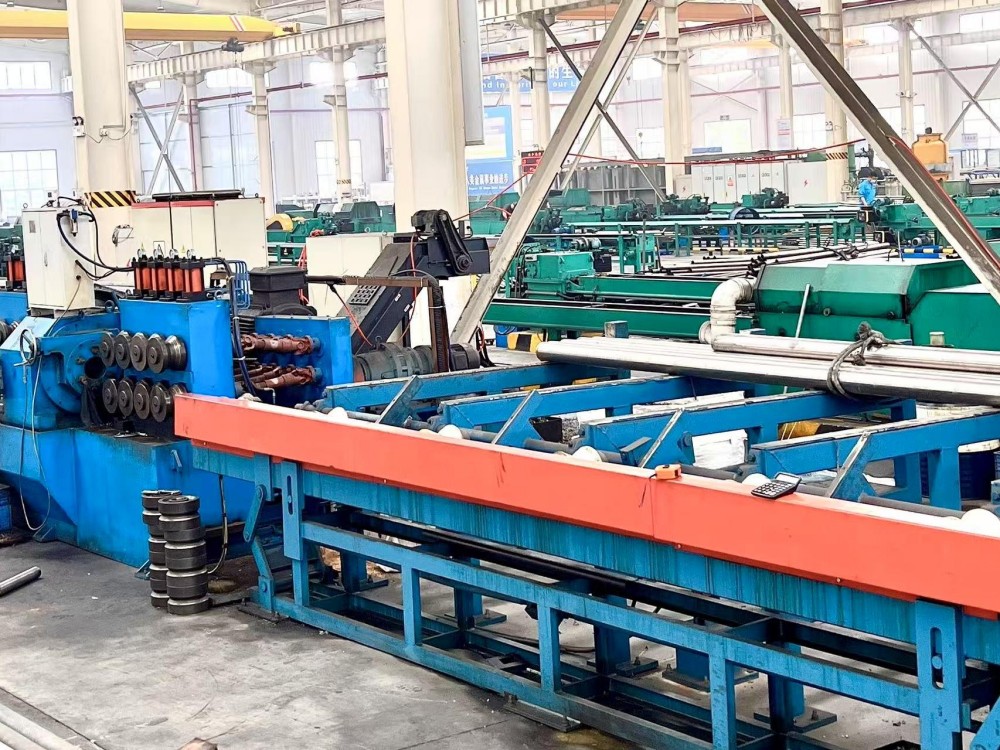
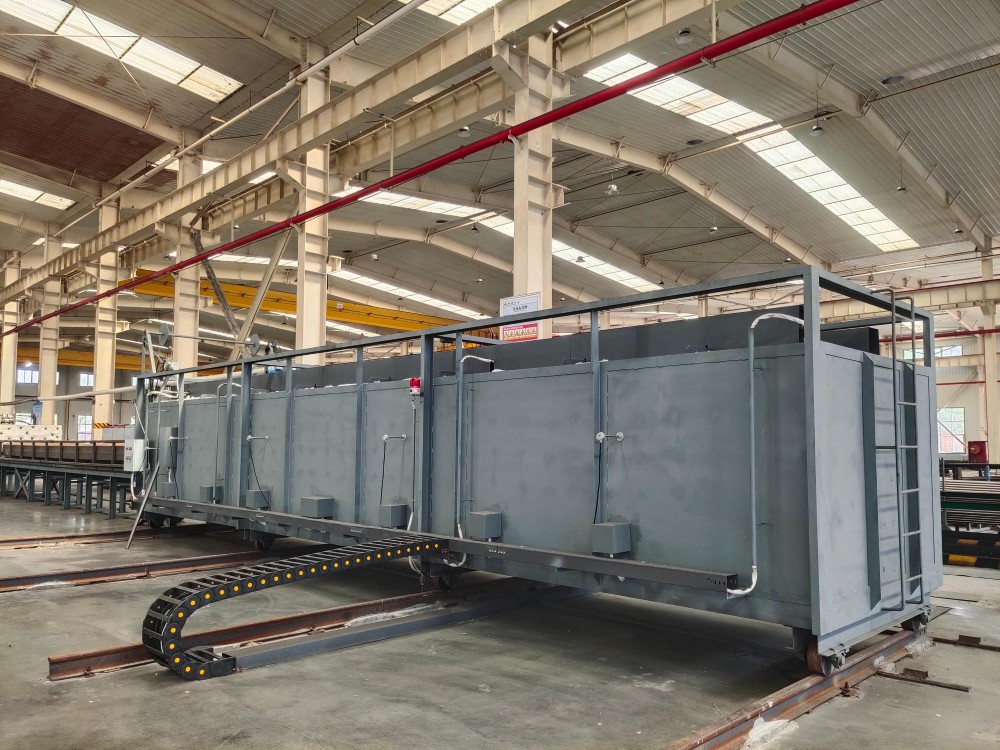
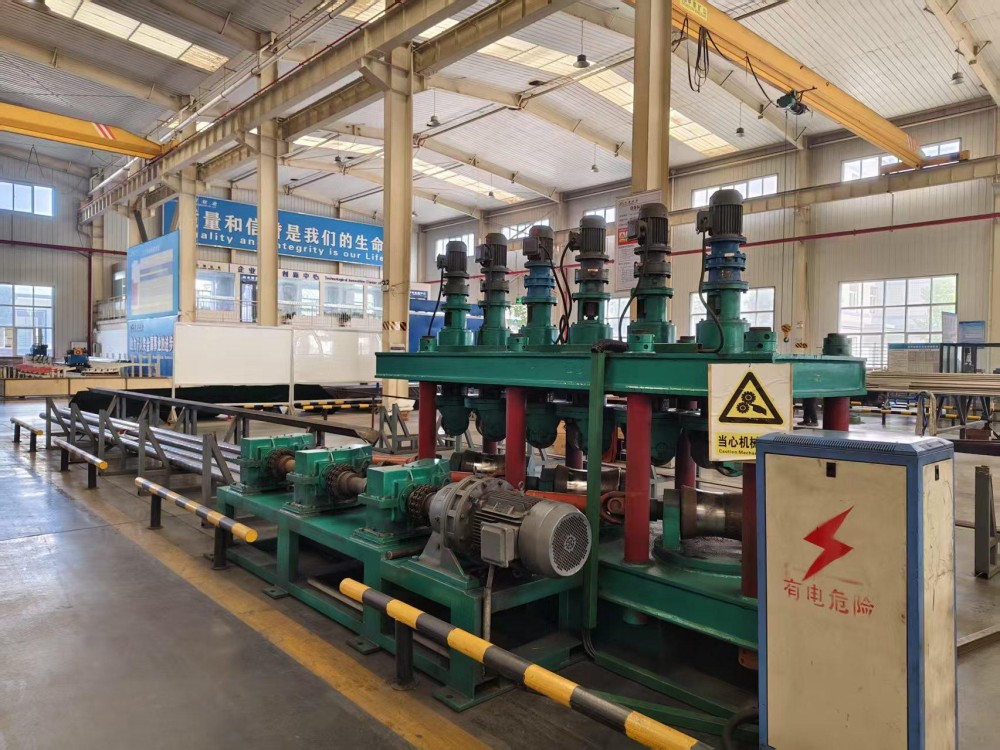
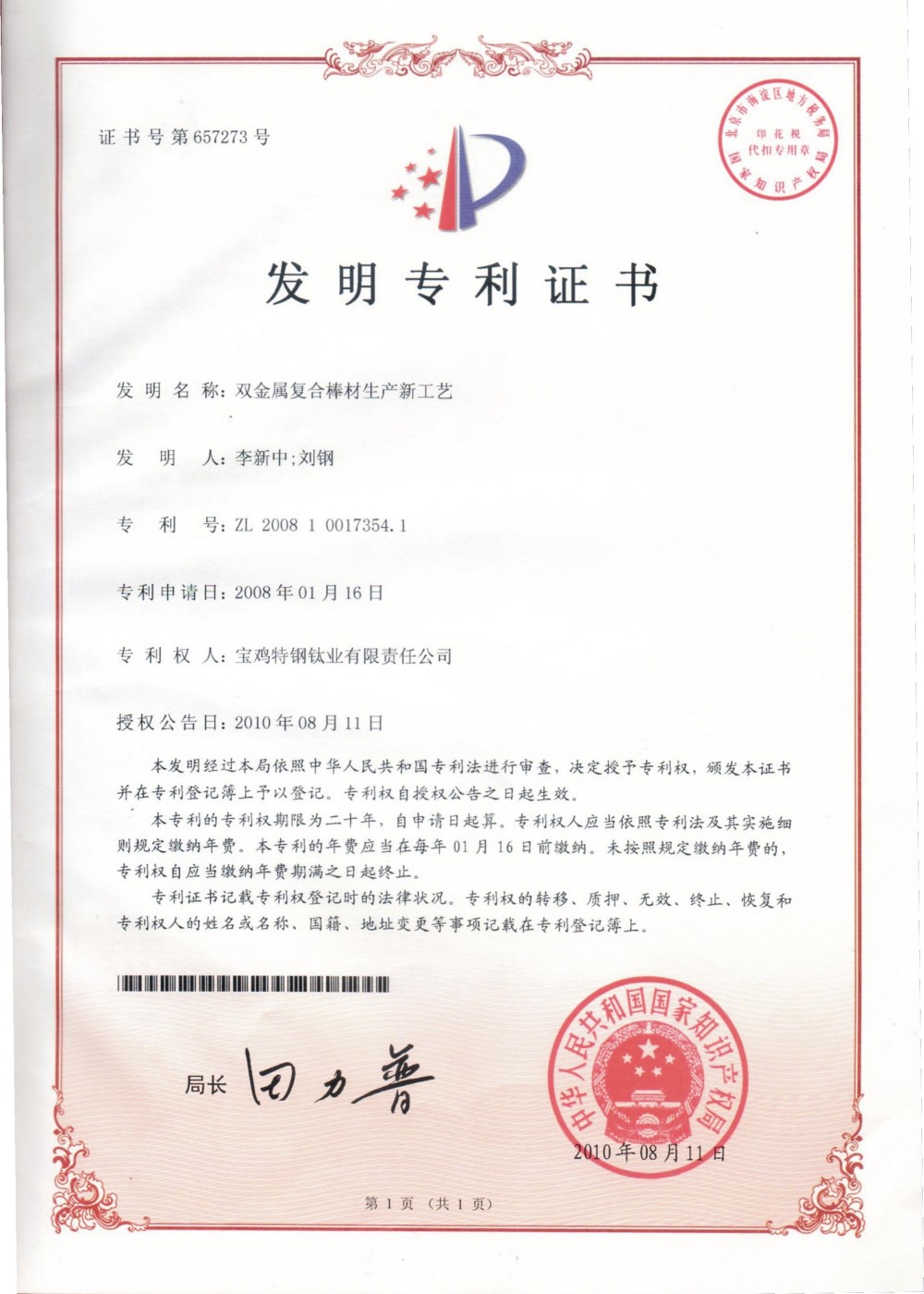
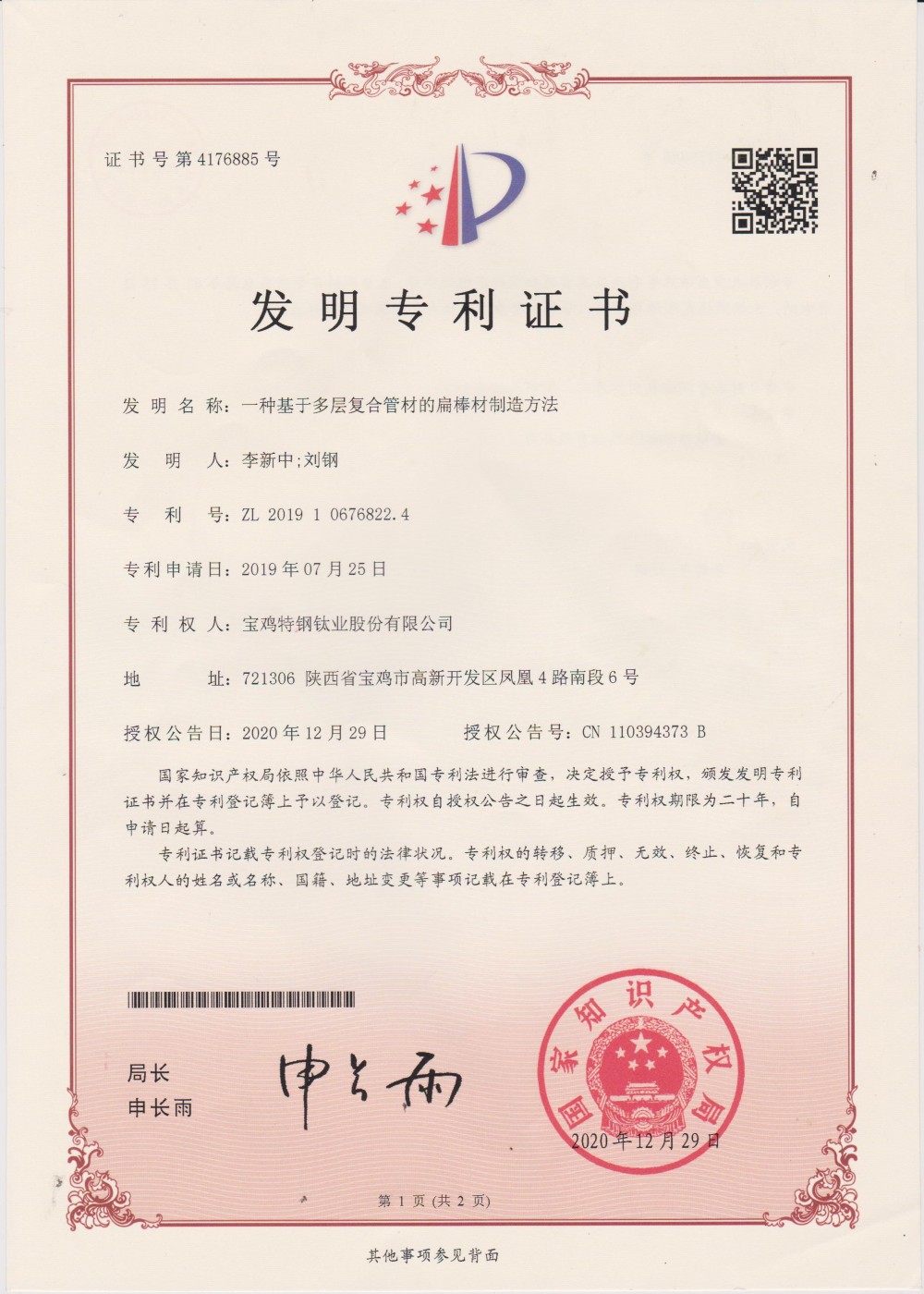
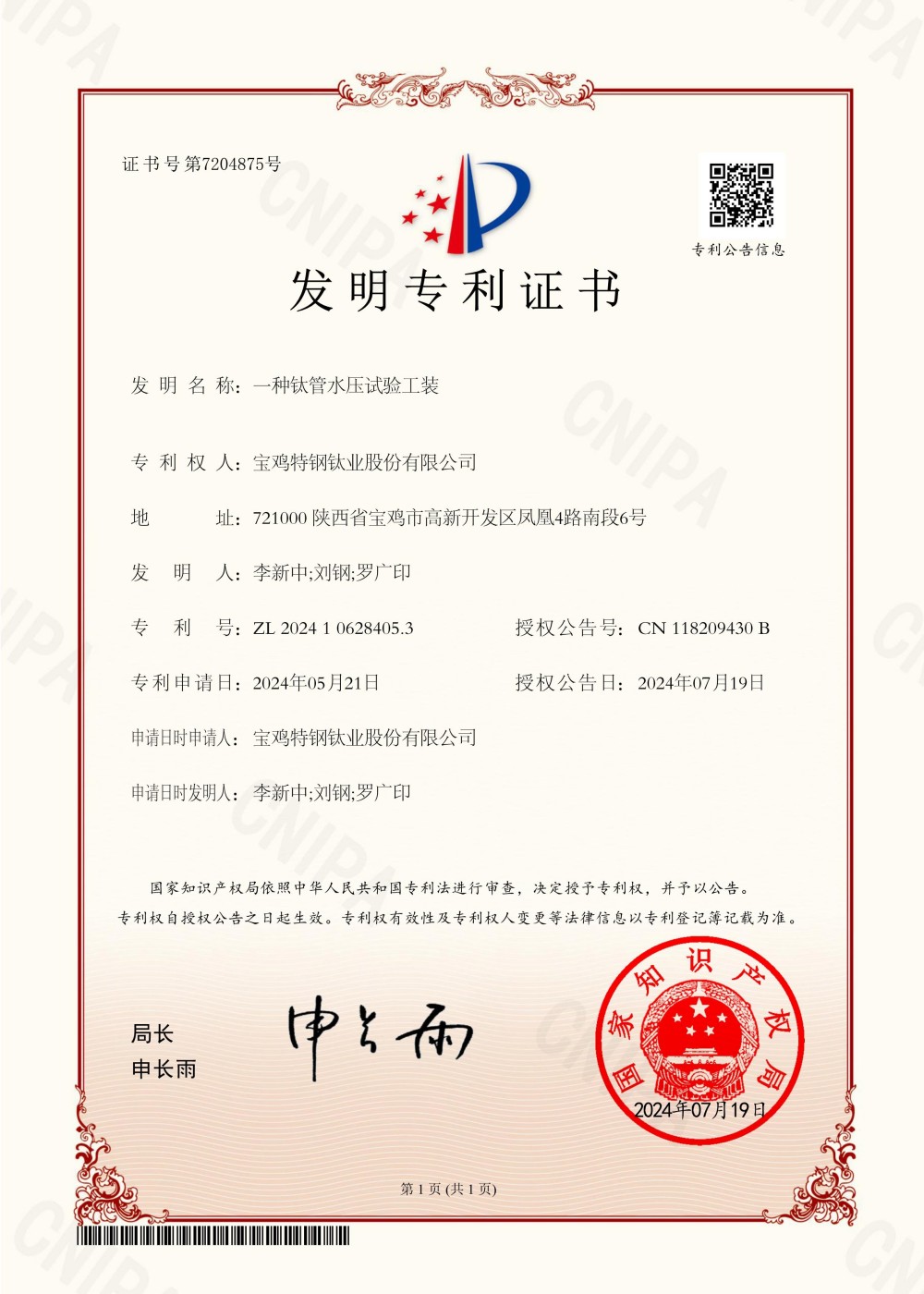
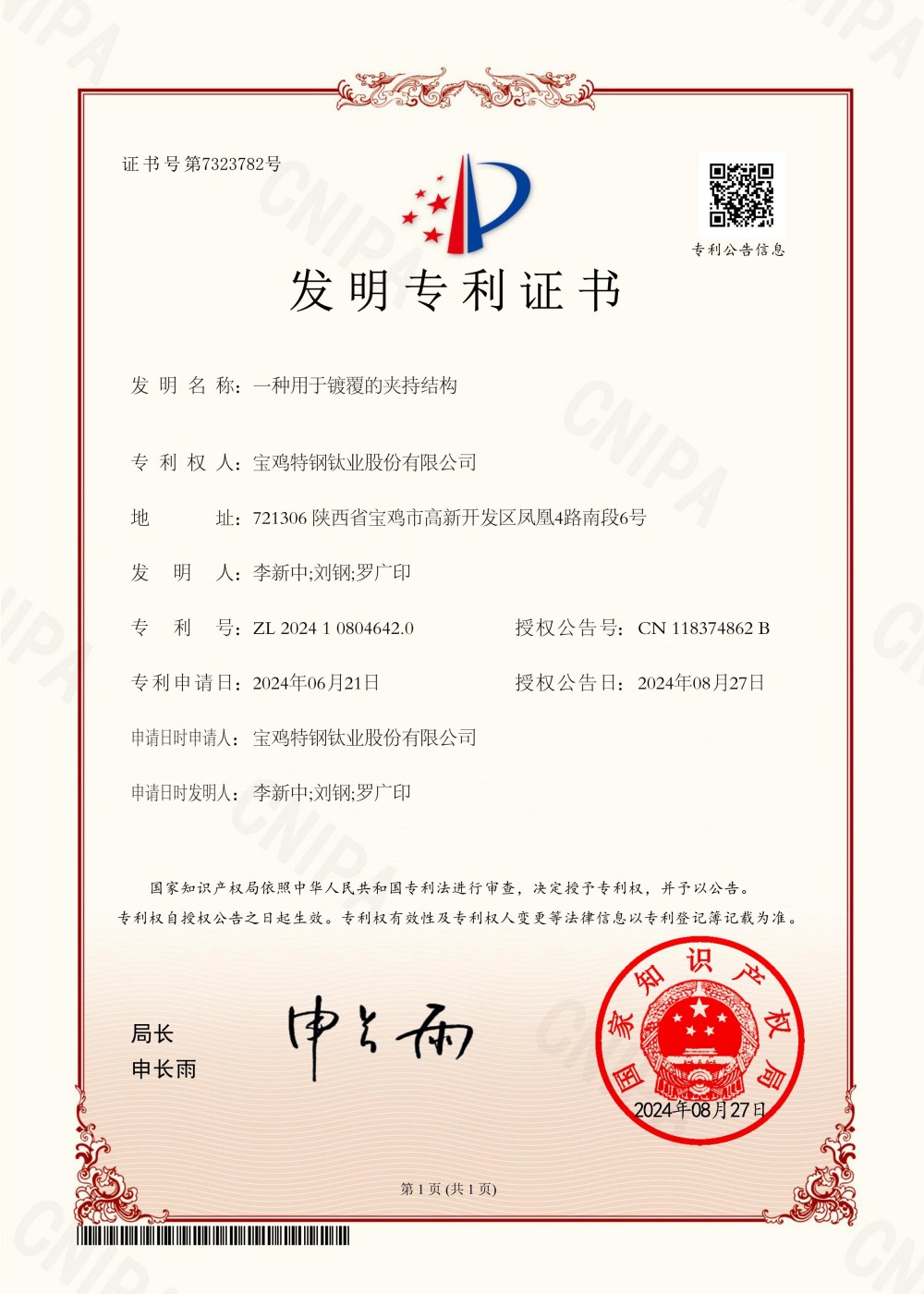
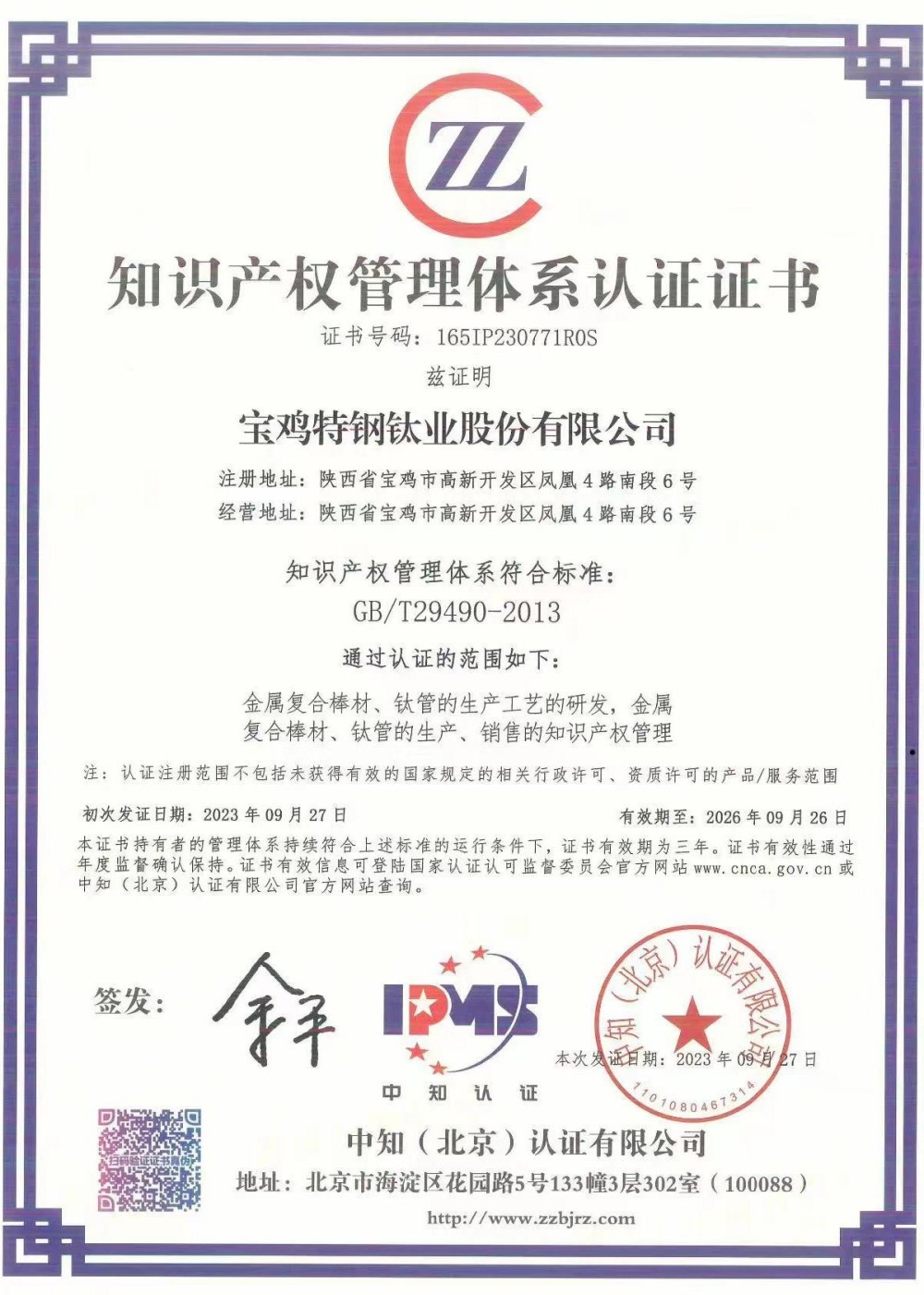
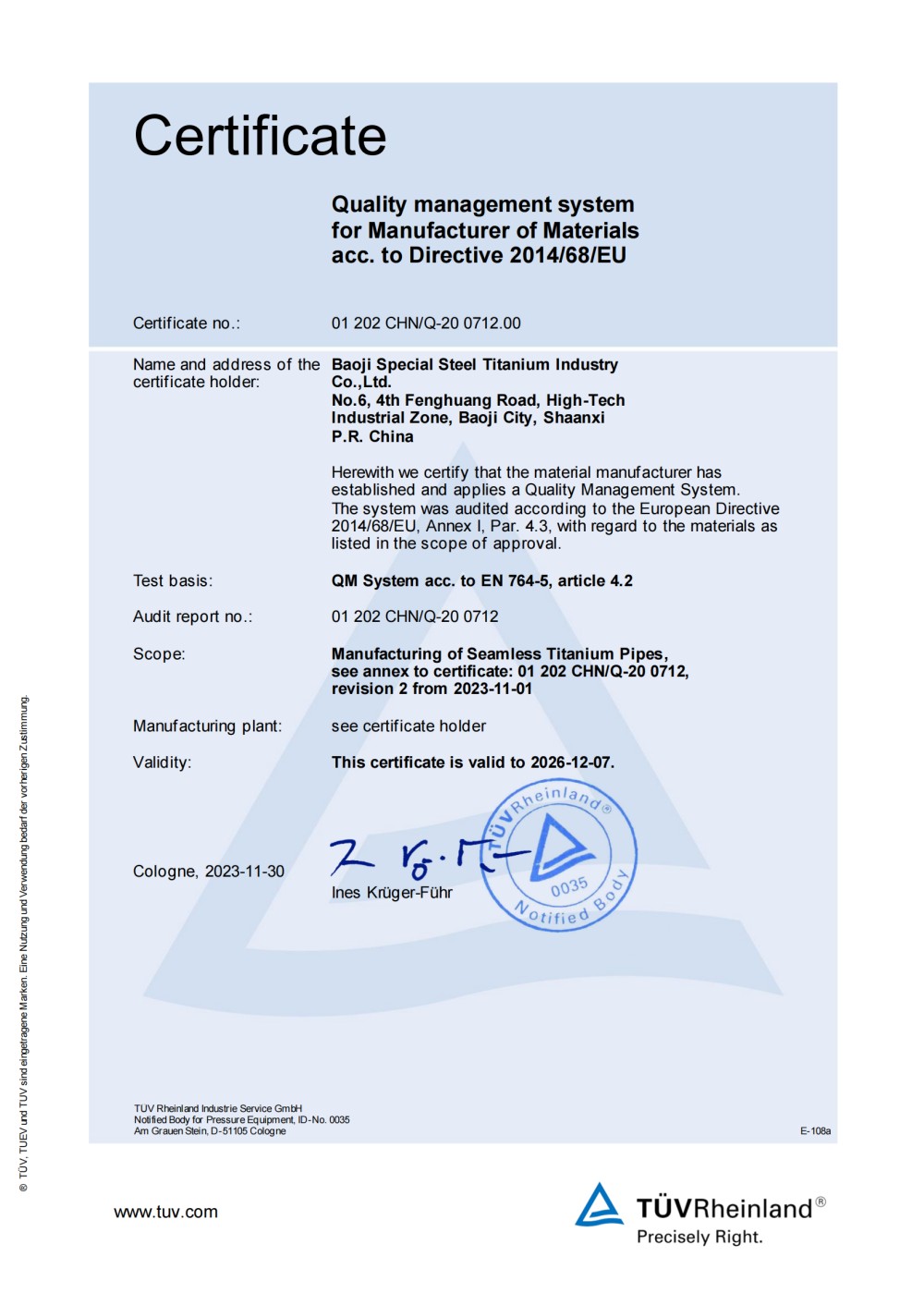
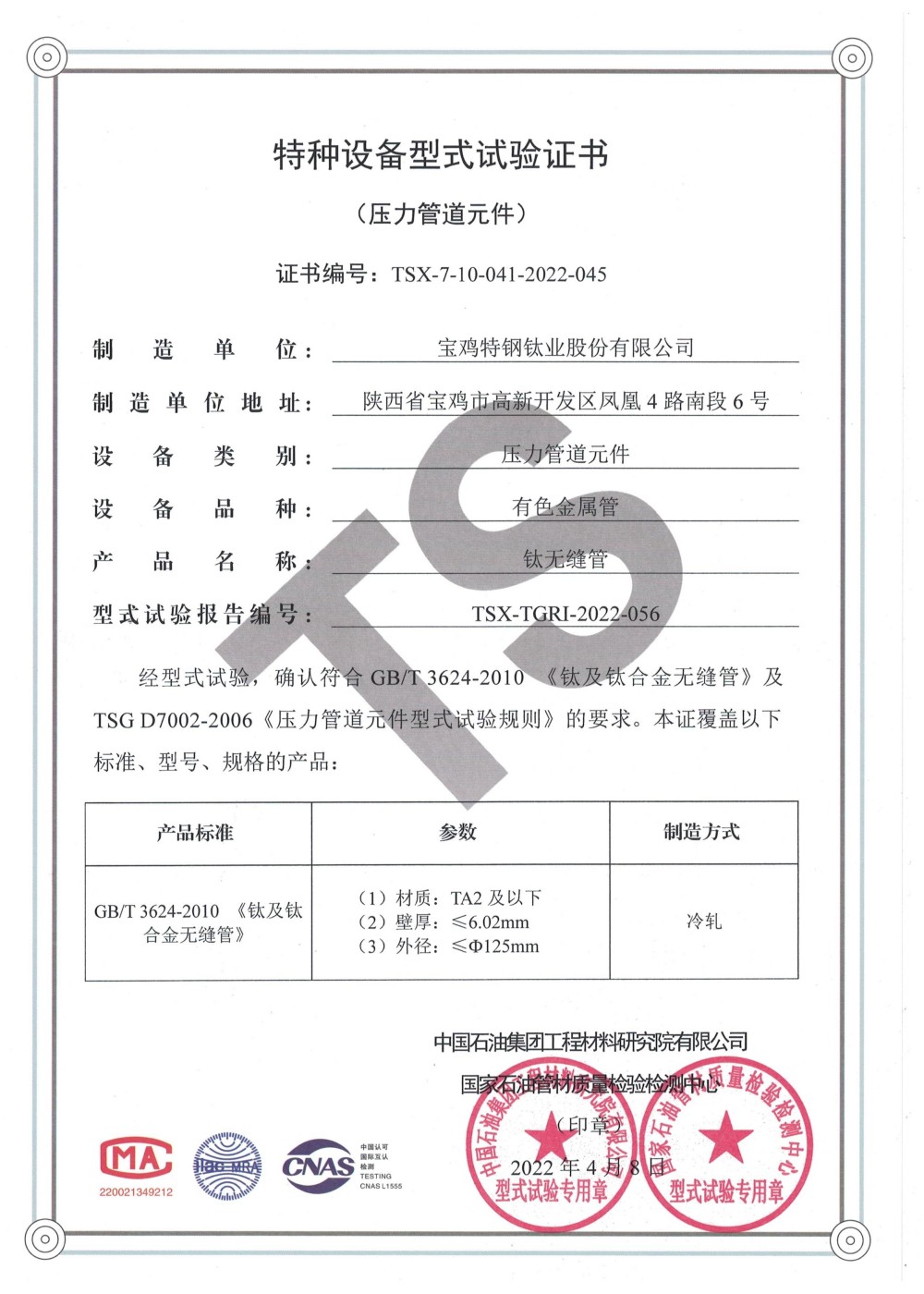
Our nickel tube products are backed by internationally recognized quality certifications, ensuring compliance with global electrolytic industry standards.
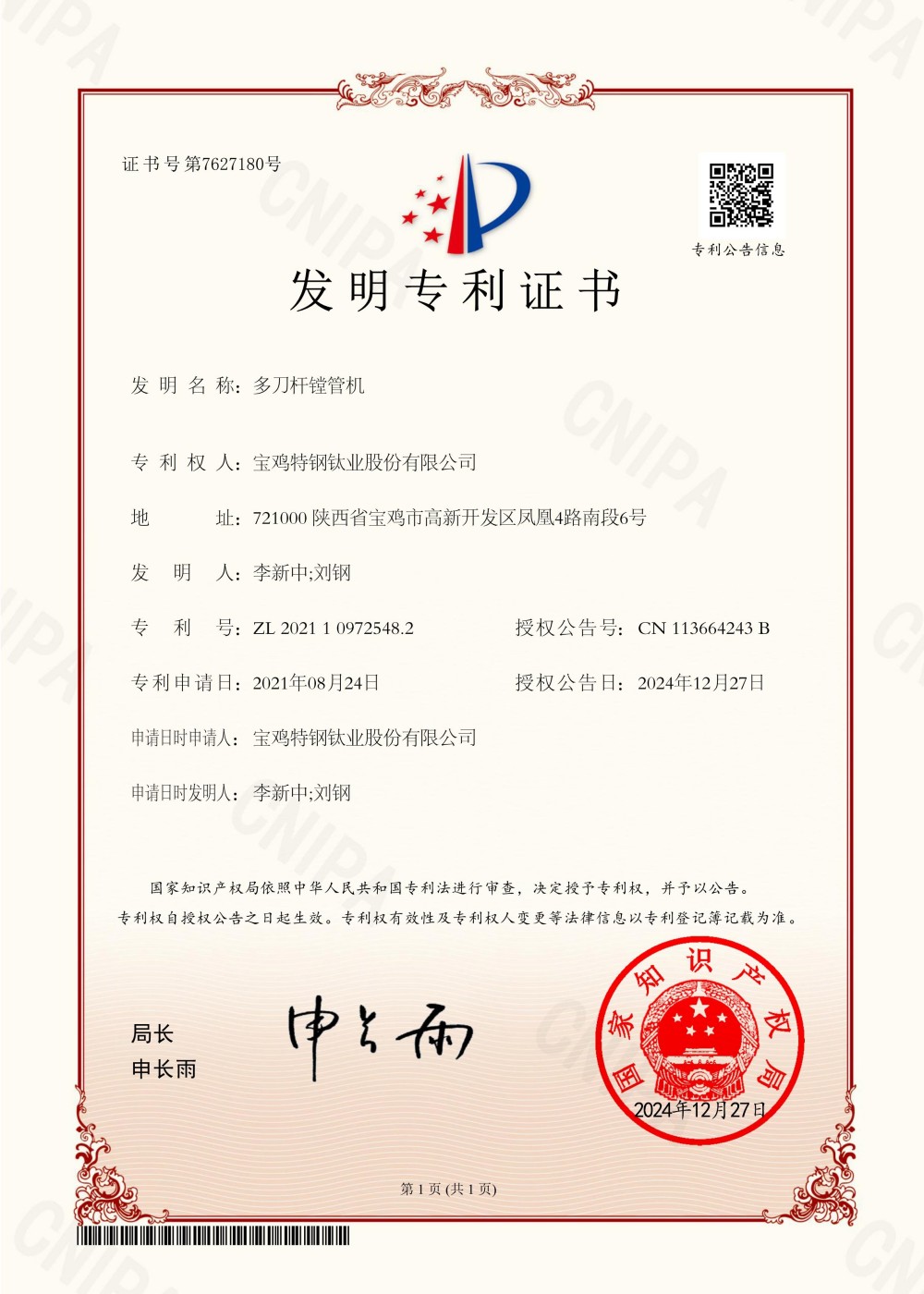
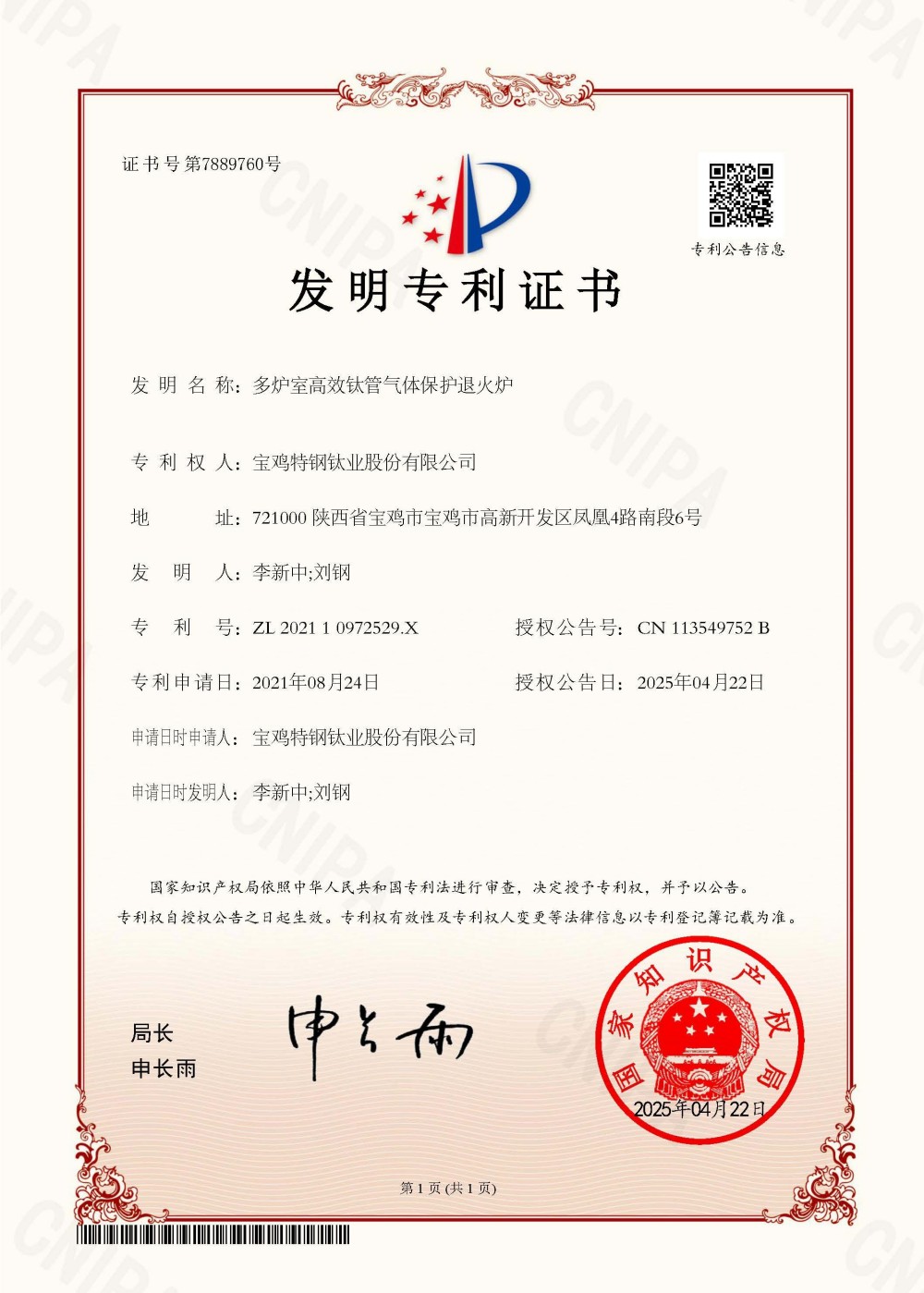
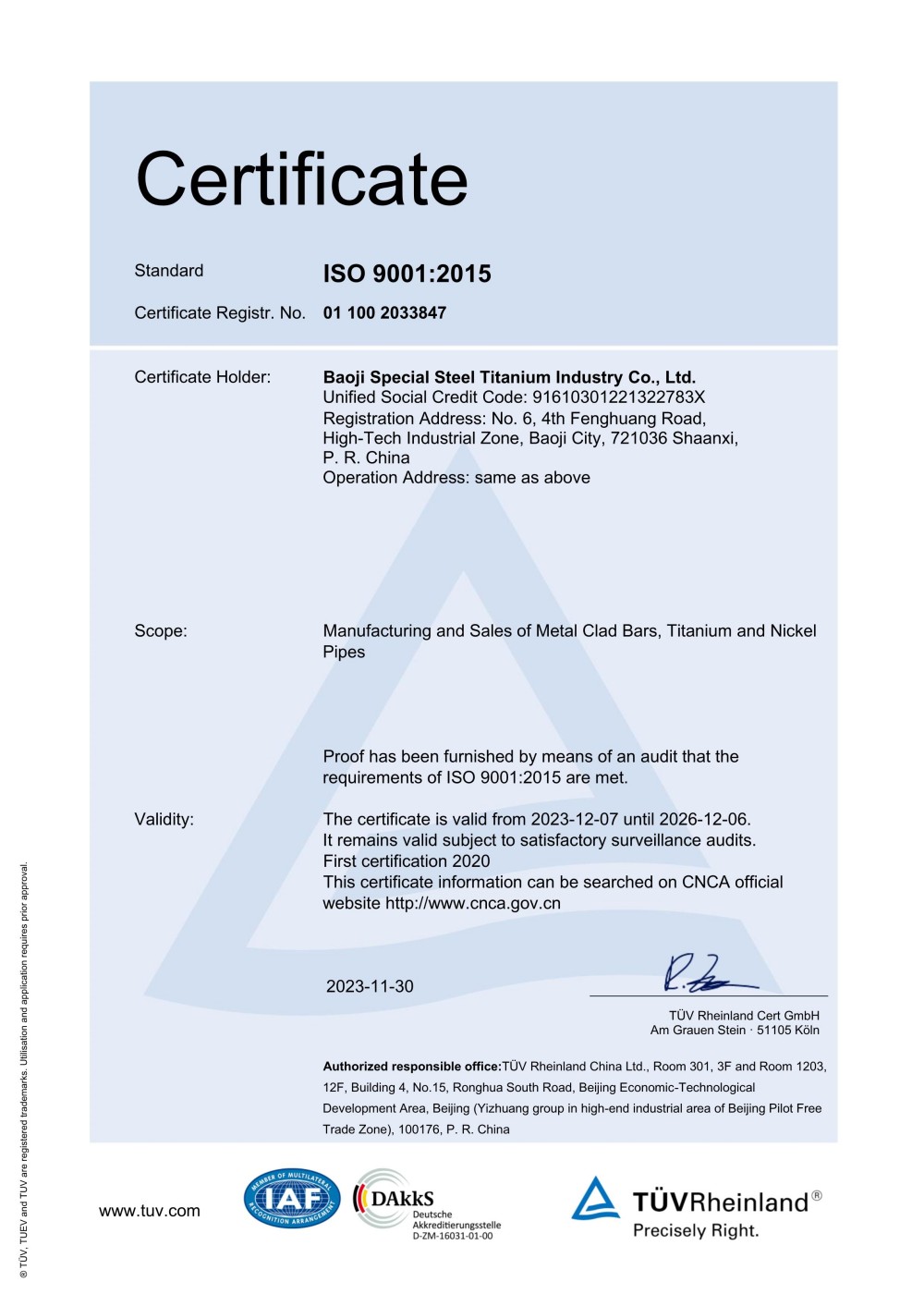
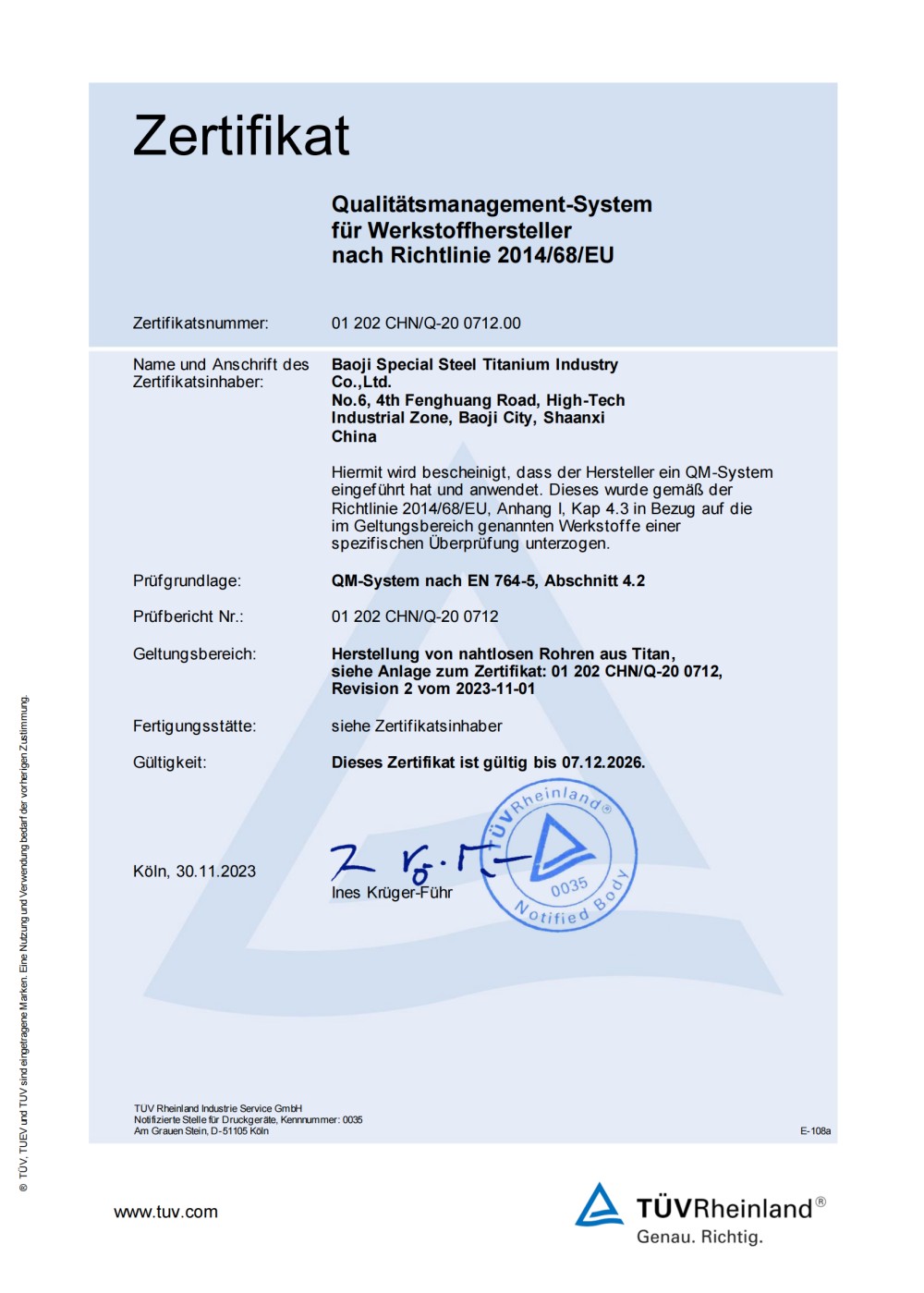
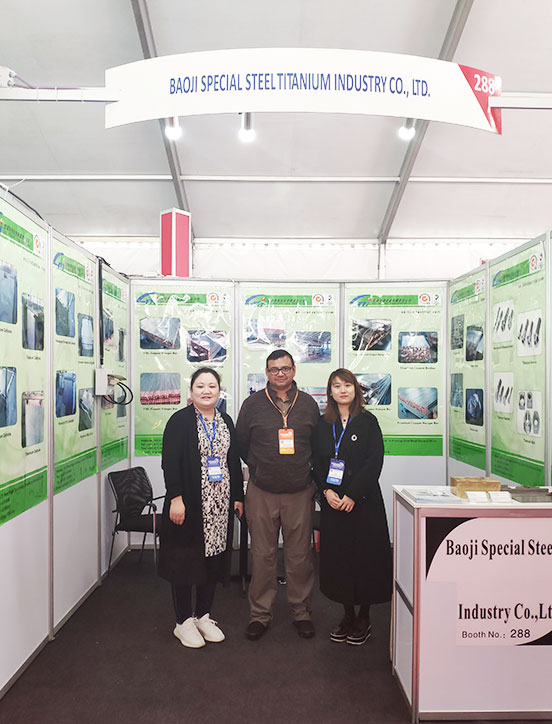
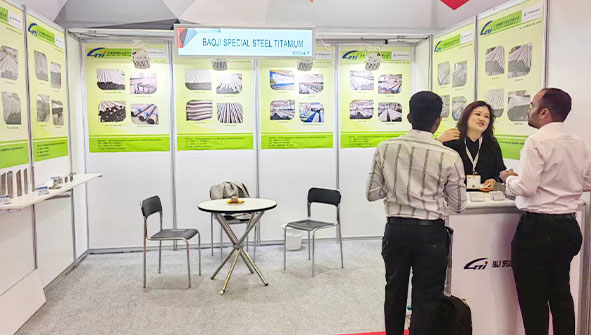
Showcasing our nickel tube and electrolytic industry solutions at leading international trade exhibitions worldwide.
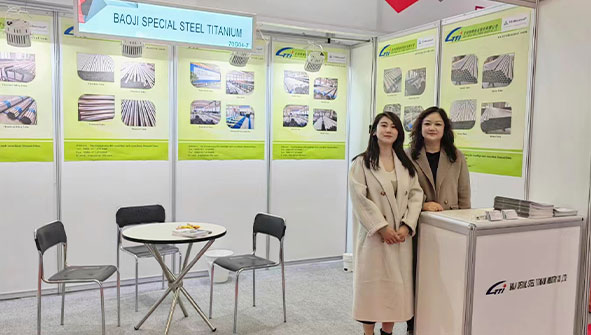
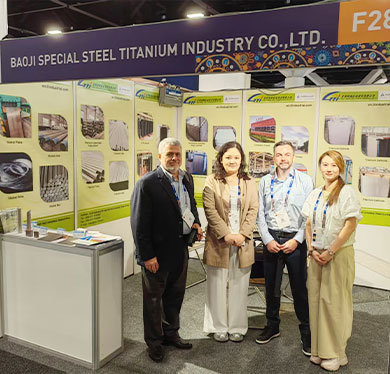

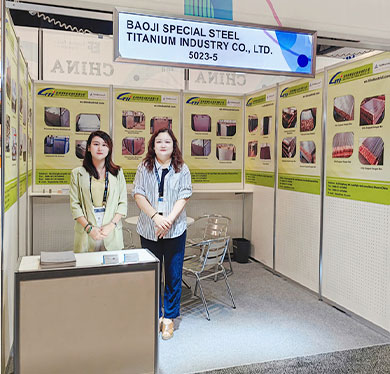
Explore our full portfolio of high-performance nickel tubes, anodes, plates, rods, and titanium products engineered for electrolytic nickel industry applications.
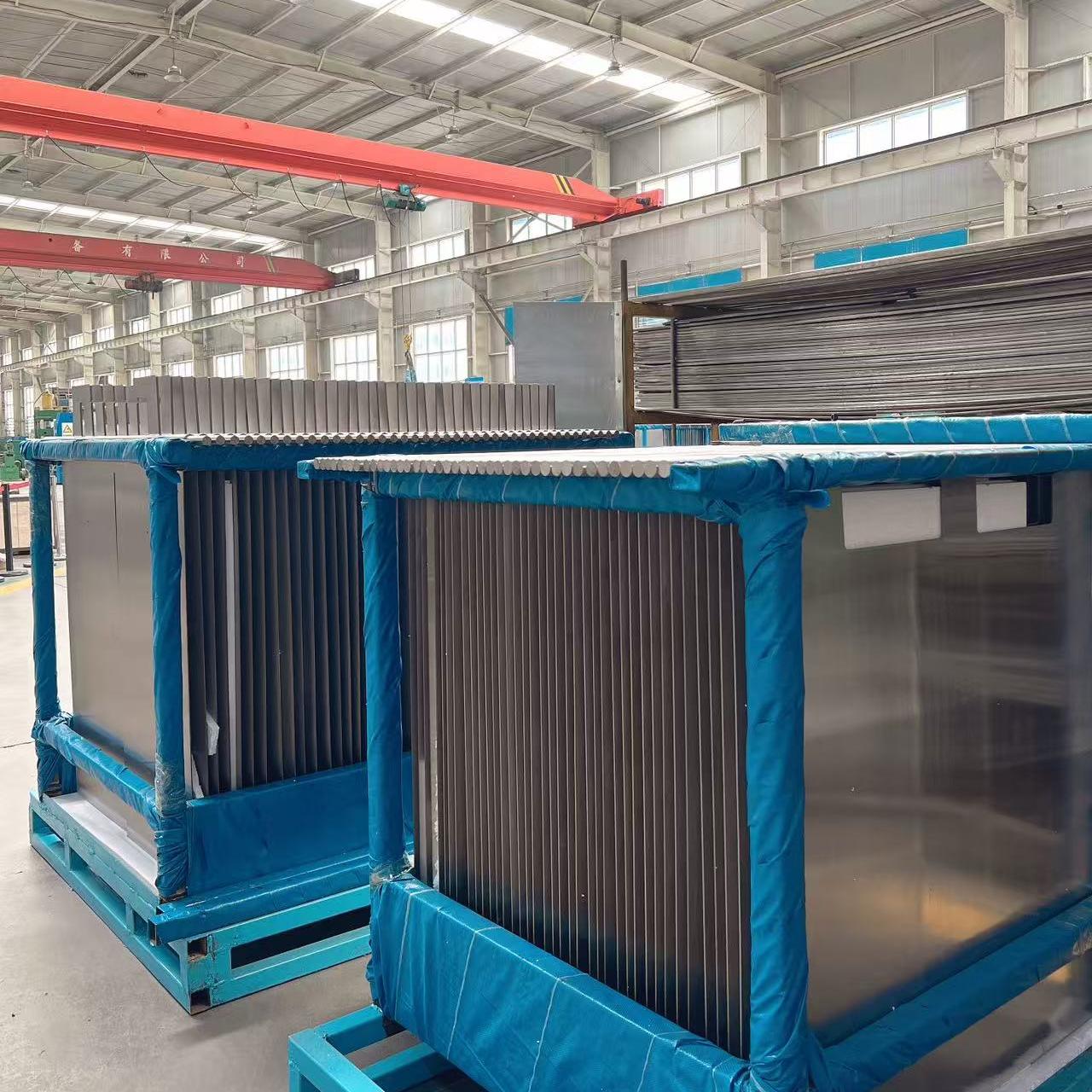 Nickel Anode for Electrolytic Nickel Industry
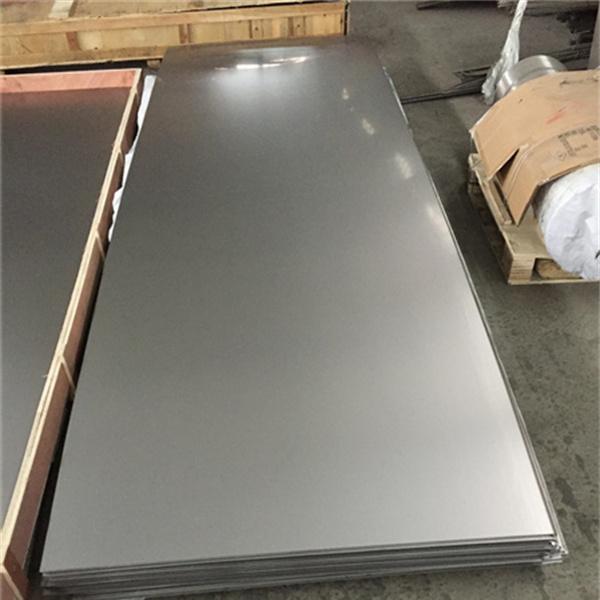 High Purity Nickel Plates for Electrolytic Process
 Titanium Tube ASTM B338 for Electrolytic Industry
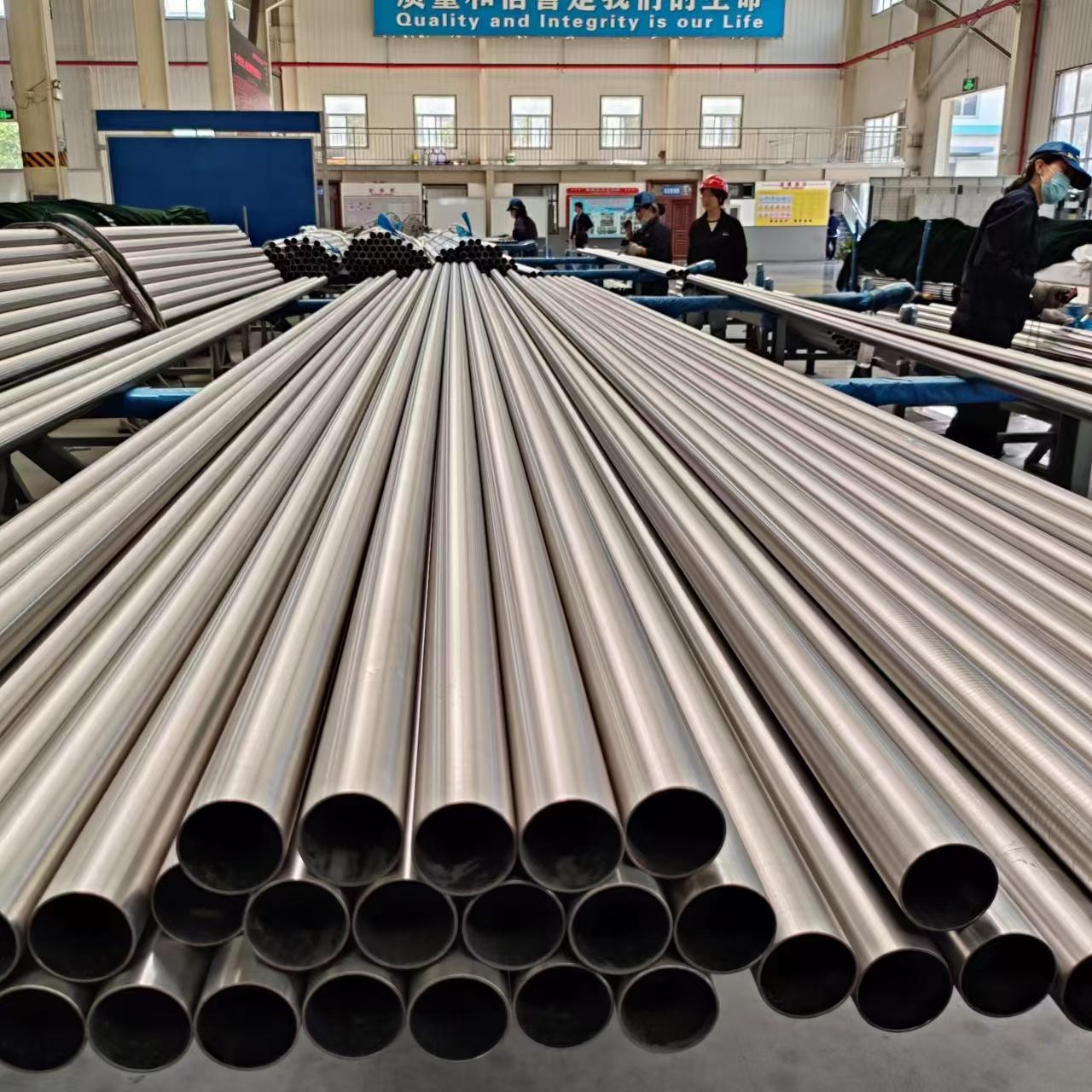 Nickel Pipe for Electrolytic Nickel Circulation Systems
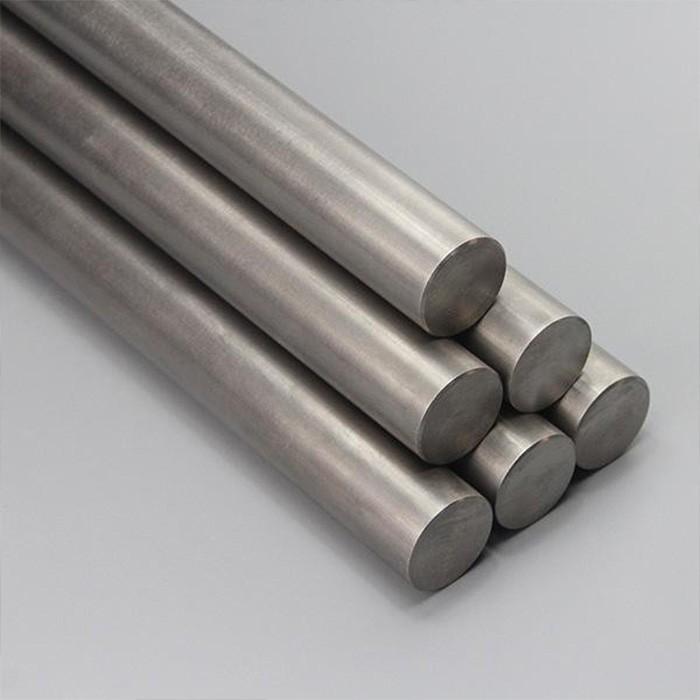 Nickel Rods for Electrolytic Industrial Applications
High-Performance Nickel Anode for Enhanced Electrolytic Output
Premium Nickel Plates — Electrolytic Grade
Seamless Nickel Tube for Electrolytic Heat Exchanger Applications
Partner with Baoji Special Steel Titanium Industry Co., Ltd. — over 25 years of expertise in nickel tube manufacturing for global electrolytic nickel industry clients. Get a customized quote today.
Explore All Products