Leave Your Message
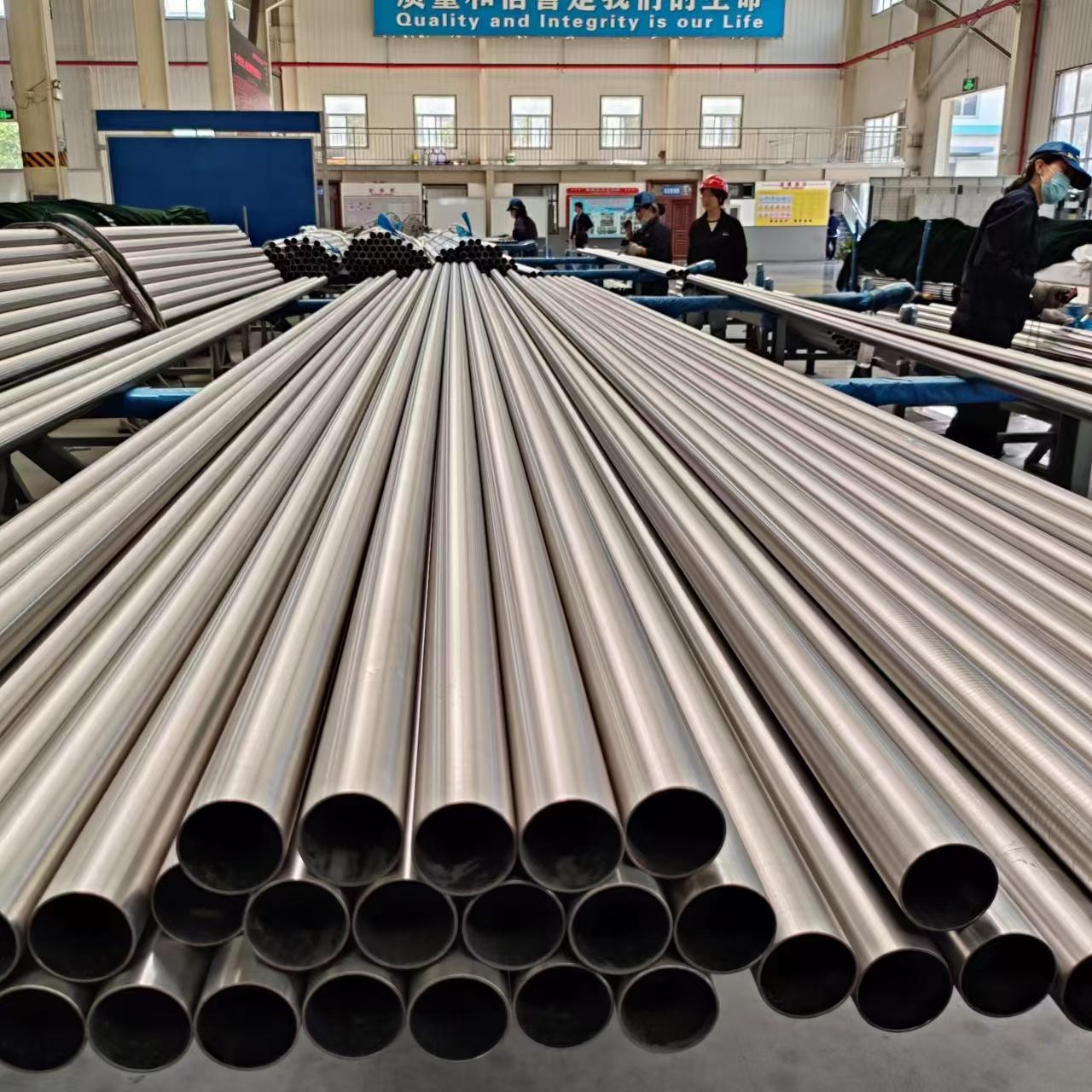
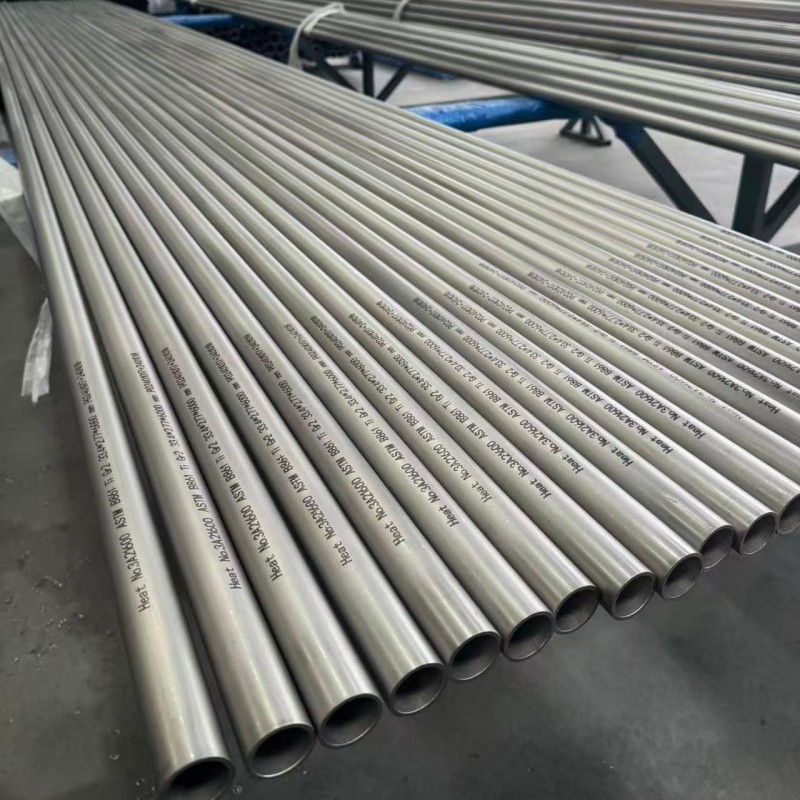
In modern surface finishing, electroplating production lines represent one of the most aggressive and chemically demanding environments. The transport of corrosive chemical electrolytes, acidic baths, and concentrated alkaline solutions requires fluid handling systems that can guarantee zero leakage, high structural integrity, and exceptional resistance to localized corrosion. This is where the nickel welding pipe plays a critical role. Engineered from high-purity nickel alloys (such as Nickel 200, Nickel 201, and specialized nickel-chromium-molybdenum formulations), these pipes form the backbone of chemical delivery, bath recirculation, and heat exchange systems in automated electroplating facilities worldwide.
Globally, the demand for electroplating technology is expanding rapidly, driven by the electronics, automotive, aerospace, and defense industries. High-precision components, microprocessors, connector pins, and corrosion-resistant aerospace fasteners require consistent, high-quality metal deposition. The reliability of these coatings is directly linked to the stability of the electroplating line's chemical composition, temperature, and flow dynamics. Any contamination from piping degradation or joint failure can compromise the entire plating batch, leading to millions of dollars in losses. Consequently, the transition from traditional plastic or low-grade steel piping to high-performance nickel welding pipes has become a standard industry practice for modern, high-throughput facilities.
Did You Know? The chemical stability of the piping system directly influences the purity of the electroplating bath. Using low-grade materials can introduce metallic impurities, causing defects like pitting, burning, or poor adhesion in the plated layer.
Why do process engineers and plant designers specify nickel welding pipes over alternative materials? The answer lies in the unique metallurgical properties of nickel alloys when exposed to electroplating chemistries:
Nickel exhibits exceptional resistance to reducing chemicals, neutral and alkaline salt solutions, and organic acids. It maintains a stable passive oxide film that prevents uniform and localized corrosion.
Compared to stainless steels and titanium, nickel has superior thermal conductivity. This makes nickel welding pipes highly efficient when used as heating or cooling coils directly inside the electroplating baths.
Modern welding techniques, such as TIG (Tungsten Inert Gas) and plasma arc welding, produce highly ductile, strong, and corrosion-resistant joints in nickel piping, eliminating the risk of stress corrosion cracking at weld zones.
Unlike thermoplastic piping (PVC, PVDF) which softens and sags under thermal stress, nickel pipes maintain structural integrity at elevated temperatures up to several hundred degrees Celsius.


To fully appreciate the value of nickel welding pipes, it is necessary to examine their specific deployment locations within an active electroplating plant:
Electroplating baths require precise temperature control to ensure uniform metal deposition. For instance, Watts nickel plating baths typically operate between 50°C and 60°C, while some specialized electroforming processes require even higher temperatures. Nickel welding pipes are bent into heating coils through which steam or hot water is circulated. Immersed directly in the corrosive plating chemistry, these pipes provide fast, efficient heat transfer without degrading or contaminating the bath with metallic byproducts.
Continuous filtration is essential to remove suspended solids, anode sludge, and organic impurities from the plating solution. High-velocity pumps circulate the electrolyte through a closed-loop filtration system. The piping connecting the pumps, filter chambers, and carbon treatment units must withstand high flow rates, turbulent shear forces, and chemical attack. Nickel welding pipes prevent erosion-corrosion and ensure that the fluid dynamics of the system remain consistent over decades of continuous operation.
In high-current electroplating setups, nickel anodes are suspended in the bath to replenish the nickel ions deposited onto the cathode. Nickel welding pipes are frequently used as structural conduits or protective sleeves for titanium-clad copper busbars, shielding the electrical connections from highly corrosive acidic fumes rising from the surface of the plating tanks.
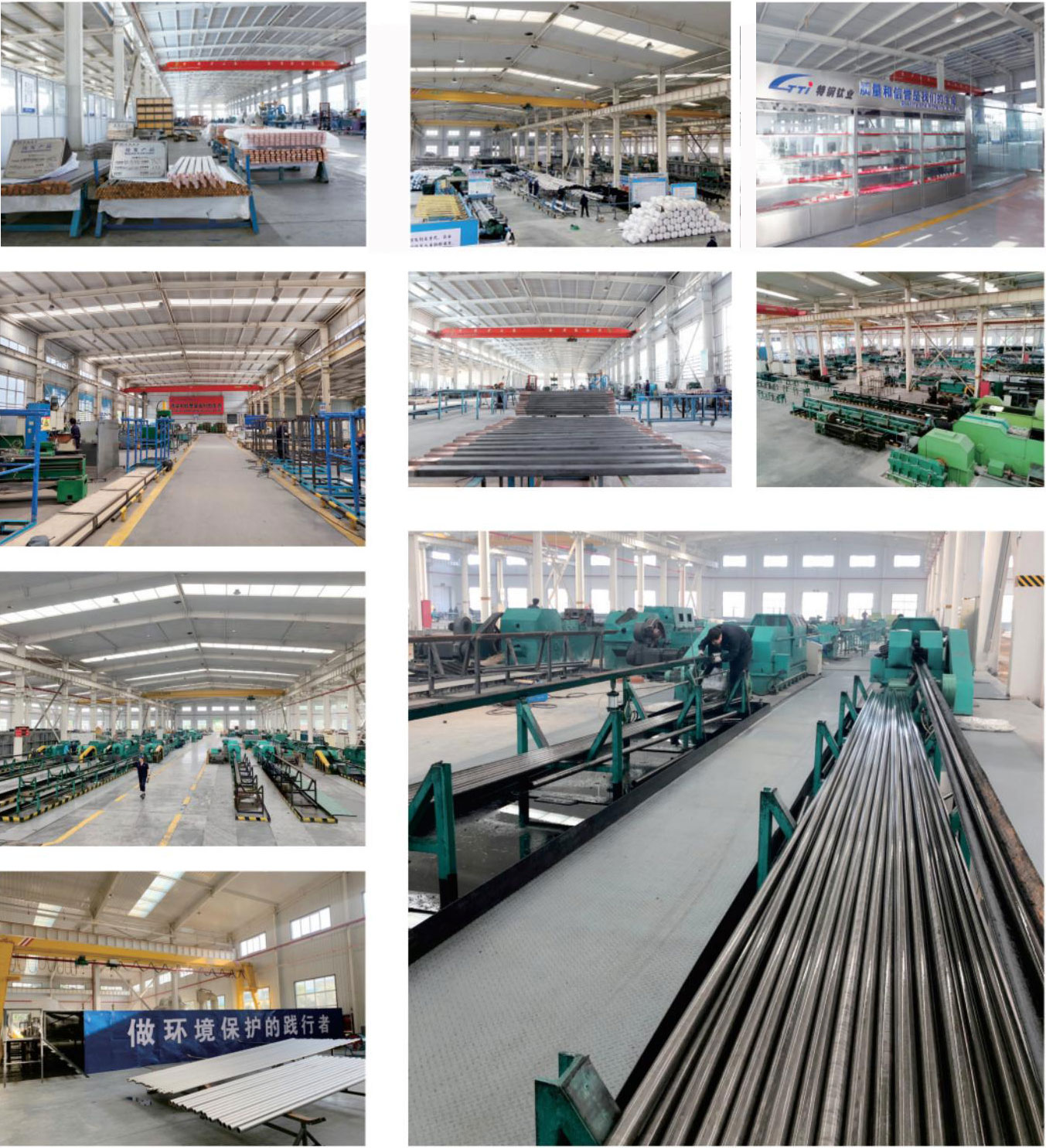
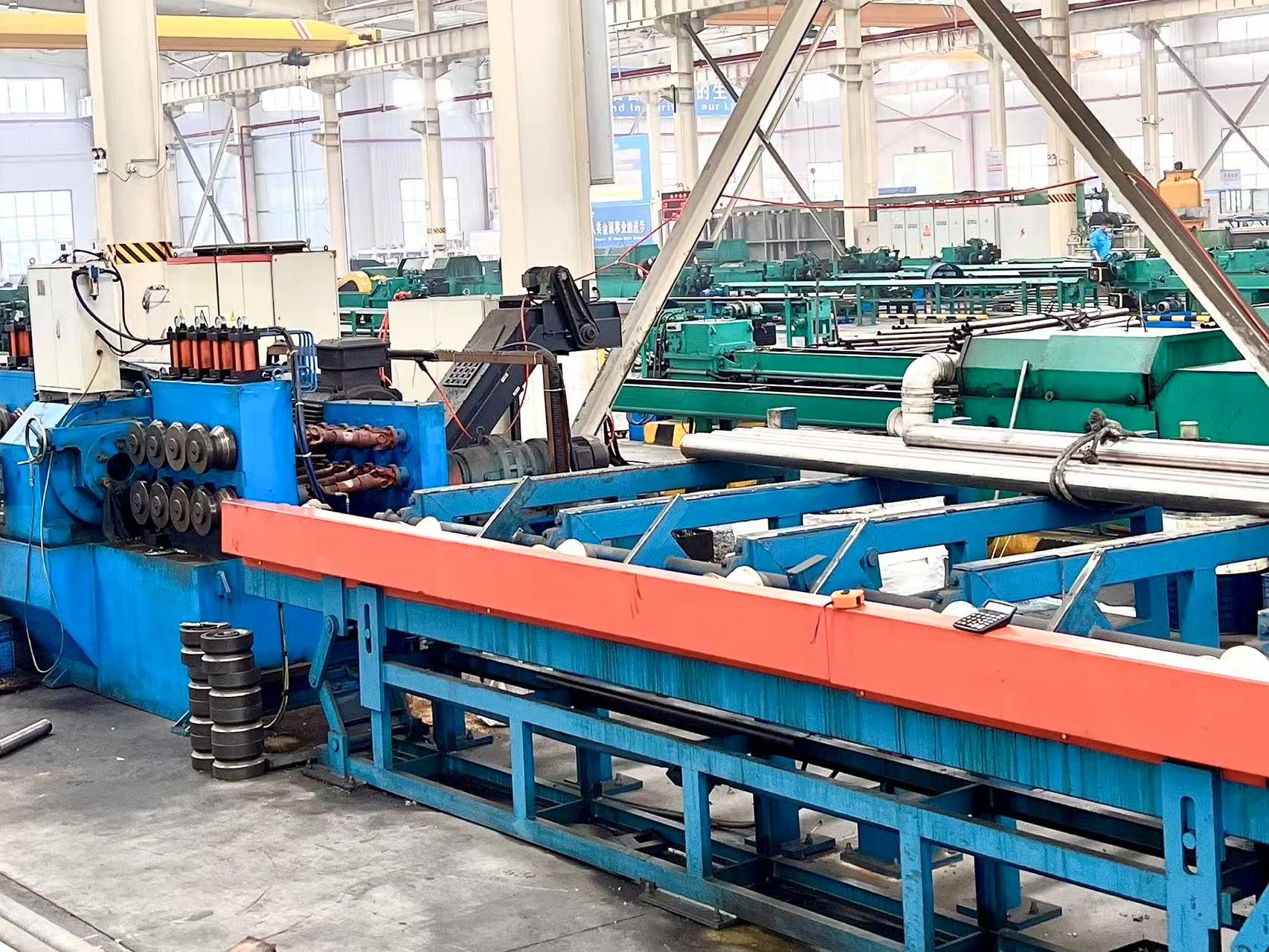
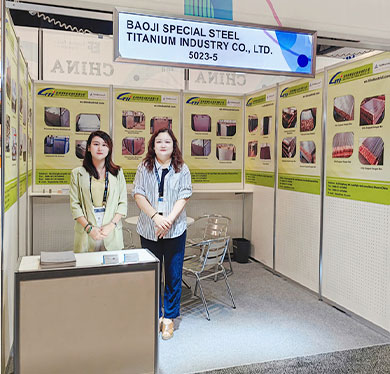
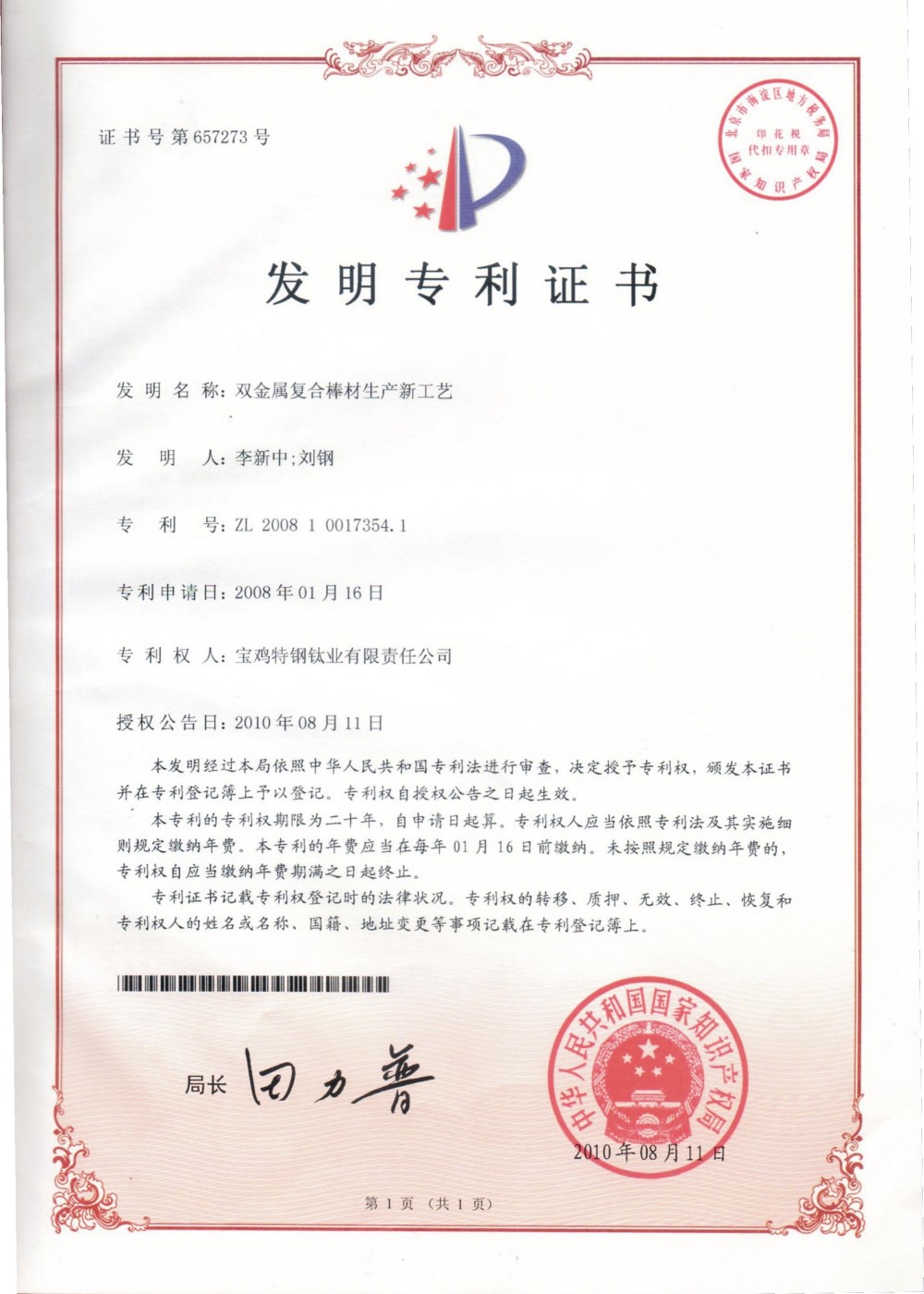
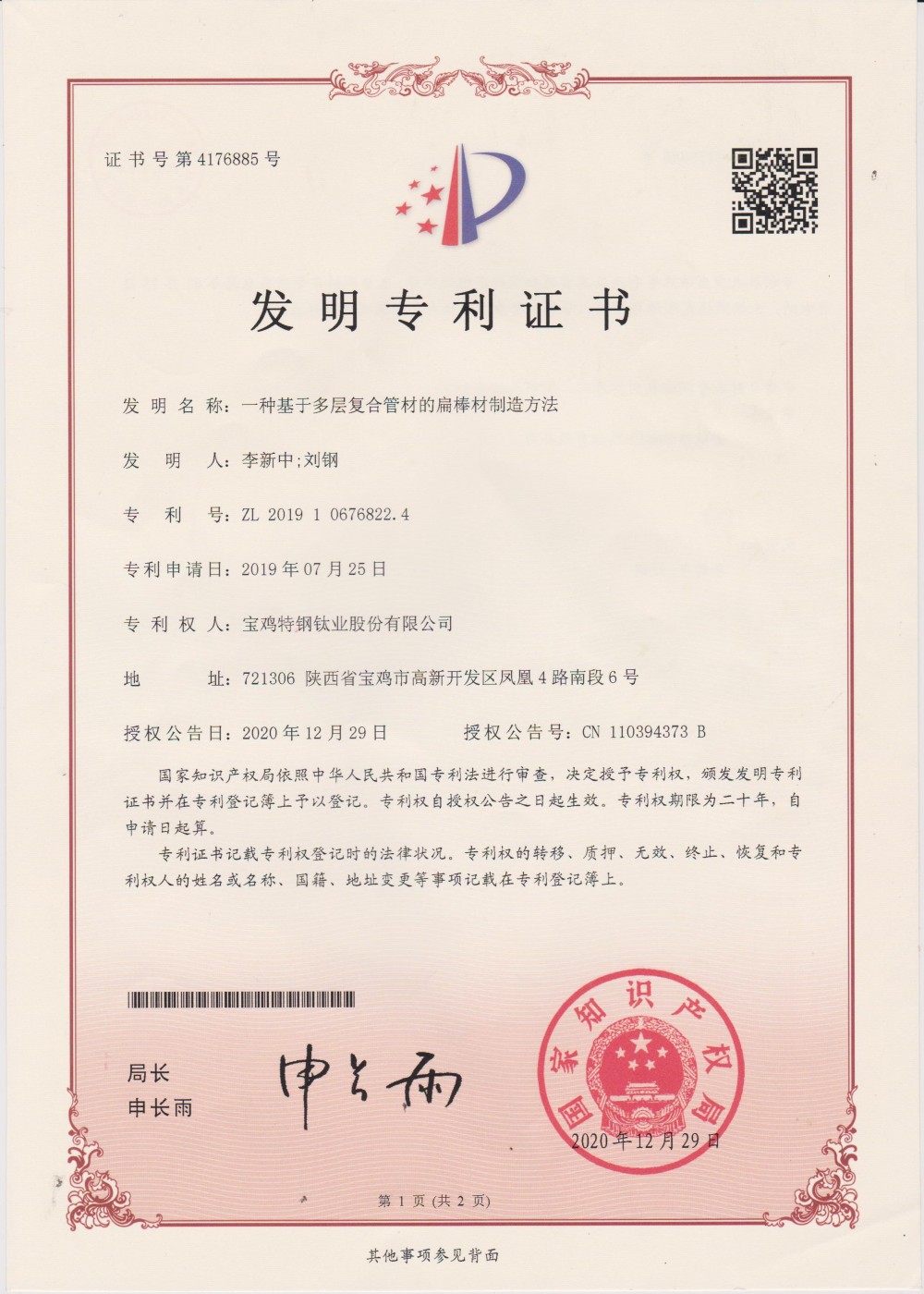
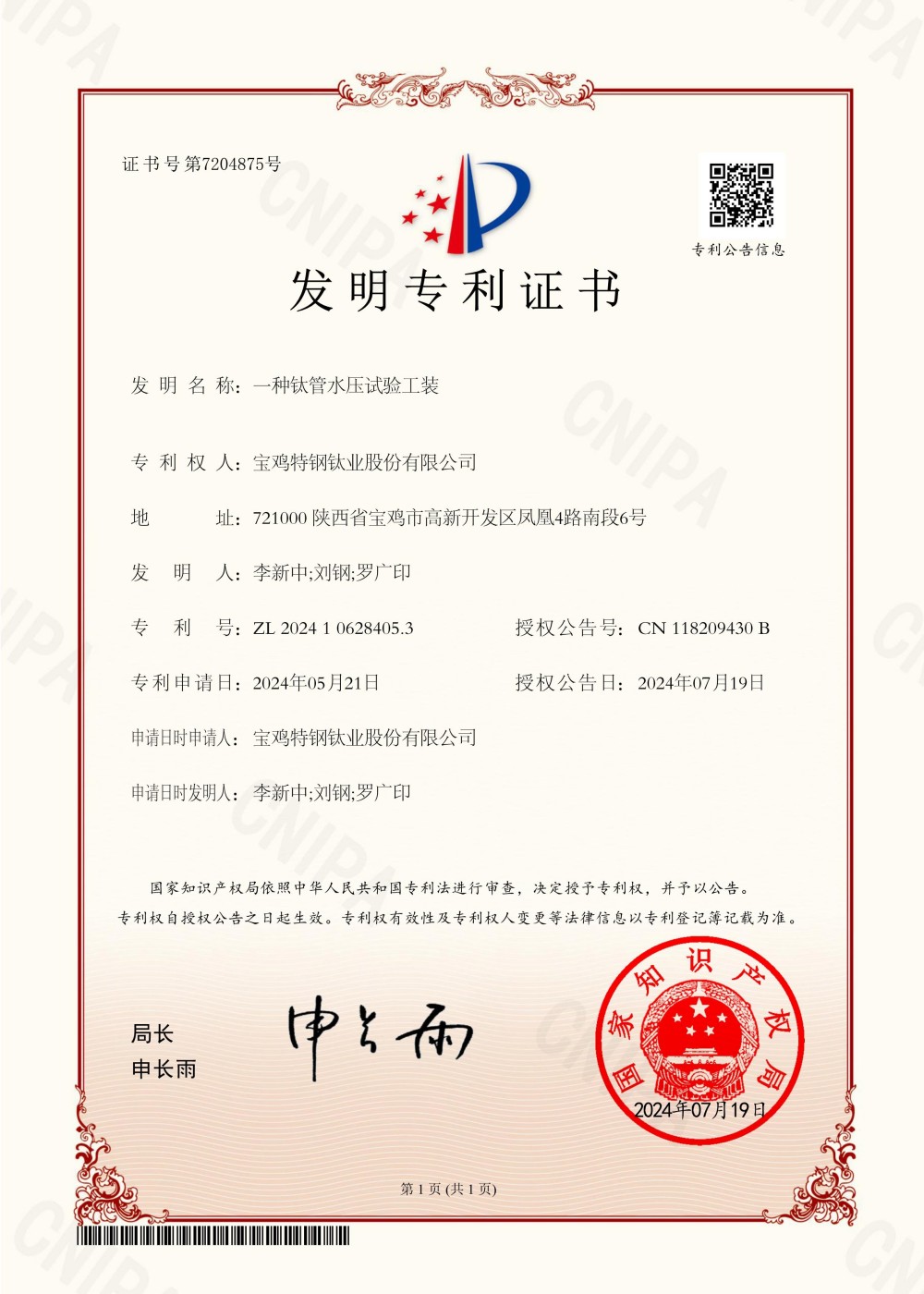
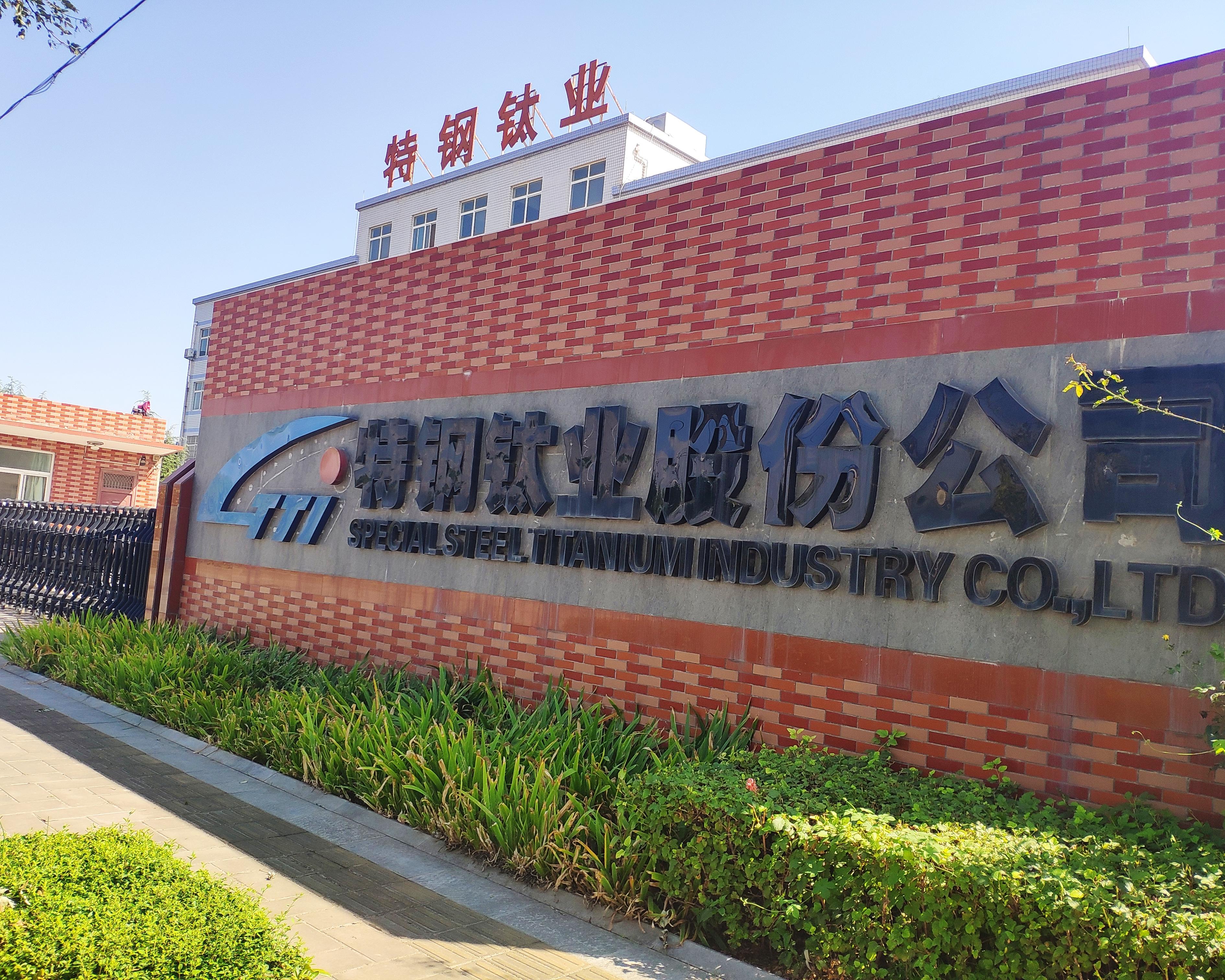
Since its establishment, the company has always adhered to the development strategy of continuous innovation and continued to expand the market with new technology and new products as the fulcrum. After more than 20 years of development and accumulation, the products have entered the markets of Germany, Japan, the United States, Norway, Finland, South Africa, Singapore, India and other countries and Taiwan regions, also have been highly praised. Stable product quality, integrity as the core of the business philosophy, by the world's customers trust.
To build an excellent enterprise team, continuously improve the management and manufacturing methods, so that every customer can get the maximum benefit from each product" is the eternal pursuit of special steel titanium industry personnel.
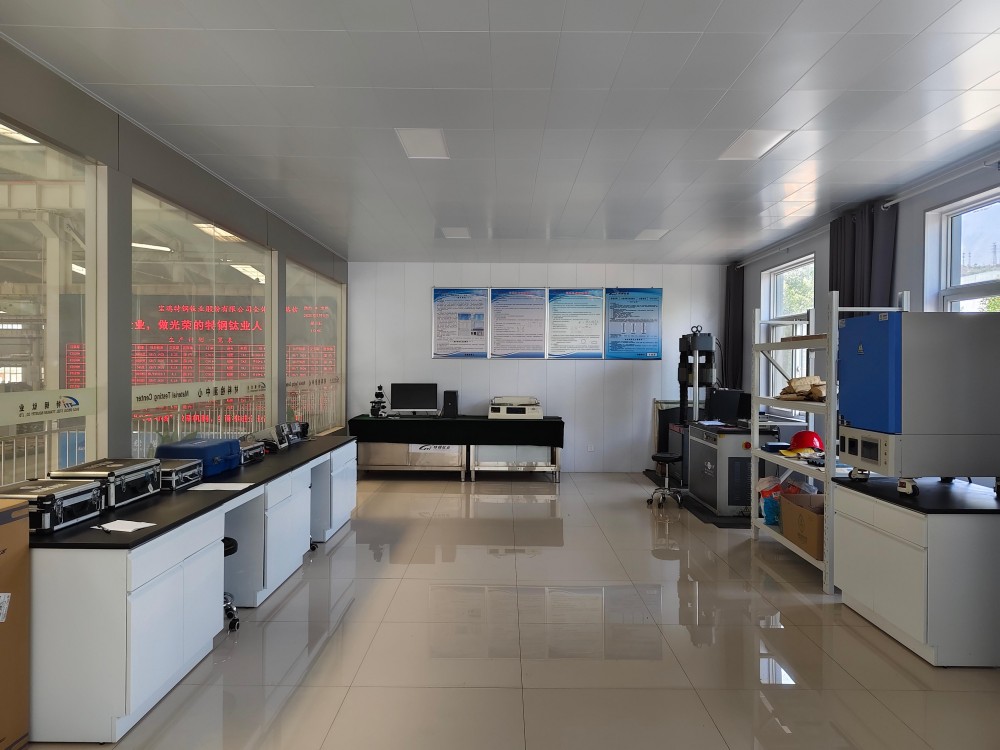
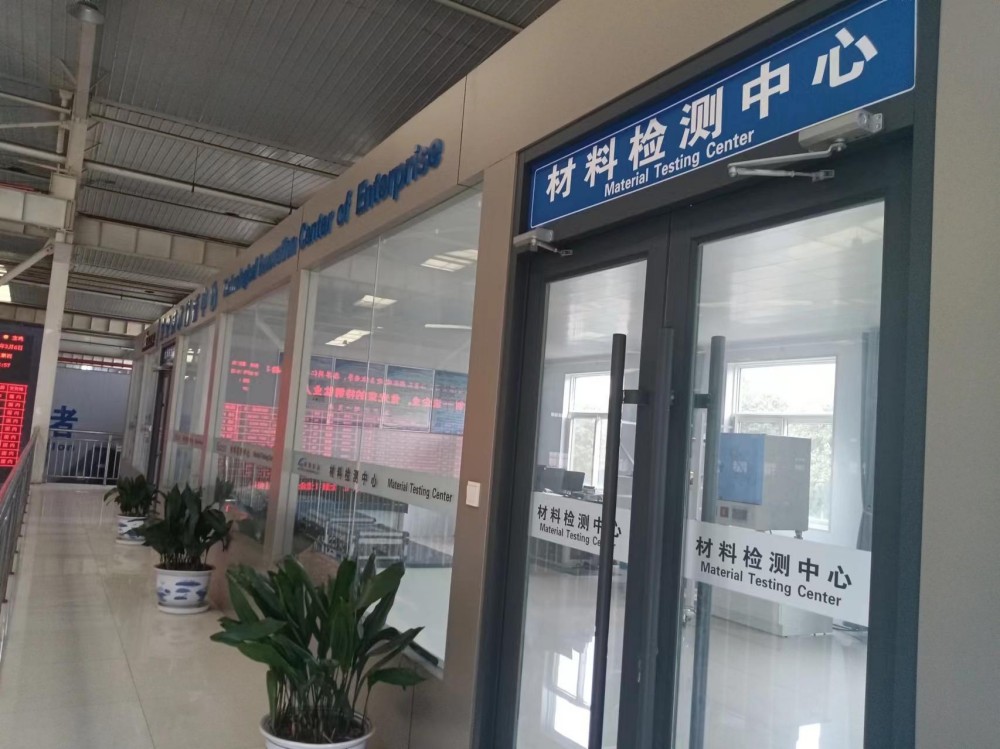
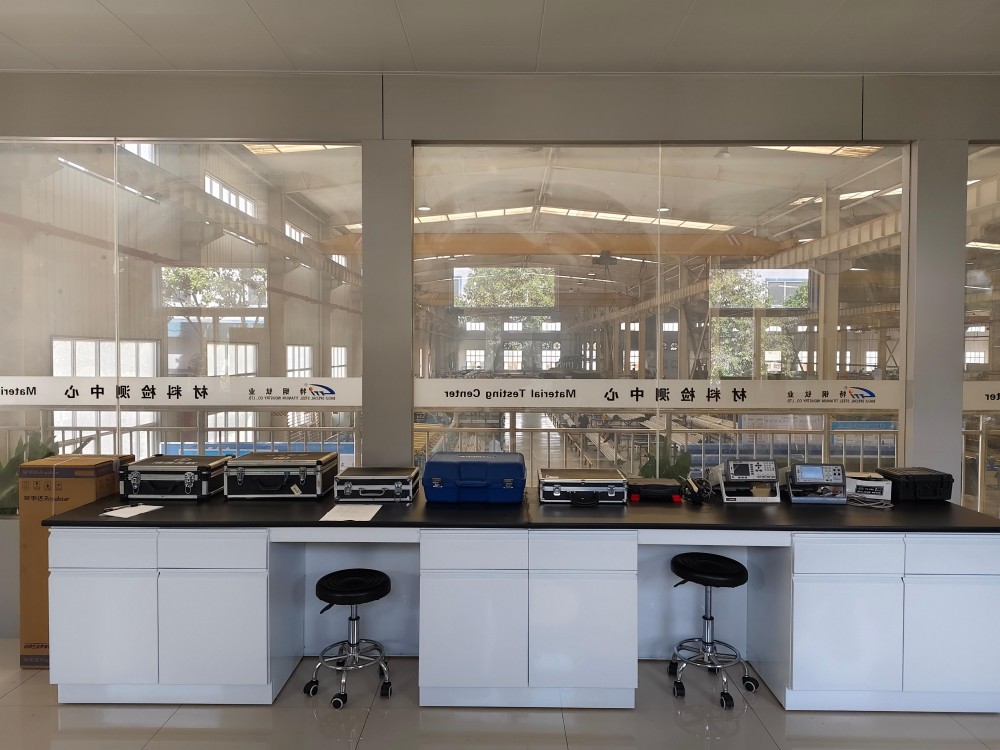
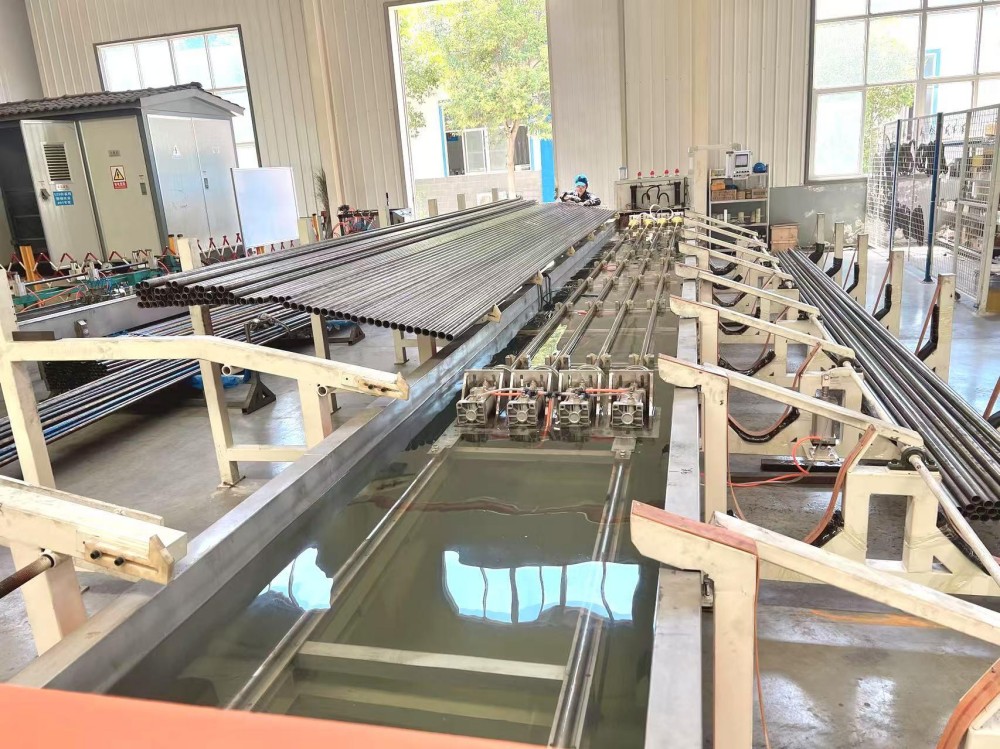
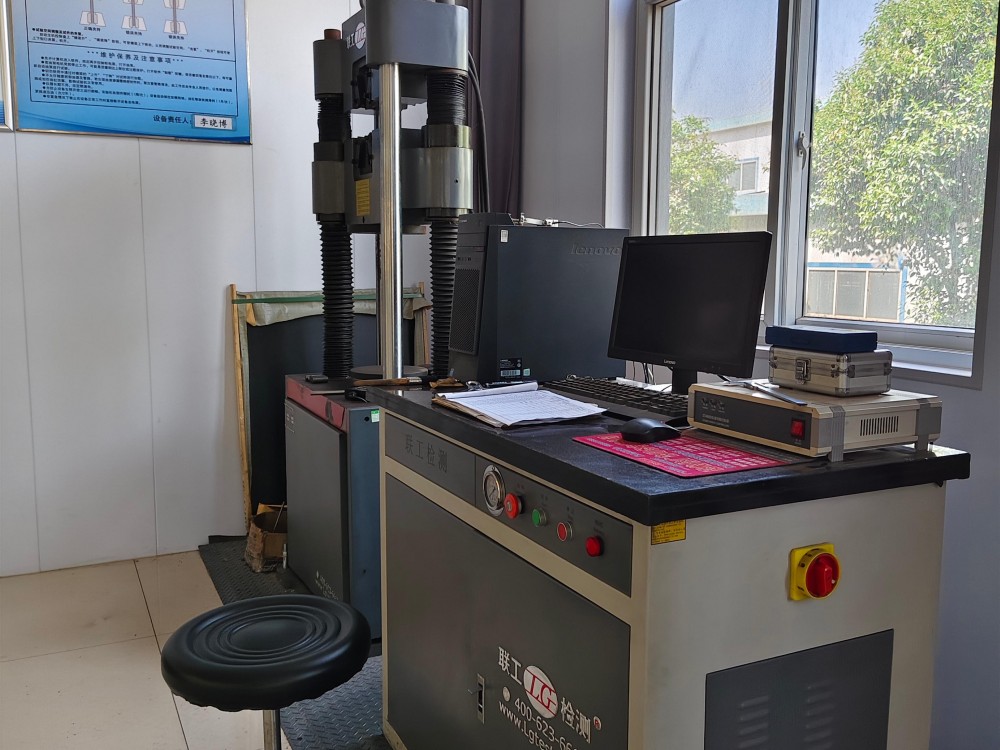
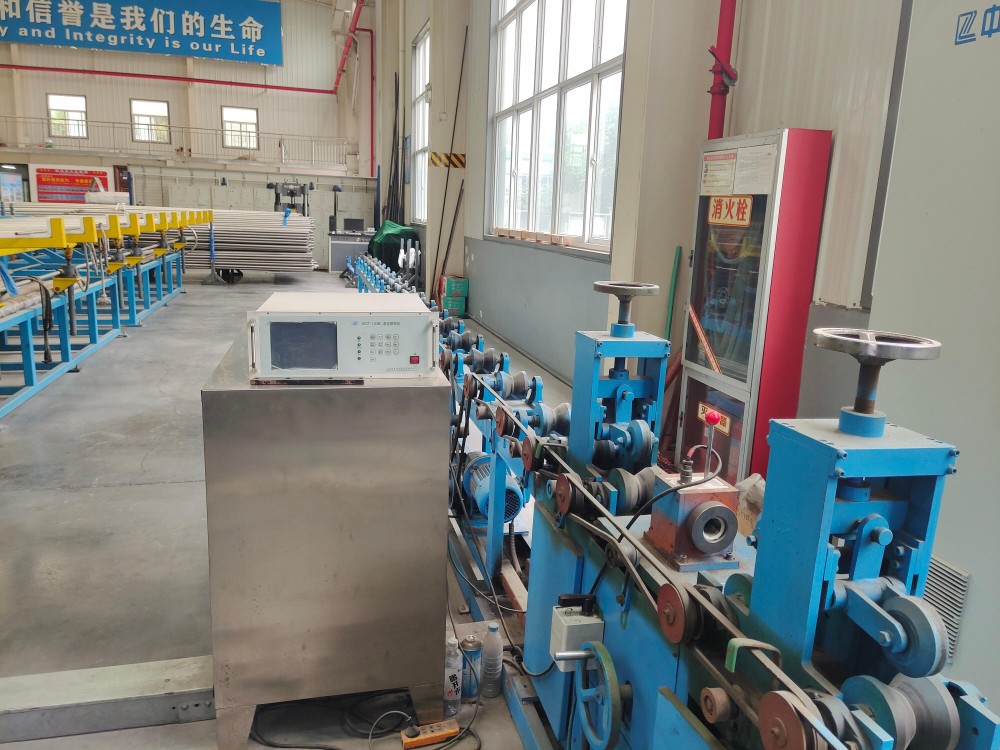
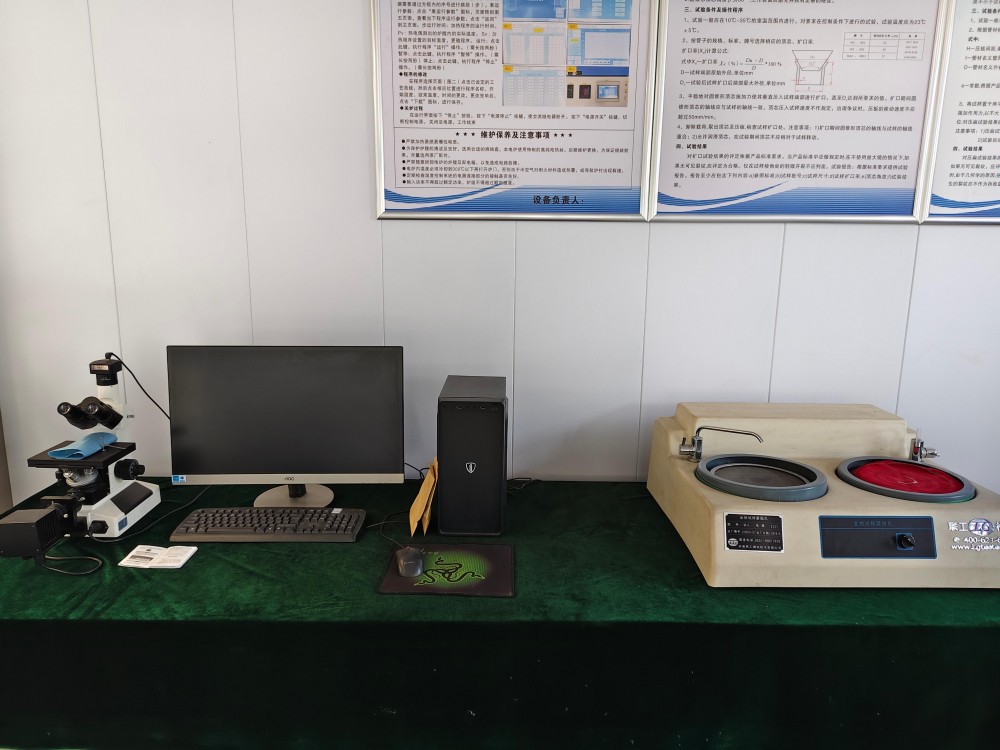
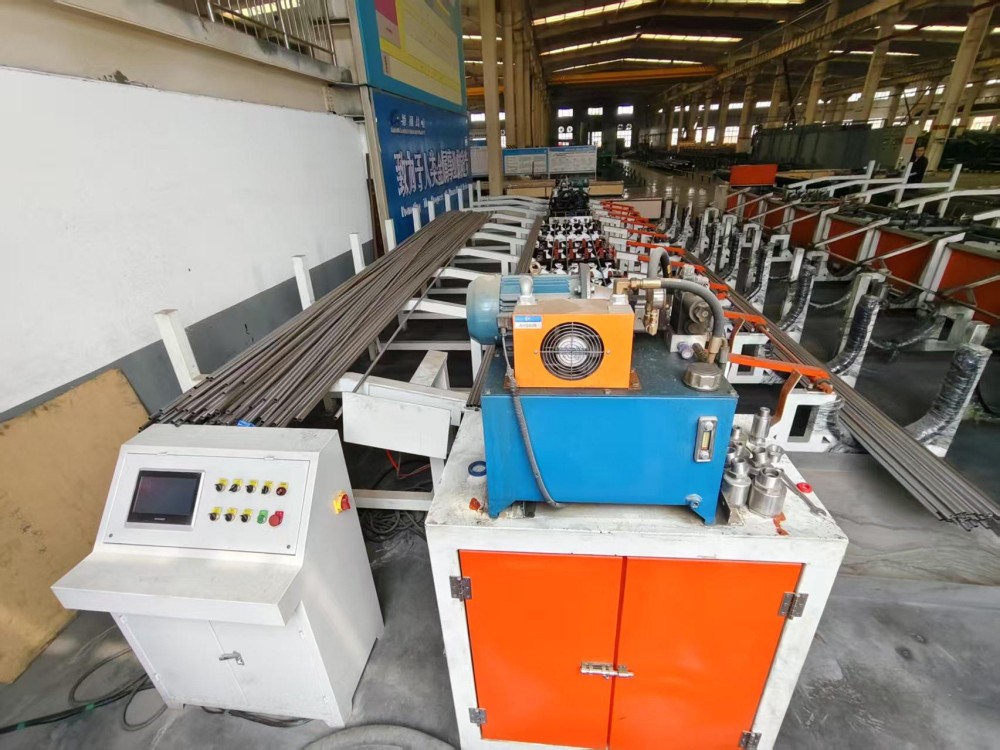
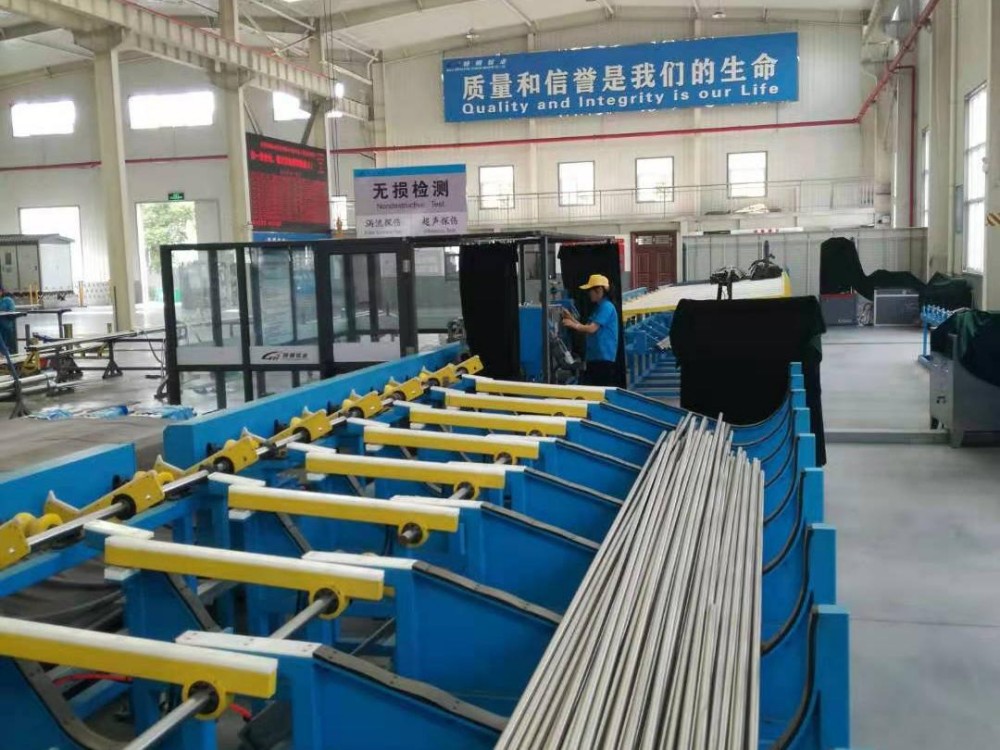
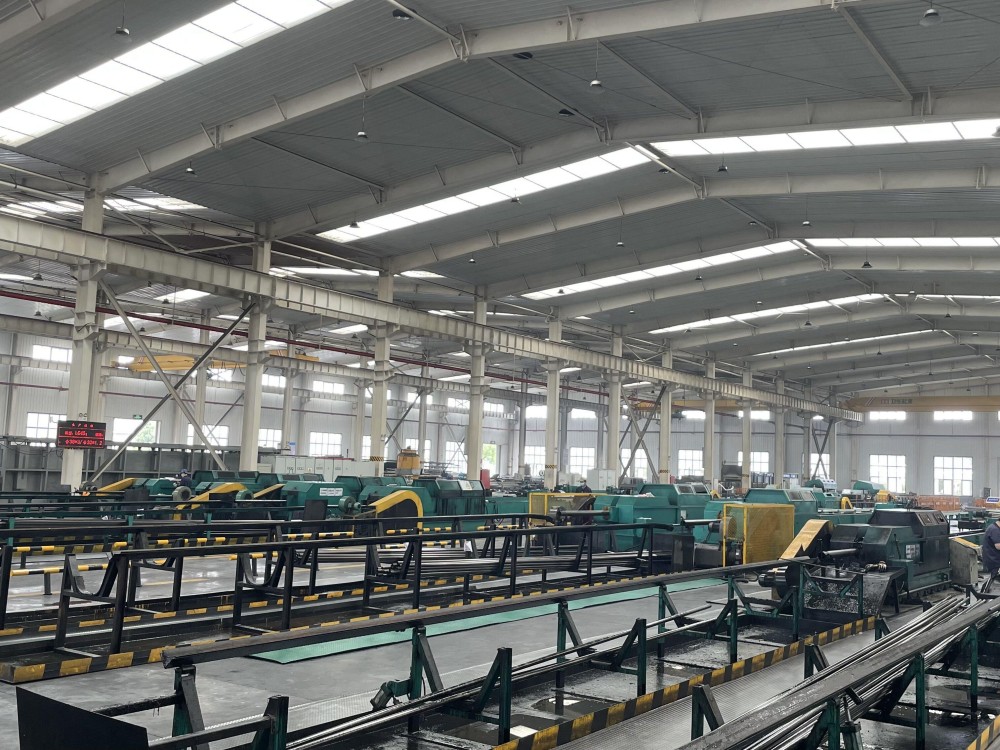
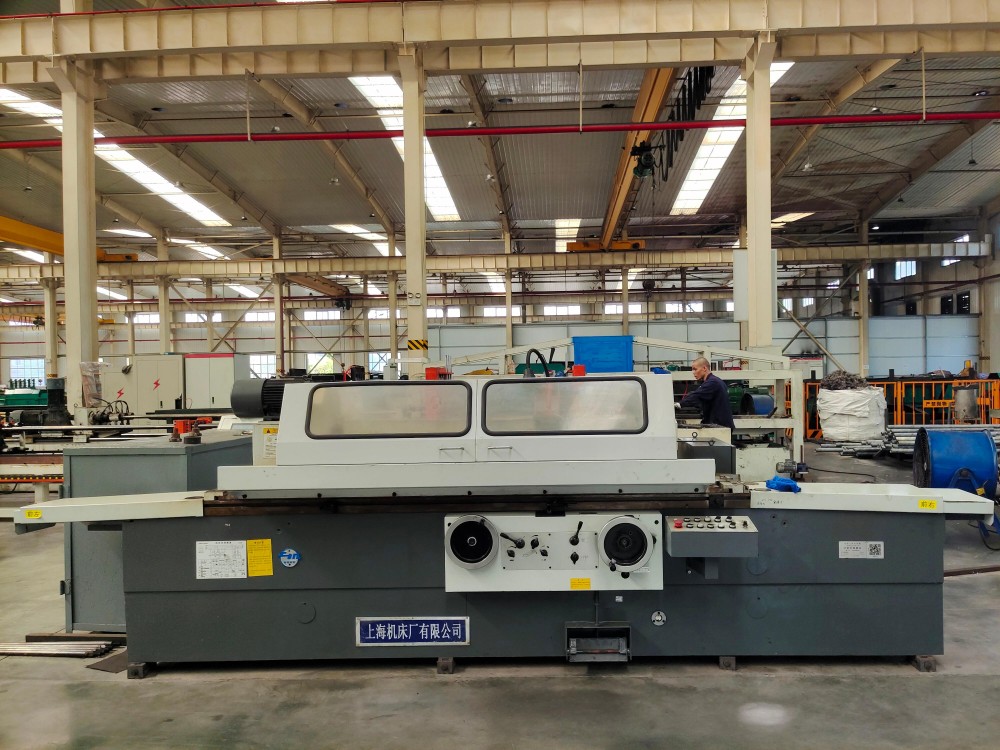
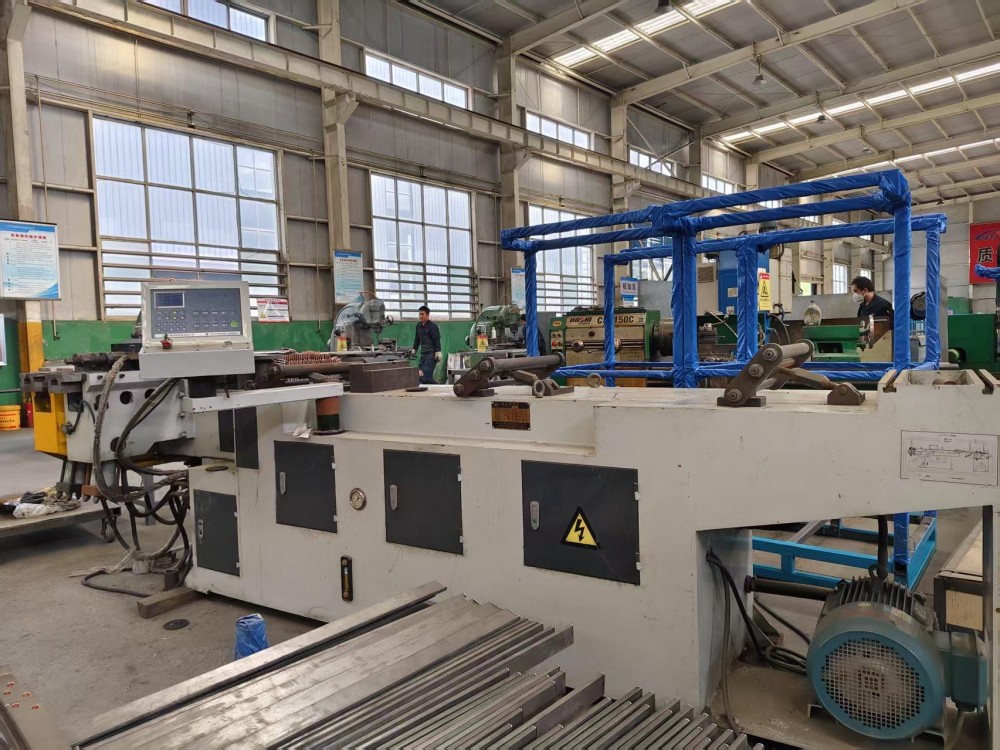
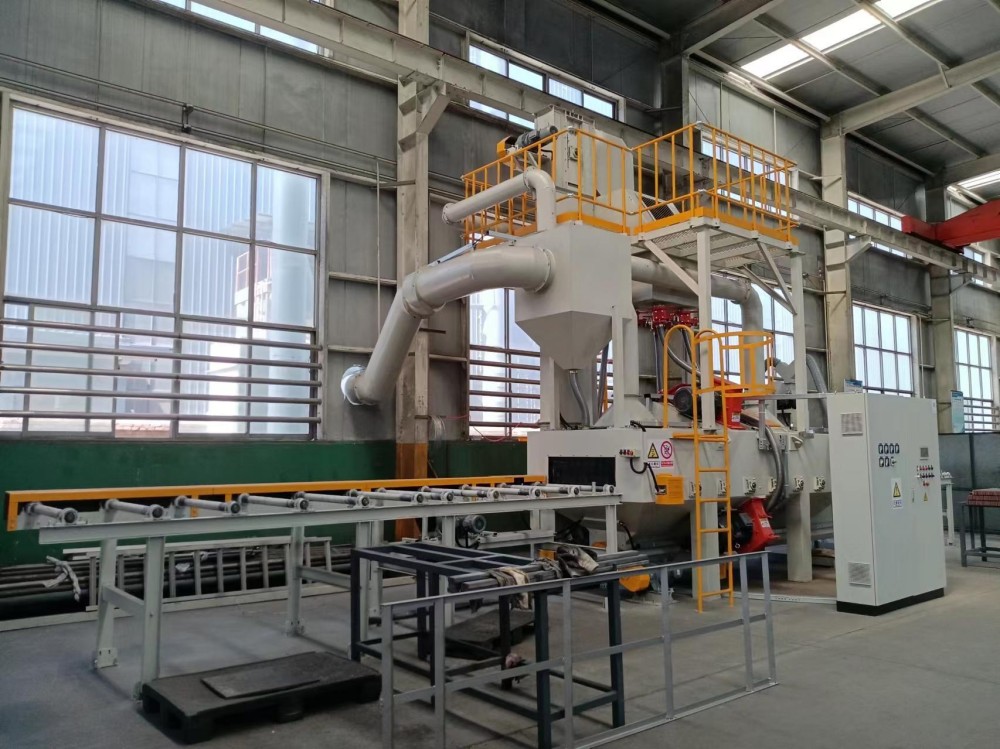
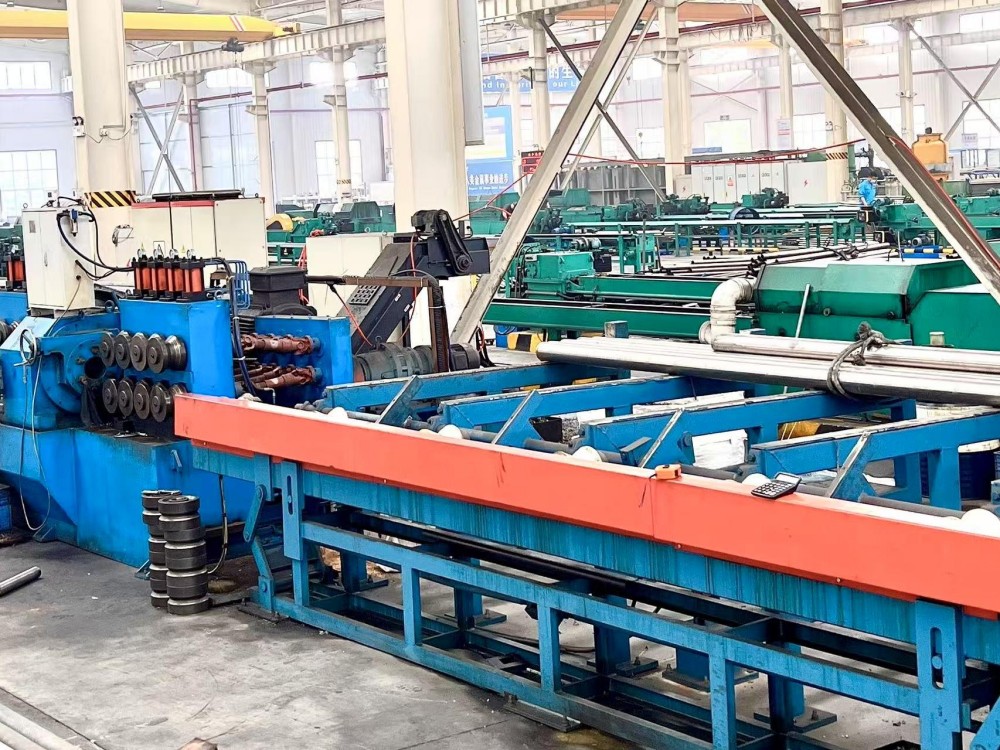
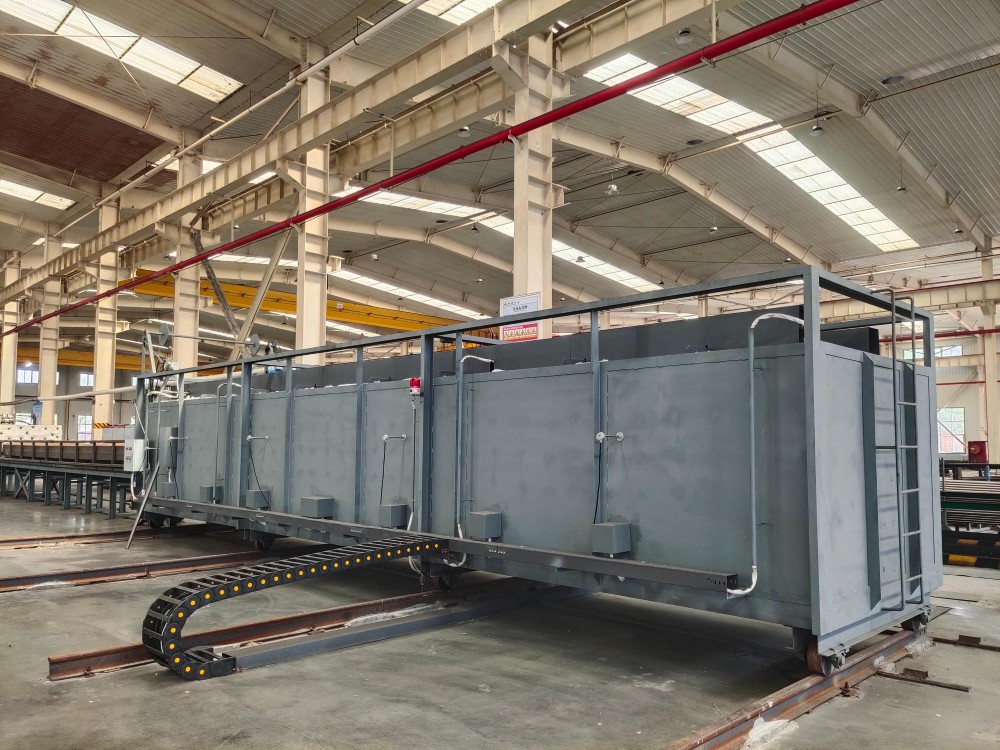
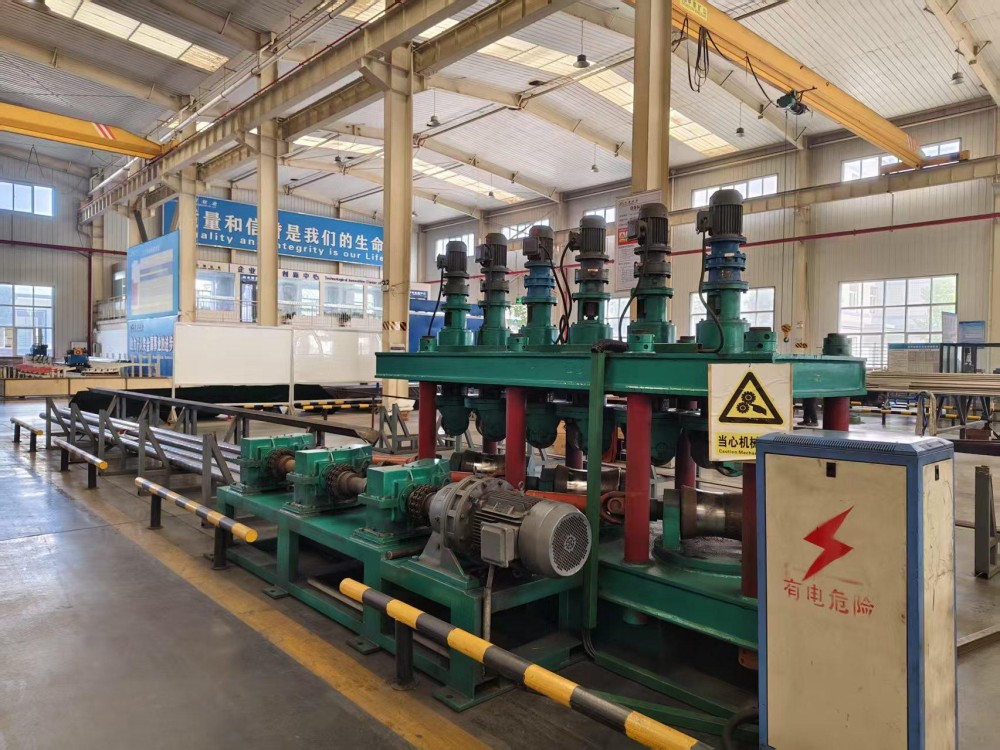
Welding nickel alloys requires meticulous control of the thermal cycle and gas shielding. Because nickel does not have the same fluid behavior as carbon steel or stainless steel during welding, specialized techniques must be utilized to prevent defects like solidification cracking, porosity, and heat-affected zone (HAZ) sensitization. Below are the core engineering standards and practices applied during the manufacture of nickel welding pipes:
Nickel welding pipes are manufactured in strict compliance with international metal standards. The most common specifications include:
Gas Tungsten Arc Welding (GTAW/TIG) is the preferred method for welding nickel pipes because it offers precise heat input control and produces clean, high-quality welds. 100% high-purity argon is utilized as both the shielding gas and the backing gas to protect the molten weld pool from atmospheric oxygen and nitrogen, which can cause embrittlement. Filler metals, such as ERNi-1 (for pure nickel) or ERNiCu-7 (for Monel alloys), are selected to match or exceed the corrosion resistance of the base metal.
The surface finishing industry is undergoing a structural shift toward green chemistry and automation. Environmental regulations, such as REACH in Europe and EPA guidelines in the United States, are forcing electroplating facilities to phase out hexavalent chromium in favor of less toxic trivalent chromium systems and advanced alkaline nickel-iron alloys. These new chemical formulations operate under different pH levels and temperatures, requiring highly customized nickel and titanium piping networks to prevent chemical degradation.
Additionally, the integration of Industry 4.0 has led to the adoption of "smart piping systems." Modern nickel welding pipelines are now designed with integrated ultrasonic sensors and flow meters that monitor real-time wall thickness, detecting cavitation or micro-corrosion before it leads to system failure. This predictive maintenance approach ensures that electroplating production lines can operate 24/7 with zero unplanned downtime.