Leave Your Message

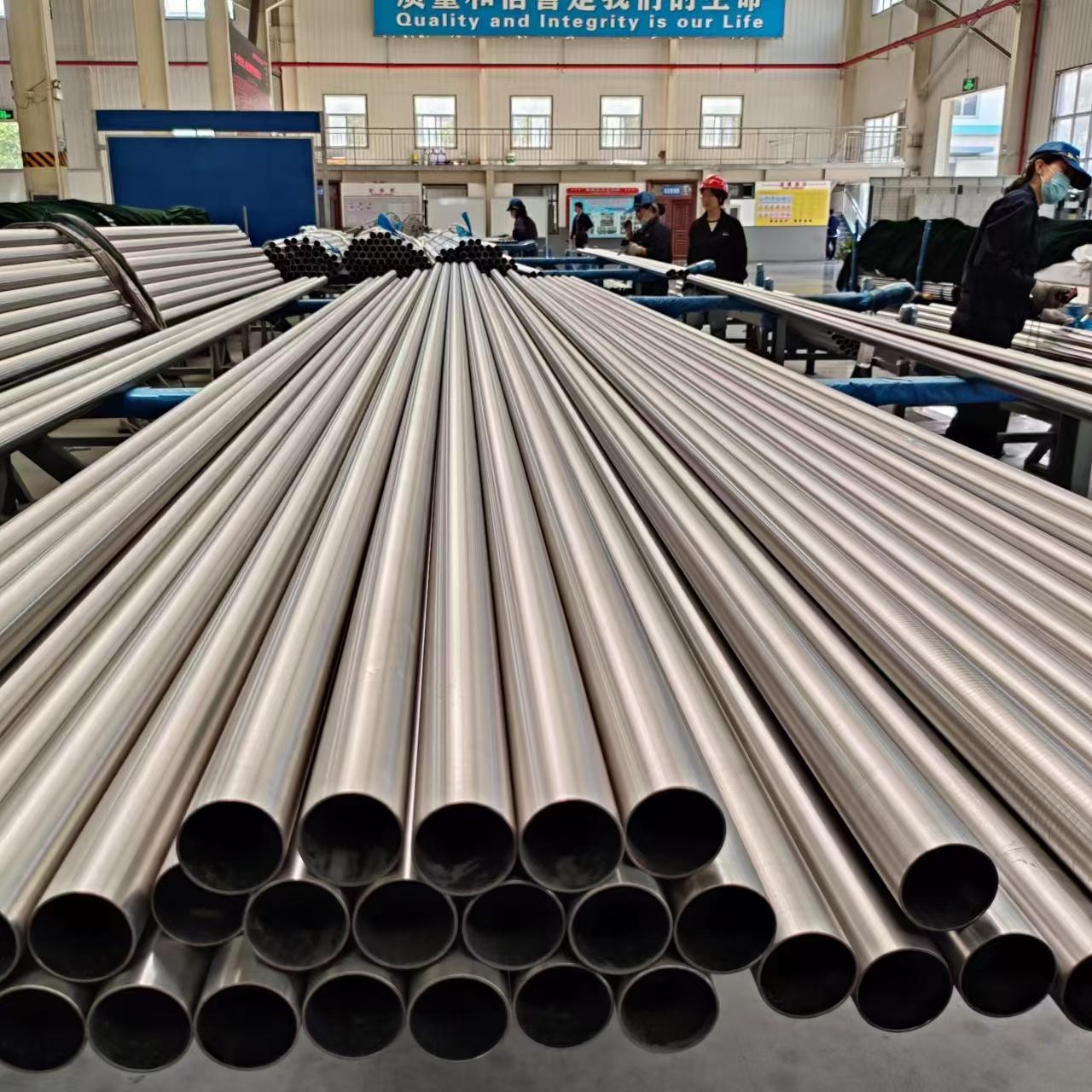
Nickel Welding Pipe For Hydrometallurgy Plants

The Strategic Role of Nickel Welding Pipe in Modern Hydrometallurgy

In the rapidly evolving landscape of global mineral processing, Nickel Welding Pipe has emerged as a cornerstone component for hydrometallurgy plants. As the demand for high-purity metals—particularly those fueling the green energy revolution like cobalt, copper, and nickel itself—continues to skyrocket, the industrial infrastructure must withstand increasingly aggressive chemical environments.

⚙️
Industrial Status: Today's hydrometallurgical processes involve High-Pressure Acid Leaching (HPAL) and solvent extraction, where temperatures exceed 250°C and pressures reach 50 bar. Standard stainless steels fail under these conditions. Nickel-based welding pipes, specifically those made from high-nickel alloys (Alloy 200, 201, or C276), provide the necessary resistance to sulfuric and hydrochloric acids, ensuring plant longevity and reducing catastrophic downtime.

The global shift toward "sustainable mining" means plants are now operating with closed-loop systems where corrosive electrolytes are recycled. This intensification of the chemical cycle places unprecedented stress on piping systems, making the integrity of the welding seam in nickel pipes more critical than ever. A single flaw in a weld can lead to stress corrosion cracking (SCC), resulting in multi-million dollar losses.
Baoji Special Steel Titanium Factory

About Us

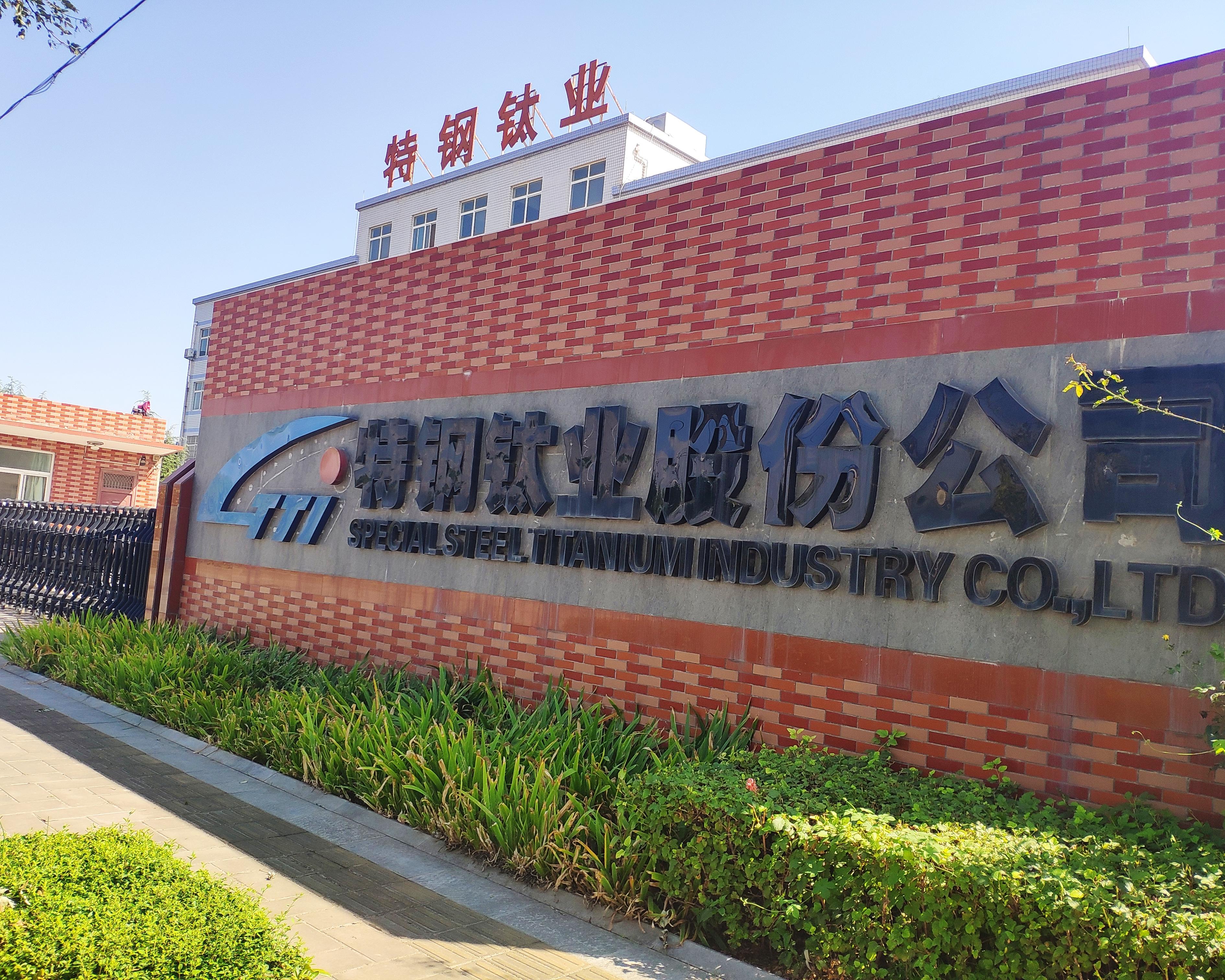
Baoji Special Steel Titanium Industry Co., Ltd.
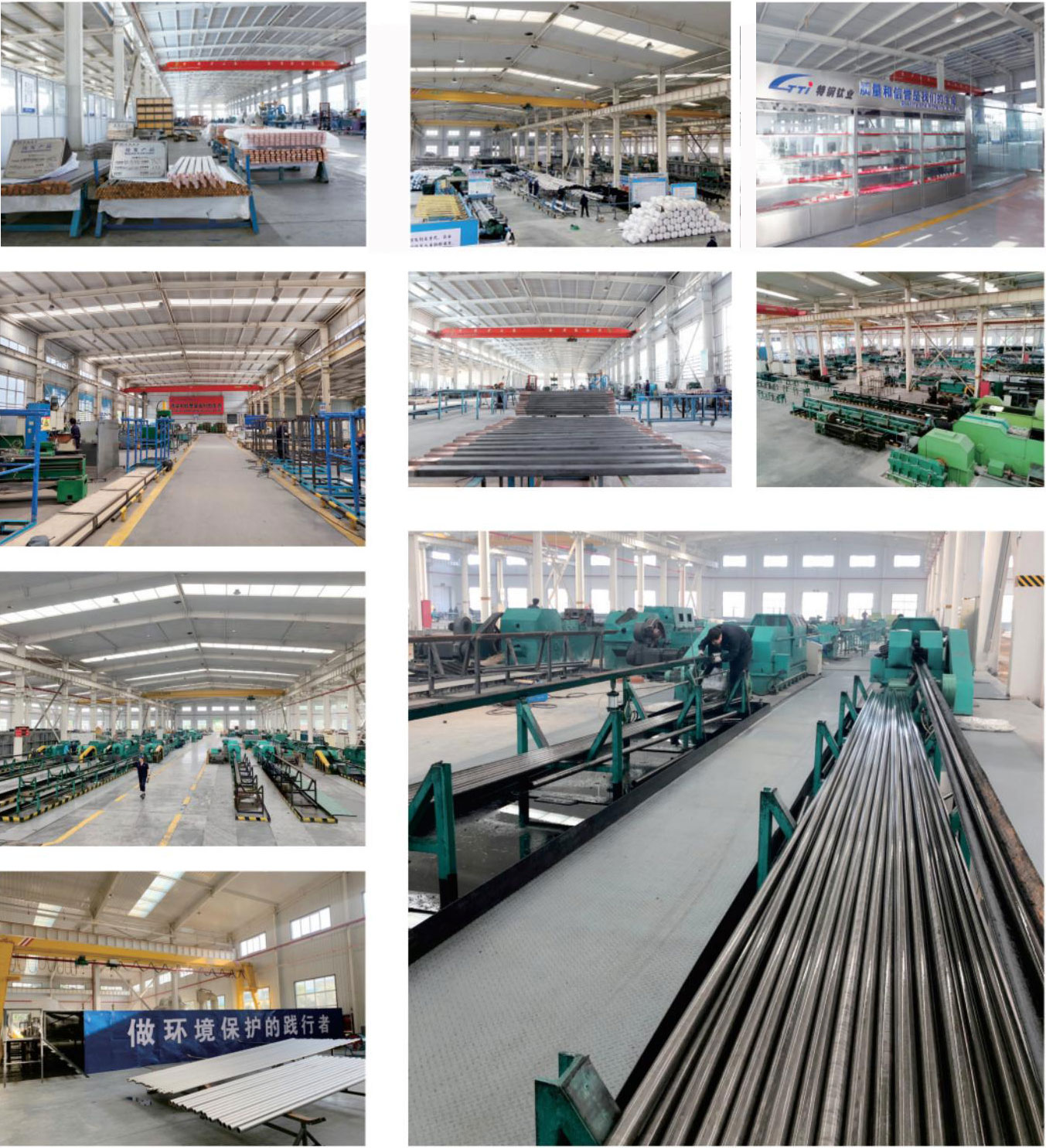
Is a joint-stock industrial enterprise specializing in the research, development, manufacturing and sales of titanium, nickel, zirconium and other metal pipes and metal composite materials. The company was founded in 1997, located in Shaanxi Baoji National High-tech Industrial development Zone, the factory covers an area of 41,000 square meters.

With an annual production capacity of over 3000 tons of non-ferrous metal pipes, composite materials, and deep processing products, we serve global markets including Germany, Japan, and the USA. We are a national high-tech enterprise recognized for our contribution to the non-ferrous metal industry.
  • 41000 ㎡
    factory area
  • 500 +
    Product types
  • 3000 T
    Annual capacity
  • 1997
    founded in

Deep Application Analysis: Where Nickel Welding Pipe Excels

Hydrometallurgy is not a monolithic process; it consists of various stages, each presenting unique challenges for piping systems. Nickel welding pipes are engineered to address these specific "pain points":
🔬
1. Acid Leaching Circuits: In the extraction of nickel from laterite ores, hot sulfuric acid is used. Nickel pipes provide a stable passive film that prevents the metal from dissolving into the solution, maintaining the purity of the end product.
⚡
2. Electrowinning Cells: The transport of electrolyte to the electrowinning cells requires pipes that do not introduce metallic impurities. Nickel welding pipes are preferred here because any trace leaching of nickel is compatible with the process itself, unlike iron or chrome leaching from steel.
🌡️
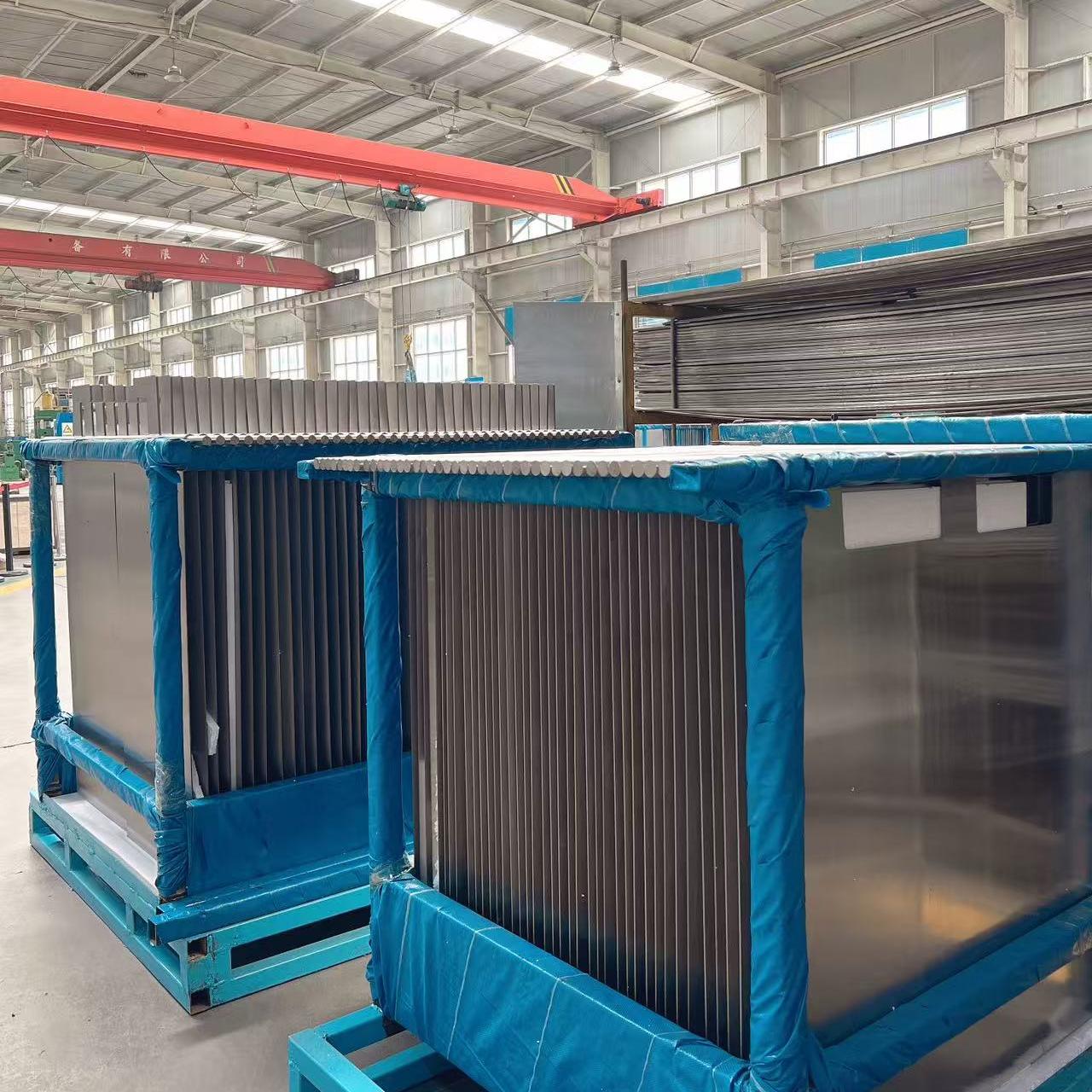
3. Heat Exchanger Systems: Hydrometallurgy plants utilize massive heat exchangers to recover energy. The weldability of nickel pipes allows for the fabrication of complex, high-efficiency shell-and-tube exchangers that can operate under thermal cycling without fatigue.
Nickel and Titanium Products

Our Core Product Categories

  • Titanium and titanium alloy, nickel and nickel alloy, zirconium and zirconium alloy non-ferrous metal pipes;
  • Non-ferrous metal composite materials: titanium clad copper, zirconium clad copper, composite wire, etc.;
  • Titanium cathode and composite electrode series: stainless steel permanent cathode, nickel anode, etc.;
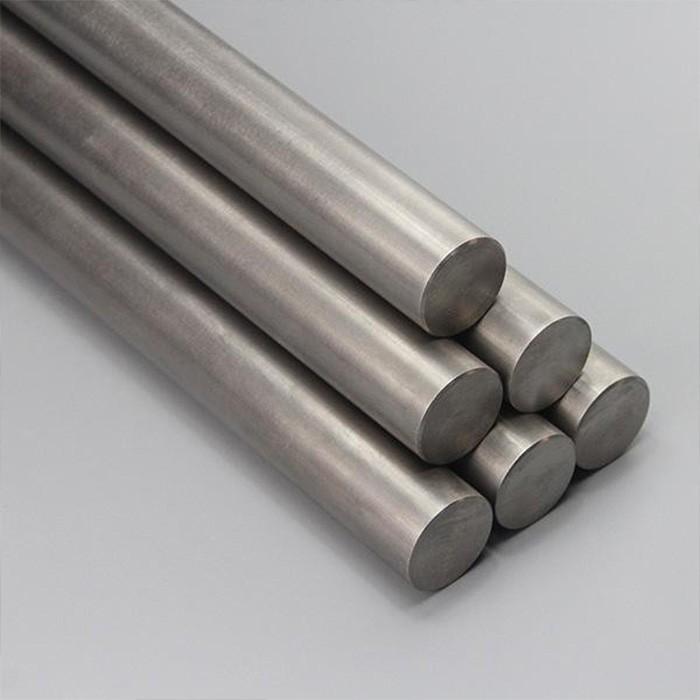
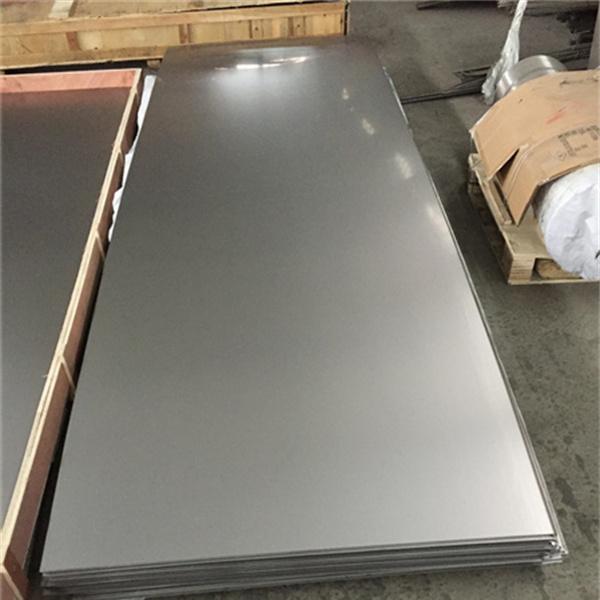
  • Nickel plates, nickel rods, and nickel strips for industrial use.

Our Nickel Welding Pipes are manufactured under stringent ISO standards to ensure they meet the specific pressure-temperature ratings required by hydrometallurgical engineers.

Future Trends in Hydrometallurgical Piping Technology

As we look toward 2030, the hydrometallurgy sector is moving toward "Intelligent Piping." This involves integrating sensors within the nickel pipe infrastructure to monitor corrosion rates in real-time. Furthermore, the development of Advanced Gas Tungsten Arc Welding (GTAW) for nickel alloys is improving the microstructure of the weld zone, making it as corrosion-resistant as the base metal itself.

Another significant trend is the rise of High-Purity Nickel (99.9%) pipes for the production of battery-grade nickel sulfate. As the EV market grows, the tolerance for impurities in the hydrometallurgical circuit drops to parts-per-billion, placing Nickel Welding Pipe at the very heart of the energy transition.

Continuous Innovation & World-Class Equipment

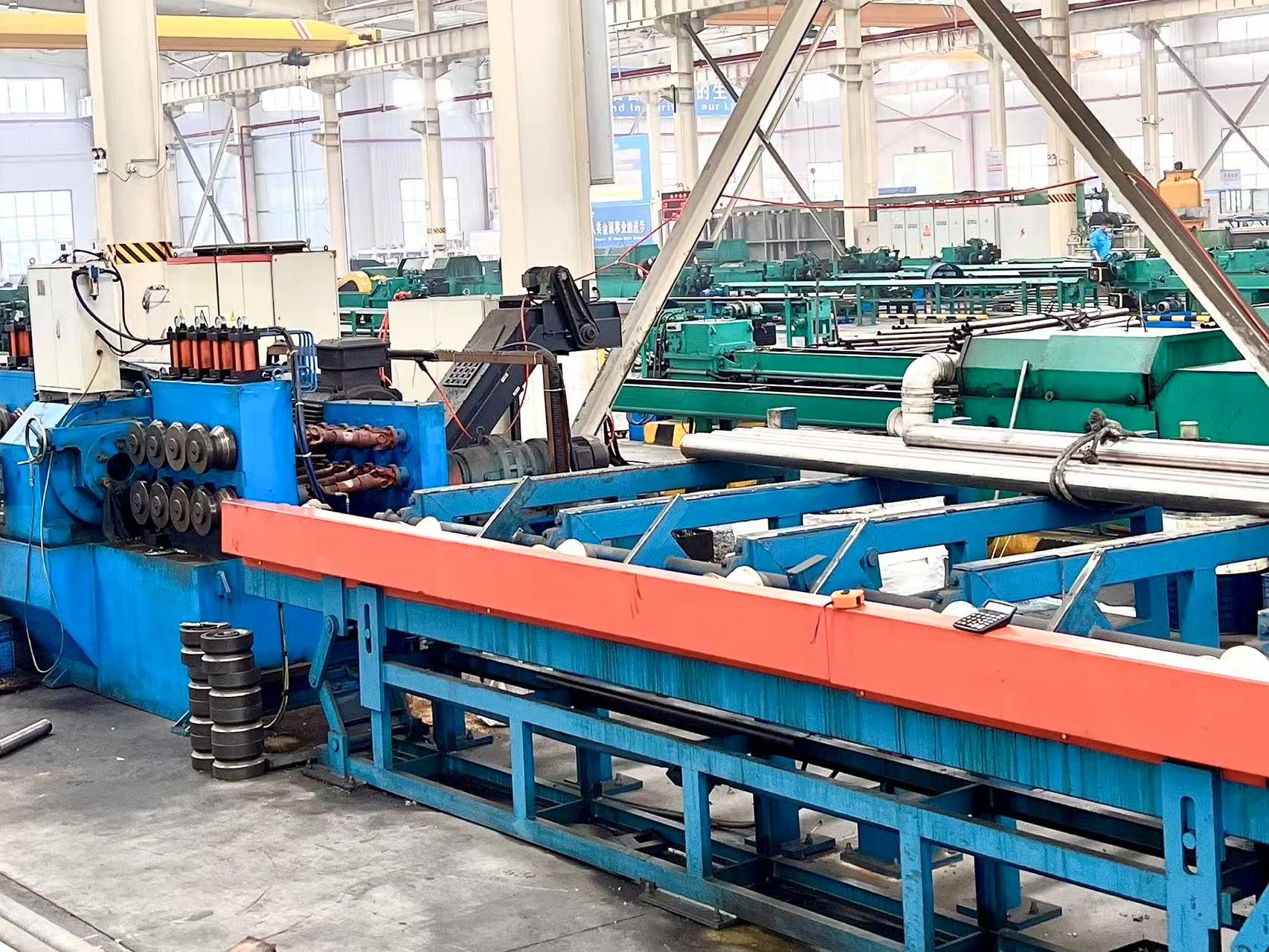
To maintain our position as a leader in the non-ferrous metal industry, we invest heavily in manufacturing technology.
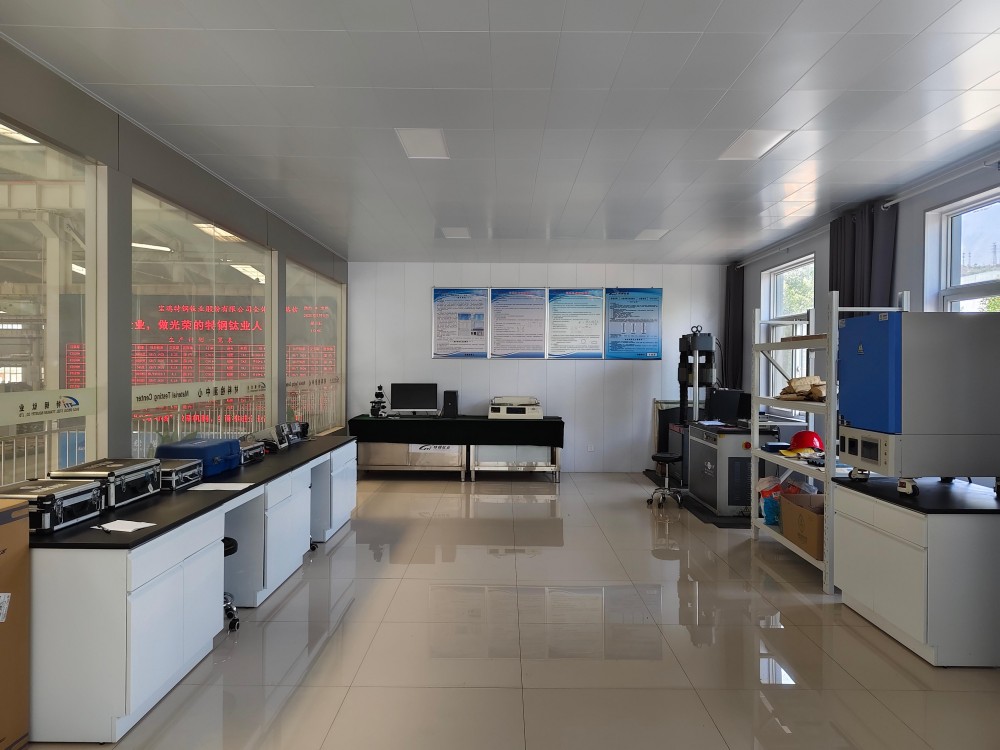
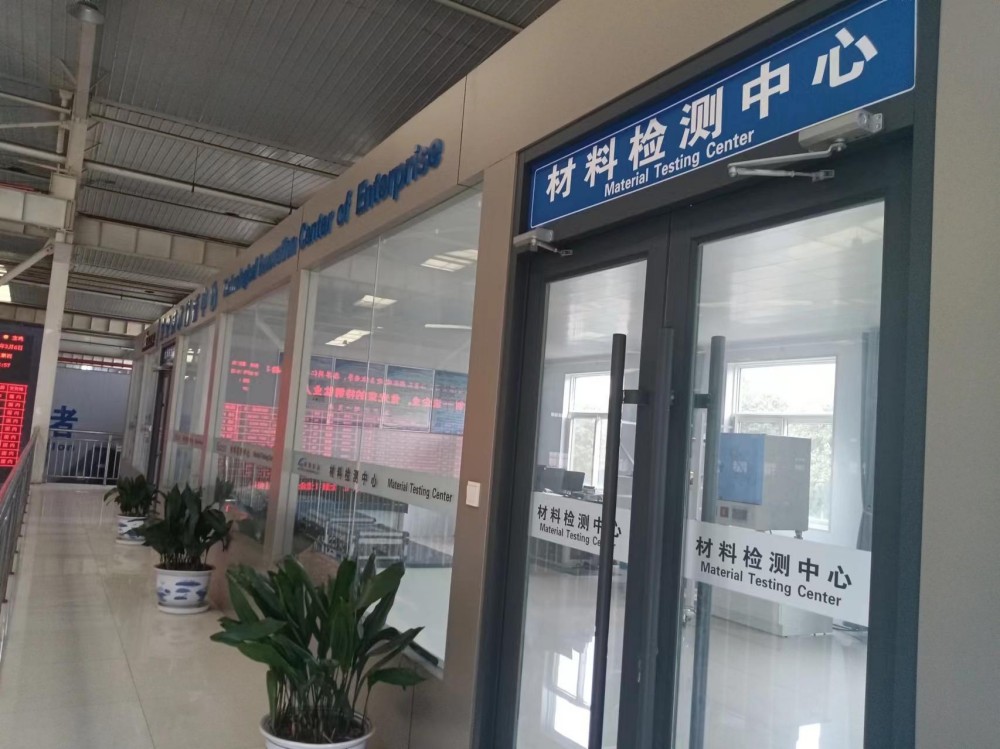
Equipment 1Equipment 2Equipment 3Equipment 4Equipment 5Equipment 6

Quality Certification & Global Trust

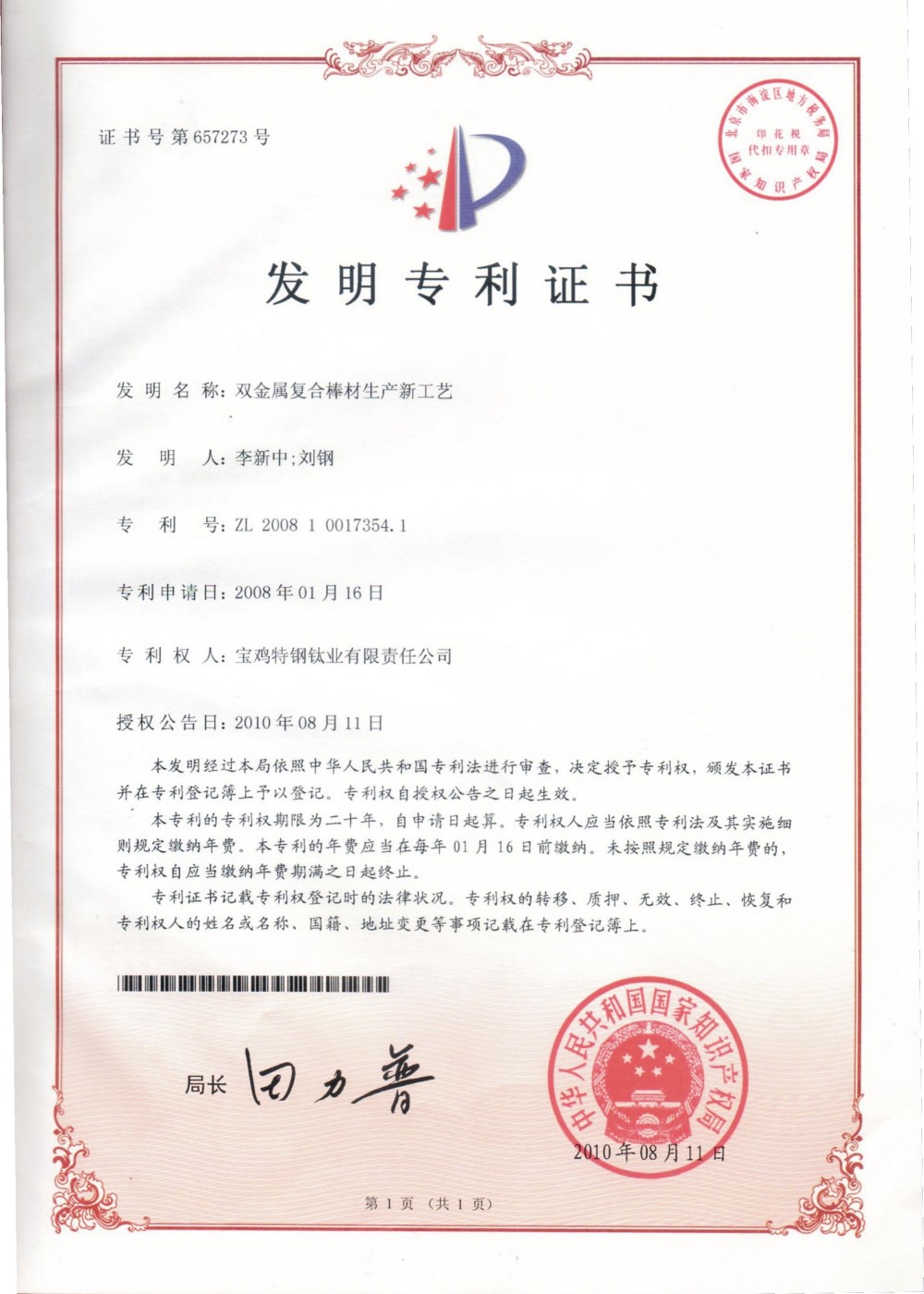
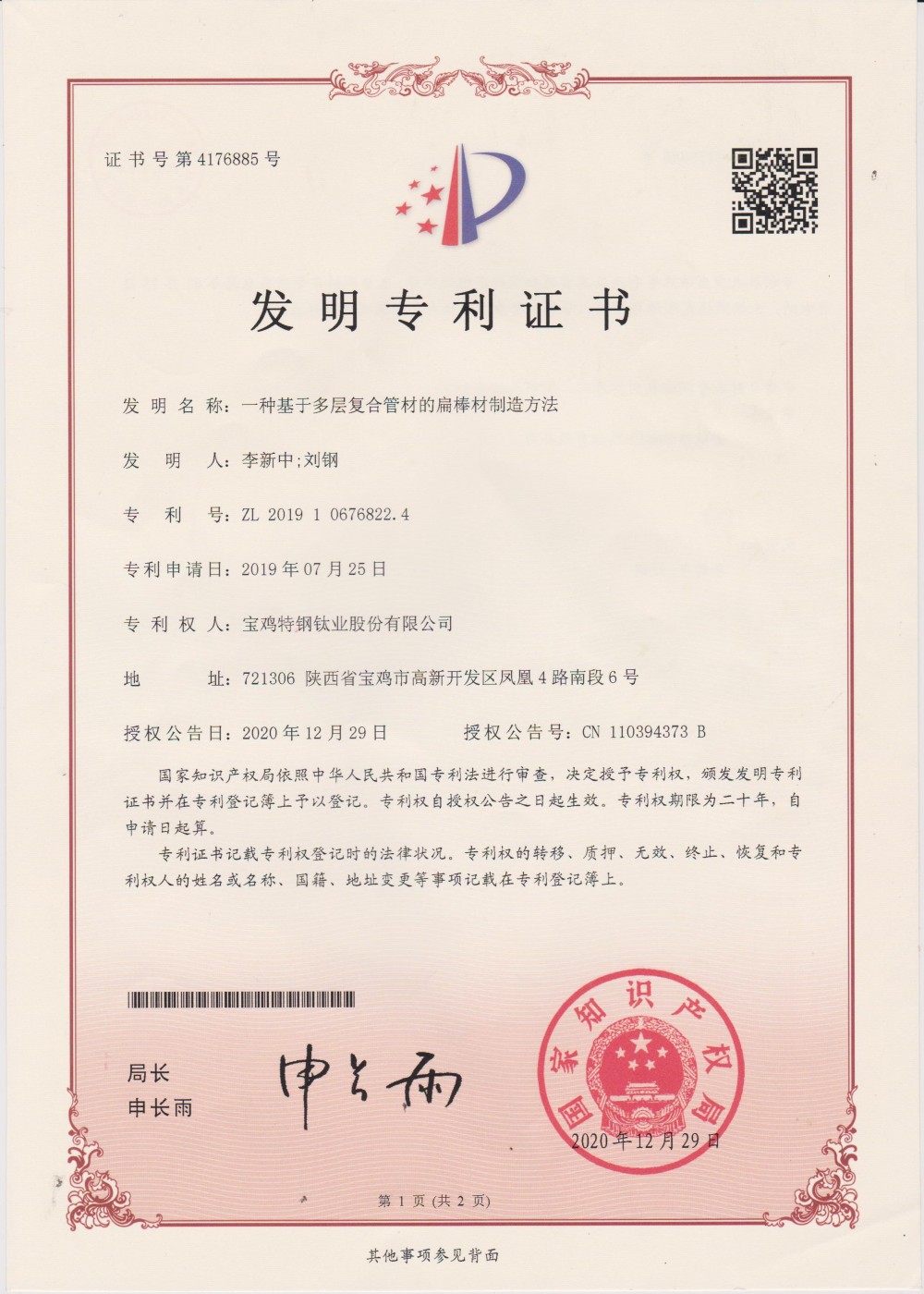
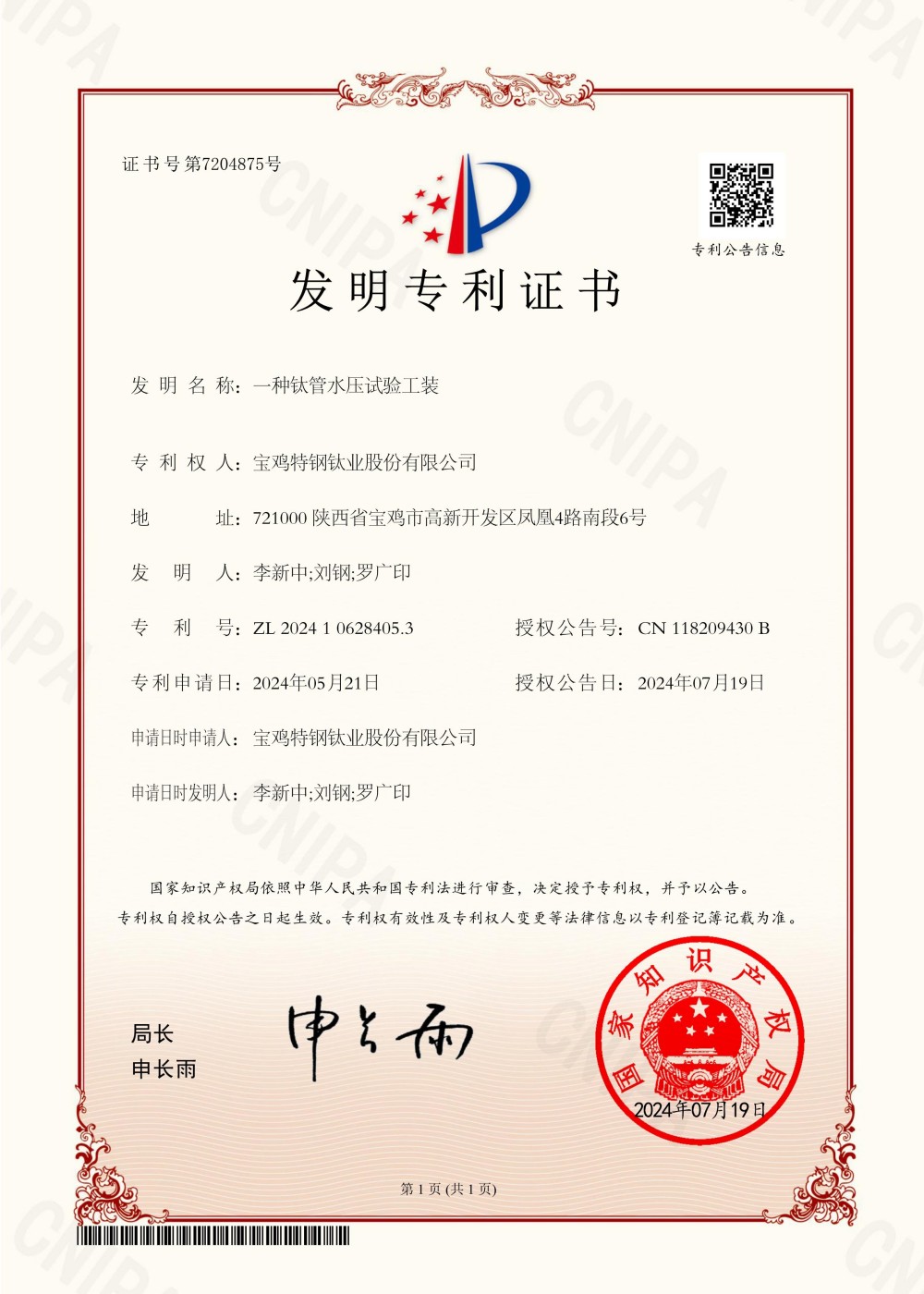
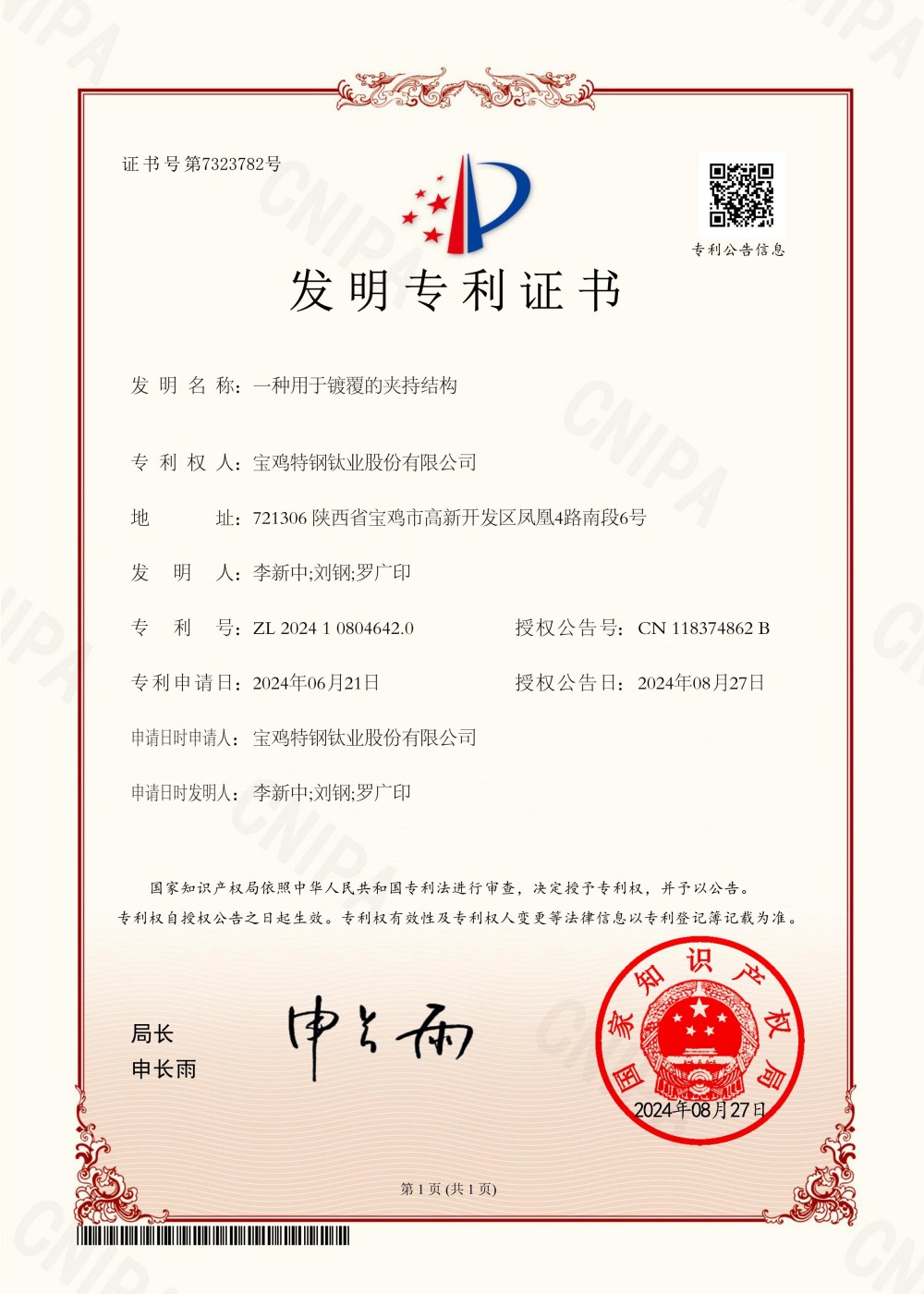
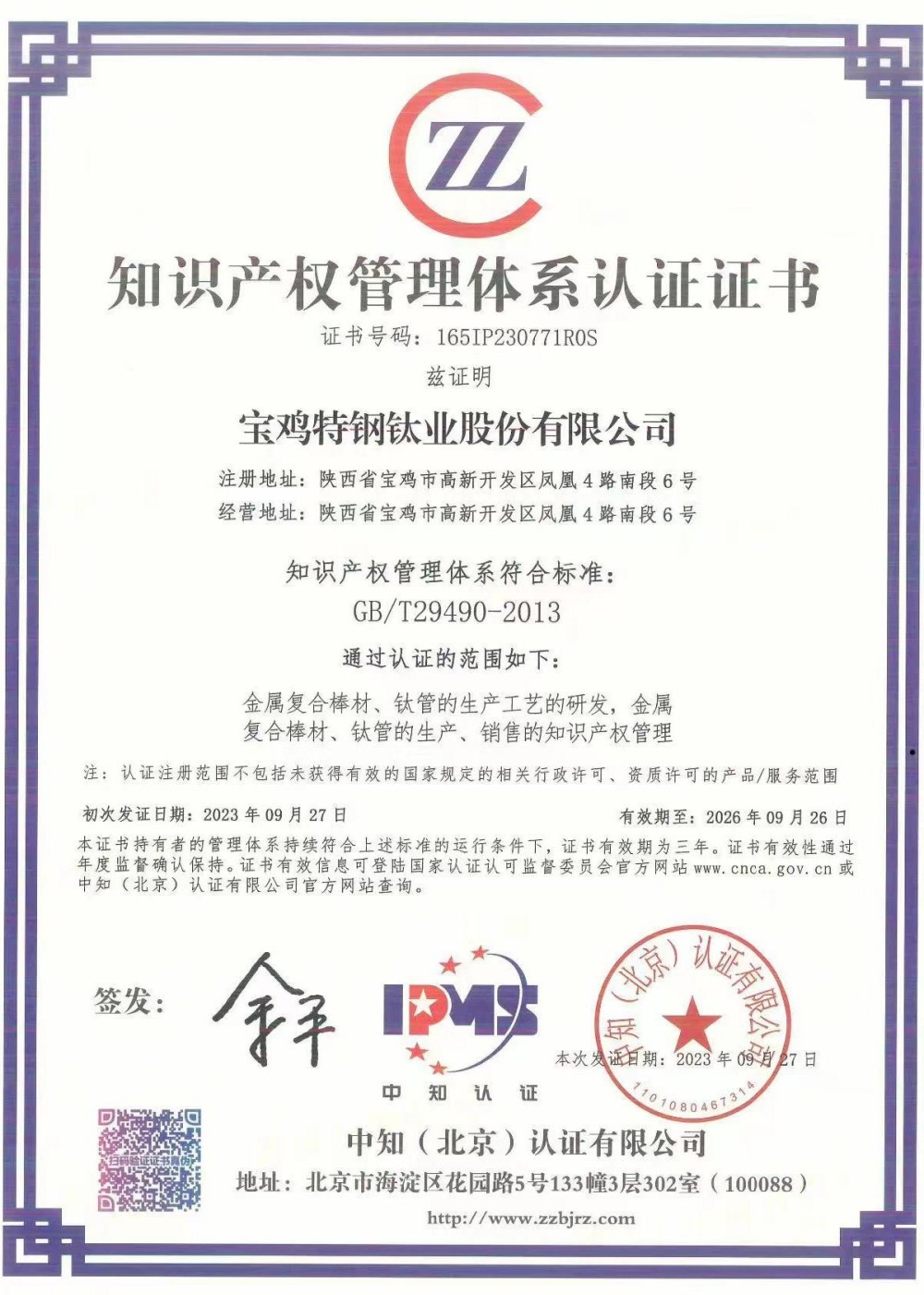
Cert 1Cert 2Cert 3Cert 4Cert 5

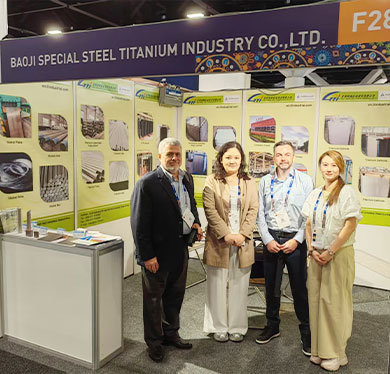
Global Presence: Exhibition & Real-World Projects

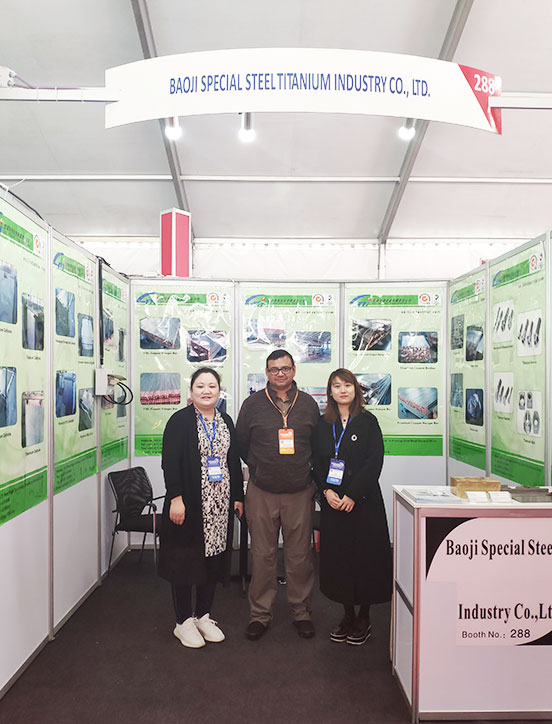
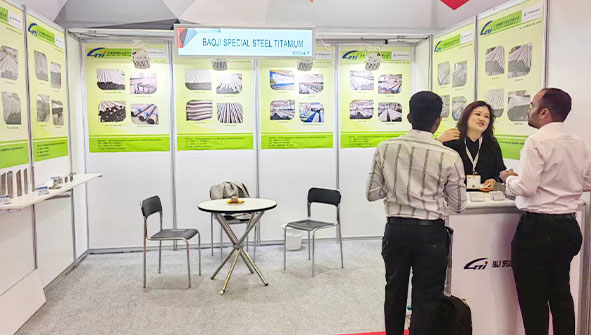
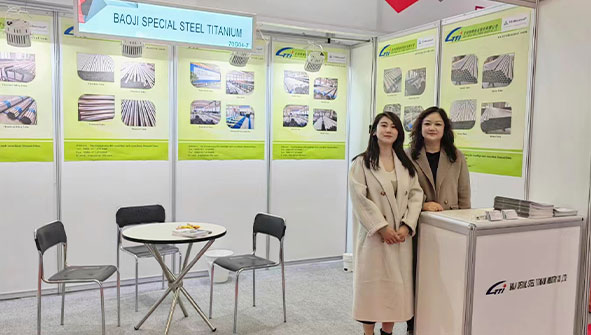
Exhibition View
Project 1Project 2Project 3Project 4