Leave Your Message
In the rapidly evolving landscape of industrial electrochemistry, the demand for Nickel Welding Pipes has surged, particularly within the architecture of industrial conductive bars and cathode systems. As global industries shift towards more efficient energy consumption and higher-purity chemical production, the material integrity of conductive components becomes paramount.
Nickel welding pipes, known for their exceptional corrosion resistance and superior electrical conductivity at high temperatures, serve as the backbone for heavy-duty electrolysis plants. Unlike standard piping, these specialized components are engineered to handle the dual stress of chemical aggression and high-amperage electrical loads. The integration of nickel pipes into conductive bar systems ensures minimal voltage drop and maximum thermal stability, directly impacting the ROI of large-scale industrial operations.
Optimized for low-resistance energy transfer in cathode systems, reducing heat loss in high-current industrial busbars.
Essential for chlor-alkali plants and metal electrowinning where aggressive chemical environments are standard.
Maintains structural integrity and conductivity even under the intense thermal cycles typical of industrial welding and electrolysis.
The application of Nickel Welding Pipes extends far beyond simple fluid transport. In the context of Cathode Systems, these pipes often function as "Current Feeders." For instance, in modern hydrogen production via water electrolysis, the cathode assembly must withstand constant exposure to alkaline solutions while maintaining a steady flow of electrons.
In aluminum smelting and copper refining, the conductive bar (or busbar) is the lifeline of the facility. Nickel-clad or pure nickel welding pipes are utilized to bridge the gap between power sources and electrodes. Their ability to be welded with high precision ensures that joints do not become "hot spots" of electrical resistance.
The production of chlorine and caustic soda requires materials that can survive chlorine gas and high-concentration sodium hydroxide. Nickel welding pipes are the gold standard here, offering a service life that far exceeds stainless steel or carbon steel alternatives.
As the world pivots to EV technology, the industrial systems that produce battery-grade nickel chemicals rely on nickel-based piping systems to ensure zero contamination of the product stream.
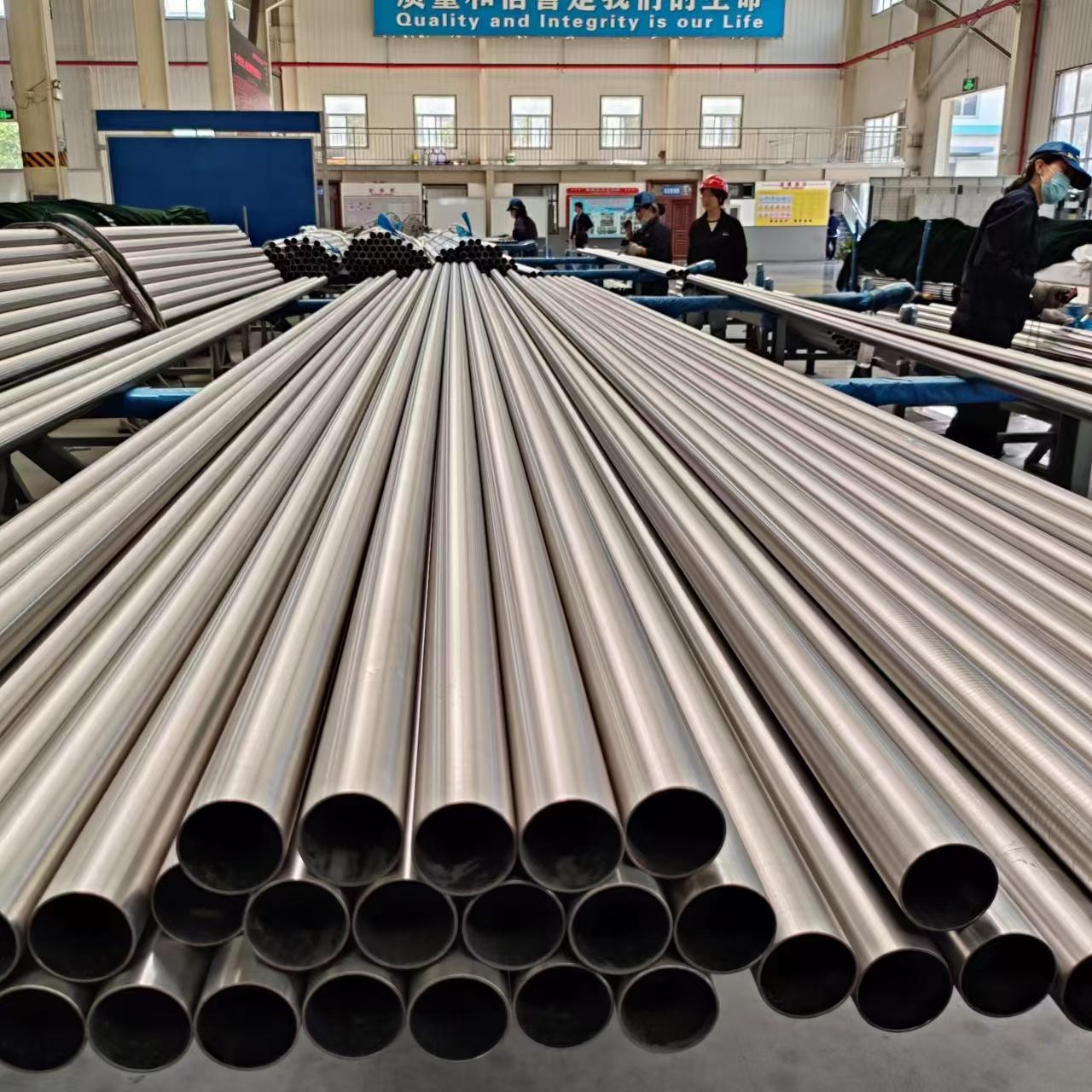
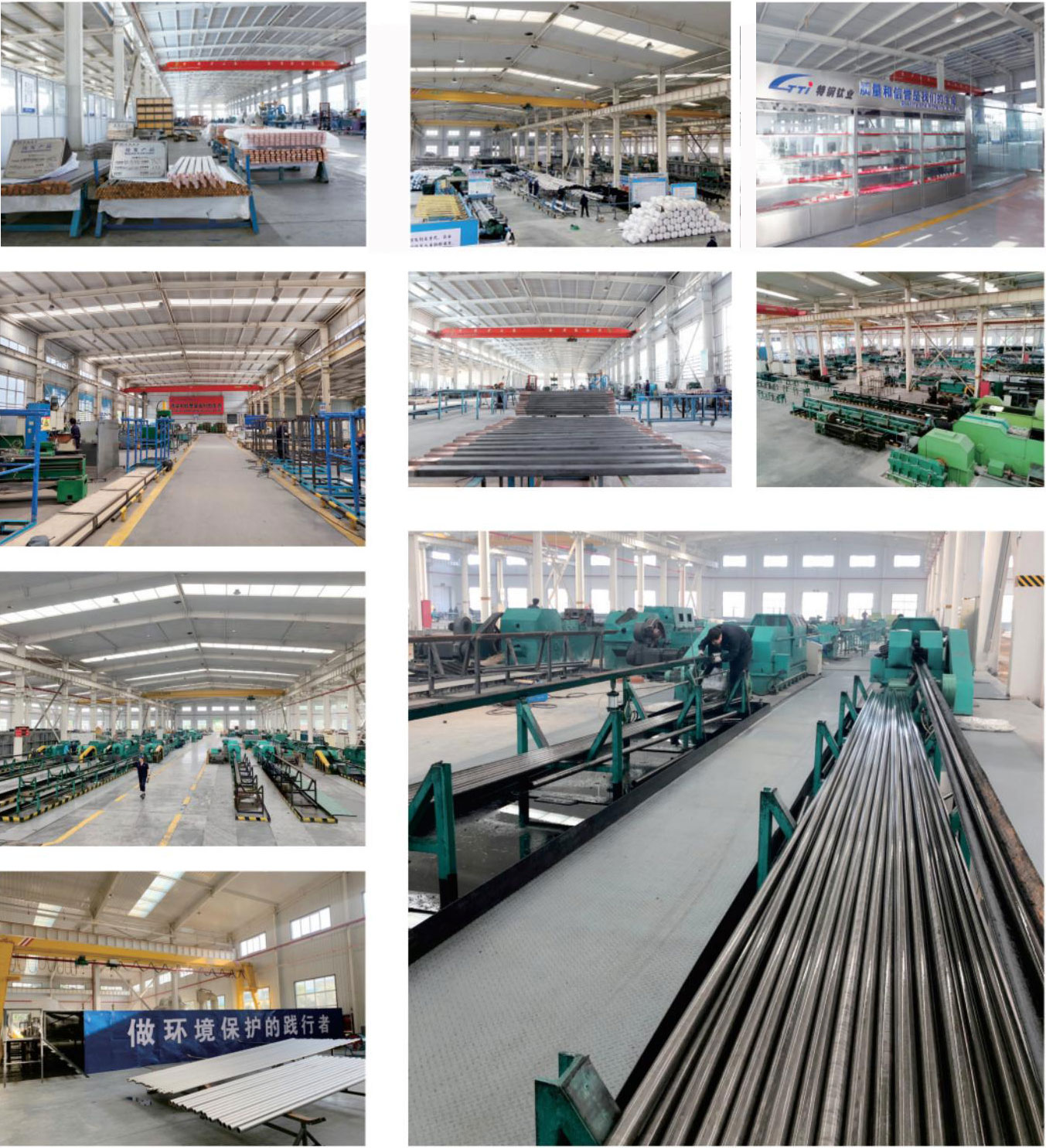
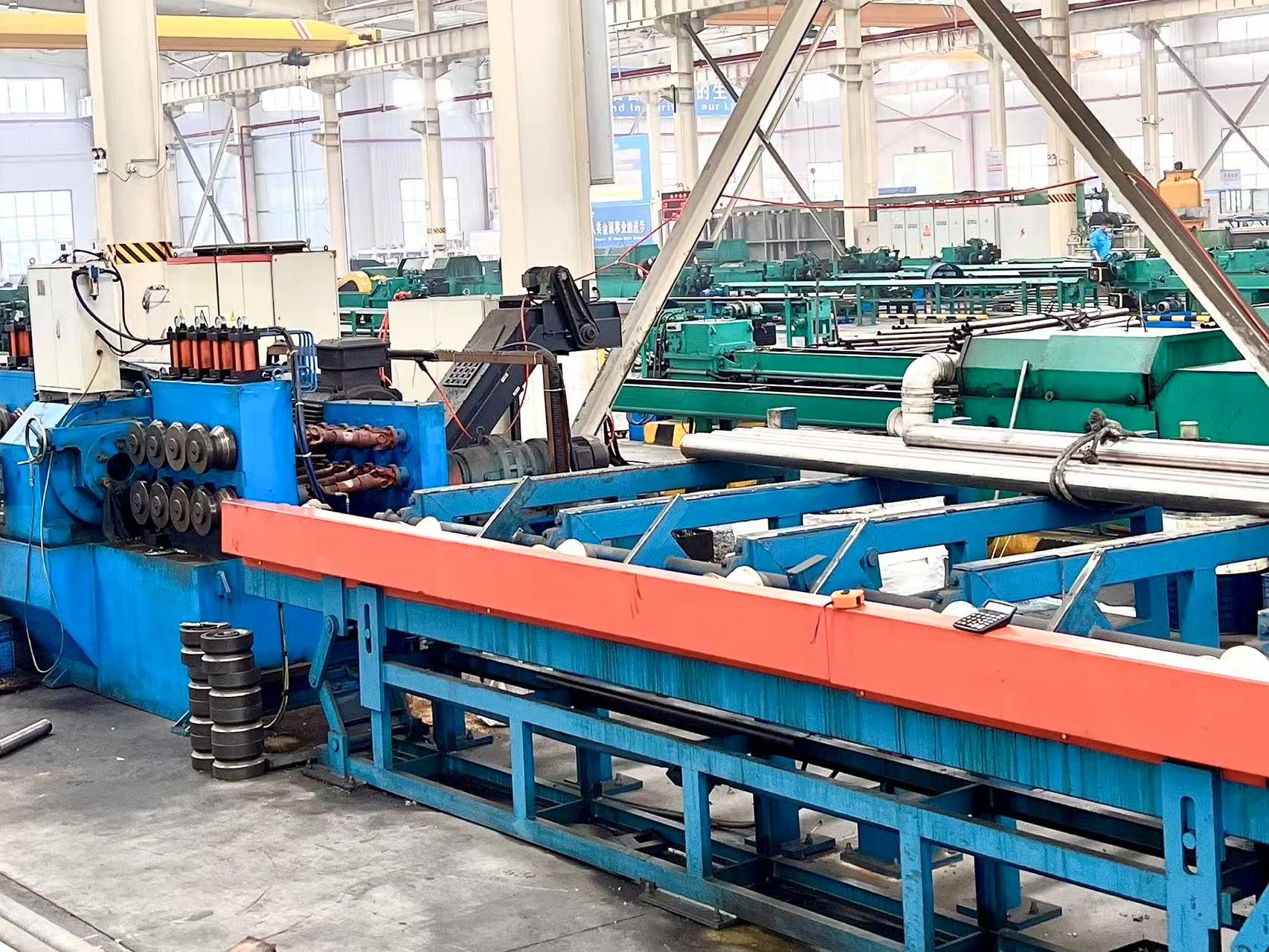
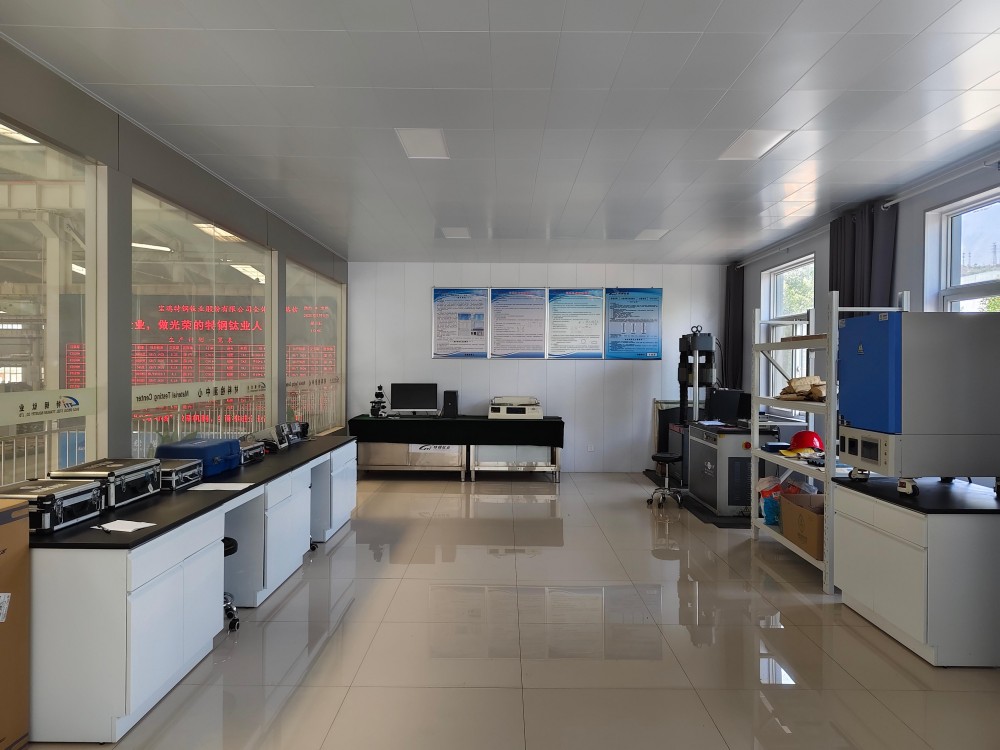
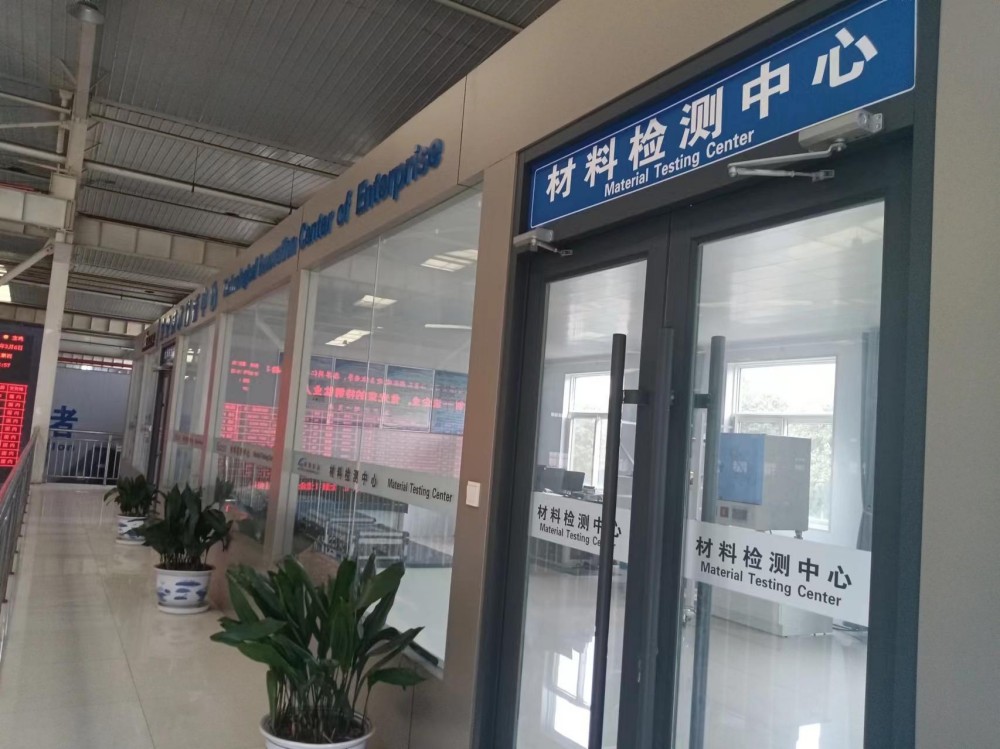
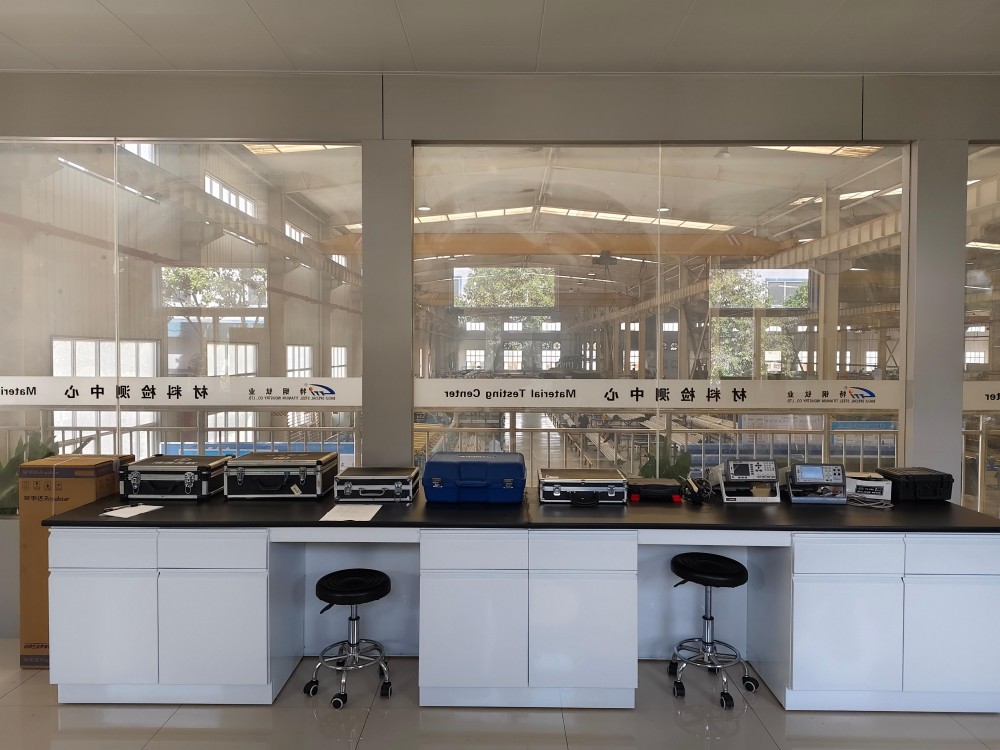
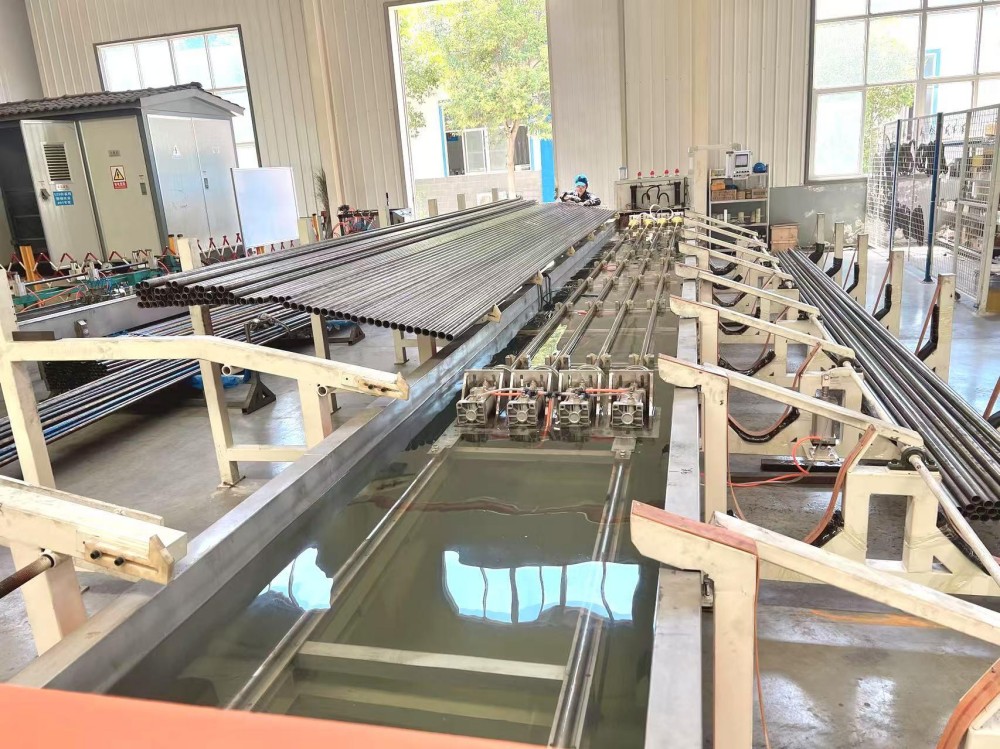
Equipped with state-of-the-art processing lines, we ensure every nickel welding pipe meets stringent international standards (ASTM/ASME).
The future of industrial conductive systems is moving toward smart integration and composite materials. We are seeing a significant trend in the adoption of Titanium-Clad Copper and Nickel-Clad Materials. These composites combine the high conductivity of copper with the extreme chemical resistance of nickel or titanium.
Moreover, the rise of "Green Hydrogen" is creating a massive market for high-purity nickel welding pipes. As electrolysis stacks grow in size (reaching Megawatt and Gigawatt scales), the requirement for larger diameter, high-precision nickel pipes for cathode systems will become the new industry benchmark. Our R&D team is currently focusing on "Low-Resistance Welding Techniques" to further enhance the efficiency of these systems.