Leave Your Message
Discover our premium range of highly resilient materials tailored for the most demanding subsea and offshore environments.
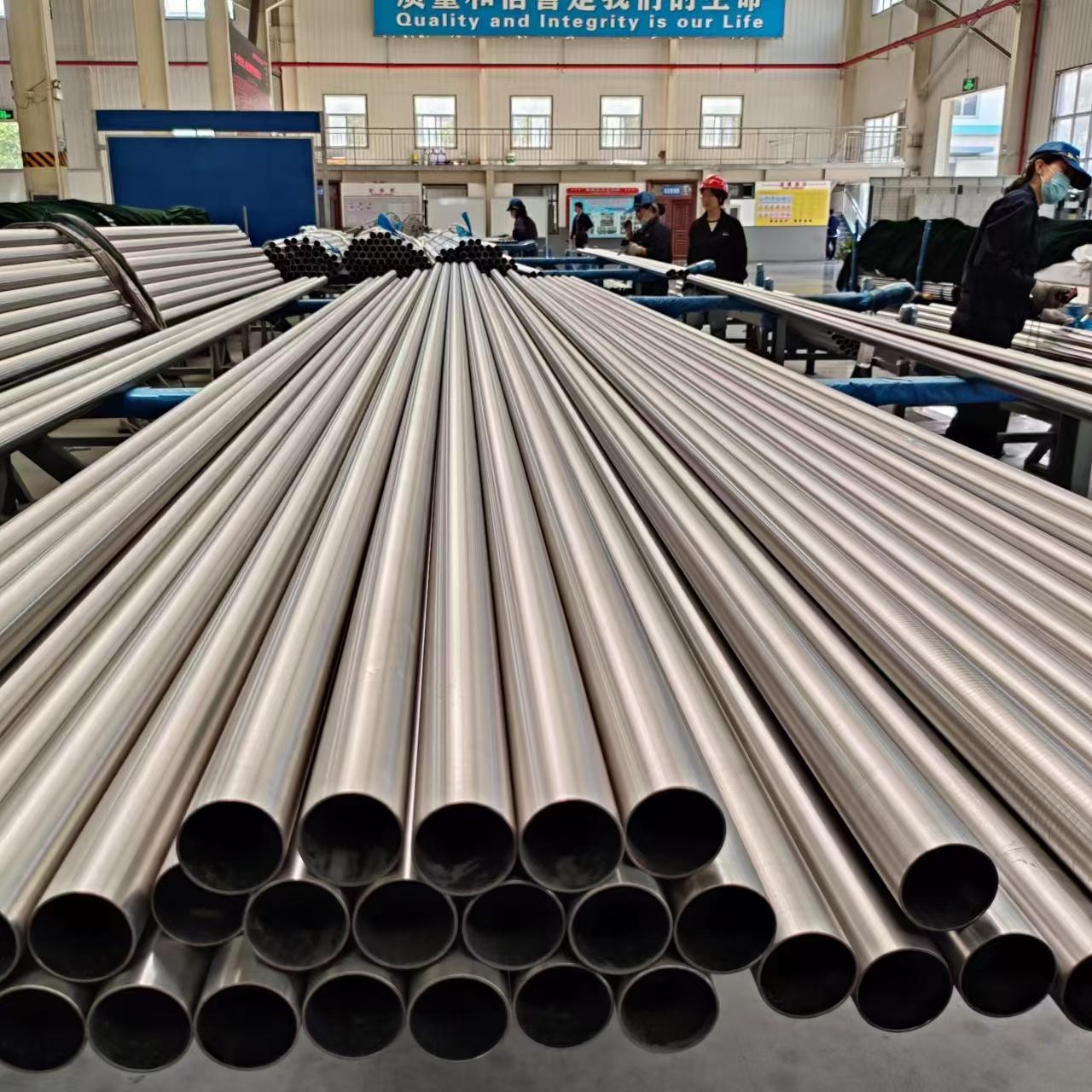
Marine engineering represents one of the most hostile environments for structural materials on the planet. The relentless exposure to saltwater, extreme hydrostatic pressures, fluctuating temperatures, and biological fouling demands materials that go beyond standard industrial capabilities. This is where the Nickel Welding Pipe for Marine Engineering Applications becomes not just an option, but an absolute necessity. Nickel and its advanced alloys exhibit extraordinary metallurgical properties, primarily an unparalleled resistance to chloride-ion stress corrosion cracking, localized pitting, and crevice corrosion, which are the primary causes of pipeline failure in oceanic environments.
When constructing offshore oil and gas platforms, subsea pipelines, or large-scale desalination plants, engineers face the critical challenge of ensuring structural integrity over a lifespan that often exceeds 30 to 50 years. The deployment of high-quality nickel welding pipes ensures that these massive infrastructures operate safely without the constant need for costly maintenance or catastrophic environmental risks associated with pipe bursts or leaks. The seamless integration of nickel alloys, particularly through precision welding, forms a continuous, impenetrable barrier against the corrosive forces of the deep sea.
The commercial landscape for nickel welding pipes in marine applications has seen exponential growth over the past decade. With the depletion of shallow-water oil reserves, the energy sector has pushed further into ultra-deepwater exploration. This shift has drastically spiked the demand for high-strength, corrosion-resistant alloy (CRA) pipes. Furthermore, the global push towards sustainable fresh water has led to a boom in the construction of reverse osmosis (RO) desalination plants in arid coastal regions, particularly in the Middle East and North Africa. These plants rely heavily on nickel-copper and nickel-chromium-molybdenum alloys to handle the highly concentrated brine byproducts.
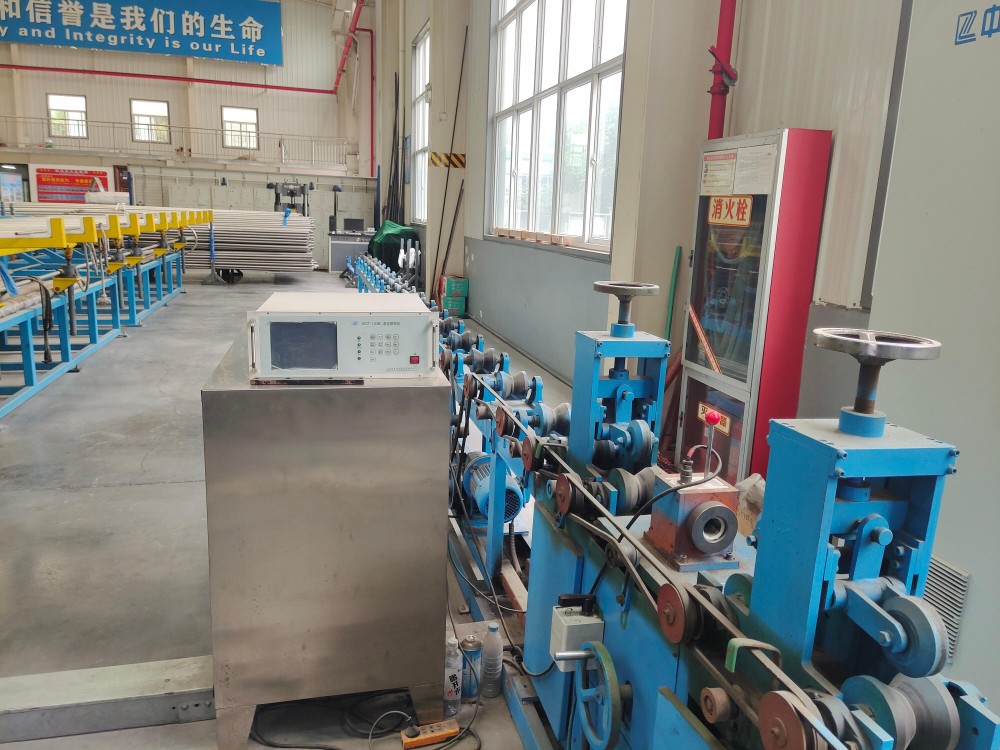
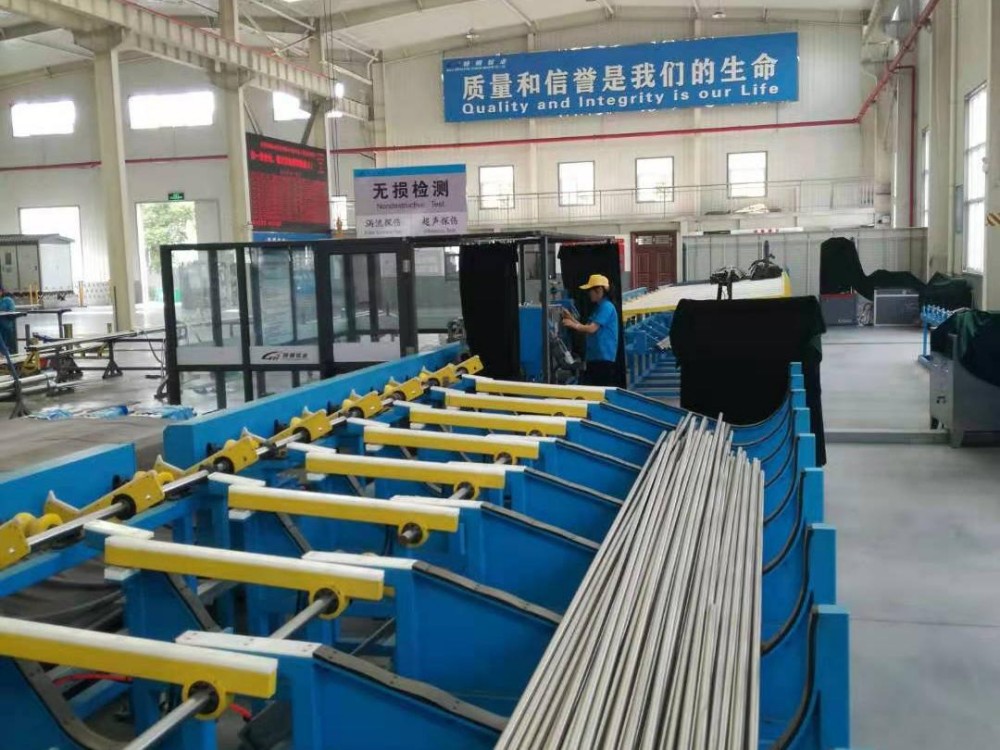
Economically, the market is driven by strict international standards such as ASTM, ASME, and NACE MR0175, which dictate the acceptable limits of material degradation in sour gas and marine environments. Manufacturers who can consistently produce nickel pipes meeting these stringent criteria are positioned at the top of the global supply chain. The integration of AI technology in the manufacturing process—such as automated defect recognition during ultrasonic testing and predictive modeling for alloy mixing—has further refined the quality, reducing waste and optimizing the supply chain for global marine contractors.
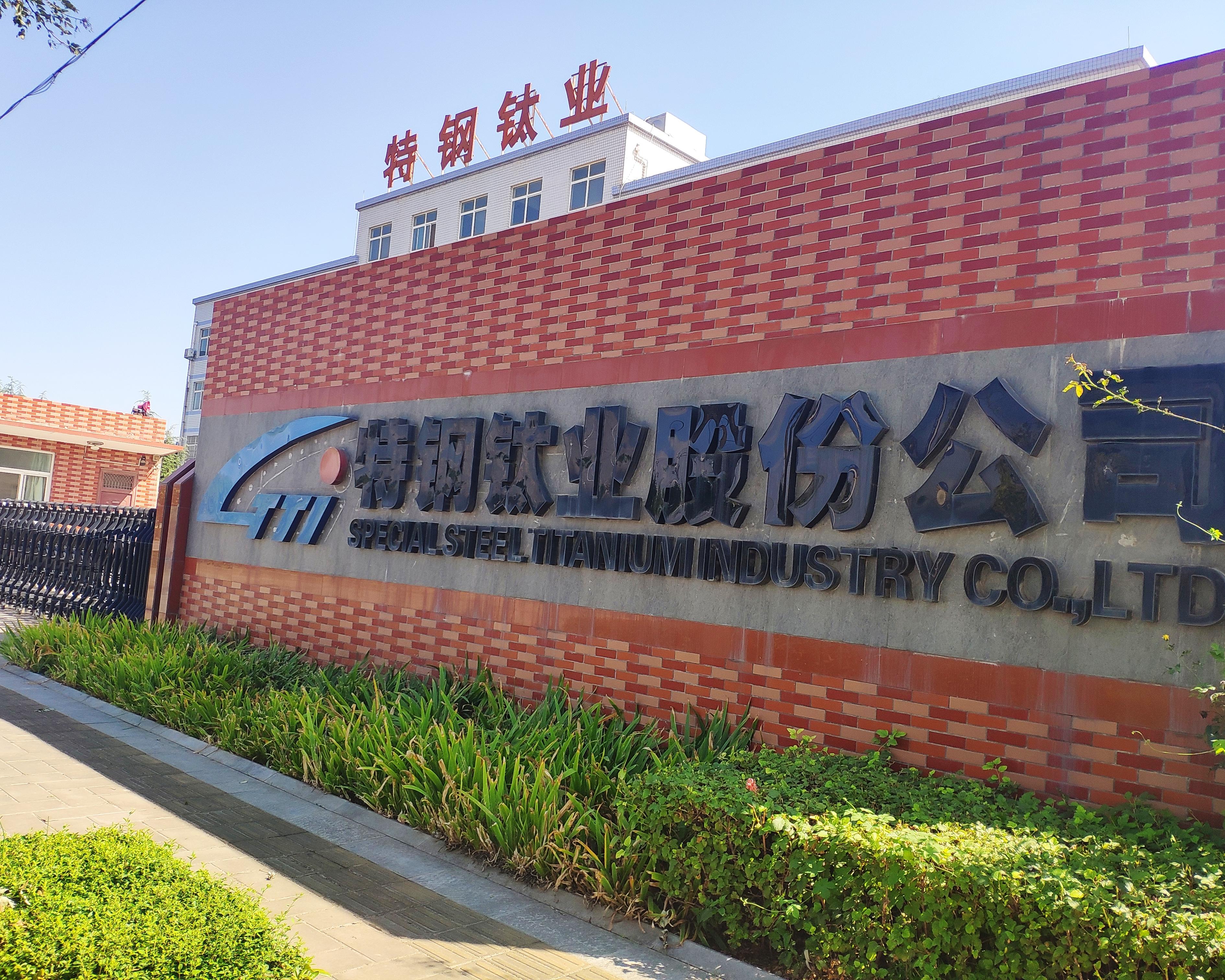
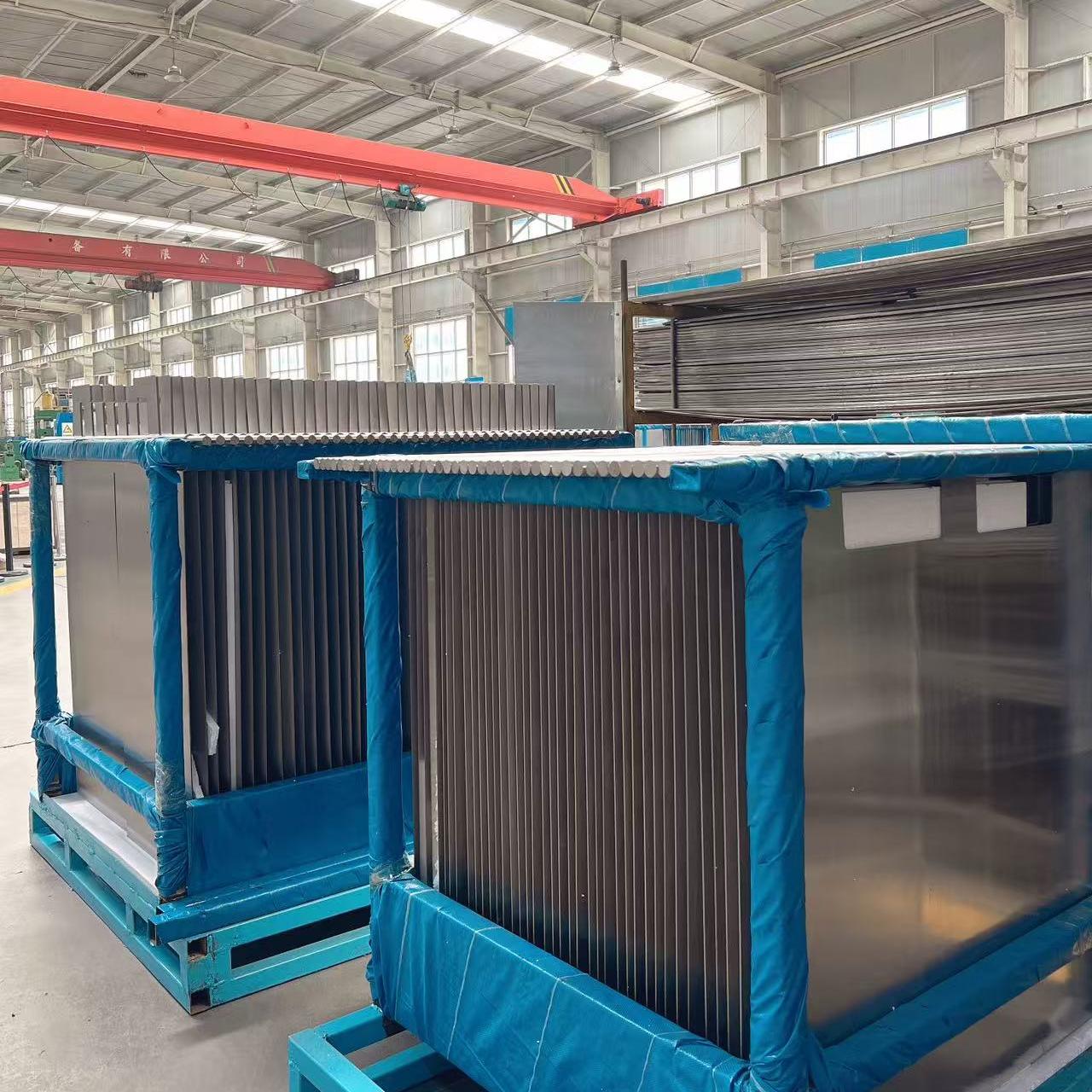
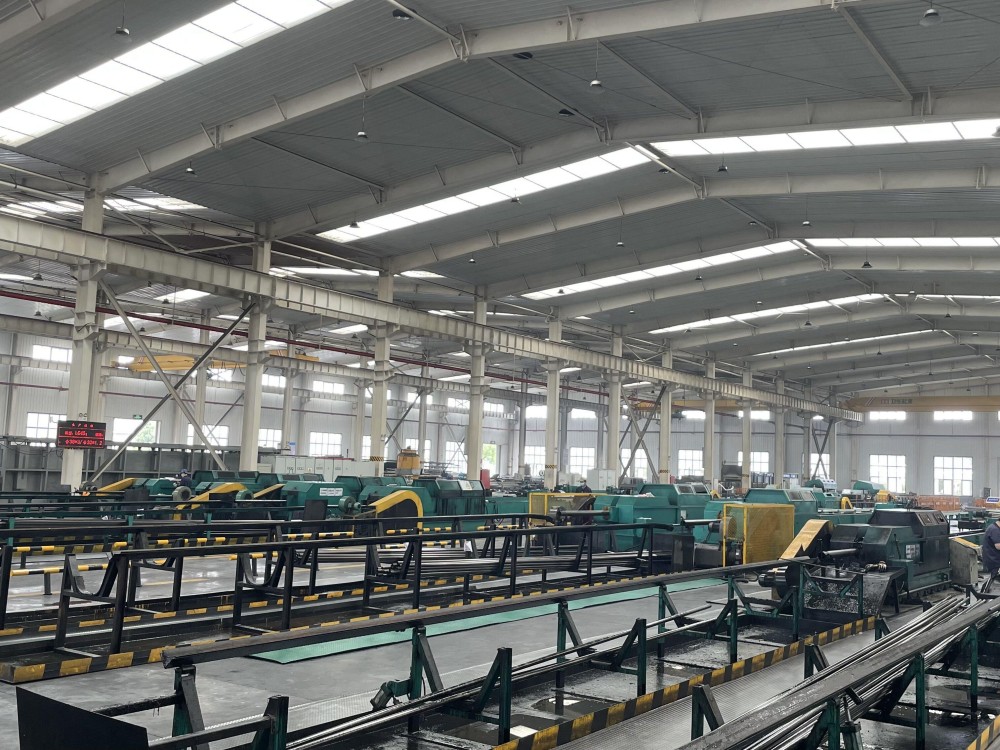
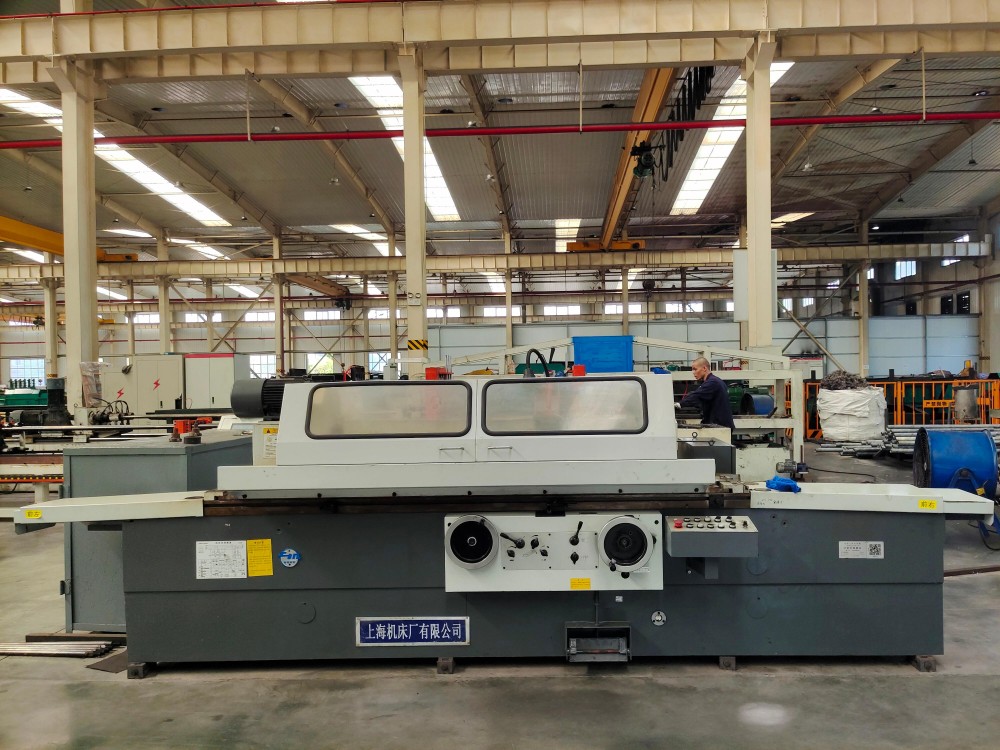
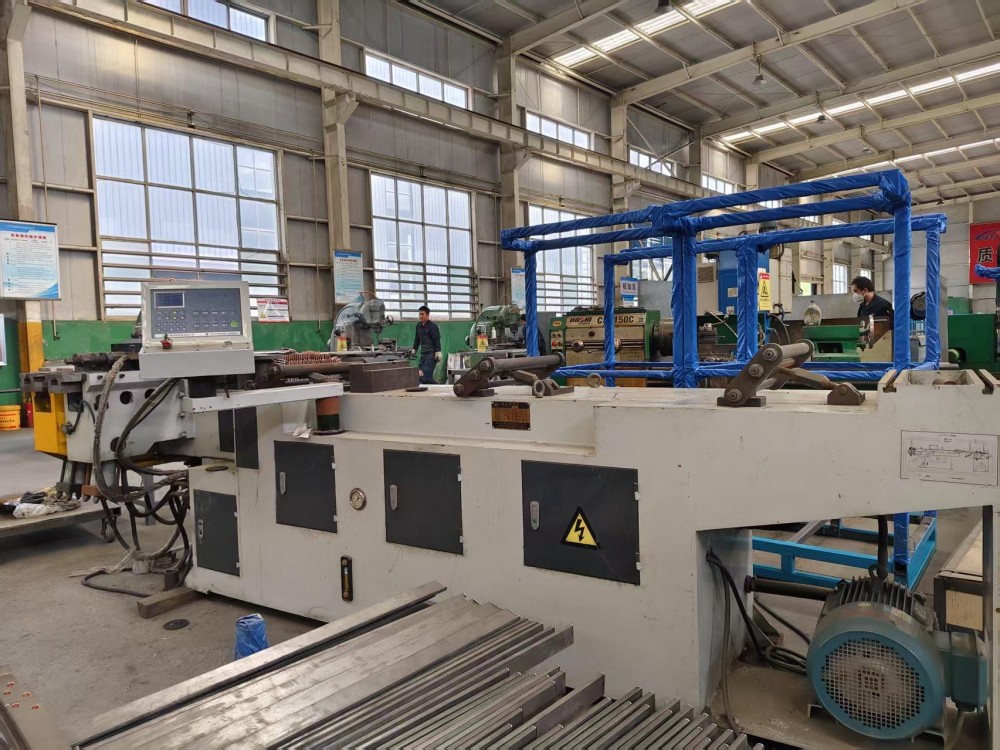
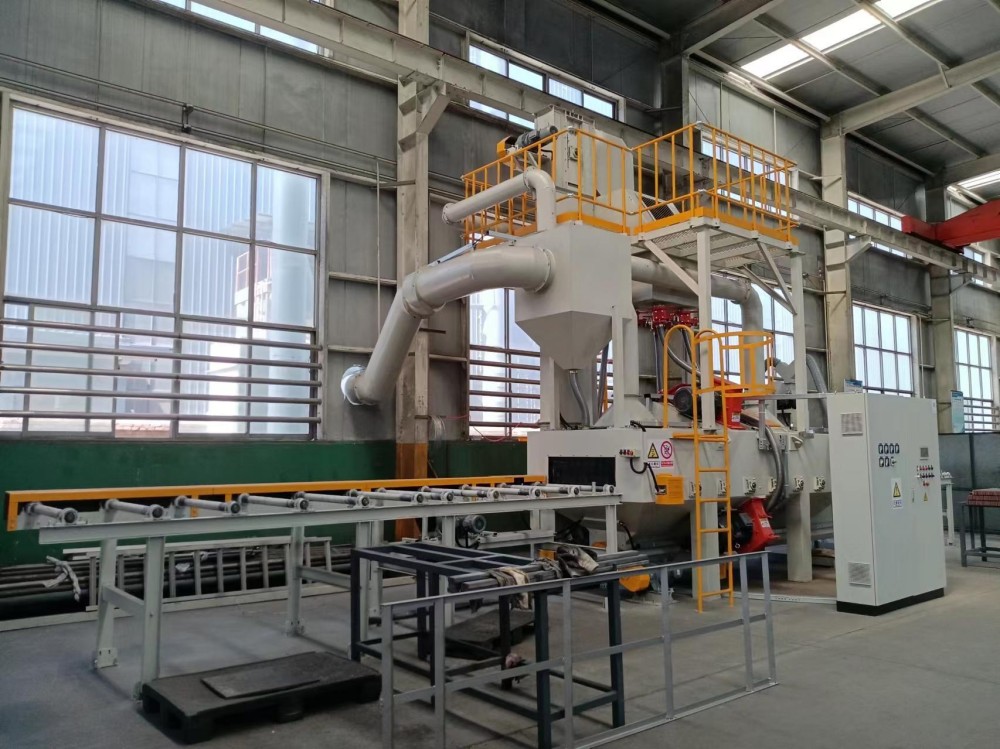
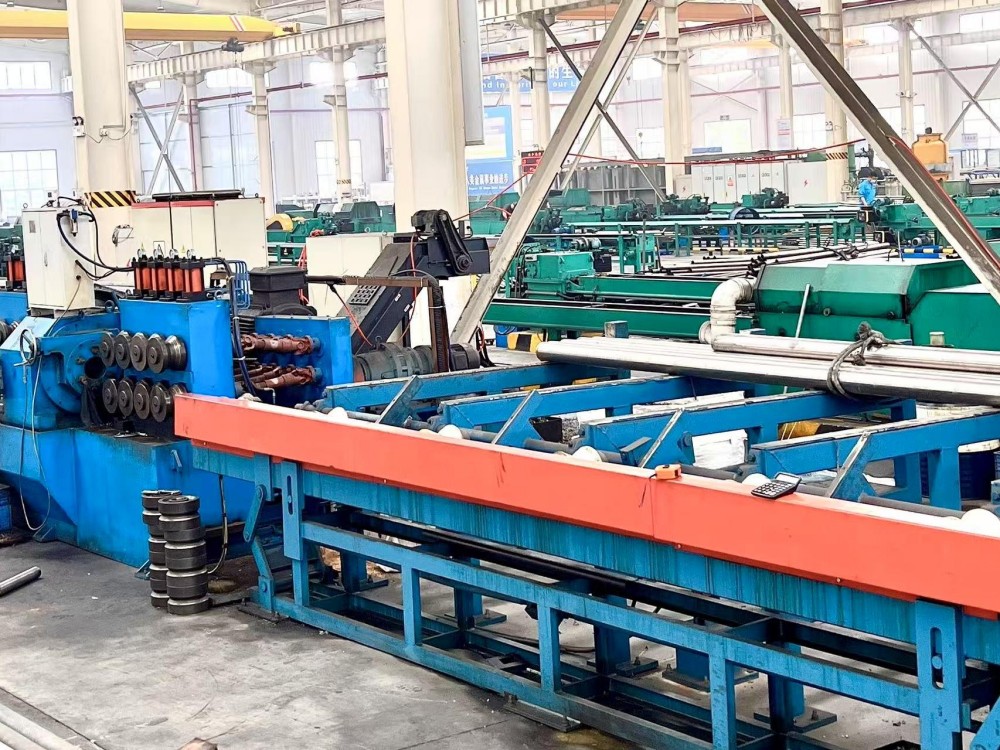
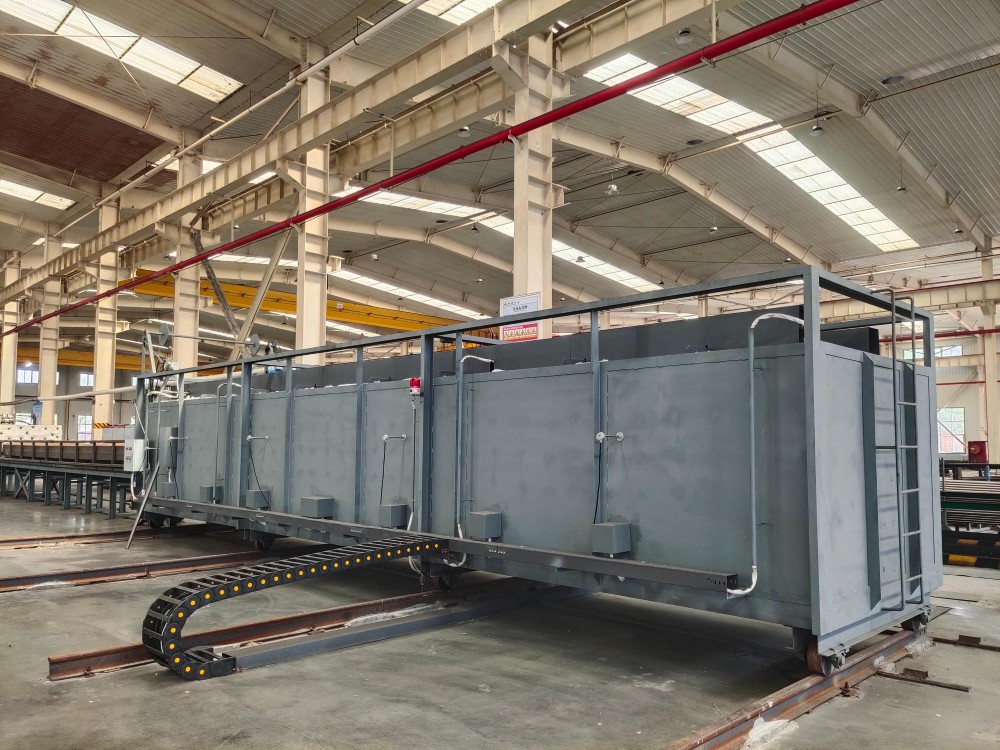
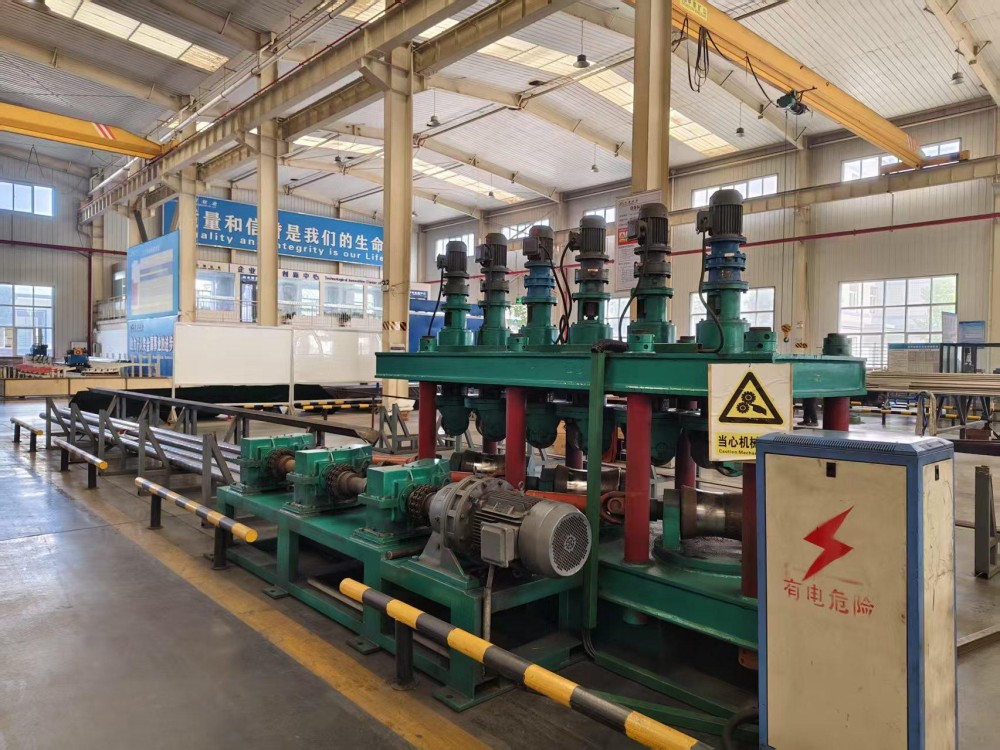
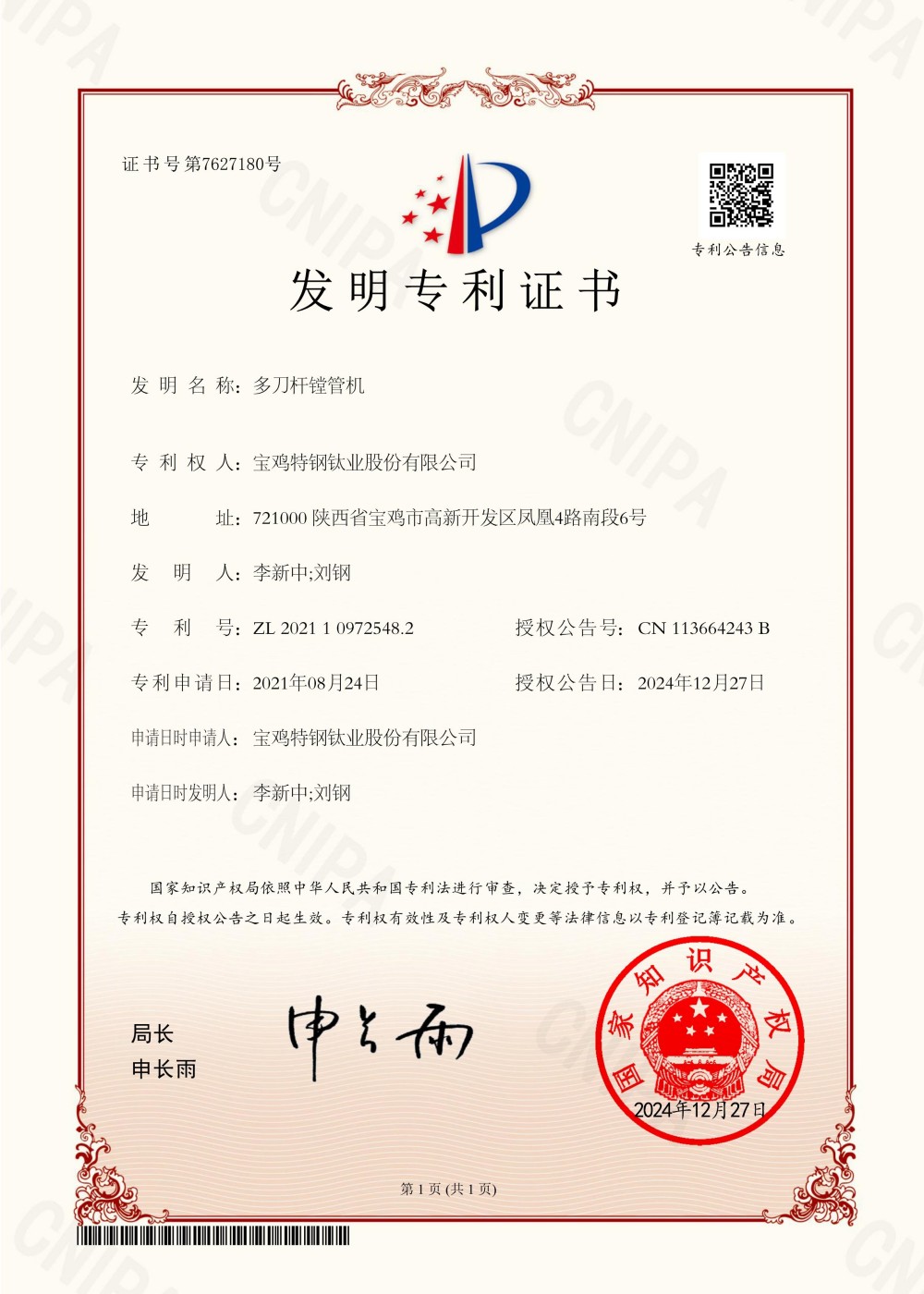
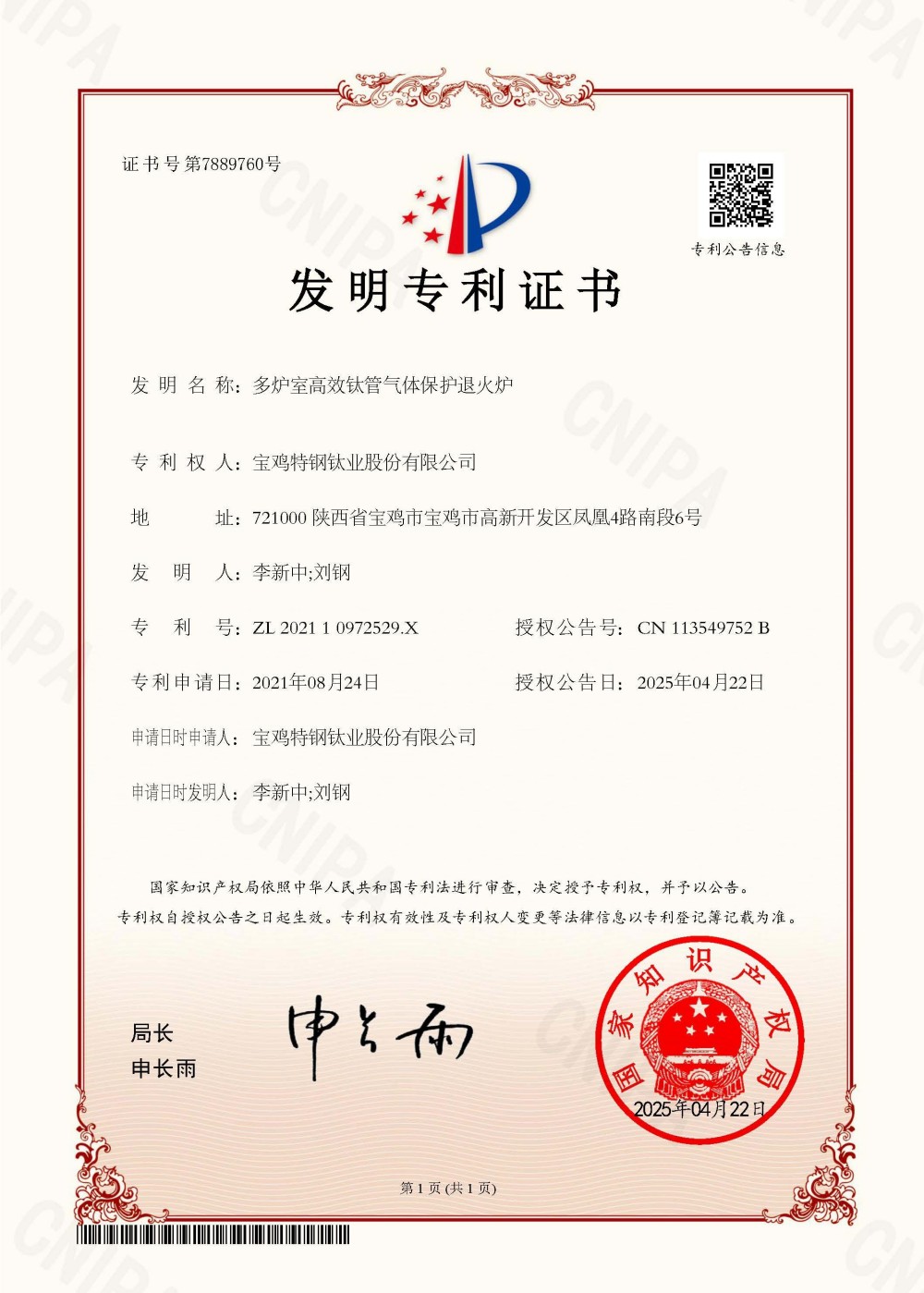
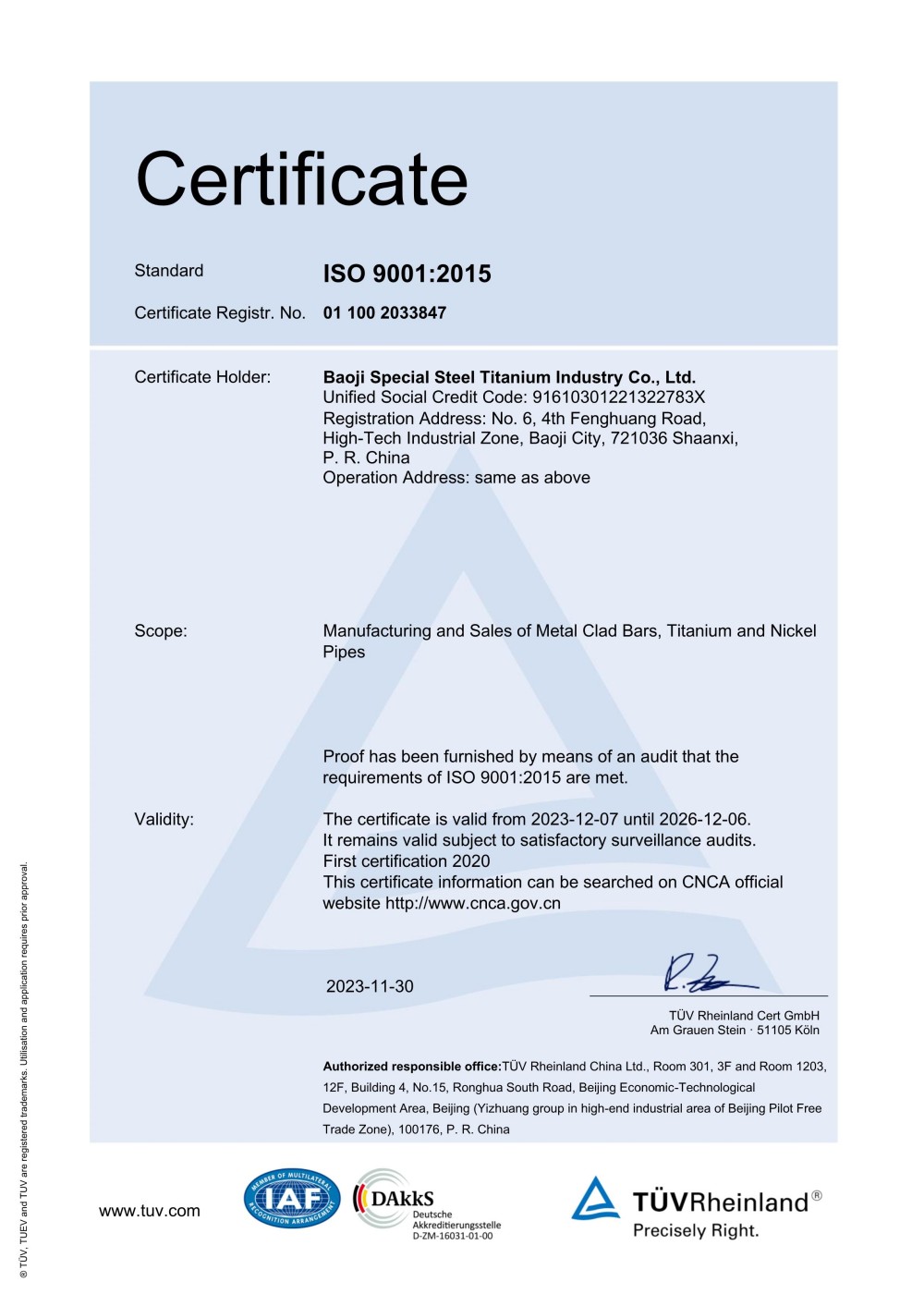
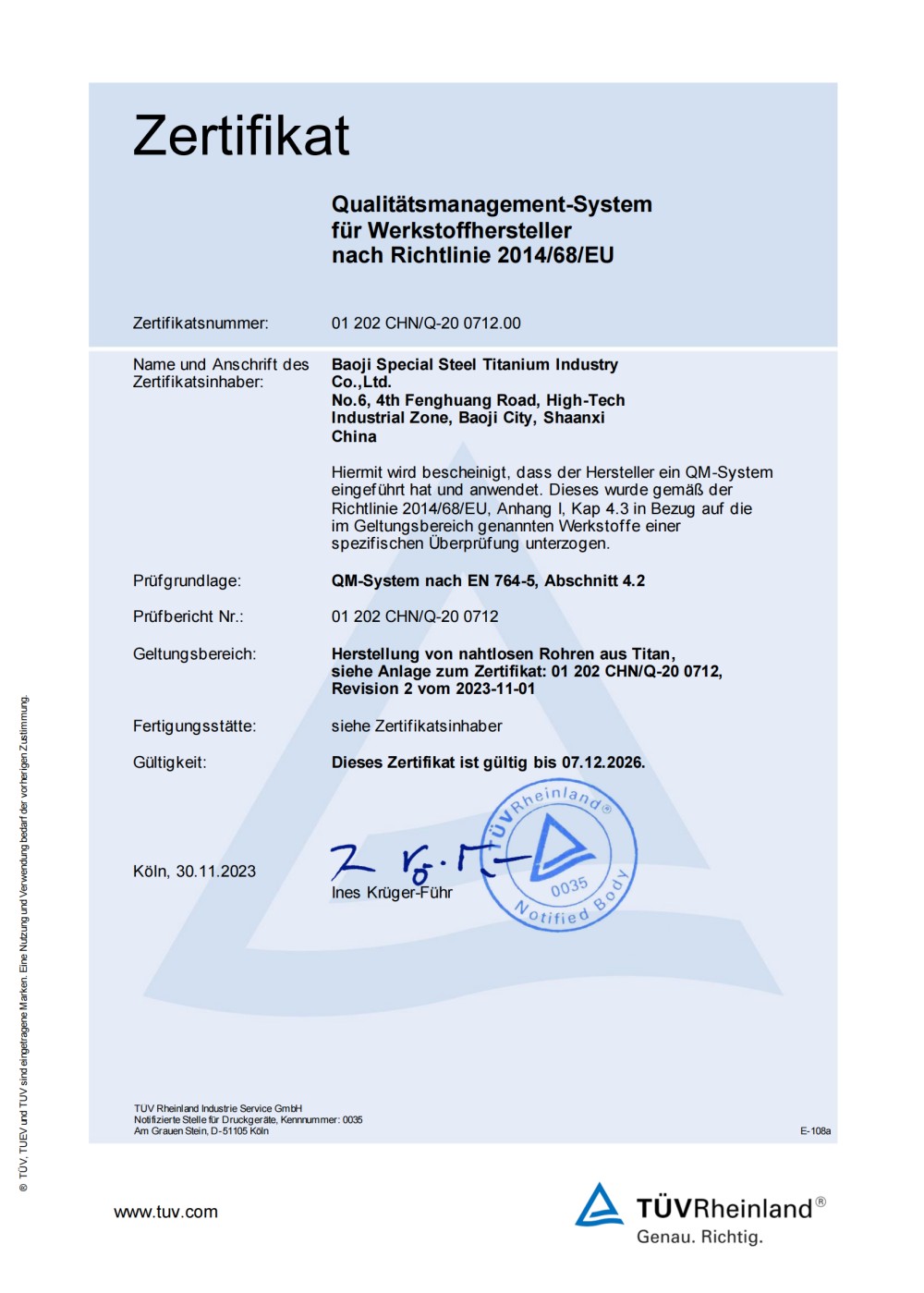
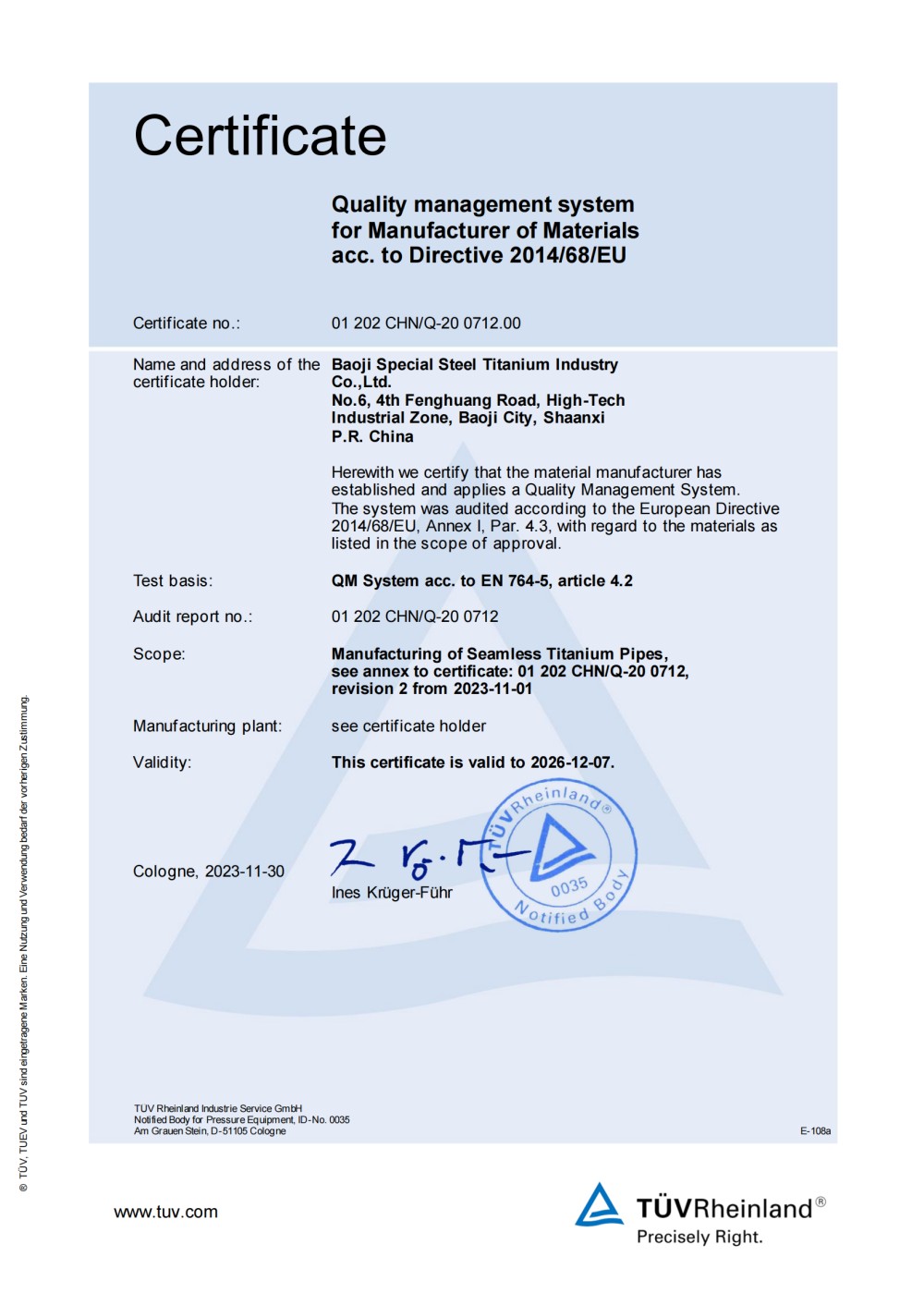
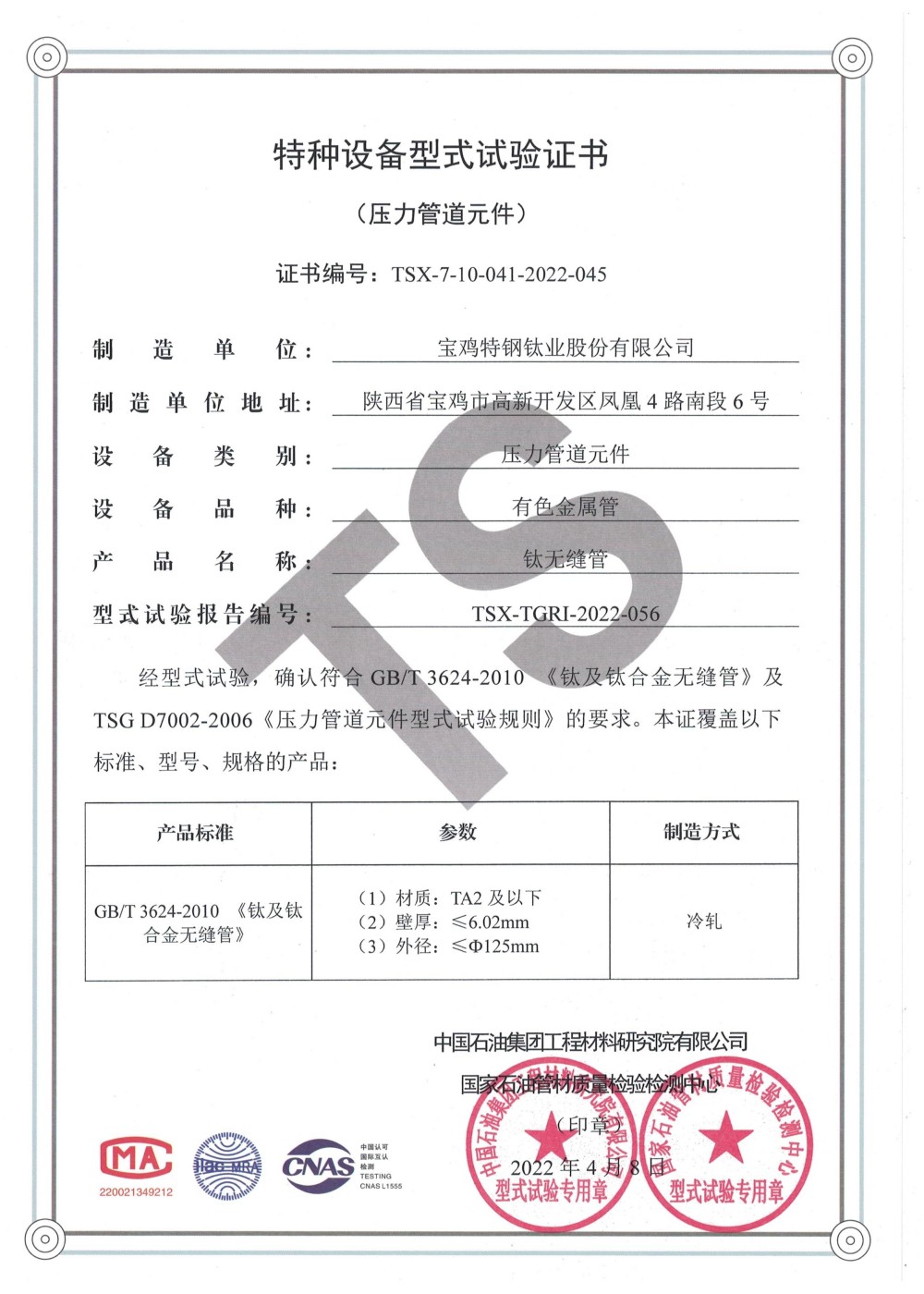
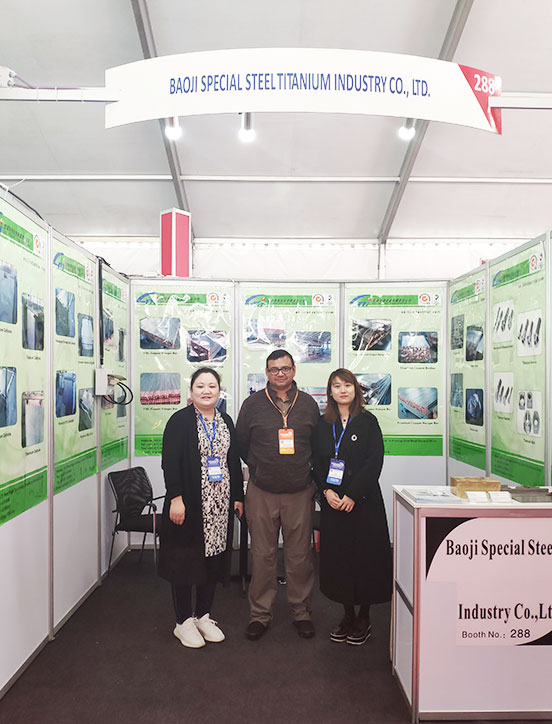
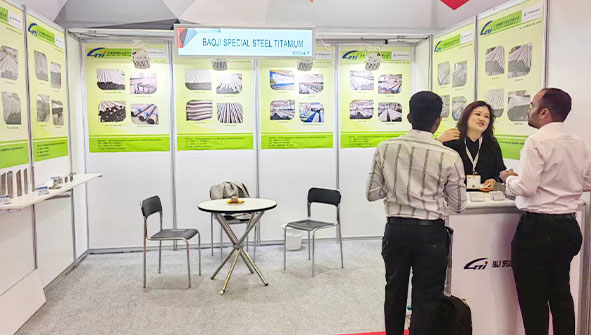
Is a joint-stock industrial enterprise specializing in the research, development, manufacturing and sales of titanium, nickel, zirconium and other metal pipes and metal composite materials. The company was founded in 1997, located in Shaanxi Baoji National High-tech Industrial development Zone, the factory covers an area of 41,000 square meters.
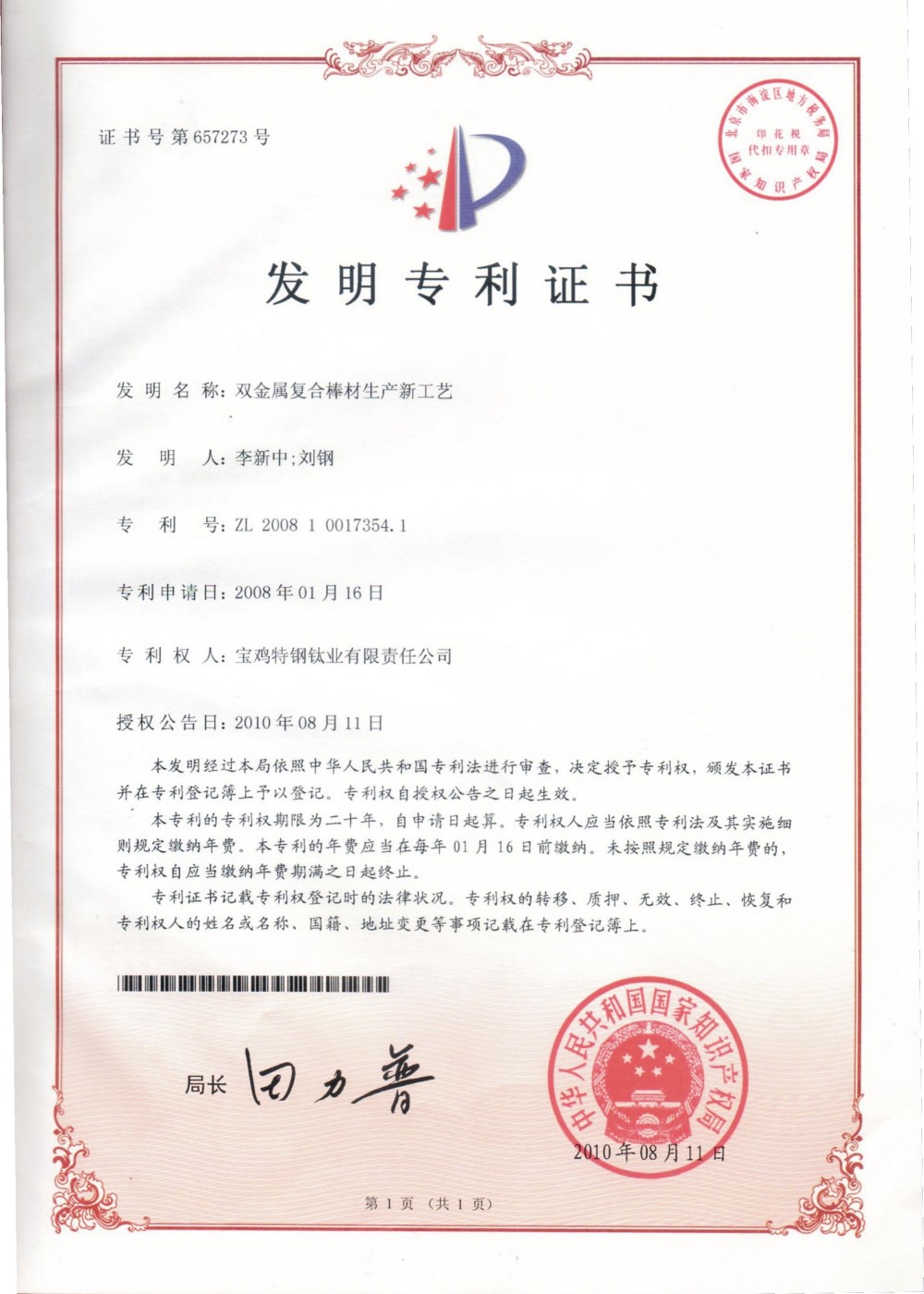
The company has an annual production capacity of over 3000 tons of non-ferrous metal pipes, composite materials and various deep processing products such as titanium, zirconium, nickel, tantalum and copper, etc., and a series of products according to varieties and specifications have reached more than 500 kinds, the annual export accounted for more than 30% of the company's total output, is an export-oriented industrial enterprise with a strong growth momentum. The company has obtained the national high and new technology enterprise certification and has been listed in the first batch of industries encouraged to develop by the National Development and Reform Commission.


Nickel welding pipes are not universally applied; they are strategically deployed in the most critical nodes of marine infrastructure.
In offshore drilling, the extracted fluids are often a volatile mix of hydrocarbons, seawater, hydrogen sulfide (sour gas), and sand. Standard carbon steel would corrode within months. Nickel welding pipes, particularly those utilizing Alloy 625 or 825, are used in risers, flowlines, and topside process piping. The exceptional weldability of these nickel grades ensures that the joints—typically the weakest points in a pipeline—maintain the same high tensile strength and corrosion resistance as the base metal, preventing catastrophic blowouts and environmental disasters.
The heart of a modern desalination plant lies in its high-pressure pumps and multi-stage flash (MSF) distillation chambers. The brine produced during this process is highly concentrated and heated, creating a hyper-corrosive environment. Nickel welding pipes are extensively utilized in the brine heater shells, heat exchanger tubes, and high-pressure manifolds. Their ability to withstand high temperatures while resisting chloride-induced pitting ensures continuous, safe operation, securing fresh water supplies for millions of people globally.
Modern naval and commercial vessels require complex internal piping systems for engine cooling, ballast water management, and exhaust gas scrubbers. Nickel alloys are the material of choice for seawater cooling loops. Furthermore, with the maritime industry's shift towards liquefied natural gas (LNG) as a cleaner fuel, nickel pipes are essential for the cryogenic piping systems. Nickel's unique property of retaining toughness and ductility at extremely low temperatures (-162°C for LNG) prevents the pipes from becoming brittle and fracturing.
Titanium and titanium alloy, nickel and nickel alloy, zirconium and zirconium alloy mainly non-ferrous metal pipe;
Non-ferrous metal composite materials mainly composed of titanium clad copper, including: titanium clad copper, zirconium clad copper, ladle copper, composite wire, multilayer composite metal, etc.;
Titanium cathode is the main product of the composite electrode series, including: titanium cathode, stainless steel permanent cathode, nickel anode, titanium-based lead dioxide anode, and so on.
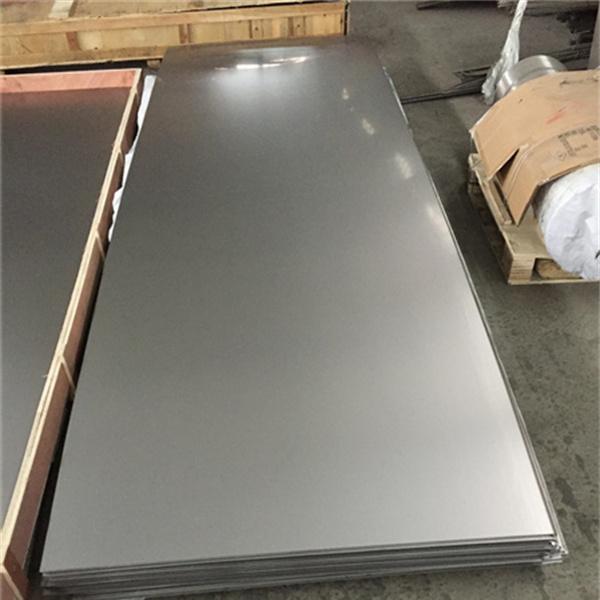
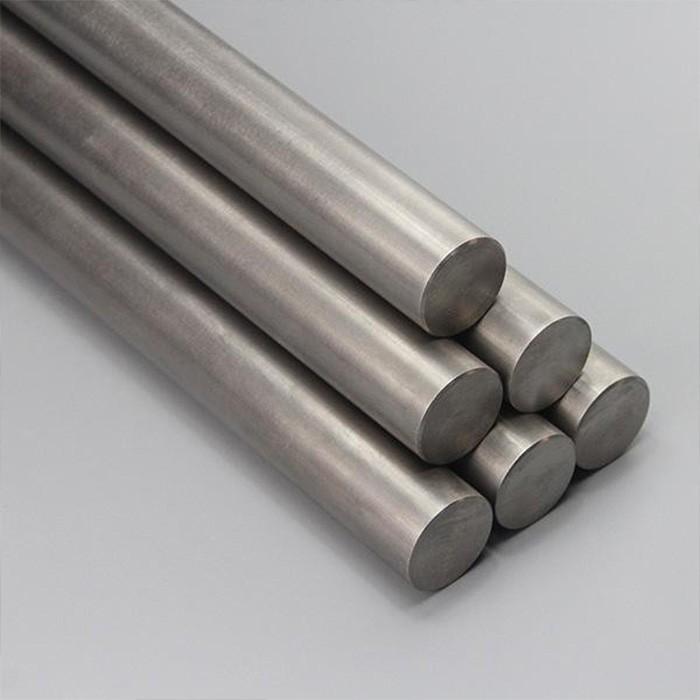
A series of nickel materials products mainly consisting of nickel plates, nickel rods and nickel strips.
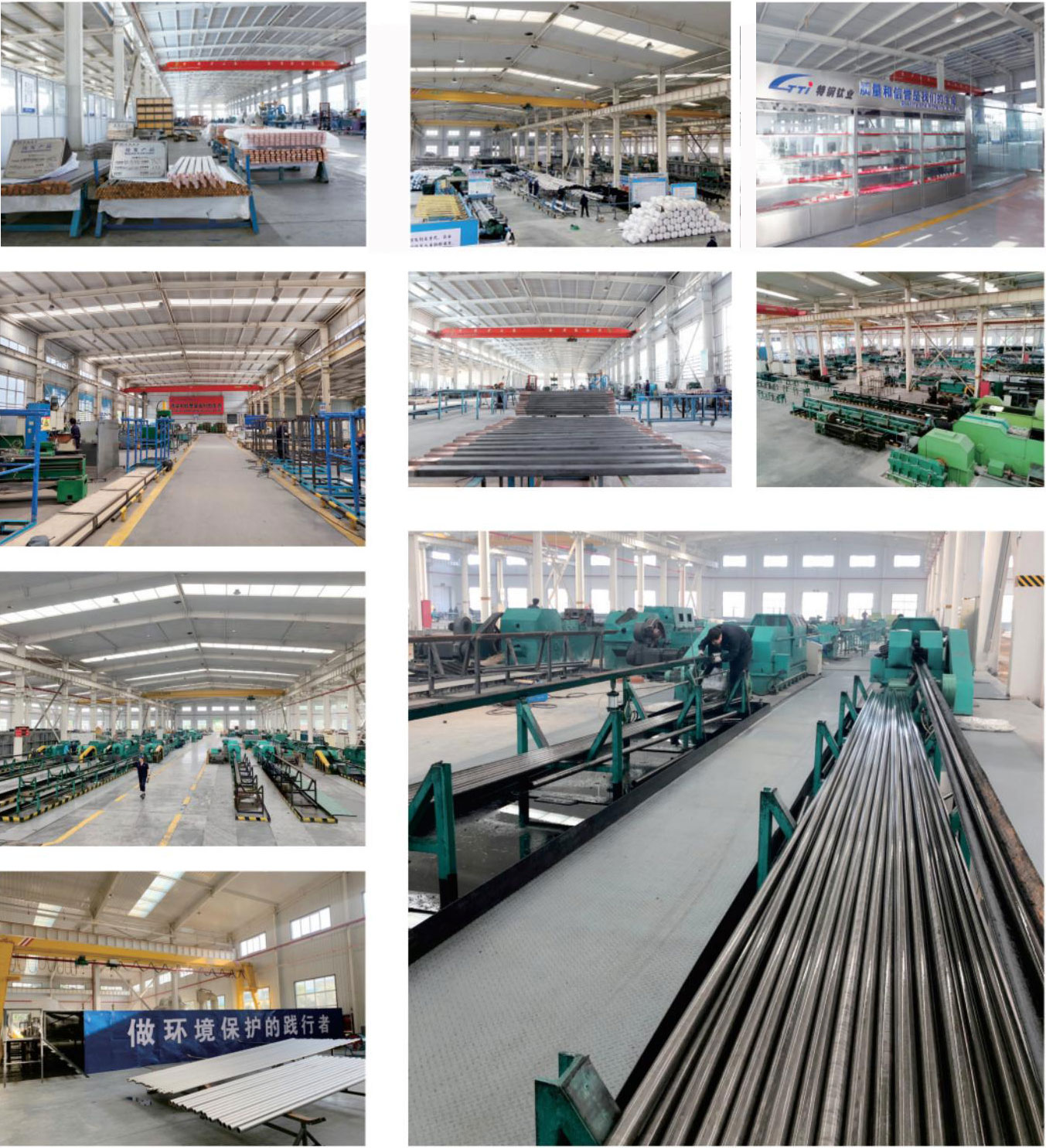
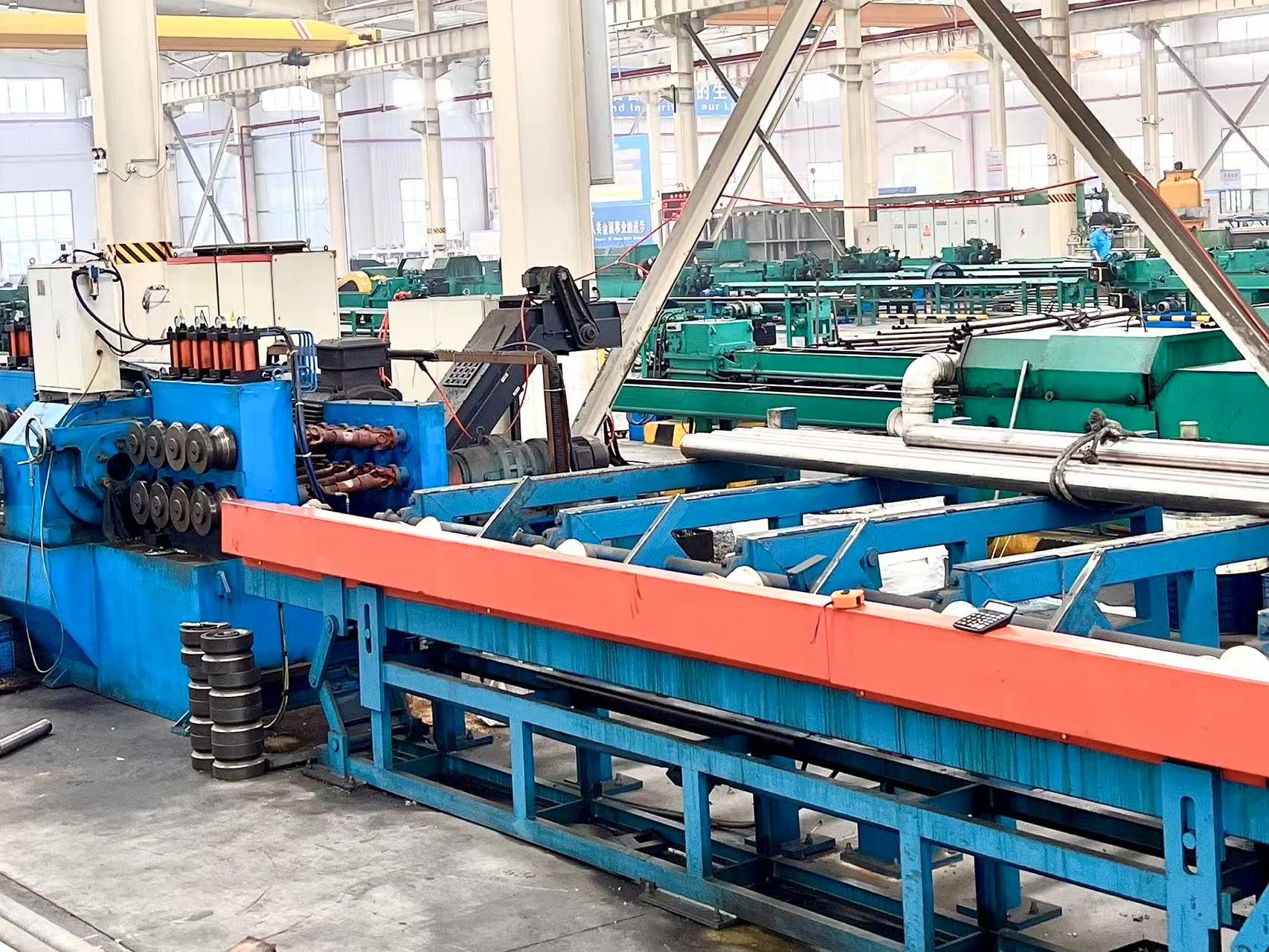
Since its establishment, the company has always adhered to the development strategy of continuous innovation and continued to expand the market with new technology and new products as the fulcrum. After more than 20 years of development and accumulation, the products have entered the markets of Germany, Japan, the United States, Norway, Finland, South Africa, Singapore, India and other countries and Taiwan regions, also have been highly praised. Stable product quality, integrity as the core of the business philosophy, by the world's customers trust.
To build an excellent enterprise team, continuously improve the management and manufacturing methods, so that every customer can get the maximum benefit from each product" is the eternal pursuit of special steel titanium industry personnel.
As we look toward the future, the intersection of metallurgy and artificial intelligence is poised to revolutionize the production of Nickel Welding Pipes for Marine Engineering Applications. The industry is rapidly moving toward Industry 4.0 standards. Advanced AI algorithms are now being utilized to predict the microstructural evolution of nickel alloys during the welding process. By simulating the thermal cycles of welding, manufacturers can precisely control the heat input, thereby preventing the precipitation of detrimental phases that could compromise the pipe's corrosion resistance in seawater.
Another significant trend is the development of "Green Marine Technologies." The maritime industry is under immense pressure to reduce its carbon footprint and eliminate pollution. This has led to the design of advanced exhaust gas cleaning systems (scrubbers) on ships, which require highly acidic-resistant materials. Nickel welding pipes are at the forefront of this green transition. Furthermore, as the world explores deep-sea mining and offshore renewable energy (such as floating wind turbines and tidal energy converters), the structural demands will push the boundaries of current material science. The future will likely see the rise of nano-structured nickel alloys, offering unprecedented strength-to-weight ratios while maintaining absolute immunity to the harsh marine environment.
Supply chain resilience is also a major focus. The global nature of marine engineering requires a steady, reliable supply of high-grade materials. Companies that integrate vertical manufacturing—from raw material smelting to final pipe extrusion and welding—will dominate the market. By ensuring strict quality control at every stage, manufacturers can guarantee that every meter of nickel pipe deployed into the ocean will perform flawlessly, safeguarding both human life and the delicate marine ecosystem.
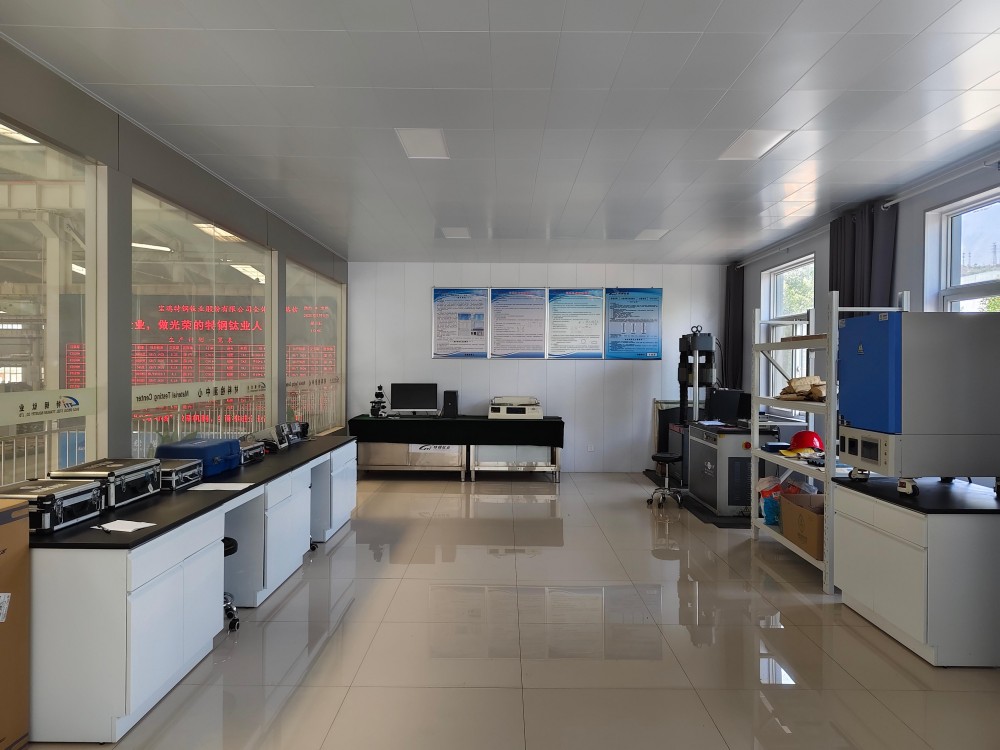
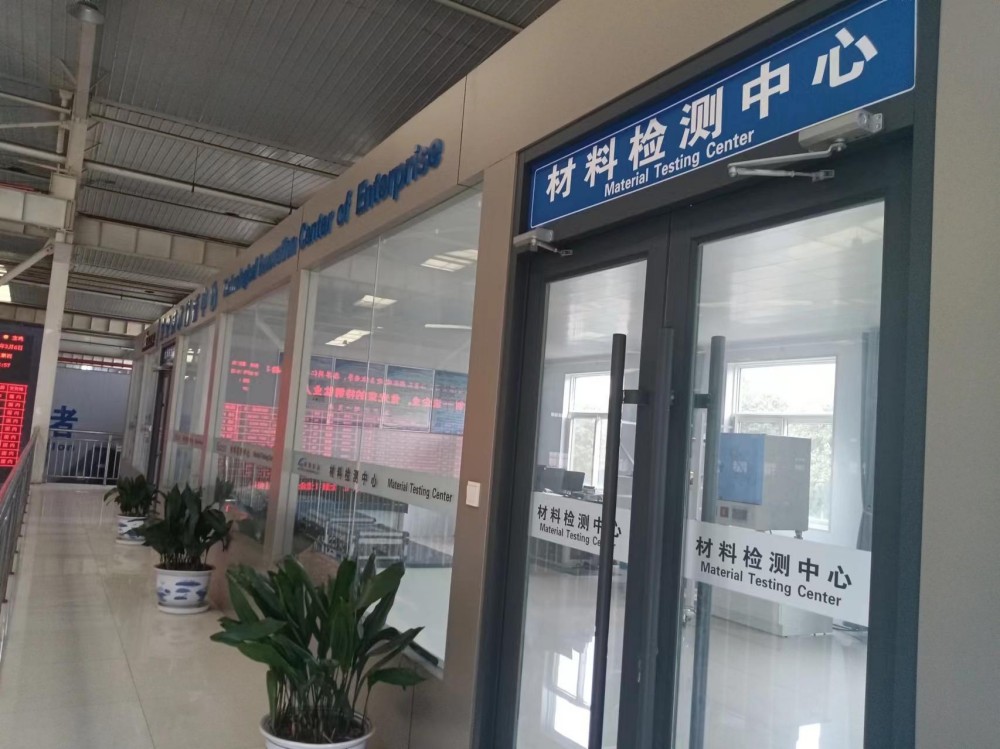
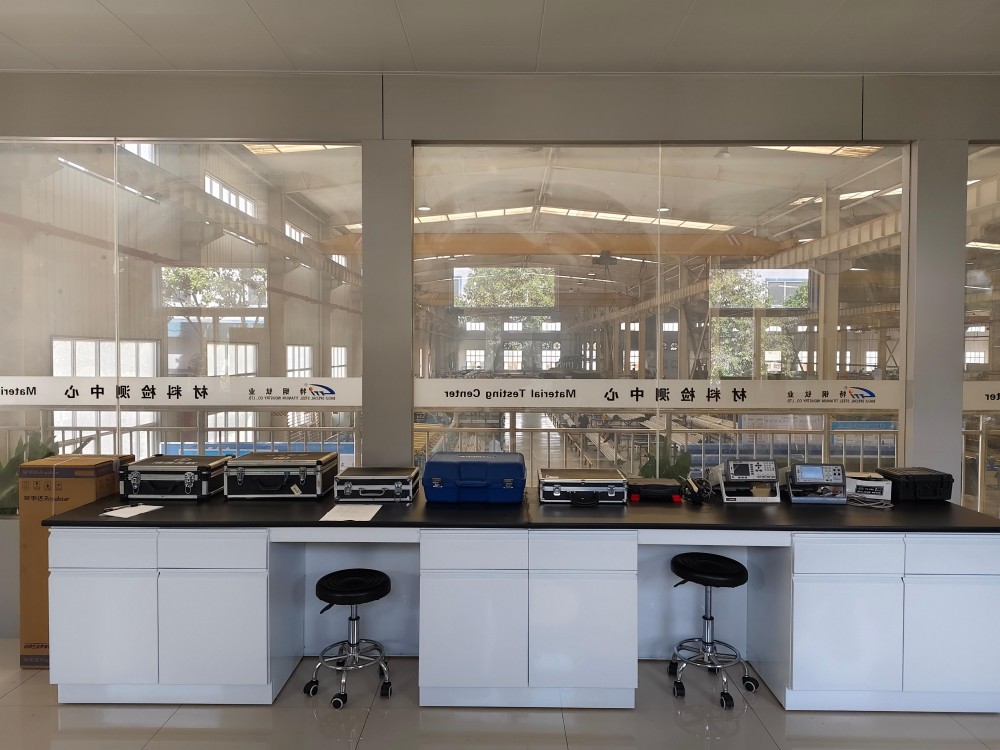
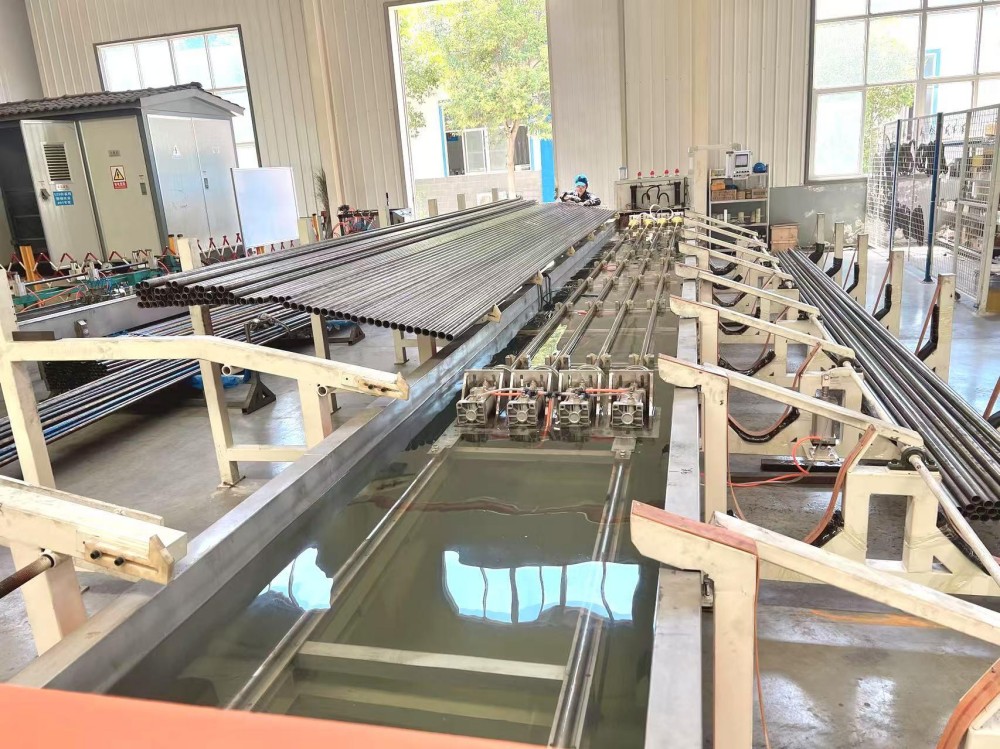
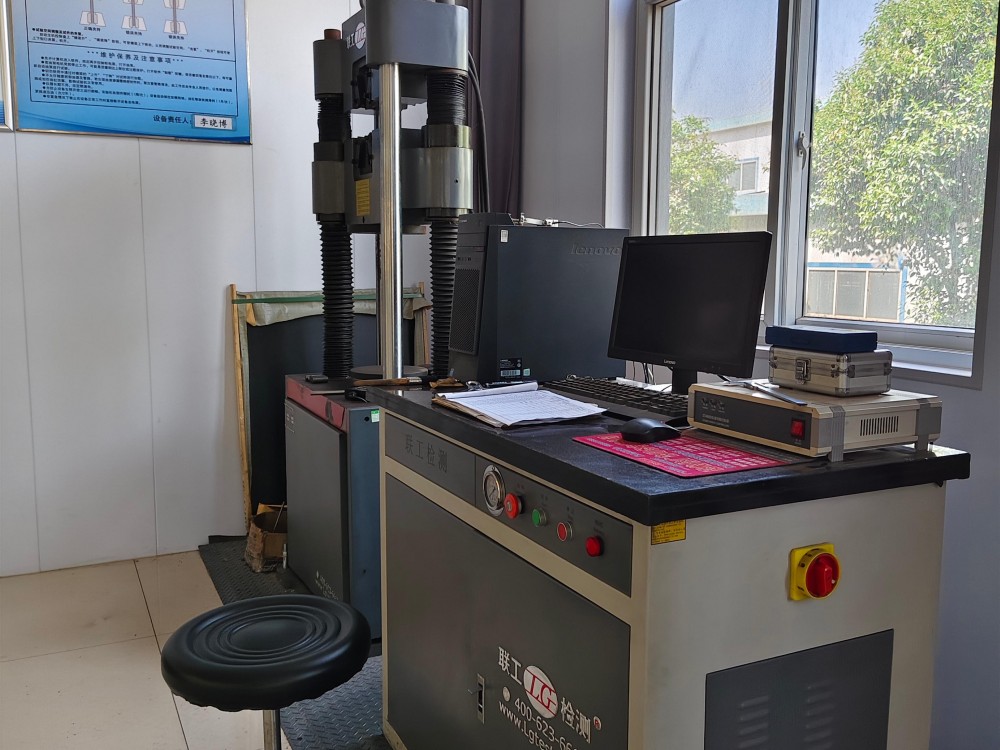
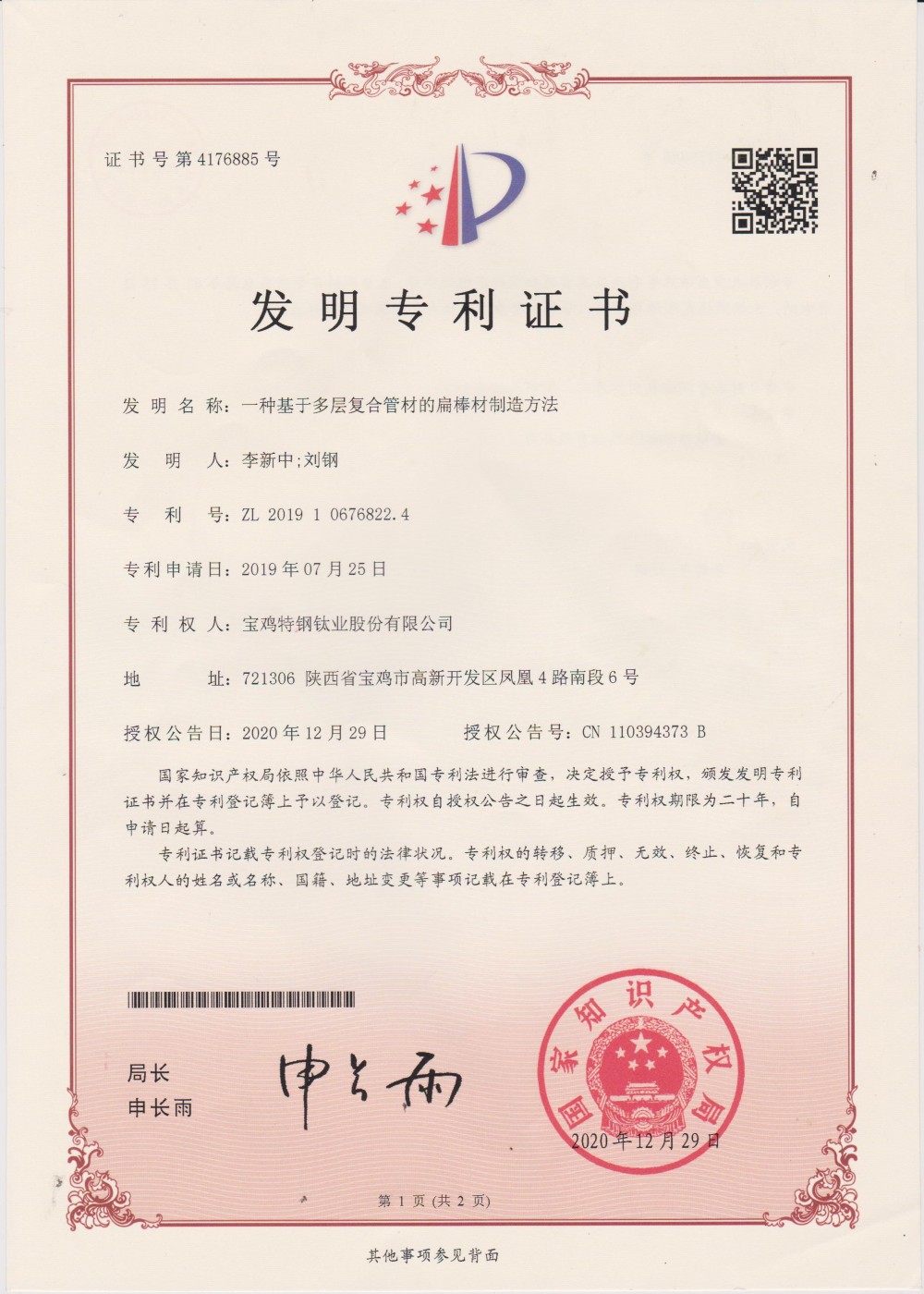
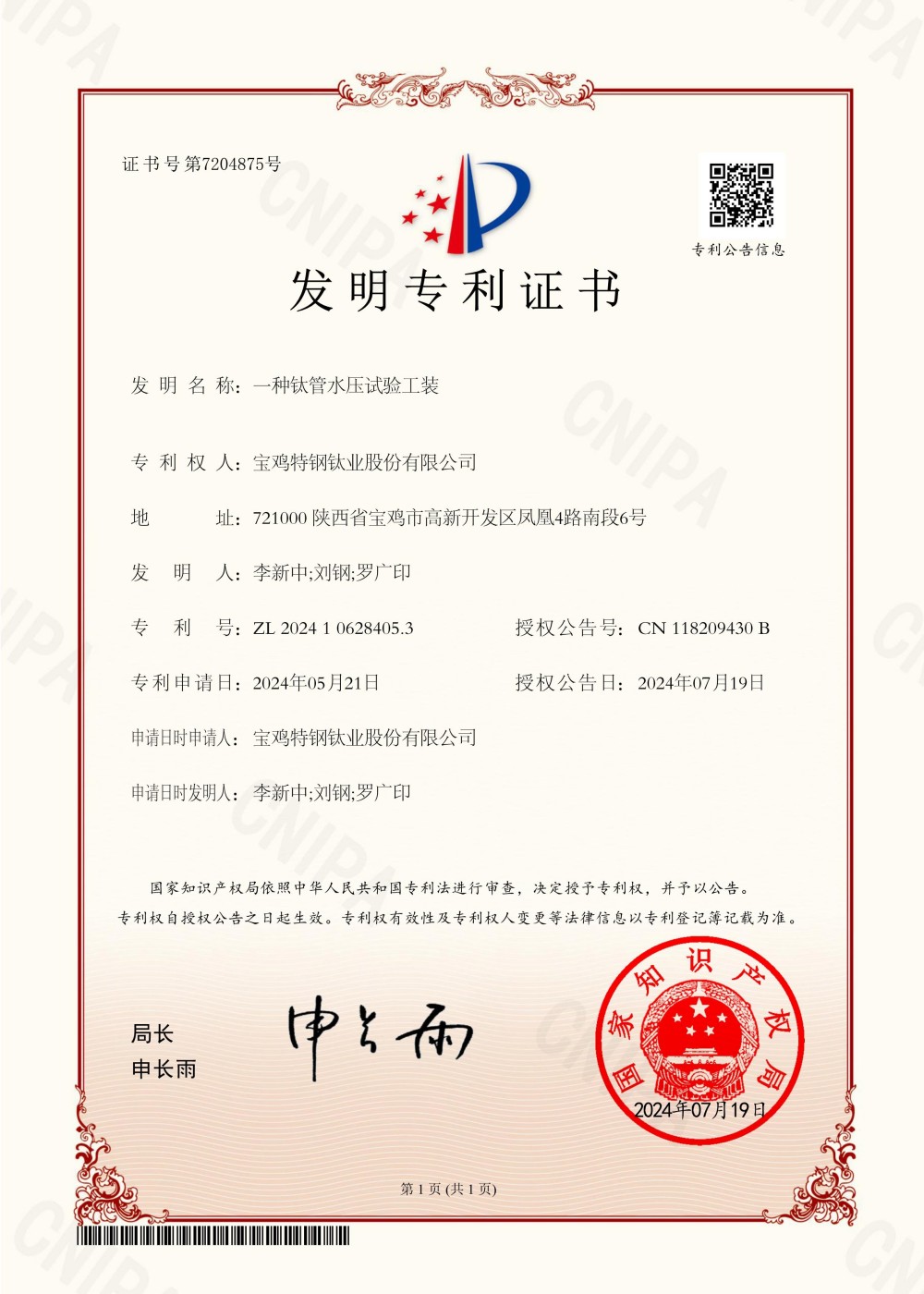
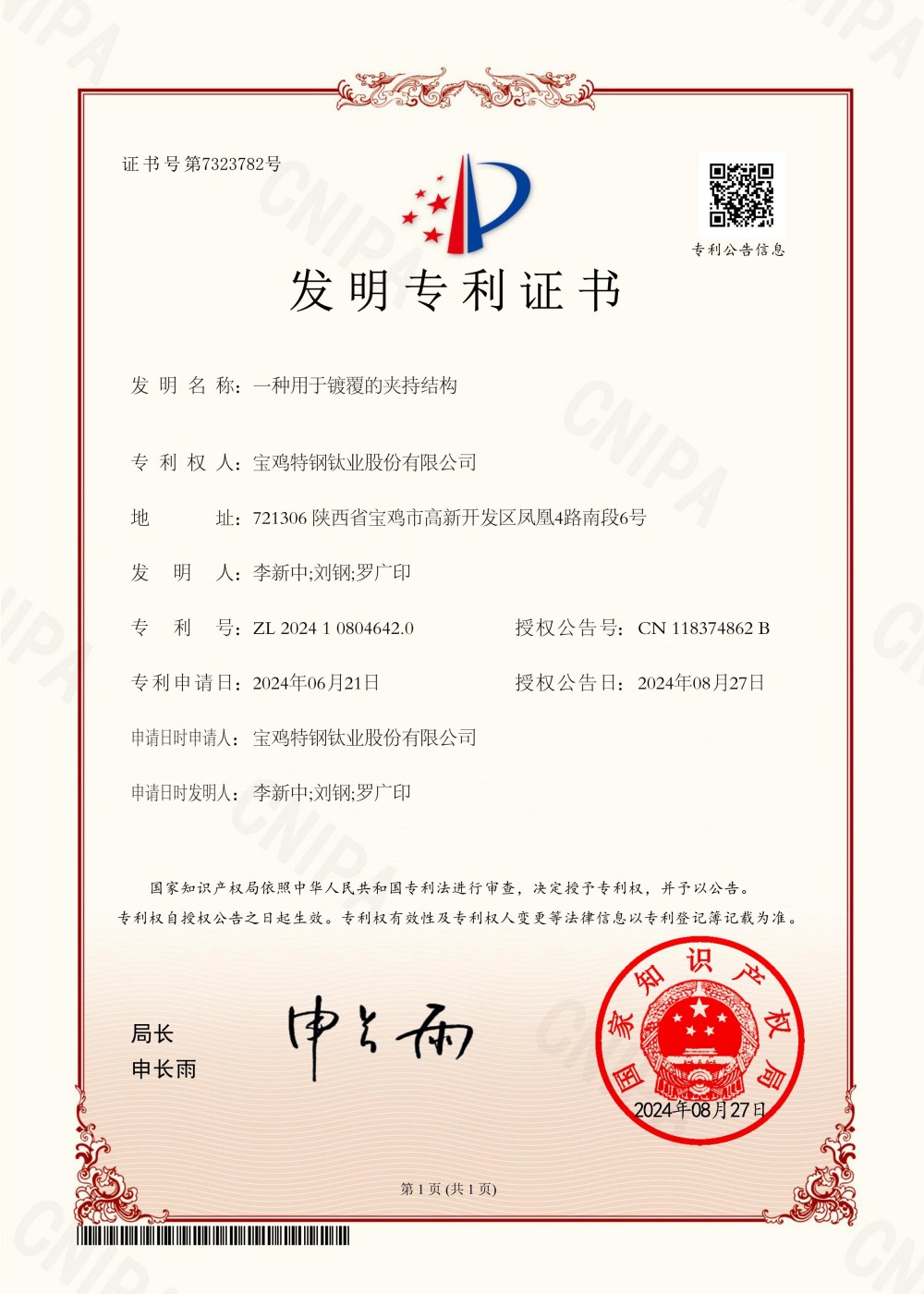
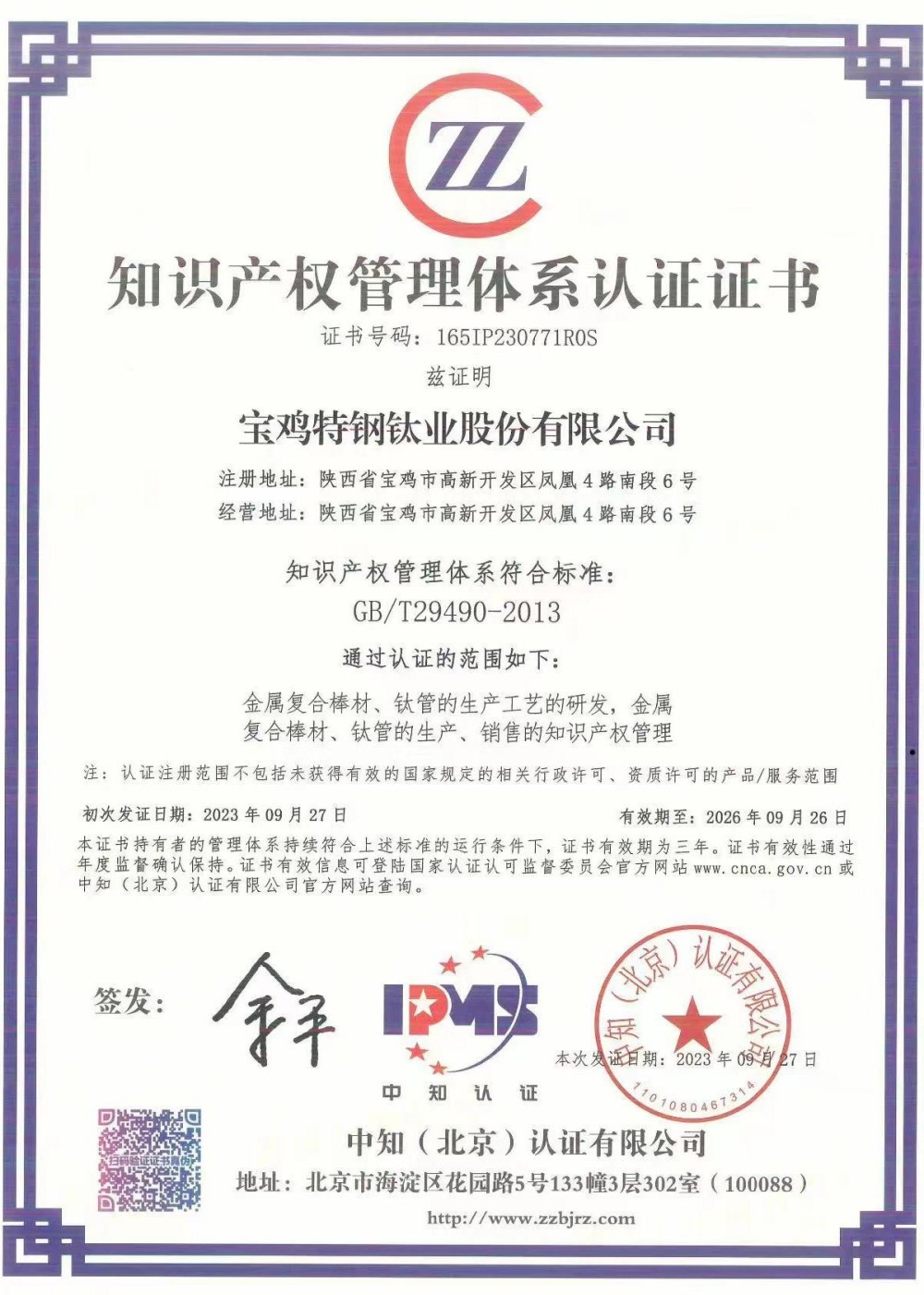
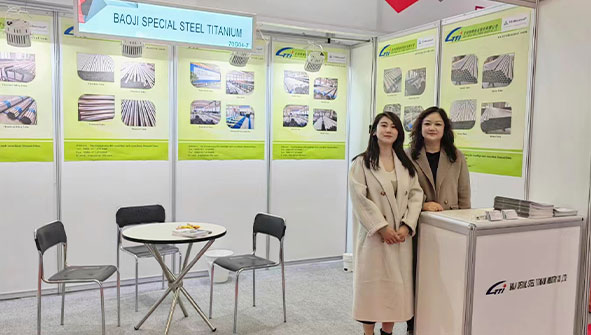
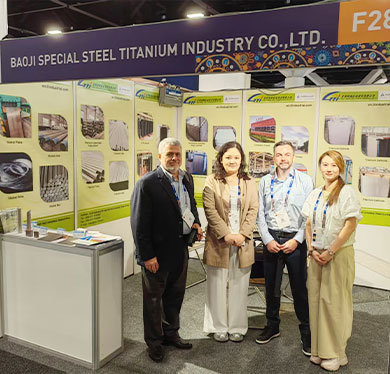

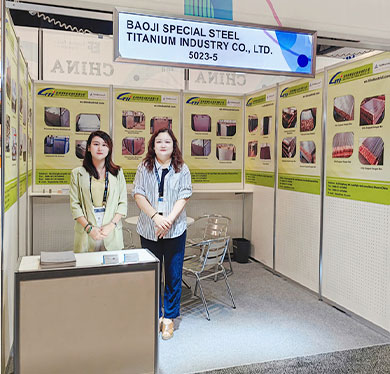
Explore our full spectrum of specialized non-ferrous products engineered for extreme subsea and offshore durability.