



Leave Your Message
Our precision nickel welding tubes are specifically engineered to meet the rigorous demands of electrolytic copper refining — offering superior corrosion resistance, high purity, and outstanding mechanical performance in harsh electrochemical environments.
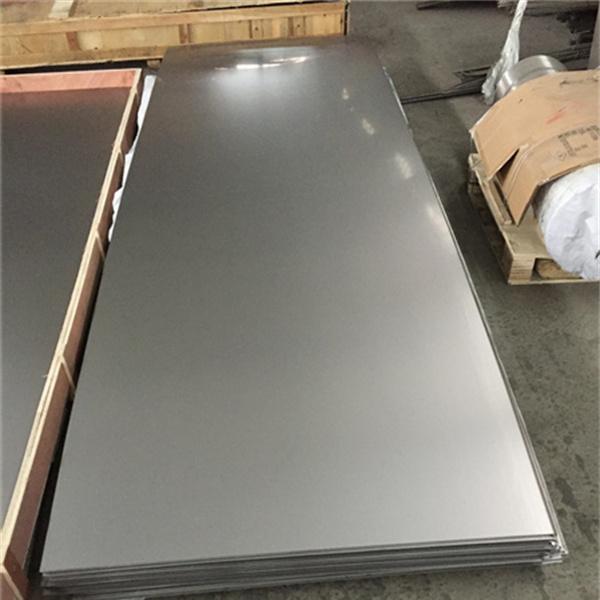
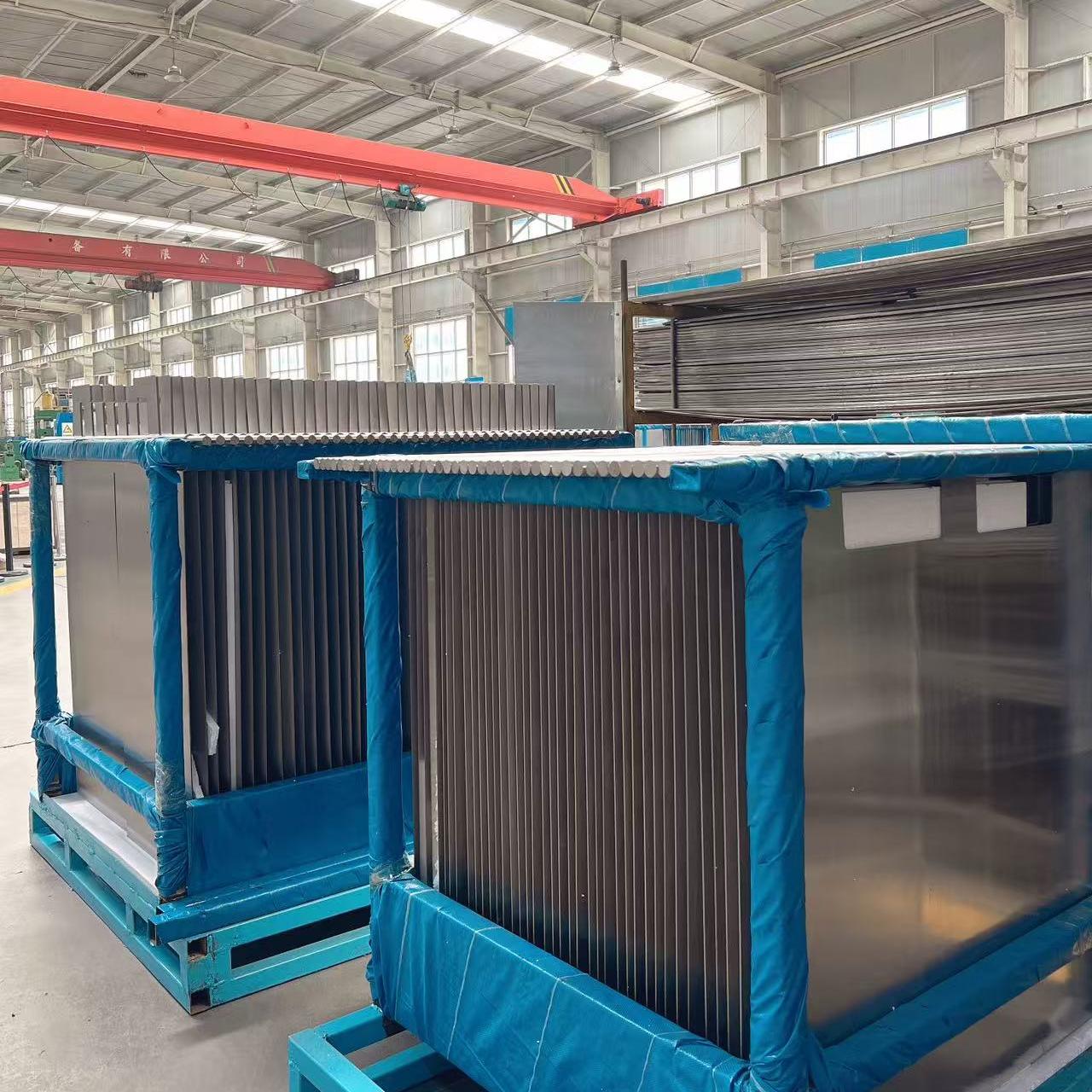
The electrolytic copper refining industry operates under some of the most demanding electrochemical conditions in modern manufacturing. Electrolytic cells are continuously exposed to highly acidic sulfate solutions, elevated temperatures, and intense electrical currents — all of which place extraordinary stress on structural and fluid-handling components.
Nickel welding tubes have emerged as the material of choice for a wide range of functional roles within these environments. Thanks to nickel's inherent resistance to sulfuric acid, its excellent thermal conductivity, and its ability to maintain structural integrity at elevated temperatures, nickel welding tubes outperform stainless steel and other conventional materials in virtually every performance metric relevant to copper electrolysis.
🔬 Key Advantage: Nickel welding tubes maintain >99.5% purity standards, ensuring zero contamination of the copper electrolyte — a critical requirement for producing high-grade LME-registered copper cathodes.
From electrolyte circulation pipelines and anode bus bar supports to heat exchanger tubes and overflow manifolds, nickel welding tubes serve as the circulatory and structural backbone of modern copper refining tankhouses. Their weldability allows for custom fabrication into complex geometries, enabling seamless integration into both greenfield projects and retrofit upgrades of existing facilities.
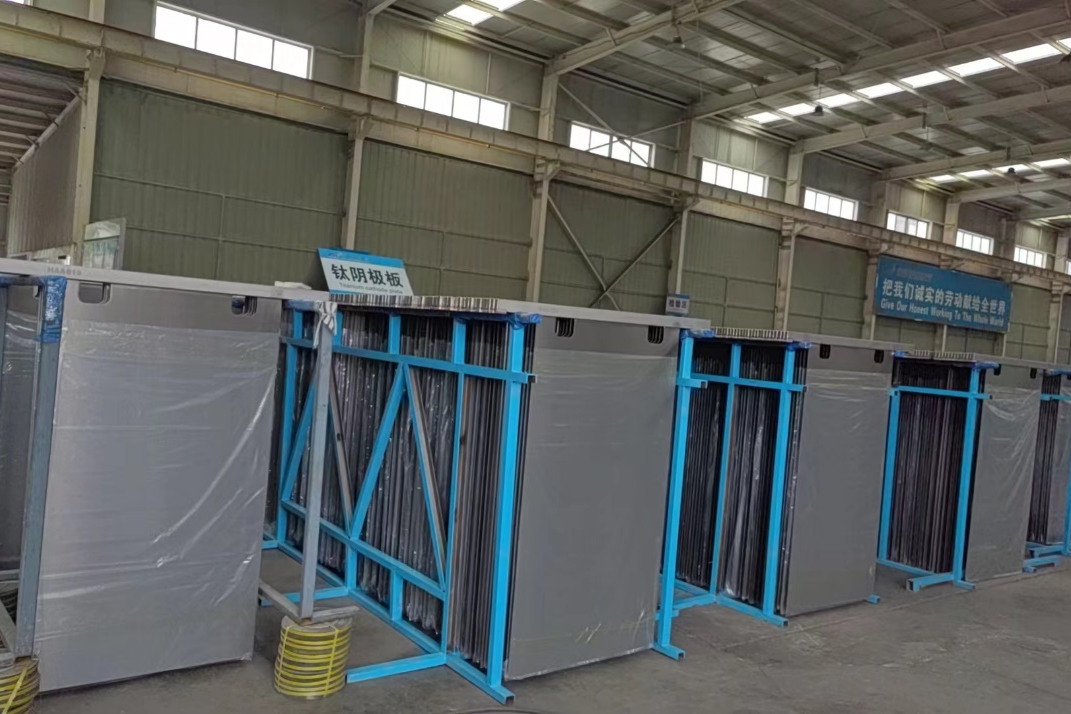
Engineered to excel in the aggressive electrochemical environments of copper electrolysis, our nickel welding tubes offer a comprehensive suite of performance advantages that translate directly into reduced downtime, lower maintenance costs, and higher copper cathode quality.
The global electrolytic copper market is undergoing rapid transformation. Rising demand from EV batteries, renewable energy infrastructure, and advanced electronics is pushing copper refiners to expand capacity and upgrade facilities — creating significant growth opportunities for high-performance nickel welding tube solutions.
Each electric vehicle requires 3–4× more copper than a conventional ICE vehicle. Global EV production is projected to exceed 40 million units annually by 2030, driving copper refinery capacity expansions worldwide and directly increasing demand for corrosion-resistant nickel welding tube infrastructure.
Wind turbines, solar farms, and grid-scale energy storage systems are among the most copper-intensive technologies in the energy transition. IEA forecasts indicate that clean energy deployment could account for over 40% of total copper demand growth through 2040, necessitating major refinery upgrades.
Major copper producers in Chile, Peru, China, and the DRC are investing heavily in tankhouse modernization programs. These projects increasingly specify nickel welding tubes over traditional materials due to their proven performance advantages and lower total cost of ownership over multi-decade operational lifespans.
As global copper markets demand higher-purity cathodes (Grade A, 99.99% Cu), refiners are upgrading their electrolyte management systems with nickel welding tubes that prevent iron, chromium, and other contamination — ensuring consistent production of LME-registered copper cathodes commanding premium market prices.
From chemical engineering to hydrometallurgy and electroplating, nickel welding tubes serve critical roles across multiple industrial sectors with overlapping requirements for corrosion resistance and thermal performance.
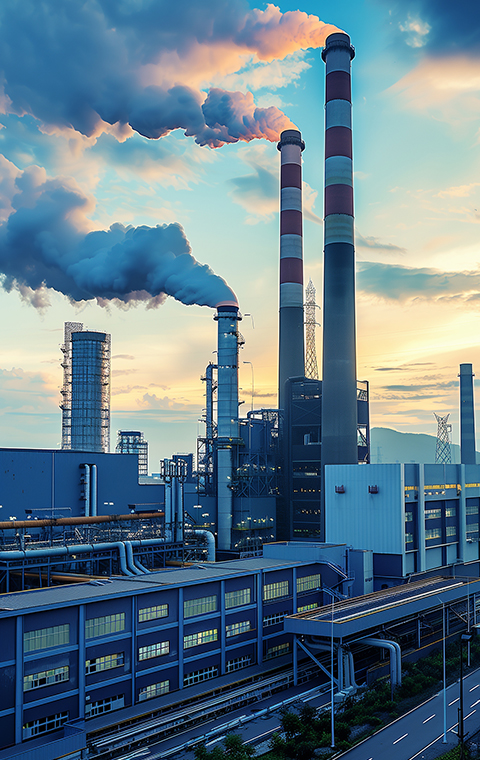

In a modern copper electrolysis tankhouse, the electrolyte — typically a solution of copper sulfate (CuSO₄) and sulfuric acid (H₂SO₄) at concentrations of 40–50 g/L Cu and 150–200 g/L H₂SO₄ — must be continuously circulated, heated, and filtered to maintain optimal deposition conditions.
Nickel welding tubes form the core of electrolyte circulation pipelines, connecting the central electrolyte treatment plant to individual cell rows. Their resistance to hot sulfuric acid environments (typically 55–65°C operating temperature) and their smooth internal bore surfaces — which minimize turbulent flow and reduce pressure drop — make them the preferred choice for high-volume electrolyte circulation systems handling millions of liters per day.
💡 Engineering Insight: Nickel welding tubes with wall thickness of 2–4mm and outer diameters ranging from 25mm to 219mm cover the full range of electrolyte distribution applications, from individual cell feed lines to main circulation headers.
Anode scrap handling and slime collection systems also benefit from nickel welding tube construction, as these areas are exposed to the highest concentrations of dissolved metals and acid mists. The use of nickel welding tubes in these critical zones has been shown to reduce unplanned maintenance shutdowns by up to 60% compared to rubber-lined steel alternatives.
Beyond fluid handling, nickel welding tubes play an important structural role as anode hanger bar supports and cathode guide rails in modern permanent cathode (PC) tankhouse designs. The dimensional stability of nickel under thermal cycling and the material's resistance to galvanic corrosion in the presence of copper ions make it ideal for these precision-critical components.
In ISA Process and Kidd Process tankhouses — the two dominant permanent cathode technologies — nickel welding tube assemblies are used for electrode positioning systems, stripping machine guide rails, and automated cathode washing systems. The tight dimensional tolerances achievable in nickel welding tube manufacturing (OD tolerance ±0.1mm) ensure consistent electrode spacing, which is critical for uniform current distribution and high-quality cathode surface morphology.
🏆 Performance Data: Nickel welding tube components installed in ISA Process tankhouses have demonstrated service lives of 12–18 years with minimal maintenance, compared to 4–6 years for equivalent stainless steel components in the same environments.
The combination of nickel's inherent material properties and our advanced welding tube manufacturing processes — including cold drawing, precision annealing, and 100% hydrostatic testing — ensures that every tube we supply meets or exceeds the demanding requirements of world-class copper refining operations.
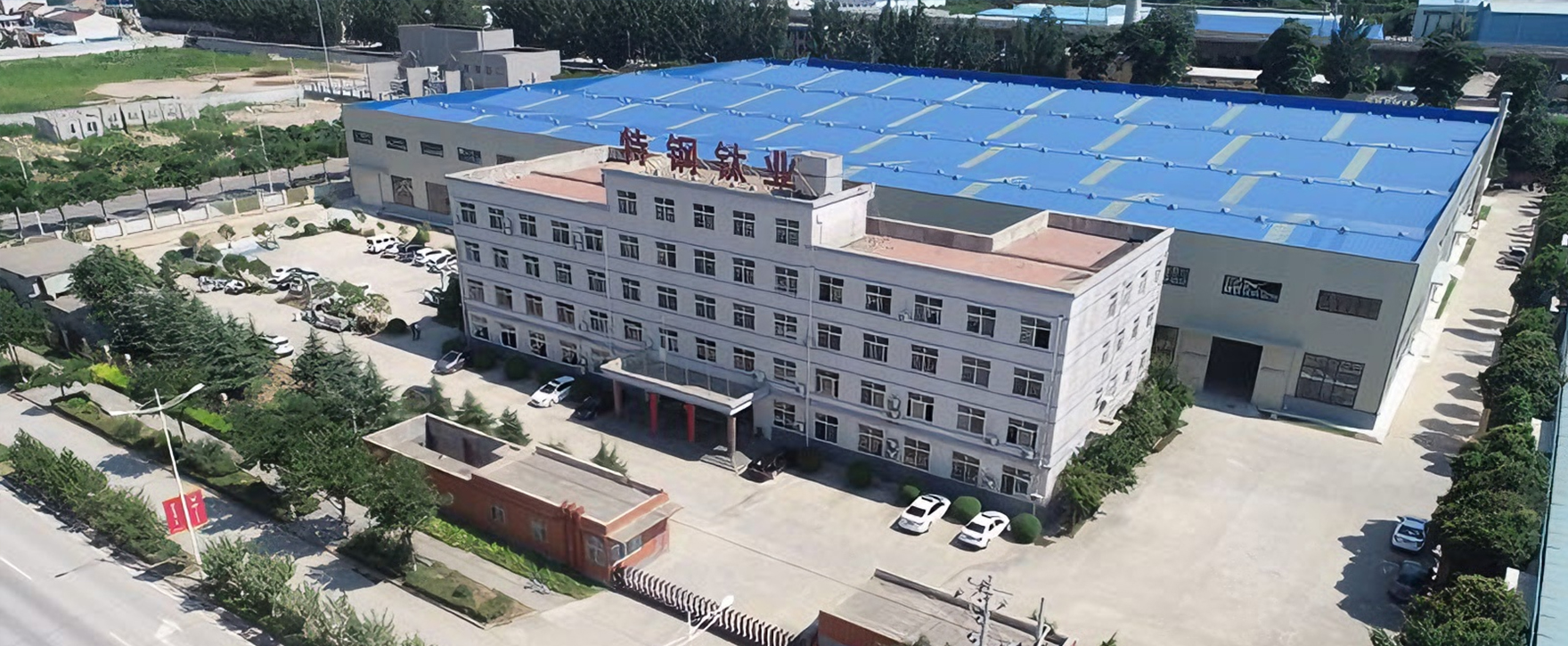
Baoji Special Steel Titanium Industry Co., Ltd. is a joint-stock industrial enterprise specializing in the research, development, manufacturing and sales of titanium, nickel, zirconium and other metal pipes and metal composite materials. The company was founded in 1997, located in Shaanxi Baoji National High-tech Industrial Development Zone, with a factory covering an area of 41,000 square meters.
With over 28 years of specialized expertise in nickel welding tube manufacturing, we have established ourselves as a trusted global supplier to leading copper refiners, chemical processors, and electroplating operations across more than 50 countries. Our annual production capacity of 3,000 tonnes and portfolio of 500+ product categories position us to meet the most demanding project specifications with speed and precision.
 World-Class Quality Standards
 Custom-Tailored Solutions
 Streamlined Global Logistics

Best Practices
Powering global mining and copper refining operations with precision nickel welding tube solutions — delivering measurable improvements in uptime, cathode quality, and total cost of ownership.
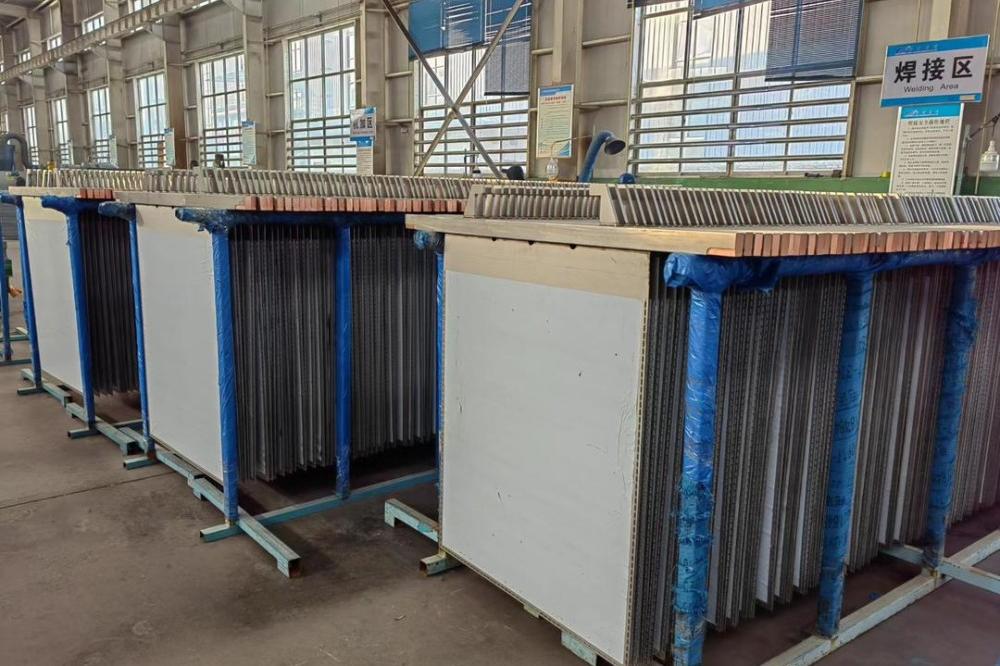
Custom nickel welding tube assemblies supplied for electrolyte circulation and anode support systems at one of China's largest integrated nickel and copper producers.
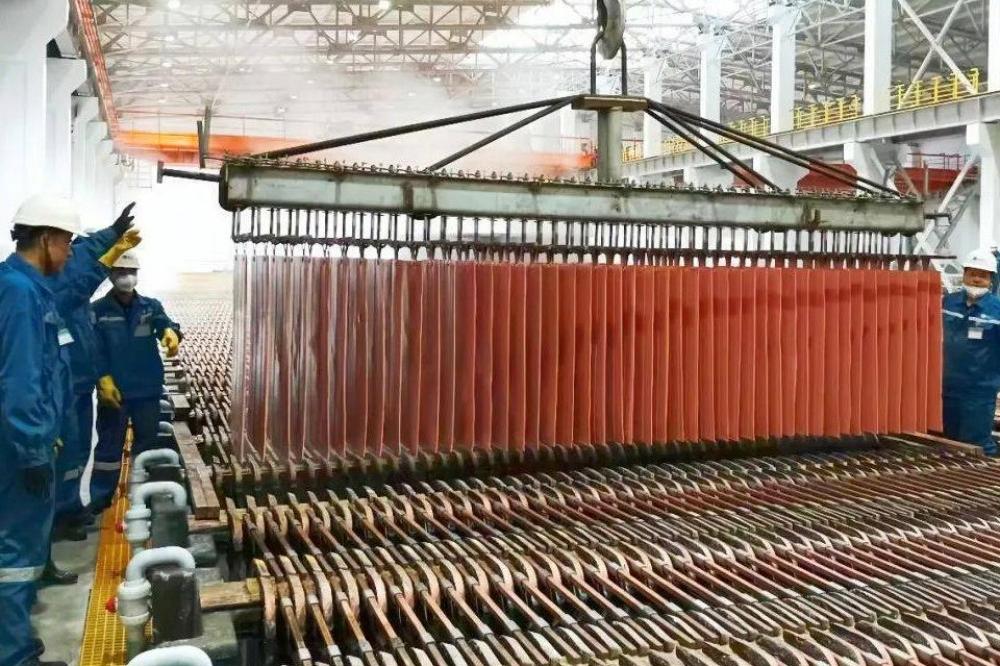
High-purity nickel welding tubes deployed in electrolytic refining and precursor material production facilities supporting EV battery supply chains.
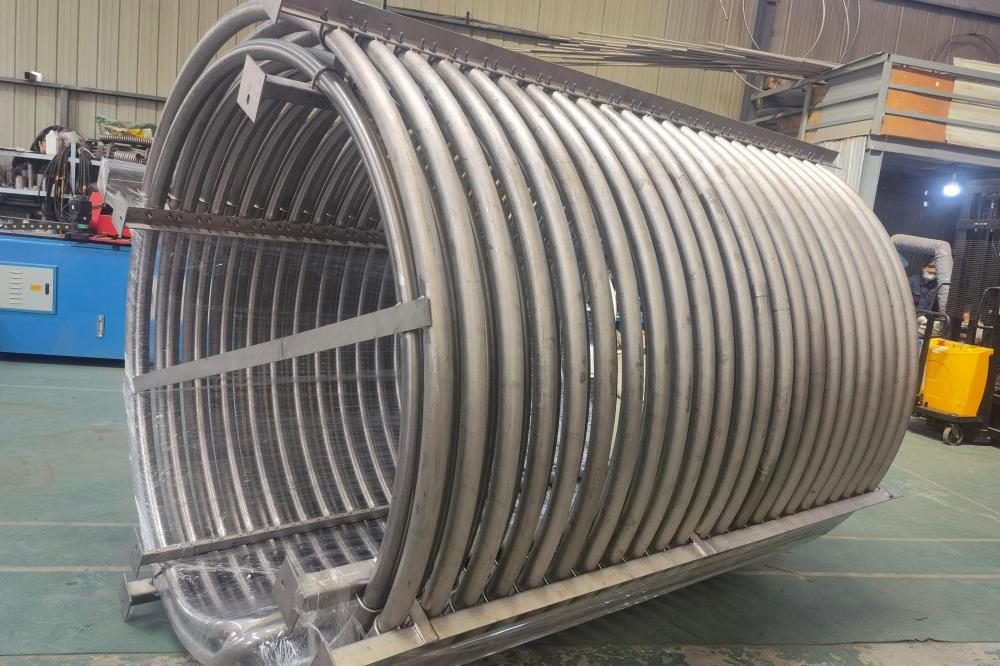
Corrosion-resistant nickel welding tube pipelines installed in aggressive chemical processing environments, delivering extended service life and reduced maintenance intervals.
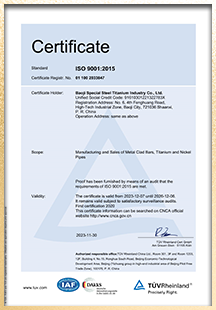
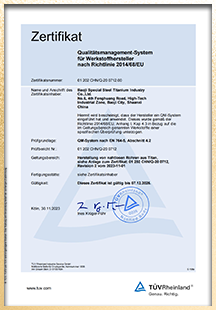
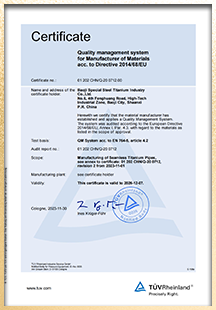
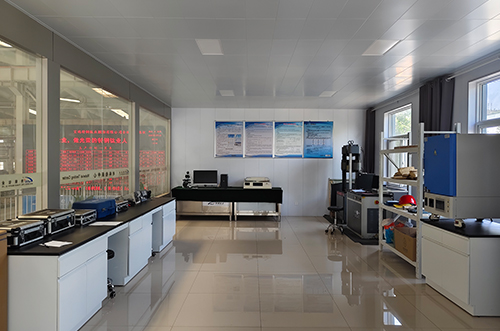
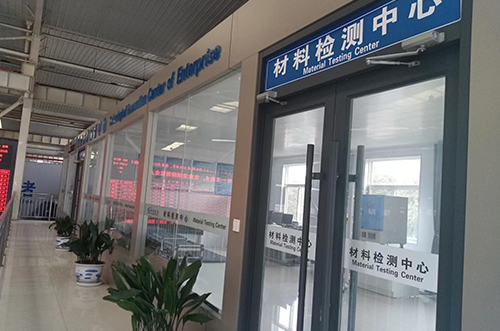
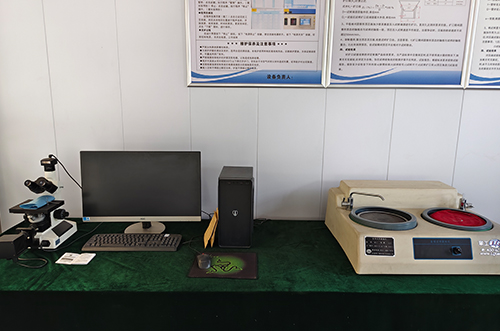
Our nickel welding tubes are manufactured and tested to the highest international quality standards. Every tube undergoes 100% hydrostatic pressure testing, dimensional inspection, and chemical composition verification before shipment — ensuring our customers receive only the highest-quality products.
Since 1997, our commitment to quality has earned the trust of leading industrial customers across more than 50 countries. Our integrated quality management system covers the full manufacturing chain, from raw material procurement to final inspection and packaging.
Explore our full portfolio of high-purity nickel products — including nickel welding tubes, nickel anodes, nickel plates, and nickel rods — all engineered to meet the demanding requirements of the electrolytic copper industry and beyond.
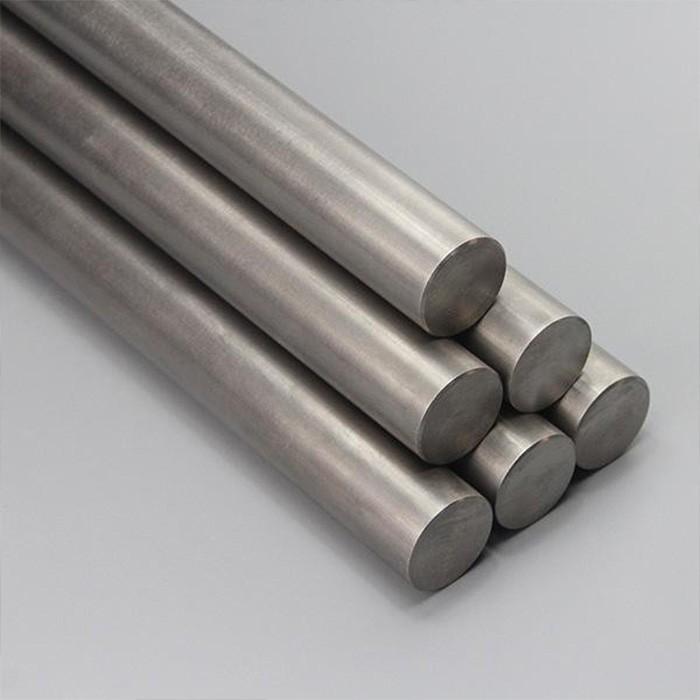
Contact our technical team today to discuss your specific nickel welding tube requirements. We offer custom dimensions, alloy grades, and surface finishes to meet the exact demands of your electrolytic copper refining application.
Get In Touch With Us →