Leave Your Message
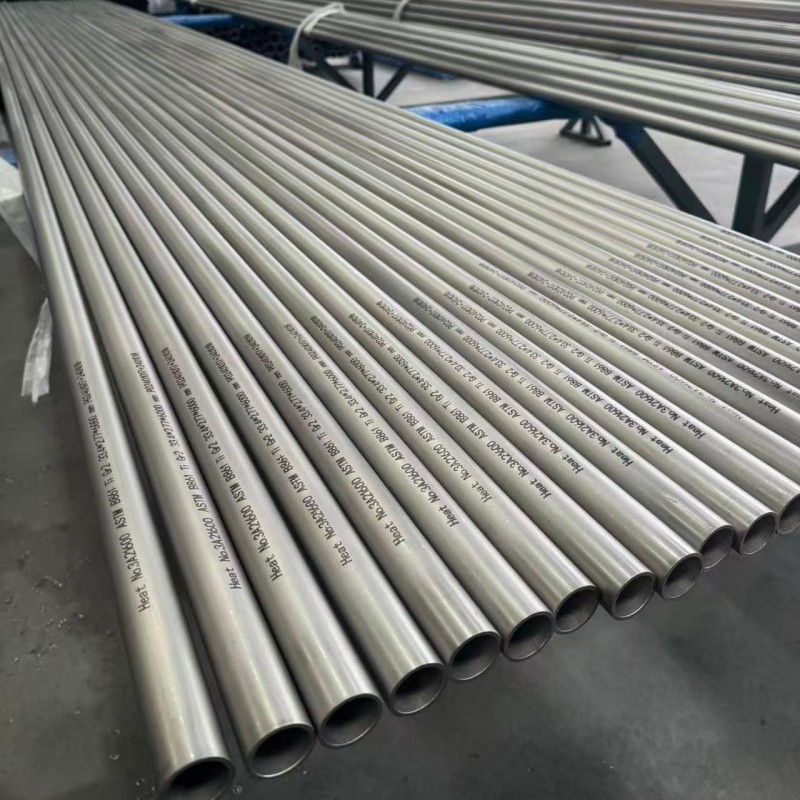
The hydrometallurgical industry is undergoing a massive transformation, driven by the surging global demand for critical battery metals such as nickel, cobalt, and lithium. At the heart of this operational evolution is the Nickel Welding Tube For Hydrometallurgy Plants. Hydrometallurgy, which involves the extraction of metals from ores using aqueous chemistry, inherently presents one of the most aggressive and corrosive environments in the industrial sector. Processes like High-Pressure Acid Leaching (HPAL), solvent extraction, and electrowinning utilize highly concentrated sulfuric acid, hydrochloric acid, and other potent chemical reagents at elevated temperatures and pressures. Conventional piping systems degrade rapidly under these harsh conditions, leading to catastrophic failures, costly downtimes, and severe safety hazards. This is precisely where high-purity nickel welding tubes and advanced nickel alloy piping systems become indispensable.
Commercially, the market for premium nickel welding tubes is experiencing unprecedented growth. As electric vehicle (EV) adoption accelerates globally, the need to process laterite ores via HPAL facilities has skyrocketed. These facilities require miles of piping that can withstand acidic slurries at temperatures exceeding 250°C and pressures above 40 bar. Nickel alloys, particularly those alloyed with chromium and molybdenum (such as Alloy C-276, Alloy 825, and Alloy 625), offer unparalleled resistance to localized corrosion, pitting, and stress corrosion cracking. Consequently, procurement managers and plant engineers are shifting their capital expenditure towards high-quality nickel pipe manufacturing, recognizing that the initial investment in premium materials drastically reduces total lifecycle costs by minimizing maintenance interruptions and extending the operational lifespan of the plant.
Investing in superior Nickel Welding Tube For Hydrometallurgy Plants translates directly to enhanced commercial viability. By mitigating the risks of acid leaks and pressure drops, plants achieve higher continuous throughput. The Return on Investment (ROI) is realized not just through longevity, but through the assurance of consistent, uninterrupted extraction cycles which are critical for meeting aggressive production quotas in today's competitive metal commodities market.
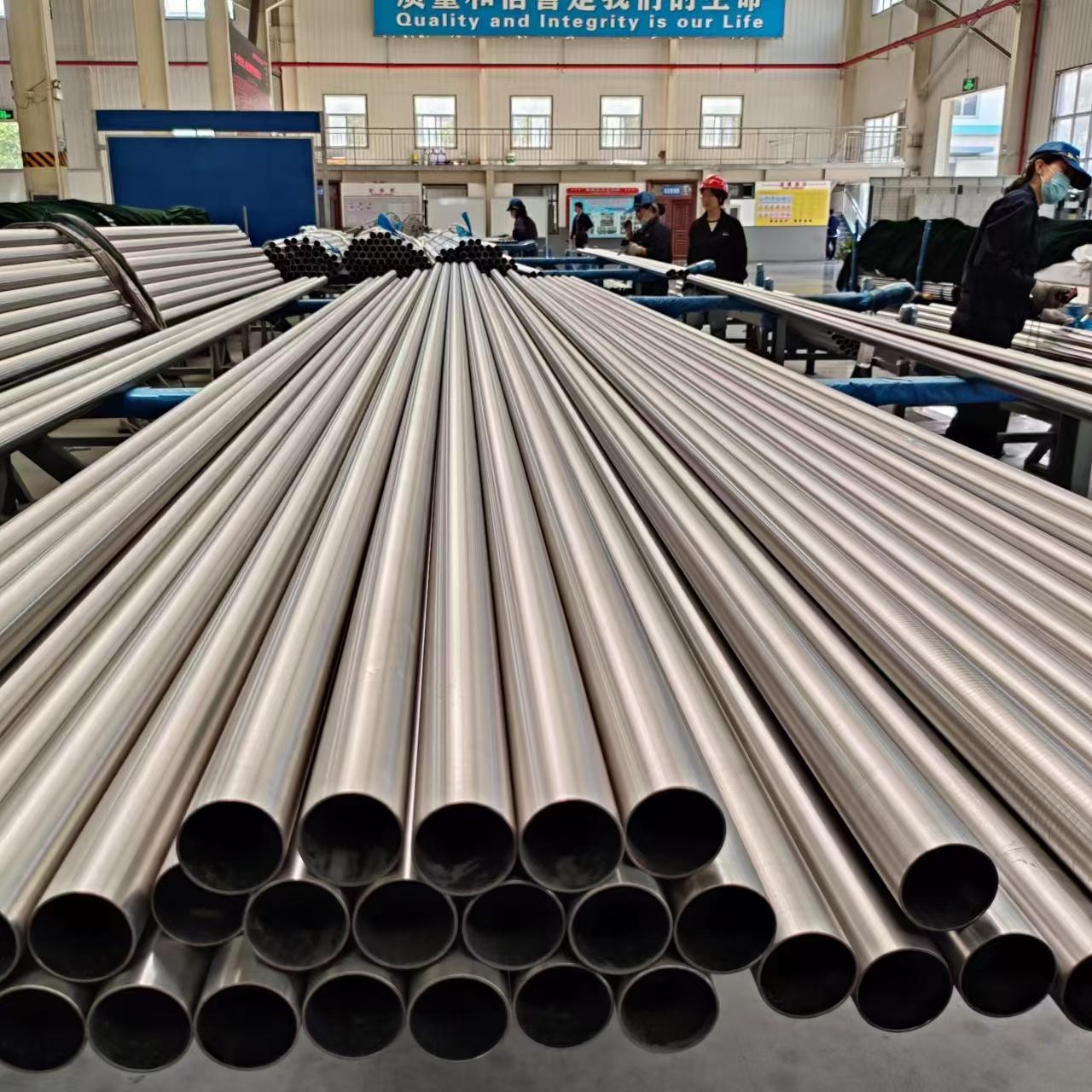
Founded in 1997, Baoji Special Steel Titanium Industry Co., LTD. is a joint-stock industrial enterprise specializing in the research, development, manufacturing, and sales of titanium, nickel, zirconium, and other metal pipes and metal composite materials. Located in the Shaanxi Baoji National High-tech Industrial Development Zone, our state-of-sart facility spans over 41,000 square meters.
With a steadfast commitment to innovation, we provide bespoke piping solutions that meet the rigorous demands of modern hydrometallurgical processing, ensuring structural integrity and chemical resilience in the most extreme environments.
FIND OUT MORE
Unparalleled Standards

Tailored Solutions Swift Execution

Global Reach
Founded in 1997
Years of Excellence
Annual Production
Tons Capacity
Factory Footprint
Square Meters (㎡)
Product Categories
Diverse Products
To truly understand the value of the Nickel Welding Tube For Hydrometallurgy Plants, one must examine its specific applications within the complex flowsheets of mineral processing. The journey of ore to pure metal involves several stages where fluid transport is critical. In the Leaching Circuit, crushed ore is mixed with lixiviants (typically sulfuric acid). Here, nickel welding tubes are employed to transport these highly abrasive and corrosive slurries. The weld seams of these tubes are particularly vulnerable; hence, employing advanced welding techniques like TIG (Tungsten Inert Gas) with matching or over-alloyed filler metals ensures that the weldment possesses the same, if not better, corrosion resistance as the base metal.
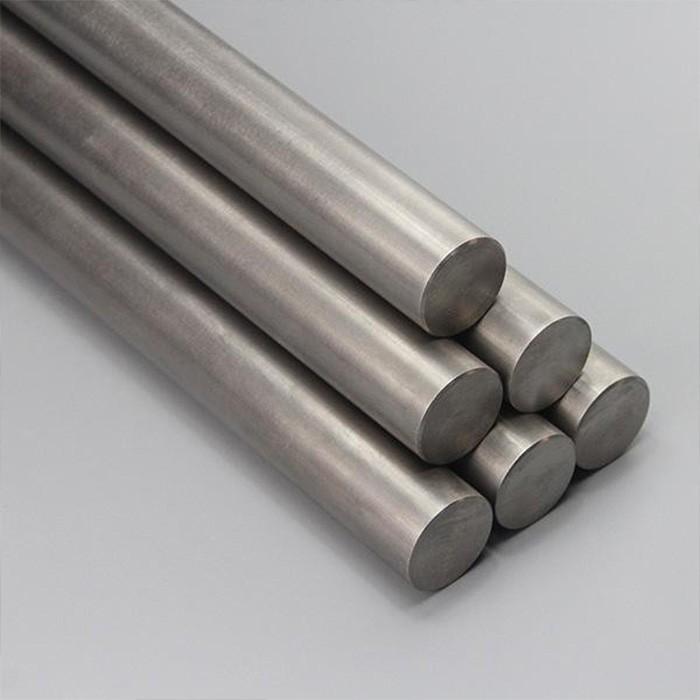
Moving downstream to the Solvent Extraction (SX) and Electrowinning (EW) phases, the purity of the solutions becomes paramount. Any contamination from degrading pipe material can drastically lower the quality of the final cathode product. High-quality nickel rods and nickel anodes are utilized in the EW cells, while the nickel welding tubes ensure the safe transit of pregnant leach solutions (PLS) and raffinate. Nickel's inherent stability prevents metal ion contamination, preserving the electrochemical efficiency of the hydrometallurgical plant. Furthermore, in the heat exchangers and autoclaves central to HPAL processes, the thermal conductivity and low thermal expansion of nickel pipes prevent mechanical fatigue caused by rapid thermal cycling.
The integration of these tubes also extends to off-gas handling and acid recovery systems. The vapors generated during acid leaching contain a mix of steam, sulfur dioxide, and traces of halogens. Nickel welding tubes, specifically those designed for severe environments, effectively resist dew-point corrosion, ensuring environmental compliance and operational safety. This comprehensive application spectrum highlights why selecting the right metallurgical grade is not merely a purchasing decision, but a core engineering strategy for modern hydrometallurgical operations.
Delivering robust fluid transport solutions across diverse and demanding industrial sectors.
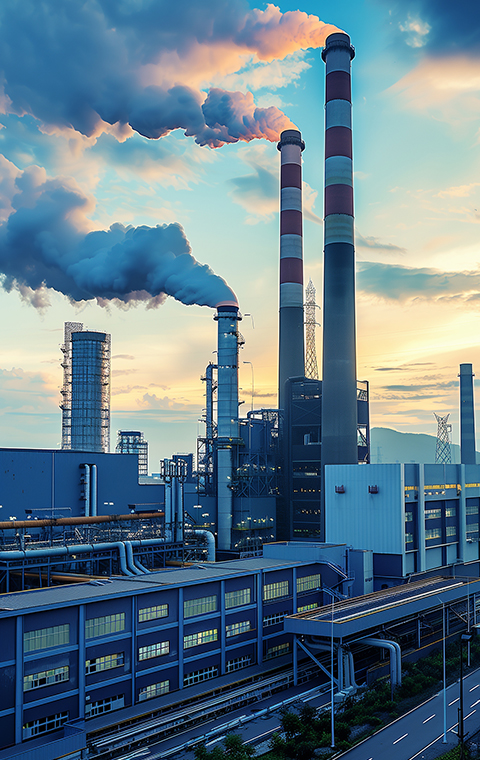
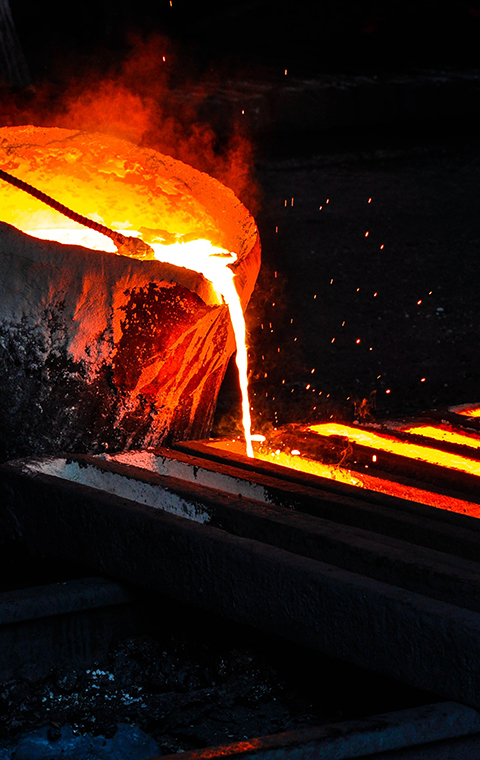
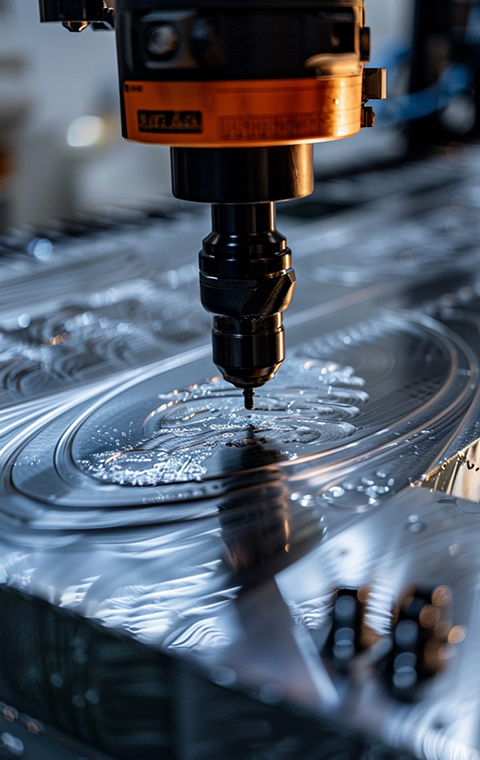
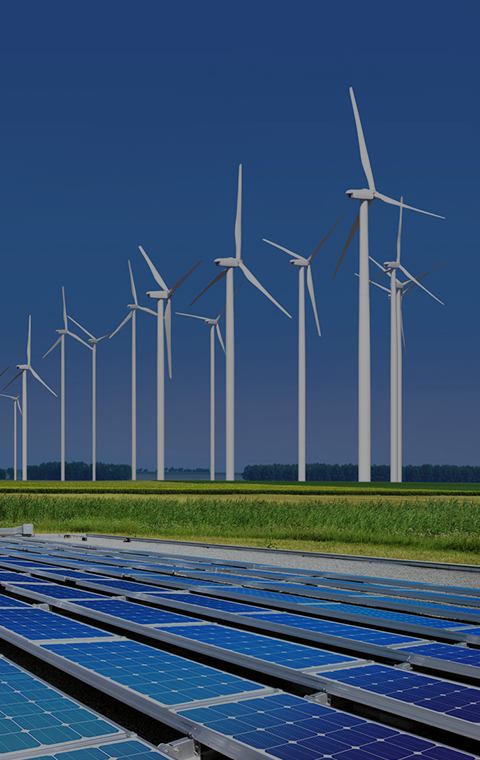
Looking ahead, the development trajectory of the Nickel Welding Tube For Hydrometallurgy Plants is closely aligned with the global push for sustainability and efficiency. As ore grades decline globally, hydrometallurgical plants are forced to process more complex and refractory ores, requiring even more aggressive leaching conditions. This operational reality is driving metallurgical innovation towards the creation of next-generation superalloys. We are witnessing a trend where traditional stainless steels and lower-grade alloys are being completely phased out in critical plant zones, replaced by custom-engineered nickel-titanium composites and highly alloyed nickel pipes.
Technological advancements in manufacturing, such as precision orbital welding and automated non-destructive testing (NDT), have significantly elevated the reliability of nickel welding tubes. Modern manufacturers now employ ultrasonic testing, X-ray radiography, and eddy current testing to ensure that every millimeter of the weld seam is free from micro-fissures or porosity. Furthermore, the integration of digital twin technology and IoT sensors within piping networks allows for real-time monitoring of pipe wall thickness and corrosion rates. This predictive maintenance approach ensures that a Nickel Welding Tube For Hydrometallurgy Plants can be monitored dynamically, preventing unexpected ruptures and optimizing planned maintenance schedules.
As the industry moves towards "Green Metallurgy" to support the renewable energy transition, the demand for high-purity metals will only intensify. Nickel welding tubes play a foundational role in this ecosystem. By ensuring zero-leakage and high thermal efficiency in hydrometallurgical processes, these advanced piping systems directly contribute to lowering the carbon footprint of metal extraction, aligning industrial operations with stringent global environmental standards.
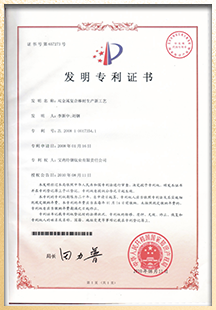
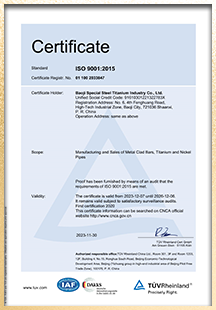
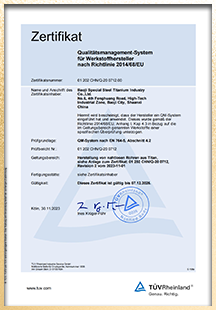
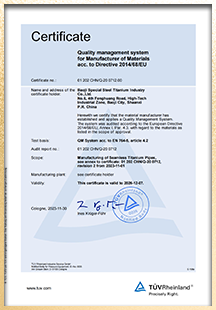
Stable product quality, integrity as the core of the business philosophy, trusted by global customers.
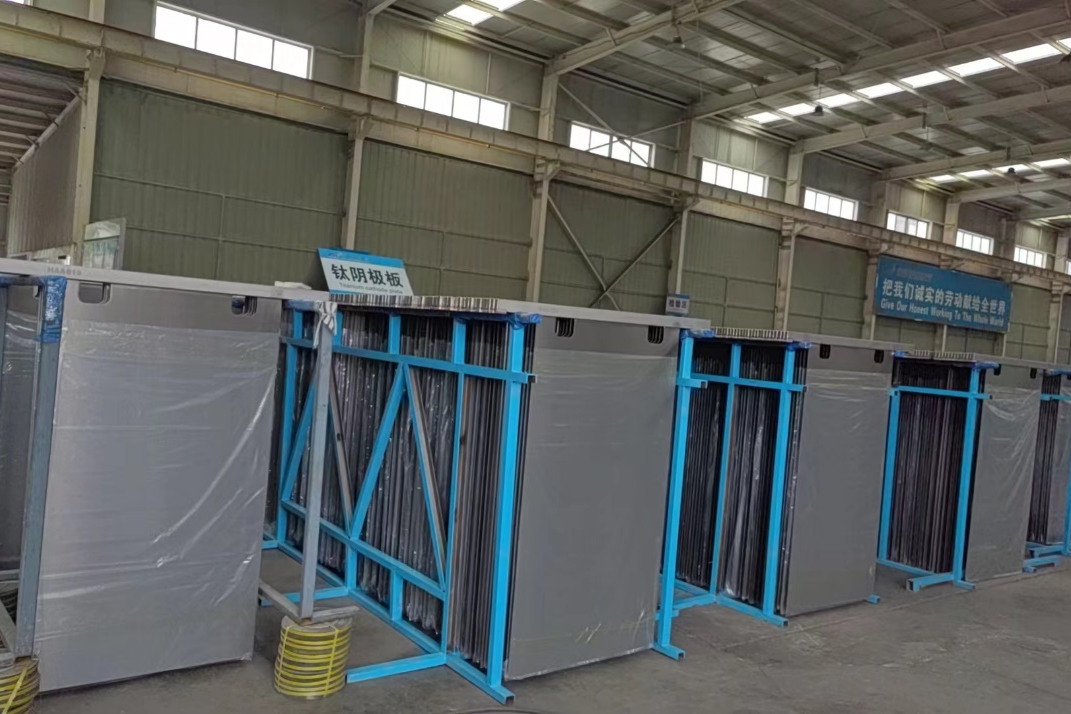
Powering Global Mining Operations with Precision Titanium and Nickel Solutions. Ensuring seamless fluid dynamics in extreme acidic conditions.
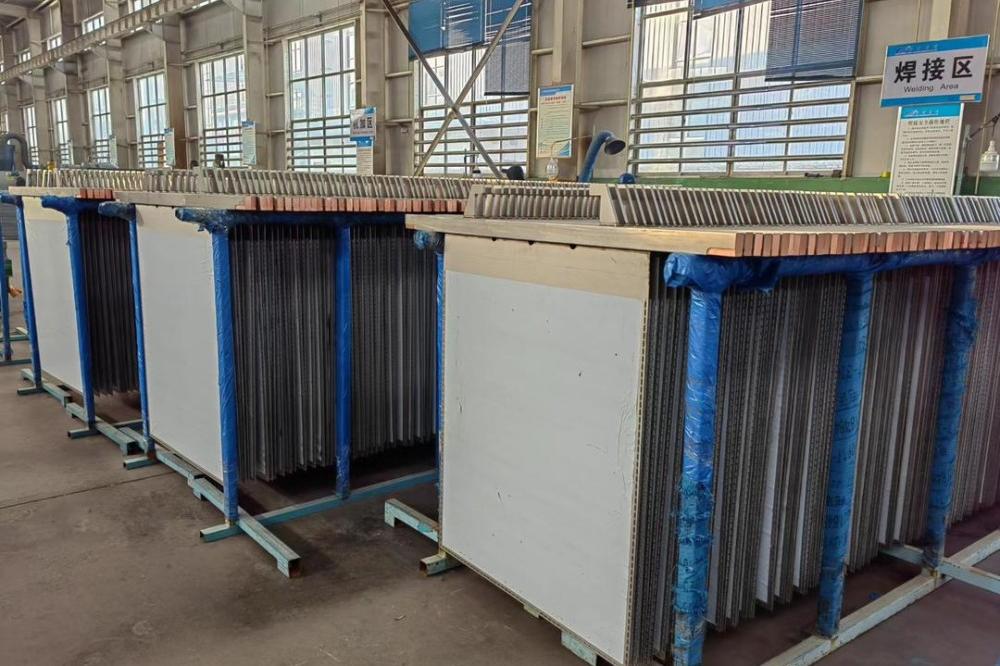
Integration of high-quality nickel pipes to optimize the High-Pressure Acid Leaching (HPAL) circuits, significantly reducing maintenance downtime.
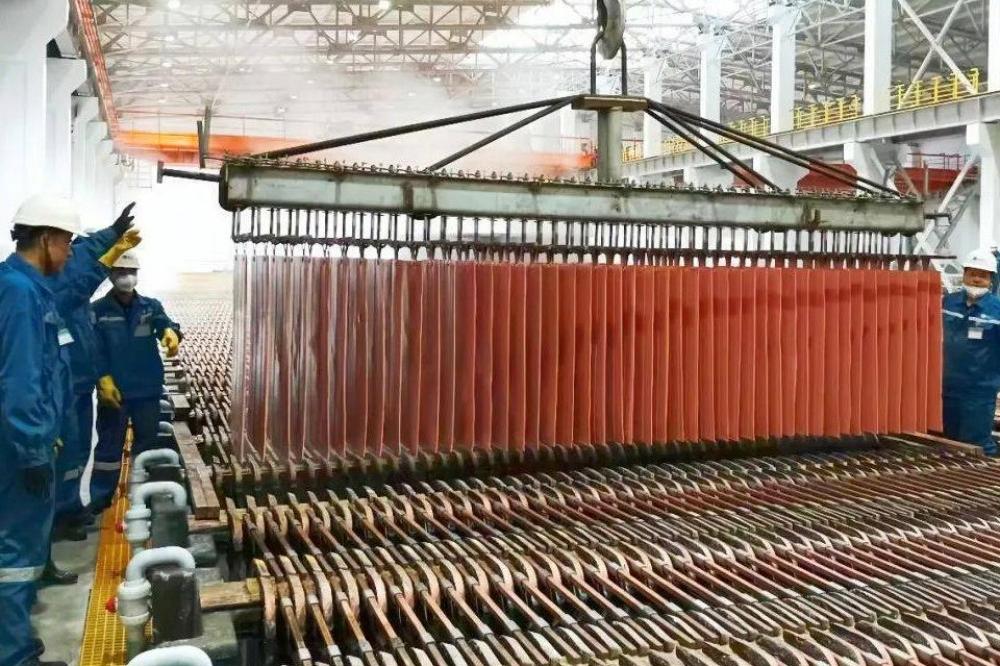
Delivered premium nickel welding tubes for solvent extraction facilities, enhancing the purity of cobalt and nickel sulfate production for EV batteries.
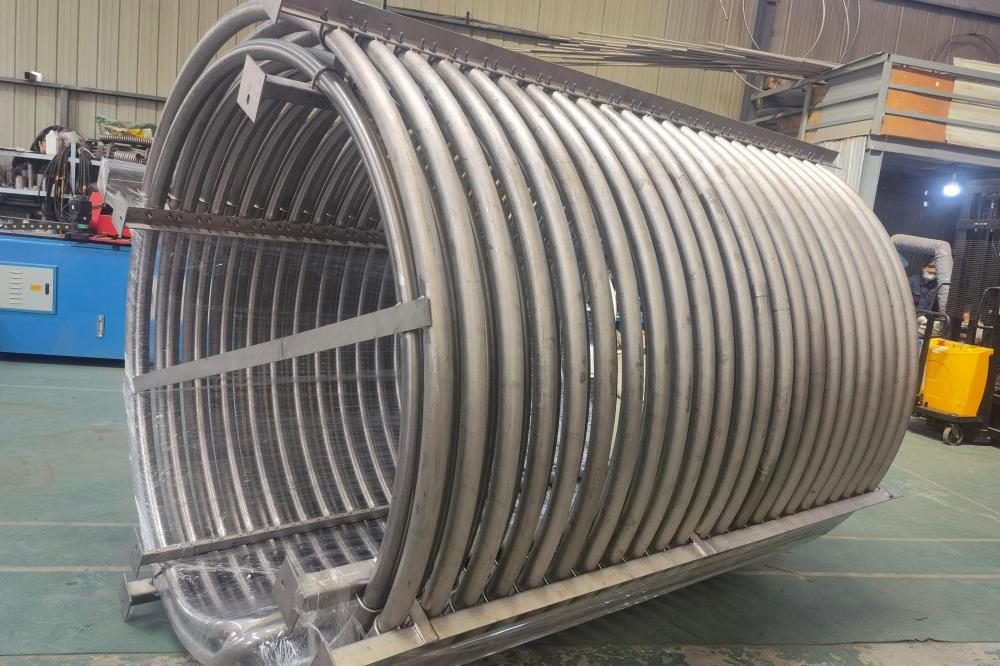
Implemented corrosion-resistant nickel and titanium piping networks to handle aggressive chemical reagents safely and efficiently.
IATF 16949, CE, FMEA, PPAP, APQP, SPC AND MSA 100% TESTED. Delivering excellence since 1997.