



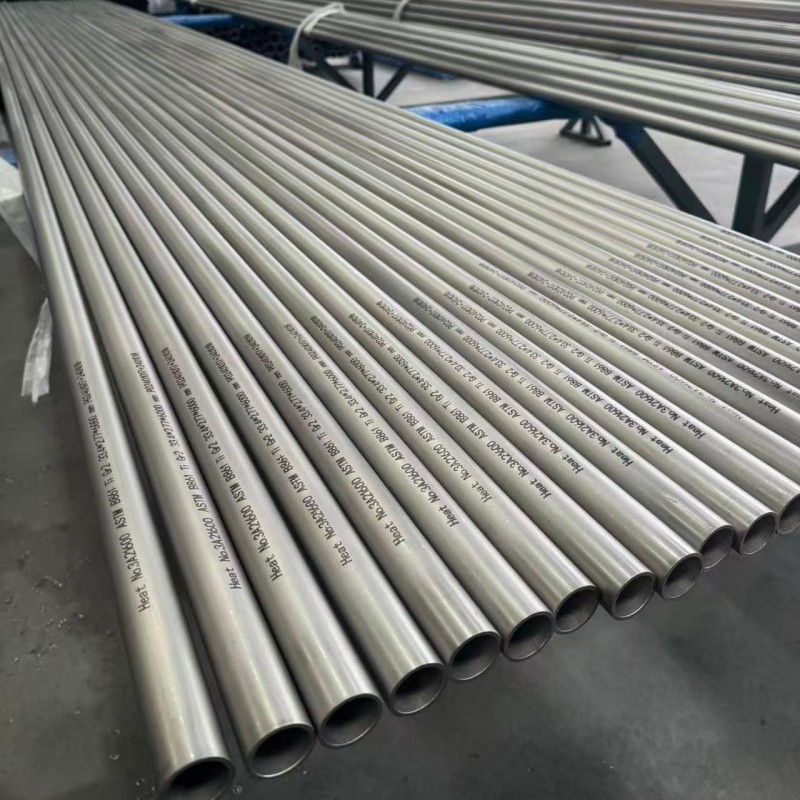
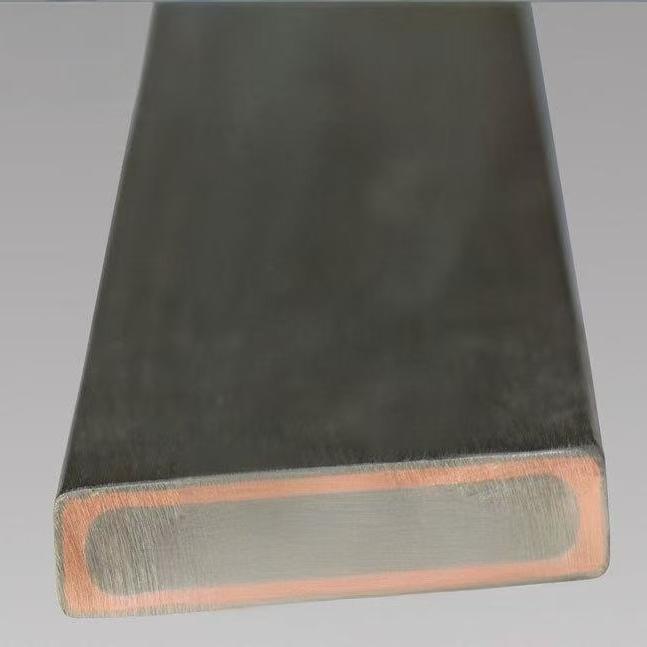

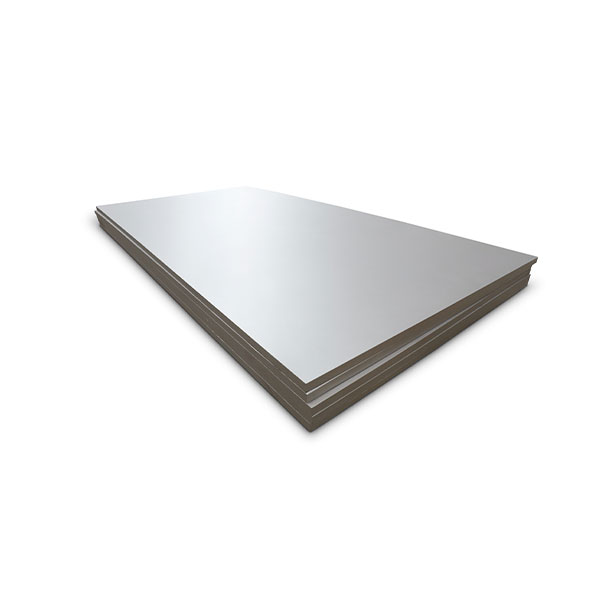
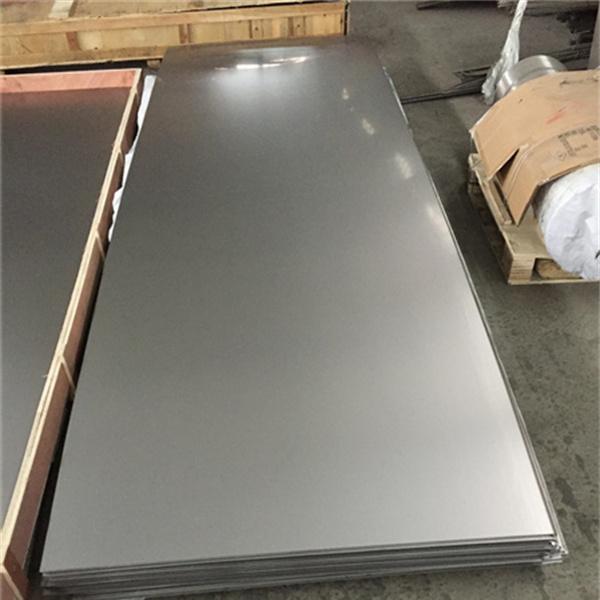
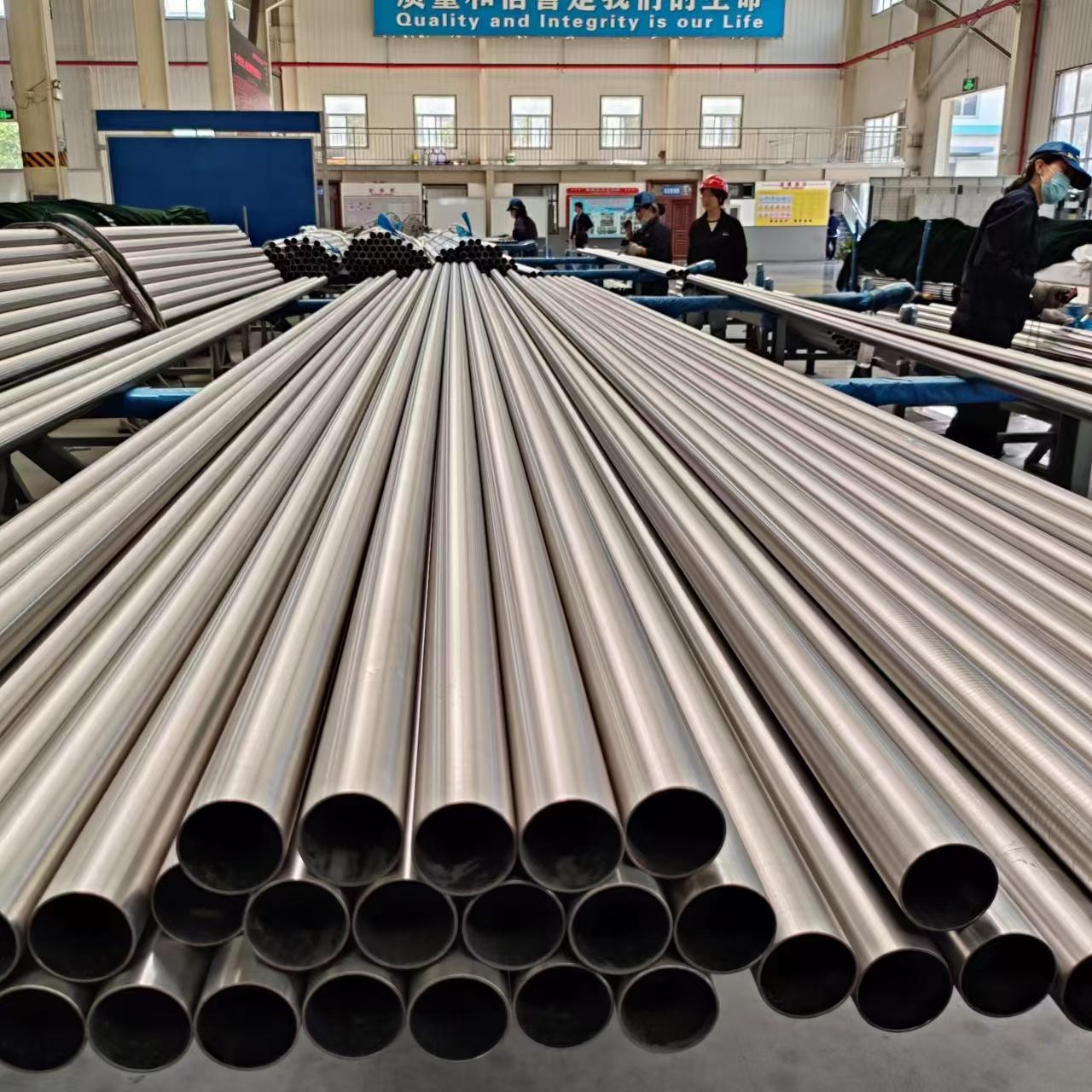
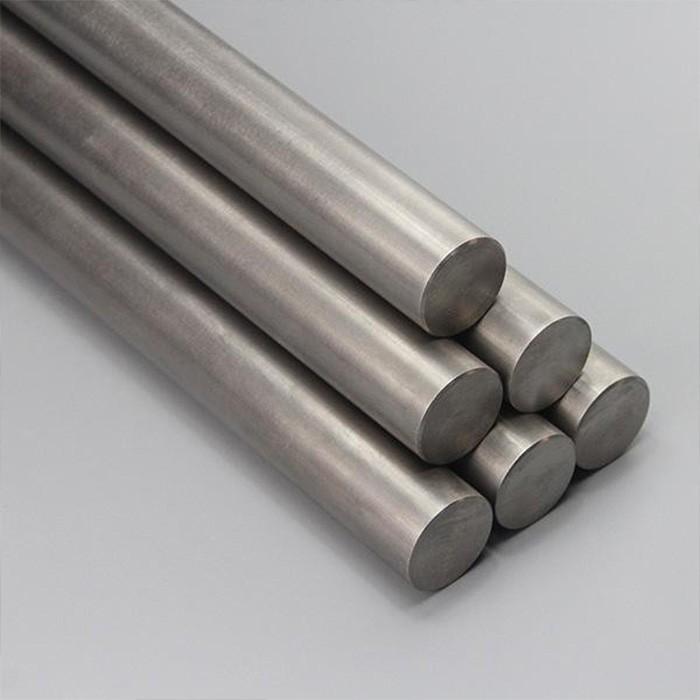
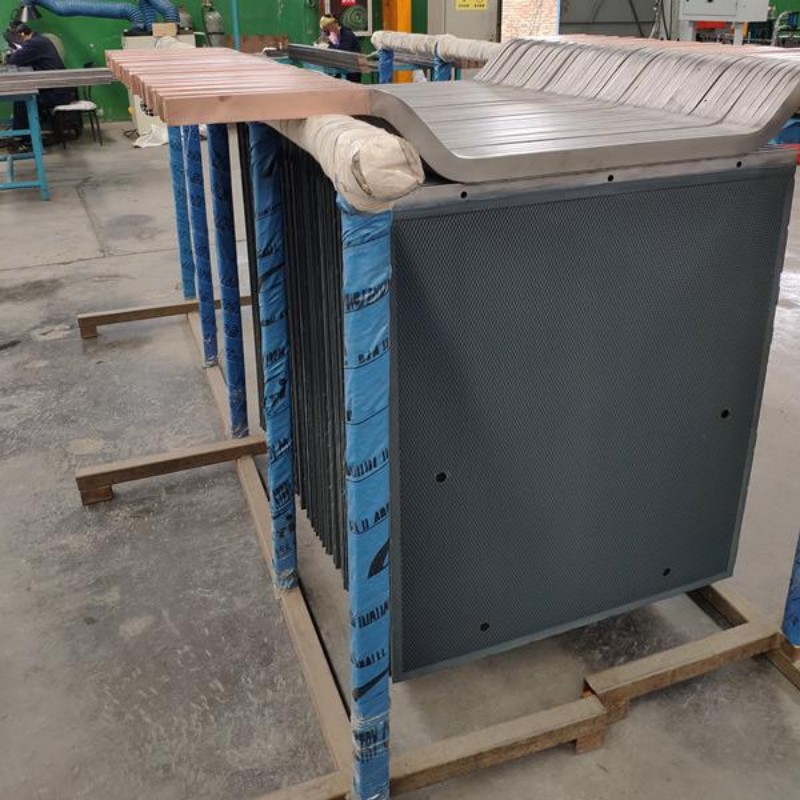
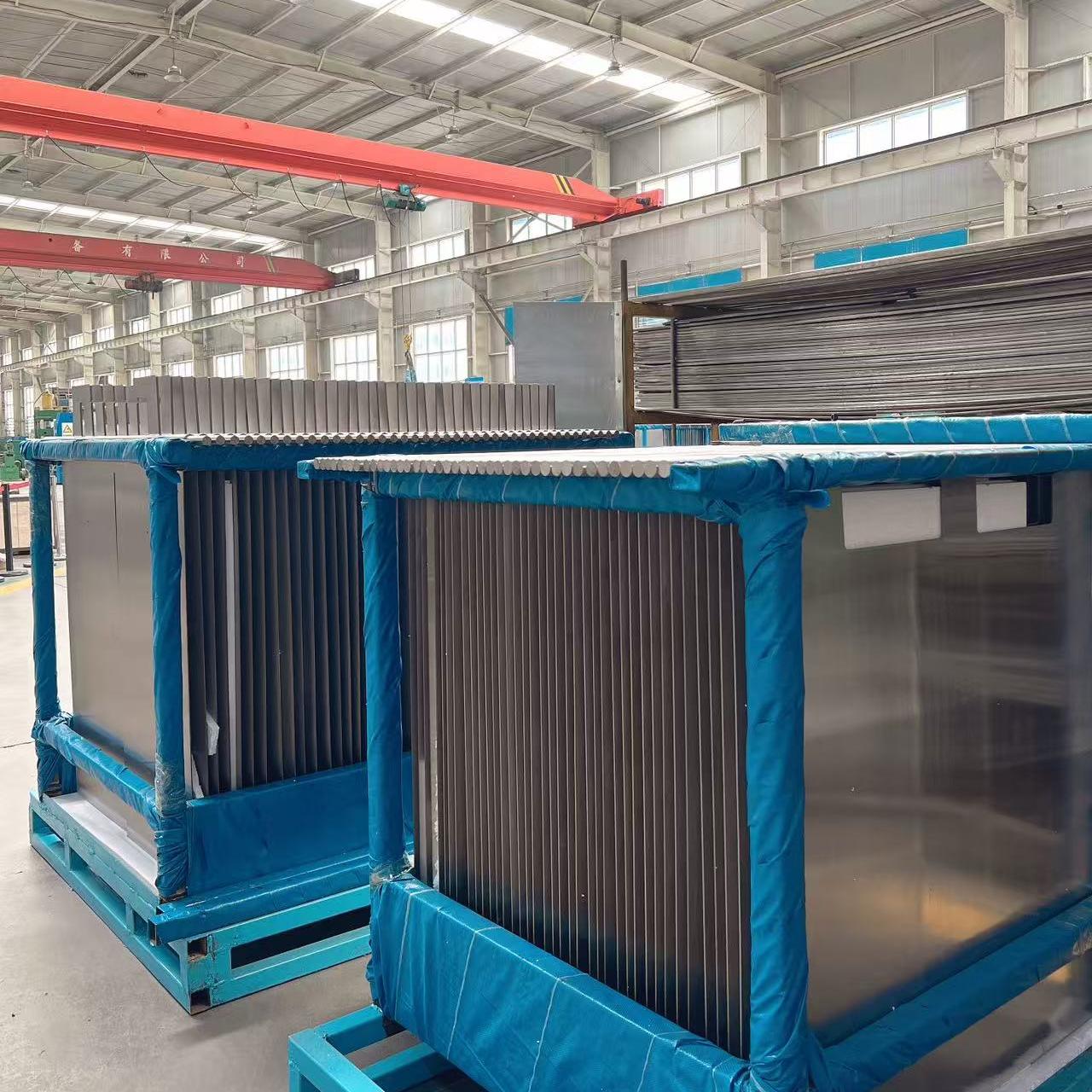


Premium Quality Titanium Cathodes from China Suppliers - Factory Direct Titanium Clad Copper Hanger Bars & Plates
Product Features
1. Excellent Corrosion Resistance
Titanium exhibits outstanding corrosion resistance in oxidative media and chloride ion environments, and can withstand the long-term erosion of acidic electrolytes such as copper sulfate, nickel sulfate, and zinc chloride. A dense oxide film (TiO₂) forms easily on its surface, which is highly stable and has a long service life (typically over 5 to 10 years).
2. Good Electrical Conductivity and Low Resistance
Titanium itself has a relatively high resistivity, but its conductivity can be significantly enhanced and the cell voltage reduced by applying special surface treatments, such as coating with noble metal oxide layers, thereby saving electrical energy. Common coating materials include ruthenium-iridium (Ru-Ir) and platinum (Pt), which possess both catalytic activity and stability.
3. High Strength and Lightweight
Titanium has a density of only 57% that of steel, yet its strength is close to that of common steel. It is easy to install and transport, and can withstand mechanical stress during the electrolysis process. It has good rigidity and is not prone to deformation under long-term current, ensuring the stability of the plate spacing.
4. Surface Characteristics Optimization
The surface can undergo treatments such as sandblasting and activation to enhance the adhesion of the coating, or be designed with specific patterns to facilitate gas release (such as hydrogen evolution during electrolysis). The coating can reduce the overpotential for metal deposition and increase current efficiency.
5. Environmental Protection and Economy
Long service life reduces replacement frequency and lowers maintenance costs. Titanium material is recyclable and requires less coating metal, meeting the requirements of green production.
Product Display
Application Field Analysis
Hydrometallurgy (Electrolytic Extraction/Refining)
Copper electrolysis: Used as the hanging ear of stainless steel cathode plates or as a substitute for some cathode components to produce high-purity cathode copper (above 99.99%).
Zinc electrolysis: Serves as the cathode plate in zinc sulfate electrolyte to deposit zinc metal, resistant to acid corrosion and easy to strip the zinc layer.
Nickel, cobalt, manganese electrolysis: Applied in sulfate or chloride systems, capable of withstanding high-temperature and strong acid environments.
Electroplating Industry
As insoluble cathodes or anodes, coating titanium cathodes are used in precious metal plating (such as gold plating and platinum plating), ensuring uniform current distribution.
Chlor-alkali Industry
In the ion-exchange membrane electrolytic cell, the titanium cathode plate serves as a component of the cathode chamber and is subject to the corrosion of high-temperature and high-concentration alkaline solution.
Environmental Protection Field (Electrochemical Water Treatment)
It is used in electrocoagulation, electro-Fenton and other processes to treat heavy metal-containing wastewater. The titanium substrate is corrosion-resistant and the coating has high catalytic activity.
Preparation of New Energy Materials
It is used as a cathode carrier in the electrolysis of lithium battery material precursors (such as electrolytic manganese dioxide) and in the field of hydrogen energy (electrolysis of water for hydrogen production).
Conclusion
Titanium cathode plates, with their advantages of corrosion resistance, lightweight, long service life and modifiable coating, have become the core components of high-end electrolytic processes. With the improvement of efficiency and quality in hydrometallurgy and the rapid development of the new energy industry, their application scenarios will further expand. Technological innovation is focused on high-performance coatings, structural lightweighting and cost optimization to meet the demands of green manufacturing and energy conservation.
Baoji Special Steel Titanium Industry Co., Ltd. has been dedicated to researching and manufacturing composite electrode plate series products for nearly two decades. During this period, they have continuously improved the production equipment and gradually achieved production automation. Titanium cathodes and stainless steel cathode products have reached hundreds of thousands of pieces, which have been exported to countries such as South Africa, Chile, Zambia and Canada, and have established good long-term cooperative relationships with international renowned customers.