



Navigating the Seamless vs. Welded Titanium Tube Dilemma
For equipment design engineers, plant metallurgists, and technical procurement specialists, selecting the optimal titanium tubing is a critical decision that influences operational life, pressure vessel compliance, and capital investment.
Seamless Titanium Tube (SMLS)
Manufactured via ingot melting, billet extrusion, cold rolling, and multiple pilgering passes followed by vacuum annealing. Seamless titanium tubes exhibit no longitudinal weld line, presenting a continuous, isotropic metallurgical microstructure capable of withstanding extreme cyclic stresses and hydrostatic burst pressures.
- Standard Specifications: ASTM B861 (Pipe), ASTM B338 (Tubing), ASME SB338
- Zero risk of weld seam preferential galvanic attack or heat-affected zone (HAZ) segregation
- Supreme safety margins in severe high-pressure, vibrating, and subsea environments
- Sizes typically span OD 1.5mm up to 219mm with heavy wall options
Welded Titanium Tube (WLD)
Formed from cold-rolled titanium strip or coil (ASTM B265) through precision continuous roll-forming lines, automated Tungsten Inert Gas (TIG) or laser welding without filler metal, followed by in-line weld reduction and vacuum annealing.
- Standard Specifications: ASTM B338, ASTM B862 (Welded Pipe)
- Ultra-tight wall thickness concentricity and uniform outer diameter (OD) tolerances
- Cost-effective alternative with up to 25%–40% raw material cost savings
- Standard choice for thin-walled condenser tubes, desalination, and power plants
What Are the Key Differences Between Seamless and Welded Titanium Tubes?
Understanding manufacturing origins provides direct insight into grain structures, residual stress profiles, and defect risks across demanding industrial processing lines.
1. Microstructure & HAZ
Seamless tubes feature homogenous alpha or alpha-beta grain morphology throughout the circumference. Welded tubes possess three distinct microstructural zones: base metal, heat-affected zone (HAZ), and fused weld zone. Modern vacuum annealing recrystallizes this zone, yet subtle grain coarsening remains detectable under metallographic etching.
2. Concentricity & Tolerance
Because welded titanium tubing starts as precision cold-rolled strip, wall thickness variation is exceptionally tight (often within ±5%). Seamless tubes, originating from rotary piercing or extrusion, inherently display slight eccentricities (wall variations up to ±10% to ±12.5% under standard ASTM B338 tolerances).
3. Production Limits & Lengths
Welded tubes can be continuously manufactured from strip coil in very long spools (up to 18,000 mm continuous) with thin walls (0.3 mm to 1.5 mm). Seamless production is limited by hollow billet mass and extrusion capacity, though it excels at heavy wall thicknesses exceeding 2.0 mm up to 15 mm.
| Evaluation Parameter | Seamless Titanium Tube (ASTM B861 / B338) | Welded Titanium Tube (ASTM B338 / B862) |
|---|---|---|
| Primary Manufacturing Route | Vacuum Arc Melting → Billet Forging → Piercing / Extrusion → Pilger Rolling → Anneal | Vacuum Annealed Coil → Roll Forming → Automated TIG / Laser Welding → Eddy Current Test |
| Wall Thickness Uniformity | Moderate (±10% to ±12.5% variation) | Superior (typically ±5% or better based on strip tolerance) |
| Pressure Rating Capabilities | Very High (Optimal for burst pressures > 150 bar) | Moderate-to-High (Governed by ASME joint efficiency factor E=0.85 to 1.0) |
| Thin Wall Feasibility (<0.5 mm) | Difficult and cost-prohibitive | Readily standard for high-efficiency heat transfer |
| Weld Seam Integrity Testing | Not applicable (full 100% monolithic body) | Requires 100% Eddy Current and Ultrasonic / Hydrostatic validation |
| Standard Industrial Applications | Downhole sour gas, high-pressure reactors, subsea hydraulic jumpers | Power plant surface condensers, seawater desalination, multi-effect evaporators |
How Do Strength, Dimensions, and Application Conditions Affect Selection?
Matching tube characteristics to your exact operating envelope prevents costly equipment downtime, premature stress corrosion cracking, or catastrophic vessel rupture.
Tensile Strength, Grade Selection & ASME Code Compliance
Unalloyed Titanium Grade 2 (ASTM B338 Gr.2) is the primary workhorse, delivering a minimum tensile strength of 345 MPa and yield strength of 275 MPa, combining excellent weldability with ductile formability. Where enhanced burst pressure or weight minimization is mandated, Ti Grade 9 (Ti-3Al-2.5V) increases minimum tensile yield up to 620–860 MPa. In high-pressure design codes (such as ASME BPVC Section VIII), seamless tubes avoid the 15% joint penalty factor (E = 0.85) applied to non-radiographed welded tubes, enabling thinner required wall profiles in extreme internal pressure regimes.
Dimensional Precision and Heat Exchanger Tube-to-Tubesheet Rolling
In tubular condensers and shell-and-tube heat exchangers, tube-to-tubesheet joint expansion is critical to eliminate leakage. Welded titanium condenser tubes feature precise outer diameter (OD) and tight wall tolerances, which ensure uniform roller expansion torque and consistent push-out shear force. Seamless tubes may exhibit slight ovality or wall gauge variation, requiring individualized tube hole reaming or adaptive torque rolling techniques.
Corrosive Media, Temperature & Hydrogen Embrittlement
While unalloyed titanium spontaneously forms a tenacious, self-healing rutile TiO₂ protective oxide layer up to 315°C, reducing acid environments (hydrochloric, sulfuric, or wet chlorine with crevices) require palladium- or ruthenium-stabilized titanium grades such as Grade 7 (Ti-0.15Pd) or Grade 12 (Ti-0.3Mo-0.8Ni). In aggressive crevice geometry, welded tubes must be fully re-crystallized via continuous vacuum anneal to guarantee the weld seam does not suffer micro-galvanic cell accelerated corrosion.
How Should Buyers Compare Costs Without Compromising Quality?
Balancing initial procurement outlay against Life Cycle Cost (LCC) and total risk mitigation is the mark of high-performing industrial procurement teams.
1. Material Yield and Capital Expenditure (CAPEX)
Continuous strip manufacturing achieves material utilization rates exceeding 90%, whereas seamless tube hollow extrusion and pilgering produce greater swarf and scrap loss. As a result, welded ASTM B338 titanium tubing is typically 20% to 35% less expensive on a per-meter basis than equivalent seamless products.
- For thin-walled condenser installations (<1.0mm WT), welded tubes deliver massive savings.
- For small batch quantities or non-standard diameters, seamless can be quicker to tool up.
2. Quality Assurance Protocols without Cost Inflation
Buyers should not default to seamless tubes simply out of caution. Specifying strict, value-added Non-Destructive Testing (NDT) on welded tubes secures total structural reliability while locking in significant budget reductions.
- Demand 100% In-line Eddy Current Testing per ASTM B338 requirements.
- Incorporate mandatory Flattening, Flaring, and Reverse Bend testing per lot.
- Verify Pneumatic Air-under-Water (min 0.7 MPa) or Hydrostatic verification.
- Ensure EN 10204 3.1 Mill Test Certificates verify vacuum annealing parameters.

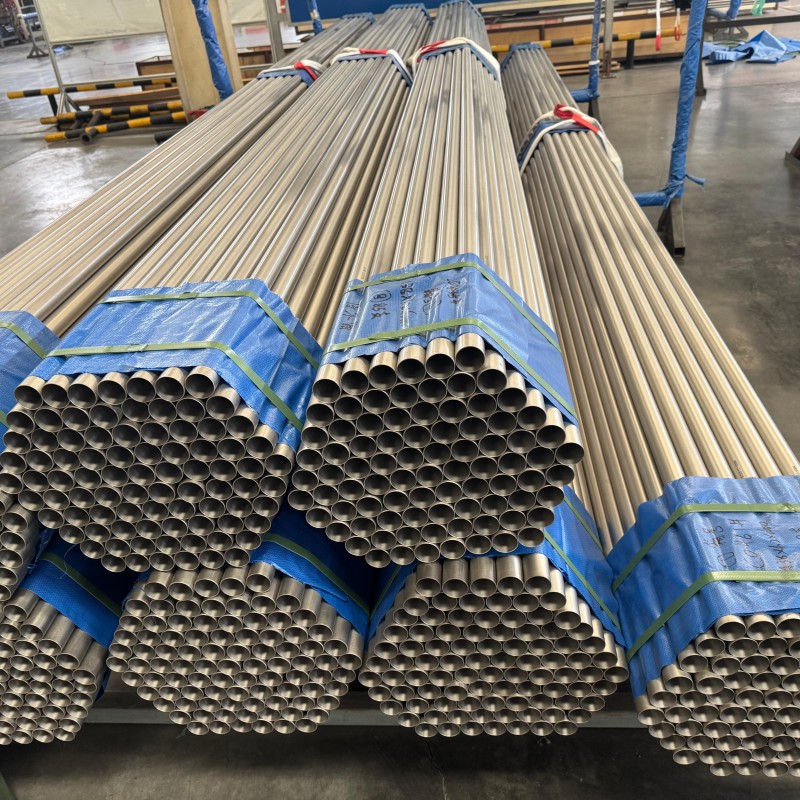
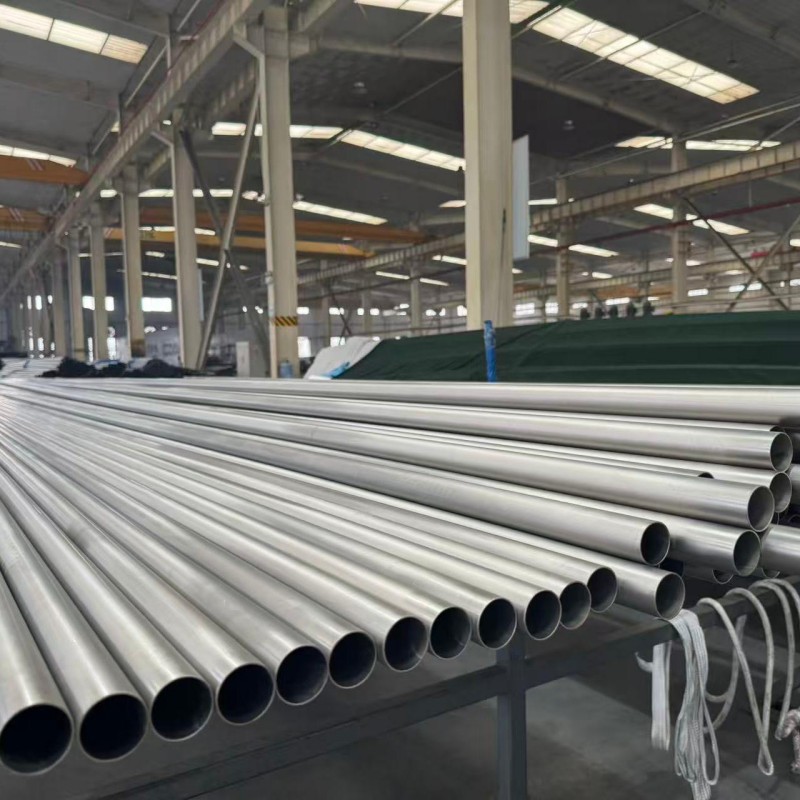
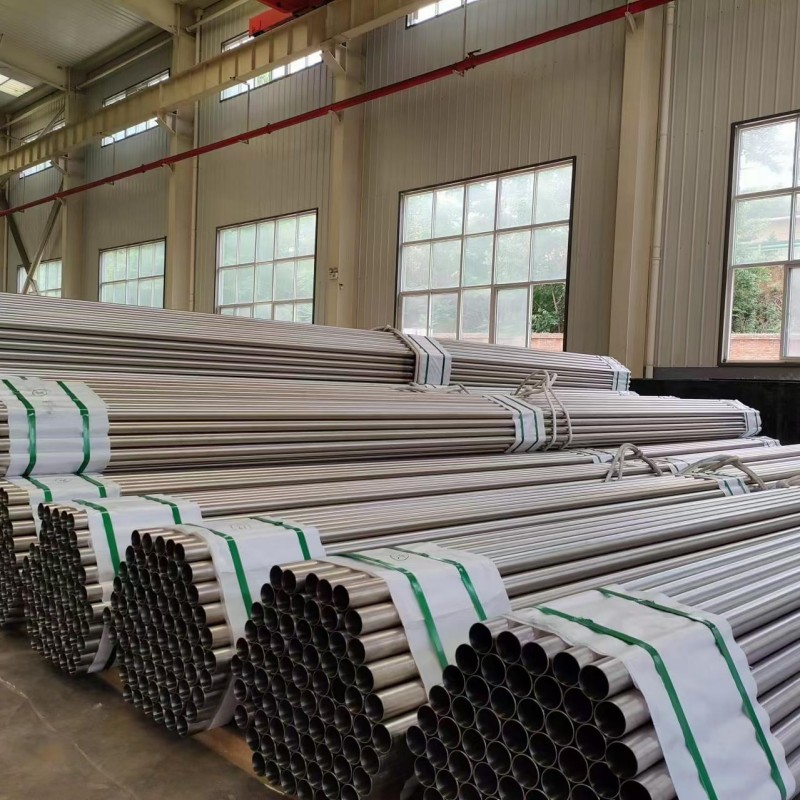
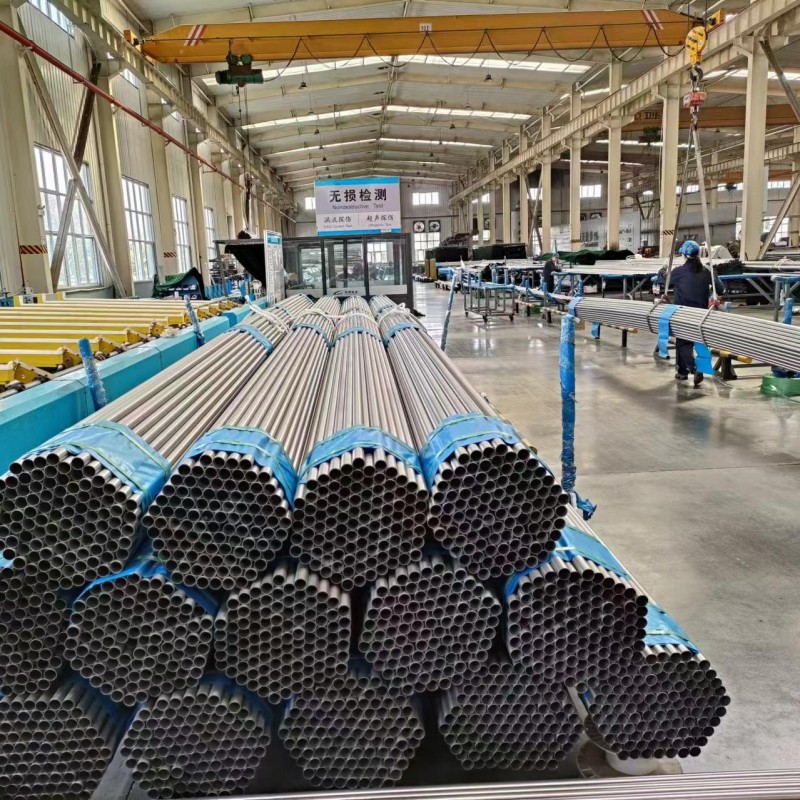
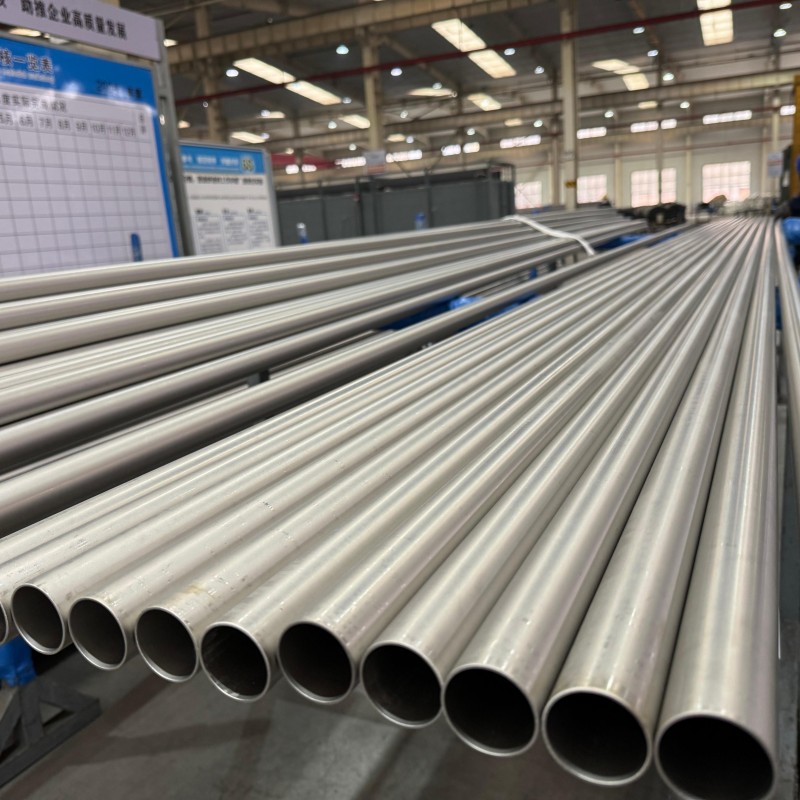
High quality Titanium tube and pipe ASTM B338
Titanium Tube Mechanical Properties & Tensile Requirements
Titanium tube offers significant structural benefits: low specific density (approx. 4.51 g/cm³), outstanding specific strength, and unmatched passivating resistance in oxidizing media, brine, and chlorides. Below are the certified mechanical specifications across ASTM titanium tube grades:
| Grade | Tensile Strength, min | Yield Strength, 0.2% offset Yield | Elongation in 2 in. or 50mm, Min. % | ||||
|---|---|---|---|---|---|---|---|
| Ksi | MPa | Min. (Ksi / MPa) | Max. (Ksi / MPa) | ||||
| Gr. 1 | 35 | 240 | 20 | 138 | 45 | 310 | 24 |
| Gr. 2 | 50 | 345 | 40 | 275 | 65 | 450 | 20 |
| Gr. 3 | 65 | 450 | 55 | 380 | 80 | 550 | 18 |
| Gr. 5 (Ti-6Al-4V) | 130 | 895 | 120 | 828 | - | - | 10 |
| Gr. 7 (Ti-0.15Pd) | 50 | 345 | 40 | 275 | 65 | 450 | 20 |
| Gr. 9A (Cold Worked/Relieved) | 90 | 620 | 70 | 483 | - | - | 15 |
| Gr. 9B (Annealed) | 125 | 860 | 105 | 725 | - | - | 10 |
| Gr. 12 (Ti-0.3Mo-0.8Ni) | 70 | 483 | 50 | 345 | - | - | 18 |
| Gr. 16 | 50 | 345 | 40 | 275 | 65 | 450 | 20 |
State-of-the-Art Titanium Tubing Facility
Explore our full metallurgical chain: vacuum arc remelting (VAR), cold extrusion, pilger rolling mills, continuous annealing furnaces, and ultrasonic testing units.
Mill Product Display: ASTM B338 / ASTM B861 Certified Tubing
Precision finished seamless titanium tube, pickled and vacuum-annealed welded tubes, and condenser tube bundles ready for global export.
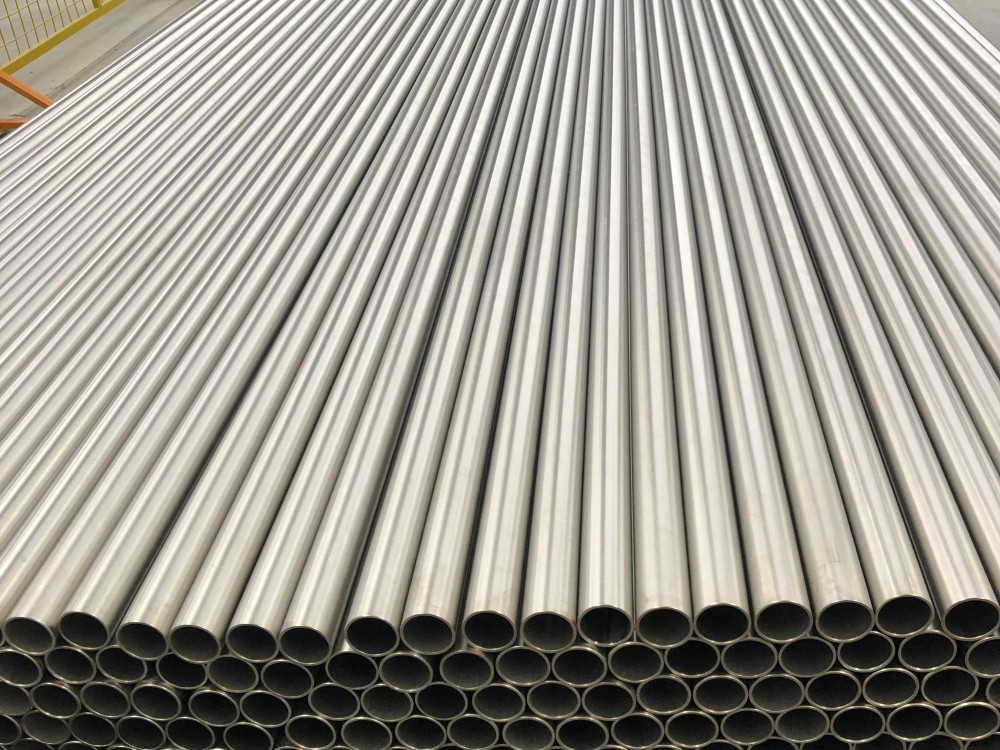
Titanium Process Pipe
ASTM B861 Grade 2 Seamless
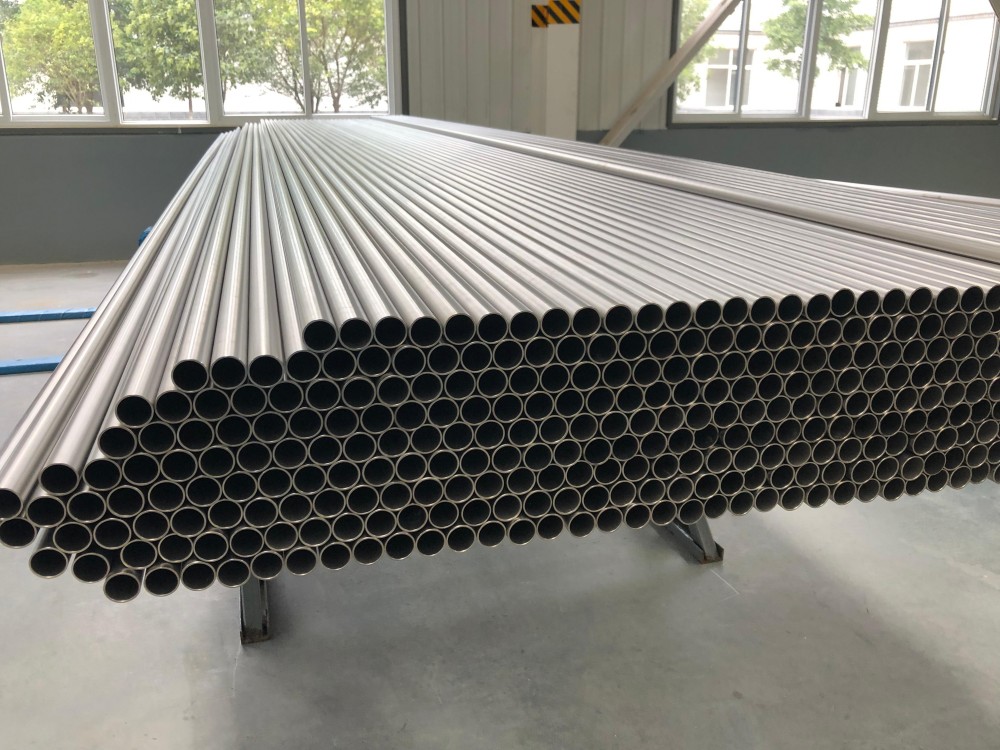
Cold Rolled Seamless Tubes
Precision Pilgered Surface Finish
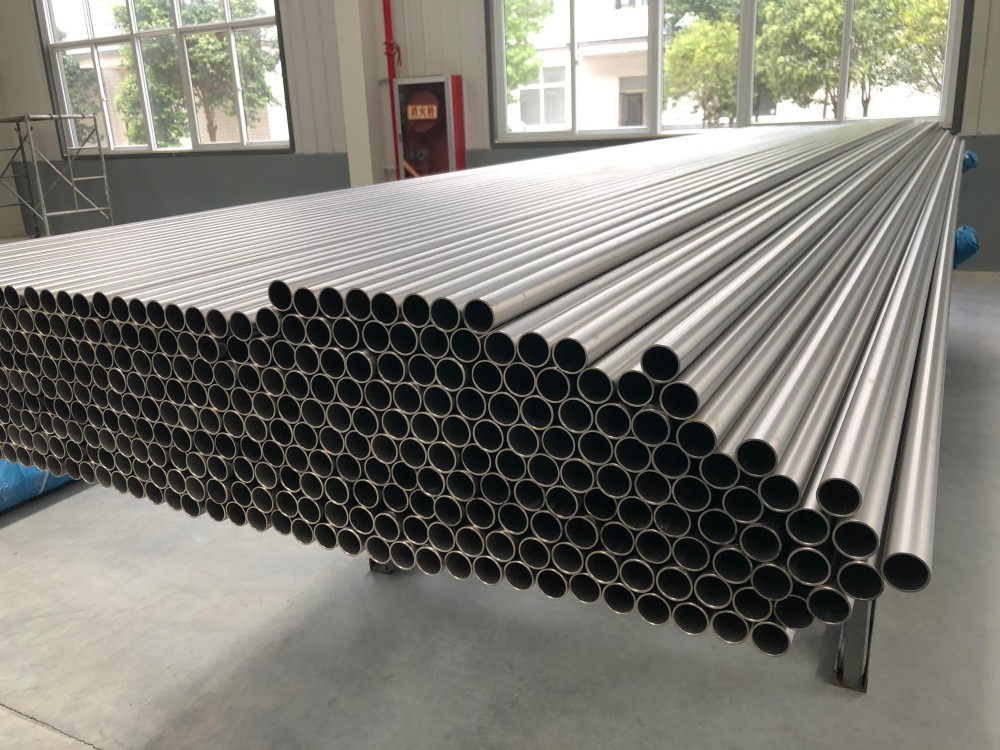
Heavy Wall Titanium Seamless
High Pressure Reactor Tubing
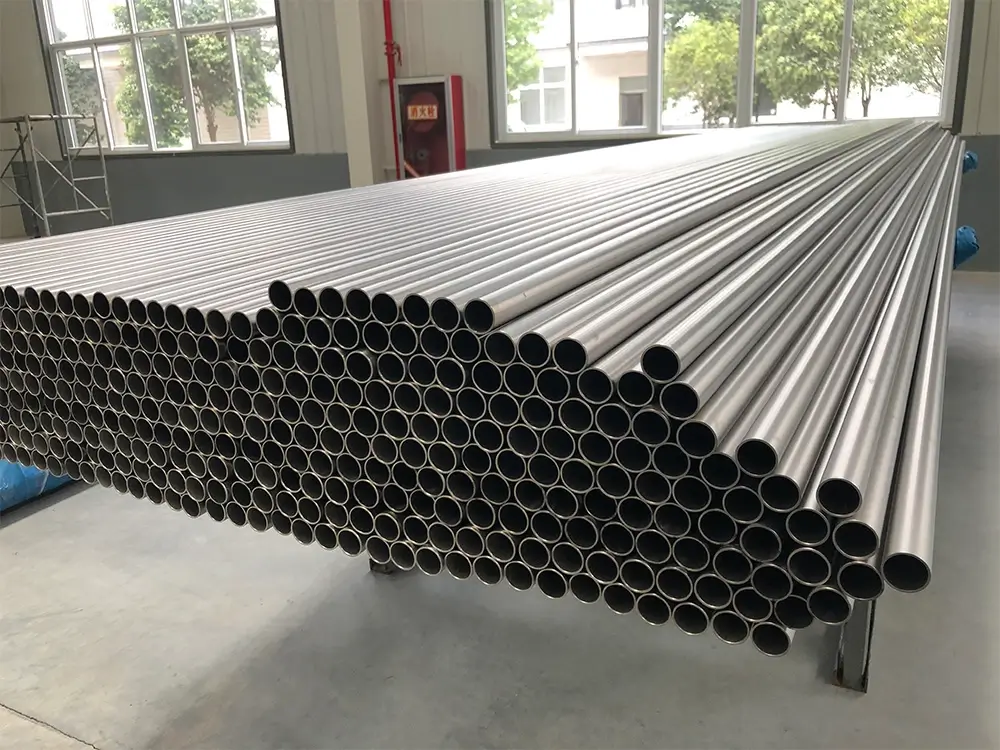
Titanium Condenser Tube
ASTM B338 Welded / SMLS
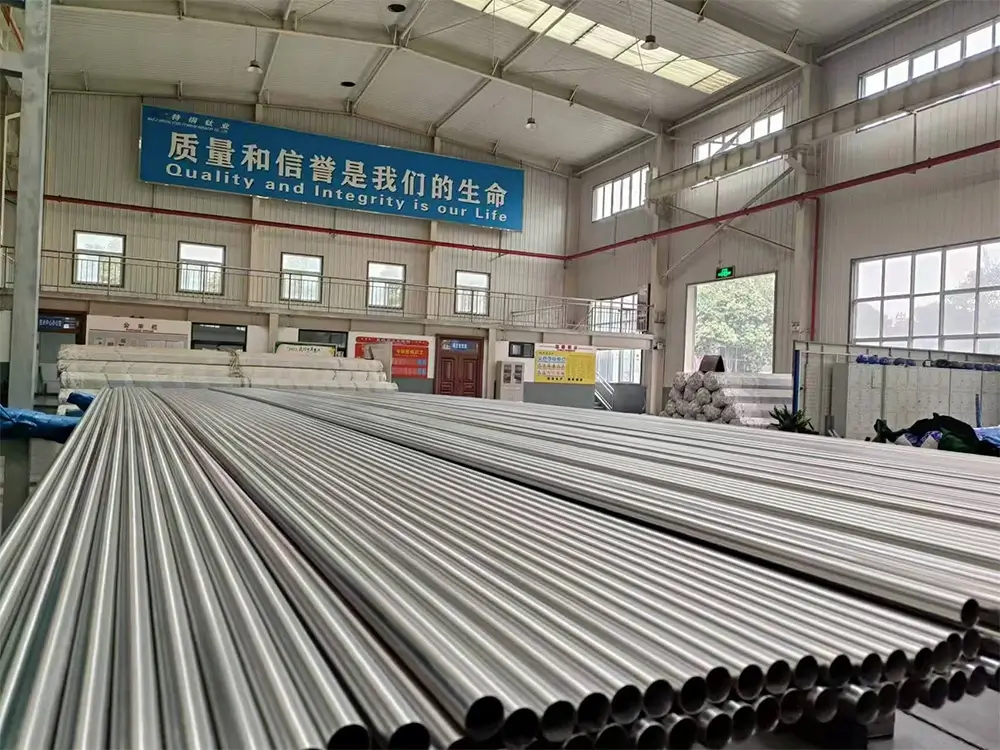
Bright Annealed Tubes
Vacuum Heat Treated Finish
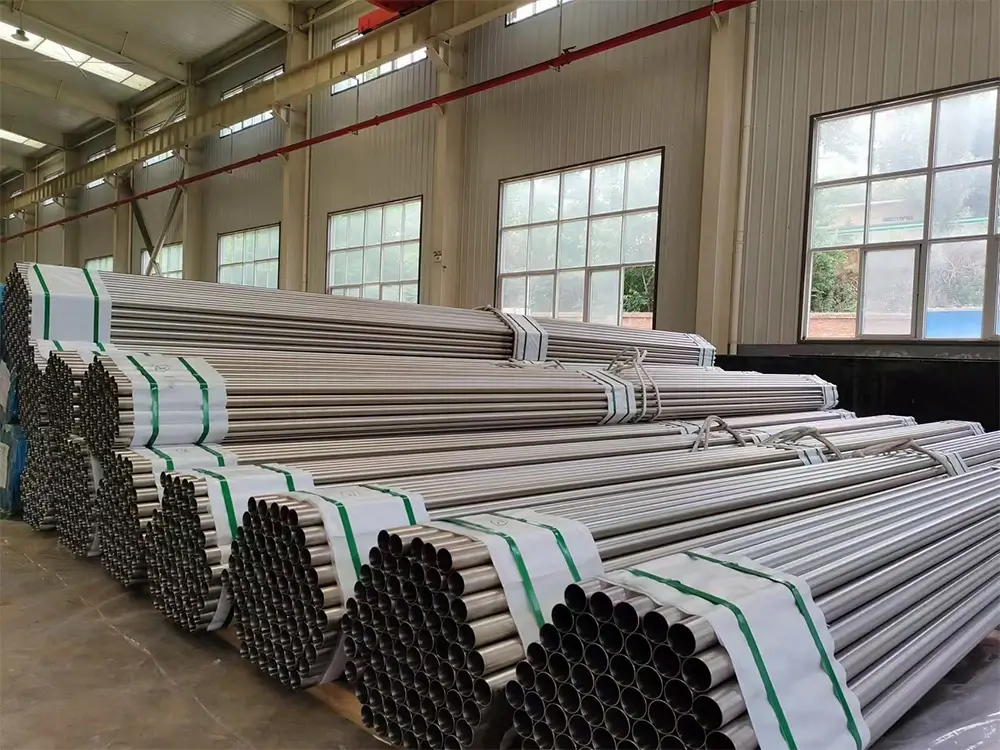
U-Bent Heat Exchanger Tubes
Stress Relieved Bends per TEMA
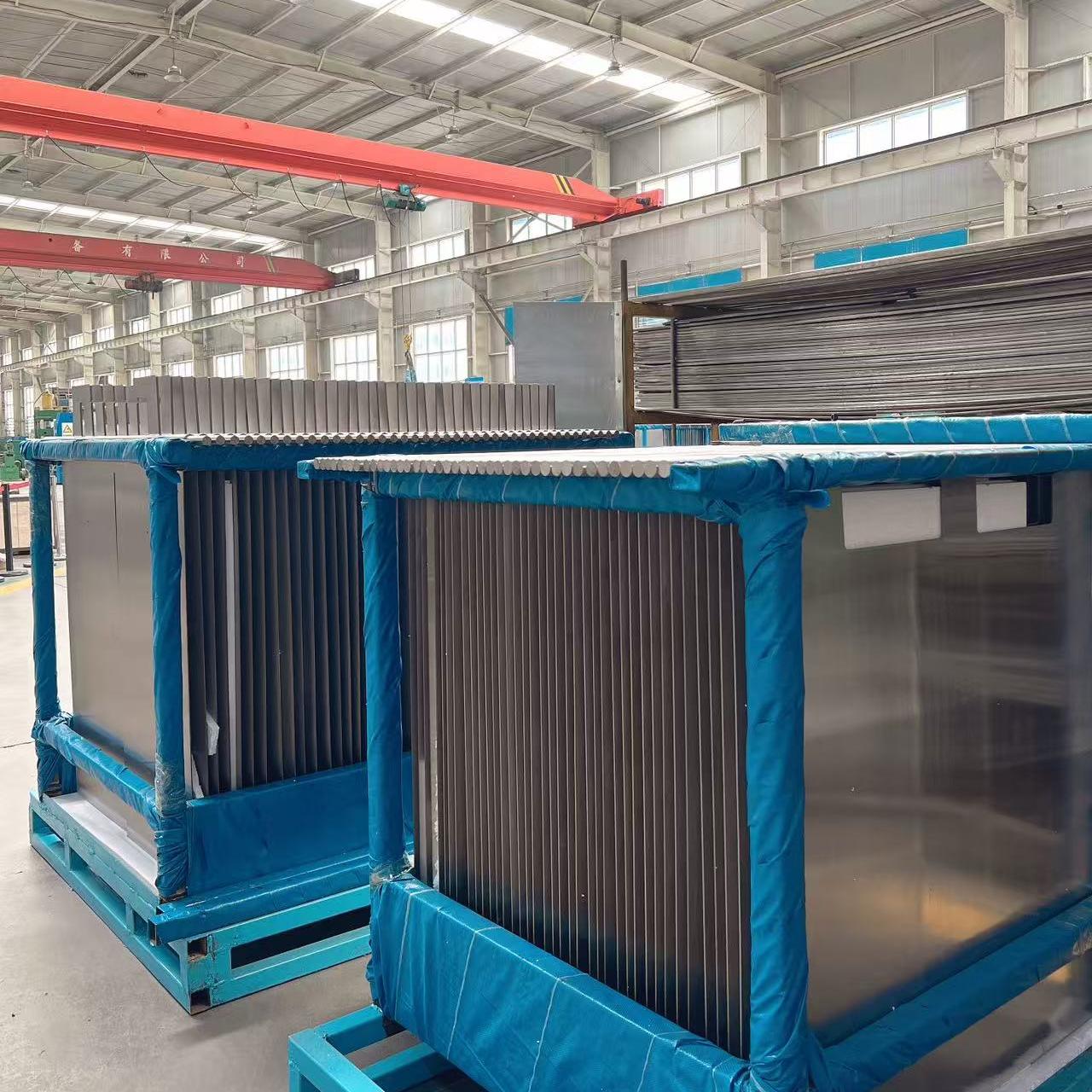
Featured Industrial Materials & Electrochemistry Products
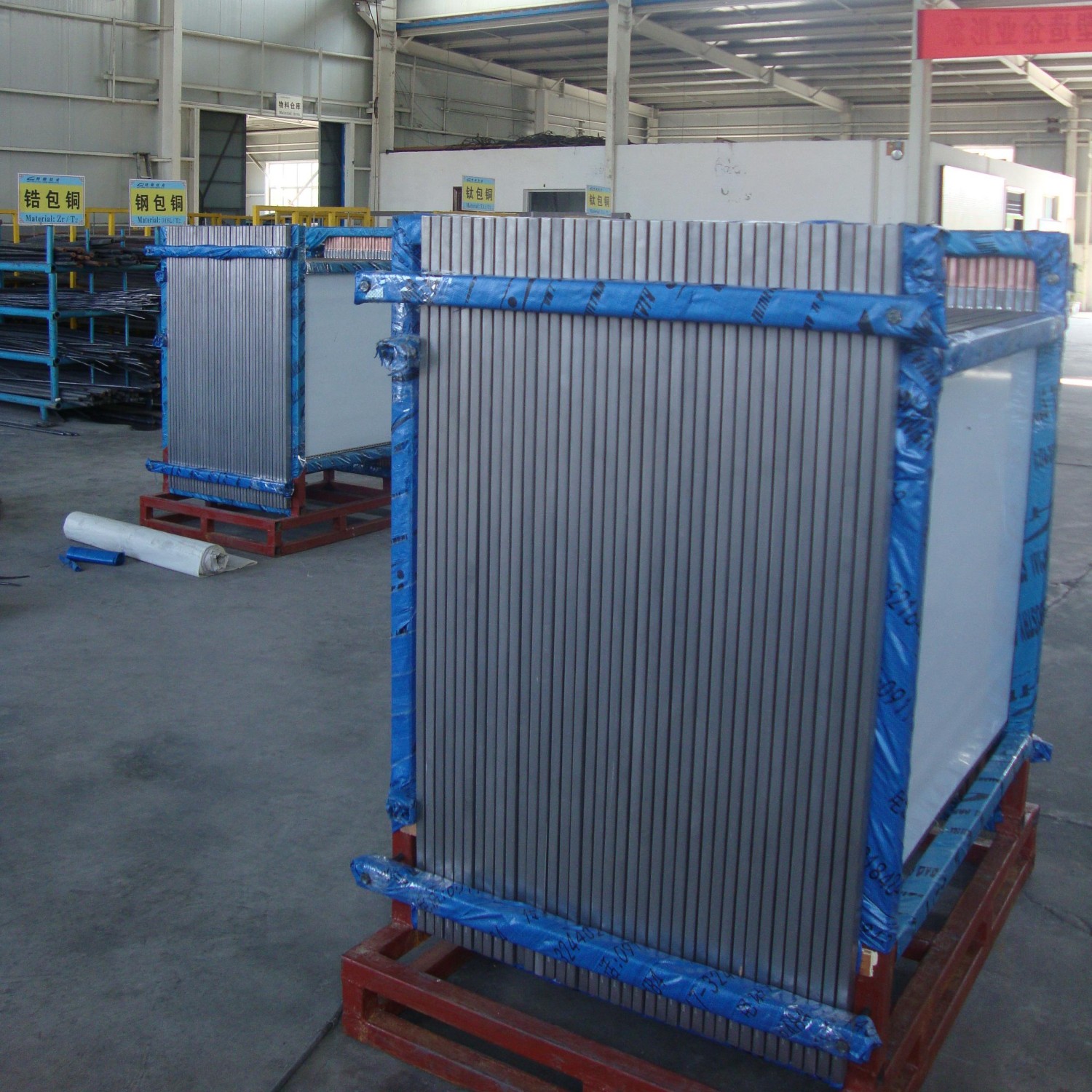
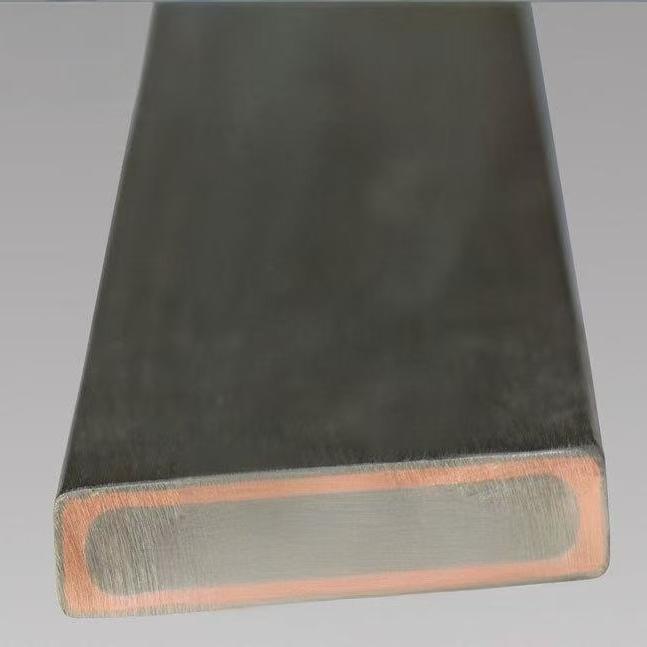
Alongside precision titanium tubing, our manufacturing base supplies engineered anodes, nickel alloys, and metallurgical clad bars for comprehensive plant construction.

Industrial Solutions & Real-World Deployments
From offshore nuclear thermal stations to chlor-alkali electrolysis, our seamless and welded titanium tubes perform under severe mechanical stresses.

Chemical Engineering
Severe nitric and organic acid cooling systems.

Hydrometallurgy
Autoclave heat exchangers for nickel & cobalt extraction.

Electroplating & Surface
Titanium serpentine heating coils and steam piping.

Power Generation & Energy
Nuclear power turbine condensers and MED desalination.
Featured Enterprise Case Studies
Trusted by tier-one mining houses and chemical processors worldwide.

Mining & Electrolytic Industry
Delivering high-volume seamless titanium tubing and dimensionally stable anodes for continuous metallurgical leaching circuits.
View Case Study →
Jinchuan Group Co., Ltd.
Custom ASTM B338 Gr.2 titanium condenser tubes integrated into multi-stage nickel-copper smelting evaporators.
View Case Study →
Huayou Cobalt
Supplying heavy-gauge titanium piping and heat transfer assemblies resistant to high-concentration sulfuric acid leaching.
View Case Study →Submit Your Drawings & Engineering Specifications
Whether you require tight-tolerance welded titanium condenser tubes for a thermal desalination upgrade or heavy-wall seamless titanium pipe for high-pressure corrosive lines, our metallurgical engineering team is ready to analyze your drawings, calculate wall thickness requirements per ASME BPVC, and supply factory-direct MTC-backed pricing.