



Leave Your Message
Explore our primary high-conductivity composite bars and permanent stainless steel cathode blanks designed for demanding industrial electrolysis.
The electrolytic nickel industry has undergone a massive paradigm shift over the past few decades. Traditionally, electrorefining and electrowinning processes relied on starter sheets—thin sheets of nickel deposited onto temporary blanks, stripped manually, and then re-hung in the cells to grow into full-sized cathodes. This process was not only labor-intensive but also prone to inefficiencies, high energy losses, and inconsistent product purity.
The introduction of Permanent Stainless Steel Cathode technology revolutionized nickel recovery. By utilizing high-grade stainless steel plates (typically 316L, duplex 2205, or LDX 2101) combined with highly conductive hanger bars, modern refineries can deposit high-purity nickel directly onto the reusable stainless steel blank. Once the deposit reaches the target thickness, the nickel sheets are easily stripped off using automated mechanical stripping systems, and the stainless steel plate is returned immediately to the electrolytic bath.
Compared to older methods, permanent stainless steel cathodes offer superior flatness, reducing short circuits in the cells. This leads to a dramatic increase in current efficiency, lower energy consumption per ton of nickel produced, and a far more consistent surface quality of the final nickel cathode.
Globally, the demand for Class 1 nickel (purity ≥ 99.8%) is surging, driven primarily by the electric vehicle (EV) battery sector (specifically lithium-ion chemistries like NMC) and the high-end aerospace superalloy market. To meet this demand, refineries are scaling up production capacities and transitioning to automated, continuous electrowinning processes.
In this commercial landscape, operational efficiency is everything. The initial capital expenditure (CAPEX) of installing permanent stainless steel cathodes is rapidly offset by the reduction in operating expenses (OPEX). Automated stripping lines require less manual labor, reduce workplace accidents, and eliminate the footprint needed for starter sheet preparation. Consequently, almost all greenfield nickel refineries and major plant upgrades in China, Indonesia, Australia, and Canada are opting for permanent cathode technology.
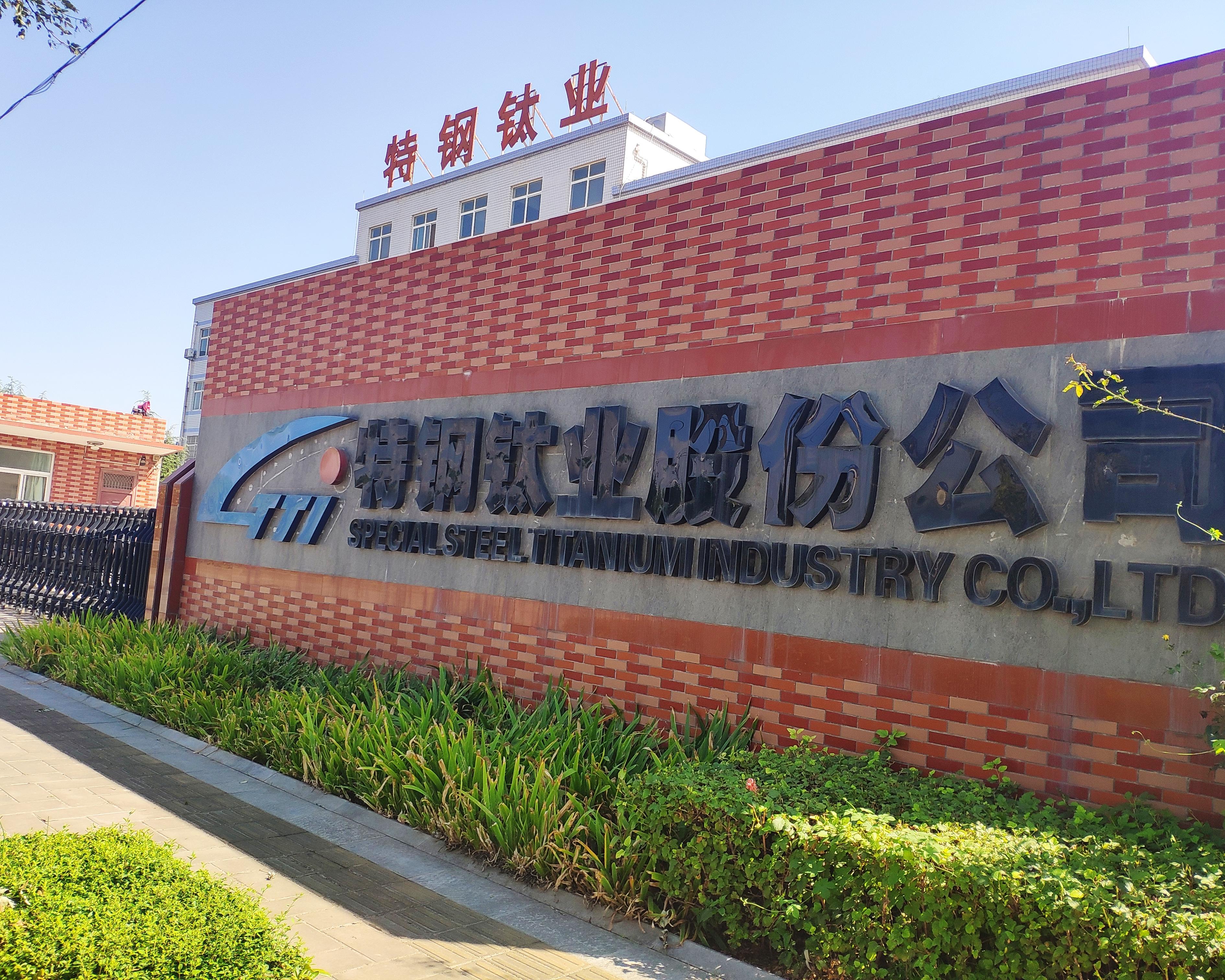
Baoji Special Steel Titanium Industry Co., Ltd.
Is a joint-stock industrial enterprise specializing in the research, development, manufacturing and sales of titanium, nickel, zirconium and other metal pipes and metal composite materials. The company was founded in 1997, located in Shaanxi Baoji National High-tech Industrial development Zone, the factory covers an area of 41,000 square meters.
The company has an annual production capacity of over 3000 tons of non-ferrous metal pipes, composite materials and various deep processing products such as titanium, zirconium, nickel, tantalum and copper, etc., and a series of products according to varieties and specifications have reached more than 500 kinds, the annual export accounted for more than 30% of the company's total output, is an export-oriented industrial enterprise with a strong growth momentum. The company has obtained the national high and new technology enterprise certification and has been listed in the first batch of industries encouraged to develop by the National Development and Reform Commission.


To withstand the highly corrosive environment of a nickel electrowinning cell, the engineering of a permanent cathode must be flawless. The cell electrolyte typically contains high concentrations of sulfuric acid (H2SO4) or hydrochloric acid (HCl), operated at elevated temperatures (around 50°C to 65°C). Under these conditions, standard steels would dissolve rapidly. Therefore, specialized stainless steel alloys are mandatory.
The most common material is 316L Stainless Steel, a low-carbon alloy containing molybdenum which provides excellent resistance to pitting and crevice corrosion. For even harsher chloride-rich electrolytes, duplex stainless steels like 2205 or LDX 2101 are increasingly used. Duplex steels offer higher yield strength and superior resistance to stress corrosion cracking, allowing for thinner plates without risking deformation or warping under the weight of the deposited nickel.
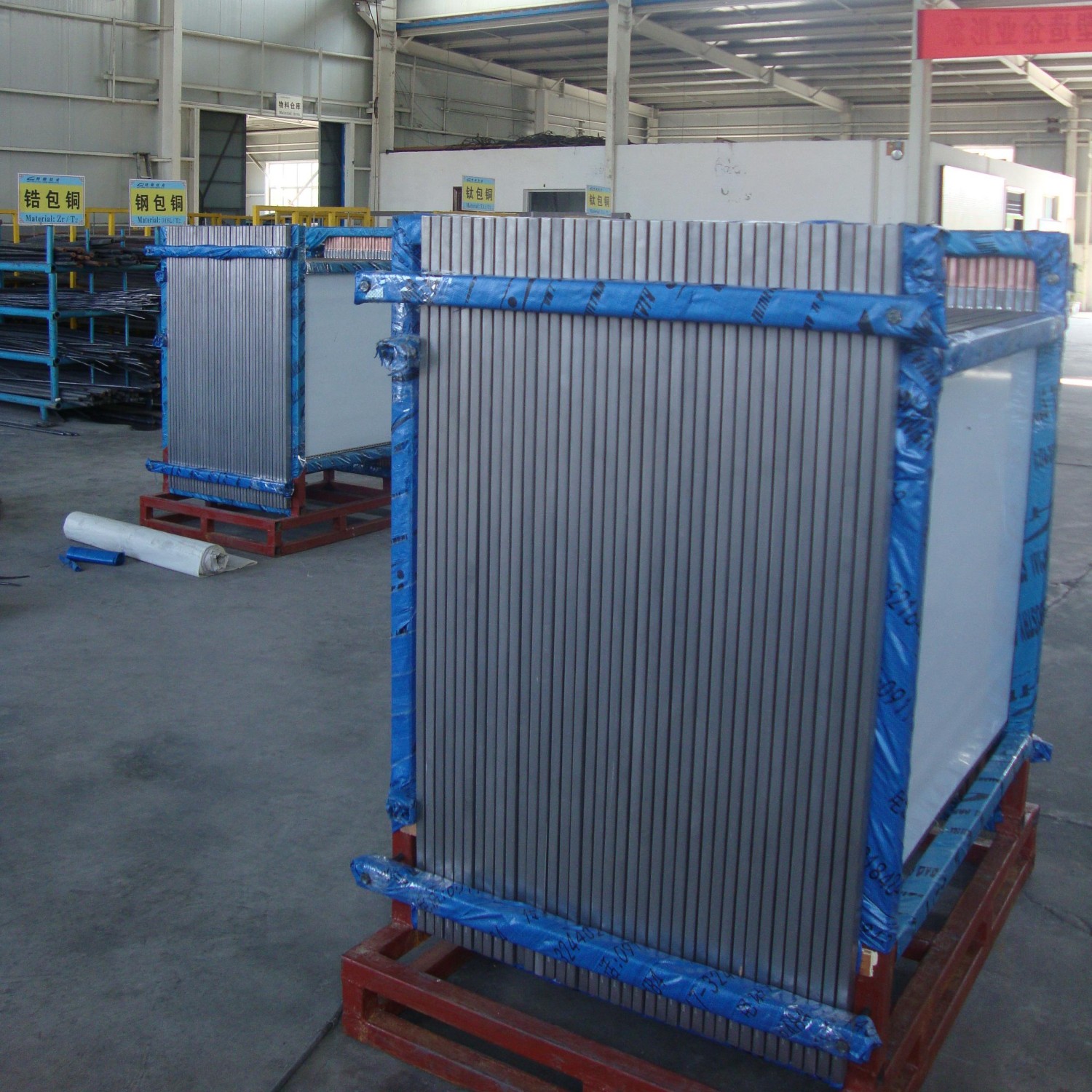
The hanger bar is the electrical and mechanical lifeline of the cathode plate. It must support the heavy weight of the plate and the deposited nickel (often exceeding 100 kg per plate) while conducting currents of several hundred amperes with minimal voltage drop.
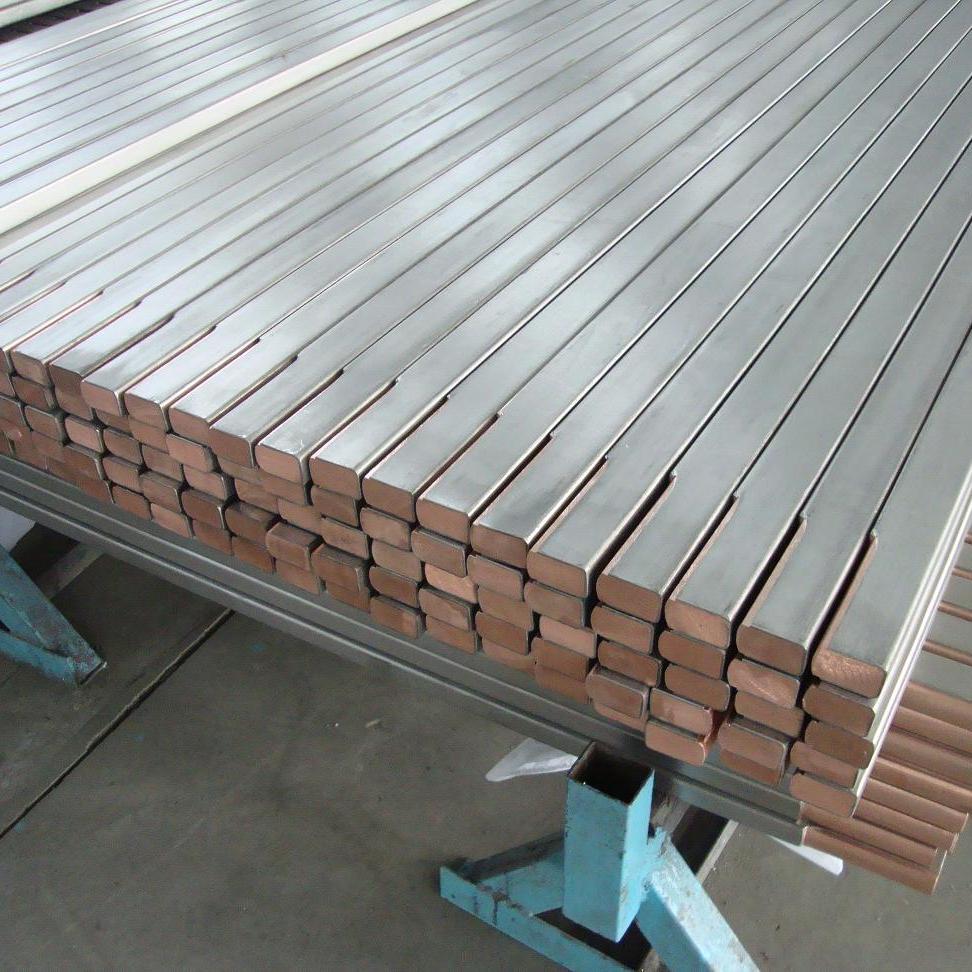
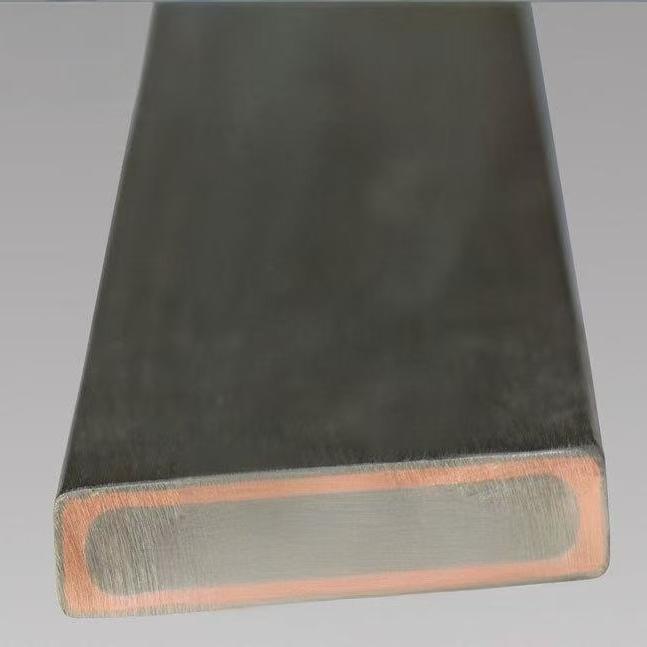
To achieve this, we use advanced double-layer and multilayer metal composite bars. Typically, a highly conductive copper core is clad with a corrosion-resistant outer layer of titanium or stainless steel. The metallurgical bond between the copper core and the cladding ensures virtually zero contact resistance, preventing energy loss and localized overheating, which could damage the cell contacts or cause uneven current distribution.
The future of the electrolytic nickel industry lies in full automation and energy conservation. Modern refineries utilize robotic stripping machines that handle the cathode plates, wash them, flex the plates to release the nickel sheets, and sort the finished nickel without human intervention. This requires the stainless steel plates to have perfect shape memory, returning to their flat state after flexing.
Additionally, reducing carbon footprint is a priority. By optimizing the contact design of the titanium-clad copper hanger bars, plants can save megawatts of electricity annually, aligning with global green metallurgy standards and reducing operating costs.
Our specialized engineering enables us to manufacture high-performance non-ferrous metal products divided into four main categories.
Titanium and titanium alloy, nickel and nickel alloy, zirconium and zirconium alloy mainly non-ferrous metal pipe;
Non-ferrous metal composite materials mainly composed of titanium clad copper, including: titanium clad copper, zirconium clad copper, ladle copper, composite wire, multilayer composite metal, etc.;
Titanium cathode is the main product of the composite electrode series, including: titanium cathode, stainless steel permanent cathode, nickel anode, titanium-based lead dioxide anode, and so on.
A series of nickel materials products mainly consisting of nickel plates, nickel rods and nickel strips.
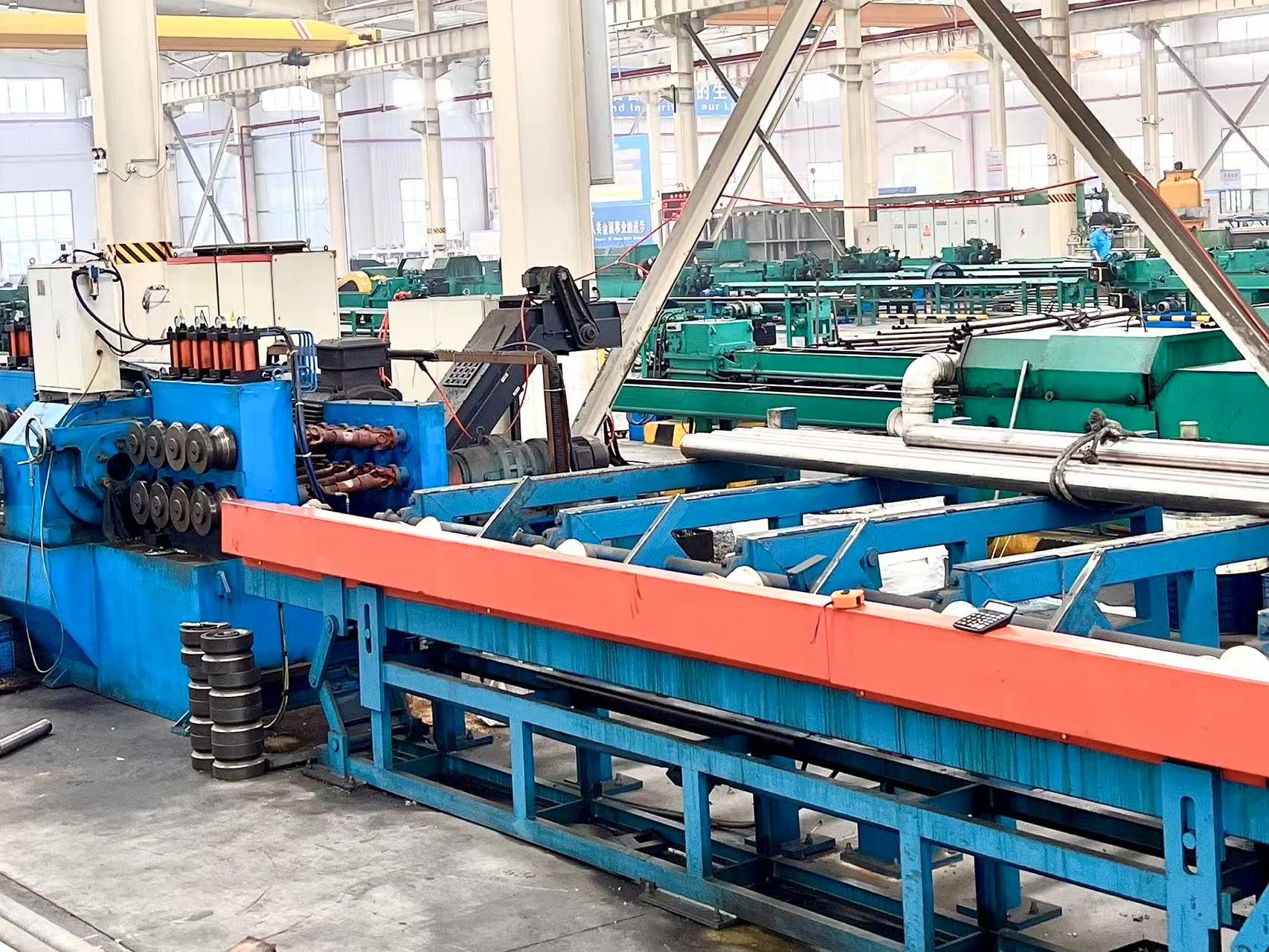
Since its establishment, the company has always adhered to the development strategy of continuous innovation and continued to expand the market with new technology and new products as the fulcrum. After more than 20 years of development and accumulation, the products have entered the markets of Germany, Japan, the United States, Norway, Finland, South Africa, Singapore, India and other countries and Taiwan regions, also have been highly praised. Stable product quality, integrity as the core of the business philosophy, by the world's customers trust.
"To build an excellent enterprise team, continuously improve the management and manufacturing methods, so that every customer can get the maximum benefit from each product" is the eternal pursuit of special steel titanium industry personnel.
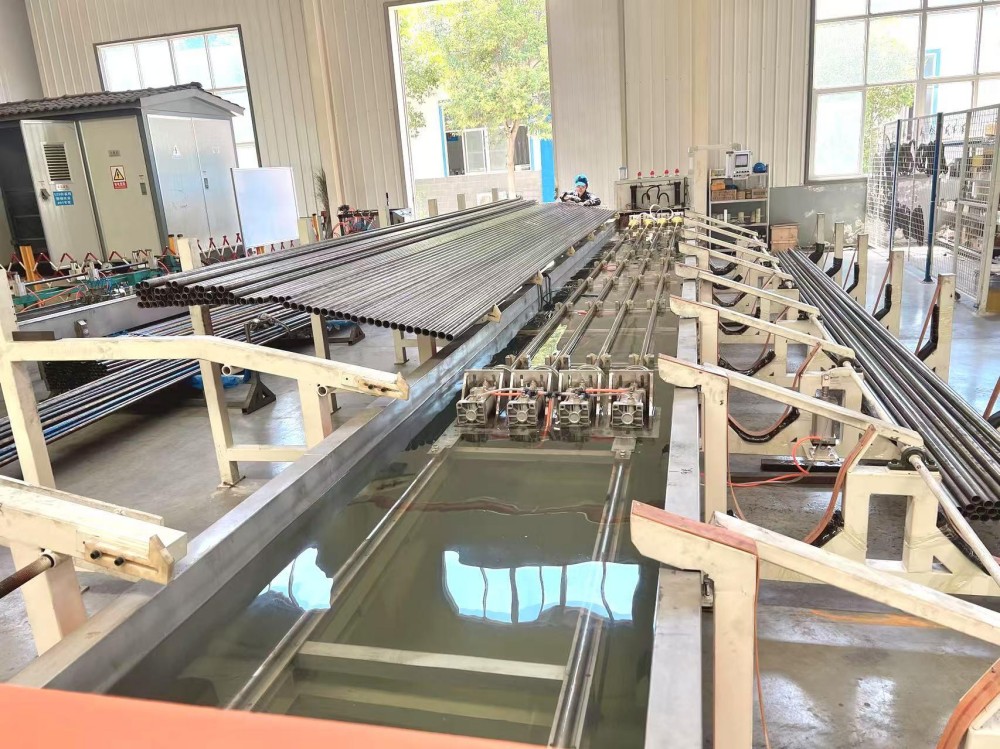
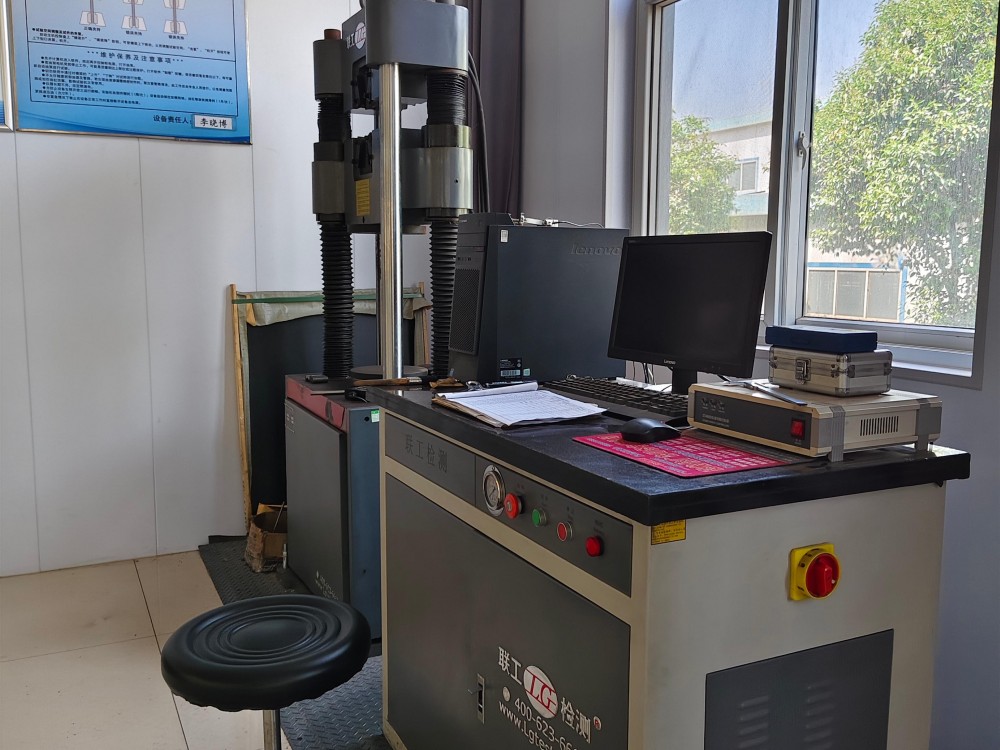
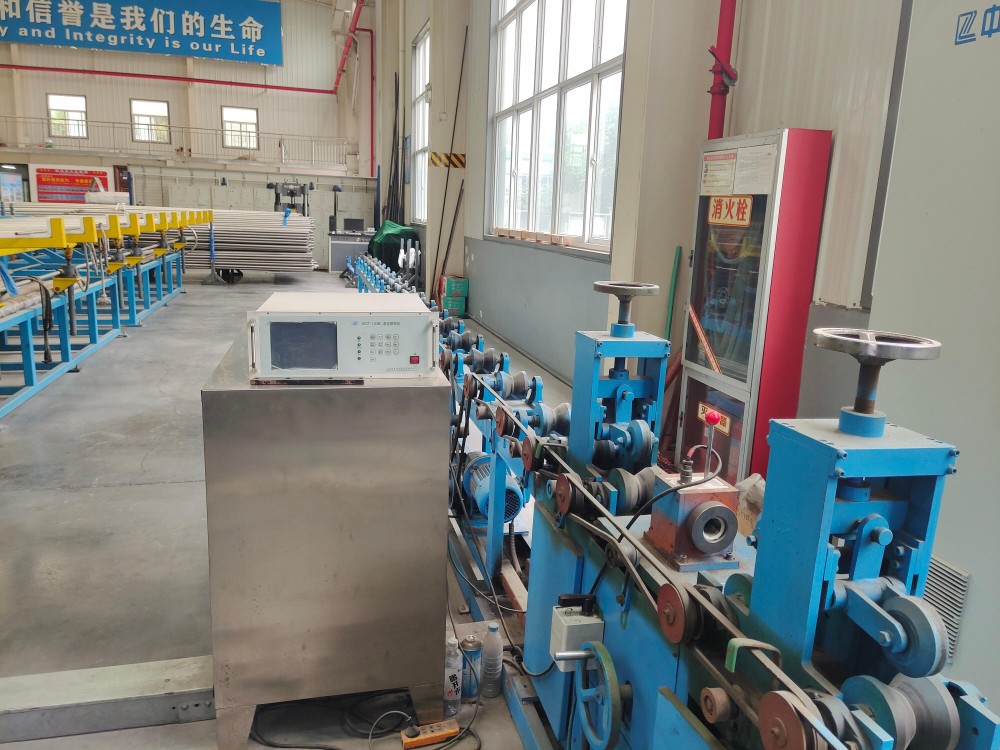
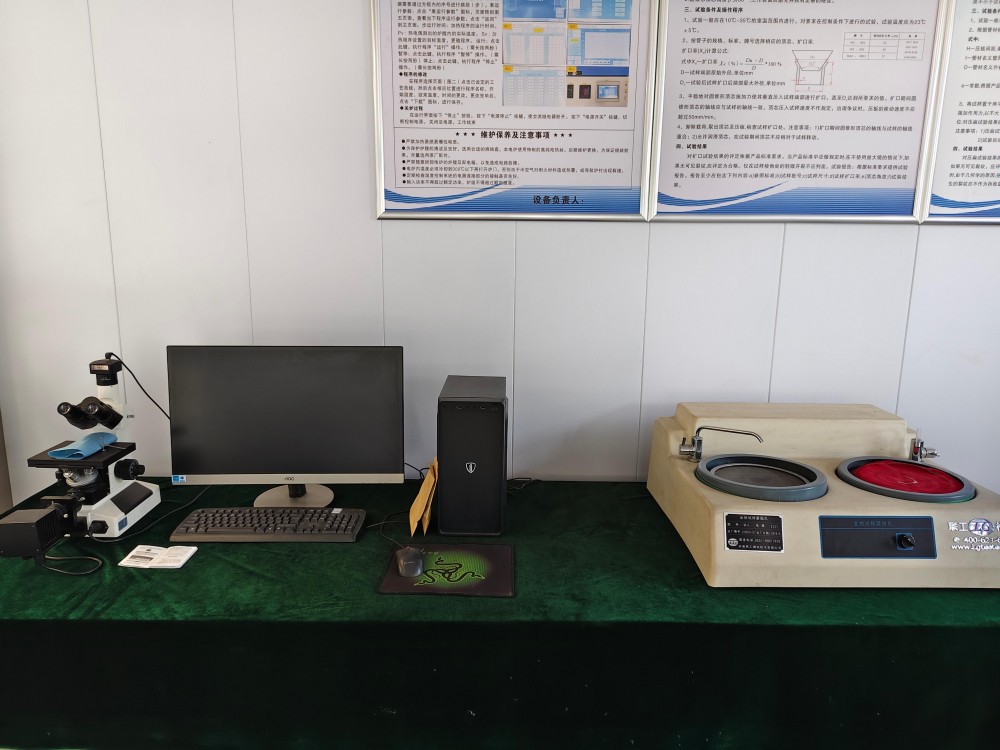
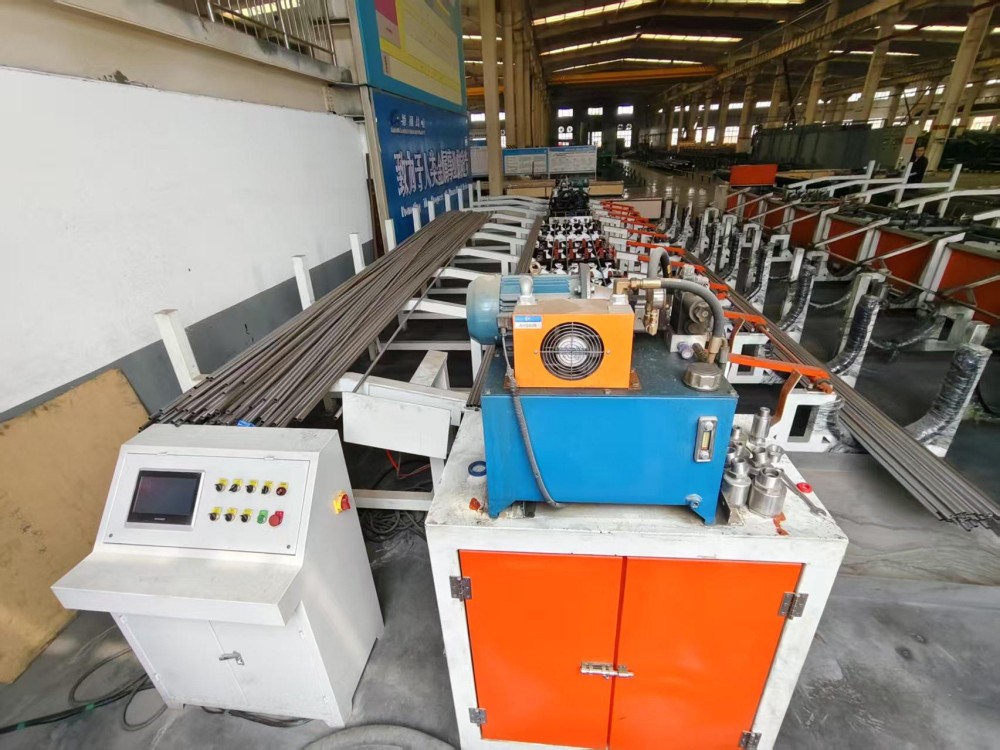
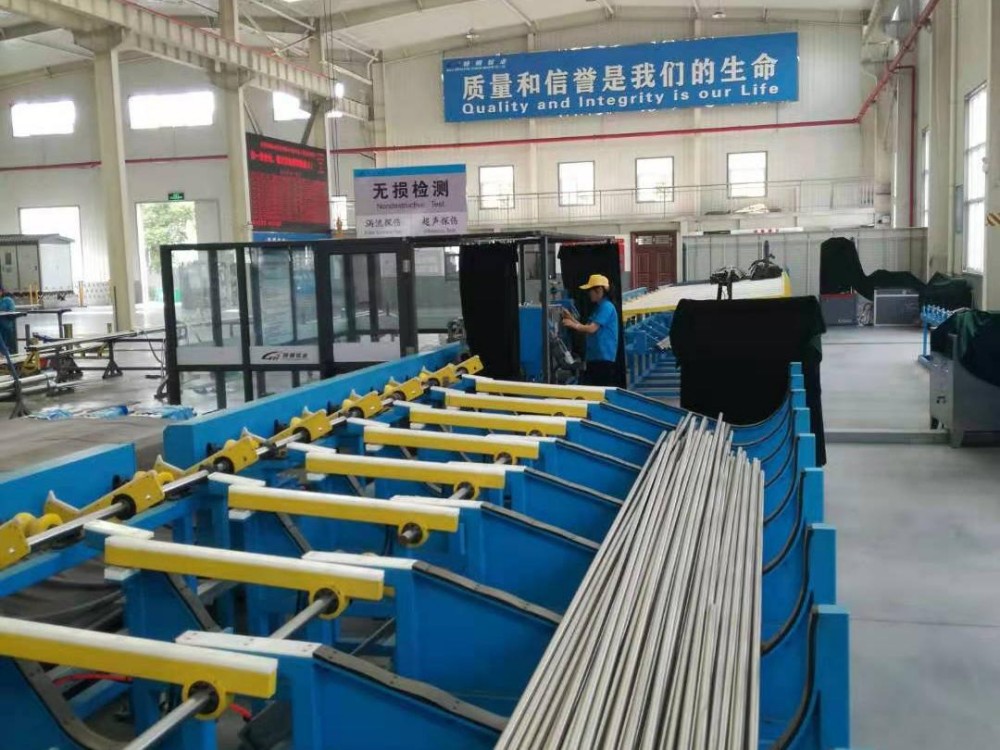
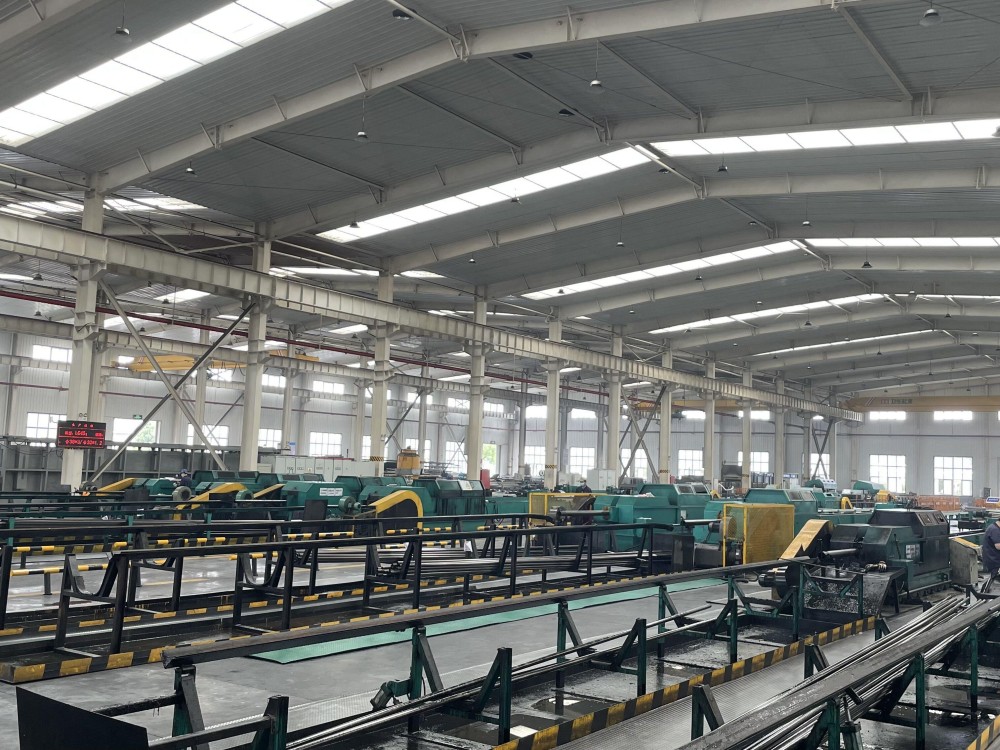
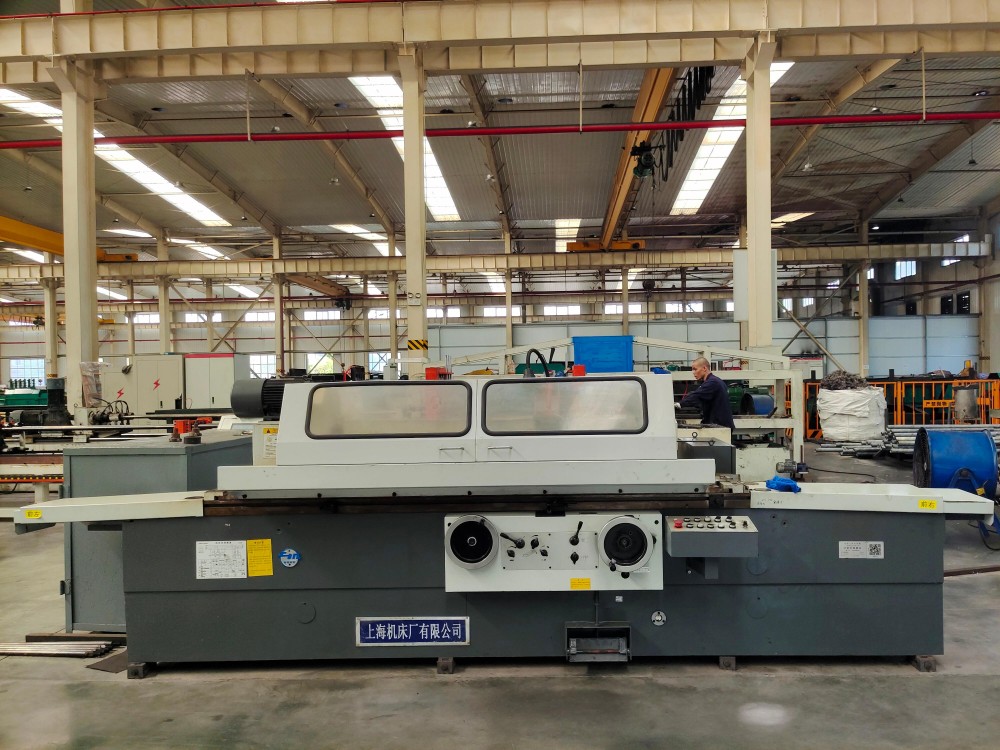
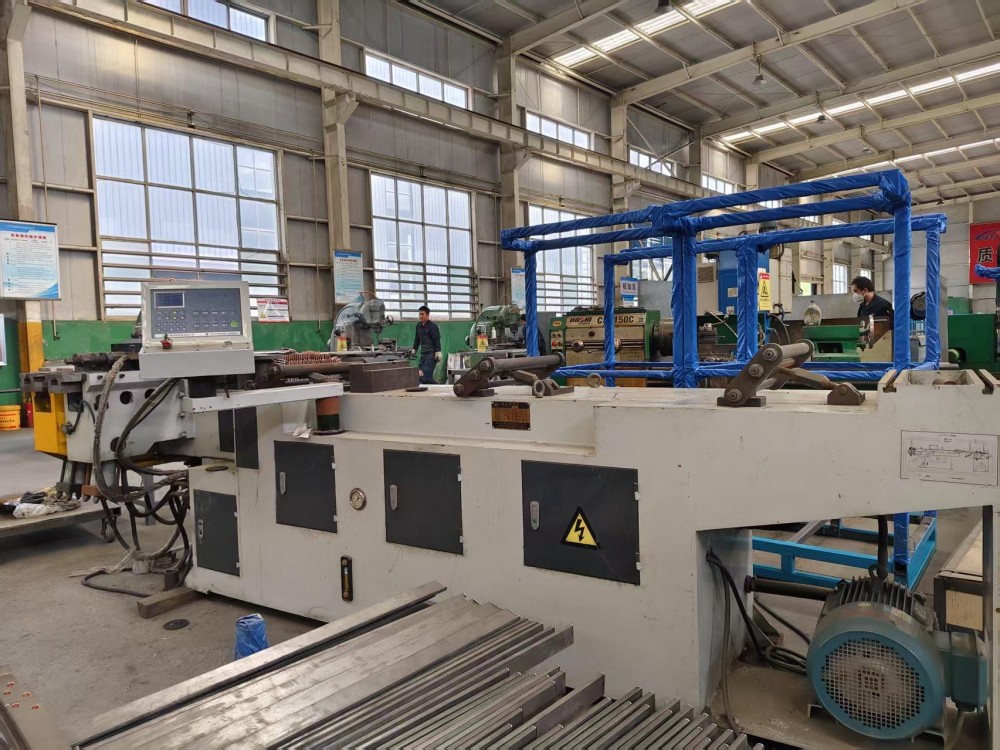
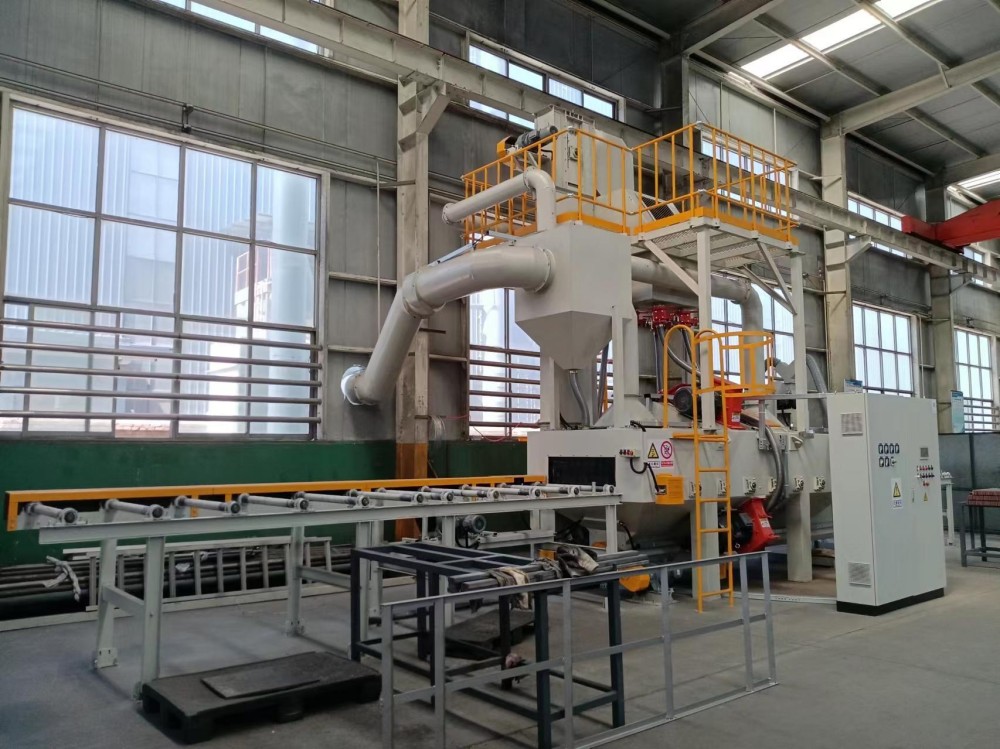
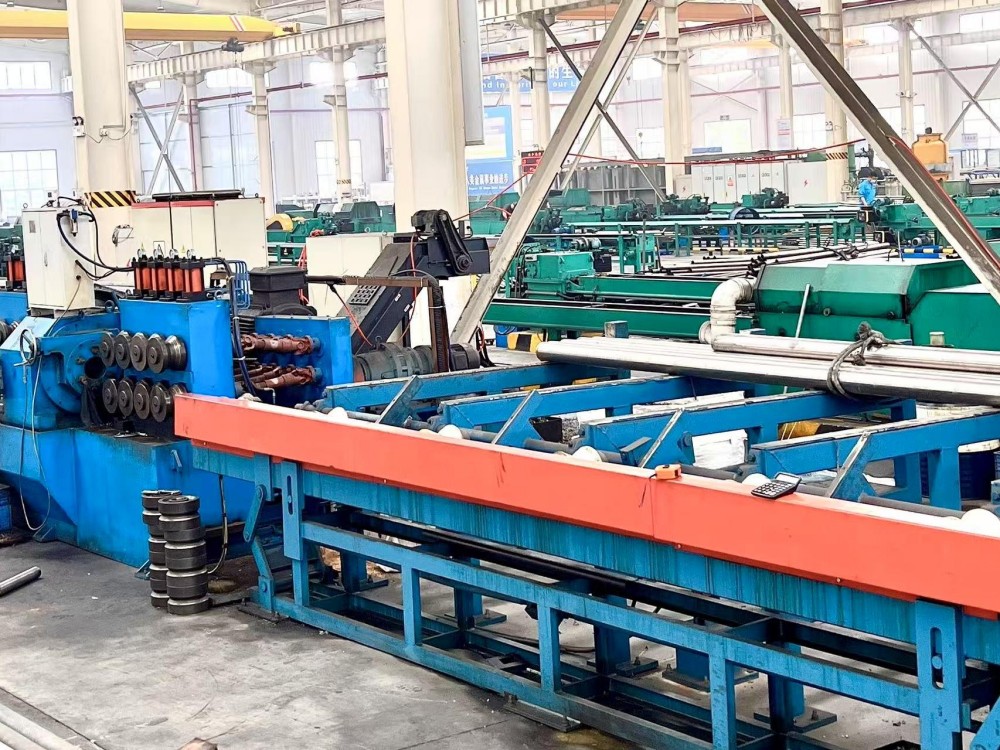
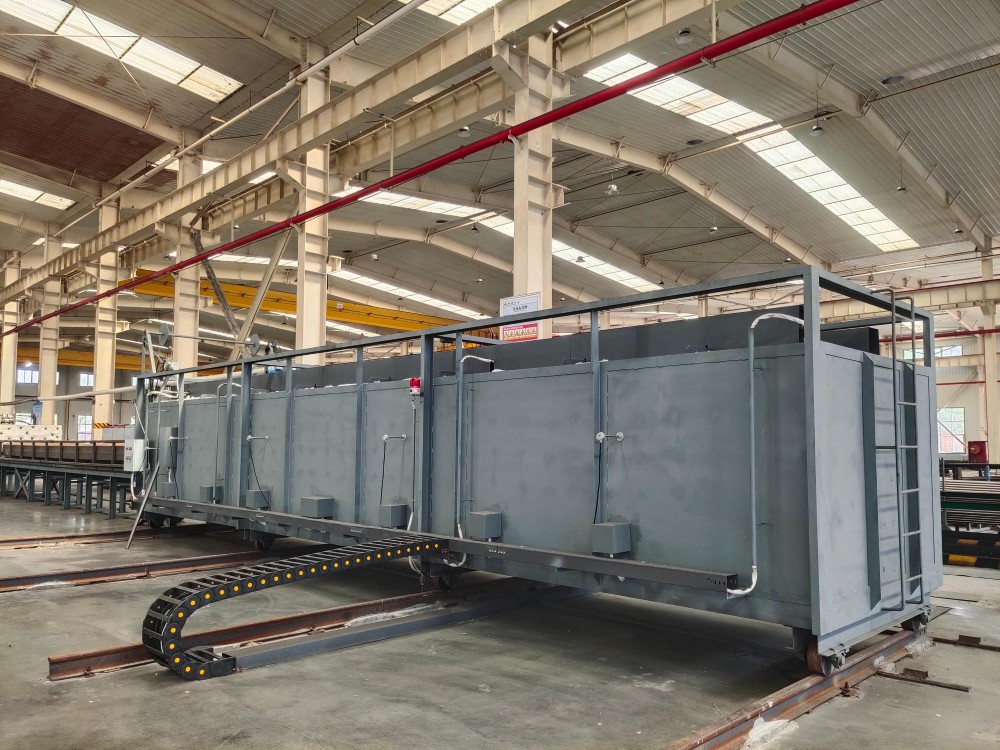
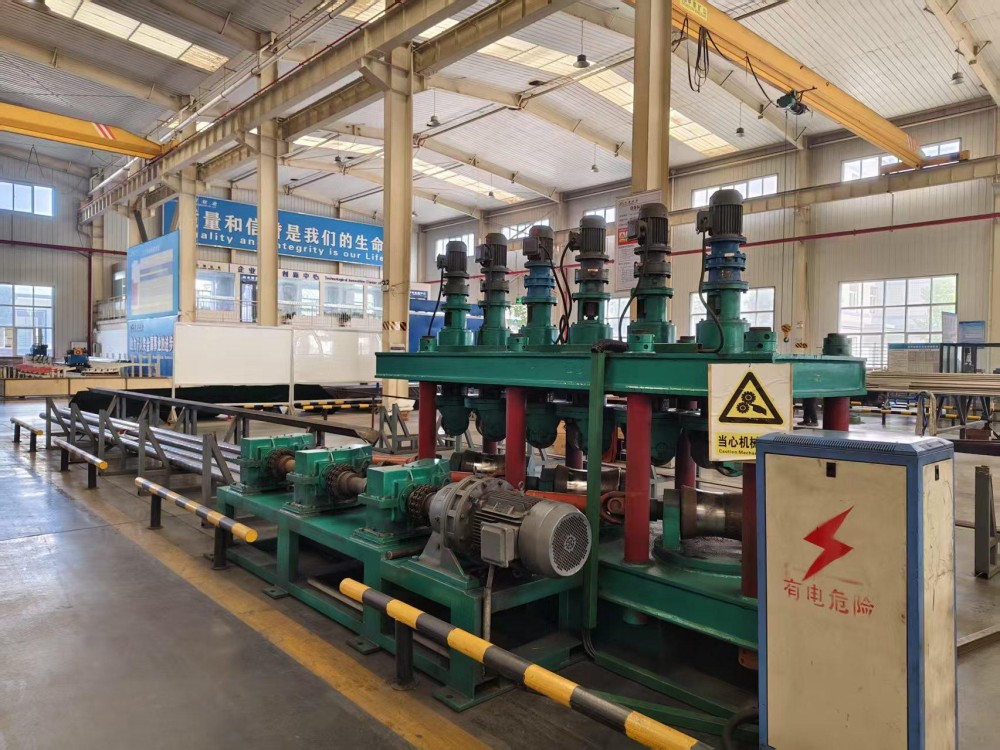
Advanced production and testing facilities ensuring high-precision manufacturing of cathode plates and composite bars.
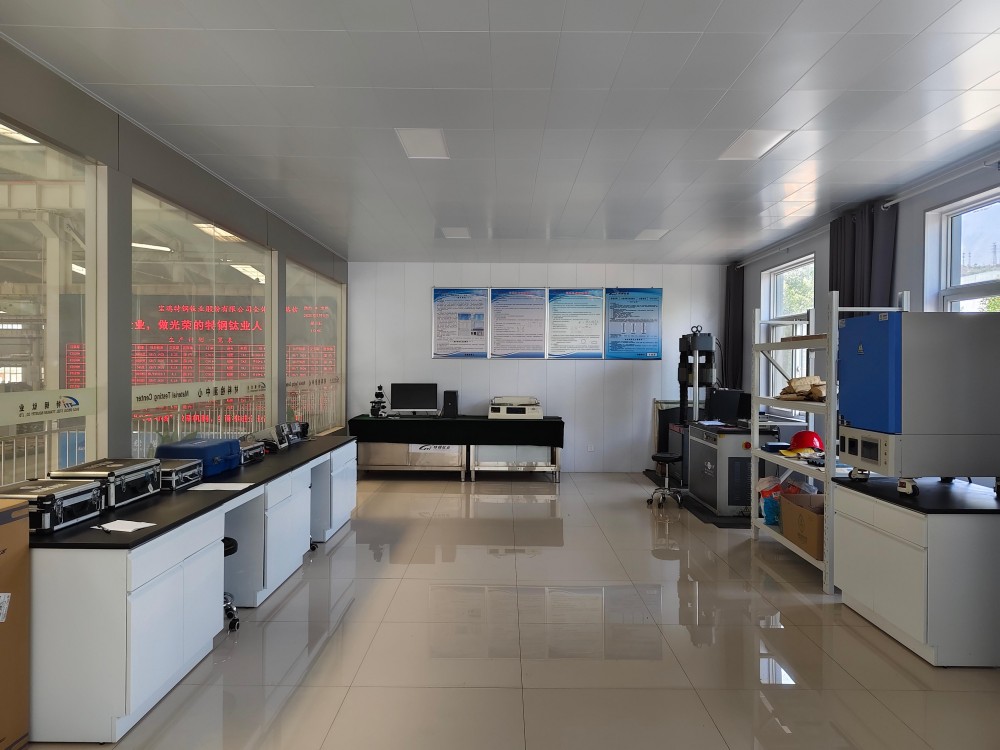
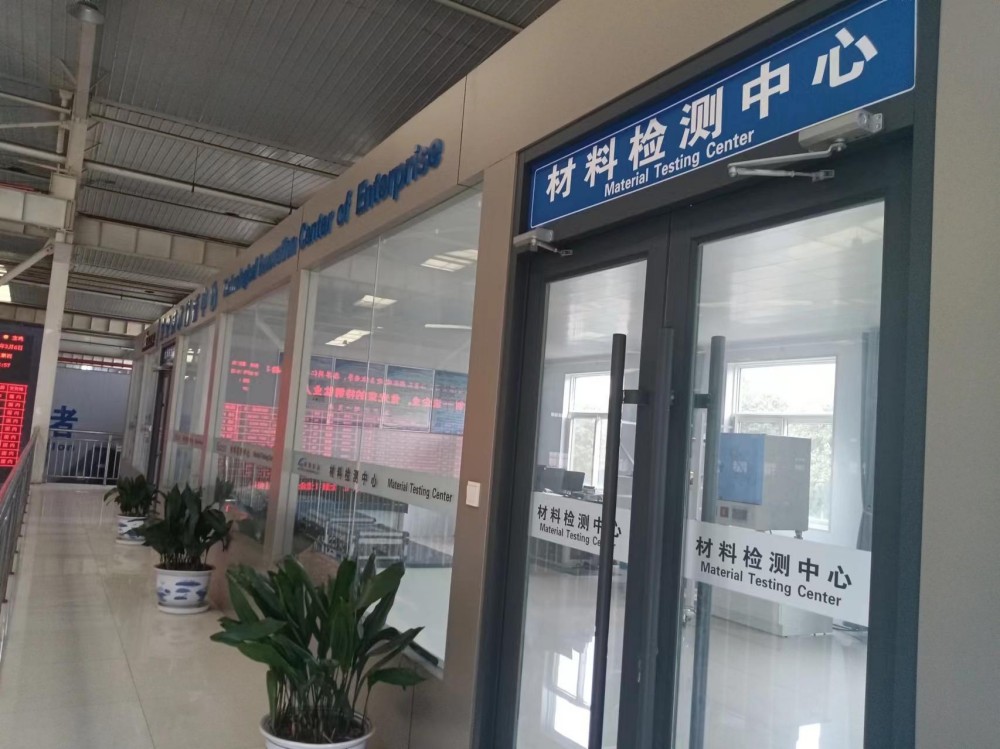
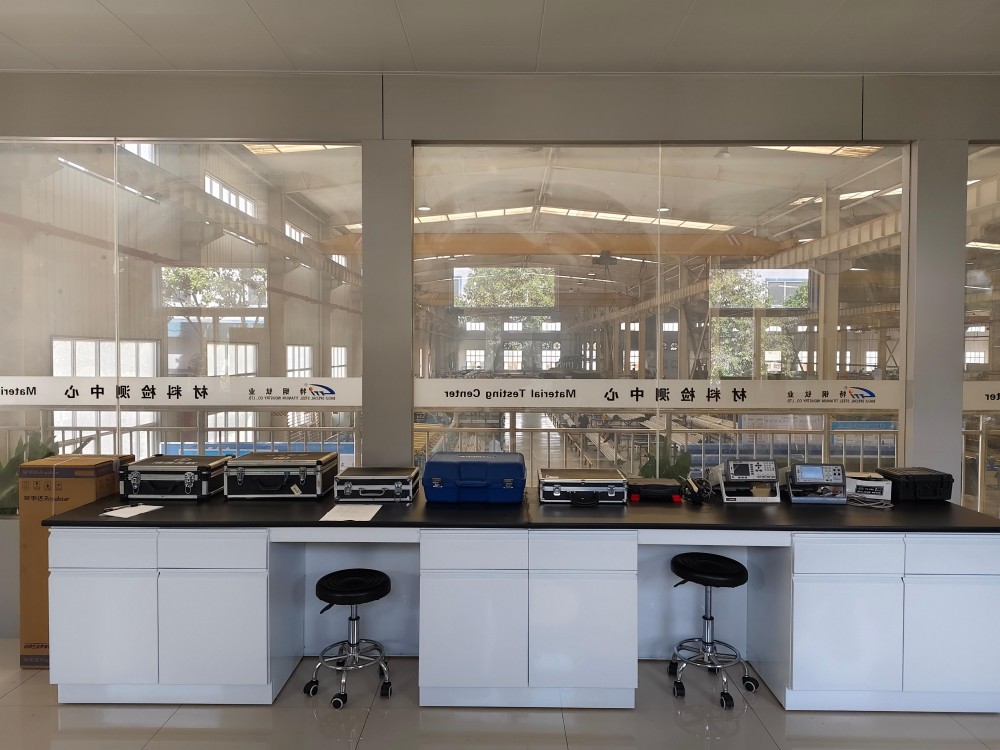
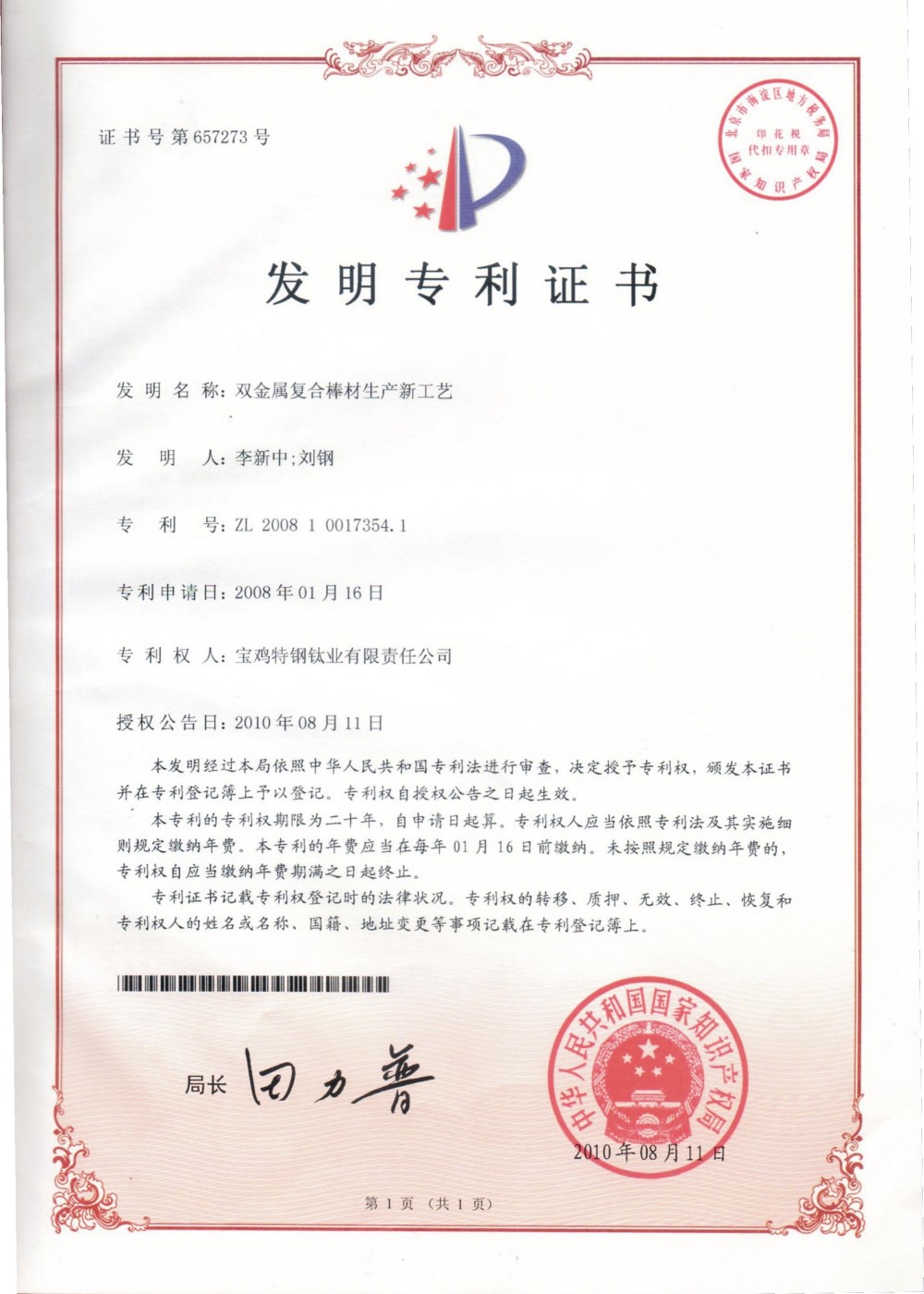
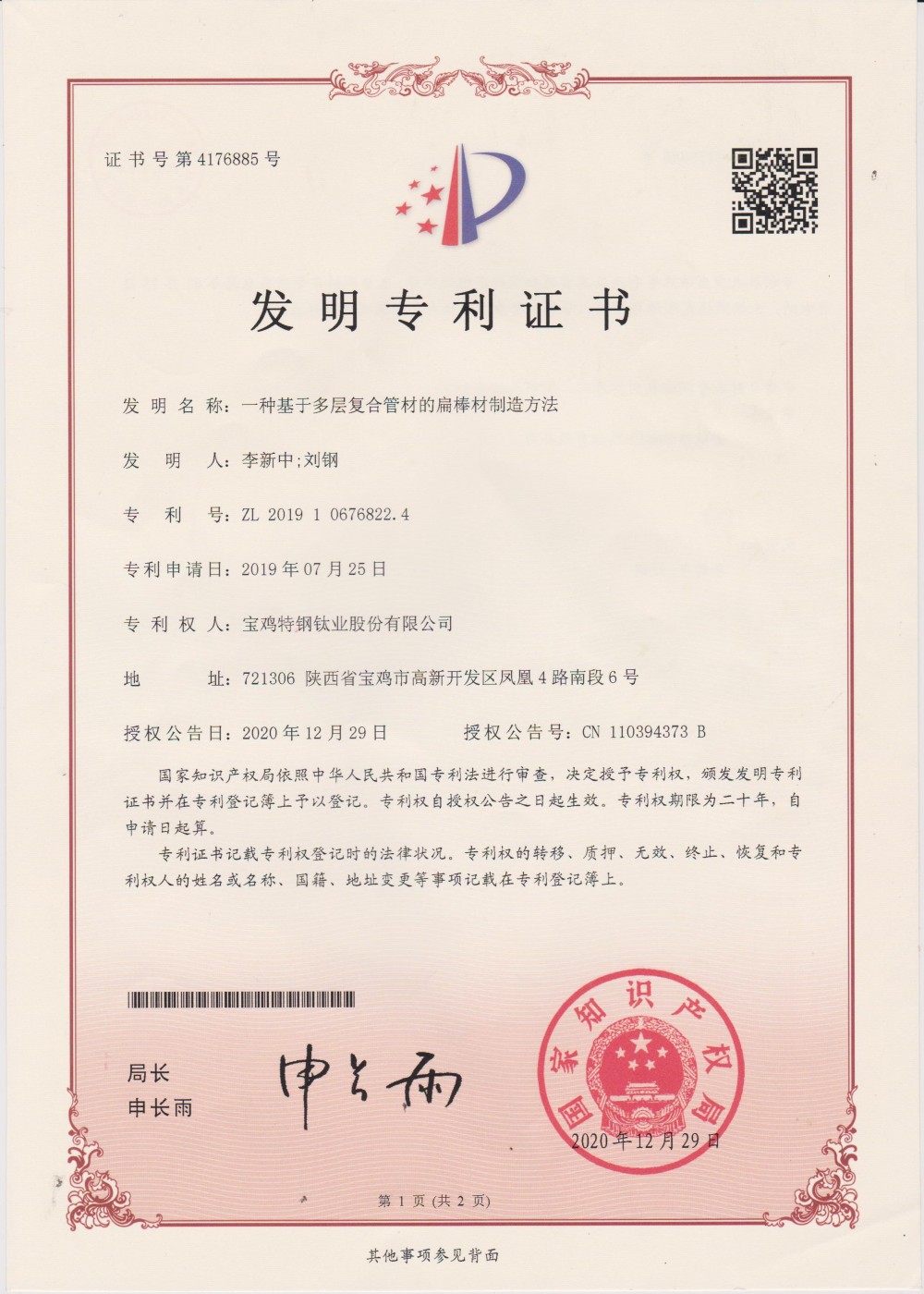
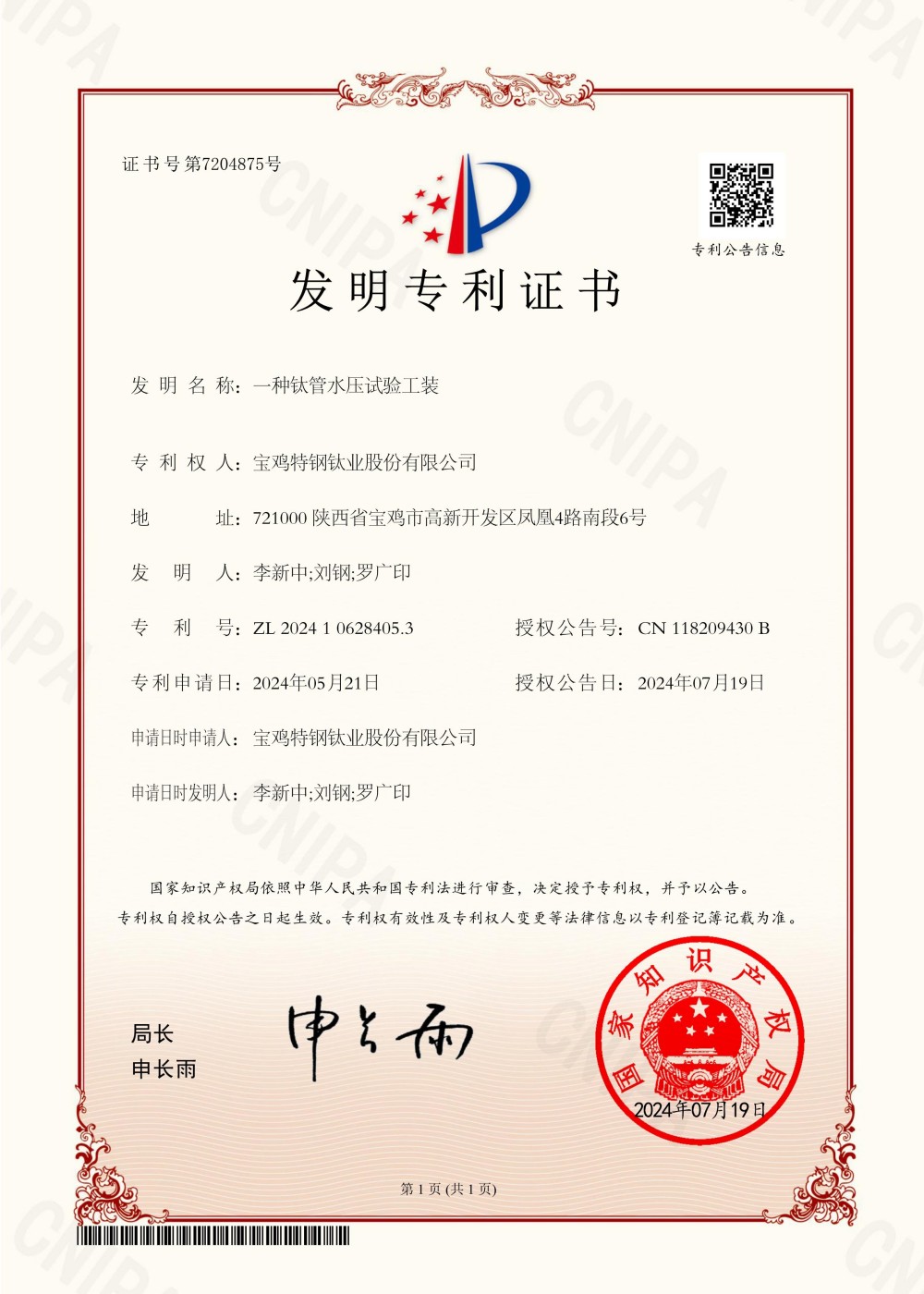
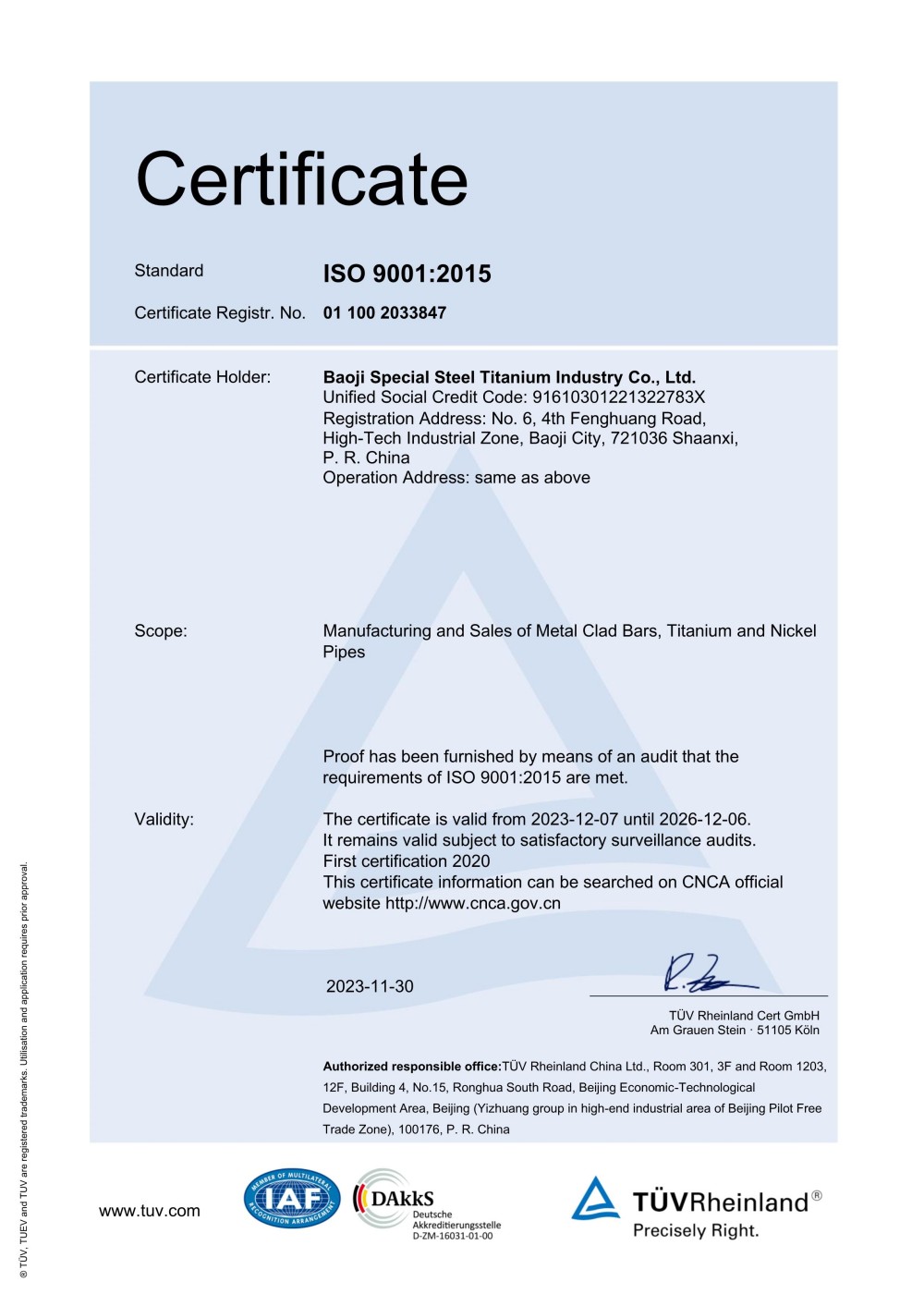
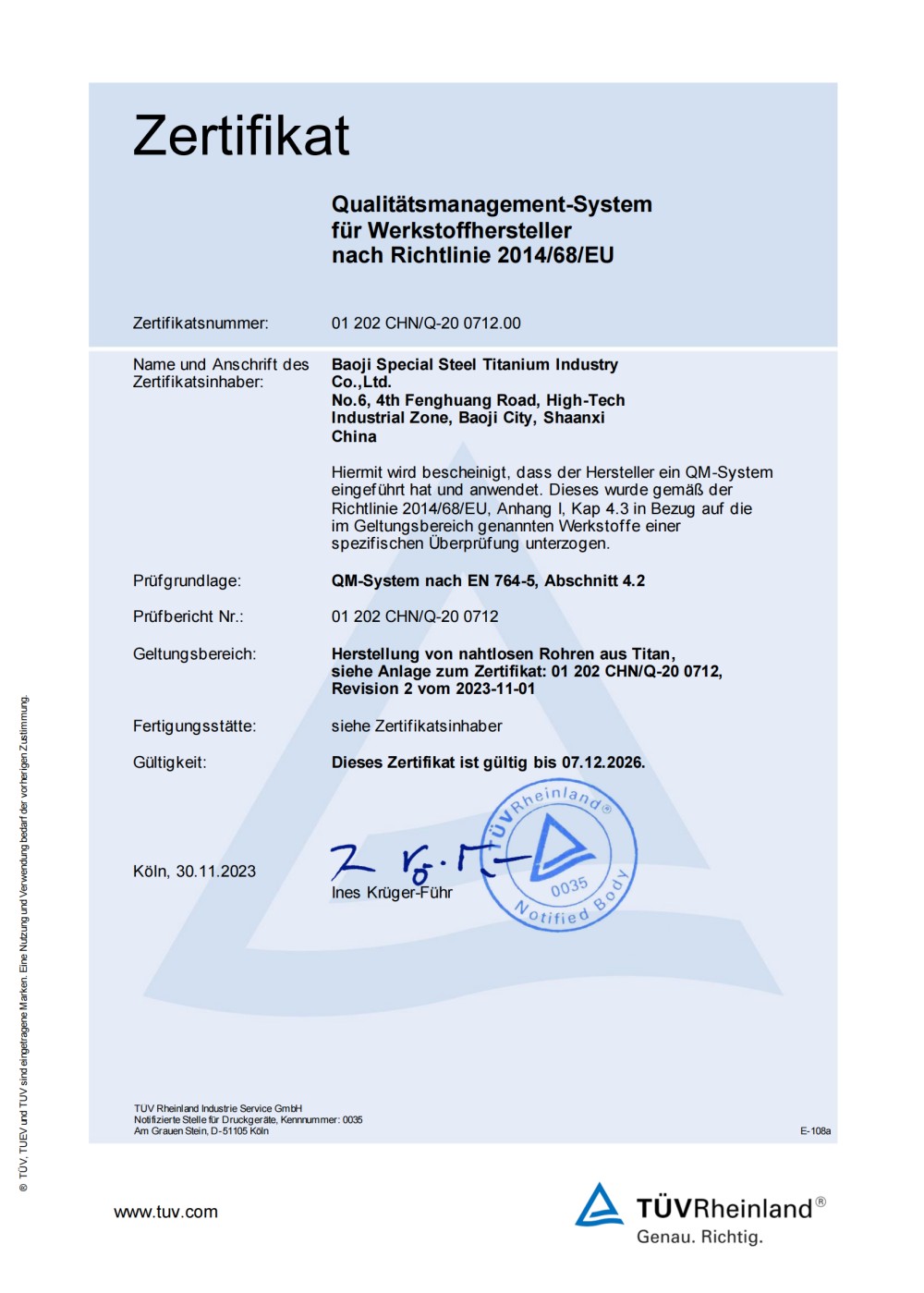
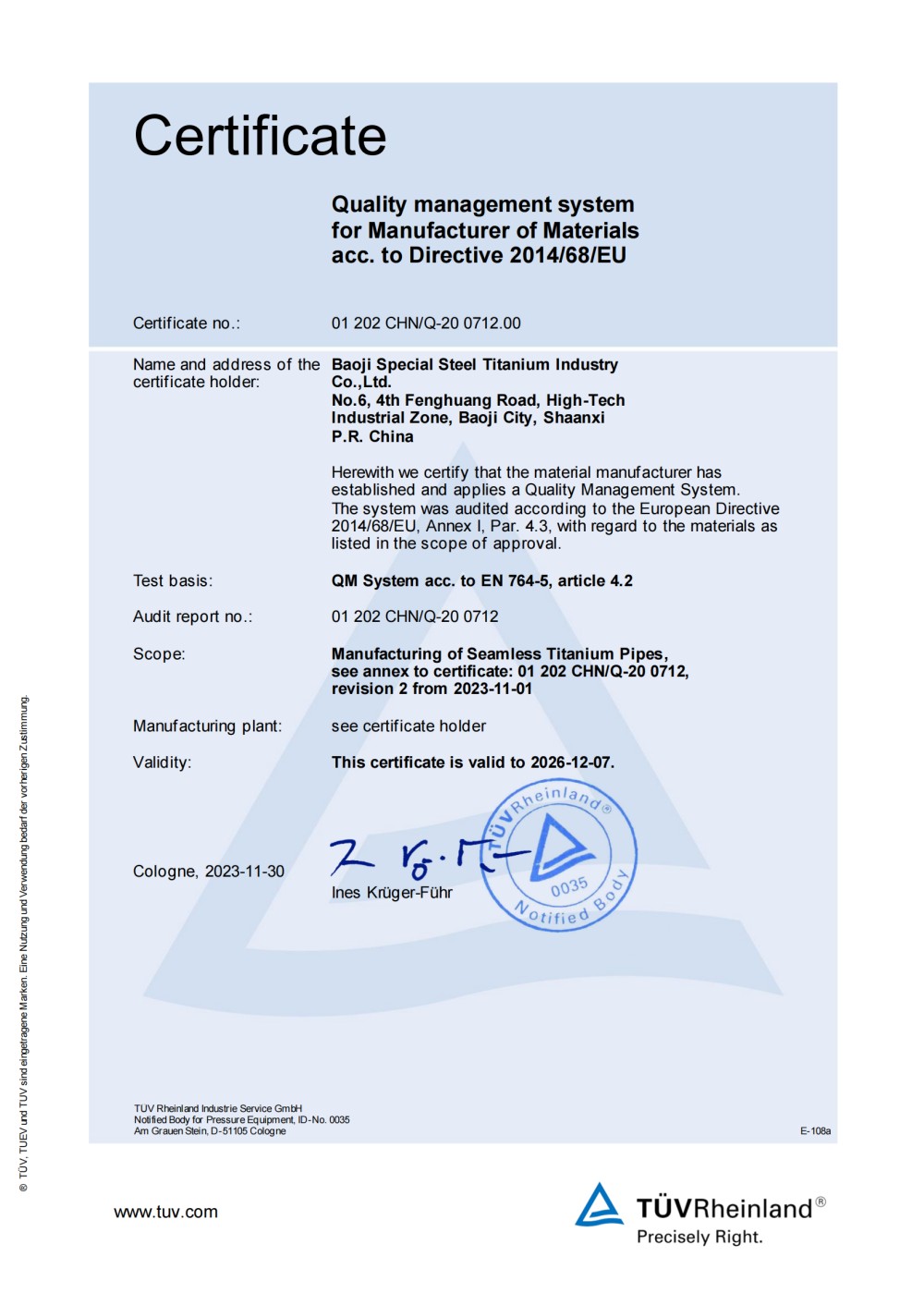
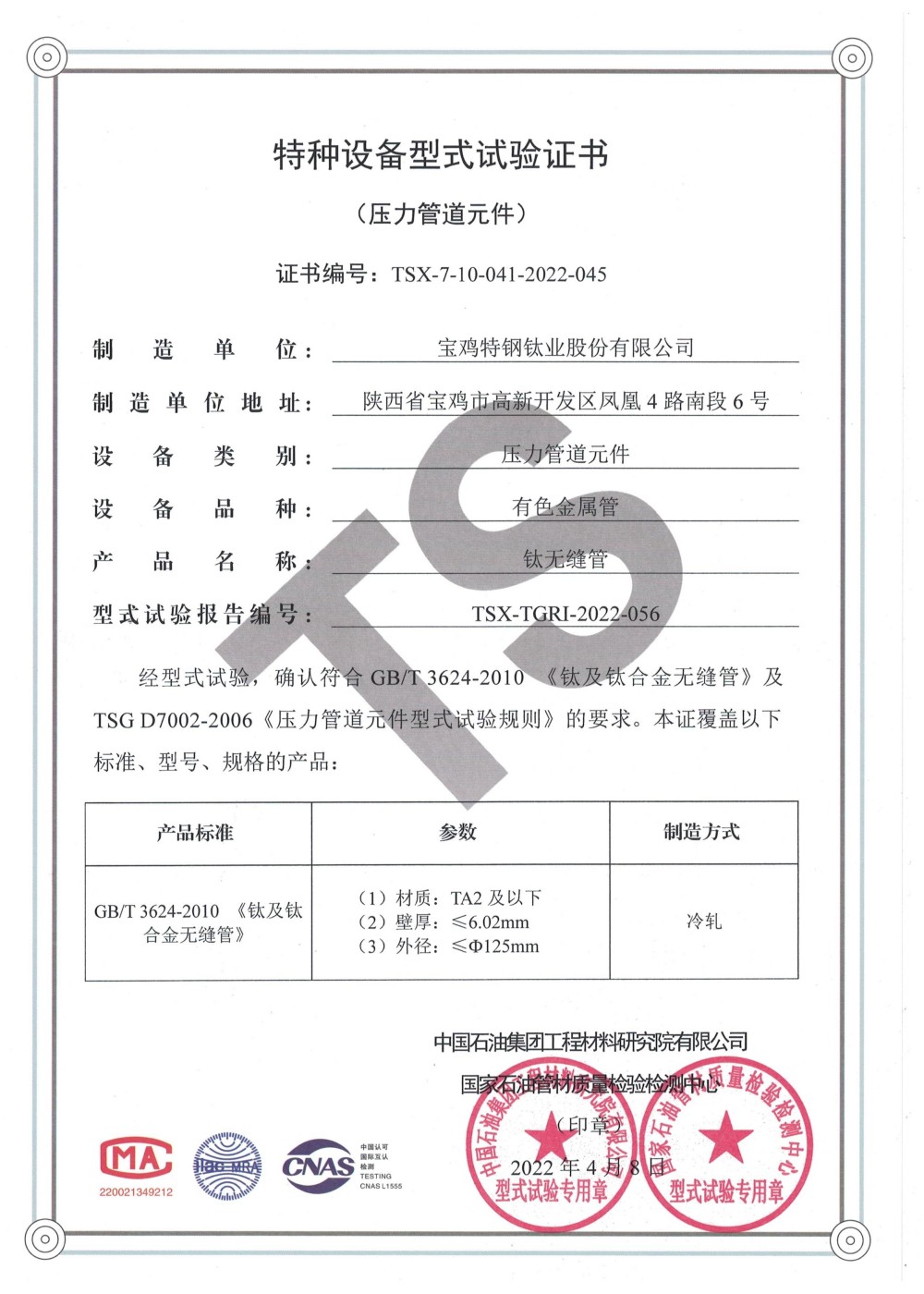
Verified quality standards and international compliance certifications.
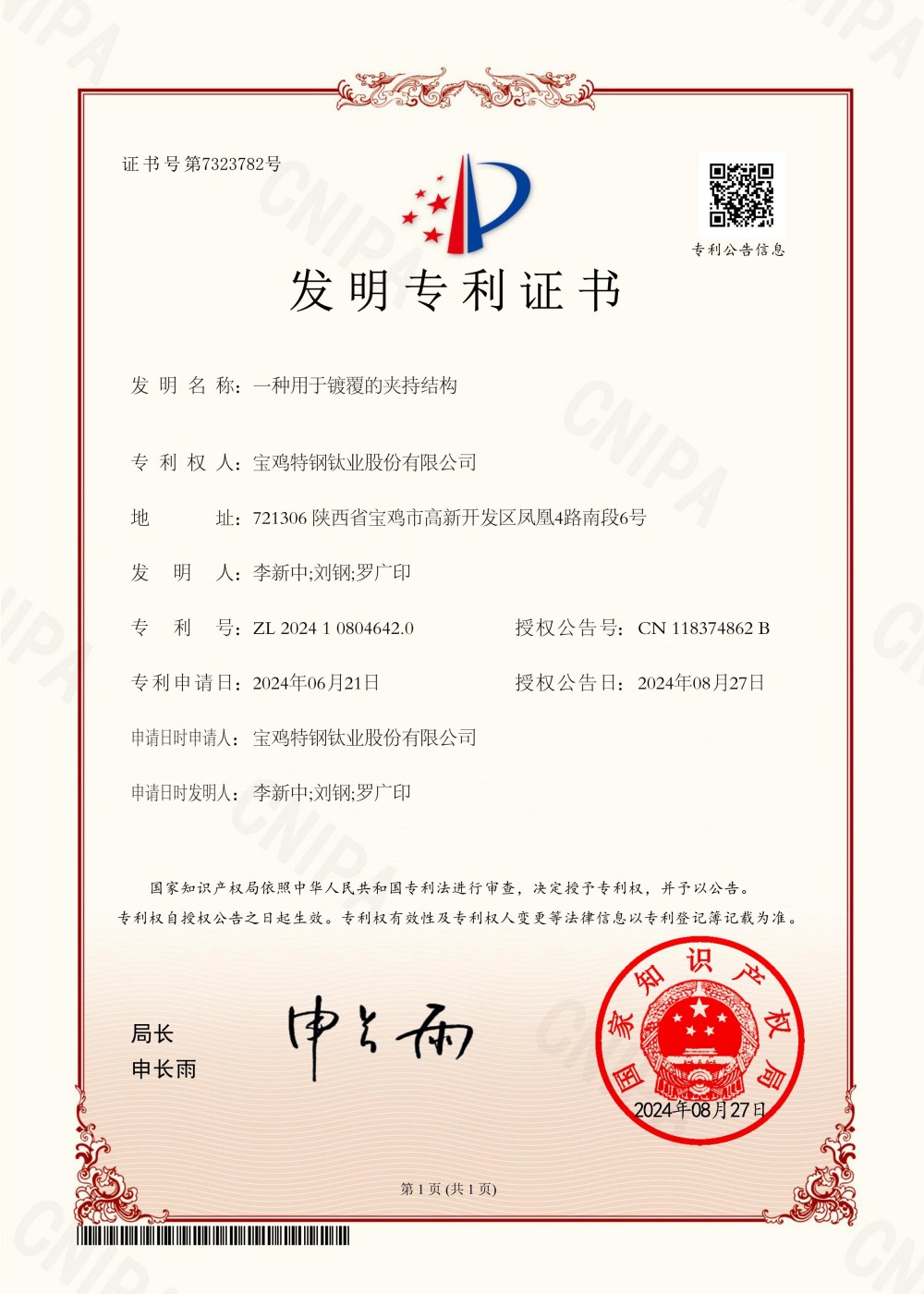
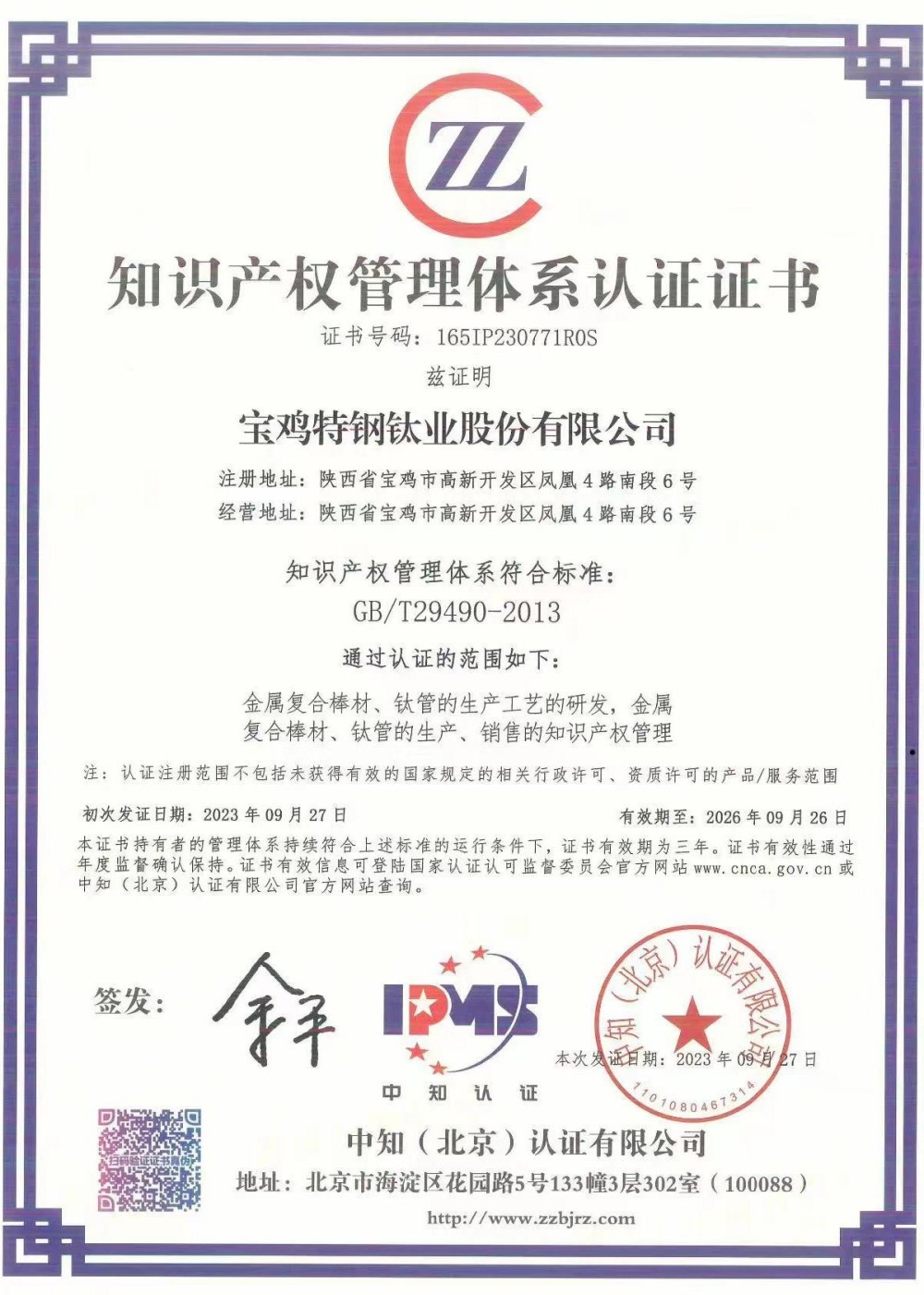
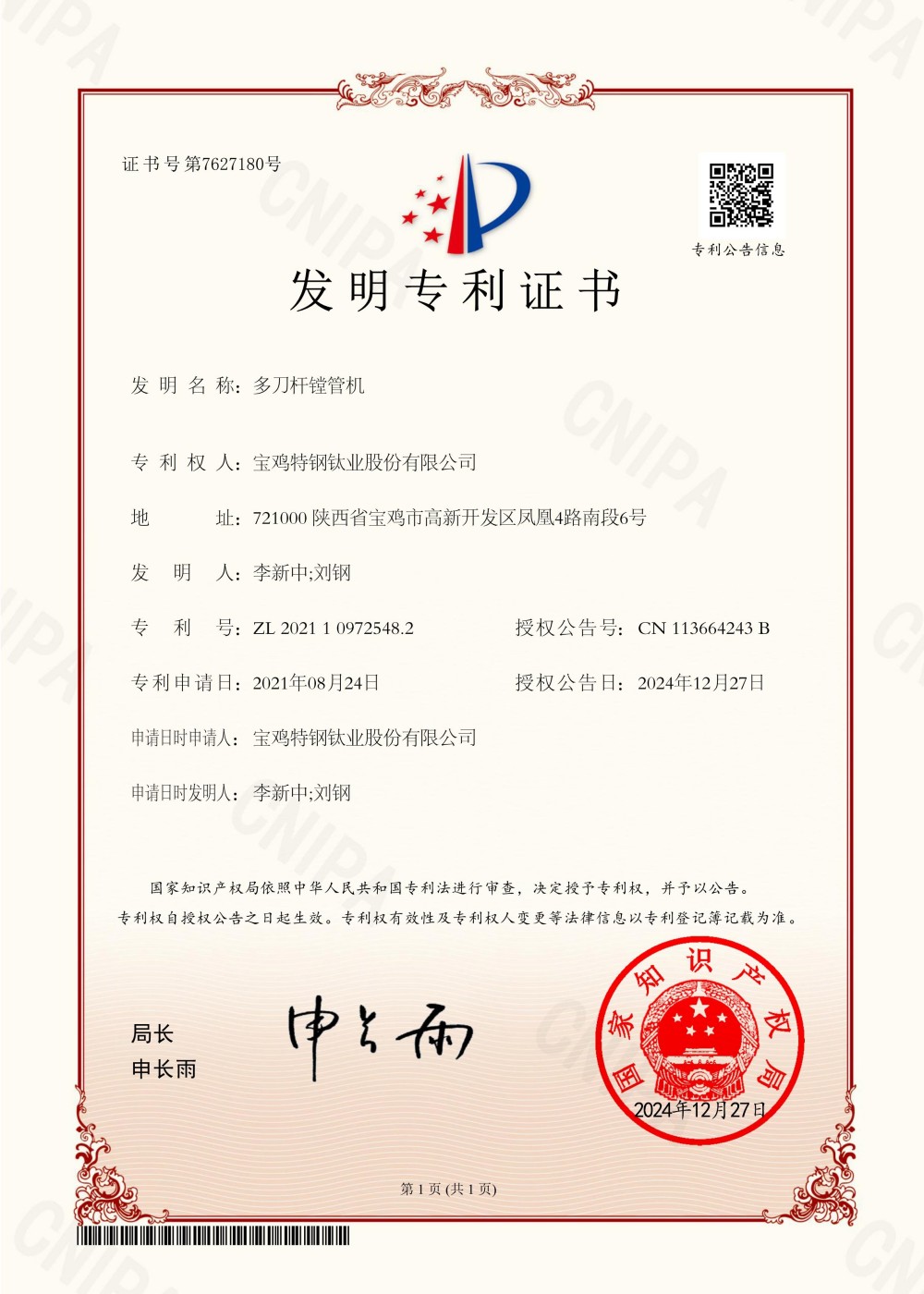
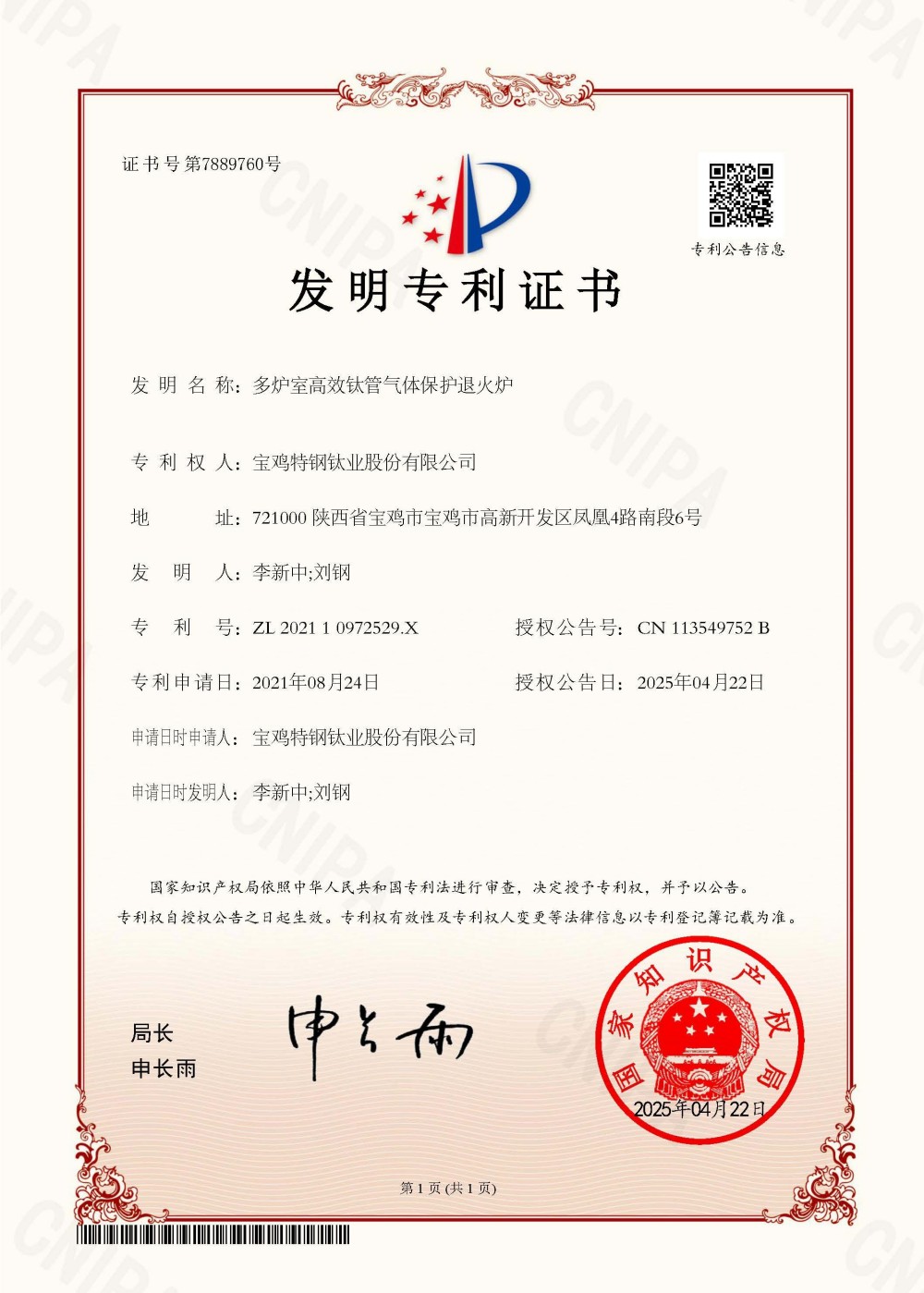
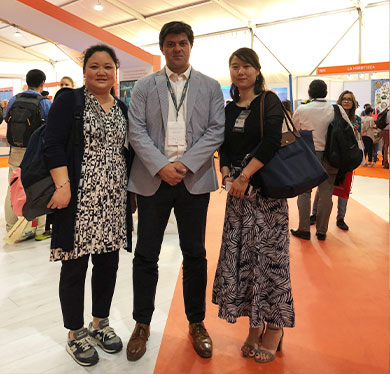
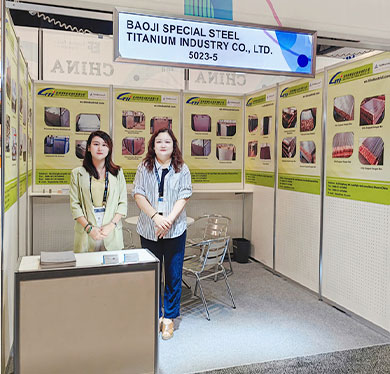
Showcasing our innovations and connecting with industrial clients globally.
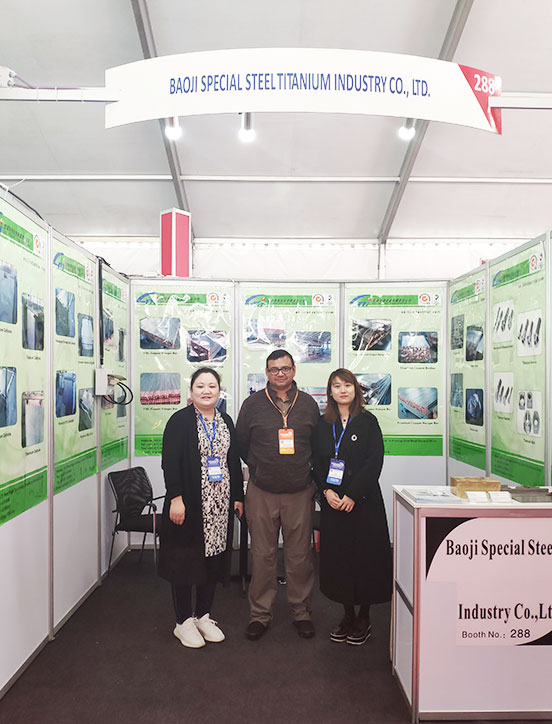
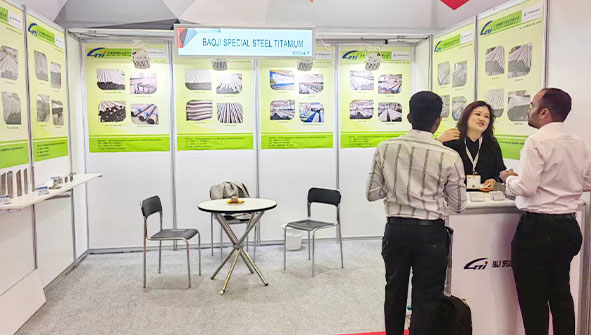
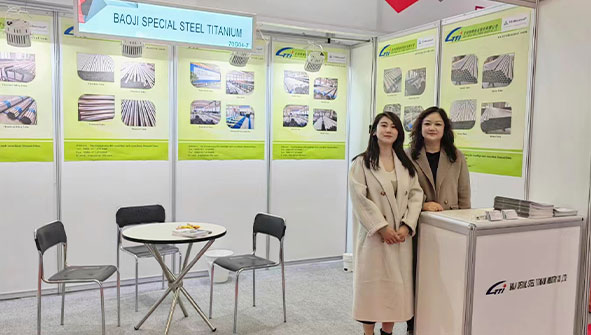
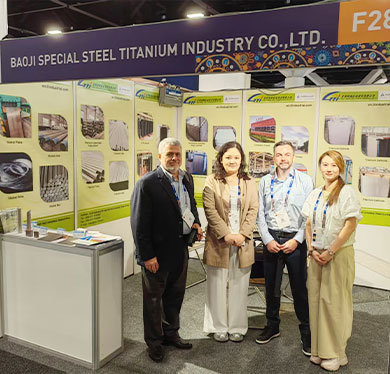
Review all of our double-layer and multilayer metal composite bar materials and permanent stainless steel cathodes.