



Leave Your Message
Explore our core product range — permanent stainless steel cathodes and multi-layer metal composite bar materials engineered for hydrometallurgy and electrolytic applications worldwide.
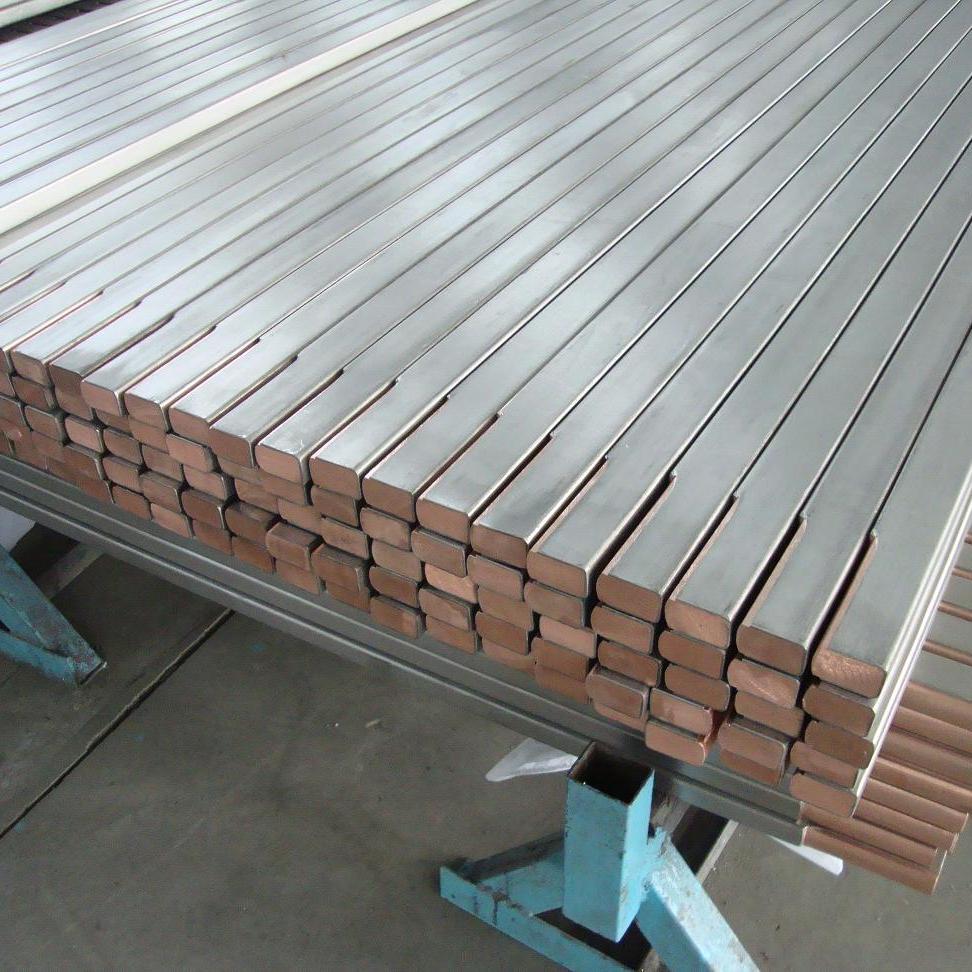
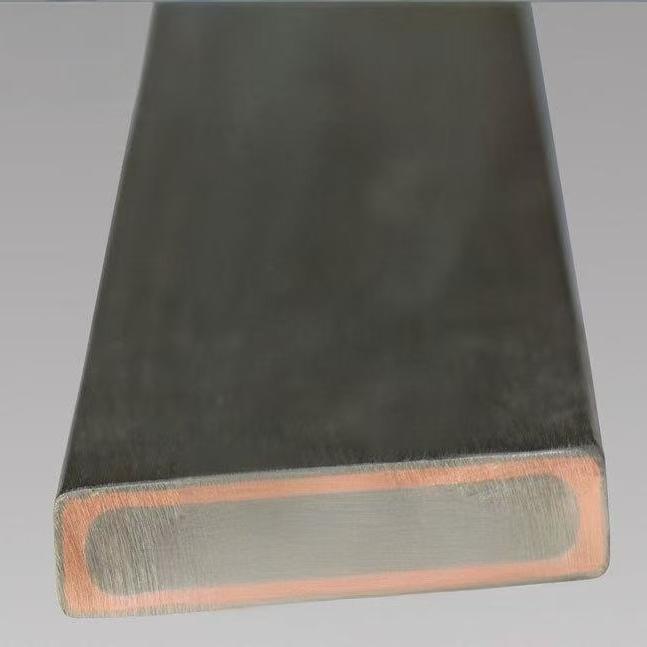
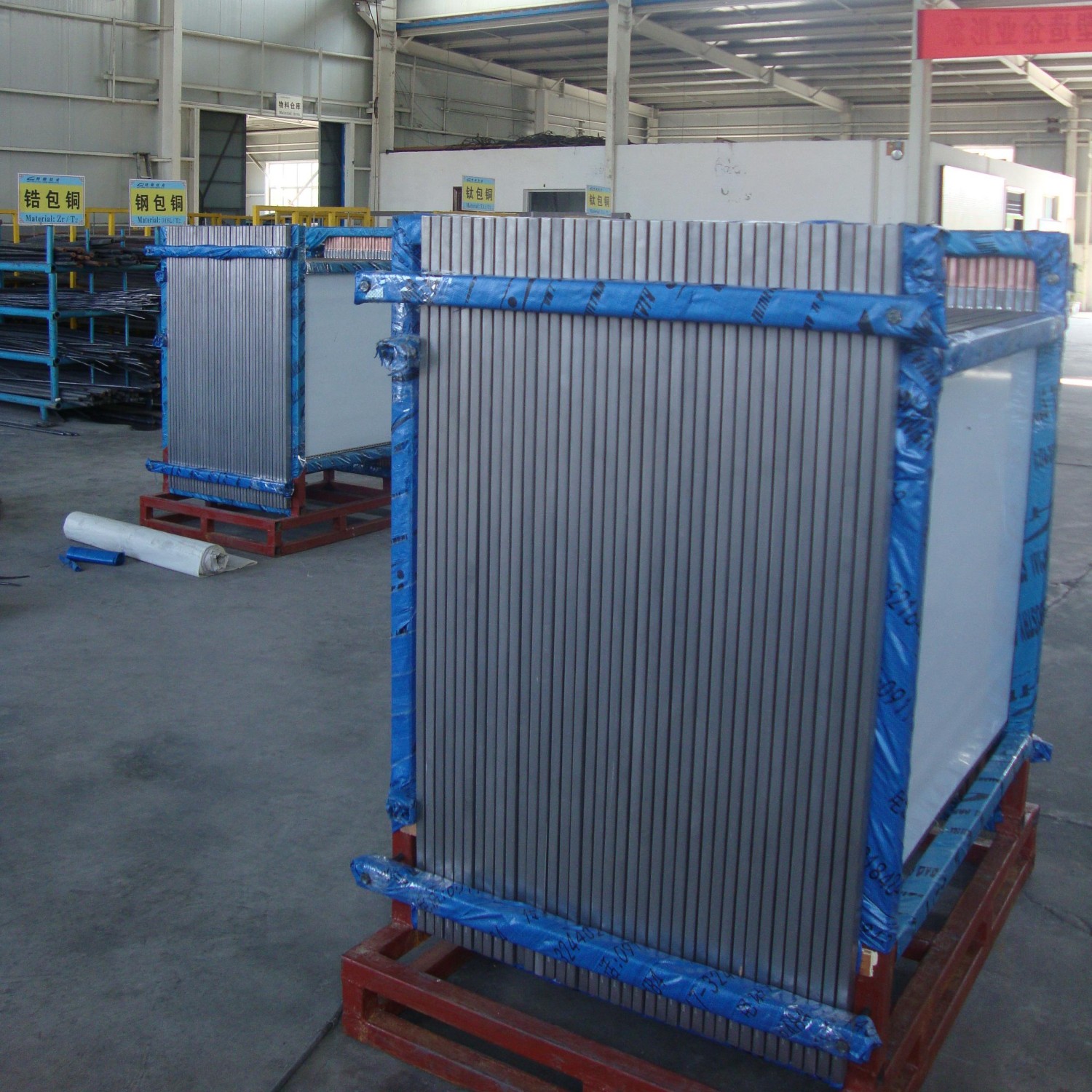
Understanding the critical role of permanent stainless steel cathodes in modern metal electrowinning and electrorefining processes.
In hydrometallurgy, the stainless steel cathode serves as the primary electrode onto which target metals — most commonly copper, zinc, nickel, and cobalt — are deposited during the electrowinning (EW) process. Unlike traditional starting sheet cathodes made from the same metal being deposited, permanent stainless steel cathodes (PSCs) are reusable, durable, and offer significant operational advantages.
Manufactured from high-grade 316L or 304 stainless steel, these cathodes feature a precisely engineered surface finish that promotes uniform metal deposition and easy stripping of the deposited metal plate. The smooth, passivated surface prevents adhesion while ensuring consistent current distribution across the entire active face.
🔬 Key Insight: Permanent stainless steel cathodes can achieve service lives exceeding 10–15 years in continuous electrowinning operations, dramatically reducing per-unit production costs compared to consumable starting sheet systems.
The geometry, edge strip design, hanger bar connection, and surface treatment of each cathode are critical engineering parameters that directly impact metal quality, current efficiency, and overall plant productivity. Our cathodes are precision-machined and quality-controlled to meet the exacting standards of global copper, zinc, and nickel refineries.
Why leading hydrometallurgy operations worldwide are transitioning to permanent stainless steel cathode technology.
316L stainless steel offers exceptional resistance to sulfuric acid electrolyte environments, chloride-containing solutions, and the harsh oxidizing conditions prevalent in copper and zinc electrowinning tankhouses. This ensures minimal degradation and consistent performance over years of continuous operation.
The precisely controlled surface roughness (Ra value) of our stainless steel cathodes ensures optimal nucleation and growth of deposited metal crystals. This translates directly into higher current efficiency, lower energy consumption per ton of metal produced, and superior metal quality with fewer inclusions and nodules.
Unlike consumable starting sheets, permanent stainless steel cathodes are stripped of deposited metal after each harvest cycle and reused indefinitely. With proper maintenance, service lives of 10–20 years are achievable, delivering outstanding return on investment for hydrometallurgy plant operators.
Flatness and dimensional accuracy are paramount in electrowinning. Our cathodes are manufactured to tight tolerances, ensuring uniform electrode gap maintenance across the cell, preventing short circuits, and enabling smooth mechanical stripping operations in automated cathode stripping machines (CSMs).
Modern hydrometallurgy plants increasingly rely on automated cathode stripping machines for high-throughput, low-labor harvesting of deposited metal. Our stainless steel cathodes are engineered to precise dimensional standards compatible with leading CSM systems from manufacturers worldwide, enabling seamless integration.
Every hydrometallurgy plant has unique cell dimensions, electrolyte chemistry, and production targets. We offer full custom engineering of cathode dimensions, hanger bar design, edge strip materials, and surface treatments to match your specific plant requirements — from greenfield projects to retrofit upgrades.
A look at the current global market landscape and the growing adoption of permanent stainless steel cathode technology across the metals industry.
The global permanent stainless steel cathode market has seen robust growth over the past two decades, driven by the widespread adoption of solvent extraction-electrowinning (SX-EW) technology in copper production. Today, over 20% of global copper production — approximately 4 million tonnes per year — is produced via the SX-EW route, with permanent stainless steel cathodes being the dominant cathode technology in new and retrofitted tankhouses across Chile, Peru, the Democratic Republic of Congo, Zambia, and Australia.
Beyond copper, the zinc electrowinning industry — a major consumer of stainless steel cathodes — produces over 13 million tonnes of refined zinc annually, with the vast majority using permanent stainless steel cathodes. The nickel and cobalt sectors, fueled by surging demand for electric vehicle (EV) battery materials, are also rapidly expanding electrowinning capacity, creating significant new demand for high-performance stainless steel cathode systems.
The global energy transition is fundamentally reshaping demand for hydrometallurgical processing. Nickel sulfate, cobalt sulfate, and manganese sulfate — all produced via hydrometallurgical routes — are essential precursor materials for lithium-ion battery cathodes. This is driving major investments in new electrowinning capacity globally, with stainless steel cathodes at the core of these new facilities.
China has emerged as the world's leading manufacturer and exporter of permanent stainless steel cathodes, offering highly competitive pricing, advanced manufacturing capabilities, and the ability to fulfill large-volume orders with short lead times. Chinese suppliers, including Baoji Special Steel Titanium Industry Co., Ltd., are now supplying cathodes to major mining and refining operations across Africa, South America, Southeast Asia, and beyond.
Stainless steel cathodes are deployed across a wide range of hydrometallurgical applications — each with unique requirements and engineering considerations.
In copper solvent extraction-electrowinning (SX-EW) plants, stainless steel cathodes are immersed in sulfuric acid electrolyte (pH 0–2) alongside dimensionally stable anodes (DSA) or lead alloy anodes. Copper deposits onto the cathode face over a 5–7 day cycle, after which the cathode is harvested and stripped. Our 316L stainless steel cathodes are specifically designed for this aggressive acid environment, with edge strips that prevent copper wrap-around and hanger bars that ensure optimal current distribution.
Zinc electrowinning operates at higher current densities (400–600 A/m²) and in more aggressive electrolyte conditions than copper EW. Stainless steel cathodes for zinc EW must exhibit exceptional flatness and surface uniformity to prevent uneven zinc deposition and the formation of zinc dendrites that can cause short circuits. Our cathodes are cold-rolled and leveled to achieve flatness tolerances of less than 2mm over the full active face area.
The production of battery-grade nickel and cobalt via electrowinning demands ultra-high purity metal deposits with tightly controlled surface morphology. Stainless steel cathodes used in these applications require a mirror-polished surface finish (Ra < 0.4 µm) to ensure smooth, dense metal deposition and easy stripping without contamination. Our cathodes for nickel and cobalt EW undergo specialized surface treatment processes to meet these stringent requirements.
In precious metal refineries processing gold, silver, and platinum group metals (PGMs), stainless steel cathodes provide a chemically inert, dimensionally stable substrate for electrolytic refining operations. The ability to achieve very high metal purity (>99.99%) in a controlled electrochemical environment makes stainless steel cathodes the preferred choice for high-value metal refining operations worldwide.
Manganese electrowinning — used to produce electrolytic manganese metal (EMM) and electrolytic manganese dioxide (EMD) — represents a growing application for stainless steel cathodes. With global EMM production exceeding 1.5 million tonnes per year, primarily in China, the demand for high-quality stainless steel cathodes in this sector is substantial. Our cathodes are engineered to withstand the specific electrolyte chemistry and operating conditions of manganese EW cells.
Beyond primary metal production, stainless steel cathodes are increasingly used in electrowinning systems designed for metal recovery from industrial wastewater, spent electrolytes, and secondary resources. These applications — including recovery of copper from PCB leachates and precious metals from e-waste — represent a fast-growing niche that leverages the versatility and durability of permanent stainless steel cathode technology.
The hydrometallurgy industry is evolving rapidly. Here are the key trends shaping the next generation of stainless steel cathode technology.
The integration of robotic cathode stripping machines, automated inspection systems using computer vision, and IoT-enabled cathode tracking is transforming tankhouse operations. Next-generation stainless steel cathodes are being designed with embedded RFID tags and optimized geometries for seamless compatibility with fully automated material handling systems.
Environmental, Social, and Governance (ESG) pressures are driving the hydrometallurgy industry toward lower-carbon, lower-waste production methods. Permanent stainless steel cathodes — with their long service life, recyclability at end-of-life, and contribution to high-purity metal production — align well with green metallurgy principles and circular economy objectives.
Research and development is focused on advanced surface coatings, nano-structured surface treatments, and novel alloy compositions for stainless steel cathodes that can further improve current efficiency, reduce energy consumption, and extend service life in increasingly aggressive electrolyte environments driven by higher-grade ore processing demands.
The combination of stainless steel cathodes with advanced composite anode materials — such as titanium-based lead dioxide anodes and titanium-clad copper composite bars — is enabling new levels of system efficiency and operational flexibility. These integrated electrode systems are becoming the standard for new greenfield hydrometallurgy projects.
Digital twin technology, machine learning-based process optimization, and real-time electrochemical monitoring are being applied to electrowinning tankhouses to maximize cathode performance, predict maintenance needs, and optimize harvest cycles. High-quality stainless steel cathodes with consistent properties are a prerequisite for effective digital process control.
Rapid industrialization in Africa, Southeast Asia, and Latin America is driving investment in new hydrometallurgical processing capacity for copper, cobalt, nickel, and zinc. These emerging markets represent the fastest-growing demand segment for permanent stainless steel cathodes, creating significant export opportunities for Chinese manufacturers with established quality credentials.
A trusted global manufacturer of stainless steel cathodes, composite metal materials, and specialty non-ferrous metals for hydrometallurgy and industrial applications.
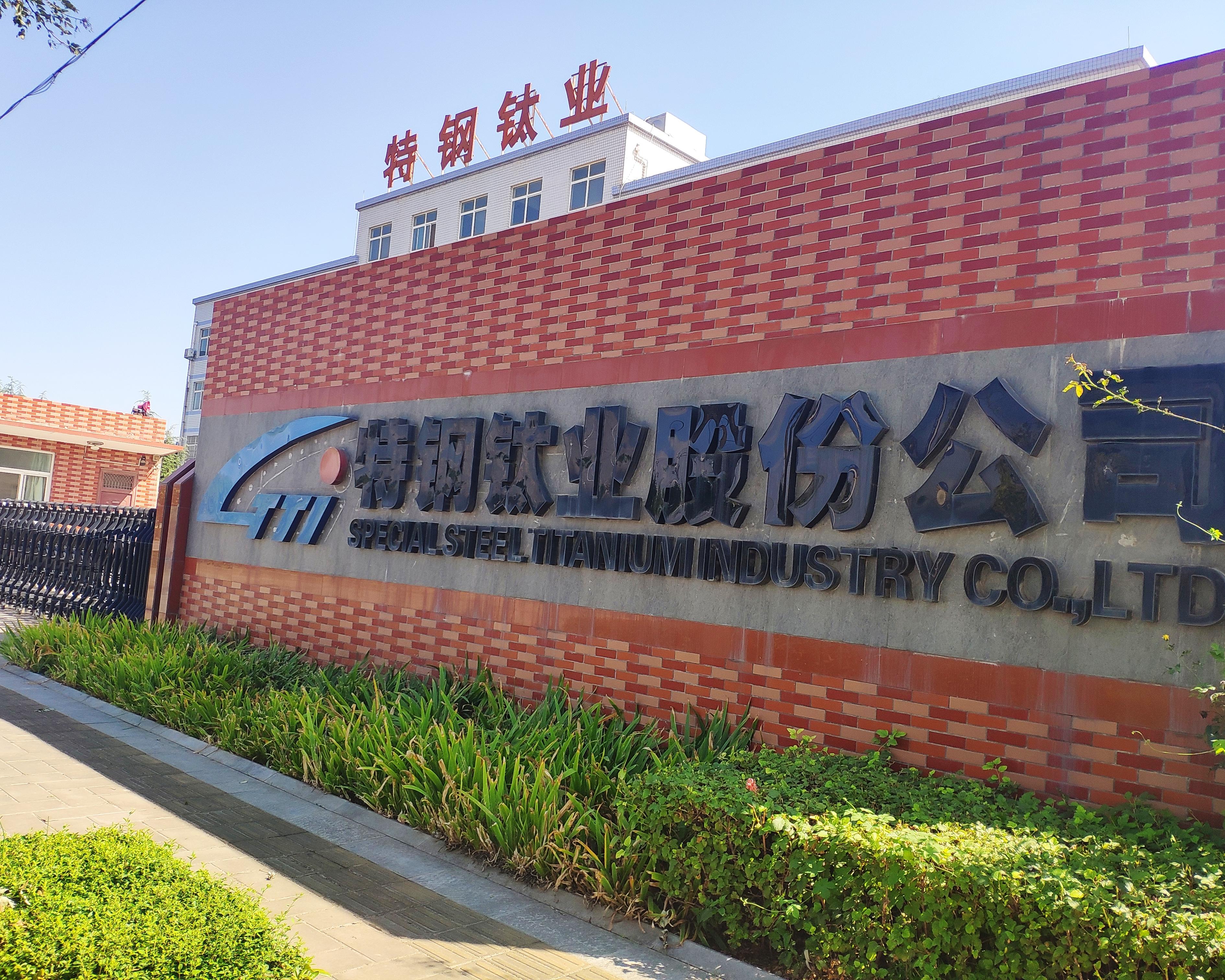
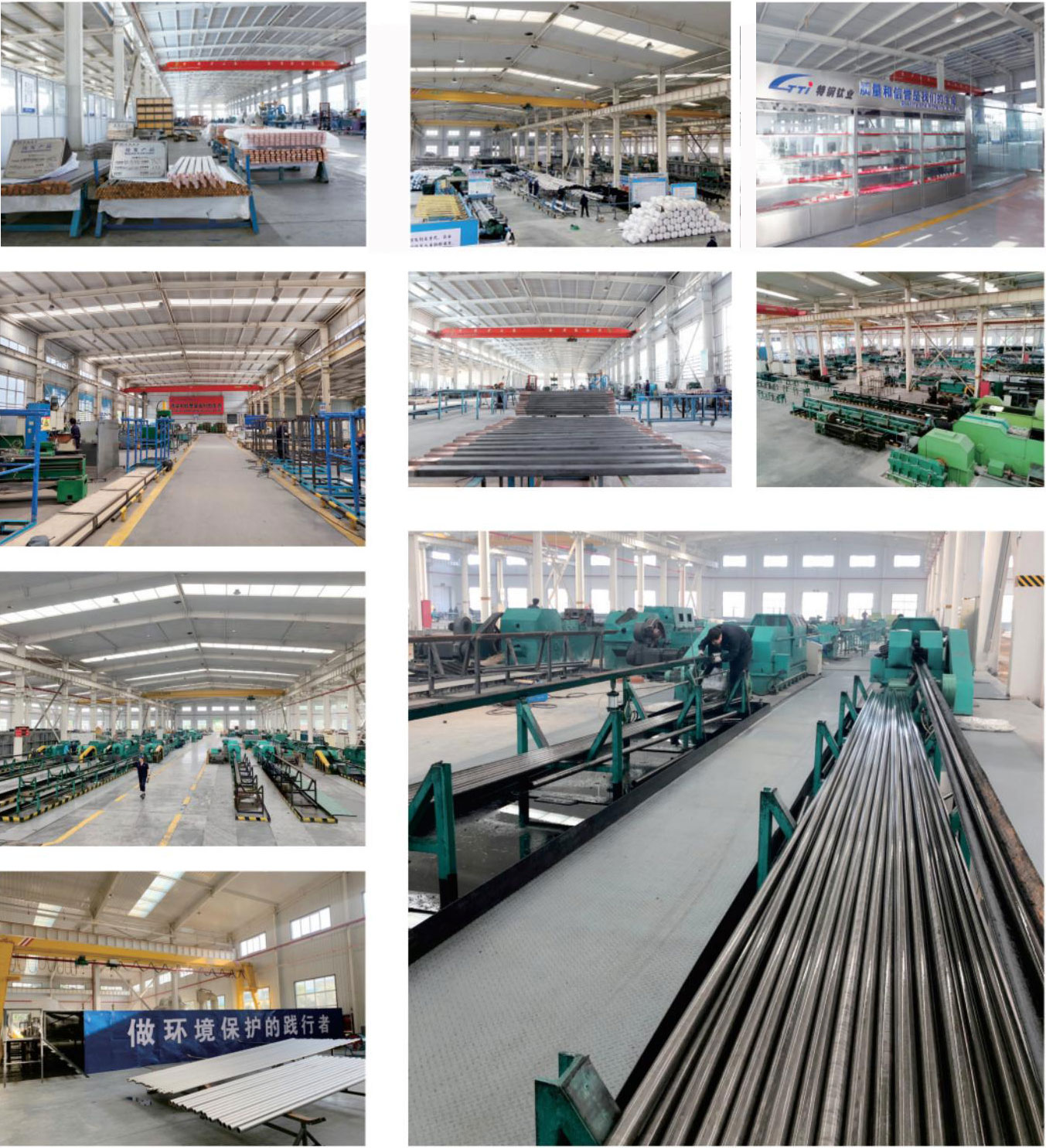
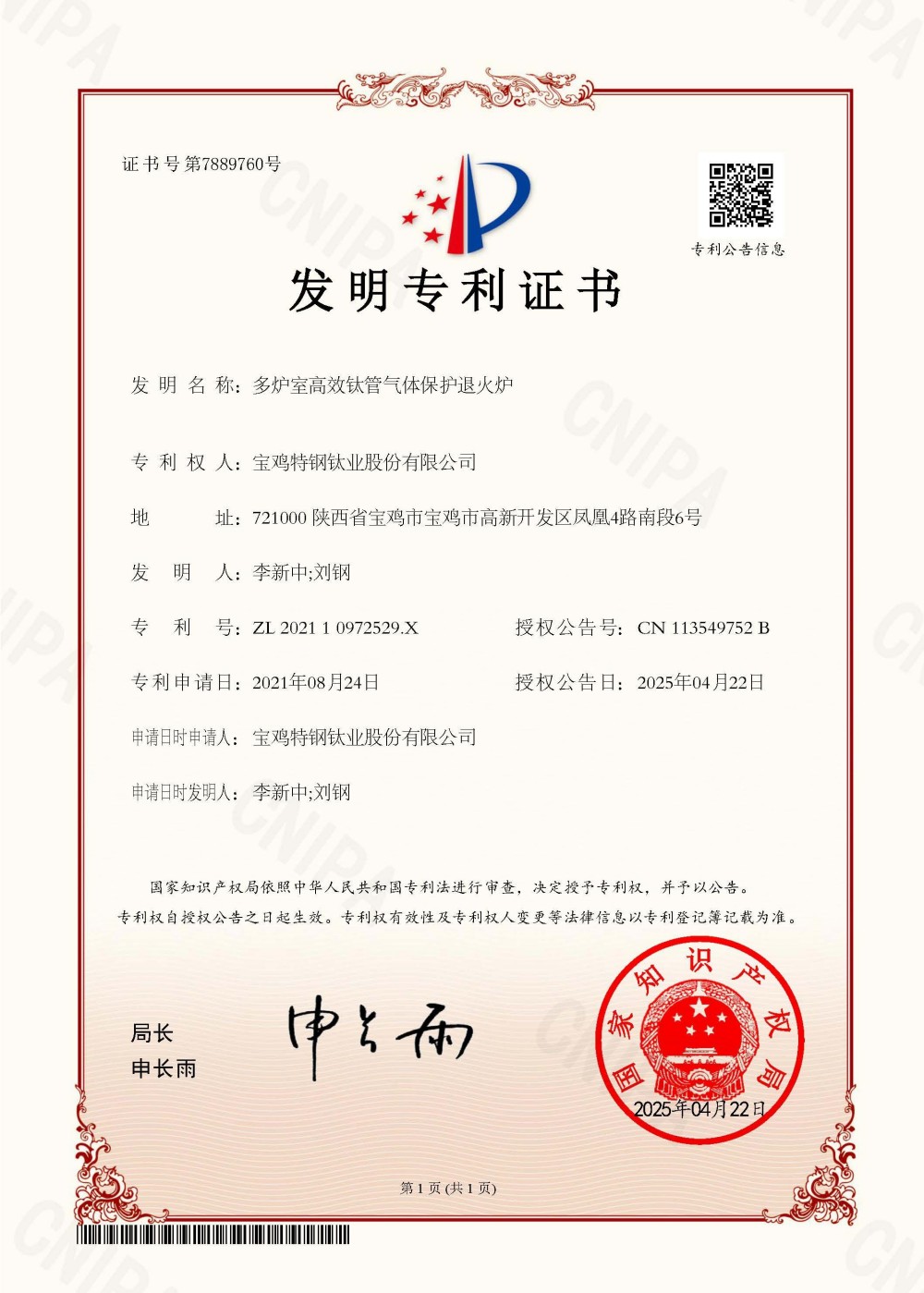
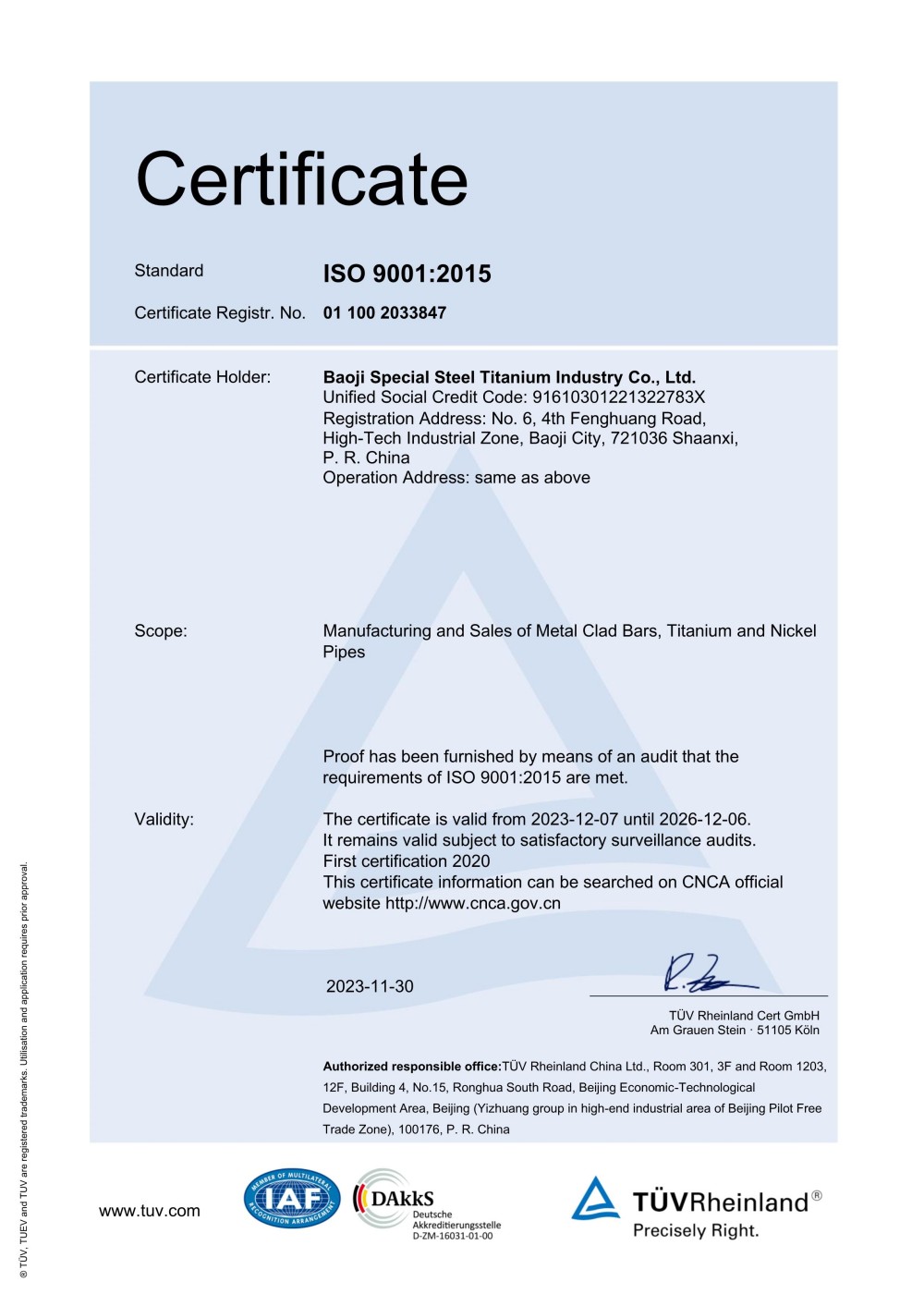
Is a joint-stock industrial enterprise specializing in the research, development, manufacturing and sales of titanium, nickel, zirconium and other metal pipes and metal composite materials. The company was founded in 1997, located in Shaanxi Baoji National High-tech Industrial Development Zone, the factory covers an area of 41,000 square meters. The company has an annual production capacity of over 3000 tons of non-ferrous metal pipes, composite materials and various deep processing products such as titanium, zirconium, nickel, tantalum and copper, etc., and a series of products according to varieties and specifications have reached more than 500 kinds. The annual export accounted for more than 30% of the company's total output, making it an export-oriented industrial enterprise with strong growth momentum. The company has obtained the national high and new technology enterprise certification and has been listed in the first batch of industries encouraged to develop by the National Development and Reform Commission.


Comprehensive non-ferrous metal solutions spanning pipes, composite materials, and advanced electrode systems for hydrometallurgy plants and industrial applications.
Titanium and titanium alloy, nickel and nickel alloy, zirconium and zirconium alloy mainly non-ferrous metal pipe;
Non-ferrous metal composite materials mainly composed of titanium clad copper, including: titanium clad copper, zirconium clad copper, ladle copper, composite wire, multilayer composite metal, etc.;
Titanium cathode is the main product of the composite electrode series, including: titanium cathode, stainless steel permanent cathode, nickel anode, titanium-based lead dioxide anode, and so on.
A series of nickel materials products mainly consisting of nickel plates, nickel rods and nickel strips.
Since its establishment, the company has always adhered to the development strategy of continuous innovation and continued to expand the market with new technology and new products as the fulcrum. After more than 20 years of development and accumulation, the products have entered the markets of Germany, Japan, the United States, Norway, Finland, South Africa, Singapore, India and other countries and Taiwan regions, and have been highly praised.
Stable product quality, integrity as the core of the business philosophy, by the world's customers trust.
🏆 "To build an excellent enterprise team, continuously improve the management and manufacturing methods, so that every customer can get the maximum benefit from each product" — the eternal pursuit of Baoji Special Steel Titanium Industry personnel.
Our stainless steel cathodes for hydrometallurgy plants represent the culmination of over two decades of continuous R&D investment, manufacturing process refinement, and close collaboration with global mining and refining customers to develop electrode solutions that consistently exceed performance expectations.
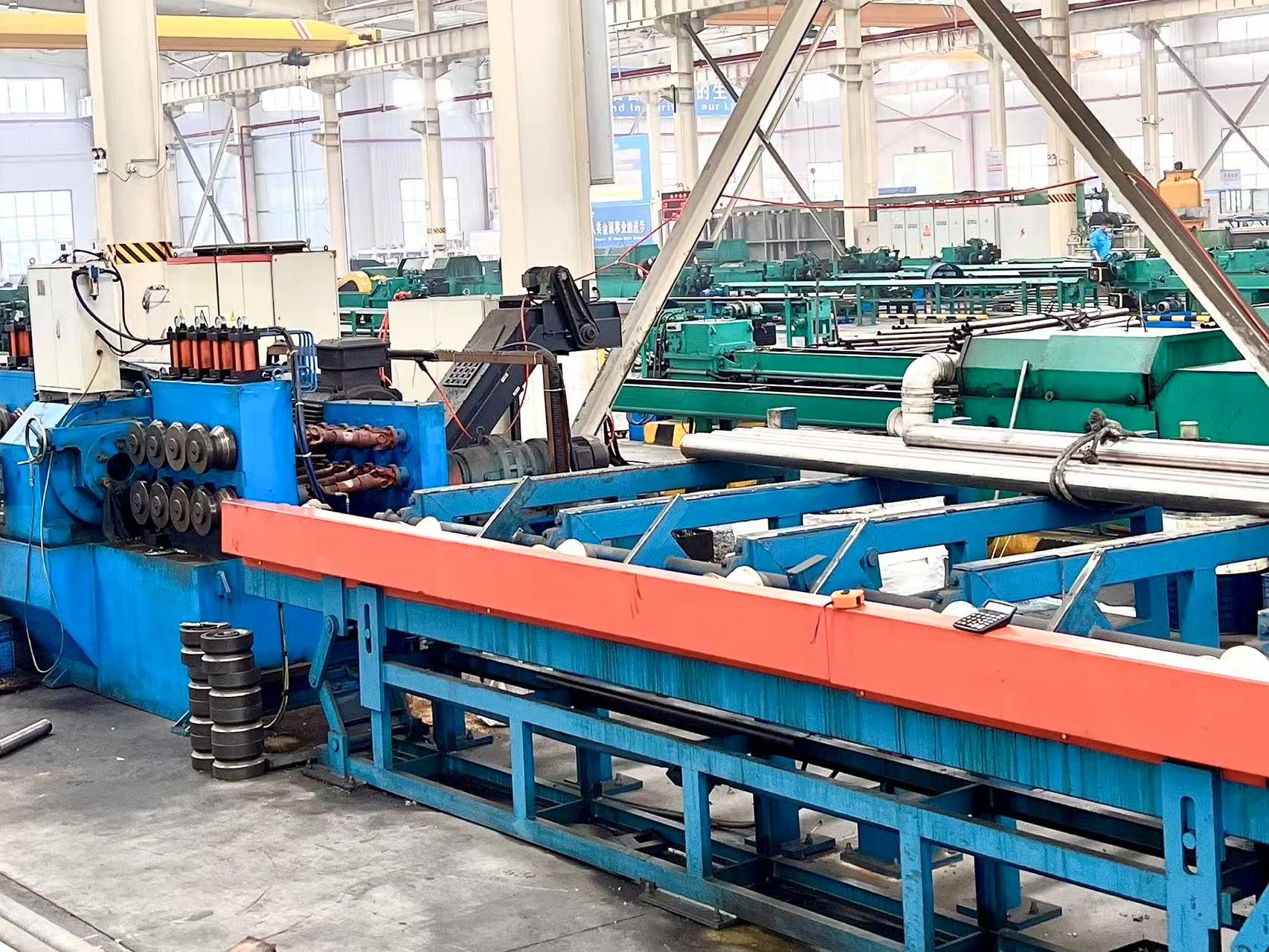
State-of-the-art manufacturing infrastructure ensuring precision, consistency, and quality in every stainless steel cathode and composite metal product we produce.
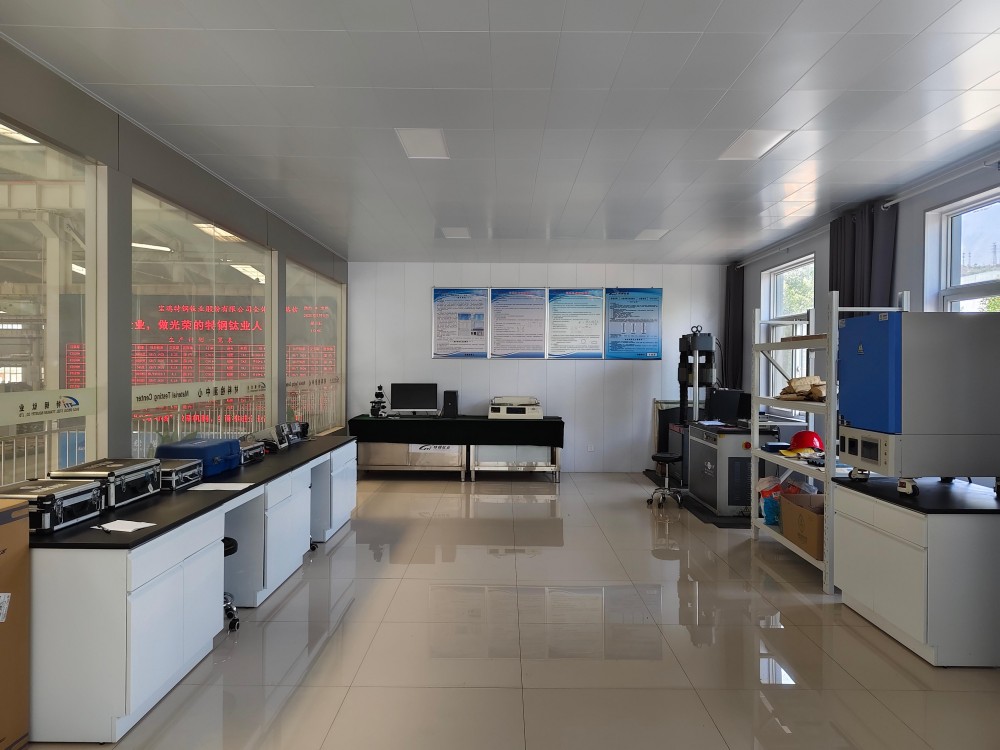
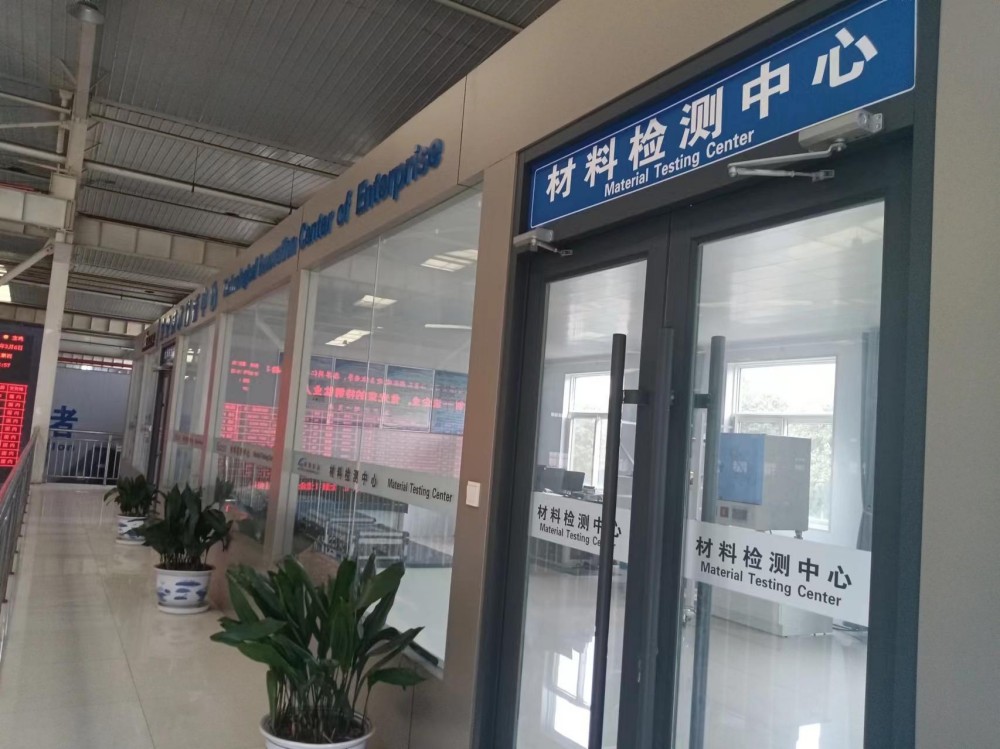
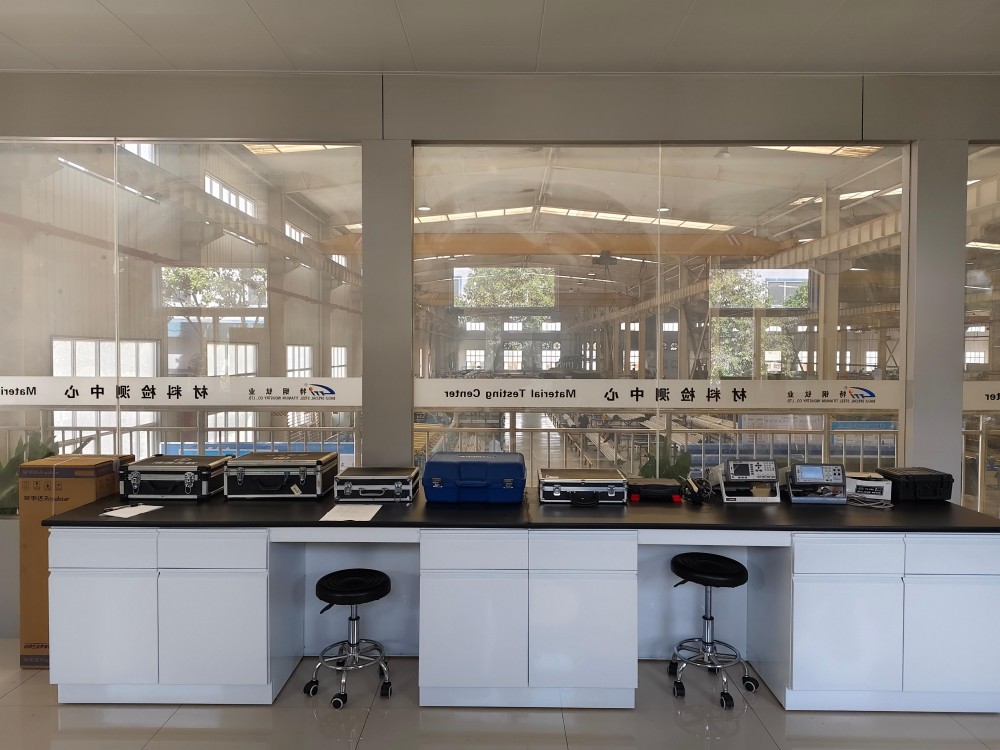
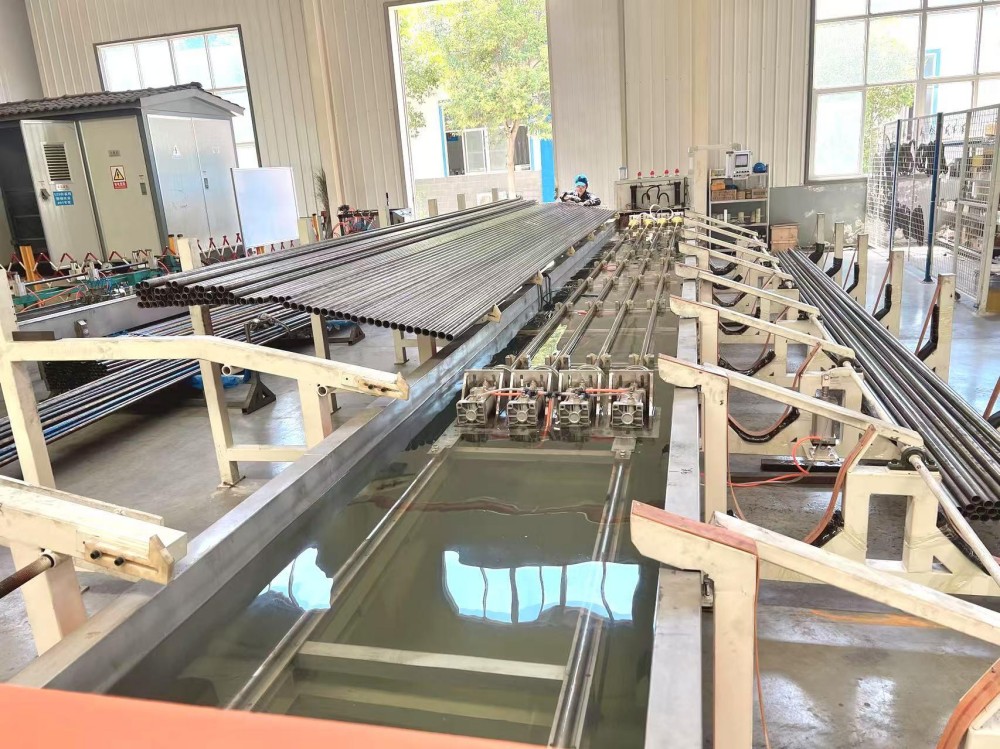
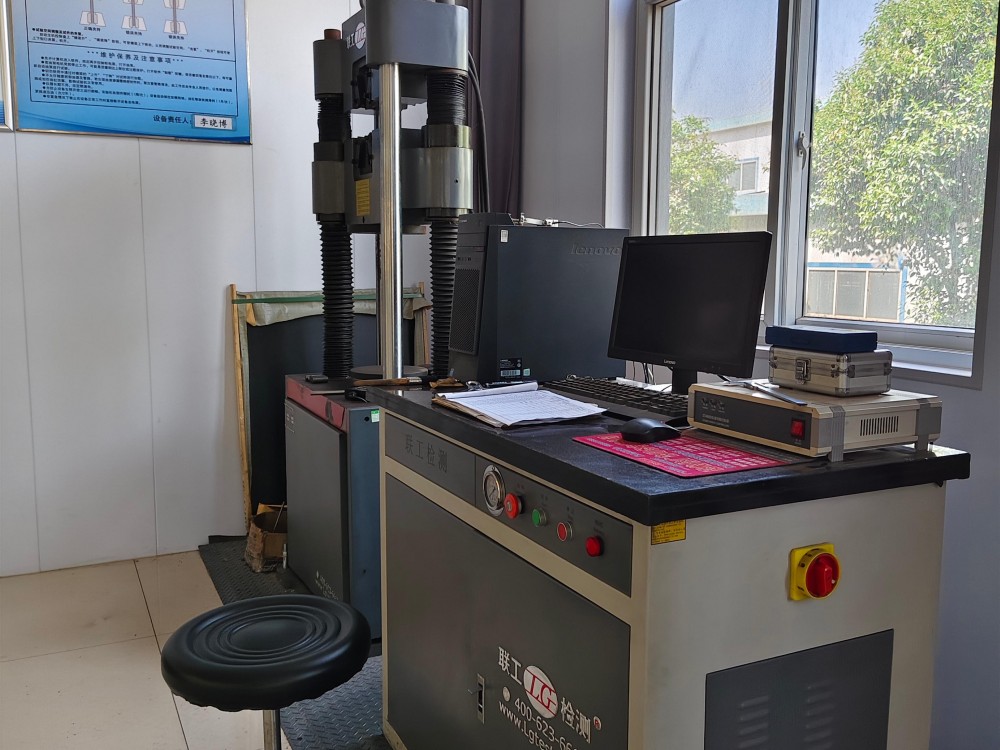
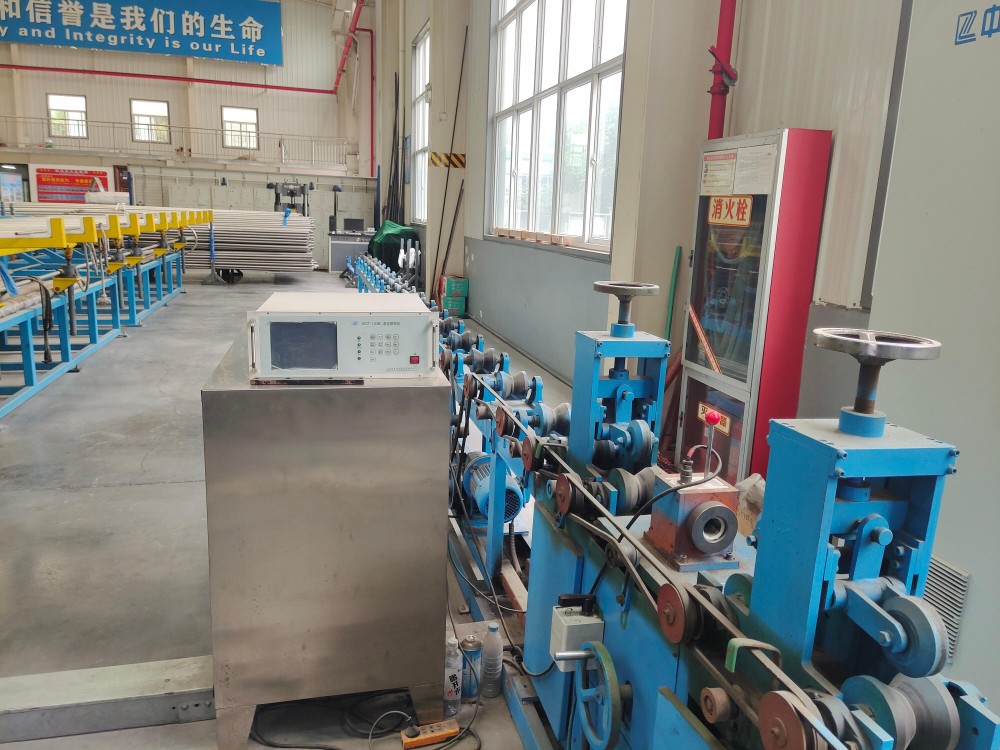
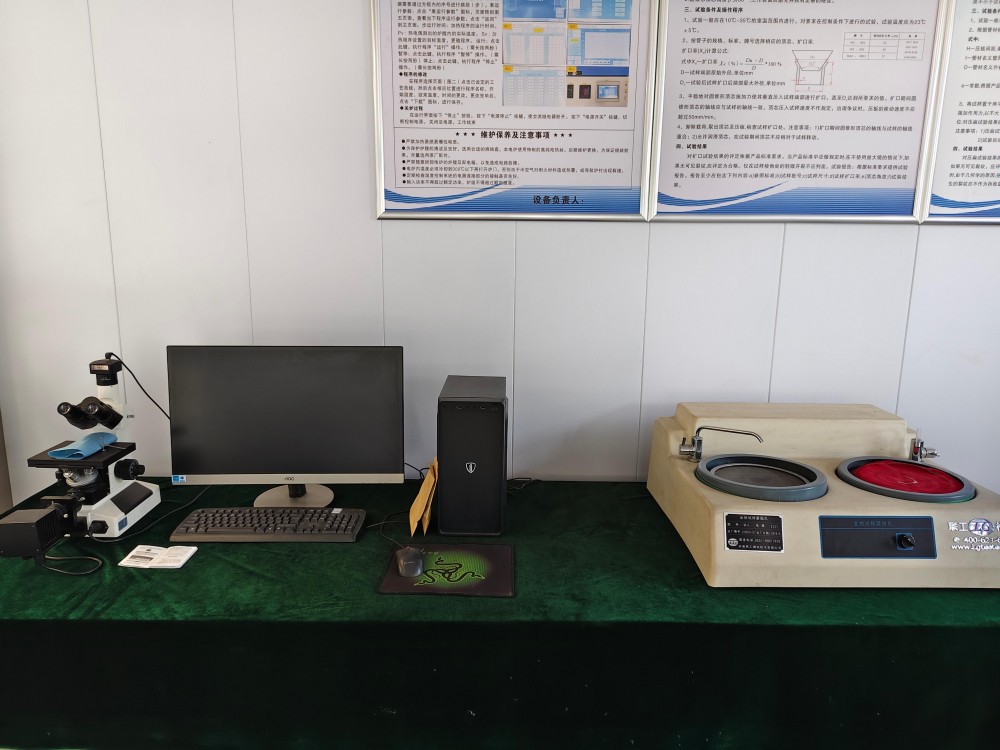
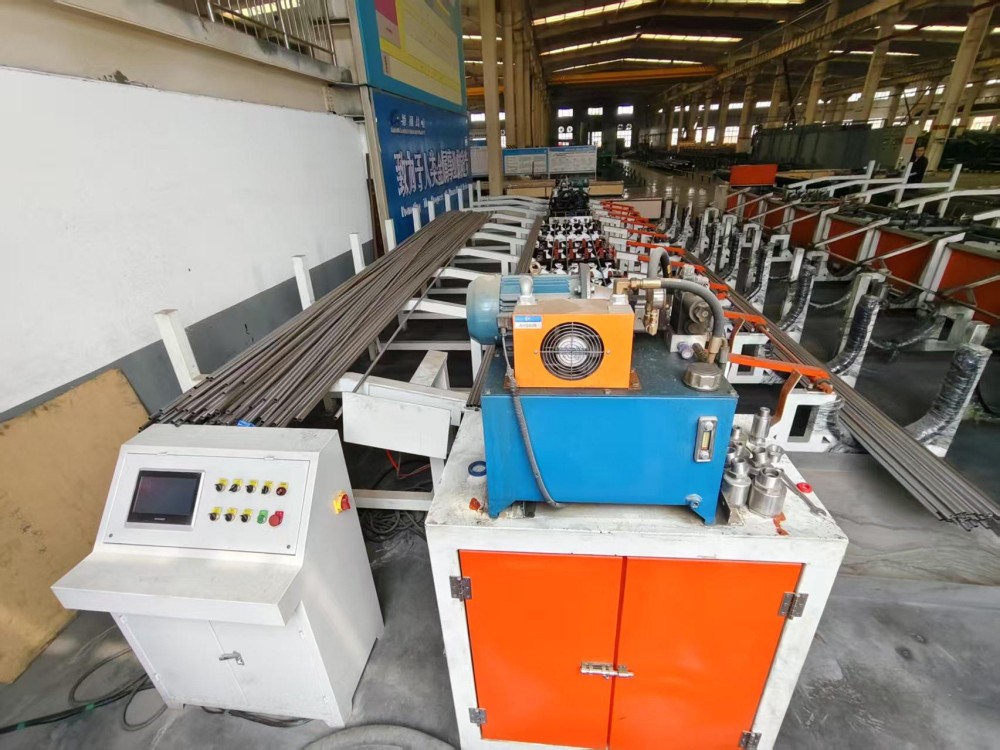
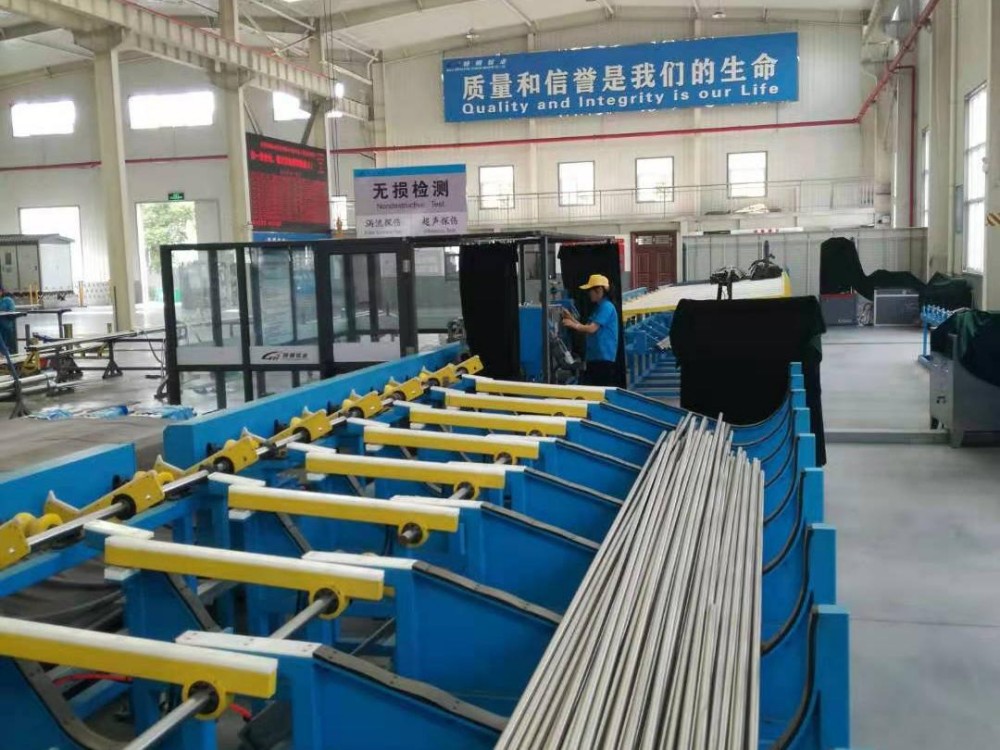
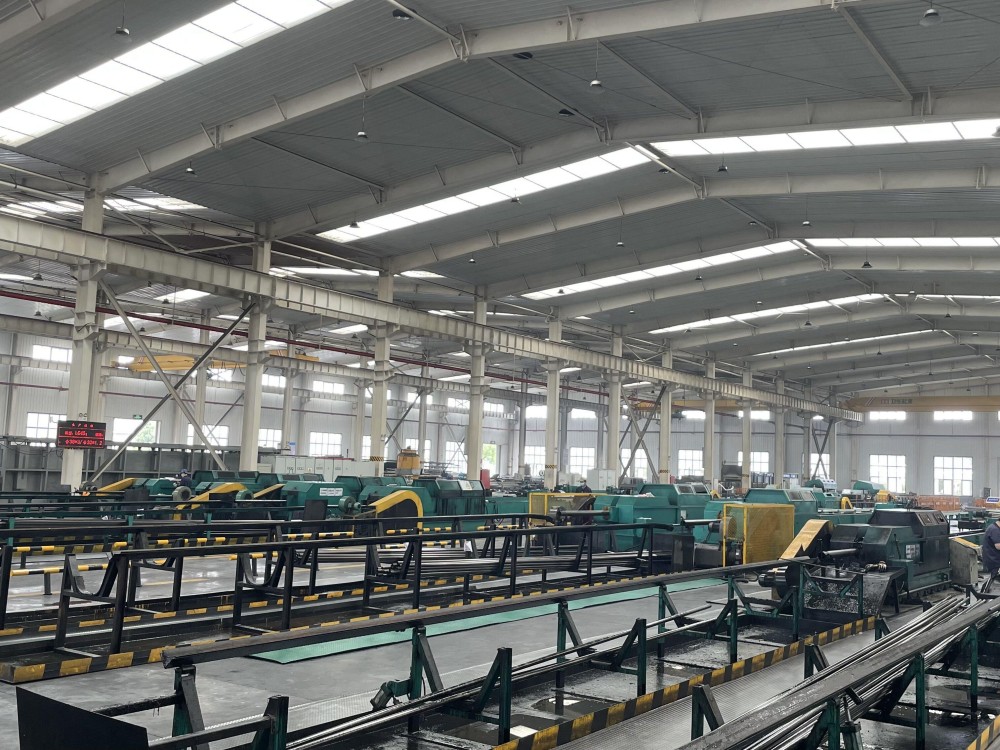
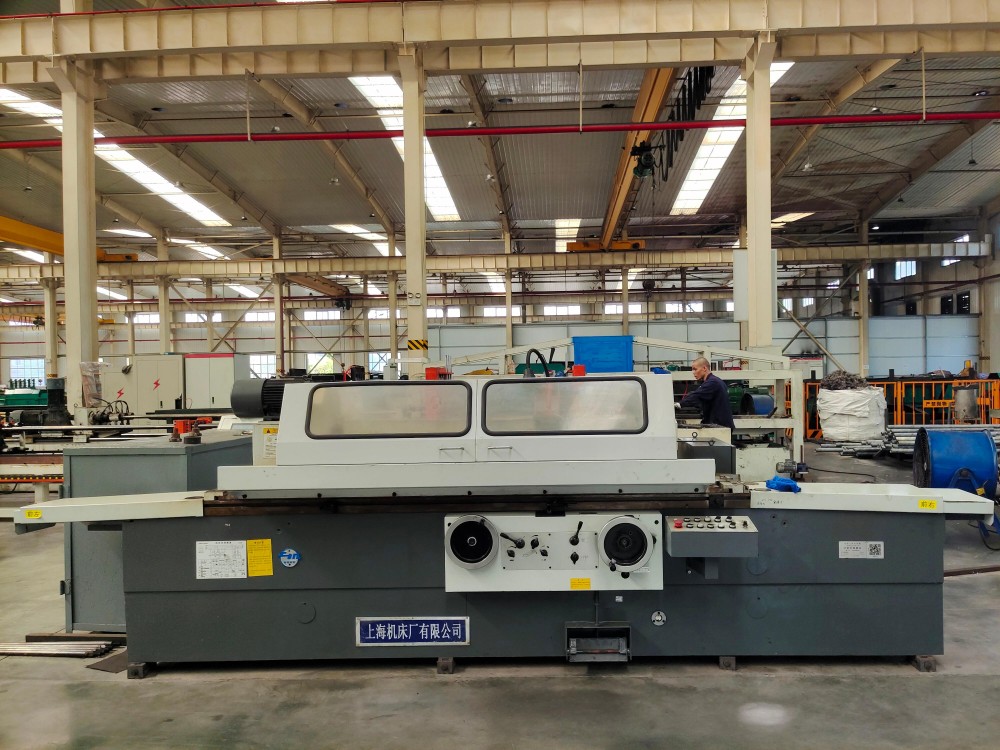
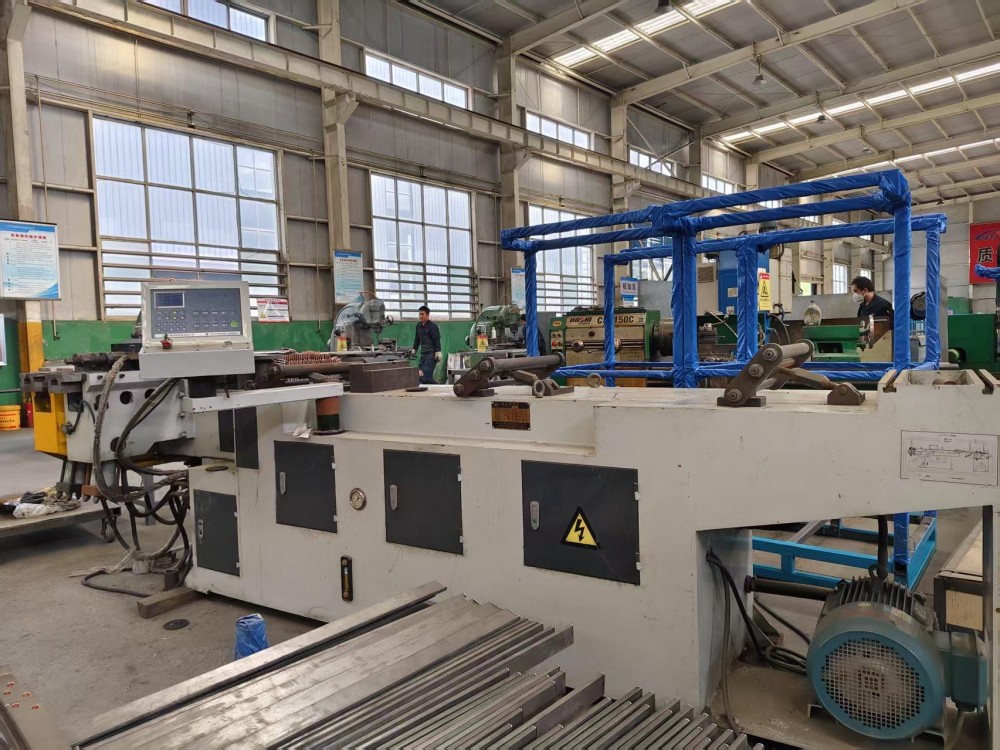
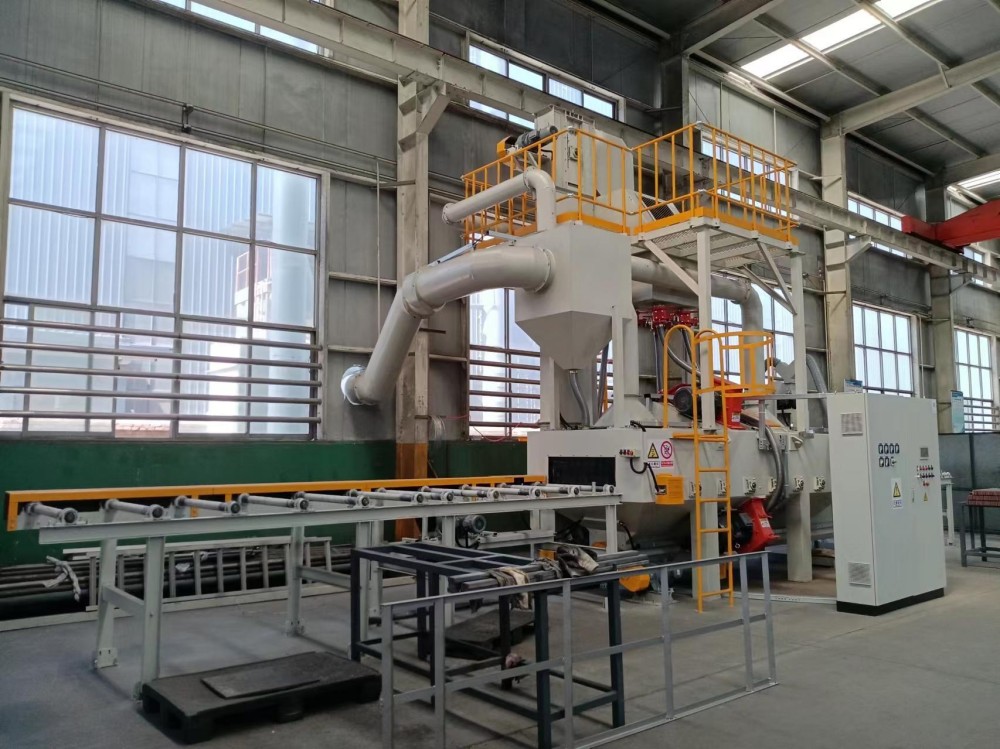
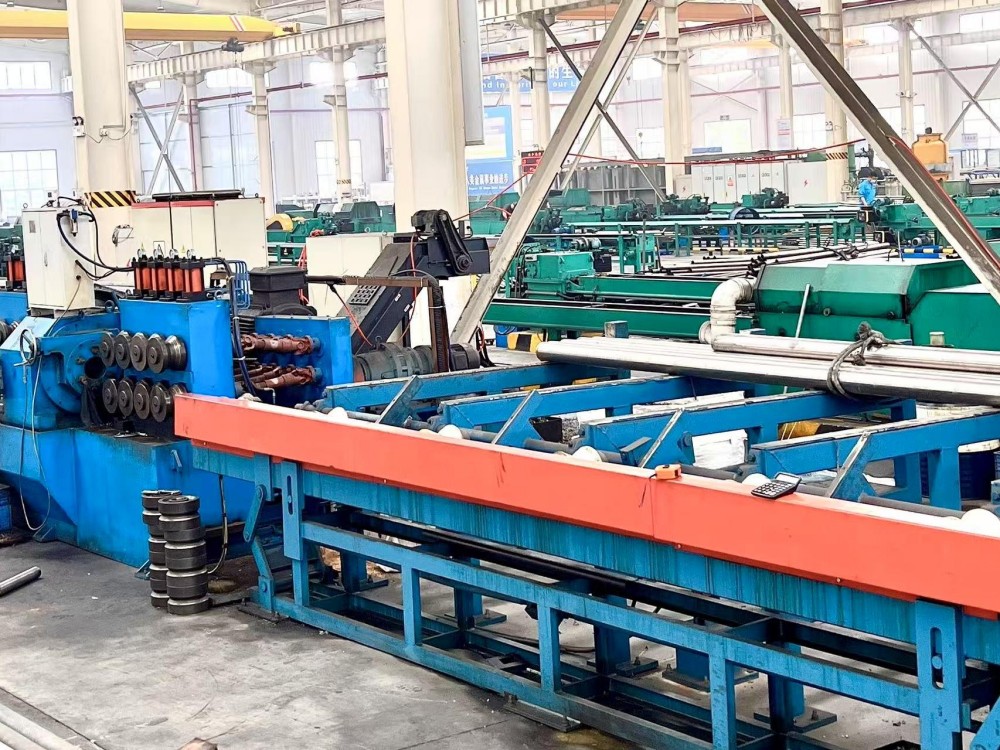
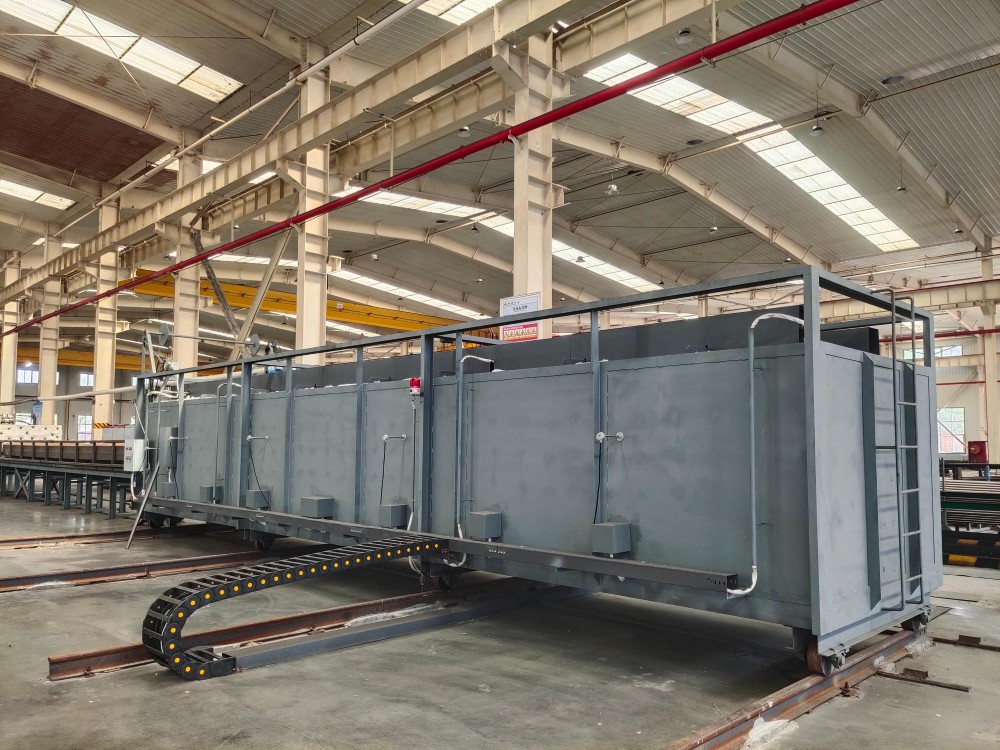
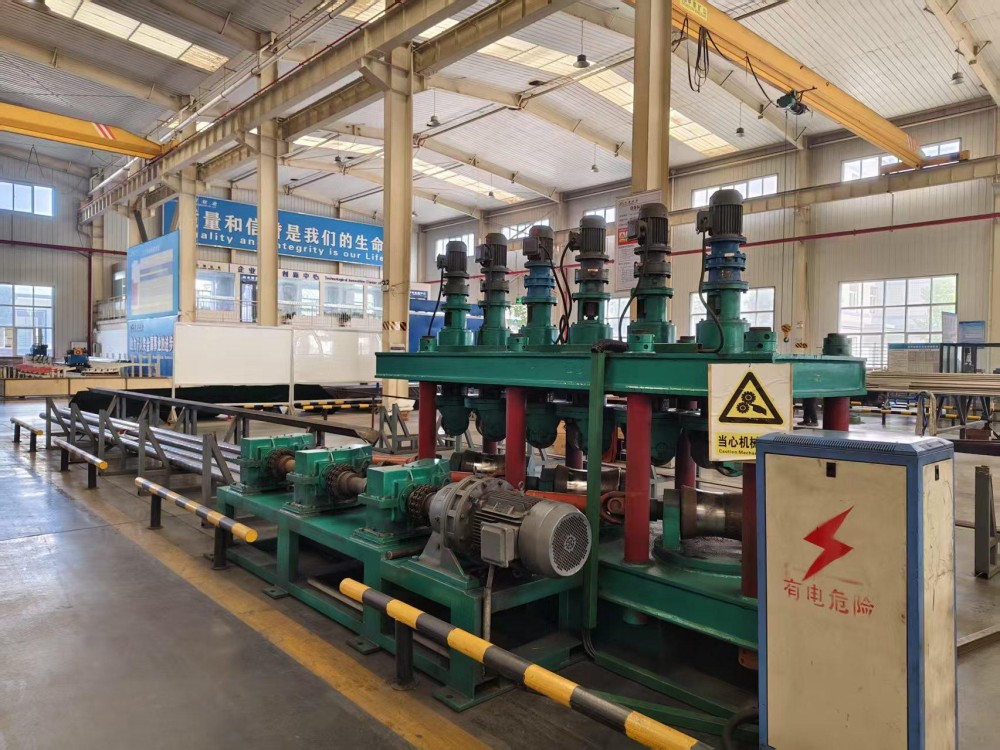
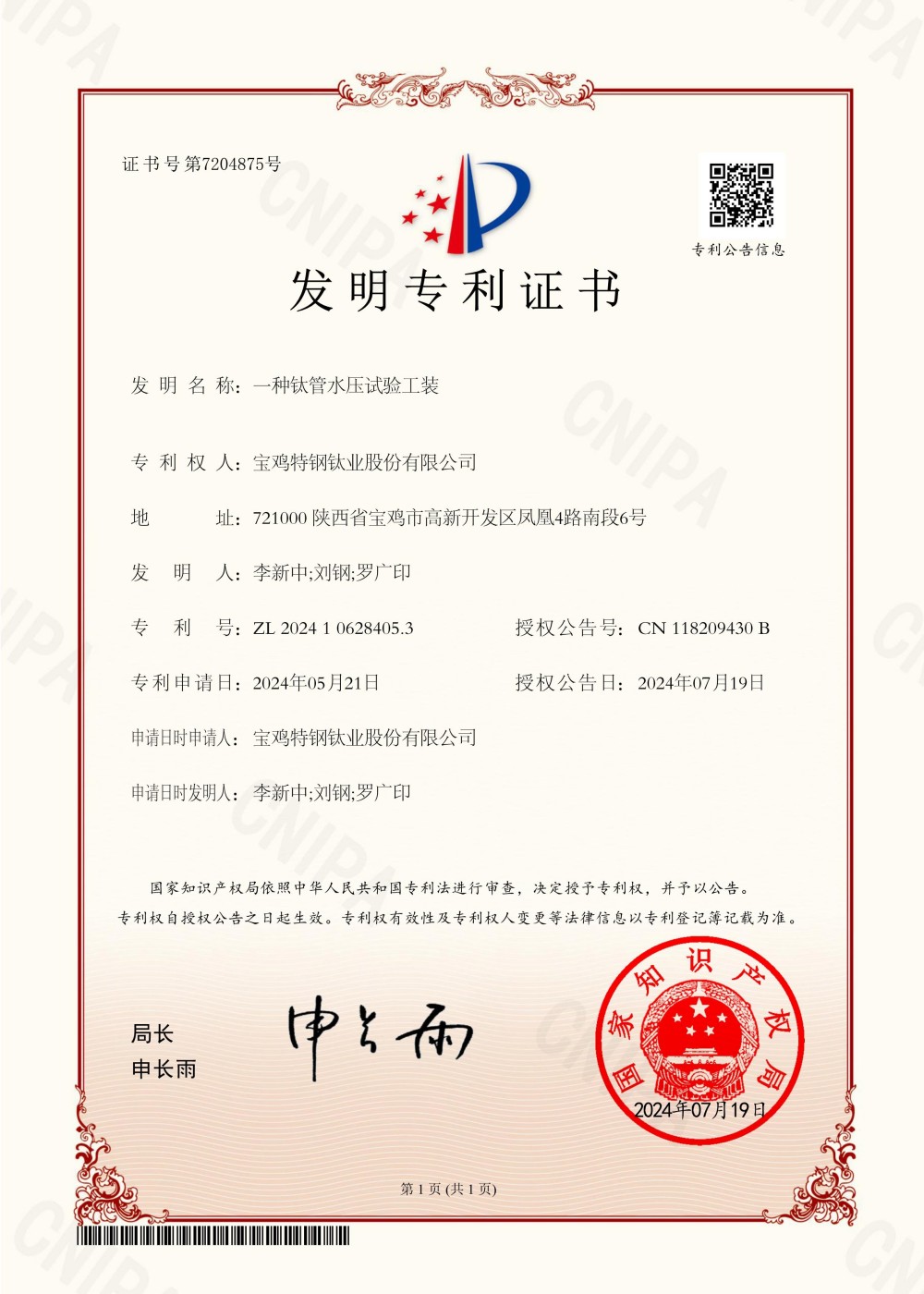
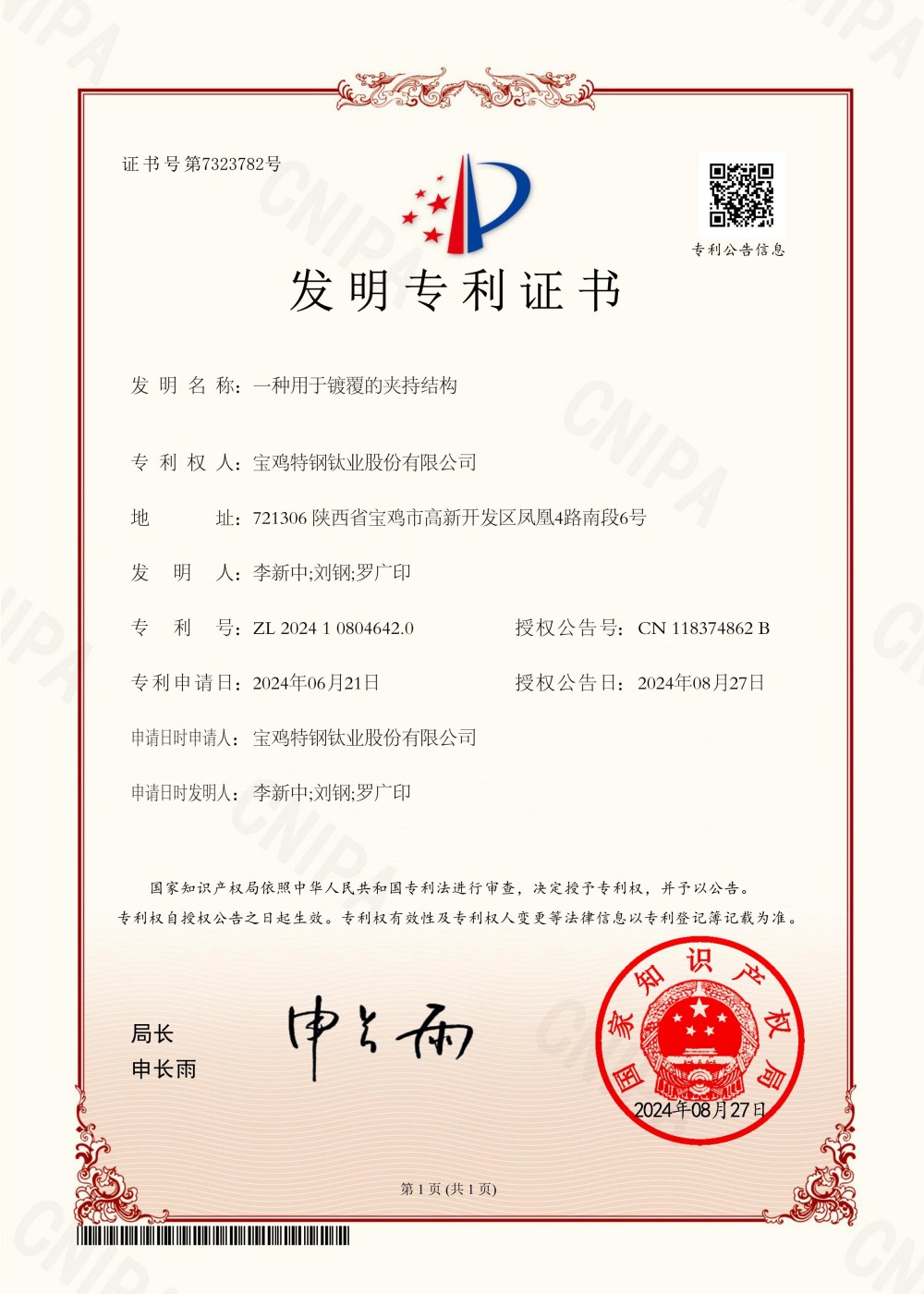
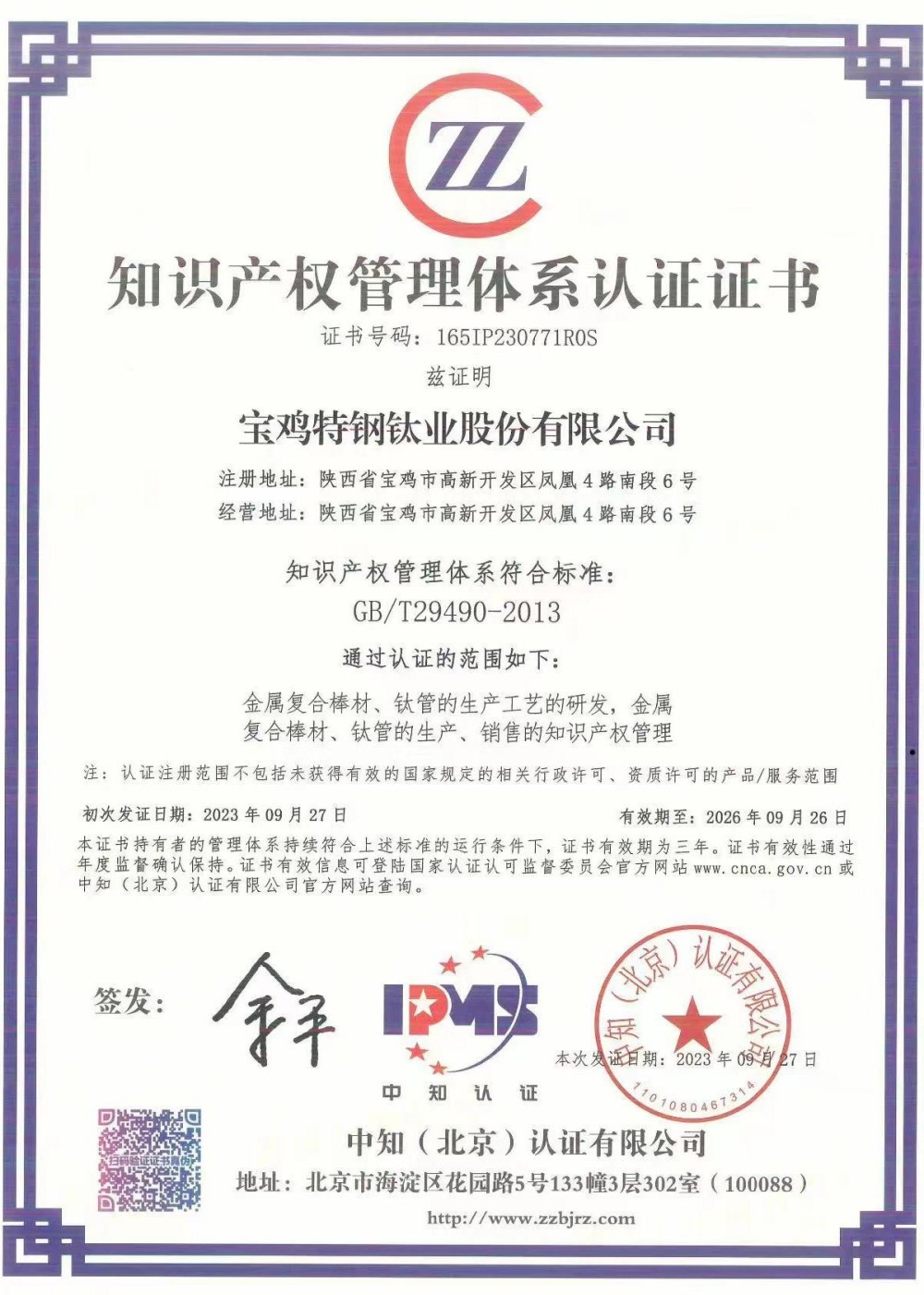
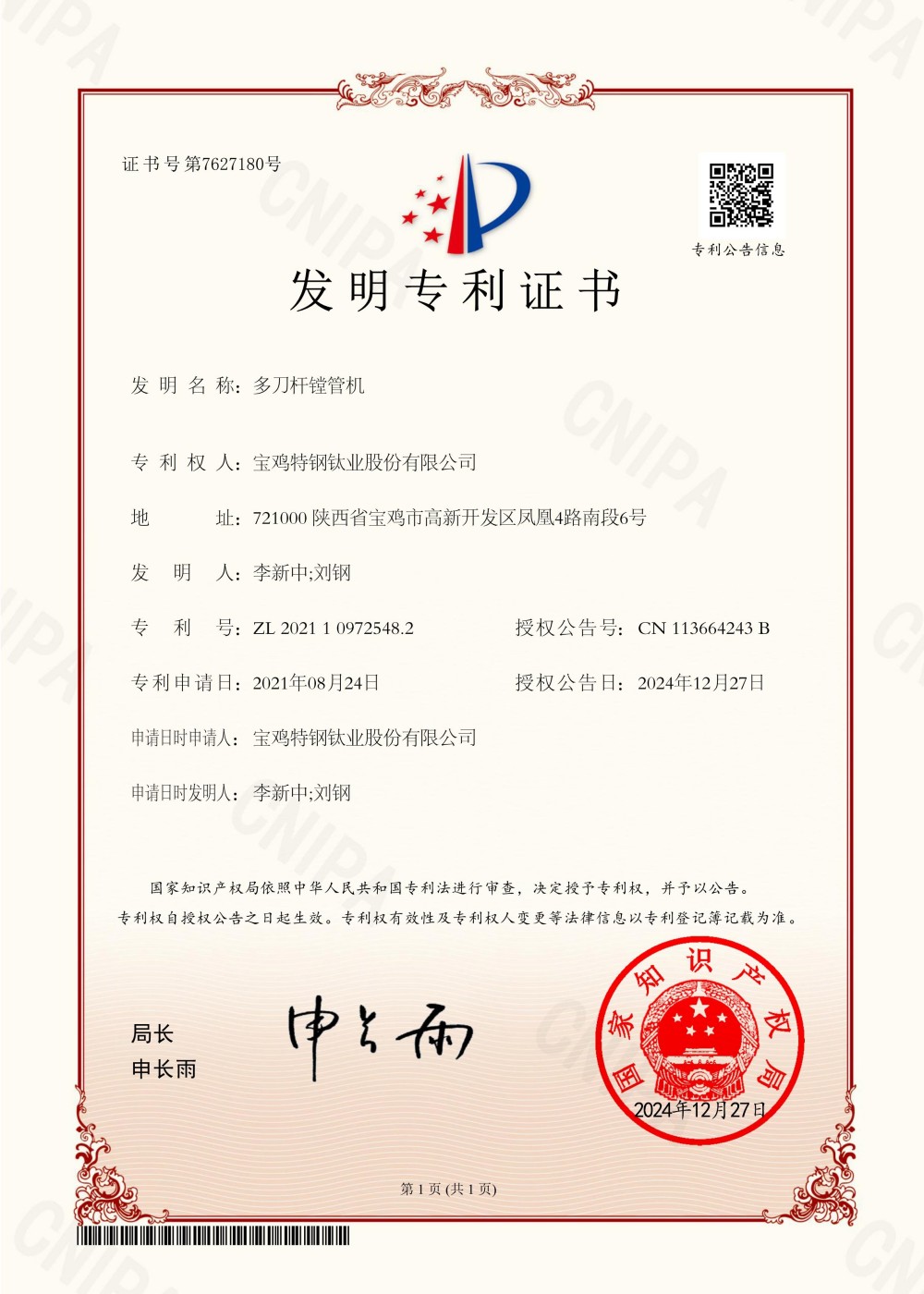
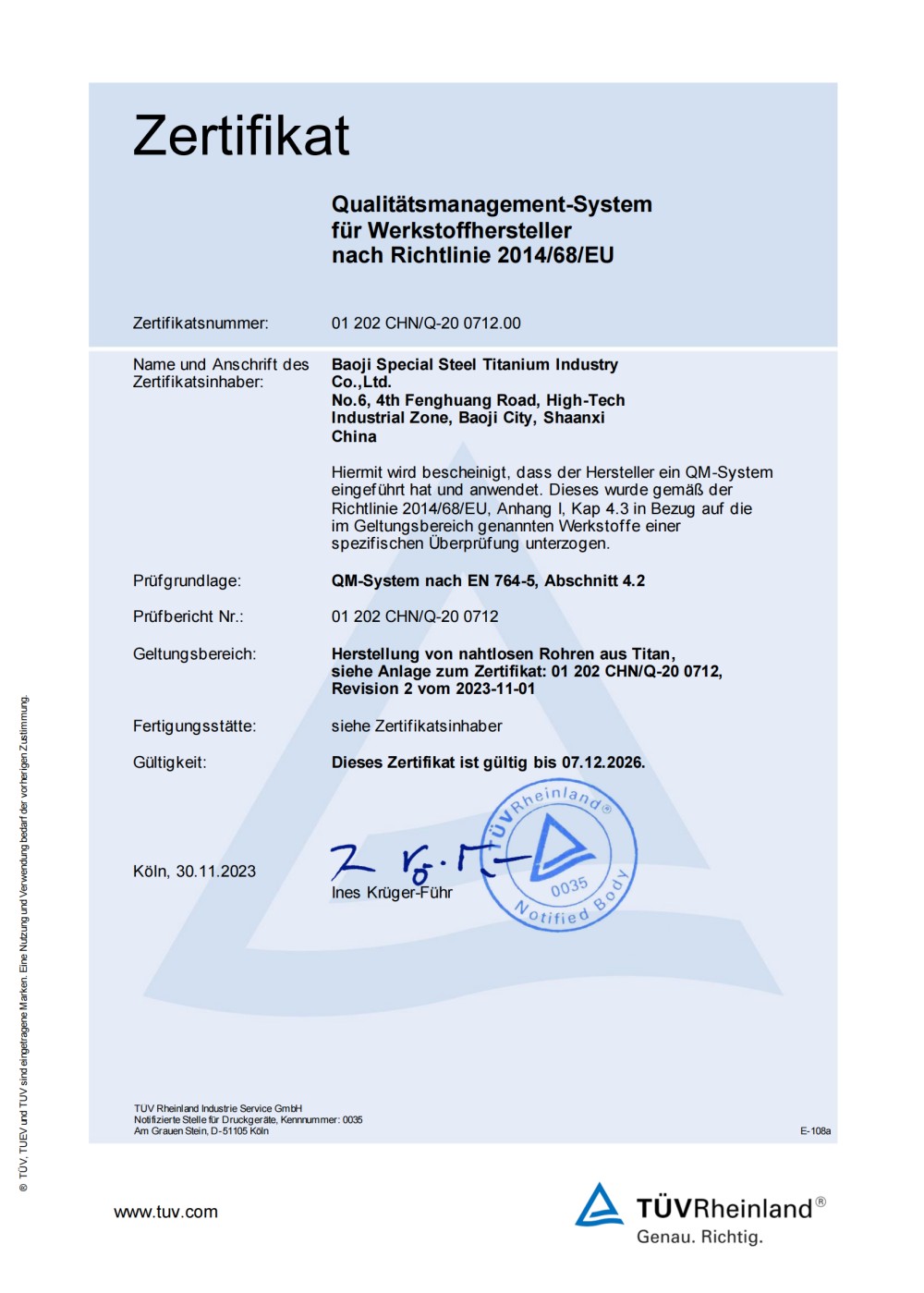
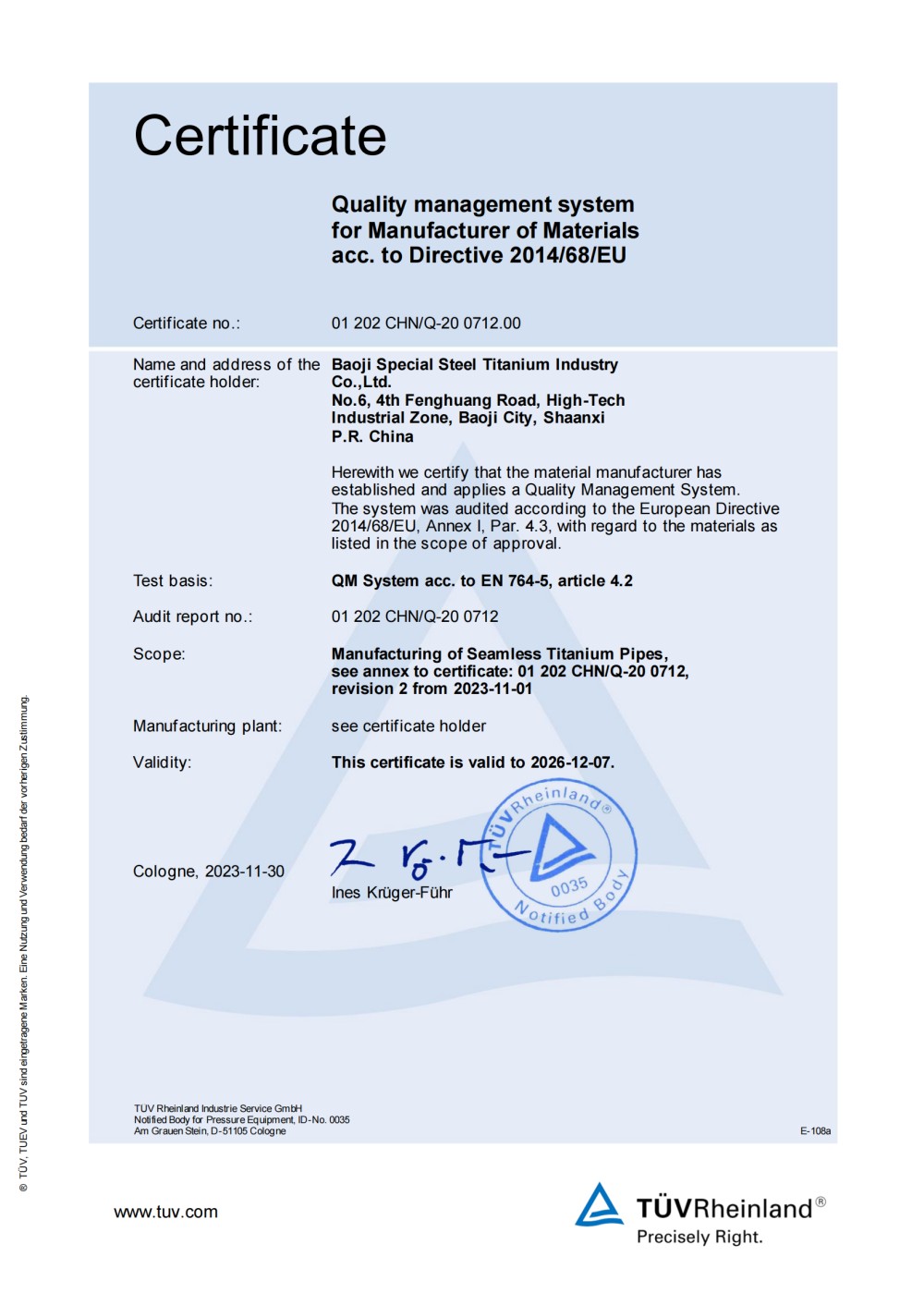
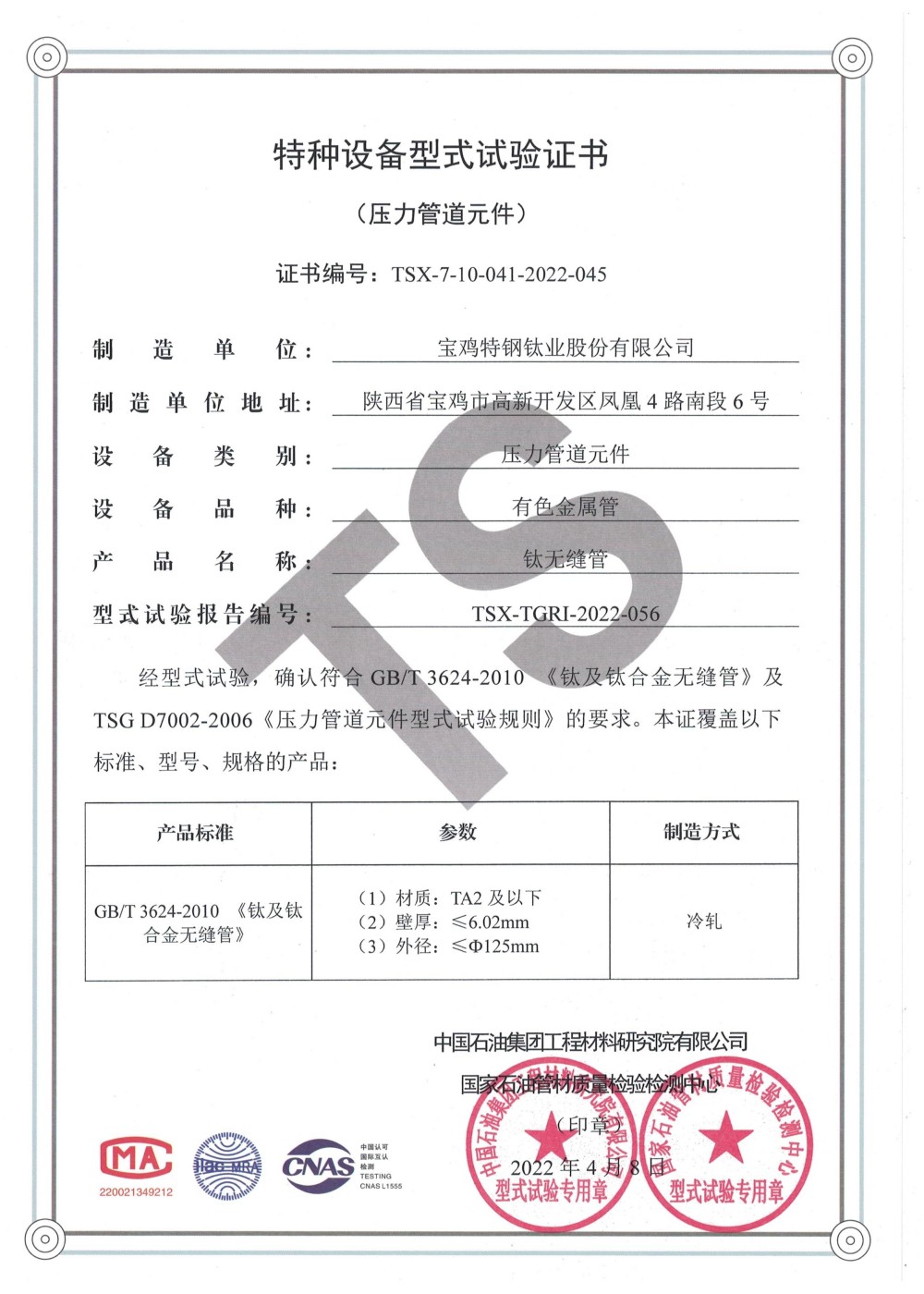
Our quality management systems, product certifications, and industry accreditations underpin our commitment to delivering world-class stainless steel cathodes for hydrometallurgy plants.
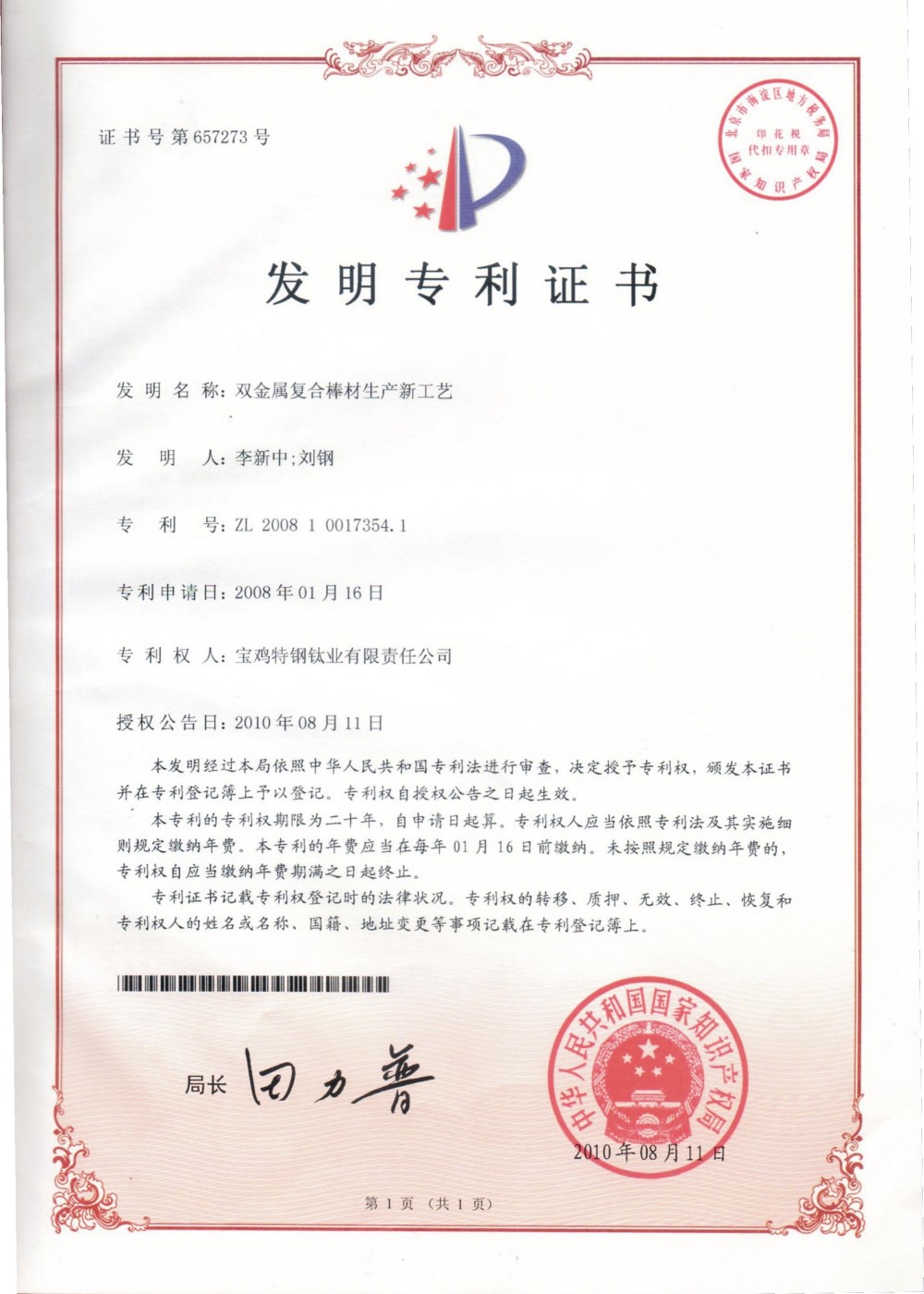
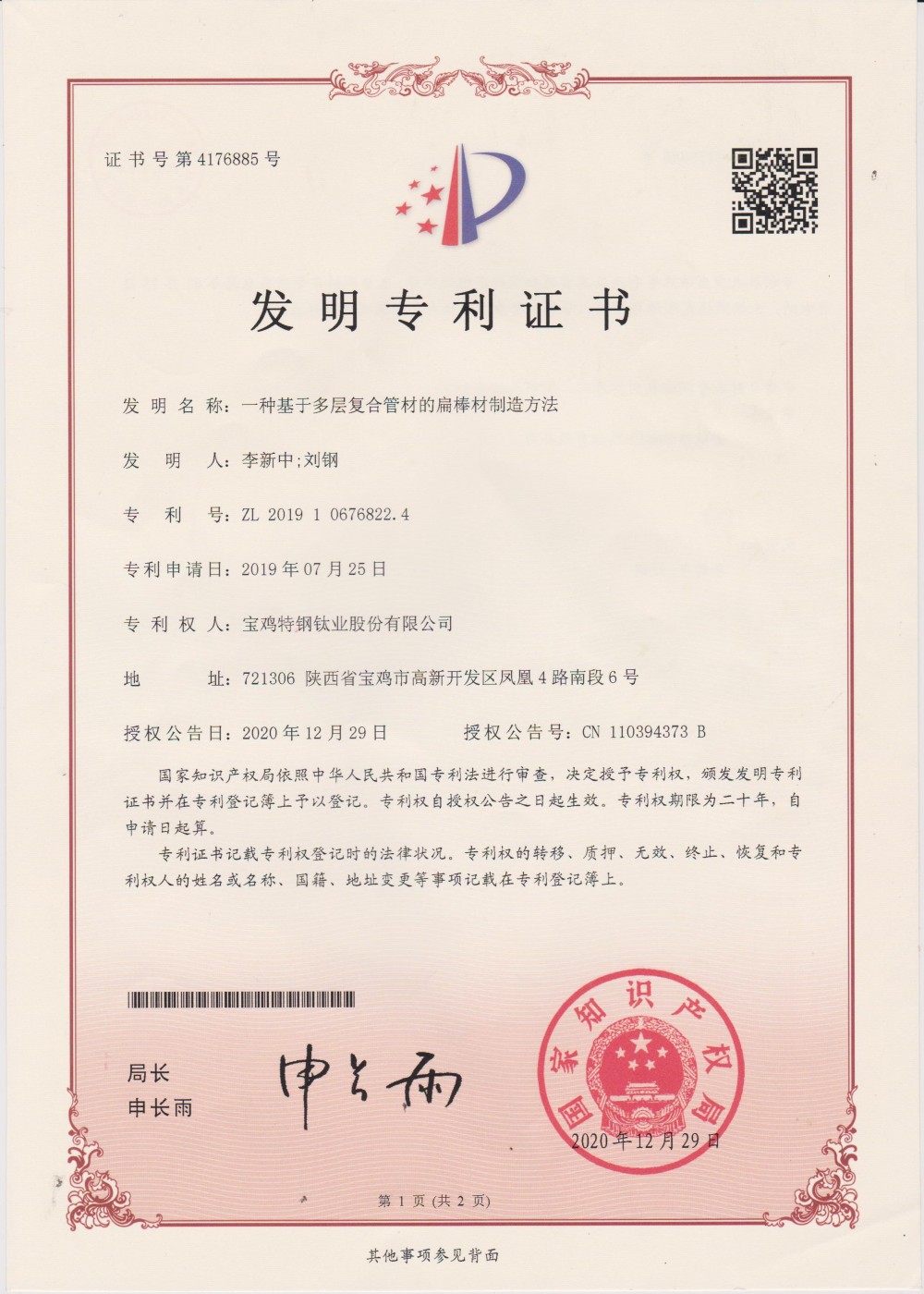
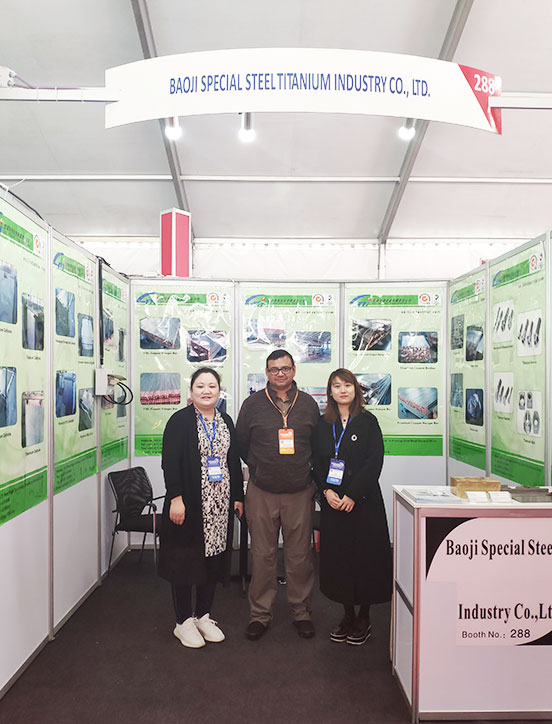
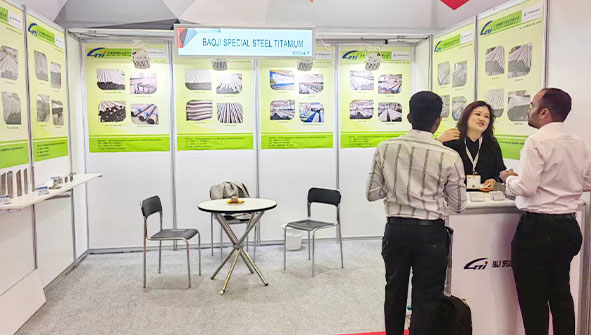
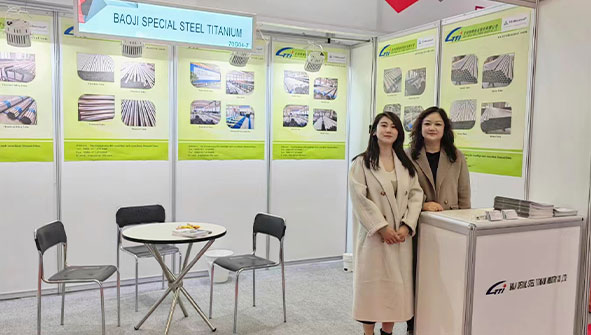
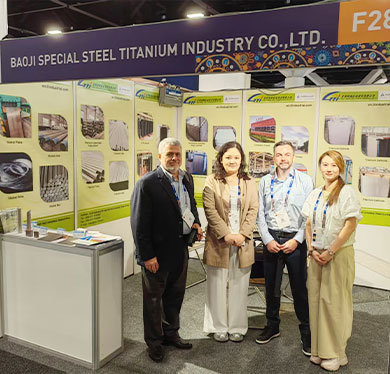
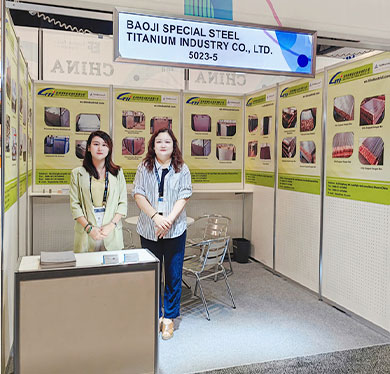
Showcasing our stainless steel cathodes and composite metal products at leading international mining, metallurgy, and industrial exhibitions worldwide.
Browse our extended product range — engineered for electrowinning, electrorefining, and advanced hydrometallurgical applications across the global metals industry.