Leave Your Message
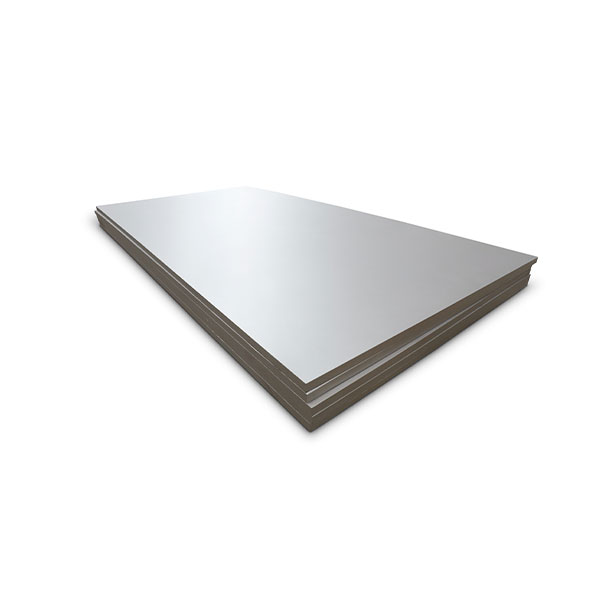
In the contemporary landscape of industrial manufacturing, the demand for Titanium Alloy Plate For Chemical Processing Equipment has reached unprecedented heights. Traditionally, the chemical industry relied heavily on stainless steel and carbon steel for the construction of reactors, storage tanks, and heat exchangers. However, as chemical processes become more aggressive—involving higher temperatures, extreme pressures, and highly corrosive media such as wet chlorine gas, nitric acid, and metallic chlorides—traditional materials often fail, leading to catastrophic downtimes and severe safety hazards.
The commercial status of titanium alloys, particularly commercially pure (CP) grades like Grade 1, Grade 2, and alloyed variants like Grade 7 (Palladium-enhanced) and Grade 12, has transformed from being a niche aerospace material to an absolute necessity in the chemical sector. The robust passivity layer of titanium dioxide (TiO2) that naturally forms on the surface of a titanium alloy plate provides an impenetrable shield against localized corrosion, pitting, and stress corrosion cracking (SCC). This unique metallurgical trait significantly extends the lifecycle of chemical processing equipment, shifting the industrial focus from "initial capital expenditure" to "Total Cost of Ownership (TCO)".
Globally, the market for chemical-grade titanium plates is expanding rapidly, driven heavily by the petrochemical, chlor-alkali, and desalination industries. As environmental regulations tighten, the zero-leakage and zero-corrosion-allowance mandates force chemical plants to upgrade their infrastructure. Consequently, titanium alloy plates manufactured under strict standards like ASTM B265 are not just materials; they are strategic assets that ensure continuous, sustainable, and safe chemical production on a global scale.
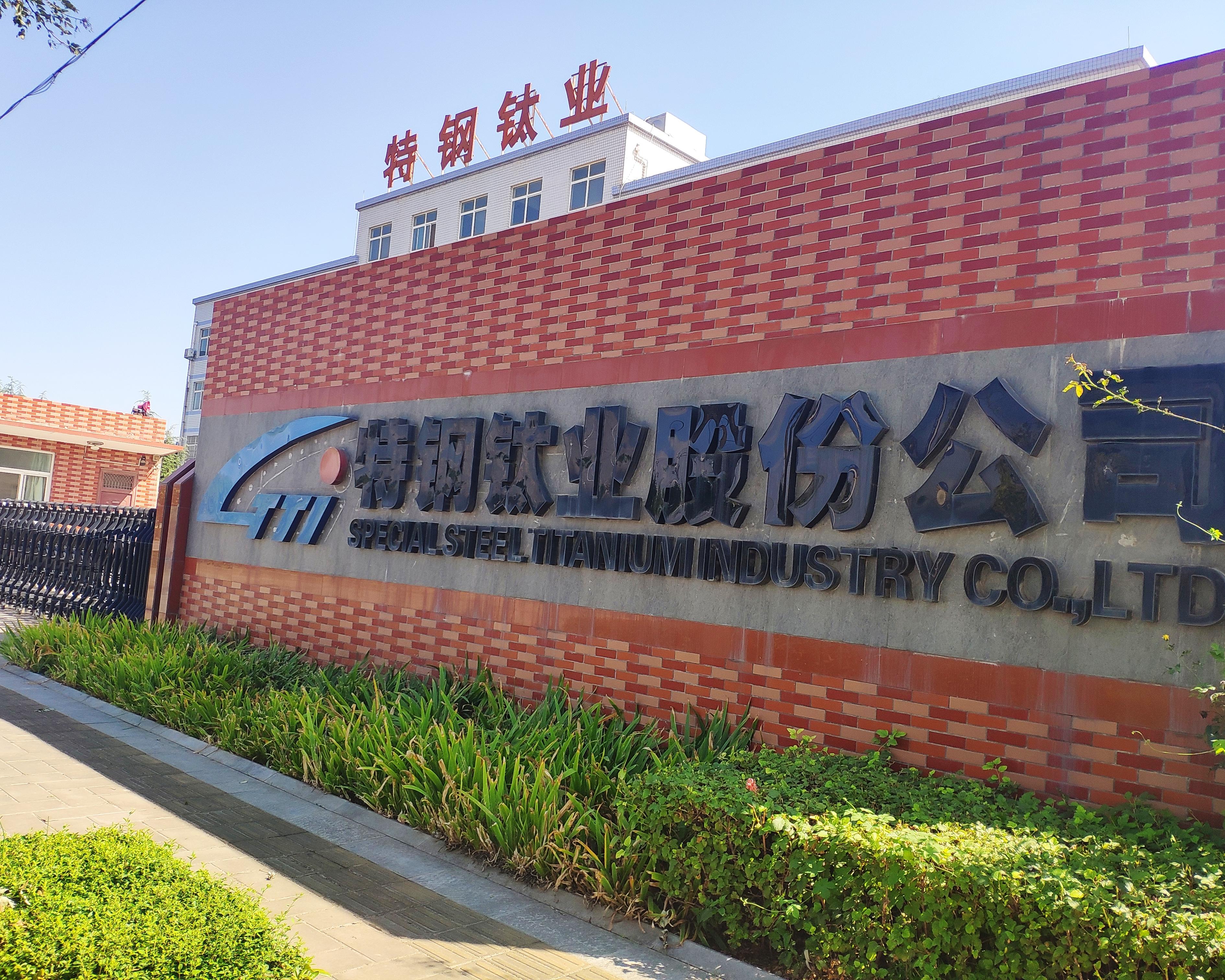
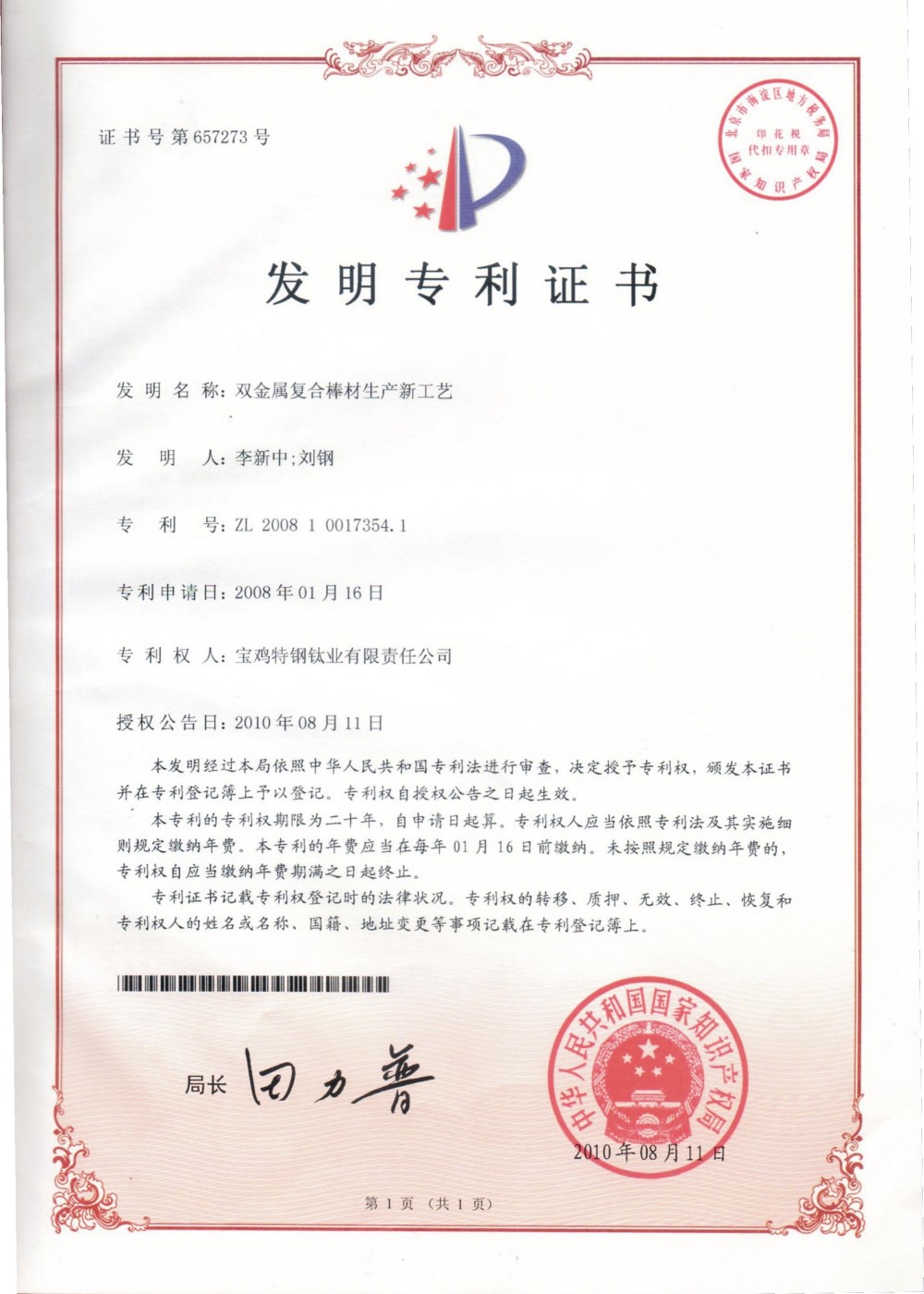
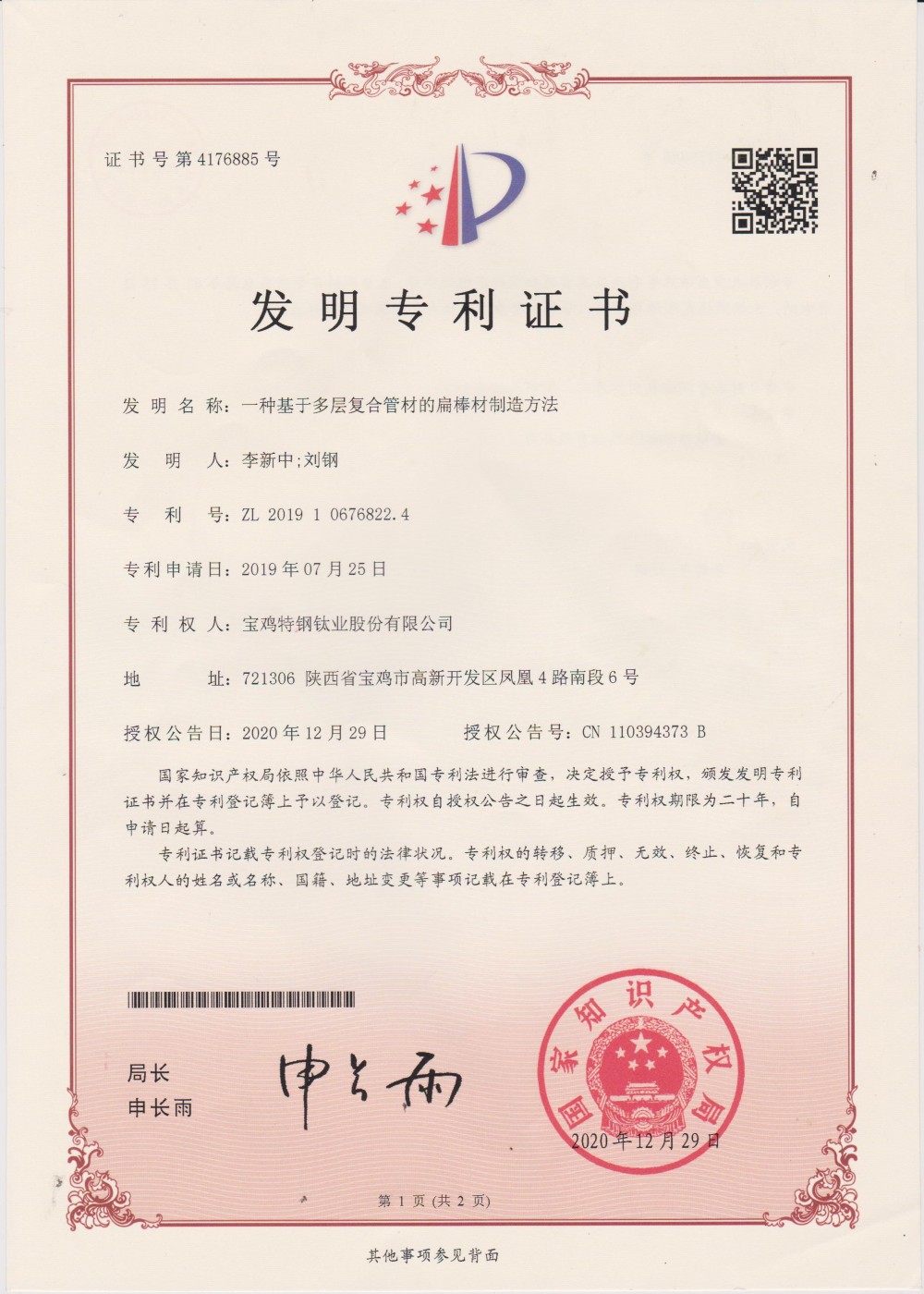
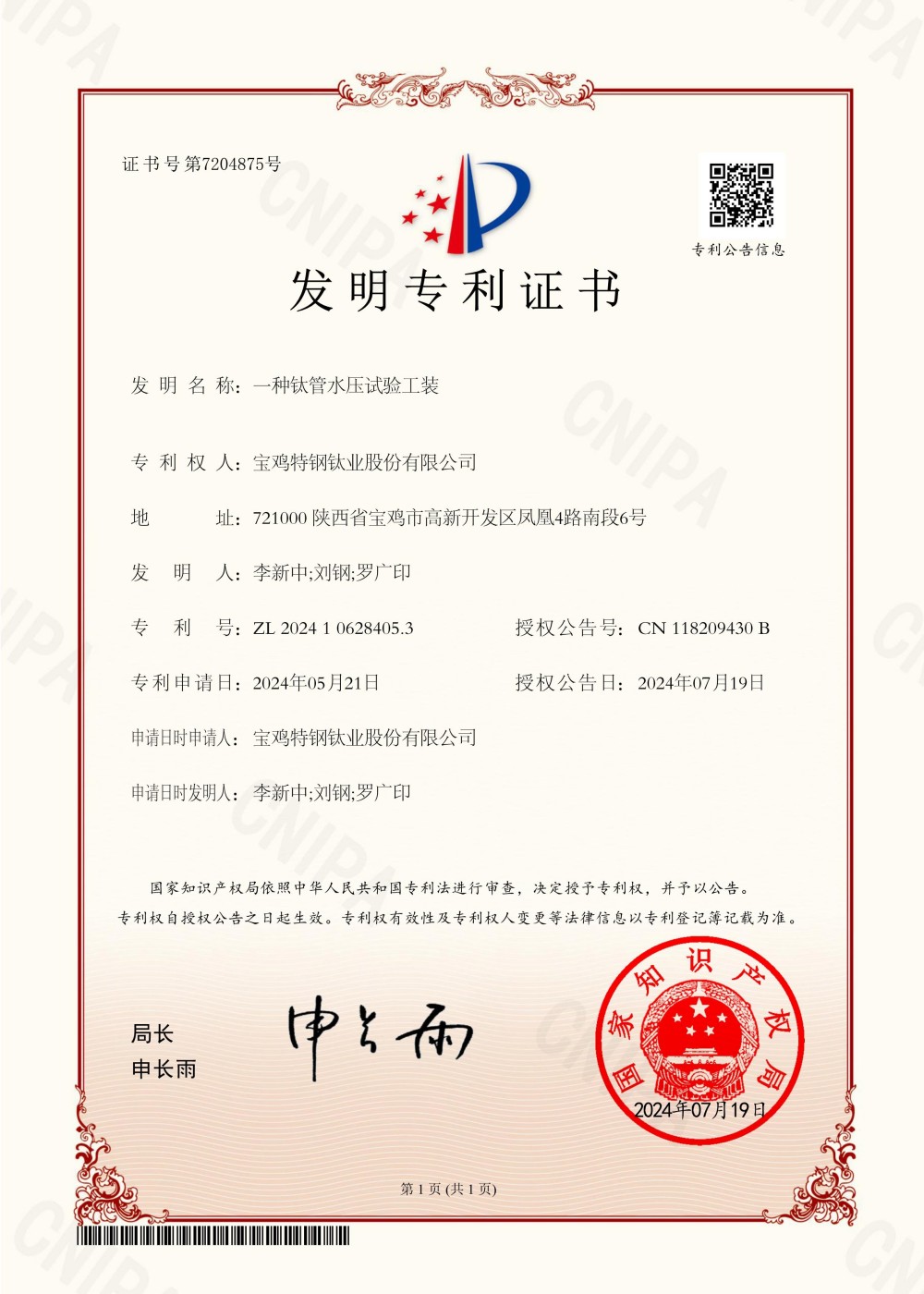
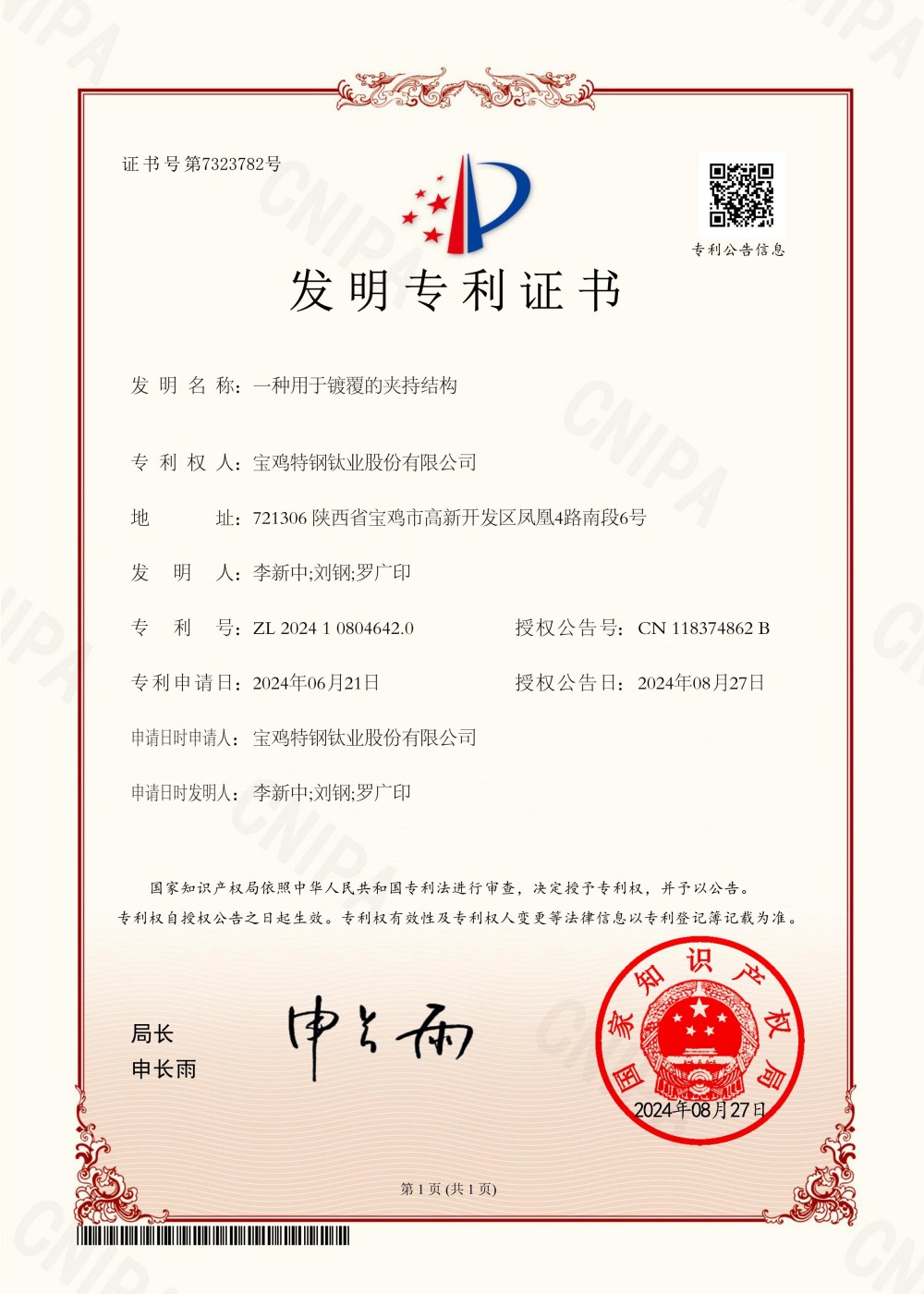
Baoji Special Steel Titanium Industry Co., Ltd. is a joint-stock industrial enterprise specializing in the research, development, manufacturing and sales of titanium, nickel, zirconium and other metal pipes and metal composite materials. The company was founded in 1997, located in Shaanxi Baoji National High-tech Industrial development Zone. The company has obtained the national high and new technology enterprise certification and has been listed in the first batch of industries encouraged to develop by the National Development and Reform Commission.
We provide top-tier Titanium Alloy Plates tailored specifically for Chemical Processing Equipment, ensuring that our clients receive materials that withstand the most rigorous industrial environments. The annual export accounted for more than 30% of the company's total output, marking us as an export-oriented industrial enterprise with a strong growth momentum.


The application of Titanium Alloy Plates extends far beyond simple storage. In the realm of Chemical Processing Equipment, these plates are engineered into highly complex systems. One of the primary applications is in the manufacturing of **Shell and Tube Heat Exchangers**. In environments where cooling water contains high levels of chlorides (such as seawater) or the process fluid is highly acidic, titanium plates are utilized for tube sheets and baffle plates. Their exceptional thermal conductivity combined with immunity to chloride-induced pitting ensures optimal heat transfer efficiency over decades of operation.
Furthermore, titanium plates are indispensable in the construction of **Chemical Reactors and Pressure Vessels**. Processes involving the synthesis of PTA (Purified Terephthalic Acid) or the handling of acetic acid require materials that do not degrade under high-temperature oxidation. Titanium Grade 7, with its palladium addition, offers supreme resistance to reducing acids, making it the material of choice for reactor linings. To optimize costs while maintaining safety, explosive cladding technology is often employed, bonding a thin layer of titanium alloy plate to a thicker carbon steel substrate, thus combining the mechanical strength of steel with the chemical inertness of titanium.
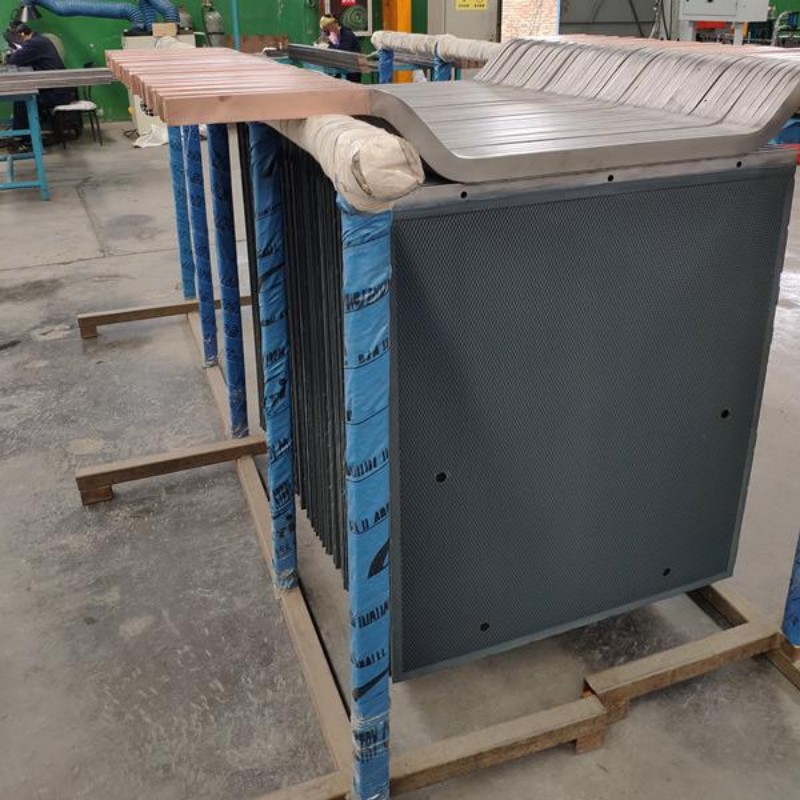
In the **Chlor-Alkali Industry**, titanium is the standard. The electrolysis of brine to produce chlorine and caustic soda creates an environment so hostile that almost no other metal survives. Titanium plates are fabricated into anode substrates and cell housings, ensuring the purity of the chemical output without metallic contamination.
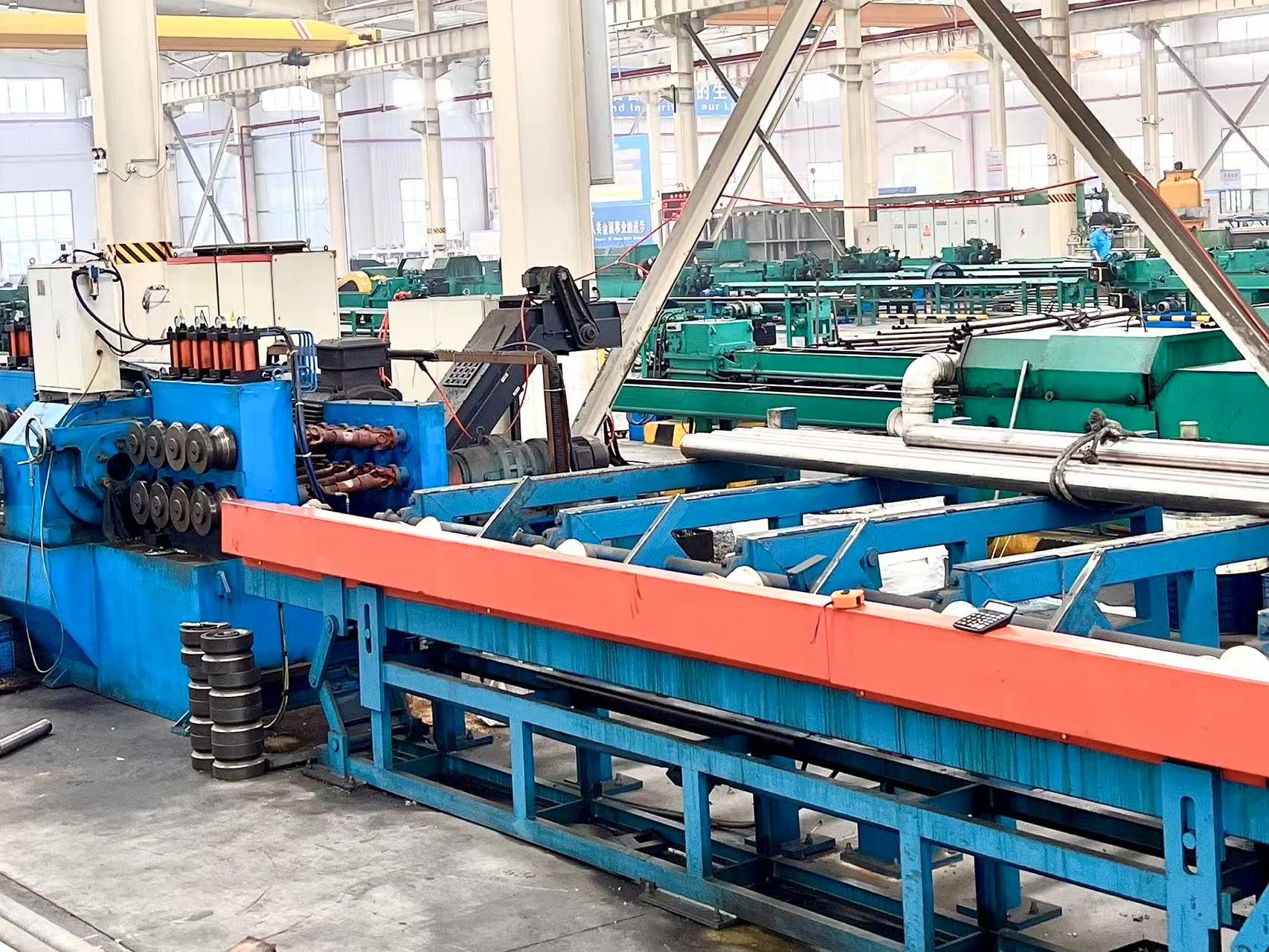
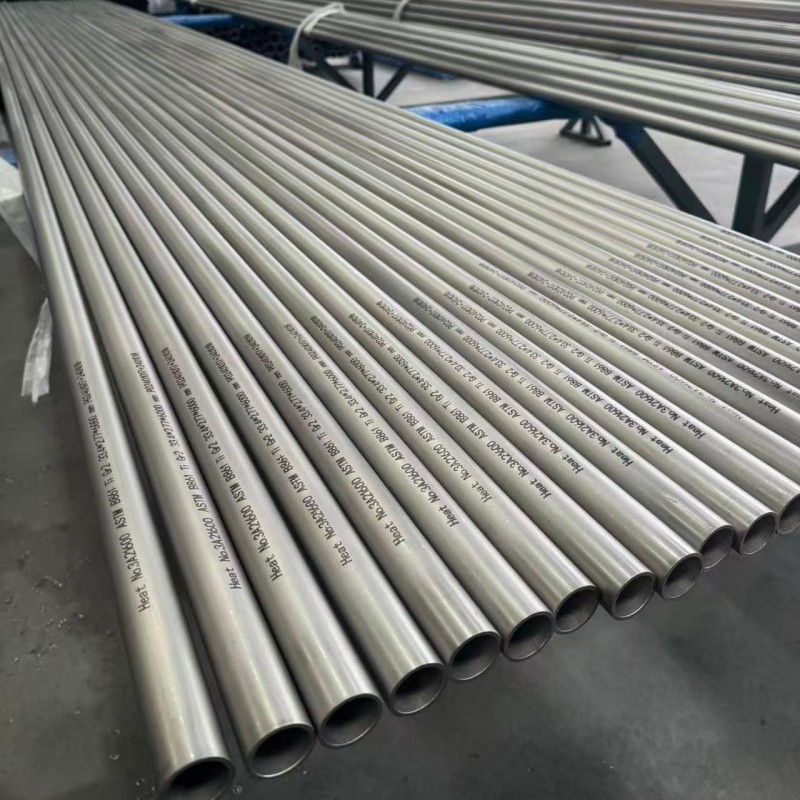
1. Non-Ferrous Metal Pipes: Titanium and titanium alloy, nickel and nickel alloy, zirconium and zirconium alloy mainly non-ferrous metal pipe.
2. Composite Materials: Non-ferrous metal composite materials mainly composed of titanium clad copper, including: titanium clad copper, zirconium clad copper, ladle copper, composite wire, multilayer composite metal, etc.
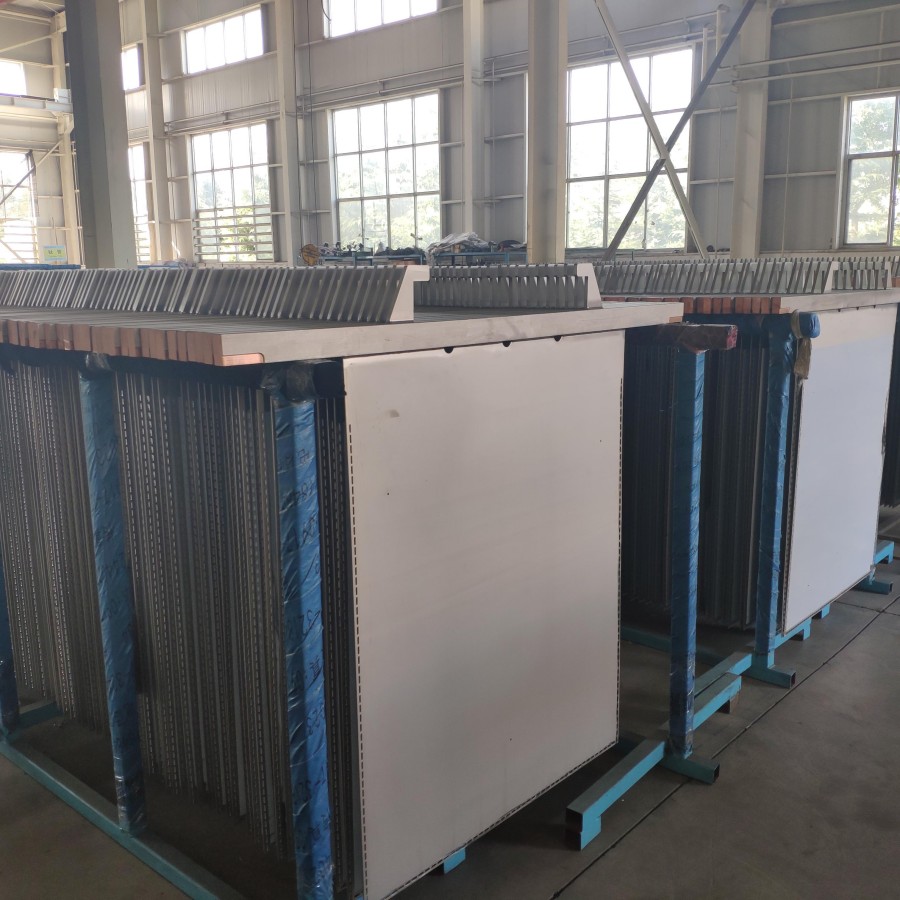
3. Composite Electrodes: Titanium cathode is the main product of the composite electrode series, including: titanium cathode, stainless steel permanent cathode, nickel anode, titanium-based lead dioxide anode, and so on.
4. Nickel Materials: A series of nickel materials products mainly consisting of nickel plates, nickel rods and nickel strips.
Since its establishment, the company has always adhered to the development strategy of continuous innovation and continued to expand the market with new technology and new products as the fulcrum. After more than 20 years of development and accumulation, the products have entered the markets of Germany, Japan, the United States, Norway, Finland, South Africa, Singapore, India and other countries and Taiwan regions, also have been highly praised.
Stable product quality, integrity as the core of the business philosophy, by the world's customers trust. To build an excellent enterprise team, continuously improve the management and manufacturing methods, so that every customer can get the maximum benefit from each product is the eternal pursuit of special steel titanium industry personnel.
As the global chemical industry pivots towards sustainable, "green" chemistry, the operational parameters of chemical processing equipment are becoming increasingly extreme. The future development trend of Titanium Alloy Plates is deeply intertwined with advanced metallurgy and artificial intelligence (AI) in manufacturing. We are witnessing a shift towards the development of micro-alloyed titanium plates that offer higher tensile strength at elevated temperatures without compromising their legendary corrosion resistance. Nanotechnology is also playing a role, with research focusing on nano-structured titanium surfaces that prevent bio-fouling and chemical scaling in heat exchangers.
Moreover, the integration of AI and machine learning in the rolling and forging processes of titanium plates ensures zero-defect manufacturing. Predictive algorithms now control the cooling rates and annealing temperatures during the production of ASTM B265 plates, optimizing the alpha-beta phase distribution within the titanium microstructure. This technological leap guarantees that every plate deployed in a chemical reactor possesses uniform mechanical properties, virtually eliminating the risk of localized structural failure under pressure.
Economically, the trend is moving towards a holistic lifecycle assessment. While the initial procurement cost of titanium alloy plates is higher than that of duplex stainless steels, chemical plant operators now utilize predictive modeling to calculate the Return on Investment (ROI). The data overwhelmingly supports titanium: zero maintenance shutdowns, no need for corrosion inhibitors, and a lifespan exceeding 30 years in highly acidic environments make titanium alloy plates the most cost-effective solution for modern chemical processing equipment.
State-of-the-art machinery ensuring precision, quality, and compliance with global chemical equipment standards.
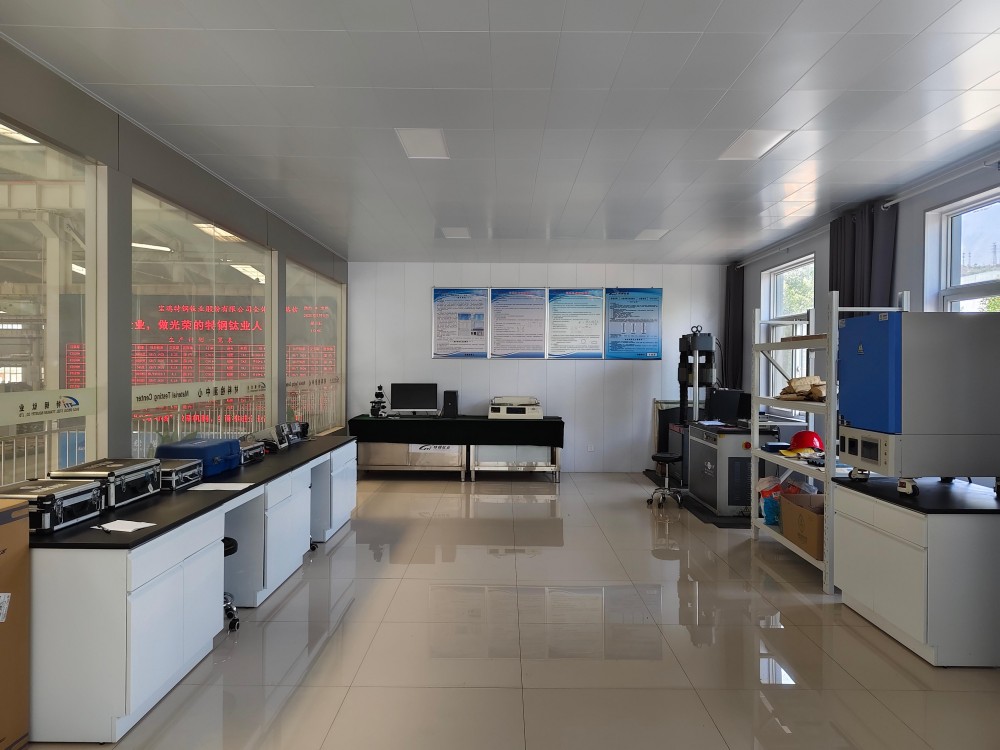
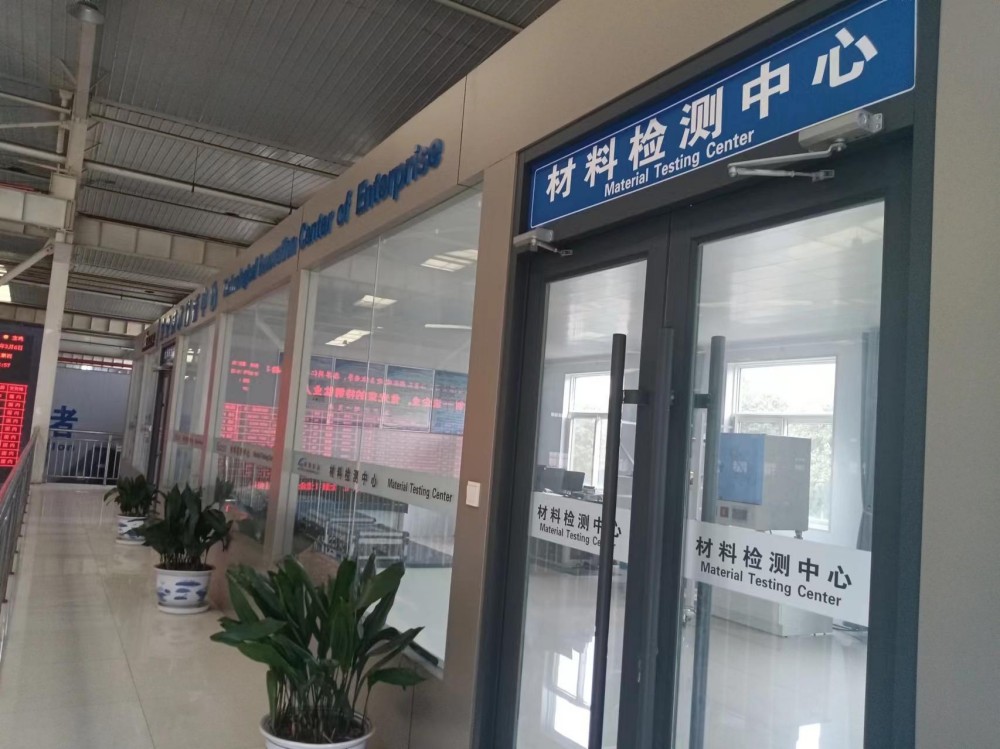
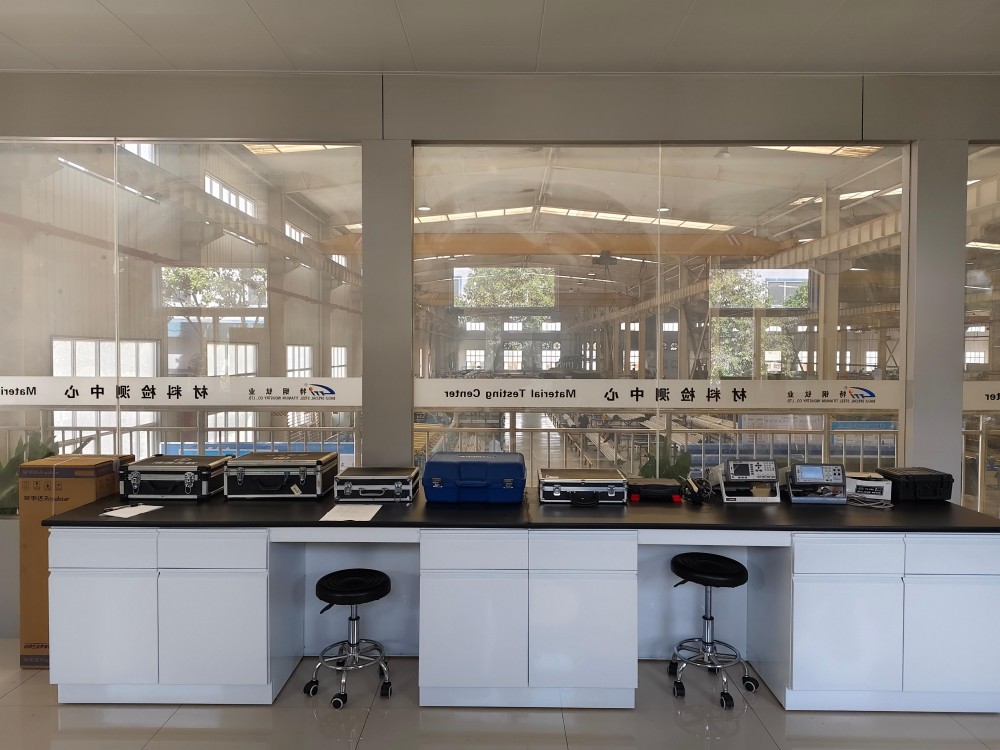
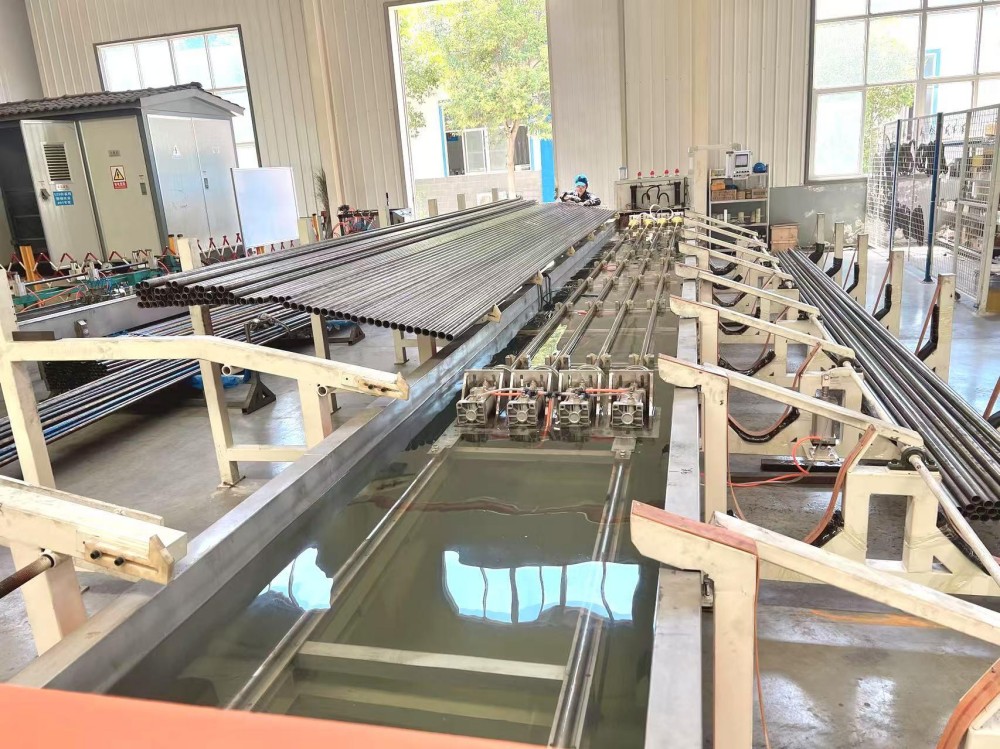
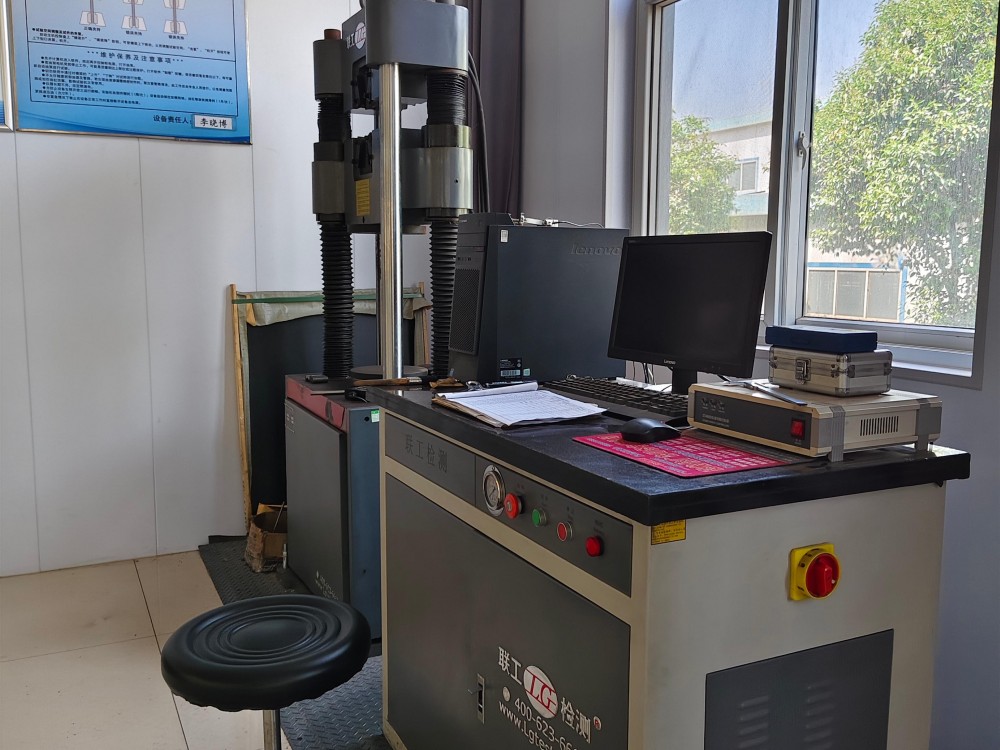
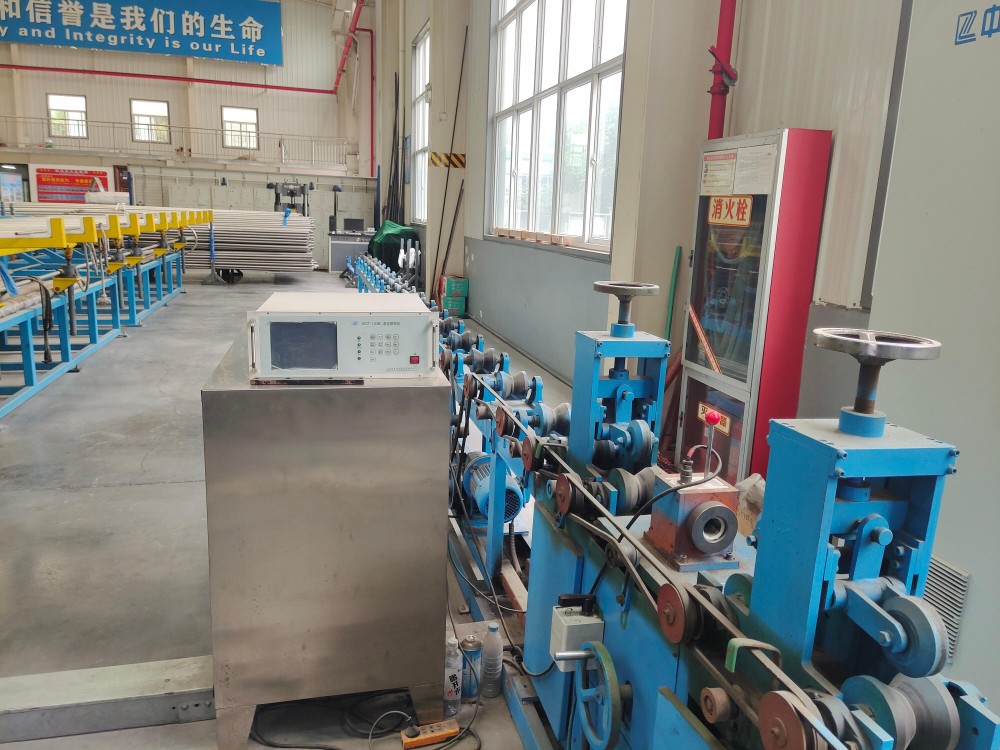
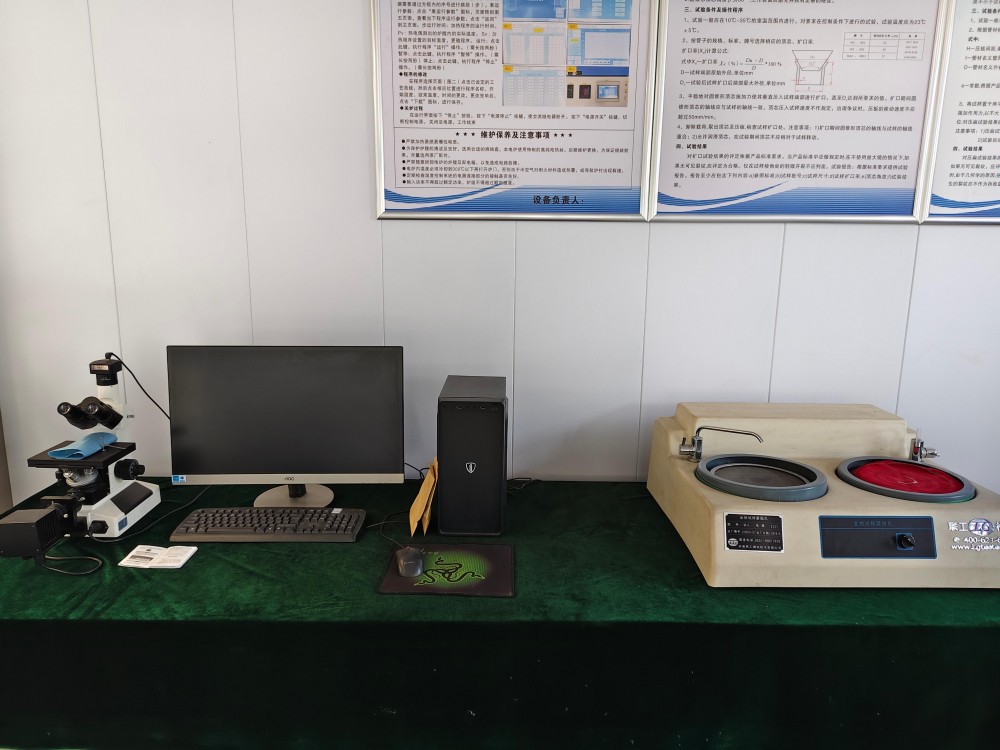
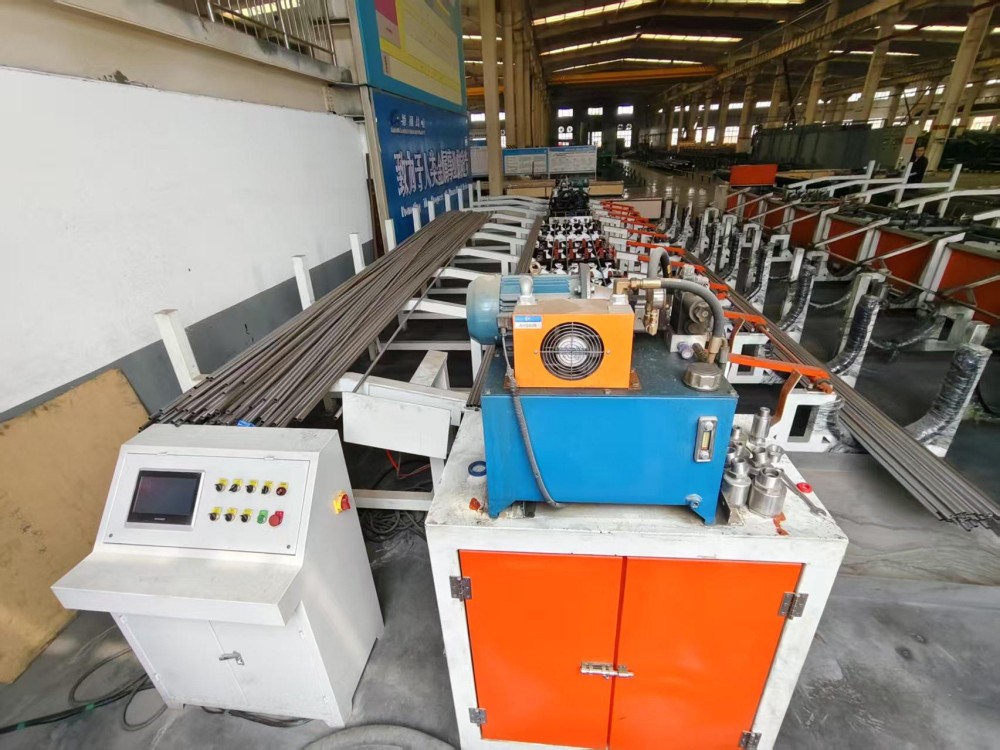
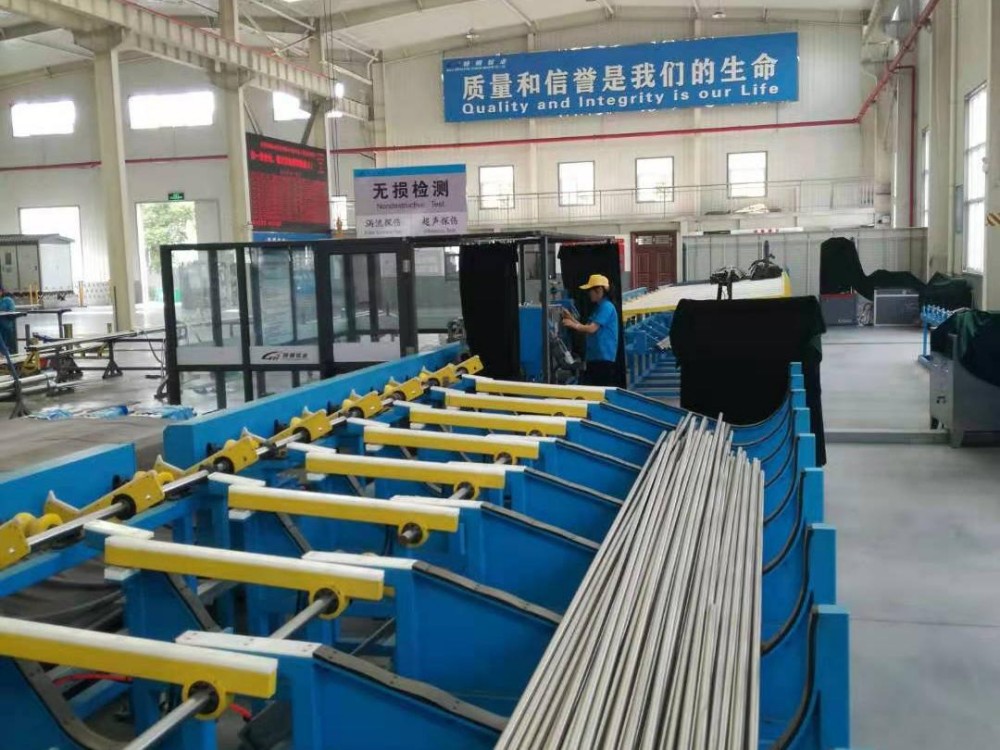
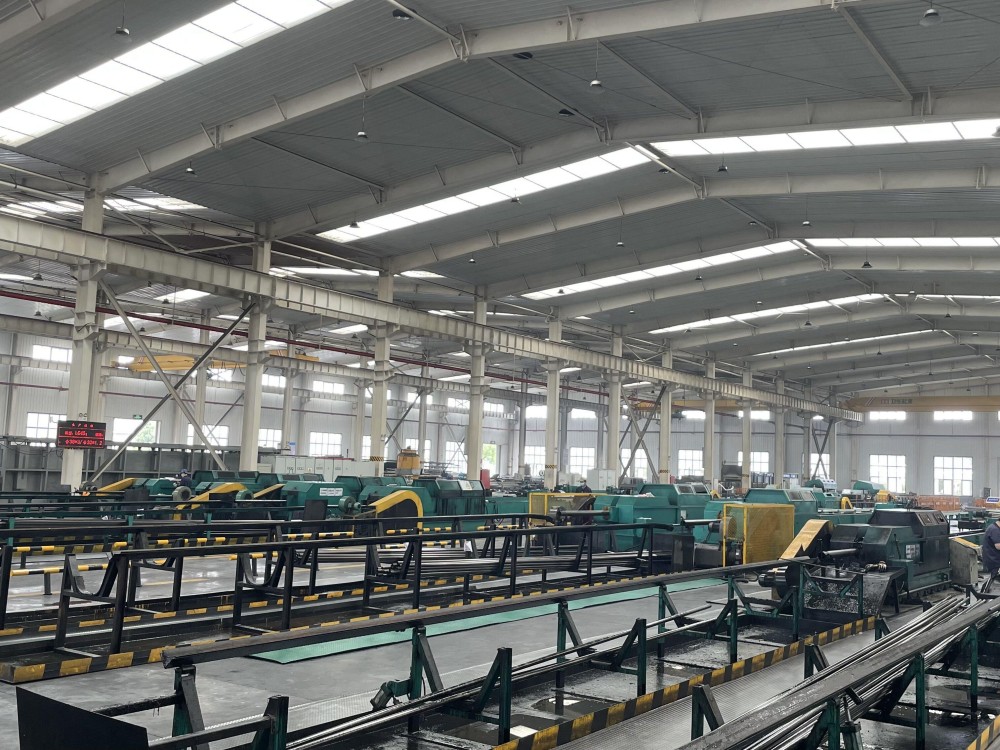
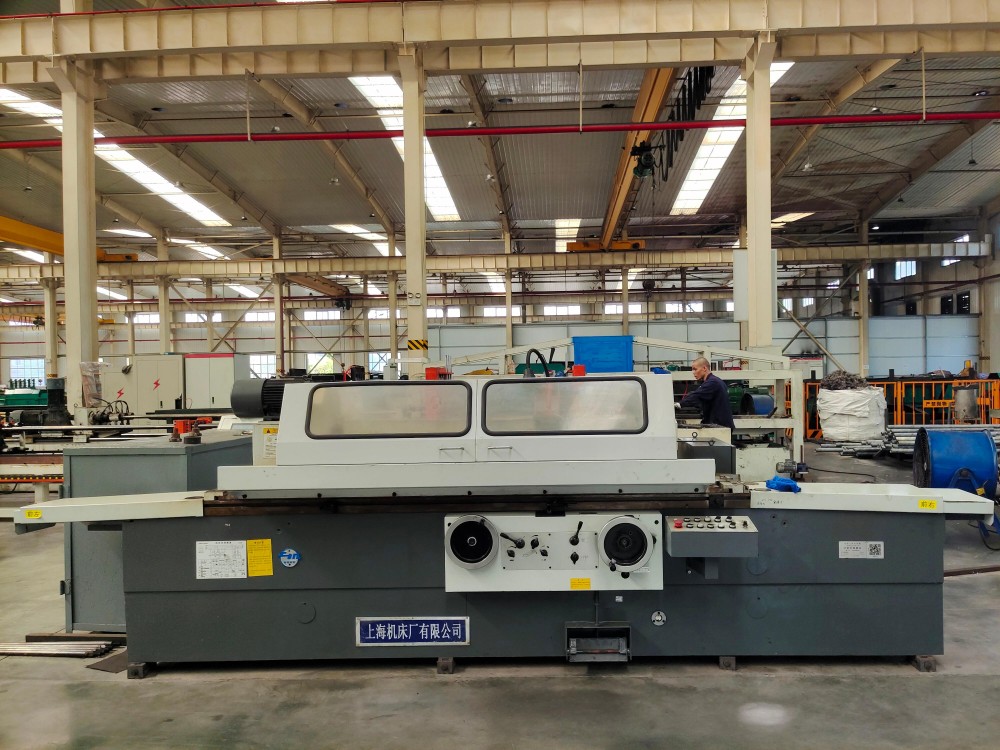
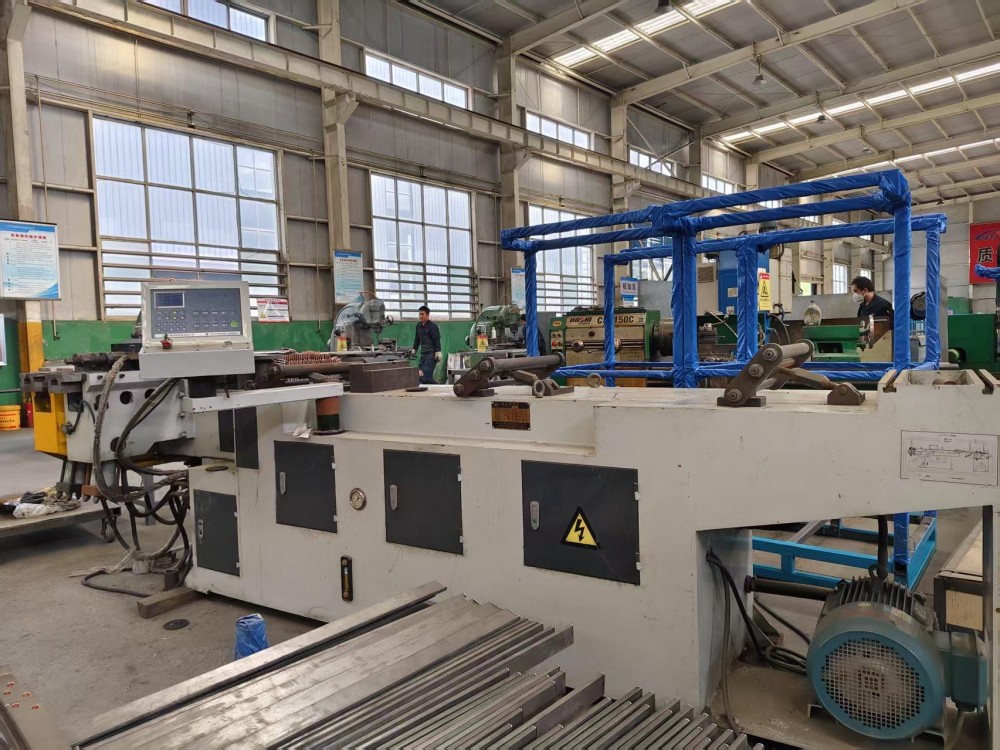
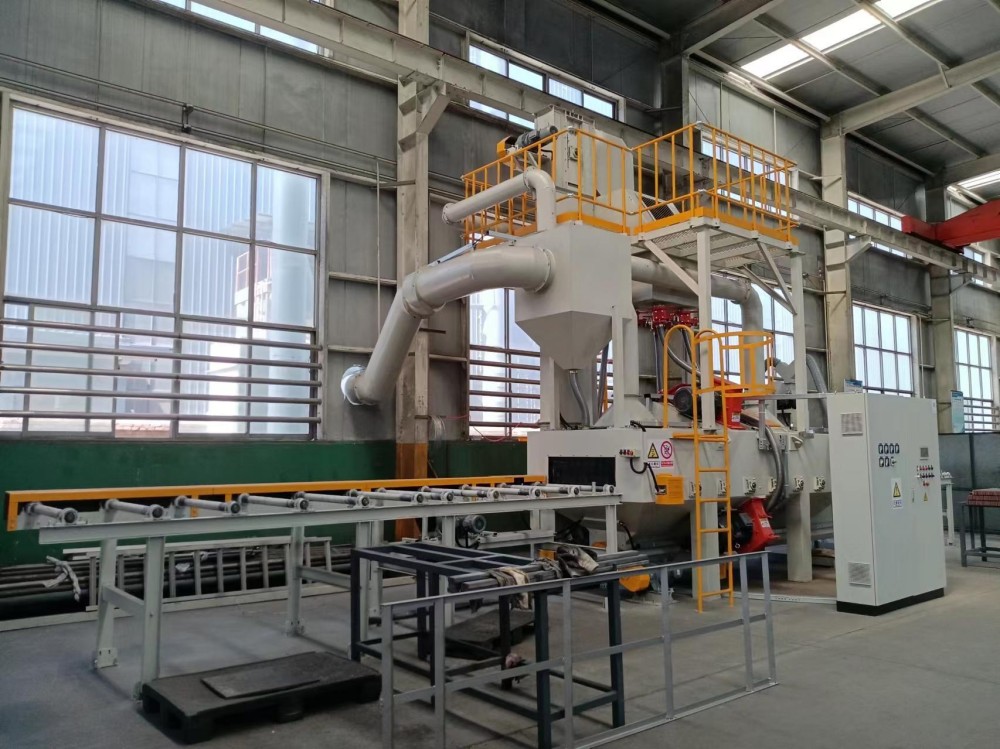
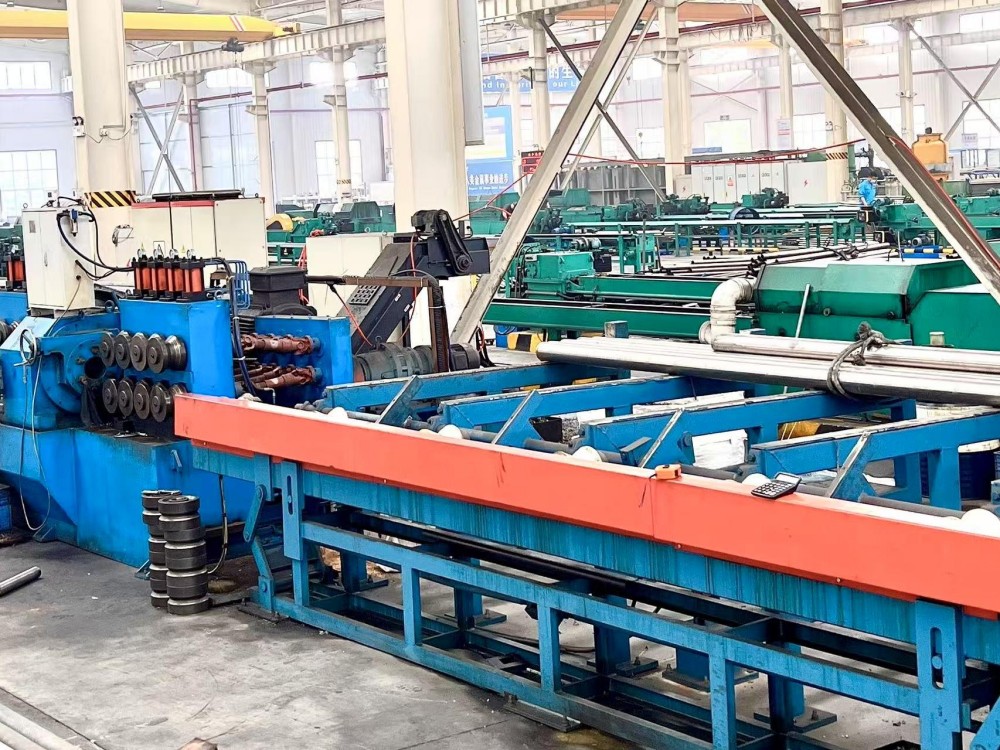
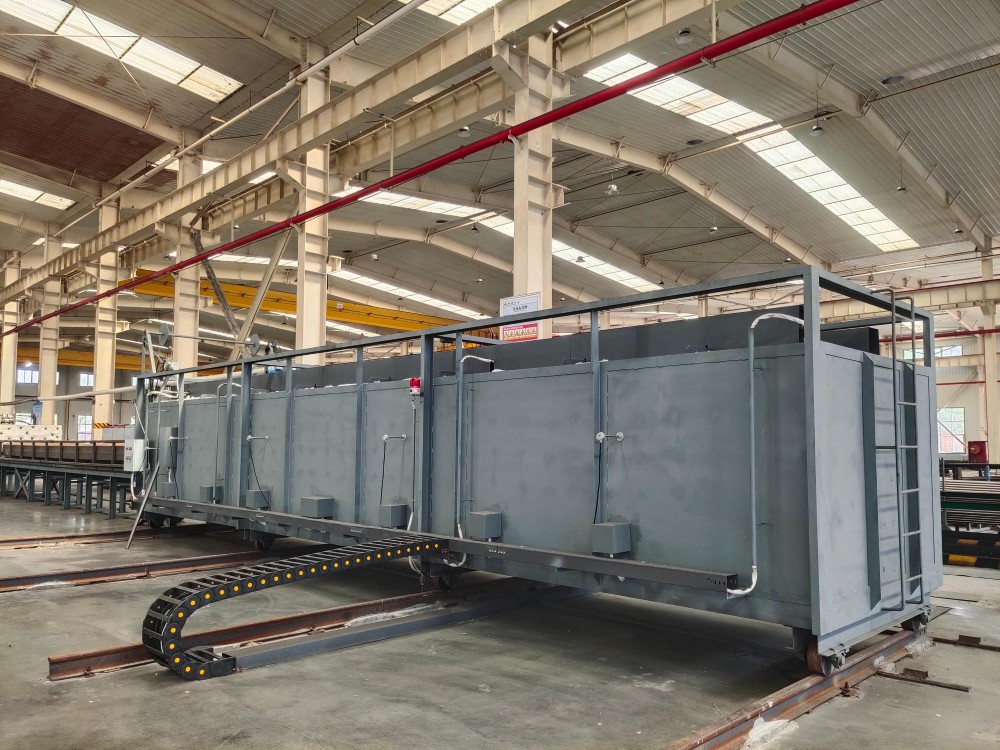
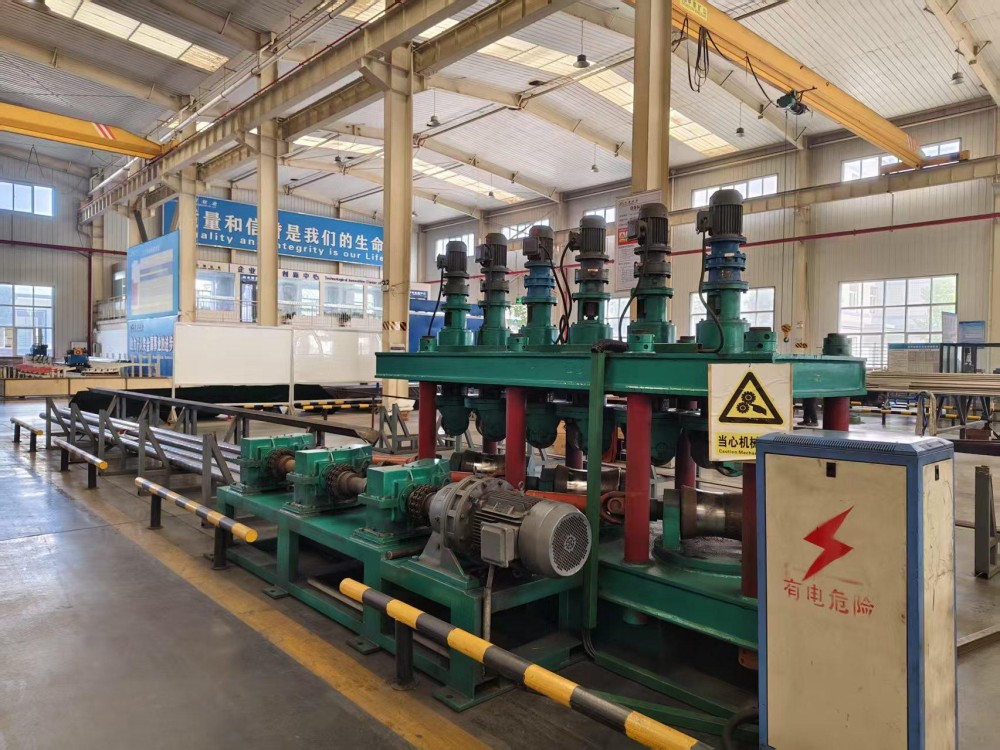
Our Titanium Alloy Plates meet strict international standards for Chemical Processing Equipment.
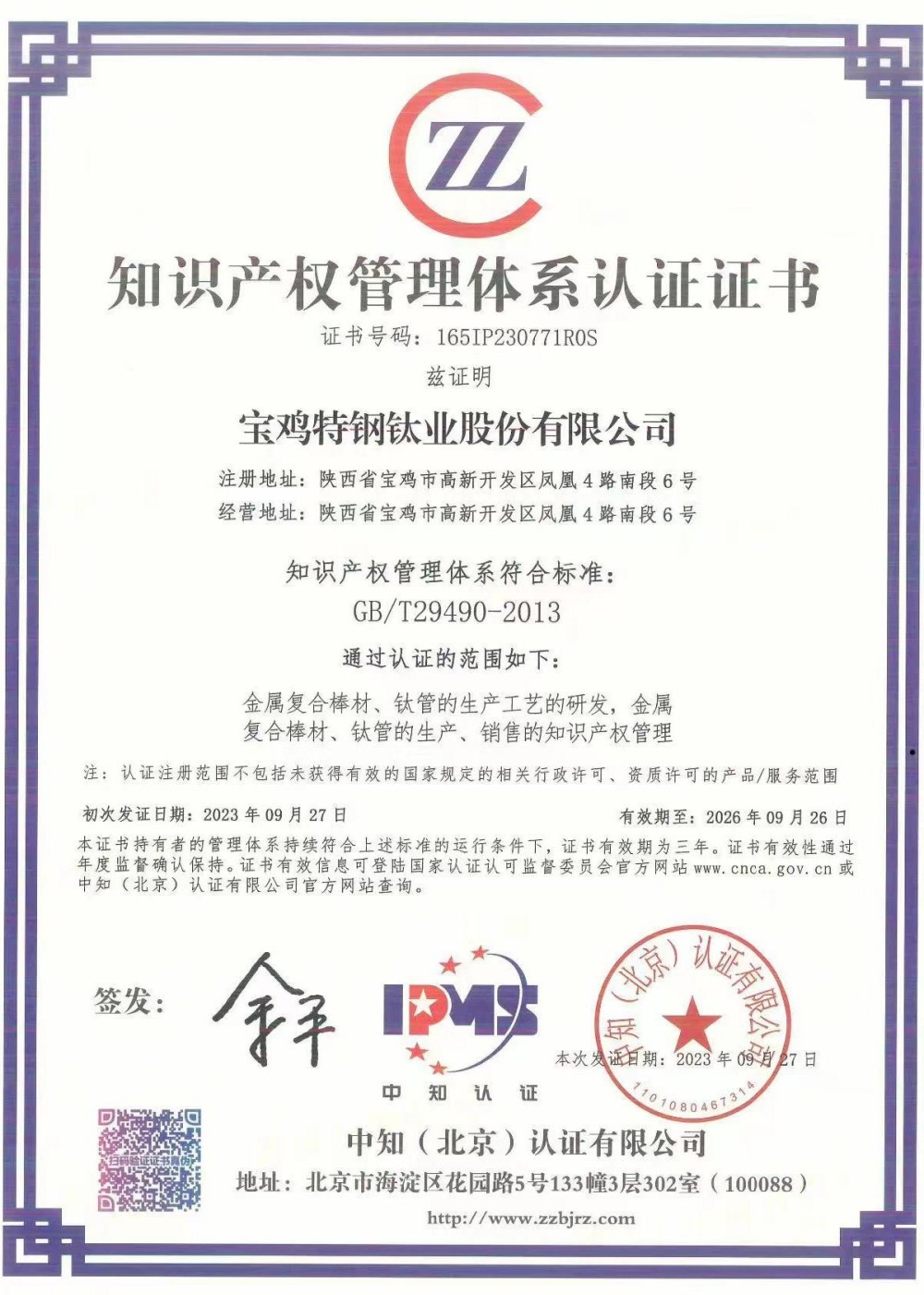
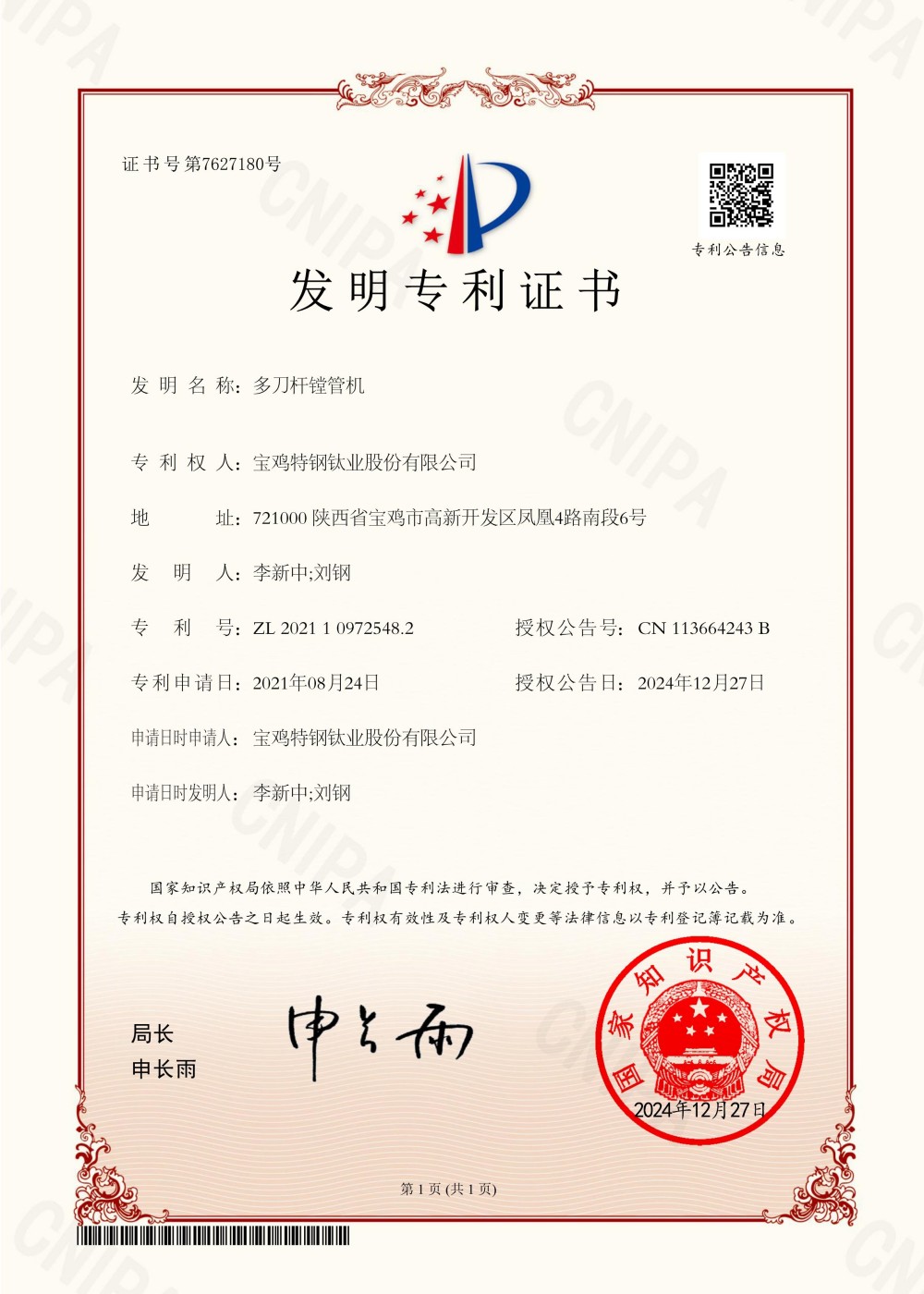
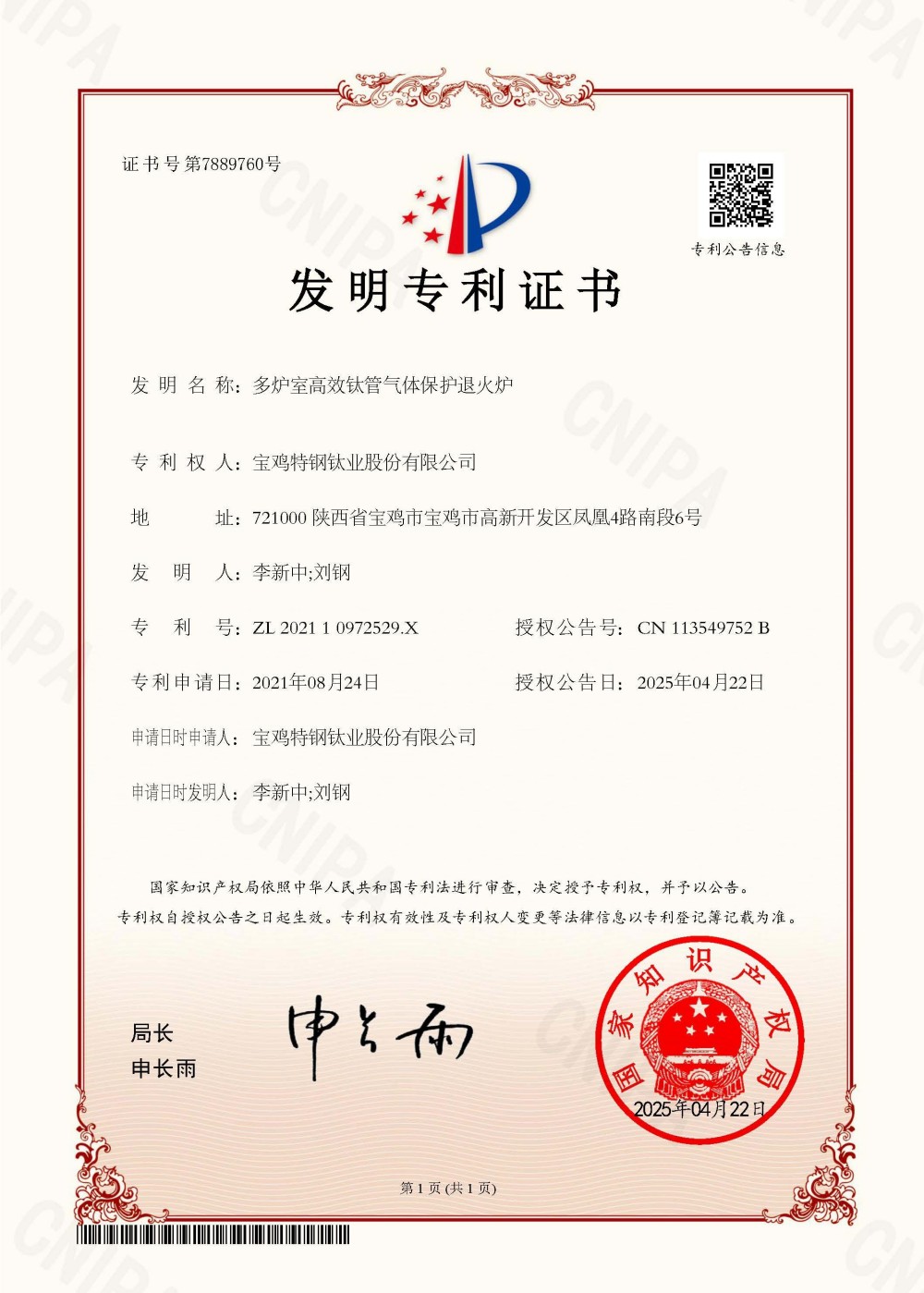
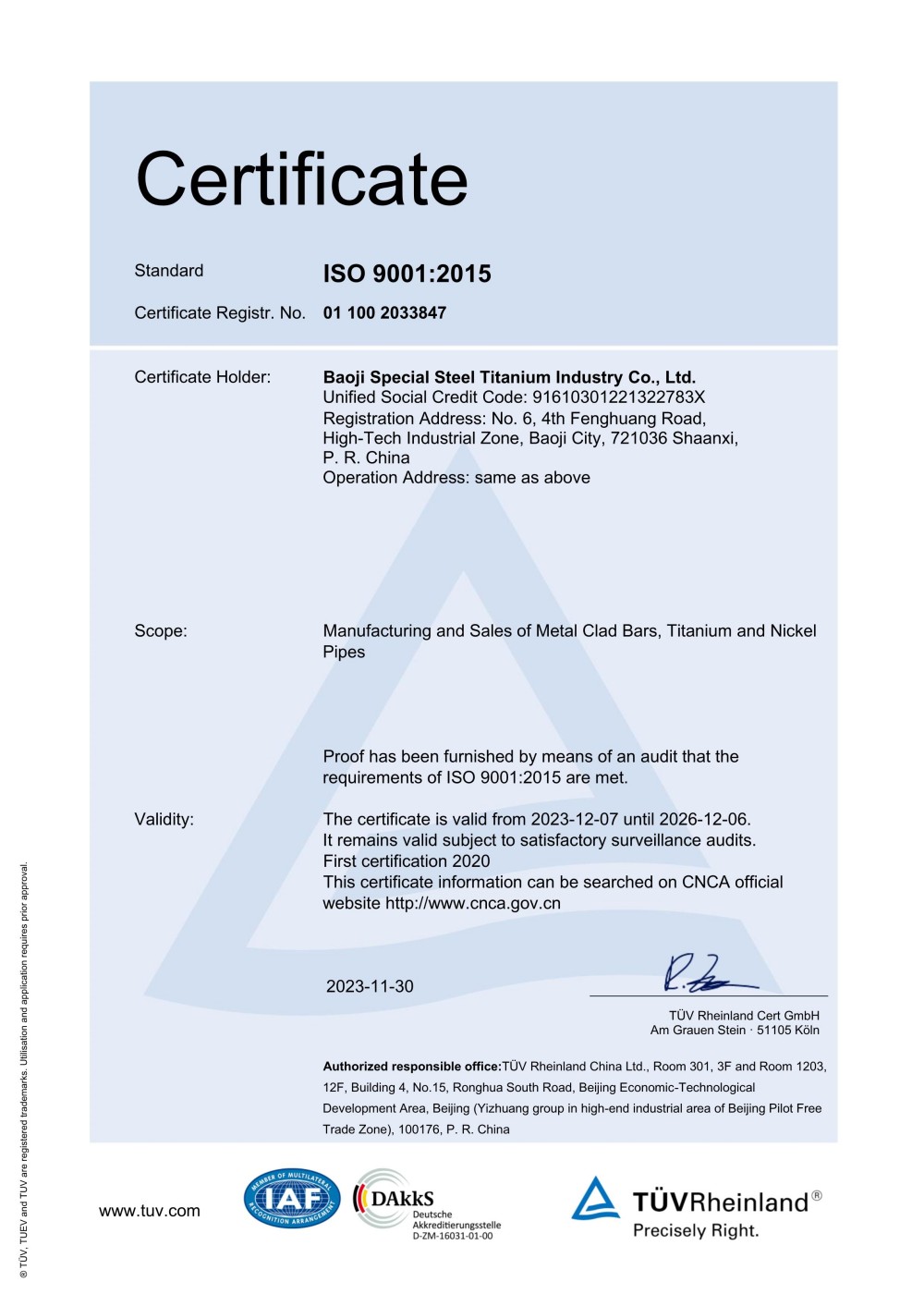
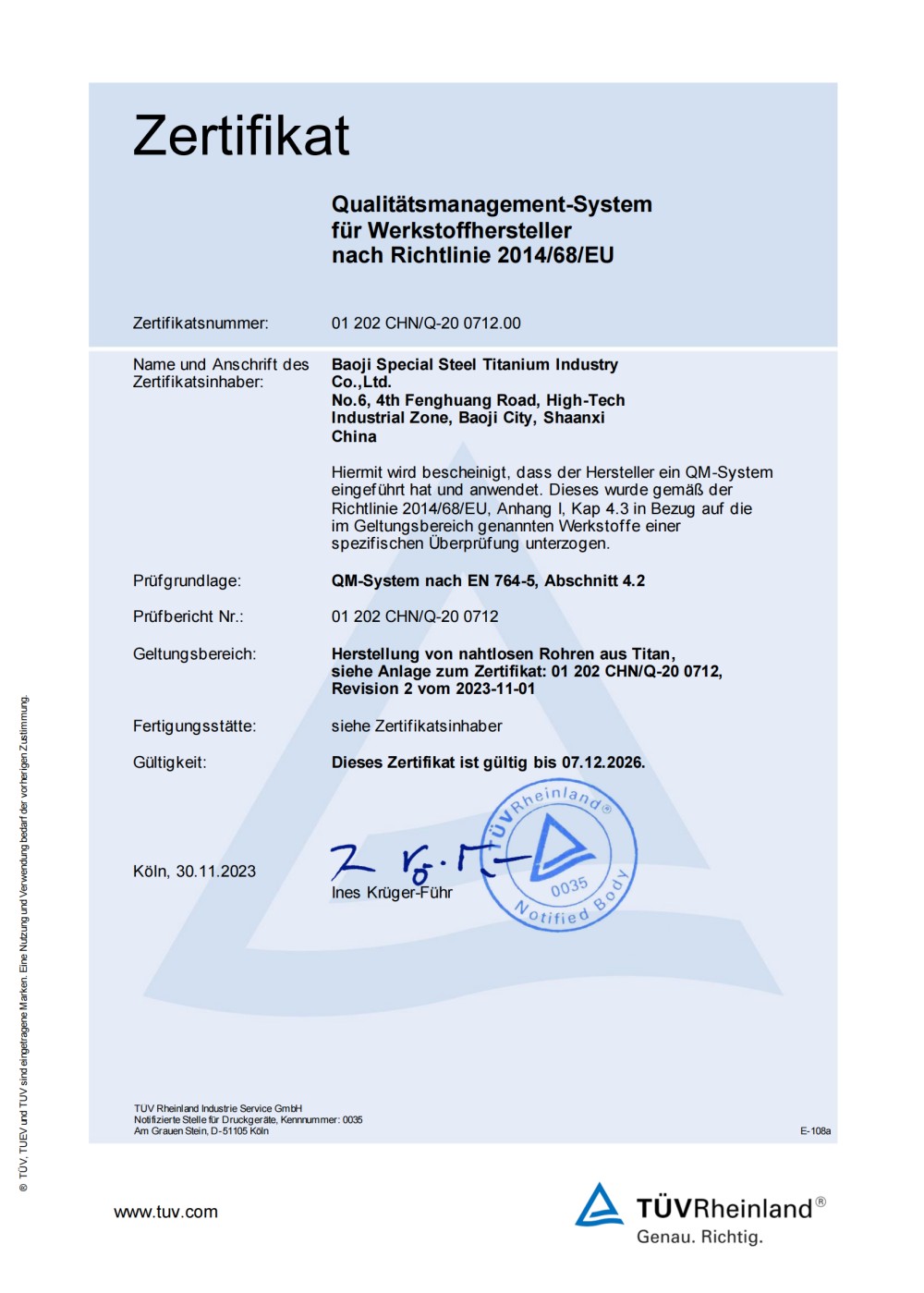
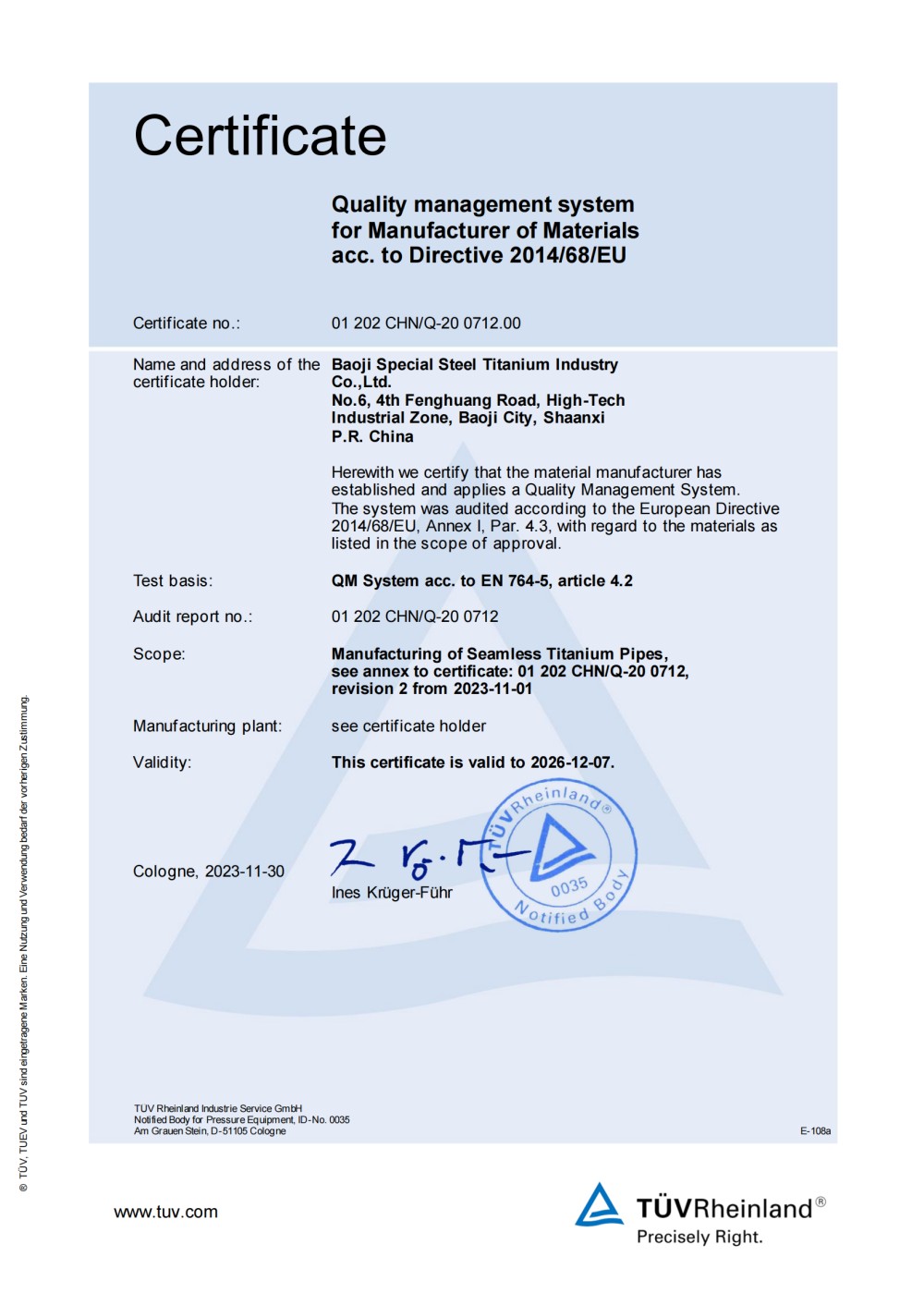
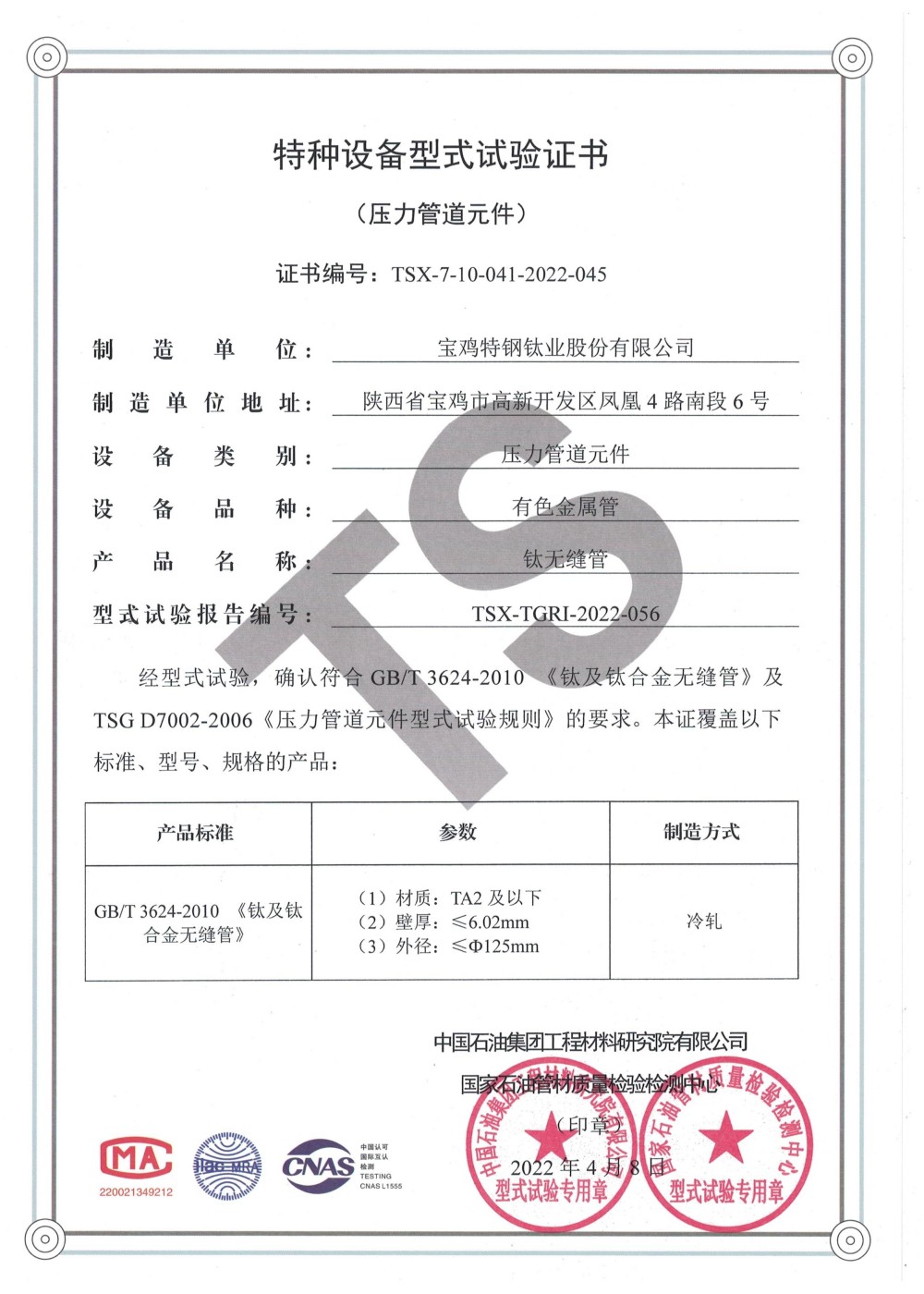
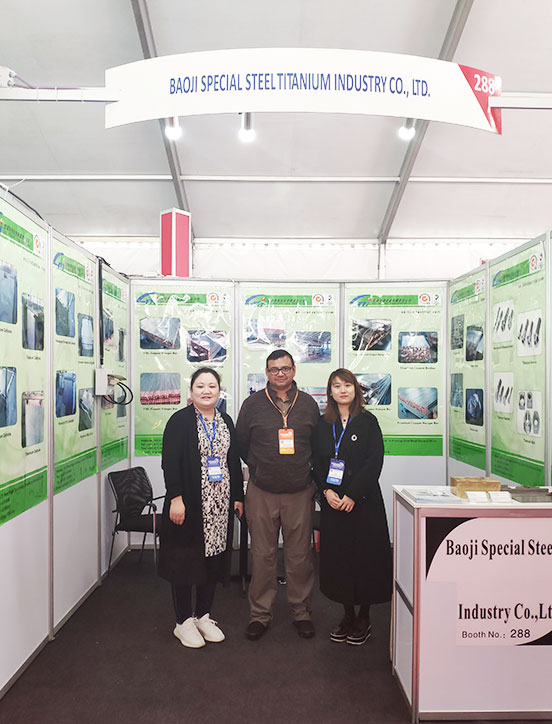
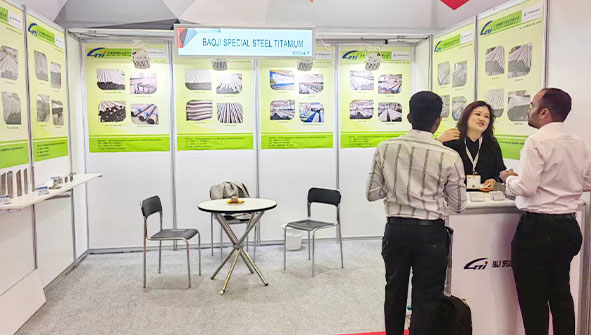
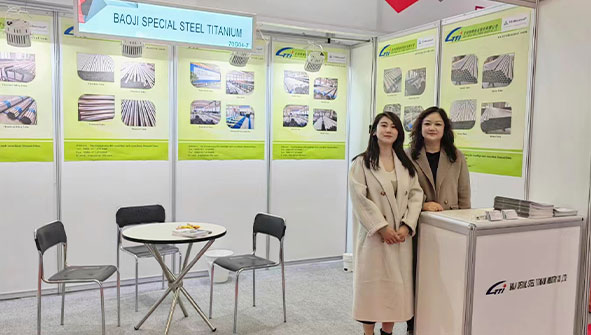
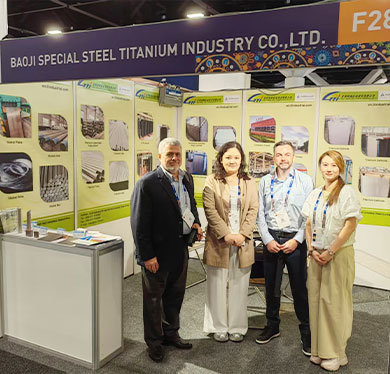
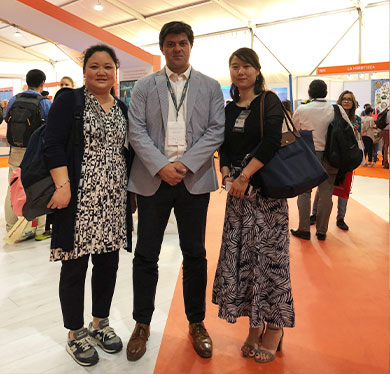
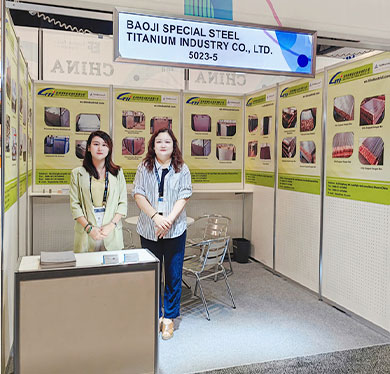
Showcasing our Titanium Alloy solutions to the worldwide chemical and industrial engineering sectors.