Leave Your Message
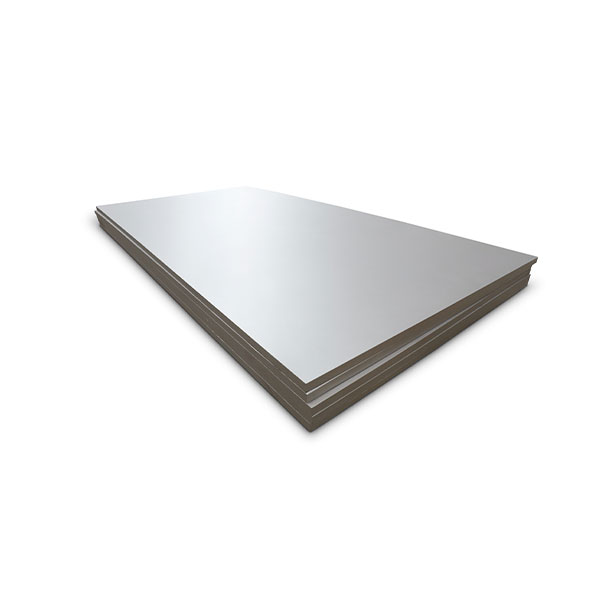
In the rapidly evolving landscape of global energy production, the demand for materials that can withstand extreme thermal, chemical, and mechanical stress has never been higher. Titanium alloy plates have emerged as the cornerstone of "Energy and Power Projects," offering an unparalleled strength-to-weight ratio and exceptional corrosion resistance. From traditional nuclear power plants to the cutting-edge frontiers of hydrogen energy and offshore wind, titanium is no longer a luxury—it is a strategic necessity.
The industrial status of titanium in the energy sector is currently undergoing a massive transformation. Historically utilized primarily in aerospace, the "Titanium Revolution" has shifted toward the industrial power sector. Modern power grids and generation facilities are being pushed to operate at higher temperatures and in more corrosive environments (such as deep-sea geothermal or high-salinity coastal areas). Titanium alloy plates, specifically grades like Gr2 and Gr5, are providing the structural integrity required to ensure a 30-50 year service life for critical components, significantly reducing maintenance downtime and lifecycle costs.

Titanium forms a stable, protective oxide film instantly upon exposure to oxygen, making it virtually immune to sea water and chemical erosion.

Maintains mechanical properties at elevated temperatures, essential for heat exchangers in power generation cycles.

Stronger than many steels but 45% lighter, allowing for more efficient structural designs in offshore and mobile power units.
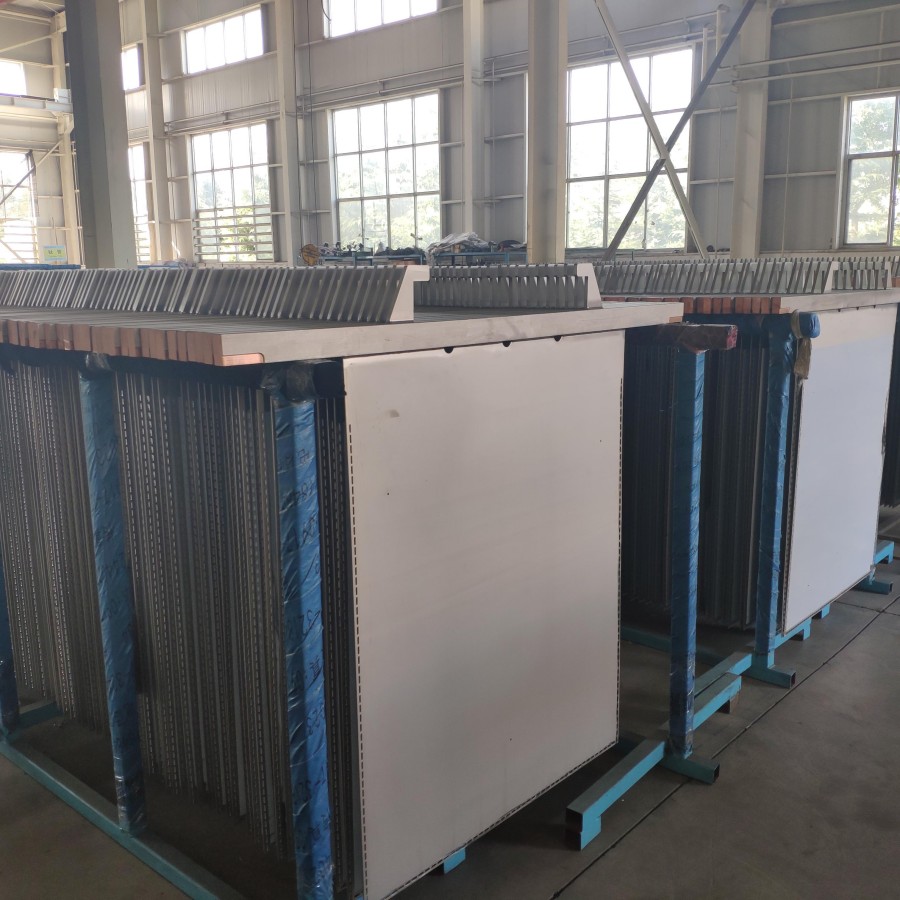
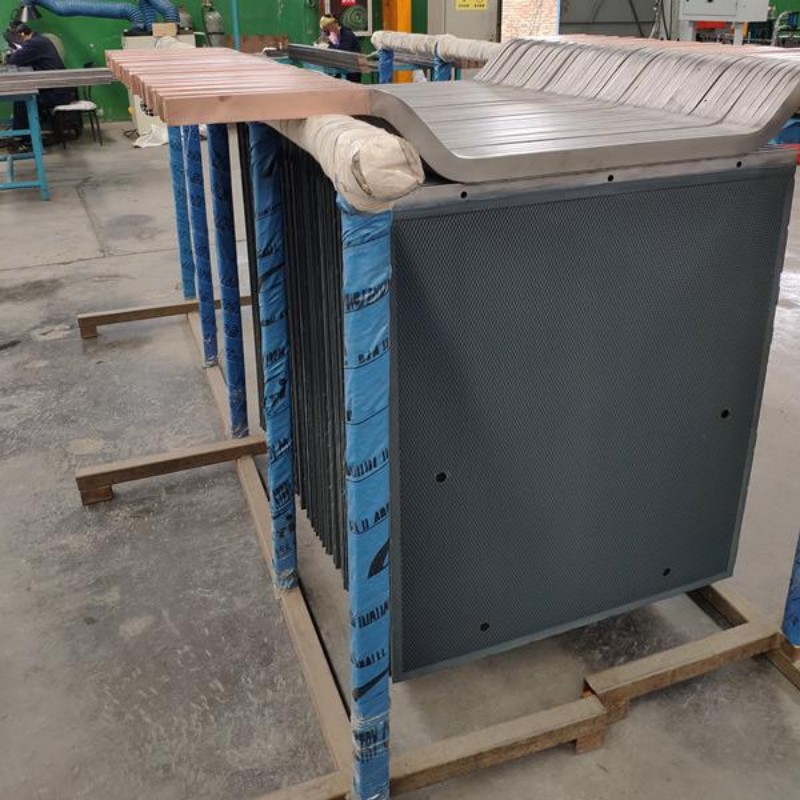
As the world pivots toward a hydrogen economy, titanium alloy plates are becoming essential in PEM (Proton Exchange Membrane) electrolyzers. Titanium's ability to resist the acidic environment of the electrolysis process while maintaining electrical conductivity (when coated with precious metals like platinum) makes it the premier choice for bipolar plates. This application is expected to drive a 20% annual increase in industrial titanium plate demand over the next decade.
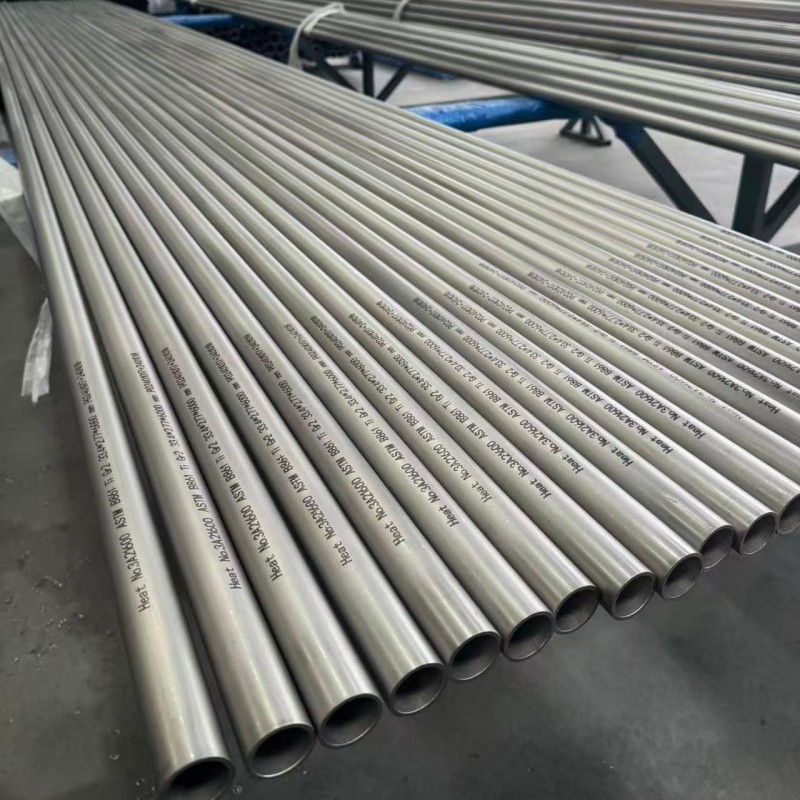
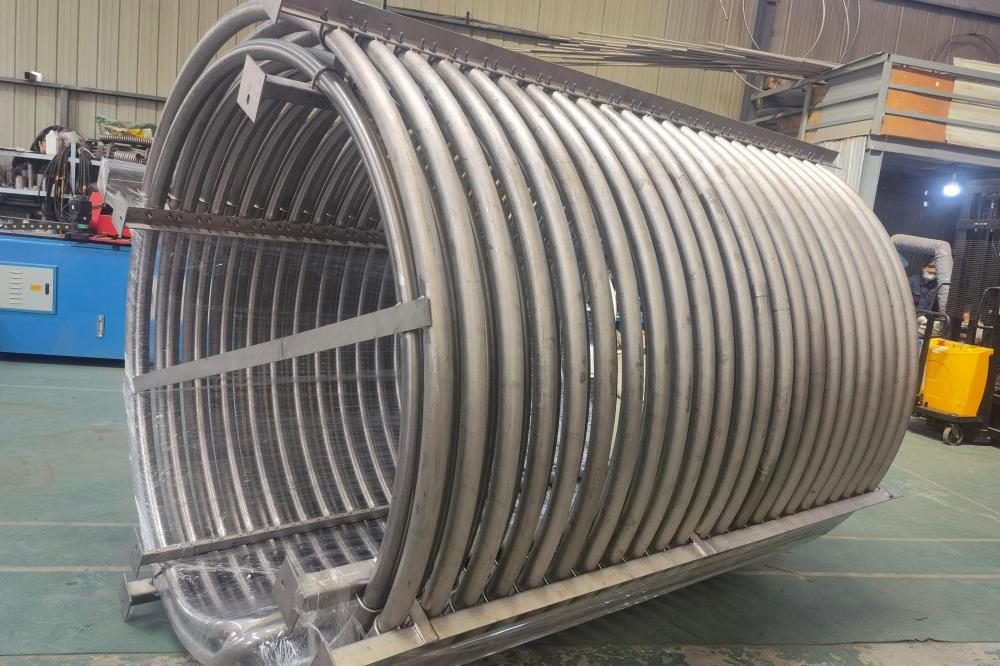
In nuclear energy, safety and longevity are paramount. Titanium alloy plates are used extensively in steam condensers and heat transfer systems. Their resistance to "vibration fatigue" and pitting corrosion ensures that cooling systems remain intact even under the most rigorous operating conditions, preventing radioactive leakage and enhancing plant efficiency.
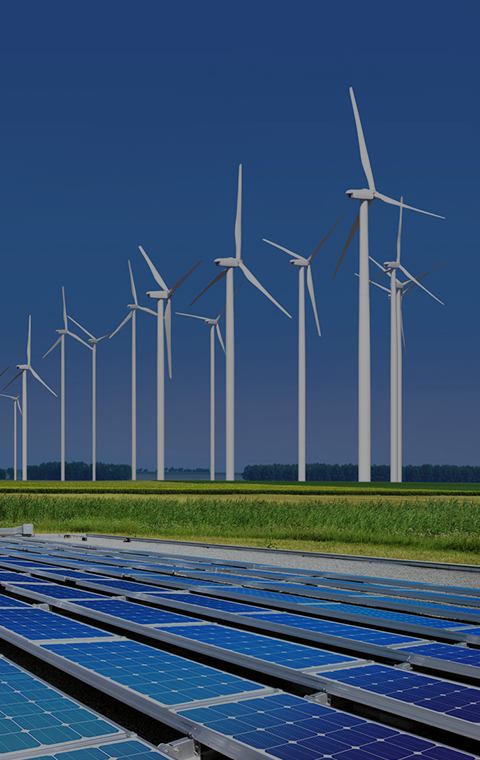
The transition to renewable energy involves tapping into harsher environments. Deep-sea offshore wind platforms and geothermal power plants deal with high-salinity water and corrosive brine. Titanium plates provide the structural durability needed for these "Energy and Power Projects," where traditional carbon steel would fail within years. Titanium's longevity ensures the financial viability of these long-term infrastructure investments.
Founded Year
Annual Tons
Factory ㎡
Product Categories
Founded in 1997, we are a leading joint-stock industrial enterprise specializing in the R&D and manufacturing of titanium, nickel, and zirconium solutions. Located in the Shaanxi Baoji National High-tech Industrial Development Zone, our facility spans 41,000 square meters of advanced manufacturing space dedicated to powering global energy projects.
Learn More About Our Expertise
Powering Industry Leaders with Precision Titanium Solutions
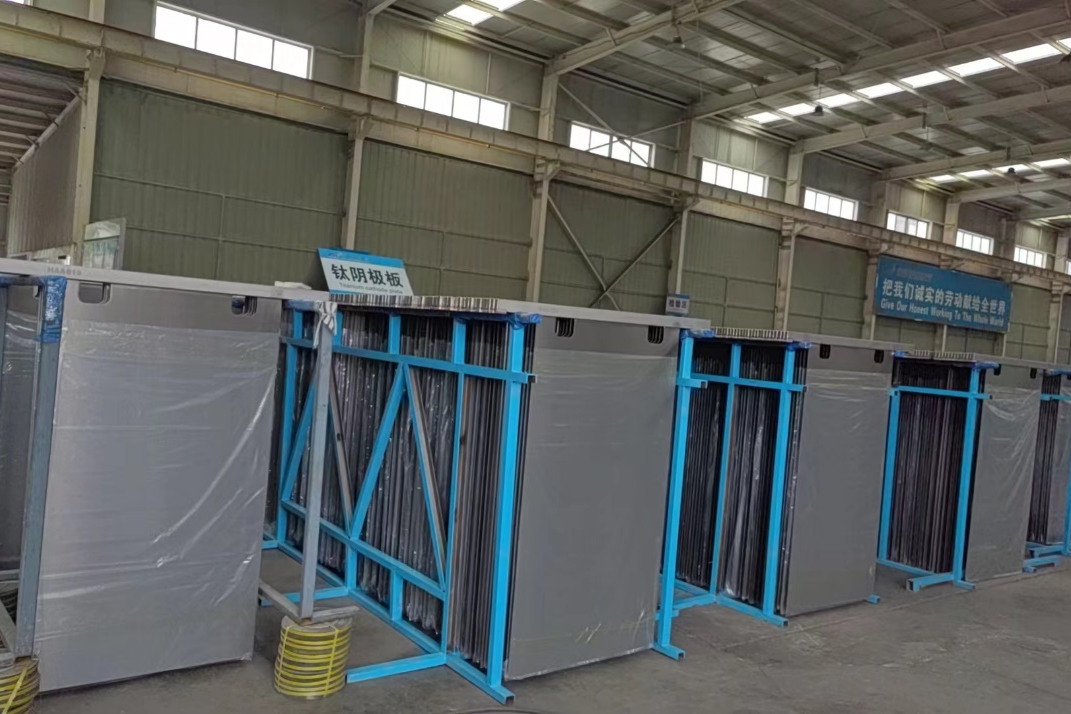 Electrolytic Industry Solutions
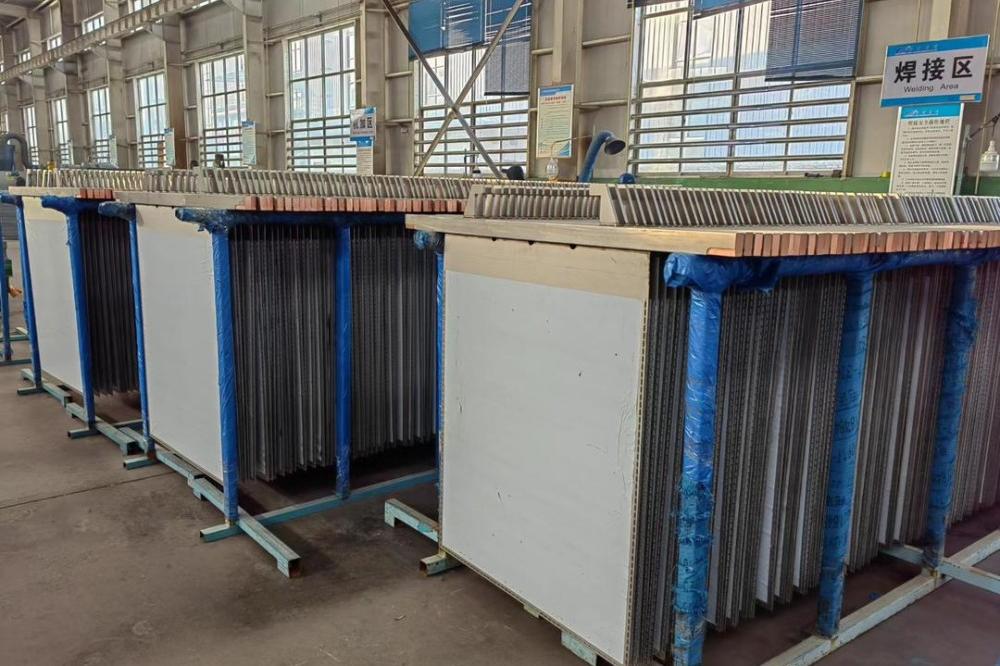 Jinchuan Group Co., Ltd.
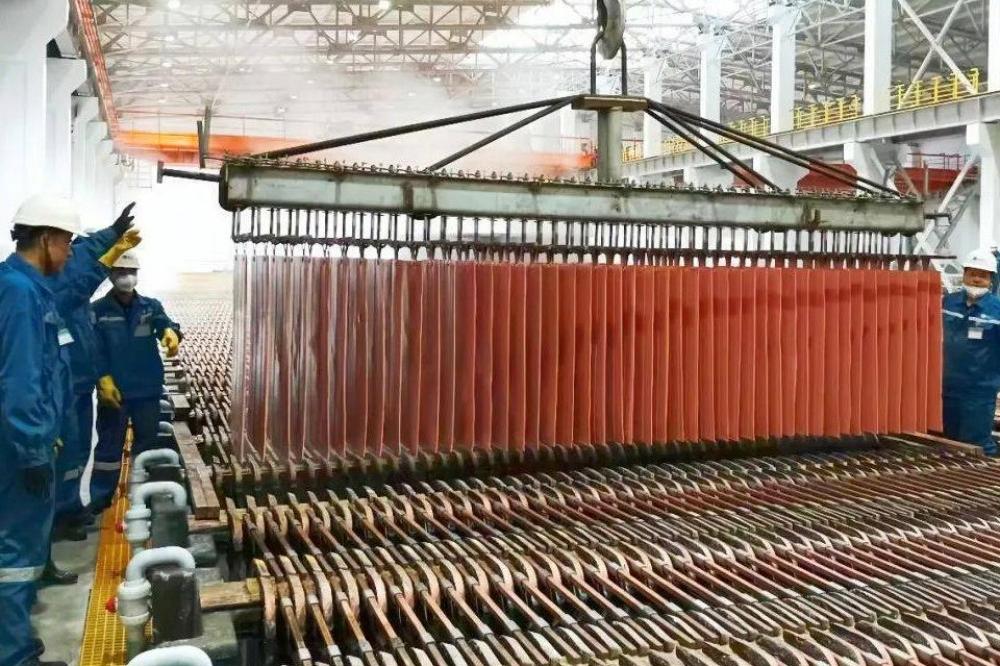 Huayou Cobalt Projects