



Leave Your Message
High-integrity titanium plate, cathode, tubing, and anode solutions designed to withstand high pressure, acidic slurry abrasion, and extreme hydrometallurgical reagents.
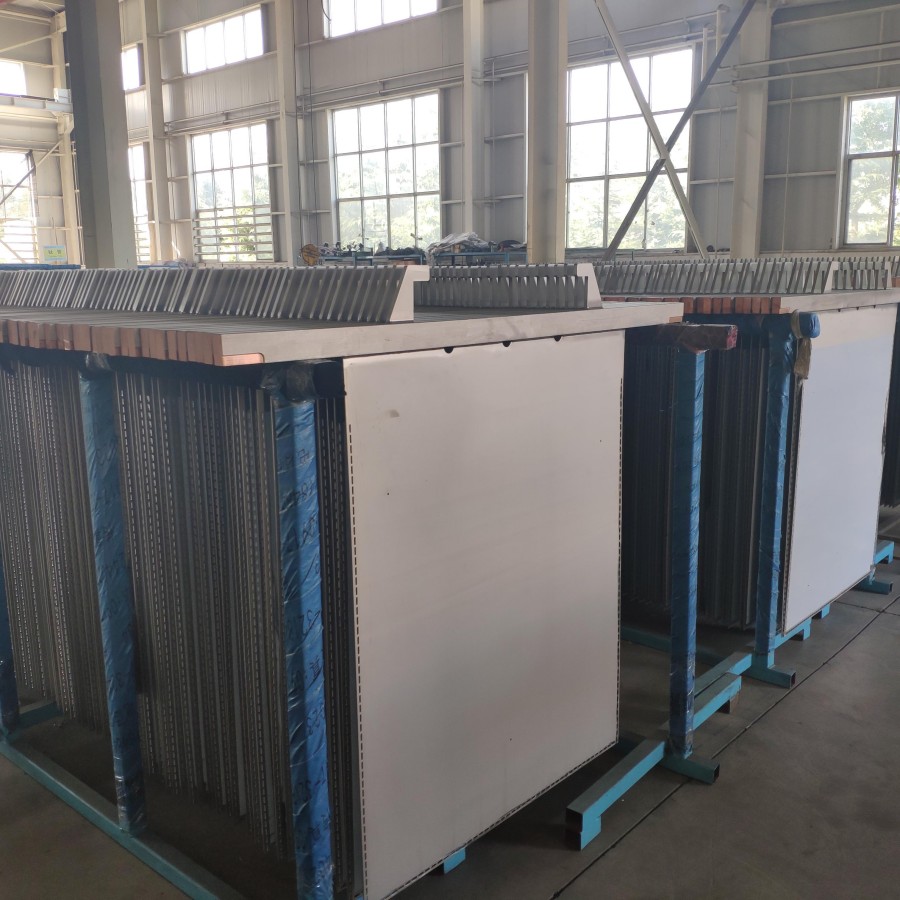 Electrowinning
Engineered titanium mother plates for copper, nickel, cobalt, and zinc SX-EW refining with superior mechanical flatness and corrosion resistance.
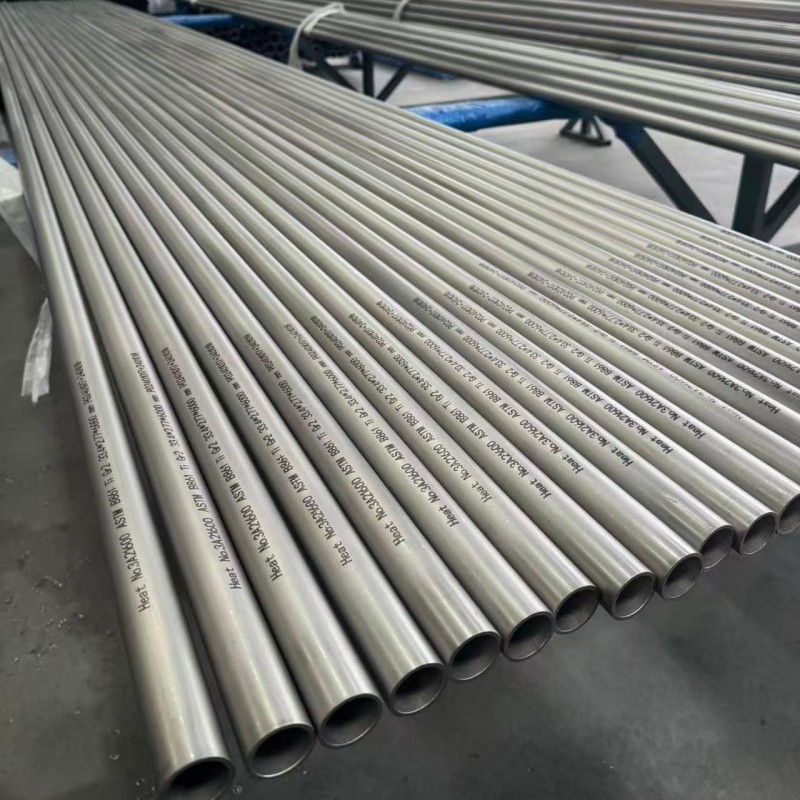 ASTM B338 / B861
Seamless & welded titanium tubing for high-pressure autoclave heat exchangers, slurry transfer manifolds, and acid recovery circuits.
 MMO / PbO2
Dimensionally stable electrocatalytic anodes engineered for severe high-current-density metal electrowinning and acid wastewater oxidation.
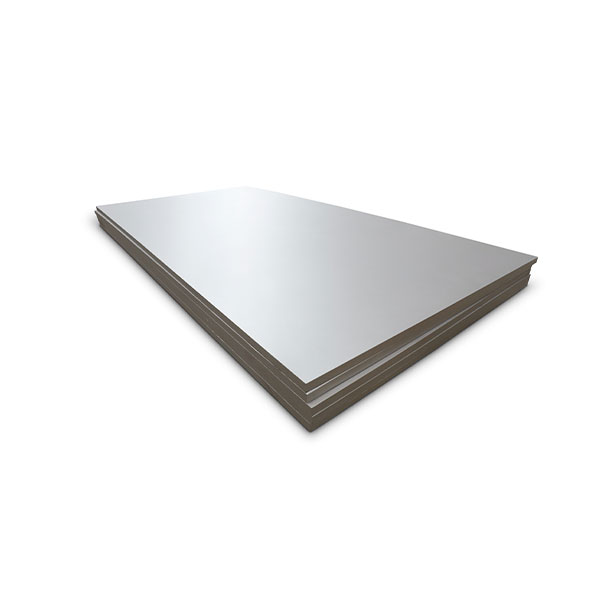 ASTM B265 / ASME SB265
Heavy structural titanium plates & cladding blanks for autoclave vessels, flash tanks, froth flotation launders, and acid leach agitators.
The global mining and extractive metallurgy sector is undergoing an unprecedented paradigm shift. As high-grade, easily accessible oxide ore bodies are steadily depleted worldwide, mining conglomerates are compelled to exploit complex, refractory, and low-grade sulfide mineral deposits. Processing these challenging ores—which include lateritic nickel-cobalt ores, refractory gold matrices, chalcopyrite copper concentrates, and lithium-bearing pegmatites/brines—requires increasingly severe chemical and thermal conditions. Conventional construction materials such as 316L/317L stainless steels, rubber linings, and duplex stainless alloys rapidly fail when exposed to the synergistic attack of concentrated sulfuric acid, hydrochloric leach solutions, high ferric/chloride concentrations, operating temperatures exceeding 250°C, and abrasive mineral pulp velocities.
In this hostile operational regime, Titanium Alloy Plates (ASTM B265 / ASME SB265) have transitioned from an exotic engineering specialty into an indispensable foundation of modern hydrometallurgical infrastructure. Renowned for its spontaneously forming, self-healing rutile and anatase titanium dioxide ($TiO_2$) protective film, titanium provides an impenetrable barrier against pitting, crevice corrosion, stress corrosion cracking (SCC), and erosion-corrosion. Implementing solid titanium plates and titanium-clad steel composite plates has allowed mineral processing facilities to achieve continuous 3-to-5-year run campaigns without catastrophic shutdown, dramatically lowering Total Cost of Ownership (TCO) and eliminating dangerous operational downtime.
Spontaneously repairs within milliseconds in oxygenated hydrometallurgical media, providing total resistance to ferric chloride ($FeCl_3$) and cupric chloride ($CuCl_2$) attack where stainless steels suffer catastrophic pitting.
Withstands high-velocity abrasive mineral slurries containing up to 45% solids. Titanium forms a surface work-hardened protective layer that resists localized shear stress from quartz, pyrite, and gangue particles.
Certified for continuous service inside High-Pressure Acid Leach (HPAL) autoclaves operating at 250°C–270°C and 4.5–5.5 MPa overpressure with 40–60 g/L free sulfuric acid.
Selecting the optimal titanium plate grade for a mining plant demands an exhaustive understanding of fluid velocity, slurry particle hardness, operating temperature, chloride ion concentration, and redox potential ($E_h$). Baoji Special Steel Titanium Industry Co., LTD. manufactures and certifies full-spectrum titanium alloy plates meeting ASTM B265, ASME SB265, and DIN 17860 standards:
| Titanium Grade | Nominal Composition | Tensile Strength (MPa) | Yield Strength (MPa) | Key Mining & Mineral Processing Applications |
|---|---|---|---|---|
| Grade 1 (UNS R50250) | Commercially Pure Ti (Low $O_2$) | ≥ 240 | 170 – 310 | Deep-drawn electrolytic diaphragm frames, heat exchanger plate gaskets, dilute acid transfer lines. |
| Grade 2 (UNS R50400) | Commercially Pure Ti (Standard) | ≥ 345 | 275 – 450 | SX-EW cathode mother plates, leach tank liners, froth flotation feedwells, scrubbers, and condenser shells. |
| Grade 5 (UNS R56400) | Ti-6Al-4V (Alpha-Beta) | ≥ 895 | ≥ 828 | Heavy slurry agitator blades, autoclave internal baffles, high-speed centrifuge bowls, hydrocyclone apex liners. |
| Grade 7 (UNS R52400) | Ti-0.15Pd (Palladium Enhanced) | ≥ 345 | 275 – 450 | HPAL autoclave vent gas flash vessels, hot acidic chloride reducers ($HCl + H_2SO_4$), crevice-prone flange faces. |
| Grade 12 (UNS R53400) | Ti-0.3Mo-0.8Ni | ≥ 483 | ≥ 345 | High-temperature brine crystallizers, gold pressure oxidation (POX) cooling coils, solvent extraction settlers. |
| Grade 29 (UNS R56404) | Ti-6Al-4V ELI + 0.1Ru | ≥ 895 | ≥ 828 | High-stress HPAL autoclave explosion clad inner shell, severe high-pressure slurry discharge nozzles. |
In nickel-cobalt laterite processing (such as operations across Indonesia, New Caledonia, Australia, and the Americas), HPAL autoclaves represent the most punishing hydrometallurgical environment in the world. Operating at temperatures between 250°C and 270°C with sulfuric acid concentrations of 40–55 g/L and total pressures exceeding 50 bar, standard stainless alloys decompose in days. Heavy-gauge Titanium Grade 5 and Grade 7 clad plates are universally specified for the multi-compartment horizontal autoclave vessels, internal partition weirs, titanium thermowells, slurry injection quills, and high-energy agitator impellers. Titanium resists the superheated acidic slurry while the palladium/ruthenium micro-alloying suppresses crevice corrosion underneath scale build-up.
Double-refractory and sulfide-encapsulated gold deposits require complete oxidation of the enclosing pyrite and arsenopyrite matrices before cyanide leaching. POX autoclaves utilize oxygen sparging under high temperature (210°C–230°C) and acidic sulfate-chloride liquors. Titanium alloy plates (Grades 2, 12, and 7) form the standard internal cladding and baffle systems. Because titanium is totally immune to stress-corrosion cracking induced by high concentrations of chloride and thiocyanate ions, it prevents catastrophic vessel rupture and ensures continuous multi-year operating campaigns.
In modern copper, nickel, cobalt, and zinc electrowinning refineries, Titanium Grade 2 and Grade 7 plates serve as the permanent cathode mother plates. The ultra-flat surface finish (Ra ≤ 0.40 μm) of our cold-rolled and vacuum-annealed plates ensures precise metal deposition, zero edge-burning, uniform current distribution, and effortless automated mechanical stripping of refined copper and nickel sheets. Unlike 316L stainless steel mother blanks that suffer pitting under chloride contamination (>20 ppm), titanium cathode blanks operate indefinitely with zero corrosion product contamination, yielding 99.999% cathode purity.
In mineral beneficiation plants, crushing and grinding circuits generate slurry containing quartz, silica, and sharp mineral grains. When paired with acidic process water, the synergistic erosion-corrosion rate on carbon steel or rubber liners can exceed 15 mm/year. Titanium Grade 5 (Ti-6Al-4V) heavy plates provide high mechanical hardness (36 HRC), low modulus of elasticity (which absorbs kinetic impact energy), and continuous passivation, outlasting wear-resistant steels by 6 to 12 times in hydrocyclone feed boxes, launders, slurry chutes, and flotation cell distributor plates.
Environmental compliance mandates that modern mining operations treat high-salinity tailings effluents and Acid Mine Drainage containing toxic heavy metals and high sulfuric acid loads. Titanium plates are used extensively in falling-film brine evaporators, MVR vapor recompression heat exchangers, and electrocoagulation reactors where boiling acidic brine quickly destroys standard austenitic stainless steels.
While the initial capital expenditure (CAPEX) of titanium plates is higher than carbon steel or duplex 2205/2507 alloys, a rigorous Life-Cycle Cost Analysis (LCCA) demonstrates overwhelming economic superiority for titanium in mineral operations. For an HPAL or POX autoclave facility:
Baoji Special Steel Titanium Industry Co., LTD. enforces rigorous end-to-end quality protocols across all melting, forging, hot rolling, cold rolling, and heat treatment operations. Equipped with 10,000-ton hydraulic forging presses, high-precision four-high reversing rolling mills, and vacuum creep flattening furnaces, every titanium plate is guaranteed to exceed international standards.
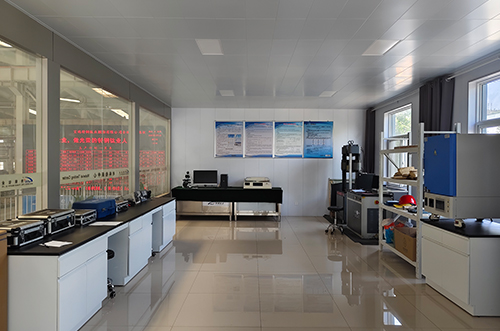
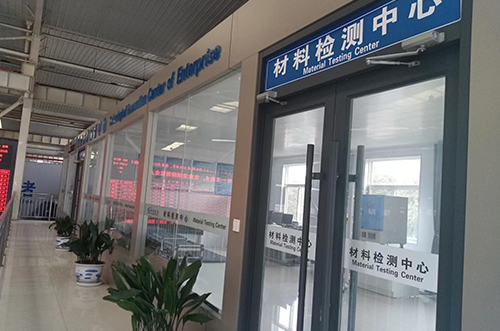
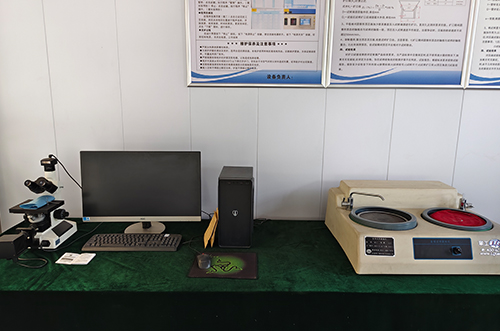
Our comprehensive testing regime includes:
The global push towards electric vehicles (EVs), grid-scale energy storage, and green hydrogen has catalyzed exponential demand for critical energy transition minerals: nickel, cobalt, copper, lithium, and rare earth elements (REEs). Because rich ores have been mined out, over 80% of new nickel output is projected to originate from HPAL laterite projects, while Direct Lithium Extraction (DLE) and lithium brine crystallization require huge volumes of titanium evaporation plates. Titanium alloy plates stand as the vital enabler of sustainable, low-carbon hydrometallurgical mineral processing into the 21st century.
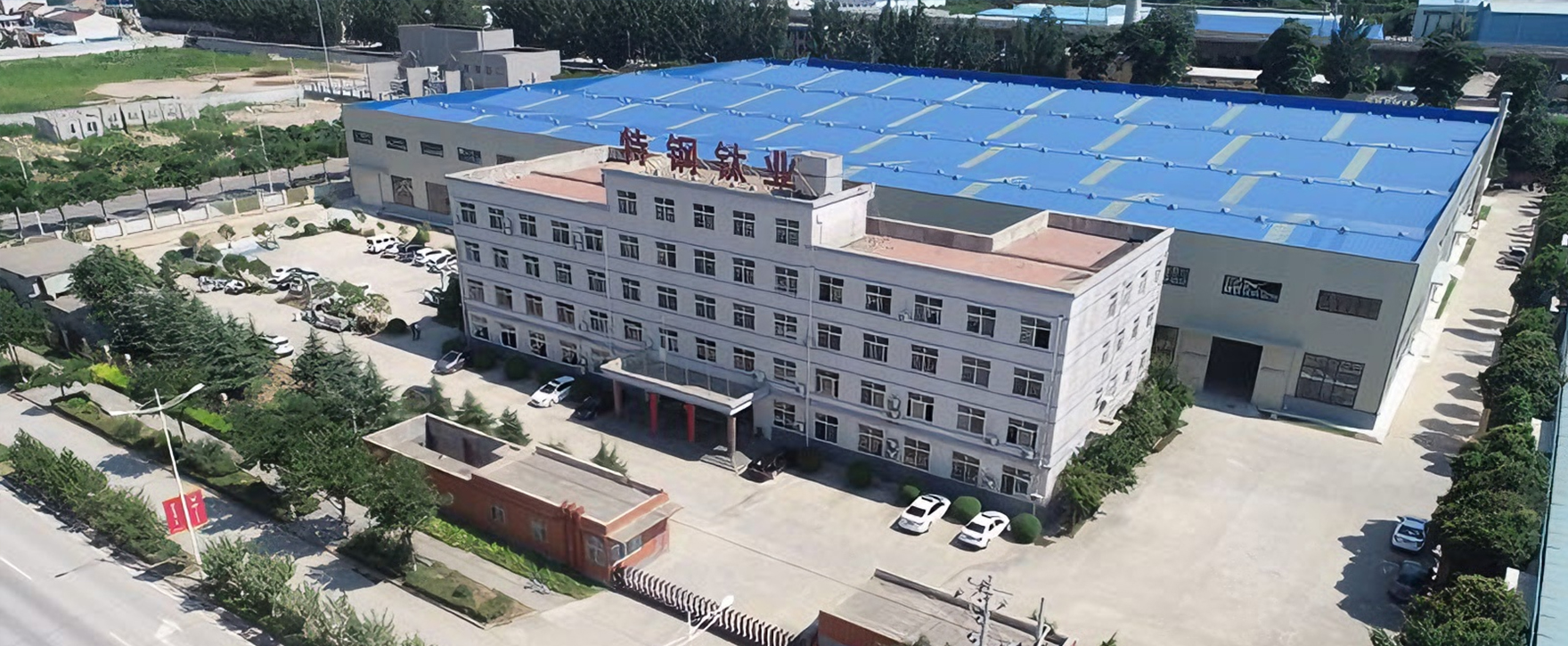
Baoji Special Steel Titanium Industry Co., LTD. Is a joint-stock industrial enterprise specializing in the research, development, manufacturing and sales of titanium, nickel, zirconium and other metal pipes and metal composite materials. The company was founded in 1997, located in Shaanxi Baoji National High-tech Industrial development Zone, the factory covers an area of 41,000 square meters.
 World - Class Quality Unparalleled Standards
 Custom - Tailored Solutions Swift Execution
 Streamlined Logistics Global Reach
Founded in 1997
Production Output
National Tech Zone
Certified Items
Precision-engineered titanium products deployed in extreme industrial environments worldwide.
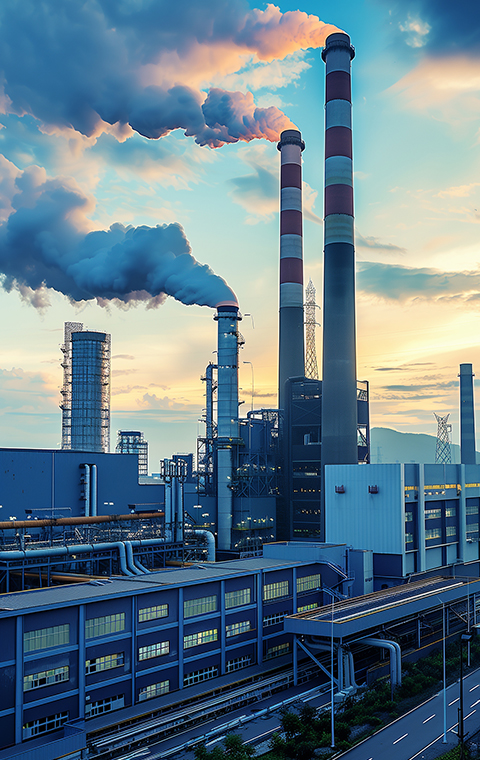
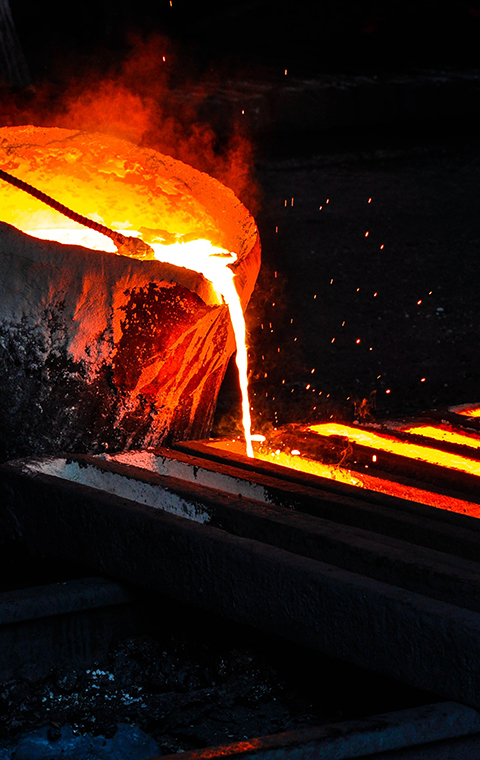
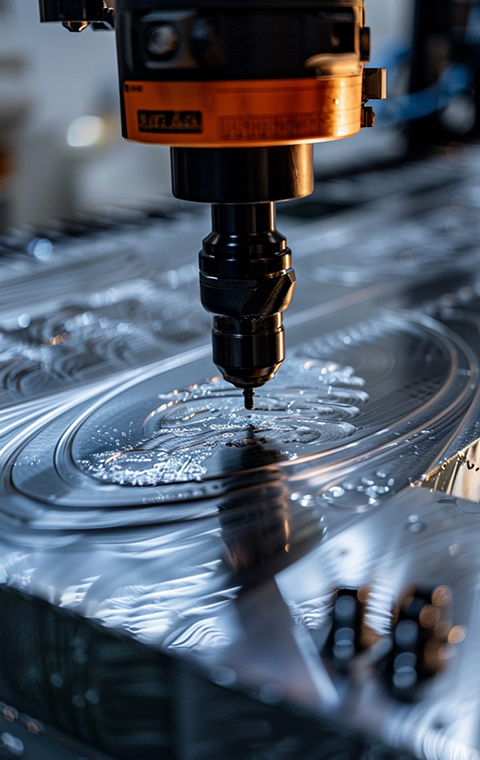
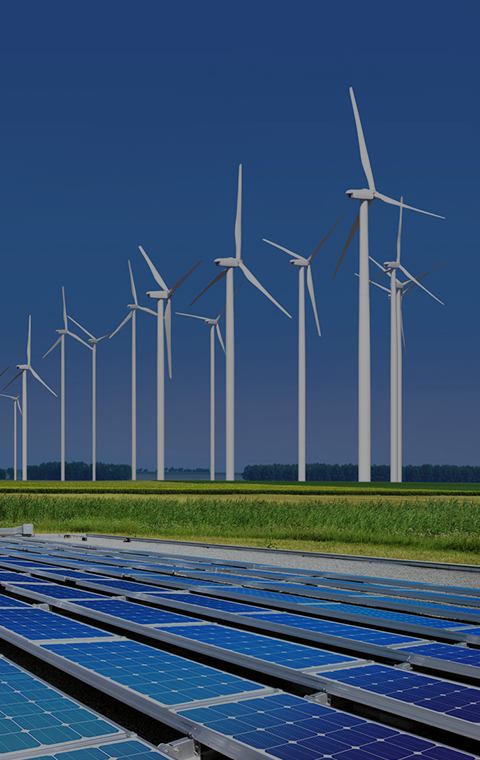
Stable product quality, integrity as the core of the business philosophy, trusted by the world's leading mineral processing and chemical giants.
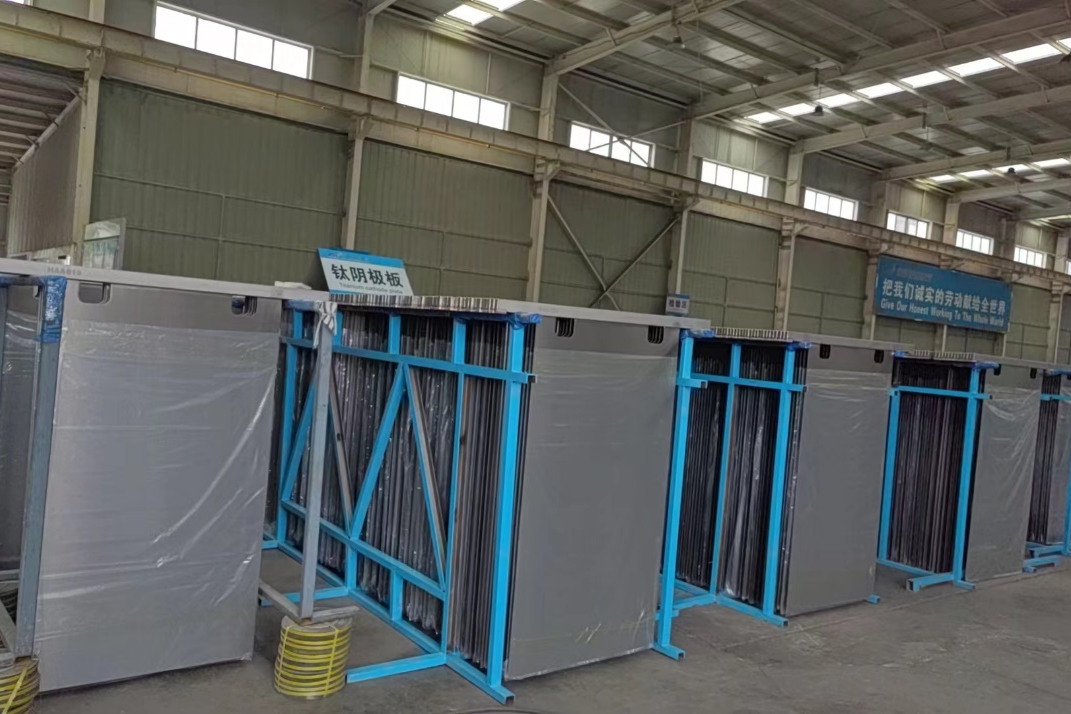
Powering Global Mining Operations with Precision Titanium Solutions
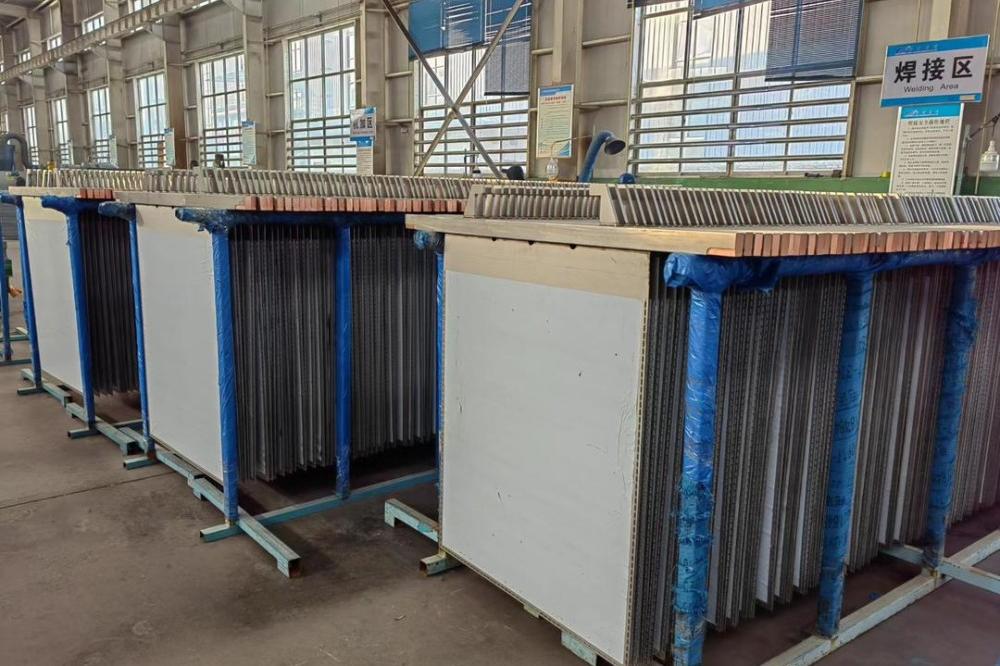
Heavy Nickel-Cobalt Smelting & Pressure Leaching Titanium Equipment
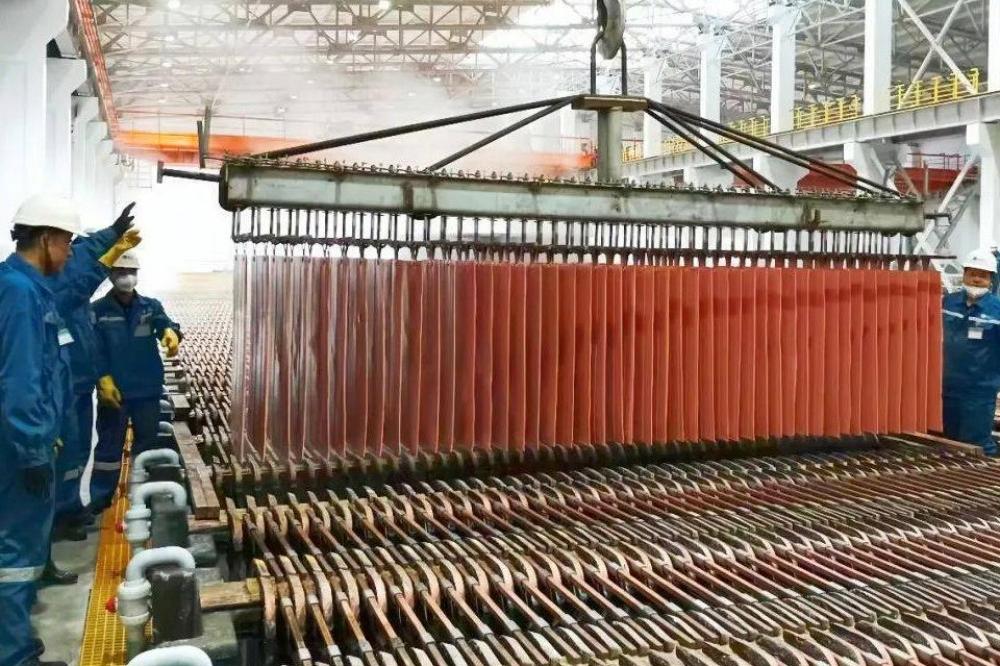
High-Pressure Acid Leaching (HPAL) Titanium Plate & Cathode Systems
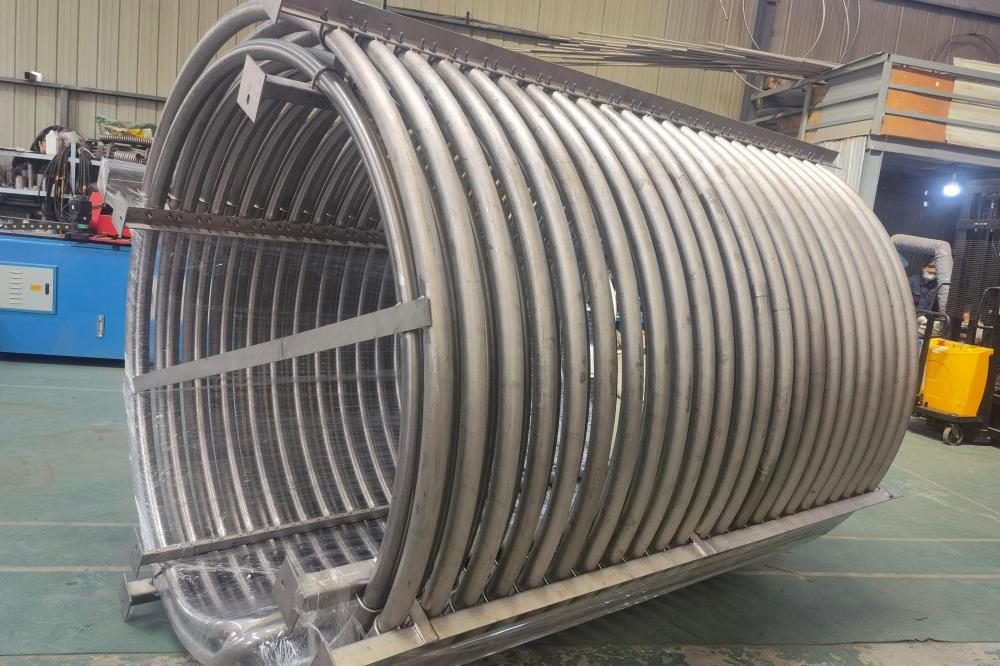
Corrosion-Resistant Titanium Composite Plates & Clad Vessels
Strict production quality controls meeting ISO9001, ISO14001, CE, and pressure equipment directives.
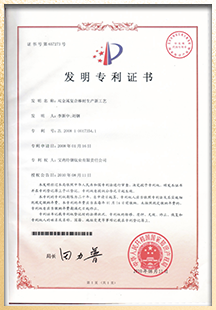
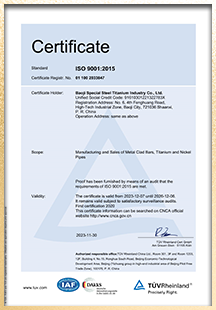
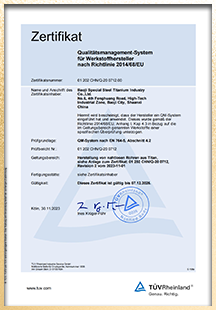
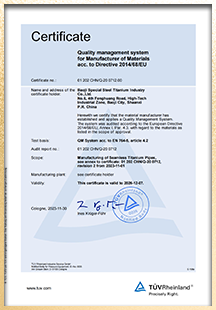
IATF 16949, CE, FMEA, PPAP, APQP, SPC AND MSA 100% TESTING WITH COMPLETE 3.1 TRACEABILITY.
Explore our full line of corrosion-resistant titanium plates, pipes, cathodes, and heavy-duty clad materials designed for harsh hydrometallurgical operations.
Our metallurgical engineers provide tailored grade selection, thickness optimization, explosive cladding design, and worldwide logistical fulfillment.
