



Leave Your Message


The global demand for high-purity copper is expanding at an unprecedented rate, driven primarily by the transition toward electric vehicles (EVs), green energy grids, and advanced electronics. Within this industrial landscape, the electrolytic copper industry demands materials that can withstand highly corrosive environments while maintaining exceptional electrical efficiency. Among these, the titanium alloy sheet has emerged as an indispensable asset, serving as the premier permanent cathode plate material.
Historically, copper refineries relied on copper starter sheets. However, the modern hydrometallurgical sector has shifted dramatically toward permanent cathode technology (such as the ISA and Kidd processes). This transition is powered by the mechanical, chemical, and electrical advantages offered by high-grade titanium alloy sheets. By replacing traditional starter sheets, titanium cathodes drastically reduce labor costs, minimize short circuits, and significantly improve the physical quality of the deposited copper.
Electrolytic copper refining operates under harsh chemical conditions, utilizing a hot sulfuric acid (H₂SO₄) electrolyte containing copper ions (Cu²⁺) at temperatures ranging from 50°C to 65°C. In this aggressive environment, standard metals degrade rapidly. Titanium alloy sheets (specifically ASTM B265 Grade 1 and Grade 2) offer a unique set of properties that make them uniquely suited for this application:
The shift toward automated stripping machines in modern copper refineries requires high-precision cathode plates. Titanium sheets, when combined with titanium-clad copper hanger bars, provide the dimensional stability and electrical conductivity required by robotic stripping lines, minimizing downtime and maximizing throughput.
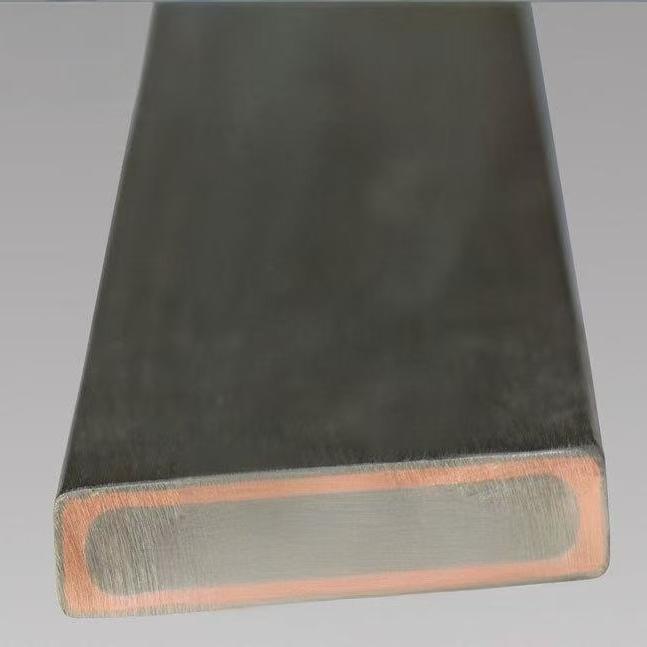
In the electrolytic copper refinery, the cathode assembly consists of the titanium sheet welded to a hanger bar. The hanger bar must carry high currents (often up to 30,000 Amperes per cell) with minimal voltage drop. This is where multilayer metal composite bar materials, such as titanium-clad copper, play a critical role.
By metallurgically bonding a highly conductive copper core with a highly corrosion-resistant titanium outer cladding, manufacturers create a hanger bar that offers the best of both worlds. The titanium sheet is then welded directly to the titanium cladding of the hanger bar using advanced TIG or laser welding techniques, ensuring a seamless, low-resistance electrical path that is completely sealed against acid mist.
Furthermore, edge strips made of high-performance plastics (like PVDF or PP) are attached to the vertical edges of the titanium sheet. These strips prevent the copper from depositing around the edges, allowing the two sheets of deposited copper to be separated easily during stripping. The dimensional stability of the titanium sheet ensures these edge strips remain tightly fitted, preventing electrolyte ingress and premature failure.


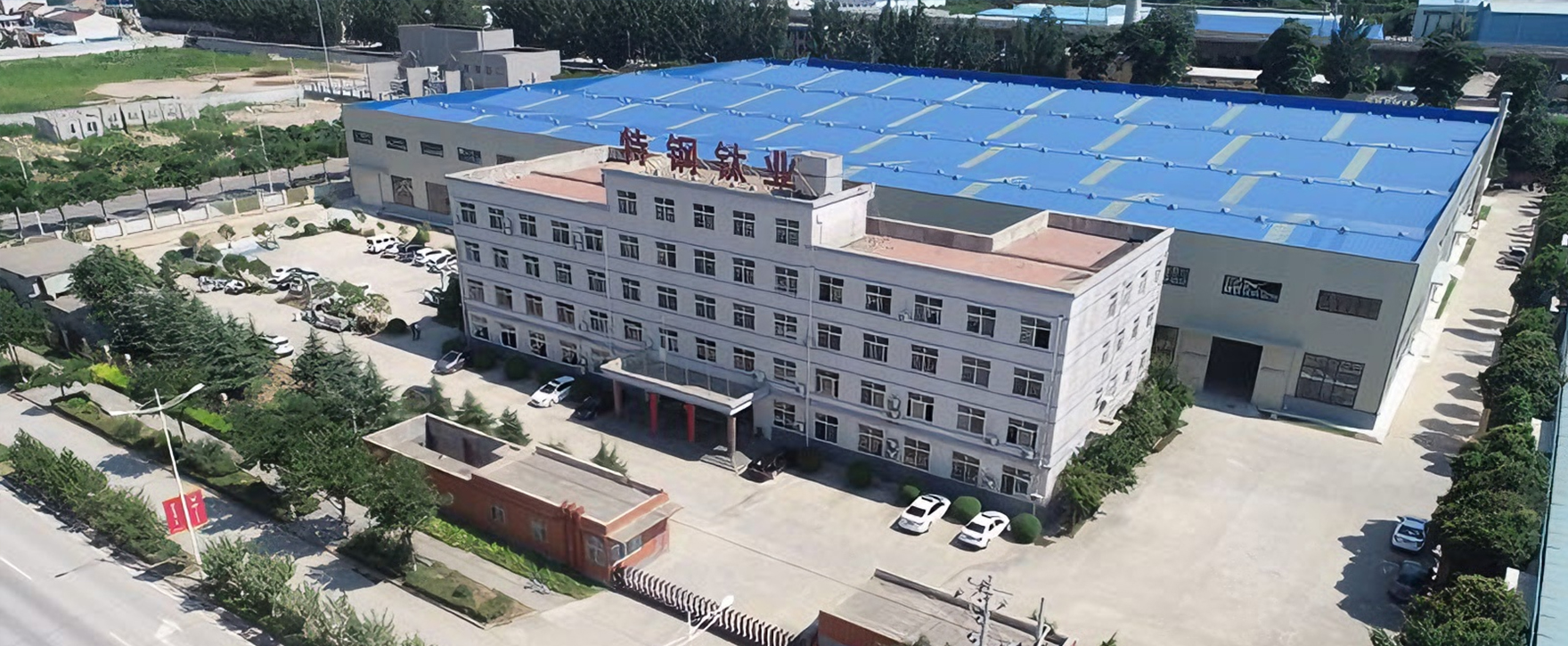






Stable product quality, integrity as the core of the business philosophy, trusted by global customers.

Powering Global Mining Operations with Precision Titanium Solutions.

High-purity nickel and copper electrowinning cathode integration.

Critical titanium clad copper hanger bars and plates for battery-grade cobalt production.
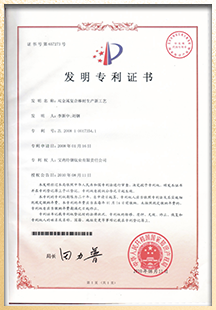
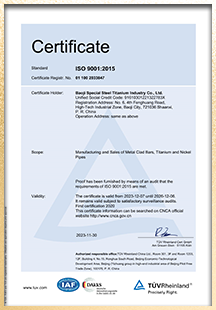
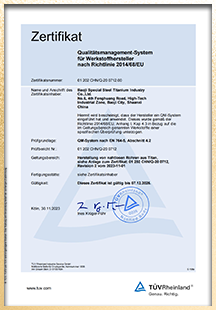
Our manufacturing processes adhere to strict international quality control systems. We are fully compliant with IATF 16949, CE, FMEA, PPAP, APQP, SPC, and MSA standards, ensuring 100% testing on all finished components.
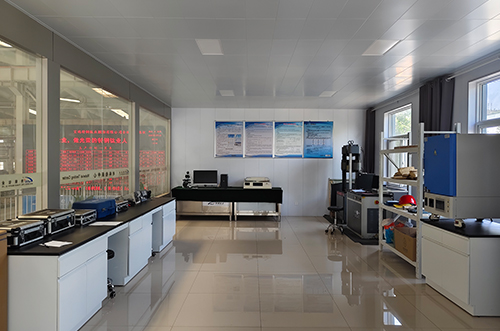
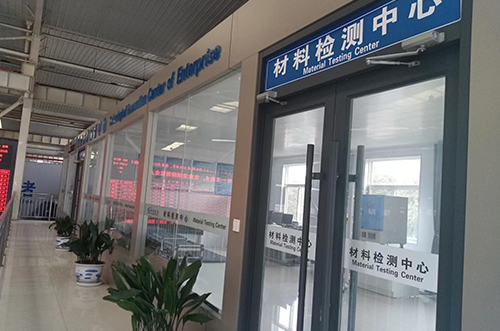
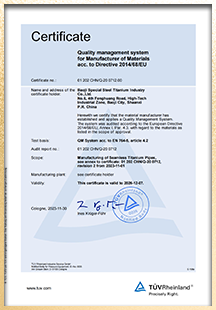
The manufacturing of titanium sheets for the electrolytic copper industry is a highly specialized process. At Baoji Special Steel Titanium Industry Co., LTD., we utilize advanced rolling and annealing techniques to optimize the microstructure of the titanium. This ensures that the sheets possess isotropic mechanical properties, meaning they perform consistently under stress, regardless of the direction.
One of the most critical steps in the production of permanent cathode titanium sheets is the surface finish. If the surface is too smooth, the deposited copper sheet may slide off prematurely into the acid bath, causing short circuits and physical damage to the cell. If the surface is too rough, the copper will mechanical lock onto the titanium, making it extremely difficult to strip, which can damage both the copper product and the titanium plate.
Through proprietary skin-pass rolling and acid etching techniques, we achieve the optimal surface profile. Furthermore, each titanium sheet undergoes tension leveling to guarantee flatness tolerances within 1mm per meter, a necessity for automated stripping systems.
As the metallurgical sector moves toward carbon neutrality, energy efficiency has become a key performance indicator. The use of high-quality titanium sheets with low electrical resistance connections reduces the overall cell voltage. A reduction of just 50 millivolts per cell can translate into millions of kilowatt-hours saved annually for a large-scale copper refinery. This not only lowers operational costs but also significantly reduces the carbon footprint associated with copper production.
Explore our full range of high-performance titanium, zirconium, and composite metal products.
