Leave Your Message
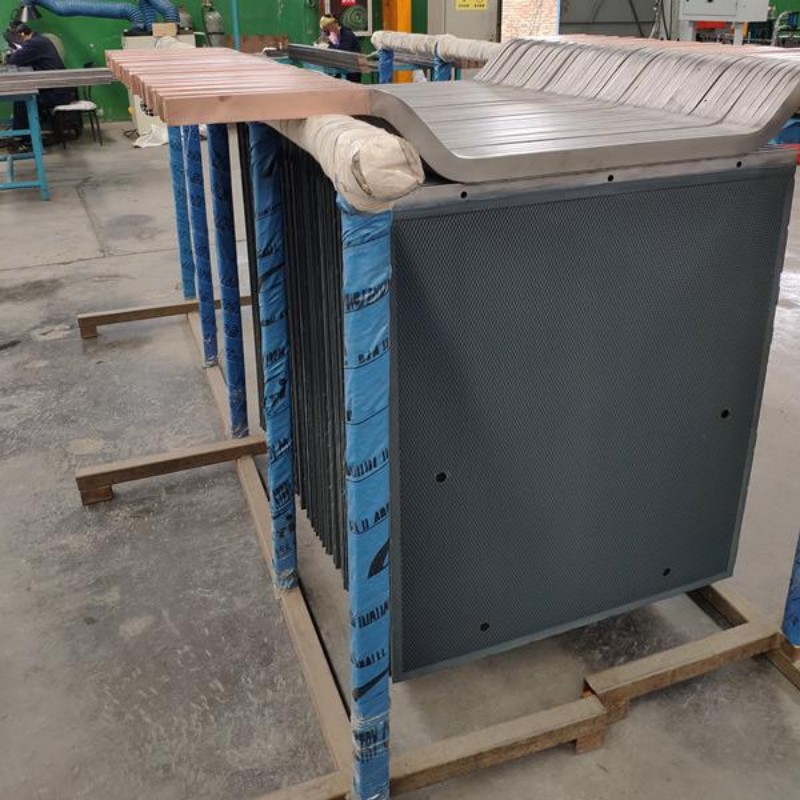
Engineered to withstand highly corrosive environments and optimize electrochemical efficiency.

How Dimensionally Stable Anodes (DSA) are reshaping the chemical processing landscape.
In the modern chemical processing sector, equipment durability, operational safety, and energy efficiency are paramount. Electrochemical processes, ranging from chlor-alkali production to wastewater treatment, require electrodes that can withstand aggressive chemical reactions without structural degradation. Traditionally, graphite and lead-alloy anodes were widely used. However, these materials suffer from significant drawbacks, including high erosion rates, dimensional instability, and environmental contamination.
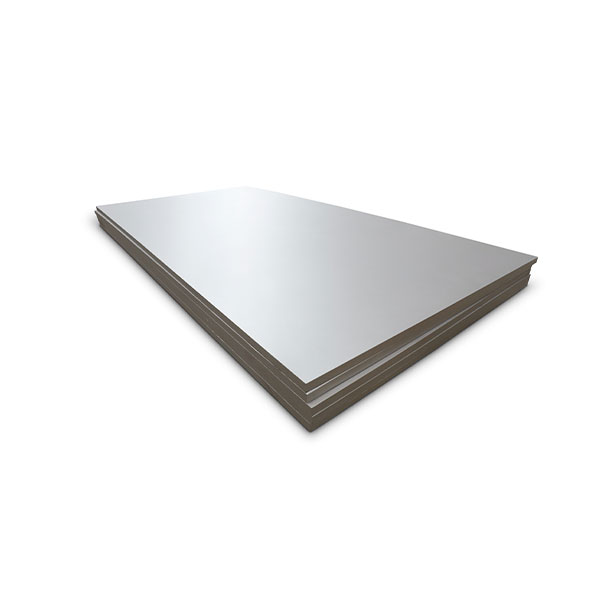
The introduction of Titanium Anodes—specifically Dimensionally Stable Anodes (DSA) coated with Mixed Metal Oxides (MMO)—has revolutionized chemical processing equipment. Titanium serves as an exceptional substrate due to its high mechanical strength, lightweight properties, and natural resistance to corrosion. When coated with noble metal oxides like Ruthenium (Ru), Iridium (Ir), Tantalum (Ta), or Lead Dioxide (PbO2), these anodes demonstrate superior electrocatalytic activity, ensuring a stable voltage profile over long periods.
The global market for titanium anodes in chemical processing equipment is experiencing significant expansion. Key factors driving this growth include:
Titanium anodes are integrated into various critical stages of chemical processing equipment:
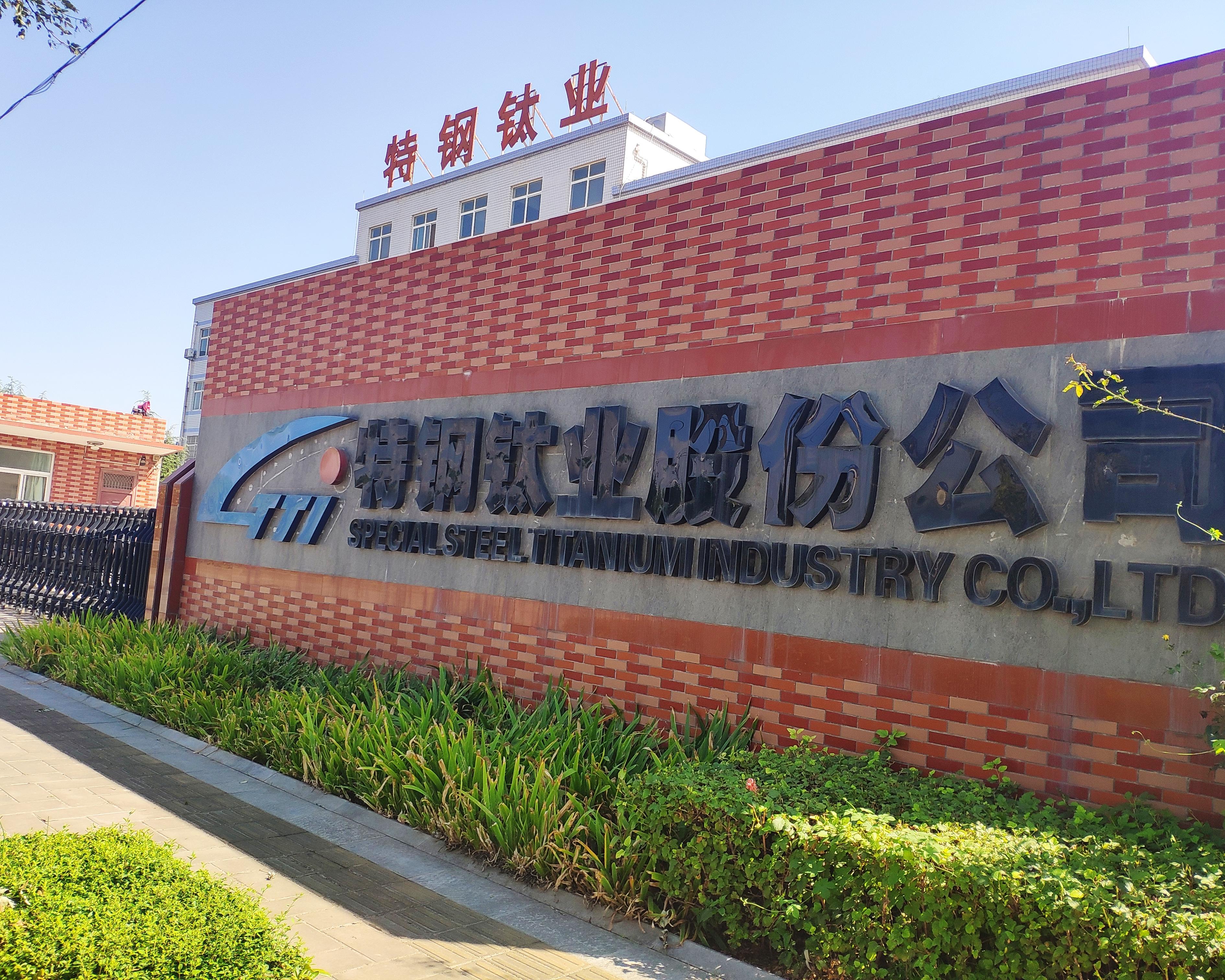
Baoji Special Steel Titanium Industry Co., Ltd. is a joint-stock industrial enterprise specializing in the research, development, manufacturing, and sales of titanium, nickel, zirconium, and other metal pipes and metal composite materials. The company was founded in 1997, located in Shaanxi Baoji National High-tech Industrial Development Zone, the factory covers an area of 41,000 square meters.
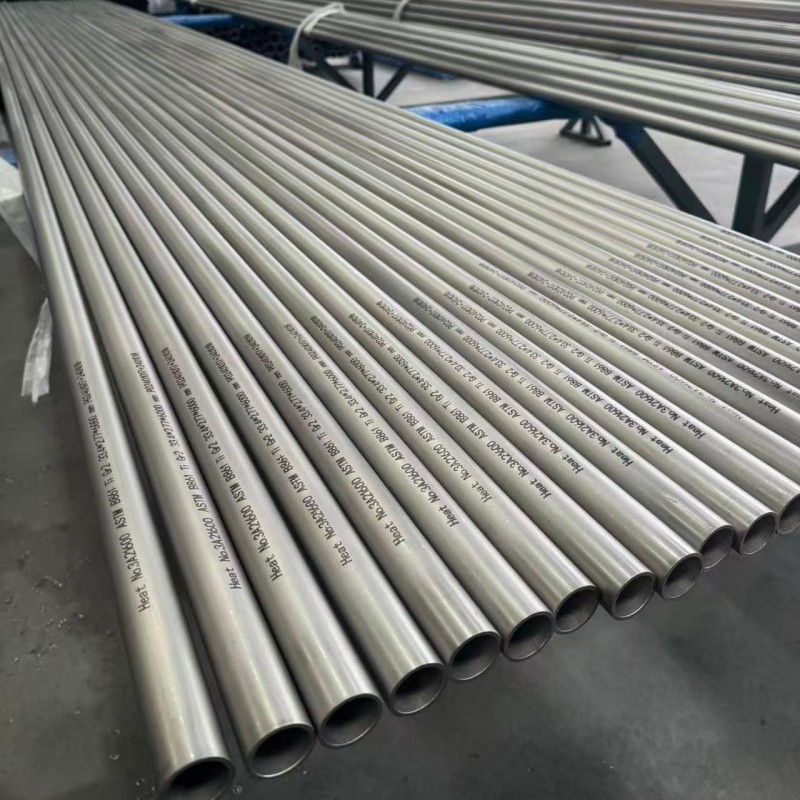
The company has an annual production capacity of over 3,000 tons of non-ferrous metal pipes, composite materials, and various deep processing products such as titanium, zirconium, nickel, tantalum, and copper, etc. Our series of products according to varieties and specifications have reached more than 500 kinds. The annual export accounts for more than 30% of the company's total output, making us an export-oriented industrial enterprise with strong growth momentum.
Having obtained the national high and new technology enterprise certification, we are proudly listed in the first batch of industries encouraged to develop by the National Development and Reform Commission.


We manufacture high-grade non-ferrous metals and composite electrode series to support diverse chemical processing equipment needs.
Since its establishment, the company has always adhered to the development strategy of continuous innovation and continued to expand the market with new technology and new products as the fulcrum. After more than 20 years of development and accumulation, the products have entered the markets of Germany, Japan, the United States, Norway, Finland, South Africa, Singapore, India and other countries and Taiwan regions, also have been highly praised. Stable product quality, integrity as the core of the business philosophy, by the world's customers trust.
"To build an excellent enterprise team, continuously improve the management and manufacturing methods, so that every customer can get the maximum benefit from each product" is the eternal pursuit of special steel titanium industry personnel.
Maximizing the lifetime and efficiency of electrochemical processing equipment.
The core performance of a titanium anode lies in its catalytic coating layer. The choice of coating determines the anode's selectivity, lifetime, and operational voltage in chemical processing equipment. Different chemical environments require tailored coating formulations:
Widely applied in chlorine evolution environments, such as chlor-alkali cells and sodium hypochlorite generators. Ruthenium oxide provides excellent electrocatalytic activity for chlorine evolution, while the addition of iridium oxide enhances the coating's stability and extends its service life. This formulation provides a low chlorine evolution overpotential, minimizing power consumption.
Specifically designed for oxygen evolution environments, particularly in acidic solutions like copper electrowinning or sulfuric acid-based electroplating. Iridium oxide serves as the active catalyst, while tantalum oxide acts as an inert binder that protects the titanium substrate from passivation in harsh acidic conditions.
These anodes feature an electrodeposited lead dioxide layer over a titanium substrate, often with an intermediate noble metal oxide layer to prevent passivation. PbO2 anodes exhibit a high oxygen evolution potential, making them ideal for strong oxidizing processes, organic wastewater treatment, and ozone generation. They are a cost-effective alternative to platinum electrodes.
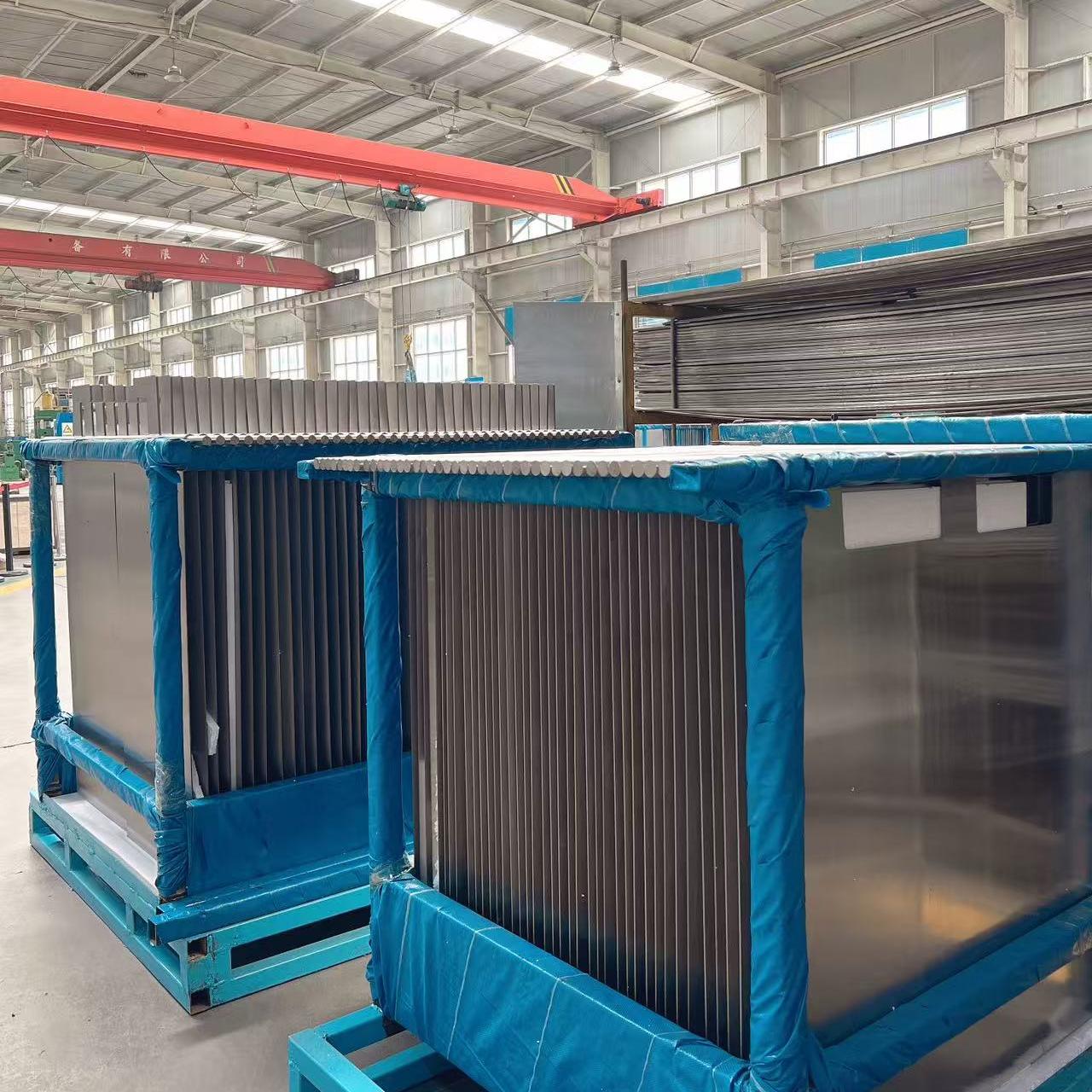
The physical structure of the titanium substrate also plays a vital role. We offer customized geometries to match specific reactor designs, including:
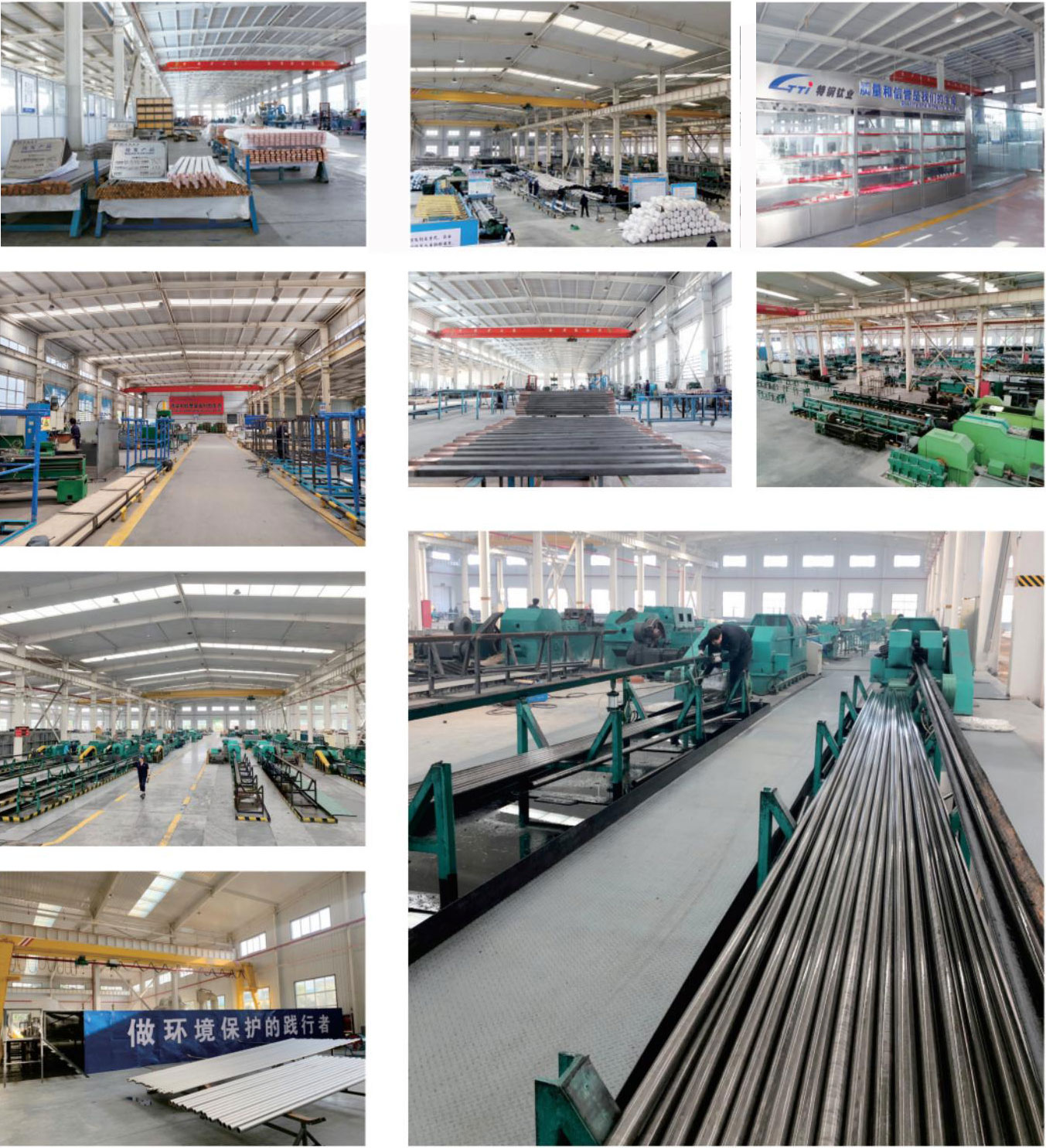
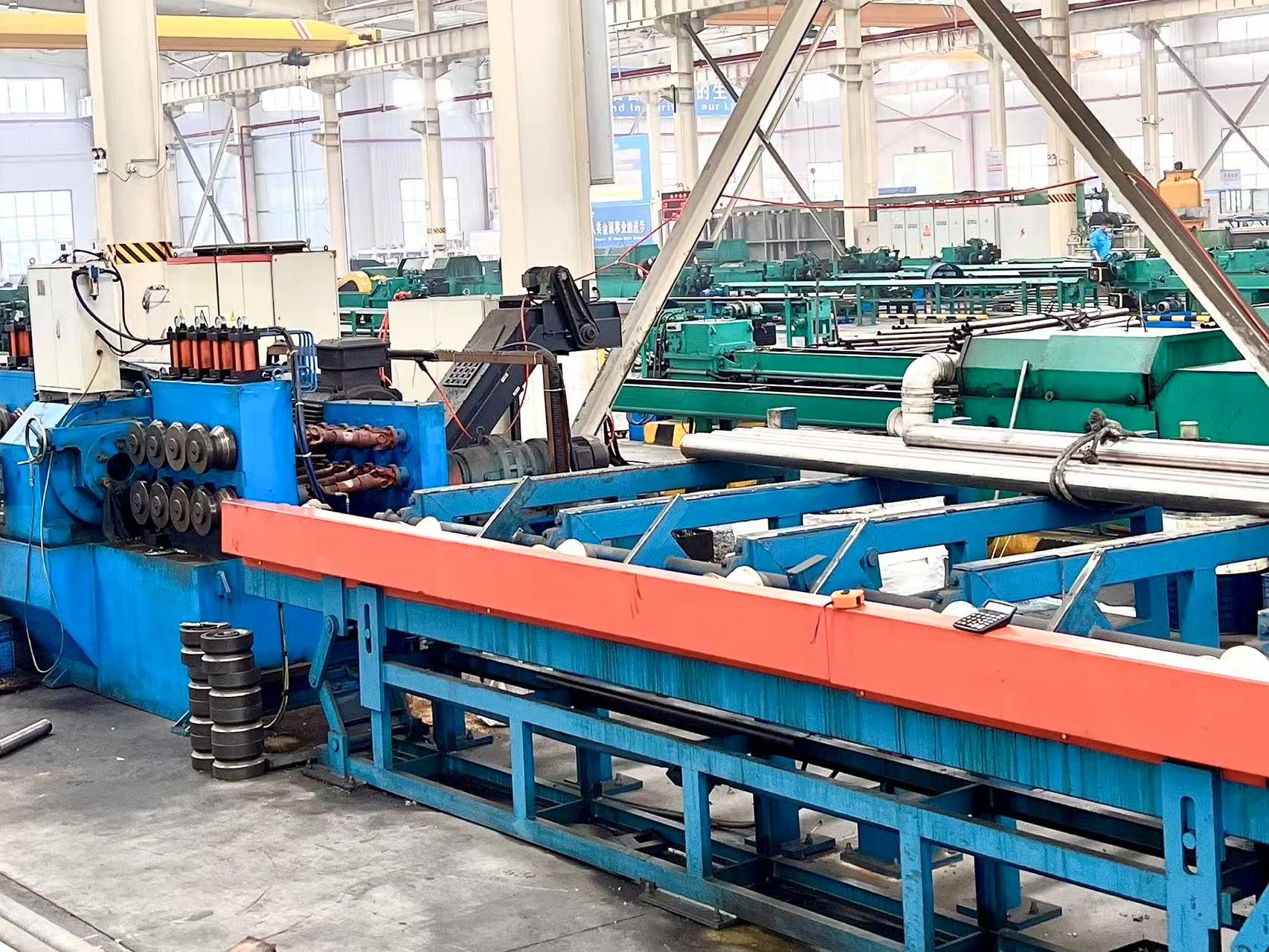
Advanced production facilities ensuring precise control and high-quality outputs.
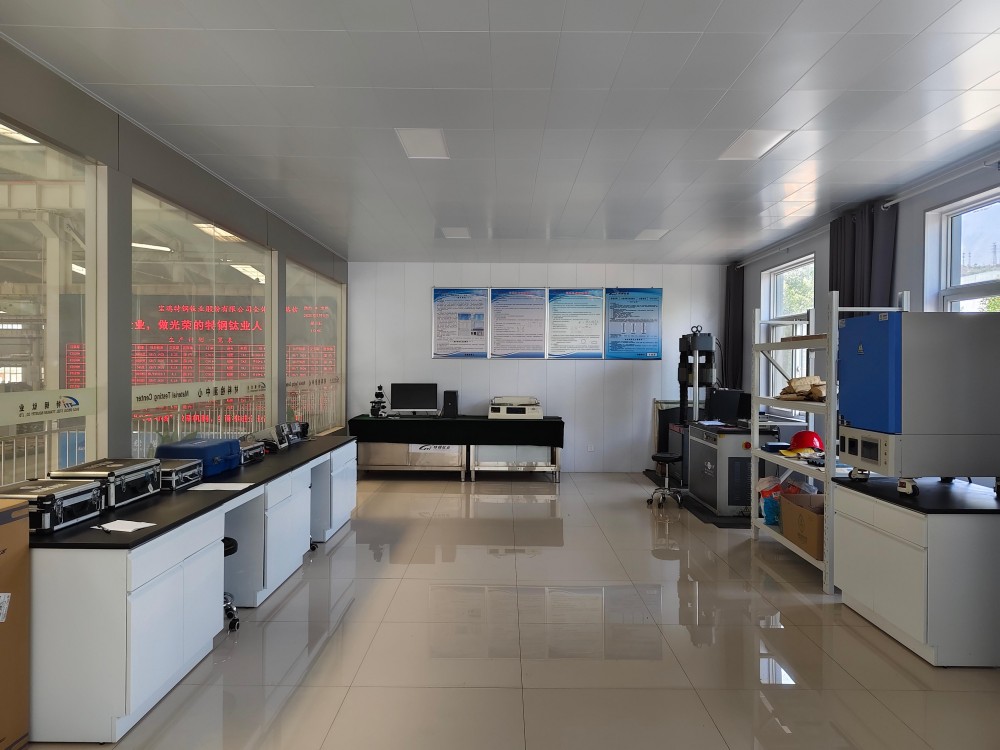
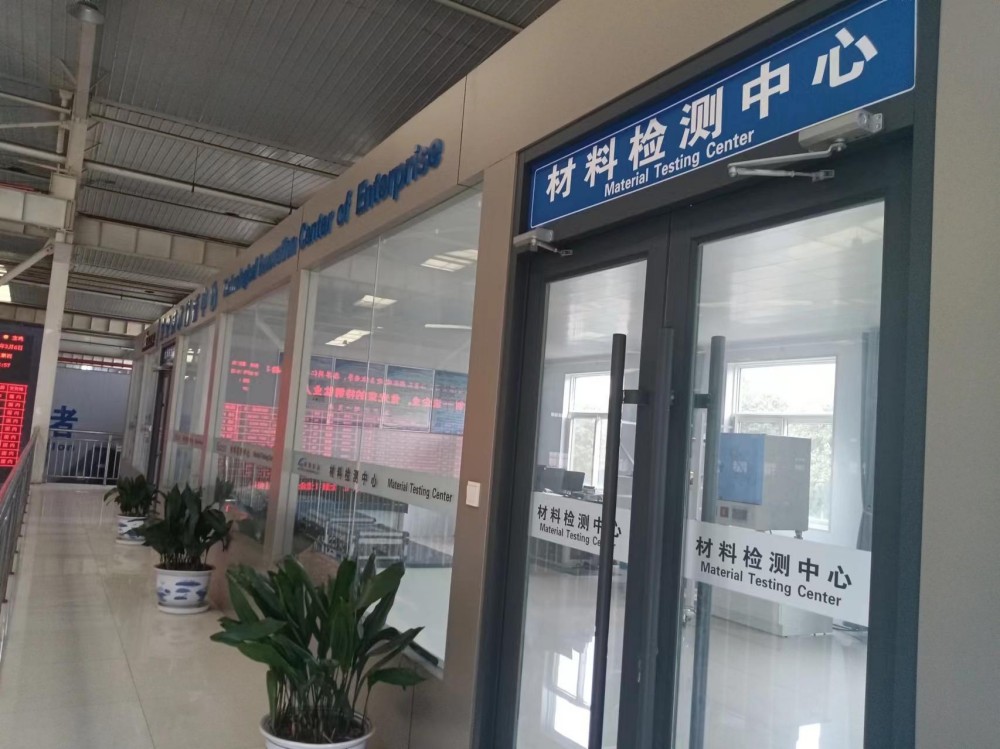
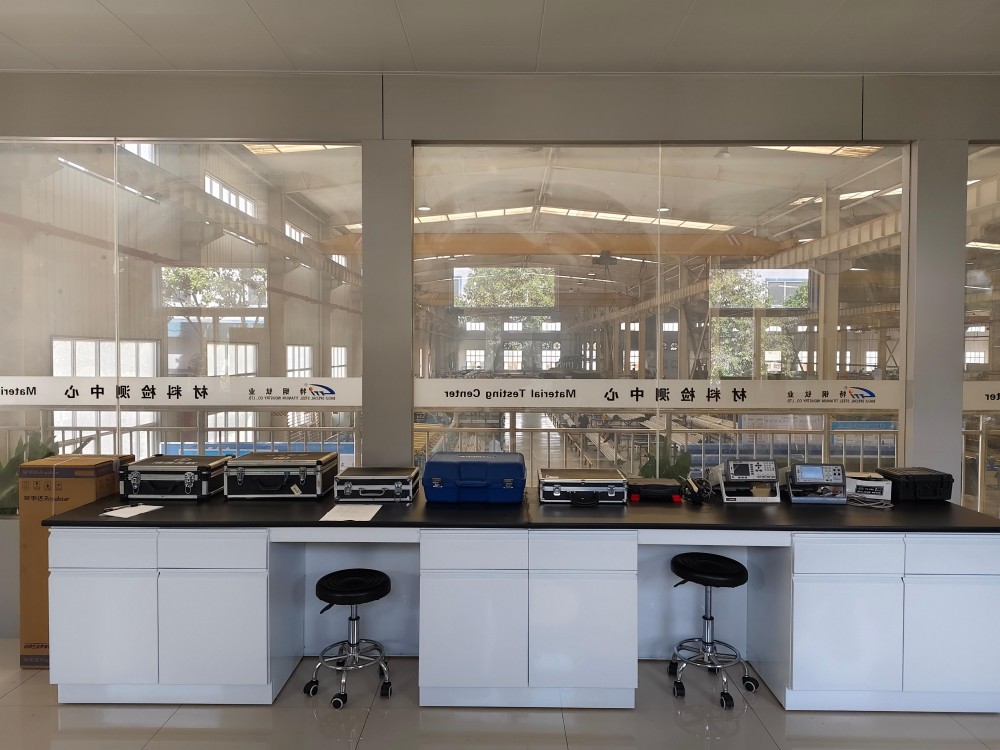
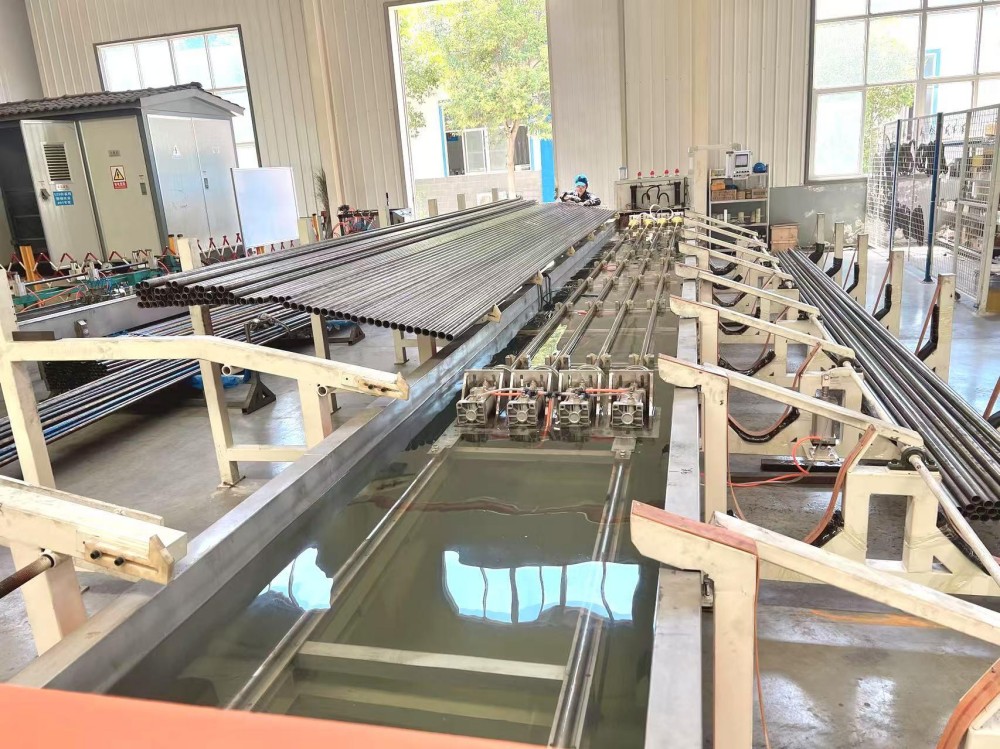
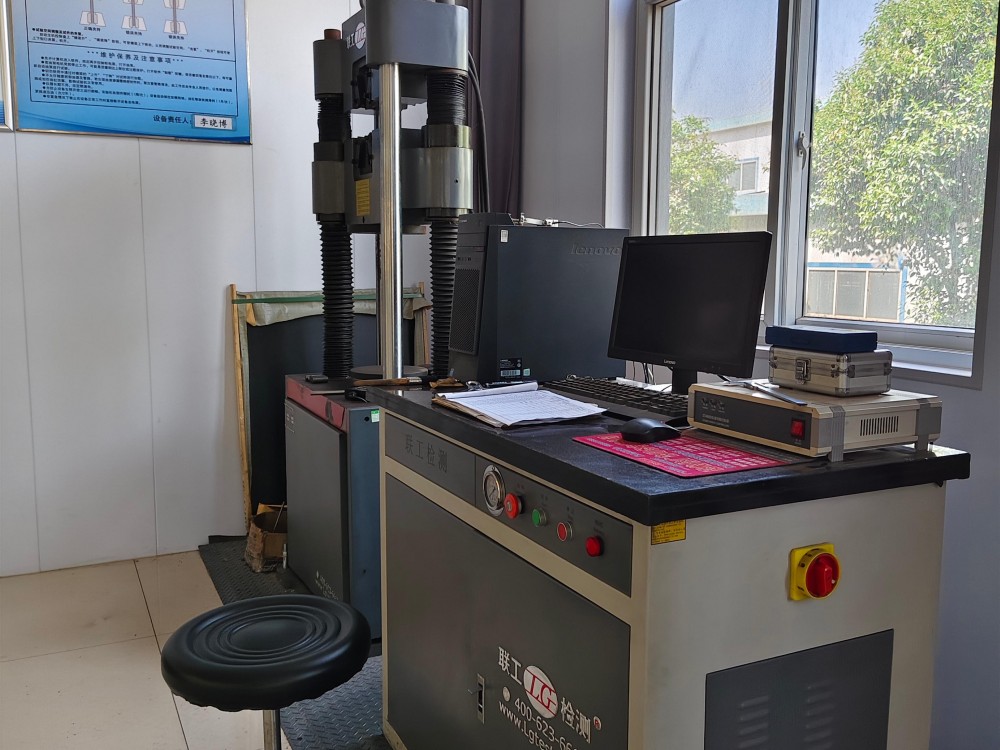
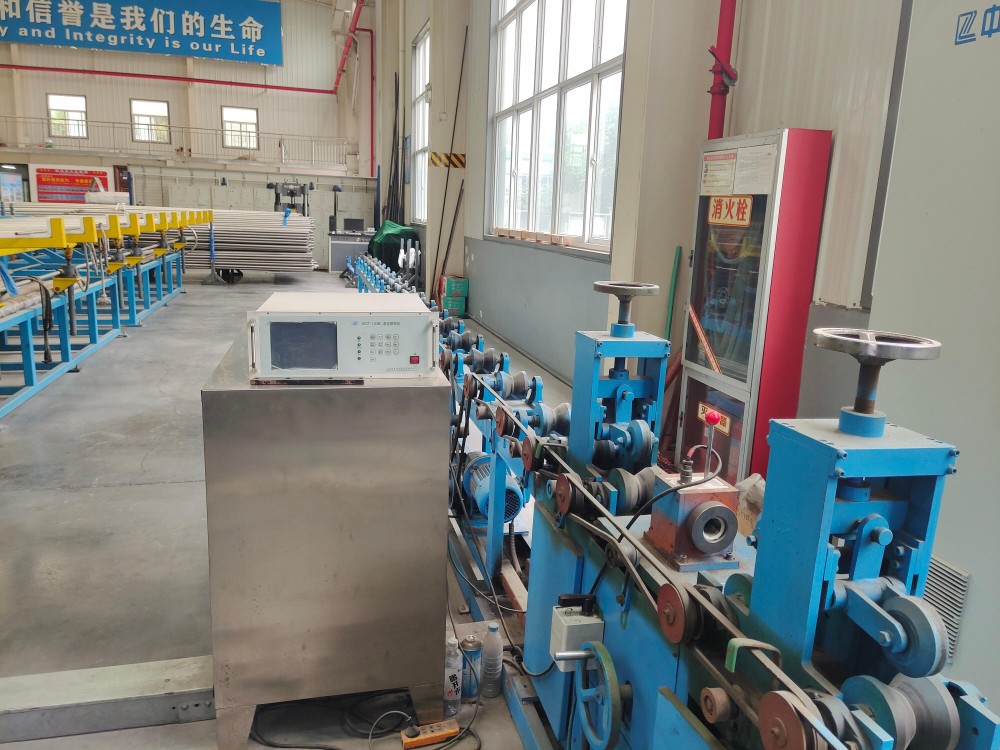
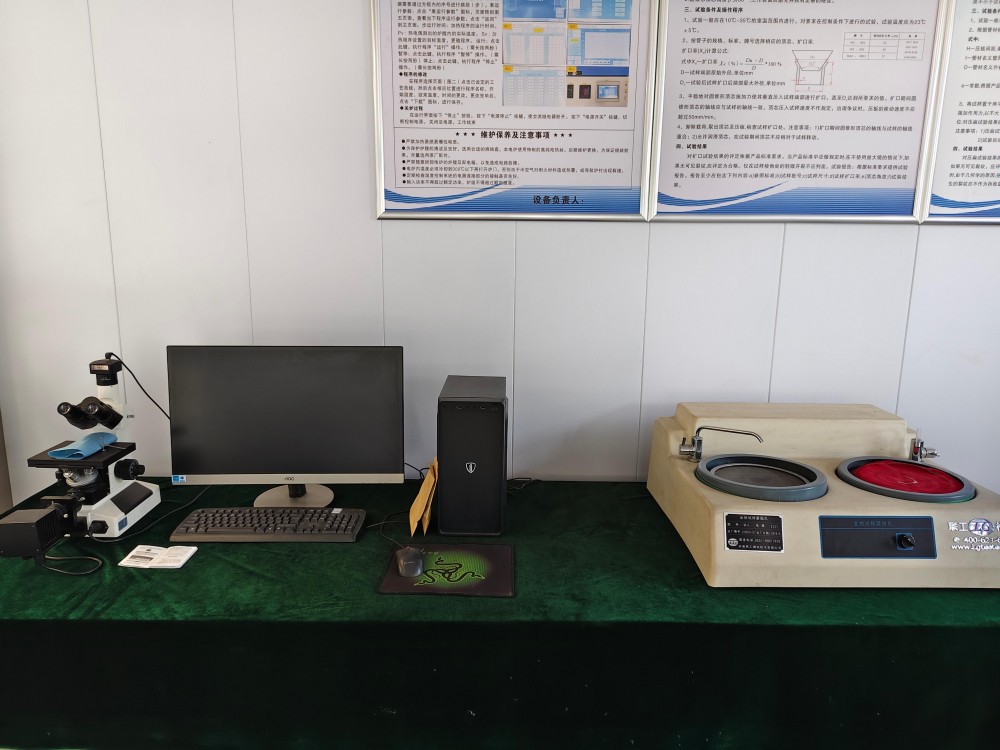
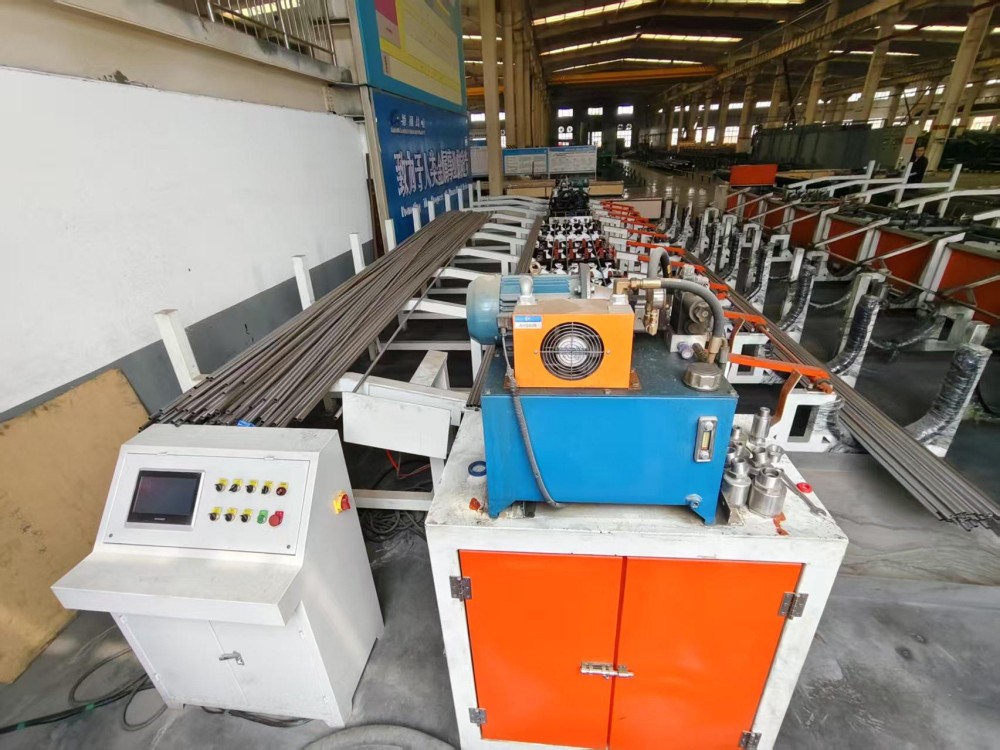
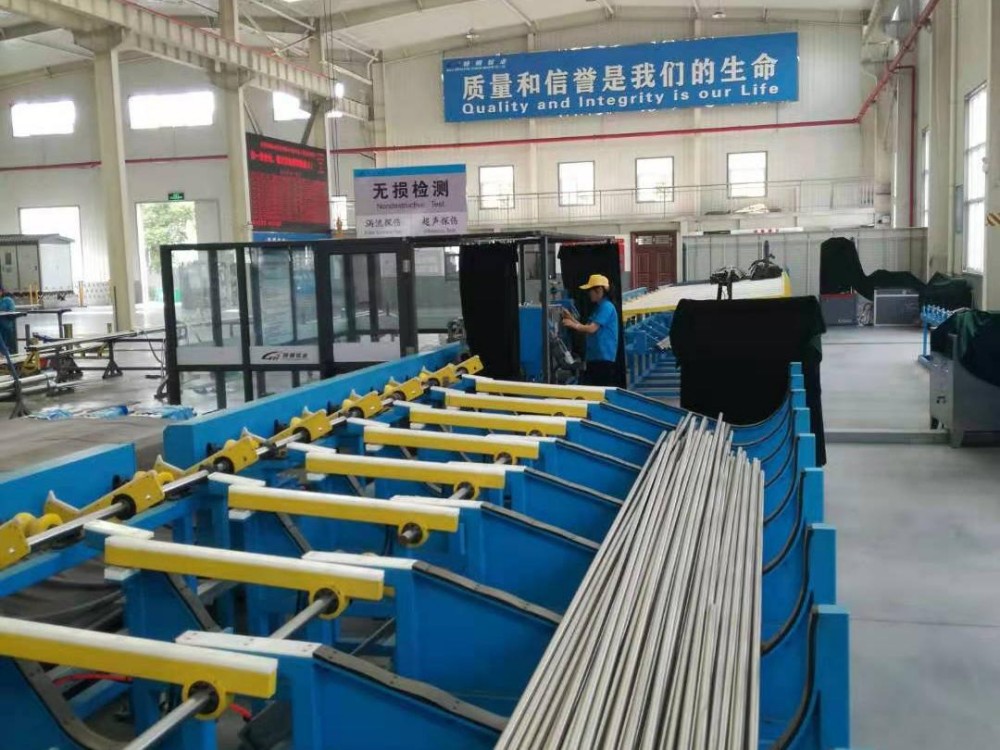
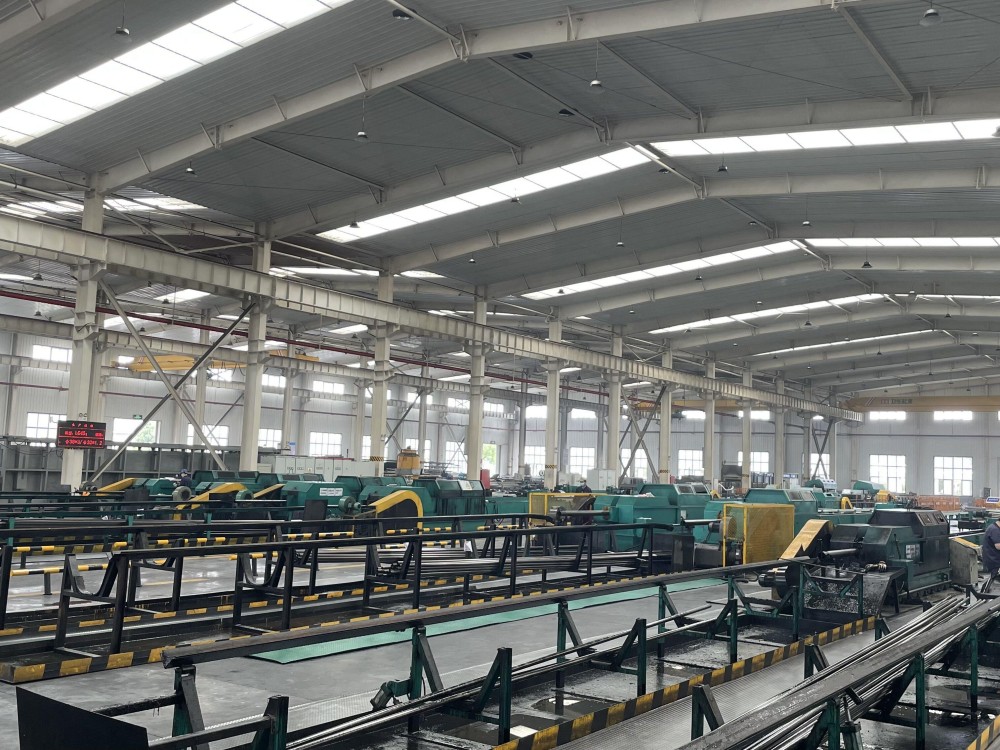
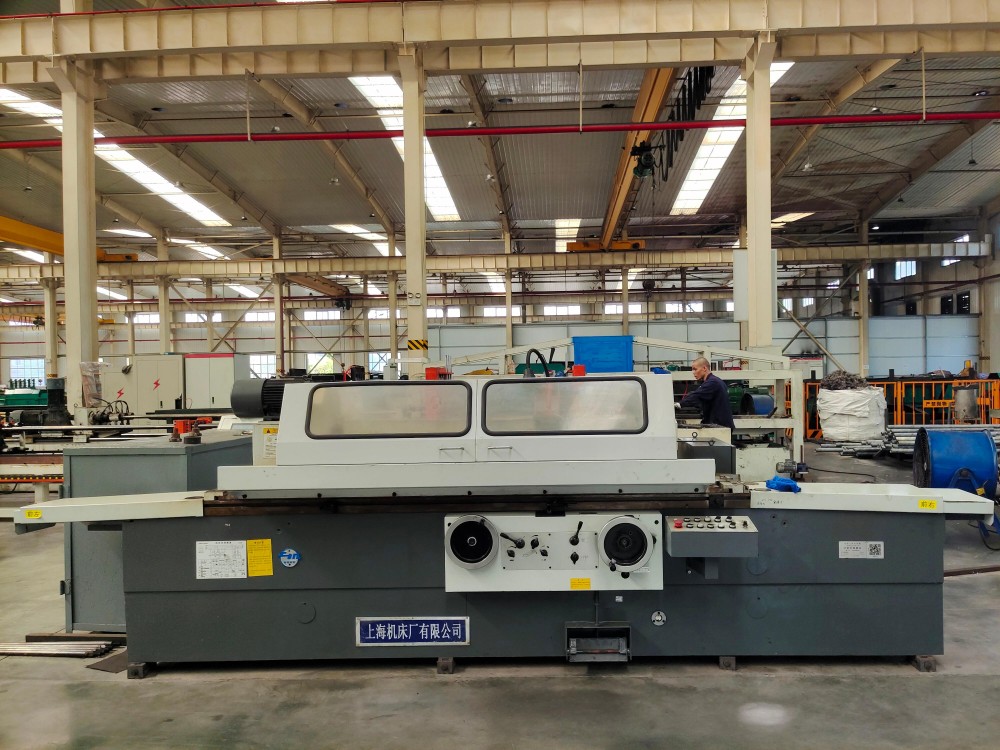
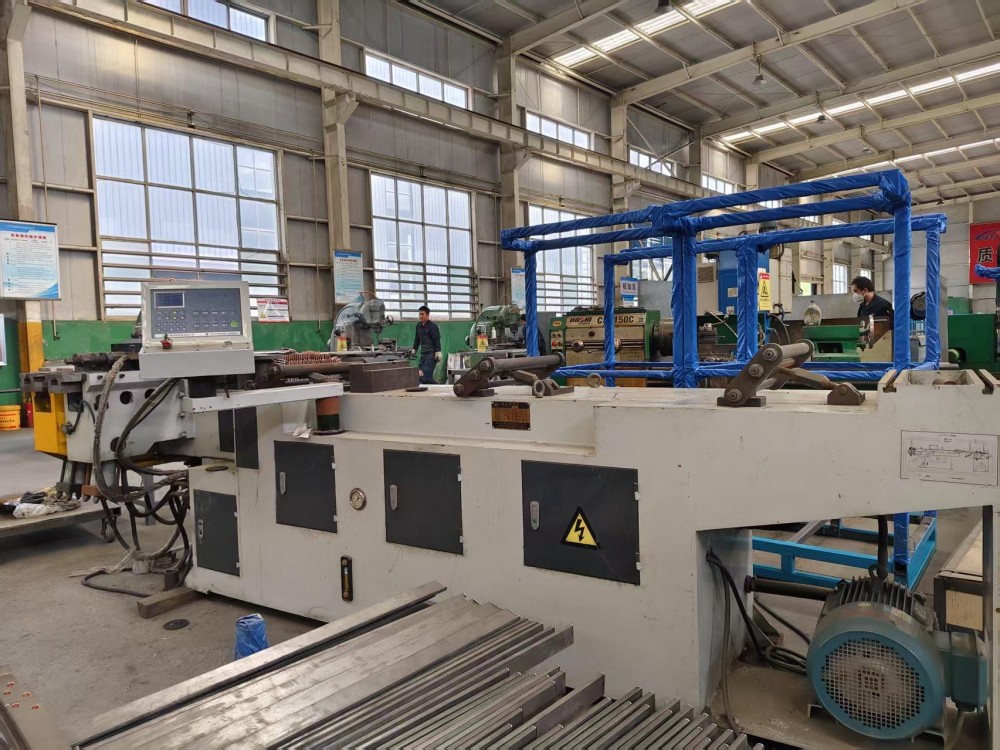
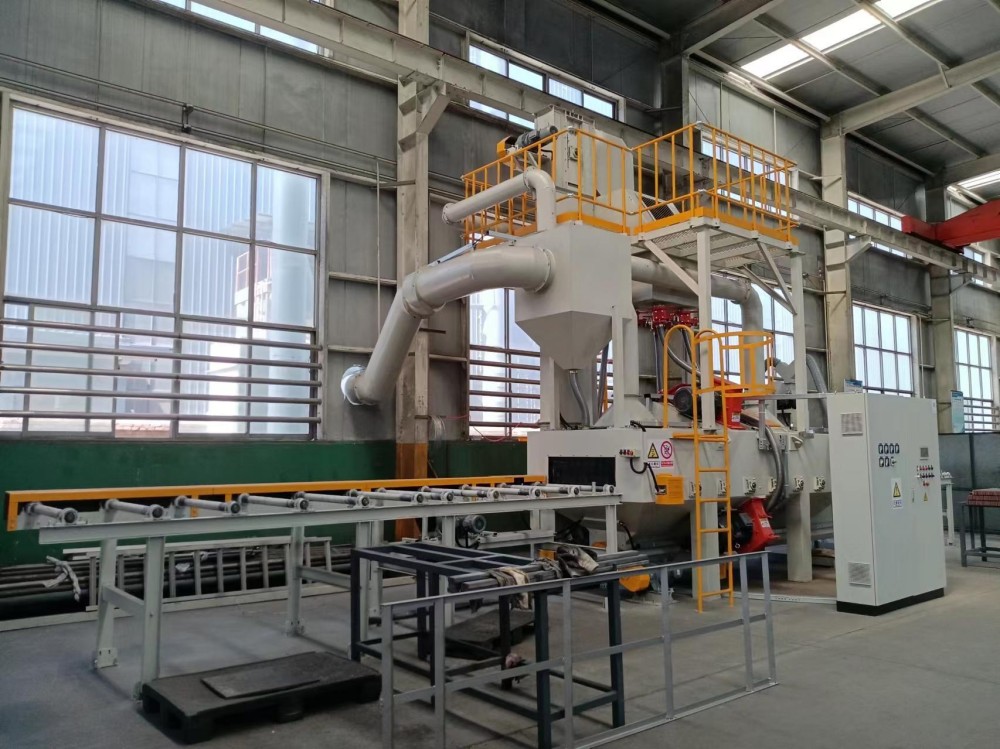
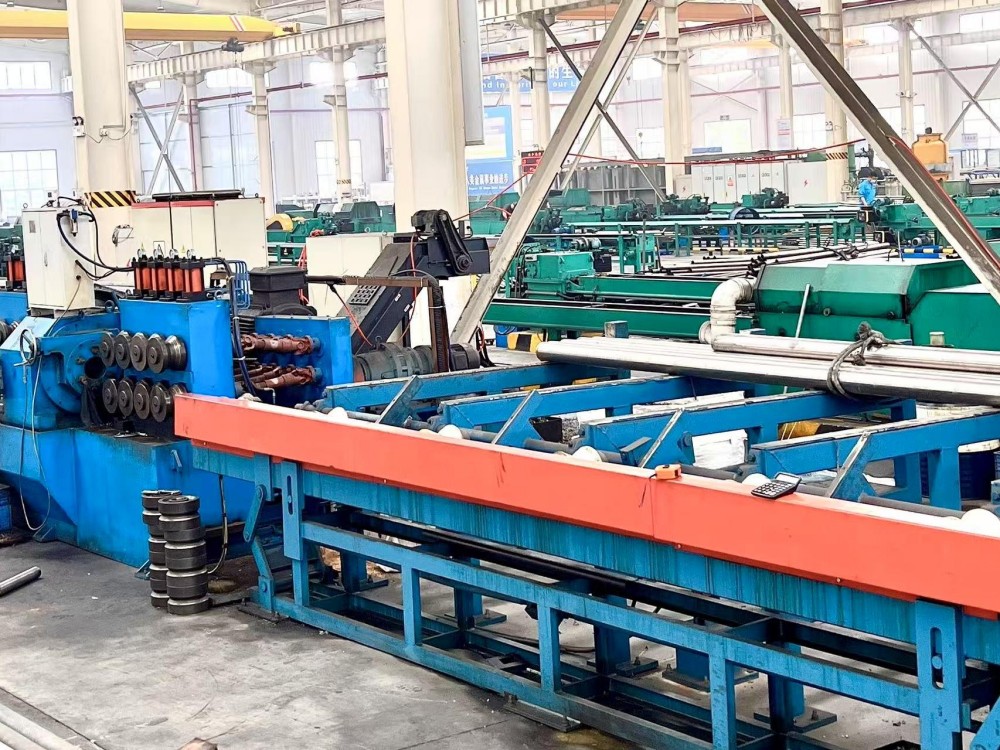
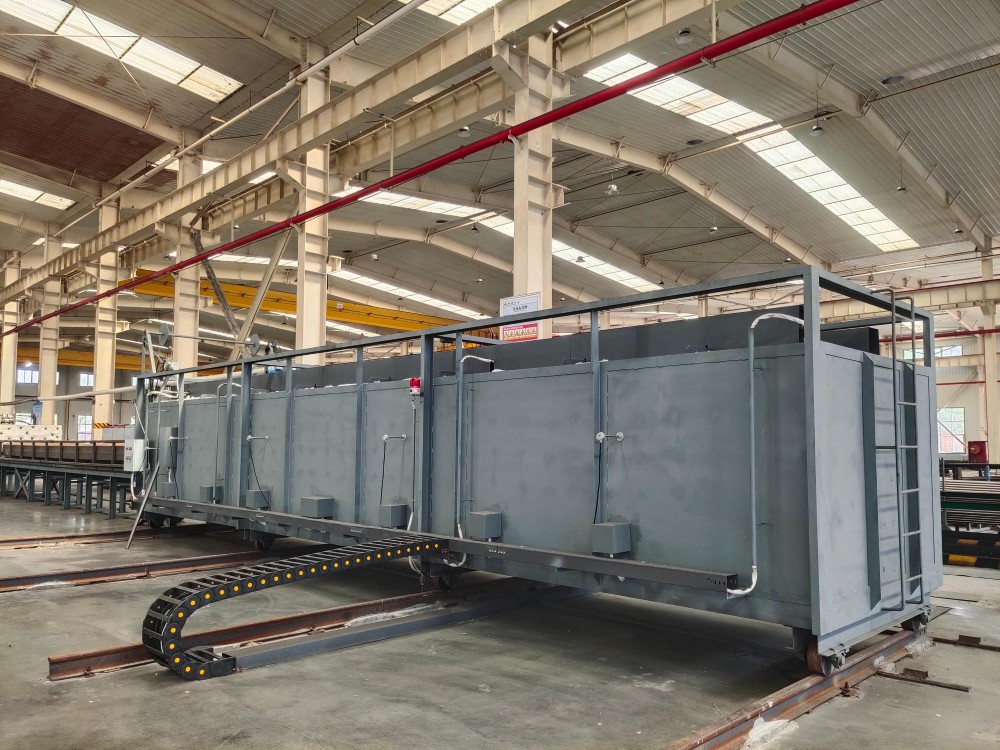
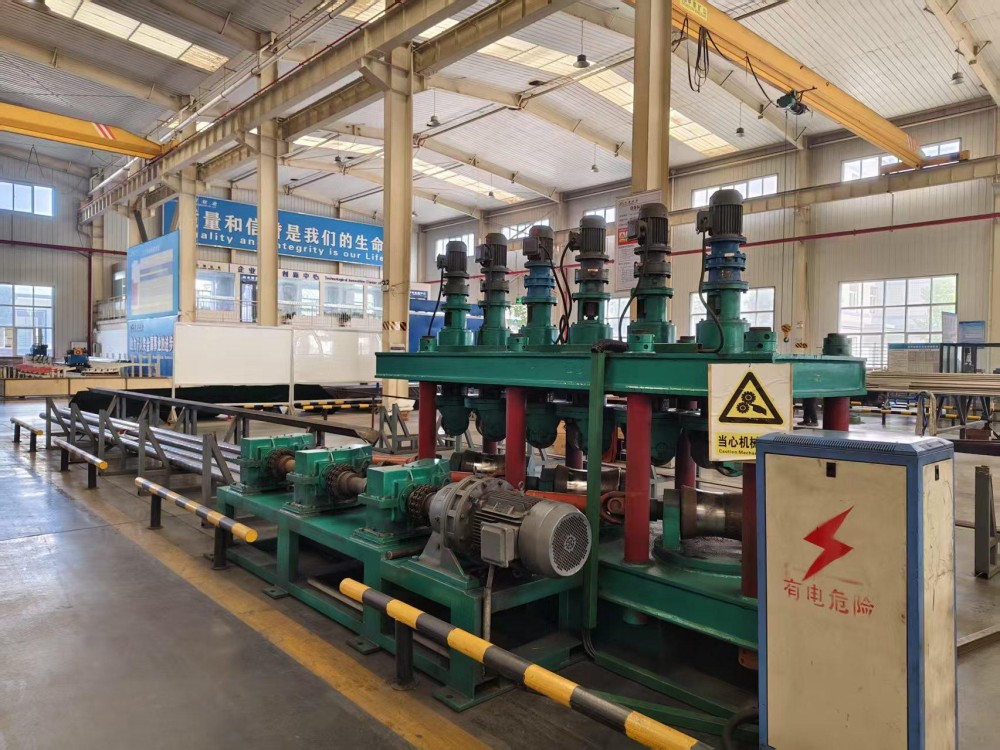
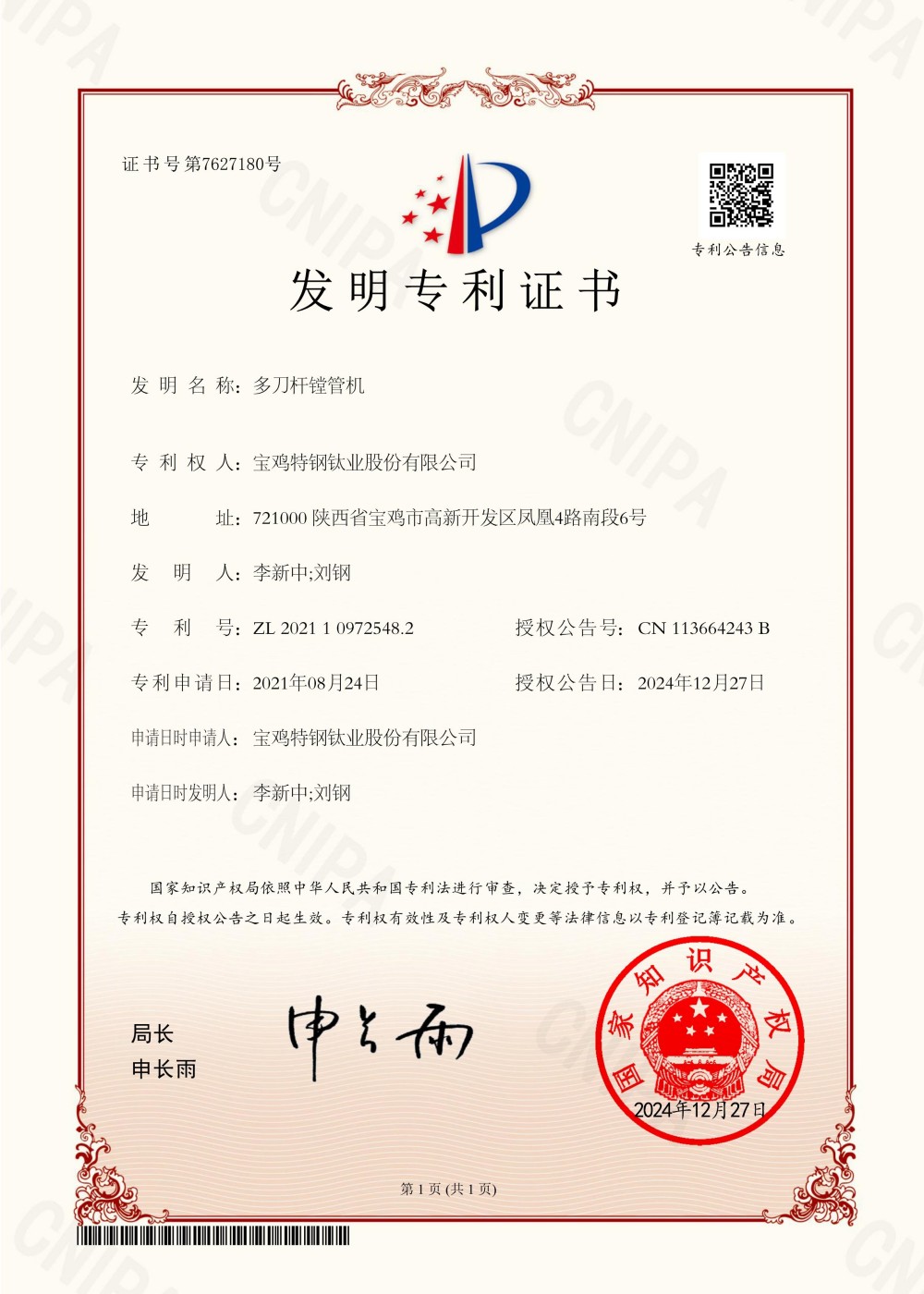
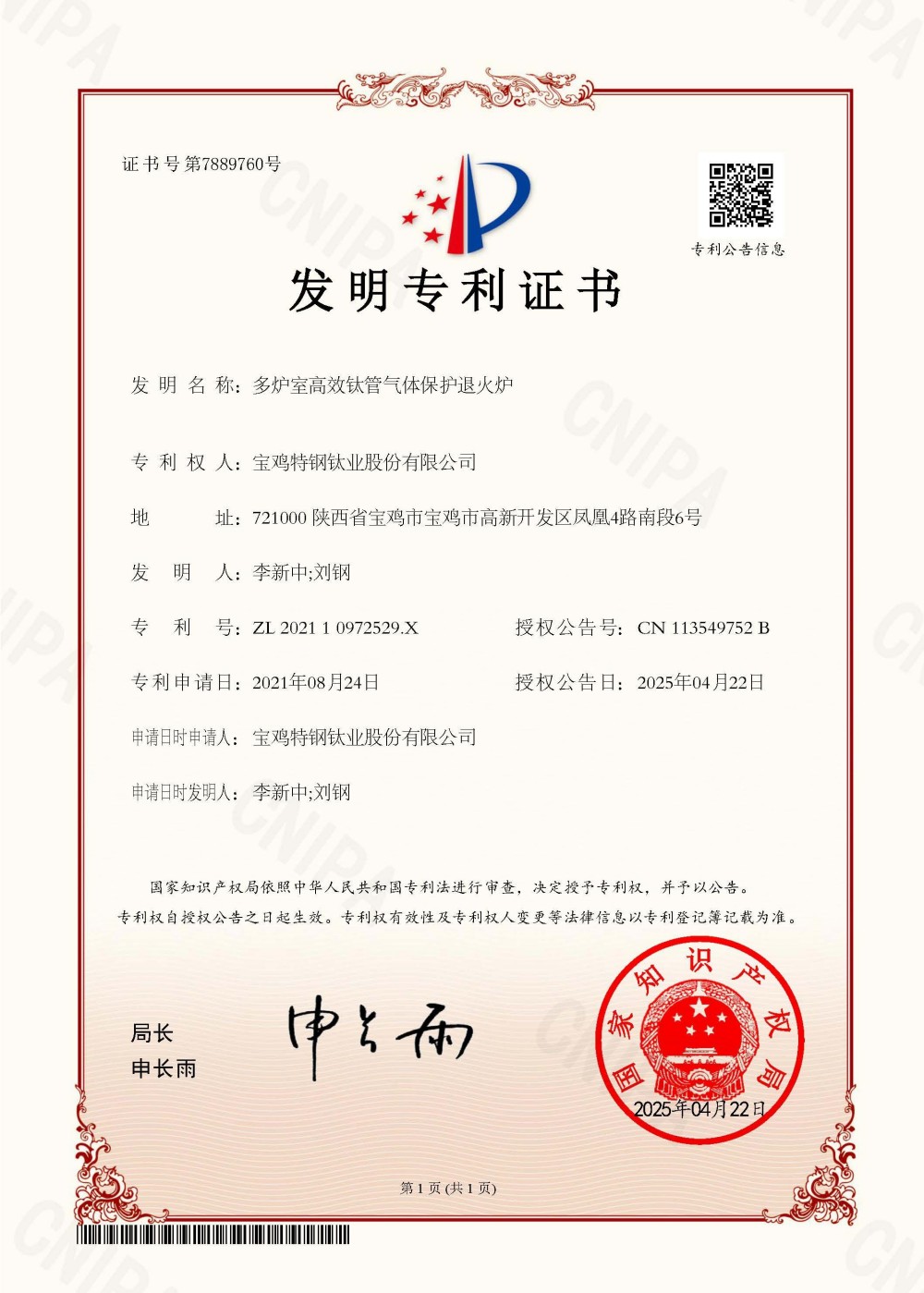
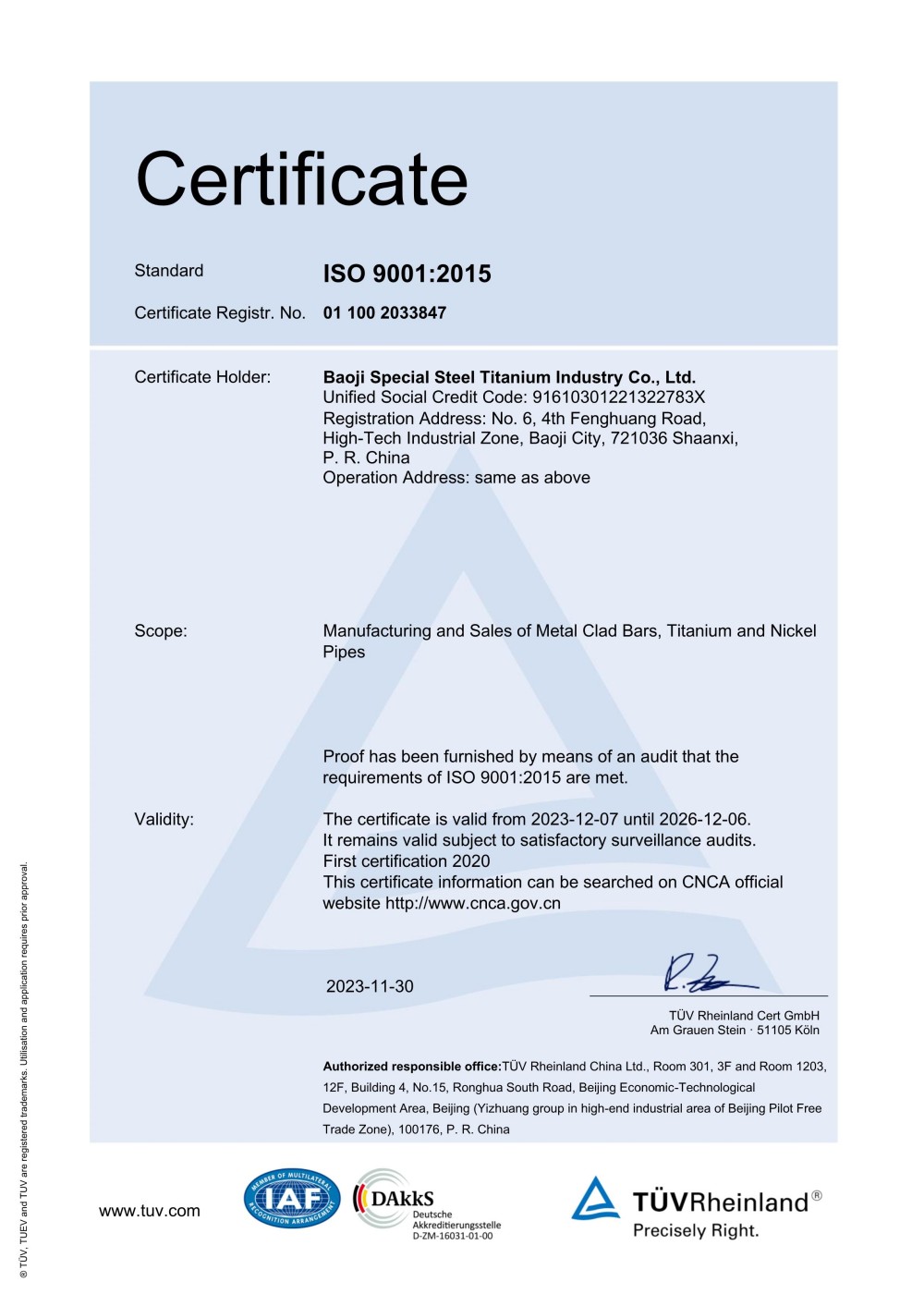
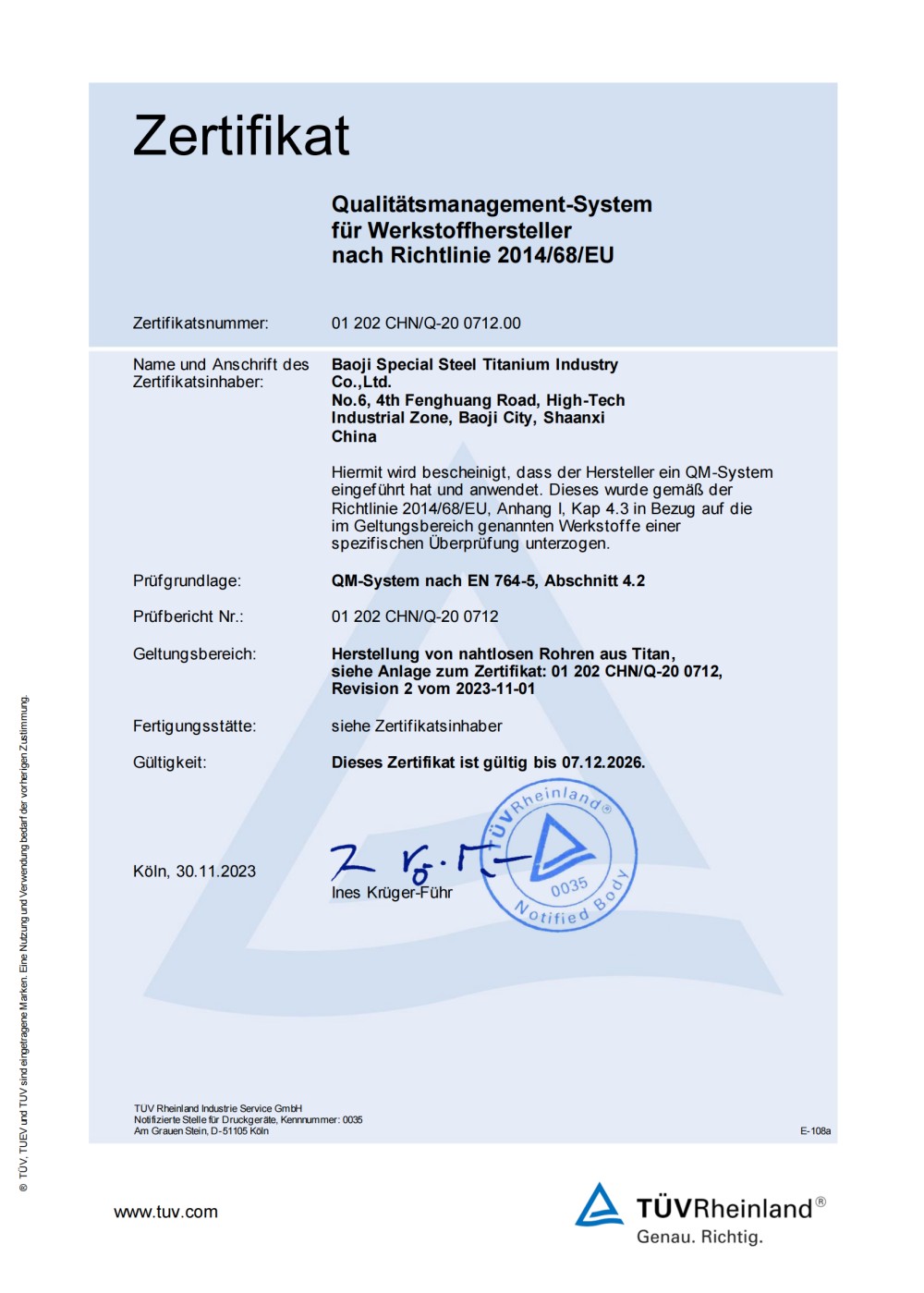
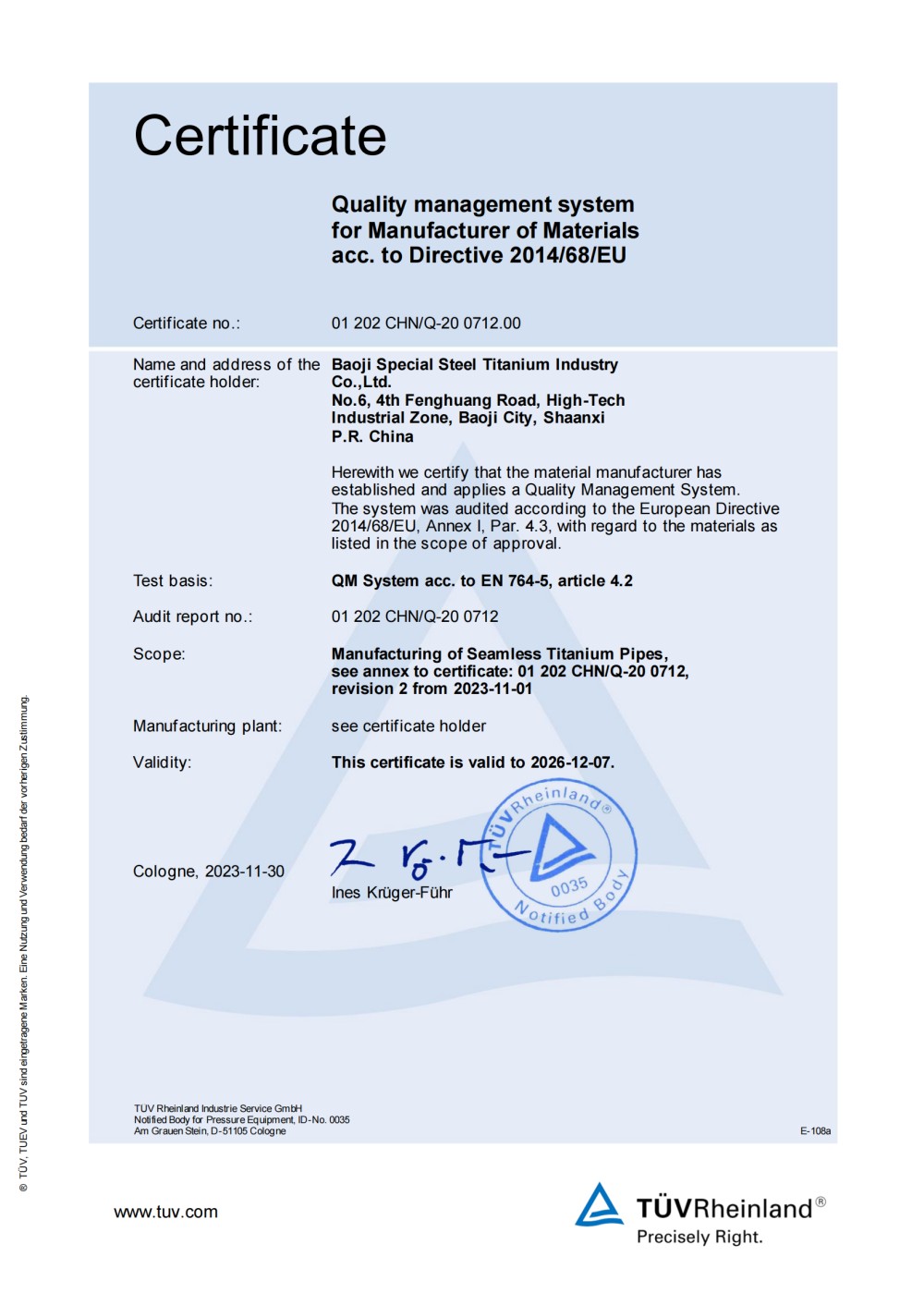
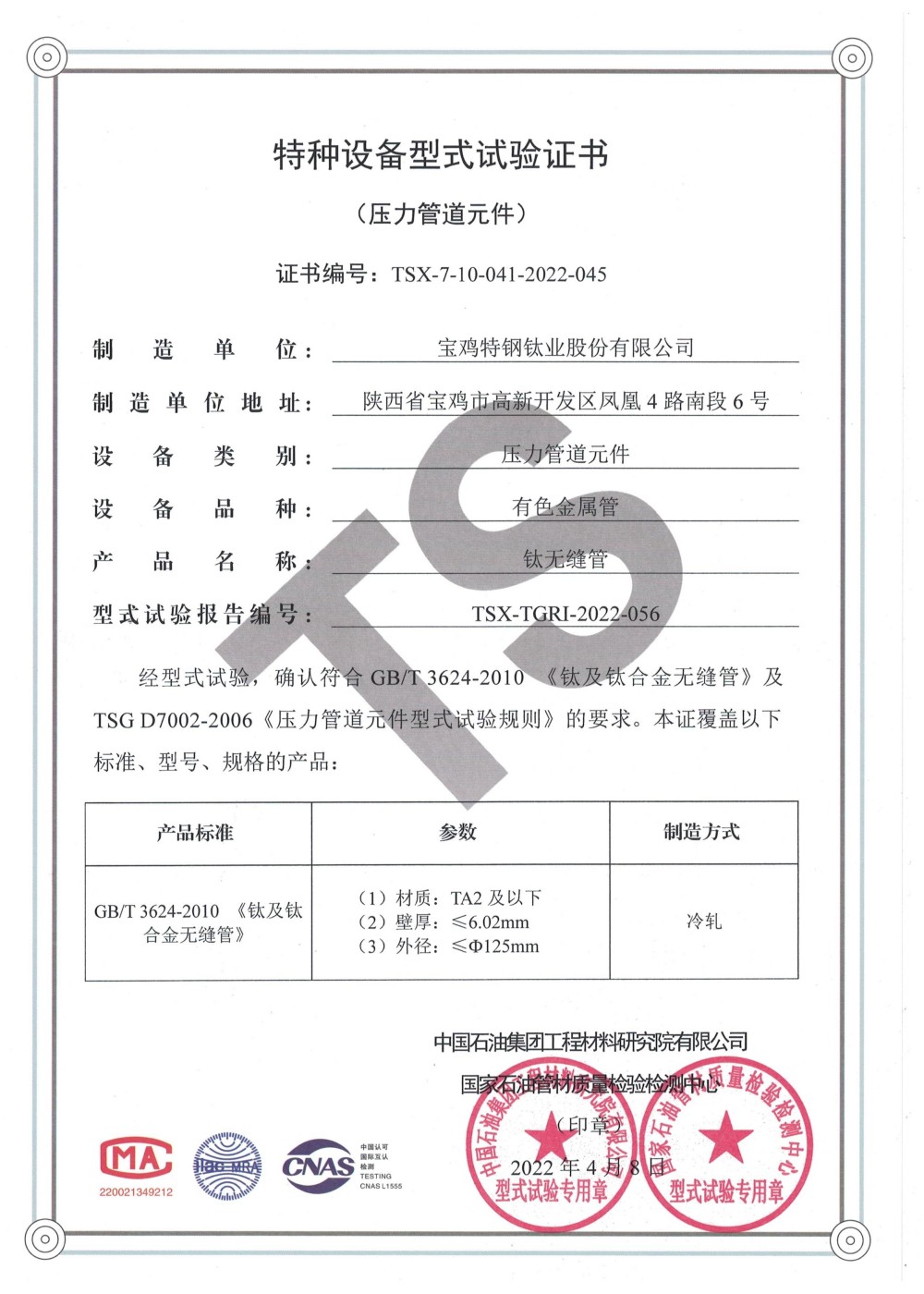
Rigorous quality control processes certified to meet international chemical processing standards.
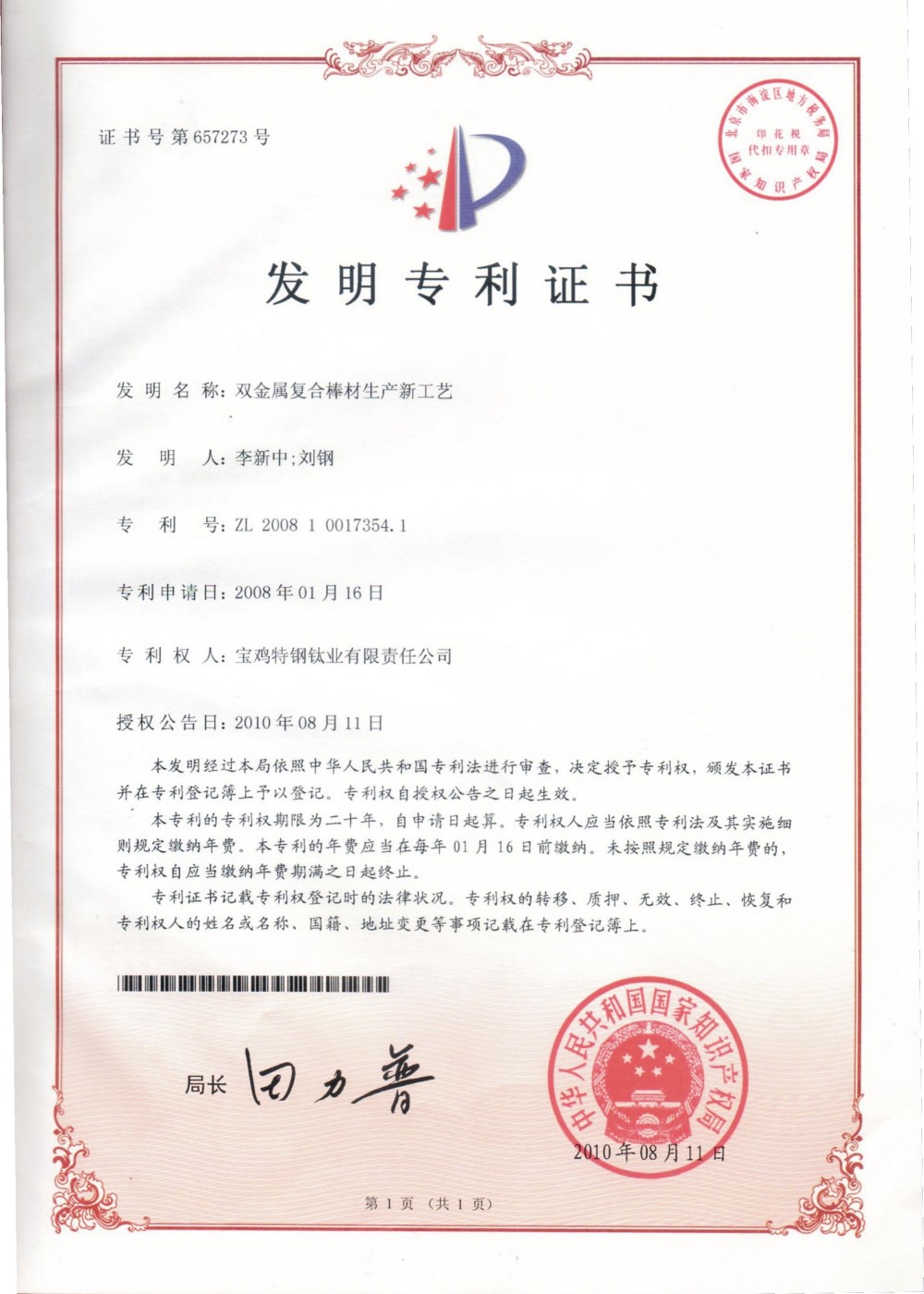
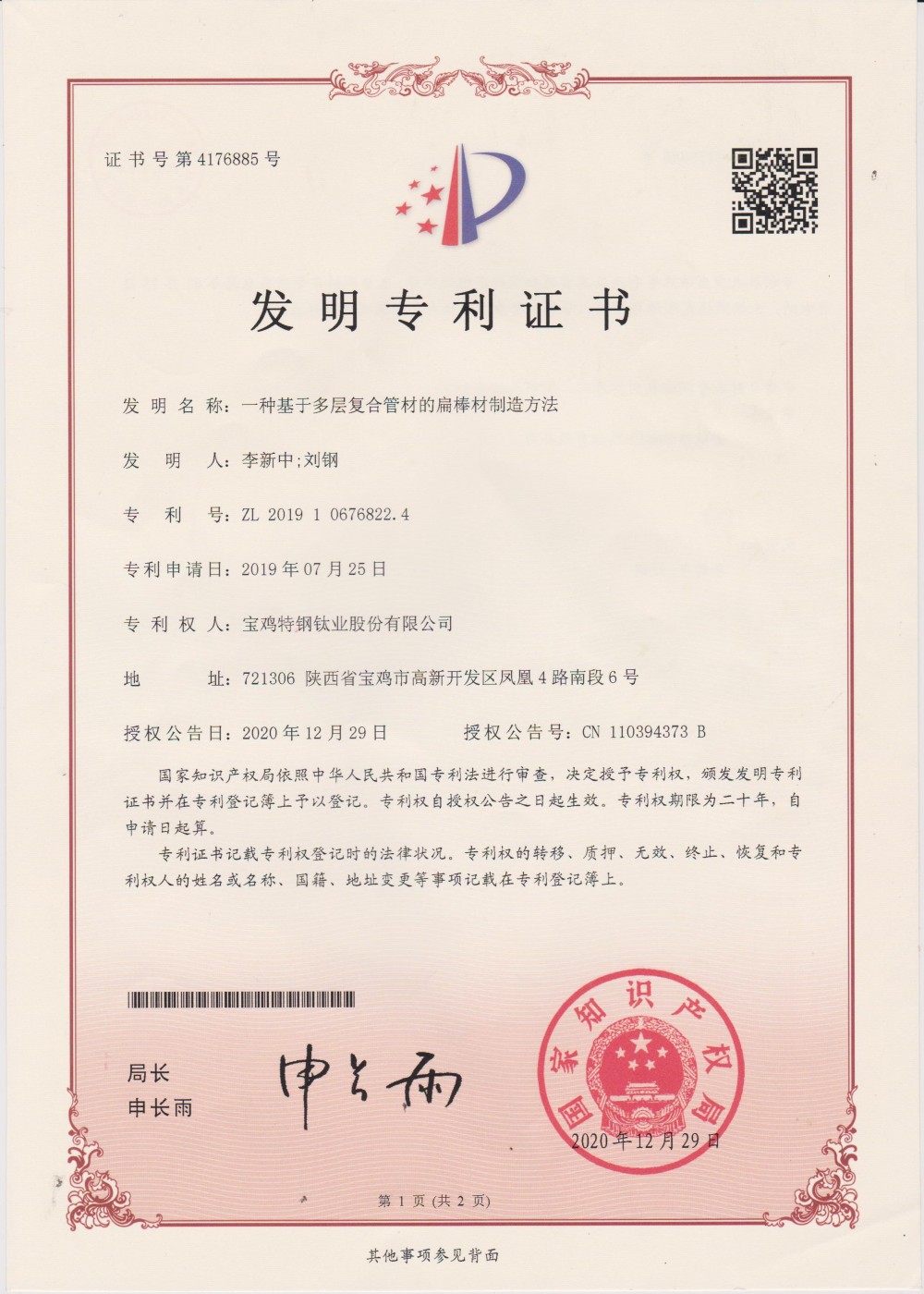
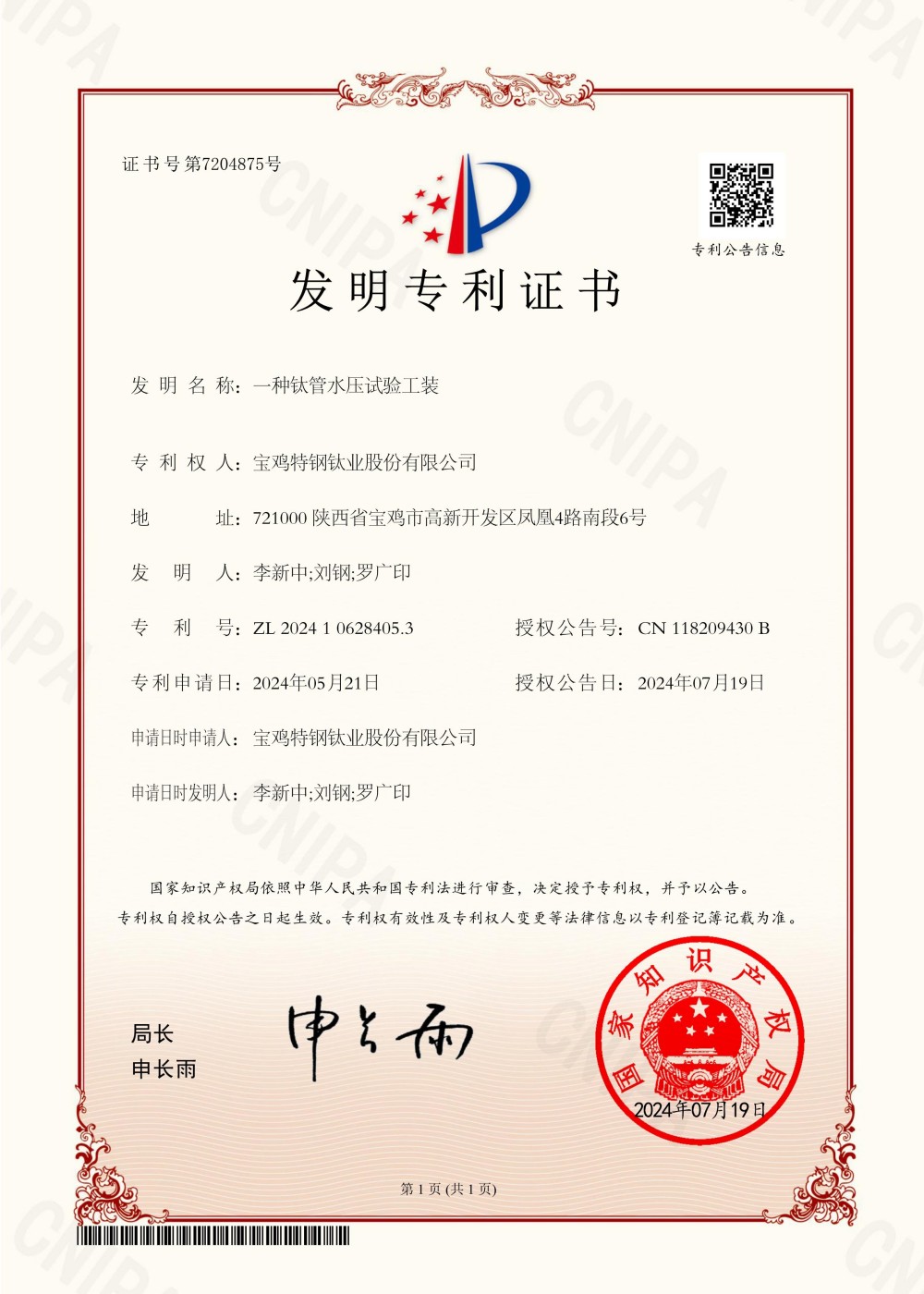
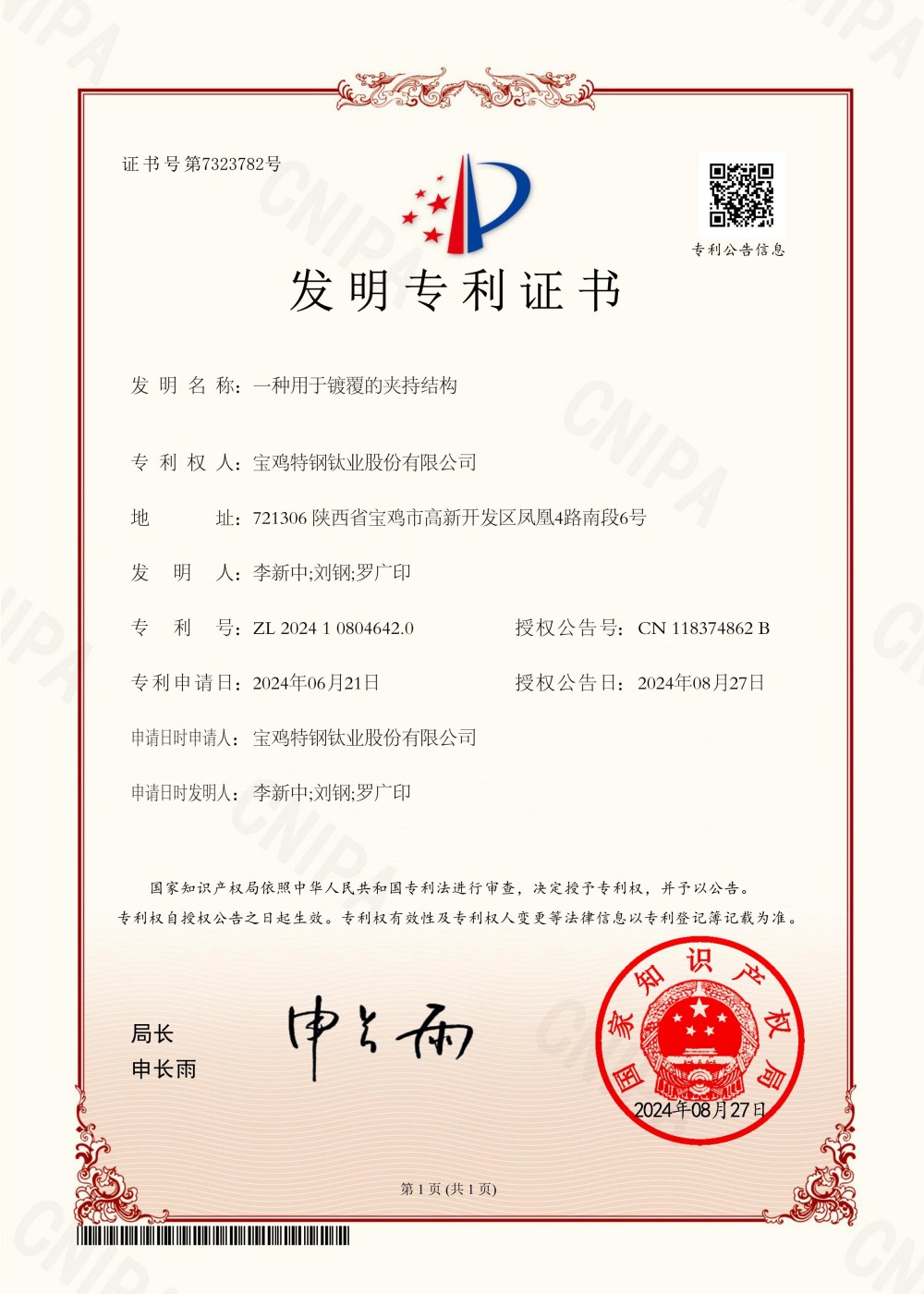
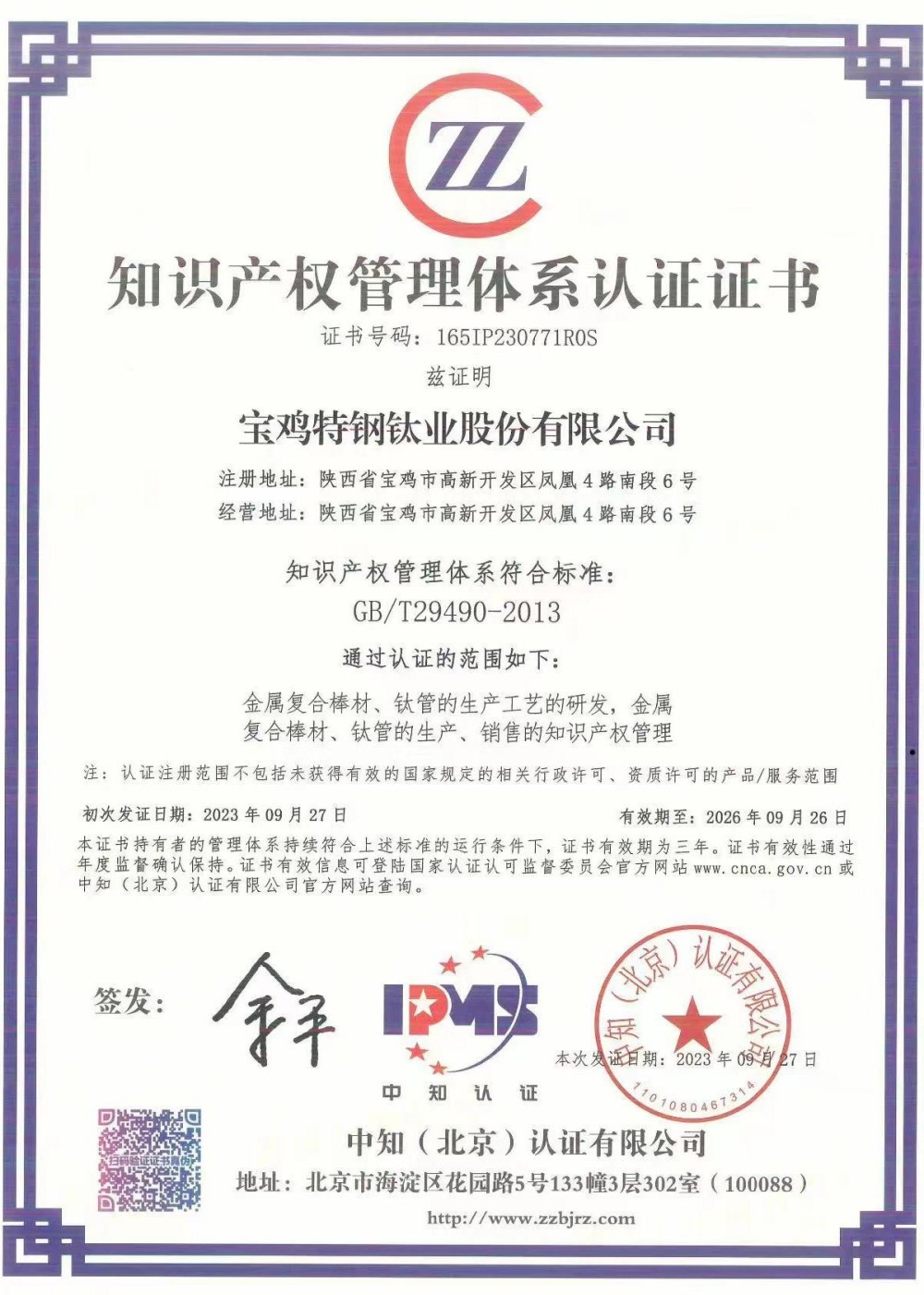
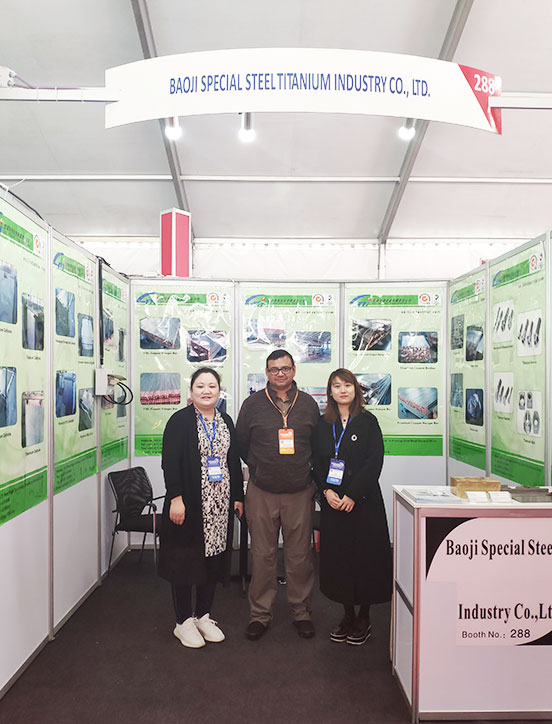
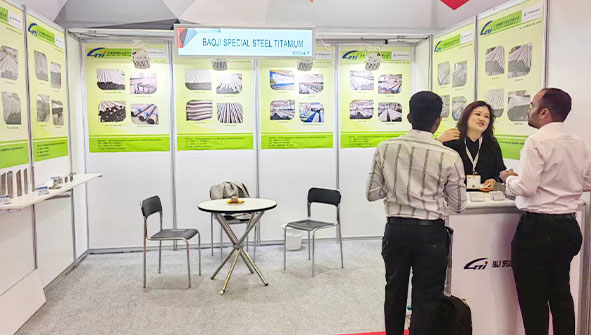
Showcasing our advanced titanium and composite electrode technologies to global chemical industry professionals.
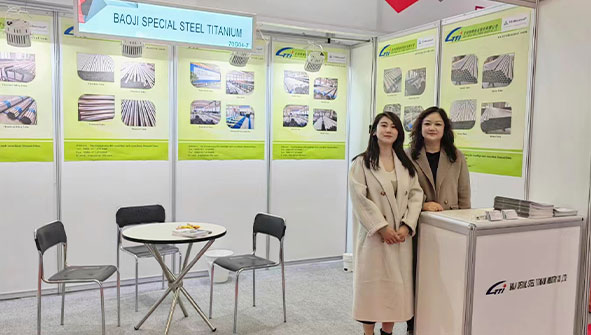
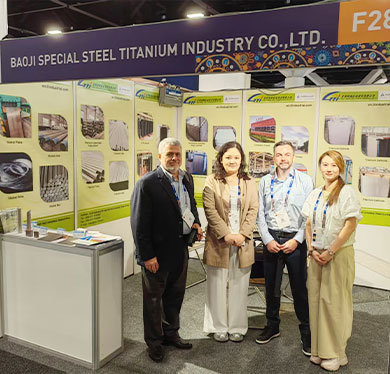
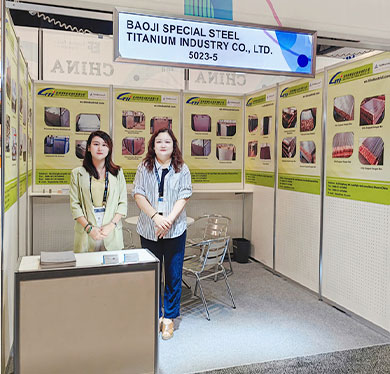
Explore our full line of titanium anodes, cathodes, and alloy products optimized for chemical processing equipment.