Leave Your Message
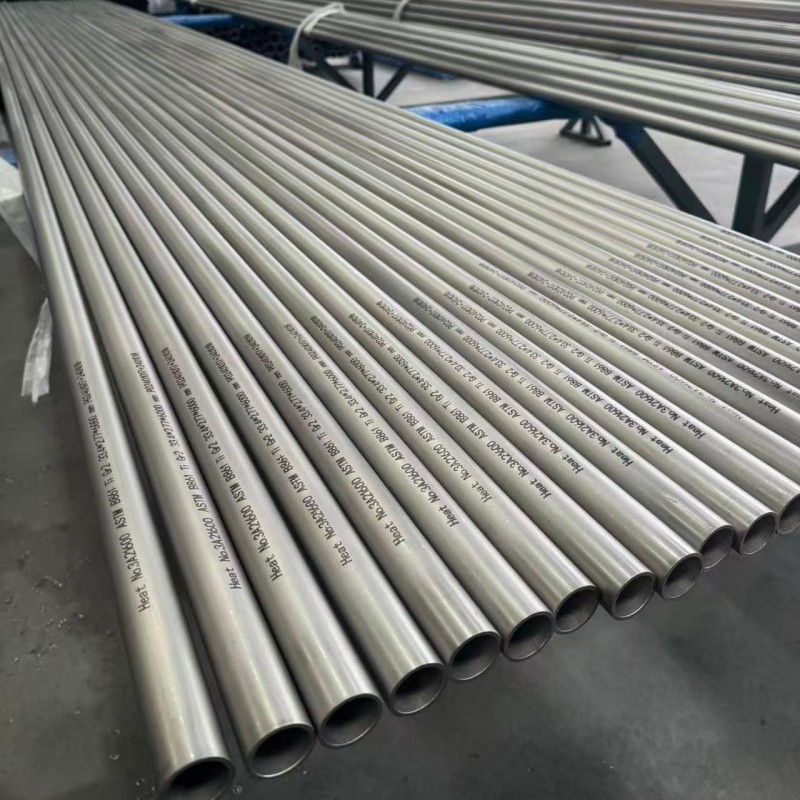
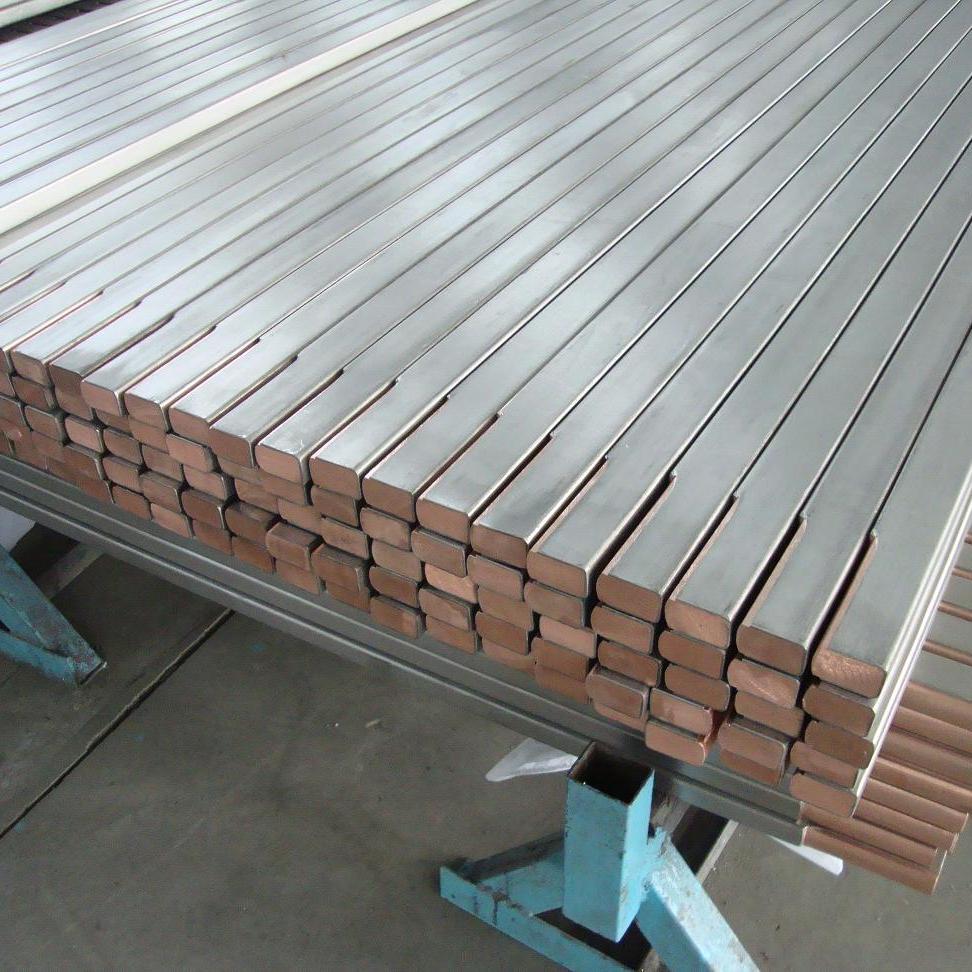
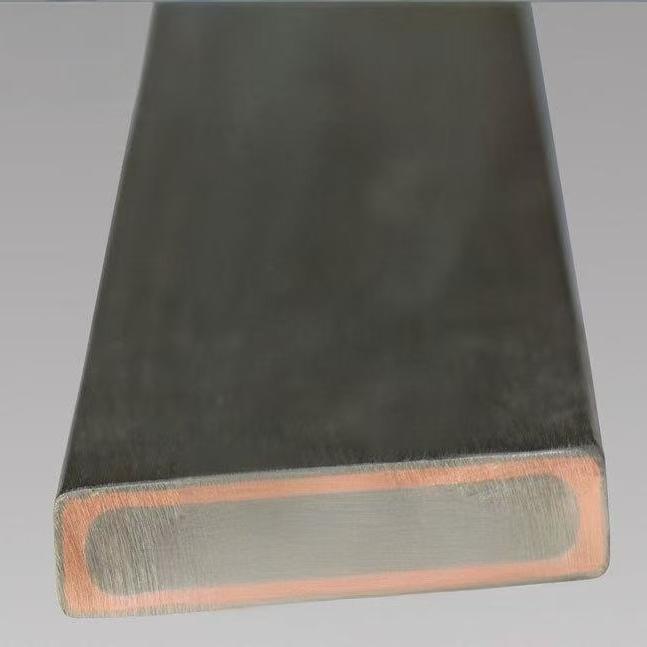
Titanium bars have emerged as the cornerstone of modern engineering, particularly in the realm of corrosion-resistant piping systems. Renowned for their unparalleled strength-to-weight ratio and exceptional resistance to harsh environments, titanium bars are fundamentally transforming how industries handle volatile, corrosive fluids. Unlike traditional steel or iron piping materials, titanium naturally forms a highly stable, continuous, and protective oxide film upon exposure to oxygen. This passive layer makes titanium bars incredibly resilient against a vast array of corrosive agents, including seawater, wet chlorine, and organic acids.
Consequently, when integrated into piping systems, titanium bars ensure longevity, minimize maintenance downtime, and drastically reduce the total lifecycle cost of the infrastructure. As global industries push the boundaries of extreme environments—from deep-sea oil extraction to aggressive chemical processing—the demand for robust, reliable materials has never been higher. Titanium bars not only meet these stringent requirements but exceed them, offering a future-proof solution for critical fluid transport. By leveraging the unique mechanical and chemical properties of titanium, engineers can design piping systems that operate safely under high pressures and extreme temperatures, safeguarding both human life and the environment.
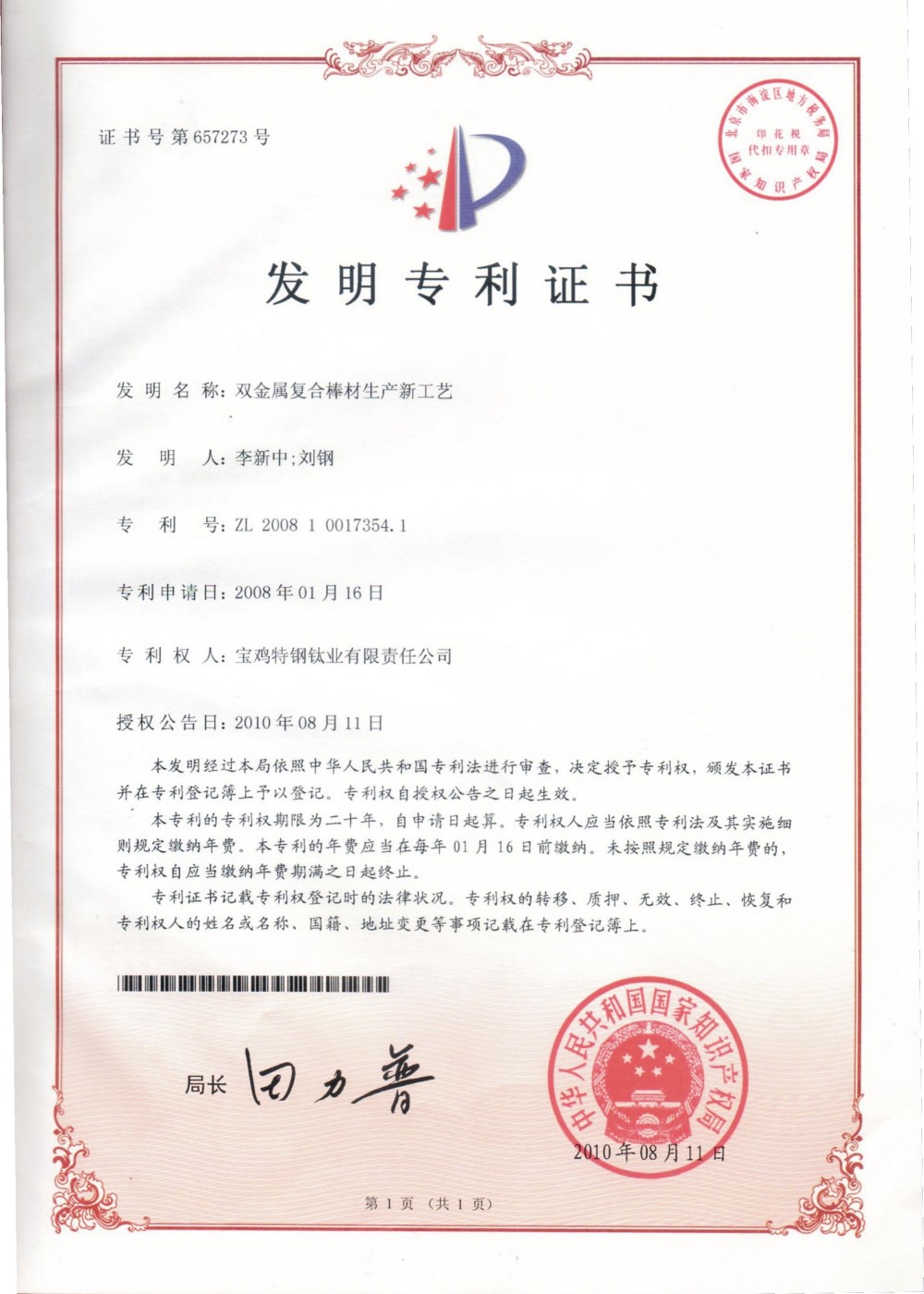
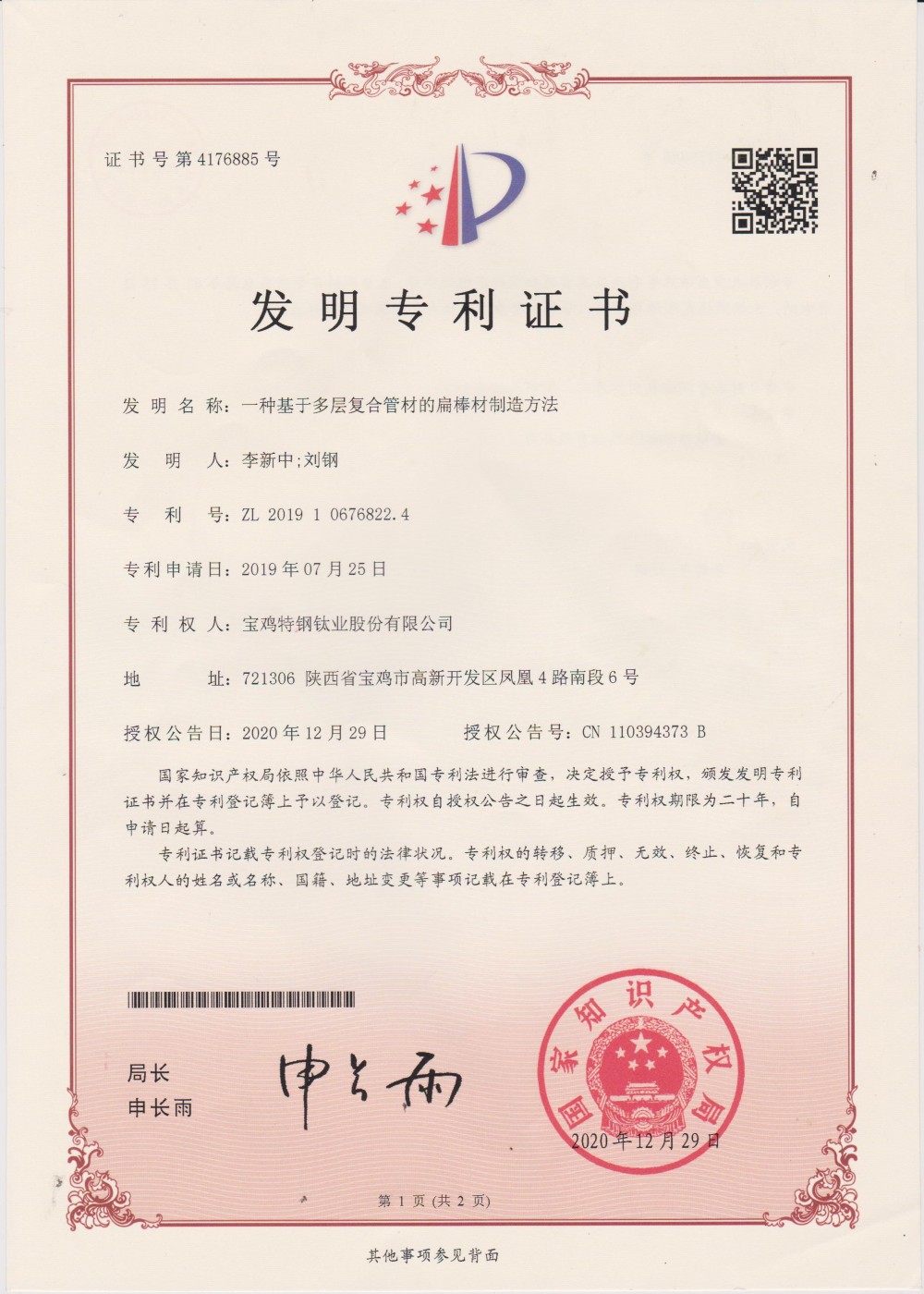
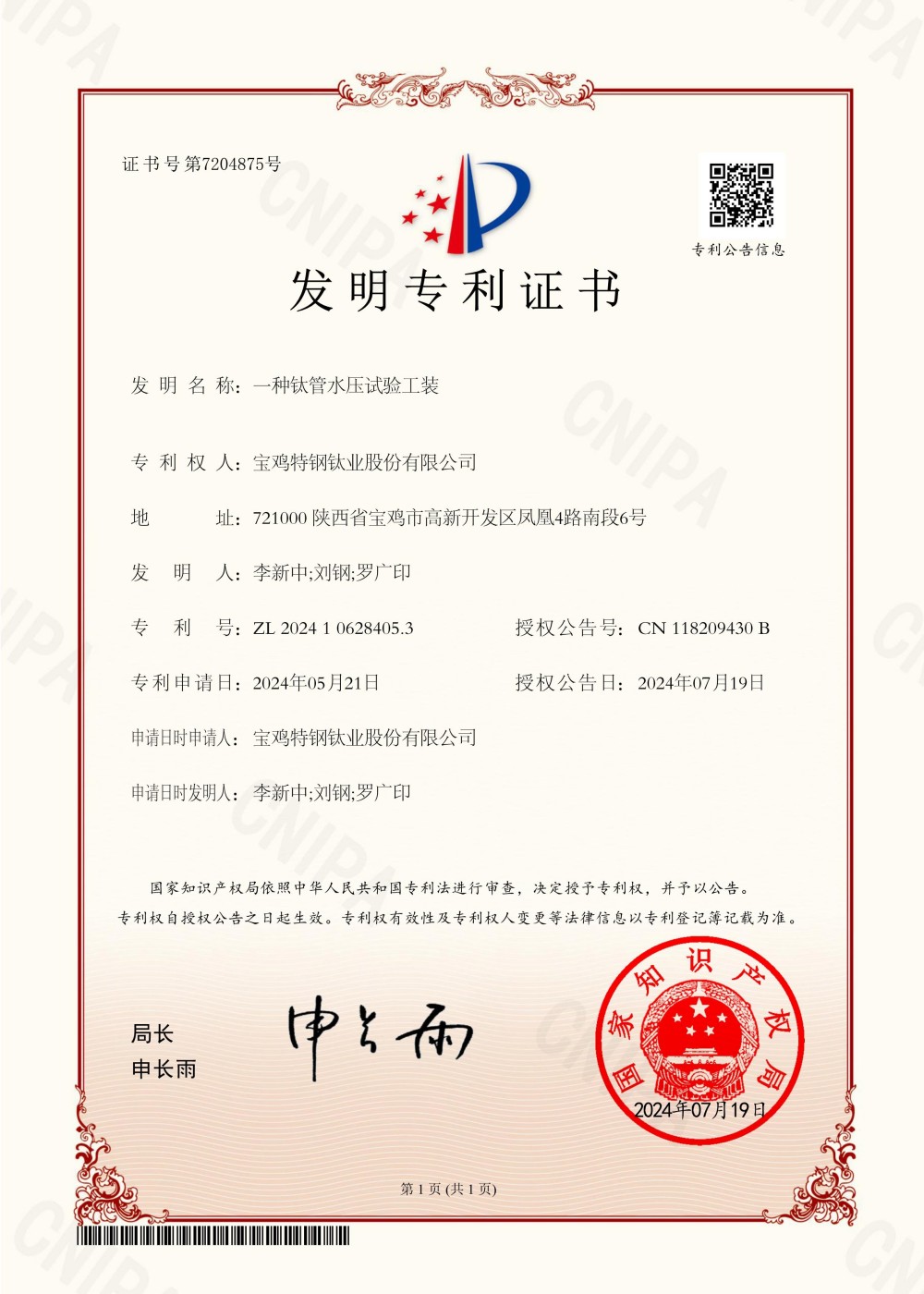
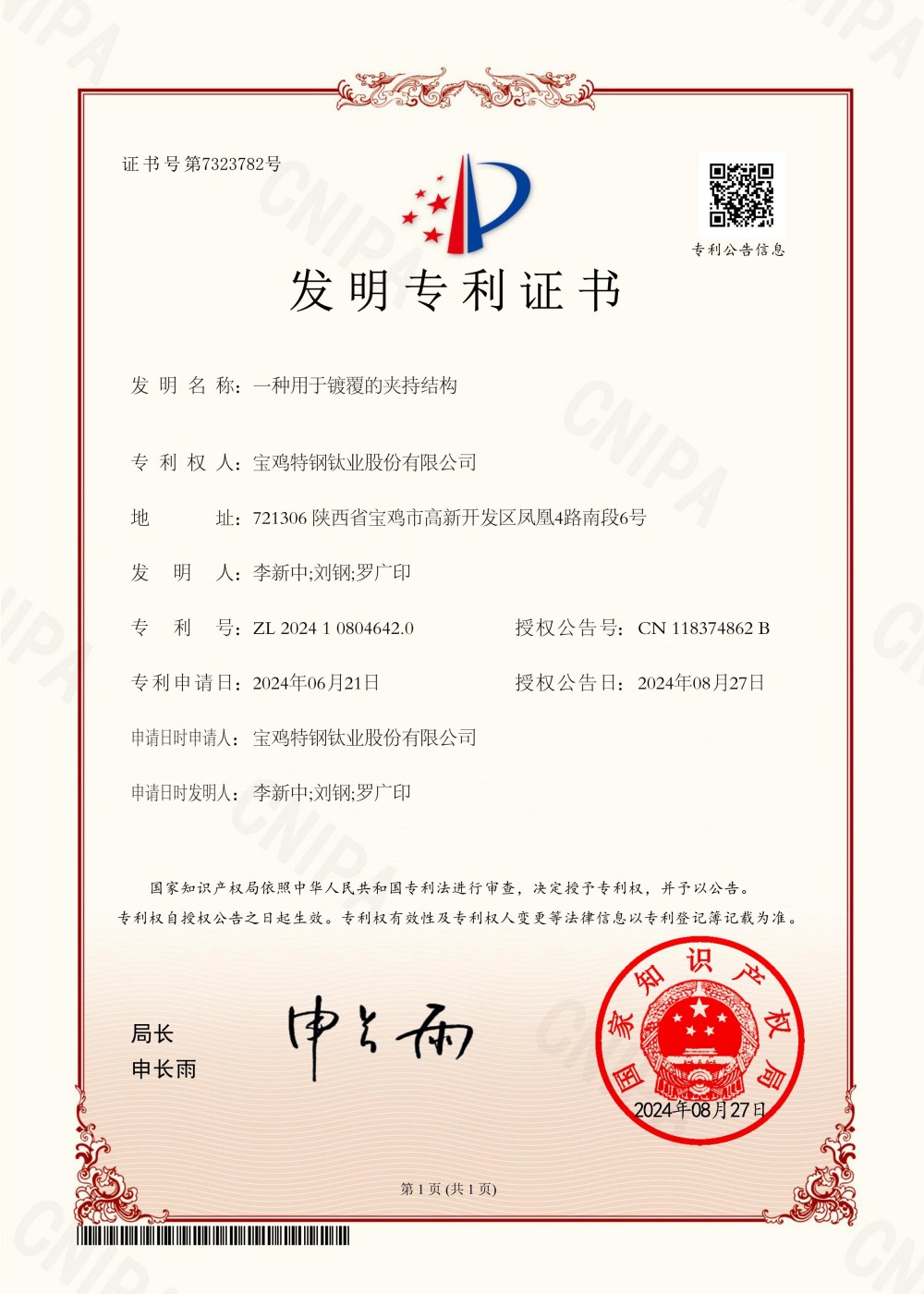
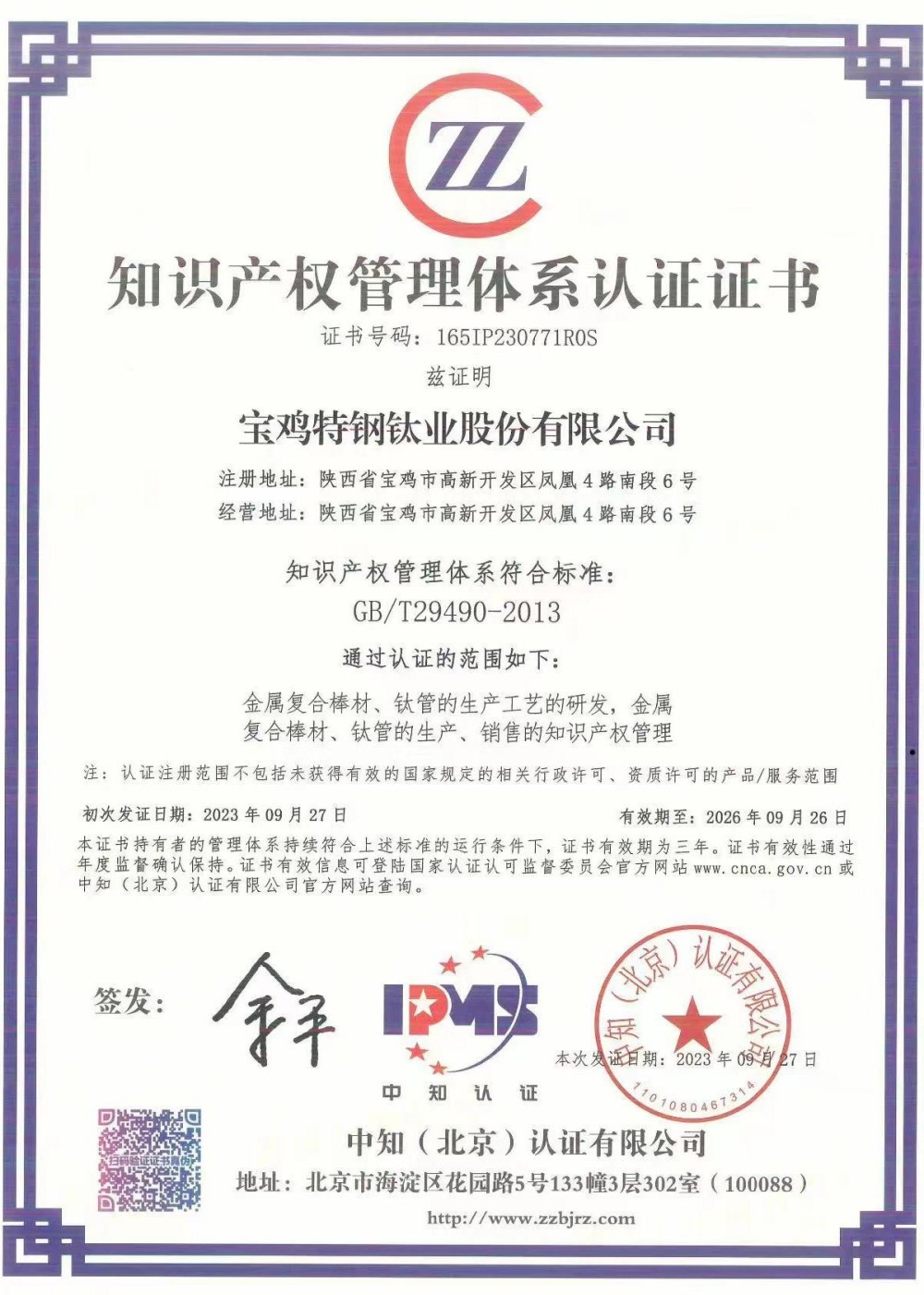
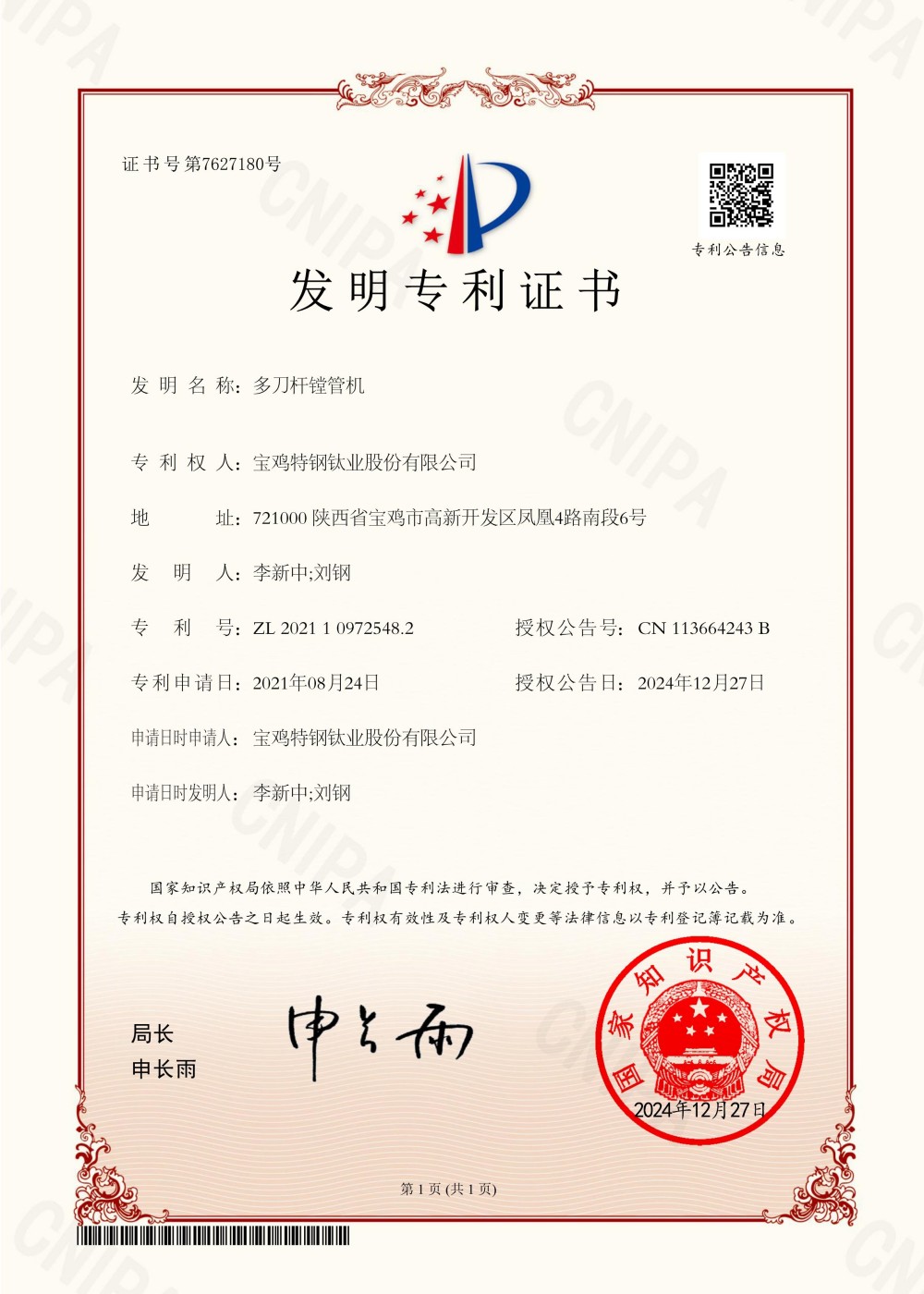
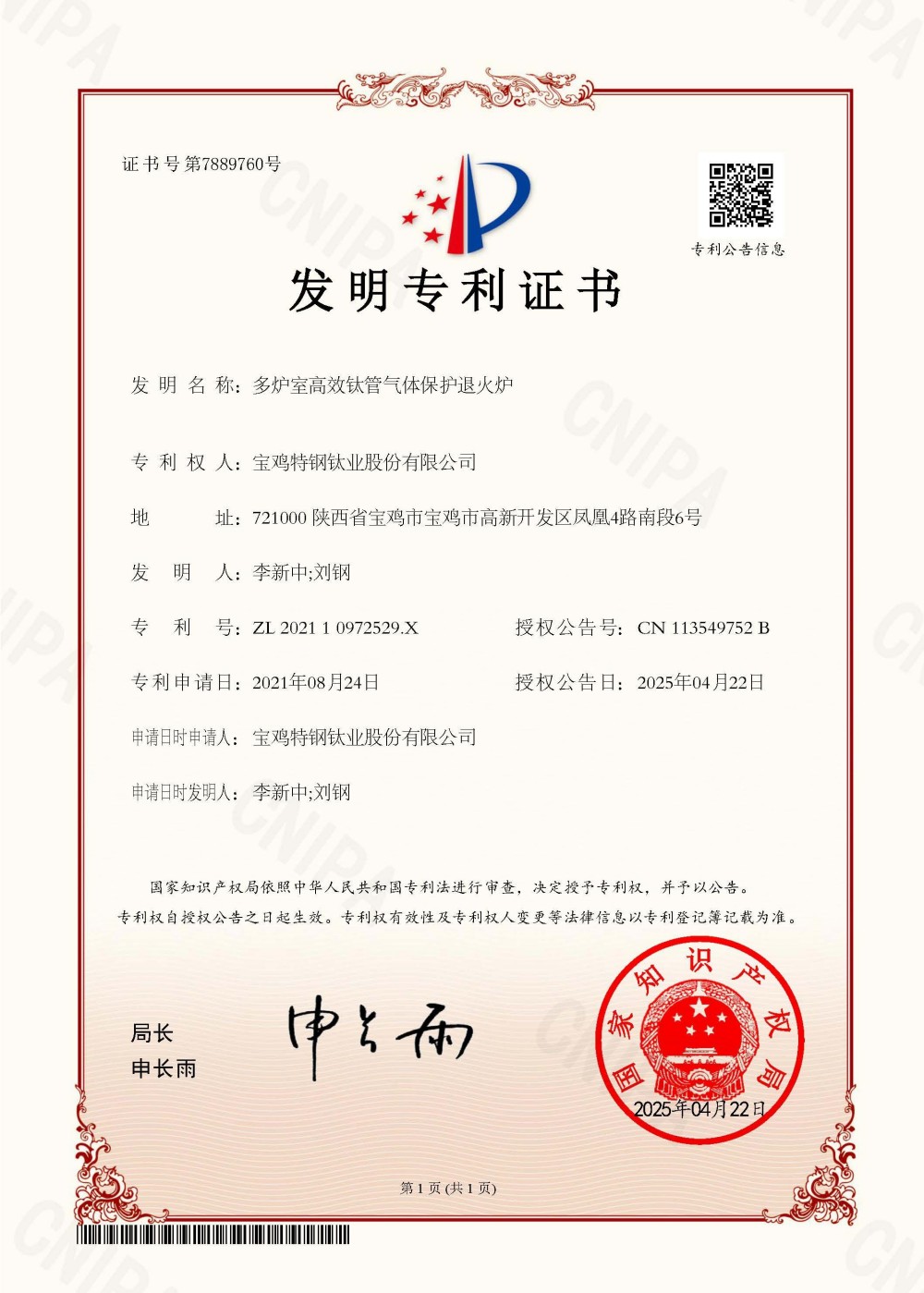
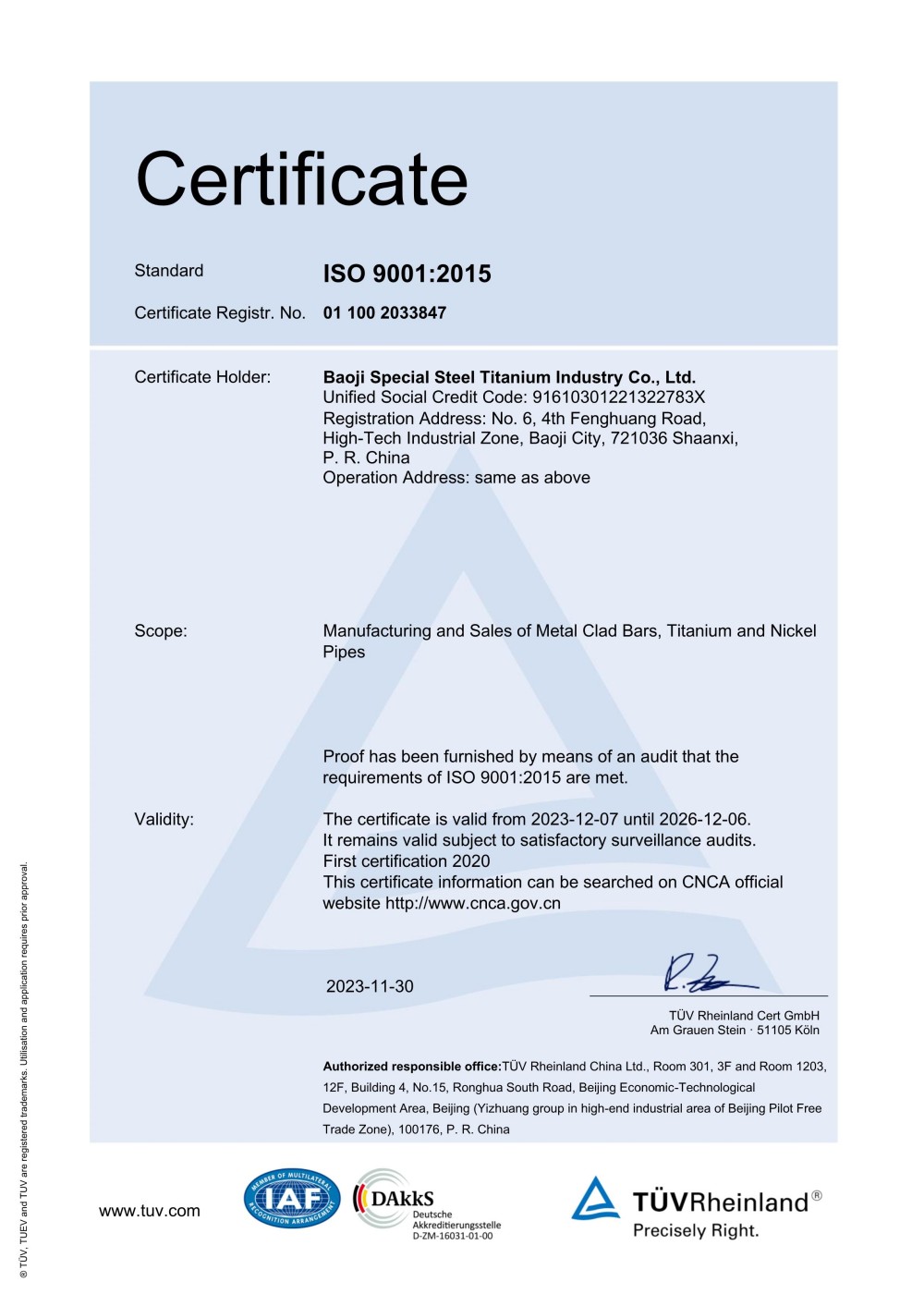
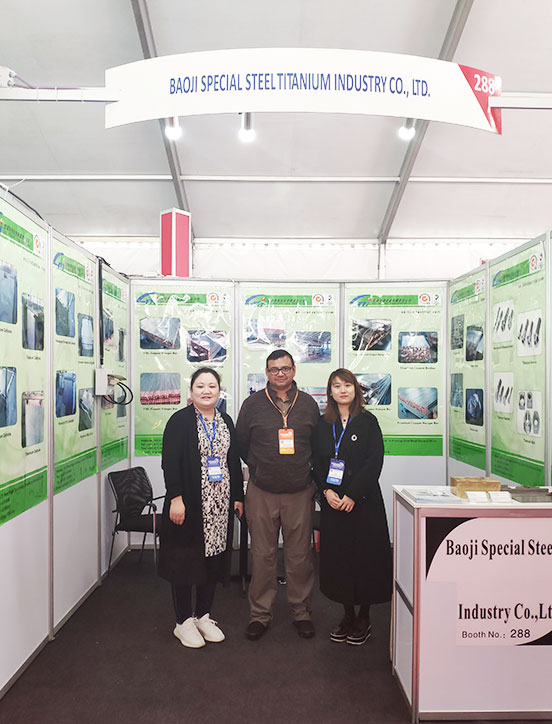
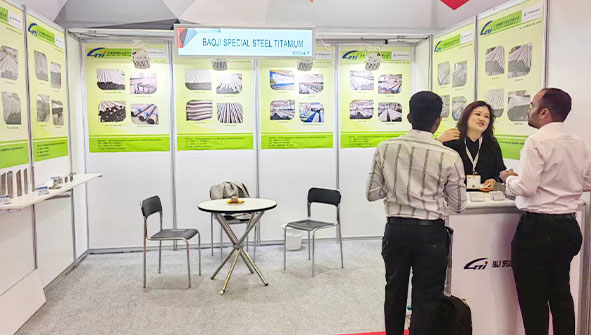
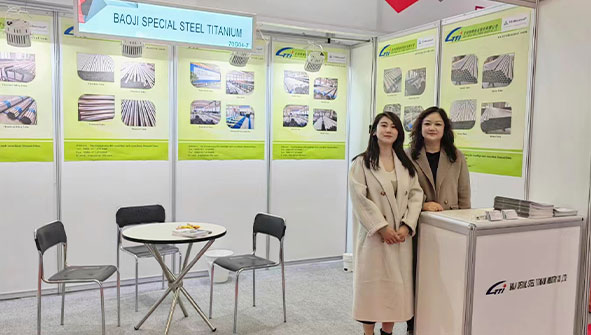
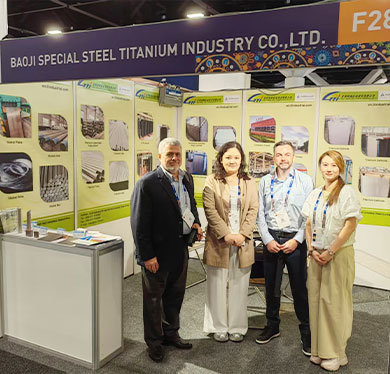
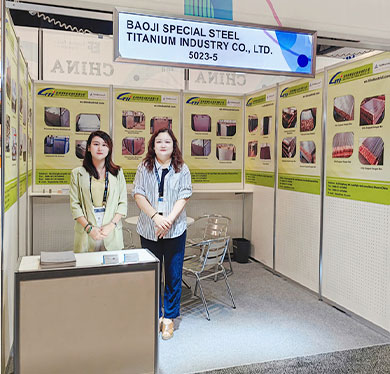
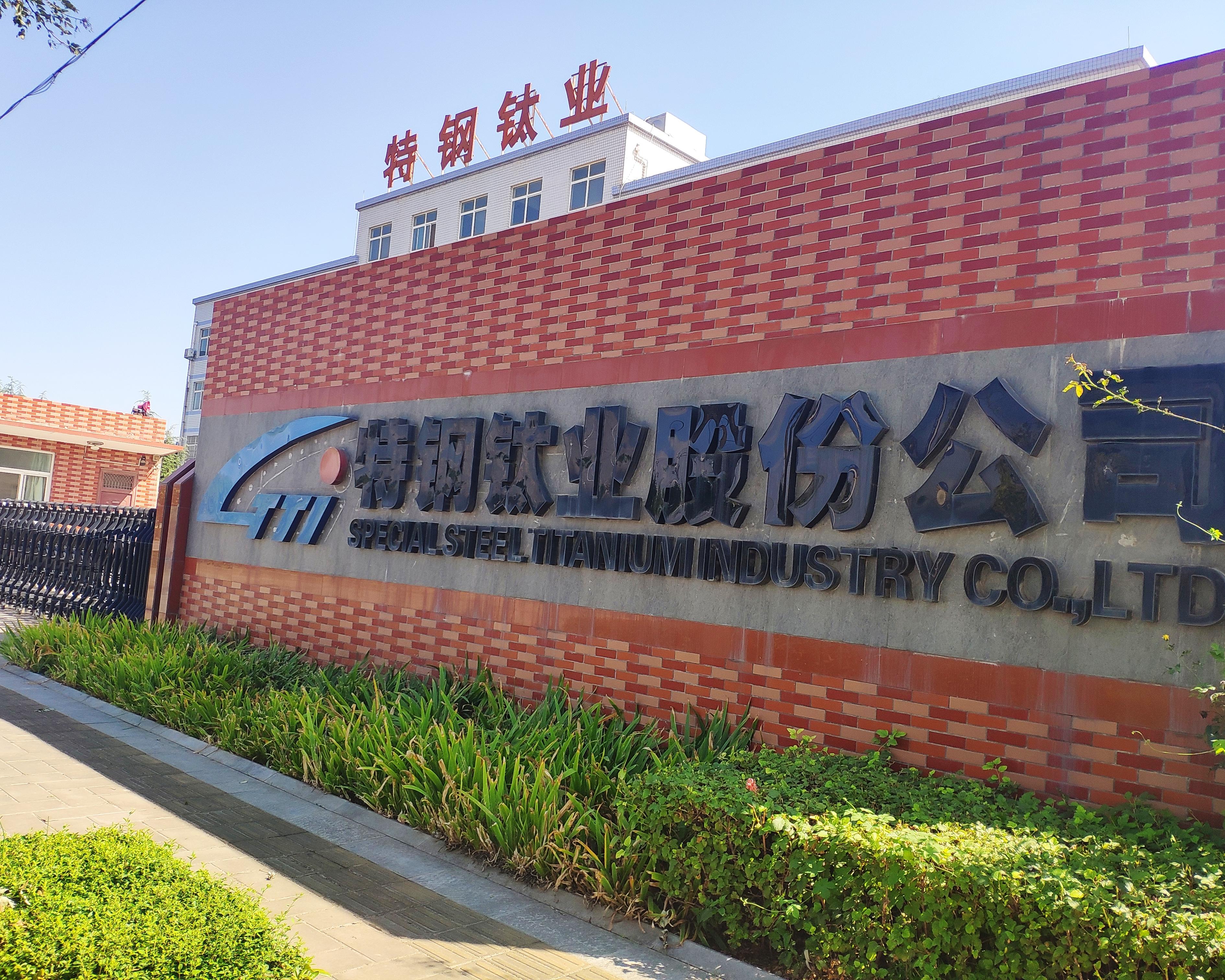
Is a joint-stock industrial enterprise specializing in the research, development, manufacturing and sales of titanium, nickel, zirconium and other metal pipes and metal composite materials. The company was founded in 1997, located in Shaanxi Baoji National High-tech Industrial development Zone. Over the decades, we have established ourselves as a global leader, tailoring our high-performance titanium bars for corrosion-resistant piping systems to meet the exacting standards of various industries worldwide.
The company has obtained the national high and new technology enterprise certification and has been listed in the first batch of industries encouraged to develop by the National Development and Reform Commission. Our extensive portfolio ensures maximum reliability for corrosion-resistant applications worldwide, making us an export-oriented industrial enterprise with a strong growth momentum.


The current industrial landscape for titanium bars utilized in corrosion-resistant piping systems is characterized by rapid expansion and technological maturation. Globally, the demand for high-performance alloys is surging, driven by the escalating needs of the chemical, petrochemical, aerospace, and marine sectors. Market analyses indicate a steady compound annual growth rate (CAGR) for titanium products, with piping systems representing a significant and lucrative segment. However, the industry also faces unique challenges. The extraction and refinement of titanium sponge, the primary raw material, are energy-intensive processes that require sophisticated metallurgical expertise.
Furthermore, the machining and welding of titanium bars demand specialized equipment and skilled labor to prevent contamination and maintain structural integrity. Despite these hurdles, advancements in manufacturing technologies, such as vacuum arc remelting and precision forging, have significantly enhanced the quality and availability of titanium bars. Today, key industrial players are investing heavily in optimizing supply chains and improving production efficiencies to make titanium solutions more cost-competitive. The transition towards sustainable and eco-friendly industrial practices is also propelling the adoption of titanium, as its exceptional durability minimizes the need for frequent replacements and reduces material waste over time.
Looking ahead, the development trends for titanium bars in corrosion-resistant piping systems are inextricably linked to innovation and sustainability. One of the most prominent trends is the advent of novel titanium alloys designed to offer even greater resilience at elevated temperatures and in more aggressive chemical environments. Researchers are actively exploring the addition of rare earth elements to titanium matrices to enhance specific performance metrics. Another transformative trend is the integration of additive manufacturing, or 3D printing, into the production of complex titanium piping components.
This technology allows for the creation of bespoke, highly optimized geometries that were previously impossible or economically unviable using traditional subtractive manufacturing methods. Furthermore, the industry is witnessing a shift towards smart piping systems. By embedding advanced sensors within titanium bars and pipes, operators can monitor structural health, pressure, and temperature in real-time, enabling predictive maintenance and preventing catastrophic failures. Additionally, there is a growing emphasis on the circular economy. Efforts to improve the recycling rates of titanium scrap are gaining momentum, which will not only lower production costs but also significantly reduce the environmental footprint of titanium manufacturing.
The true value of a titanium bar for corrosion-resistant piping systems is best understood through its diverse and critical application scenarios.
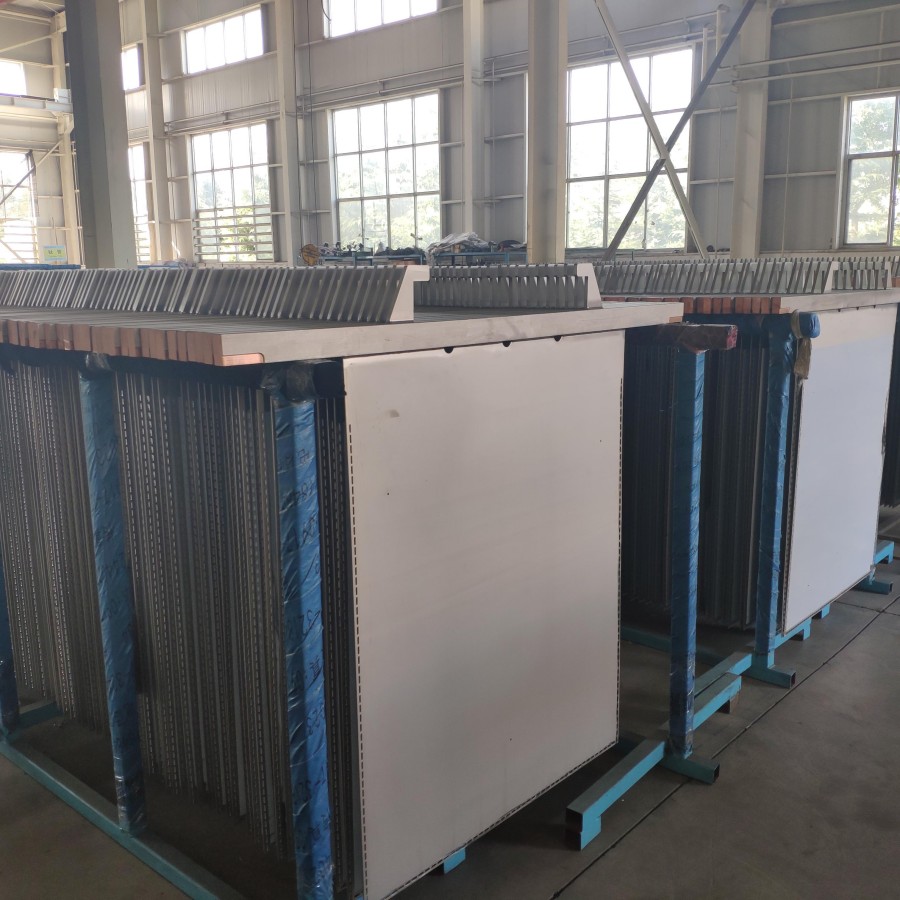
In chemical plants, piping systems are routinely exposed to highly reactive substances such as hydrochloric acid, sulfuric acid, and chlorine gas. Traditional materials degrade rapidly under such conditions, leading to dangerous leaks and costly plant shutdowns. Titanium bars, however, exhibit extraordinary immunity to these aggressive chemicals. They are extensively used to manufacture critical components like flanges, valves, and pump shafts within these piping networks, ensuring continuous, safe operation.
As global freshwater scarcity becomes a pressing issue, desalination plants are proliferating. These facilities process millions of gallons of seawater daily. Seawater is notoriously corrosive due to its high chloride content. Titanium's absolute resistance to chloride-induced pitting and crevice corrosion makes it the material of choice for heat exchangers and piping systems in thermal and reverse osmosis desalination plants. The use of titanium ensures long-term reliability and significantly lowers the lifecycle cost of water production.
The marine environment presents a dual challenge: the external corrosive force of seawater and the internal transport of sour gas (containing hydrogen sulfide) and crude oil. Titanium bars are integral to the construction of subsea risers, manifold systems, and heat exchangers on offshore platforms. Their high strength-to-weight ratio is particularly advantageous here, as it reduces the structural load on floating platforms while providing unmatched durability against the harsh oceanic elements.
In both nuclear and fossil-fuel power plants, condenser tubing and cooling water systems rely heavily on titanium. The metal's resistance to erosion-corrosion, even at high fluid velocities, prevents the release of metallic ions into the environment and maintains the thermal efficiency of the plant. Titanium bars are machined into robust tube sheets and support structures that form the backbone of these critical cooling systems.
Since its establishment, the company has always adhered to the development strategy of continuous innovation and continued to expand the market with new technology and new products as the fulcrum. After more than 20 years of development and accumulation, the products have entered the markets of Germany, Japan, the United States, Norway, Finland, South Africa, Singapore, India and other countries and Taiwan regions, also have been highly praised. Stable product quality, integrity as the core of the business philosophy, by the world's customers trust.
"To build an excellent enterprise team, continuously improve the management and manufacturing methods, so that every customer can get the maximum benefit from each product" is the eternal pursuit of special steel titanium industry personnel.
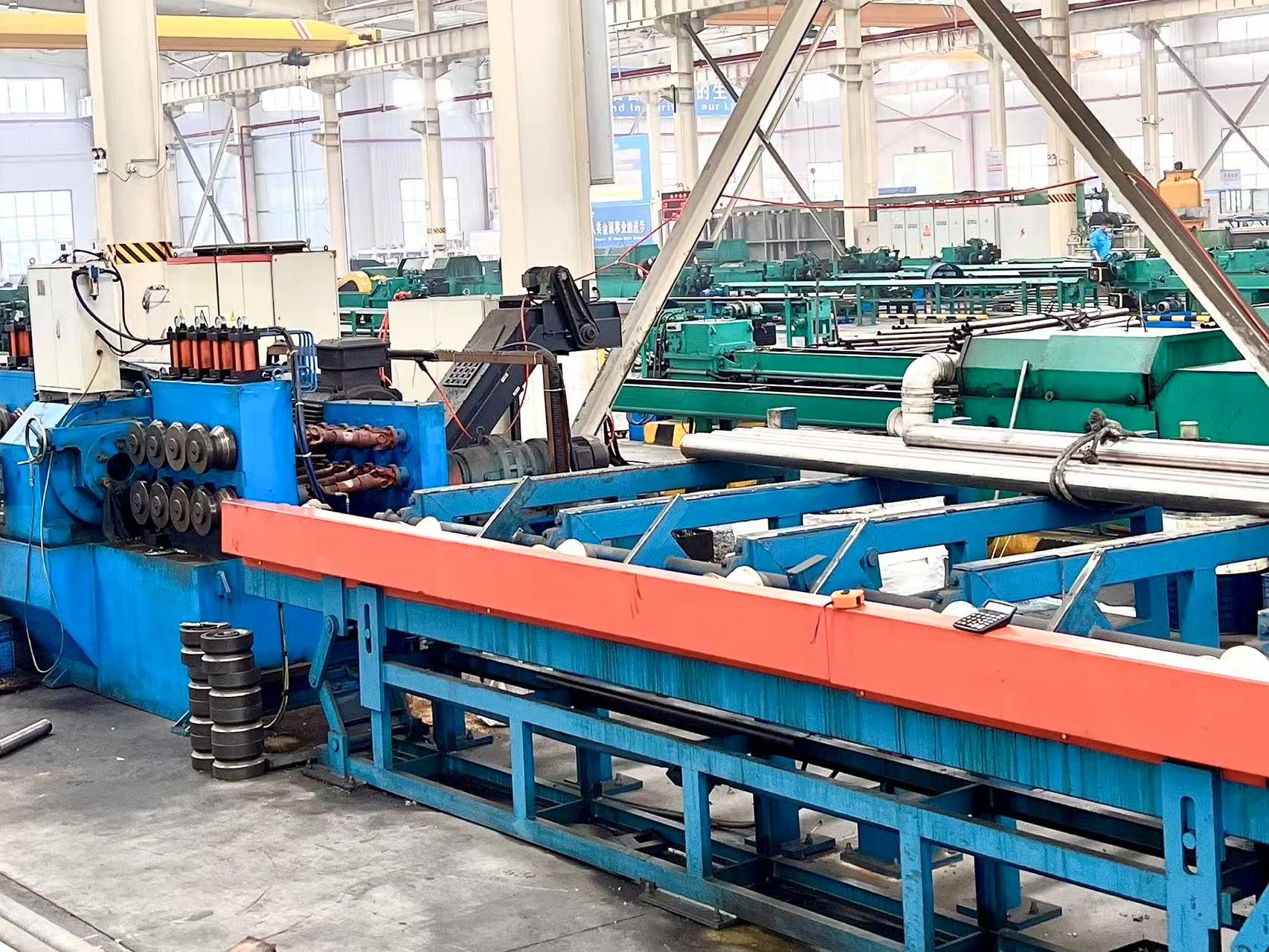
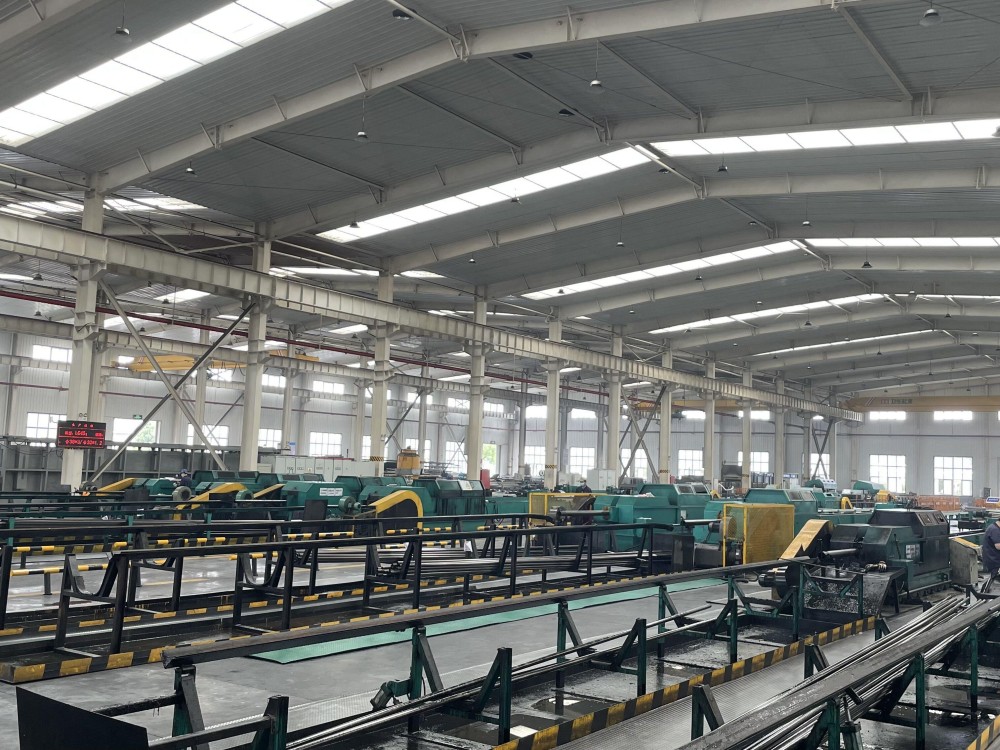
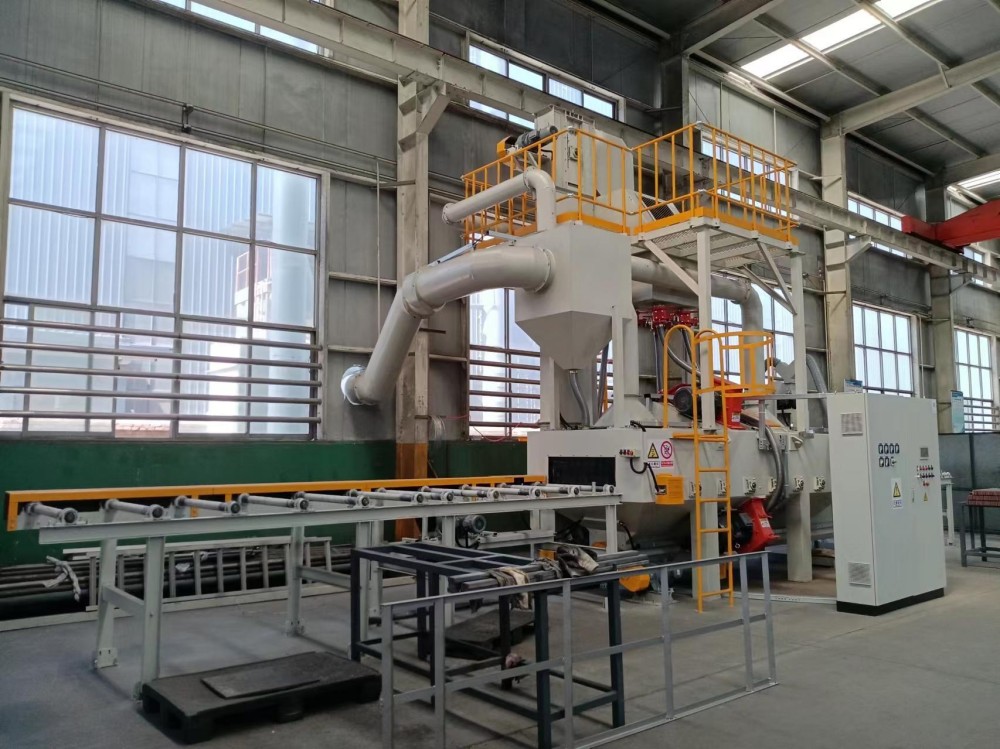
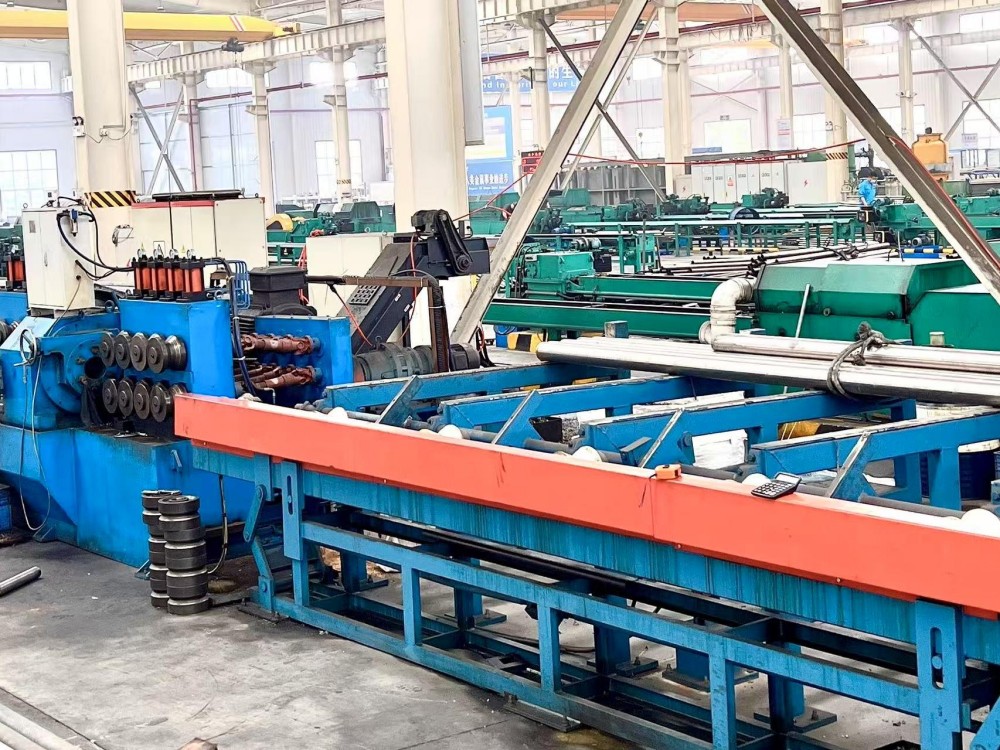
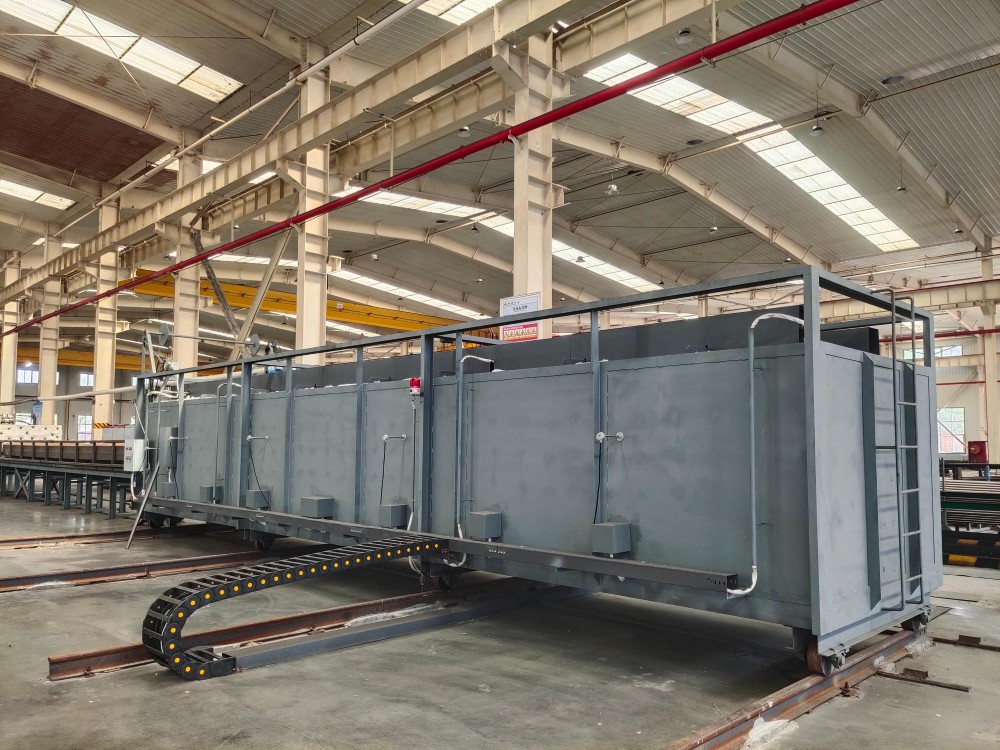
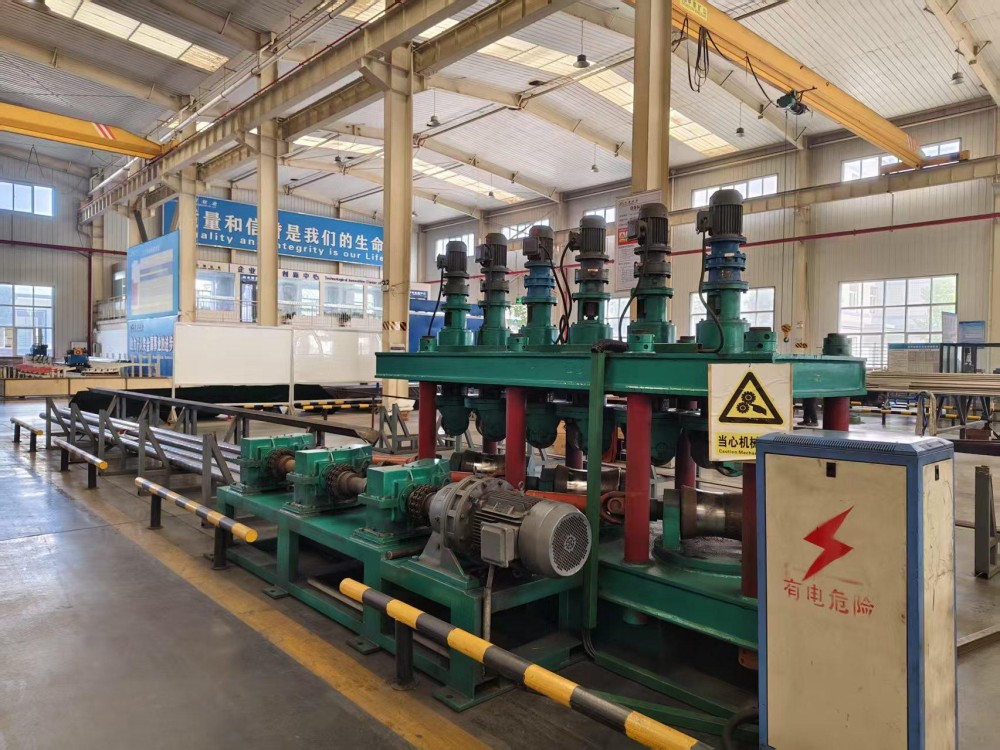
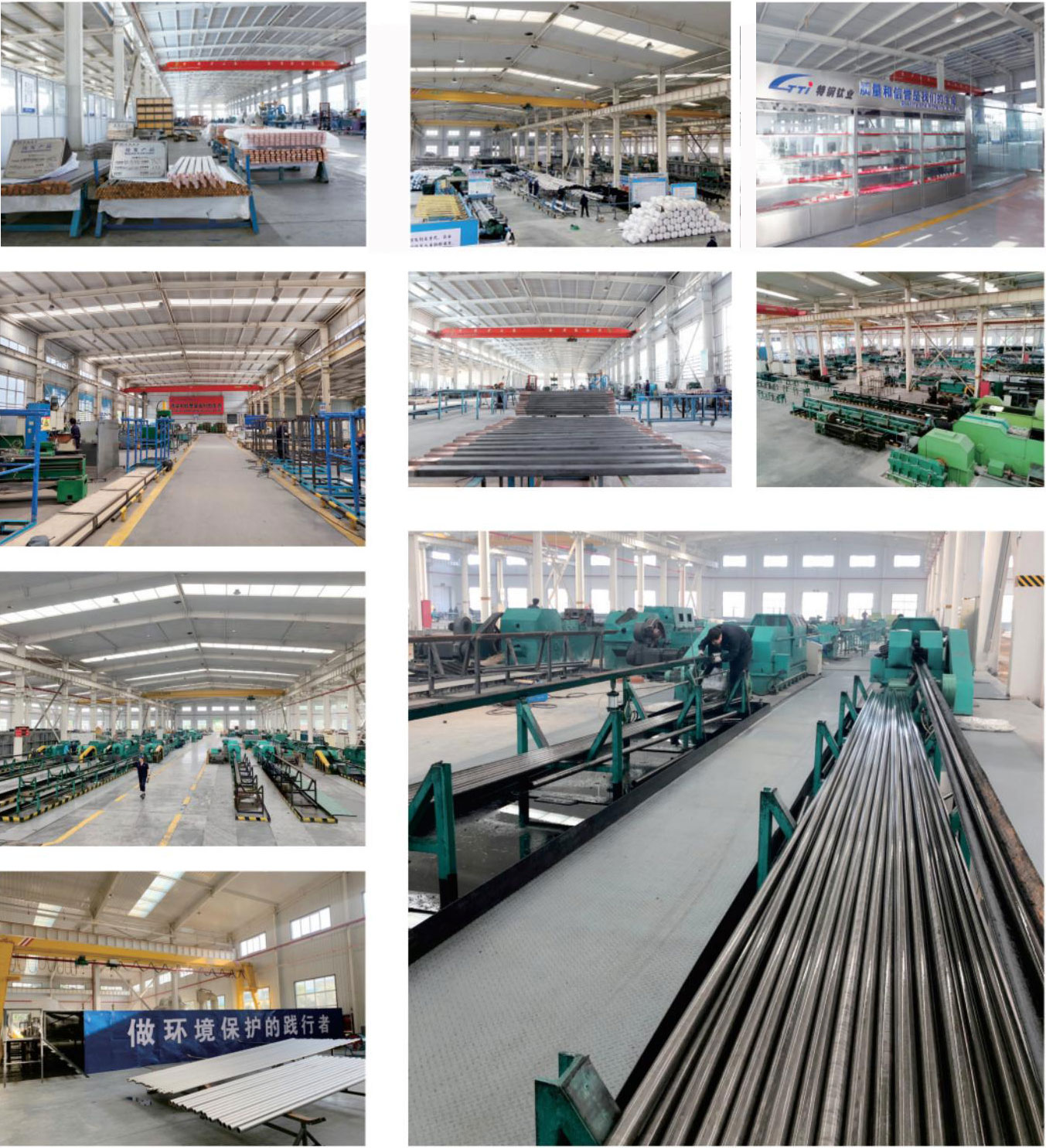
The exceptional qualities of a titanium bar for corrosion-resistant piping systems are born from meticulous and highly controlled manufacturing processes. The journey begins with the Kroll process, where titanium dioxide is converted into titanium sponge. This sponge is then compacted and melted in a Vacuum Arc Remelting (VAR) furnace to form an ingot. To ensure absolute homogeneity and eliminate any inclusions that could compromise corrosion resistance, the ingots often undergo multiple melting cycles.
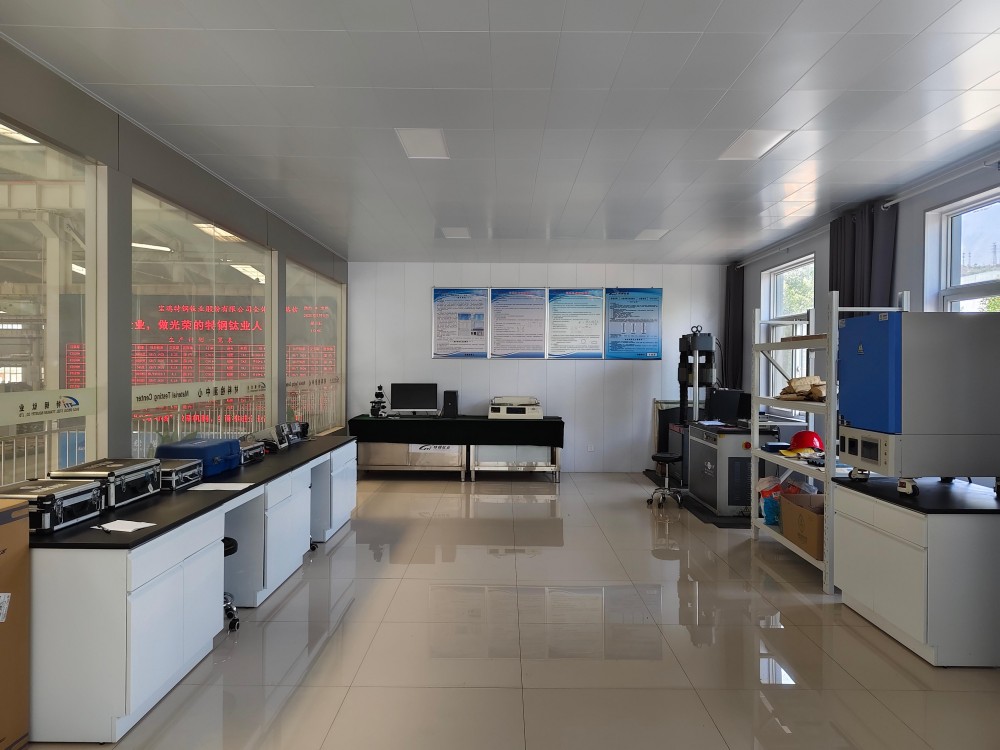
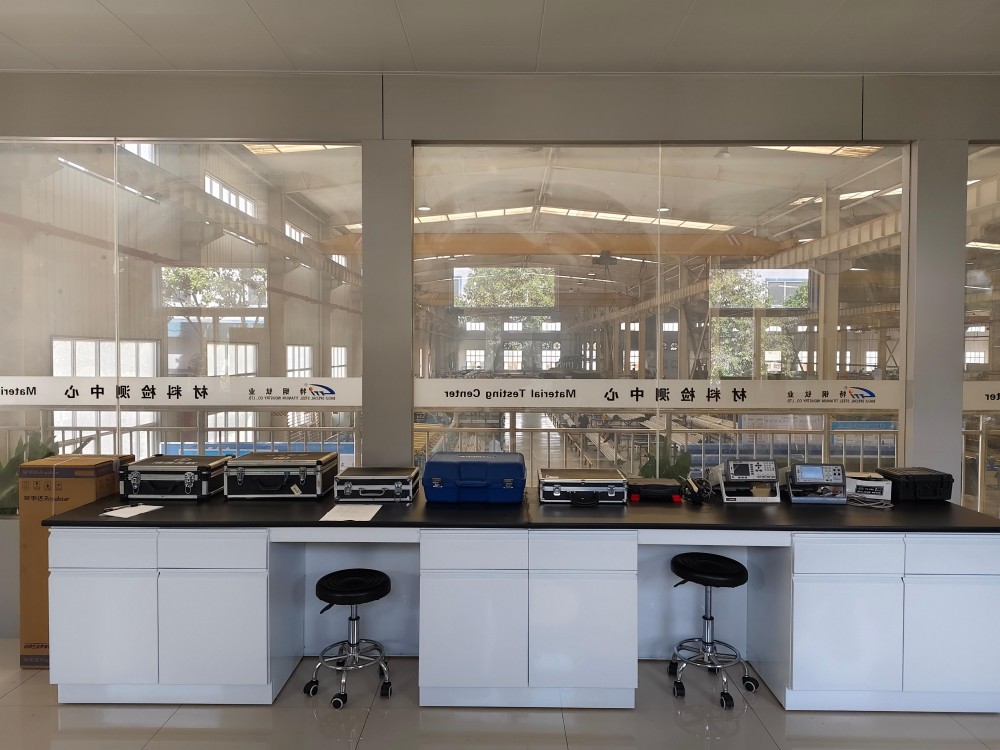
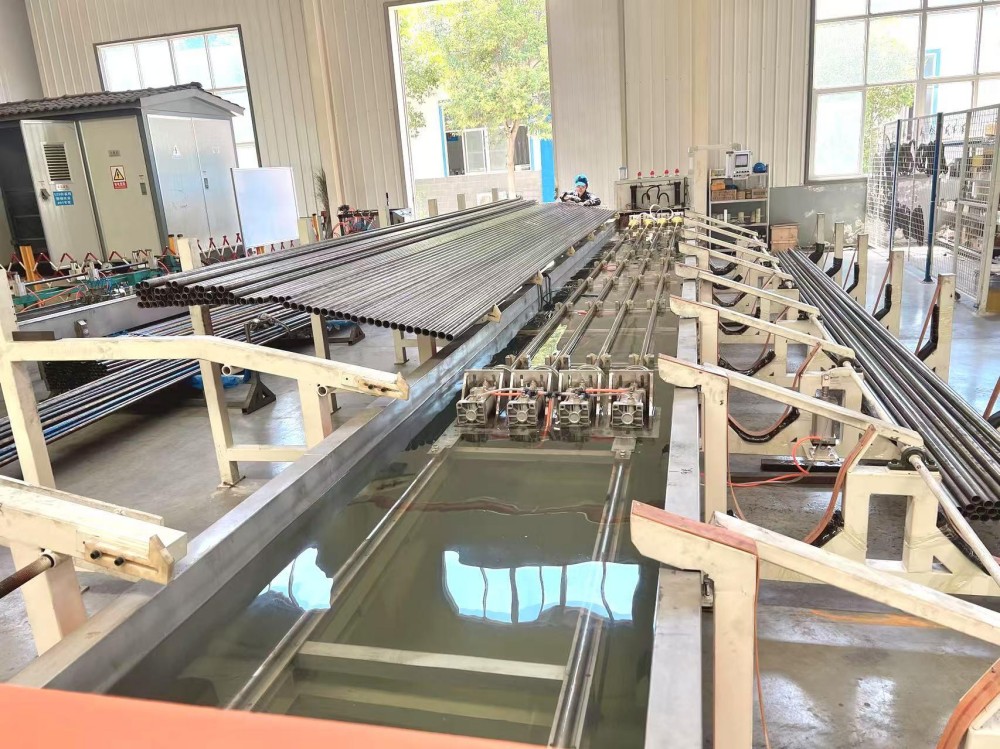
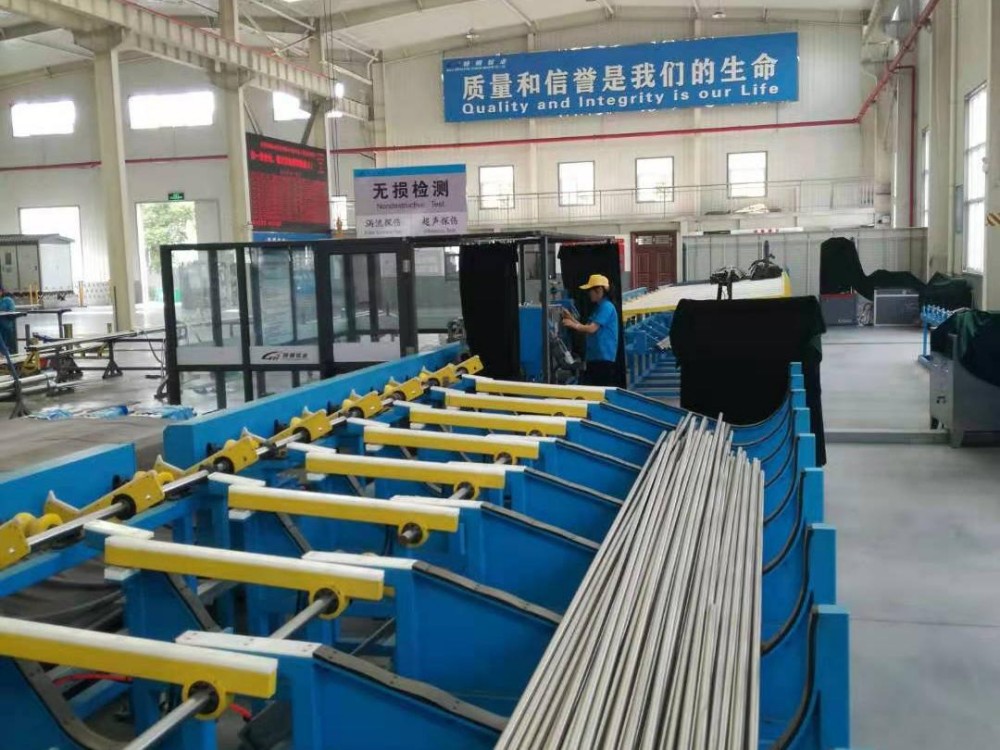
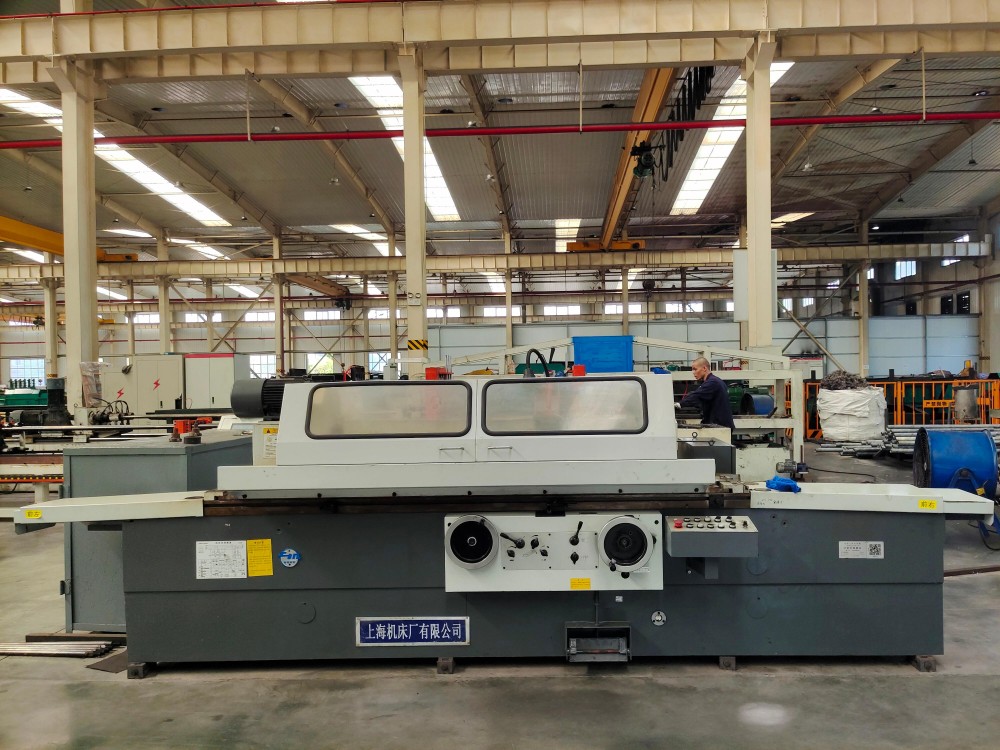
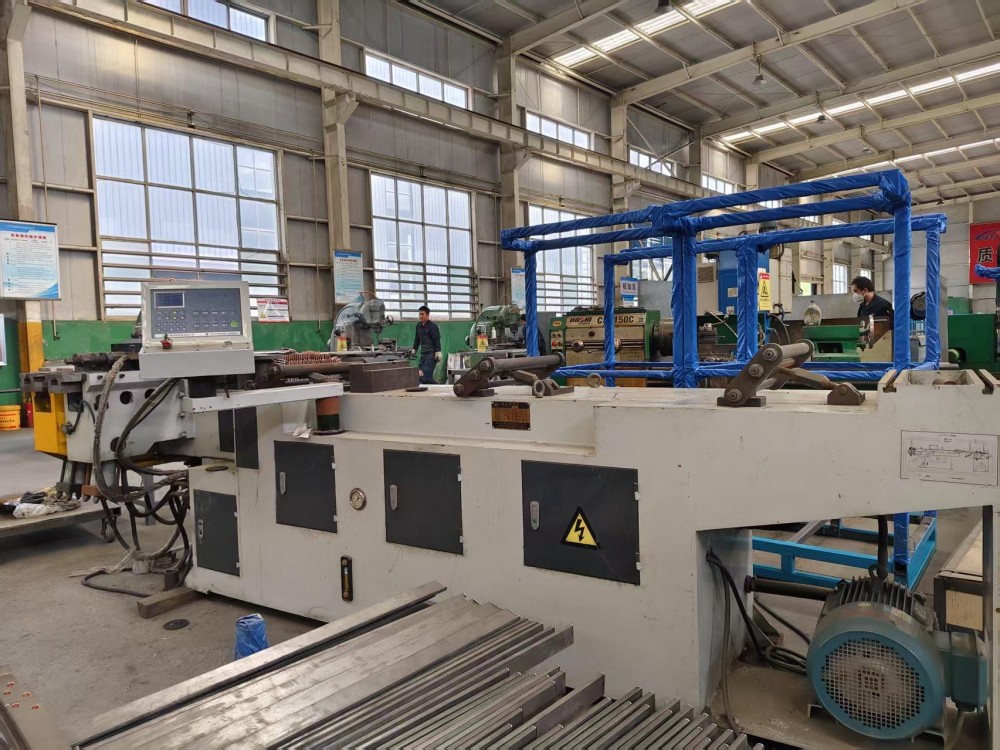
Following this, the titanium is subjected to rigorous thermomechanical processing, including forging and rolling at precisely controlled temperatures. These steps refine the grain structure of the metal, dramatically enhancing its mechanical strength and ductility. For piping system applications, the titanium bars are then precision-machined to exact tolerances. Advanced CNC machining, coupled with specialized cooling techniques, is employed to prevent heat buildup and maintain the integrity of the titanium's passive oxide layer. Finally, rigorous non-destructive testing, such as ultrasonic and eddy current inspections, guarantees that every titanium bar meets the stringent standards required for critical industrial deployment.