Leave Your Message
Engineered for high current density, extreme acidic environments, and maximum operational lifespan in nickel electrowinning.
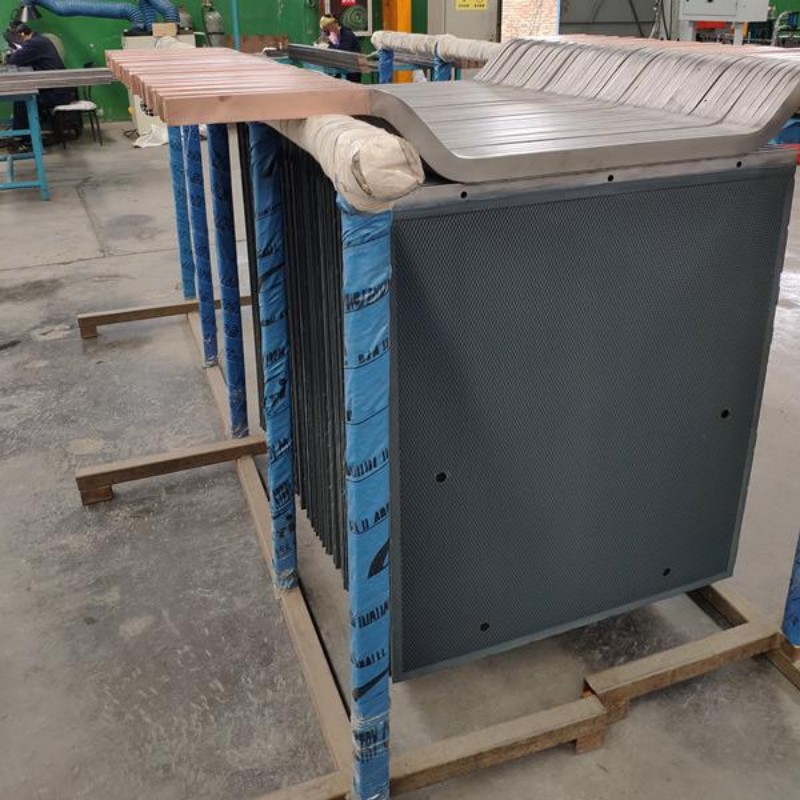
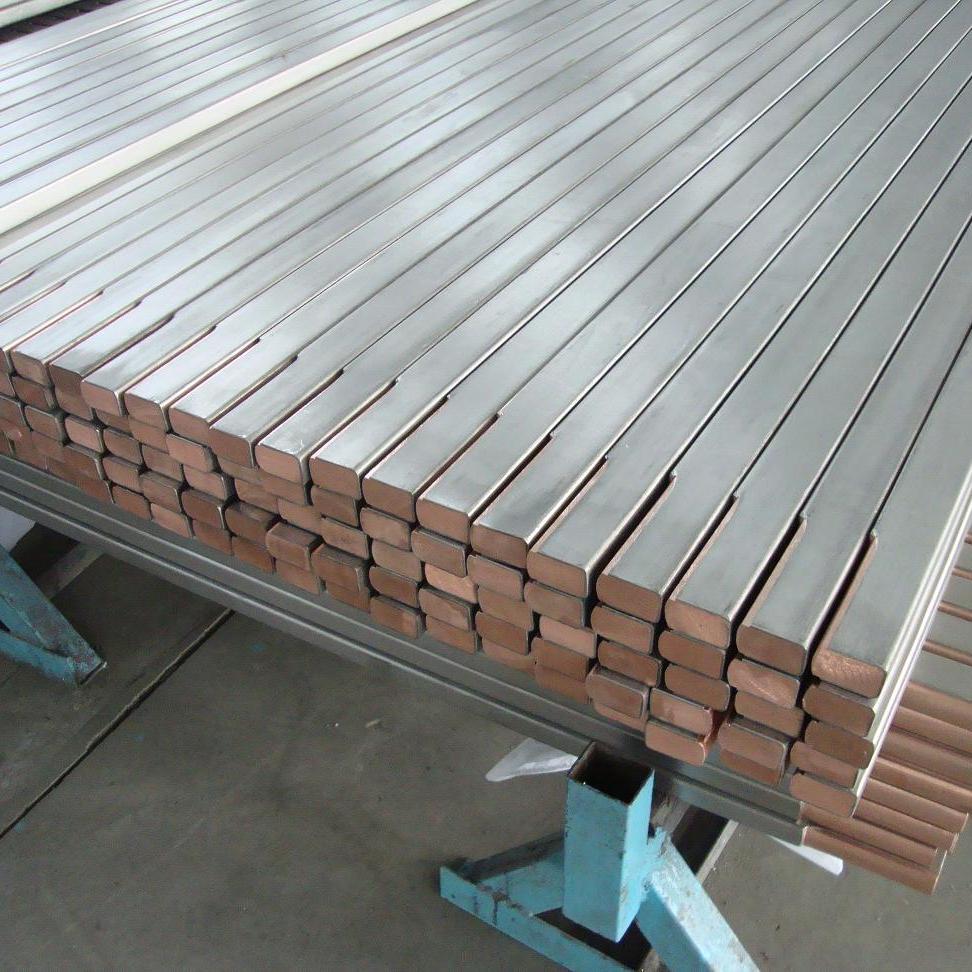
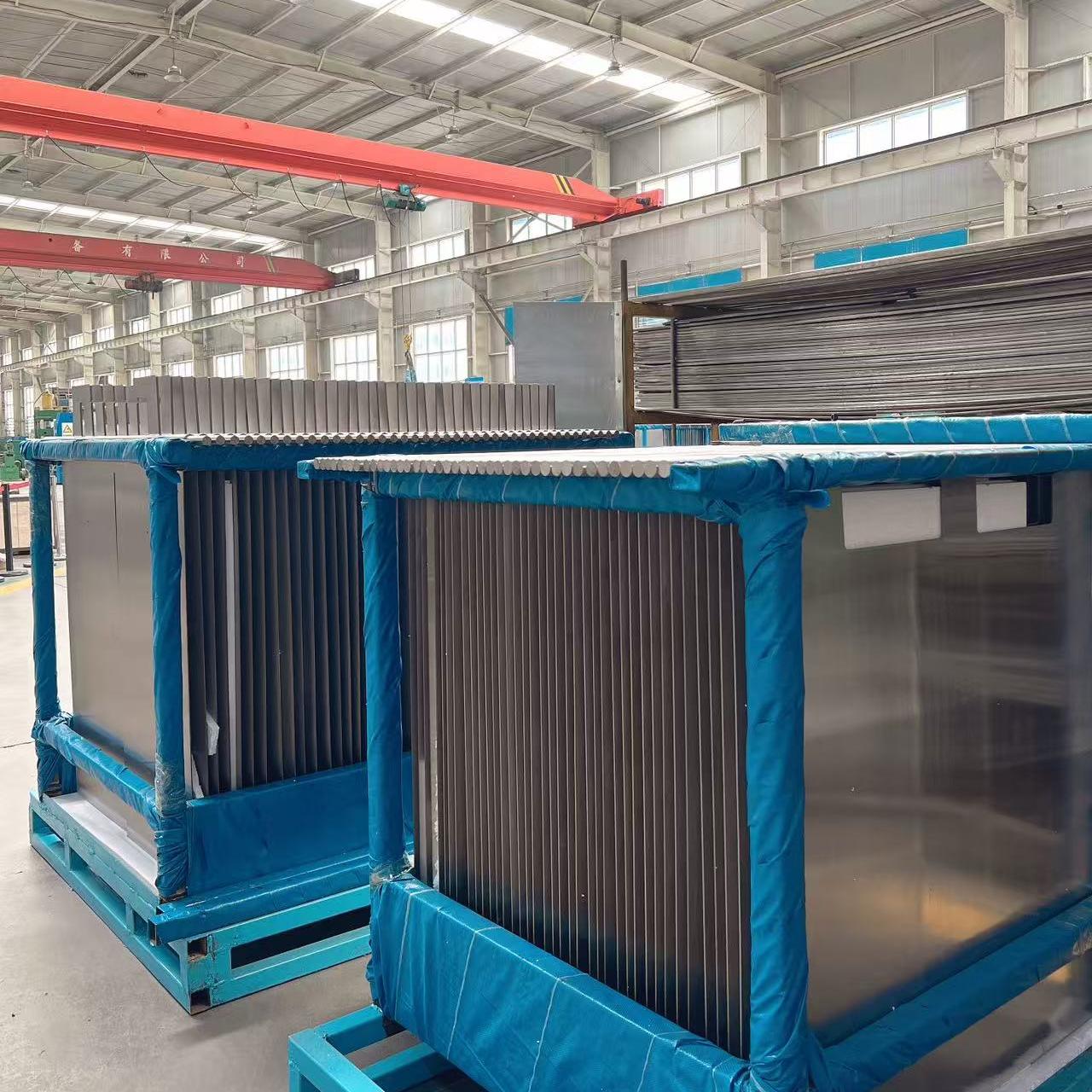
In the modern hydrometallurgical extraction of nickel, the electrolytic nickel industry demands materials that can withstand highly corrosive sulfuric acid or chloride-based electrolytes while maintaining exceptional electrical conductivity. The Titanium Bar, specifically designed and manufactured for the electrolytic nickel industry, has emerged as the cornerstone of this process. Primarily deployed as titanium-clad copper hanger bars (conductive bars) and anode/cathode substrates, these specialized bars ensure mechanical integrity and electrical efficiency in high-temperature, acid-heavy electrowinning and electrorefining baths.
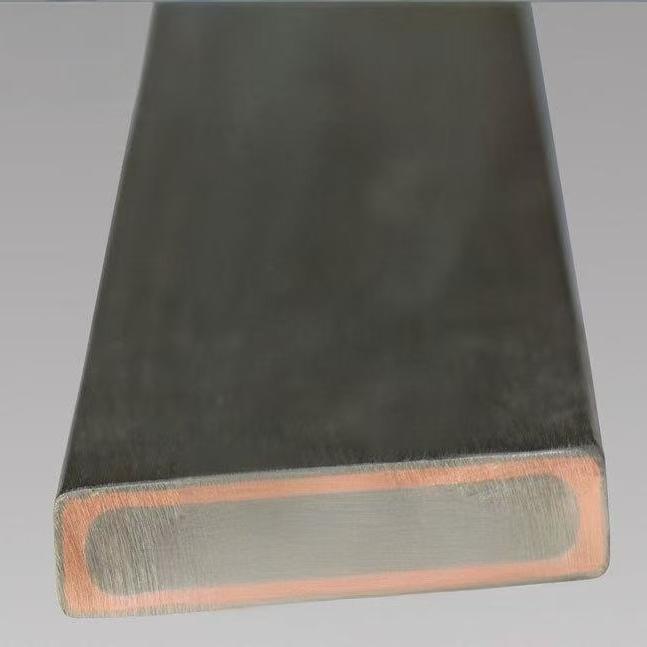
Without the protection of titanium, standard conductive metals like copper would degrade rapidly under the acidic mist and corrosive splashes of the electrolysis cell, leading to frequent maintenance shutdowns, high replacement costs, and contamination of the nickel product. By cladding high-conductivity copper bars with a metallurgical layer of pure titanium, manufacturers achieve a composite bar that offers the best of both worlds: the unmatched electrical conductivity of copper and the legendary corrosion resistance of titanium.
Optimized core materials like oxygen-free copper ensure minimal voltage drop and energy loss during high-amperage electrolysis.
ASTM Grade 1 or Grade 2 titanium cladding shields the inner core from aggressive acidic vapors and electrolytes.
Advanced explosion cladding or hot extrusion bonding prevents separation, ensuring a service life of over 10 years.
The electrolytic nickel extraction process relies on running a heavy electric current through a liquid electrolyte containing dissolved nickel ions. The nickel deposits onto a cathode plate, which is suspended in the cell. The titanium bar for electrolytic nickel industry plays several critical roles in this setup:
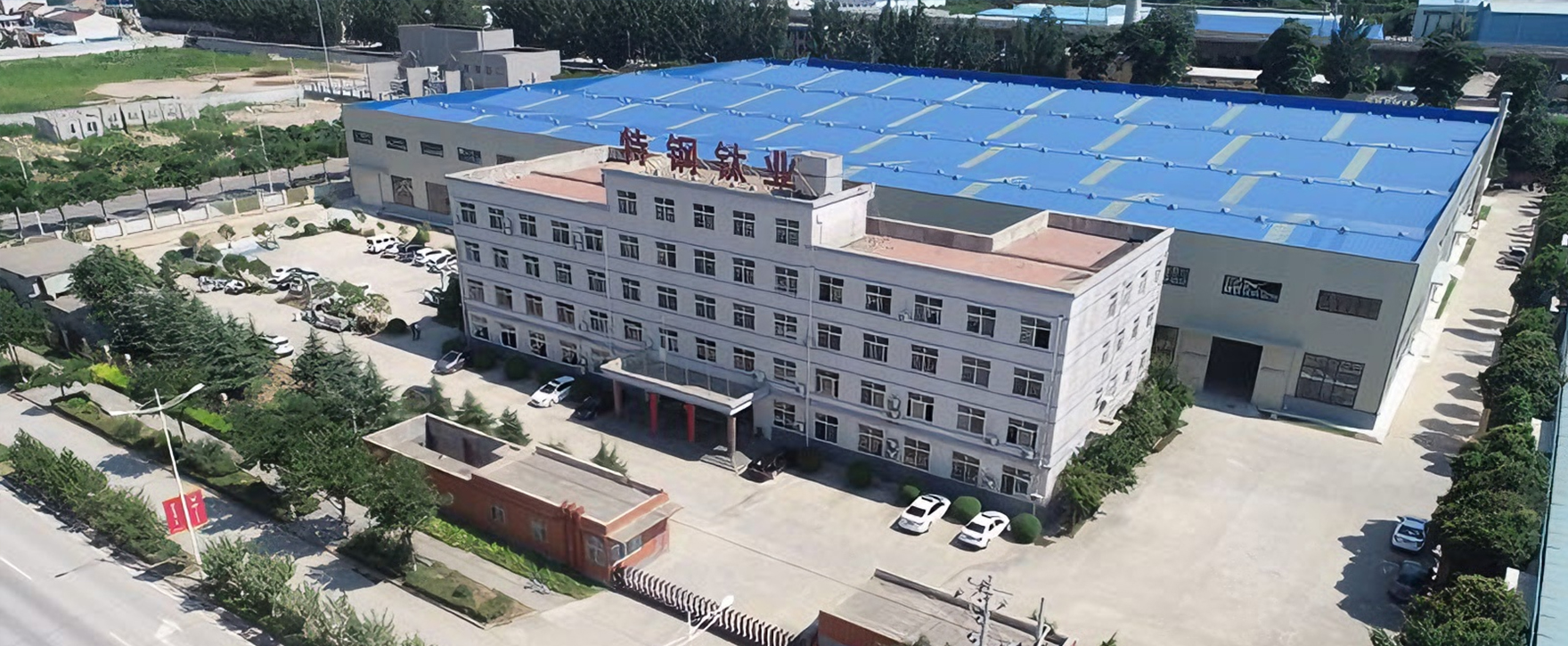
Baoji Special Steel Titanium Industry Co., LTD. Is a joint-stock industrial enterprise specializing in the research, development, manufacturing and sales of titanium, nickel, zirconium and other metal pipes and metal composite materials. The company was founded in 1997, located in Shaanxi Baoji National High-tech Industrial development Zone, the factory covers an area of 41,000 square meters.
FIND OUT MORE



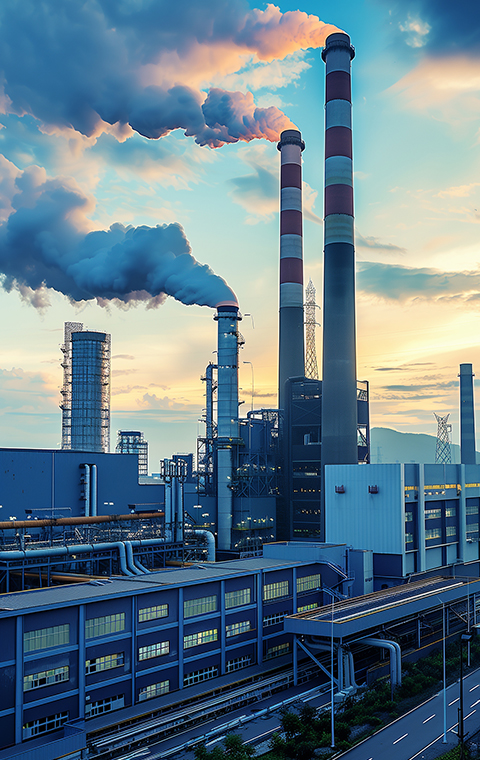
The global demand for high-purity nickel (Class 1 nickel) has skyrocketed over the past decade, primarily driven by the electric vehicle (EV) battery sector and high-performance superalloys. Since EV batteries require nickel sulfate of extreme purity, hydrometallurgical processing (specifically High-Pressure Acid Leaching, or HPAL, followed by electrowinning) has become the dominant expansion route for global mining companies. As a result, the commercial market for the titanium bar for electrolytic nickel industry is experiencing unprecedented growth.
Historically, smelting was the primary method for nickel extraction, but environmental regulations and the need for higher purity have pushed the industry toward electrochemical refining. In this landscape, titanium is no longer considered an optional premium material; it is an absolute necessity. Major metal producers across China, Southeast Asia, Australia, and North America are actively upgrading their tank houses with titanium-clad copper hanger bars to replace older, inefficient lead-antimony or pure copper setups. This shift has created a highly specialized market where engineering precision, metallurgical bonding quality, and material purity dictate the success of refinery operations.
The manufacturing of titanium-clad copper bars has evolved from simple mechanical sleeving to advanced metallurgical bonding technologies. The two primary methods used today are:
Refineries are also demanding customized hanger bar ends. To ensure optimal contact with the copper busbars on the cell walls, the ends of the titanium bars are often milled to expose the copper core, which is then plated with nickel or gold to prevent oxidation while maintaining the protective titanium cladding along the rest of the bar exposed to the acid mist.
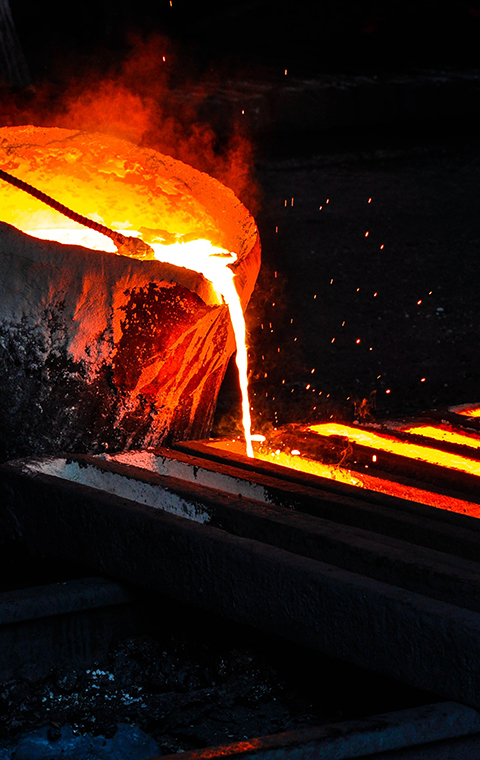
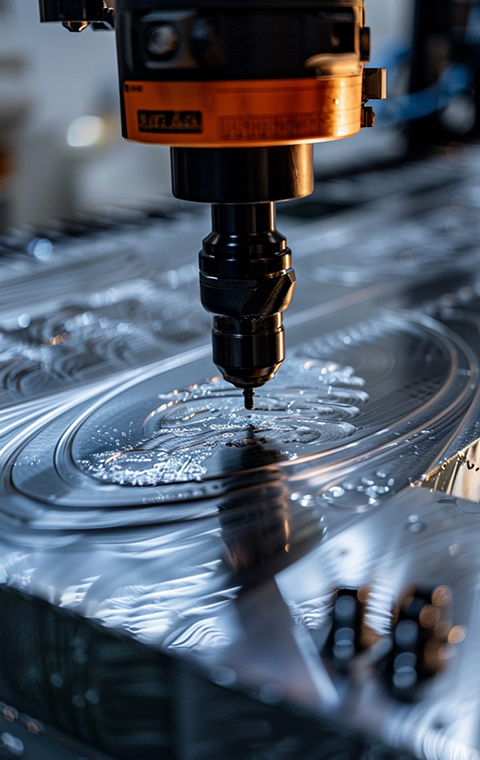
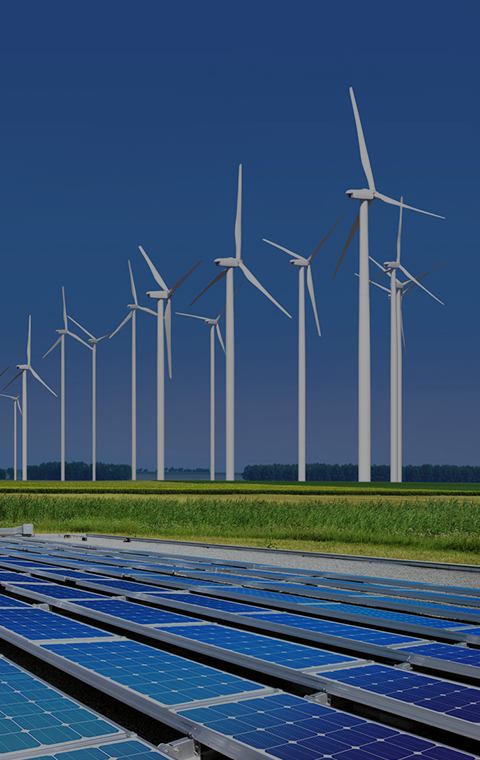
Our high-performance titanium bars and composite materials are deployed across multiple critical industrial sectors.
Stable product quality, integrity as the core of the business philosophy, trusted by global customers.
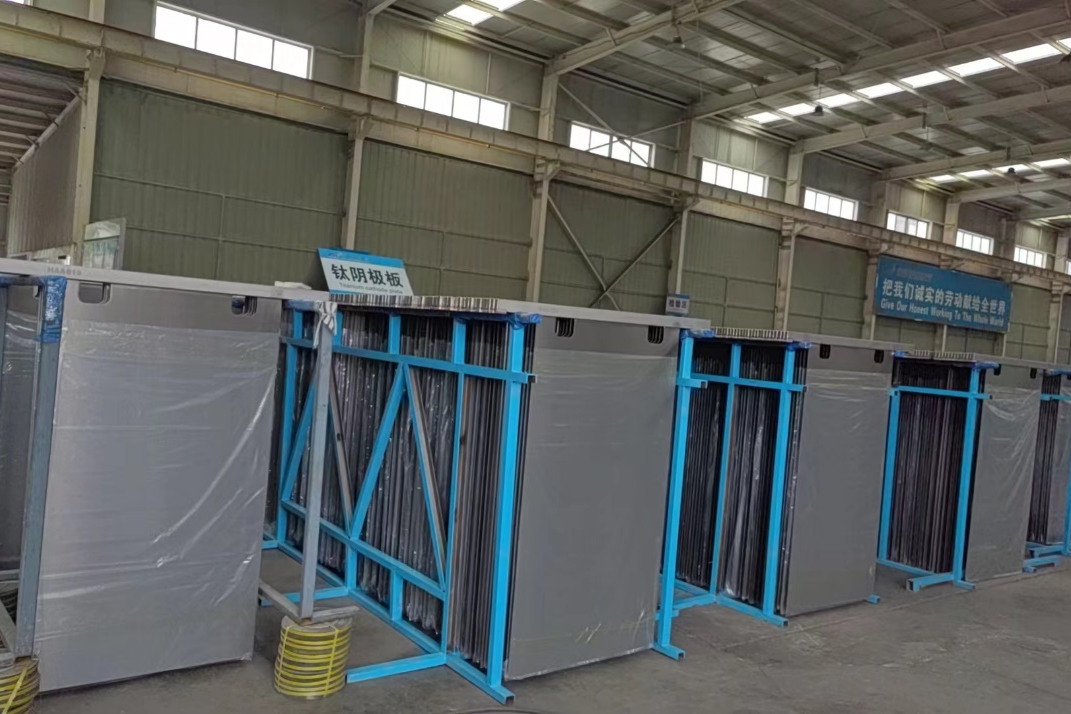
Powering Global Mining Operations with Precision Titanium Solutions. Custom engineered hanger bars delivered to multi-national refining facilities, increasing energy efficiency by 12%.
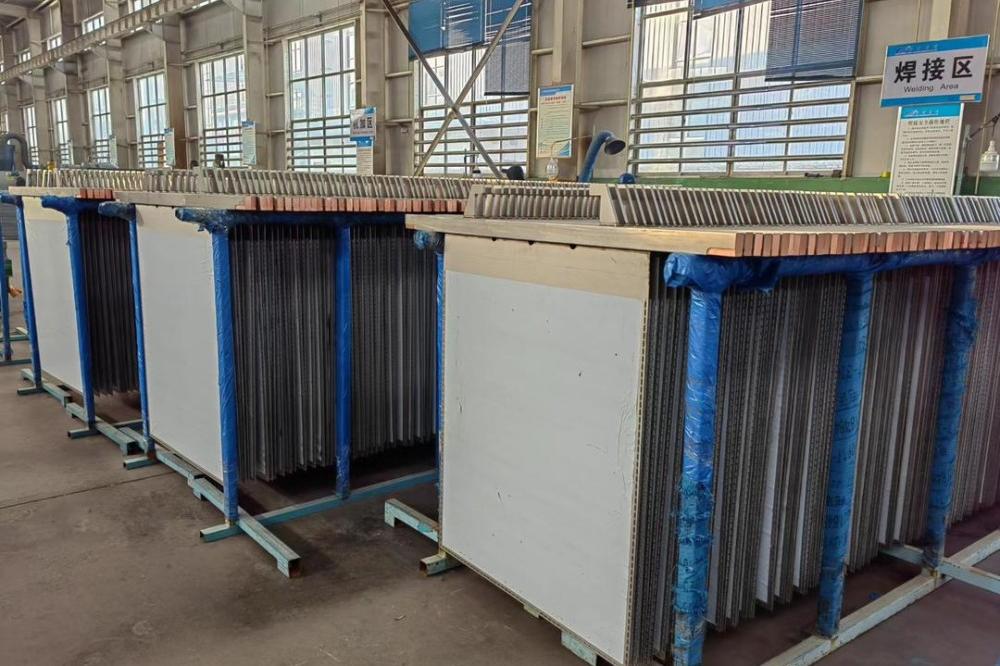
Supply of high-conductivity titanium clad copper bars for large-scale nickel electrowinning lines, demonstrating outstanding corrosion resistance under high-temperature acidic conditions.
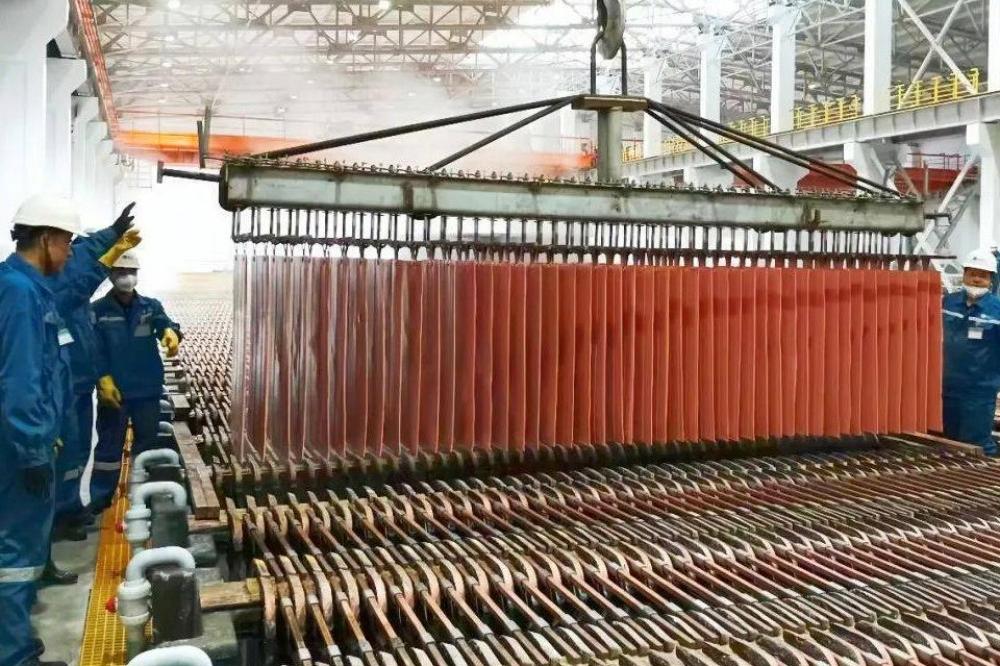
Strategic partnership providing custom composite bar materials for cobalt and nickel extraction cells, ensuring long-term structural integrity and minimal voltage drop.
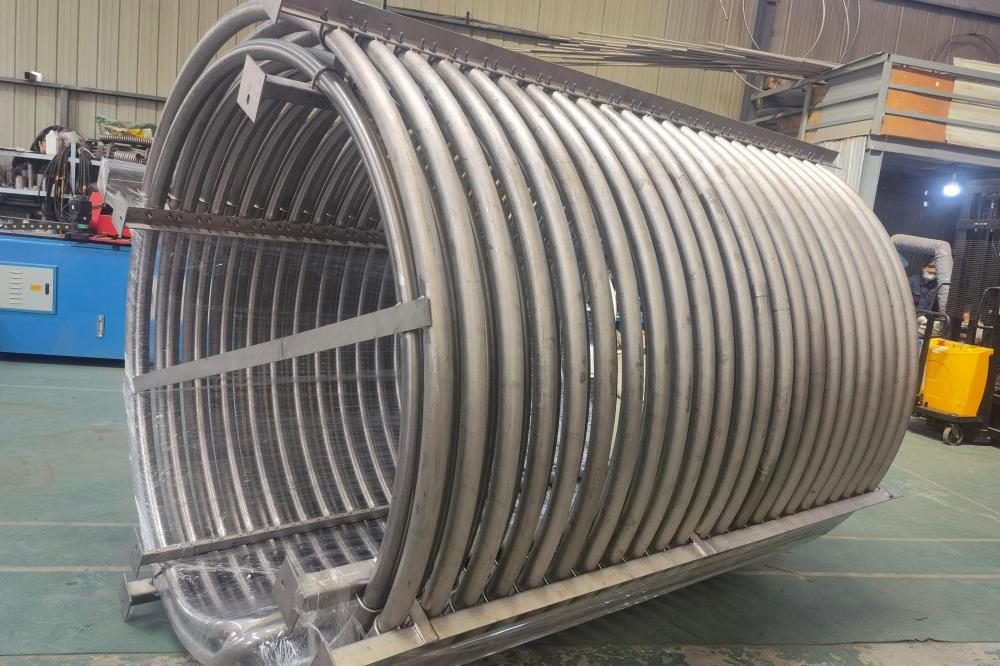
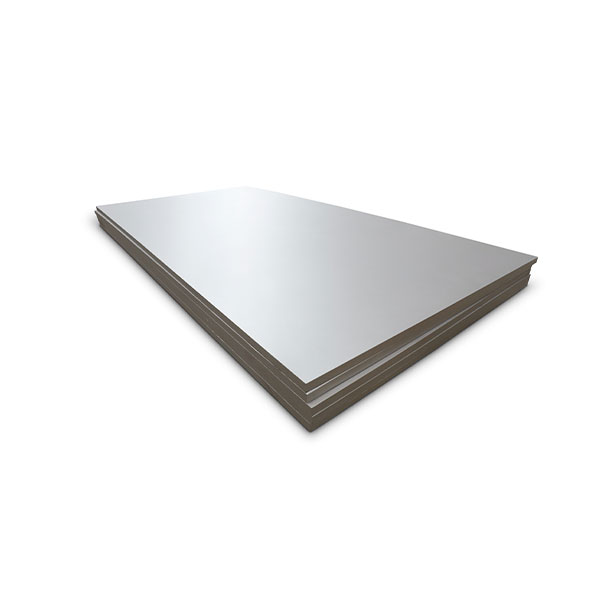
High-quality titanium plates, sheets, and composite piping systems for chemical synthesis and electrolysis units, meeting strict ASTM standards.
since
1997
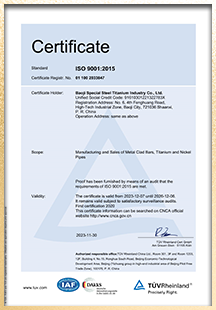
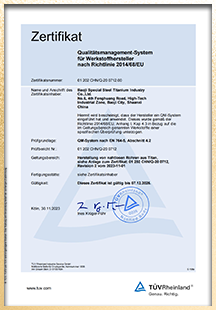
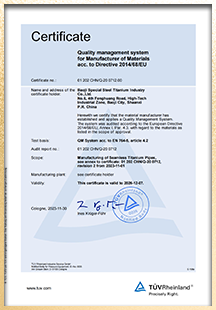
IATF 16949, CE, FMEA, PPAP, APQP, SPC AND MSA 100% TESTED SOLUTIONS
As the metallurgical industry pushes toward carbon neutrality and digitalization, the requirements for titanium bars in the electrolytic nickel industry are shifting. The future of hydrometallurgy lies in smart manufacturing and energy efficiency. Here are the prominent trends shaping the industry:
Established in 1997, Baoji Special Steel Titanium Industry Co., LTD. has stood at the forefront of titanium and composite material manufacturing for 28 years. Located in the heart of Shaanxi Baoji National High-tech Industrial Development Zone—known globally as "China's Titanium Valley"—our 41,000 square meter facility produces over 3,000 tons of high-grade non-ferrous metal materials and composite bars annually.
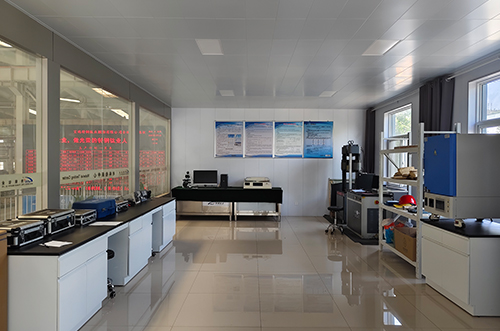
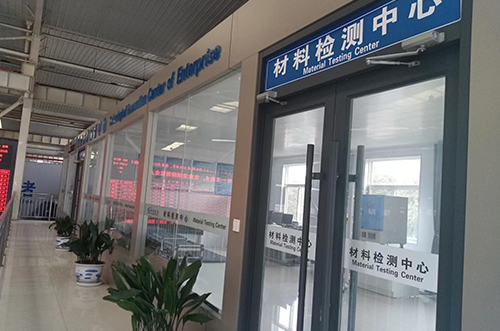
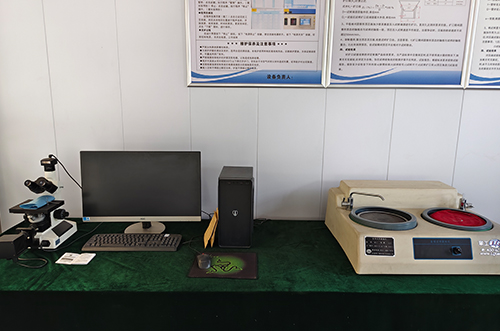
We leverage advanced explosion cladding, state-of-the-art rolling mills, and rigorous ultrasonic testing to guarantee that every titanium bar supplied to the electrolytic nickel industry meets or exceeds international standards (ASTM, ASME, IATF 16949). Our custom-tailored solutions ensure that whether your refinery operates in highly acidic sulfate baths or aggressive chloride environments, our hanger bars and anodes will deliver unparalleled performance, reducing your total cost of ownership and maximizing production yield.
Explore our full range of titanium anodes, composite bars, and ASTM sheets designed for heavy industrial electrolysis.