Leave Your Message
Discover our primary composite bars and cathode components designed specifically for high-current electroplating setups.

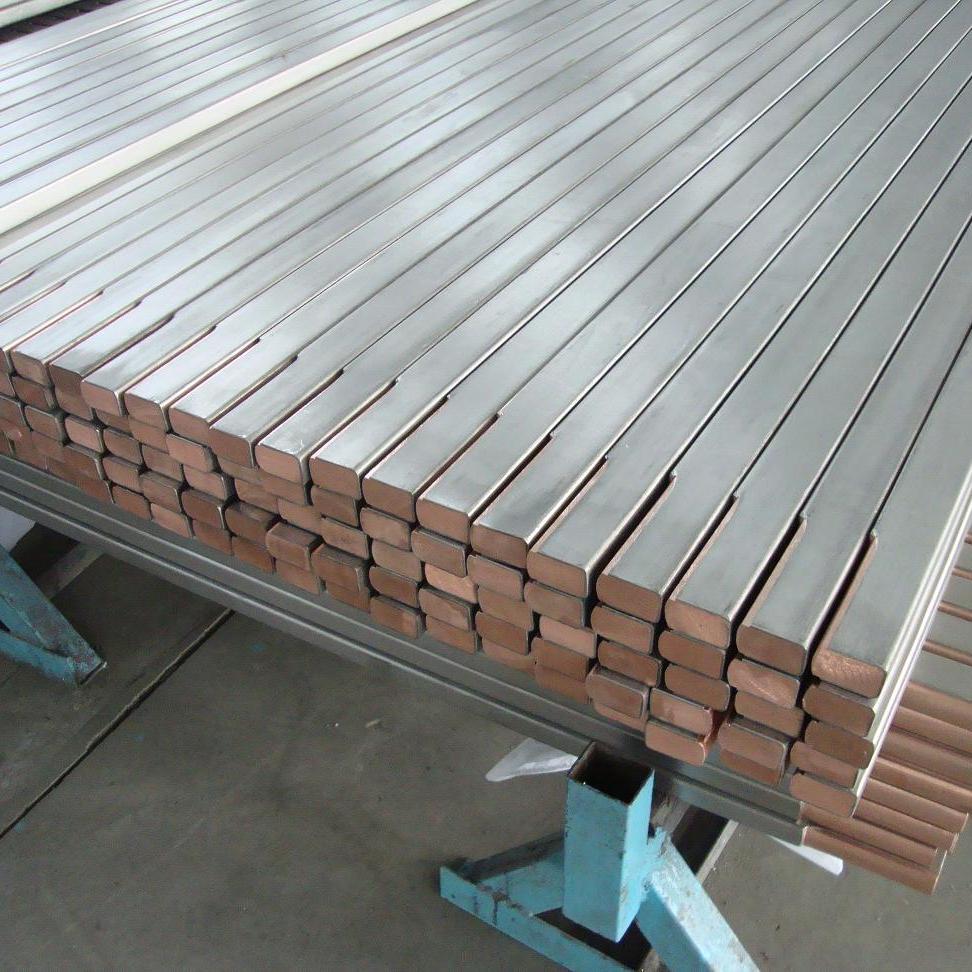

The global electroplating and metal finishing industries are undergoing a massive technological shift. Historically, electroplating production lines relied heavily on traditional metal hanger bars, such as pure copper, steel, or lead alloys. However, as modern industrial operations demand higher throughput, lower energy consumption, and stricter environmental compliance, these traditional materials have increasingly become operational bottlenecks. The introduction of the Titanium Bar For Electroplating Production Lines has revolutionized the surface finishing sector, offering an unprecedented balance of electrical efficiency and chemical resilience.
Today, the commercial significance of titanium-clad copper and solid titanium bars is deeply tied to the growth of high-tech industries, including semiconductor manufacturing, automotive electronics, aerospace component plating, and printed circuit board (PCB) fabrication. In these high-precision environments, even minor chemical contamination or voltage fluctuations can result in catastrophic product defects. Titanium, known for its exceptional passivating oxide film, prevents chemical breakdown and bath contamination, while composite variations (like titanium-clad copper) ensure that current distribution remains highly uniform across the entire plating rack.
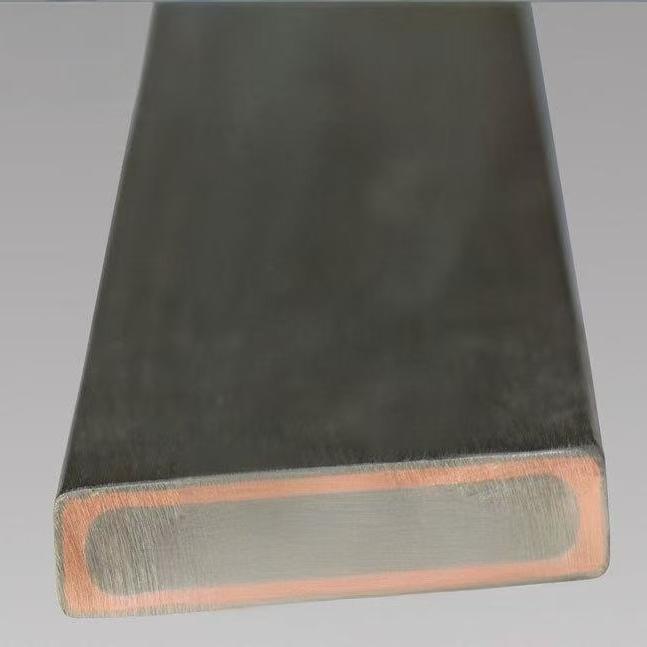
By cladding a highly conductive copper core with a corrosion-resistant titanium sheath, manufacturers achieve the electrical performance of copper alongside the chemical inertness of titanium. This hybrid material eliminates the constant maintenance, cleaning, and replacement cycles associated with bare copper hanger bars in highly acidic or alkaline plating baths.
From an economic standpoint, the initial investment in premium titanium bar materials is rapidly offset by the dramatic reduction in downtime and energy consumption. Traditional copper hanger bars corrode rapidly when exposed to aggressive plating chemistry, leading to poor contact resistance at the bus bar joints. This resistance generates heat, wastes expensive electrical power, and causes uneven plating thickness. Utilizing titanium-clad copper hanger bars ensures stable electrical contacts, lowering overall power usage by up to 20% and extending the operational lifespan of hanger systems to several years, compared to just months for unclad copper.
To fully understand the utility of titanium bars in electroplating, it is necessary to examine their specific roles within the electrochemical cell. Electroplating lines operate by passing a direct current (DC) through an electrolyte solution from an anode to a cathode. The structural components that support these electrodes and carry the current must withstand both the electrical load and the corrosive fumes and splashes from the bath.
The primary hanger bar, or bus bar, is the backbone of any automated electroplating line. It supports the weight of the racks carrying the workpieces while conducting thousands of amperes of current. Solid titanium bars, while highly resistant to corrosion, have relatively poor electrical conductivity (approximately 3% of IACS). Therefore, solid titanium is rarely used for primary current transmission. Instead, titanium-clad copper bars are utilized. The copper core handles the heavy electrical current without overheating, while the outer titanium layer protects the copper from acid mist, copper sulfate, nickel plating solutions, and chromium baths.
Anodes are often placed inside titanium baskets filled with plating metal chips (such as nickel, copper, or zinc). The hooks that suspend these baskets from the main bus bar are subjected to the most intense chemical and electrochemical attacks. Titanium bars are machined, bent, and welded to form these heavy-duty hooks. Because titanium naturally forms a protective oxide layer under anodic polarization, the hooks do not dissolve in the plating solution, maintaining structural integrity and electrical contact throughout the production cycle.
For complex industrial parts, achieving uniform plating thickness in recessed areas requires auxiliary anodes. Titanium bars can be easily shaped, coated with Mixed Metal Oxides (MMO) or platinum, and positioned precisely to direct current flow. On the cathode side, titanium plates and starter sheets are used for metal recovery and electrowinning systems, where the plated metal can be easily stripped from the passive titanium surface without damaging the substrate.


Founded in 1997, leading industrial metal composite innovation.
Annual production capacity of high-grade titanium and composite materials.
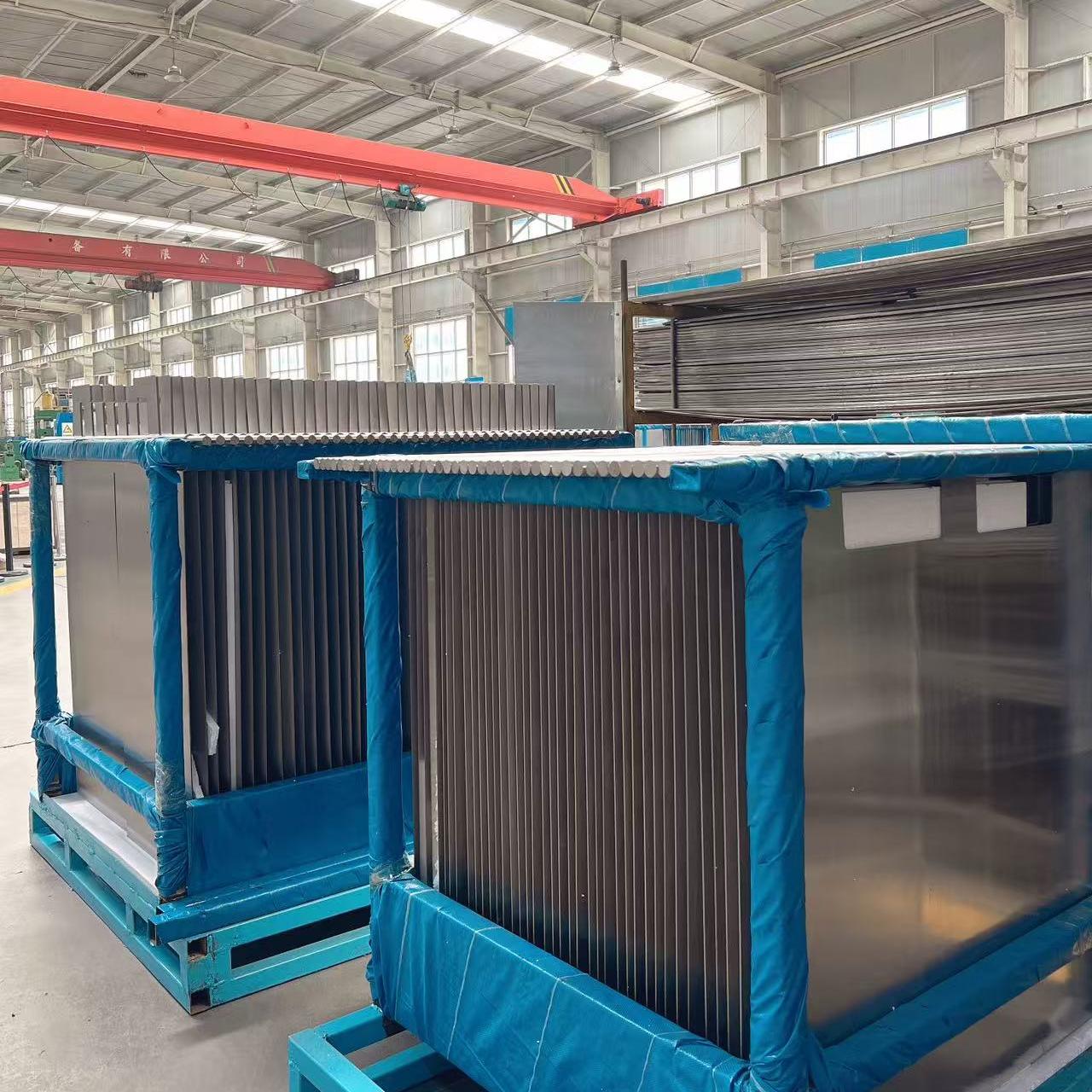
State-of-the-art factory footprint in Baoji High-tech Zone.
Comprehensive range of titanium, nickel, and composite solutions.
The reliability of a Titanium Bar For Electroplating Production Lines depends heavily on the quality of its raw materials and the precision of its manufacturing process. At Baoji Special Steel Titanium Industry Co., LTD., we utilize Grade 1 (Gr1) and Grade 2 (Gr2) commercially pure titanium for cladding, as they offer the optimal balance of ductility, weldability, and corrosion resistance. For applications requiring higher mechanical strength under load, Grade 5 (Ti-6Al-4V) or other alloyed grades can be specified.
The manufacturing of titanium-clad copper composite bars involves advanced metallurgical bonding techniques. The two primary methods are:
To ensure maximum electrical efficiency, the bonding rate between the titanium and copper must exceed 98%. Air gaps or bonding voids within the bar act as thermal barriers, leading to localized overheating, accelerated corrosion, and eventual electrical failure. Our facility employs non-destructive ultrasonic testing (UT) to verify bond integrity across 100% of the bar length, guaranteeing reliable performance in continuous, high-current electroplating operations.
Our high-performance titanium and composite bar solutions are utilized across diverse industrial sectors requiring advanced chemical and thermal resistance.




As the manufacturing world moves toward Industry 4.0 and green manufacturing, electroplating lines are evolving rapidly. The demand for "smarter" and more sustainable chemistry is driving innovation in the design of auxiliary equipment, including hanger bars and bus systems. One of the major trends is the integration of sensor technologies directly within the composite bar structures to monitor temperature, current density, and structural wear in real-time. This allows operators to perform predictive maintenance, avoiding unplanned shutdowns and optimizing the electrodeposition process.
Furthermore, global environmental initiatives are forcing electroplating facilities to minimize chemical waste and energy consumption. Traditional plating lines lose significant energy due to heat dissipation along the bus bars. By upgrading to high-purity titanium-clad copper bars with optimized cross-sectional designs, plants can significantly reduce voltage drops. This not only lowers electricity costs but also minimizes the heat footprint of the factory, reducing the load on cooling systems and contributing to a lower carbon footprint.
Another emerging trend is the development of multi-layer composite bars (such as Titanium-Zirconium-Copper or Titanium-Nickel-Copper). These advanced composites are designed to withstand extremely specialized plating baths, such as high-temperature fluoride baths or highly concentrated alkaline solutions, where standard titanium might suffer from hydrogen embrittlement or localized pitting. By layering different corrosion-resistant metals over a highly conductive core, manufacturers can customize hanger bars for the exact chemical fingerprint of their plating line.
Stable product quality, integrity as the core of the business philosophy, trusted by global industrial clients.

Powering Global Mining and Electroplating Operations with Precision Titanium Solutions, ensuring stable current distribution and long-term chemical resistance.

Implementation of custom titanium hanger bars and cathodes to optimize nickel electrowinning and electrorefining production lines, achieving 15% energy savings.

Supply of high-durability titanium-clad copper bus bars for heavy-duty cobalt plating baths, minimizing maintenance cycles and eliminating bath impurities.
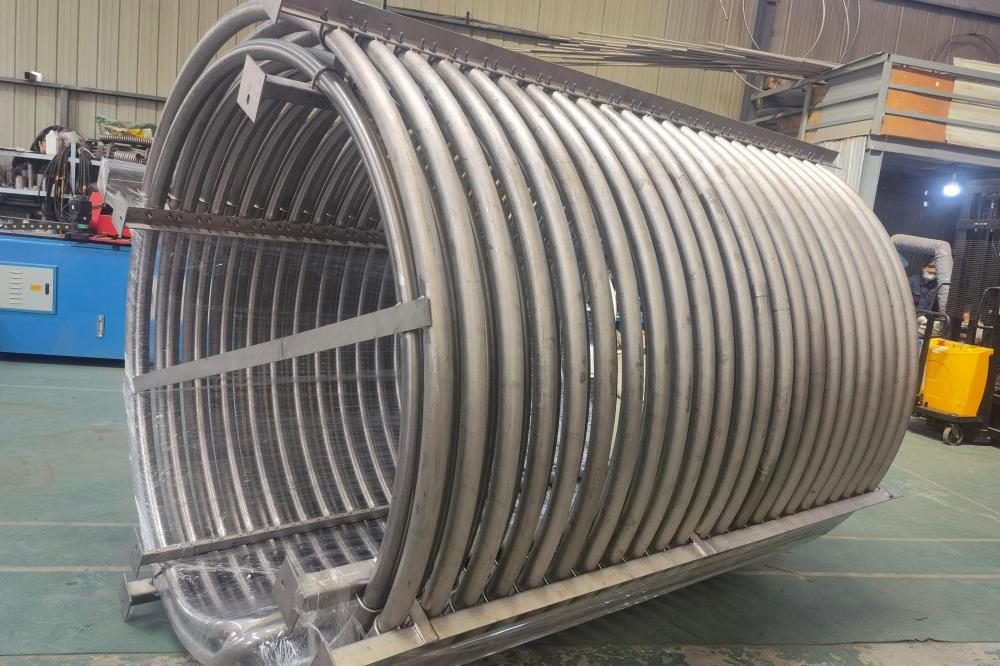
Integration of multilayer metal composite bar materials to withstand highly aggressive acidic environments, ensuring 24/7 continuous operation.
Strict compliance with international standards: IATF 16949, CE, FMEA, PPAP, APQP, SPC, and MSA. 100% testing on all shipments.
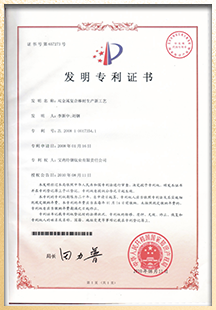
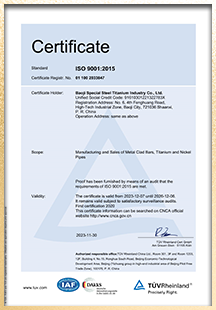
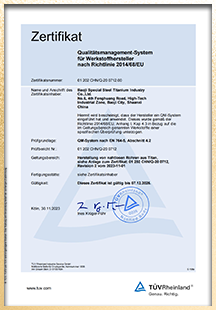
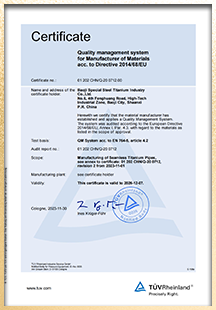
Our production facility in Baoji is equipped with advanced extrusion, welding, and non-destructive testing equipment, ensuring that every titanium bar and composite plate conforms strictly to ASTM standards.
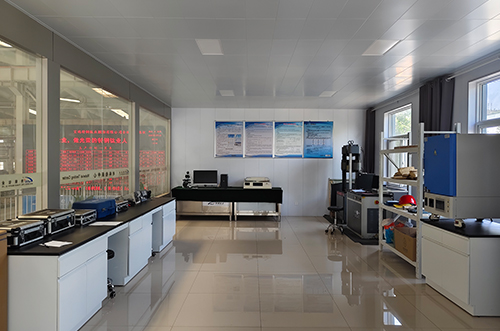
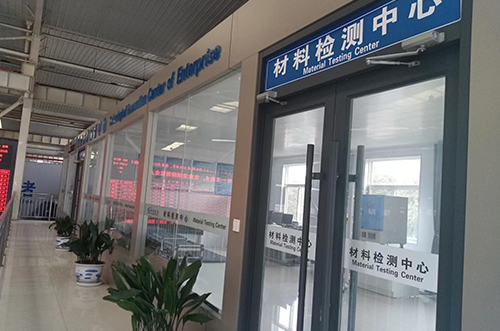
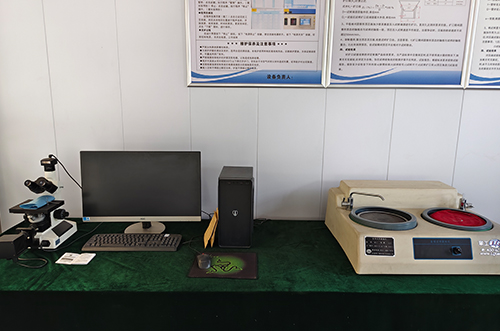
Explore our full range of titanium bars, composite materials, sheets, and tubes manufactured to meet demanding industrial plating standards.