Leave Your Message
Precision-engineered titanium solutions trusted by global energy and power generation industries. Certified to ASTM and international standards.
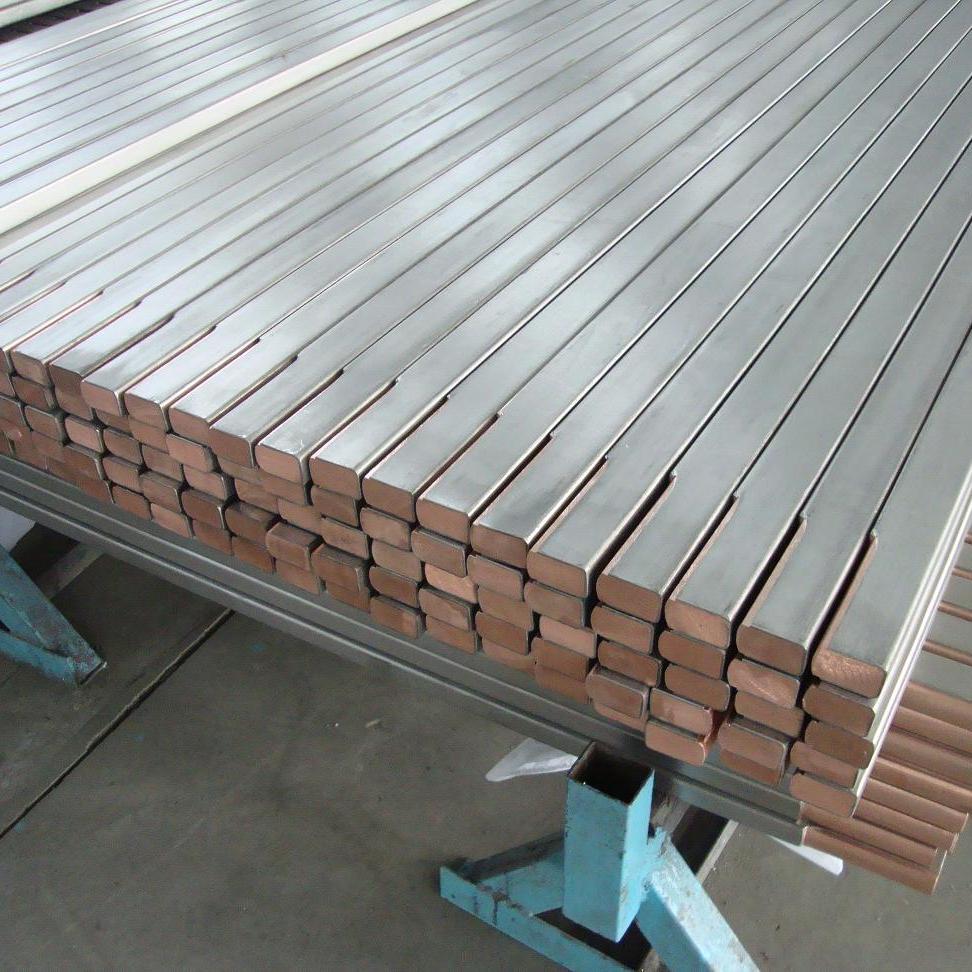
Double-Layer Metal Composite Bars — Titanium, Zirconium & Stainless Steel Clad for Energy Applications

High-Quality Titanium Plate & Sheet ASTM B265 — Ideal for Power Plant Heat Exchangers
Titanium Plate & Sheet ASTM B265 — Renewable Energy & Offshore Power Infrastructure

Titanium Cathodes & Clad Copper Hanger Bars — Energy Storage & Electrolytic Power Systems
As the global energy sector undergoes an unprecedented transformation — driven by decarbonization targets, grid modernization, and the rapid scaling of renewable energy — the demand for high-performance structural and functional materials has never been more critical. Titanium bar has emerged as a cornerstone material across power generation, energy storage, and transmission infrastructure.
With an exceptional strength-to-weight ratio, outstanding corrosion resistance in aggressive media, and long-term reliability under extreme thermal and mechanical stress, titanium bars are replacing conventional steel and nickel alloys in a growing range of energy applications.
🔋 The global titanium market for energy applications is projected to grow at a CAGR of over 6.8% through 2030, driven by nuclear, offshore wind, hydrogen, and geothermal sectors.
China's Baoji region — home to over 70% of the nation's titanium processing capacity — sits at the center of this global supply chain. Manufacturers like Baoji Special Steel Titanium Industry Co., Ltd. are delivering ASTM-certified titanium bars directly to power projects across Asia, Europe, and North America.
Titanium bar offers a unique combination of properties that make it the preferred choice for engineers designing next-generation energy systems.
Titanium naturally forms a stable TiO₂ oxide layer, providing exceptional resistance to seawater, chlorine, sulfuric acid, and steam — critical for offshore, geothermal, and chemical power plants.
At roughly 60% the density of steel with comparable tensile strength, titanium bars reduce structural weight in turbines, heat exchangers, and pressure vessels without compromising load-bearing capacity.
Titanium maintains mechanical integrity at temperatures up to 600°C, making it ideal for high-temperature steam systems, heat recovery units, and nuclear reactor components.
In nuclear power applications, titanium's low neutron cross-section makes it a strategically important structural material for reactor internals and coolant system components.
Titanium components typically last 2–3× longer than stainless steel alternatives in corrosive environments, dramatically reducing maintenance cycles and lifecycle costs for energy operators.
Modern titanium alloys (Grade 2, Grade 5 Ti-6Al-4V) offer excellent fabrication characteristics, enabling complex geometries required for turbine blades, fasteners, and structural frames.
Three major global energy megatrends are accelerating the adoption of titanium bar in power infrastructure projects worldwide.
Global offshore wind capacity is expected to reach 380 GW by 2030. Titanium bars are critical for monopile foundations, tower fasteners, and subsea cable conduit systems exposed to continuous marine corrosion and fatigue loading.
PEM and alkaline electrolyzers for green hydrogen production require titanium bars and titanium clad components for bipolar plates, anode frames, and structural supports — a market growing at over 40% annually.
With over 60 new nuclear reactors under construction globally, titanium bars are in high demand for steam generator tubing supports, heat exchanger baffles, and coolant system structural components requiring zero-corrosion performance.
Geothermal brine contains aggressive chloride and hydrogen sulfide concentrations that destroy conventional metals within months. Titanium bars deliver 20+ year service life in these extreme underground environments.
Vanadium redox flow batteries and advanced electrochemical storage systems utilize titanium current collectors and electrode frames, driving new demand for precision-machined titanium bar stock.
Aging coal and gas power plants undergoing environmental retrofits are replacing carbon steel condenser tubes and heat exchanger components with titanium, driven by stricter emissions and efficiency regulations.
From megawatt-scale turbines to microscale electrochemical cells, titanium bars serve a diverse and technically demanding set of roles across the energy value chain.
Titanium bars are machined into tube sheets and support rods for condenser systems in coal, gas, and nuclear power plants. Their immunity to cooling water corrosion (including seawater-cooled facilities) ensures decades of uninterrupted operation with zero tube failures — a critical reliability metric for baseload power generation.
Offshore wind turbines face simultaneous fatigue, marine corrosion, and biofouling. Titanium bar fasteners and structural frames in nacelles and tower sections provide the fatigue life and corrosion immunity required for 25-year design lifetimes without mid-life replacement — significantly reducing operational expenditure.
In PEM electrolyzers, titanium bars are machined into bipolar plate frames, end plates, and current distributor supports. The combination of electrical conductivity when surface-coated, zero hydrogen embrittlement, and acid resistance under operating conditions makes titanium bar the only viable structural material at scale.
Titanium bars are used in reactor coolant system supports, steam generator tube sheet assemblies, and pressurizer heater sleeves. Their low neutron activation, high-temperature strength, and resistance to primary water stress corrosion cracking (PWSCC) make them indispensable in both PWR and BWR reactor designs.
High-voltage subsea power cables connecting offshore platforms and wind farms to onshore grids require titanium bar conduit frames and anchor systems at seabed termination points — environments where cathodic protection alone cannot prevent corrosion of conventional steel structures.
Geothermal brines at temperatures up to 350°C contain chlorides, CO₂, and H₂S in concentrations that rapidly corrode carbon steel and even duplex stainless steel. Titanium bar components in wellhead assemblies, brine separators, and heat exchanger frames provide the only cost-effective long-life solution.
 World-Class Quality — Unparalleled Standards
 Custom-Tailored Solutions — Swift Execution
 Streamlined Logistics — Global Reach
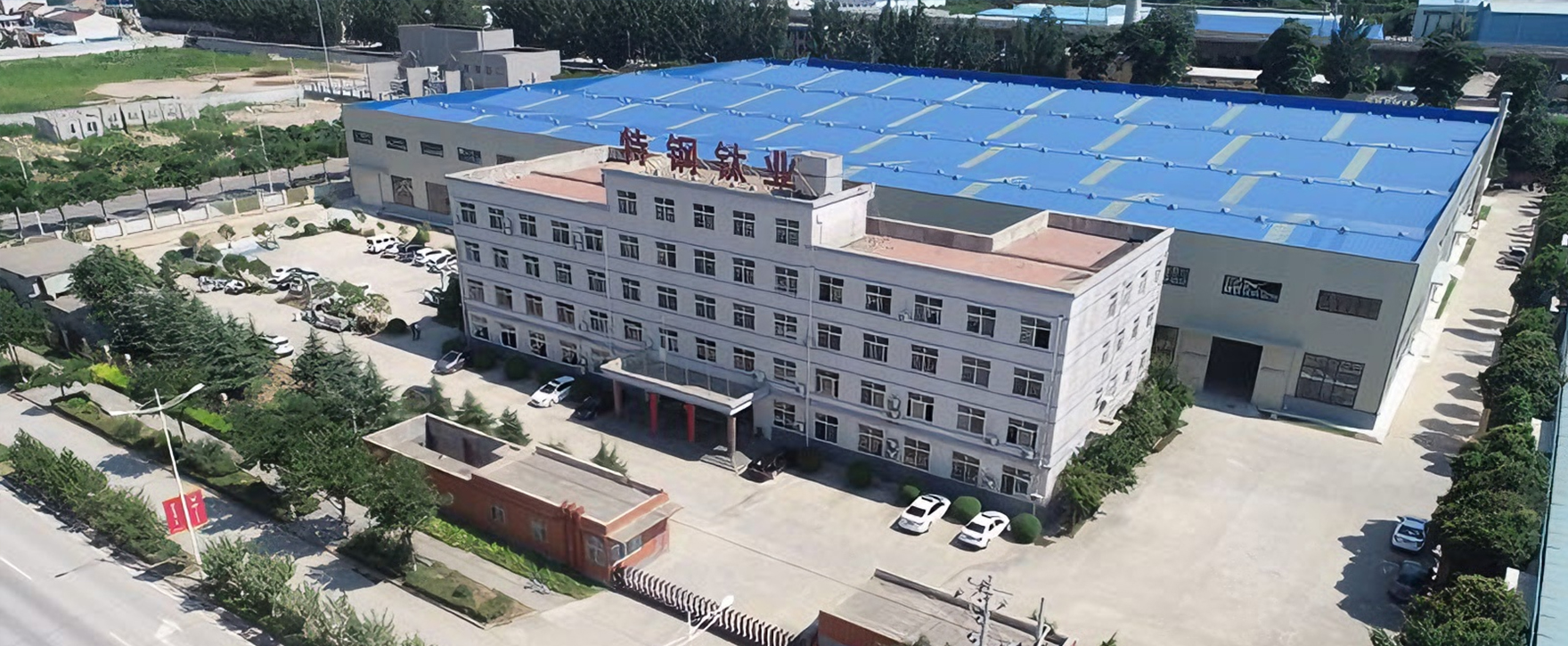
Baoji Special Steel Titanium Industry Co., Ltd. is a joint-stock industrial enterprise specializing in the research, development, manufacturing, and sales of titanium, nickel, zirconium, and other metal pipes and metal composite materials. The company was founded in 1997, located in Shaanxi Baoji National High-tech Industrial Development Zone, with the factory covering an area of 41,000 square meters.
With over 28 years of accumulated expertise in titanium metallurgy and fabrication, we supply precision titanium bars, plates, tubes, and composite materials to energy operators, EPC contractors, and OEM manufacturers across more than 50 countries. Our products are certified to ASTM, ASME, and ISO standards, ensuring compliance with the most stringent energy sector procurement specifications.
FIND OUT MORE →Our titanium products serve critical roles across multiple heavy industries requiring extreme corrosion resistance, thermal stability, and long service life.




Best Practices

Powering Global Mining Operations with Precision Titanium Solutions. Titanium clad copper hanger bars and cathode plates delivering superior performance in high-current electrolytic environments.

Supplying precision titanium bars and composite materials to one of China's largest mining and energy conglomerates, supporting high-throughput electrolytic refining operations.

Delivering corrosion-resistant titanium cathode plates and hanger bars supporting cobalt refining processes critical to the global lithium-ion battery energy storage supply chain.
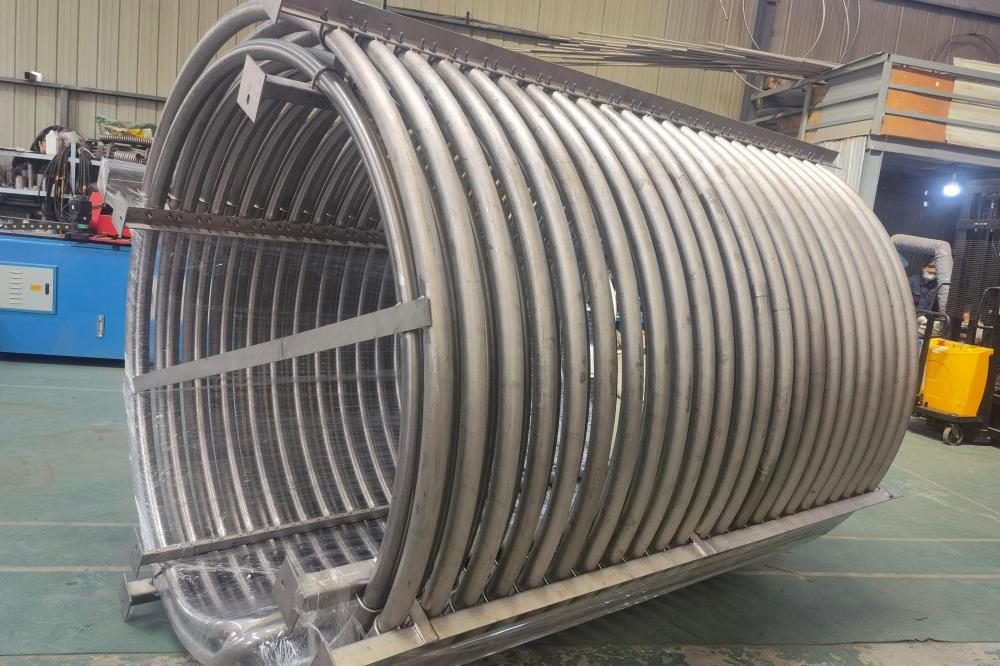
Providing ASTM-certified titanium plates and tube assemblies for Wanhua's world-scale chemical manufacturing facilities, ensuring zero-corrosion performance in highly aggressive process environments.
since
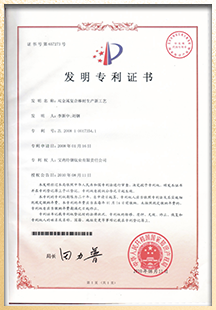
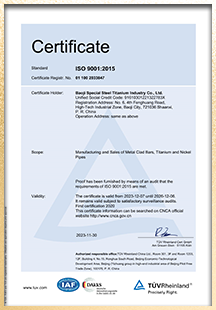
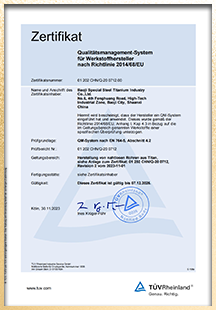
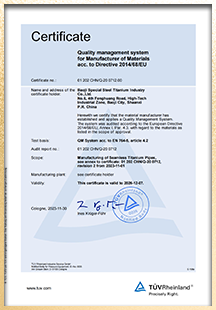
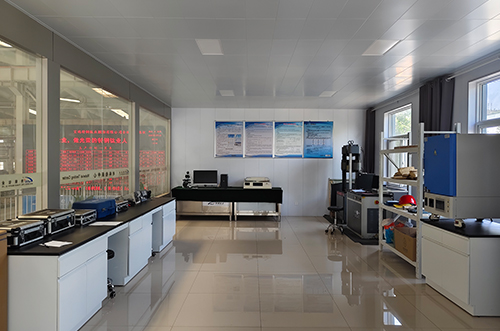
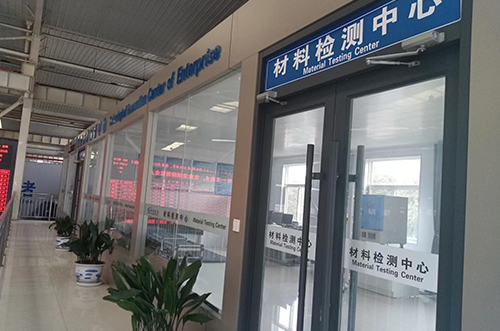
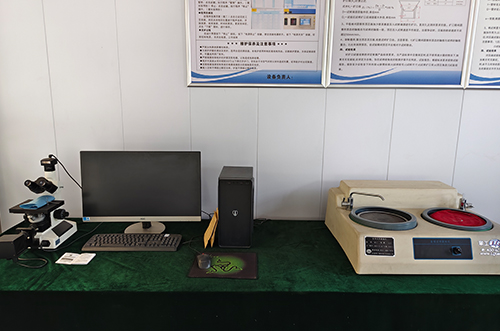
Our titanium bars and composite materials are manufactured under a comprehensive quality management system covering every stage from raw material inspection to final dimensional verification. Every product destined for energy and power projects undergoes rigorous testing to international standards.
IATF 16949 · CE · FMEA · PPAP · APQP · SPC · MSA · 100% TEST
Each titanium bar batch is traceable from melt to finished product, with full material test reports (MTR), dimensional inspection reports, and third-party certification available upon request — meeting the documentation requirements of nuclear, offshore, and critical power infrastructure procurement.
Explore our comprehensive titanium product portfolio — from composite bars and cathodes to plates, tubes, and anodes — all engineered for demanding energy sector environments.
Double-Layer Metal Composite Bars — Titanium, Zirconium & Stainless Steel Clad for Energy
High-Quality Titanium Plate & Sheet ASTM B265 — Power Plant Heat Exchanger Grade
Titanium Plate & Sheet ASTM B265 — Renewable Energy & Offshore Power Systems
Titanium Cathodes & Clad Copper Hanger Bars — Energy Storage & Electrolytic Power

High-Quality Titanium Tube ASTM B338 — Power Plant Condenser & Heat Transfer Systems
Titanium Cathodes — Clad Copper Hanger Bars & Plates for Electrochemical Power Projects
Double-Layer Metal Composite Bars — Nuclear & Offshore Energy Structural Applications

Titanium-Based Lead Dioxide Anode — Electrochemical Energy & Electrolytic Power Systems
Partner with Baoji Special Steel Titanium Industry — 28+ years of precision titanium manufacturing, ASTM-certified products, and global logistics capability. Request your custom quote today.