Leave Your Message
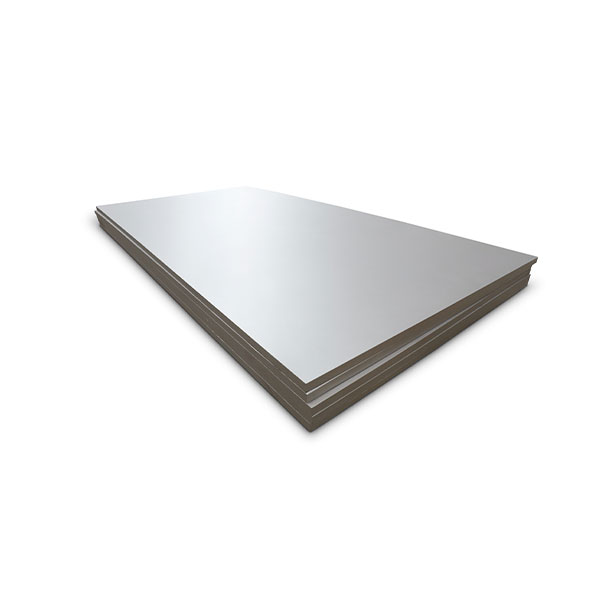
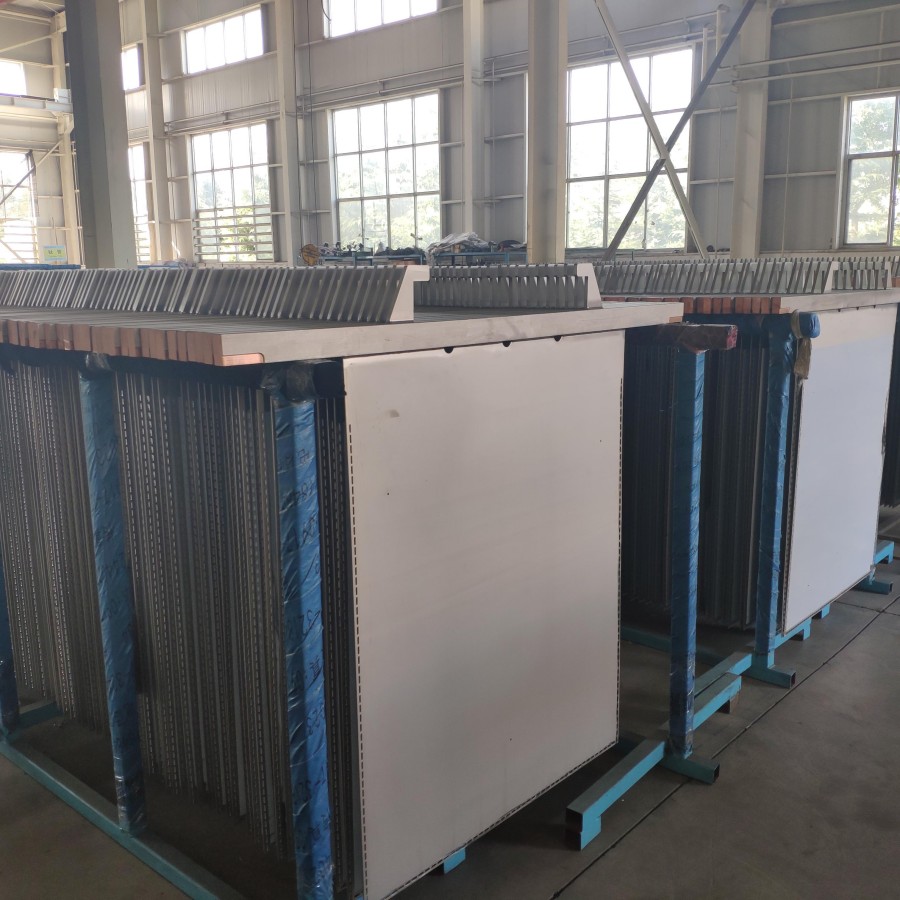
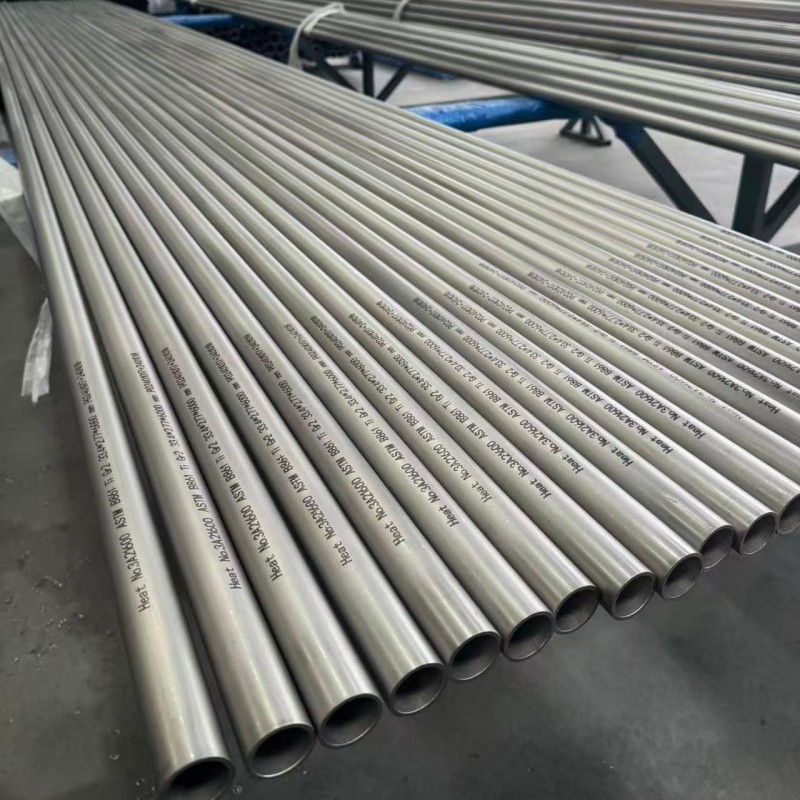
In modern industrial metallurgy, the extraction of valuable metals such as copper, nickel, cobalt, zinc, and gold from low-grade ores requires highly specialized chemical processes. Hydrometallurgy, which uses aqueous chemistry for the recovery of metals, has emerged as the premier method worldwide. However, the operational environment within a hydrometallurgical plant is exceptionally hostile. Acid leaching, high-pressure oxidation, and electrowinning operations involve highly corrosive media—including sulfuric acid, hydrochloric acid, nitric acid, and chlorine gas—often at elevated temperatures and pressures.
Under these brutal conditions, traditional structural materials like carbon steel, stainless steel, and even copper quickly fail due to severe corrosion and chemical degradation. This is where high-performance titanium bars and composite bars become indispensable. Titanium's natural ability to form a stable, self-healing, and highly protective oxide film ($TiO_2$) makes it virtually impervious to corrosion in oxidizing acid environments. Consequently, the application of titanium bars in hydrometallurgy plants has become a cornerstone of modern, efficient, and environmentally sustainable metal extraction.
Titanium is not merely an alternative material; it is a critical engineering asset. By offering unmatched resistance to crevice corrosion, pitting, and stress corrosion cracking, titanium components ensure zero contamination of the extracted high-purity metals while significantly reducing plant downtime and maintenance overheads.
The global transition toward green energy, electric vehicles (EVs), and large-scale battery storage has driven an unprecedented demand for battery-grade nickel, cobalt, and lithium. Because these metals are primarily extracted from low-grade laterite ores and complex sulfides through High-Pressure Acid Leaching (HPAL) and solvent extraction-electrowinning (SX-EW) processes, the demand for titanium equipment has surged exponentially.
Historically, hydrometallurgical plants accepted frequent component replacements as a cost of doing business. Today, the focus is on lifecycle cost optimization and environmental compliance. Modern plants are designed for operational lifespans exceeding 20 years, making the upfront investment in premium titanium bars, titanium clad copper hanger bars, and titanium piping networks highly profitable. Furthermore, as environmental regulations tighten globally, plants must eliminate toxic emissions and liquid leaks. Titanium’s absolute reliability prevents catastrophic failures and chemical spills, aligning perfectly with modern Environmental, Social, and Governance (ESG) standards.
Within a hydrometallurgical facility, titanium bars are utilized in a variety of critical roles, ranging from pure structural support to sophisticated electrical energy transmission. Below is a detailed analysis of their primary application scenarios:
In the electrowinning (EW) stage, metal ions are recovered from the pregnant leach solution by passing a high-current electric charge between anodes and cathodes suspended in an acidic electrolyte bath. The hanger bars supporting these cathodes and anodes must perform two contradictory functions: they must have excellent electrical conductivity to minimize energy losses, and they must withstand the highly corrosive acid mist rising from the bath.
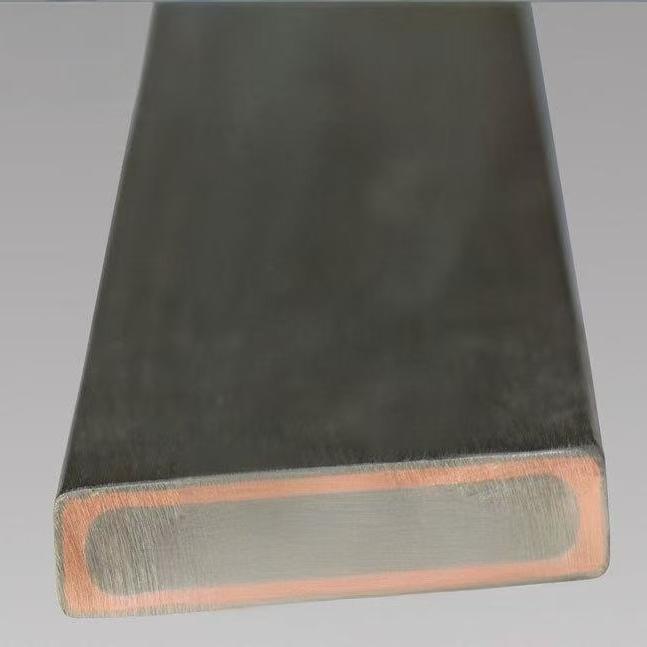
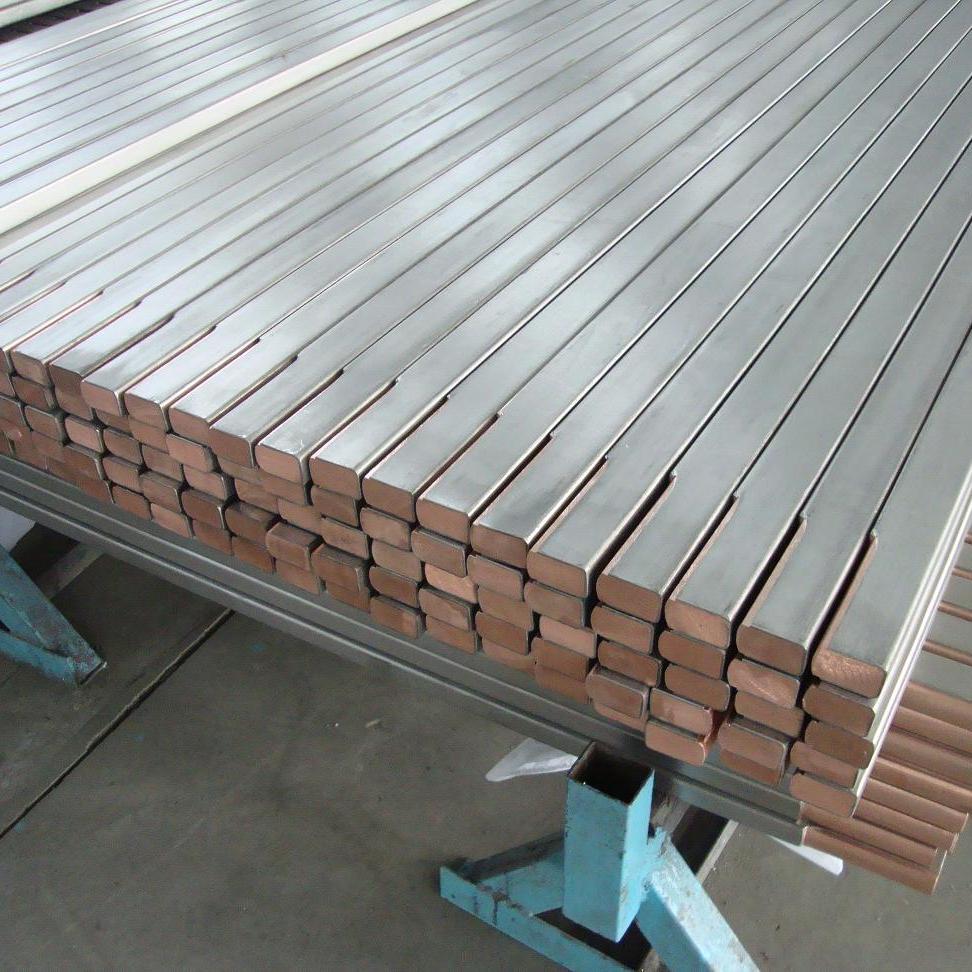
Pure copper hanger bars possess excellent conductivity but corrode rapidly, contaminating the bath and increasing resistance. Pure titanium hanger bars offer excellent corrosion resistance but have high electrical resistance, leading to massive energy waste. The solution is the Titanium Clad Copper Bar. By metallurgically bonding a protective layer of titanium over a highly conductive copper core, these composite bars provide the best of both worlds. They deliver high current density while remaining completely immune to the acid electrolyte, dramatically lowering power consumption and extending the service life of the cathode system.
High-Pressure Acid Leaching (HPAL) autoclaves operate at temperatures up to 250°C and pressures exceeding 4 MPa, utilizing concentrated sulfuric acid to digest nickel laterite ore. The internal agitator shafts, blades, baffle supports, and gas spargers are subjected to violent mechanical stress, high-velocity slurry erosion, and extreme acid corrosion.
Solid titanium bars (typically Grade 5 or specialized Grade 12 alloys) are machined into heavy-duty agitator components, tie rods, and fasteners. The high tensile strength of alloyed titanium, combined with its erosion-corrosion resistance, prevents mechanical failures that could result in catastrophic autoclave shutdowns.
Titanium bars are widely used as the structural framing and current-distributing spines for Mixed Metal Oxide (MMO) coated titanium anodes and permanent stainless steel or titanium cathodes. The structural rigidity of the titanium bar ensures that the electrodes remain perfectly flat and parallel. This precise spacing is critical for maintaining a uniform current distribution, preventing short circuits, and ensuring consistent product quality.
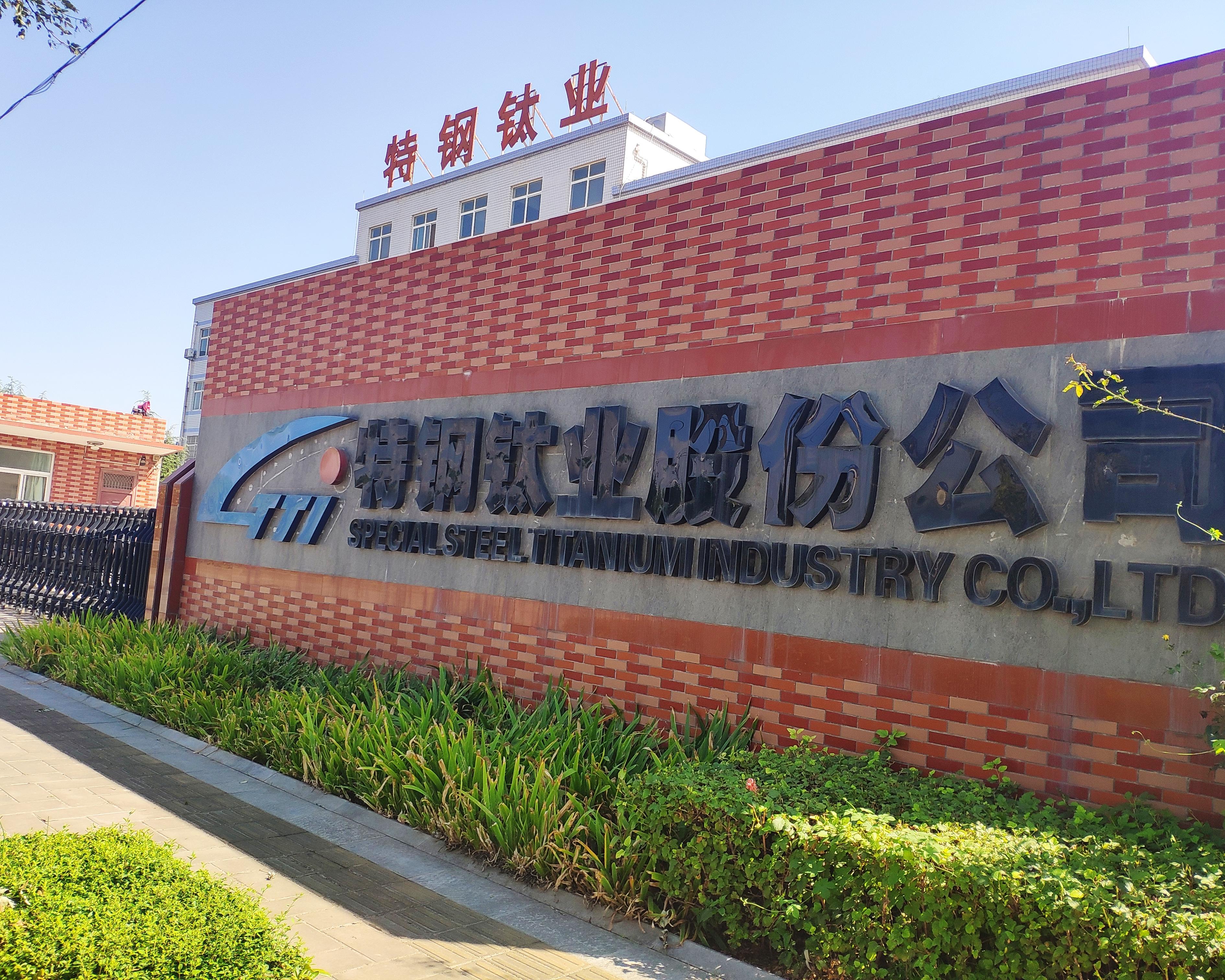
Baoji Special Steel Titanium Industry Co., Ltd.


Leveraging over two decades of material science expertise, Baoji Special Steel Titanium Industry Co., Ltd. manufactures high-quality titanium and composite structures tailored specifically for the demanding requirements of hydrometallurgy plants. Our products are categorized into three major areas:
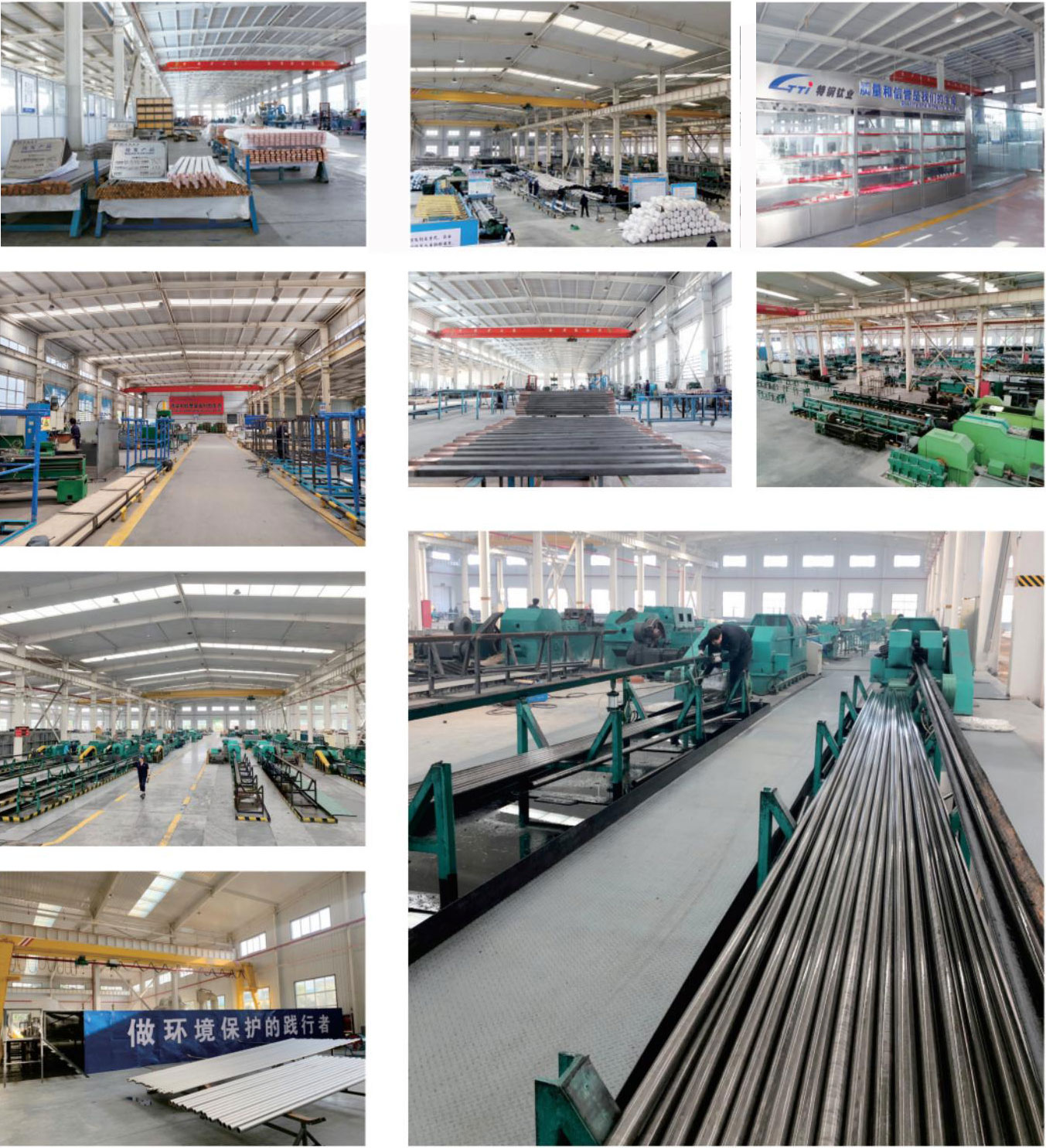
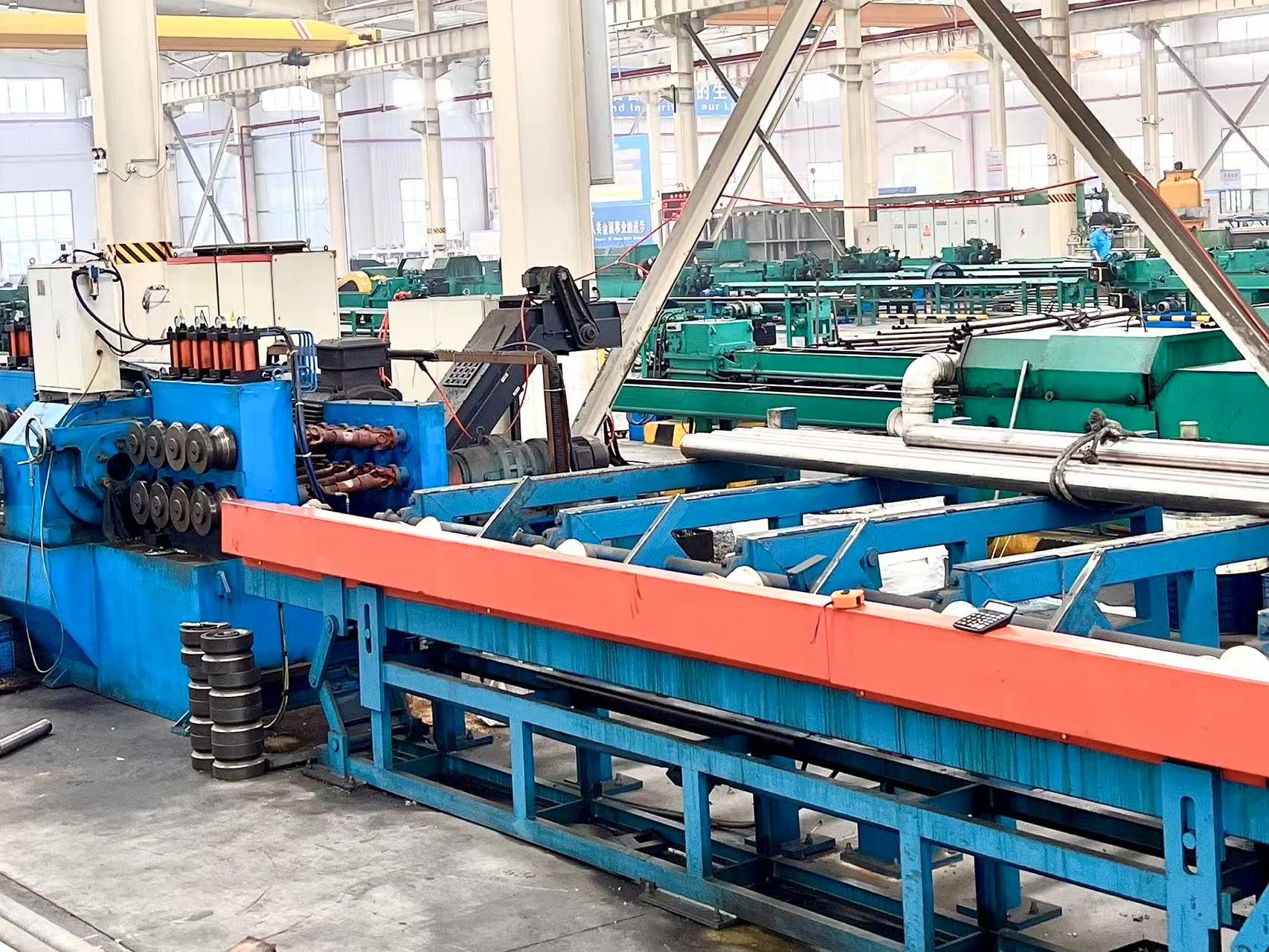
Since its establishment, the company has always adhered to the development strategy of continuous innovation and continued to expand the market with new technology and new products as the fulcrum. After more than 20 years of development and accumulation, our products have entered the markets of Germany, Japan, the United States, Norway, Finland, South Africa, Singapore, India and other countries and regions, and have been highly praised. Stable product quality, integrity as the core of the business philosophy, by the world's customers trust.
To build an excellent enterprise team, continuously improve the management and manufacturing methods, so that every customer can get the maximum benefit from each product is the eternal pursuit of special steel titanium industry personnel.
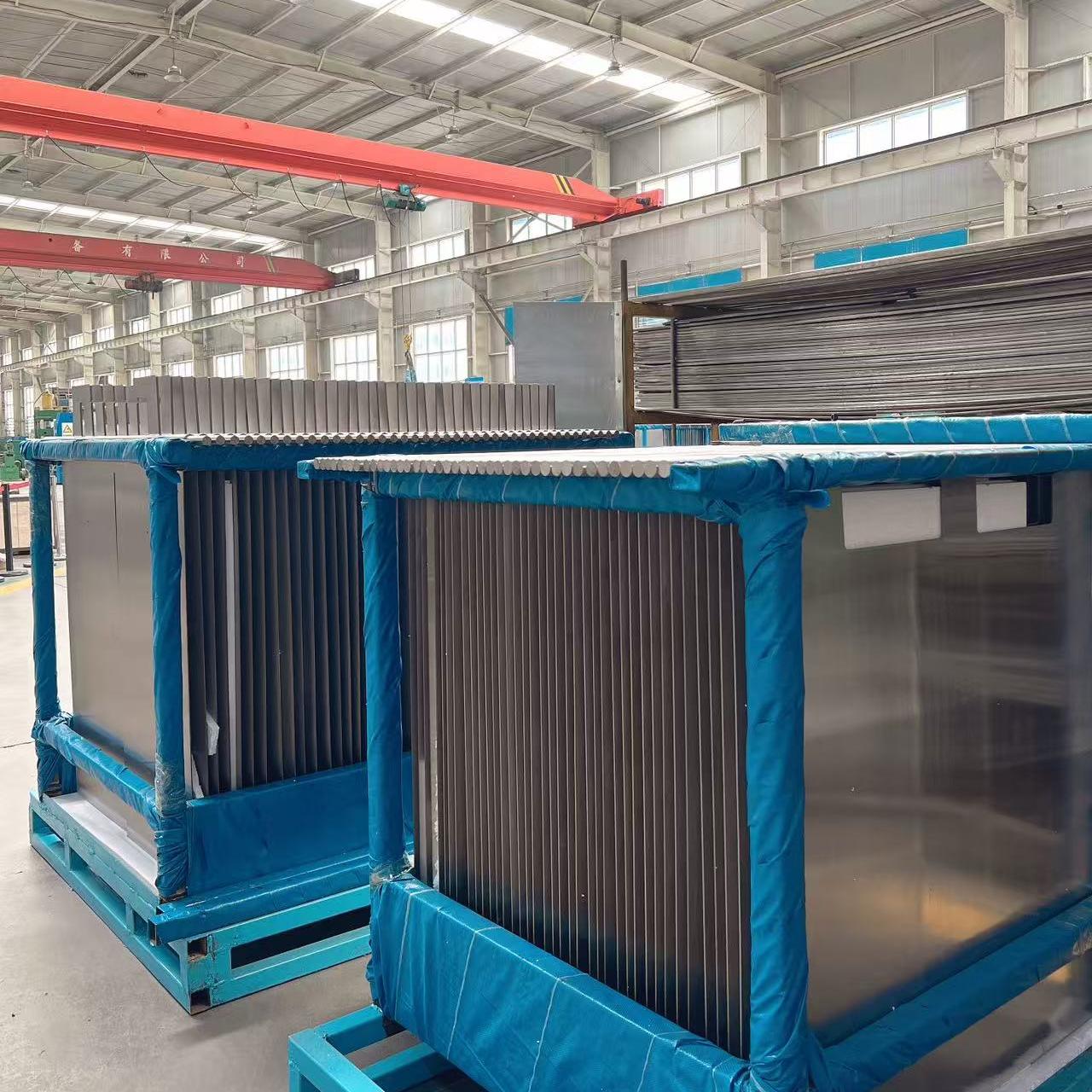
Our state-of-the-art manufacturing facility is equipped with heavy-duty extrusion machines, vacuum annealing furnaces, and advanced non-destructive testing (NDT) systems to ensure every titanium bar and composite material meets international ASTM standards.
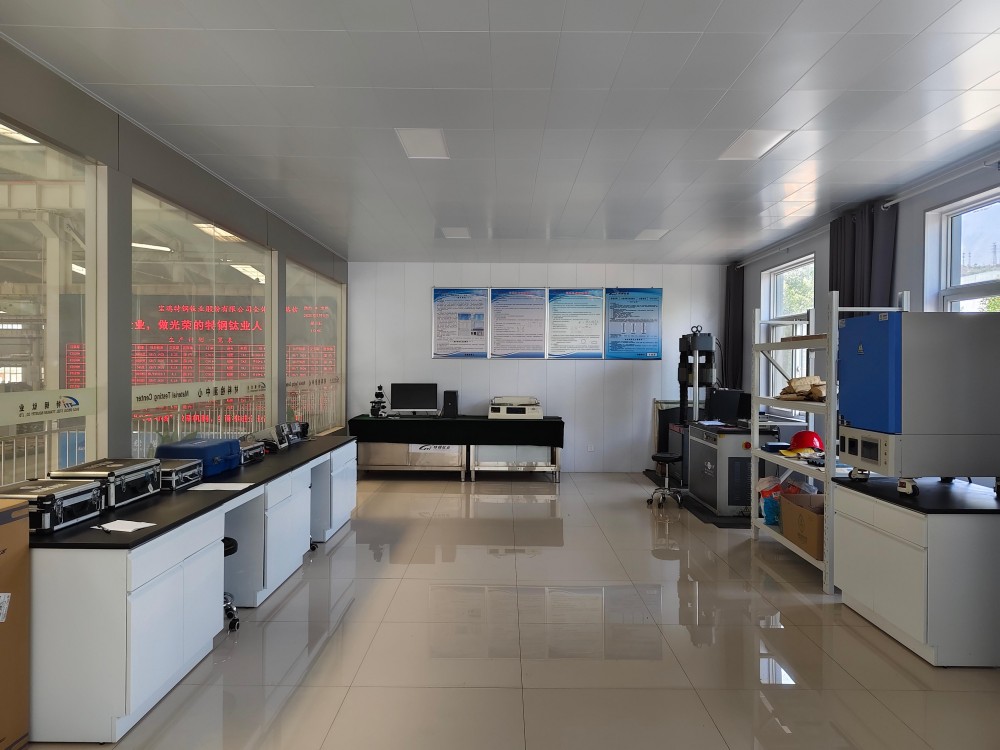
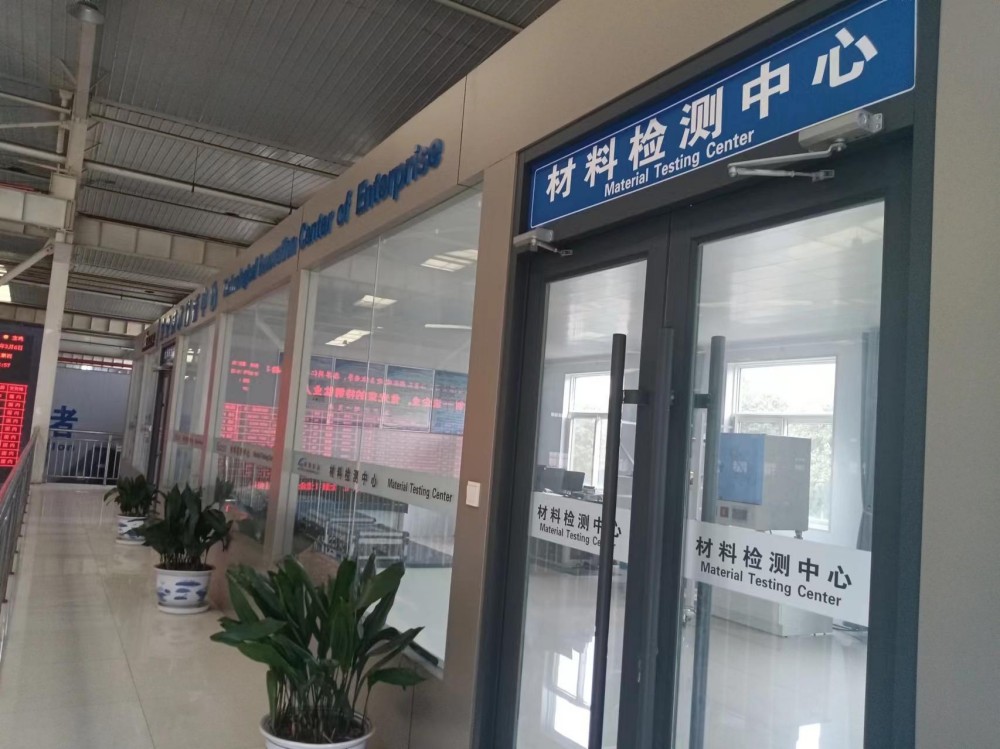
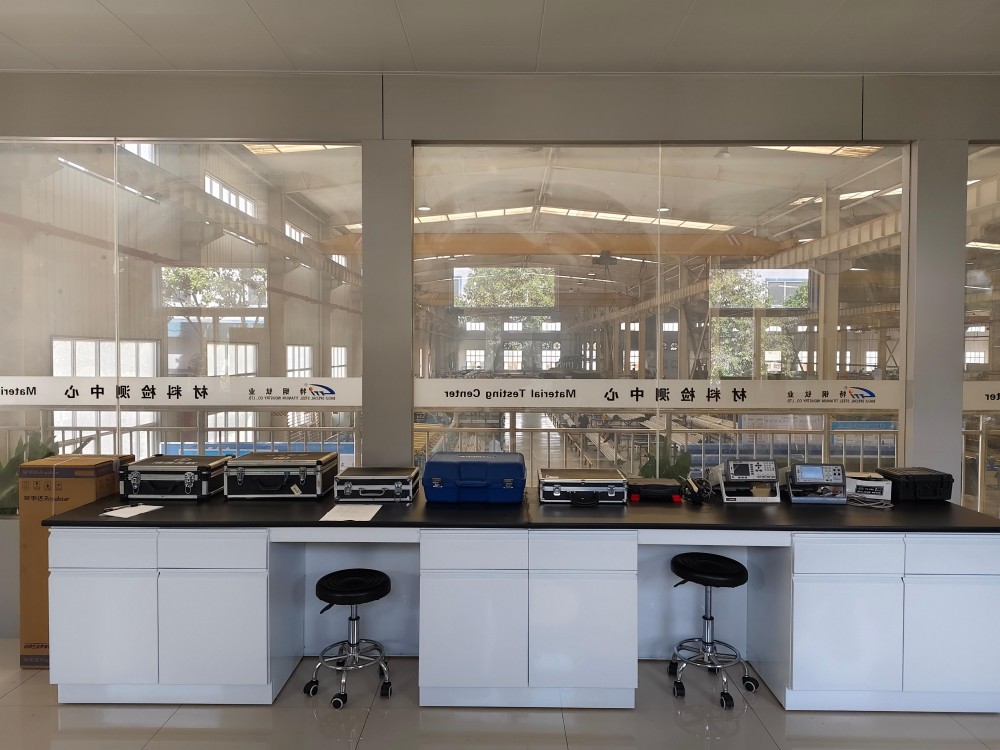
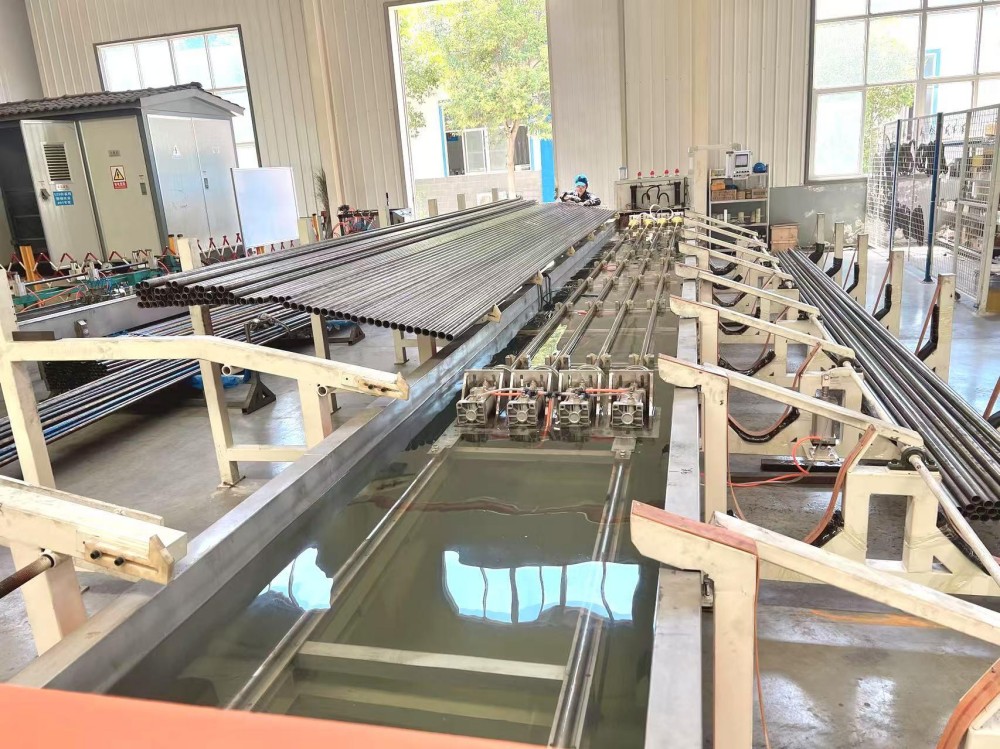
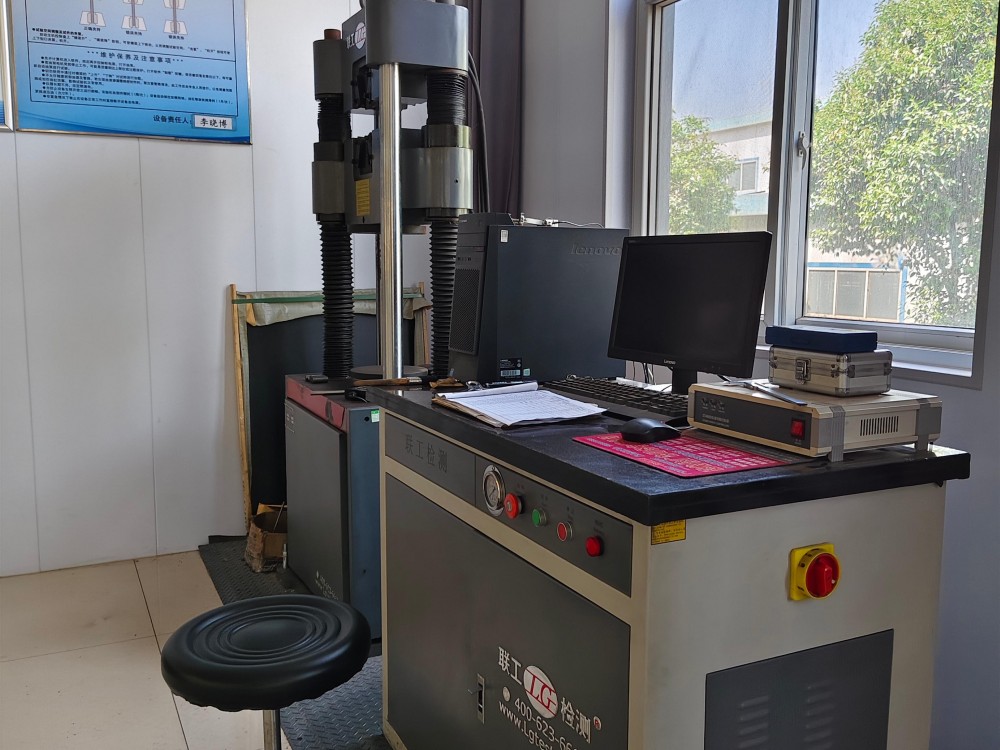
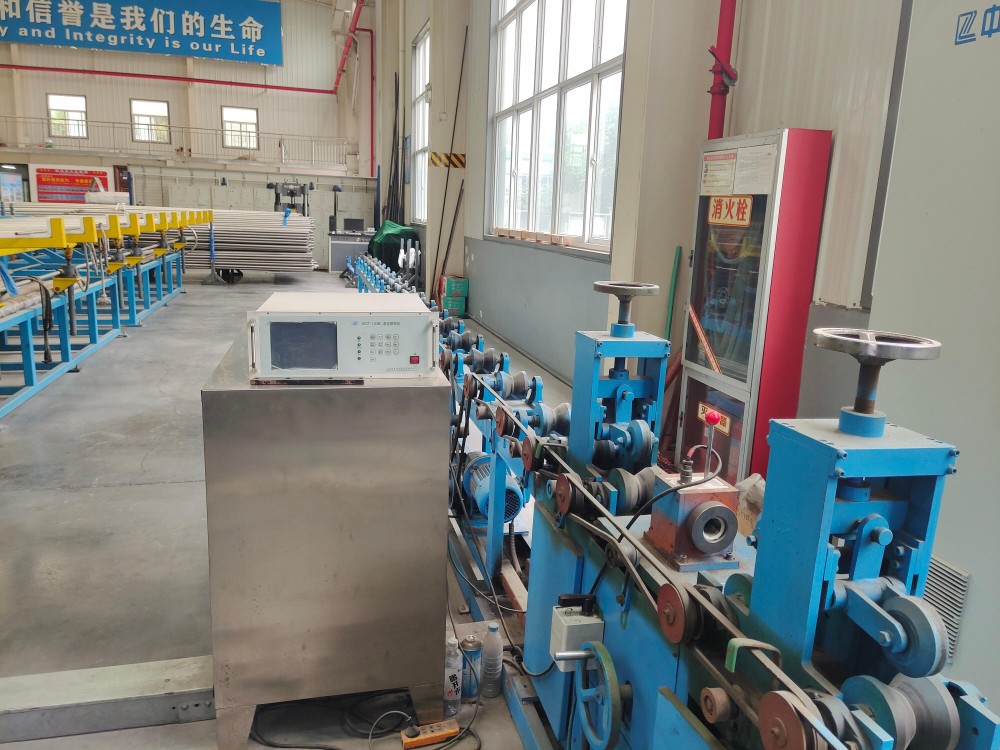
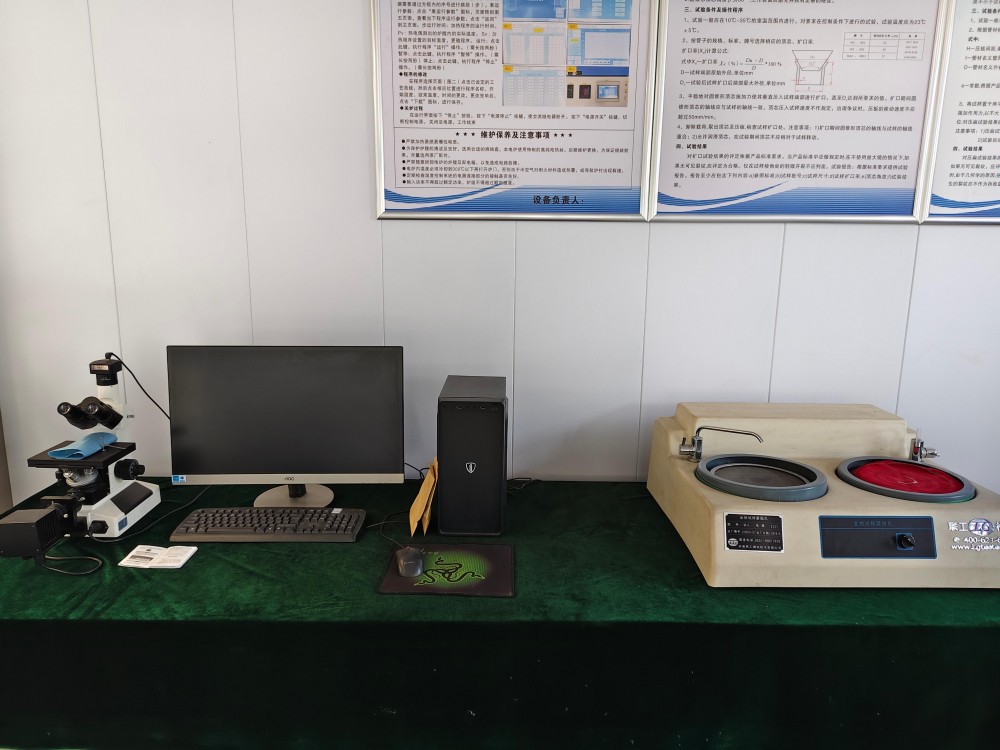
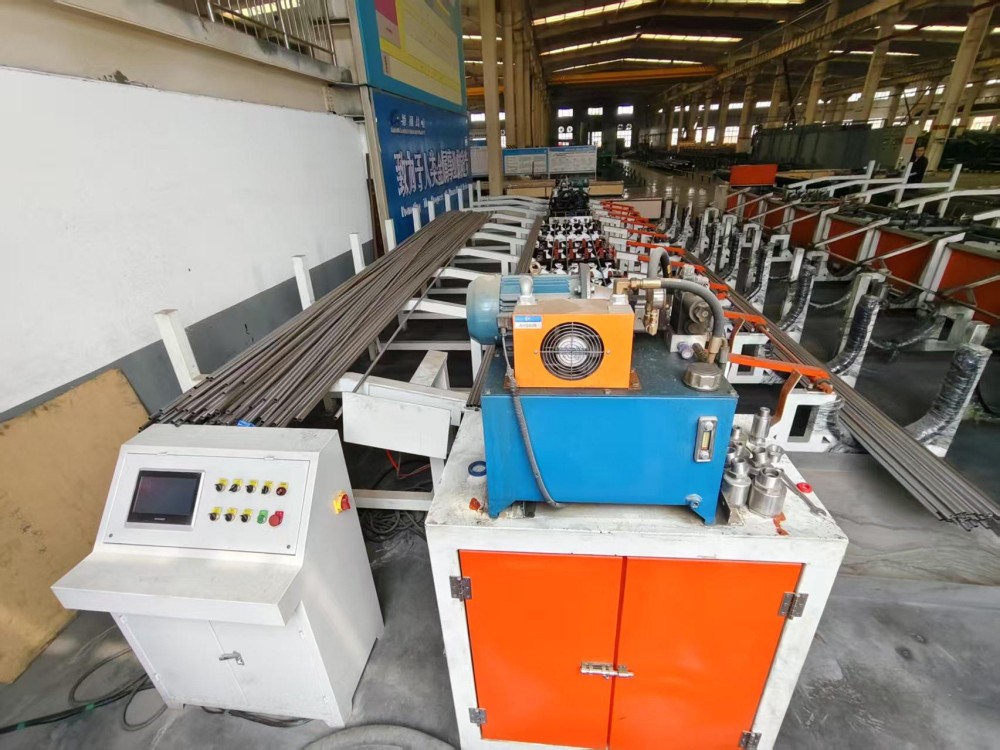
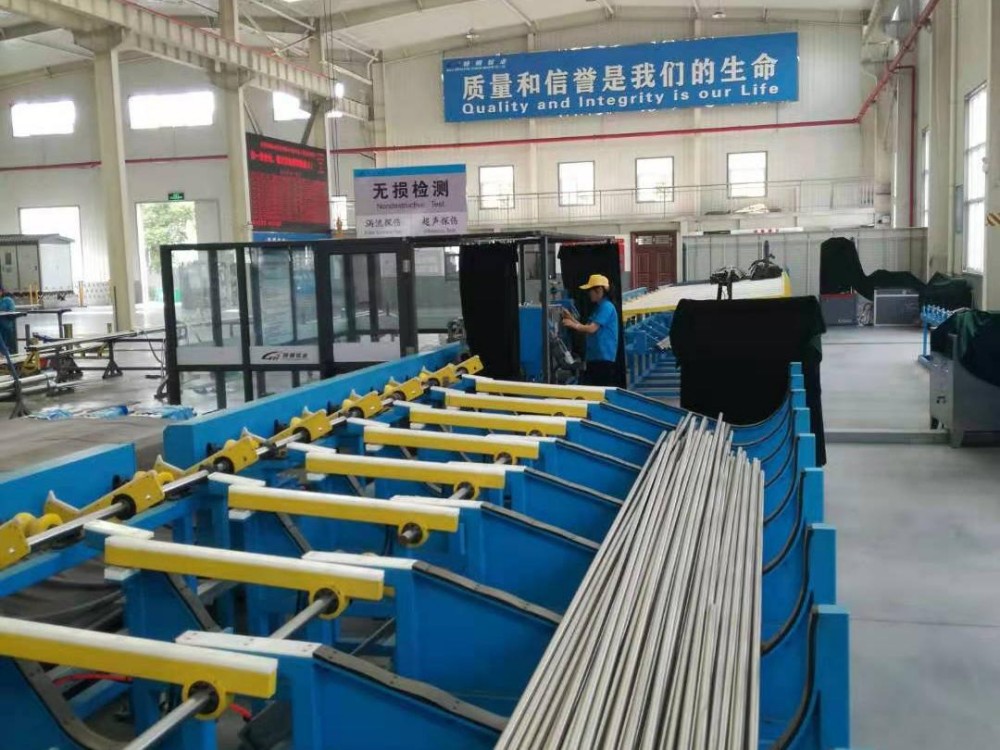
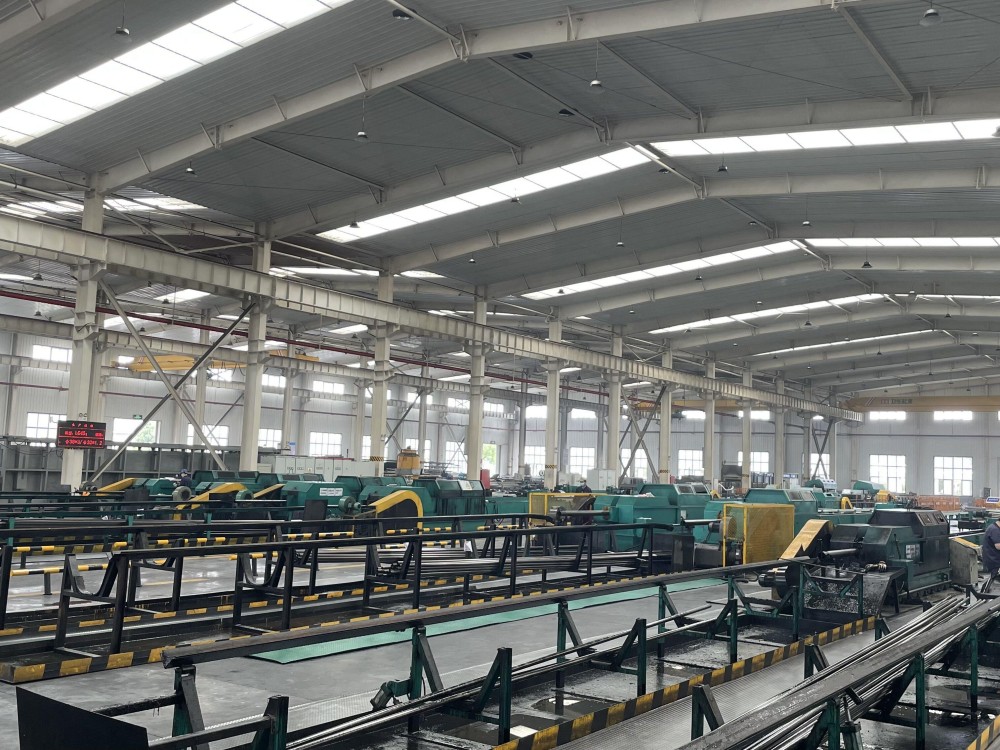
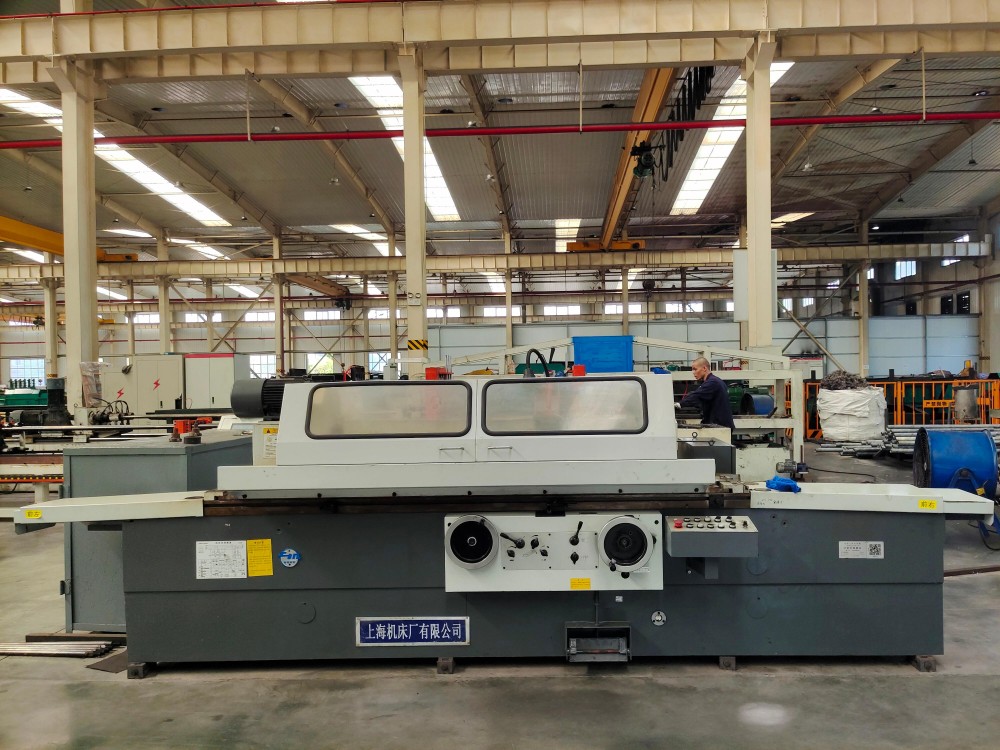
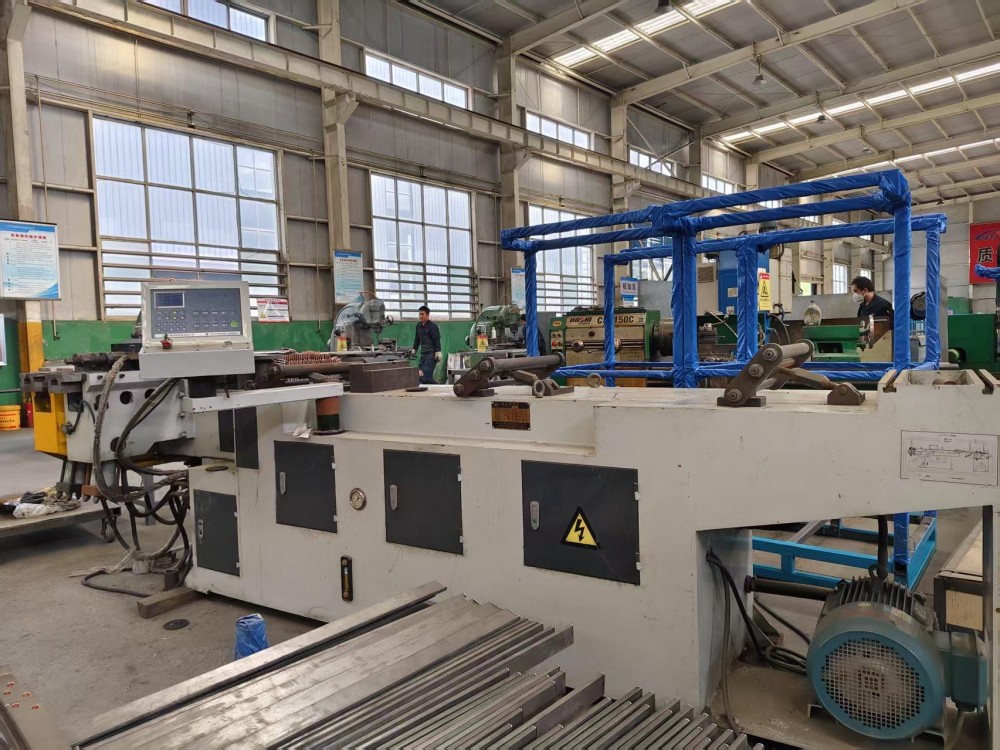
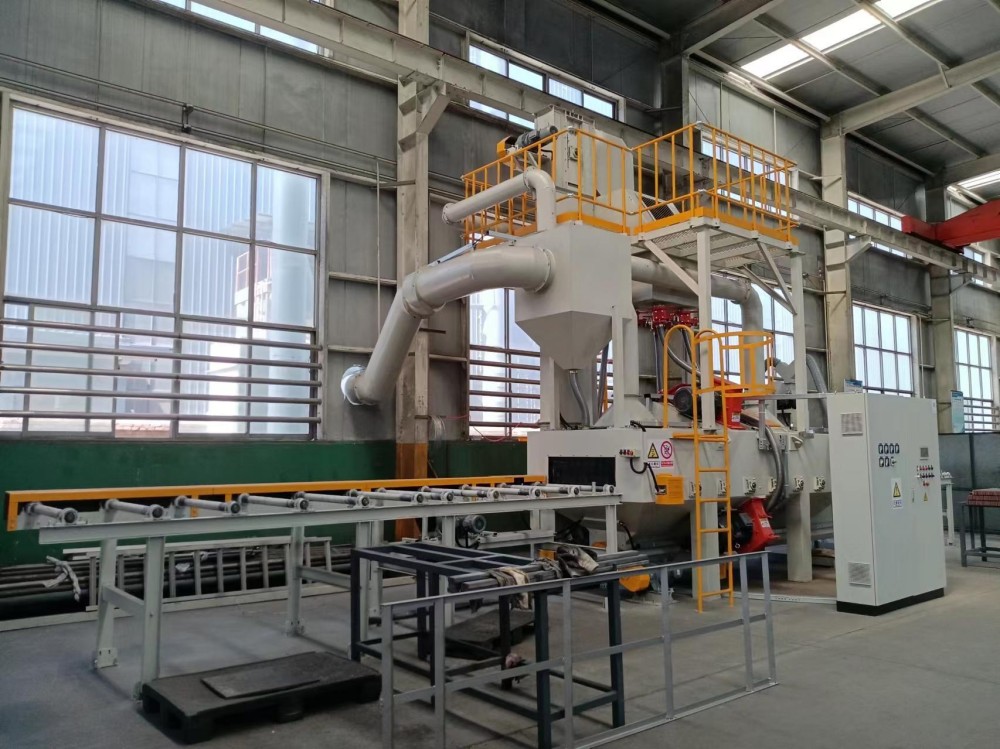
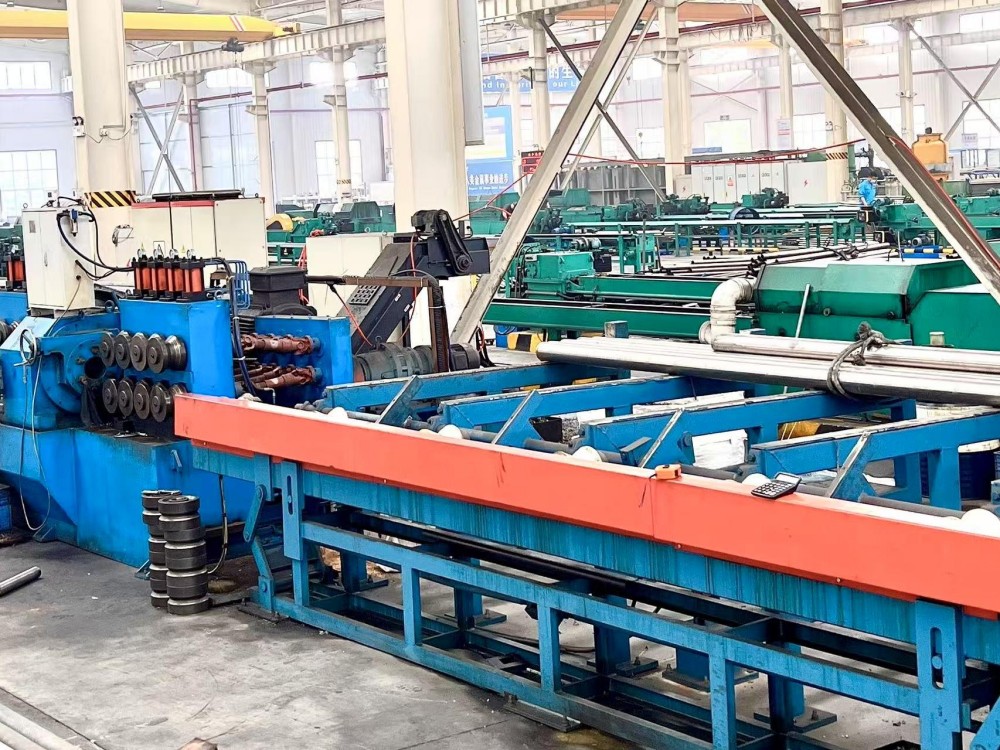
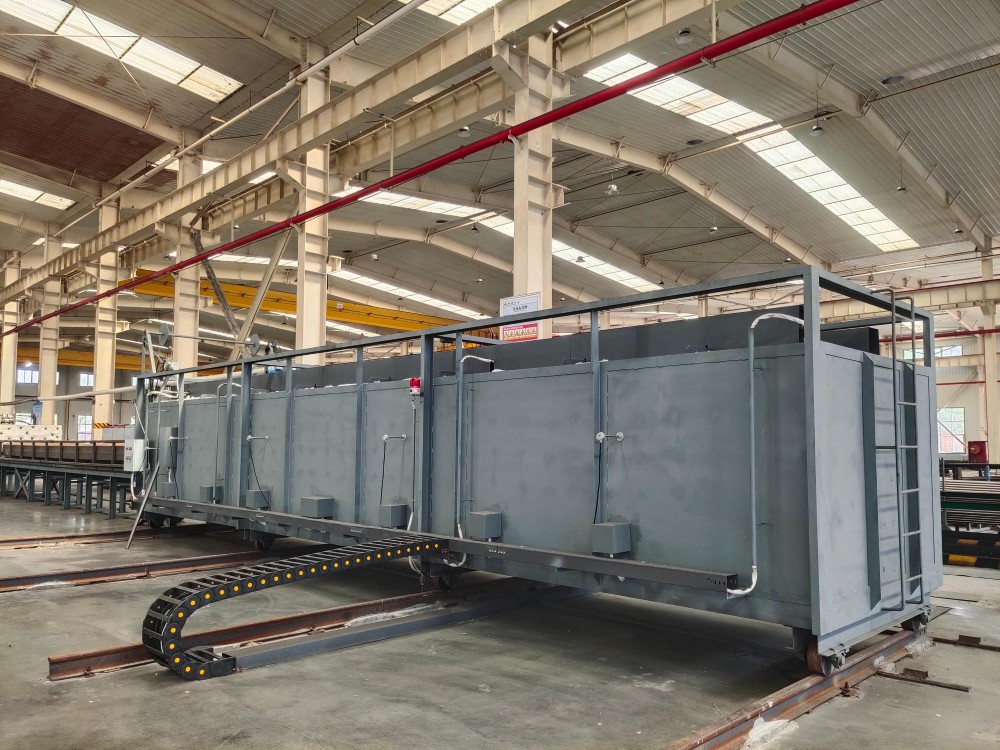
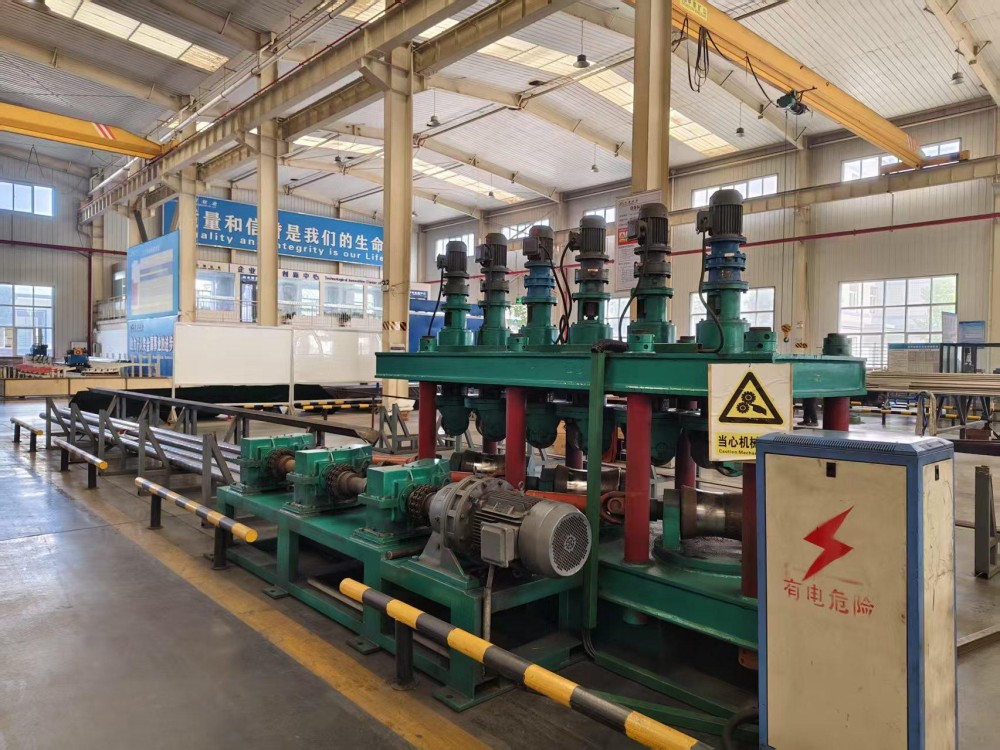
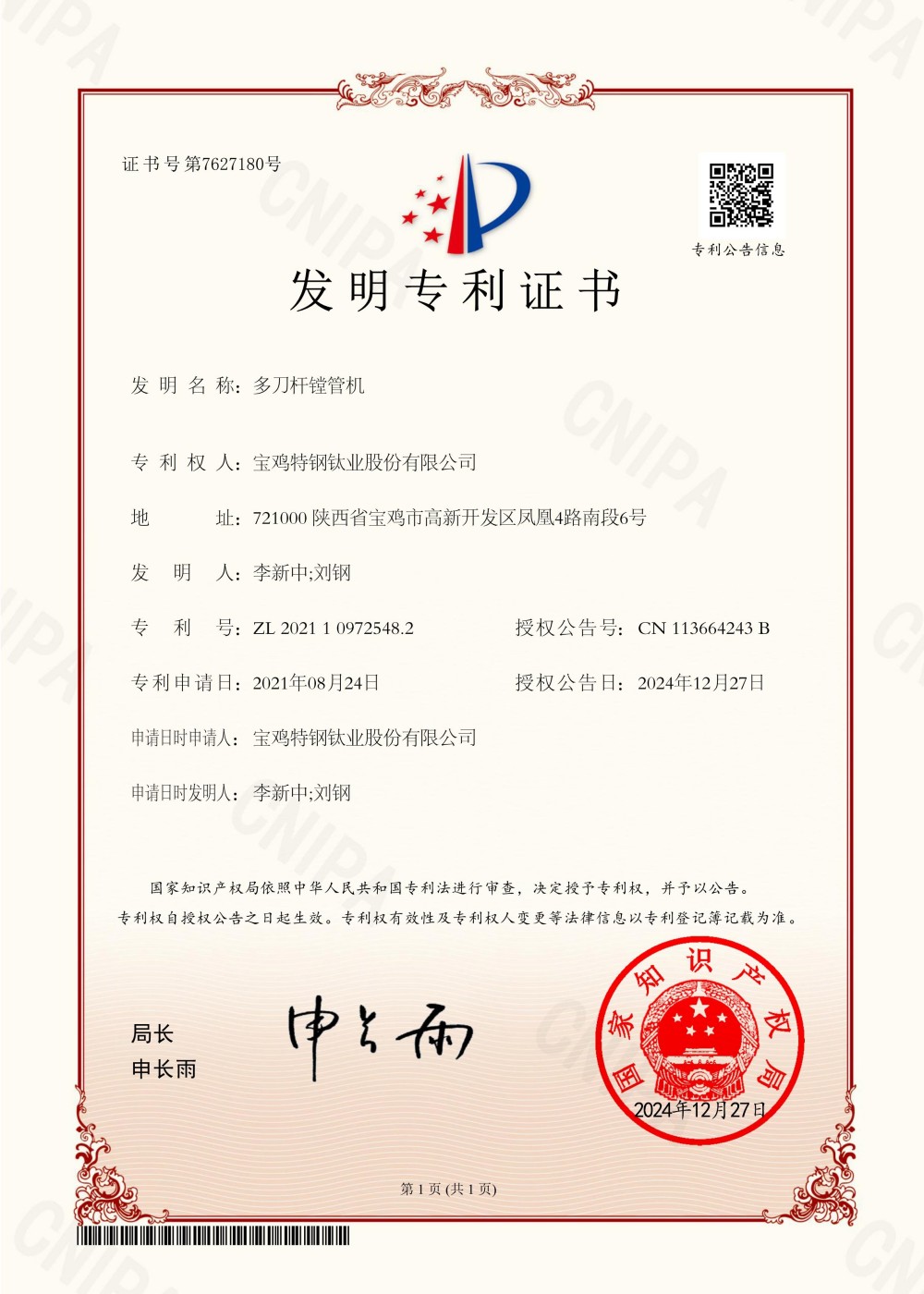
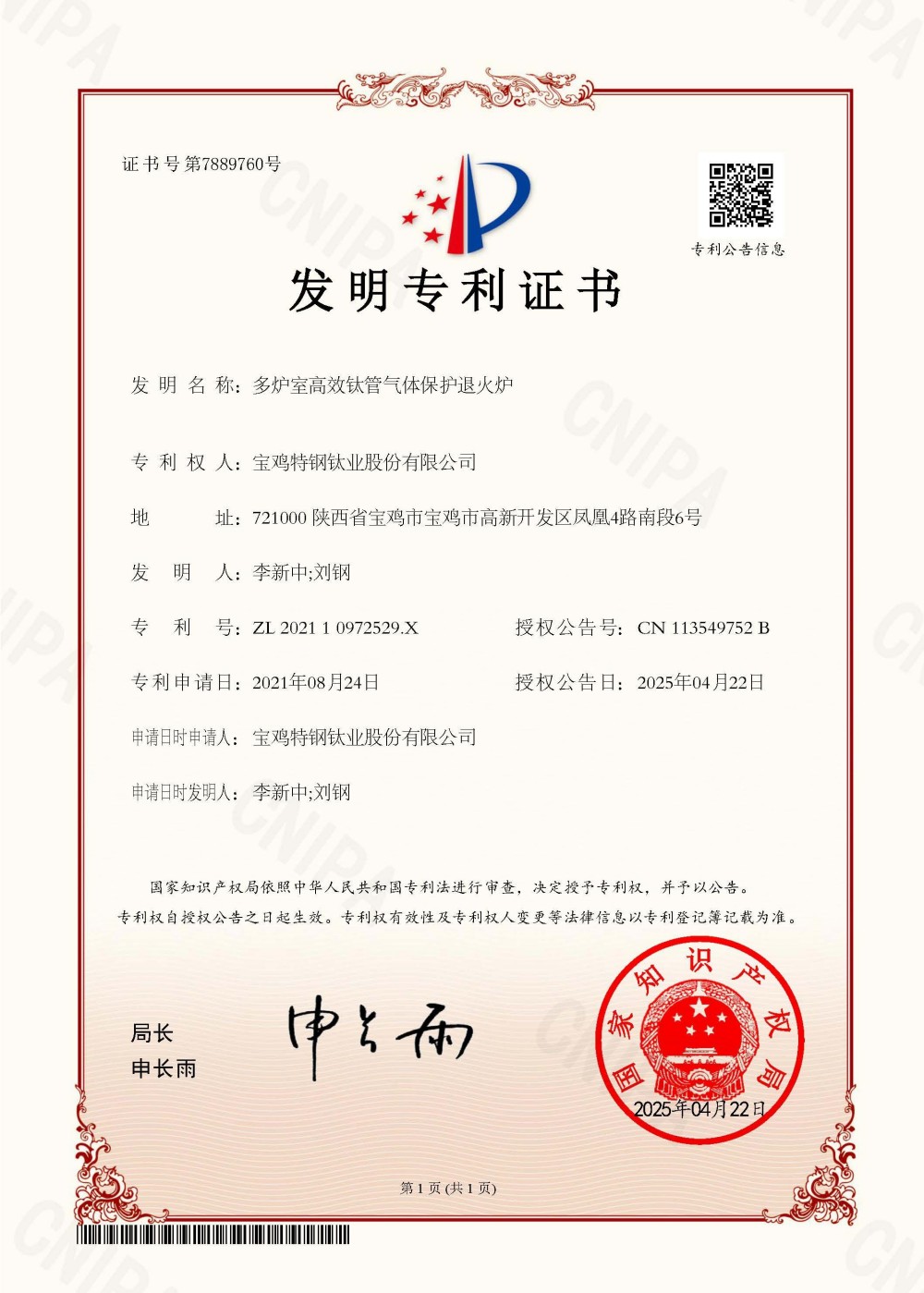
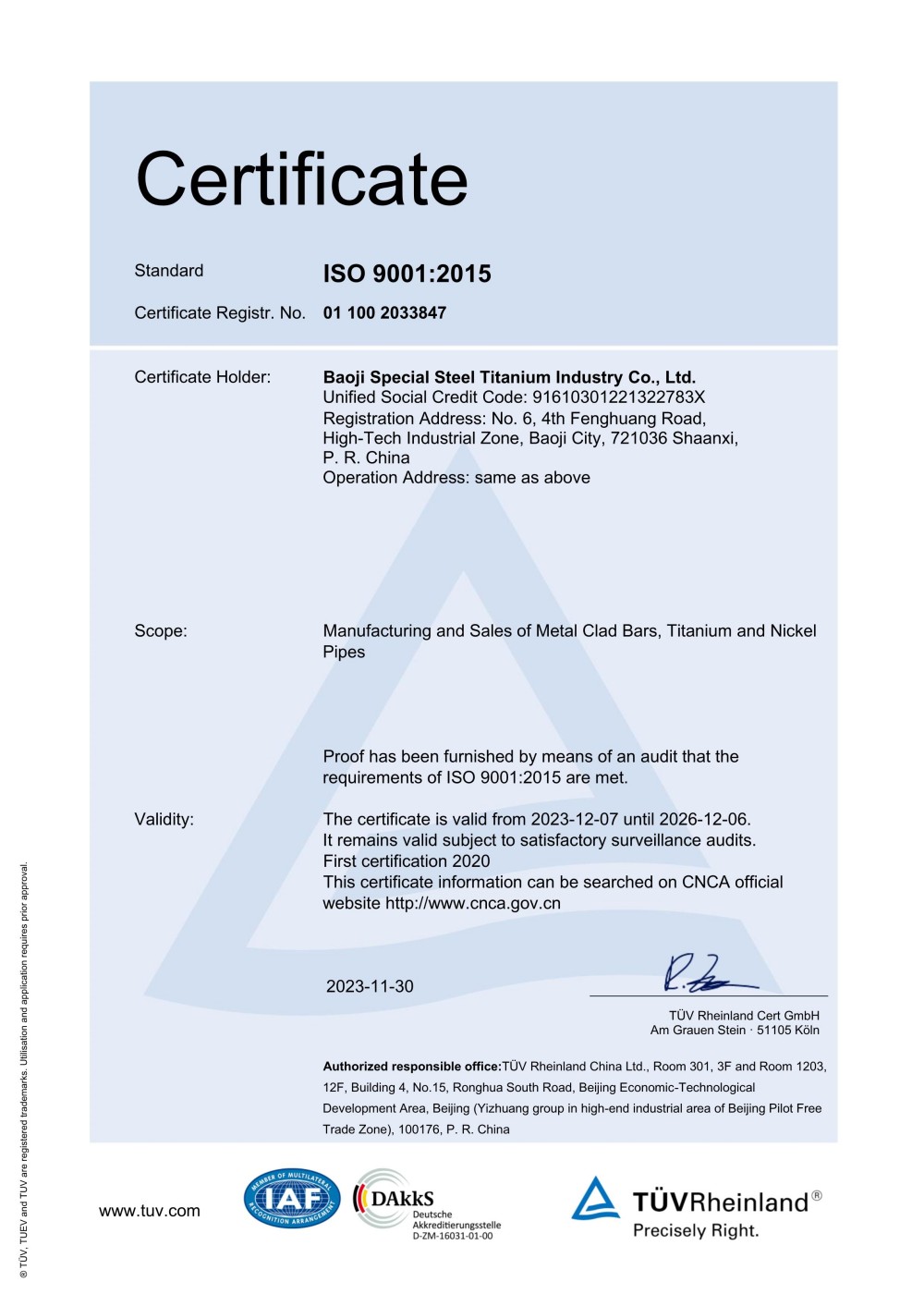
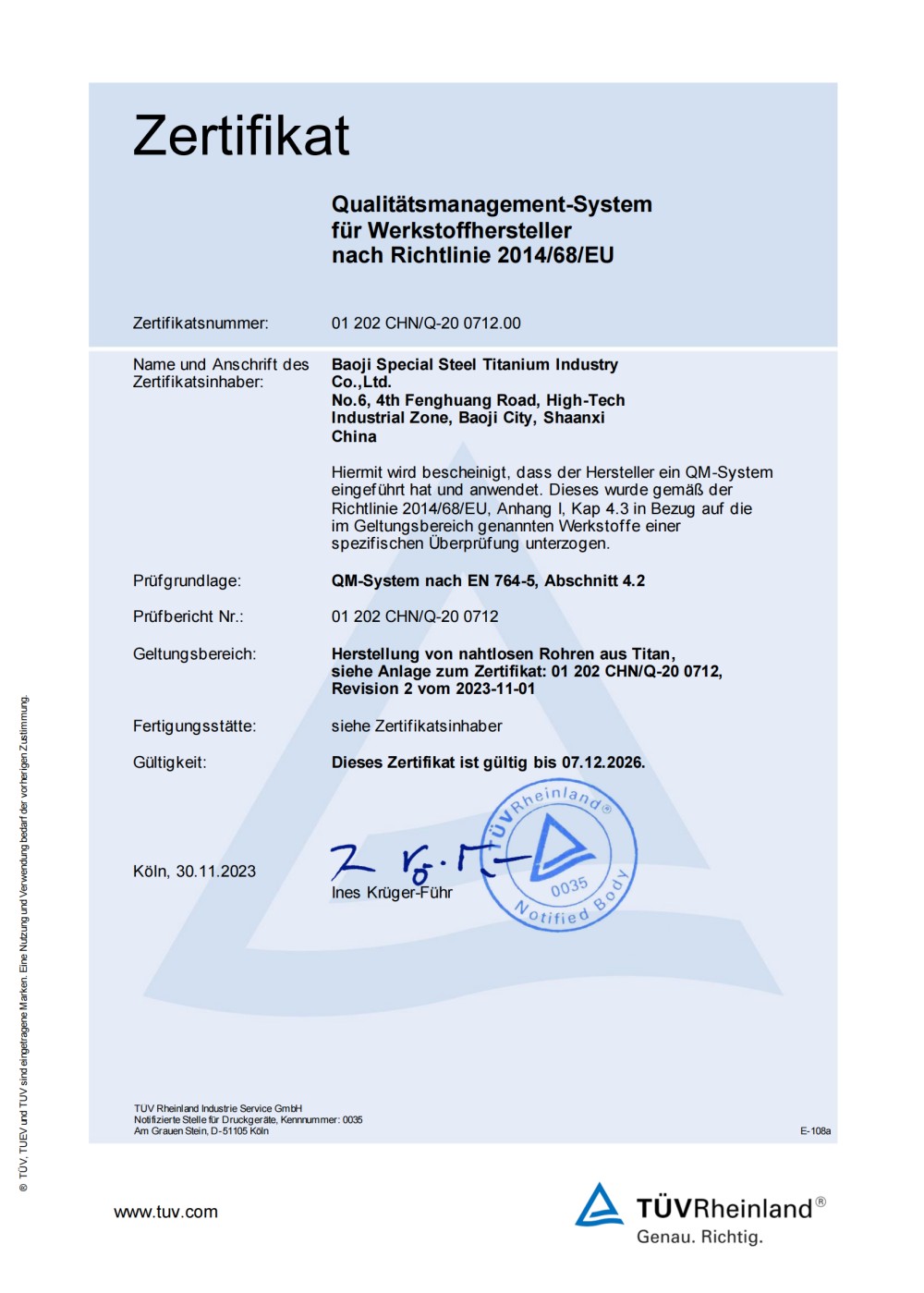
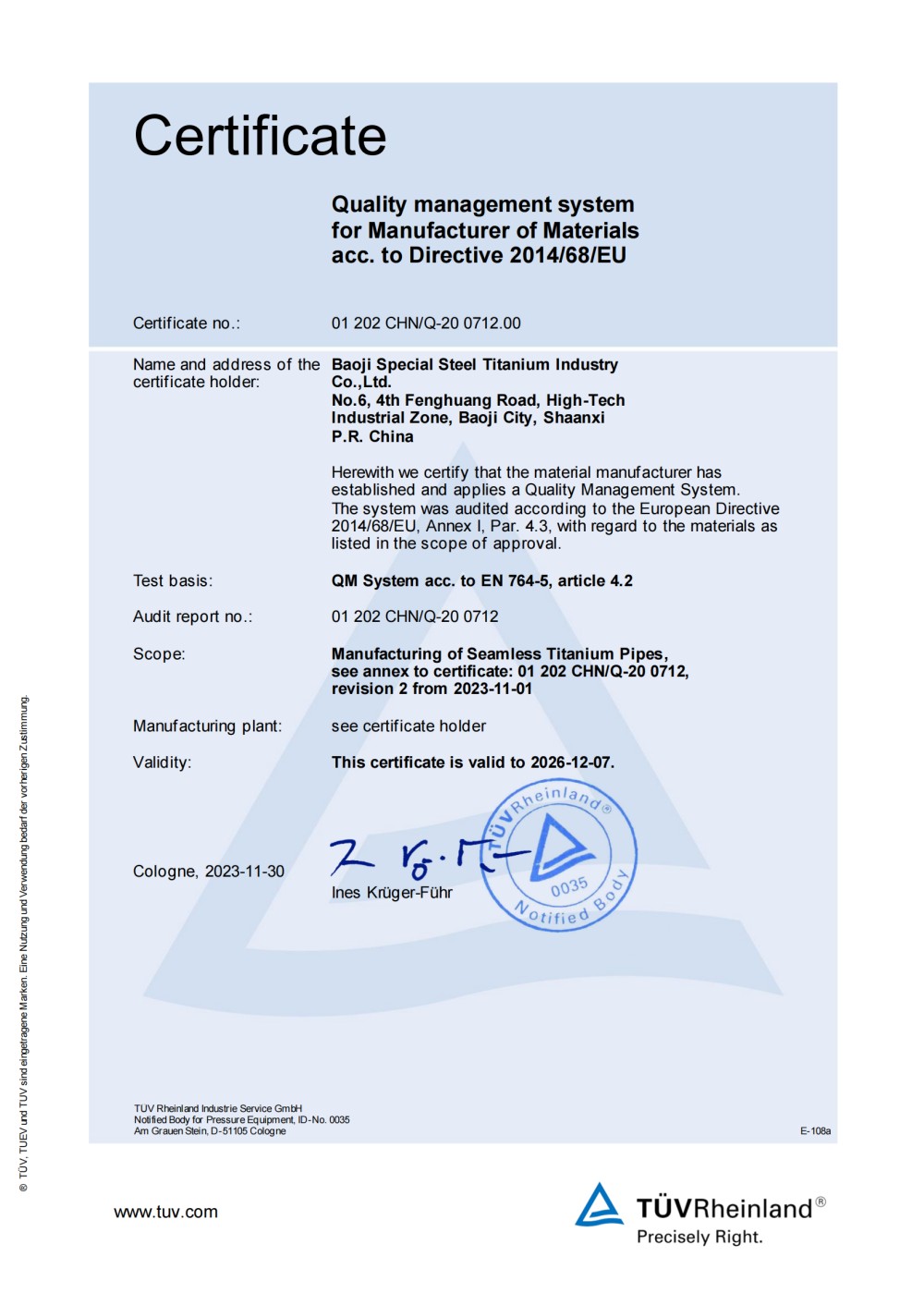
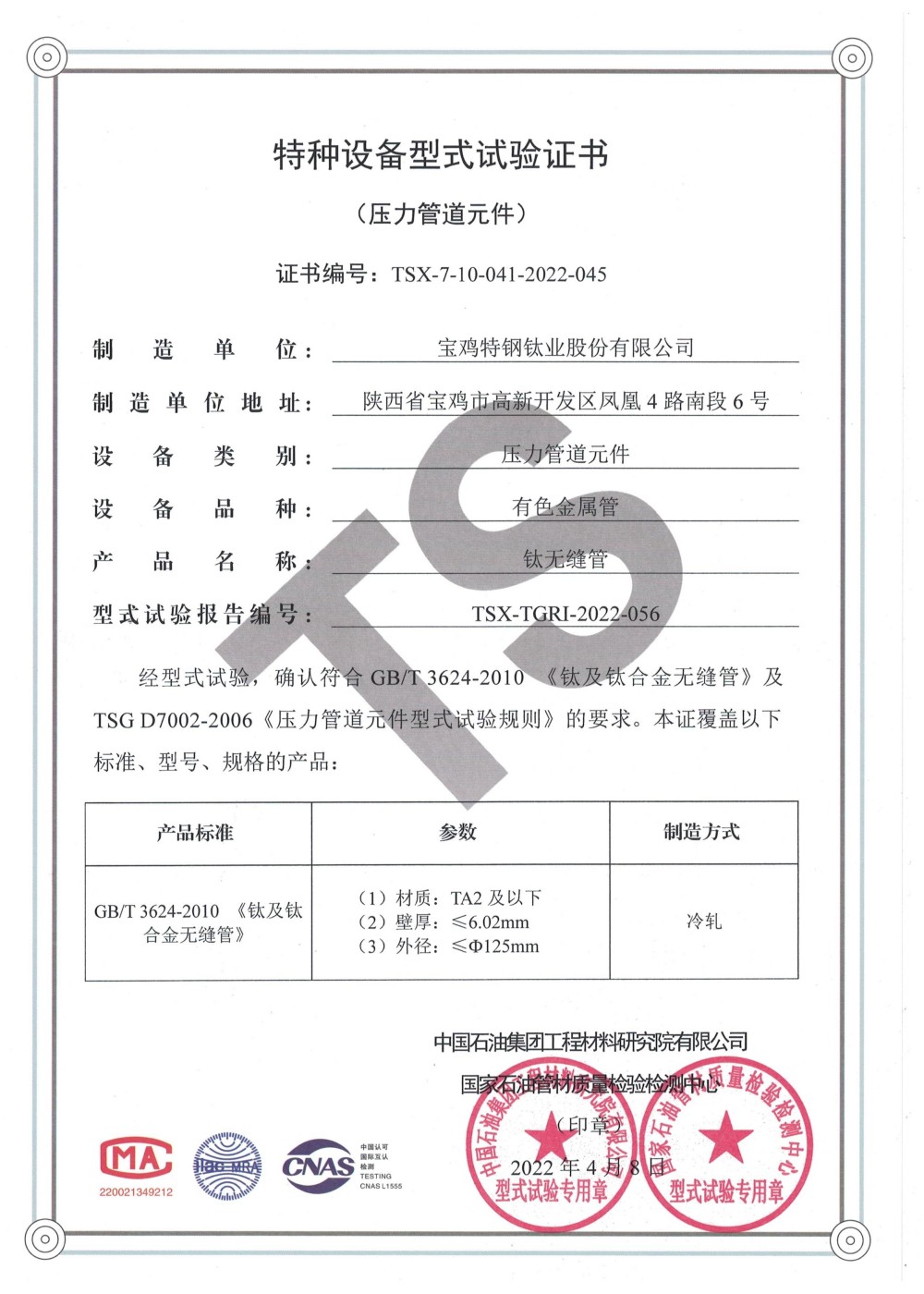
Our commitment to quality is backed by international certifications, ensuring that our titanium products meet the rigorous demands of chemical processing and hydrometallurgical plants.
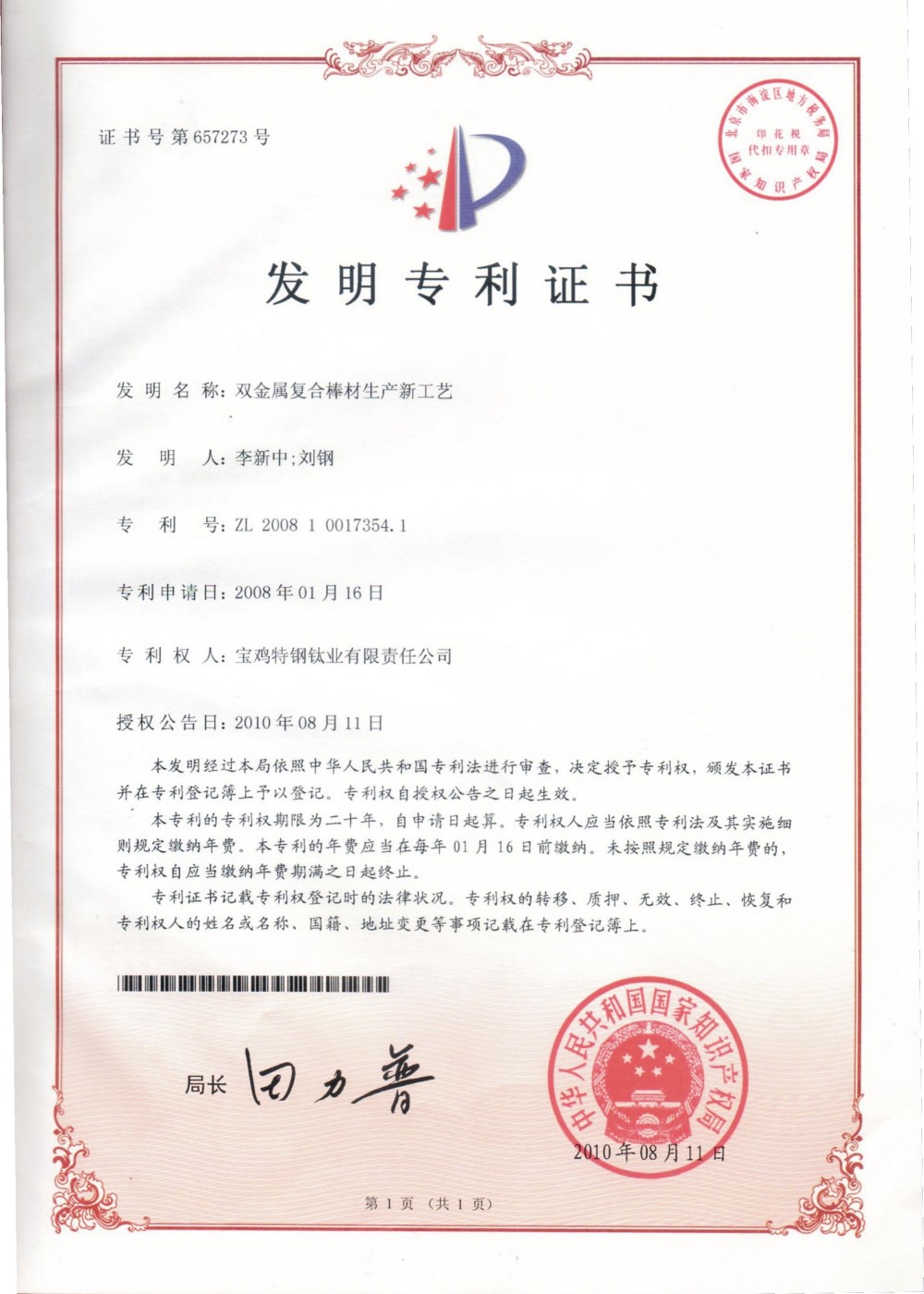
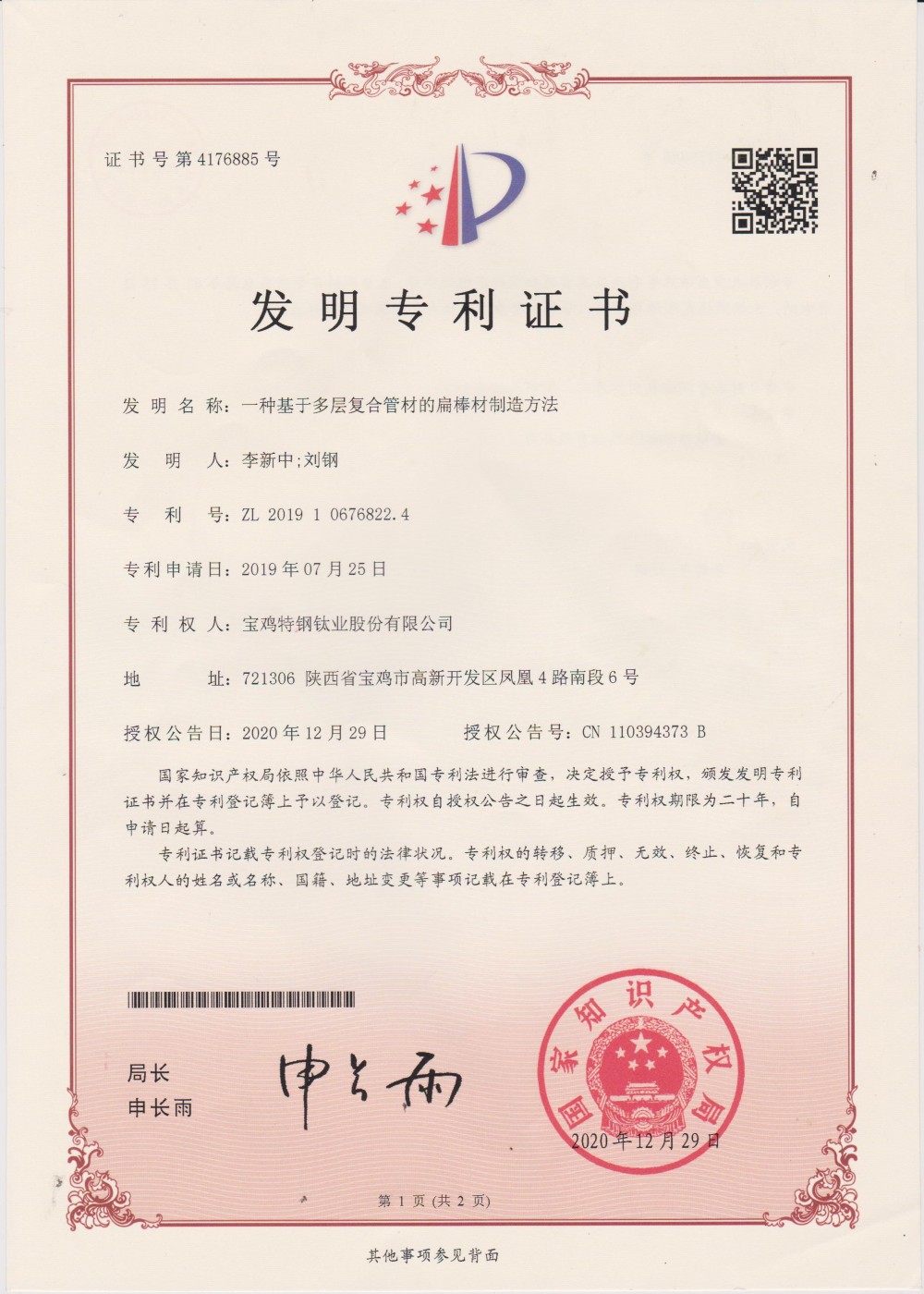
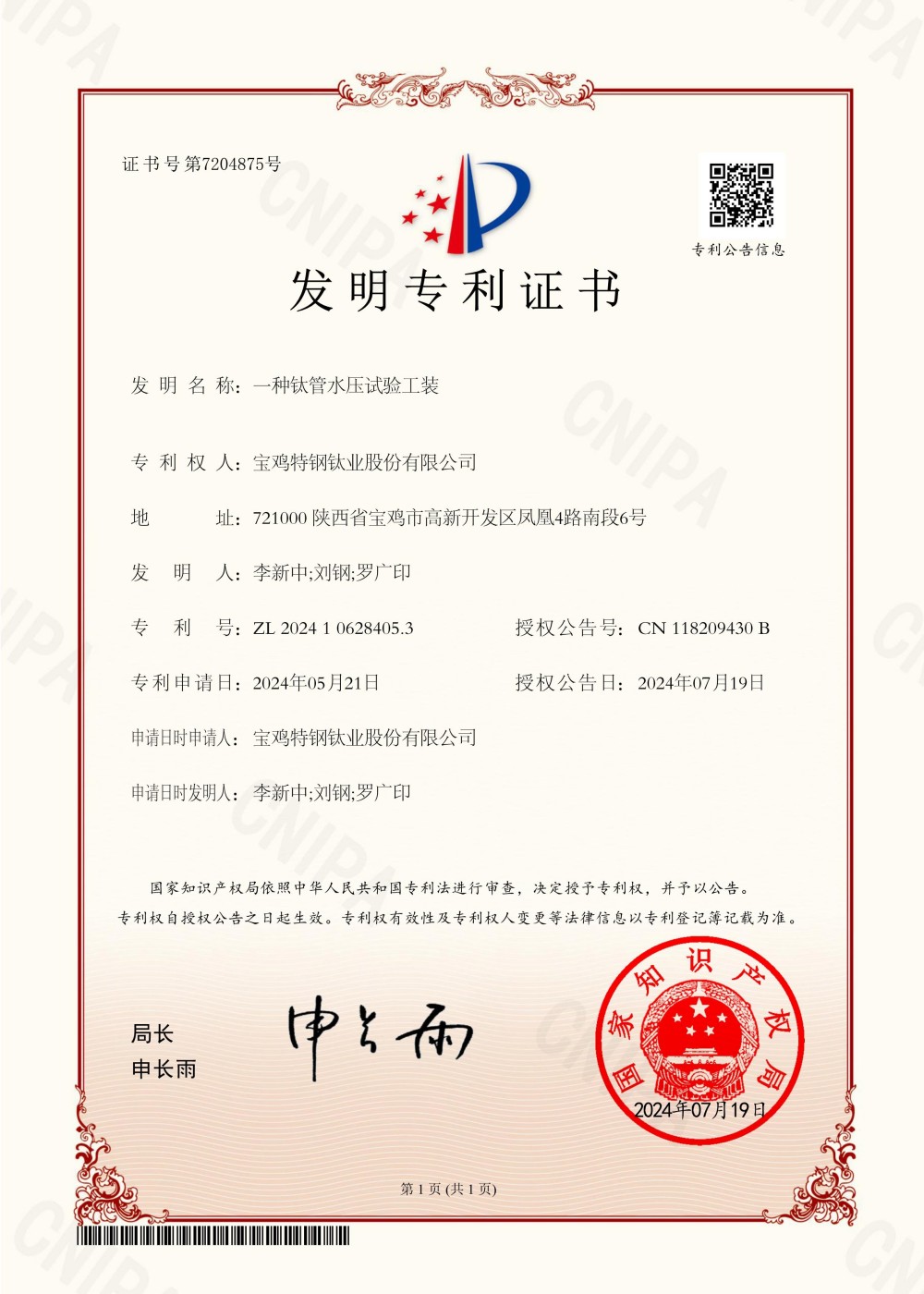
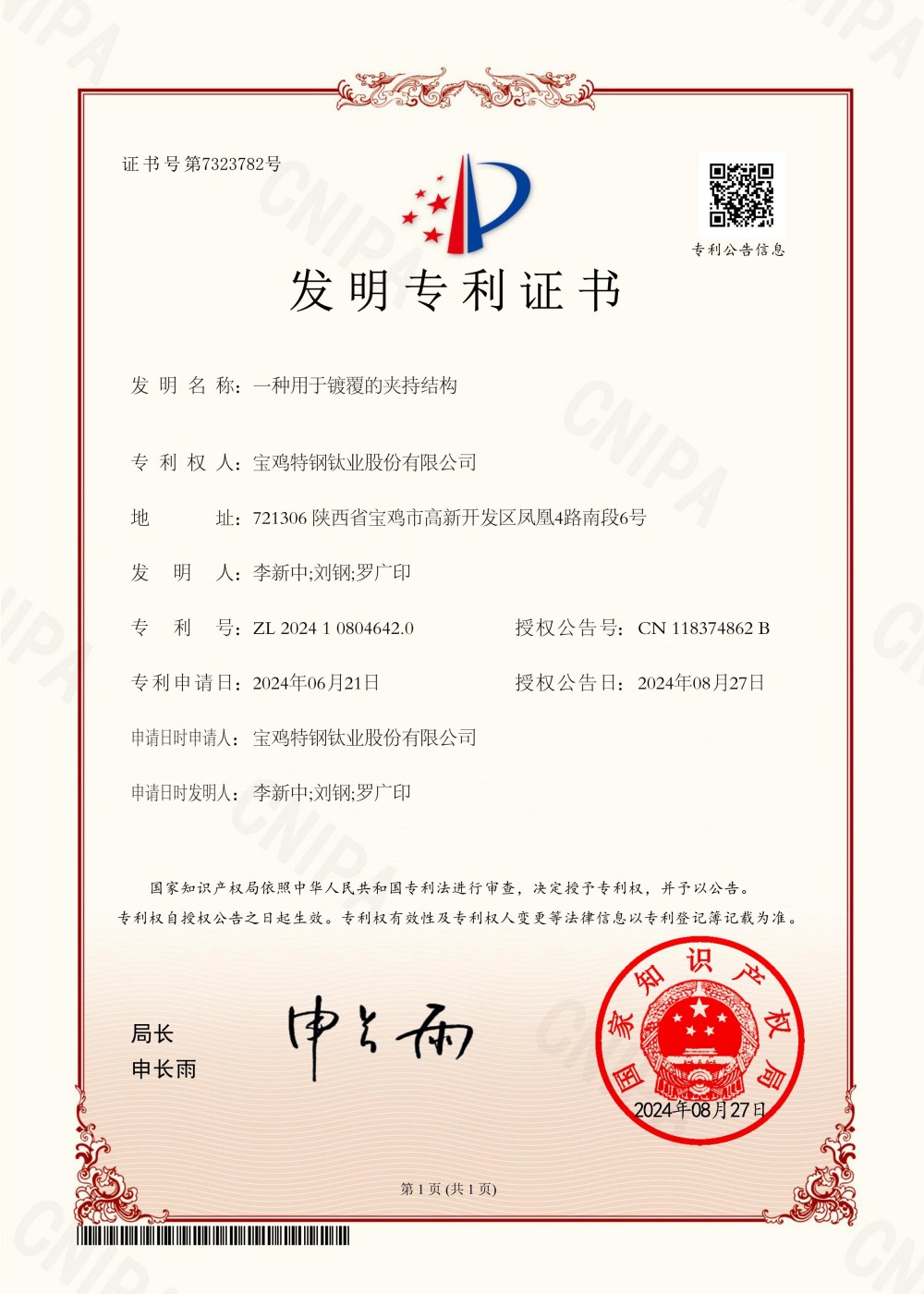
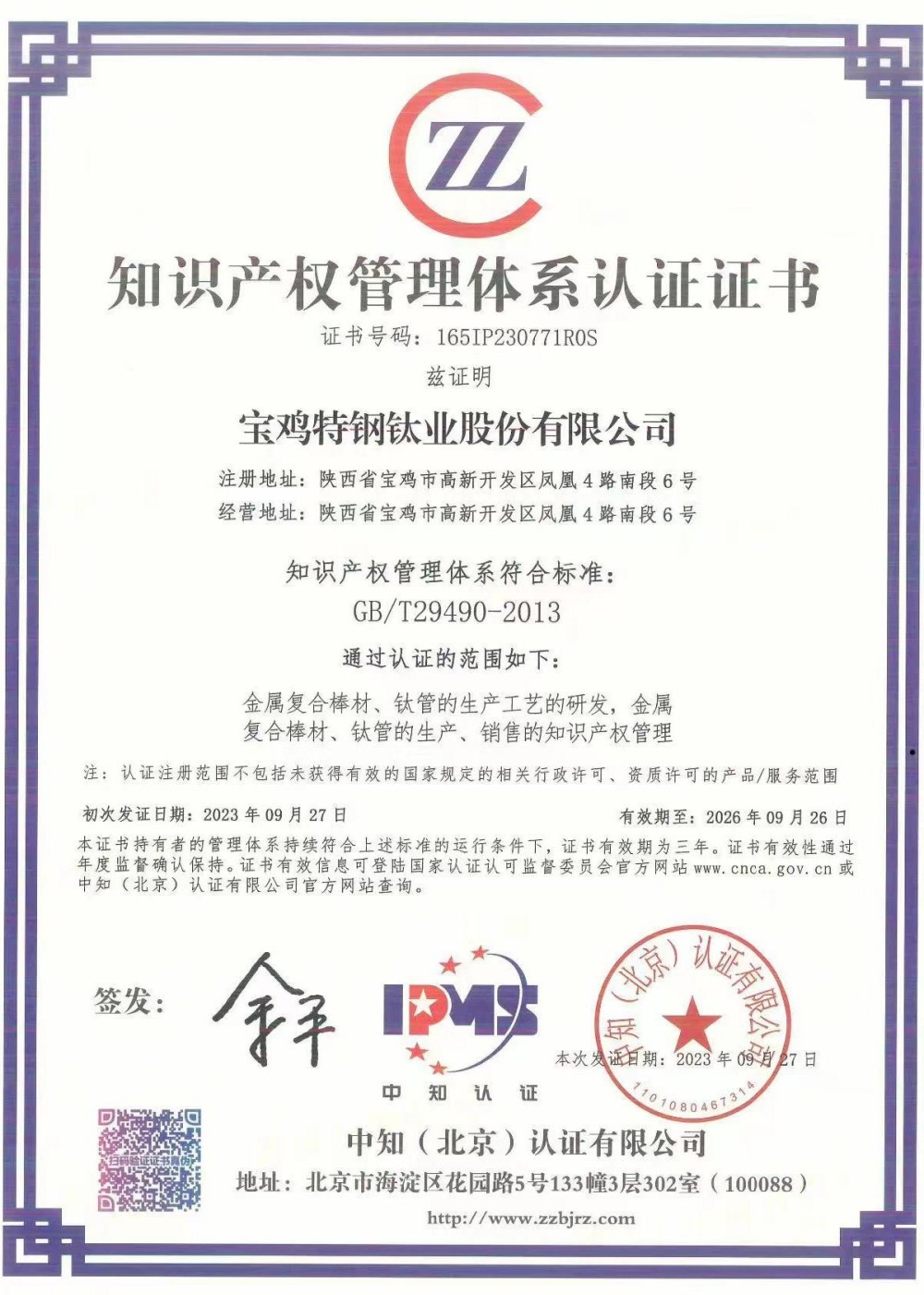
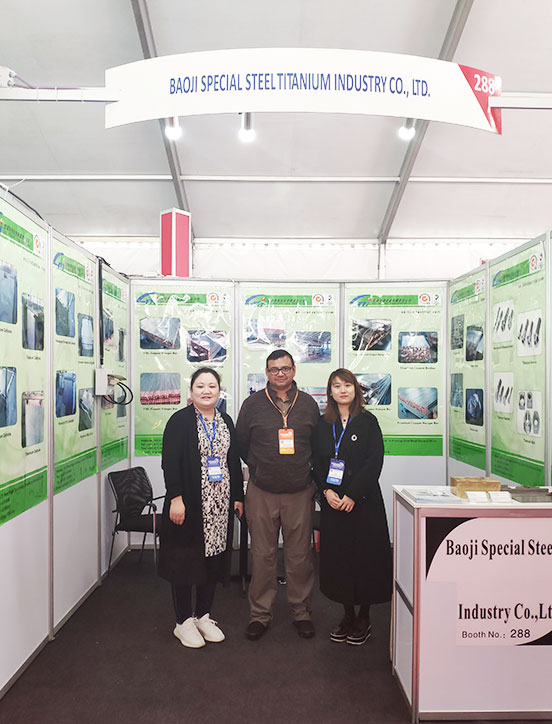
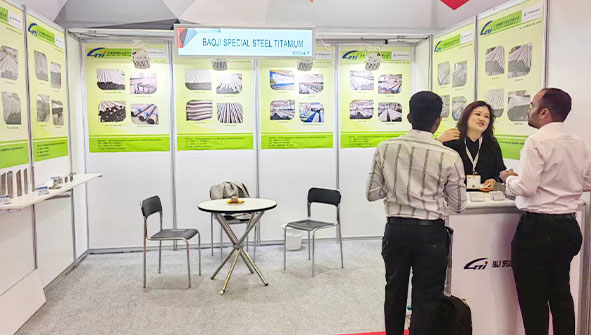
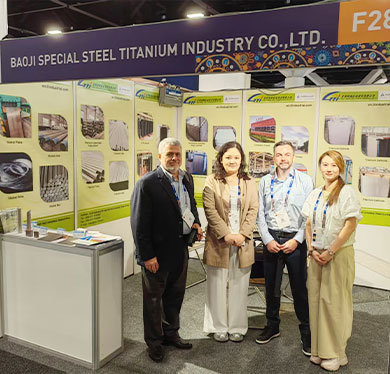
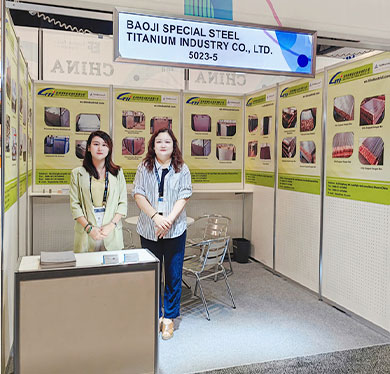
We actively participate in international metallurgy and material science exhibitions, showcasing our latest innovations in titanium clad copper bars, titanium cathodes, and advanced alloys to industry professionals worldwide.