



Leave Your Message
High-tolerance structural titanium bars and engineered composites delivered across Tokyo, Osaka, and Nagoya.

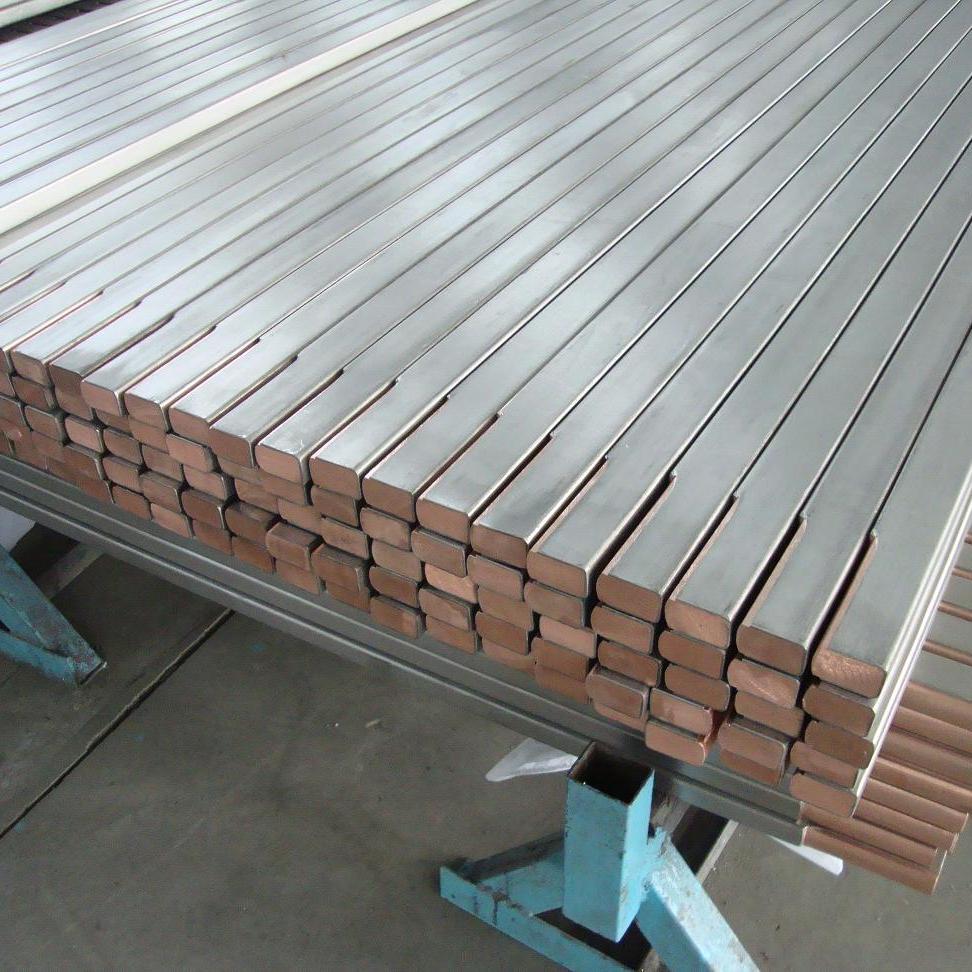

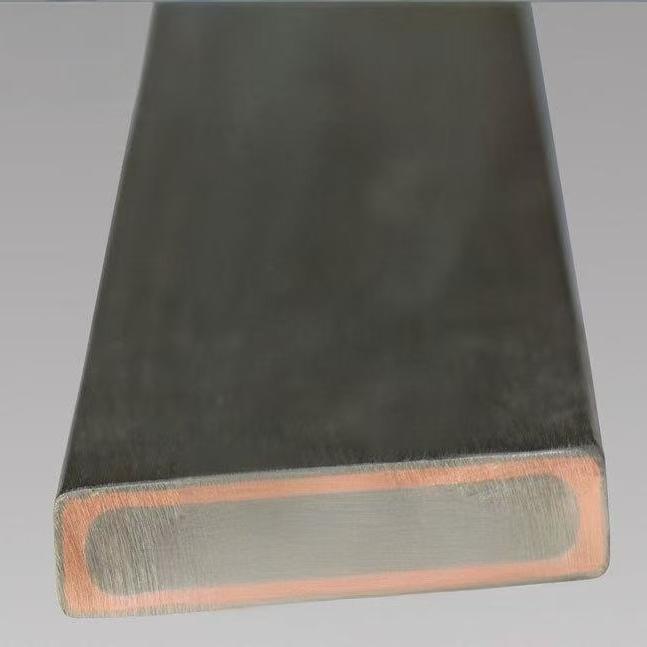
Navigating Monozukuri Precision, Decarbonization Shifts, and High-Tech Integration
Japan has long stood at the global forefront of non-ferrous metallurgy and advanced material engineering. As a premier industrial nation prioritizing life-cycle longevity, high-strength durability, and low chemical reactivity, the Japanese manufacturing matrix creates intensive, multi-sector demand for premium titanium round bars, billet stock, and precision extruded profiles. Sourcing titanium bars for the Japanese market requires strict adherence not merely to standard mechanical criteria, but to comprehensive dimensional tolerance (h7 to h9 standard), fine microstructural grain sizing, rigorous ultrasonic non-destructive testing (NDT), and total chemical purity complying with JIS H4650, ASTM B348, AMS 4928, and ISO 5832 standards.
In manufacturing hubs throughout Kanagawa, Aichi, and Osaka, Japanese robotics and mechatronics manufacturers are increasingly replacing specialty stainless steels with high-strength Grade 5 (Ti-6Al-4V) and Grade 23 (Ti-6Al-4V ELI) titanium bars. As next-generation industrial multi-axis robotic arms and collaborative automation tools require higher rotational velocities, reduced inertia, and superior fatigue thresholds, cold-drawn titanium bars provide the optimal strength-to-weight ratio. The integration of high-purity titanium bars directly decreases the kinetic mass of end-effectors, expanding servo-motor lifespans and reducing system heat generation across automated assembly lines.
The Chubu region (centered around Nagoya) represents Japan's primary aerospace industrial cluster, collaborating closely with international tier-1 aviation primes and Japan's domestic aerospace and space exploration initiatives (JAXA). The demand for titanium bars spanning AMS 4928 forged bars, engine structural pins, high-tensile fasteners, and fluid actuation manifolds has expanded significantly. Japanese buyers strictly audit suppliers on vacuum arc remelting (VAR) cycles, hydrogen and oxygen interstitial control, defect-free macrostructure, and fully traceable melt-origin documentation.
Aligned with Japan's "Green Growth Strategy Through Achieving Carbon Neutrality in 2050," deep-sea offshore wind substations, tidal energy convertors, and coastal thermal energy plants are scaling rapidly across coastal prefectures like Hokkaido and Nagasaki. Titanium bars made from Grade 2, Grade 7 (Ti-Pd), and Grade 12 alloys present exceptional resistance against crevice and pitting corrosion in harsh marine brine and chlorine atmospheres. The longevity of titanium eliminates maintenance cycles in subsea cabling connectors, valve shafts, and specialized submerged pump shafts, vastly lowering lifetime operational expenditure compared to conventional super-austenitic steels.
Kyushu's resurgence as a dominant semiconductor manufacturing center has created unprecedented demand for ultra-pure titanium bars used in fluid transfer blocks, etching chamber fittings, and chemical vapor deposition (CVD) components. The zero-contamination requirements of semiconductor process chemicals demand titanium round bars with exceptional surface finish (Ra < 0.2 μm) and negligible trace impurity profiles, guaranteeing stability in hyper-corrosive fluorine- and chlorine-based reagent environments.
With Japan's rapidly aging demographic, the domestic orthopedics, dental implant, and surgical instrumentation industries maintain stable, high-value consumption of biomedical titanium bars. Medical-grade titanium (ISO 5832-3 / ASTM F136 ELI) round bars must deliver absolute biocompatibility, superior osseointegration, and strict microstructural homogeneity. Japanese medical machining facilities rely on high-straightness, centerless ground bars for seamless continuous production on Swiss-type CNC automatic lathes.


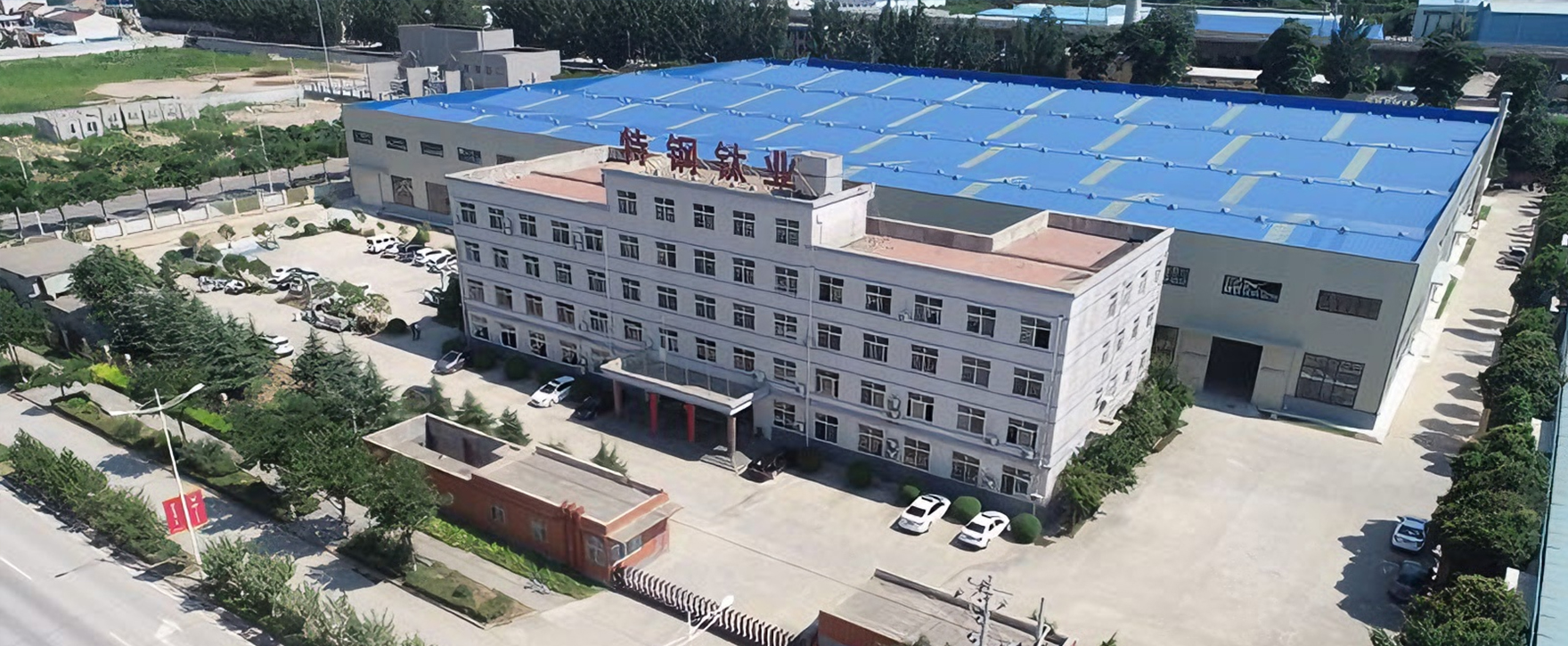


Tailored titanium solutions engineered for extreme operational environments across Japan.




Stable product quality, integrity as the core of the business philosophy, trusted by world and Japanese engineering leaders.



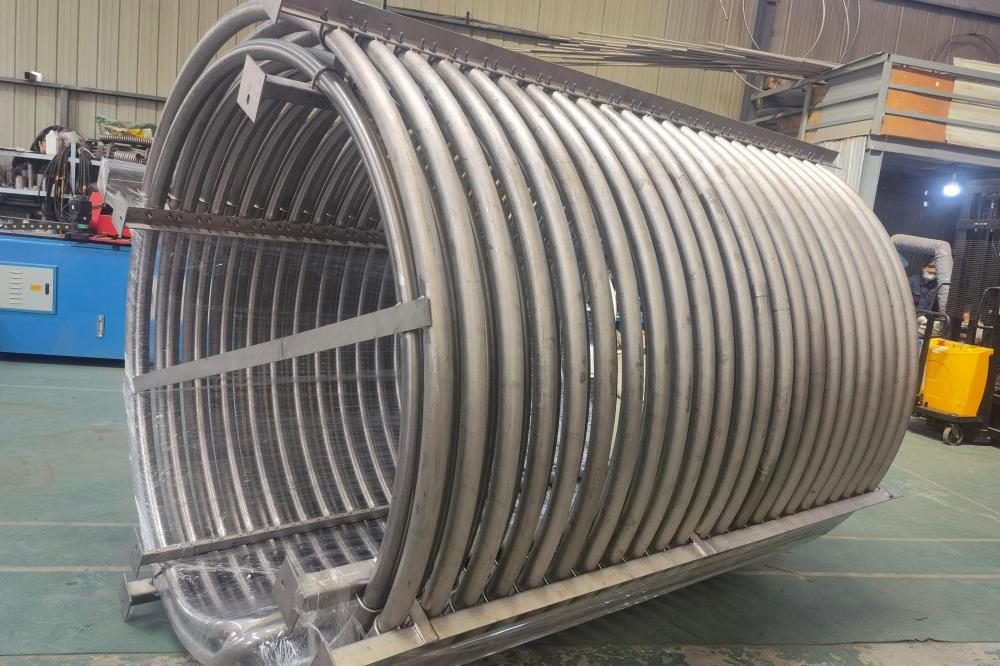
Certified with ISO 9001, AS9100, and fully equipped for rigorous JIS H4650 dimensional, chemical, and metallographic third-party inspection (SGS, TUV, ClassNK).
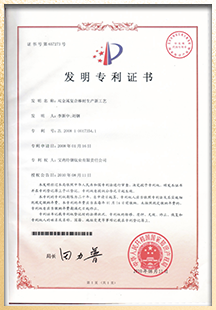
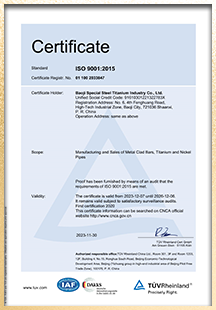
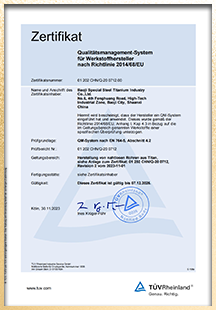
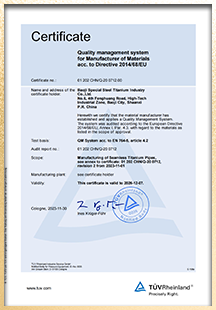
IATF 16949, CE, FMEA, PPAP, APQP, SPC AND MSA 100% TESTED
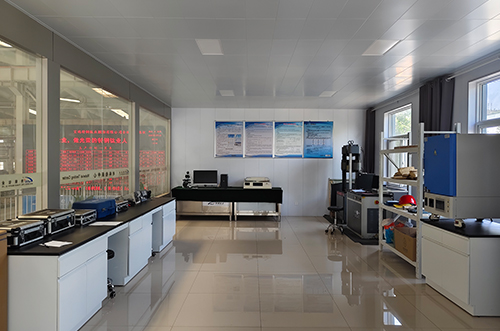
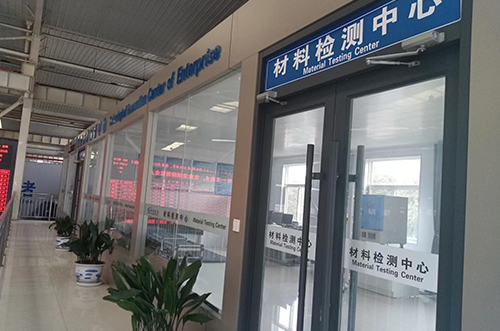
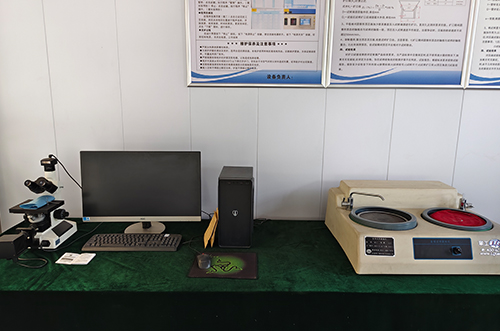
Complete metallurgical supplies for Japanese engineering distributors and direct fabricators.

