Leave Your Message
In the evolving landscape of industrial fluid handling, the demand for longevity and reliability has propelled Titanium Cathode For Corrosion-resistant Piping Systems to the forefront of engineering priorities. As global industries shift toward more aggressive chemical processing and deeper offshore exploration, the limitations of traditional materials like stainless steel or carbon steel become apparent. Titanium, with its exceptional strength-to-weight ratio and unparalleled resistance to localized corrosion, provides the ultimate foundation for electrochemical protection in piping networks.
Titanium cathodes maintain structural integrity under high current densities, ensuring consistent performance in Impressed Current Cathodic Protection (ICCP) systems for large-scale piping.
With a service life exceeding 20 years in many environments, these systems significantly reduce maintenance downtime and total cost of ownership (TCO).
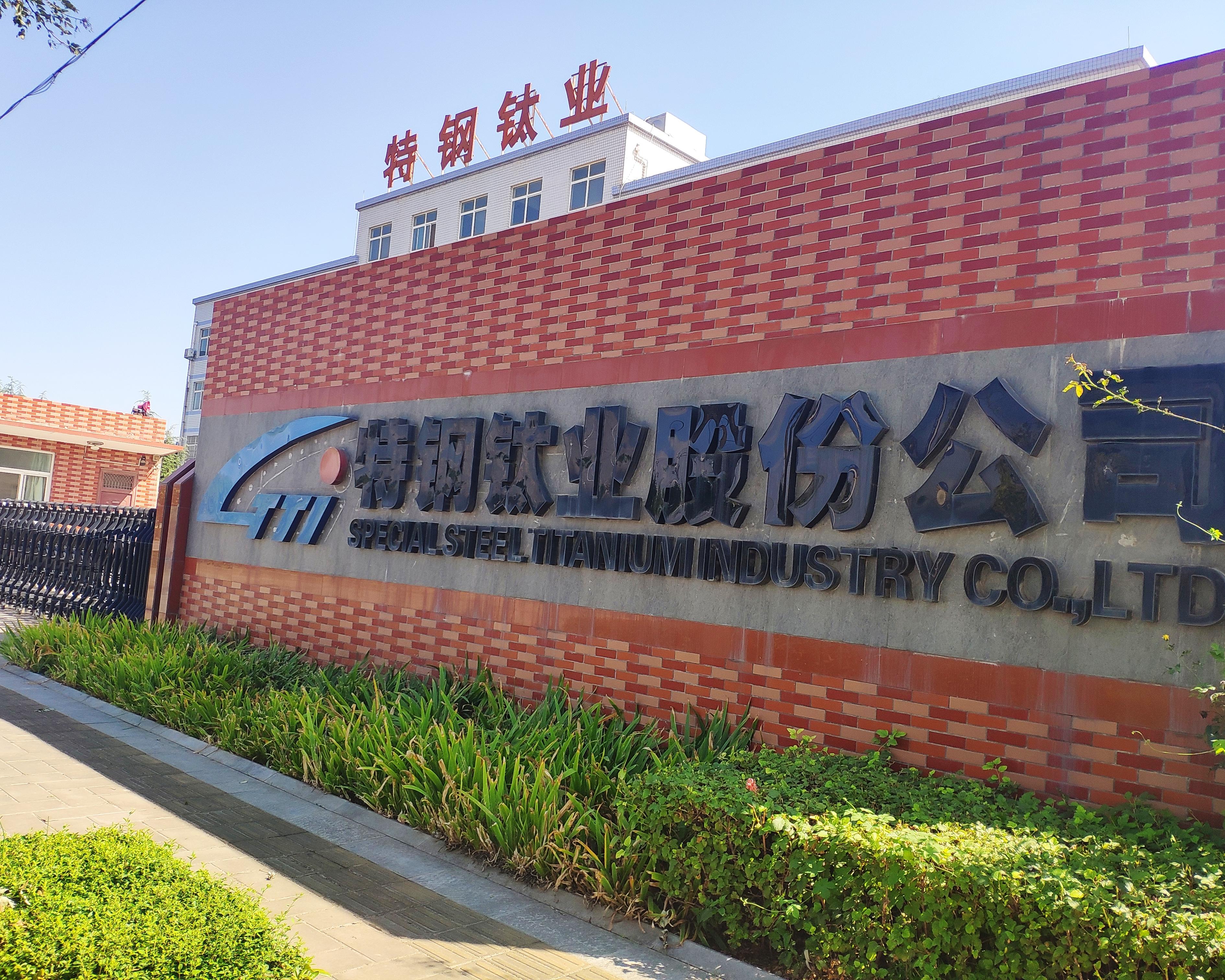
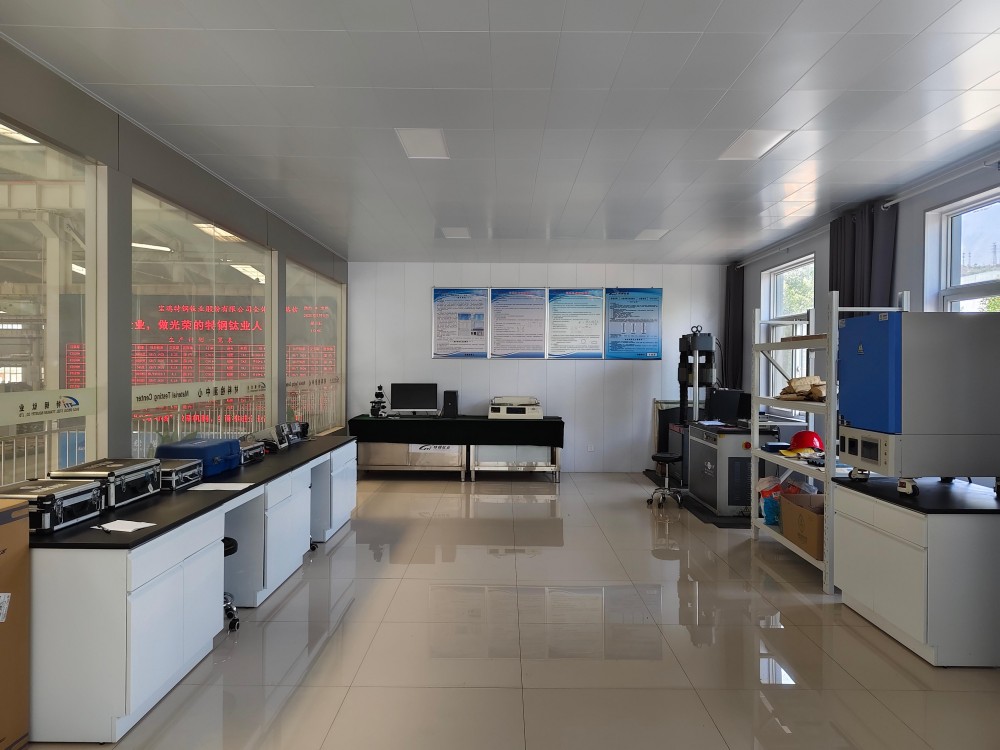
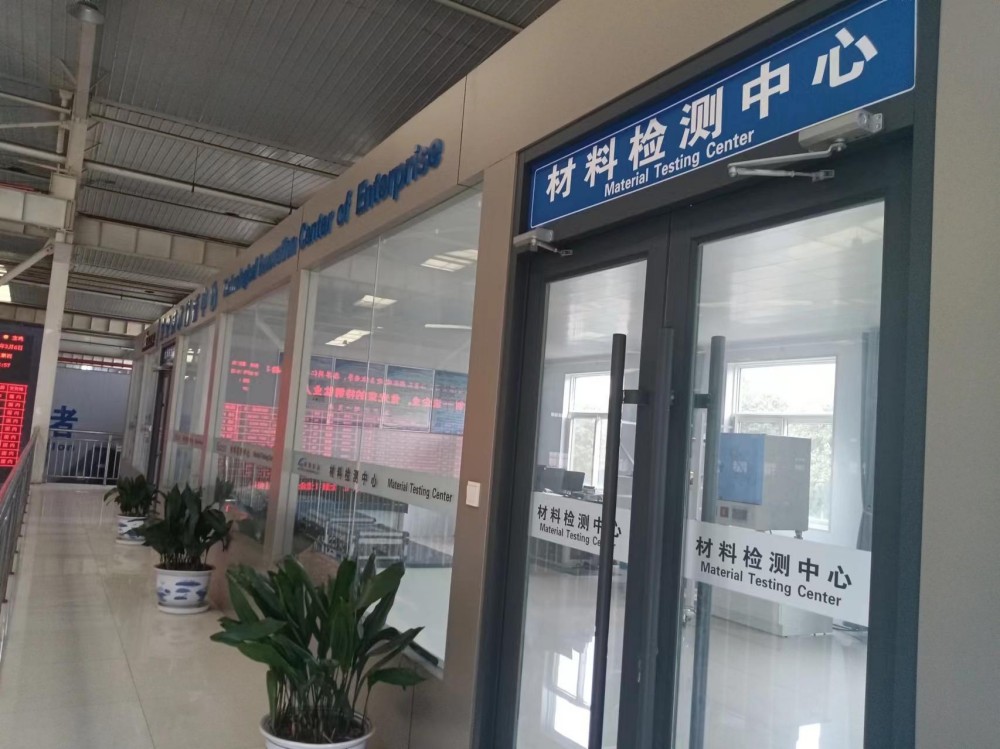
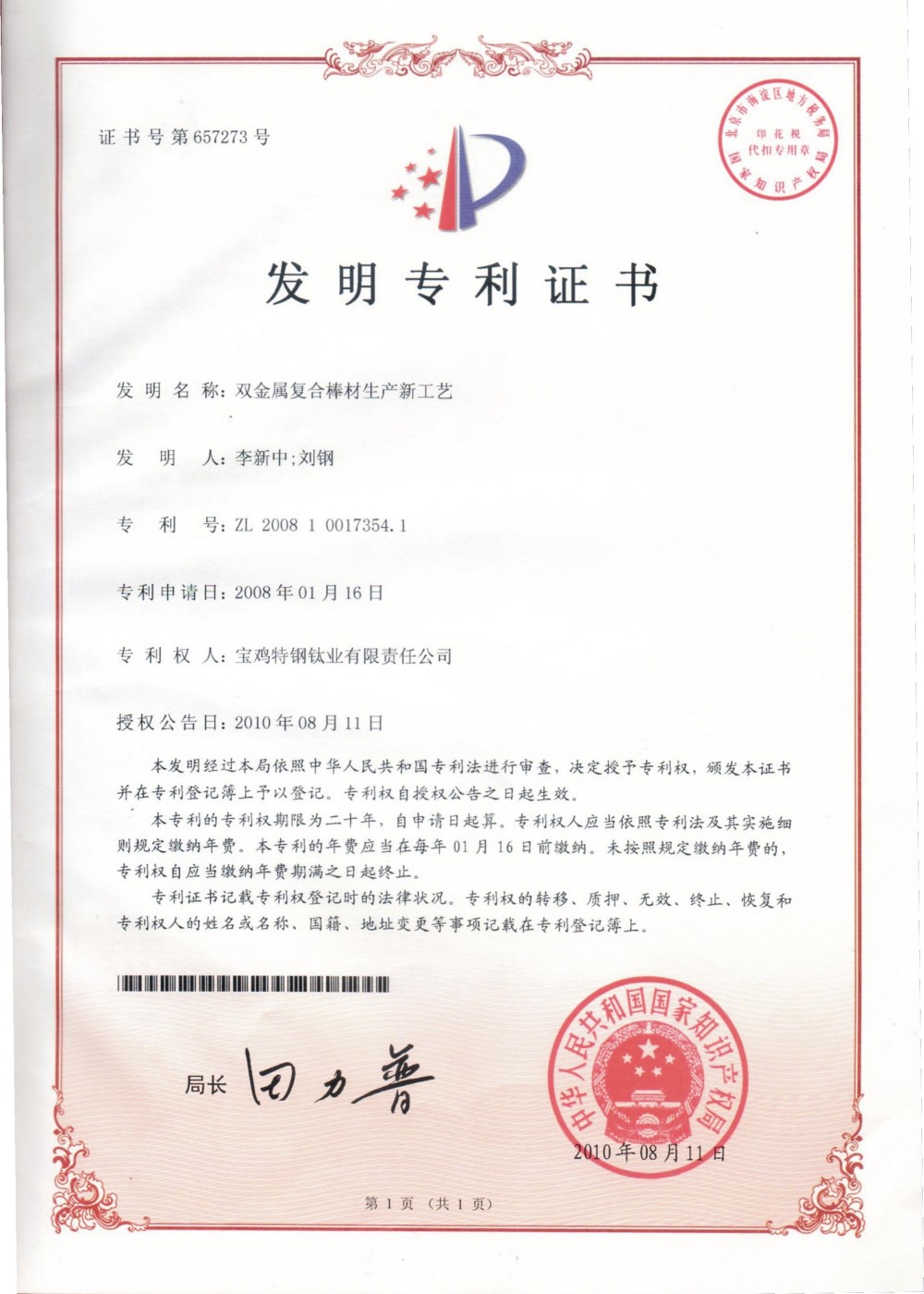
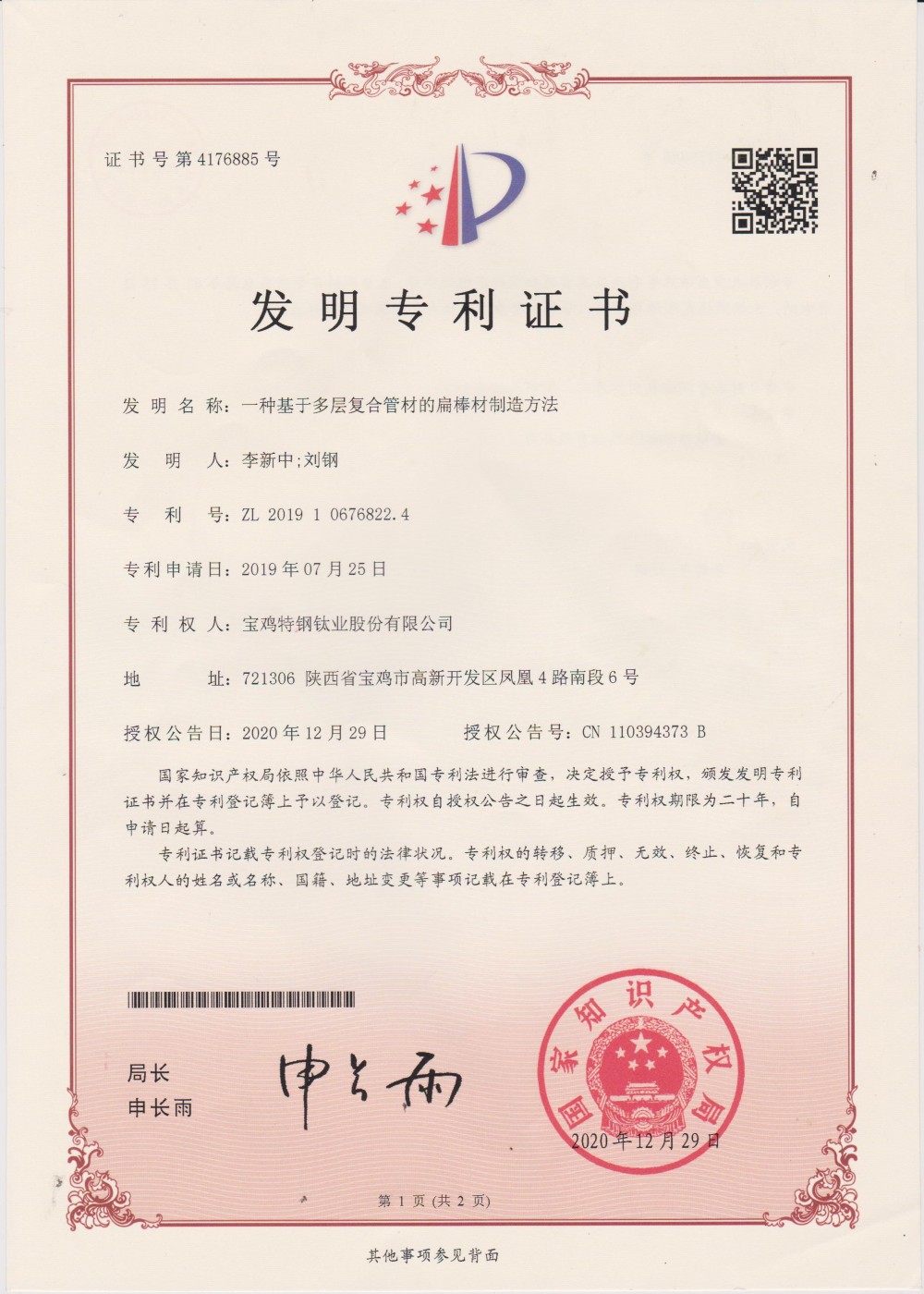
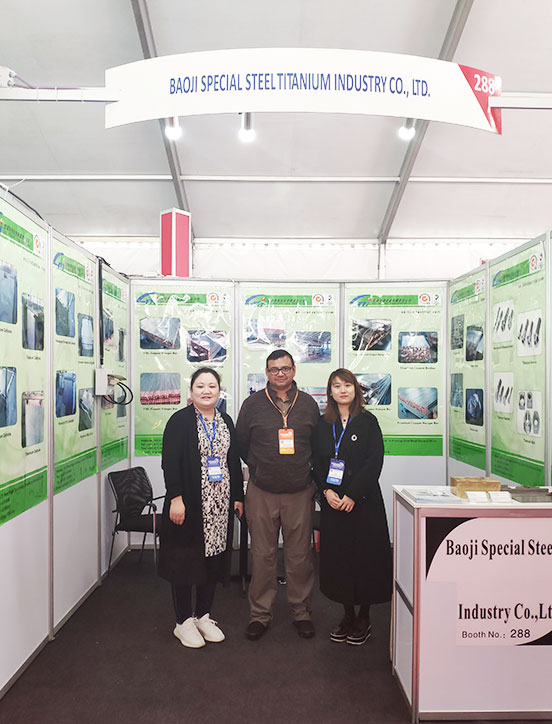
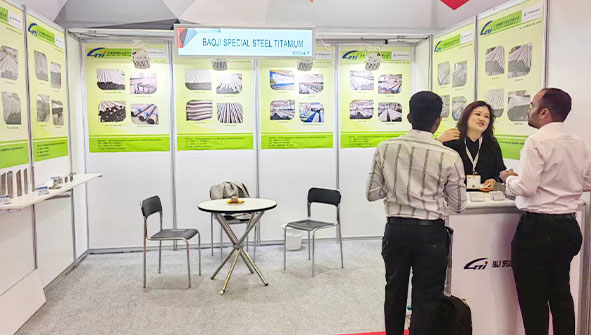
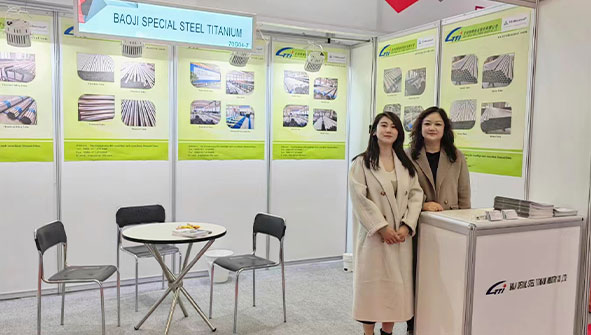
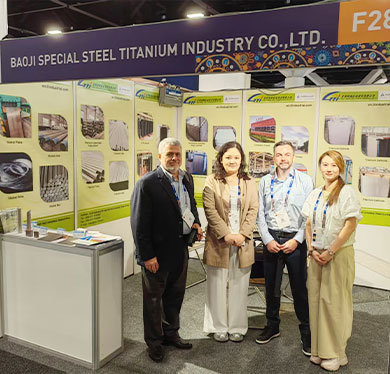
Baoji Special Steel Titanium Industry Co., Ltd. is a joint-stock industrial enterprise specializing in the research, development, manufacturing and sales of titanium, nickel, zirconium and other metal pipes and metal composite materials.
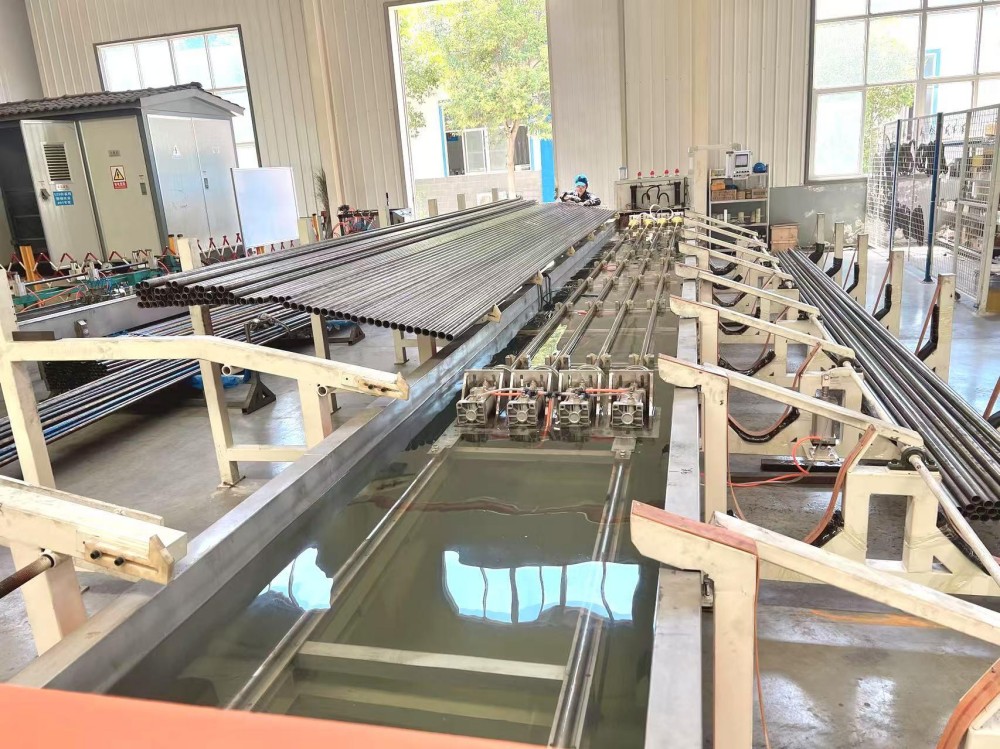
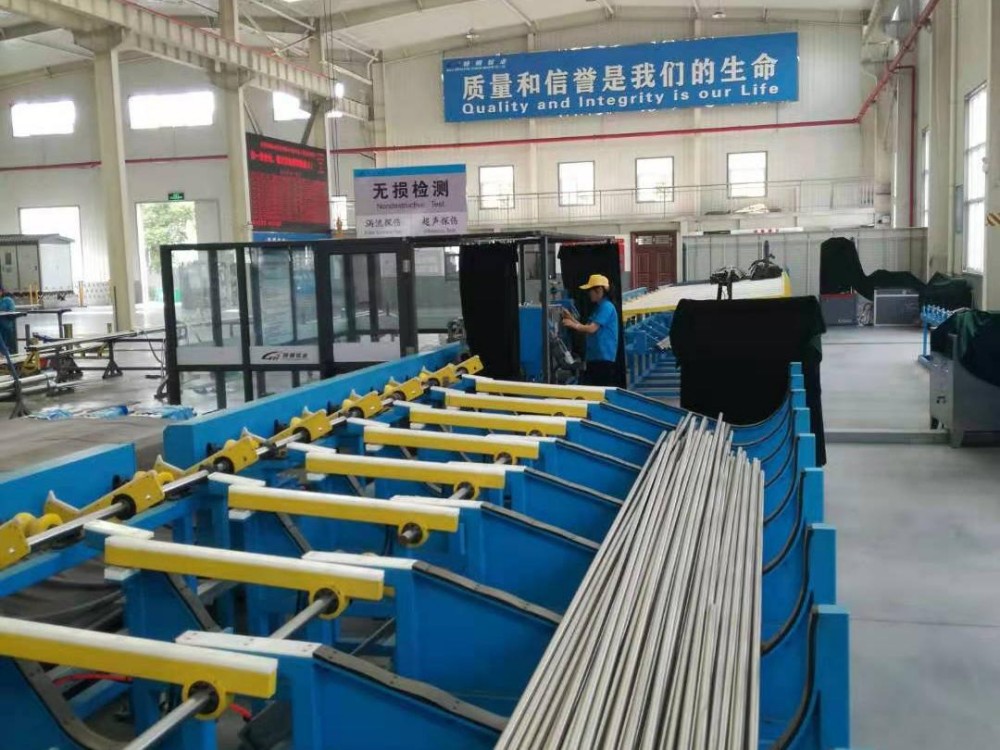
Founded in 1997, located in Shaanxi Baoji National High-tech Industrial development Zone, our factory covers an area of 41,000 square meters. We possess an annual production capacity of over 3000 tons of non-ferrous metal pipes, composite materials, and deep processing products.
The global market for corrosion-resistant piping is witnessing a paradigm shift. Traditional inhibitors and coatings are being replaced by active electrochemical protection. The integration of Titanium Cathodes within these systems is no longer a luxury but a standard for mission-critical applications.
In seawater desalination plants, the high chloride content is lethal to most metals. Titanium cathodes are used in electro-chlorination units and as part of the piping protection system to prevent biofouling and pitting corrosion. This ensures that the piping systems transporting potable water remain uncontaminated and structurally sound for decades.
As drilling goes deeper, temperatures and pressures rise. Titanium cathode systems are integrated into subsea manifolds and piping to prevent hydrogen embrittlement and stress corrosion cracking (SCC). The "AI-ready" sensors now being integrated with these cathodes allow for real-time monitoring of corrosion rates, a trend our company is actively following.
With the rise of the Green Hydrogen economy, electrolyzers require electrodes that can withstand extreme pH levels. Our titanium cathodes, often coated with precious metal oxides (MMO), are the backbone of efficient hydrogen production piping systems, ensuring high conductivity and chemical inertness.
1. Titanium and titanium alloy, nickel and nickel alloy, zirconium and zirconium alloy mainly non-ferrous metal pipe;
2. Non-ferrous metal composite materials mainly composed of titanium clad copper, including: titanium clad copper, zirconium clad copper, ladle copper, composite wire, etc.;
3. Titanium cathode is the main product of the composite electrode series, including: titanium cathode, stainless steel permanent cathode, nickel anode, titanium-based lead dioxide anode;
4. A series of nickel materials products mainly consisting of nickel plates, nickel rods and nickel strips.
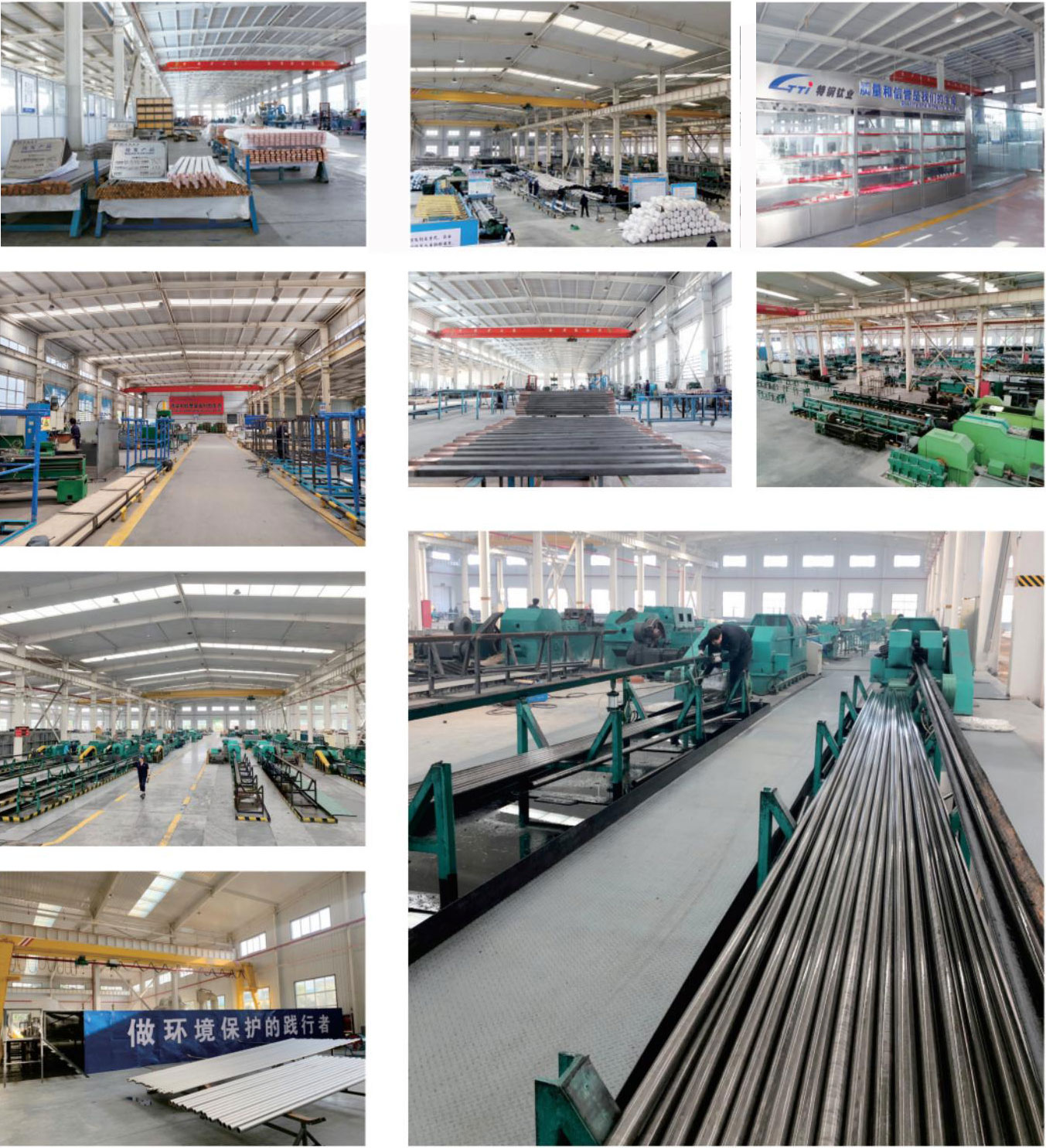
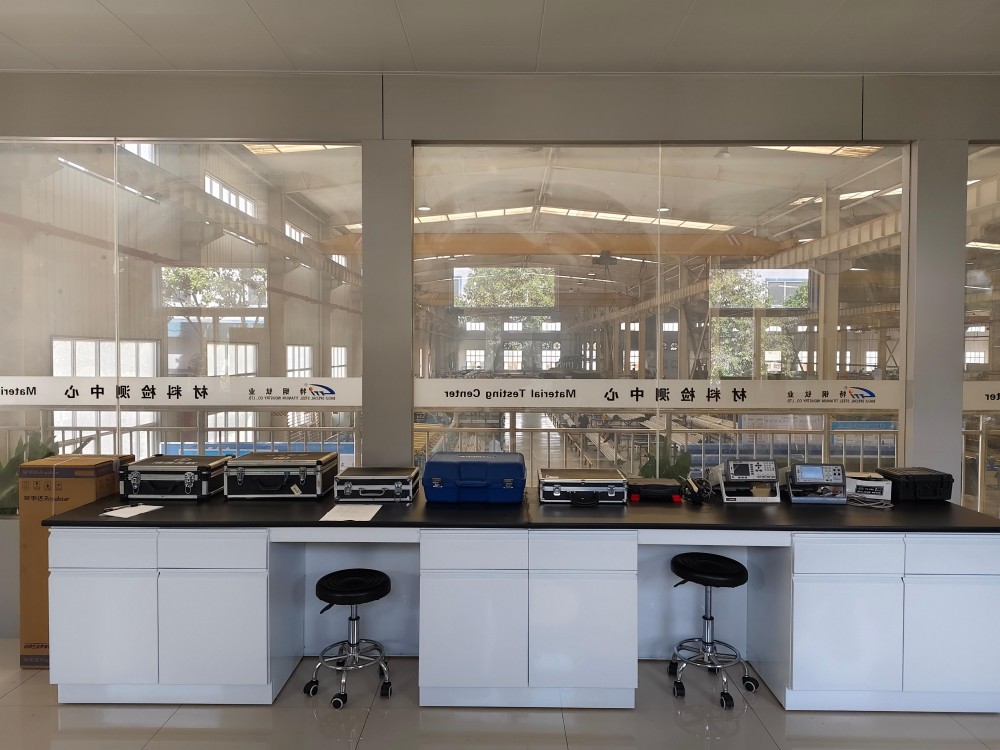
Our engineering team focuses on the microscopic grain structure of the titanium used in our cathodes. By adhering to ASTM B265 and ASTM B338 standards, we ensure that every Titanium Cathode For Corrosion-resistant Piping Systems we produce meets global safety benchmarks.
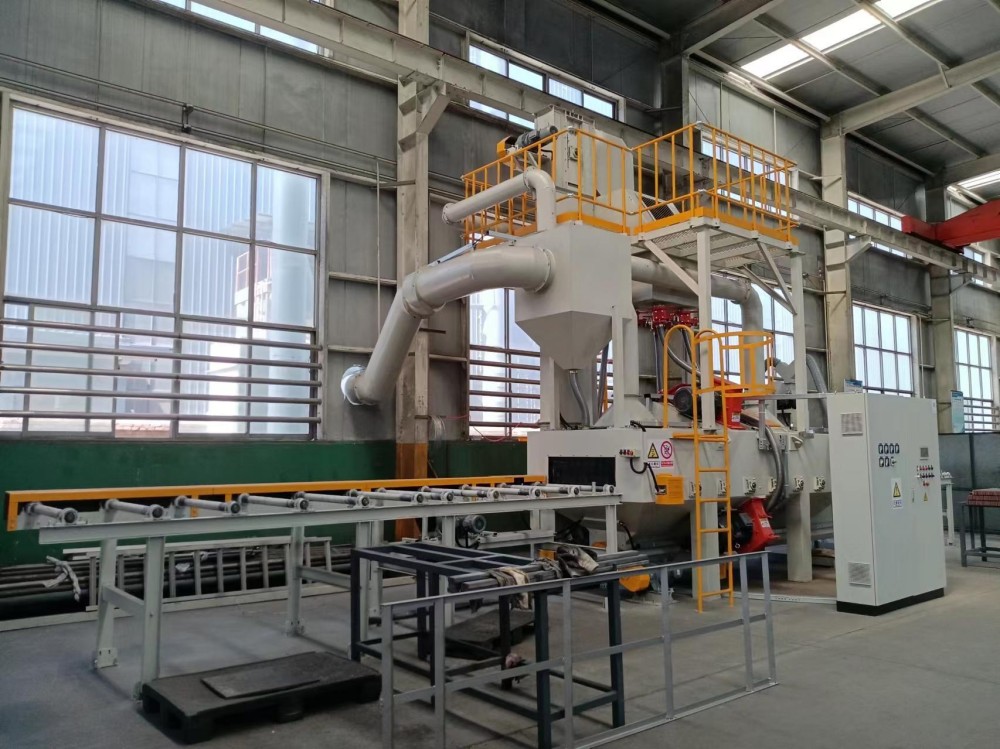
We utilize advanced sandblasting and acid etching techniques to increase the effective surface area of the cathode, which improves the efficiency of electrochemical reactions in the piping system.
Whether it's tubular, plate, or mesh-style cathodes, our manufacturing facility can customize the shape to fit the complex geometries of modern industrial piping junctions, ensuring no "dead zones" in corrosion protection.
Furthermore, our Titanium-Clad Copper technology allows for the creation of busbars and cathodes that combine the high conductivity of copper with the extreme corrosion resistance of titanium—a perfect solution for high-current piping applications in the chlor-alkali industry.
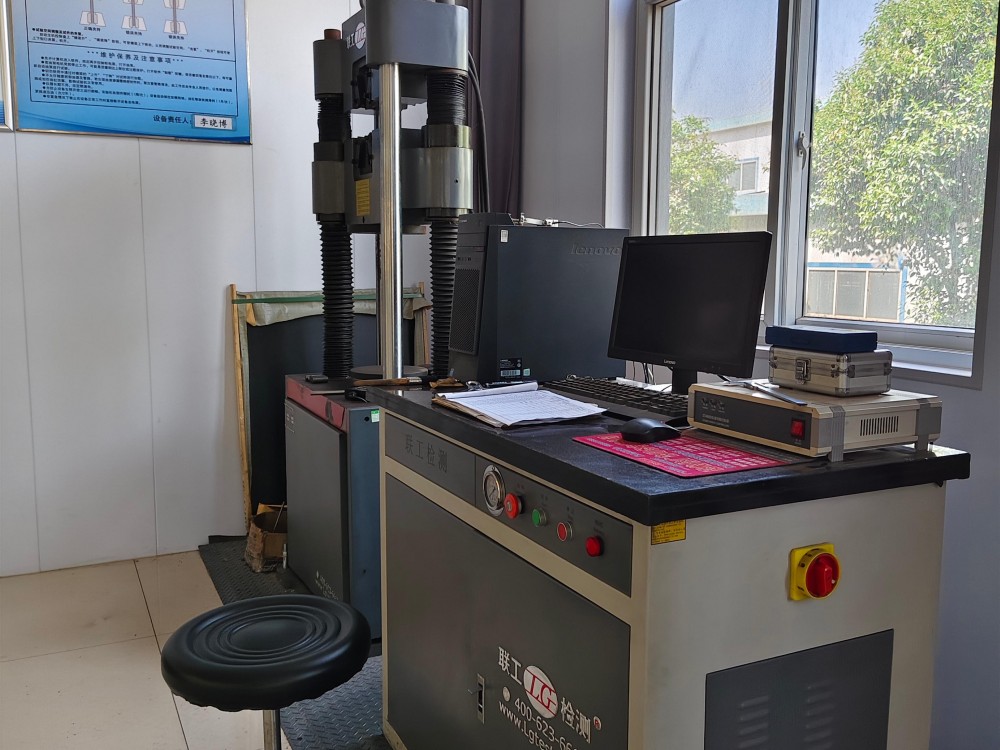
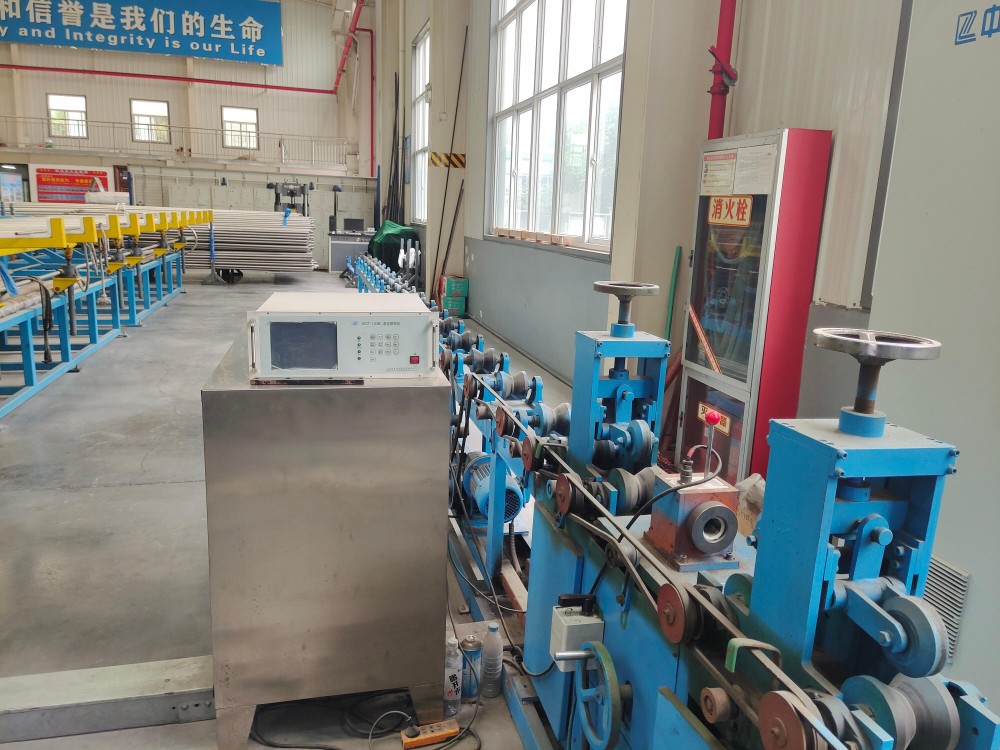
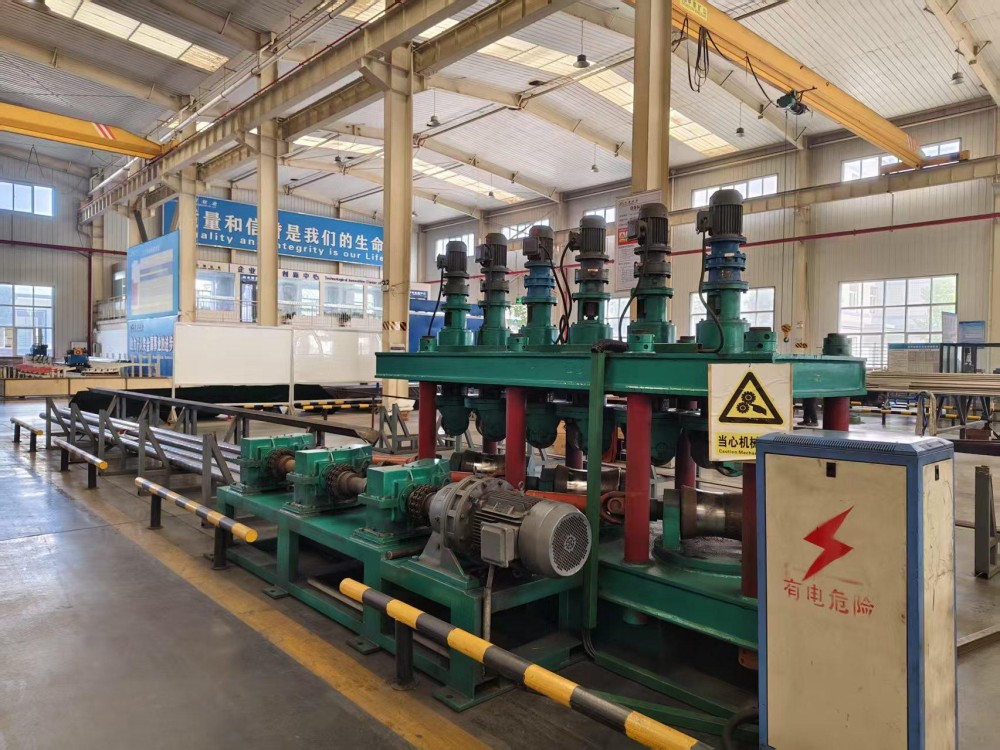
Since its establishment, the company has always adhered to the development strategy of continuous innovation. After more than 20 years of development, our products have entered markets in Germany, Japan, the USA, Norway, and more. To maintain this lead, we invest heavily in state-of-the-art production machinery.